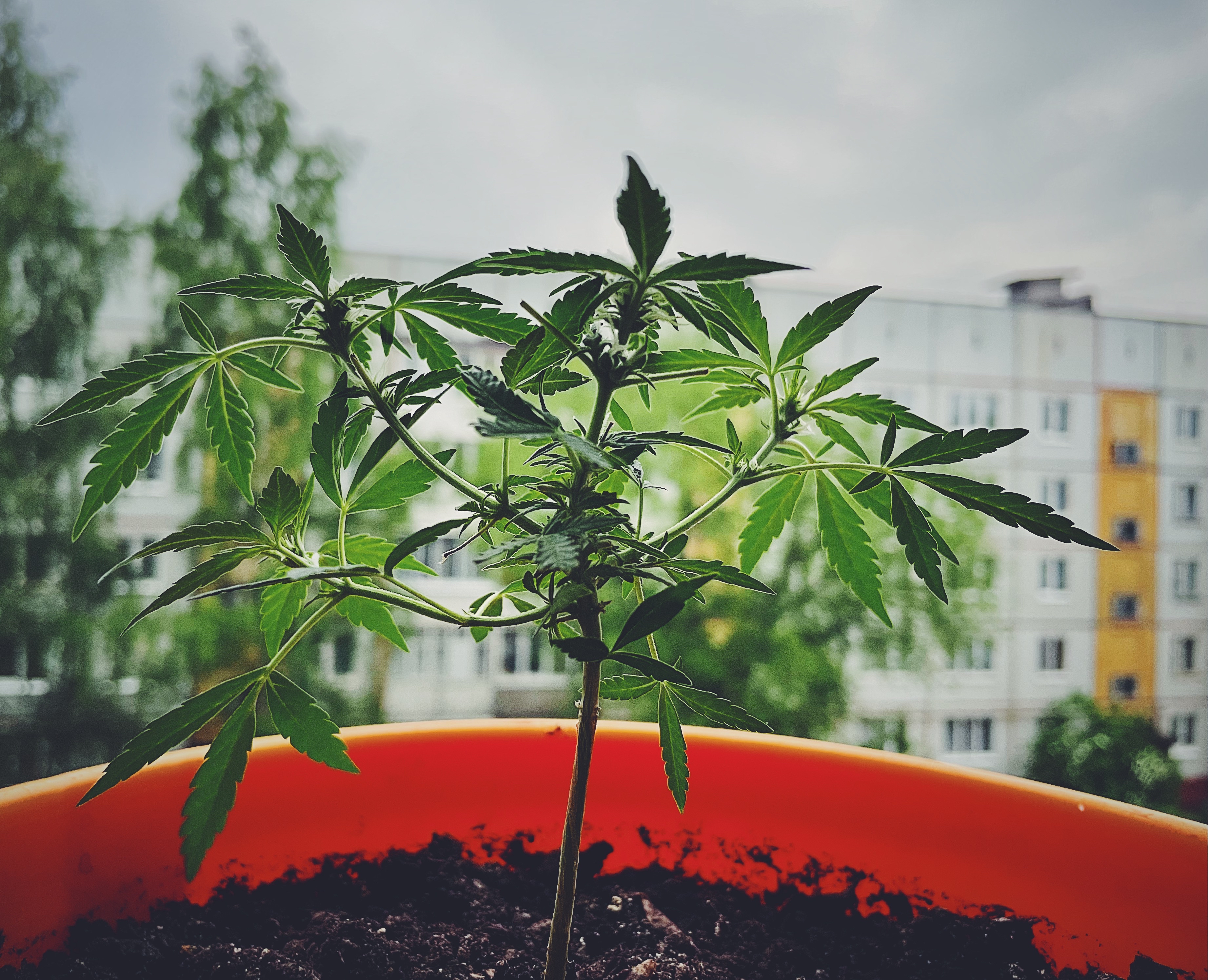
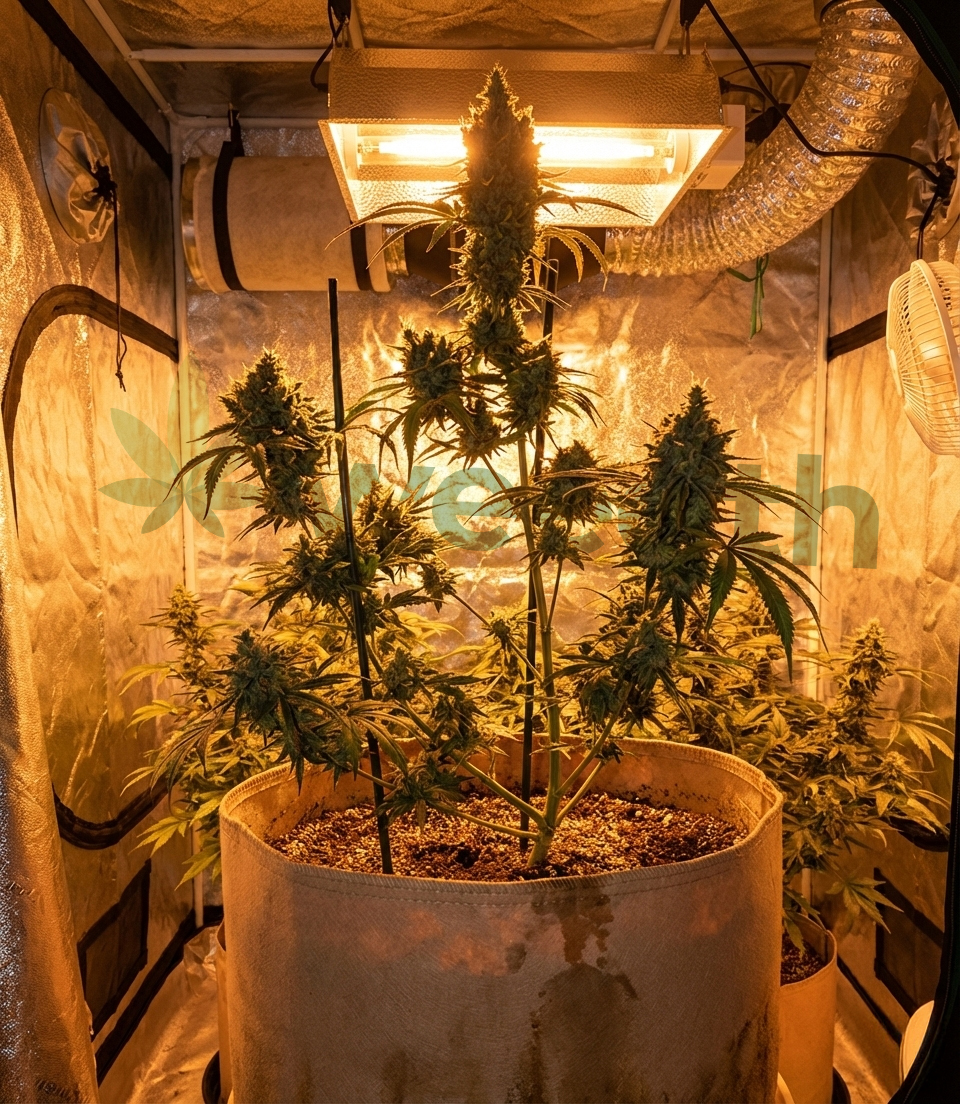
Nepal Kush – Grow Guide & Strain Profile
Nepal Kush is a rare, landrace-based pure indica strain renowned for its resin-rich buds and deeply sedating effects. Originating from the high-altitude cannabis traditions of the Himalayas, this exotic hybrid carries the legacy of Nepalese charas (hand-rubbed hashish) genetics crossed with a classic Hindu Kush indica, resulting in a vigorous plant that delights hash makers and indica connoisseurs alike. Below, we provide an expert-level profile and grow guide for Nepal Kush, following Weedth’s comprehensive guide from lineage and effects to cultivation tips – all based on real grow reports and the strain’s unique characteristics.
Strain Features
Genetic Lineage
Nepal Kush’s genetics trace back to two famed hash-making regions: the Nepalese highlands and the Hindu Kush mountains of Central Asia. In essence, it is a cross between a Nepali landrace cannabis and a pure Kush indica. From the Nepali side, breeders selected a tall, resinous charas plant – in Nepal, cannabis grows in the foothills and has been hand-rubbed into “temple ball” hashish for generations. Unlike the squat Afghani hash plants, Nepalese plants grow taller and bushier, with long colas of sticky buds built for charas production. This Nepali lineage contributes vigorous growth and extreme trichome output to Nepal Kush.
To balance those traits, the other parent is a “fat, compact Kush indica” from the Hindu Kush range (often simply called Hindu Kush). This Afghani/Pakistani indica is a classic broad-leaf hash plant: short, dense, quick-flowering, and ultra-resinous. By combining the two, breeders aimed to capture the best of both worlds – the exotic structure and aroma of the Nepali strain with the manageable size and density of the Afghani Kush. The result is indeed a “double hash plant hybrid” that stands out for its unique Nepali-influenced morphology.
Genetically, Nepal Kush is almost a pure indica. Some descriptions note a touch of sativa influence from the Nepali side, but in practice the strain exhibits overwhelmingly indica traits (broad leaves, stout stature, sedative effects) with just a dash of extra height and vigor. Seed lineage charts confirm it as essentially Nepal landrace indica × Hindu Kush indica, reinforcing its status as a heirloom indica hybrid. This lineage explains Nepal Kush’s heavy resin production (both parent lines were bred for hash) and its adaptability – it carries the hardiness from surviving in harsh mountain climates on both sides of its family.
Importantly, Nepal Kush is a stable strain with relatively homogenous phenotypes. Growers report little variation from seed – plants tend to have a consistent indica structure and uniform aroma/flavor profile across the board. This is likely due to thorough breeding refinement (the strain was developed and backcrossed by Flying Dutchmen breeders in the early 2000s to lock in desired traits). For growers, this means you can expect predictable results: each Nepal Kush seed will reliably express those signature thick, hashy buds and calming indica effects, with no wild outliers.
Effect Breakdown
Initial Onset (Emotional & Mental)
Nepal Kush may be a heavy indica, but its high isn’t 100% couch-lock from the first puff. Users often report an initial subtle uplift in mood when the effects begin to set in. Within a few tokes, a gentle euphoria creeps in – a sense of happiness and mental ease that pushes out negative or racing thoughts. This early phase is characterized by a calming cerebral buzz: your mind clears of stress and you feel a lighthearted improvement in mood. It’s not an energetic or racy head-high by any means (no sativa-style stimulation), but rather a soft elevation of spirits. Many users describe feeling content, carefree, and even quietly uplifted as Nepal Kush’s THC takes effect. This strain’s Hindu Kush heritage is known for instilling a tranquil, worry-free mental state, and that shines through initially – anxiety and tension fade away quickly under its influence.
During this onset, mental focus actually improves slightly for some, or at least isn’t lost immediately. You might find your mind slowing down in a pleasant way – quieting overactivity – which can bring a sense of peaceful clarity. Mild euphoric and “headband” effects around the temples are common as well, indicating the high is kicking in. Overall, the emotional tone is positive and soothing: Nepal Kush lifts the mood just enough to put a smile on your face and calm your thoughts, setting the stage for the deeper body effects to come. Users often note that, despite being an indica, it doesn’t make them sad or overly sleepy right away, but rather improves their mindset to one of contentment and let-go relaxation.
Peak & Body Effects
As the high progresses into the peak (typically 30–60 minutes in), Nepal Kush’s indica power fully unfolds. The body effects come on strong, delivering a deeply relaxing wave from head to toe. Muscles begin to loosen and a warm heaviness spreads through the limbs. This strain is famous for its “stoning” body buzz. At moderate doses, users report feeling totally at ease physically – tension and minor aches seem to melt away as a narcotic-like numbness settles in. A pleasant tingling sensation is sometimes noted, as if your body is buzzing gently while it relaxes. Nepal Kush’s high cascades into a classic indica sedation: expect heavy eyelids, a slow-moving contentment, and strong couch-lock tendencies once you reach the peak effects.
Mentally, that initial uplift transitions into a blissed-out haziness. Users often find their mind drifting as the body stone intensifies. It’s not an unpleasant drift – more a dreamy, peaceful cloudiness. You might catch yourself staring off contentedly or losing track of time. Despite the hazy head, many still feel happy and emotionally calm; Nepal Kush doesn’t typically cause anxiety or paranoia at all. Instead it quiets the mind further – any lingering thoughts become slow and distant, which pairs perfectly with the physical relaxation. Concentration will fade at high doses, so this isn’t a strain for complex tasks, but creative daydreaming or watching a movie can be highly enjoyable in this state.
As the couch-lock effect takes hold, you’ll likely feel deeply planted in your seat. Nepal Kush is potent in this regard – even experienced smokers note how strongly it can glue them down if they overindulge. Simple activities like listening to music, mild video gaming, or just enjoying the stillness become the order of the day (or night). Eventually, the relaxation often progresses into drowsiness. This strain has a reputation as a nightcap smoke for good reason: an hour or two into the high, many find themselves drifting into a peaceful sleep. The combination of mental quietude and physical sedation is excellent for insomnia relief. Even if you don’t fall fully asleep, you’ll be extremely relaxed and unbothered.
In summary, Nepal Kush’s effect profile is classic indica: a subtle, happy head buzz upfront, followed by a profound full-body calm that can culminate in couch-lock and sleep. It’s best suited for evenings or lazy days, when you can surrender to the tranquil heaviness. The high is potent and long-lasting (thanks to high THC), often keeping users in a relaxed state for several hours. Novice users should take it slow, as the creeping body load can surprise you. But for those seeking maximum relaxation, pain relief, and stress reduction, Nepal Kush delivers in spades. It’s the kind of rich, enveloping high that “sets the standard of what to expect from an indica,” as some fans put it.
Tail End & Come-Down
As Nepal Kush’s peak fades, the come-down is typically smooth and sleepy. There isn’t a sharp drop or anxiety rebound; instead the sedation gently deepens. If you haven’t already dozed off, you’ll likely feel very low-energy and content to remain reclined. Many users report simply slipping into sleep before the high is even fully gone – it sort of transitions into bedtime. If you do stay awake, expect a soft afterglow of relaxation. Minor dry mouth or dry eyes can linger (common with heavy indicas), but otherwise side effects are minimal – Nepal Kush isn’t known for headaches or paranoia on the tail end. Appetite boost can continue through the end, so having snacks handy is wise (you might get the munchies once you reawaken a bit).
One noteworthy aspect: Nepal Kush’s heavy oils and terpenes can make for a groggy next morning if you smoke a lot right before bed. It’s not debilitating, but a “stoneover” akin to certain strong Afghan indicas – you may wake up extremely relaxed and a bit sluggish. Staying hydrated and not overdoing your dose can mitigate this. In medicinal use, that lingering effect is sometimes desirable (e.g. if used for chronic pain at night, the relief carries into morning). Overall, the come-down reinforces Nepal Kush’s value as an end-of-day strain: it leaves you fully unwound and primed for a good night’s sleep, with very little mental clutter or hangover aside from residual laziness.
Flavor & Aroma Profile
Rich, hashy, and exotic – Nepal Kush offers a multi-layered flavor and aroma that reflects its mountain heritage. Breaking apart a cured bud releases an incense-like bouquet: earthy and spicy, with a sweet floral undertone that is truly enchanting. Many compare the smell to a temple hash or high-grade charas – it has that deep earthiness of traditional hashish, mixed with a wildflower sweetness as if the plants soaked up alpine blossoms. There’s also a warm herbal scent (reminiscent of sage or thyme) and a note of peppery pine. Overall, the aroma is complex yet well-balanced: earth + spice + floral in harmony.
During flowering, Nepal Kush is quite aromatic. In an indoor grow, expect a noticeable scent output by mid-flower: a dank, musky odor with hints of sweet resin that will require filtration if privacy is needed. Outdoors, the garden may carry a whiff of sweet woodsy incense especially on warm afternoons. As harvest time nears and buds cure, the aroma intensifies in nuance. Curing brings out more sweetness – some cured jars have a hashy-vanilla or sandalwood sweetness lurking beneath the spice. Meanwhile the kush “funk” (earthy, almost skunky base) deepens as well.
When it comes to flavor, Nepal Kush is just as satisfying. The first inhale often delivers a burst of sweet, creamy smoke with floral and herbal notes up front. Users sometimes describe a lavender or rose-like hint on that initial hit, likely due to linalool/terpene content. Almost immediately, though, the classic Kush flavors take over: a robust blend of herbs, pinewood, and spice coats the palate on the exhale. You’ll taste a woody earthiness – imagine the flavor of pure hashish or resin, slightly bitter in a pleasant way – accompanied by a peppery bite and a touch of pine. There is also a faint citrusy tang detectable to some experienced tasters (particularly if grown organically, a subtle lemon-pine may peek through).
The smoke is thick and rich in oils, yet generally smooth on the throat. Nepal Kush produces a full-bodied smoke that isn’t overly harsh if properly cured. In fact, some lab testing panels noted it has a smoother smoke than many strains with comparable THC, likely thanks to its abundant resin acting as a natural buffer. However, big hits can still make you cough – the sheer density of cannabinoids and terpenes can “grab” the throat if you inhale a huge toke (common with potent indicas). But in moderate puffs, smokers find it velvety and flavorful, not rough. The aftertaste is particularly enjoyable: once you exhale, a lingering taste of sweet hash and spice remains on the tongue. It’s like the essence of traditional hashish with a floral twist.
In summary, Nepal Kush’s flavor/aroma profile can be thought of as “sweet hash and mountain spice”. It’s bold and aromatic enough to please old-school cannabis lovers (who appreciate skunky, earthy strains), yet has refined touches of floral sweetness that set it apart from a generic Kush. This strain truly offers a taste of its origin – one whiff or puff can transport you to a hillside in Nepal where cannabis plants ooze sticky resin under the sun. For many, the scent alone is therapeutic – expect your grow room or jar to smell wonderfully dank and exotic. And once lit, Nepal Kush is pure indulgence for the senses: thick fragrant smoke that fills the room and leaves a hashy-spice perfume in the air.
Dominant Terpenes
Nepal Kush’s distinctive aroma comes from a terpene profile dominated by a few key players. Understanding these terpenes not only explains the flavor, but also some of the strain’s effects and medical qualities:
Myrcene – The most abundant terpene in many indicas, myrcene is very likely dominant in Nepal Kush. Myrcene gives that earthy, herbal base scent (think cloves or damp earth) and is known for its sedative, couch-locking effects. It greatly contributes to Nepal Kush’s relaxing properties and body-high intensity. Gas chromatography of Nepal Kush samples has shown significant myrcene content. This terpene also helps increase THC’s cell permeability, potentially making the high come on faster and stronger.
Caryophyllene – The second major terpene here is beta-caryophyllene, recognized by its peppery, spicy aroma. Caryophyllene adds the black pepper, clove spice bite to Nepal Kush’s flavor. Interestingly, caryophyllene is also a unique terpene that binds to CB2 receptors in our endocannabinoid system, giving it anti-inflammatory and analgesic (pain-relief) properties. In Nepal Kush, caryophyllene likely underpins the strain’s reputed effectiveness against pain and inflammation. It also contributes to the warm, calming nature of the high.
Pinene – Many Kush strains carry a hint of pine, and Nepal Kush is no exception. Alpha-pinene is the terpene responsible for a piney, fresh aroma (akin to pine needles or cedar). In Nepal Kush’s profile, pinene is present in moderate levels, adding a crisp woody note in the flavor (sometimes perceived as a “pinewood” taste on exhale). Pinene has the interesting effect of being a bronchodilator and alertness aid – it can slightly sharpen focus and counteract THC-induced grogginess. This might be why Nepal Kush’s initial high has a hint of clear-headedness before the heavy sedation hits. Medicinally, pinene is also anti-inflammatory and can help open airways.
Linalool – Not as dominant as the above three, but worth mentioning due to the strain’s floral tone. Linalool carries a sweet floral, lavender-like fragrance. Nepal Kush’s “spicy flowery” flavor suggests a contribution from linalool. This terpene is known for anxiolytic (anti-anxiety) and sedative effects, complementing myrcene. It likely enhances the calming, mood-elevating aspect of Nepal Kush’s high – taking the edge off stress and adding to that peaceful, content feeling. Linalool is also thought to have analgesic properties, so it might play a minor role in Nepal Kush’s pain relief potential.
Humulene & Others – In the background, humulene (earthy, woody terpene found in hops) may be present, bolstering the earthy and woody elements of the scent. Humulene is also anti-inflammatory and is sometimes noted in Kush strains. Ocimene or terpinolene could be present in trace amounts from the Nepali side, potentially adding subtle sweet or herbal high notes. However, the overall profile is firmly weighted toward resinous, heavy terpenes like myrcene and caryophyllene rather than bright, fruity ones.
Together, these terpenes create Nepal Kush’s signature profile: earthy-herbal (myrcene + humulene) at the base, a spicy bite (caryophyllene + maybe a dash of terpinene), piney wood (pinene), and a floral sweetness (linalool). The terpene mix not only makes for delicious smoke, but also synergizes with THC to produce the strain’s calming, pain-killing “buzz”. For instance, the myrcene + linalool combo likely amplifies sedation and stress relief, while caryophyllene + pinene may help with inflammation and mental clarity. This is a great example of the entourage effect – the cannabinoids and terpenes working in concert. Growers can maximize these terpenes (see flavor tips below) to really bring out Nepal Kush’s best qualities in both aroma and effect.
Indoor vs. Outdoor Growing
Nepal Kush is versatile and can be cultivated successfully in both indoor and outdoor setups. Its landrace roots make it a hardy plant that can thrive in challenging outdoor environments, while its indica growth pattern also adapts well to controlled indoor gardens. Here’s how it compares:
Indoor Growing
Indoors, Nepal Kush is very grower-friendly. Its medium height and bushy structure are easy to manage in a tent or grow room. With an average indoor height around 3–4 feet (if untrained), it won’t typically overrun your space. Internode spacing is fairly tight, and the plant branches readily, forming a classic “Christmas tree” shape if left alone. This compact indica form means it’s suitable even for small grow tents – you won’t get extreme stretch like a pure sativa. In fact, once flowering is induced (12/12 light cycle), Nepal Kush tends to stretch moderately (approximately 50–100% stretch), so a plant vegged to 2 ft might finish around 3–4 ft tall. This moderate stretch is much less than tropical sativas, but perhaps slightly more than an ultra-dwarf Kush – thanks to that Nepali vigor. It responds very well to topping and training (discussed later), so height can be further controlled.
One big plus indoors: flowering time is short (~8–9 weeks). Nepal Kush will typically be ready to harvest in about 56–63 days of 12/12, which is on par with or faster than many indica hybrids. This means you can get multiple cycles per year indoors or a quick turnaround in a perpetual setup. The buds develop densely under indoor lights, and the plant’s nutrient demands are moderate-to-high during peak bloom (it will uptake a good amount of phosphorus/potassium to build those massive colas). Indoor yield is rated “Large”, often translating to 400–500+ grams/m² with skilled growing and techniques like SCROG. Even without intensive training, a well-grown Nepal Kush can yield generously – the thick buds pack on weight especially in the final 2–3 weeks.
One consideration: odor control. As mentioned in the aroma section, Nepal Kush can put out a pungent smell while flowering. Indoors, a carbon filter or strong ventilation with odor scrubbing is recommended, especially from week 4 onward when resin and terpenes surge. The smell is delightful to a grower but quite loud – a mix of skunky-earth and sweet spice that will escape the grow room if not filtered. So plan accordingly with fans/filters.
Nepal Kush’s climate needs indoors are straightforward. It prefers a standard 21–26°C (70–80°F) day temperature and slightly cooler nights (64–70°F). It doesn’t mind a bit of heat (it can handle up to ~85°F peaks) thanks to its mountain lineage, but extremely high temps may reduce bud density. Aim for around 50% RH (relative humidity) in veg and early flower, then dropping to 40–45% in late flower to prevent any mold on the dense colas. Generally the strain is not very prone to bud rot (its buds are thick but not rock-hard, and its charas heritage likely gave it some mold resistance), but caution with humidity is always wise when buds are large.
In terms of space, Nepal Kush thrives in either soil or hydro indoors. Organic soil growers love it for the flavor it develops, while hydroponic or coco growers can push its growth speed. The plant’s root system is vigorous; give it ample root volume (5+ gallon pots for soil, or equivalent space in hydro) to maximize yield. It tolerates high nutrient levels reasonably well – one can feed up to 1.8–2.0 EC in mid flower without burning, as long as you dial back towards the end. The broad leaves indicate a love for nitrogen in veg, so don’t underfeed it early on.
Outdoor Growing
Outdoors, Nepal Kush truly shines if you have the right climate. Being from the Himalayas and Hindu Kush region, it is adapted to mountainous, sunny environments with warm days and cool nights. The strain thrives in a warm, temperate climate with a long summer. Think Mediterranean, California, or Southern Europe conditions – lots of sun and moderate humidity through summer. In such climates, Nepal Kush can grow into a fairly tall, bushy shrub (5–6 feet tall and equally wide), especially if started early in the season. Its extremely fast flowering is a huge benefit outdoors: finishing by end of September or early October means it outruns fall rains in many regions. This makes it viable even in places with somewhat shorter growing seasons (for example, at 45°N latitude you can harvest before heavy frost).
In outdoor rich soil, Nepal Kush will likely exceed its indoor height – the Nepali side loves to stretch upward under natural sun, and without the confinement of a pot or tent, it can develop robust branching. Growers often note it becomes a “tall and bushy plant with large flowers” outdoors. The branching structure is great for light penetration: multiple bud sites form along each branch (thanks to its alternating floral clusters trait). Usually no support is required for branches until late bloom when colas get heavy – at that point, stakes or a trellis can prevent any snapping in wind or under weight.
Nepal Kush’s hardiness is evident outside. It can handle cool nights with ease (tolerating night temps into the 50°F (10–15°C) range without issue – in fact cooler nights may trigger lovely purple hues in the buds and leaves). It also endures periods of high heat as long as roots have water. One hazard to watch is heavy rain or high humidity late in flowering – while relatively mold-resistant, the dense buds can develop botrytis if they stay wet for long. If you grow in a rainy autumn area, consider some shelter or be prepared to harvest a bit early if needed. Also, because of the sweet aroma, be mindful of pest attraction: the rich resin can draw insects like whiteflies or aphids. However, Nepal Kush’s thick foliage and resin also act as a natural pest deterrent (many pests find it unpalatable), so infestations are uncommon. Basic IPM (integrated pest management) like occasional neem oil in veg or companion planting can keep bugs away.
Outdoor yields of Nepal Kush are excellent: in ideal conditions with a full-season veg, one plant can yield 400–600 grams easily, and truly massive specimens have topped 800+ grams (nearly 2 lbs) per plant. These larger yields come from training the plant to have multiple main colas and giving it plenty of root space (outdoors in open ground or >50 gallon containers). The buds harvested outdoors will be extremely resinous – often leaving your hands sticky from resin when trimming. In fact, traditional growers often hand-rub the live plants to collect charas (a testament to how much resin it produces outdoors). As a bonus, outdoor-grown Nepal Kush often carries a distinct purple coloration if exposed to cool nights, making the buds even more visually striking with their frosty amber trichomes against dark hues.
In summary, indoors vs outdoors for Nepal Kush largely comes down to climate and space. Indoors, you’ll have an easier time managing its shape and odor, and you can achieve top-shelf resinous buds with controlled conditions. Outdoors, if you have a friendly climate, Nepal Kush will reward you with tree-like growth and huge yields, taking advantage of full sun. It’s resilient enough for novice outdoor growers and can handle some rough weather, but give it lots of sunshine and feed, and it will explode with growth and resin. Whether grown inside or out, Nepal Kush is relatively low-maintenance and forgiving, making it a great choice for those wanting a trouble-free indica with big returns.
Strain-Specific Grow Guidance
To get the most out of Nepal Kush, it helps to understand its morphology and growth behavior in detail. Here are strain-specific cultivation tips gathered from experienced growers:
Training and Pruning: Nepal Kush responds extremely well to training techniques. Because it can grow tall for an indica and has multiple branches, methods like topping, LST (low stress training), and SCROG (screen of green) are highly effective. Topping the plant early (at the 4th–5th node) will encourage a bushier shape with multiple main colas rather than one central cola. This not only helps control height but also increases yield by letting more bud sites develop on equal footing. Many growers top Nepal Kush 1–2 times during veg. It handles the stress easily (being hardy and quick to recover). LST – gently bending and tying down branches – can further open up the canopy. Nepal Kush’s branches are reasonably flexible in veg, though they become stiffer as woody stems in late flower. It’s a good idea to do any major bending by early flowering stretch. The SCROG method is a top choice for indoors: weave the branches under a net during stretch and you’ll get a very even canopy of fat buds. This strain’s uniform phenotypes mean the branches tend to grow at similar rates, making SCROG neat and manageable.
Defoliation: With its broad fan leaves and dense foliage, Nepal Kush can benefit from some strategic defoliation or pruning of lower growth. Removing excess fan leaves that block light to bud sites (especially in week 3 of flower and again around week 6) can improve light penetration and airflow in the canopy. Growers report that Nepal Kush tolerates defoliation well, as long as you don’t go overboard. Focus on plucking the largest, shading fan leaves and any scraggly lower branches that won’t amount to much (lollipop the underside of the plant). This drives energy to the top colas and helps prevent mold by improving airflow through the bushy plant. Because Nepal Kush has tight internodes, interior leaves can overcrowd – so don’t be afraid to thin it modestly. It will respond with increased bud development on the remaining sites.
Feeding and Nutrients: This strain has a hearty appetite, especially in mid/late flower. In veg, it likes a steady supply of nitrogen to fuel its rapid growth – its large leaves are essentially nutrient reservoirs, and you want them lush green up to the flip. As flowering begins, phosphorus and potassium needs ramp up significantly. Many growers switch to a bloom formula right at the onset of 12/12 and find Nepal Kush shows no signs of deficiency. Supplemental Cal-Mag is recommended if using RO water or coco mediums, as the plant’s fast growth can demand calcium (and slight purple stems might appear if CalMag is lacking). In peak bloom (weeks 4–6), Nepal Kush can handle strong feedings, e.g. EC 1.8 (900+ ppm) in hydro, or a rich organic top-dress/tea in soil. The key is to monitor its large fan leaves – if they start to pale early, it may need more nitrogen during stretch or more PK boost after bud set. Conversely, dark, overly glossy leaves mean back off nutrients a bit. Overall it’s not finicky: growers often describe it as a “nutrient hog” that is hard to burn, but still, gradual increases are safer.
Environmental Preferences: Nepal Kush is not too fussy, but optimally it prefers a slightly drier and cooler environment in late flower. Aim for around 26°C (78°F) max in flowering; if you can drop temps to ~22°C (72°F) in the final weeks (or allow cool nights), it will enhance resin and possibly bring out colors. Humidity should be reduced to 40-45% by flowering since the buds get thick. Good air circulation (oscillating fans) is a must – the plant’s bushiness can trap humidity. Fortunately, Nepal Kush has good mold resistance from its mountain genes, but one should not tempt fate with stagnant moist air, particularly in an indoor grow. If growing in a humid area, pruning and fans should suffice; some growers even report no bud rot issues despite high RH, crediting the strain’s resilience.
Flowering Behavior: As an indica-dominant, Nepal Kush will usually show pre-flowers (pistils) early and begins flowering quickly after flip. Expect visible bud formation within 1.5–2 weeks of 12/12. During weeks 3–4, the stretch slows and buds start to stack. One unique trait: Nepal Kush forms “alternating floral clusters” along stems, meaning buds might not merge into one continuous cola initially, but rather form adjacent clusters. By late flower these clusters often swell and join up, creating long colas. Keep an eye on bud density – around week 6–7 the buds really harden; ensure airflow and perhaps ease off nitrogen to let them ripen properly. Trichome production is exceptional – as early as week 5 you’ll see buds “sugar up” with a white frost. Growers note it’s one of the frostiest strains they’ve grown, with trichomes coating even the nearby leaves. This is great for hash-making – consider saving trim for making dry sift or bubble hash.
Harvest Timing: Nepal Kush is usually ready at around 8.5 weeks, but always go by trichomes for best results. Because it’s often used as a sedative strain, many growers let it reach peak ripeness (10–20% amber trichomes) to maximize the body effect. If you prefer a bit more head effect, harvest when mostly milky with just a few ambers. Outdoors, plan to chop by end of September or early October before any heavy frost – the plant can handle a light frost or two, but quality may suffer if it gets too cold/wet late. The window for harvest is fairly forgiving; Nepal Kush doesn’t suddenly overripen. In fact, some growers take it to 9 or even 10 weeks for extra couch-lock, and the plant just continues oozing resin.
Post-harvest: Given how sticky and dense the buds are, a slow dry and cure are essential (more on this in flavor tips). Trim while moderately wet or do a whole-plant hang; either way, be mindful of mold when drying fat colas – ensure good ventilation in the dry space. The trim leaves, as mentioned, are loaded with trichomes, so this is a perfect strain to make hash or concentrate from leftovers (hash from Nepal Kush will be very similar to traditional charas in scent!).
Grower Feedback: In grow forums, cultivators often praise Nepal Kush’s “no nonsense” growth – it doesn’t require constant care or adjustments. Many say it’s as easy as any beginner strain, with the only caveat being to support the big buds and manage the smell. The plant’s sturdiness is evident: “It handled a bit of heat stress like a champ,” one indoor grower noted, “never wilting or hermie-ing, just kept stacking buds.” Another outdoor grower reported that even after a thunderstorm battered his plants, the Nepal Kush didn’t snap and bounced back quickly. This resilience makes it a joy to cultivate because you can apply techniques (HST, LST, etc.) and the plant will endure. The consensus is that Nepal Kush grows much like a classic Afghani, with an extra vigor that makes it forgiving.
In summary, the strain-specific key to Nepal Kush is: embrace its bushy indica nature – train it out wide, feed it well, keep it dry late – and it will reward you with colas of sparkling, sedating bud. Pay a bit of attention to airflow and support (due to dense buds) and don’t skimp on flowering nutrients if you want those massive yields. But overall, Nepal Kush practically grows itself; even a new grower can produce top-quality results, while an expert can push it to yield extraordinary resinous harvests.
Weedth Bud Flavor Tips
Producing the best flavor and aroma from Nepal Kush requires some care during and after the grow. Here are Weedth’s bud flavor tips – for both indoor and outdoor cultivators – to maximize the terpene profile, preserve those delicate flavors, and cure the buds to perfection:
Indoor Flavor Tips:
Optimize Drying & Curing: Much of the final flavor comes from a proper dry/cure. With Nepal Kush’s terpene-rich buds, a slow, controlled dry is crucial. Aim for a drying environment around 60°F – 70°F (15-21°C) and 55-60% RH. This slower dry (taking roughly 7–10 days) will preserve volatile terpenes that would be lost in a quick dry. The buds should feel dry to the touch on the outside but stems still have a bit of flex before you jar them. Once dried, cure the buds in glass jars at ~62% RH for a minimum of 2 weeks (4+ weeks preferred for peak flavor). During curing, terpenes will mellow and deepen – Nepal Kush’s spicy notes become more rounded and the sweet hashy aroma intensifies. Burp jars daily at first to avoid over-moist conditions. Patience here pays off: a well-cured Nepal Kush will have an incredibly smooth smoke with layered flavor, whereas rushing can leave grassy or harsh notes.
Terpene Preservation: Throughout the grow and post-harvest, avoid practices that degrade terpenes. Indoors, that means keeping temperatures moderate, especially in late flower. Terpenes like myrcene and linalool can evaporate at relatively low temps, so try not to exceed ~80°F in the canopy during the final weeks. If using HPS lights that run hot, consider raising them slightly or improving cooling to protect the resin’s aromatic compounds. Also, minimize unnecessary handling of buds – every time you squeeze or excessively touch the buds, some resin glands rupture, releasing aroma that won’t end up in the jar. When trimming, use sharp scissors and a gentle touch. It’s best to trim by hand rather than machine for a strain like this, to avoid beating up the bud and losing kief. Collect any kief that does fall – it’s basically concentrated flavor.
Flushing for Purity: About 10–14 days before harvest, give Nepal Kush a proper flush (in hydro or soilless, or taper off nutrients in organic soil). Clearing excess nutrients encourages the plant to use up stored minerals, which in turn leads to a cleaner burn and better taste. With a good flush, the dried buds will have bright white ash and the flavor will be pure, letting those spicy-herbal terps shine unmasked. If not flushed, sometimes a slight chemical or harsh note can overshadow the delicate sweet elements. So don’t skip this step – many growers report that their Nepal Kush’s sweet floral notes became much more pronounced after a thorough flush, as any fertilizer salts (which can taste bitter) were gone.
Cure Additives (Bud Boasting): Some advanced techniques to enhance flavor include using cure jars with terpene shields (like Boveda packs calibrated at 62% RH, which maintain humidity and possibly preserve terps) or even adding a citrus peel or spice sachet in the jar for a brief period. However, Nepal Kush really doesn’t need added flavors – it’s naturally rich. If you do anything, you might experiment with storing a jar with a fan leaf from a lavender plant or a peppercorn for a day or two, which could subtly augment the floral or spicy notes (but be cautious; too long and it can contaminate flavor). In general, we recommend letting the strain’s own profile speak for itself through a good cure rather than adding external elements.
Consume Freshly Ground: As a tip for enjoying the fullest flavor when smoking – grind right before use. Nepal Kush’s terpenes are locked in those trichomes; once ground, they release and can dissipate quickly. Using a hand grinder and immediately rolling or packing preserves the most aroma. If you roll a joint, store it in an airtight tube if not smoking right away. This ensures the first puff is as flavorful as possible, with that sweet hashy incense tickling your palate on inhale.
Outdoor Flavor Tips:
Organic Cultivation: Outdoor growers often find that organic growing yields the most flavorful buds. Nepal Kush, with its landrace heritage, responds excellently to organic soil and natural amendments. Using compost teas, earthworm castings, bone meal, kelp, etc. can enhance terpene production. Many terpenes are synthesized from precursors in the soil, and a rich living soil can promote a broader terpene profile. For instance, some growers feed their outdoor Nepal Kush with molasses (for microbe food) and bat guano in flowering to boost oil content and flavor. The result is a more complex aroma – possibly why some outdoor Nepal Kush have a slight fruity or extra sweet dimension (thanks to diverse soil microbes interacting with the plant).
Sunlight and Terpenes: One advantage outdoors is the full spectrum sunlight, which can increase certain terpene levels compared to artificial light. To maximize this, ensure your plants get plenty of direct sun especially in mid/late bloom. If you’re in an area with extremely intense sun/heat, partial afternoon shade can prevent terpene burn-off – but generally Nepal Kush can handle sun well. Monitoring soil moisture is important too: letting the plant get slightly thirsty (not wilting, but on the drier side of moist) in the last week or two can sometimes stress it into producing more resin/terpenes as a defense mechanism. It’s a delicate balance – minor drought stress can spike resin, but too much will harm yield and scent. Many hash-making farmers actually do this deliberately: slight water stress near harvest to concentrate oils. Use this tactic carefully and only if the plant is otherwise healthy.
Terpene Companion Planting: A unique outdoor tip is to grow aromatic companion plants near your cannabis. Some growers plant lavender, basil, or rosemary around their cannabis plot. The idea is that these aromatic herbs can potentially share terpenes or at least keep certain pests away (thus reducing any need for chemical sprays that could affect flavor). For Nepal Kush, planting lavender or chamomile nearby might even subtly influence the environment – at the very least, when you rub against those herbs while tending your cannabis, their scents mingle in the air. While the direct uptake of terpenes from soil is not proven, it does create a terpene-rich microclimate that could support the plant’s own aroma. Plus, these companion herbs can be dried and cured alongside to make a pleasant “terpene potpourri” in the storage area, infusing a bit more fragrance naturally.
Outdoor Dry & Cure: If drying outdoors (like in a shed or barn), be mindful of temperature swings and humidity. Outdoor-grown buds often carry more initial moisture, so they may need a slightly longer drying time. Ensure the drying area has good airflow and darkness (UV light degrades terpenes). A pro tip is to “field wash” the branches after harvest if they have dust or debris – a quick dip in clean water or peroxide solution then a rinse (and gentle shake dry) can remove impurities and actually make for smoother smoke, without hurting flavor (some outdoor growers swear by this to remove micro-dirt). After drying, cure the same as indoor. Sometimes outdoor buds have a more pronounced “cure smell” (that hay/grass stage) – don’t worry, keep curing and Nepal Kush’s true scent will emerge after a couple weeks in jars. In fact, many find outdoor organic Nepal Kush to have the richest aroma once cured, often described as “like opening a jar of old-school hashish with a bouquet of flowers.”
Storage: However you grew it, store your cured Nepal Kush in a cool, dark place long-term. Terpenes degrade with heat and light. Use dark glass jars if possible and keep them in a cupboard. Properly stored, Nepal Kush buds can retain strong aroma for a year or more (though the terpene balance might shift slightly over time – often becoming even smoother and deeper). We’ve had Nepal Kush that was 12 months cured, and the flavor was extraordinarily smooth, with almost a vintage charas taste.
By following these tips, you’ll ensure that when it comes time to light up your Nepal Kush, you get the full palette of flavors – from that first sweet, floral inhale to the lingering spicy exhale. This strain’s unique taste is one of its highlights, so treating the buds gently and skillfully post-harvest is well worth the effort. Terpene preservation and proper curing truly make Nepal Kush live up to its exotic reputation.
Weedth Bud Boost Tips
If your goal is to maximize yield, potency, and overall bud quality of Nepal Kush, the following Weedth Bud Boost tips will help you push this strain to its full potential. These techniques cover both indoor and outdoor methods to increase trichome production, bud density, and plant performance:
Indoor Yield & Potency Boosters:
SCROG and Canopy Management: As mentioned, a SCROG (Screen of Green) setup can significantly boost yields for Nepal Kush indoors. By training the plant under a screen, you create dozens of top colas instead of one, making better use of light. Ensure the screen is in place by the time you flip to 12/12, and keep tucking branches for the first 2–3 weeks of stretch. Nepal Kush’s uniform growth means the colas will all receive equal light and develop evenly. This can easily bump yields by 20–30% over an untrained plant. Additionally, supercropping (pinching and bending stems) during veg on the tallest branches can encourage lateral growth. Nepal Kush’s stems, when supercropped, respond with knuckling and often even more vigor to the buds above the pinch – this can enhance nutrient flow to those colas, potentially increasing their size. Just be sure to supercrop no later than early flowering.
CO₂ Enrichment: If you have a sealed grow space, supplemental CO₂ can boost growth rate and yield. Nepal Kush, being a heavy feeder and robust grower, will utilize CO₂ readily when kept around 1200–1500 ppm in the atmosphere. With CO₂, you can also run slightly higher temps (82–85°F) which the plant can tolerate. The combination of more carbon dioxide and warm temps can accelerate photosynthesis, leading to bulkier buds. Grow reports indicate that using CO₂ through weeks 2–6 of flower increased final dry weight noticeably, and some growers felt it improved resin production too (though that could be due to overall plant health). Ensure if you add CO₂ that you also provide sufficient light and nutrients to take advantage of it – it’s most useful if you already have a high-intensity lighting setup (e.g. strong LEDs or HPS).
UV-B or Full Spectrum Lighting: To boost trichome production, consider using supplemental UV-B lighting in late flower. In nature, high-altitude strains like Nepalese cannabis were exposed to more UV light, which is thought to stimulate plants to produce extra trichomes as protection. Indoors, some growers run UV bulbs (or use LED grow lights that include UV diodes) during the last 2–3 weeks of flowering, a few hours a day. Careful: UV light can be harmful to humans, so use with caution. But many ancedotal accounts claim an uptick in frostiness and oiliness of buds when UV-B is added. Even without dedicated UV lights, using a full-spectrum white LED or CMH (ceramic metal halide) lamp can provide a richer light spectrum that encourages secondary metabolite production compared to narrow-spectrum lights. Nepal Kush under full-spectrum lights often exhibits exceptional resin – some growers see resin practically dripping from sugar leaves by harvest.
Hydroponic Efficiency: If you’re comfortable with hydroponics (like DWC, NFT, or coco drain-to-waste systems), Nepal Kush can yield extremely well hydroponically. Hydro provides oxygenated nutrient solution directly to roots, which can speed up growth and increase bud size. A DWC-grown Nepal Kush with ample root zone and oxygen will explode in flower, sometimes achieving commercial-level yields (>500 g/m²). Just monitor EC and pH closely, since hydro can swing fast. Using beneficial microbes (hydroguard, mycorrhizae, etc.) even in hydro can keep the roots healthy, which in turn boosts nutrient uptake and yields.
Foliar Feeding in Veg: To set the stage for a big bloom, a trick is to foliar feed the plants during vegetative stage with a kelp or seaweed extract (rich in growth hormones) or a dilute compost tea. Foliar feeding with kelp once a week in veg can increase the number of growth sites and overall vigor. Kelp contains natural cytokinin hormones that encourage bushiness and can prime the plant for heavier flowering. Cease foliar feeding once buds form to avoid moisture on flowers, but the early boost can contribute to more bud sites later.
Outdoor Yield & Potency Boosters:
Long Vegging and Early Start: To maximize outdoor yield, start Nepal Kush as early as feasible (indoors under lights during late winter, then plant outside after last frost). The longer the vegetative period, the larger the plant, and thus the more bud it can carry. Some growers germinate seeds in January/February and keep the plants in veg indoors until May planting – by that time the plants are already sizable. When transplanted outdoors, they take off. Given Nepal Kush’s mold resistance and relatively early finish, it can handle being a big bush without too much risk, as long as you keep it healthy. A plant vegged for 4–5 months can become a yield behemoth (with proper support, one can hit that upper range of 600–900 g per plant or more).
High-Performance Soil and Teas: In outdoor holes or raised beds, use a super soil mix or amended loam that’s rich in phosphorus, potassium, and trace minerals. Blending in things like dolomite lime (for calcium/magnesium), rock phosphate, greensand, and bone meal will feed the plant throughout the season. During flowering, weekly or bi-weekly application of compost tea or brewed guano tea will supercharge bud development. For Nepal Kush, a high-phosphorus bat guano tea around early bloom (August) can significantly boost flower set and size. Follow up with a molasses + compost tea in late bloom to increase microbial activity and final bud swell. Growers have noticed that such organic feeding not only increases weight, it can also bump up the terpene content (as discussed) and possibly THC percentage, since a happy, well-fed plant produces more cannabinoids.
Staking and Support: To truly maximize yield outdoors, you must prevent any losses from branch breakage or shading. Use tomato cages, stakes, or trellis netting to support the plant as it grows. By mid-flower, Nepal Kush branches heavy with buds might sag – propping them up ensures they get full sun and don’t snap. Also, consider gently tying main branches outward (akin to a giant outdoor LST) to open the plant up. This allows more sunlight to reach inner bud sites, effectively increasing yield from those sites that would otherwise be shaded. A 360° sun-exposed bush will yield more uniformly. Some outdoor cultivators use a technique of placing a horizontal ring (like a hula hoop) around the plant and tying branches to it for support and spread.
Controlled Stress for Potency: Employing a bit of stress training late in bloom can stimulate the plant’s defense mechanism, potentially upping resin production. One method is stem splitting: about 3–5 days before harvest, some growers carefully pierce the base of the stem with a knife or toothpick, essentially “splitting” the stem slightly. The theory (drawn from some old practices) is that the plant, sensing mortal stress, pumps out additional resin as a last effort. This is anecdotal, but a few Nepal Kush growers have tried it and reported extra stickiness. Another milder tactic is 24-48 hours of darkness before harvest – keeping the plant in dark triggers a final resin push and ensures terpenes aren’t cooked off by sunlight at the last minute. If you have the ability (like a dark shed) to put your potted outdoor plant in darkness for a day or two pre-chop, it might increase potency a touch. At the very least, it allows chlorophyll to break down a bit, potentially improving smoothness.
Watering Strategy: In late flowering outdoors, gradually reduce watering frequency (don’t cut off completely, just allow slightly longer intervals between waterings). This mild water stress can concentrate sugars and flavors, akin to what’s done with grapes in wine-making. Be careful not to let the plant wilt badly, but letting the topsoil dry more than usual can signal the plant to finish up and often correlates with a tad more resin. Always harvest when the medium is on the drier side – harvesting waterlogged plants can lead to slower drying and sometimes diminished taste.
In employing these bud boost techniques, always keep plant health as the priority. Nepal Kush is robust and can handle a lot, but avoid any extreme stresses that might do more harm than good (e.g., don’t overfertilize or severely underwater to the point of damage). When done prudently, these strategies can turn a great Nepal Kush grow into an outstanding one – maximizing every square inch of canopy and every bit of resin the plant can offer. The end result: towering colas caked in trichomes, heavy yields, and top-tier potency that will make all the extra effort well worth it.
Medical Uses & Benefits
Nepal Kush is more than just a recreational delight; it also offers a range of therapeutic benefits thanks to its potent cannabinoid and terpene profile. Here are the notable medical uses and effects reported by patients and caregivers, aligned with the strain’s characteristics:
Insomnia and Sleep Disorders: One of Nepal Kush’s standout benefits is as a sleep aid. Its strongly sedative body high is ideal for combating insomnia. Patients who struggle with falling asleep or staying asleep often find that a modest dose of Nepal Kush in the evening eases them into a deep, restful slumber. The initial subtle uplift helps quiet mental chatter (useful for those whose anxiety keeps them awake), and then the heavy physical relaxation and couch-lock effect naturally lead to drowsiness. Many medicinal users report sleeping through the night after using Nepal Kush, even if chronic pain or other discomforts previously disturbed their sleep. It can be a good alternative to prescription sleep medications, providing a more natural route to rest. Because of its strength, dosage should be titrated (start low, then increase) to avoid morning grogginess.
Chronic Pain Relief: As a nearly pure indica with abundant myrcene and caryophyllene, Nepal Kush excels at pain management. It delivers a full-body numbing effect that can alleviate various types of pain – from muscle aches and back pain to joint pain and neuropathy. Patients with conditions like fibromyalgia, arthritis, or old injuries have cited Nepal Kush as particularly effective in dulling persistent pain signals. The caryophyllene acting on CB2 receptors provides anti-inflammatory action, which can reduce swelling and pain at the source. Meanwhile, THC and myrcene together alter pain perception, so discomfort fades into the background. This strain is often chosen by those with chronic pain conditions who need strong relief, especially in the evening when they can relax. It may be too sedating for daytime use in most cases, but at night it can improve quality of life by reducing pain to a manageable level.
Muscle Spasms and Tension: Related to its pain-relieving properties, Nepal Kush’s muscle-relaxant effects can benefit those with muscle spasms, cramps, or general muscular tension. The strain’s high induces a notable loosening of muscle fibers – patients with conditions like multiple sclerosis, muscle spasticity, or even menstrual cramps might find reprieve as the medication calms involuntary contractions and soothes cramps. Its heavy body stone essentially acts like a warm blanket over the muscles. Additionally, the terpene linalool has muscle-relaxant qualities and might contribute to this effect. It’s worth noting that in high doses, this strain’s couch-lock can feel almost like a tranquilizer to muscles, which is good for relief but means one should use it when able to stay put and rest.
Anxiety and Stress: While not typically the first recommendation for anxiety (some prefer milder or CBD-rich strains), Nepal Kush can be very helpful for stress and acute anxiety relief in the right scenarios. Its initial euphoric uplift rapidly dissolves mental stress and worry. Users often feel a wave of calm reassurance as negative thoughts are pushed out. For someone dealing with chronic stress, PTSD-related agitation, or general anxiety in the evening, Nepal Kush can provide a profound sense of peaceful relaxation. The key is dosage: a small amount can take the edge off anxiety and improve mood (thanks to THC’s anxiolytic and dopamine-releasing effects plus linalool’s calming influence), but a very large dose might be overwhelming for a naive user. Many find the sweet spot where mental tension unwinds without inducing paranoia – Nepal Kush tends not to be very paranoia-inducing anyway, due to its calming terpenes and lack of speedy head-rush. It’s also useful to note that because it sedates, it’s great for stress-related insomnia (anxious mind at night) as mentioned above.
Appetite Stimulation and Gastrointestinal Issues: Like many potent indicas, Nepal Kush can trigger the “munchies,” which is medically useful for conditions like anorexia, appetite loss, or nausea. Patients undergoing chemotherapy or suffering from illnesses that reduce appetite (such as cancer, HIV/AIDS, or Crohn’s disease) may benefit from Nepal Kush’s ability to settle the stomach and spark hunger. The strain’s relaxing nature also helps with nausea – by lowering stress and providing antiemetic effects through THC. Indeed, Nepal Kush is cited as often chosen to treat appetite loss, Crohn’s, and effects of cancer treatments. After a few puffs, patients commonly report their nausea subsiding and an interest in food returning, allowing them to maintain nutrition. Do note, the strong sedation means it’s best used when the patient can rest or at least isn’t needing to be active; but for an evening dinner or before bed snack to boost caloric intake, it’s very effective.
Inflammation and Headaches: The presence of caryophyllene and other anti-inflammatory terpenes suggests Nepal Kush has anti-inflammatory benefits. This can help with inflammatory conditions such as arthritis, inflammatory bowel disease, or general inflammation-related pain. Reducing inflammation in joints and muscles often correlates with reduced pain, so this goes hand-in-hand with its analgesic effect. Some migraine sufferers also turn to heavy indicas like Nepal Kush; the strain’s ability to dull pain and relax blood vessels (myrcene is a vasodilator) can potentially alleviate headache pain or at least help the sufferer sleep it off. The fact that it quiets the mind may be beneficial for tension headaches that have an anxiety component.
Mental Health and Mood: While not typically a daytime or functional strain, Nepal Kush can have a place in mental health treatment for conditions like PTSD, depression (with insomnia), or high stress. Its uplifting onset provides a short window of improved mood – helpful in depressive episodes where calming positive feelings are needed – and then its sedative phase can allow for restful escape from negative mental states. For PTSD patients who have evening anxiety or nightmares, Nepal Kush taken at night might reduce the frequency of nightmares by promoting deeper sleep (some indicas suppress REM sleep to a degree, which for PTSD nightmares can be therapeutic). The caveat is that heavy indicas in depressed individuals can sometimes exacerbate lack of motivation if used during the day; thus it’s often reserved for nighttime therapeutic use when sedation is actually a benefit.
As with any strain, individual reactions vary, and patients should consult with healthcare professionals when integrating cannabis into their regimen. Nepal Kush’s high THC means caution for those sensitive to THC or with conditions where psychoactivity might be an issue. However, its strong profile makes it a valuable strain in the medical arsenal for pain relief, sleep, and relaxation. It’s often described by patients as “a warm blanket at the end of a hard day,” providing comfort both physically and mentally. This strain’s ability to address multiple symptoms simultaneously (pain, tension, insomnia, appetite) is a big advantage for those with complex conditions or multiple symptoms (e.g., a cancer patient with pain, appetite loss, and sleep issues can get multidimensional relief).
In summary, Nepal Kush is best suited for evening medical use where its potent sedative and analgesic properties can be fully appreciated. It aligns well with patients seeking a natural alternative to sleeping pills, opiate painkillers, or anti-anxiety meds for nighttime use. The depth of relaxation it provides is healing in itself – allowing the body and mind to truly rest and recover.
Ideal User Profile
Who is Nepal Kush best suited for? Given its potent effects and exotic nature, this strain tends to appeal to a particular set of cannabis users. Here’s the ideal user profile for Nepal Kush:
Experienced Indica Enthusiasts: Nepal Kush is tailor-made for indica lovers, especially those with some tolerance. If you’re someone who enjoys classic heavy strains like Hindu Kush, Afghani, or Master Kush, and you seek that deep body stone, Nepal Kush will likely become a favorite. It delivers a traditional hash-like high that connoisseurs of old-school indicas appreciate – the kind that’s powerful but enveloping, not jittery or psychedelic. The ideal user is one who has experience with strong THC levels and craves a full-strength effect. Novices can certainly try Nepal Kush (in very low doses at first), but the quintessential user is probably a seasoned consumer who can handle 20%+ THC and actually wants that level of potency for full relief or enjoyment.
Evening or Nighttime Consumers: This strain really shines for end-of-day use. The ideal scenario for Nepal Kush is a user who likes to unwind after work or before bed with a pipe or joint. If you’re the type who enjoys a nightcap smoke to transition into relaxation mode, Nepal Kush is an excellent choice. It’s not well suited for morning or afternoon (unless you plan a do-nothing day), so the ideal user is one who primarily consumes in the late evening hours, perhaps after dinner leading up to bedtime. For example, someone who might typically pour a glass of whiskey to relax might instead reach for Nepal Kush – it provides that deep relaxation and mood lift akin to a fine nightcap.
Users Seeking Stress & Pain Relief: The ideal Nepal Kush user often has a motive beyond just recreation – they might be looking to melt away stress, anxiety, or physical discomfort. This strain suits someone who has a high-stress job or lifestyle and needs a reliable way to turn off the tension at night. It’s also great for individuals with aches and pains (perhaps older users or athletes with muscle soreness) who want a strain that will soothe their body. The typical user might be a person who says, “I need something that will knock me out in a good way and take away my pain or worries.” Nepal Kush delivers on that for such users. They might not be looking to be social or active – instead, the goal is relief and recharge.
Flavor Connoisseurs and Traditionalists: The flavor and aroma of Nepal Kush – that spicy, earthy, hashy profile – appeals to those who appreciate cannabis history and rich terpene experiences. The ideal user might be one who, for instance, loves the taste of a hand-rolled hash joint or has a fondness for exotic landrace strains. They will savor the complex taste and perhaps even choose consumption methods that highlight flavor (like using a clean glass pipe, or a vaporizer to catch all the terpenes). This strain is great for users who sometimes say “they don’t make them like they used to” – meaning those who seek a classic high and flavor rather than chasing the latest trendy fruity strain.
Low-Key, At-Home Settings: Personality-wise, Nepal Kush suits a laid-back, introspective user. Someone who is content spending a quiet evening listening to music, watching a movie, or enjoying a personal hobby (like painting or gaming in a relaxed manner). It’s ideal for users who don’t need to be externally stimulated and who enjoy solitude or calm company while high. It’s not much of a party strain or for highly social activities – the ideal user is fine with perhaps getting a little quiet and couch-locked. They might enjoy cozy activities: curling up with a blanket, having a deep conversation with one close friend or partner, or simply sitting on the porch feeling the night breeze while pleasantly stoned.
Cultivation-Minded Users: Interestingly, the ideal user might also be the grower themselves. Given Nepal Kush’s rarity, those drawn to it often are growers or have a cultivation interest. The ideal user profile could include the hobbyist grower who values a strain that’s rewarding to cultivate and then enjoy. This person finds satisfaction in growing their own effective medicine or stash, and Nepal Kush’s ease of growth and high yield appeals to them. They take pride in the rich resin and flavor that comes from their own carefully cured buds. In short, the ideal user may well be someone who is both consumer and cultivator – passionate about the plant from seed to smoke.
In terms of demographics: often older or mature users appreciate Nepal Kush, especially those who perhaps smoked similar strains in the past or who have moved on from the high-energy strains of youth to more calming varieties. But younger medical patients or connoisseurs certainly can be ideal users too if their needs align (pain relief, etc.). The common theme is an individual who values relaxation, depth of effect, and authenticity of flavor over frenetic energy or functional high. They choose Nepal Kush when they want to truly unwind, relieve what ails them, and possibly get a great night’s sleep – all while savoring a piece of cannabis heritage.
Grower Notes and Feedback
Drawing from real grower experiences and feedback, here are some additional notes on cultivating Nepal Kush and what to expect:
Phenotype Consistency: Growers frequently note that Nepal Kush is very uniform from seed. In one cultivation thread, a grower mentioned, “All my Nepal Kush ladies looked like twins in the tent – same height, same leaf shape, even finished within a couple days of each other.” This consistency is a boon – you won’t be chasing wildly different phenos. The plants generally express the intended traits (compact indica form, high resin) without outliers. This also means if you find a keeper (say one with slightly sweeter flavor), clones will reliably carry those traits.
Resin and Hash Production: A point all growers seem to agree on: Nepal Kush produces a copious amount of resin. Many have commented that trim from this strain is “hashmaker’s gold.” One grower reported rubbing a fresh bud between fingers and getting a distinct charas ball of sticky resin – a nod to its heritage. Another made ice water hash from the sugar leaves and got an excellent return with a rich, creamy hash texture. So, feedback is if you grow this strain, save your trim and popcorn buds for making hash, rosin, or edibles – it will be very potent. The buds themselves when cured can almost look like they’ve been dipped in sugar or amber dust because of how dense the trichome coverage is.
Aroma in Grow Environment: Multiple indoor growers have humorously warned about the potency of the smell. One said, “My carbon filter earned its keep with Nepal Kush. By week 7, you could smell my grow room from the driveway if I opened the door for a minute!” The smell is described as deep and penetrating – mainly earthy-spicy. Neighbors or housemates will definitely know you’re growing something skunky if you don’t mitigate it. However, a positive flip side: the aroma while trimming or walking into the grow room is often a grower’s favorite part. Many describe it as nostalgic – like the scent of classic hashish or late 90s dank that you don’t get from fruitier modern strains.
Growth Rate and Veg: Feedback on vegetative growth is quite positive. Nepal Kush is said to have a fast veg cycle, especially with hydro or sufficient light. One hydroponic grower commented that the strain “blew up in veg – faster than the hybrids I had next to it.” This vigorous vegetative growth means you can take clones and have them ready quickly, or if from seed, a short veg is enough to get a decent-sized plant. It also reacts well to cloning; growers reported near 100% success in rooting cuttings, which isn’t surprising given its hardy indica nature.
Flowering and Ripeness Signs: When it comes to flowering, growers have noted that Nepal Kush can sometimes mature pistils and trichomes earlier than expected. Some see the pistils turning orange/brown relatively quickly, by week 5–6, but the calyxes continue to swell afterwards. Also, trichomes can go milky early, but it’s worth letting them get some amber for the best effect. One grower harvested one plant at 8 weeks and another at 9.5 weeks and found the later harvest “significantly heavier in effect and with more body to the high,” as expected for an indica. So growers often recommend waiting that extra week even if it looks “almost done” at week 8.
Environmental Hardiness: Many outdoor growers from varied climates have given feedback. In a northern climate, one noted the plant finished by early October and handled a couple cold nights (40s°F / ~5–8°C) without any issues – no leaf damage or stalling. In a more humid area, a grower reported some susceptibility to powdery mildew on the big fan leaves late in season, but that was remedied with organic fungicide; importantly, no bud rot was observed even though other strains in the garden did get some. This suggests Nepal Kush’s buds, while dense, have enough resilience or perhaps inherent resistance to mold. It might be due to the open bud structure from the Nepali side (alternating clusters) which gives just a bit more airflow between calyxes compared to extremely dense indica buds. Nonetheless, staying proactive on mold prevention is advised.
Nutrient Observations: Some growers have shared nutrient tips, like the fact that Nepal Kush seems to love extra magnesium. A few noticed slight magnesium deficiency (yellowing between leaf veins) if they didn’t supplement Cal-Mag, especially in coco grows. Perhaps its fast growth in veg uses up Mg quickly. Also, being an older-style strain, it’s adapted to organic, mineral-rich soils – so ensuring micronutrients (like sulfur, calcium, magnesium, etc.) are available will keep it perfectly green. Overfeeding with nitrogen into late flower can cause the buds to retain more leaves and possibly delay finish, so growers caution to taper nitrogen after week 3 of flower to let it focus on buds and fade properly.
Yield Feedback: While yields are generally high, growers note that achieving the top-range yields requires letting the plant branch (via topping/SCROG) as mentioned. A single-cola style grow (like SOG with no topping) will still yield decently because the main cola can get huge, but a lot of lower potential is wasted. One grower who did a “natural” grow (no topping, just one main) got a big donkey cola but only ~2.5 oz from the plant. Meanwhile, another who topped twice and LST’d got nearly double that from a similarly sized plant. So the consensus is: train it for best yield. Outdoors, feedback suggests yields are superb – one person in a sunny climate mentioned each Nepal Kush gave well over a pound of dried bud, and that they were pleasantly surprised by how the lower buds were still sizeable and usable (not larfy), likely due to the good light penetration from its structure.
Smoking/Consumption Feedback: From the consumer side, growers who smoke their own stash have shared that Nepal Kush is “one-hit-quit” for many. A little goes a long way. The high is described as “creeper that catches up with you heavy,” reinforcing that inexperienced users should be careful. The flavor when properly grown and cured often gets glowing reviews. One quote: “This is the smoothest smoke I’ve had in ages; it’s like inhaling spicy velvet and the exhale is sweet on the tongue.” Smokers appreciate that the high, while strong, doesn’t tend to induce anxiety. In fact, one medicinal user (who grew it for personal use) noted it completely eased their anxiety instead – a testament to the calming nature.
Curing Note: A bit of feedback on curing – a few noticed that during cure, an interesting “incense” smell develops that wasn’t as obvious in the fresh dry bud. By week 4 of curing, the jar might smell somewhat like sandalwood or frankincense along with the hashy base. This is a delightful quirk likely due to terpene transformation over time. Those who cure longer (2-3 months) say the aroma keeps getting better and smoother.
In conclusion, grower feedback for Nepal Kush is overwhelmingly positive: it’s easy to grow, yields great, and produces top-quality bud that lives up to its exotic reputation. The challenges are minor (smell management, a bit of Mg supplementation, supporting heavy buds), and the rewards – potent, aromatic cannabis – are major. Growers often express a sense of connection to cannabis tradition with this strain. As one summed it up, “Growing Nepal Kush gave me that old-school satisfaction – big sticky buds that remind me why I started growing in the first place.”
Weedth Editor’s Note
I remember the first time I grew Nepal Kush – I was both curious and a bit anxious, having heard legends of its resin output and sedative punch. As an experienced cultivator, I’ve grown everything from modern dessert strains to ancient landraces, but this rare gem really captured my heart.
Cultivation Reflections: From day one, Nepal Kush was a friend in the grow room. It germinated eagerly and within weeks formed stout little bushes with fat fan leaves like emerald elephant ears. During veg, I decided to top the plants twice, and they responded with a crown of colas that promised a heavy harvest. By the flip to flowering, I had a healthy canopy about waist-high. What struck me was how effortless she was – I’d peek in the tent and find her praying to the light, leaves perky, never a sign of droop or deficiency. She seemed to thrive on neglect as much as attention; if I missed a watering by a day, no wilting drama, she just kept on. Still, I pampered her when I could: weekly compost teas and a bit of extra calcium/magnesium supplement, since I noticed those broad leaves love their minerals.
When flowering kicked in, oh boy – the aroma hit me like a time machine. By week 4, the grow space smelled like a hash den in Kathmandu: rich earthy spice that clung to my clothes. I actually found myself just standing in the room inhaling deeply with a silly grin; it was that good. Resin began frosting the buds early. I remember brushing a nug with my knuckle accidentally and feeling it come away tacky – the trichomes were so sticky and abundant. I decided then to experiment with lower temps and a touch of UV in late flower, having read that these can boost trichomes. Whether it was that or her genetics, the final two weeks she exploded with resin. I had to support several branches with bamboo stakes because the colas were fattening up considerably. Not a single cola showed bud rot despite my dense jungle of buds – a testament to her hardy mountain lineage.
Harvest and Curing: Come harvest time (I let her go just past 9 weeks), the plants had a gorgeous fade of dark green and purple on the fan leaves, and the buds were practically white with resin. Trimming was a labor of love – each snip released waves of that sweet herbal incense aroma. I actually collected the scissor hash (the resin buildup on my shears) and saved it for later – it was like sticky black gold. The yield was impressive: my trained plants produced a bit over 500 grams in a 4×4 tent, which left me well-stocked. During curing, I followed my own advice: slow dry, glass jars with 62% packs. After a month, the buds had cured to perfection – they were slightly firm but with a spring, breaking them open released a perfume that filled the room.
Consumption Insights: My first test smoke of the cured Nepal Kush was in the evening, and I treated it with respect. I rolled a small joint, knowing the power might be substantial. On the first inhale, I was taken aback by the flavor clarity: it was smooth, like a creamy spice, and on the exhale I tasted a lingering sweetness that coated my palate. It reminded me strongly of traditional hand-rubbed hashish I once tried that a friend brought back from India – that authentic charas taste. By the second puff, I felt a warmth radiate from my core. Stress and muscle tension I didn’t even realize I had were just…gone. The high came on gently but surely – within minutes I was in a state of pure contentment. I sank into my couch, turned on some downtempo music, and found myself in a blissful cocoon. The mental buzz was happy, even a touch giggly at first (I caught myself chuckling at the pattern on my rug for no reason), but before long I was in full “melt mode.” It was one of those highs where your body feels glued in the best way, and you couldn’t be bothered to move – and that was absolutely fine.
One memorable moment: I had set aside some snacks (terpene preservation tip – always have munchies ready!). After smoking, I bit into a mango and the taste was unbelievably vivid – Nepal Kush can heighten sensory appreciation like that initially. But soon enough, that famous couch-lock settled in. I recall the feeling of my eyelids getting heavy while a serene smile was plastered on my face. I was thinking, “This… this is medicine.” As someone who sometimes struggles with late-night anxiety, this strain quieted my mind to a whisper. That night I slept like a log for a solid 9 hours, something I rarely do.
Anecdote: A small anecdote – I shared a bit of my Nepal Kush with a fellow grower friend one weekend. He’s the type always chasing the newest strains, but after trying this, he looked at me and said, “Wow, that’s the real deal, isn’t it?” We ended up spending an hour just sipping tea, not talking much, watching the rain from the porch, utterly relaxed and at ease. It was one of those simple, human moments of calm that good cannabis can facilitate. The next day he asked me for a clone!
In all, growing and consuming Nepal Kush was a deeply rewarding experience. It’s a strain that blends ease of cultivation, a rich cultural legacy, and superb effects. Personally, it has become my gold standard for evenings when I want to disconnect from the frenzy of the world and find that peaceful center. Even after trying hundreds of strains, I find myself coming back to Nepal Kush on those nights when I crave authenticity – the kind of high that feels like an old comforting friend wrapping you in a blanket. It’s safe to say this one has earned a permanent spot in my garden and in my jar.
Weedth Score
Using Weedth’s strain rating criteria, here is how Nepal Kush scores on a scale of 1 to 10 across key categories, with brief justifications:
Growing Experience – 9/10: Nepal Kush is a pleasure to cultivate. It earns high marks for its robustness and forgiving nature. Both beginners and seasoned growers report success with minimal headaches. It’s resilient to pests, disease, and minor environmental stress, making the grower’s life easy. It also responds well to training (topping, SCROG, etc.), allowing experts to push yields without issues. The only thing keeping it from a perfect 10 is the strong odor (which, while delightful, necessitates odor control) and the fact that to reach maximum yield, some attention to training and feeding is needed (a novice could get good results easily, but an expert can get phenomenal results with effort). Overall, it’s an exceptionally grower-friendly indica – nearly ideal.
Bud Structure & Visual Appeal – 9/10: Nepal Kush’s buds are thick, dense, and absolutely drenched in trichomes, giving them tremendous bag appeal. The colas form in chunky clusters that merge into long, resin-glazed spears by harvest. The visual impression is stunning – bright forest to dark green hues often accented by hints of purple, with rust-orange pistils poking through a blanket of white crystal. When you hold a cured Nepal Kush bud under light, it sparkles with resin – a true hash plant showcase. The only reason it’s not a 10 is that the buds, while very dense, are not the largest “cola monsters” compared to some modern super-hybrids; they are big but not the size of soda cans (except maybe the main tops). However, the sheer frostiness and classic indica look (slightly pointy, pinecone-shaped nugs utterly covered in kief) make them first-class. In a market of purple candy strains, Nepal Kush stands out with a rugged, authentic beauty that any connoisseur will appreciate.
Aroma Complexity – 10/10: Simply put, Nepal Kush offers a top-tier aromatic profile. It hits all the notes of a rich, complex indica. Open a jar and you’re greeted by layers of scent: first a deep earthy musk, then a wave of spicy pepper and incense, all wrapped in a subtle sweet-floral undertone. It’s the kind of aroma that fills a room and invites repeated sniffs because it’s so nuanced. Break apart a bud, and the complexity intensifies – you might catch hints of pine, a bit of herbal tea-like sweetness, maybe even a touch of woody resin. It’s loud and unmistakable (anyone familiar with Kush or hash will recognize it instantly), yet it’s not one-dimensional; it evolves from jar to grind to smoke. This is a 10/10 aroma for those who love traditional cannabis scents – it’s exotic, potent, and nostalgic all at once. Even compared to newer strains, Nepal Kush’s terpene profile holds its own as something special and refined.
Flavor & Smoothness – 8/10: Nepal Kush delivers a delicious flavor that mirrors its smell: spicy, herbal, and hashy with a gentle sweetness on the exhale. The smoke (or vapor) is generally smooth and rich – thanks to good resin content and a proper cure, it goes down with minimal bite. In fact, it’s notably smoother than many high-THC strains; a well-grown batch produces thick yet velvety smoke. That said, because it is very resinous, taking huge rips can still tickle the throat or cause coughing (the density of the smoke can be lung-expanding). It’s not quite as silky as, say, a low-resin fruity indica or a high-CBD strain. So while it’s pleasant, we deduct a couple points for that potential heaviness on the inhale. On the flavor side, some ultra-modern palates that prefer candy-like sweetness might find Nepal Kush’s flavor “old-school” – but for many, that’s a feature not a bug. Personally, I find the flavor to be authentic and satisfying, and the slight throat grab on big hits is a fair trade-off for the potency. With a vaporizer, the flavor is exceptionally clean and there’s zero harshness – you taste every terp. In a joint or pipe, it’s still excellent, just robust. Overall a solid 8/10: flavorful and fairly smooth, with just a bit of that robust resin bite due to its strength.
Effects & High Experience – 9/10: Nepal Kush delivers a quintessential indica high that is deeply effective. The effects are potent and medicinal-grade: a quick uplift in mood followed by profound relaxation and couch-lock. The euphoria it brings is gentle and positive, eliminating stress and negativity with ease. The body high is among the best – soothing every muscle and encouraging restful sleep. For an indica, it’s surprisingly balanced initially (hence enjoyable rather than just knocking you out instantly), and then it fully embraces its sedative nature. This versatility – handling both mental and physical realms – is a major plus. It gets a 9/10 because it might be too strong for some users (which in context means it’s doing its job well, but limits its usage scenarios). Also, those seeking any kind of energetic or creative spark won’t find it here – Nepal Kush is not that strain. However, for what it aims to do (calm, relieve, sedate), it’s nearly perfect. The slight deduction is only because at very high doses it can be disorienting or ultra-drowsy (e.g., you might wake up at 3AM on the couch realizing you passed out – not necessarily a bad thing, but it’s potent!). Also, it’s somewhat one-directional – purely relaxing – so it’s not a 10 in the sense of “all-purpose” high. But as an indica high, it’s hard to beat. Reliable, potent, and profoundly relaxing – a connoisseur’s couch-lock in the best way.
Overall Satisfaction – 9/10: As a whole, Nepal Kush is an exceptionally satisfying strain, especially for those of us who value quality over hype. From a grower’s perspective, it ticks all the boxes: easy cultivation, great yields, fantastic buds. From a smoker’s perspective, it provides a rich sensory experience and the desired effects to a high degree. It’s a strain that carries a bit of heritage and novelty (since it’s rare/exotic), which adds to the satisfaction – you feel like you have something special in your stash. I personally find myself reaching for Nepal Kush on many nights when I have a shelf of other options, which speaks volumes. Why not a full 10/10? Only because nothing is absolutely perfect for everyone – its heaviness means it’s not an “anytime, anywhere” strain. And the intense odor means it’s not the most discreet to grow or even smoke. But these are minor quibbles in the grand scheme. The recommendation is strong: if you appreciate indica effects and robust flavors, Nepal Kush is a must-try, unforgettable strain. It’s one I will keep growing and enjoying for years to come. Overall, an outstanding entry in the Weedth library that lives up to its legacy and our high expectations.
“Still my go-to for late-night relaxation. Nepal Kush is like a warm, spiced embrace that never lets me down – profoundly soothing, flavorful, and truly unforgettable.”
FAQ
Q1: Is Nepal Kush the same as Nepali OG or Nepalese Kush?
A: Yes, essentially. “Nepali OG” and “Nepalese Kush” are alternative names some circles use for Nepal Kush. They all refer to strains derived from Nepalese indica genetics crossed with Hindu Kush indica. In dispensaries or seed catalogs, you might see any of those names. The core is the same: a pure/near-pure indica with Himalayan roots. Do note, sometimes breeders might have slightly different versions or phenotypes under those names, but generally when someone mentions Nepali OG or Nepal Kush, they mean this resinous Nepal×Kush hybrid. In our profile, we’ve described the classic Nepal Kush as popularized originally by Flying Dutchmen. Always check lineage descriptions to be sure, but most “Nepalese Kush” on the market will match this strain’s characteristics.
Q2: How long does Nepal Kush’s high last?
A: Nepal Kush’s effects are long-lasting, which is a plus for medical users or those wanting all-evening relief. On average, the high can last anywhere from 2 to 3 hours, depending on your tolerance and dosage. Many users report that after an initial strong peak for about 1 hour, the sedation can linger for another couple hours gently. In higher doses, it’s not uncommon to still feel relaxed or sleepy even 3-4 hours later (or to simply fall asleep before it fully wears off!). If you’re smoking a moderate bowl or a few puffs, plan for a solid 2-hour experience of noticeable effects, with a potential residual drowsiness after. Edibles made from Nepal Kush (or concentrates) could last even longer. As always, individual metabolism plays a role, but in general this is not a quick fade strain – its high is on the longer side compared to many hybrids, which is part of why it’s great for nighttime.
Q3: What’s the best way to smoke or consume Nepal Kush for the fullest effect?
A: To savor Nepal Kush’s rich flavor and get the most nuanced effect, many recommend using a clean glass pipe or a vaporizer. Vaporizing at a medium temperature will really bring out those spicy floral terpenes without any combustion harshness. If you prefer smoking, a joint or spliff can be nice – the strain burns well and evenly, producing a thick, aromatic smoke that’s quite enjoyable rolled. Just be mindful that joints can hit hard with this one, so maybe share it or do a half-size one if solo. Some users love Nepal Kush in a water pipe (bong) for maximum impact – the water cools the smoke a bit, making the big hits smoother, and it will deliver the full body slam quickly. For medical use, edibles or tinctures made from Nepal Kush can be very effective for pain and sleep, but start low since the strain’s potency will carry into edibles strongly. There isn’t a single “best” method, but personal experience: I love it in a vaporizer before bed – two bags (or sessions) from the vape and I get all the taste and a gradual, thorough onset of effects that eases me into sleep wonderfully.
Q4: Does Nepal Kush require any special curing or aging?
A: While it doesn’t require special curing, it benefits greatly from a proper cure. In fact, many find Nepal Kush reaches its peak aroma and smoothness after a longer cure (4-8 weeks or more). Because it’s so resinous, giving it time in the jar allows chlorophyll to break down and those complex terpenes to meld into a smoother profile. If you can be patient, you’ll notice the hashy flavor deepens and any minor chlorophyll or “green” taste completely vanishes. No unusual steps beyond what we recommend for any quality harvest: cool, dark, airtight jars, burped as needed. Some have asked if they should age it like a wine – i.e., jar it and forget it for 6+ months. You can, and it will likely still be great (the scent might get a bit muskier which some enjoy). But in practical terms, a 1-2 month cure is sufficient to get the best out of it. One thing: ensure buds are adequately dried first; due to density, they can hold moisture inside. So take care in initial drying (10-14 days if possible). In summary, no exotic curing method is needed – just a good slow cure and you’ll be rewarded. Some people do note the strain seems to “age” nicely, meaning it doesn’t deteriorate quickly – even at 6-12 months jarred, it retains flavor and potency well if stored properly.
Q5: Are there any specific nutrients that Nepal Kush craves during growth?
A: Nepal Kush isn’t too finicky, but growers have observed it has a healthy appetite, especially for Calcium, Magnesium, and Nitrogen in veg, and Phosphorus and Potassium in bloom. During vegetative growth, it’s a fairly heavy feeder – keeping a well-balanced NPK feed will result in rapid growth. Many use a standard veg nutrient schedule and see great results; just don’t underfeed nitrogen early on, as she builds big fan leaves. As it transitions to flowering, boosting PK (phosphorus & potassium) is important for bud development. If using bloom boosters or flowering guanos, Nepal Kush responds well. The plant also seems to appreciate Magnesium – several growers, myself included, add a bit of Cal-Mag supplement or Epsom salts periodically to prevent any Mg deficiency (yellowing leaves between veins). It tends to appear mid-flower if at all, so a proactive approach helps. Overall, it doesn’t have exotic nutrient needs: a quality base nutrient line and perhaps some bloom booster is sufficient. Organic growers find that a rich living soil with compost and amendments carries it through without fuss. So, no specific unusual cravings – just feed it generously (it can handle above-average EC levels) and watch the leaves; they’ll tell you if they want more of something. If they stay lush and green through veg and only start fading late flower (which is normal), you’re on point.
Q6: How tall does Nepal Kush actually get outdoors? Will it stay manageable?
A: Outdoors, Nepal Kush is considered a medium-sized plant. In ideal conditions (planted early, directly in ground with full sun), it can reach around 5 to 6 feet (1.5 to 1.8 meters) tall and about as wide. It’s not a towering tree like pure sativas that hit 10+ feet; its indica influence keeps it more compact. Many outdoor growers top or train it, which results in a bushier shape maybe 4-5 feet tall but very full of branches. If left un-topped, it’ll form a classic Christmas tree shape with one main cola and side branches, potentially a bit taller (maybe up to 6.5 ft in some cases). But generally, you’re not looking at a giant. Manageability: It’s quite manageable – it won’t overrun your yard. The branches are strong but we do recommend supporting them as buds get heavy. In terms of stealth, a 5-foot cannabis bush is still visible, but easier to tuck in a garden than a lanky 10-footer. If height is a concern, you can always top it early or grow in a large pot and tie branches down to keep it around 4 feet. Climate can also influence final height – in a shorter season, it might finish smaller (3-4 ft). So, expect a moderate height plant that’s easy to manage with basic pruning. She’s vigorous but not unrestrained.
Q7: Does Nepal Kush have any sativa-like effects or is it purely sedating?
A: The effects of Nepal Kush are predominantly indica in nature – deeply relaxing, body-heavy, and sedating. However, users do report a mild sativa-like head buzz at the very onset of the high. There’s a subtle cerebral euphoria and uplift in mood when you first smoke it. This can sometimes feel a bit creative or giggly for 20 minutes or so – that might be considered a slight “sativa” sparkle before the indica takes over. But beyond that initial phase, there’s not much sativa character. It doesn’t typically provide energy, mental stimulation, or a functional daytime high that you’d expect from a sativa. So, think of it as maybe 5% heady uplift, 95% full-body chill. If you’re particularly sensitive, you might notice the contrast more: e.g., some anxiety-prone folks love that it doesn’t race the heart or mind, it calms – which is opposite of what strong sativas do to them. Bottom line: Nepal Kush leans extremely indica. Any sativa-like effects are fleeting and very secondary. If you specifically need sativa effects (energy, focus), this strain isn’t aimed at that. But if you enjoy a tiny bit of mood elevation before bedtime, it does offer that, then smoothly transitions you to relaxation.
Q8: What are some signs to tell when to harvest Nepal Kush?
A: Great question! Optimal harvest timing ensures you get the desired potency and effect. For Nepal Kush, here are some signs: Trichomes are the gold standard – use a magnifier to observe them on buds. When you see most trichomes turned milky/cloudy with some turning amber (around 10-20% amber), that’s a prime harvest window for maximum THC and a bit of CBN for body effect. This usually occurs around week 8-9 of flower. Other signs: The pistils (hairs) will mostly have darkened and curled in – with Nepal Kush you’ll see initially white pistils turn orange/brown; by harvest time often 70-80% are that darker color. The buds will have swollen visibly in the last week – calyxes plump up and the buds may take on a bit of that foxtail or crown shape typical of mature flowers. Another sign is the fan leaves will start yellowing or purpling (if cool temps) as the plant uses up nutrients (especially if you’ve flushed). When the big fan leaves are yellowing and sugar leaves maybe lightening slightly, it’s a sign the plant is in senescence – near the end of its life cycle. Also, scent intensifies at peak ripeness – you might notice a change or peak in aroma potency (sometimes a sweetening of scent). With Nepal Kush, a richly hashy sweet smell will be apparent. She’s fairly straightforward – around 8.5 weeks you’ll likely see these signals. Some growers take it earlier for a bit lighter effect (like 5% amber trichomes if they want a tad more head high), or later for couch-lock (30% amber). But in general, look for that cloudy-to-amber trichome shift and the plant’s natural fade as your harvest cues.
Q9: How does Nepal Kush compare to other Kush strains (like Master Kush or OG Kush)?
A: Nepal Kush holds its own among the Kush pantheon but has some distinctions. Compared to Master Kush, for example, Nepal Kush is a bit more aromatic and resinous (in my experience). Master Kush is also a heavy indica, but its flavor is more earthy/fermented citrus whereas Nepal Kush leans spicier and sweeter. Effect-wise they’re similar in sedation, though some say Master Kush can have a headier kick; Nepal Kush is perhaps smoother mentally. Versus OG Kush – that’s a very different animal in many ways. OG Kush has a distinct pine-lemon-fuel aroma and a hybrid high (both head and body, sometimes quite cerebral). Nepal Kush is more old world in flavor (hashy, incense) and more purely body-relaxing. OG Kush also tends to be more finicky to grow, and its buds are smaller. Nepal Kush gives bigger yields with less hassle. If you love OG’s potency but sometimes find it too stimulating or anxiety-prone, Nepal Kush might be a better evening choice as it doesn’t have that racy edge. In terms of raw potency, modern OG Kush phenos can test higher THC, but Nepal Kush’s effect can feel just as strong due to its terpene synergy and indica profile. Hindu Kush (the landrace) is probably the closest cousin – Nepal Kush will grow taller and yield more than pure Hindu Kush, but both share a heavy, calming stone. To sum up: Nepal Kush is like the exotic hashy cousin in the Kush family – less citrus/fuel than OG, more resin than many, and one of the best for relaxation and flavor depth. If you enjoy any Kush, Nepal Kush is worth trying for its unique twist and strong points.
Q10: What are some tips for first-time users of Nepal Kush?
A: If you’re new to Nepal Kush (or potent indicas in general), here are a few pointers for an optimal experience: Start with a low dose. This strain can be very strong, so take one or two puffs and wait 10-15 minutes to gauge effects before consuming more. It can sneak up on you with a “creeper” body load. Choose the right time and place – an evening when you have no important tasks and can relax safely at home. Get comfy; maybe have a movie queued or a cozy spot ready. You might want to prepare some snacks and water beforehand, because once the couch-lock hits, you’ll be glad you don’t have to get up much. Also, if you’re prone to dry mouth with cannabis, have water or tea at hand – Nepal Kush, like many indicas, can cause cottonmouth and dry eyes (have eye drops if that’s an issue for you). Don’t plan on driving or doing anything requiring coordination – it will likely make you quite drowsy and unfocused. Mentally, be ready for a very chill time: this strain is superb for listening to mellow music, taking a warm bath, or doing some light stretching/meditation before you likely drift to sleep. If you find the sedation too heavy, a cup of coffee or some CBD can sometimes counteract it a bit, but ideally, just use it when you’re okay with being sedated. Lastly, set an alarm if you need to wake up by a certain time – sounds funny, but Nepal Kush can knock you out for a long nap or full night’s sleep. First-timers often comment, “I slept harder than I have in ages.” So in summary: dose low and slow, create a relaxing environment, and let the Kush do its thing. You’re in for a treat – enjoy the soothing ride!
Similar Strains
If you’re intrigued by Nepal Kush, you might also appreciate these 4–6 similar strains that share genetics, effects, flavor, or growth characteristics – each with a brief note on why they’re comparable:
Hindu Kush: The backbone of many indicas, Hindu Kush is a pure landrace indica from the same mountain range that contributes to Nepal Kush’s lineage. It offers a very similar sedating body high and hashy-earthy aroma. Hindu Kush plants stay shorter and have been cultivated for resin production as well, so growers will find parallels in its robust, easy nature. If you want to experience one of Nepal Kush’s direct parents and enjoy a classic couch-lock indica with spicy wood tones, Hindu Kush is a natural choice.
Hash Plant: As the name suggests, Hash Plant (an old-school strain from the 1980s) is renowned for its extreme resin content and fast indica punch. Nepal Kush itself was described as being born of “two hash plant parents”, so it’s no surprise Hash Plant is similar. It delivers a heavy, narcotic body stone and has a rich, hashish-like flavor profile (earthy, a bit peppery sweet). Hash Plant is also an easy grower with a quick flowering time around 7-8 weeks, much like Nepal Kush. If your favorite aspect of Nepal Kush is the thick trichomes and classic hash high, Hash Plant will scratch that itch.
Master Kush: A fellow Kush stalwart, Master Kush (originating from Hindu Kush region genetics as well) shares many traits with Nepal Kush. It produces dense, frosty buds and a deeply relaxing effect nearly on par with Nepal Kush. Master Kush tends to have a subtle citrus incense note in aroma, but also carries that earthy, smooth smoke. Like Nepal, it’s great for evening use, imparting a calm euphoria then total physical relaxation. Growers find Master Kush similarly hardy and high-yielding. Essentially, Master Kush is another go-to “old school” indica – if you enjoy Nepal Kush’s effect but want to explore another legendary indica, Master Kush is a solid pick (indeed, it’s adjacent in the Weedth library).
Purple Kush: A pure indica cross of Hindu Kush and Purple Afghani, Purple Kush delivers a comparable powerful body high and sedative effect. What makes it akin to Nepal Kush is its long-lasting couch-lock and pain-relieving qualities – many medical users consider both of these strains for insomnia and pain. Purple Kush has a sweeter, grape-tinged flavor along with the earthy spice (hence the “Purple”), but fundamentally it’s a heavy, relaxing smoke like Nepal Kush. Visually, it often shows deep purple colors, and like Nepal Kush, it’s loaded with resin. If you’re drawn to vibrant colors plus knockout potency, Purple Kush is a nice analogue.
Mazar (Mazar-i-Sharif): Hailing from Afghanistan’s Mazar-i-Sharif region, this indica (sometimes just called “Mazar”) is another resin champion. It has genetics from Afghani and Skunk #1, resulting in a bit more aroma sweetness, but the dominant traits are very sticky buds, easy cultivation, and a deeply relaxing high. Mazar’s effect profile (strong physical relaxation, dreamy euphoria) is quite similar to Nepal Kush – great for late night unwinding. Flavor-wise, Mazar has a hashy and slightly earthy-pungent taste, much like Nepal’s charas vibe. Also, Mazar is known for huge yields (outdoors especially, similar to how Nepal Kush can produce big harvests). If you liked Nepal Kush’s grow characteristics and high, Mazar is a comparable strain that might be easier to find, delivering that traditional indica experience.
Northern Lights: A world-famous indica-dominant strain, Northern Lights shares with Nepal Kush its easy-grow nature, fast flowering, and excellent sedative effects. Northern Lights has a bit more of a sweet pine and pepper aroma, but also has underlying earthiness. Its high is often described as calm, happy, and thoroughly relaxing, not unlike Nepal Kush (though generally NL is a tad more head-clearing and less couch-lock than Nepal, depending on the cut). For someone who enjoys Nepal Kush’s pain relief and tranquility but wants a slightly more functional indica for evenings, Northern Lights is a classic choice. Plus, it’s similarly resistant and beginner-friendly for growers, with solid yields – much like Nepal Kush in the garden.
Each of these strains carries that thread of indica heritage and heavy resin production that Nepal Kush exemplifies. Whether you’re after a nearly identical experience (Hindu Kush or Hash Plant), a popular hybrid with the same end-use (Northern Lights or Master Kush), or just another flavorful knockout (Purple Kush, Mazar), you’ll find these recommendations align with what makes Nepal Kush special: profound relaxation, rich flavor, and grower appeal. Enjoy exploring these kindred strains!
| Feature | Details |
|---|---|
| Genetic Profile | Indica-dominant (near-pure ~90–100% Indica lineage) – inherited from Himalayan landraces; delivers classic indica growth and effects. |
| Lineage | Nepalese Highland indica × Hindu Kush indica – a “double hash plant” cross blending a tall, resinous Nepali charas strain with a compact Afghani Kush. This fusion preserves heavy resin production and potency of both parents. |
| THC Content | ~20–24% (often ~23% in well-grown samples). Potency is high – strong enough for experienced users, with some phenotypes testing in the low-20s THC. |
| CBD Content | Very low (<1%). Typically negligible CBD (though occasional plants have ~1% CBD), meaning the psychoactivity is dominated by THC’s effects. |
| Origin | Himalayan region (Nepal) – developed from local mountain strains and Hindu Kush genetics. Brought to wider attention by Dutch breeders in the 2000s (blend of ancient landraces with modern selection). |
| Flowering Time | ~8–9 weeks indoors (55–65 days). Outdoor harvest by late September to early October in Northern Hemisphere – finishing before autumn cold and rains due to its fast indica bloom. |
| Yield | High – ~450–500 g/m² indoors with optimal lighting/training; outdoors several hundred grams per plant (reports up to ~600–900 g/plant in ideal conditions). Nepal Kush can produce massive yields when well cared for, thanks to its thick bud development. |
| Plant Height | Medium stature. Indoors ~3.5–5 ft (approx. 1.2–1.5 m); outdoors can reach ~5–6 ft (1.7 m) with ample vegetative time. It grows bushy and robust, with tighter internodes than a typical sativa. |
| Grow Difficulty | Easy – very resilient and beginner-friendly. Nepal Kush tolerates environmental variation and is forgiving to common mistakes. It has strong pest and disease resistance (hearty mountain lineage) but requires attention to nutrition and humidity control to maximize yields. |
| Aroma & Flavor | Spicy, herbal, and earthy with sweet floral undertones. The buds smell of hashy incense and wildflowers – a classic “Kush” bouquet of earth, spice, and subtle sweetness. Cured buds have a rich, smooth smoke that starts sweet and flowery, then finishes with musky herb and pepper notes. |
| Dominant Terpenes | Myrcene, Caryophyllene, Pinene, and Linalool. Myrcene provides the earthy, sedative foundation; Caryophyllene adds peppery spice (and anti-inflammatory benefits); Pinene contributes a hint of pine-wood sharpness; Linalool underscores the floral sweetness and relaxant properties. |
| Medical Uses | Insomnia, Pain Relief, Appetite, Inflammation, Stress. With its powerful body-buzz, Nepal Kush is favored for sleep support and nighttime pain management. It can stimulate appetite and ease nausea, helpful for those undergoing treatments (e.g. cancer, Crohn’s). Its calming euphoria also relieves anxiety and mental stress. |
Share this article
A quick overview of the topics covered in this article.
Follow us
Latest articles

August 5, 2026
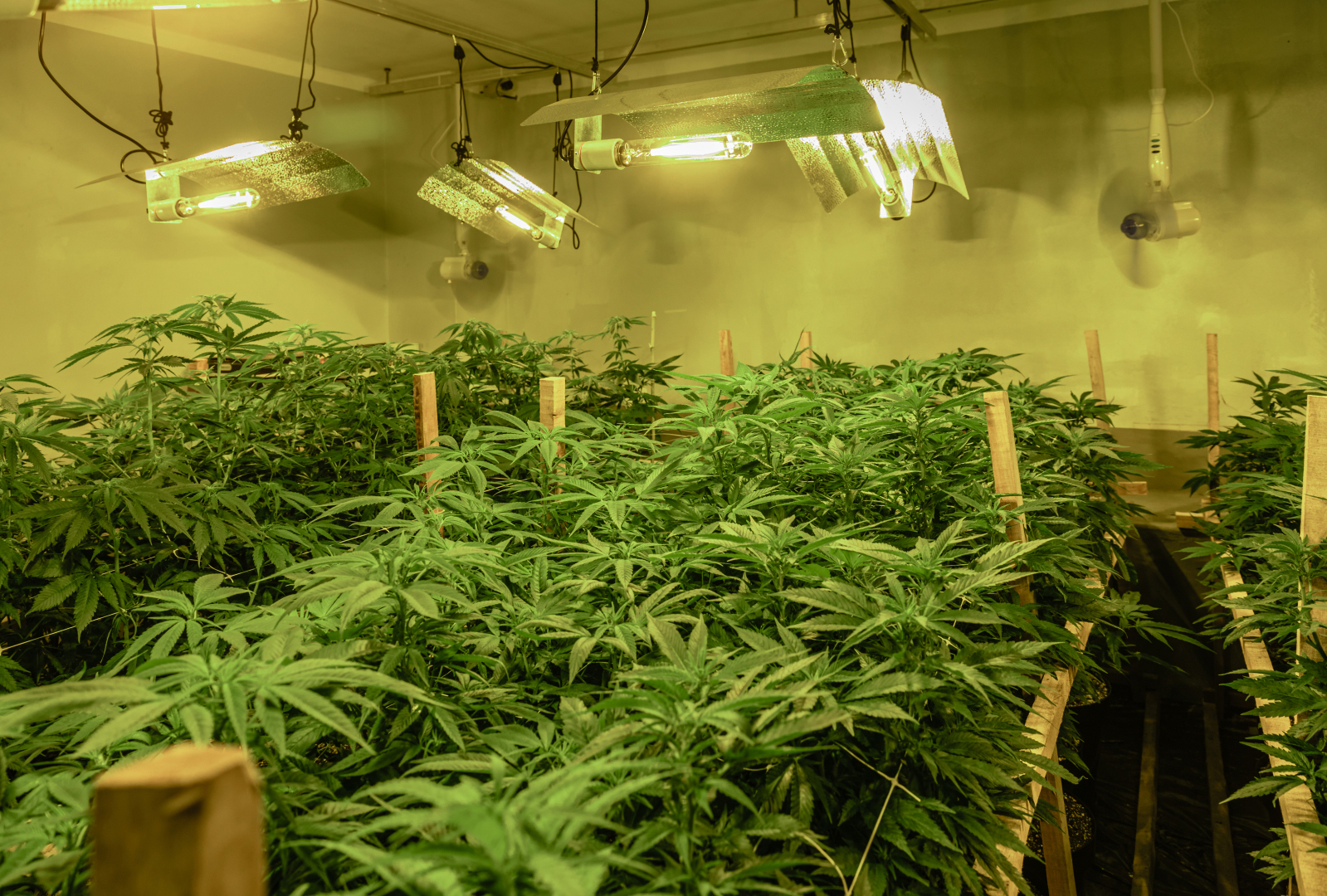
August 5, 2026

August 5, 2026
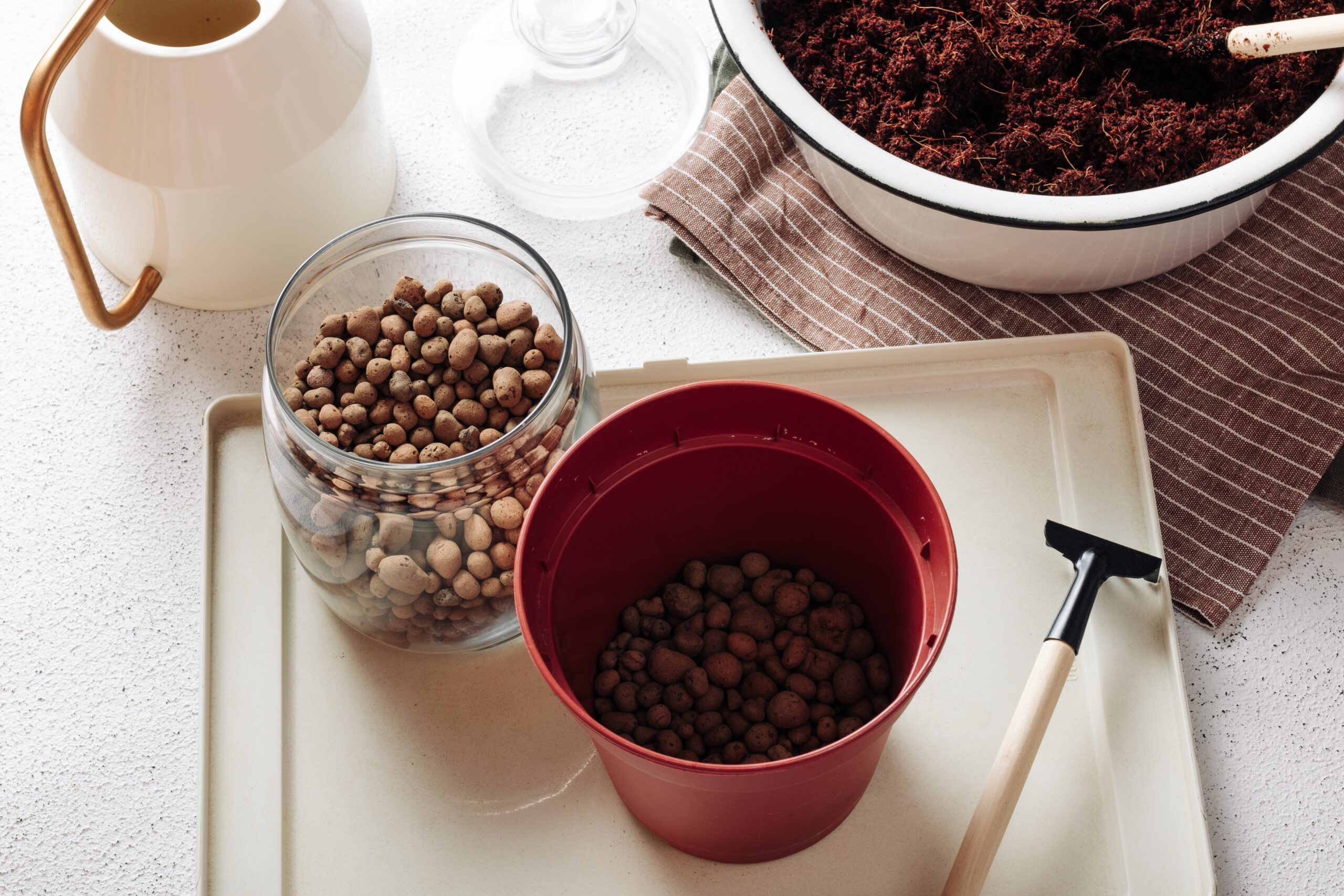
August 5, 2026