Feminized vs. Regular Cannabis Seeds: Which Should You Grow in 2026?
The feminized vs regular decision is less about ideology and more about how much uncertainty you want in the first month of a run. Regular seeds give you access to both sexes. Feminized seeds are designed to give you female plants almost every time. That single difference changes your timeline, your space efficiency, and what kinds of projects are possible.
In 2026, most growers are optimizing for two things: predictability and risk control. Feminized seeds often win on those. Regular seeds still have a clear place, but you should choose them on purpose, not out of habit.
The one-line difference that matters
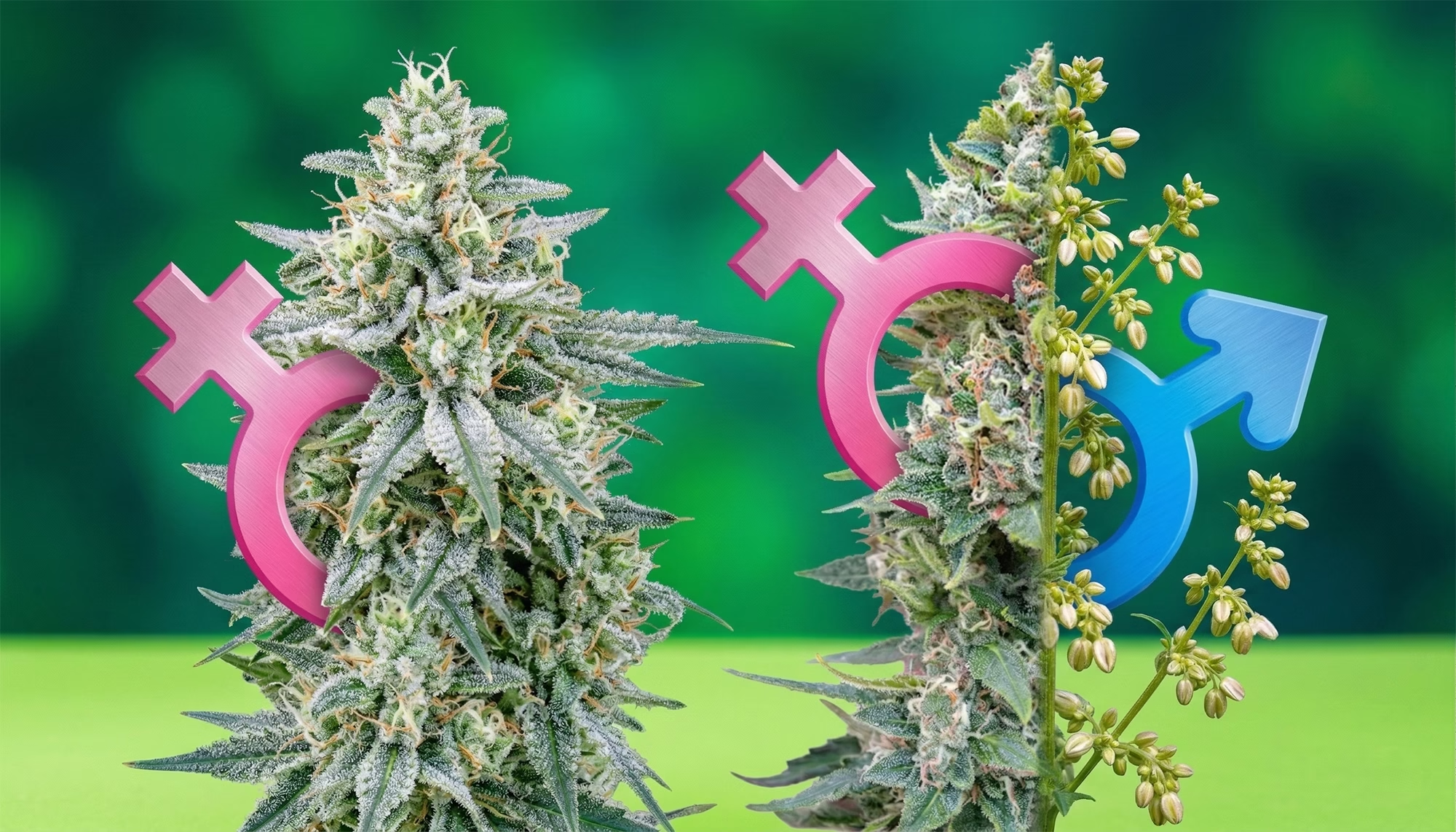
Regular seeds can produce male or female plants.
Feminized seeds are produced so that plants are overwhelmingly female, because the seeds come from pollen made by a genetically female plant (XX), which means no Y chromosome is involved in the cross.
That is the core. Everything else is a tradeoff.
What feminized seeds actually are and how they’re made
Feminized seeds are not a different species and not a different “type of plant.” They are simply seeds produced in a way that makes female offspring the default.
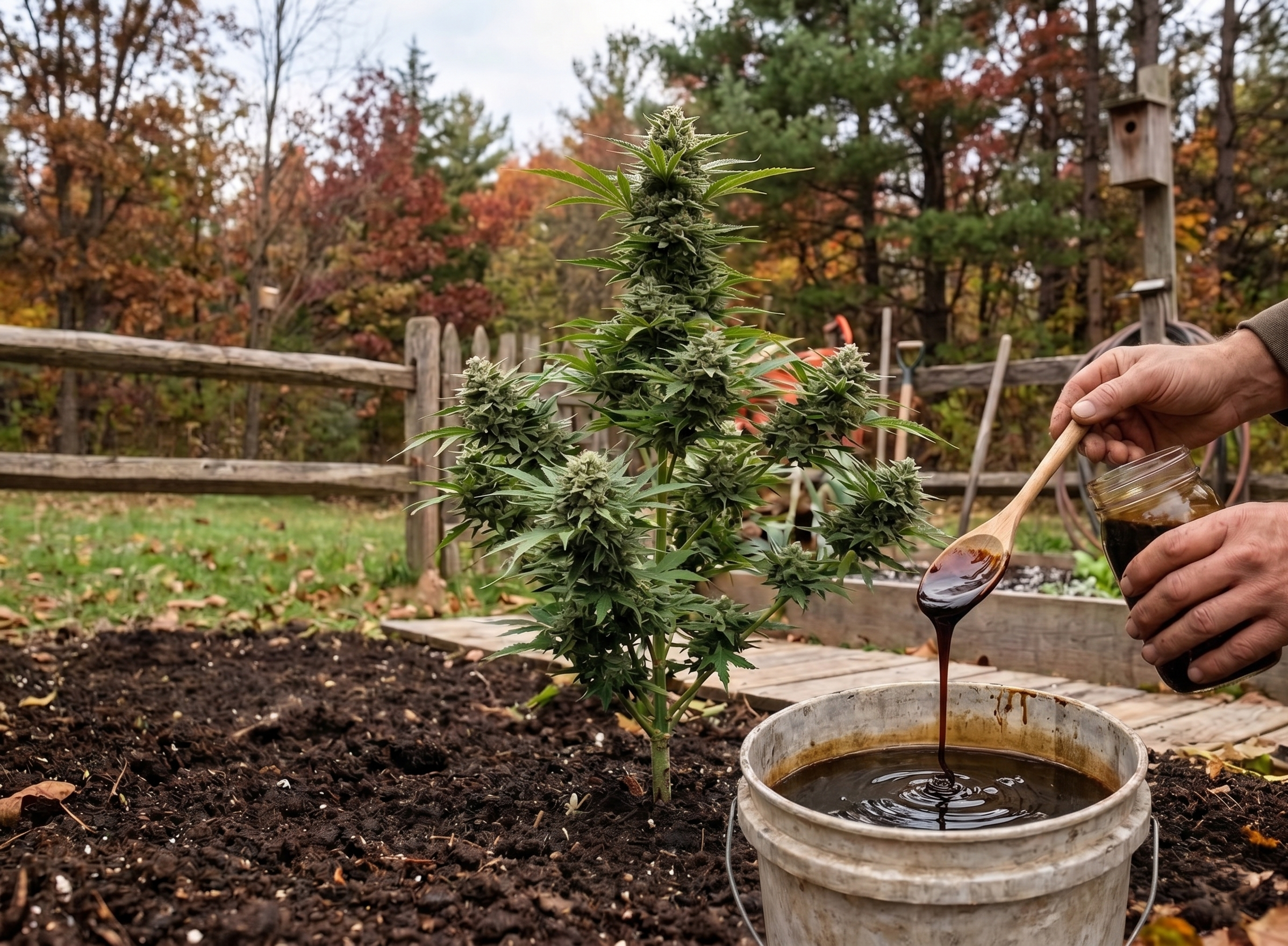
The mechanism is well-established in horticulture and cannabis production: growers induce a female plant to form male flowers (sex reversal) using hormone-modifying treatments, then use that pollen to pollinate a female plant. Because the pollen donor is genetically female, the resulting seeds are overwhelmingly female.
Important: feminized does not mean “stress-proof.” It means “female-biased.” Any cannabis plant can still show intersex traits under stress, and genetics play a role in how likely that is.
What regular seeds really give you
Regular seeds are the “full genetic tool kit” format: you can get males and females, which means you can create crosses, preserve lines, and explore traits that require male selection.
Regular seeds are also the baseline that breeding programs historically rely on. Modern cannabis breeding literature emphasizes that cannabis has very high genetic diversity, and that breeding and selection are complicated by its dioecious nature (separate male and female plants). Regular seed work is part of that reality.
That does not automatically make regular seeds better for a beginner. It makes them better for a specific kind of grower.
The real decision: what you are trying to accomplish
Most seed debates get stuck on “which is best.” A better question is: what kind of run are you trying to complete?
Choose feminized seeds if you want a clean, efficient production run
Feminized seeds usually fit best when:
- you have limited space and do not want to waste weeks on males
- you want predictable canopy planning
- you are focused on flower production, not breeding
- you want a simpler workflow with fewer decision points
Tip: if you only have space for a few plants, feminized seeds are often the most efficient way to use your space, because every plant is likely to matter.
Choose regular seeds if you want breeding options or deeper selection work
Regular seeds make sense when:
- you want to make crosses or preserve genetics
- you want to select a male for structure, vigor, aroma traits, or timing
- you want to explore wider variation intentionally
- you are willing to plan for culling males early
Remember: with regular seeds you are buying possibility, but you are also buying work.
Indoor vs outdoor: how the choice changes
Indoors: feminized seeds usually win on efficiency
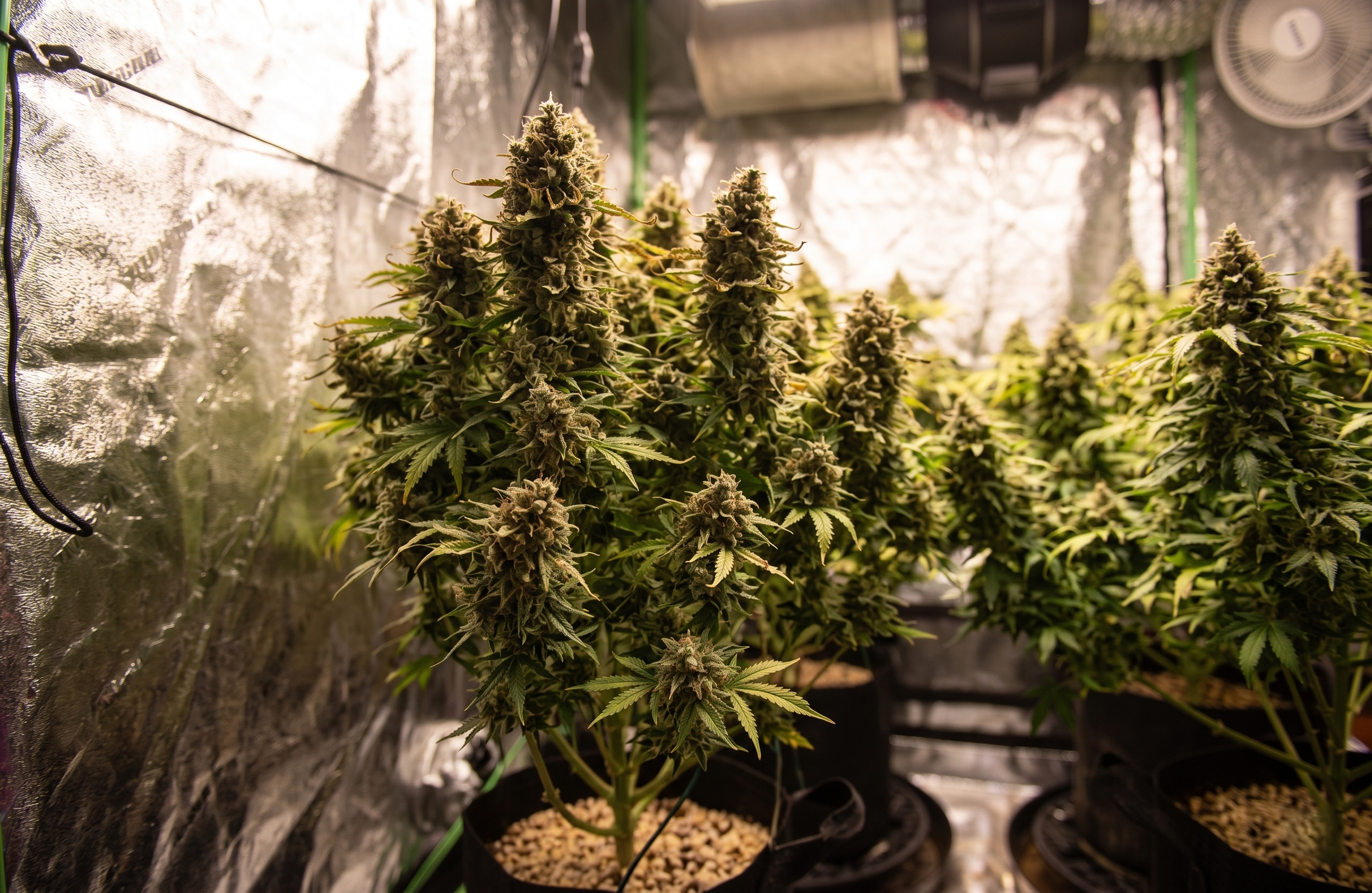
Indoor space is expensive. You pay for electricity, climate control, and time. Males become an immediate cost because they occupy space and resources.
If your plan is flower production, feminized seeds reduce wasted time. They also reduce the risk of a pollen event ruining a full room if you miss a male.
That said, regular seeds still make sense indoors if your goal is breeding or selection, and you have the ability to isolate a male properly.
Outdoors: regular can be fine, but pollen risk is bigger than most beginners expect
Outdoors, space is often cheaper, but pollen is harder to control. A single missed male can seed nearby females, and wind makes isolation difficult.
For growers focused on sensimilla flower outdoors, feminized seeds reduce the chance of accidental pollination from your own garden. They do not remove the risk from other sources, but they remove one big variable.
Common misconceptions that cause bad choices
“Feminized seeds always herm”
This is too simplistic.
Cannabis can express hermaphroditism due to genetics, environmental stress, and the interaction between them. Research on hermaphroditism in cannabis shows it is a real phenomenon with implications for seed production and outcomes, which is why quality control and selection matter.
The practical truth is:
- Well-made feminized lines can be stable.
- Poorly made or poorly selected lines can be prone to intersex expression.
- Stress can trigger intersex behavior in many lines, feminized or not.
So the decision is not “feminized equals herm.” The decision is “do I trust this source and this line, and can I keep the grow stable.”
“Regular seeds are automatically stronger or more flavorful”
Not automatically.
Regular seeds can offer more variation to select from, and that can lead to exceptional keepers if you do selection work. But if you are not selecting and stabilizing, variation is just variation.
In other words, regular seeds can be a better search tool for rare winners, not a guaranteed upgrade for a one-off run.
“Feminized means autoflower”
No. These words describe different things.
- Feminized describes sex expression probability.
- Autoflower describes flowering trigger.
You can have feminized photoperiod seeds, feminized autoflower seeds, and regular versions of both.
Where things go wrong in real life and how to prevent it
This is not a plant-problem section. It is a decision-risk section.
Risk 1: You underestimate the “male tax” with regular seeds
With regular seeds, you should expect to remove males once sex shows. Many sources place early visual sex expression in the first several weeks from germination, but timing varies by genetics and conditions.
The cost is not only losing half your plants. The cost is:
- time invested before sex shows
- space occupied during early growth
- the possibility of missing one male and pollinating everything
Prevention is planning. If you choose regular seeds, build your plan around sexing and removal, not around hope.
Risk 2: You buy feminized seeds from a source that cannot explain its process
Feminized seed production relies on controlled sex reversal techniques. In peer-reviewed horticulture work, silver thiosulfate foliar sprays are shown to reliably induce male flowers on female plants under appropriate conditions.
You do not need the recipe. You do need confidence that the producer understands what they are doing and selects against unstable outcomes.
Risk 3: You treat seed type as the whole quality story
Seed type is only one layer. The bigger driver is genetic stability and selection.
A line can be feminized and inconsistent. A line can be regular and consistent. Your job is to choose seeds with clear, repeatable expectations.
How to choose in 2026: a simple decision framework
Use this as a quick filter before you go down the rabbit hole.
If you are a beginner growing for flower
Choose feminized unless you have a specific reason not to.
Your goal is a clean run. Feminized reduces the number of things that can derail you early.
If you are learning and want to understand the plant deeply
Regular seeds can be valuable, but only if you actually plan to learn the sexing and selection side, not just “see what happens.”
If you want to breed or preserve genetics
Choose regular. Breeding without males is possible through special methods, but regular seeds are the straightforward path for selection and crossing.
If your space is small
Feminized is usually the best use of space.
If your space is large and you can isolate
Regular can make more sense because you can run enough plants to select properly and you can manage isolation.
Important: regular seeds only shine when you can run enough plants to select. Otherwise you are mostly paying for uncertainty.
Buying quality: what to look for without getting fooled
This applies to both feminized and regular seeds. It matters more for feminized because you are relying on someone’s production process.
Look for clarity, not hype
A reliable listing or supplier typically provides:
- whether seeds are feminized or regular
- whether they are photoperiod or autoflower
- expected plant size range and finish window ranges
- notes about consistency and selection goals
If everything is adjectives and there are no concrete expectations, you are buying marketing.
Look for stability language, not only potency language
A lot of problems in seed runs come from instability, not “low potency.”
Words and phrases that often signal a better fit for most growers:
- consistent
- uniform
- stable
- predictable finish window
- forgiving structure
Do not ignore storage and handling
Seed age and storage affect vigor. If the seller cannot speak clearly about storage and shipping, that is a risk for both types.
So which should you grow in 2026?
If you want the most reliable path to a clean harvest, feminized seeds are usually the practical default. They reduce wasted space, reduce the male-management burden, and simplify the run.
If you want to breed, hunt traits, or build a long-term selection project, regular seeds are still the foundation because they give you males and a wider selection landscape, which matters in a crop with high genetic diversity and complex breeding realities.
The choice that keeps you moving forward
If you feel stuck, make the decision based on your biggest bottleneck:
- If your bottleneck is space and time, choose feminized.
- If your bottleneck is access to selection and breeding options, choose regular.
Then commit to the choice for one full cycle. A lot of confusion disappears after you complete one run with a clear purpose.
The core decision that makes everything easier
If you want predictable flower production, feminized seeds are usually the right default because they reduce wasted space and remove the “male surprise” risk.
If you want genetic control and long-term projects, regular seeds are usually the right default because they give you males, which makes selection and crossing straightforward.
Critical warning: if you cannot isolate pollen safely, breeding plans can accidentally turn into a seeded harvest fast, especially outdoors.
Indoor: what changes and what matters most
Indoor growing turns space, time, and stability into real money. You pay monthly for kWh, climate control, filters, and the time your space is occupied. That makes “wasted plants” expensive.
Indoor flower-only: why feminized usually wins
- You are paying for every square foot of canopy and every day of runtime.
- Removing males mid-run wastes veg time and canopy planning.
- A single missed male can pollinate a whole space.
Remember: indoors, the cost of one mistake is magnified because everything is concentrated.
Indoor future breeding: when regular becomes the smarter tool
- You can select males for structure, vigor, timing, and traits you cannot see in females alone.
- You can run controlled crosses and keep records.
- You can build your own line, which is the whole point of breeding.
Important: if you breed indoors, your isolation plan has to be airtight, because pollen is tiny and travels easily.
Outdoor: what changes and what matters most
Outdoors, your “facility cost” is lower, but pollen control is harder and weather risk is real. The seed type you choose should match the reality that you cannot fully control the environment.
Outdoor flower-only: feminized reduces self-inflicted pollen risk
- Outdoors, one male can seed multiple plants and potentially affect nearby grows.
- You cannot control wind.
- Sexing mistakes are harder to correct once pollen is released.
If you want flower outdoors, feminized seeds reduce the chance that your own garden becomes the source of seeds.
Outdoor future breeding: regular is powerful but the risk rises
- Outdoor breeding can be effective because plants can grow large and express traits clearly.
- The downside is containment. If you cannot isolate, you may seed more than you intended.
Critical warning: do not attempt outdoor breeding unless you can control timing and isolation. Otherwise you risk creating a seeded crop and affecting others.
Mixed setups: the most common “smart compromise”
Mixed setups are where many growers accidentally make the wrong seed choice because the project becomes unclear. A simple approach is to separate “production” and “experiments.”
A clean mixed strategy looks like this:
- Use feminized seeds for the main flower run so your harvest is predictable.
- Use a small, isolated space for regular seeds if you are learning selection or preparing for breeding later.
Tip: mixed grows work best when you keep your flower run boring and your experiments contained.
The two most common mistakes in 2026 seed buying
Confusing feminized with autoflower
Feminized means female-biased sex expression. Autoflower means age-based flowering. You can have feminized photoperiod seeds and feminized autoflower seeds. Treat these as separate labels that both must be confirmed.
Buying regular seeds without planning the “male tax”
With regular seeds, you should assume some plants will be male, which means you need extra space and a plan for removal and isolation. If you do not have that, regular seeds become expensive chaos instead of a tool.
If your goal is flower only, buy like this
Use this as a tight screening process while you shop.
Confirm what the seed actually is
- Listing clearly states feminized and clearly states photoperiod or autoflower.
- The description does not hide behind “fast” language or vague promises.
- The seller can answer one question clearly: “Is this feminized and is it photoperiod or autoflower?”
Choose predictability over hype
- Prefer lines described as stable, uniform, consistent, with a reasonably narrow finish window.
- Avoid “extreme yield” claims unless the listing also describes structure and stability.
- Prefer plants described as forgiving over plants described as “finicky but elite.”
Match structure to your environment
Indoor:
- Choose compact to medium structure for your first runs so canopy management stays simple.
Outdoor: - Prefer breathable structure if your climate has humidity spikes, dew, or late-season rain.
Reduce risk from day one
- Buy from sources that ship seeds in packaging that protects from heat, moisture, and crushing.
- Avoid sellers who cannot speak clearly about storage and handling.
- Split your purchase into a small test pack first if you are trying a new source.
Plan your run before you buy
- Confirm your realistic plant count and canopy size.
- Do not buy “extra” seeds with no plan, then feel pressured to run too many plants at once.
- If you only have space for a few plants, feminized seeds protect your time.
Important: for flower-only growers, regular seeds rarely add value unless you want to learn sexing on purpose.
If your goal is future breeding, buy like this
Breeding success is mostly about selection, record keeping, and containment. Seed type is the starting point.
Start with regular seeds for your foundation
- Choose regular photoperiod seeds as your base when possible.
- You need males for straightforward selection and controlled crossing.
- Feminized-only projects can be done, but they add complexity and can create avoidable instability if you do not understand the process deeply.
Choose lines for traits you can select, not just for effects
Look for listings that describe:
- structure and internode behavior
- vigor and growth rhythm
- finishing window stability
- consistency across the pack
You are not buying one harvest. You are buying a population to select from.
Buy enough seeds to select properly
Breeding requires numbers. If you run only a couple seeds, you are not selecting, you are gambling.
A practical beginner breeding reality is:
- Too few plants means your “keeper” might just be luck, not a true standout.
- A small population limits your ability to choose a male that actually improves the line.
Plan isolation before you buy seeds
Indoor:
- You need a containment plan for pollen.
Outdoor: - You need timing and distance, or controlled enclosure methods.
Critical warning: do not start breeding without a clear pollen containment plan. Pollen management is not optional.
Keep your breeding project separate from your flower project
- Run flower production with feminized seeds in one space.
- Run regular seeds for selection and breeding in a separate, controllable space.
This prevents one mistake from ruining your main harvest.
Keep records like it matters
- Label every plant.
- Track timelines and traits you observe.
- Track which male was used and why.
Breeding without records is mostly wasted time because you cannot repeat your wins.
The fastest way to decide if you are still unsure
Ask yourself which outcome would annoy you more:
- Losing time and space to males, and risking accidental pollination.
- Not having the ability to select males and build your own genetics.
If 1 is worse, choose feminized and focus on flower.
If 2 is worse, choose regular and plan selection and isolation properly.
Share this article
A quick overview of the topics covered in this article.
Follow us
Latest articles
June 24, 2026

June 24, 2026

June 24, 2026
June 24, 2026