
The Definitive Guide to Seedling Nutrition: When to Start Feeding Young Plants
The Horticultural Magic of the Seedling Stage
The cultivation of plants from seed is a profoundly rewarding, almost magical experience that bridges the gap between botanical science and natural art. The transformation from a dormant, hard-shelled speck into a vibrant, living organism capable of vigorous growth is a delicate biological ballet. For the novice cultivator, however, this magical phase often brings a mixture of excitement and deep anxiety. The innate desire to nurture and protect the young plant frequently translates into an urge to intervene—most notably through the premature application of water and fertilizers. This leads to one of the most pervasive and critical questions in the discipline of horticulture: exactly when is the right time to start providing external nutrients to a young seedling?
Patience is a paramount virtue in the garden. Providing the perfect environment is crucial, but knowing when to intervene—and more importantly, when to step back and let nature run its course—is the hallmark of a master grower. The seedling stage, which typically spans the first two to three weeks of the plant’s life, is a period of immense vulnerability. During this critical window, the plant is entirely focused on establishing a robust, expansive root system beneath the surface while simultaneously producing its very first true leaves to capture light energy. Understanding the internal biological mechanisms of the plant during this time is essential for maximizing future yields and ensuring a healthy, vigorous life cycle.
This exhaustive analysis explores the physiological indicators that dictate feeding schedules, the vast chemical and physical differences between various growing substrates, the precise metrics of nutrient measurement, and the delicate environmental balance required to avoid the common, often fatal, pitfalls of over-fertilization. By learning to read the plant’s subtle signals rather than blindly adhering to rigid, calendar-based schedules found scattered across the internet, the cultivator can provide an unshakeable foundation for explosive vegetative growth.
The Biology of Early Growth: Nature’s Internal Lunchbox
To fully grasp the timing of a seedling’s first feeding, one must first deconstruct the anatomy and biological function of the seed itself. A viable, healthy seed is not merely a starting point; it is a remarkably complex, self-contained survival capsule. Within its hard outer protective shell, known scientifically as the testa, lies the dormant plant embryo along with a densely packed, built-in food reserve known as the endosperm.
When a viable seed is exposed to the correct environmental triggers—specifically a delicate balance of moisture, optimal heat, and darkness—it breaks its state of dormancy. The moisture softens the testa, allowing the seed to swell until it splits open. The very first structure to emerge is the radicle, or taproot. Driven by gravitropism, this taproot plunges downward into the dark abyss of the growing medium, desperately searching for moisture and a secure anchorage. Shortly thereafter, the delicate shoot pushes upward, fighting against gravity and moving toward the light source. As it breaches the surface, it sheds the protective seed casing, revealing a pair of smooth, rounded structures known as the cotyledons.
The Critical Role of the Cotyledons
The cotyledons, frequently referred to in layman’s terms as “seed leaves,” are visually distinct from the iconic, serrated leaves that will soon define the mature plant. These embryonic structures are not merely preliminary solar panels designed for photosynthesis; rather, they serve as the plant’s internal, pre-packed lunchbox. The cotyledons contain all the essential macro-nutrients (nitrogen, phosphorus, potassium) and micro-nutrients required to sustain the plant through the first crucial days of its terrestrial life.
Because nature has meticulously provided this initial, perfectly balanced fuel source, introducing external chemical fertilizers too early is not just unnecessary—it is actively, and sometimes fatally, harmful. The microscopic, translucent root hairs of a newly sprouted seedling are incredibly tender and highly sensitive to osmotic pressure. When synthetic fertilizers are introduced, they manifest as mineral salts in the moisture surrounding the roots. A high concentration of these salts creates severe osmotic pressure, which can literally reverse the flow of water, drawing vital moisture out of the fragile root tissues. This leads to severe cellular dehydration, irreversible stunting, and frequently the rapid death of the young plant.
The Emergence of True Leaves and the Botanical Clock
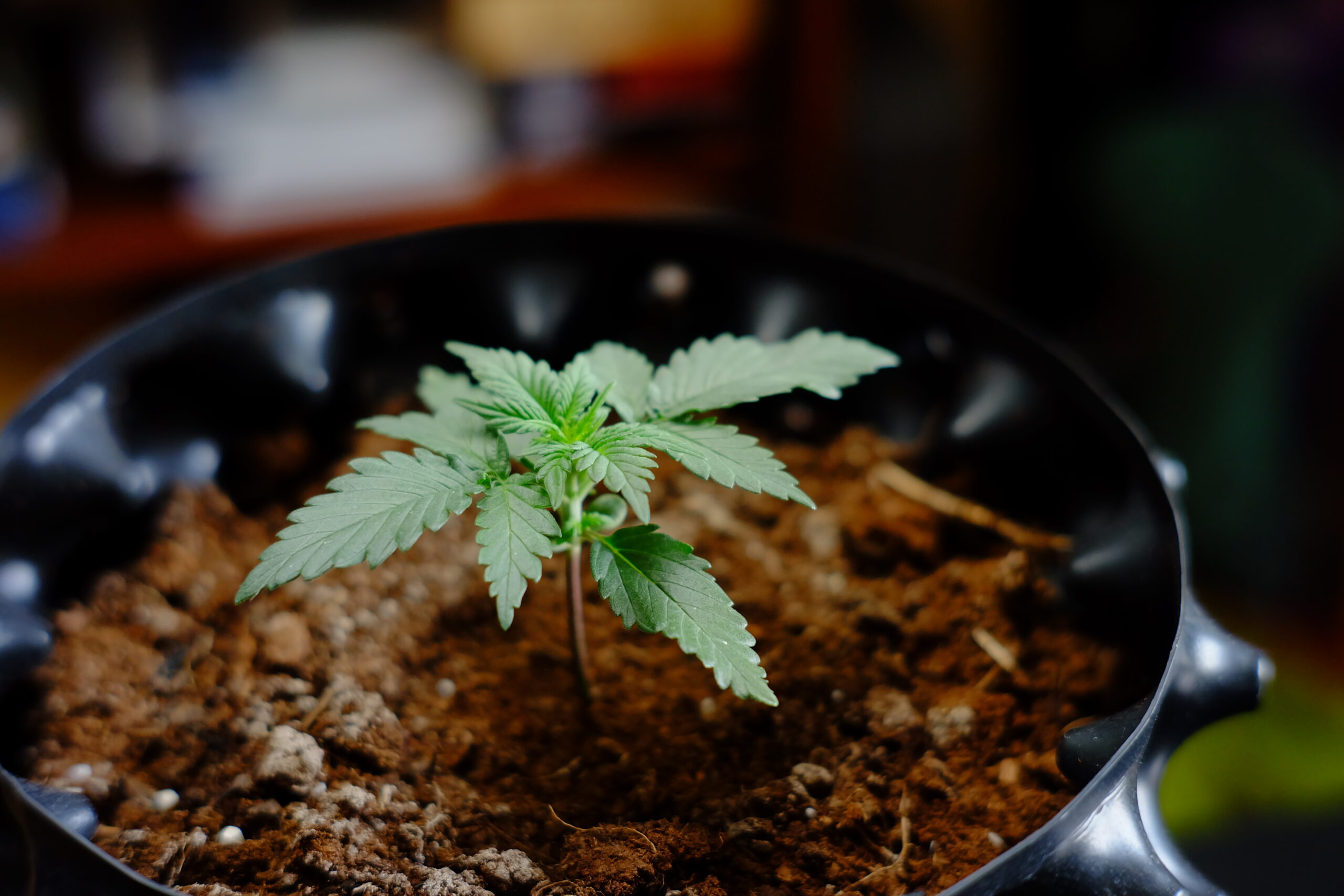
Following the unfurling of the cotyledons, the apical meristem—the primary growth tip of the plant—will begin to produce its very first set of “true leaves.” These initial leaves are typically quite small and feature a single, serrated blade, representing the plant’s first true foray into active photosynthesis. As the plant matures and gathers strength over the following weeks, subsequent sets of leaves will develop progressively more complex structures, moving from three blades to five, and eventually to seven or more, signaling the full transition into the vegetative growth phase.
The visual transition from single-bladed true leaves to multi-bladed leaves, combined with the gradual depletion of the rounded cotyledons, serves as an incredibly accurate biological clock for the observant cultivator. When the cotyledons begin to lose their deep, vibrant green luster and slowly transition to a pale yellow, eventually shriveling and dropping off, the plant is visually signaling that its internal, embryonic reserves are nearly exhausted. This natural senescence of the seed leaves is the earliest physiological indicator that the seedling is successfully transitioning into the vegetative stage and will imminently require external sustenance from the cultivator. Recognizing this moment is the key to timing the first feeding.
The Great Germination Debate: Sowing Methods and Initial Stress
The timeline for a seedling’s first feeding is inherently linked to the method used for germination and the subsequent handling of the young sprout. Cultivators utilize various techniques to initiate life, each carrying specific implications for early plant stress and nutritional demands.
The Paper Towel Method vs. Direct Sowing
The paper towel method is a widely utilized germination technique. It involves placing seeds between moistened paper towels enclosed in a dark, warm environment, allowing the cultivator to visually confirm the emergence of the taproot before physically moving the fragile seedling into its growing medium. While this method offers visual reassurance, it introduces a significant element of handling stress. Moving a sprouted seed with tweezers risks microscopic damage to the delicate radicle. If the root is damaged, the plant’s ability to uptake water and any available nutrients is immediately compromised, meaning the cultivator must delay any external feeding until the root system has repaired itself.
Conversely, direct sowing involves placing the seed directly into the final growing medium or a starter plug. This method, heavily advocated for establishing a rapid, unhindered start, mimics the natural process. Because the radicle never experiences exposure to the open air or physical manipulation, the root system establishes itself significantly faster. A direct-sown seedling will typically exhaust its cotyledon reserves slightly faster than a stressed, transplanted seedling, meaning the timeline for introducing the first light nutrient solution may be slightly accelerated.
The Autoflower Exception
The genetics of the plant also dictate the urgency of early care. Autoflowering varieties, which inherit traits from Cannabis ruderalis, operate on a strict, genetically predetermined chronological timeline rather than responding to photoperiod changes. These plants typically begin flowering just three to four weeks after germination.
Because of this incredibly brief vegetative window, any stress, stunting, or nutrient lockout during the seedling stage has devastating consequences on the final yield. A stunted autoflower cannot simply be left in the vegetative stage longer to recover; it will begin producing flowers while still minuscule. Therefore, autoflowering seedlings demand a flawless start. They are notoriously sensitive to root restriction and transplant shock, meaning they should generally be sown directly into their final containers. The feeding of an autoflower seedling must be executed with extreme precision, utilizing highly diluted solutions at the exact moment the true leaves demand it, to ensure explosive, uninterrupted growth during their short life cycle.
Substrate Dynamics: How the Growing Medium Dictates the Schedule
The generalized rule of waiting for the cotyledons to yellow provides a biological baseline, but the precise timing, methodology, and chemical composition of the first feeding are almost entirely dictated by the chosen growing medium. Cultivators must approach plant nutrition with drastically different philosophies depending on whether the roots are exploring the complex ecosystem of amended organic soil, the demanding inert environment of coco coir, or the purely aqueous realm of a hydroponic system.
Soil: The Living, Breathing Ecosystem
Growing in soil is the oldest and most traditional horticultural method, relying heavily on the microscopic interactions within the rhizosphere—the dynamic ecosystem immediately surrounding the plant’s roots. High-quality, modern potting soils are rarely just dirt; they are carefully crafted blends often heavily amended with rich organic materials such as earthworm castings, bat guano, kelp meal, and humic acids. These organic amendments contain complex, long-chain molecules that the plant cannot immediately absorb. Instead, they must be slowly broken down and digested by massive populations of beneficial bacteria and mycorrhizal fungi, which ultimately excrete the nutrients in ionic forms that the root hairs can uptake.
Because heavily amended soils come pre-loaded with a massive reserve of nutrition, a seedling planted in a rich organic mix will not require any additional liquid feeding for a highly significant period. In fact, planting a delicate, newly sprouted seed directly into a heavily amended, heavily fertilized “hot” soil can cause immediate and severe nutrient burn. The high concentration of available nitrogen and phosphorus in these robust mixes can overwhelm the young roots, leading to curled, scorched leaves and severe stunting. For this reason, successful soil cultivators often start their seeds in a mild, relatively inert seedling starter mix or a “light” soil blend with a high percentage of added perlite to ensure maximum aeration and minimal chemical stress.
In a standard or lightly amended potting soil, the cultivator should strictly withhold all liquid nutrient supplements for the first two to four weeks of the plant’s life. The sole focus during the seedling stage in a soil environment is to provide clean, perfectly pH-balanced water and to allow the roots to forage naturally. Only when the plant has established three to four robust sets of true leaves, and the round cotyledons have visibly yellowed and depleted, should a very light, highly diluted organic feeding commence. Furthermore, it is absolutely critical for the cultivator to avoid commercial soils containing chemical “time-release” nutrient capsules. These unpredictable products release concentrated bursts of synthetic nitrogen every time the soil is moistened, causing rapid and devastating toxicity in young, sensitive plants.
Coco Coir: The High-Performance Hydroponic Hybrid
Coco coir, a sustainable medium derived from the fibrous outer husks of coconuts, has revolutionized modern indoor horticulture. It offers the familiar, forgiving physical structure and tactile feel of traditional soil, but it behaves chemically much like a pure hydroponic medium because it is naturally inert—meaning it contains virtually zero inherent nutritional value out of the bag.
Because of this lack of innate nutrition, the rules of feeding change drastically and immediately when utilizing coco coir. Waiting weeks to feed a seedling in coco, as one would in soil, will result in severe starvation, profound yellowing of all emerging leaves, and devastating stunting. Furthermore, coco coir possesses a highly unique chemical property known as Cation Exchange Capacity (CEC). The raw coir fibers naturally bind to calcium and magnesium ions while simultaneously releasing excess potassium. If a cultivator plants a seedling in unbuffered coco and feeds it a standard nutrient solution, the medium itself will aggressively steal the essential calcium and magnesium from the liquid before the plant’s roots can access it, leading to immediate and severe deficiencies. To prevent this, the raw coco must be thoroughly pre-buffered with a heavy Cal-Mag (Calcium-Magnesium) solution before the seed is ever planted.
In a properly buffered coco coir system, exceptionally light feeding must begin almost immediately after the very first set of true leaves emerges. The initial nutrient solution should be highly diluted—typically hovering around 200 to 300 Parts Per Million (PPM), or roughly a quarter of the nutrient manufacturer’s recommended vegetative strength.
Unlike soil, which benefits tremendously from a wet-dry cycle to draw oxygen to the roots, coco coir should never be allowed to dry out completely. Allowing coco to dry significantly increases the concentration of the fertilizer salts left behind in the remaining moisture. This dramatically and lethally spikes the electrical conductivity (EC) in the root zone, instantly burning the plant. Therefore, the prevailing wisdom and required practice for coco coir cultivation is to feed a very light, perfectly balanced nutrient solution with every single watering event, ensuring a 10% to 20% liquid runoff at the bottom of the pot to continuously wash away old, accumulated salts and refresh the root zone.
Deep Water Culture, Aeroponics, and Pure Hydroponics
In pure hydroponic systems, such as Deep Water Culture (DWC), Nutrient Film Technique (NFT), or aeroponics, the plant’s roots are suspended directly in a continuously oxygenated nutrient solution or a fine misting chamber. Seedlings destined for these high-performance systems are typically germinated and started in inert, sterile plugs, such as spun rockwool cubes or polymer-bound peat plugs. Rockwool, in particular, requires careful preparation; it must be thoroughly rinsed and soaked overnight in a mildly acidic water solution (pH 5.5 – 5.8) to neutralize its naturally high alkalinity before a seed or clone is introduced.
Similar to the protocols for coco coir, hydroponic seedlings require external, synthetic nutrients the exact moment their roots emerge from the starter plug and make contact with the main aqueous reservoir. Because the dissolved nutrients are immediately and forcefully bioavailable in the water, without any chemical buffer provided by soil or peat, the margin for error is razor-thin. Hydroponic cultivators must start with extremely low nutrient concentrations, carefully monitoring the solution daily and gradually raising the chemical strength solely in tandem with the physical expansion of the plant’s root mass. The primary advantage of a pure hydroponic system is explosive, unmatched vegetative growth rates, but it demands meticulous, unrelenting daily monitoring of water chemistry, temperature, and cleanliness.
Deconstructing the Myth of Rigid Watering Schedules
Proper feeding is entirely and inextricably dependent on proper watering practices. A frequent and deeply damaging pitfall for the novice grower is adhering to rigid, calendar-based watering schedules frequently propagated across the internet.
Many popular guides suggest highly prescriptive volumes based on chronological age. For instance, a commonly circulated schedule advises giving precisely “two cups (500ml) of water per plant on day one,” followed by another “two cups on day three,” escalating to “three cups (750ml) on day eight”. While these guides attempt to simplify a complex biological process for beginners, they ignore the fundamental reality that every single growing environment is a unique microclimate.
A seedling cultivated in a breathable fabric pot, situated in a dry, warm environment under intense LED lighting, will transpire rapidly and require significantly more frequent watering than an identical seedling grown in a solid plastic pot within a cool, humid, poorly ventilated basement. Providing a prescriptive, unyielding volume of water based solely on a calendar date inevitably leads to one of two outcomes: chronic underwatering, or, much more commonly and lethally, severe overwatering.
The Mechanics of Respiration and the Danger of Anaerobic Zones
Roots require abundant oxygen just as much as they require water to survive and function. In a soil environment, keeping the medium constantly saturated by following a rigid watering chart fills all the microscopic air pockets within the soil structure with water. This effectively suffocates the root system, creating an anaerobic (oxygen-deprived) environment. Without oxygen, the roots cannot perform the active transport required to absorb nutrients, regardless of how much food is present in the soil. Furthermore, anaerobic conditions are the perfect breeding ground for devastating pathogens, most notably the fungi responsible for root rot.
The cultivator must learn to read the physical weight and moisture level of the container. By lifting the pot when it is freshly watered to full saturation, and lifting it again a day or two later, the grower can feel the precise moment the medium is drying out through the stark difference in physical weight. Watering in soil should only occur when the top inch of the medium feels distinctly dry to the touch, and the pot feels significantly lighter.
When watering a young seedling, the water should be applied slowly and deliberately in a wide circle around the base of the plant, rather than poured directly against the fragile main stem. This “ring watering” technique encourages the roots to actively stretch outward in their search for moisture, establishing a wider, more robust, and structurally sound root base.
Note regarding Coco Coir and Hydroponics: As established, the rules for inert media are the stark exception to this dry-out rule. Coco coir is highly porous and retains plenty of oxygen even when fully saturated. Therefore, the “lift the pot and wait for it to dry” rule does not apply to coco, which should be kept consistently moist with a low-EC nutrient solution to prevent the lethal spiking of salt concentrations.
The Metrics of Nutrition: EC, PPM, and pH
To feed a seedling safely and effectively, especially outside of an organic soil environment, the cultivator must rely on precise scientific measurements rather than intuition or guesswork. The indispensable tools of the modern horticultural trade are the EC/PPM meter and the digital pH pen. Understanding exactly what these numbers mean, and how they interact, is the impenetrable barrier between amateur struggles and professional, repeatable success.
Electrical Conductivity (EC): The Universal Language of Nutrients
Electrical Conductivity (EC) is the most accurate, reliable way to measure the absolute strength of a nutrient solution. Pure, completely distilled water or water processed through Reverse Osmosis (RO) does not conduct electricity. When mineral salts (which comprise all synthetic fertilizers) are dissolved into the pure water, they break down into positively and negatively charged ions, rendering the solution conductive. The more nutrients added to the reservoir, the more ions are present, the easier an electrical current can travel between the probes of the meter, and the higher the resulting EC reading. EC is typically measured in milliSiemens per centimeter (mS/cm) or microSiemens per centimeter (µS/cm).
For a delicate seedling, a high EC is absolutely lethal. The osmotic pressure of a highly concentrated salt solution will literally pull water out of the plant’s roots, causing the plant to shrivel, burn, and die. Therefore, keeping the EC incredibly low during the first few weeks is a paramount safety measure.
Parts Per Million (PPM) and The Conversion Confusion
Many growers, particularly in North America, use Parts Per Million (PPM) to discuss nutrient strength in forums and guides. PPM is essentially a ratio, signifying how many milligrams of a specific substance are dissolved in one liter of water. However, a significant and highly dangerous point of confusion in the horticultural community arises from the fact that most digital consumer meters cannot actually “see” or count individual parts per million. Instead, the meter reads the Electrical Conductivity (EC) and then applies a mathematical conversion formula to estimate the PPM.
The danger lies in the fact that different meter manufacturers use entirely different conversion scales. The two most common are the 500 scale (often referred to as the TDS scale) and the 700 scale. This means that a perfectly mixed nutrient solution with an EC of 1.0 mS/cm will display as 500 PPM on one brand’s meter, and 700 PPM on a different brand’s meter.
Because of this vast discrepancy, relying solely on PPM without knowing the meter’s scale often leads to catastrophic overfeeding or underfeeding. EC is the universal, absolute language of plant nutrition. When consulting guides, schedules, or online forums, the careful cultivator always verifies whether the advice is given in pure EC or a specific PPM scale to avoid accidentally doubling the nutrient dose and destroying a crop of seedlings.
The Critical Importance of pH
Even if the nutrient concentration (EC) is perfectly dialed in, the plant will rapidly starve to death if the pH (Potential of Hydrogen) of the solution or the medium is incorrect. The pH scale measures the relative acidity or alkalinity of the growing environment.
Plant roots can only absorb specific elemental ions within incredibly narrow pH windows. If the environment is too acidic (low pH) or too alkaline (high pH), essential minerals undergo chemical reactions that render them insoluble. They become physically “locked out,” leading to severe, rapid deficiencies despite the physical presence of abundant food in the substrate.
- Soil Cultivation: The ideal pH range for soil is slightly acidic, generally between 6.0 and 7.0, with a widely accepted sweet spot around 6.3 to 6.8. High-quality soil naturally buffers pH to some degree due to microbial activity, but continuously using water with extreme pH levels will eventually degrade the environment and lock out nutrients.
- Coco Coir and Hydroponics: In inert, soilless media, the pH must be maintained at a significantly lower, more acidic level, ranging strictly from 5.5 to 6.5, with an optimal, tightly controlled target of 5.8 to 6.2.
Target Metrics for the Seedling Stage
The following table outlines the universally accepted targets for a healthy seedling in its first three weeks of life, assuming the use of inert media (like coco coir or hydroponics) where external liquid feeding is explicitly required early on.
Note: Soil growers should primarily rely on clean, plain water correctly adjusted to the 6.0-7.0 pH range during this entire phase, ignoring the EC targets until the vegetative stage begins.
| Growth Phase | Approximate Age | Target EC (mS/cm) | Target PPM (500 Scale) | Target pH (Coco/Hydro) |
|---|---|---|---|---|
| Germination / Sprout | Days 1 – 5 | 0.0 – 0.4 (Water only or highly diluted) | 0 – 200 | 5.8 – 6.2 |
| Early Seedling | Days 6 – 14 | 0.6 – 0.8 | 300 – 400 | 5.8 – 6.2 |
| Late Seedling | Days 15 – 21 | 0.8 – 1.0 | 400 – 500 | 5.8 – 6.2 |
| Early Vegetative | Week 4+ | 1.0 – 1.4 | 500 – 700 | 5.8 – 6.2 |
Table 1: Optimal nutrient concentrations and pH ranges for soilless seedling development. The base EC of the starting water must always be accounted for when mixing nutrients.
Diagnosing the Foliage: Nutrient Burn vs. True Deficiency
One of the most valuable, nuanced skills a cultivator develops over time is the ability to closely read the plant’s foliage. The leaves act as a highly sensitive diagnostic dashboard, constantly reporting the conditions of the unseen root zone. For the beginner, however, interpreting these visual signs can be highly confusing, particularly when trying to distinguish between a plant that is genuinely starving (deficiency) and a plant that has been severely overfed (toxicity or nutrient burn).
Recognizing Nutrient Burn (Toxicity)
Overfeeding is unequivocally the most common and devastating mistake made during the seedling stage. When the EC in the root zone climbs too high, the plant is forced to take up a massive excess of highly mobile nutrients, particularly synthetic nitrogen.
The earliest and most reliable indicator of nitrogen toxicity is an unnatural, rapid darkening of the foliage. The leaves will shift from a healthy, vibrant lime green to a deep, saturated, almost glowing hunter green. If the high salt concentration in the root zone persists, the absolute tips of the leaves will physically burn, turning crispy, necrotic, and brown or bright yellow. This specific tip burn is permanent and irreversible. As the toxic condition worsens, the margins of the leaves may begin to curl dramatically downward in a rigid, claw-like shape (often called “the claw”), and the burnt, crispy appearance will aggressively travel from the tips down the serrated edges of the leaves.
When nutrient burn is positively identified, the immediate reaction must be to reduce the strength of the incoming feed. In inert media like coco coir or hydroponics, the medium should be immediately flushed with a high volume of perfectly pH-balanced water containing a very low EC to rapidly leach the excess, toxic salts away from the root zone. However, extreme caution must be exercised if the burn occurs in organic soil. Vigorously flushing a heavily amended organic soil can permanently wash away beneficial microbes, soluble humic acids, and complex nutrition, leading to a disastrous cascade of deficiencies later in the life cycle. In a soil environment, the best remedy for mild tip burn is often just to water sparingly with plain, pH-balanced water and patiently wait for the plant to grow in size, thereby diluting the internal nutrient concentration over a larger biological mass.
Recognizing True Nutrient Deficiencies
Genuine nutrient deficiencies in seedlings are relatively rare unless the plant is being grown in unbuffered coco coir without any early feeding, or if the cultivator has allowed the pH to drift drastically out of the acceptable range, causing a chemical lockout.
A genuine nitrogen deficiency manifests visually in a manner that is completely opposite to nutrient burn. Because nitrogen is a highly mobile nutrient within the plant’s vascular system, the plant can cannibalize it, moving the vital element from older, lower growth to protect the new, vital shoots forming at the apical meristem. Therefore, a true nitrogen deficiency almost always starts at the very bottom of the plant.
The lowest, oldest true leaves will begin to turn a uniform, pale, sickly yellow. Unlike nutrient burn, the tips of the leaves do not become crispy and brown right away, and the leaves do not claw rigidly downward; instead, the entire surface of the leaf loses its vibrant color, eventually wilting softly and dropping off the main stem.
It is absolutely crucial for the cultivator to differentiate this whole-leaf yellowing of the true leaves from the perfectly natural, expected yellowing of the round, lower cotyledons. The gradual yellowing, shriveling, and dropping of the cotyledons after the first two to three weeks is a perfectly normal, healthy part of the plant’s life cycle. It simply signifies that the seed’s internal fuel tank is finally empty, and it is time for the expansive root system and the cultivator’s feeding regimen to take over the burden of sustenance.
The Specific Calcium-Magnesium Complex
While nitrogen, phosphorus, and potassium (N-P-K) are the primary macronutrients required in large volumes, fast-growing seedlings—especially those cultivated under high-intensity LED lighting or specifically in coco coir—often show an intense, early demand for the secondary macronutrients: calcium and magnesium.
A magnesium deficiency typically presents as interveinal chlorosis, almost always starting on the lower or middle leaves; the veins of the leaf remain starkly green while the fleshy tissue between them turns a pale yellow. Calcium deficiencies, conversely, generally manifest on the newest, topmost growth, appearing as small, rusty brown necrotic spots, or resulting in deeply crinkled, distorted, and stunted leaf edges. Because many standard liquid base nutrients lack sufficient quantities of these specific secondary macronutrients, incorporating a dedicated Cal-Mag supplement into the feeding water is a standard, highly recommended practice in soilless cultivation from the early seedling stage onward.
Environmental Synergies: Light, Temperature, and VPD
Nutrient uptake does not occur in a vacuum. The rate at which a young seedling actively consumes water and chemical food is intrinsically tied to the overarching environmental conditions maintained within the grow room.
Light Intensity and the Rate of Photosynthesis
Light is the driving engine of all plant growth. During the seedling stage, the plant requires a steady 16 to 24 hours of light daily to maintain robust, uninterrupted vegetative development and prevent premature flowering triggers. However, the raw intensity of the light source must be carefully calibrated to the plant’s delicate state.
Seedlings simply cannot handle the massive, intense photon bombardment required by mature, heavy-flowering plants. The ideal light intensity for a fragile seedling is considered low to medium, generally measured between 100 to 300 µMol/m2/s of Photosynthetic Photon Flux Density (PPFD). If the light is positioned too close or the intensity is too high, the seedling may exhibit profound light stress, which often visually mimics the symptoms of nutrient burn, complete with upward curling leaf margins and severe bleaching of the top foliage. Conversely, if the light is positioned too far away or is too weak, the seedling will stretch dramatically toward the source, developing a long, fragile, “leggy” stem that will ultimately be unable to support the physical weight of future foliage.
If a grower decides to progressively increase the light intensity as the seedling matures and hardens off, the plant’s internal metabolism will accelerate correspondingly. This faster metabolism will directly increase the demand for both water and nutrients. Therefore, any upward adjustment in lighting intensity must be accompanied by careful monitoring of the feeding schedule to prevent rapid deficiencies.
Temperature and Vapor Pressure Deficit (VPD)
The ambient temperature and the relative humidity of the growing area dictate the transpiration rate of the leaves—essentially how much water the plant “sweats” into the air. Seedlings thrive in consistently warm environments, ideally resting in the upper 70s Fahrenheit (around 24-26°C), coupled with a relatively high humidity hovering around 70%.
These two metrics (temperature and humidity) combine to create a critical measurement known as Vapor Pressure Deficit (VPD). When the air in the grow room is very dry (low humidity) and hot, the VPD is considered high, causing the plant to transpire water rapidly to keep itself cool. To replace this lost moisture, the roots will aggressively drink from the growing medium. If the medium is filled with a nutrient-dense water solution, the plant will unintentionally absorb a massive excess of fertilizer salts along with the water, leading incredibly rapidly to severe nutrient burn and toxicity.
Conversely, if the environment is cold and excessively humid (low VPD), the plant will hardly transpire at all. In this stagnant scenario, the roots will sit in cold, wet medium, effectively stopping nutrient uptake entirely and leading to profound deficiencies and stunted growth despite the presence of food. Maintaining the environmental sweet spot ensures a steady, healthy, perfectly balanced flow of water and nutrients from the root tips up to the apical meristems.
Root Zone Temperature Considerations
While the upper canopy requires comforting warmth, the root zone below the surface must remain temperate. The ideal root zone temperature is generally between 65°F and 70°F (18°C – 21°C). If the growing medium becomes excessively hot—perhaps from sitting directly on a heated concrete floor or baking under unshielded high-intensity lamps—the dissolved oxygen levels within the water in the medium will plummet rapidly. Roots absolutely require abundant oxygen to perform the active transport of large nutrient molecules across their cell membranes. Without sufficient oxygen, the seedling will display signs of severe nutrient deficiency, wilting, and yellowing, even if the medium is packed with available food. Keeping the root zone cool, perhaps by applying a highly reflective layer of straw mulch to deflect intense light or ensuring adequate airflow around the base of the pots, is a critical preventative measure.
Pruning, Training, and Transplanting: The Intersection of Stress and Nutrition
As the seedling successfully transitions into the early vegetative stage, usually occurring around week three or four of its life, the cultivator may choose to employ various techniques to shape the plant and maximize future yields. Understanding exactly how these physical stresses interact with the established feeding schedule is vital to maintaining momentum.
Navigating Transplant Shock
Seedlings are frequently started in small starter containers, solo cups, or peat pellets to allow for the careful, precise control of early moisture levels and to save space under the propagation lights. However, as the root mass aggressively expands, the plant will quickly run out of room and become rootbound. A severely rootbound plant cannot absorb sufficient nutrients to support its upper canopy and will quickly exhibit stunted growth, stretching branches, and rapid yellowing of the lower foliage.
Transplanting the seedling to a significantly larger, final container is a highly traumatic event for the plant. When the tight root ball is disturbed, squeezed, or exposed to air, the microscopic root hairs responsible for the vast majority of water and nutrient uptake can be easily torn or damaged. For a crucial period of 24 to 48 hours immediately following a transplant, the plant’s ability to feed itself is severely compromised.
During the transplant process, the cultivator should absolutely not apply heavy, concentrated chemical fertilizers. Instead, the entire focus should be directed toward minimizing stress and encouraging recovery. Providing subdued, filtered lighting, maintaining a high ambient humidity, and applying gentle biological inoculants—such as mycorrhizal fungi powders or liquid kelp extracts—will greatly assist the traumatized root system in recovering and eagerly expanding into the new medium. Only after the plant shows undeniable signs of vigorous, bright green new vertical growth should the normal, escalating feeding regimen resume.
Early Canopy Training Techniques
Once the plant has firmly established five to six nodes (distinct pairs of true leaves), many advanced growers begin implementing Low Stress Training (LST) or High Stress Training techniques, such as “topping” (the physical removal of the apical meristem to break apical dominance). These techniques artificially redistribute growth hormones (specifically auxins) down to the lower branches, encouraging a much wider, bushier, more productive canopy.
Any form of physical training, whether bending or cutting, causes temporary systemic stress to the organism. Just as with transplanting, it is highly recommended to ensure the plant is optimally watered and perfectly fed before applying these training techniques, providing it with the energy reserves necessary to heal. However, the cultivator must avoid shocking the plant with an immediate, massive spike in EC immediately after the stress event. A healthy, well-nourished seedling will easily bounce back from being topped within just a few days, utilizing its already established internal nutrient reserves to rapidly fuel the explosive growth of the newly dominant secondary branches.
The Symbiotic Ecosystem: Organic Microbes vs. Synthetic Chelates
For the intermediate grower looking to truly deepen their horticultural understanding, examining the exact chemical mechanism of how a seedling feeds provides a fascinating contrast between modern organic and synthetic methodologies.
The Precision of the Synthetic Approach
Synthetic liquid fertilizers, overwhelmingly used in deep water hydroponics and coco coir cultivation, provide essential nutrients in fully chelated, immediately soluble ionic forms. This sophisticated chemical process means that the elemental heavy metals (like iron, zinc, or copper) are firmly bound to organic molecules that prevent them from reacting prematurely with other elements and precipitating out of the solution as unusable solids.
When a properly mixed synthetic nutrient solution is poured over the root zone, the plant does not need to expend any biological energy breaking it down; the chemical food is immediately bioavailable and is practically forced into the root system via osmotic pressure. This allows the cultivator to execute lightning-fast corrections of developing deficiencies and achieve staggering, explosive vegetative growth rates. However, it also means that a single, momentary mistake in dosage calculation (EC) or a brief fluctuation in pH will immediately, and often negatively, impact the plant’s health. The cultivator assumes total, uncompromising responsibility for the chemical balancing act.
The Patience of the Organic Approach
In stark contrast, authentic organic cultivation relies on the philosophy of feeding the soil, not directly feeding the plant. Organic dry fertilizers, such as bone meal, kelp meal, alfalfa, or dry top-dressed compost amendments, are absolutely not immediately bioavailable to the newly established seedling. They consist of incredibly complex, unbroken biological chains.
In a healthy, living soil ecosystem, massive, unseen populations of bacteria, nematodes, and fungi act as the digestive system of the medium. They consume these raw organic amendments. As these microscopic organisms live, reproduce, and inevitably die, they excrete the nutrients in a highly refined, ionic form that the plant’s roots can finally absorb. This complex biological process takes significant time—often stretching into weeks before the food becomes available.
Therefore, waiting for a visual deficiency to show up on the leaves in an organic soil grow before applying a dry amendment is a recipe for failure, as the plant will continue to starve while impatiently waiting for the microbes to process the newly introduced food. Organic growers must anticipate the plant’s future needs, meticulously mixing rich amendments deeply into the lower half of the final pot long before the seedling’s roots even reach them. The presence of these beneficial microbes also provides an incredible, natural buffer against wild pH fluctuations and accidental nutrient burn, as the microbes actively regulate the steady flow of food to the roots. This natural, harmonious synergy beautifully mimics the complex biological processes perfected over millions of years of botanical evolution.
Preventive Pest Management and Cleanliness
While mastering nutrition is the primary focus of early vegetative growth, the healthiest, most perfectly fed seedling in the world can be utterly destroyed in a matter of days by an unchecked, rapidly multiplying pest infestation. Pests such as fungus gnats, spider mites, and the dreaded powdery mildew are the persistent banes of the indoor cultivator.
Fungus gnats are particularly insidious during the seedling stage. They are highly attracted to the constantly wet topsoil surrounding a young, overwatered seedling. The adult gnats lay eggs in the moist medium, and their emerging larvae thrive in the damp organic matter. These microscopic larvae aggressively feed on the incredibly delicate, vital root hairs of the young plant, rapidly severing its physical ability to uptake water and the very nutrients the grower is trying to provide, completely stunting its growth. This pest dynamic provides yet another compelling, vital reason to strictly adhere to the wet-dry cycle in soil, allowing the top layer of the medium to dry out thoroughly between waterings to break the gnat’s reproductive cycle.
Absolute cleanliness is next to godliness in the indoor garden. Strictly quarantining any new plants or clones introduced to the space, ensuring proper, continuous air circulation with strategically placed oscillating fans, and maintaining a sterile, hygienic environment are non-negotiable prerequisites for a healthy, high-yielding crop. An organic Integrated Pest Management (IPM) strategy, utilizing natural deterrents like neem oil or introducing biological controls like predatory mites, should be proactively implemented long before the very first signs of trouble ever appear on the precious leaves.
The Importance of Horticultural Observation
Determining the perfect, exact moment to start feeding a newly sprouted seedling is not a matter of consulting a rigid, universally applied calendar, nor is it about pouring a precisely predetermined volume of liquid into a pot on a specific day of the week. It is, fundamentally, an exercise in deep horticultural empathy, patience, and precise, daily observation.
The successful, seasoned cultivator inherently understands that the seed is born into this world with its own temporary, perfectly balanced sustenance. By carefully watching the development of the true leaves and the fading color of the cotyledons, the grower can visually identify the exact, critical moment that natural fuel source is depleted. By deeply understanding the chemical and physical properties of the chosen substrate—whether it is the rich, heavily buffered ecosystem of living soil or the demanding, fast-paced, high-performance environment of coco coir—the grower can accurately anticipate the plant’s upcoming needs.
Armed with a comprehensive, scientific knowledge of Electrical Conductivity, pH management, and the crucial visual distinctions between toxic nutrient burn and genuine elemental deficiencies , the cultivator can safely navigate the precarious early weeks of the plant’s life. Cultivating these remarkable plants is a journey that requires steadfast persistence, a profound willingness to learn from the environmental cues provided by the garden, and a deep, abiding respect for the natural rhythms of botanical development. With a measured hand, a calm demeanor, and a watchful eye, the fragile, anxious seedling will inevitably transform into a robust, thriving, and immensely productive canopy.
Share this article
A quick overview of the topics covered in this article.
Follow us
Latest articles
September 26, 2026
September 26, 2026
September 26, 2026
September 26, 2026