
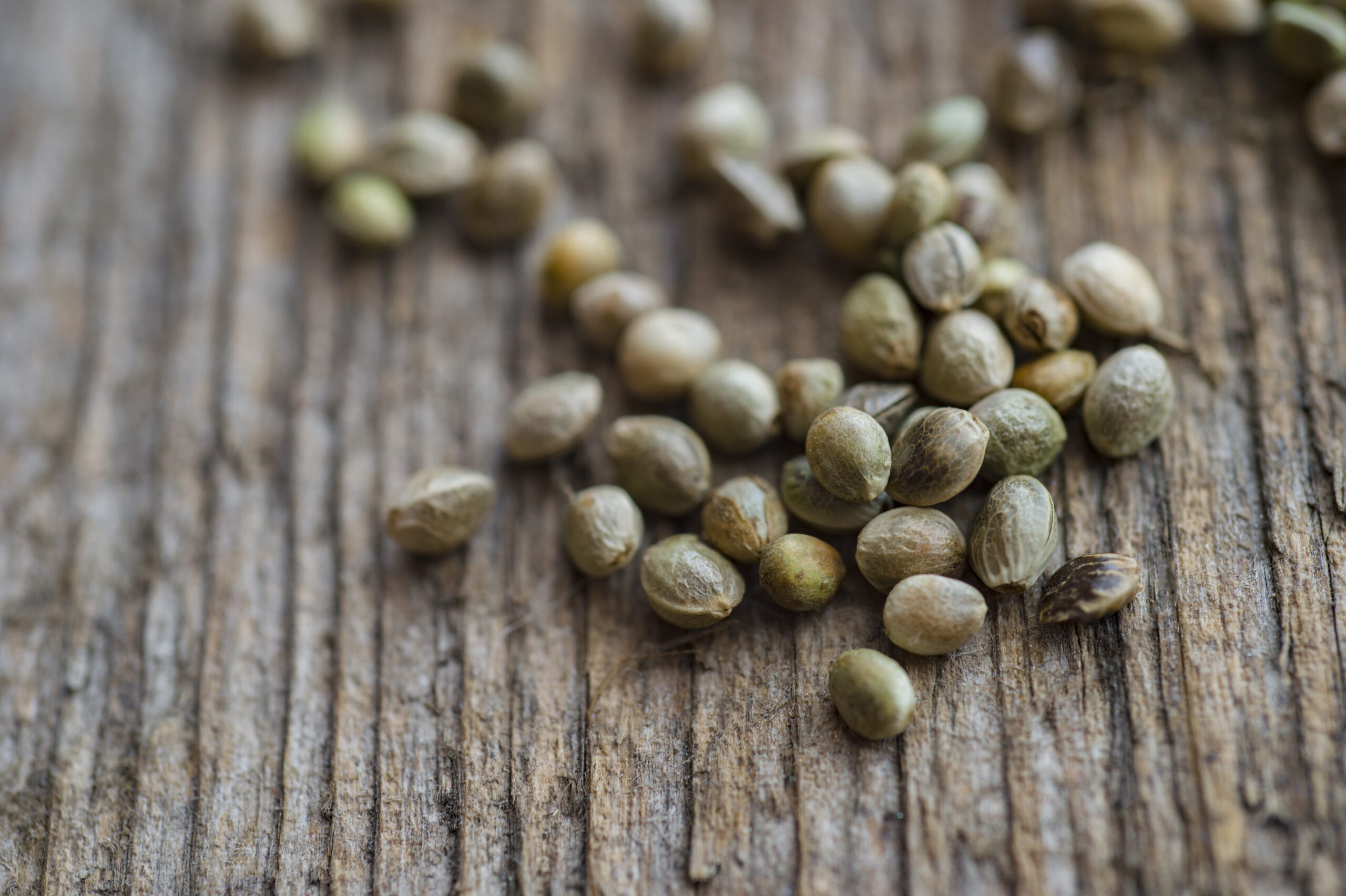
How Long Do Cannabis Seeds Last?
Cannabis seeds can stay viable for years, but they do not “last” the same way canned food lasts. Seed aging is gradual. First you lose speed and vigor, then you lose germination percentage, and finally you end up with seeds that look normal but will not sprout.
If you store seeds correctly, multi-year viability is realistic. If you store them casually in warm air with changing humidity, the drop can be fast.
Important: laws vary. Make sure seed possession and cultivation are legal where you live before you act on any seed-related guidance.
What “seeds last” really means
When people ask how long seeds last, they usually mean one of three things:
- Will it still germinate at all?
- Will it germinate quickly and evenly?
- Will the seedling be vigorous and healthy?
Seed aging usually shows up in this order:
- Slower germination happens first.
- Lower germination rate follows.
- Weak seedlings become more common.
- Then you get “dead” seeds.
That is why two growers can store seeds for the same time and get different outcomes. One person has older seeds that still pop because storage was excellent. Another has newer seeds that struggle because storage was sloppy.
The honest lifespan range most people will see
There is no single number that fits every seed lot. The best answer is a range tied to storage conditions and to seed quality at the start.
Here is a practical, reality-based guideline for most home storage:
| Storage situation | What usually happens | Realistic expectation |
|---|---|---|
| Warm room, variable humidity, opened often | Aging accelerates | Noticeable decline in 1 to 2 years |
| Cool, dark, sealed, stable humidity | Aging slows a lot | Often 3 to 5+ years |
| Deep storage (very cold, sealed, dry, stable) | Aging slows dramatically | 5 to 10+ years is plausible, and longer is possible |
This lines up with general seed science: temperature and seed moisture content are the two biggest drivers of longevity. For orthodox seeds, lowering moisture and lowering temperature can dramatically extend life, and repeated temperature swings can reduce viability.
Remember: cannabis seeds behave like “orthodox” seeds in the storage sense. Orthodox seeds can be dried down and stored cool for long periods, and they are the type that genebanks preserve at very low temperatures for long-term conservation.
Why seeds die: the two variables that matter most
Moisture content is the accelerator pedal
For orthodox seeds, moisture content is often described as the most important single factor affecting longevity. Lower moisture reduces respiration and slows aging, and safe sealed storage is commonly discussed in the 4 to 8% moisture zone for many orthodox species.
Seed aging is not only “time passing.” Seeds still do chemistry in storage. Higher moisture makes those reactions happen faster.
Temperature is the multiplier
Lower temperature slows respiration and slows the chemical damage associated with aging. A classic rule of thumb often cited in seed storage guidance is that seed life roughly doubles for each 5°C reduction in temperature within a workable range.
Important: stability matters. Repeated temperature fluctuations can reduce viability even if the average temperature seems fine.
Why cannabis seeds can last a long time when stored correctly
Cannabis seeds are oily compared to many grains, and oil content changes how moisture behaves, but the core storage principles are still the same: dry and cool and stable.
A useful way to think about “how long” is to separate storage goals:
- Short-term storage means you want high germination for the next run.
- Medium-term storage means you want stable viability across a few years.
- Long-term storage means you are protecting genetics across many years.
Genebank-style storage is typically described as sealed containers at very low temperature, commonly around -18°C, and low moisture targets for orthodox seeds, because moisture and temperature are the key longevity controls.
That does not mean you need a genebank. It means your home storage works best when it imitates the same logic on a smaller scale.
The enemies of seed longevity
If you want seeds to last, you are trying to protect them from five things.
Heat
Heat speeds every aging pathway. It also increases the risk of humidity swings inside containers when temperature changes day to night.
Humidity swings
Humidity swings are worse than a steady “okay” humidity because swings drive moisture in and out of the seed coat. That movement stresses the seed and it also increases the chance of condensation events.
Tip: people often blame “old seeds” when the real problem was humidity cycling.
Oxygen exposure
Seeds age faster when oxidative damage accumulates. Storage atmosphere matters in seed science. Studies in hermetic storage show oxygen conditions can influence germination outcomes in some species, and low oxygen storage can sometimes maintain higher germination compared to high oxygen conditions in controlled experiments.
You do not need to engineer special atmospheres at home to benefit from this concept. The practical takeaway is simpler: reduce unnecessary air exchange by using airtight containers and by not opening them often.
Light
Light is a quiet quality killer for many plant materials. For seeds, the bigger issue is usually the heat and humidity swings that come with light exposure, especially in clear containers near windows.
Physical damage
Seeds that have cracked shells, crushed edges, or poorly developed embryos often age faster and fail earlier. Handling matters more than people think.
Storage setups that actually work in real homes
You do not need fancy gear. You need a simple system that controls humidity and temperature and avoids frequent opening.
Short-term storage (weeks to a few months)
Short-term storage is forgiving.
- Keep seeds dry.
- Keep them dark.
- Keep them in a stable room away from heat sources.
If you are planting soon, the biggest mistake is leaving seeds on a desk, in a kitchen drawer, or near a window. Those spots swing in temperature and humidity every day.
Medium-term storage (months to a few years)
This is where your process matters.
A solid medium-term setup has three parts:
- Airtight container
- Dry buffer inside the container
- Cool, stable location
The container is to stop humidity cycling. The dry buffer is to keep internal RH stable. The cool location is to slow aging.
Advice: if you want seeds to last, stop treating them like “small objects” and start treating them like living biology on pause.
Long-term storage (years)
Long-term storage is where people get hurt by one mistake: freezing seeds that were not dry enough.
Seed storage guidance is clear that you must avoid freezing damage caused by ice formation in seeds with high moisture content, and low moisture levels are what make sub-freezing storage safe for orthodox seeds.
So long-term storage is not “throw them in the freezer.” It is “dry and seal correctly, then store cold and stable.”
Master advice: the freezer is a great tool only when you can guarantee the seed lot is dry and sealed and protected from temperature cycling.
Fridge vs freezer: what to choose and why
The fridge is safer for most people
A fridge is cold enough to slow aging and it is less likely to create condensation shocks if you handle it properly.
The fridge becomes powerful when you do one thing right: you do not open the container often. Every open event brings warm humid air into a cold space.
The freezer can be excellent, but it punishes mistakes
The freezer can extend longevity further, but only if seeds are dry enough and only if you avoid moisture ingress and repeated thaw-refreeze cycles. Sub-freezing temperatures are recommended for long-term conservation of orthodox seeds at low moisture content.
Important: do not repeatedly move the same seed container in and out. If you need frequent access, keep a “working” container in the fridge and keep the “archive” container sealed and untouched.
Packaging and handling rules that prevent accidental seed death
Airtight beats “pretty”
Airtight is about stability. It prevents humidity cycling, and it reduces oxygen exchange.
Divide your seeds into small lots
If you store everything in one jar, you open everything every time.
A better habit is to split into:
- a working lot you open
- a reserve lot you almost never open
This single habit often extends real-world viability because it reduces exposure events.
Label like you will forget
Write down:
- date you received the seeds
- any notes about how they were stored
- approximate age if known
Tip: most “mystery low germination” problems start with unknown age and unknown storage history.
How to tell if your seeds are still good without guessing
No single test is perfect. Use a combination and trust the trend.
Visual and feel cues that matter
Healthy, mature seeds are usually:
- hard, not crushable
- intact, not cracked
- full-looking, not thin and papery
Old seeds often show:
- more brittleness
- hairline shell cracks
- lighter weight for their size
Remember: looks do not guarantee viability. They only give you a probability.
Why the float test is not a truth machine
The float test is popular because it is easy, but it is not reliable enough to base decisions on. Seeds can float and still germinate, and seeds can sink and still be dead.
If you use a float test at all, treat it as a weak signal, not a verdict.
The one test that actually answers the question
The most honest approach is a small viability test with a small sample.
You do not need to do anything complicated. The goal is to learn the germination percentage of that lot and how fast it responds. Use your preferred germination approach and keep conditions consistent. Do not change methods halfway.
Then interpret like this:
- If most seeds start quickly and the percentage is high, you are fine.
- If only a few respond, your lot is old or damaged or stored poorly.
- If they start very slowly, vigor has declined even if some still germinate.
Important: vigor matters. A seed that sprouts late is more likely to produce a weaker start, and that can affect the whole run.
Lab-level viability testing exists, but most growers do not need it
Seed testing labs use methods like tetrazolium staining to estimate viability without full germination trials. This is useful for large batches and agricultural planning, but it is not necessary for most home growers.
For informational planning, a small sample viability test gives you what you need: a realistic probability.
What actually happens as cannabis seeds age
Seed aging is chemical and structural damage over time. Dry-stored seeds still experience oxidative and cellular damage processes. Seed storage science commonly discusses deterioration pathways like DNA damage, protein oxidation, lipid peroxidation, and membrane damage.
You do not need to memorize the biology. You need to understand the practical effect:
- Aging is slower when seeds are dry and cold.
- Aging is faster when seeds are warm and humid, and when they cycle between states.
“I stored them fine, but they still failed”: common root causes
The seeds were not mature or were stressed before you got them
Harvest maturity matters. Even perfect storage cannot fix a seed that started with low vigor.
Storage was cool, but humidity was not stable
This is the classic fridge mistake: seeds in a container that is not truly airtight, or seeds opened frequently, which creates repeated humidity spikes and condensation risk.
The container was airtight, but the seeds were not dry enough
This is the freezer mistake: sealing moisture into a container and then storing cold can create slow problems and it can increase freezing damage risk if moisture is high. Guidance notes that freezing damage risk depends on moisture content and that low moisture is what makes sub-freezing storage safe for orthodox seeds.
The seeds were stored with something that held moisture
Paper, cardboard, and some porous materials can carry moisture into the container. If you want long life, keep the internal environment dry and stable.
Real numbers that explain why moisture and temperature are everything
Even hemp seed storage research shows how strongly moisture and temperature govern safe storage time.
One study on hemp seed bulk storage modeled safe storage time based on germination loss and found that moisture content made a huge difference. At 25°C, seed at 8% moisture had far longer safe storage time than seed at 14% moisture.
That is bulk agricultural storage, not small home packets. The point still applies: wet seeds die faster, and warm storage magnifies it.
Another hemp seed quality study found that storage conditions and packaging affected moisture equilibrium and viability over time.
Advice: if you want seeds to last, obsess less about “years” and more about moisture stability and temperature stability.
What to do if you have old seeds you really want to keep
Sometimes you have a rare pack, a sentimental lot, or a seed you cannot replace. The goal shifts from “perfect” to “best odds.”
First, stop making it worse
- Move them to dry, dark, stable cold storage
- Stop frequent handling
- Split into small lots if you keep opening the container
Second, test a small sample and be honest about the result
If viability is low, plan accordingly. A low viability lot is not “bad.” It is simply older biology.
Third, adjust expectations and plan redundancy
If you only have a few seeds and they are old, the highest leverage move is planning, not tricks.
- Assume lower germination percentage.
- Assume slower starts.
- Assume you may need more attempts than usual.
Important: do not chase aggressive rescue tactics if you cannot control conditions. Many “seed rescue” habits increase stress and reduce odds.
Mistakes that shorten seed life fast
These are the patterns that cause the biggest real-world losses.
- Storing in a warm spot like a kitchen, a top shelf, or near electronics
- Storing in a clear container exposed to light and daily temperature swings
- Opening the container repeatedly in humid air
- Freezing seeds without controlling moisture content
- Leaving seeds in materials that absorb moisture and carry it into storage
- Mixing lots with different ages and histories
Remember: the best storage is boring. It is stable and it is rarely opened.
Common questions people have about seed lifespan
Can cannabis seeds last 10 years?
Yes, it can happen, especially in cold and stable conditions, but it is not guaranteed. The more honest answer is that 10 years is plausible in excellent storage, and it is much less likely in warm and variable storage.
Seed storage guidance supports the idea that orthodox seeds can be dried and stored at low and sub-freezing temperatures for long periods, and long-term conservation standards commonly use very cold storage like -18°C with low moisture.
Do seeds “expire” on a specific date?
No. They decline.
A seed pack does not go from 100% to 0% on a calendar day. It declines in probability and vigor. That is why storage quality matters so much.
Is the fridge enough, or is the freezer required?
The fridge is enough for most home growers who want multi-year viability, as long as storage is sealed and stable.
The freezer is mainly for long-term archiving. It can be excellent, but it also creates more ways to make mistakes with moisture and condensation.
Can I keep seeds in the original packaging?
Sometimes yes, but only if the packaging is truly moisture-protective and you keep it in a stable environment. The safer approach is to put the original pack inside a sealed container with a dry buffer, then store cold and dark.
How should I store seeds if I live in a humid climate?
Humidity is the enemy in humid climates because it creates constant pressure for moisture to move into storage.
Your priorities are:
- airtight container
- dry buffer inside
- stable cold location
- minimal opening events
If you do those four, your climate matters less.
A simple way to think about seed age from now on
Cannabis seeds can last a long time, but the clock is controlled by two knobs: seed moisture and storage temperature. Keep both low and stable and you buy years. Let them swing and you lose years.
If you want a practical next step, do this: pick one seed lot you care about and set up a “working lot vs reserve lot” system, then run a small viability test on the working lot so you know what you are dealing with. Once you know your real viability, everything gets simpler, because you stop guessing and you start planning.
Share this article

Written by : alexbuck
A quick overview of the topics covered in this article.
Follow us
Latest articles
March 25, 2026
March 25, 2026
March 25, 2026