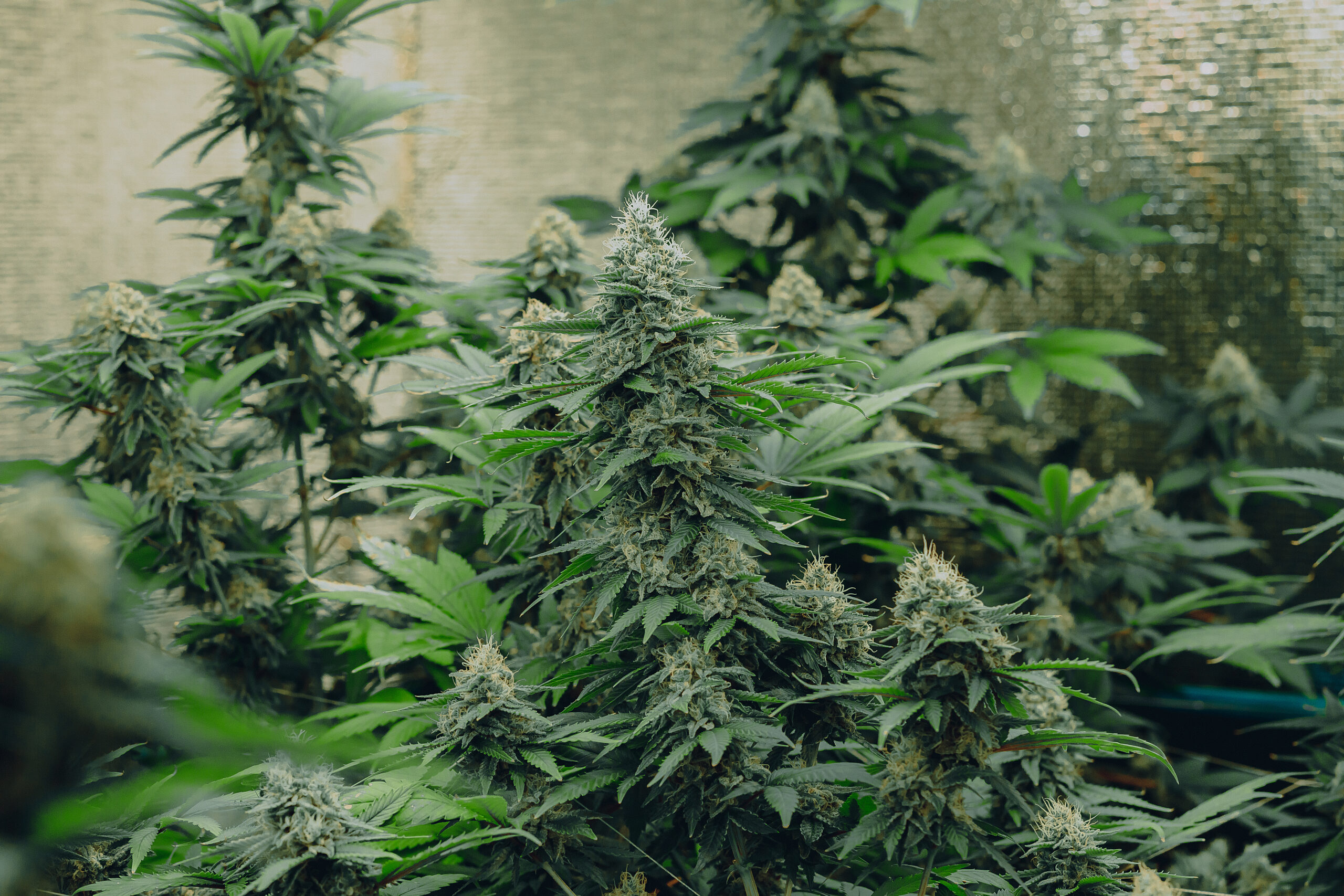
What Are Autoflower Seeds?
Autoflower seeds produce plants that switch from veg to flower based on age, not on a change in light schedule. That one trait changes everything about planning. It changes your timeline, your margin for mistakes, and how you should train and feed the plant.
If you are new to growing, autoflowers can be either the simplest path or the fastest way to feel rushed, depending on how you approach them. This guide is built to keep you on the simple path.
What “autoflower” actually means
A photoperiod plant uses night length as its signal to flower. You control flowering by changing the light schedule.
An autoflower uses time as its signal. It will enter flowering after a short vegetative window, even if it receives long days.
Important: you cannot “keep an autoflower in veg” by keeping lights on longer. You can only influence how much growth it achieves before the flowering switch happens.
This matters because beginners often assume they have unlimited time to fix problems. With autos, time is limited. The plant will keep moving forward.
Where autoflowers come from
Autoflowers exist because of genetics. They carry traits from cannabis populations that evolved in regions with short summers, where waiting for long autumn nights would be risky.
In practice, modern autos are usually the result of breeding photoperiod traits into autoflowering genetics. That is why today’s autos can be much more potent and productive than early versions, while still keeping the age-based flowering trigger.
You do not need to memorize the lineage to grow them well. You do need to understand the tradeoff:
- You get speed and simplicity.
- You give up control over veg length.
Autoflower vs photoperiod in plain terms
Timeline control
Photoperiod: you control the length of veg.
Autoflower: the plant controls the length of veg.
That means photoperiods are forgiving when you need extra time to recover from mistakes. Autos are less forgiving, especially in the first 3 to 4 weeks.
Light schedule control
Photoperiod: flowering requires a schedule change.
Autoflower: flowering happens without a schedule change.
This is why many indoor growers like autos. You can keep a stable schedule and still harvest.
Training tolerance
Photoperiods can handle harder training because you can extend veg to recover.
Autos can be trained, but recovery time is expensive. A bad training decision can reduce final size and yield because the plant cannot wait for you.
Outdoor flexibility
Autoflowers can fit into many outdoor windows because they do not rely on seasonal day length.
That makes autos valuable in:
- short summer regions
- areas with early fall rain risk
- places where you want multiple smaller harvests across a season
Tip: if your outdoor season is unpredictable, autos let you harvest earlier and reduce weather risk.
Are autoflowers good for beginners?
They can be, if you choose the right beginner strategy.
Autoflowers reward:
- a stable environment
- gentle training
- consistent watering habits
- realistic expectations
Autoflowers punish:
- heavy transplant stress
- early overwatering
- aggressive pruning too early
- big swings in temperature and humidity
Advice: beginners do best with autos when they follow a “keep it steady” approach, not a “try every technique” approach.
Types of autoflower seeds you will see
Autoflower feminized seeds
These are the most common for beginners. They are bred to produce female plants at a high rate.
The advantage is obvious: you are not spending time and space on male plants.
The beginner downside is that you may become careless with hygiene and stress management because you feel like “everything is handled.” It is not. Feminized does not mean invincible.
Autoflower regular seeds
These can produce male and female plants.
They are mainly used by people who want to do breeding or who prefer regular genetics for long-term projects.
If your goal is a straightforward first harvest, regular auto seeds usually add complexity you do not need.
“Fast” photoperiod seeds vs autos
Some seeds are marketed as “fast” or “quick” flowering but still rely on photoperiod signals. They are not autos.
If you want age-based flowering, make sure the seed is truly labeled as autoflowering and described as day-neutral.
The beginner mental model that prevents most mistakes
Here is the simplest way to grow autos successfully:
- Weeks 1 to 3 decide your final size.
- Weeks 4 to 8 decide your final quality.
- Your job is stability, not hero moves.
Autoflowers do not give you a long runway to fix early stress. So the beginner play is to reduce stress sources.
Important: the fastest way to reduce stress is to plan your container, watering habits, and environment before you start.
How long do autoflowers take from seed to harvest?
Autoflowers are often described as 8 to 12 weeks from seed to harvest. That is a useful starting range.
Real-world timelines vary based on:
- genetics
- light intensity and daily light hours
- temperature stability
- root space
- how much stress happens early
A slower finish does not automatically mean you did something wrong. Dense buds and cooler finishing conditions can add time.
Remember: harvesting is not about calendar days. It is about maturity.
Indoor autos vs outdoor autos
Indoor: what changes
Indoors, autos are attractive because you can run a simple light schedule and avoid the “flip” moment.
Common indoor schedules include:
- 18 hours on, 6 off
- 20 on, 4 off
- 24 hours on
There is no one correct schedule. Each has tradeoffs.
18/6 is forgiving and gives the plant a daily rest period.
20/4 increases daily light without going fully nonstop.
24/0 maximizes light hours, but it can increase heat load, increase electricity cost, and some plants simply perform better with a dark period.
Tip: if you are new, 18/6 or 20/4 is usually the best balance of simplicity and stability.
Outdoor: what changes
Outdoors, autos are about timing and weather risk.
They are useful when:
- summers are short
- fall rains are heavy
- you want multiple smaller harvests
- you need flexibility in start dates
They still need strong sun to perform well. A shaded yard is not “good enough” just because the plant is an auto.
Advice: outdoors, place autos where they get the longest uninterrupted sun window you can realistically provide.
Pot size and root space: the auto-specific rule
Autoflowers have less time to build roots before flowering begins, so root space matters early.
A practical rule:
- Give autos their final container early.
- Avoid multiple stressful transplants.
This does not mean transplanting is impossible. It means beginners should minimize it.
Why small containers often disappoint beginners
A small container can produce a smaller plant fast, which sounds good until you realize the yield ceiling drops too.
If your goal is meaningful yield, a medium-to-large container usually gives you a better chance of building enough root mass early.
Why oversized containers can also backfire
A very large container can hold moisture for a long time. Beginners often overwater, and overwatering in a big container can slow early growth.
That is why the best container size is not “the biggest possible.” It is “big enough for root mass, but manageable for your watering skill.”
Tip: if you struggle with overwatering, choose a container that dries at a reasonable pace in your environment. A slightly smaller pot can outperform a huge pot if it keeps roots oxygenated.
Medium choice for autos: what beginners should prioritize
Autoflowers can grow in many mediums. The key is that the medium should support fast early growth without constant correction.
Soil-style mixes
These can be beginner-friendly when they are light, airy, and not overloaded with aggressive nutrients.
A very “hot” mix can stress young autos early. Early stress is expensive because you cannot extend veg.
Important: if your medium is heavily amended, start feeding later and more gently.
Coco-style mixes
These can produce fast growth, but they require consistent watering and basic nutrient discipline. They are less forgiving if you do not monitor what you are doing.
Coco is great for growers who like routine and consistency. It can be rough for growers who water randomly.
Hydro systems
Autos can do well in hydro, but hydro punishes mistakes fast. If you are a true beginner, start simple unless you enjoy technical systems.
Feeding autos: the beginner-safe approach
Feeding is where beginners overcomplicate.
Autoflowers generally need:
- strong early root health
- steady growth without harsh swings
- enough nutrition to support flowering without burning
The biggest feeding mistakes are:
- feeding too strong too early
- chasing deficiencies that are actually pH or watering issues
- changing multiple inputs at once
Advice: when something looks wrong, make one change, then observe. Autos move quickly, but guessing and stacking changes is still the fastest way to get lost.
Why “less is more” often works early
Autos do not need heavy feeding in the first stage if the medium has nutrition. The early goal is root establishment and steady leaf growth.
Overfeeding early can slow growth, and slowed growth in week 1 to 3 becomes a smaller plant forever.
What changes as flowering begins
Once flowering starts, the plant’s demand shifts. You often need more consistent nutrition and stable watering because the plant is building mass fast.
The key is to avoid big spikes in EC and avoid drying out too hard between waterings if that causes stress cycles.
Training autos without ruining your yield
Training can help autos, but only when it fits the timeline.
The safest beginner training: gentle shaping
The most beginner-safe training is gentle bending and positioning to open the canopy.
The goal is:
- better light distribution
- better airflow in the canopy
- less larf and more usable flowers
This approach works because it is low stress and does not require long recovery.
Tip: with autos, aim for small adjustments done early rather than big changes done late.
What to be careful with
Hard topping, heavy defoliation, and major structural cuts can reduce yield if they delay the plant during its short veg window.
Some growers top autos successfully. Many beginners top too late or top a stressed plant and pay for it.
Important: if the plant is already slow, do not add a new stressor.
Defoliation: the balanced view
Leaves are solar panels. Removing too many early reduces growth.
In flower, selective leaf removal can help airflow and light penetration, but it should be done with purpose.
A good beginner rule is to remove only what clearly blocks airflow or light to key bud sites, and to avoid stripping the plant.
Environmental targets that matter most for autos
Autoflowers do best when the environment is stable. They do not demand perfect numbers. They demand consistency.
Temperature
Warm but not extreme temperatures support fast early growth. Large day-night swings can slow the plant and increase humidity spikes.
Humidity
Humidity should support growth early, then drop gradually as flowers develop to reduce rot risk.
If you run high humidity late in flower, the risk rises, especially with dense bud structures.
Airflow
Airflow is about preventing stagnant pockets around buds and leaves. It is not about blasting plants.
Remember: bud-zone airflow matters more than room airflow. If the canopy is still, humidity pockets form even when your room reading looks fine.
The mistakes that cause most autoflower failures
Here are the patterns that show up again and again.
Overwatering in the first 2 weeks
This is the classic killer. Roots need oxygen. Wet media for long periods reduces oxygen.
The plant responds by slowing down. Week 1 to 3 slowdown often becomes a smaller plant permanently.
Tip: learn to water the root zone, not the whole pot, early on. The goal is to support root expansion without keeping the entire container saturated.
Trying to fix everything at once
Beginners see a symptom and change lighting, nutrients, watering, and environment all at once. Then they cannot tell what worked.
Autos move fast, so this becomes chaos quickly.
Training a stressed plant
Training only pays when the plant is healthy and growing. If it is already struggling, training often lowers yield.
Treating autos like photoperiods
The biggest mindset mistake is thinking you can “give it another week of veg.” You cannot.
You must do the early stage well enough that the plant has a strong base when the flowering clock starts.
Choosing autoflower seeds: what beginners should look for
This is where people waste money and time. You do not need hype. You need traits that fit your environment.
Look for timeline clarity
Choose genetics with a clear expected timeline and a reputation for stable behavior.
If the expected range is extremely wide, that can be a sign of inconsistency or a sign that the cultivar is highly environment-sensitive.
Look for resilience over maximum yield claims
A beginner-friendly auto is resilient. It handles small mistakes without collapsing.
A “maximum yield” auto can be more sensitive and require tighter control to shine.
Look for plant structure that matches your climate
Dense buds are great until humidity is high and airflow is weak. Airier flower structures can be safer outdoors in humid regions.
If you grow outdoors in a humid climate, prioritize structure and rot resistance rather than just potency or yield.
Master advice: match genetics to your climate first. Most quality problems start with mismatch, not with lack of effort.
A simple autoflower plan for your first run
This is a beginner blueprint that keeps risk low.
- Pick a stable light schedule indoors, or a strong sun location outdoors.
- Use a medium that you can water consistently.
- Start in the container you plan to finish in, or minimize transplant stress.
- Keep the first 3 weeks boring: stable temperature, gentle watering, no aggressive training.
- In flower, prioritize airflow, humidity stability, and consistent feeding habits.
- Avoid panic adjustments. Make one change at a time.
Advice: your first goal is not “perfect.” Your first goal is a clean, stable cycle that teaches you what your environment does.
Choosing Autoflower Seeds Without Regret
Autoflowers make planning simpler, but they make seed selection more important. With photoperiod plants, you can extend veg to recover from weak genetics or early slow growth. With autos, you are buying a shorter runway, so the starting material matters more.
This section focuses on what to look for when buying autoflower seeds, how to avoid common traps, and how to choose genetics that fit indoor and outdoor conditions.
The goal of seed selection in one line
Choose genetics that match your environment and your skill level so the plant can stay stable with fewer interventions.
Indoor vs Outdoor: Why the “Best Auto” Is Not Universal
A beginner-friendly auto indoors is often not the same as a beginner-friendly auto outdoors. The reason is not potency. It is risk and consistency.
Indoor: what “beginner-friendly” means
Indoors, the biggest advantage is control. Beginner-friendly genetics indoors usually have:
- Compact to medium structure that fits typical spaces without constant shaping
- Predictable timing so you can plan harvest windows and drying logistics
- Tolerance to small environmental swings, especially nights
- Moderate feeding demands, meaning they do not punish minor mistakes hard
A lot of indoor beginners do better with a plant that finishes “cleanly” and consistently, even if the ceiling yield is lower than a hype cultivar.
Outdoor: what “beginner-friendly” means
Outdoors, you trade control for variability. Beginner-friendly genetics outdoors usually have:
- Weather tolerance, especially to humidity swings and cool nights
- A structure that breathes, because dense buds are more sensitive to wet conditions
- A timeline that fits your season, including the risk weeks in late summer and early fall
- A strong early growth drive, because outdoor setbacks can be caused by wind, rain, and uneven sun exposure
If you live in a humid outdoor area, the “best auto” is often the one that stays airy and finishes reliably, not the one that looks best on paper.
Autoflower vs Feminized: The Confusion That Wastes Money
Many people mix these terms because they are both seed labels, but they describe two different things.
Autoflower describes flowering behavior
Autoflower means the plant flowers by age, not by light schedule. It can be male or female unless it is also feminized.
Feminized describes sex expression probability
Feminized means the seed is bred to produce a female plant at a high rate. Feminized seeds can be photoperiod or autoflower.
So you can have:
- Autoflower feminized seeds
- Autoflower regular seeds
- Photoperiod feminized seeds
- Photoperiod regular seeds
If you want the simplest beginner path for most situations, you typically choose autoflower feminized because it removes the male plant variable.
Critical warning: if you buy “feminized” thinking it automatically means “autoflower,” you can end up with a photoperiod plant that never flowers under your plan. Always verify both labels.
What to Look For When Buying Autoflower Seeds
Seed shopping often looks like marketing. You want to turn it into a checklist.
1) Proven stability and low “surprise rate”
A good beginner auto is stable. Stability means:
- predictable plant structure
- predictable timing
- predictable phenotypes within the pack
A seed line that throws wildly different plants can still be fun, but it is not beginner-friendly. It makes learning harder because you cannot tell if a result came from your environment or from genetic variability.
Look for descriptions that emphasize uniformity and consistency rather than only maximum yield or extreme potency.
2) Timeline clarity you can actually plan around
Autoflower timelines are commonly described as “seed to harvest in X weeks,” but the range matters more than the single number.
A line described as 9 to 11 weeks is usually easier to plan than one described as 8 to 14 weeks. Wide ranges can mean:
- unstable genetics
- high sensitivity to environment
- inconsistent phenotypes
Indoors, timeline clarity helps you plan drying and space turnover. Outdoors, it helps you avoid the worst weather window.
3) Structure that matches your climate and your space
Structure is one of the most underrated selection traits.
Indoors, compact to medium plants are easier to manage and easier to keep evenly lit.
Outdoors, structure affects airflow and moisture handling. If your area has frequent dew, fog, or late summer humidity spikes, avoid extremely dense flower structures for a first run.
4) “Easy mode” traits: vigor, resilience, and forgiveness
Beginner-friendly autos usually have:
- strong germination vigor
- fast early root drive
- steady growth rhythm
- tolerance to small environmental instability
A cultivar can be famous and still be a poor first auto if it is sensitive, slow early, or prone to stalling.
5) Honest expectations about yield
Yield claims are often the least reliable part of a listing because yield is more environment than genetics.
Instead of believing absolute numbers, look for:
- how the plant builds structure
- whether it is described as “highly responsive” or “finicky”
- whether it is described as “forgiving” and “consistent”
Your first goal is repeatability, not record yield.
6) Seed freshness and storage
Freshness matters because older seeds can germinate slower and with less vigor.
If the seller cannot speak clearly about storage, or if seeds are shipped in a way that suggests heat exposure, treat that as risk. A seller that uses basic protective packaging and gives clear handling advice is usually a better sign than flashy branding.
7) Documentation, not hype
A trustworthy seed listing gives you:
- expected height range
- expected timeline
- basic structure notes
- indoor and outdoor suitability notes
- any known sensitivity warnings
If a listing is mostly adjectives, it is not helping you make a decision.
Reading Autoflower Listings Like an Expert
Most listings mix real information with marketing. Here is how to interpret common phrases.
“High yield” vs “high vigor”
High yield often means “can yield high under ideal conditions.” It does not mean beginner-friendly.
High vigor usually matters more early. Vigor is what gets you a plant that reaches a healthy size before flowering kicks in.
For first-time growers, prioritize vigor and stability over maximum yield claims.
“Fast” can mean different things
Fast can mean:
- early flowering trigger
- short flowering period
- total short lifespan
A very fast auto can reduce weather risk outdoors, but indoors it can also reduce the time you have to build structure. That makes early stability even more important.
“Resistant” needs context
Resistant to what. Heat. Humidity. Cold nights. Mold pressure. Wind.
If the listing does not say what kind of resilience it has, treat it as a vague claim.
Beginner-Friendly Autoflower Types You Can Choose From
Instead of naming specific cultivars, think in “beginner-friendly types” that match indoor and outdoor realities. This keeps your decision transferable across markets.
Indoor beginner-friendly autos
Type 1: Compact, fast, consistent plants
Great for small tents and first runs because they stay manageable and finish predictably.
Type 2: Medium-sized, balanced hybrids
Often the best learning platform. Enough size to feel rewarding, but not so big that climate control becomes extreme.
Type 3: Lower odor intensity lines
If stealth matters, this trait can matter more than yield. A low-odor plant is rarely “no odor,” but it can reduce pressure on your odor-control setup.
Outdoor beginner-friendly autos
Type 1: Airy flower structure and strong branching
Better airflow, less trapped moisture, and more tolerance to dew and light rain.
Type 2: Short-season finishers
Good for regions where fall weather turns hostile early.
Type 3: Wind-tolerant, sturdy stems
This matters more than people expect in exposed outdoor locations.
If you tell me your approximate climate type (hot and dry, cool and humid, mixed), I can suggest the best “type profile” for you without narrowing it to a single named cultivar.
Autoflower Feminized vs Autoflower Regular: Which Should a Beginner Buy?
Autoflower feminized is the default for beginners
It removes one major variable. You are not gambling on sex expression in a plant with a short lifecycle.
Autoflower regular is for specific goals
Regular seeds are useful if you plan to breed or if you want to hunt males. For a first-time informational goal, they add complexity and reduce usable plant count.
If your goal is learning and a clean harvest, feminized autos are the straightforward choice.
Where Many People Buy the Wrong Autoflower Seeds
Here are the purchase decisions that most often lead to disappointment.
Buying for trend instead of for environment
A trending profile can be sensitive. It may need tighter climate control and more consistent handling. That is not a dealbreaker, but it is rarely beginner-friendly.
Buying the fastest auto available as a first run
Ultra-fast autos compress the learning window. A beginner-friendly first run often benefits from a little more time and a more forgiving growth rhythm.
Buying “largest possible” genetics for a small space
Large autos can outgrow small tents fast. Then you are forced into heavy interventions that increase stress. A medium, stable plant often produces better results than an oversized plant you have to fight.
Buying unknown storage history
Seed quality is not only genetics. It is also age and storage.
If you suspect poor storage, you are paying for a weaker start before you even begin.
How to Build a Simple Autoflower Seed Plan for Indoor and Outdoor
This is a clean way to choose seeds without spiraling into endless options.
Step 1: Choose your use case
- Indoor only
- Outdoor only
- Mixed
If mixed, you may want two different “types” rather than one compromise.
Step 2: Decide what matters most for your first run
Pick two priorities only:
- stability and consistency
- speed
- yield potential
- aroma complexity
- stealth and odor sensitivity
- weather tolerance
Two priorities prevent you from buying a listing that promises everything and delivers nothing.
Step 3: Match structure and timeline to your environment
Indoors, size is about space and climate load. Outdoors, size is about sun exposure and weather windows.
Step 4: Buy for learning value
A good first auto is one that teaches you a clean cycle. That is the only way you build repeatable success.
Seed Authenticity and Quality Signals
Buying autoflower seeds is not only about choosing a flavor profile or a timeline. It is about reducing the chance that you receive seeds that are mislabeled, unstable, old, or poorly handled. Because autos have a shorter runway, weak starting material is harder to “grow around,” especially for beginners.
This section gives you a practical way to judge seed listings and sellers without turning the process into paranoia.
What “authentic” means in practice
For autoflower seeds, authenticity usually comes down to three questions:
- Is it truly an autoflower and not a photoperiod being marketed loosely?
- Is it the cultivar the listing claims, or is it a vague “auto mix” with unpredictable results?
- Is the seed lot healthy and stored properly, or is quality already compromised?
You rarely get perfect certainty, but you can get strong signals.
The most common authenticity problems and how they show up
1) “Autoflower” label but photoperiod behavior
This is one of the most frustrating outcomes: you plan an auto cycle, and the plant behaves like a photoperiod and refuses to flower under your expectations.
Why it happens:
- mislabeling or sloppy inventory handling
- unstable autoflower trait in the seed line
- sellers using “fast” language that confuses buyers
How it shows up:
- plant keeps vegetating under a long-day indoor schedule far longer than expected
- flowering does not begin within a reasonable age window relative to the cultivar’s stated timeline
You cannot fully “test” this at purchase time, but you can reduce the risk by choosing listings and sellers with clear documentation, stable descriptions, and consistent customer feedback patterns.
Critical warning: if the listing does not clearly say “autoflowering” and only says “fast,” treat it as photoperiod until proven otherwise.
2) Unstable genetics and high phenotype spread
Autoflowers can vary, but some packs vary so much that you cannot predict anything: size, timeline, aroma, even basic structure.
Why it happens:
- weak selection work
- rushed releases
- poor stabilization across generations
How it shows up:
- major height differences in the same pack
- timelines that split widely
- inconsistent bud structure and finishing behavior
For beginners, high variability feels like personal failure because you cannot tell what you did wrong. It is often not you. It is just inconsistent genetics.
3) Old or poorly stored seed lots
This is not an authenticity issue in the “label is wrong” sense, but it creates a similar outcome: poor germination and weak early vigor.
Why it happens:
- heat exposure during shipping
- storage in humid environments
- long shelf time without proper packaging
How it shows up:
- slow germination
- uneven sprouting times
- weak early growth compared to normal expectations
A seller does not need to be dishonest for this to happen. It can be a logistics failure. Your job is to reduce the odds.
Quality signals you can check before buying
Think of this as a scoring system. One signal is not enough. Several strong signals together reduce your risk.
Signal 1: The listing contains measurable specifics
A reliable listing usually includes:
- expected seed-to-harvest range
- expected height range indoors and outdoors
- basic structure description
- whether it is suitable for indoor, outdoor, or both
- whether it is beginner-friendly or more demanding
Vague listings often rely on:
- only potency claims
- only yield claims
- only adjectives like “insane,” “top shelf,” “ultimate”
Advice: if the listing cannot describe structure and timeline clearly, it is not designed to help growers succeed.
Signal 2: The autoflower trait is stated clearly and repeatedly
A serious listing should state:
- it is an autoflower
- it does not require a photoperiod change
- it is day-neutral or age-based flowering
If the listing is unclear on this, or buries it in marketing language, treat it as higher risk.
Signal 3: The seller can answer basic questions without dodging
Before buying, test the seller with two or three short questions:
- Is this autoflower feminized or regular?
- What is the expected seed-to-harvest range in a typical indoor setup?
- How is the seed stored and packaged for shipping?
You are not looking for a perfect technical answer. You are looking for confidence and clarity.
If the response is vague, defensive, or contradicts the listing, that is a red flag.
Signal 4: Packaging is designed for protection, not aesthetics
Good packaging is:
- light-protective
- moisture-protective
- physically protective against crushing
- sealed in a way that suggests care
Bad packaging is:
- thin paper only
- loose seeds in a bag with no protection
- obvious exposure risk during shipping
A seller who protects seeds in transit is often a seller who takes storage seriously.
Signal 5: Consistent feedback patterns, not one loud review
If you can see customer feedback, look for repeat patterns:
- people mention stable timelines
- people mention consistent plants
- people do not mention frequent “not an auto” surprises
Avoid making decisions based on a single extreme review. The pattern matters.
Red flags that should stop you from buying
These are not “maybe” signals. These are usually strong predictors of regret.
Red flag 1: The listing makes extreme promises with no constraints
Examples:
- guaranteed massive yields without mentioning environment
- extreme potency claims without any context
- “perfect for everyone” language
A real cultivar has tradeoffs. A real listing acknowledges them.
Red flag 2: No clarity on feminized vs regular
If you cannot confirm whether the seeds are feminized or regular, you do not know what you are buying.
This is one of the most basic data points. Sellers who cannot state it clearly are either careless or intentionally vague.
Red flag 3: “Auto” used loosely with “fast flowering” language
Fast flowering photoperiods exist. They are not autos. If the listing leans on “fast” but does not explicitly describe age-based flowering, you are taking a risk.
Red flag 4: Mixed packs with no transparency
“Auto mix” packs can be fun for experienced growers who enjoy variation. For beginners, they are often a learning trap because nothing is consistent.
If you want to learn, buy one cultivar and learn it deeply.
Red flag 5: Shipping that exposes seeds to heat
If you live in a region with hot weather, shipping method matters. If the seller ships in a way that suggests seeds will sit in heat without insulation or timing care, it is higher risk.
You cannot always control this, but you can choose sellers who treat it as a real issue.
How to avoid buying mislabeled autos
You cannot guarantee perfection. You can build a safer buying process.
Choose sellers who specialize rather than sellers who list everything
Huge catalogs are not automatically bad, but they increase the chance of inventory mistakes and sourcing inconsistency.
Specialist sellers often have fewer products and more consistent handling.
Buy small first, then scale
If you are buying from a new source, do not start with a large order.
Buy a small pack. Test germination speed and early vigor. If it performs well, then scale your purchase.
This is how experienced growers reduce risk without needing inside knowledge.
Keep a simple “seed lot log”
When the seeds arrive, record:
- date received
- cultivar name
- whether it is autoflower and whether it is feminized
- how it was packaged
- where you stored it
This gives you traceability later. If something goes wrong, you can identify whether it was likely genetics, storage, or handling.
What “beginner-friendly” autos should look like in listings
Since you asked for beginner-friendly examples without relying on named cultivars, here is the profile language you should look for.
Indoor beginner-friendly auto profile
Look for descriptions like:
- compact or medium height
- consistent structure
- predictable finish window
- forgiving and stable
- moderate feeding needs
Avoid descriptions that imply:
- very large plant size in small spaces
- highly sensitive to environment
- extreme intensity needs to perform
Outdoor beginner-friendly auto profile
Look for descriptions like:
- resilient and weather-tolerant
- airy or open flower structure
- strong branching and sturdy stems
- early finishing window
- suitable for cooler nights or variable weather
Avoid descriptions that imply:
- extremely dense colas in humid climates
- late finishing windows that push into risky weather
The two most common “good buys” for first-time auto growers
To make this actionable, here are two beginner-friendly “buy types” that work in many places.
Type A: Compact, fast, consistent indoor auto
This is the “learn the cycle” choice.
- It fits small tents.
- It finishes predictably.
- It does not require aggressive shaping.
- It teaches you timing and workflow.
Type B: Outdoor resilient, airy-structure auto
This is the “reduce weather risk” choice.
- It handles humidity swings better.
- It is less likely to trap moisture in dense flowers.
- It allows you to harvest earlier and avoid late-season problems.
Buying with Confidence: Your Simple Autoflower Seed Checklist
Autoflower seed shopping gets easy when you stop chasing the “best” seed and start choosing the right match for your space and climate. Most disappointment comes from one of three things: mislabeled flowering behavior, unstable genetics, or weak handling and storage before the seed even reaches you. When you screen for those risks first, the rest becomes preference.
Here is the clean checklist to close the loop:
- Confirm autoflowering is stated clearly and described as age-based flowering, not “fast” marketing language.
- Confirm feminized vs regular is stated plainly and matches your goal.
- Prefer listings with timeline range, structure notes, and indoor/outdoor fit, not just hype.
- Choose a beginner-friendly type that matches your environment: stable and manageable indoors, resilient and breathable outdoors.
- Pay attention to packaging, storage, and shipping signals, because seed quality can be compromised before you start.
- Start small with a new source, then scale after you see consistent vigor and predictable behavior.
Share this article

Written by : alexbuck
A quick overview of the topics covered in this article.
Follow us
Latest articles
March 25, 2026
March 25, 2026
March 25, 2026