Biscotti Strain Profile
Strain Features Table
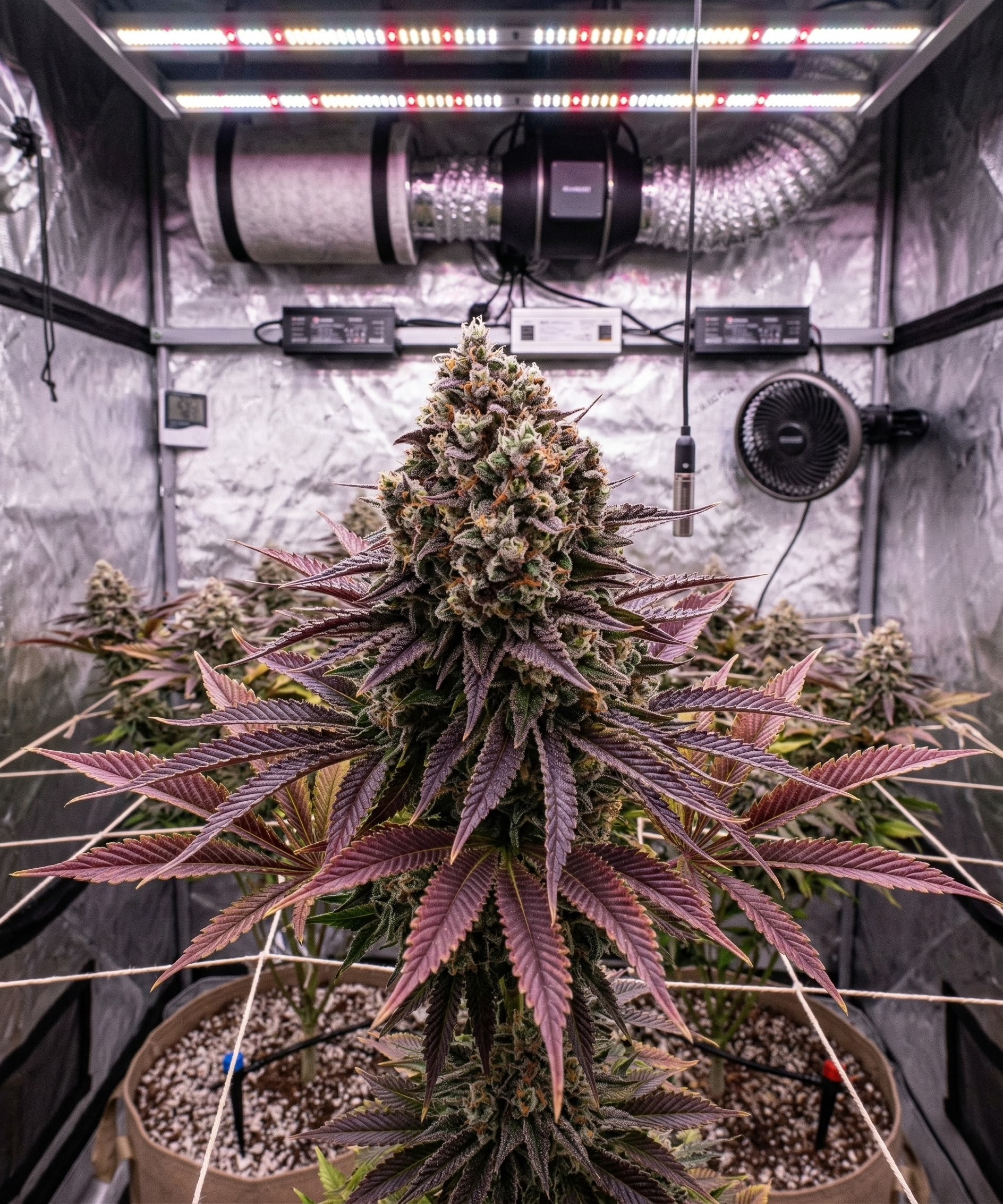
Biscotti buds are known for their dense, frosty appearance, often showcasing dark green colors with hints of purple and bright orange pistils beneath a thick coat of trichomes. This Indica-dominant hybrid inherits its dessert-like aroma from its Cookie lineage and packs potent THC levels, as summarized below:
| Feature | Description |
|---|---|
| Type | Indica-dominant Hybrid (≈80% Indica / 20% Sativa) – delivers a balance of body relaxation and mild head uplift. |
| Genetic Lineage | Gelato #25 × South Florida OG (Cookies Fam Genetics) – a blend of the Cookies family and OG Kush heritage. |
| THC % | ~21–25% (average) up to 30% in top phenos – very high potency; use cautiously if new to high-THC strains. |
| CBD % | <1% – generally low CBD content. |
| Flowering Time | ~8–9 weeks indoors (photoperiod); outdoor harvest by early October in Northern Hemisphere. |
| Grow Difficulty | Moderate – rewarding but needs some attention (dense buds require humidity control; strong aroma requires odor management). |
| Ideal Environment | Indoors: thrives in a controlled setup with stable temp/humidity. Outdoors: prefers warm, sunny, Mediterranean-like climate; tolerates slightly cooler nights. |
| Aroma | Sweet, doughy cookie scent with earthy and herbal undertones. Notably pungent (“loud”) in bloom – expect a sugary baked goods smell mixed with hints of spice and fuel. |
| Taste Notes | Sugary cookie dough flavor on inhale with nutty, buttery sweetness; rich spice and a touch of diesel on the exhale. Finishes with a lingering sweet, herbal aftertaste. |
| Primary Terpenes | β-Caryophyllene, Limonene, Myrcene – impart peppery spice, citrus zest, and a musky sweetness (see Terpenes section for details). |
| Medical Uses | Stress, anxiety, mood swings; depression; chronic pain and inflammation; insomnia; appetite loss. |
| Flavor Profile | Dessert-like: sweet vanilla cookie and fruit notes, with spicy herbal exhale. Often described as tasting like a freshly baked biscotti with a dash of diesel. |
Genetic Lineage
Biscotti was bred by the renowned Cookies Fam Genetics in California, by crossing Gelato #25 with South Florida OG. (Some sources note that Girl Scout Cookies also figures into its heritage via the Gelato parent – which makes sense, as Gelato itself is a child of the GSC line.) Here’s a closer look at its parentage:
- Gelato #25 (“Larry Bird” phenotype) – a dessert-inspired hybrid famous for its sweet, creamy aroma. Gelato #25 is a cross of Sunset Sherbet and Thin Mint GSC, and it contributes a delightful bakery-like flavor along with a euphoric yet relaxed effect to Biscotti. This brings the “cookie” sweetness and creative uplift in Biscotti’s profile.
- South Florida OG – an OG Kush-family strain (sometimes nicknamed “Sour Florida OG” or simply Florida OG). This clone-only indica cut is reportedly derived from Triangle Kush and Rare Dankness #1. It injects potent body effects and a gassy, fuel-tinged aroma into Biscotti. South Florida OG’s influence is what gives Biscotti its heavy calming power and that subtle diesel/spicy kick on the exhale.
Brought together, these two parents created Biscotti’s unique genetic profile (~80% indica, 20% sativa). The strain first emerged in the San Francisco Bay Area’s Cookies scene, and has since become a sought-after hybrid that combines the best traits of the Cookies and OG lines – a true “dessert strain” with knockout potency.
Effect Breakdown
Onset (Head High): Biscotti’s high often creeps up on you. The first wave is a rush of cerebral euphoria that can feel buzzy and unfocused. Many users report an initial uplift in mood and creativity, accompanied by a lightheaded, giggly sensation. You might feel a brief burst of mental energy or even focus in the very early stages – a nod to the strain’s sativa side – but don’t plan on doing anything too detail-oriented for long.
Mid-High (Balanced Effects): As that head high settles, Biscotti’s strong indica depth comes forward. A warm, calming body buzz begins to wash over you. Muscles unclench and tensions melt away, but notably, your mind remains in a happy, uplifted place. This middle phase is characterized by a blissful, carefree mindset paired with physical relaxation. It’s not a sharp couch-lock initially; rather, you feel at ease and sociable, often with a case of the giggles – trivial things might seem hilariously entertaining. Users frequently describe feeling euphoric and at peace during this plateau.
Late-High (Body High & Come-down): With higher doses or as time goes on, sedation deepens. Biscotti can absolutely lead to couch-lock and drowsiness, especially in the latter part of the experience. The tail-end of the high is very stoning and tranquilizing: you may find yourself content to sink into the couch, limbs heavy, with a hazy head. At this stage the strain’s indica dominance is in full force – great for unwinding at night. Many report this strain eventually makes them sleepy after the laughter subsides, or at least extremely mellow. Plan to relax and put your feet up; mental stimulation fades into a comfortable, dreamy laziness. Throughout the experience, Biscotti manages to keep a positive, upbeat mental effect (no heavy crash or negative mood). However, its high THC content means that less experienced users or those sensitive to THC should be cautious – overindulging can lead to some dizziness or anxiety for a few people. Overall, the effects profile is long-lasting and powerful, starting with a happy head buzz and transitioning seamlessly into a deep body calm. It’s a strain that can be enjoyed in stages: a bit in the late afternoon for a creative, talkative mood, and a bit more in the evening to slide into a blissful slumber.
Flavor & Aroma Profile
Aroma – Before Grind: When you first open a jar of Biscotti, the scent is striking and complex. Expect an intensely sweet, bakery-like aroma – much like sugary cookies or pastries just out of the oven. This dessert sweetness is layered with doughy and nutty notes (imagine almond or vanilla biscotti biscuits). Breaking apart a nug amplifies the fragrance, releasing earthy undertones and a whiff of spice. There’s also a subtle fruitiness in the background and a hint of herbal character reminiscent of fresh baked goods with a dash of cinnamon or cardamom. Overall, the pre-grind nose is rich and inviting, often drawing comments that it “smells like a bakery” with an OG twist.
Flavor – Inhale: Biscotti’s smoke (or vapor) is typically smooth and coating, carrying over much of that sweetness. On the inhale, your taste buds get a sweet, buttery cookie flavor upfront, accompanied by a nutty, creamy quality as the name suggests. Some users also detect a piney or wooded note on inhalation – likely from the OG genetics – which adds balance to the sugar. It’s almost like a sweet sugar-cookie dough that has been sprinkled with a bit of herbal pine. The first pull is usually mouth-wateringly sweet but not cloying.
Flavor – Exhale: As you exhale, the profile shifts: the sweetness tones down and a spicy, peppery kick comes forward. Biscotti is known for a rich spicy exhale – think cinnamon spice or clove mixing with a light diesel or coffee-like bitterness. In fact, many report a fuelly, toasted after-zing as the smoke leaves their mouth. There can even be a touch of citrus rind or bitter almond on the exhale that replaces the initial sugary taste. This complexity keeps the palate interested: sweet on the way in, spicy on the way out.
Aftertaste: The aftertaste of Biscotti melds those cookie and spice elements. Minutes after a hit, you might notice a lingering taste of sweet pastry and roasted nuts on your tongue. There’s a mild earthy-herbal residue as well, akin to having had a spiced cookie or a nutty coffee. Some users compare the aftertaste to espresso with vanilla – a little sweet, a little bitter, and very aromatic. It often leaves a pleasant coating in the mouth that reminds you of its dessert-like nature. Importantly, despite its potency, Biscotti’s smoke is generally not too harsh (assuming a good cure); it tends to be rich and smooth, so that sweet aftertaste isn’t ruined by excessive throat burn. A glass of water will easily clear any light peppery tickle left from the spice notes. Overall, the flavor journey is a full-sensory treat: from sugary and nutty to spicy and earthy, with each phase of the smoke offering something different yet complementary.
Dominant Terpenes
Biscotti’s appealing mix of flavors comes from a robust terpene profile, led by a few dominant terpenes that shape both its aroma and effects:
β-Caryophyllene: The most prominent terpene in Biscotti, caryophyllene gives a peppery, spicy bite to the aroma. Think black pepper and cloves – that’s caryophyllene. It’s unique as a terpene because it also interacts with our endocannabinoid system (binding to CB2 receptors) and is known for anti-inflammatory and stress-relief properties. In Biscotti, β-caryophyllene contributes to the strain’s earthy spiciness (especially on the exhale) and likely plays a role in the soothing, anti-anxiety effect users feel.
Limonene: The second major terpene, limonene, introduces a bright citrus zest to Biscotti’s profile. While you may not directly taste oranges or lemons, limonene adds a general sweetness and liveliness to the aroma – imagine a subtle lemon cookie scent. This terpene is associated with mood elevation and stress reduction, and in Biscotti it underpins that initial euphoric, upbeat mental effect. It also contributes to the strain’s anti-anxiety reputation (limonene is known to be uplifting and anxiety-relieving).
Myrcene: A classic terpene in many indicas, myrcene in Biscotti adds herbal, musky notes (sometimes compared to hops or thyme). Its presence gives the sweet aroma a hint of earthiness. More importantly, myrcene is known for its sedative, relaxing effects – it’s the terpene that often causes the “couch-lock” in high-myrcene strains. In Biscotti, myrcene works alongside the high THC to deliver that deep body relaxation and pain relief. It also may account for some of the fruity undertones (myrcene can smell a bit like ripe fruit in some strains).
Linalool (secondary): Not always dominant in every Biscotti batch, but often present in smaller amounts, linalool provides a light floral, lavender note. It can be hard to pinpoint under the cookie smell, but it contributes a subtle sweetness and helps amplify the strain’s calming effect (linalool is very sedative and anti-anxiety, commonly found in lavender). This could be part of why Biscotti’s relaxation feels so cozy and not overwhelming – linalool’s soothing touch.
Humulene (secondary): Another supportive terpene occasionally found in Biscotti, humulene has an earthy, woody aroma with a hint of hops. It adds to the “baked goods” vibe by imparting a slight herbal, beer-like note. Humulene is noted for potential anti-inflammatory effects and appetite suppression. Interestingly, Biscotti is known to stimulate appetite, but humulene might keep the munchies from getting out of control. It complements caryophyllene’s earthiness and rounds out the flavor.
Other terpenes that might be detected in trace amounts include Pinene (which would add a bit of pine bite and mental alertness) and Nerolidol/Valencene, which some lab tests have noted. These contribute minor citrusy or woody accents. However, the terpene triad of caryophyllene, limonene, and myrcene is really the backbone of Biscotti’s profile. Together they create that sweet-and-spicy aroma and a blend of effects: uplifting yet relaxing, euphoric yet grounded. This rich terpene mix is what makes Biscotti both flavorful and therapeutically potent, as these compounds work synergistically with the strain’s cannabinoids (the “entourage effect”).
Indoor vs. Outdoor Growing
Indoor Growing
Biscotti is well-suited to indoor cultivation, thanks to its manageable height and bushy structure. Indoors it tends to top out around 80–120 cm (2.5–4 feet) in height if untrained. With training, you can keep it even shorter (some growers keep it at ~80 cm by topping early). It has a fast flowering period of roughly 8–9 weeks under a 12/12 light cycle – pretty standard for an indica-leaning hybrid. Yields indoors are impressive: under optimal conditions, growers can pull around 450–550 grams per square meter of dense buds. Average grows may see closer to 350–400 g/m², but with strong lighting and good canopy management, Biscotti’s yield can be quite heavy for a Cookie strain. Its tight bud structure means a lot of weight in a small area. When growing inside, pay attention to environmental control. Biscotti prefers a mild, stable climate – around 75°F (24°C) daytime and not much colder than 65°F (18°C) at night during flowering is ideal. It also likes moderate RH (40-50%) especially in bloom, to prevent mold (more on that below) while not drying out too much. The plant’s compact, bushy canopy means you’ll likely need to prune and defoliate to allow light penetration and airflow. Indoors, it responds very well to techniques like SCROG (screen of green) to maximize its yields in limited space.
Outdoor Growing
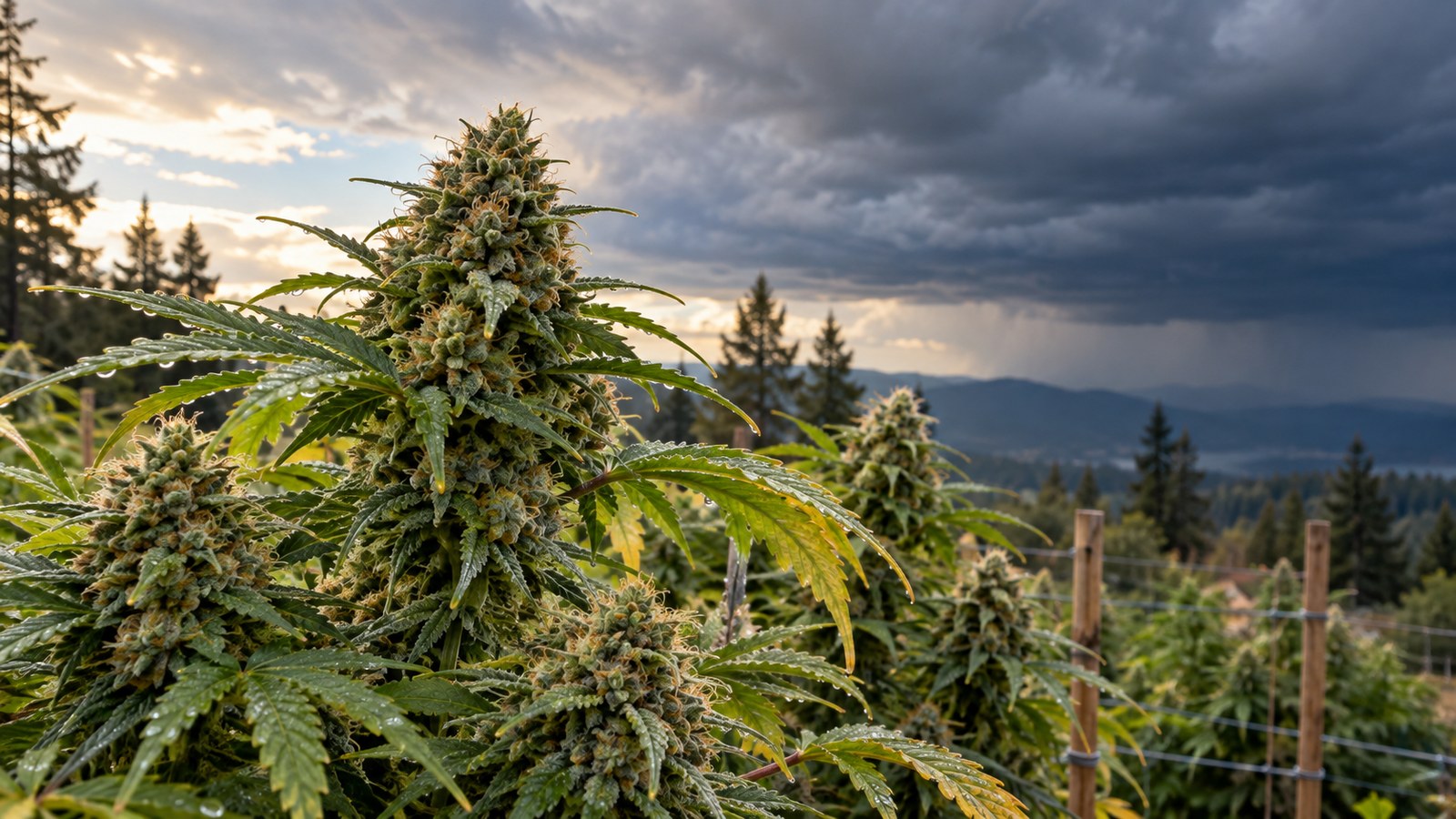
Outdoors, Biscotti can really stretch its legs a bit more. In free soil and with ample root space, expect heights in the range of 1.4–1.8 meters (about 5–6 feet) by harvest. It will grow into a stocky, bushy shrub, with strong lateral branches. Support might be needed late in flowering because the colas become weighty. Biscotti usually finishes by early October outdoors in the Northern Hemisphere (around early April in the Southern Hemisphere) – which means it does well in climates with a hot, sunny summer and a fall that doesn’t get too wet or frost too early. The strain originated in California, so it loves a Mediterranean climate: lots of sun, relatively dry air, and temperatures in the 70s°F (20-26°C). Outdoor yields can reach 500–600 grams per plant under good conditions, with some master growers even pushing higher (there are reports of 700g+ per plant in ideal settings). Because Biscotti has dense, nugget-like buds, it’s important to avoid prolonged rain or high humidity late in the season – bud rot can set in if those chunky colas stay wet (cover your plants or bring them under shelter if heavy rain is expected). Many outdoor growers choose to employ light-deprivation techniques (using blackout tarps to induce flowering earlier in mid-summer) to ensure Biscotti finishes in a warm, dry period and to possibly get multiple harvests. Under light dep or greenhouse conditions, you can harvest as early as late August or September with full-quality buds. In terms of general behavior, Biscotti is considered hardy. It has some resistance to cooler nights – gardeners note it doesn’t mind slightly chilly temperatures compared to more sensitive tropical sativas. In fact, a bit of cool night air can bring out those lovely purple tints in its foliage. It’s also fairly pest-resistant with its thick, resinous leaves (though watch for common pests like spider mites and aphids anyway). Outdoor plants will bush out wide, so give them at least 1.5–2 meters of spacing to branch freely. Provide rich soil and plenty of sunlight, and Biscotti will reward you. Summary: Indoors, Biscotti shines with controlled climate and training – it stays short, flowers in ~9 weeks, and can yield abundantly of top-shelf buds. Outdoors, it grows a bit larger but still compact, finishing by October with big yields if kept dry and sunny. Warmth and light are the keys to success: emulate a California summer, whether under HID/LEDs inside or under the sun outside. The strain’s versatility (indoor/outdoor) and moderate size make it accessible to many growers, just be prepared for its big scent and take measures against moisture in those dense flowers.
Strain-Specific Grow Guidance
Biscotti’s growth pattern is classic indica in many ways: a short, bushy structure with thick foliage and robust branching. Here are practical tips to get the best results from growing this strain:
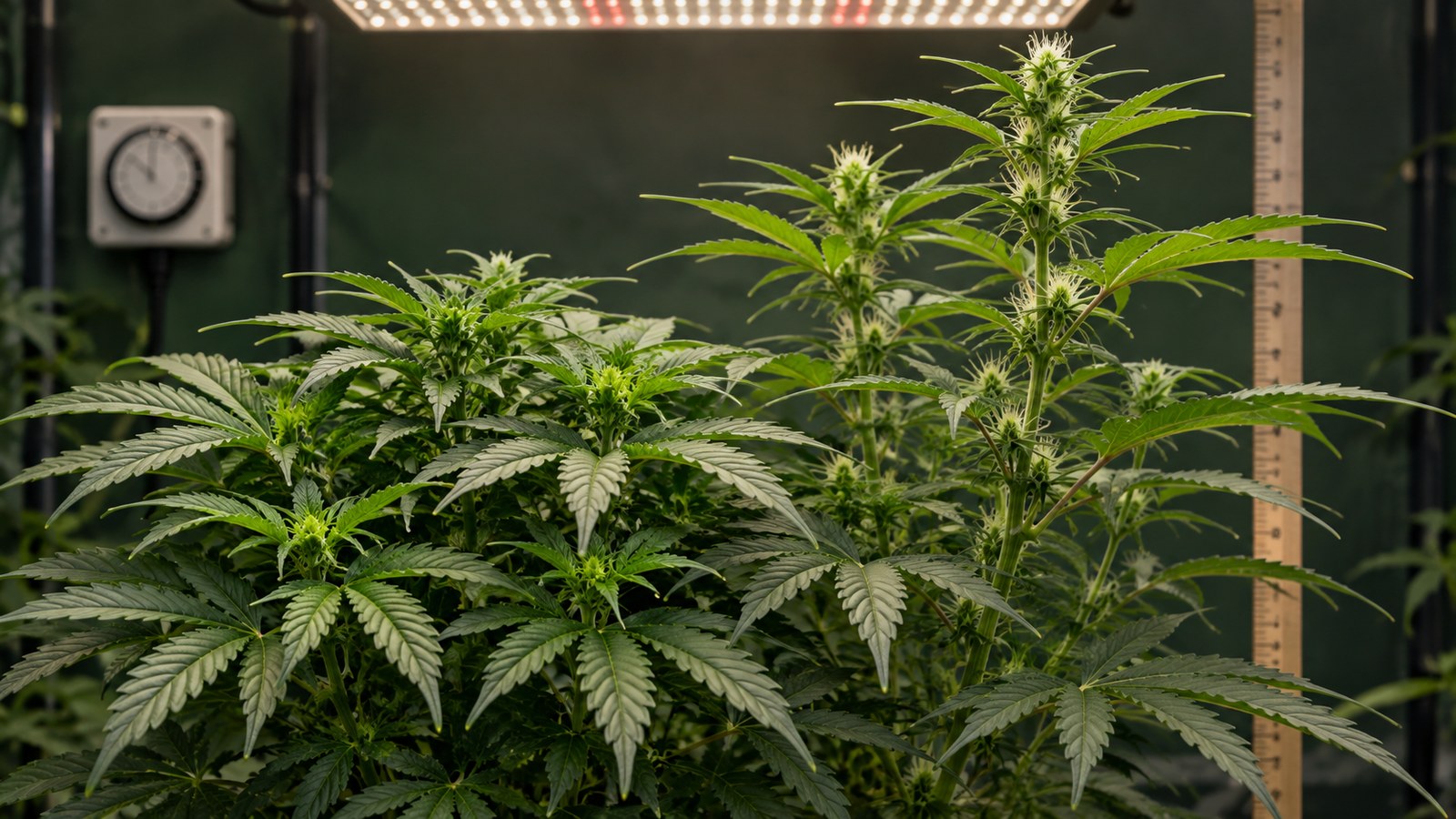
Plant Structure & Training: Expect Biscotti to have tight internodal spacing (the branches grow close together) and broad, fan-shaped leaves. This means light can have a hard time penetrating into the canopy. It’s highly recommended to train the plant for better light distribution. Topping once or twice during veg will encourage a bushier shape and more colas. Low-Stress Training (LST) – gently bending and tying down branches – further helps open up the middle of the plant. Many growers also use a SCROG (Screen of Green) net with Biscotti, weaving tops through a trellis to create an even canopy. The strain responds very well to these techniques, given its natural bushiness. During flowering stretch, Biscotti roughly doubles in height (or even a bit less, making it a moderate stretcher). So, plan your veg time and topping accordingly. It won’t suddenly shoot up uncontrollably, which is a bonus for indoor tent growers.
Stretch & Support: As noted, the flowering stretch is manageable – about 1.5x to 2x height increase after flip. For example, a 12-inch plant might finish ~24 inches tall. This moderate stretch, combined with its strong lateral growth, means Biscotti often forms a “bush” of big colas rather than one tall central cola. The branches are relatively thick and sturdy, a trait inherited from its OG side, so they usually handle the weight of buds well. However, by late flowering, the colas get very dense and heavy with resin, so it’s wise to provide support (stakes, tomato cages, or a second layer of trellis netting) to prevent any branch snapping. You’ll notice resin literally dripping on sugar leaves as buds ripen – a beautiful sight, but a heavy load!
Pruning & Defoliation: Don’t be shy to prune excess leaves. Those wide indica leaves can create microclimates of high humidity and also block light to lower bud sites. Many growers will lollipop Biscotti (remove the lowest small branches and foliage that won’t become top buds) around week 2 of flower. Also, do a strategic defoliation in mid-flower: thin out the largest fan leaves especially in the center of the plant. This improves airflow and light penetration, directly boosting bud development and reducing risk of mold. Biscotti’s robust nature can handle a fair bit of plucking without stressing.
Nutrient Needs: Biscotti doesn’t demand anything unusual nutrient-wise. It generally feeds like a moderate/heavy feeder in bloom, thanks to its thick bud formation. During veg, keep NPK balanced – the plant will show vigorous vegetative growth if healthy. In flowering, boost phosphorus and potassium (typical bloom nutes) to support bud building. However, watch for signs of nutrient burn; some growers have noted Biscotti’s leaf tips can burn if over-fertilized with strong nutrients, especially with mineral salts. It’s a good idea to start with slightly lower EC and ramp up gradually. If using organic soil, top dressing with bloom guano or compost around early flower works well. Keep an eye on calcium and magnesium levels – like many hybrids, Biscotti can show minor cal-mag deficiencies (reddening stems or speckled leaves) if those are lacking, particularly under powerful LED lights. Supplement Cal-Mag as needed.
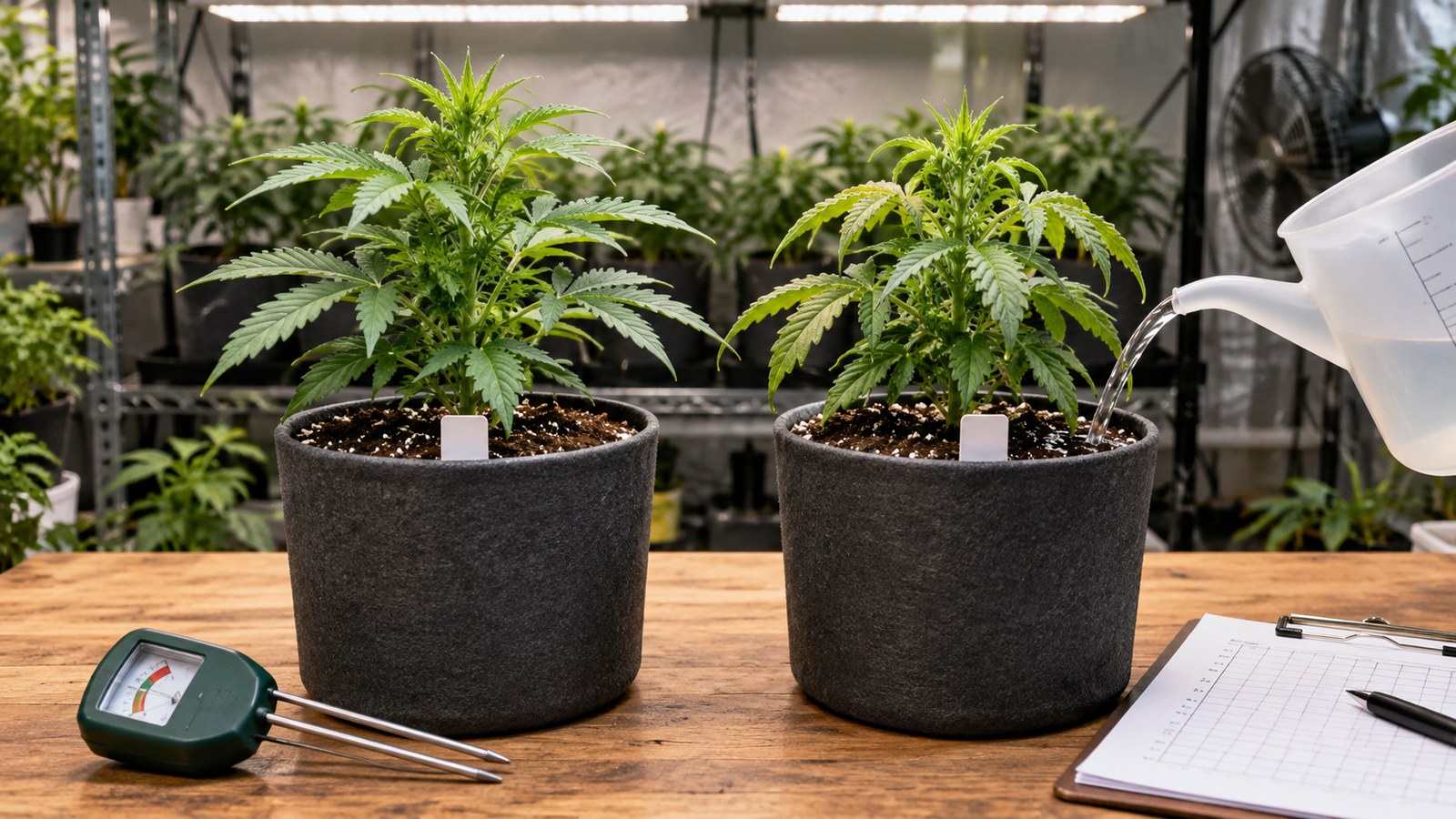
Watering: Thanks to its indica heritage, Biscotti often has a compact root ball. Ensure good drainage in your medium – overwatering is a common mistake. Let the topsoil dry out a bit between waterings; the plant doesn’t like “wet feet.” In soil, watering deeply but infrequently encourages roots to spread. In hydro or coco, regular feeding is fine but dial back if you see any droop. Aim for a neutral pH (around 6.5 in soil, 5.8–6.0 in hydro) to keep nutrient uptake optimal.
Temperature & Moisture Sensitivity: Humidity control is crucial with Biscotti. Those “golf ball” buds are stunning but can trap moisture. As the plant flowers, gradually lower your RH – ideally to ~50% or even 45% by late bloom. This strain can be susceptible to powdery mildew and botrytis if conditions are too humid or stagnant. Good air circulation (oscillating fans) is a must, especially in an indoor tent. Make sure no pockets of stale, humid air linger around the foliage. If growing outdoors in a humid climate, consider proactive organic fungicide sprays in early flowering (like a diluted milk spray or potassium bicarbonate) to prevent mildew, and try to shield buds from long rain exposure. Also, avoid getting the buds wet when watering or foliar feeding – always water at the base, and if the plant does get rained on, shake gently and ensure it dries out quickly. In terms of temperature, Biscotti is fairly forgiving. It actually tolerates cooler nights better than some hybrids; a slight drop in temperature at night (e.g., 10°F difference) can help bring out coloration. Just avoid extreme heat above ~85°F in late flower, as that can volatilize terpenes and potentially fox-tail the buds. Keeping temps in the 70s°F and humidity controlled will let Biscotti really pack on frosty, dense buds without issues.
Odor Control: It’s worth mentioning again: Biscotti is a very aromatic strain. During flowering, especially weeks 6–9, it will put out a pungent sweet gas smell that travels far. Indoor growers must use carbon filters/scrubbers or other odor-control systems. This strain’s odor is not low-key – a single plant can stink up a whole house if vents are open. As one seed breeder put it, “once this indica hybrid is in bloom, it doesn’t whisper – Biscotti shouts sweet, gassy, nutty funk”. Neighbors will notice if you don’t contain the smell. Plan accordingly to be discreet.
Overall, Biscotti is considered a moderate difficulty grow: it’s not ultra-finicky (many growers comment on its resilience and “forgiving” nature for an exotic strain), but it does demand some care in trimming and environment due to the density of its buds and strength of its aroma. If you can manage airflow, humidity, and odor, you’ll find Biscotti to be a rewarding strain to cultivate, yielding top-shelf buds without extreme fuss. It’s a great candidate for both hobby growers looking to level up (you learn a lot about training and curing with a strain like this) and seasoned growers aiming for connoisseur quality.
Weedth Bud Flavor Tips
To maximize Biscotti’s flavor and aroma in the final product, careful post-harvest handling is just as important as the grow itself. Here are some expert tips to bring out that full sweet cookie taste and keep terpenes intact:
Harvest Timing: Monitor the trichomes on your Biscotti plants and aim to harvest when they are mostly cloudy/milky with a bit of amber. This is when terpene levels are at their peak. Don’t wait until trichomes are mostly amber (overripe), as some of the delicate dessert-like terpenes might degrade. Harvesting at peak ripeness ensures you capture the strongest aroma and flavor profile the strain has to offer.
Flushing (Pre-Harvest): Begin a flush about 1–2 weeks before harvest (for soil grows, use plain water or a flushing agent to leach excess nutrients). This helps remove any fertilizer salts that could impart a harsh or chemical taste to the buds. A well-flushed Biscotti plant will allow its natural sweet and spicy flavors to shine through without “nutrient bite.” When the fan leaves start to yellow near the end, it’s a good sign the plant is using up stored nutrients.
Slow, Low-Temperature Drying: Dry the buds slowly in a cool, dark environment to preserve terpenes. Ideal conditions are around 60°F–70°F (15–21°C) and 45–55% relative humidity. Hang the branches or use drying racks in a room with good air circulation but no direct fan blasting on the buds (a gentle air exchange is enough). Darkness is important – light can degrade aromatic oils. Under these conditions, drying Biscotti might take 10–14 days, which is perfect. The slow dry allows moisture to leave the buds evenly and prevents terpenes from evaporating too rapidly. You’ll notice the sweet cookie smell intensify in the drying space if done right.
Trimming Method: Consider dry-trimming your Biscotti buds (i.e., trim after the initial drying, not immediately at harvest). Leaving the sugar leaves on during the hang dry can protect the resin glands. Once the buds are dry to the touch on the outside, you can trim off the crisp leaves. This approach retains more trichomes and terpenes that might otherwise be knocked off during wet trimming. Use sharp, clean scissors and handle buds gently, as rough handling can strip away flavorful trichome heads.
Curing Process: After drying, place the trimmed buds in airtight glass jars (mason jars work well) for curing. Fill jars about 2/3 full to allow some air space. Cure for a minimum of 2 weeks, though 4–8 weeks is ideal for Biscotti to reach full flavor potential. In the first week of cure, “burp” the jars (open the lid) for 10-15 minutes once or twice a day to release excess humidity. This slow curing process enhances the aroma – harsh chlorophyll notes dissipate and the smooth, sweet and spicy flavors deepen. By week 2, you’ll notice the jar smells sweeter and more pronounced. Well-cured Biscotti will have a rich, room-filling scent when you open the jar.
Avoid Heat and Light: Store your drying buds and cured jars in a cool, dark place. Heat above ~75°F and UV light are terpene killers. Never dry buds in the sun or a hot attic, for example. Likewise, don’t leave jars in a bright window. Keeping the environment dark and mildly cool preserves those volatile compounds. Remember, limonene and other citrus terps can evaporate at relatively low temps – so cooler is better during these stages.
Environment During Final Weeks: Even before harvest, you can take steps to boost flavor. In the last week of flowering, try to maintain that cool night temperature and moderate RH. Some growers even give their plants 48 hours of darkness right before chop – anecdotally this can increase resin production (the plant tries to protect itself), which may lock in more flavor. At the very least, keep the plant stress-free in its final days (aside from planned dark period): no big temperature swings or excessive light, which could cause terpene loss or stress the plant.
Handling Buds: Always handle your Biscotti buds with care. The sticky trichomes contain the flavor, so use gloves when possible and avoid over-squeezing or excessively touching the buds. When breaking down buds to smoke, consider using a gentle hand-break or a sharp grinder – dull grinders or over-grinding can bust the trichomes unnecessarily. And of course, never grind your whole stash at once; grind just before use to preserve freshness.
By following these steps, you’ll ensure that Biscotti’s dessert-like flavors are as bold as can be. The goal is to end up with buds that smell and taste as sweet, nutty, and spicy as they did on the living plant. Proper drying and curing can easily be the difference between a so-so tasting bud and an outstanding gourmet smoke that truly does justice to Biscotti’s genetics.
Weedth Bud Boost Tips
Looking to boost your yield and bud quality with Biscotti? Here are some cultivation tips and tricks aimed at getting the most out of this strain:
Maximize Light Exposure: Biscotti’s thick foliage can block light, so use techniques like SCROG (Screen of Green) to ensure an even canopy. Spreading the branches under a net will let all those bud sites get plenty of light, increasing overall yield. Also, don’t be afraid to bring the lights close (within safe distances) during flowering – Biscotti can handle strong light. Under high-intensity LEDs or HPS, the buds will grow denser and produce more resin. If growing outdoors, consider using light-deprivation tarps if you have a greenhouse or hoop house. By controlling the light cycle outdoors, you can force Biscotti to flower in mid-summer and avoid late-season weather, resulting in superior bud quality. Light dep techniques can produce dense, resin-rich buds with higher terpene and THC levels by allowing you to harvest under ideal conditions.
Training & Pruning for Yield: As mentioned in grow guidance, training is your friend. Top the plant early to create 4-8 main colas instead of one. Each topping or fim (pinching the new growth) will multiply bud sites. Throughout veg, use LST (bending branches) to widen the plant – a flat, bushy Biscotti yields more than a Christmas-tree-shaped one. Around week 3 of flower, do a strategic defoliation: remove large fan leaves that shade buds. This “lollipop and defoliate” combo channels the plant’s energy into the top buds and can boost the size of your colas significantly. Biscotti can handle a fair amount of pruning stress; just avoid doing it very late in bloom. The result will be fewer popcorn nugs and more chunky tops.
Soil & Supplements: For truly top-shelf flavor and potency, many growers use organic methods with Biscotti. Start with a rich, compost-amended soil – the strain thrives with ample organic matter. Using compost teas during the grow can introduce beneficial microbes that improve nutrient uptake and stimulate terpene production. For instance, a guano/molasses tea in early flower can give a nice boost. Molasses (unsulfured) is a great supplement for soil grows – a tablespoon per gallon in water feeds microbes and provides potassium, potentially enhancing sweetness in the buds. Additionally, consider silica supplements to strengthen stems (helpful for those heavy buds) and fulvic or humic acids to chelate nutrients and improve root absorption. A healthy, bioactive soil will help Biscotti express its full genetic potential.
Nutrient Strategy: During mid to late flowering, give Biscotti a PK boost (phosphorus and potassium) to fatten buds. Bloom boosters or natural sources like bat guano, bone meal, or kelp extract can all work. However, do not overdo nitrogen in flower – too much N can inhibit bud development and harshen flavor. If anything, lean on the side of slightly underfeeding rather than overfeeding. Watch the plant: if leaves stay very dark green and shiny into late flower, cut back on N. If you see slight fading around week 6-7, that’s normal and even desirable (the plant focusing on buds). Also, keep an eye on pH to prevent any lockouts – Biscotti can show minor magnesium or calcium deficiency if pH is off, as noted before. A well-fed (but not overfed) Biscotti will yield dense, thick buds that weigh a lot at harvest.
CO₂ Enrichment: If you have a sealed grow room, adding CO₂ can notably improve yields for a high-light, high-feeding plant like Biscotti. With CO₂ at ~1200–1500 ppm and strong lighting, the plant can photosynthesize more and pump out bigger buds. Just ensure other conditions are dialed (temp, nutrients) to take advantage of it. While not necessary, it’s a pro tip for those seeking maximum production.
Environmental Tweaks: We touched on climate for flavor, but for yield, consistency is key. Keep your veg environment warm and humid (e.g., 75–80°F, 60% RH) to promote rapid growth. In flower, keep temps around 75°F day and 65°F night – this not only preserves terpenes but also encourages tight bud formation (excess heat can cause airy flowers). Late in flowering, dropping the night temps slightly (say to 60°F) for the final week can help trigger additional resin (as plant thinks winter is coming) and bring out colors – just avoid causing any shock or freezing. Also, ensure strong air circulation throughout – not just for mold prevention, but because a gently rustling plant often grows stronger stems and can take up more CO₂.
Prevent Problems Proactively: Healthy plants yield the most. For Biscotti, the biggest potential yield-killers are bud rot and mildew from trapped moisture, or pests like spider mites that can damage foliage. Inspect plants regularly. Use integrated pest management (IPM) – for example, a preventive neem oil or insecticidal soap spray in veg to ward off common pests (do not spray neem on buds, only in veg/early bloom). Keep your grow room clean and your outdoor area free of decaying plant matter that harbors molds. Consider staking and spacing outdoor plants properly so they all get good airflow. By preventing infestations or mold, you ensure nothing stunts your Biscotti’s bud development as it nears the finish line.
Harvest & Post-Harvest Care: Odd as it sounds, your yield isn’t truly realized until buds are dried and trimmed – a lot can be lost in handling. To maximize final weight, harvest carefully. Use gloves (resin loss on your hands is yield lost) and sharp pruners to cut branches. When trimming, do it over a tray to catch kief. Many growers save trim and kief to make hash or edibles – with a strain this resinous, the trim is potent. Also, avoid overdrying (crispy buds can crumble to dust, wasting terps and weight). Aim for that slow dry as discussed; buds should retain a slight sponginess when jarred. Proper curing actually enhances weight slightly as moisture equalizes and buds become less brittle. It also ensures the smoke is smooth, so you’re not coughing out your lungs (and losing smoke) when enjoying your harvest.
Following these tips, you can coax the absolute best performance from Biscotti. In short: train it, feed it well but wisely, give it great light, and guard it from stress. Do this and you’ll be rewarded with jarfuls of glistening “biscuit” buds that are as flavorful as they are potent.
Medical Uses & Benefits
Biscotti isn’t just a recreational delight – its profile of cannabinoids and terpenes also lends itself to a number of therapeutic uses. Patients have reported several key areas where Biscotti can provide relief:
- Stress & Anxiety Relief: Thanks to its calming yet euphoric high, Biscotti is often chosen to help alleviate stress and anxiety. The initial cerebral buzz creates a sense of unfocused bliss that can push aside anxious thoughts. Users with social anxiety note that Biscotti makes them feel more sociable and at ease, especially in low doses. The combination of limonene and linalool terpenes can have an anti-anxiety effect, and many find that Biscotti quells nervousness without being too sedating, allowing functional relaxation. It’s even been mentioned as beneficial for OCD or racing thoughts, as the strain’s gently hazy mental state can break cycles of overthinking. Important: in very high doses, THC can provoke anxiety in some individuals, so moderate dosing is key for anxiolytic use.
- Mood Elevation (Antidepressant): Biscotti’s uplifting head high can temporarily improve mood for those dealing with depression or mood disorders. The strain often induces genuine feelings of happiness and giggly positivity. This mood boost, combined with physical relaxation, can help ease symptoms of depression, dysthymia, and general mood swings. Patients have reported that Biscotti’s high helped “lift the weight” of depressive thoughts for a time, providing mental relief and a fresh perspective. It’s not stimulating like a pure sativa, so it won’t cause jitteriness – rather, it’s a comfortable euphoria that nudges you into a better headspace. Because it doesn’t completely knock you out at moderate doses, some find it useful in the daytime to chase away blues while still being able to function.
- Pain Management: As an 80% indica with high THC (~25%), Biscotti is quite effective for chronic pain relief. The strong body buzz addresses physical pain on multiple fronts: it’s muscle-relaxing, anti-inflammatory (caryophyllene acting on CB2 receptors), and distraction via the euphoria. Patients with arthritis, fibromyalgia, muscle spasms, migraines, and general chronic aches have found relief with Biscotti. It’s potent enough to tackle moderate to severe pain – for example, someone with lower back pain or nerve pain might find significant easing of discomfort after a few puffs of Biscotti. The strain’s effects “melt away discomfort and tension” as noted in some reviews. Additionally, because it has that mood-lifting effect, it can help take your mind off the pain while simultaneously dulling the sensation of it. This one-two punch (physical and mental relief) is particularly helpful for pain that has a psychological toll (like long-term pain causing stress or depression).
- Inflammation: Beyond just pain, conditions rooted in inflammation could improve with Biscotti. The presence of β-caryophyllene (which has anti-inflammatory properties) and THC’s own anti-inflammatory actions mean strains like Biscotti can help with inflammatory conditions such as arthritis, lupus flares, or inflammatory bowel disease (IBD) symptoms. It’s not a cure, but patients report reductions in swelling, easier joint movement, or less gut cramping when using Biscotti or similar indica hybrids. Always use in moderation, as high THC can sometimes upset sensitive stomachs – but generally its relaxing nature can ease abdominal tension and inflammation-related discomfort.
- Insomnia & Sleep Support: As the high progresses, Biscotti tends to become quite sedating, which is beneficial for those with insomnia or sleep troubles. If consumed in the evening, it can help you fall asleep faster and stay asleep longer. Patients who struggle with racing thoughts at night find the strain’s unfocused, blissful mindstate is perfect to quiet the mind before bed. And the heavy body stone can soothe restless legs or general restlessness. Approximately an hour or two after smoking a moderate amount, many people become drowsy and gently drift into a deep, restful sleep without heavy grogginess the next day (dosage-dependent). It’s a good alternative for those who want to avoid pharmaceutical sleep aids; just be sure to give yourself time to enjoy the high before you expect to knock out.
- Appetite Stimulant: While not as famous for munchies as some strains, Biscotti does stimulate appetite in a fair number of users. The relaxation it provides can make eating more enjoyable and can settle nausea – useful for patients undergoing chemotherapy or those with appetite loss from conditions like HIV/AIDS or eating disorders. Plus, the sweet taste doesn’t repel folks who are nauseous, whereas some very skunky strains might. If taken in a higher dose, couch-lock can come with serious munchies. Taken in a small, controlled dose, Biscotti could help someone regain appetite without knocking them out completely.
- Other Uses: Biscotti’s balanced mind-body effects mean it has a broad therapeutic spectrum. Some additional applications: muscle relaxation for those with muscle spasticity (e.g., MS patients may find relief as noted with similar strains), headache or migraine relief (the combination of pain relief and relaxation can alleviate migraine intensity), and possibly ADHD in certain individuals (the strain’s initial focus boost followed by calm might help, though high-THC is double-edged for ADHD). It’s also worth noting the anti-anxiety and mood-stabilizing properties might benefit people with PTSD or severe stress disorders, by providing a window of calm and improved sleep.
As always, a patient’s individual reaction can vary. Because Biscotti is high in THC, those new to cannabis should start low to gauge effects, especially if using it medicinally for anxiety (paradoxically, too much THC can cause anxiety). Many medical users find success microdosing Biscotti – just a puff or two – to get gentle relaxation without a full high during the day, and then using a normal dose at night for sleep. In summary, Biscotti is favored in the medical cannabis community for issues involving stress, mood, pain, and sleep. It’s a bit like a tasty treat that can lift your spirits and ease your body’s tensions at the same time. Its combination of euphoria and sedation is well-suited for end-of-day relief, melting away the physical and mental strains of the day. Always consult with a healthcare provider for personalized advice, but patient reports and its chemical profile suggest Biscotti is a therapeutic all-rounder with an emphasis on relaxation and relief.
Ideal User Profile
Who is Biscotti best for? In short: fans of powerful indicas or dessert strains who want a balanced high. Let’s break down the ideal scenarios and users:
- Time of Day: Biscotti truly shines as an evening or late-afternoon strain. It’s the kind of smoke you enjoy when your work is done and you’re ready to unwind and indulge. Many people reserve it for after-dinner, akin to a dessert cocktail. The reason is its progression – it starts uplifting but eventually becomes very relaxing, so it pairs well with low-key evening plans or pre-bedtime use. That said, in small doses, Biscotti can also fit a mellow daytime social setting: for example, a weekend afternoon with friends, where it can loosen anxiety and spark laughter without immediately knocking everyone out. But generally, the ideal user will be someone who doesn’t need to be productive for a few hours. It’s not well-suited for morning use or when you have important tasks, due to the potential for couch-lock and mental drift.
- Experience Level & Tolerance: Biscotti’s high THC content (often 25%+) means it’s best for users with at least some experience, or naturally higher tolerance. Experienced cannabis enthusiasts will appreciate its strength and nuanced effects – it hits hard but remains enjoyable. If you’re relatively new or have low tolerance, you can still enjoy Biscotti, but dose very lightly (one small puff, wait and see). The ideal user probably has a moderate to high tolerance, so they can fully enjoy the euphoria without being overwhelmed. Seasoned smokers often love Biscotti for the potent kick that cuts through when other strains feel weak. Novices, meanwhile, might find a full dose too intense or anxiety-provoking if unprepared. In fact, a connoisseur who typically enjoys strains like Gelato, OG Kush, or Girl Scout Cookies – and can handle them – would be squarely in Biscotti’s target audience.
- Desired Effects/Mood Fit: The Biscotti lover is someone looking for a balanced recreation: both mental uplift and physical relaxation in one package. Perhaps you’re someone who wants to feel happy, creative, or giggly for an hour (maybe to enhance music, art, or a comedy show), and then smoothly transition into a chill, sedative stone that helps with sleep. If you enjoy strains that make you laugh and later melt you into the couch, Biscotti is for you. It’s also great for social relaxation – say you’re hanging out in a comfy setting with close friends; Biscotti can make the conversation flow and everyone a bit silly, then maybe end the night with everyone quietly munching snacks and watching a movie as the high calms down. The ideal user appreciates this arc of effects and plans their session around it.
- Flavor Chasers: Those who prioritize flavor and aroma will love Biscotti. The ideal user might be a cannabis enthusiast who savors terpenes (perhaps they use a vaporizer to really taste the profile) and has a “sweet tooth” for strains. If you find yourself gravitating toward dessert-named strains and enjoy complex flavor notes of cookies, vanilla, coffee, etc., Biscotti will likely become a favorite. The user who’s had Girl Scout Cookies or Wedding Cake and loves those flavors is exactly the person who’d be drawn to Biscotti’s palette.
- Use Case Examples: An after-work stress reliever – e.g., a professional comes home from a hectic day and wants to shed anxiety; a couple hits of Biscotti, and they’re mentally uplifted and physically at ease, ready to enjoy their evening. Or consider an artist or gamer on a lazy Sunday: they want a strain that inspires some creativity or fun (Biscotti’s early high helps with that focus and imagination), but also one that eventually will help them wind down (later they sink into the couch, content). Another ideal user might be someone who struggles with appetite or nausea and wants a flavorful smoke before a meal to boost hunger – Biscotti’s gentle munchies and enjoyable taste make it suitable.
- Not Ideal For: If someone needs a clear-headed, energetic daytime buzz, Biscotti wouldn’t be the top choice (a user looking to, say, clean the house or go out dancing might prefer something more sativa or lighter). Also, if a person is extremely sensitive to THC or prone to anxiety with strong strains, they might want to approach Biscotti cautiously or choose something milder – the intense potency can be a bit much for ultra-sensitive folks. Finally, medical users who want pain relief without a high might find Biscotti’s psychoactivity too strong – a CBD-rich strain might suit them better. But for most cannabis aficionados, particularly those who enjoy indica-dominant effects and rich flavors, Biscotti is an ideal choice to have in the stash for when the time is right.
In essence, the ideal Biscotti user is someone who says: “I want to treat myself.” They appreciate a luxurious, flavorful smoke and a high that starts fun and ends tranquil. They likely use cannabis as a way to enhance relaxation and mood, rather than for constant all-day functionality. If that sounds like you, Biscotti will fit like a glove – or perhaps more aptly, like a cozy blanket and a big smile at the end of the day.
Grower Notes and Feedback
Growers who have cultivated Biscotti often share similar observations about its behavior, buds, and challenges:
- Bud Appearance & Quality: One thing every grower mentions – Biscotti produces gorgeous bud. The flowers are typically small to medium-sized, very dense nuggets that feel rock-solid to the touch. They often display deep olive green colors with flashes of purple on the sugar leaves (especially if grown in cooler temps), and a high volume of bright orange pistils weaving throughout. When you harvest and dry them, expect the buds to have that “top-shelf” bag appeal: coated in a thick layer of trichomes that make them look almost white or frosty. Growers note the trim job on Biscotti is easy – there’s so much resin even on the small leaves that everything is sticky. The striking trichome coverage not only signals potency, it also means the strain is excellent for making hash or rosin (many cultivators love turning Biscotti trim into concentrates because the yield is high in extracts).
- Growth Behavior: As discussed earlier, Biscotti grows bushy and stout. Growers often describe the plant as “vigorous and compact” – it has a stout main stem and many side branches, creating a nice full shape without needing excessive topping (though topping helps maximize yields). It has a classic indica look during veg: broad, dark green leaves and tight node spacing. During flowering, the stretch is moderate, so it generally stays a manageable size indoors. One grower quipped that Biscotti is “like a bonsai tree of dankness” because of its shape. The internodal gaps fill in with buds nicely, so you’ll get long colas rather than sparse popcorn. Also, growers report that Biscotti is quite resinous early – by mid-flower, you’ll see resin rails on the fan leaves and an intense smell already.
- Aroma in the Grow Room: By all accounts, Biscotti is a very smelly plant in bloom. In late flower, the grow room or outdoor garden will reek of sweet, nutty skunk with a fuel undertone. Growers have compared the live-plant smell to fresh baked cookies combined with skunk spray – it’s pungent yet sweet. If you brush against a bud while tending the plant, your hands will smell like sugary dough and gasoline. Because of this, odor control is a common feedback: you must have a good carbon filter or odor solution indoors. Outdoors, the smell can carry, so stealth growers need to be aware (the terpene profile is not exactly subtle). One cultivator humorously noted, “When Biscotti is flowering, everyone in the house gets hungry from the smell, but also worried the neighbors will notice.” In essence, expect wonderful aroma for the grower – but strong enough to require management.
- Yield & Bud Density: Growers are generally pleased with Biscotti’s yield, especially considering many Cookie strains are on the lower-yielding side. Biscotti, with proper care, yields above average. The buds are very dense, so even though they aren’t giant in size, the weight adds up quickly. Some have noted the colas can get quite large if the plant is vegged a bit longer – the tight node spacing means buds essentially merge into colas that can be 6–8 inches long and really chunky. There is some phenotype variation, of course: once in a while a grower might get a pheno that’s a bit more sativa-leaning (taller, slightly looser buds), but the consensus is most Biscotti plants run true to type – compact and high-yielding for an indica hybrid. Bud density is such that careful drying is needed (to avoid mold in those thick colas after chop). Also, because buds are heavy, support the branches; feedback suggests bamboo stakes or tomato cages to keep things upright, otherwise branches can sag or even break near harvest under the weight.
- Common Challenges: The main challenges reported by Biscotti growers revolve around moisture and mold. Its dense foliage and flowers can create conditions for powdery mildew on leaves or botrytis (bud rot) inside the cola if humidity spikes. Growers in humid climates often say: “Great strain, but watch for bud rot!” It’s not that Biscotti is unusually susceptible compared to other indicas – it’s just the nature of big, solid buds. Many growers advise doing a thorough inspection in the last couple weeks for any signs of grey mold in the centers of colas, especially if there were rainy days or high humidity. Removing a bit of interior bud (sacrificing a gram or two) to improve airflow is worth it to save an ounce. Good airflow and pruning were mentioned over and over as preventative steps. Another note: while Biscotti is vigorous, it can show slight nutrient sensitivity; a few growers have reported leaf tip burn if feeding at full strength nutrients throughout bloom. The tip is to ease up on nitrogen after stretch and possibly give it a plain water flush mid-flower if the leaf tips darken. It’s a bit of a balancing act – the plant likes food, but too much and you risk burnt tips or nutrient lockout. Keep an eye on leaves for any deficiencies; yellowing too early might mean up the bloom feed a tad. Most find it not too picky though.
- Grower Sentiment: Overall, growers who’ve run Biscotti often fall in love with it. The sentiment is that it’s a “connoisseur strain that doesn’t act finicky like one.” They love that it brings exotic quality buds without extremely difficult cultivation requirements. Many note that the resin production is off the charts – by harvest time, their pruning scissors are gummed up and their fingers sticky, which is a good problem to have. The bag appeal and smell make it rewarding; growers take pride in curing it and sharing with friends because it’s a real head-turner. On the flip side, they caution future growers about the stink (can’t emphasize that enough) and to be prepared with dehumidifiers or fans if you’re in a swampy area.
In summary, the general feedback is: Biscotti is a joy to grow as long as you manage its bushy shape and strong aroma. It rewards you with truly top-tier buds that look, smell, and smoke amazingly. Common grower “lessons learned” include pruning more aggressively earlier on, keeping air moving, and being patient with the cure because the flavor just keeps getting better. Many growers say they would happily grow it again – a testament to its combination of grower-friendliness and end-product quality.
Weedth Editor’s Note
I have to admit, I’ve got a soft spot for Biscotti. After growing it in my own garden, it’s earned a permanent place in my rotation. Let me share a bit of that experience: The first time I ran Biscotti, I remember opening the tent one morning in mid-flower and being hit with a wall of aroma – sweet bakery notes just flooded out, as if I had a hidden oven in there baking cookies. I actually smiled and said out loud, “Wow, that’s delicious,” even though nobody was around. Growing this strain was a treat for the senses from start to finish. Cultivation Reflections: I grew two Biscotti plants from clone in a 4×4 tent under LED lights. From the get-go, they were squat, bushy little things. Around week 3 of veg I made a decision to top each plant twice (at 5th node then again later) – a small decision that paid off big. It resulted in a nice even canopy of colas by flower, and I think it increased my yield. Next time, I might top just once because they stay so short; I ended up with a canopy almost too low for my dehumidifier to sit under – a funny problem! Speaking of height, at flip these plants were about 12” tall, and they finished around 24”. Perfect for my space. I also did some selective leaf tucking and later pruning. One lesson learned: I was shy about defoliating at first (those big fan leaves were so healthy), but halfway through flower I found a spot of powdery mildew on an inner leaf. I promptly removed a bunch of foliage in the center and upped my fan speed. The mildew never spread and the buds fattened up even more with the extra airflow. Phew! Flowering & Harvest: By week 7 of bloom, every single cola was like a sugar-dipped cannoli. Seriously, the trichomes were absurd – when I touched a bud, my fingers stuck together. I decided to extend flowering to 9.5 weeks (a tad longer than average) because the buds just kept swelling. Watching the trichomes with a loupe, I harvested when they were milky and maybe 10% amber. One plant showed a beautiful purpling on the edges of the calyxes, which I suspect was because I let night temps drop to ~62°F in late flower. Small choices like that – letting it get a bit cooler – seem to bring out the best in Biscotti. Harvest day was glorious; my drying room smelled like a gourmet Italian bakery for the next two weeks. Smoke & Effects: After a solid cure (I gave it a full month in jars, burping religiously), the first true test was rolling a joint of my home-grown Biscotti. I sat on my couch, took a slow inhale, and just marveled at the flavor – it was like someone dipped a sugar cookie in spice and cream and then somehow turned it into smoke. Not a hint of harshness. Within minutes I found myself grinning at the TV (I’d put on a sitcom, and it was extra funny suddenly). I felt this wave of happiness and ease wash over me. By halfway through the joint, I was giggling at jokes probably not that funny – classic Biscotti bliss. About an hour later, I realized I had almost sunk into the couch; my body felt heavy, pain-free (my lower back, which usually aches, was silent), and I was pleasantly drowsy. I ended up having one of the best night’s sleep in a long time. That night I learned: Biscotti is wonderful for after-dinner relaxation, but maybe don’t plan to do much afterwards! Little Things that Mattered: Over the grow, I paid a lot of attention to drying and curing – I knew such a terpene-rich strain deserved gentle handling. I dried it slow (10 days) and trimmed carefully, and I honestly think that’s why the flavor is so pronounced. Also, investing in a quality carbon filter was clutch; by week 8, even with the filter, my bedroom (next to the grow room) had a faint sweet funk – without it, I can’t imagine. Another thing: training early made a huge difference. Biscotti’s such a bush by default that guiding its shape early on really set the stage for an easy flowering. In the end, growing Biscotti was a deeply rewarding experience. It’s rare to find a strain that hits all the marks – great yield, stunning look, amazing smell, powerful high – but Biscotti checks each box for me. Even the challenges (like battling a bit of humidity) were manageable with basic good practices. When I pop open a jar now, as an editor and grower, I feel proud of the result: these glittering buds that fill the room with a scent of sweet spice and that deliver a high which has become my gold standard for relaxing evenings. It’s strains like Biscotti that remind me why I love cultivating cannabis – it truly is the fruits of your labor, and in this case those fruits taste like dessert and chill you out perfectly. I’ll be growing (and smoking) Biscotti for the foreseeable future, that’s for sure.
Weedth Score (10-Point Scale)
To wrap up, here’s how Biscotti rates across various categories on a 1–10 scale, based on my cultivation and consumption experience:
- Growing Experience: 8/10 – Very enjoyable and fairly easy to grow. Biscotti is vigorous and forgiving to common mistakes, making it suitable for growers with some experience. It loses a couple points due to the need for humidity control and odor management (it’s not a “plant it and forget it” strain). But with basic care, it rewards abundantly. Training it was straightforward and it responded well. A solid strain for those looking to grow top-shelf bud with moderate effort.
- Bud Structure & Visual Appeal: 9/10 – Gorgeous, connoisseur-grade buds. Biscotti’s nugs are dense, sticky, and beautifully formed. The trichome coverage is elite – they literally sparkle when light hits them. The only thing short of perfect is that the buds, being on the smaller side, aren’t the giant colas some growers covet; however, their quality is so high that it more than compensates. The touches of purple and loud orange hairs against the frosty lime-green make Biscotti Instagram-ready. In a dispensary display, it stands out.
- Aroma Complexity: 10/10 – Exceptionally rich aroma profile. It’s rare to give a perfect score, but Biscotti’s multi-layered scent earns it. It’s sweet, nutty, and bakery-fresh, yet also earthy and spicy. You can sit and smell a jar repeatedly and notice different notes each time (one moment it’s like sugar cookies, the next you catch a bit of diesel or coffee bean). The aroma intensity is also top-notch – a small bud can fill a room with fragrance. Truly one of the most delicious-smelling strains around.
- Flavor & Smoothness: 9/10 – Delightful flavor with a smooth smoke. The taste translates almost perfectly from the smell: sweet dough on inhale, spicy-fuel on exhale. The smoke (when properly cured) is creamy and not harsh at all; it doesn’t scorch the throat. There’s a tiny deduction just because if you really push it (big bong rips, etc.), the high potency can give a bit of throat tingle on exhale – mostly from the spice. But any harshness is minimal. The aftertaste is lovely and keeps you licking your lips. As a flavor chaser, I find Biscotti to be immensely satisfying.
- Effects & High Experience: 9/10 – Powerful and balanced. Biscotti delivers exactly what many people hope for in a hybrid: an initial wave of happiness and mental uplift followed by deep physical relaxation. The high is long-lasting, often 2-3 hours, and it evolves over time (which makes it interesting and versatile). It scores high for its ability to induce euphoria and laughter without tipping into paranoia (in moderate doses). It’s also great for pain and sleep in the later stages. I dock one point only because it can be very sedative – not always an all-day smoke unless you dose lightly. And novices might find it a tad too strong or disorienting if they overshoot their limit. But for those who enjoy a strong indica-leaning high, Biscotti is nearly perfect.
- Overall Satisfaction: 9/10 – One of the standout strains of recent years. Between the grow, the cure, the smell, taste, and effects, Biscotti hits almost every mark for me as both a grower and user. It’s a strain that lived up to the hype. I find myself reaching for it frequently when I want to treat myself to a premium experience. It’s not a 10 only because, let’s face it, no strain is absolutely everything to everyone – if you needed a daytime energy strain, this wouldn’t be it. But judged on its intended purpose (a potent, flavorful indica hybrid), it exceeds expectations. Highly satisfying and worth the effort it takes to cultivate and properly enjoy. I wholeheartedly recommend Biscotti to those who value quality over quantity – though with this one, you kind of get both.
FAQ
Q: Does Biscotti have a high risk of mold or bud rot during growing?
A: It can, if you’re not careful. Biscotti’s buds are very dense and tightly packed with moisture-rich calyxes. In late flowering, especially in humid conditions, those big colas are susceptible to botrytis (bud rot) and powdery mildew on leaves. Many growers have noted that without proper airflow and humidity control, Biscotti will get some mold in the densest buds. To prevent this, keep your flowering humidity under ~50%, ensure good air circulation (defoliate the plant’s inner leaves, use fans), and inspect buds regularly. If you catch bud rot early (you’ll see a brown/grey fuzzy spot), remove the affected part immediately to stop spread. So yes, the risk is higher than airy-bud strains, but it’s manageable – I successfully grew mine without any rot by being proactive. Bottom line: control humidity and provide airflow, and you can avoid mold issues. Q: How strong is the smell when growing Biscotti, and what can I do about it?
A: In one word: extreme. Biscotti is a very pungent strain in bloom. By mid to late flower your grow area will smell like sweet baked cookies mixed with skunk and gasoline. The aroma is not subtle or easily contained – it will spread if not filtered. Indoors, a quality carbon filter is essential; make sure it’s appropriately sized for your space and in good condition (older filters may not scrub the smell fully). Additionally, you can use things like ONA gel or carbon room filters outside the tent as a backup, but don’t rely on those alone for a strain this smelly. If you exhaust air outside, be mindful of neighbors catching a whiff. Outdoors, you can’t hide its odor easily; guerrilla growers sometimes plant aromatic companion plants or choose a location with favorable wind direction, but realistically Biscotti will announce itself. One grower joked that “Biscotti doesn’t just smell – it shouts,” and I agree. So the best odor control is containment: closed-loop ventilation with a carbon scrubber. Also, timing: If stealth is needed, perhaps avoid outdoor flowering when neighbors might be outside frequently. In summary, expect a very loud smell and invest in strong odor control measures (carbon filter, sealed tent) to keep it under wraps. Q: Will Biscotti cause anxiety or help with anxiety? I’m concerned about its high THC.
A: It depends on dosage and your personal reaction. Biscotti has a high THC content, so if you overconsume or are very sensitive, it could induce some anxiety or paranoia – as can any potent strain. Some users (especially with low tolerance) have reported feeling a bit of heart-race or edginess if they smoke too much too fast. However, in moderate amounts, Biscotti is actually noted for reducing anxiety for many people. Its terpene profile (rich in limonene and caryophyllene) and relaxing indica effects tend to melt away stress and anxious thoughts for the typical user. For example, those with social anxiety often feel more calm and sociable on Biscotti. The key is to start low. Take one hit and wait a few minutes to gauge. The high “creeps,” so rushing to smoke a lot can overshoot your comfort zone. If you keep the dose mild, you’re more likely to get the anxiolytic (anxiety-relieving) benefits – e.g., a calm mind, reduced tension – without the racing thoughts. Also consider context: use it in a relaxed, familiar environment initially. To sum up, Biscotti can help anxiety by providing a calming euphoria, but its high potency means you should approach it with respect. Sensitive individuals or those prone to panic attacks might want to try a tiny puff first or opt for a strain with lower THC to CBD ratio. And if at any point it feels too intense, remember to breathe, stay hydrated; the anxious phase will pass as the sedative effects deepen. Q: Is Biscotti more of a daytime strain or a nighttime strain?
A: Biscotti is generally considered a nighttime (evening) strain, though it has some versatility. Because it’s ~80% indica, its latter effects are very sedating, making it great for night use, relaxation, and pre-sleep. Most people wouldn’t use it as a wake-and-bake or for a busy afternoon, since it can impair focus and motivation as the high progresses. That said, the first hour of the high is uplifting and mentally stimulating for many, so in a low dose it can function as a late-afternoon or early evening strain when you want to be happy and mellow but not immediately couch-locked. For instance, you could enjoy a small bowl of Biscotti at a 6 pm dinner to enhance mood and appetite, and you’d still be conversational and awake for a while. But as time goes on, it will likely make you drowsy, so you probably wouldn’t want to, say, smoke a lot of Biscotti and then head into work or do morning errands. In contrast, it’s perfect for after dinner, watching a movie, listening to music, or any end-of-day activity where relaxation is the goal. If used in the daytime, keep the dose minimal and be prepared for a possible nap or heavy relaxation. In summary, Biscotti leans toward nighttime usage due to its strong relaxing finish, though microdoses could be used in the day if one only wants mild euphoria and doesn’t mind a bit of chill. Q: Is Biscotti a good strain for beginners (either to smoke or to grow)?
A: For smoking: Biscotti is potent, so beginners should be cautious. It’s not that a beginner can’t enjoy it – the flavor and balanced effects are wonderful – but because of ~25% THC levels, a newcomer could easily get overwhelmed with a strong dose. If you’re new to cannabis, you might find Biscotti very strong; it could cause you to feel disoriented or too sedated if you take as much as an experienced user would. However, if dosed properly (one small puff, then wait), a beginner could still have a pleasant experience – likely a lot of giggles and then a nap! The high might just be more intense than they’re used to. I often recommend novices start with something lower in THC or take literally one hit of Biscotti and see. The taste will be great for a beginner (no harshness), but the high might be a lot. So, beginners can try it, but with baby steps. For growing: If you have a couple grows under your belt (i.e., you’re a beginner grower who knows the basics), Biscotti is a fairly good choice. It’s resilient and not too finicky, so in that sense a newbie can handle it. It’s not as picky about nutrients or climate as some sensitive sativas. The main challenges – odor and mold risk – can be mitigated with basic equipment (carbon filter, fans). A true first-time grower could succeed with Biscotti if they do their homework. Actually, some first-timers have grown Biscotti and ended up with excellent results because it’s a robust plant. Just be aware of its needs for trimming and humidity control. If a beginner grower can manage pruning and is attentive to the environment, Biscotti will reward them even if their technique isn’t perfect. It’s often described as “moderately challenging” simply because you can’t neglect it and expect top-shelf buds – but that’s true of any high-grade strain. If you’re new to growing, maybe avoid starting with Biscotti in a super humid closet or somewhere you can’t control smell. But otherwise, it’s beginner-friendly in terms of plant toughness and it can make a novice’s harvest look like a pro’s due to its great genetics. Q: What strains are similar to Biscotti in terms of taste or effects?
A: There are a few excellent strains that Biscotti fans might also love (and vice versa). Here are some strains similar to Biscotti and why:
- Girl Scout Cookies (GSC): Biscotti’s lineage is rooted in GSC, and you can definitely tell. GSC is famous for its sweet, pastry-like flavor with earthy undertones and a balanced high of euphoria and relaxation – very much like Biscotti. If you enjoy the nutty, cookie taste of Biscotti, GSC (sometimes called simply “Cookies”) delivers that, often with a bit more of a minty note in some phenos. Effects-wise, GSC gives a strong head high followed by a cozy body calm, quite similar to Biscotti’s trajectory. GSC is basically the ancestor of all these dessert strains, so it’s a must-try for Biscotti enthusiasts.
- Gelato (#33 or #25): Gelato is another parent to Biscotti and shares the dessert-like aroma and blissful high. Gelato #33 (Larry Bird) in particular is well-known for a sweet, creamy, almost ice-cream flavor and a potent but clear-headed euphoria that settles into relaxation. When you smoke Gelato, you get that fruity cookie dough taste and a creative, happy high – much like Biscotti’s first phase – followed by chill vibes. Biscotti basically takes Gelato’s flavor up a notch with spice. If you like Biscotti, you’ll likely appreciate Gelato’s smooth, velvety smoke and balanced effects.
- Wedding Cake (AKA Pink Cookies): Wedding Cake is an indica-dominant cross of GSC and Triangle Kush, so it has a lot in common with Biscotti (which is GSC/Gelato × Florida OG). Wedding Cake has a rich sweet flavor – think vanilla cake with a tang of fruit – and a similarly high THC content (~25%). Its effects are typically a burst of euphoria and giggles that then turn into a heavy, sedative stone, very much like Biscotti’s pattern. People often use Wedding Cake for stress, pain, and sleep, analogous to Biscotti. In terms of taste, Wedding Cake might be a tad more vanilla-citrus, whereas Biscotti is more cookie-spice, but both are decadent dessert strains with a knockout punch.
- Do-Si-Dos: This strain (a cross of GSC Forum Cut and Face Off OG) can be seen as a cousin to Biscotti. Do-Si-Dos has a sweet, funky aroma (some describe it as cookie dough mixed with pungent OG) and extremely potent indica effects. Like Biscotti, it’s about 70-80% indica and known for a one-two combo of cerebral buzz and deep body relaxation. I find Do-Si-Dos a bit more on the pungent/garlic cookie side in flavor, but the spicy sweet exhale is comparable. If you like Biscotti’s strength but want maybe even a tad more body sedation, Do-Si-Dos is a great choice. It’s similarly dense and frosty, and also bred from Cookies genetics and OG Kush, so you’ll notice the familial traits.
- Sunset Sherbet: Sunset Sherbet (parent to Gelato) is another sweet strain you might enjoy. It has a creamier, fruitier profile – imagine berry sherbet with a hint of skunk – but it shares that dessert sweetness and calming effect. Sherbet is a bit more mild in THC (often ~15-20%), so it’s like a lighter version of what Biscotti offers. The high from Sherbet is relaxing and euphoric but usually not as couch-locking. This could be a daytime dessert strain, whereas Biscotti is the nighttime dessert. If you loved the taste of Biscotti and want something similar but slightly more functional for day, Sherbet is a good option. It’s celebrated for a sweet flavor profile and uplifting yet calming effects, which align well with Biscotti’s character (just dialed back a notch).
Each of these strains shares some combination of taste, lineage, or effects with Biscotti. They all have that Cookies family DNA and/or OG influence, resulting in sweet, aromatic smoke and a blend of head and body effects. Whether you’re chasing the flavor (GSC, Wedding Cake, Sherbet) or the powerful high (Do-Si-Dos, Wedding Cake) or a bit of both (Gelato), you’ll find these to be in the same ballpark as Biscotti. Enjoy exploring them – they each have their own twist, but any Biscotti fan should feel right at home with the above strains.
Share this article
A quick overview of the topics covered in this article.
Follow us
Latest articles
October 11, 2026

October 11, 2026