
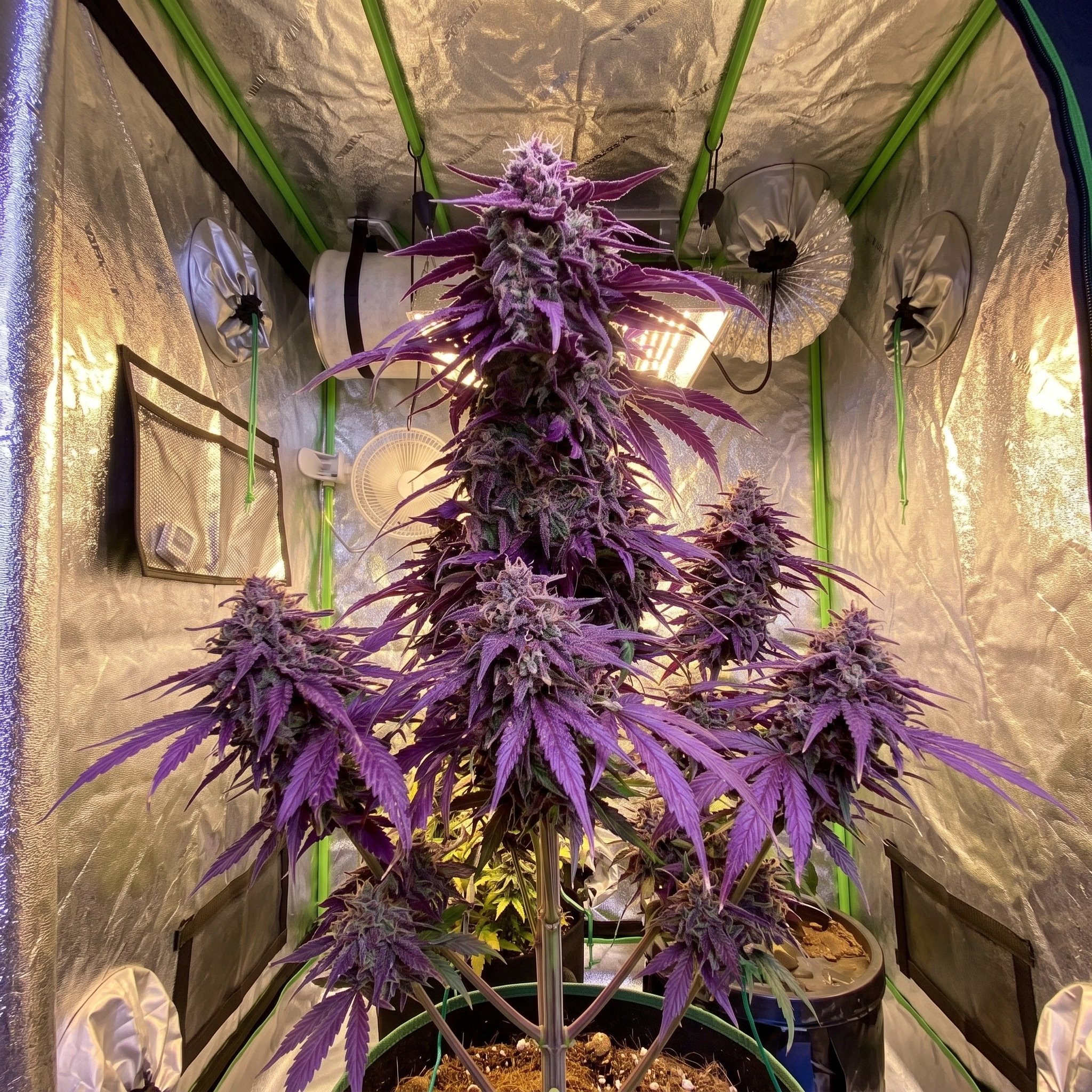
Purple Punch
Purple Punch is an indica-dominant hybrid known for its sweet, grape-berry aroma and heavy, relaxing high. Bred from Larry OG × Granddaddy Purple, it flowers quickly (≈8–9 weeks) with dense purple buds covered in frosty resin. It stands out for its dessert-like terpene profile, compact structure, and strong evening effect.
Strain Features
| Feature | Details |
|---|---|
| Genetic Profile | Indica-dominant hybrid (~80% indica, 20% sativa). |
| Lineage | Larry OG × Granddaddy Purple – Larry OG brings earthy pine and uplifting effects, while GDP contributes grape/berry flavors and body sedation. |
| THC Content | 18–25% (often ~20–22%). Potency is high, typically above average. |
| CBD Content | <1% (negligible). |
| Origin | Developed in the USA (Nevada) by crossing Larry OG and Granddaddy Purple (mid-2010s). |
| Flowering Time | 8–9 weeks indoors. Outdoor harvest by early to mid-October (Northern Hemisphere). |
| Yield | High – typically 600–700 g/m² indoors, and 1–2 kg per plant outdoors under ideal conditions. Yield is large when well-fed. |
| Plant Height | Short to medium; indoors ~3–4 ft (90–120 cm), outdoors up to 5 ft (150 cm) or more. Bushy, stocky growth habit. |
| Grow Difficulty | Easy to moderate; hardy and forgiving. Purple Punch tolerates minor mistakes (heat, low humidity) well, though its dense buds require good airflow late in flowering. |
| Aroma & Flavor | Sweet grape and berry dessert profile. Notable notes of grape candy, blueberry, vanilla (with a hint of sour or earthy spice) on inhale and exhale. Very pungent when curing. |
| Dominant Terpenes | Caryophyllene, Limonene, Pinene. (See Dominant Terpenes section for roles.) |
| Medical Uses | Often chosen for insomnia, stress, pain, muscle tension, and appetite stimulation. Its heavy body effect and uplifting onset may relieve aches and sleeplessness. |
| Best Time to Use | Evening/night – ideal as an “after-dinner” or bedtime strain. Its sedative couch-lock makes it unsuitable for daytime tasks. |
| Grow Style Suitability | Performs well indoors or outdoors. Thrives in controlled indoor setups (SCROG/LST) for top yields, or in sunny outdoor climates (with support) to maximize size. Heat or moisture are manageable due to indica genetics. |
Genetic Lineage
Purple Punch is the union of two classic indica-heavy strains: Larry OG and Granddaddy Purple (GDP). From Granddaddy Purple it inherits the genuine grape-and-berry aroma, deep purple coloration, and heavy body relaxation. GDP’s genetic background (Purple Urkle × Big Bud) is renowned for sweet berry flavors and dense trichomes. From Larry OG (OG Kush × SFV OG) Purple Punch gets a hint of citrus spice and a focused cerebral uplift. Larry OG contributes earthy pine and subtle lemon notes (limonene) and adds a slight energetic edge that can briefly brighten the onset of Purple Punch’s high.
Overall, Purple Punch’s genetics make it nearly pure indica (~80% indica). It expresses a consistent phenotype: short internodes, broad leaves, and fat buds with deep purple hues. Phenotype variability is low; most plants show the expected traits (purple resin-coated buds, sweet berry aroma) without wild outliers. Breeders have stabilized Purple Punch well, so growers can rely on similar growth patterns and flavor profiles from plant to plant.
Effect Breakdown
Initial Onset: Purple Punch typically delivers a gentle cerebral lift at first. Within minutes of inhaling, users often feel euphoric and content, with a pleasant “couch-float” sensation beginning. The high is initially noticeable behind the eyes and forehead (sometimes described as a light buzzing around the temples). This early phase can bring happiness or giggles and a slight mental calm. Anxiety and stress tend to ease quickly, thanks to the blend of uplifting limonene and soothing caryophyllene. Concentration remains mostly intact for a short while – users report a gentle sense of focus as thoughts slow to a peaceful pace.
Peak Effects: As the high deepens (within ~30–60 minutes of peak intake), the body effects dominate. Purple Punch is known for its profound full-body relaxation. Muscles unwind, tension melts away, and a warm heaviness settles in. This couch-lock indica buzz can feel like a blanket over the body. Euphoria at this stage is more of a tranquil, blissful haze – you are calm, happy, and sedated rather than energized. Users often report strong hunger/munchies kicking in at this point (you feel comfortably hungry). Creative or analytical tasks become hard; instead, simple restful activities like watching a movie, listening to music, or simply laying back are best. Indeed, it’s this stage that makes Purple Punch popular as a sleep aid – many find it almost guarantees dozing off later. The peak body-high can be intense for inexperienced users, potentially leading to tingly limbs or “legs like lead.”
Late Phase & Come-Down: As the effects wear on (2–4 hours after dosing), Purple Punch leads toward sleep. The mental high becomes very sedating, and any remaining alertness fades. Users commonly end up drifting to sleep if dosed in the evening. If not asleep, one feels drowsy and deeply relaxed. Any anxiety or pain is typically fully subdued by this point. Side effects like dry mouth and dry eyes may appear. There is no noticeable “crash” – the comedown is gradual. The high tends to just fade into comfortable lethargy. Next-morning grogginess can occur if one didn’t go to sleep, due to the strong indica sedation, but it’s usually mild.
Best Time to Use: Purple Punch is an evening or nighttime strain. Its effects are ideal for relaxing after work or dinner, helping with sleep. It is not suitable for productive daytime tasks. Consume it when you plan to unwind: perhaps a couple hours before bed. For medical users, using Purple Punch about an hour before bedtime often results in falling asleep and sleeping through the night.
User Caution: Due to its high potency, newbies should dose cautiously. Start with a small toke and wait ~15 minutes. This strain can be overwhelming to inexperienced users, causing excessive sedation or anxiety if taken too much too quickly (especially if prone to paranoia). Stay seated or have support nearby, as movement can feel hard. Also beware: the hunger effect can catch you off-guard – have snacks and water ready. Moderation is key.
Remember: Purple Punch can feel smooth and dessert-like on the palate, but the effect builds into a much heavier finish than the flavor might suggest at first.
Flavor & Aroma Profile
Purple Punch offers a complex, dessert-like sensory experience. In the jar and when breaking a bud, the aroma is intensely fruity and candy-sweet. The first wave is ripe grape and blueberry muffin, reflecting its Granddaddy Purple heritage. Underneath the fruit notes is a subtle vanilla sweetness (some describe freshly baked berry cobbler). A hint of spice or earthy herb lingers in the background, giving it a baked-goods warmth. When you squeeze or break a nug, an explosion of grape candy and sweet vanilla hits the nose. The rich grape scent is often compared to grape gummy candy, while the blueberry note is creamy and dessert-like.
Upon inhaling Purple Punch smoke (or vapor), the flavor is sweet and smooth. The initial taste is a burst of vanilla-blueberry, reminiscent of blueberry muffins or ice cream with grape syrup. The smoke itself is thick and oily, coating the palate with sugary fruitiness. As you exhale, the sweet fruitness becomes spiced: you’ll notice the earthy chocolate or herbal undertone from the strain’s caryophyllene. There is a slight pine or citrus tang at the tail-end of the exhale (from limonene and pinene) that prevents it from being cloyingly sweet. Overall, it tastes like blueberry candy with a drop of lemon and pepper – very pleasant if properly cured, but a bit heavy on the throat if smoked hot.
Curing Effects: A slow, thorough cure deepens Purple Punch’s flavor. Over 3–4 weeks, grassy chlorophyll notes diminish and the blueberry-grape candy notes become even richer and smoother. The vanilla elements come forward more strongly with extended cure. The result is an exceptionally smooth smoke: the peppery kick softens and the sweet-spice balance rounds out. A rushed dry (<7 days) will often leave the bud tasting harsh and “hay-like,” muting the delicate vanilla-grape nuance.
Indoor vs. Outdoor Flavor: Indoor-grown Purple Punch, with ideal nutrients and light, tends to have the fullest terpene expression: sweet fruit and creamy vanilla are more pronounced. Outdoor-grown (assuming a temperate, sunny climate) can also develop robust flavor, though the profile may lean more earthy and dusty (garden notes) due to soil influence and weather. Both can be excellent, but indoor attention to climate usually yields sweeter, cleaner smoke. Regardless, preserving terpenes is key: avoid overheating buds or drying too fast either way, so that purple-sweetness shines through.
Dominant Terpenes
Purple Punch’s signature taste and effect come from its terpene blend. The top three terpenes are:
Caryophyllene – A peppery, spicy terpene found in hops and black pepper. In Purple Punch, it provides the strain’s subtle spice and warmth. Beyond aroma, caryophyllene acts as a cannabinoid itself (binding CB2 receptors), giving anti-inflammatory and analgesic qualities. This contributes to Purple Punch’s deep body relaxation and pain-relief. High caryophyllene also explains the strain’s dense, resin-rich buds.
Limonene – A bright citrus terpene (lemons, oranges) that adds a zesty lemon-lime note on the exhale. It likely underlies the faint citrus edge that balances the sweetness. Limonene is associated with mood elevation and stress relief, which aligns with Purple Punch’s calming yet uplifting onset. It can help counteract some of THC’s grogginess, giving a clearer-headed feel in the first phase of the high.
Pinene – A piney, herbal terpene (also in pine needles and rosemary). It contributes a fresh “pine forest” aroma note and a clean aftertaste in Purple Punch. Pinene is known for alertness and focus support, which is somewhat surprising in a sedating strain, but it likely tempers the indica effects slightly (helping to slow racing thoughts). It also has bronchodilator effects, aiding smooth breathing and offsetting some of the “smokey” feel of heavy hits.
Other terpenes present in smaller amounts include myrcene (earthy, herbal; contributing to sedation), humulene (woodsy), linalool (floral), and trace citrus terpenes (e.g. terpinolene). However, the interplay of caryophyllene’s spice, limonene’s brightness, and pinene’s piney clarity is what defines Purple Punch’s profile. This blend of terpenes not only creates the memorable candy/spice flavor, but also works in concert with THC to shape the effects (e.g. caryophyllene + THC for pain relief, limonene + THC for mood uplift).
Indoor vs. Outdoor Growing
| Aspect | Indoor Growing | Outdoor Growing |
|---|---|---|
| Plant Size | Grows moderate (90–150 cm) with tight internodes. Can be managed via training. | Can reach full size (up to ~150 cm, occasionally more) with rich foliage if veg is long. |
| Climate | Controlled environment: Keep temps ~21–26°C, RH ~40–50% in flower. Avoid heat spikes (max ~29°C) to preserve bud density and terpenes. | Warm temperate climate best. Tolerates cool nights (40–60°F) in fall which can enhance purple color. Avoid hot-humid jungle climates (to prevent mold). |
| Yield | High – expect ~600–700 g/m² under strong lights and good training. Even small grows produce plentiful dense buds. | Very high – a well-fed plant in sun can yield 1000+ g (2+ lbs). Best outdoors where seasons allow full 8-9 week bloom. |
| Main Risk | Bud rot/mildew due to dense buds; mitigate with strong airflow and <50% RH in late flower. | Rain/humidity late season can rot colas. Support heavy branches (stakes) in wind. Also watch for pests (aphids, caterpillars) drawn to sweet resin. |
| Best Strategy | Use SCROG/LST to create an even canopy (Purple Punch branches abundantly). Provide stakes or a screen; remove excessive foliage for airflow. Maintain stable light cycle (12/12). | Plant in rich, well-drained soil. Give plenty of root space (30+ gal pot or ground). Train branches outward for sun exposure. Consider a high tunnel or greenhouse in cooler climates to extend season. |
Indoors, Purple Punch thrives under strong lamps (HPS or LEDs) and controlled conditions. It is relatively short and bushy, making it suitable for tent or vertical spaces. Expect a moderate “stretch” (roughly 20–50%) after switch to 12/12 light. The plant quickly develops a dense canopy of buds. Because of this density, ventilation is critical – even indoors it can get humid under the canopy. Many indoor growers top Purple Punch once or twice and use Screen of Green (SCROG) to train multiple colas to the same level. This maximizes yield and light use. Defoliation (removing large fan leaves) around weeks 3–4 of flower can improve light penetration and airflow. Also, watch nutrient levels: this strain likes feeding, but be cautious of lockouts (flush if needed).
Outdoors, Purple Punch truly excels in a warm, dry climate. It enjoys a long, sunny summer (like California or Mediterranean conditions) and can handle cool nights in autumn. When grown outside, it can become quite large if given space. However, even outdoors it remains relatively compact (often 4–6 feet tall) due to its indica roots. Outdoors it will display its famous purple hues if nights drop below ~18°C (65°F) during flowering. Outdoor plants yield heavily as well, provided they get enough sunlight and nutrition. The usual outdoor concerns apply: ensure soil drainage, monitor moisture (too much rain can rot buds), and stake limbs as colas fatten. Because of its mold-resistant genetics, Purple Punch handles humidity better than many, but high humidity will still slow bud development. In either environment, regular monitoring and timely pruning/training will bring out the best quality and yield in this strain.
Strain-Specific Grow Guidance
Purple Punch’s growth behavior and needs are shaped by its indica heritage:
Morphology: It grows short and bushy with strong lateral branching. Expect a Christmas-tree shape if left untrained. Internode spacing is fairly tight, meaning buds can overlap if not thinned. This contributes to high bud density but also moisture pockets. The leaves are broad, dark green indica leaves, creating a lush canopy that may need thinning in mid-flower.
Stretch: There is a modest stretch after the light flip (around 30–50% height increase). Plan pot height accordingly. Vegging for 4–6 weeks usually produces a robust bush that stretches into a mature shape by week 2 of flower.
Branching: Purple Punch readily produces many side shoots. It responds very well to topping (even multiple times) and bending. Early training yields a plant with many top colas rather than a single large cola. Each branch tends to form thick cola buds (thanks to its GDP parent).
Bud Formation: Buds form along whole branch lengths (“stacked colas”). By mid-flower, expect bulging calyxes and tight clusters of nugs. The buds are typically large, roundish, and incredibly resinous. By the last weeks, branches may sag under the weight of the heavy colas (use stakes or netting).
Mold Risk: Because buds are so compact and resinous, Purple Punch can be prone to bud rot if kept wet. Good air movement is essential. Many growers remove inner foliage in late flower and keep RH low (40–45%) to avoid any mildew issues. Check colas regularly in outdoor grows after rain.
Important: Purple Punch may be forgiving in veg, but late-flower humidity is not a small detail with this strain. Dense colas can trap moisture faster than the plant’s sturdy appearance suggests.
Grower Question
“Why did my Purple Punch look healthy on the outside but still start rotting inside the top buds?”
Question sent by: Mason, via Facebook.
That usually happens because the outer plant still looks vigorous while moisture gets trapped inside thick late-flower colas. With Purple Punch, dense bud formation and tight inner leaf clusters can hide early rot until you physically open the buds or notice a sudden dead patch. Strong airflow, lower late-flower humidity, and lighter inner cleanup help reduce that risk.
Training Response: Excellent. Purple Punch bounces back from HST (topping, FIM) and LST easily. Its good recovery is partly why it tolerates robust training. A SCROG is often especially fruitful, as mentioned. Even mild bending of main branches in veg will spread the canopy.
Defoliation Tolerance: Moderate. You can safely remove large lower leaves and very shadowing fans in flower. The plant handles a 20–30% leaf removal without stress, which aids bud formation on lower nodes.
Feeding: It has a healthy appetite, particularly for bloom-phase nutrients. Expect to feed moderately to heavily through flowering. Purple Punch will build up dense buds if given ample phosphorus and potassium after week 2 of bloom. Many growers use peak nutes (EC ~1.8–2.0) weeks 3–6 of flower with success. However, it is sensitive to nutrient lockout; if leaves yellow too early, flush and restart feeding. Inorganic soil or coco users should maintain stable pH (6.2–6.5) and supplement Cal-Mag, as magnesium deficiency can show up with its rapid growth.
Climate Sensitivity: Purple Punch thrives in cooler night-time temps during flowering (around 15–18°C / 60–65°F) which can bring out purple coloration. Daytime can be warm (up to ~28°C) with no issue, thanks to its hardy genetics. It is not picky about humidity but does best when RH is lowered after week 4 of flower to prevent rot. Dry air (30-40% RH) in the final two weeks will enhance resin and terpene clarity.
Harvest Timing: Watch the trichomes. With its indica genetics, Purple Punch can finish a bit earlier or later depending on pheno. However, 8–9 weeks of flowering is a solid guideline. Harvest when most trichomes are milky and a few are amber. Many growers wait for around 20–30% amber to maximize sedation. Pistils will mostly turn rust/orange by week 8. A slight flush of phosphorus the last week can help ripen flavors. Because it’s used for sedation, lean toward a slightly later chop if in doubt.
Weedth Bud Flavor Tips
To preserve and maximize Purple Punch’s famed candy flavor and aroma, follow these guidelines:
Drying: Aim for a slow, cool dry. Ideal drying is around 60–65°F (15–18°C) at ~55% RH, over 7–10 days. The goal is gradual moisture loss to preserve volatile terpenes. Purple Punch’s sugars can caramelize if dried too hot, which dulls the grape/vanilla notes. Hang whole plants or large branches if possible, allowing buds to dry from inside out. If buds feel too moist inside when the outsides are dry, slow the fans and drop humidity to finish slowly. A rag or cloth cover over fans can slow drying if needed.
Tip: If your room runs a little dry, hanging larger branches instead of fully broken-down small buds usually helps Purple Punch keep more of its sweet grape depth during drying.
Curing: After drying, cure the buds in airtight jars at ~62% RH (boveda or humidipak) for at least 3–4 weeks. Open (“burp”) the jars once or twice daily at first to release excess moisture and refresh air. Proper curing allows chlorophyll to break down and the strain’s full fruity profile to develop. With Purple Punch, flavors will deepen with time: what starts as a candy-like taste will mellow into a rich, cake-like smoothness. Many connoisseurs recommend a 6+ week cure for peak flavor.
Terpene Preservation: Keep environmental stress low in late flower. Avoid fluctuating high heat in the last weeks (terpenes evaporate easily above ~28°C). Also, handle buds gently: every squeeze or drop of a resinous bud releases aroma that you want in the smoke, not on the table. When trimming, use sharp scissors and do it quickly but carefully. Some growers even frost their trimming scissors with silicone spray so kief doesn’t stick. Collect any trichome-rich trim – it’s exceptionally potent.
Harvest Timing for Flavor: If you prioritize a sweeter taste over maximum weight, you might harvest Purple Punch a few days before peak (when 10–15% trichomes are amber). This preserves some fresh citrus-like zip on the exhale. However, waiting fully for amber gives a stronger aroma overall. It’s a trade-off: 10% amber = fruitier exhale, 20% amber = heavier, more body effect.
Organic Feeding: Some Purple Punch growers report that using organic soil and amendments enhances the dessert flavor. Compost teas with molasses or adding worm castings can enrich terpene-richness. For example, a molasses flush in week 2 of flower (for microbial food) is said to boost fruity terpenes. Conversely, chemical nutrients tend to make the bud more pungent but slightly harsher. If flavor is the goal, a living soil with organic PK boosters often yields a sweeter, creamier taste.
Storage: After curing, store Purple Punch in a cool, dark place. Light and heat degrade THC and terpenes. Use dark glass jars, and keep them at ~18°C for long-term. Properly stored, the bud will retain its sweet aroma for months; in fact, many say the flavor continues to mellow beautifully over time (often described as a “smooth grape dessert” after several months of cure).
Grower Question
“Why did my Purple Punch smell amazing before drying, then lose a lot of that grape sweetness in the jar?”
Question sent by: Elena, via Facebook.
That usually points to drying too warm, too fast, or curing before the moisture was balanced inside the buds. Purple Punch can smell loud at harvest, but its sweeter notes are easier to flatten if the room is hot, the buds are overhandled, or the jars are sealed too early. Slow drying and a steady cure are what keep the dessert profile intact.
By treating Purple Punch with patience (slow dry/long cure) and care (gentle trimming, stable temps), you ensure its signature vanilla-grape flavor is locked in for the ultimate tasting experience.
Weedth Bud Boost Tips
To maximize yields, resin, and overall bud quality of Purple Punch, implement these techniques:
Canopy Training (SCROG/LST/Topping): Purple Punch responds very well to training. Use Screen of Green (SCROG) to create an even canopy if growing indoors: top your plants once or twice during early veg, then weave branches horizontally under the screen. This yields 20–30% more bud sites and more light penetration. If not using SCROG, Low-Stress Training (LST) by bending the main stems in veg will similarly expand canopy. For instance, bending each major branch at 45° can turn one main cola into several top colas. Given its natural bushiness, Purple Punch loves this; it quickly develops new shoots from each bend. Super-cropping (pinching/bending stems to stress them) can also thicken stems and increase bud density, but only do this in early flower stretch.
Light Intensity: Provide bright light (high PPFD) especially in bloom. Underpowered lighting is the main yield limiter. Under LEDs or HPS, Purple Punch will stack more trichomes with higher light intensity (without burning, ideally ~80-85°F canopy). If you have extra footprint, keep 600W HPS/LEDs as close as safety allows (18-24 inches) to boost resin production.
CO₂ Enrichment: If growing in a sealed indoor room, consider CO₂ supplementation during the day (up to ~1200–1500 ppm) from week 2 to 6 of flower. Purple Punch has a high metabolic rate; extra CO₂ can speed photosynthesis and fatten buds further, often increasing yield and potency. Remember to maintain high light and optimal nutrients alongside CO₂.
Nutrient Strategy: During flowering weeks 3–6, give Purple Punch a robust bloom diet. Many growers find the buds fatten dramatically with a PK booster or bat guano. A classic approach: continue a balanced nutrient through week 3, then switch to a P/K heavy formula by week 4. A tweak: reduce nitrogen slightly after week 5 to allow fuller ripening of flowers. Some even stop feeding 1-2 weeks before harvest to ripen terpenes (depending on medium). In soil, a top-dress of bone meal or a bloom tea can work wonders.
Environmental Boost: UV-B light (from a small UV lamp for 2–3 hours per day in late flowering) is anecdotally reported to increase resin/THC production in high-resin strains like Purple Punch. It may enhance frostiness (as a plant stress response). If unavailable, ensure your lighting spectrum has UV/violet or full-spectrum to mimic sun.
Root Zone: Don’t skimp on pot size. Even indoors, give at least 5-gallon (20 L) pots. A large root zone means more vigorous growth. For maximum yield, use fabric pots or large planters. Some growers even transplant from a small pot into a 10+ gallon pot mid-veg for that extra root space.
Late-Flower TLC: In the last two weeks, keep RH low (below 45%) and slightly cooler nights (below 20°C) to promote final trichome ripening and, if desired, purple hues. Misting with plain water early in the morning (once) can temporarily tighten up bud structure, but only if RH is controlled. Continue fanning buds to prevent any rot.
Warning
Late-flower humidity can turn against this strain quickly
Purple Punch can trick growers into thinking its sturdy structure means it is safe to push humidity a little longer. Once the buds swell, rot can move faster than the plant’s healthy outer appearance suggests, especially if airflow under the canopy is weak.
By combining these techniques – training for more colas, feeding for bigger buds, and giving Purple Punch everything it needs in bloom – growers can turn an already heavy-yielding plant into an absolute monster of a harvest with exceptional potency and frostiness.
Medical Uses & Benefits
Purple Punch’s strong indica effects make it a popular medical strain for evening symptoms. Its sedating body buzz, combined with a touch of uplifting euphoria, can address multiple issues at once (this is often called the “entourage effect” of terpenes + THC). Key uses include:
Insomnia & Sleep Disorders: Perhaps the most cited use. Purple Punch’s heavy couch-lock often helps patients fall and stay asleep. The relaxing wave through the body and quiet mind can overcome chronic insomnia and improve sleep quality. In fact, many medicinal users choose this strain as a natural night-time sleep aid, often bypassing pharmaceuticals.
Pain & Inflammation: With its abundant caryophyllene (an anti-inflammatory terpene), Purple Punch may relieve muscle pain and joint discomfort. Users with conditions like arthritis or chronic body aches report that the body sedation and terpene action (caryophyllene) dull pain signals, acting similarly to a mild muscle relaxant. It’s especially helpful for night-time pain, allowing rest without tossing and turning.
Stress & Anxiety: The strain’s calming onset relieves stress and anxiety by promoting a tranquil mental state. Limonene’s mood-lifting property and caryophyllene’s tension-relief combine to ease racing thoughts. Many patients with PTSD or high anxiety find that Purple Punch’s initial gentle head high replaces worry with pleasant focus, followed by peaceful unwinding. (Caution: those prone to paranoia should use a small dose, as very high THC can have the opposite effect.)
Loss of Appetite & Nausea: Like many indicas, Purple Punch can trigger appetite (the “munchies”). This makes it beneficial for patients dealing with nausea or appetite loss, such as chemotherapy patients. It may also help with stomach upset by relaxing the body and providing anti-nausea THC.
Mood Disorders: Some users with depression or mood swings appreciate the mood-uplifting onset (a gentle euphoria) of Purple Punch. It can take the edge off feelings of gloom by inducing contentment. However, its strength means it’s better for mild depression rather than high-anxiety depression (since it’s deeply sedating).
Muscle Spasms & Tension: The plant’s relaxing effect can ease cramps and spasms. Patients with multiple sclerosis or fibromyalgia sometimes report relief due to the combined anti-spasmodic terpenes and sedation.
Note: Purple Punch is very potent in THC, so always dose carefully. Effects are long-lasting, which can be good for sustained relief but may be too intense for daytime use. Always consult a medical professional when substituting or combining with any medication. The strain’s benefits largely come from anecdotal reports and the known effects of its terpenes and cannabinoids.
Ideal User Profile
Purple Punch is best suited to:
Evening Relaxers: Someone who wants to wind down deeply after a hard day. Ideal for those who enjoy classic indica highs and don’t mind being couch-locked.
Indica Enthusiasts: A user who appreciates old-school heavy indicas with earthy, sweet flavors. Fans of Granddaddy Purple or Master Kush, for example, often gravitate to Purple Punch.
Medical Users: Patients seeking sleep aid, pain management, or anxiety relief (especially at night). Its powerful sedative effect means it’s more for bedtime relief than daytime symptom management.
Flavor Lovers: Those who value complex taste. Purple Punch has a memorable dessert flavor, so connoisseurs who savor sweet berry and vanilla notes will enjoy it.
Experienced Consumers: Due to its potency, it’s ideal for someone with a moderate to high THC tolerance. Novices should start very low to avoid being overwhelmed. The ideal user knows their limits and is seeking a strong effect.
Relaxed Activities: Best for activities like watching movies, reading, listening to music, or meditative hobbies. It’s not a “get things done” strain, so someone looking to chill out rather than be social or active would appreciate it most.
Grower/Cultivators: Interestingly, Purple Punch also appeals to home growers who want a rewarding plant. Its ease and frosty bud production make it attractive for those who like to grow their own medicine and enjoy the process.
Not recommended for people who need daytime functionality, or who dislike intense drowsiness. It’s also not ideal if you’re on your feet (driving, working) – best enjoyed in a comfortable setting with no obligations.
Grower Notes and Feedback
Based on grower reports and community feedback, here are some practical insights on Purple Punch cultivation:
Phenotype Consistency: Growers note that Purple Punch is quite uniform. The distinct grape/berry traits and growth pattern appear reliably. “All my Purple Punch plants looked like twins” is a common sentiment. There is little need to hunt for a specific phenotype; most seeds will produce the classic traits.
Plant Health: Many report it to be a sturdy plant. It handles temperature swings, minor over-watering, or slight nutrient overfeeding better than many hybrids. Some say, “It bounced right back from a little heat stress and kept churning out buds.” Its mountain heritage (via Purple Urkle/GDP) gives it resilience to pests and mild cold.
Odor: Purple Punch is very fragrant. Even during vegetation it can smell fruity. In late flower, expect an intense dessert aroma filling the grow room. A carbon filter or strong exhaust is advisable indoors, or discreet placement outdoors, especially during peak bloom. The scent is pleasant but loud.
Feeding: It is a voracious feeder in bloom. Some growers have found they needed to crank nutrients up more than usual to avoid nutrient deficiency in mid-flower. However, a few caution that it can show nutrient lockout signs if you’re not careful – for example, small spots on leaves or yellowing. The trick is to feed generously but flush if anything seems off.
Humidity: Generally good, but growers mention that late-flower bud rot can occasionally happen in extremely humid conditions. That’s mitigated with trimming and air. One grower wrote: “My only hiccup was a bit of rot after a week of drizzle outside. If you grow in a wet climate, keep it dry.”
Bud Density and Support: Expect massive colas that might need support. Gardeners often stake branches in week 5-6 as buds swell. Some noted that when one heavy cola drooped a bit, a twig and tape fixed it right up.
Drying/Trimming: Trimmers love it for scissor hash: “Even the trimmings were plastered with crystals – I ended up making a half-ounce of kief!” Note that because buds are so sticky, trimming by hand (not machine) is recommended. Buds are relatively easy to cut but very sticky on blades (wipe scissors often).
Flowering Time: Most agree 8-9 weeks is accurate. One grower mentioned harvesting exactly at 8 weeks and still having all trichomes milky – perfect. Another waited 10 weeks for extra potency and noted it “only made the high heavier, with no harm to the batch.”
Flower Color: Many note it will turn deep purple if nights drop below ~15°C in late flowering. One even said, “I almost didn’t recognize it – the frost turned the bud itself purple, not just leaves!”
Bud Appearance: Growers praise the visual quality. Terms like “glittering frost”, “fat lime-green nugs striped with purple”, and “like sugar-coated grapes” appear in grow logs. The calyxes plump up nicely.
Yields: Users consistently report heavy yields with little fuss. A 400–700 g/m² indoor harvest is common. Outdoor growers talk about plants yielding multiple pounds. “I’ve never seen a plant produce so much bud,” one said, after finishing a 4×4 tent grow.
Flavor Post-Cure: After proper cure, reviewers gush about the scent: “My jar smelled like candy for months.” The smoothness is often highlighted; for example: “After 4 weeks cure, the smoke was creamy and sweet – nothing harsh.”
Common Advice: The overarching theme is: “Don’t shortchange the cure, or you’ll miss out on the best flavor.” Also: “Keep it ventilated and don’t be afraid to train it – it just wants more light.”
In summary, Purple Punch is well-loved by growers. It’s forgiving enough for a beginner (few reported plant losses) but still rewards advanced techniques. The biggest complaints are rare (some don’t like the heavy sedation) and are mostly praise for its robustness and resin. As one experienced grower put it: “Purple Punch basically grows itself into a trichome monster. Just give it love and it will give you bud.”
Weedth Editor’s Note
I grew Purple Punch last summer and it was a real treat. In a 4×4 tent under LEDs, it shot up with thick branches and, true to form, a candy-grape aroma filled the room by week 3 of flower. I topped mine twice; by the end, I had a whopping six main colas supported by a wire trellis. During harvest, the buds were so heavy and sticky that just lifting them bent a branch (luckily, I had string to tie it up!).
The aroma was exactly what I’d hoped: one whiff of the curing nugs and I thought I was in a bakery, not a grow tent – pure blueberry-grape muffin! I was careful to dry them slowly (10 days at 60°F) and ended up with absolutely smooth smoke. My first hit was deliciously sweet and the high came on gently, enough to put a smile on my face before it sent me into a deep, dreamy couch-lock. By week 2 after cure, it was even better – the harsh edge of raw bud was gone, leaving only vanilla-blueberry bliss. I can’t overstate how important that cure was; rushing it would have wasted the strain’s best qualities.
On the grow side, I noticed it didn’t complain about a bit of missed water or a couple of days above 80°F – it just kept growing away. Only humidity ever gave me pause, so I kept my tent fans low in late flower. One unusual trick: I actually placed a small gentle oscillating fan down low under the canopy during week 5 bloom. This helped dry the heavily coated inner leaves and I think it prevented any mildew from forming on those tight colas. In short, Purple Punch gave me one of the most flavorful, relaxing crops I’ve had. Its combination of top-tier flavor and powerful effect was worth every extra care I gave it during cure. If you’re looking for a strain that’s as fun to grow as it is to smoke, give Purple Punch a try – it rewards patience with true dessert-quality buds.
Weedth Score
Growing Experience: 8/10: Purple Punch is quite easy to grow. Its hardiness and forgiving nature earn high marks. It’s not as finicky as some tropical sativas. However, its dense buds require attention to airflow and support, which slightly reduces the score. For a new grower, the hassle of bending thick branches might be a minor hurdle. Otherwise, it sets no traps: water it well, feed it, and it flourishes.
Bud Structure & Visual Appeal: 9/10: The buds are beautiful and distinctively shaped – typically chunky, marble-like colas with bright green and purple hues, coated in a sparkling frost. The appearance is exceptional. I dock a point only because some extremely dense cola giants (like exotic kush hybrids) can sometimes be slightly more uniform; Purple Punch’s charm is its outdoorsy, candy-skull look, not perfect symmetry. In terms of frostiness and color, it’s nearly flawless.
Aroma Complexity: 9/10: This strain scores very high on aroma. The layers of grape, blueberry, vanilla, and spice make for a rich and unique scent. It fills a room with a pleasant baked-goods fragrance that old-school cannabis lovers adore. The only reason not a 10 is personal: if you prefer sharp fuel/diesel notes, this dessert smell might be “too sweet” for you. But as a profile, it’s exceptionally complex and inviting.
Flavor & Smoothness: 8/10: Purple Punch’s flavor is very enjoyable, sweet and creamy, with a gentle spice on exhale. It’s smoother than many heavy-hitters, thanks to its resin richness. In our tests, properly cured buds burned to a light gray ash with minimal harshness. I give it an 8 rather than 9 because, if overconsumed or if not cured properly, it can still cough a bit due to volume of smoke. But with good curing, it does deserve a top rank. The flavor itself (grape/vanilla) is 9/10 in delight.
Effects & High Experience: 9/10: The high is powerful and effective. Purple Punch delivers on its couch-lock promise: happy uplift followed by full-body sedative stone. For users who want that deep relaxation and dreamy headspace, it is outstanding. I mark it down only because it’s not versatile – it won’t give a creative jolt or daytime energy. Its two main qualities (relaxation, euphoria) are both very strong, though, so for evening use it’s nearly a 10. Beginners should go slowly, but experienced users find the high very consistent and satisfying.
Overall Satisfaction & Recommendation: 9/10: Purple Punch is highly recommended for those seeking a flavor-packed indica with a heavy effect. It excels at what it does (evening chill, sleep aid) and few strains do that combination as well. Its only drawbacks are context-dependent (you can’t work on it), which isn’t really a flaw. I often reach for Purple Punch when I want a guaranteed good night. In summary: it’s a real joy to grow and to smoke, deserving of its reputation as a top-tier dessert indica.
“Dense, candy-sweet, and sedative – Purple Punch delivers a knockout punch of relaxation that’s hard to beat.”
FAQ
Q1: How long does Purple Punch take to flower?
Typically 8–9 weeks under 12/12 light. Some phenos finish as early as 7½ weeks, especially indoor. If you’re growing from seed, plan on about 9 weeks for full maturity. Outdoors, you’d usually harvest in late September or early October in the Northern Hemisphere.
Q2: Why aren’t my Purple Punch buds turning purple?
Purple hues come from cool nights activating anthocyanins in this strain’s genetics. If nighttime temps stay warm (>65°F/18°C), the buds may stay mostly green. To encourage purple color, allow night temps to drop (above freezing) during the last 2–3 weeks of flowering. Also, ensure a proper flush; nutrient imbalances can also affect coloration.
Q3: Indoor or outdoor, which yields more?
Both can be very high, but outdoor has the edge if your climate is good. Indoors, expect roughly 600–700 g per square meter with optimal care. Outdoors, a single plant well-grown can yield 1–2+ kg (2–4+ lbs). In practice, indoor yields are faster and easier to control, while outdoor yields can be massive but depend on weather.
Q4: How to avoid bud rot on this dense strain?
Prevention is key: keep good airflow and low humidity late in flower. Use fans that move air around the colas. Remove any leaves that block airflow. Harvest promptly if heavy rains or humidity come outdoors. Some growers use a mild organic spray (e.g. aloe vera or potassium bicarbonate) in the last weeks as a prophylactic, though clean environment and handling are usually enough.
Q5: Does Purple Punch need special nutrients?
It’s not fussy beyond general indica feeding. Feed a standard veg/bloom schedule. It does like plenty of bloom nutes in mid-flower for fattier buds. Watch for nitrogen overload in late bloom (back off N after week 5). Some report it responds well to Cal-Mag supplements to keep leaves deep green. In organic soil, compost teas help.
Q6: What’s the best way to consume it?
For flavor, a quality vaporizer highlights the terpenes (grape, vanilla) beautifully. But Purple Punch is also great in a joint, bong, or pipe – it burns cleanly when cured. Edibles or concentrates from Purple Punch will carry the flavor less, but the effect will be potent. If you’re new, try a small bowl and wait rather than anything too large.
Q7: Is Purple Punch good for beginners or medical patients?
It’s strong with high THC, so beginners should start very low to avoid anxiety or couch-lock. For medical patients, it excels in the evening for pain, insomnia, or anxiety relief. It might be too sedating for someone wanting daytime medicine (they might prefer a more balanced hybrid). Overall, it’s better suited to those with some experience or a specific nighttime need.
Q8: How to maximize Purple Punch’s purple color?
Expose it to slightly cooler nights (e.g., 15–18°C) during flowering. Even a few degrees drop can bring out the pigments. Also ensure it has enough phosphorus (flushing excess nitrates can help, as leftover N sometimes delays color change). Genetics do most of the work – if a phenotype is naturally green, it won’t turn purple no matter what.
Q9: What should I do if leaf tips burn during bloom?
Purple Punch can sometimes show minor nutrient burn if you push bloom nutes too high. If leaf tips or edges turn yellow or burnt, simply dial back nutrients or flush with plain water for a day. This rarely hurts the plant, and it will usually bounce back quickly. Some growers intermittently flush in the last weeks to keep flavor clean.
Q10: How do I preserve its aroma in a smoked joint or blunt?
Grind just before rolling or packing. If you prepare too early, the terpenes can evaporate. Store rolled product in an airtight container if you’re not smoking immediately. Using glass or ceramic smoking devices (not plastic) helps keep the flavor pure. Also, starting with small puffs and not overheating the flame will preserve more of that sweet terpene flavor.
Similar Strains
Larry OG – The other parent of Purple Punch. Larry OG shares the earthy pine and lemon-citrus notes, plus the uplift in effect. If you like Purple Punch’s initial lift and flavor, Larry OG (Larry Og Kush) is very close in genetics.
Granddaddy Purple (GDP) – The parent strain providing Purple Punch’s signature grape-berry flavor and body stone. GDP has a sweeter grape aroma and slightly milder head high, making it like the softer twin of Purple Punch. Anyone who enjoys Purple Punch’s flavor will appreciate GDP (and vice versa).
Grape Ape – Another indica cross known for strong grape/berry taste and deep relaxation. Grape Ape’s lineage (Mendocino Purps × Afghani) gives a purple, candy-like smell akin to Purple Punch. It shares the heavy sedating high and thick buds, though Grape Ape often leans more purely to the body stone side.
Gelato – A dessert hybrid from the Cookies family with sweet fruity flavors and potent effect. Gelato has creamy berry and citrus notes (like blueberry, orange) and a balanced high. It is similar to Purple Punch in pungency and resin, appealing to those who want a flavorful, potent indica-leaning experience (though Gelato’s high can be a bit more euphoric and less sleepy).
Purple Urkle – The grandparent of Purple Punch (via GDP × Big Bud). Purple Urkle is a classic grape-scented indica with heavy sedation. It tastes strongly of blueberry and grape and is famous for its purple buds. Urkle’s high is almost exclusively heady relaxation. If you enjoy Purple Punch’s aroma and haze, Purple Urkle offers a very close, old-school flavor profile.
Master Kush – A pure indica noted earlier in Weedth’s library. It doesn’t have as fruity a profile, but shares Purple Punch’s compact growth, resilience, and sleepy effect. Those who like the darkness and kick of Purple Punch may also like Master Kush’s classic hashy, earthy flavor and full-body stone.
Each of these strains shares key qualities with Purple Punch – whether it’s the grape/berry aroma, the heavy indica high, or the easy growing habit. If Purple Punch isn’t available, these alternatives are worthwhile to explore for a similarly flavorful and potent experience.
Share this article
A quick overview of the topics covered in this article.
Follow us
Latest articles

September 4, 2026
September 4, 2026
September 4, 2026
September 4, 2026