
Cannabis Terpene Sprays: Innovation or Fake Flavor?
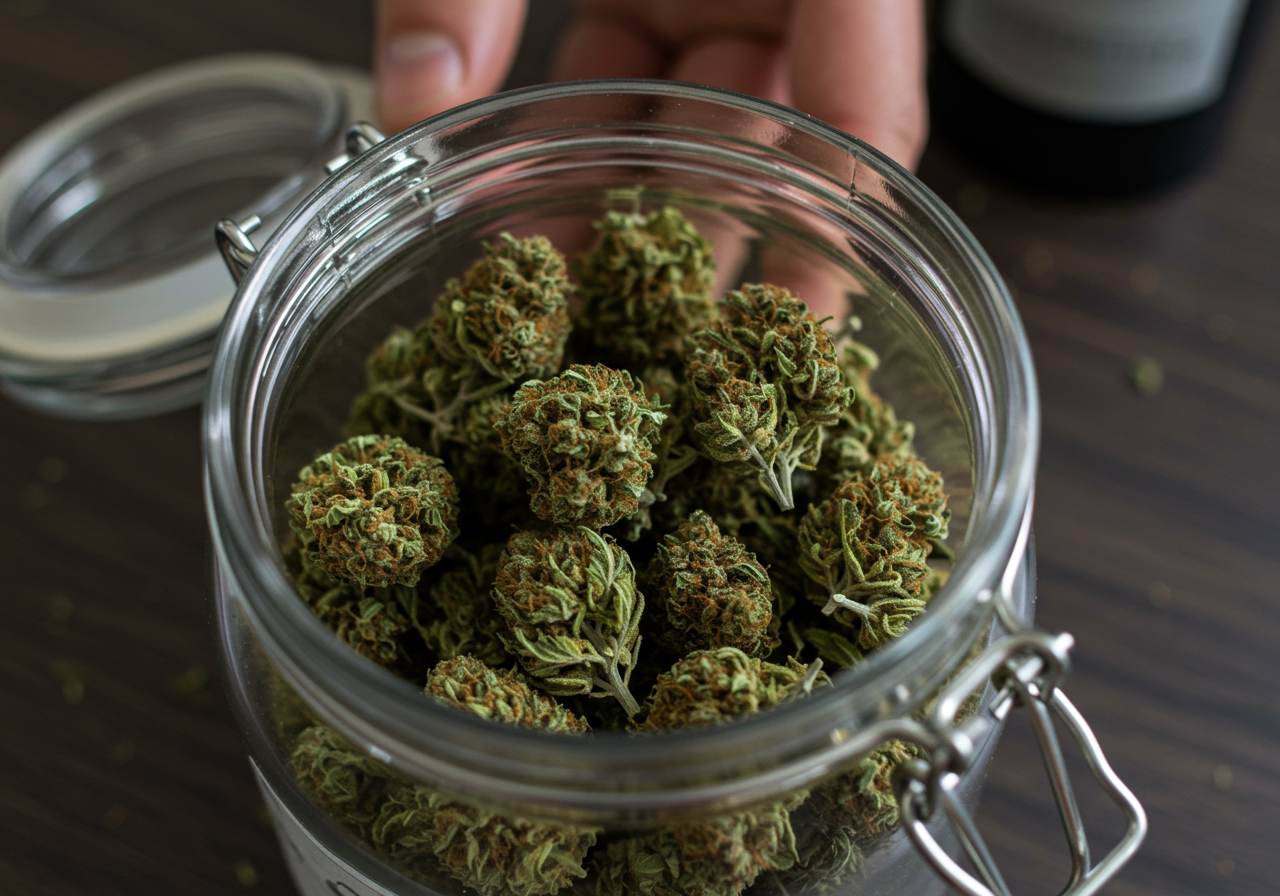
Cannabis aficionados prize buds with rich, natural aromas and flavors, the sign of a well-grown plant. Terpenes, the aromatic oils in cannabis, are largely responsible for those signature scents, think citrusy limonene or earthy myrcene. Recently, a new trend has emerged in the cannabis industry: terpene sprays, a post-harvest treatment where concentrated terpene solutions are misted onto dried or cured buds to boost aroma, flavor, or create novel scents. Proponents say it revives bland, aged flower and lets brands “handcraft” unique terpene profiles. Critics counter that spraying terpenes is a shortcut that can mask low-quality cannabis and erode authenticity.
This article takes a scientific and balanced look at terpene spraying: what it is, how it works, its benefits and risks, and its impact on the naturalness of cannabis. We’ll synthesize research findings, industry insights, and grower experiences to help you decide: Is terpene spraying a clever innovation, or an unnatural gimmick? And from the Weedth natural, authentic cannabis perspective, should we encourage it or advise caution?
What Are Terpene Sprays, and Why Do People Use Them?
Terpenes are fragrant organic compounds produced by cannabis and many other plants. They give each strain its unique smell, the pine of pinene, the lemon of limonene, the spice of caryophyllene, etc., and may synergize with cannabinoids in what’s called the “entourage effect”. In fresh cannabis, terpenes are abundant, but they gradually dissipate through drying, curing, and storage. Over time, even high-grade buds can become “dull” or lose their punchy aroma.
Terpene sprays were developed to reintroduce or enhance those aromatic profiles. In practice, this means applying a fine mist of concentrated terpene solution, often diluted in food-grade carriers like ethanol or MCT oil, onto dried cannabis flowers or pre-rolls. The spray can be applied by hand-held atomizers or specialized machines that evenly coat the buds. The goal is to make the flower smell and taste more vibrant, to create signature scents like “Gelato” or “Blue Dream” profiles, or to make inexpensive batches more appealing. In short, it’s a shortcut: instead of relying solely on genetics and cultivation to develop aroma, producers can “paint” on the scent they want.
Flavor and Aroma Enhancement: Sprays can restore lost fragrance or add new scents. For example, a bland indoor-grown bud might be misted with limonene-heavy terpene oil to smell like lemon haze.
Product Consistency: Large-scale producers use terpene sprays to standardize odor and flavor across batches. With thousands of plants, genetics and environment vary; spraying can mask those differences for a consistent lineup.
Novel Effects: By combining different terpenes, makers claim they can tailor effects. Since terpenes have individual “therapeutic notes,” adding them is said to fine-tune the high or medical effects.
Marketing: Unique smells, think “bubblegum” or “gummy” buds, catch attention, especially in a crowded market. Exotic terpene mixes make products stand out on the shelf.
But what exactly goes into these sprays? Many formulations advertise “100% botanical, steam-distilled” terpenes, often derived from cannabis or other plants, mixed with safe carriers. Some are strain-specific blends; others are fruit or candy flavors. Ingredients may include:
Cannabis-derived terpenes: Extracted from cannabis plant material during processing, then purified. These match the plant’s own profiles.
Botanical terpenes: Sourced from herbs, fruits, or flowers, e.g. pinene from pine, citral from lemon. Chemically identical to cannabis terpenes, but from other plants.
Synthetic terpenes: Lab-made molecules replicating terpenes’ chemical structure. Less common but cheaper to produce.
The carrier liquid is typically a food-grade solvent, ethanol, propylene glycol, vegetable glycerin, or MCT oil, that evaporates after spraying, leaving the terpenes behind on the bud.
Applying Terpenes: Methods and Best Practices
There are two main ways growers and processors apply terpene sprays:
Manual Spraying: Using a spray bottle or atomizer to mist each bud lightly. This is labor-intensive and can lead to uneven coverage or wet spots if overdone. Growers must be careful to keep buds only slightly damp. Too much liquid can promote mold or cause trichomes to clump. As one experienced grower warns, “Spraying it with a bottle… will make wet spots and cause mold” if not done properly. A light, even mist is key.
Terpene Chambers/Atomizers: Specialized machines create a fine, airborne terpene mist that envelopes the flower. Cannabis processors often use trays of buds in a sealed chamber where terpenes are atomized, ensuring consistent distribution without soaking the buds. This industrial method mimics “aroma therapy” by letting buds sit in terpene vapor, rather than a direct liquid spray.
After spraying, buds should be given time to re-dry before packaging if needed. Proper protocols include: using gloves and eye protection during application, to avoid skin or respiratory irritation, measuring terpene quantities precisely, and testing finished flower to ensure no off-flavors or residue. Some guides even suggest picking up a bud and doing a “water bowl test”: drop a piece of bud into water. If the water clouds or shows oily residue, heavy spraying may be detectable. But in practice, with good equipment and light application, sprayed buds may not look wet or oily to a casual observer.
Claimed Benefits: Aroma, Flavor, and the Entourage Effect
Proponents of terpene spraying emphasize enhanced sensory experience and potential “entourage” benefits. Here are the key points they raise:
Restored Aroma and Flavor: Spray can rejuvenate dry, earthy buds with lively scents. Marketers of terpene sprays say it’s “the fastest, most effective way to restore aroma”. This is compelling: many old or poorly cured buds have lost volatile compounds, so adding terpenes does immediately amp up smell.
Signature Strain Profiles: A spray can make a generic batch smell like a prized strain, e.g. adding pinene and limonene to mimic Sour Diesel’s fuel scent. This helps brands “create signature scents” associated with specific strains.
Tailored Effects: Some studies and anecdotal evidence suggest terpenes modulate cannabis effects. For example, certain terpenes can be relaxing, myrcene, or uplifting, limonene. The CBDNationwide article claims, though without a specific study citation, that adding terpenes “optimizes” cannabinoid absorption and so-called entourage effects. In theory, a bud sprayed with the “right” terpenes could feel slightly different. However, hard science on how much post-harvest sprayed terpenes influence the smoke’s effect is limited.
Uniformity and Innovation: For large cultivators, terpene sprays ensure that every product tastes and smells the same. They also allow hybrid or CBD products, which might naturally have low THC/terps, to smell like full-bodied, classic buds.
It’s worth noting these advantages assume quality ingredients and proper use. The CBDNationwide blog proudly points out their sprays are “food-grade” and comply with health regulations, implying safety if done correctly. Indeed, one can argue that using natural plant-derived terpenes, even from non-cannabis sources, may be preferable to unknown synthetic flavorings. In fact, certain terpenes, like lavender’s linalool or citrus’ limonene, are common in food and perfume, so they aren’t exotic chemicals per se.
How Sprayed Terpenes Affect the Plant and Smoker
Naturalness vs. Alteration. A fundamental question is: Does spraying terpenes “ruin” the natural cannabis experience? Technically, sprayed buds are no longer 100% the plant’s own product. An added ingredient changes the purity. From a traditionalist standpoint, this is a significant departure. Cannabis flower aficionados prize unadulterated terpene profiles that reflect the strain’s genetics and the grower’s craft. Spraying introduces external flavoring, akin to adding flavor drops to coffee or infusing olive oil with truffle aroma.
Are the sprays natural? It depends. Botanical or cannabis-derived terpenes can be quite “natural”, extracted from plants, but they still come from outside the specific buds. Synthetic terpenes, on the other hand, are chemically made. Most terpene sprays are sold as “food-grade” and often advertise “all natural” ingredients, but the reality is a spectrum: some use pure plant extracts, others use blends, and we often don’t know the exact source on a product label. Weedth’s perspective: even if the molecules are natural, the act of spraying a finished flower is an unnatural process.
Does it break cannabis’ naturalness? In a way, yes. It’s similar to taking plain seltzer water and dropping a flavored syrup in. You end up with a different product. Traditional growers and many consumers view sprayed buds as “adulterated.” The New York Cannabis Connect warns that sprayed terpenes “undermine” authentic flavor development and “strip away history” of real strains. A Reddit user bluntly puts it: “Sprayed flower is garbage flower, period”. Weedth doesn’t use such harsh terms publicly, but we do value authenticity.
Impact on smoking: If done right, sprayed buds will burn and taste differently. Enhanced terpenes may create an initially pleasant aroma, but some users report that the artificially boosted scent often fades quickly when smoked, leaving a flat or harsh taste. The science of it is clear that terpenes are volatile; they smoke off early. One study found that adding a lot of β-myrcene, a common cannabis terpene, to an extract increased harmful byproducts when dabbed or vaped. This indicates that high terpene concentrations can alter combustion chemistry, potentially creating more soot or toxins. In other words, spraying more terpenes might make the smoke rougher or less healthy, certainly a concern if the terpenes aren’t food-grade.
Safety considerations: Terpenes themselves are generally recognized as safe, many are food flavorings, but inhalation is different from eating. The regulatory article notes: “we lack evidence of safe terpene levels for smoking products”. In practice, excessive terpene vapor can irritate lungs or throats. Also, any additives, even natural, should be sourced properly: an industry incident found pesticide contamination in terpene oil from an unregulated plant source. This is a big red flag: buying unknown “fragrance oils” could introduce chemicals not meant for inhalation. The lesson: if spraying, ONLY use terpenes certified for inhalation from reputable suppliers. Even then, start with a light application. Many guides emphasize “less is more”. A heavy spray makes buds too wet and soapy, while a gentle spray gives a subtle lift.
Pros and Cons: A Balanced View
Potential Advantages, if done right:
Enhanced enjoyment: A light, skillful misting can make a bland batch smell and taste noticeably better. This might satisfy customers who want strong aroma.
Customization: Growers can experiment with new flavor combos, berry plus mint, etc., in ways genetics alone can’t.
Consistency: Medical and distribution markets value consistency. Adding terpenes ensures every bag smells like the advertised strain profile.
No psychoactive changes: Unlike adulterating with synthetic THC, added terpenes don’t turn a low-THC bud into high-THC. Cannabinoid levels remain the same; only aroma/flavor and possible minor entourage effects change.
Drawbacks and Risks, cited from experts:
Loss of authenticity: Many cannabis enthusiasts feel sprayed buds are fake. The natural “soul” of the plant, its genuine terpene signature, is lost. Traditional growers pride themselves on genetics and terroir; spraying erases that story.
Misleading customers: If terpenes are added but not disclosed, consumers might pay premium prices for “GMO Cookies” smell even when the actual bud is a cheap variety. This is a trust issue. Regulators in some states require labeling any added ingredients, so clear disclosure is essential.
Health uncertainties: As noted, adding high terpene loads can change combustion chemistry. A study cited above found more harmful compounds when terpenes were high. Plus, excessive terpenes can make the smoke harsher or cause coughing. Safety data is still incomplete, so caution is warranted.
Potential mold risk: Over-spraying, or spraying un-dried flower, can introduce moisture and cause mildew. This is a practical concern; many experienced growers advise thorough drying before spraying and minimal application.
Attracting minors: Perhaps the most controversial point: flavored terpenes could make cannabis more appealing to youth. The NY Cannabis Connect piece warns that candy-like scents, bubblegum, Skittles, etc., blur lines between adult cannabis and kid-friendly products. This is akin to flavored e-cigarettes, which caused regulatory alarm. Weedth errs on the side of caution here. We generally avoid novelty flavors in cannabis that might appeal to underage senses.
Given these pros and cons, is terpene spraying “natural”? From a strict standpoint, no. Even when using plant-derived terpenes, the process is analogous to post-harvest flavoring. It’s as if a winemaker adds artificial aromas to an aged wine. Even if the aromatics are grape-based, sommeliers would frown. That doesn’t make the product inherently dangerous, but it does change its character.
What Do Experts and Growers Say?
Industry Voices: Some in the legal cannabis industry openly criticize sprayed flower. As NY Cannabis Connect put it, it’s like “putting cheap cologne on bad weed”. They emphasize trusting your nose: good cannabis should smell authentic and soul-filled, not perfumed. Cannabis Science & Tech magazine pointed out that added terpenes are treated differently by regulators: in some states only cannabis-derived terps are allowed, others permit botanical or synthetic terpenes. The lack of consistent regulation means standards vary by region.
Anecdotes: In grower forums, like Reddit, opinions run strong. Experienced growers often avoid sprays if they have good genetics. One comment sums it up bluntly: “If you have quality genetics and grow well, focus on that instead of spray. Sprayed cannabis can smell strong but it falls apart when you smoke it”. Another notes that sprayed buds “look wet” with dull coloration and overly bright, not natural, orange hairs. These voices align with the view that spray is a shortcut hiding poor cultivation.
Detecting Sprayed Bud: Curious consumers wonder how to tell. Aside from the water-bowl trick, oily residue indicates added oils, a giveaway is often the smell/taste. If the aroma is unusually fruity, sweet, or harsh, or if the bud lacks the earthy “finish” when smoked, it may have been spiced up. High terpene numbers on a label, e.g. “4% total terps, 35% THC”, should also raise eyebrows; too many terpenes might hint at additives.
Some Acceptance: Not everyone condemns spraying. In a Reddit discussion, a few people acknowledged cases where lightly sprayed bags helped salvage very old or “terpless” bud. Some commercial pre-roll makers even legally infuse pre-rolls, adding terpene oils, and disclose it as “infused”. The stance is typically: if it’s transparently disclosed and done with pure ingredients, it can be acceptable business practice, though not for purists.
Safety, Composition, and Regulation
From a technical standpoint, most terpene sprays claim food-grade safety, but “smoking safety” is trickier. The Cannabis Science article stresses that “added terpenes are an added ingredient”. They note that cannabis is regulated, but pure terpenes, zero THC, often slip outside strict oversight. This gap means:
Ingredient scrutiny: Consumers should look for sprays made by licensed, tested suppliers. As Kim Anzarut points out, terpenes must be sourced from facilities with proper oversight or they might carry contaminants, like the pine-tree α-pinene incident. Always ask: is this terpene GRAS-approved for inhalation? Has it been tested for pesticides and solvents?
Approved Types: Some U.S. states allow only cannabis-derived terpenes to be added back into flower, prohibiting exotic botanicals. Others permit blends. Check local laws. In markets like Missouri, per a reddit comment, any additive must be labeled and disclosed.
Health Effects: The RSC study hints at a real concern: more terpenes can lead to more combustion byproducts. While vaping/dabbing is different from smoking raw flower, it suggests moderation. Inhaling pure terpenes can also irritate; one should ventilate the area and not over-saturate the bud. In short, safety comes down to quality and quantity. A puff of naturally-derived terpenes likely isn’t dangerous, but dripping flower in mystery oils would be reckless.
The Weedth Perspective: Tradition Over Trend
Weedth values authentic, natural cannabis experiences. From our point of view, terpene sprays are a double-edged sword. We acknowledge the science: terpenes are part of cannabis’s chemistry, and adding a bit back could theoretically refresh an old bud or tweak effects. Spraying might be done hygienically with pure ingredients to enhance enjoyment.
However, our core philosophy favors the plant’s own strength. We believe the best way to “lock in” terpenes is through good cultivation, ideal harvest timing, and careful drying/curing. Nature provides a complex terpene mix in each strain; altering it post-harvest feels like stepping outside the natural path. It’s analogous to adding artificial flavoring to organic fruit.
Therefore, while we do not demonize terpene sprays outright, they can have legitimate uses, we lean against them as a practice for quality cannabis. Our advice to growers and consumers:
Grow great genetics: Use terpene sprays only if absolutely needed. A top-shelf Sour Diesel should smell like Sour Diesel on its own.
Full transparency: If you do use them, disclose it. Labeling “infused with strain-specific terpenes” is at least honest. Consumers deserve to know if a scent is 100% from the plant or boosted.
Moderation is key: A light spritz to revive old flower might be fine, but abusing sprays to mask fundamentals is not. If using sprays, follow strict safety protocols, ventilate, use gloves, test small samples, and do not inhale straight sprays.
Cherish natural terp profiles: For readers, appreciate the subtlety of unaltered cannabis. Train your nose: a genuine lemony tang vs. a zesty “lemon candy” hint the difference. Also, be skeptical of too good-to-be-true claims. A 25% THC, 5% terp bud that smells like Skittles may warrant a closer look.
Ultimately, Weedth endorses a cautious stance: enjoy the science and innovations, but uphold the essence of the plant. Spraying terpenes can be an interesting experiment or a useful tool in certain settings, e.g. large-scale bud production, but it is not a substitute for quality growing. Our final take: if the choice is between improving the soil, feeding microbes, and selecting terpene-rich cultivars, do that first. Use terpene sprays as a thoughtful afterthought, not a crutch.
In conclusion, terpene sprays occupy a gray area. They offer tangible benefits, more aroma and marketing flexibility, but also clear downsides, loss of authenticity and potential health concerns. The scientific evidence is still evolving. For now, Weedth recommends tradition: let the plant speak for itself. As one grower put it, “trust your nose, the plant doesn’t lie”. Sprays might fool a newbie, but a connoisseur knows real cannabis when they smell it.
Share this article
A quick overview of the topics covered in this article.
Follow us
Latest articles
September 24, 2026

September 24, 2026
September 24, 2026
September 24, 2026