
White Widow Strain: Resin, Training and Weather Resilience
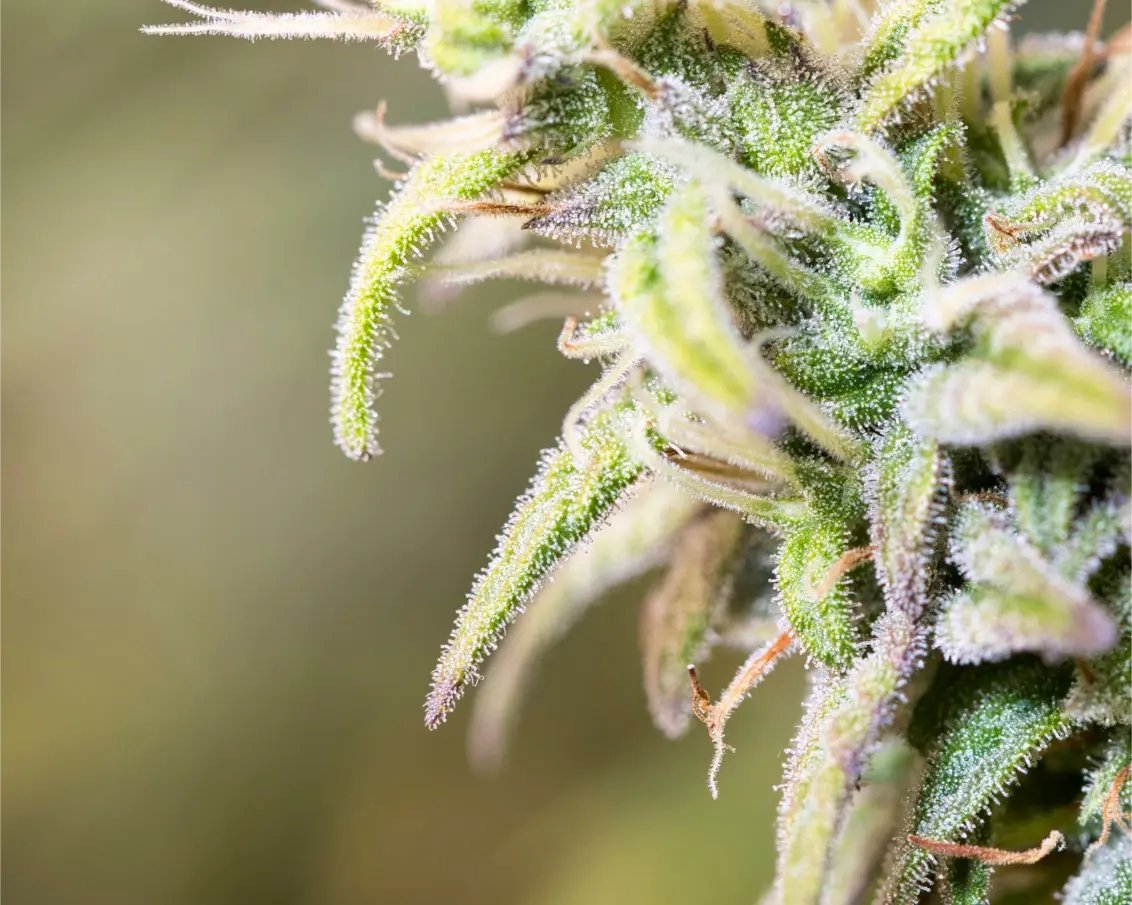
White Widow is a balanced hybrid cannabis strain famed for its resin-rich buds (pictured above) which appear almost sugar-coated in white trichomes. First bred in the Netherlands in the 1990s, this strain quickly gained worldwide acclaim for its potent yet versatile effects and robust growing characteristics.
The profile below provides an in-depth look at White Widow’s lineage, cultivation, and unique qualities as documented by experienced growers and cannabis literature.
Strain Features
| Genetic Profile | Indica-dominant Hybrid (~60% Indica / 40% Sativa), with a balanced effect profile |
|---|---|
| Lineage | Brazilian Sativa landrace x South Indian Indica |
| THC Content | ~15% on average; can reach ~20%+ in optimized grows, with some breeder reports up to ~25% |
| CBD Content | Very low (<1%, typically ~0.1%) |
| Origin | Netherlands, mid-1990s; bred at Green House Seeds and winner of the 1995 High Times Cannabis Cup |
| Flowering Time | ~8-9 weeks indoors; outdoor harvest by the end of September or early October in the Northern Hemisphere |
| Yield | ~400-500 g/m2 indoors when optimally trained; 500-600+ g per plant outdoors in favorable conditions, with higher breeder claims describing ideal scenarios |
| Plant Height | Medium: around 3-4 ft (90-120 cm) indoors; can reach ~5-6 ft (150-180 cm) outdoors with ample branching |
| Grow Difficulty | Easy to Moderate: resilient, forgiving and suitable for beginners while still rewarding advanced growers |
| Dominant Terpenes | Myrcene, Pinene and Caryophyllene |
Genetic Lineage
White Widow originates from a cross of a Brazilian sativa landrace and a resin-heavy Indian indica. It was first developed in the early 1990s at Green House Seed Co. in the Netherlands, notably by breeder Scott Blakey (aka Shantibaba) alongside Arjan Roskam. In 1995, White Widow won first prize at the High Times Cannabis Cup, cementing its legendary status.
There is some debate over the exact origins: Shantibaba maintains he bred White Widow from a Brazilian male and a Kerala (South Indian) female, and when he later left Green House, he released the original genetics under the name Black Widow. Another Dutch grower, Ingemar (De Sjamaan), also claimed to have developed White Widow and supplied cuttings to Green House, describing the genetics only as a mix of Brazilian and Indian strains.
Regardless of the disputes, White Widow became an instant classic that has since spawned an entire “White” family of strains. It is considered the matriarch of famous progeny like White Rhino, White Russian, Great White Shark, and others, all inheriting its frosty resin profile. The strain tends to be genetically stable and homogenous, with few major phenotype variants reported (apart from slight aroma/flavor differences in some plants, such as more “diesel” or metallic notes in certain phenos). Overall, White Widow’s genetics strike an ideal balance between indica and sativa traits, which is a key to its enduring appeal.
Effect Breakdown
Initial Onset (Emotional & Mental): White Widow’s high is known to hit fast and hard. Within a few tokes, users often feel a burst of euphoria and energy that elevates the mood. This immediate uplifting effect can spark talkativeness and creativity – many report feeling more sociable, giggly, and mentally stimulated. It’s common to experience a sharpened sensory awareness and an inspired, clear headed mindset during the onset. For example, consumers often describe being uplifted, energetic, talkative, and creative after a small session. Any stress or anxiety tends to fade quickly at this stage (“you can kiss that goodbye after a few puffs,” as one review notes ). This cerebral kick makes White Widow great for social gatherings, artistic projects, or even mundane tasks that could use a fun, positive boost – activities like listening to music, gaming, painting, or even cleaning become more enjoyable under White Widow’s influence. The strain delivers a “fast hit” that is very enjoyable and complex according to its breeders, meaning the psychoactive effects come on rapidly and with a multifaceted character.
Peak & Body Effects: As time progresses (after the first 30–60 minutes of the high), White Widow’s indica side emerges to complement the initial head high. Users typically still feel mentally clear and upbeat, but a subtle, relaxing body buzz begins to set in. Muscles start to loosen up and a calm washes over the physical state without necessarily inducing sleepiness at moderate doses. Many describe this phase as comfortably relaxing but not couch-locking, allowing one to stay productive and focused on tasks while feeling a pleasant body ease. In fact, seasoned fans often choose White Widow as an all-day smoke – it can motivate you through the day’s activities with its mood boost and mild body relief, then gently unwind you as it wears on. The strain’s mix of terpenes and moderate THC produces a very balanced high that is both social and functional.
Duration & Late-phase: White Widow’s effects are relatively long-lasting. A standard dose can provide about 2 hours (give or take) of notable effects, with a sustained after-buzz. As the high enters its later stage, or if one consumes larger quantities, the deep relaxation may intensify. In higher doses or after a couple of hours, White Widow can become more sedating – the famed energy can mellow into a heavy, lazy feeling if you surpass your tolerance or sit idle. For some, especially less experienced users, this late phase can lead to “couch-lock”, where you feel glued to the couch in a content, dreamy state. Whether or not that happens often depends on your activity level (staying engaged can stave it off) and personal tolerance. Importantly, even when it turns physically heavy, the strain generally keeps anxiety at bay and maintains a positive mental tone. The onset is universally reported as rapid, and the overall duration is substantial for a 15–20% THC strain – thanks to the terpene synergy, White Widow’s “fast hit and long-lasting effect” are noted by breeders and users alike.
In summary, White Widow’s effect progression can be viewed in stages: an energizing, euphoric lift up front (emotional bliss, mental clarity, social vibe), followed by a smooth comedown into full-body relaxation (muscle ease, calm mood, possible drowsiness at the tail end). This makes it a versatile high that can enhance daytime activities in moderate doses, as well as facilitate evening relaxation in larger doses – truly bridging the gap between indica and sativa experiences. It’s advisable for newcomers to start with small quantities, as White Widow’s very high THC potential and immediate impact have caught some by surprise (even connoisseurs note a little goes a long way with well-grown bud).
Flavor & Aroma Profile
White Widow offers a sensory-rich aroma and flavor that is as legendary as its effects. On the nose (jar aroma): properly cured White Widow buds announce themselves with an intense, pungent scent the moment you open the container. The aroma is predominantly earthy and woody, with a sharp pine undertone reminiscent of a deep forest. Layers of spicy and herbal notes are also present many describe a peppery, incense-like kick in the smell, hinting at the strain’s high caryophyllene content. In some phenotypes, hints of fresh citrus or a sweet floral tone can be detected in the bouquet, whereas others might lean toward a subtle diesel or metallic scent note in the mix. Overall, the fragrance is incredibly strong and complex. Growers often warn that late in flowering and especially during drying, White Widow’s odor is pervasive and hard to hide, easily filling a room with its skunky, piney musk – robust carbon filtration is highly recommended for indoor grows. When you squeeze a bud, your fingers will be coated with resin and a clinging, persistent odor that underscores how terpene-rich this strain is.
Flavor on inhale and exhale: The taste of White Widow smoke is considered a classic “old-school” cannabis flavor, often evoking 1990s Amsterdam coffee-shop memories for veteran consumers. Upon inhale, users are frequently surprised at the sweetness that comes through – behind the earthy spice, there is a sweet, almost fruity taste in many White Widow phenos. It’s a bit like a sweet herbal blend: pungent yet smooth and sugary on the palate. Some report fruity, berry-like or citrus hints on the inhale, which likely come from minor terpenes in certain cuts. As you exhale, richer flavors emerge: expect a thick, hashy smoke carrying notes of pine, wood, and spice on the tongue. A faint peppery bite might tickle the taste buds (courtesy of caryophyllene), and occasionally a subtle coffee or cocoa/diesel aftertaste lingers, especially with phenotypes that had those aromatic hints. Despite the complexity, the flavors meld into a harmonious whole – it’s robust but not overly harsh if well cured. However, be aware that White Widow’s smoke can be expansive in the lungs; its richness and resin might induce coughing in novices or if you take a huge hit (as one source notes, “it definitely packs a punch so coughing might be inevitable” with dense, sweet smoke).
In essence, White Widow’s aroma/flavor profile can be summarized as earthy, piney and spicy on the nose, with a sweet, herbal and woody smoke. It’s a multi-layered taste that aficionados adore – one that improves notably with a proper cure. In fact, enthusiasts often cure White Widow buds for an extended period (1–2+ months) to allow its full flavor complexity to develop; patience rewards you with a powerfully aromatic, penetrating smell and rich taste that truly does the strain justice. When optimally grown and cured, White Widow provides a smooth, thick vapor that encapsulates the best of both indica and sativa lineage flavors – a little sweet, a little spice, a bit of skunk, and a lot of piney earth.
Dominant Terpenes
White Widow’s distinctive aroma is driven by a trio of dominant terpenes commonly found in its profile:
| Terpene | Detailed Role in White Widow |
|---|---|
| Myrcene (β-Myrcene) | The most abundant terpene in many White Widow samples. Myrcene gives an earthy, musky base note (some describe it as a clove-like or herbal scent). It is known for its sedative, relaxing properties, contributing to the calm “body buzz” effect of White Widow. Myrcene may also enhance THC’s ability to permeate cell membranes, which is thought to strengthen the overall potency of the high. In White Widow, myrcene likely underpins the strain’s soothing physical relief and couch-lock potential at high doses, while also adding to the rich earthy flavor. |
| Pinene (α-Pinene) | A significant secondary terpene in White Widow, pinene imparts the fresh pine and woodland aroma in the strain’s bouquet. As the name suggests, this terpene smells like pine needles. Pinene is associated with alert, uplifting effects – it can counteract some of THC’s memory-impairing tendencies and promote a sense of mental clarity or focus. In White Widow, pinene likely helps balance the sedative aspects with a clearer head high, and contributes to the crisp, sharp pine flavor on exhale. Medicinally, pinene is also an anti inflammatory and bronchodilator, which might aid breathing (though smoke itself can be irritating, the terpene component can have a soothing effect on airways). |
| Caryophyllene (β-Caryophyllene) | Another primary terpene found in White Widow’s profile. Caryophyllene is characterized by a spicy, peppery aroma – it’s the source of the subtle black pepper and spice notes in White Widow’s scent and taste. Uniquely, caryophyllene can directly bind to CB2 cannabinoid receptors in the body, acting as a natural anti-inflammatory and analgesic terpene. This may explain why White Widow is reported to help with pain and stress relief. The presence of caryophyllene adds a warm, hashy spice to the flavor and contributes to the “anti-anxiety” effects by engaging receptors linked to stress modulation. It’s also thought to lend some muscle-relaxant qualities to the strain. |
Together, these top three terpenes create White Widow’s signature woody-pine and spicy-earthy profile. They work in synergy (the “entourage effect”) to shape not only flavor but the nuanced character of the high. Other terpenes present in smaller amounts might include Limonene (citrus notes in some phenos, providing mood lift), Humulene (an earthy, woody terpene that could add to the hashy aroma), or Linalool (floral touches, contributing to any flowery scent hints). However, Myrcene, Pinene, and Caryophyllene are the dominant ones to focus on. For the user, this terpene blend means White Widow simultaneously offers relaxation (myrcene), mental clarity (pinene), and stress relief (caryophyllene) – a well-rounded profile both in taste and effect.
Indoor vs Outdoor Growing
White Widow is a strain that can be cultivated both indoors and outdoors with great success. The comparison below preserves the key differences, advantages and risks described in the source.
| Aspect | Indoor Cultivation | Outdoor Cultivation |
|---|---|---|
| Height & Structure | Short to medium height (~0.9-1.2 m indoors) with a bushy, compact structure, short internodes and strong lateral branching. Easy to manage in tents and rooms. | Medium height, often ~1.5-2 m with a longer vegetative period. It becomes a sturdy, highly branched shrub and may need staking when flowers gain weight. |
| Flowering / Harvest | ~8-9 weeks under 12/12 light. Stable indoor conditions allow uniform plants to mature on schedule. | Late September to early October in the Northern Hemisphere and around early April in the Southern Hemisphere. It needs enough summer sun to mature before risky weather. |
| Yield Potential | Typically ~400-500 g/m2 under good lighting and training. White Widow responds particularly well to SCROG and can form dense, trichome-rich flowers in a controlled climate. | Commonly 500+ g per plant in favorable conditions. Large plants with open ground, extensive roots and full sun may reach 600-800 g or more, but results depend strongly on season and care. |
| Climate & Conditions | Optimal references sit near 20-26°C and 40-50% RH in flower. The compact form fits small spaces, but the late-flower odor requires effective carbon filtration. | Prefers a mild, sunny, Mediterranean-like climate and tolerates cool nights or moderate variation. Dense flowers still require airflow and protection from prolonged rain or high humidity. |
| Pros | Full control of light, temperature and humidity; multiple crops per year; easy use of SOG or SCROG; exceptionally frosty flowers under dialed conditions. | Free sunlight, lower energy cost, larger plants and colas, potentially rich sun-grown terpene expression and less equipment oversight. |
| Cons | Space can restrict size; powerful odor requires filtration; equipment and electricity cost money; the environment still needs consistent monitoring. | Season and weather control the finish; heavy branches need support; pests and rain require management; odor may travel downwind. |
Summary: Indoors, White Widow is a joy to grow for those with limited space – it stays manageable in height, flowers quickly (~2 months), and rewards attentive growers with dense, crystal-coated buds. It tolerates training methods like topping, LST, Sea of Green (multiple small plants), or Screen of Green (spreading one/few plants) readily, making it easy to maximize yields in a small area. Just be prepared to handle the odor. Outdoors, this strain can become a high-yielding bush that benefits from a long vegetative period under the sun. Its resilience means even growers in less-than-perfect climates have had success (as long as heavy frost doesn’t hit before harvest). Outdoor White Widow often develops a wonderful terpene expression and can reach impressive sizes/yields, but growers should plan for bud support and mold prevention as the thick colas ripen. Overall, White Widow’s versatility in different environments is one reason it became a staple strain globally.
Strain-Specific Grow Guidance
Cultivating White Widow is relatively straightforward, but a few strain-specific tips can help you get the most from your grow. Below are guidelines on morphology, training, and environmental needs tailored to White Widow:
Morphology & Structure
White Widow grows with a classic indica-like structure during vegetative stage – expect short internodal spacing, broad fan leaves, and a bushy profile. It has vigorous growth and will rapidly fill out with lateral branches given proper light and nutrients. During the first 2–3 weeks of flowering, it shows moderate stretch (roughly doubling in height), which is less than lanky sativas. The plant tends to maintain a medium height and doesn’t usually overgrow indoor spaces if flipped to flower around 30–45 cm tall. Heavy side branching is common, which is great for yield but means inner areas might get dense – plan to prune excess inner foliage to improve airflow and light penetration, reducing risk of mold in late flower.
Training Techniques
This strain responds very well to training. White Widow’s sturdy genetics allow for topping, FIMing, LST (low stress training) and HST techniques without much fuss. Many growers top the plant once or twice in veg to promote multiple colas – one recommendation is topping once and letting veg extend to ~4 weeks or more to maximize the number of flowering sites (this can greatly increase final yield). It also thrives in ScrOG (Screen of Green) setups; its uniform height and bushiness mean you can weave the branches through a net to create an even canopy. Alternatively, it can do well in SOG (Sea of Green) if you prefer many small plants – its quick flowering and single-cola dominance under that method produce good results. Supercropping (bending stems) and lollipopping (removing lower growth) are effective too – for instance, lollipopping White Widow can channel energy to top buds and simplify trimming. Overall, don’t be afraid to train this plant; it is resilient to stress and can tolerate a wide variety of training techniques without herming or stunting. Just avoid overdoing high-stress training too late into flowering.
Nutrient and pH Needs
White Widow isn’t overly fussy about nutrients – it can handle moderate feeding and tends to thrive with a balanced, quality diet. During vegetative growth, provide ample nitrogen to fuel its explosive growth, but ease up if you see very dark leaves (it doesn’t need excessive N). In bloom, shift to phosphorus and potassium-rich fertilizers to support bud development. Many growers report that less is more with White Widow’s feeding: it’s a vigorous plant that can suffer if overfed. Watch for signs of nutrient burn on leaf tips and dial back if needed – slight underfeeding is safer than overfeeding for this strain (it will still yield well). Maintaining the soil/root pH around 6.0–6.5 for soil grows (5.8–6.0 in hydro) is important for nutrient uptake. White Widow has good nutrient assimilation when pH is in the correct range; if pH drifts, you may see micronutrient lockout (yellowing leaves) even if nutrients are present. Regularly check and adjust pH to keep it in the sweet spot.
Watering and Medium
This strain likes a well-aerated root zone. If growing in soil or coco, consider adding perlite or using fabric/air pots to increase oxygen to roots. White Widow can tolerate slight under-watering better than over-watering – its lineage adapted to occasionally harsh climates, so it doesn’t like “wet feet” for long. Water thoroughly but allow the top inch of medium to dry out before watering again. Over-watering is a common mistake that can stunt its otherwise vigorous growth. In hydro systems, ensure plenty of dissolved oxygen in the solution (use air stones) because this strain’s dense root system will use a lot of oxygen. White Widow is also reported to do very well in organic soil grows; some growers use slow-release organic nutrients or compost teas, which the plant responds to with healthy, robust growth (and improved flavor).
Climate & Environment
Indoors, target a temperature range of ~70–78 °F (21–26 °C) for most of the grow. It can handle slightly higher temps if CO₂ is supplemented, but generally keep below 85 °F to avoid terpenes evaporating and buds foxtailing. In late flowering, some growers like to drop night temps by a few degrees to promote resin production – White Widow can handle cooler nights (down to mid-60s °F / ~18 °C) without issue. Keep humidity around 45–50% in flowering; its dense buds need good airflow and moderate humidity to prevent mold. Outdoors, White Widow prefers a sunny, Mediterranean-style climate. It is hardy enough for temperate regions, but in very humid environments extra care is needed to ward off bud rot (prune for airflow, consider a cover during autumn rains). The strain has proven resistant to many pests and diseases – it’s not particularly prone to powdery mildew and can fight off common pests better than fussier hybrids, according to grower feedback. Nevertheless, maintain garden cleanliness and use preventive measures (like neem oil or beneficial insects) to keep mites and mold in check.
Flowering & Harvest
Indoors, expect White Widow to finish flowering in about 8 weeks (some phenos might go 9 weeks for maximum trichome maturity). Trichome observation is key – harvest when most trichomes are cloudy with some amber for a well-balanced effect. The buds will be chunky, conical, and absolutely covered in milky white resin by finish hence the name White Widow. As harvest nears, support the branches if you haven’t already; the colas gain a lot of weight in the final weeks and can bend or snap if unsupported. Outdoors, plan to harvest by end of September to early October (Northern Hemisphere) before fall weather becomes risky. Always check buds for any signs of bud rot especially if rain/humidity were factors – the strain’s resilience helps, but dense nugs are inherently at some risk in damp conditions.
Post-harvest Curing
To truly do White Widow justice, employ a slow drying and proper curing process (see
Grower Question
Why is my White Widow growing vigorously above the soil while staying slow and heavy after each watering?
Question sent by: Mirela S., via email
White Widow can build a dense, oxygen-hungry root system, so healthy leaves do not rule out a wet root zone. Check how long the container stays heavy, whether runoff can leave freely, how much perlite or structural aeration the medium contains, and whether the pot size matches the root mass. Let the upper layer dry and the container become meaningfully lighter before watering again, but do not force repeated severe wilt. In coco or hydro, also verify root-zone oxygen and temperature. The correction is better air-and-water balance, not an automatic increase in nutrients.
Weedth Bud Flavor Tips
Slow Drying is Key
After chopping your White Widow plants, dry the buds slowly in a dark environment. Aim for ~60–70 °F (15–21 °C) and about 50–60% relative humidity during drying. This typically takes around 7–14 days for buds to dry to the stem-snap stage. A slow, cool dry helps retain volatile terpenes that give White Widow its piney, spicy kick – high heat or very low humidity can cause terpenes to evaporate, dulling the aroma. Avoid quick-drying with heaters; patience here will pay off in flavor.
Proper Cure (Time and Conditions)
Once dried to the point where small stems audibly snap, transfer the buds to airtight containers (preferably glass mason jars). Cure for a minimum of 2 weeks, though 4+ weeks is strongly recommended for White Widow’s complex flavors to fully develop. In fact, many connoisseurs cure White Widow for 1–2 months or even longer. During curing, keep jars in a cool, dark place (room temp ~70 °F or below) and maintain ~55 65% RH inside the jars. Use a small hygrometer in a jar or Boveda humidity packs to monitor this range. Burp jars daily in the first week (open for a few minutes to release built-up moisture and gases), then burp less frequently over time. A slow cure at controlled low temperature preserves terpenes far better than a rapid dry – it results in smoother, more aromatic buds.
Avoid Light and Air Exposure
Both UV light and oxygen can degrade terpenes and cannabinoids. Store your curing jars in the dark, and after the curing period, continue to keep the buds in opaque or dark glass containers if possible. When retrieving buds, minimize how long you keep jars open. It’s best to package long-term stash in smaller jars so that frequently opened jars get used up faster (reducing repeated oxygen exposure on the same buds). Properly cured and stored White Widow can maintain its potency and flavor for up to a year or more without significant terpene loss.
Temperature Control
Excess heat is the enemy of flavor. Keep stored buds in a cool environment (ideal range 60–70 °F). High temperatures will cause terpenes (and even cannabinoids) to evaporate or break down – some terpenes in cannabis can start to volatilize at just 70–80 °F and above. Never store your White Widow in a hot attic or in direct sunlight. Cool, stable temps will keep the buds smelling and tasting fresh for much longer.
Handling and Trimming
Be gentle when handling your buds during harvest and post-harvest. White Widow’s trichomes are extremely abundant and contain those tasty oils. Rough handling can knock off trichome heads (the visible “kief”). Hand-trim with sharp, clean scissors and avoid overhandling the nugs. It’s often helpful to trim over a screen or tray to collect any resin that does fall. If wet trimming, take care not to overly squeeze the buds. If dry trimming, ensure the environment isn’t so dry that resin becomes brittle and falls off. Using nitrile gloves can prevent oils from your skin from contaminating the bud and also prevents the resin from sticking to your hands (which also steals aroma from the buds). The goal is to keep as much of the “frost” on the buds as possible, since those trichomes carry the flavor.
Flavor-Preserving Storage
After curing, consider long-term storage methods that lock in terpenes. For example, vacuum sealing (for bulk storage) in food-grade vacuum bags or jars can help if you need to store buds for many months, but only do a gentle vacuum to avoid squishing the buds. Many growers use dark glass jars with an airtight seal as the primary storage – this is generally sufficient if kept in a cool, dark cupboard. Avoid plastic bags for long term storage as they can impart a plastic taste and are not fully air-tight. Also avoid storing different strains together; White Widow’s aroma is strong and can co-mingle or overpower more delicate aromas of other strains.
Preserve Terps in Outdoor Grows
If you grew White Widow outdoors, one tip is to harvest in the early morning if possible. Terpene levels can be highest at dawn (before the day’s heat causes some evaporation). Additionally, if you anticipate a heat wave near harvest, you might move plants into shade in the final days or even do partial harvest (take tops a bit earlier) to prevent terpene loss from extreme heat. Once harvested, bring the plants/buds into a cool area promptly for drying – outdoor buds often carry more moisture, so controlling the dry environment is crucial to avoid mold while not drying too fast. Outdoor White Widow, when cured correctly, can have an even richer flavor, so treat those sun-grown colas with care in drying/curing to capture all that goodness.
Enhancing Flavor (Advanced)
Some growers swear by a flush in the last 1–2 weeks before harvest – giving only plain water (and perhaps a finishing product like molasses) – to allow the plant to use up excess nutrients, leading to a cleaner taste. Flushing White Widow is recommended if you used synthetic fertilizers; it can improve the smoothness of the smoke (preventing “chemical” or harsh tastes). Another tip: using organic nutrients or soil amendments (like living soil, compost teas) throughout the grow is known to enhance terpene expression and taste quality. White Widow grown organically often has a more nuanced, smoother flavor. During curing, some growers add terpene shields or natural items like a citrus peel in the jar for a few hours if moisture is needed – but be cautious, as introducing organic matter can also introduce mold risk. Generally, if you dried and cured correctly, you shouldn’t need to add anything to the jars. By following these practices, you’ll ensure your White Widow buds retain their signature aroma of pine and spice with that hint of sweetness even months after harvest. There’s nothing quite like popping open a well-cured jar of White Widow and being hit with that “startling pungency” of aromas – it’s the reward of careful post-harvest handling. In short: cool, dark, slow, and steady wins the race for preserving terpene flavor richness.
Weedth Bud Boost Tips
Use SCROG (Screen of Green)
White Widow’s bushy growth and sturdy branches make it ideal for SCROG training, where a screen/net is used to create an even canopy of buds. Under a SCROG, you can expose all bud sites to optimal light, resulting in more uniform and often larger colas. Green House Seeds specifically note this strain is “very good for ScrOG” due to its growth pattern. Begin training in late veg/early flower by gently pulling tops through the mesh to fill empty spaces. This maximizes light use and can significantly boost indoor yields (people have hit the upper yield estimates by scrogging White Widow aggressively). Similarly, if growing many small plants, a Sea of Green approach can work – White Widow’s fast 8-week bloom and single cola dominance in tight spacing can produce an excellent gram-per-watt ratio.
Topping & Veg Duration
Don’t rush the vegetative phase if you want bigger yields. Topping White Widow (cutting the main growing tip) once or twice can multiply the number of main colas. One grower tip is to top the plant once and extend veg to ~4-6 weeks – this allows the plant to bush out and form many bud sites, which can lead to an “enormous yield” compared to an untopped, short veg plant. Each additional week in veg (provided you have space) can create a larger plant that will bear more buds. Just balance this with your space constraints; an untopped White Widow around 12″ tall can end up ~24–30″ post-stretch, whereas a topped, well vegged one can fill a 3×3 ft area with a SCROG. More plant mass (within reason) before flowering = more potential bud in the end.
Intense Lighting (and UV)
White Widow can handle and benefit from strong light intensity. Under powerful LED or HPS lights, its buds grow denser and pack on trichomes. Dutch Passion breeders recommend using high-quality LED grow lights and even adding UVA/UVB light for a few hours in the final weeks to push trichome production to the max. The UV spectrum stimulates the plant’s defense mechanism (more resin), which can boost THC and terpene levels. If you incorporate UVB, do so cautiously (e.g., 2–3 hours per day in last 2–3 weeks) and follow safety guidelines. Always ensure plenty of PAR lighting – if using LED, a target of ~700–900 µmol/ m²/s during bloom will really let White Widow yield its best. Keep lights an appropriate distance to avoid bleaching, but give her all the light she can use (with CO₂ if you venture into very high PPFD). Proper light intensity, along with 14-18 hours of strong light in veg and 12 in bloom, will let the genetics express fully.
CO₂ Enrichment
If growing indoors and you have a closed environment, consider CO₂ supplementation to boost growth. Cannabis plants, including White Widow, can utilize CO₂ levels up to ~1200–1500 ppm to increase photosynthesis rates significantly. With enriched CO₂ and ample light, White Widow can yield faster growth, bigger flowers, and higher biomass essentially turbocharging bud production. This strategy is more for advanced growers (needing sealed rooms, CO₂ regulators, etc.), but it can give a notable boost in yield (20–30% in many cases) when done right. Remember, CO₂ only helps if you also provide more light and slightly higher temps; the plant will “eat” the extra CO₂ only under intense light and warm conditions. Always balance all factors to avoid waste. If done properly, CO₂ enrichment can push White Widow to its genetic yield ceiling.
Optimize Root Zone & Feeding
A healthy, extensive root system sets the foundation for big buds. Use at least 5–7 gallon (20–30 L) containers for indoor photoperiod plants (or larger outdoors) to allow root spread. Fabric pots or air-pruning pots are great for oxygenating the roots. As mentioned earlier, White Widow likes well-aerated soil – consider using techniques like “super soil” or adding Mycorrhizae fungi to boost nutrient uptake naturally. During flowering, gradually ramp up the PK (phosphorus & potassium). Some growers use PK booster supplements in mid-flower to swell buds. Others feed with organic boosters like blackstrap molasses (unsulfured) or kelp extracts which can contribute micronutrients and carbohydrates for soil microbes. Molasses (1–2 tbsp/gallon) in late flower can help improve both yield and flavor by feeding beneficial microbes that support the plant. Be cautious with synthetic “bloom boosters” – start at low dose to see how the plant reacts, as White Widow can still suffer nutrient burn if overfed. A tip: many experienced growers run a slightly lower EC (nutrient concentration) in early flower, then peak around week 4-6, then taper down. This avoids salt buildup and allows the plant to focus on flowering. Always flush the last week or two with plain water (especially in hydro or coco grows) to ensure the final product is smooth and the plant channels energy into bud ripening, not new nutrient uptake.
Environmental Consistency
Keep your growing conditions as stable as possible to avoid plant stress. While White Widow is forgiving, truly maximizing yield/potency means keeping it in the “sweet spot” environment from seed to harvest. That means consistent temperature (no big drops or spikes), steady humidity, and regular gentle air circulation. If you can dial in VPD (vapor pressure deficit) charts, even better. Avoid any major stress events (such as letting plants dry out completely, or heat stress above 86 °F) especially during flowering, as those can stunt bud development or terpene production. Many top growers use automated controllers for climate to achieve this consistency. The reward is often seen in those final weeks when buds pack on extra weight and resin instead of recovering from stress.
Pruning and Defoliation
To maximize energy going to buds, strategically prune away small, larfy growth on the lower parts of the plant around week 2 of flowering (after stretch). White Widow will often produce some small popcorn buds on the interior and bottom that won’t get much light. Removing those can direct more nutrients to the top colas, increasing their size and density. Additionally, light defoliation of large fan leaves that block bud sites can be done around week 3-4 of bloom. White Widow’s big fan leaves might shade lower buds; selectively removing some fan leaves (don’t overdo it – leave enough for photosynthesis) can boost light penetration and airflow, which not only increases yield on those sites but also reduces mold risk. Many growers have noted that White Widow, being quite leafy, benefits from a thinning mid-way through bloom to let those buds breathe and swell.
Supplemental Techniques
Some cultivators employ techniques like foliar feeding in veg (seaweed or kelp sprays for vigor) or using teas/beneficial bacteria to enhance growth. While not specific to White Widow, these can give any strain a boost. Another trick used by some is to give the plant 48 hours of darkness at harvest time to potentially spike resin production anecdotal evidence suggests White Widow can respond with a final push of trichomes with a dark period before chop, as the plant “thinks” night is long and produces more resin to protect itself. This is optional and results vary, but it’s a low-risk experiment if you want to try.
Harvest Timing for Effect
Maximize your preferred effect by timing harvest: for the most potent, euphoric high, harvest when trichomes are mostly milky and a few clear (peak THC) White Widow at this stage will deliver that famous head rush. For a bit more body effect and possibly a tad more yield/weight, let it go until ~10-15% amber trichomes; this can increase CBG/ CBN and give a heavier effect. Watching trichomes with a magnifier is the best way to boost your outcome to exactly what you want. By implementing these bud-boosting methods, growers have seen White Widow plants produce exceptional results – from achieving yield figures at the high end of breeder estimates to buds that test at impressively high THC levels for this genetic line. In essence: train it, light it, feed it, and love it– White Widow will return the favor with bountiful, frosty colas. Always remember to adjust any technique to your specific environment and plant response; every setup is a little different, but White Widow’s robust nature gives you a wide margin to dial things in. Happy growing, and enjoy those thick, sparkling buds!
Warning
Use ultraviolet light and concentrated CO₂ only with engineered safety
The source preserves advanced grower claims about UV and CO₂ because they are part of the cultivation discussion. UV can damage eyes and skin, and concentrated CO₂ can displace breathable air. Neither is a beginner requirement, neither guarantees higher potency or yield, and both require suitable equipment, monitoring and safe entry procedures.
Medical Uses & Benefits
Warning
Reported use is not a medical guarantee
The following section preserves patient reports and the explanatory language in the research source. White Widow does not diagnose, treat or cure a condition. High-THC cannabis can worsen anxiety or impairment, and persistent symptoms, interacting medicines, pregnancy, breastfeeding, cardiovascular concerns or a history of psychosis require guidance from a qualified healthcare professional.
White Widow is popular not just among recreational users, but also has a loyal following in the medical cannabis community. Its balanced mind-body effects make it suitable for a range of therapeutic uses, often linked to the strain’s terpene profile and moderate-high THC levels. Here are some of the medical benefits and conditions for which White Widow is commonly used, along with explanations:
Stress Relief & Anxiety Reduction
Perhaps the most cited benefit of White Widow is its ability to melt away stress and anxiety without overly sedating the user. The strain’s initial euphoric uplift quickly improves mood and dissolves worry, while the later calming phase eases tension in the body – a combination that is ideal for those dealing with chronic stress, generalized anxiety, or situational anxiety. In fact, medical patients frequently choose White Widow for anxiety relief; Leafly user data indicates ~29% of respondents found it helped with anxiety and ~35% with overall stress. The caryophyllene terpene in White Widow likely contributes here – since caryophyllene can activate CB2 receptors, it may have an anti-anxiety and stress-reducing effect biologically. Many describe the effect as “soul-soothing” and the perfect antidote to the stresses of modern life – you achieve a calm mental state that is still clear and functional, which is valuable for daytime stress relief.
Depression and Mood Disorders
Because White Widow strongly elevates mood and induces a sense of happiness and optimism, it can be beneficial for those with depression, dysthymia, or other mood disorders. The energetic, talkative high encourages social interaction and engagement with activities, which can help break cycles of rumination or low motivation common in depression. Patients have reported that a moderate dose of White Widow gives a nice boost in outlook and creativity, making it easier to enjoy hobbies or accomplish tasks when feeling down. The presence of pinene and limonene (if any) terpenes might contribute to an antidepressant effect, as pinene promotes alertness and limonene is known for mood elevation and anxiety relief. It’s worth noting that while White Widow can uplift, very high doses could potentially cause anxiety in those extremely sensitive to THC – so patients new to cannabis should start low to find the sweet spot where the strain brightens mood without overshooting into raciness.
Pain Management
White Widow offers moderate analgesic (pain-relieving) effects. With THC around 15–20% and a healthy dose of caryophyllene, it can help dull mild to moderate pains such as muscle aches, migraines, neuropathic pains, or inflammatory pain (arthritis, etc.). It’s not a couch-lock narcotic strain, so it may not eliminate severe pain or put you to sleep like a heavy indica, but it does provide a noticeable body relaxation and distraction from pain. The subtle body buzz and anti-inflammatory terpene content make it a good daytime pain option easing discomfort while still allowing the patient to function and stay alert. Many medical users say White Widow is useful for chronic pain conditions where pain is coupled with stress or fatigue, because it addresses multiple issues: it elevates mood, provides some physical relief, and boosts energy. Approximately 26% of Leafly reviewers noted White Widow helped with pain, which is a significant portion. It might be particularly effective for things like fibromyalgia, tension headaches, or recovering from workouts (the muscle relaxation helps soreness).
Fatigue and Motivation
Interestingly, White Widow can also aid those with chronic fatigue or low motivation, thanks to its initial sativa kick. Patients with conditions that sap energy (like chronic fatigue syndrome or depression-related fatigue) might find White Widow gives a gentle energizing push – enough to get through a slump or be productive for a few hours. It’s not as jittery as a pure Haze or other strong sativas, so the energy is more controlled and comes with mood enhancement which can tackle the mental aspect of fatigue. Coupled with its focus enhancing qualities (some ADHD patients have used hybrids like this to help concentrate), White Widow can be a daytime therapeutic strain for getting things done when one is mentally foggy or unmotivated.
PTSD & Trauma
Due to its balanced nature, some individuals with PTSD or trauma-related anxiety use White Widow to find relief. The immediate euphoria can break through negative thought loops or depressive states, and the later calm can help with hyperarousal symptoms. Also, because it doesn’t typically impede functionality at moderate doses, PTSD patients can use it in the daytime to stay calm and centered. As always with PTSD, strain efficacy varies person to person (some prefer indicas to knock out anxiety, others prefer a balance like this to avoid sedation). The fact that White Widow tends to not trigger paranoia in most users (being an indica leaning hybrid) is a plus for anxiety disorders, as some high-THC sativas might exacerbate anxiety – White Widow’s chemistry leans towards reducing anxiety instead.
Creativity and ADHD
On a different note, White Widow’s cerebral stimulation has been cited as beneficial for creative endeavors or even as a focusing aid. Some medical users with ADHD have anecdotally reported that balanced strains like White Widow help them concentrate better in short bursts than stimulants – possibly because the pinene and limonene (if present) promote focus, and the overall effect calms the background noise of distractibility. Additionally, artists or those seeking a creative spark use White Widow to overcome creative blocks; it’s not a direct medical “condition,” but it’s a therapeutic use in its own right. The strain’s ability to heighten perception can be harnessed in art therapy or simply to improve one’s engagement in creative hobbies.
Appetite and Nausea
White Widow is mildly appetite-stimulating. It’s not as famous for the “munchies” as some strains (like pure indicas or Cookies strains), but many users do report getting a moderate case of the munchies after the initial rush fades. This can be useful for those who have loss of appetite from stress or mild nausea. Cancer patients or others with severe nausea might need stronger indica strains, but White Widow could help for less severe nausea or generally to encourage eating at meal times by making food more enjoyable. Its uplifting effect also might combat nausea by relaxation – when you’re less anxious, sometimes nausea subsides. And any strain that reduces pain can indirectly help appetite if pain was suppressing hunger.
Multiple Sclerosis / Muscle Spasms
The combination of mental uplift and muscle relaxation has made White Widow a consideration for conditions like MS, muscle spasticity, or Parkinson’s tremors. It’s not as heavy as pure indicas that are often recommended for spasticity, but some patients prefer not to be too sedated during the day. White Widow can take the edge off muscle tightness (myrcene’s muscle-relaxant property) while keeping the user mentally functional. The subtle body buzz might help with restless legs or cramps as well. However, if spasms are severe, a higher CBD or stronger indica might be needed – White Widow is more middle-of-the-road in this regard. In all cases, the entourage effect of White Widow’s cannabinoids and terpenes seems to provide a well rounded relief: THC for pain and mood, caryophyllene for inflammation and stress, myrcene for tension and physical relaxation, pinene for clarity, etc. This strain exemplifies a medicinal hybrid that doesn’t knock you out, which is why it’s often recommended for daytime medical use when patients want relief but also need to remain productive or social. It’s important to titrate dose appropriately – start with a small puff or two, evaluate effects, and increase as needed. At the right dose, White Widow can make users feel “better but not impaired,” which is the sweet spot for medical cannabis use. Patient feedback: Many long-time MMJ patients keep White Widow (or its offshoots) in their rotation because of its consistency and broad utility. It’s a bit of a “Jack of all trades” – not the absolute strongest in any one therapeutic area, but helpful in many, and rarely exacerbating symptoms. For example, a patient with anxiety and back pain might find WW simultaneously eases the mind and the ache, whereas a pure indica might ease pain but sedate too much, or a pure sativa might uplift mood but not touch the pain. White Widow sits in that balanced zone. As one user put it: “White Widow helps my stress and neck pain enough that I can go about my day with a smile, and it won’t make me fall asleep at my desk. It’s a classic for a reason.”
Ideal User Profile
Who is White Widow best suited for? Given its effects and potency, we can outline the ideal user profile– in terms of experience level, preferred mindset, time of use, and desired goals:
Experience Level
Intermediate to Experienced users will appreciate White Widow the most. It carries a potent high that can be “intense and over-powering for the less experienced smoker” if overdone. So it’s not the very first strain a total newbie should try in large quantities. However, in small doses it’s manageable even for novices, so beginners can certainly enjoy White Widow by starting low (perhaps via a vape or one small puff) to gauge tolerance. Generally, someone with a bit of cannabis experience will be able to fully enjoy the complexity of White Widow’s high recognizing the subtle shift from head to body and controlling dosage to avoid couch-lock. The strain is ideal for users who might find pure sativas too racy or pure indicas too stupefying; it sits in a comfortable middle. Veterans with high tolerance might find White Widow a pleasant “anytime” strain that still gives a nice kick (especially home-grown top-shelf versions around 20% THC). In short: not the strongest strain on the shelf today but still very potent, so moderate consumers who know their limits will get the best out of it.
Mindset & Desires
The ideal White Widow user is someone looking for a balanced, uplifting experience that can enhance mood and creativity while also providing relaxation. If your goal is to feel happy, inspired, and eventually mellow without being glued to the couch right away, White Widow is a great choice. It’s perfect for those who enjoy a sociable high – for example, hanging out with friends and engaging in lively conversation or playing music. People who want a strain to spark creativity or focus for a project (be it art, writing, or even doing a deep house cleaning with music on) will find WW very helpful. It appeals to both “indica people” and “sativa people” – in fact, Leafly notes it “can be enjoyed by both indica and sativa lovers” because it offers elements of each. The ideal mindset going into a White Widow session is one of wanting to be elevated and productive or engaged, rather than wanting to zone out or sleep immediately. If you’re feeling stressed or down and want to lighten your mental load while still getting stuff done or enjoying an activity, White Widow is a top contender.
Time of Use
Afternoon or Early Evening is often the sweet spot for White Widow. Because it has an energizing onset, many prefer it after lunch or when the day’s work is mostly done, to recharge and uplift for the remainder of the day. It can absolutely be used in the daytime seasoned users might even have it as a morning or midday strain to spark creativity (some compare it to a cup of coffee plus relaxation). If used in the daytime by someone with lower tolerance, stick to a small dose so the later indica phase doesn’t make you too lazy. For evening use, White Widow is wonderful for social evenings or creative hobbies at home. It will eventually relax you, but not knock you out like a kush, so you can enjoy several hours of recreation and then possibly drift to sleep when it wears off. It’s not typically a late-night, before-bed strain if the goal is immediate sleep (you’d pick something heavier for that), but some do use it in the evening to unwind knowing that after a couple hours they’ll feel gently tired. So think of it as a daytime to early night strain. Also, if you’re planning a night out or a party and want to be talkative and upbeat, White Widow is a fitting choice (just mind red eyes and dry mouth – stay hydrated!).
Goals & Activities
The ideal user’s goals might include: enhancing creativity, improving mood, reducing anxiety without sedation, socializing, mild pain relief while remaining active, or simply experiencing a classic high that is both fun and relaxing. White Widow is often chosen by those who want to laugh and converse – it’s a great strain for a small gathering, board games, watching a funny movie, or a music jam session. It’s equally fitting for solo activities like going on a nature walk (it can heighten appreciation of surroundings) or doing something imaginative like painting. Another “goal” might be nostalgia – older cannabis enthusiasts might seek out White Widow to relive the 90s era experiences; it’s ideal for someone who wants a trusted, old-school high with no surprises.
User Cautions
The ideal user profile might exclude someone who wants a super mild effect or someone extremely sensitive to THC-induced anxiety – while White Widow is generally good for anxiety, any high-THC strain in large amounts can overshoot. So if someone knows they are extremely sensitive to sativas, they should approach carefully (though they might still be fine with WW because of the indica balance). Also, people seeking heavy-duty medical sedation (for intense insomnia or severe pain) might find White Widow a bit light for those specific needs (they might be happier with a stronger indica or higher CBD strain). Overall, the prototypical White Widow user could be described as: “a cannabis enthusiast who appreciates a strong yet balanced high – perhaps an artist, a professional unwinding after work, or a generally happy stoner who likes to stay active and social. They have some tolerance, they love rich flavors, and they value the classic genetics and reliable experience White Widow provides. They smoke/vape to feel good and do things, not to be immobilized.” If you see yourself in that description, White Widow is likely a perfect match for you.
Grower Notes and Feedback
Drawing from real growers’ experiences, here are some notable observations and tips about cultivating White Widow:
Resilience and Forgiving Nature
A recurring theme in grower feedback is that White Widow is tough and forgiving. It’s often recommended to novice growers because it can handle the common mistakes. For instance, if you slip up on nutrients (a bit too much or too little), White Widow usually bounces back without throwing a tantrum. One grower noted, “She is tough enough to adapt to any type of grow medium or system and is simple enough for beginner growers”. Another mentioned the plant survived a week of unexpected cold nights outdoors that might have stunted other strains. This resiliency extends to training – multiple growers have successfully topped and super-cropped White Widow without issues. It also shows good resistance to pests and mold: while not immune, it’s less prone to powdery mildew or bud rot than some strains, especially if basic preventative care is done. This robustness likely comes from its landrace heritage and the breeding goal of a strain that could thrive in indoor setups.
Vigorous Vegetative Growth
Expect White Widow to grow with real vigor in veg. Growers often comment how quickly the plant can bush out. With sufficient light and nutrients, internodes stack closely and the foliage can get dense. “Explosive” is a word used to describe its development under optimal conditions. This means you might need to trim or train earlier than with slower strains. One hydroponic grower reported that White Widow’s roots filled the bucket faster than any strain he’d grown, attributing this to its hybrid vigor. The takeaway: be prepared to manage rapid growth – she can outgrow a small space in veg if you’re not paying attention. Using techniques like topping or LST early will help keep that growth in check and direct the vigor horizontally rather than vertically.
Flower Appearance and Trimming
Growers unanimously love the bag appeal of White Widow buds. They consistently mention the thick layer of trichomes that appears late in flower – buds look like they’re rolled in sugar or “dipped in powdered sugar” as one cultivator put it. Even the families near the buds get frosty. When dried and cured, well-grown White Widow buds are chunky, conical, and extremely sticky. The coloration is usually a light lime green contrasted by bright orange pistils, though often that color is partially obscured by the white frost. Trim work can be a bit tedious because this strain can be leafier than some modern hybrids (those broad indica-like leaves tend to stick out of buds). The sugar leaves, however, are absolutely worth saving for hash or edibles given how resin-coated they are. Many trimmers end up with scissors gummed up with resin – a good problem to have, indicating high trichome content. A common piece of feedback: use sharp trimmers and consider freezing your trim immediately if you plan to make hash, as the resin is plentiful. Also, wear gloves – not only to keep things clean, but because the odor will stick to your skin otherwise (some say the smell persisted even after multiple hand washes – that’s how pungent the resin is!).
Odor and Stealth
By now it’s clear, but growers can’t emphasize enough how pungent White Widow gets in late flower. Even those with carbon filters have noted needing to double up or replace filters because the smell was seeping out. “The blooms deliver unusual pungency during late flowering and drying,” and having a spare carbon filter is advised just in case. If you’re trying to be stealth, indoor growers caution that this strain is not low odor by any stretch. Outdoors, neighbors downwind might catch whiffs if they’re close. One outdoor cultivator in a legal grow commented that his White Widow plot had a noticeably different, skunkier scent than others – it’s the one that visitors smelled first. So plan accordingly with odor control measures. The positive side of this is, of course, that those terpenes are what make the smoke so enjoyable– it’s the classic trade-off: big smell = big flavor.
Yield and Harvest Feedback
White Widow is often reported to meet or exceed yield expectations. Indoors, growers commonly hit around 1 gram per watt with good training (which is a solid benchmark). Several have reported 400–500 g/m² with a 600W or equivalent LED, aligning with strain guides. Outdoors, individual plants can become very prolific, especially if started early. One guerrilla grower from a temperate region mentioned getting ~300 g off a plant that only got partial sun, which speaks to the strain’s productivity. Meanwhile, in ideal outdoor conditions, plants yielding a pound (454 g) or more are not unusual, and the breeders tout even higher numbers. Growers do note that the bud structure is not rock hard dense like some newer cookie or kush crosses, but rather somewhat “loose-ish” or fluffy at the edges. This is actually an advantage for mold resistance (air can flow in buds a bit) but means when trimming you might not get golf-ball nuggets all the time; some buds will be larger but a bit open in structure. Still, once cured, they weigh out nicely and break up easily by hand despite stickiness. Many find White Widow buds very easy to grind or crumble because of that texture – not too hard on the outside, and absolutely loaded with resin inside.
Feeding quirks
Growers’ opinions on feeding White Widow vary, but a common caution is do not overdo nitrogen in flowering – it doesn’t like to stay too green late in bloom. If you keep feeding heavy grow nutrients too long, White Widow tends to get dark, almost bluish green, and can lock out or delay flowering. It’s best to let her naturally fade a bit in late flower for best taste. Some hydro growers have pushed EC to 1.8–2.0 (~900–1000 ppm) in peak bloom with no burn, as the plant can uptake a lot when healthy. But soil growers often see optimal results with moderate feeding and organic amendments. One feedback from an organic grower: “My all organic White Widow didn’t yield quite as high as the hydro run, but the smell and taste were noticeably richer – totally worth it.” This suggests that while WW will guzzle synthetic nutes for yield, it truly shines in flavor when grown organically.
Phenotype Consistency
Most find White Widow to be stable and uniform. Since many seedbanks carry their version, there can be slight differences (e.g., some phenos more sativa leaning, others more indica). But within a single seed pack, the variation is minimal. You’re likely to get plants that all finish around the same time and have similar bud structure and smell. Notably, some growers have hunted for a specific “grail” pheno: one that leaned more sativa, with even more extreme resin production. There are reports that certain phenos (especially from older original stock or Mr. Nice’s Black Widow) can hit exceptionally high THC and yield if isolated. However, on average, you can expect a homogenous crop, which is great for commercial or large batch grows – uniform canopy, uniform finish. If you’re cloning, White Widow clones easily and keeps its traits faithfully.
Smoking the Homegrown
Grower feedback after harvesting is invariably positive. Many have an emotional attachment to this strain – perhaps it was the first they ever grew successfully. A lot of feedback is along the lines of, “There’s a reason this strain is a legend – after growing it, I see why. It’s easy and the end product is A+.” The smoke from homegrown, well-cured White Widow is often described as incredibly smooth and flavorful, surpassing what is found in dispensaries that may rush their product. Growers are sometimes surprised that despite moderate THC numbers by today’s standards, the effect feels as strong as some 25% strains. This might be due to freshness of terpenes and the balanced profile. One grower mentioned preferring White Widow over some newer exotics because “it doesn’t cause anxiety, and the high always puts me in a great mood – some of the new stuff is just strong without soul.” That sentiment captures how many old-school growers feel about WW: it has a comfortable, classic high that is hard to dislike, and growing it yourself only amplifies the appreciation. In conclusion, grower consensus is that White Widow is a must-grow at least once. It’s kind of a rite of passage strain for cultivators – forgiving, rewarding, and a piece of cannabis history. Whether you’re a hobby closet grower or running a larger operation, White Widow tends to deliver reliably. As a grower, you’ll come away with a stash of sparkly buds that not only impress in looks but also hold a nostalgic, well-rounded high that stands the test of time. The feedback can be summed up by a quote from a grower: “After 20 years and countless strains, I still keep White Widow in my garden – she’s like an old friend that always treats you right.”
Weedth Editor’s Note
I first grew White Widow over a decade ago, and I still remember the day I harvested my first plant. As a cultivator who had cut my teeth on some easier indicas, I was drawn to White Widow for its legendary status – and it did not disappoint. From a grower’s perspective, this strain is pure joy. It’s one of those plants that practically grows itself; I’ve seen it endure through my early mistakes (like an accidental pH drift and even a brief spider mite episode) with resilience. By harvest time, the buds were sparkling like nothing I’d seen before, each cola looking as if it was rolled in powdered sugar. When I trimmed those buds, the scissors gummed up within minutes and my gloves were sticky with resin – a messy badge of honor for any grower. The scent during trimming was so powerful my whole house smelled like a pine forest mixed with a spice cabinet; I had the carbon filter cranked up, but the Widow announced itself regardless.
One thing I love about growing White Widow is how adaptable she is. I’ve grown her in soil, coco, and hydroponics over the years. In soil, using organic amendments, I got slightly smaller buds but the flavor was unbelievably rich – a smooth, earthy sweetness that cured into a beautiful smoke. In hydro with synthetic nutrients, the yield was definitely higher (those were some of my biggest harvests per plant), and the buds were enormous and exceptionally white with trichomes, though I had to be careful to flush well to get the smoothness in the final product. Either way, the strain proved very forgiving. I’ve accidentally let my EC get too high in hydro; she showed a bit of tip burn but never stalled out. I’ve had a timer malfunction and give 36 hours of dark in veg; she just stretched a tad and kept going strong. This plant is a fighter and a giver.
In terms of training, I recall a grow where I tried a SCROG with two White Widow plants in a 4×4 tent. They filled the screen beautifully with minimal prompting – every top reached for the light uniformly. That grow ended up yielding some of the fattest, stickiest buds I’ve ever grown. I also did a run with topping and LST in a smaller cabinet: even in tight quarters, she produced solid colas and didn’t fuss about being bent or super-cropped. It’s clear that White Widow thrives under hands-on techniques, and actually rewards the effort by swelling up more.
A particularly memorable grow was outdoors in my backyard: one White Widow in a 20-gallon fabric pot. She only got about 5 feet tall but almost as wide, a very bushy green globe of buds. Through some freak weather, we had a week of heavy rain right before harvest and I was sure mold would take her. To my surprise, I only found a single small spot of bud rot on one cola – the rest of the plant shrugged off the moisture, likely thanks to my pruning and a little luck. Harvesting that outdoor plant was an experience – the sun-grown buds had a darker, almost graham-cracker aroma mixed with the signature pine. The smoke was incredibly smooth after a long cure; I still consider that jar of outdoor White Widow one of the best-tasting cannabis I’ve ever had. It had this almost creamy, earthy flavor on top of the spice that I haven’t gotten indoors.
Smoking White Widow that you’ve grown yourself is like catching up with an old friend. The effects hit with a familiar warmth. Every time, the first couple of tokes bring a smile and a lightness to my mood– it’s as if any lingering stress of the day evaporates. There’s a distinct creative energy I get; I often find myself picking up my guitar or jotting down ideas, completely losing track of time in the best way. Then, gently, that wave of relaxation settles in, and I realize I’ve moved from standing and pacing with inspiration to comfortably sunk into my couch, noodling on the guitar in a blissed-out trance. It’s a transition you don’t even notice happening until you’re there. That balance is what keeps me coming back to White Widow. I can smoke it in the afternoon and have a lively few hours, and then ride the fade into a chill evening.
In the context of today’s strain market – where new genetics can sometimes feel like they’re all hype and less soul – White Widow remains a benchmark for me. Growing it teaches you the fundamentals: plant health, patience in curing, the importance of aroma. And enjoying it reminds you of what a well rounded cannabis experience is supposed to be. I often tell new growers: Grow a White Widow at least once. It’s like learning to drive stick shift – after that, you can really appreciate the road.
On a personal note, the Weedth team’s emphasis on flavor and quality resonates deeply with me when it comes to this strain. With White Widow, if you take the time to cure it right, you are rewarded with layers upon layers of flavor. One of my favorite personal “rituals” is opening a jar of well-cured White Widow and taking a deep inhale – it’s intoxicating before you even light it. That jar sniff, with its pungent pine and sweet-sour punch, is something I look forward to after weeks of patiently waiting during cure. It’s a little reminder that the best things in cannabis (and life) often come to those who wait and tend carefully.
In summary, as an editor and grower, I hold White Widow in the highest regard. It’s a strain that taught me how to grow and still teaches me new subtleties each time. It’s never fussy, always generous, and unwaveringly authentic in effect. The buds glisten, the aroma captivates, and the smoke carries a comforting potency that has stood strong through decades of cannabis evolution. In my garden and in my stash, White Widow will always have a home.
— Weedth Editor (a grower who still gets excited every time White Widow is in the bloom room)
Weedth Score
Using Weedth’s strain rating criteria, here is how White Widow scores on a scale of 1 to 10 in several key categories, with the original detailed justifications preserved.
Growing Experience – 9/10: White Widow is a delight to cultivate. It earns high marks for its ease of growth, resiliency, and versatility. Beginners can achieve great results, and experts can push it to its full potential without much fuss. It tolerates training, variable conditions, and isn’t prone to major issues – all of which make the grower’s life easier. The only thing keeping it from a perfect 10 is the extreme odor (which can be a challenge to manage) and the fact that, like any plant, it appreciates some attention to reach top yield (it’s easy, but not completely “set-and-forget”). Overall, a nearly perfect strain for any skill level.
Bud Structure – 8/10: White Widow’s buds are known for their beauty and resin, but they’re not the densest nugs out there. The buds form in chunky conical colas with a loose, fluffy structure– which makes them easy to break up and great for resin extraction. They are absolutely drenched in trichomes, giving incredible bag appeal (few strains sparkle like White Widow). The only reason it’s not scoring higher is that some modern strains produce rock-hard buds, whereas WW’s can be a touch airy on the edges. However, the density is more than adequate, and the sheer frostiness and size of the colas make up for any slight fluffiness. The bright orange pistils against the white-green bud are iconic. For what it is, it’s excellent – just shy of those ultra dense champion strains.
Aroma Complexity – 10/10: Truly top-tier aroma; White Widow gets a perfect score here. The smell is layered and pungent, hitting notes of earth, pine, spice, and sweet floral/herbal tones all at once. It has that immediately recognizable “dank” smell that fills a room. What makes it a 10 is not just strength but complexity – as you break apart a bud, you get different waves (first a skunky pine blast, then a peppery sweetness). Curing only deepens the aroma, bringing out even more nuance. This strain set a standard for aromatic profile that many newer hybrids try to live up to. There’s a reason every old-school grower smiles when they sniff White Widow. It’s loud, unique, and richly complex.
Flavor Smoothness – 8/10: White Widow’s flavor is delicious and fairly smooth, especially with a good cure. On inhale you get a sweet, fruity and woody taste, and on exhale more spice and earth, all very pleasing. It’s generally a smooth smoke if grown and cured properly notably less harsh than a lot of high-THC strains. However, it can induce a cough if one takes a massive hit; the smoke is thick and resinous, which can grab the throat (as noted by some users). So it’s not as silky smooth as, say, a pure fruity indica with low resin. But compared to many, it’s quite gentle. The flavor is where it really shines: old-school but refined, with that sweet aftertaste that begs you to take another puff. A well-grown White Widow joint is very enjoyable to smoke. For absolute smoothness, a vaporizer brings out the flavors with zero bite. I give it 8 excellent, with just a tiny deduction for the potential tickle in the throat from its potency.
Effects – 9/10: White Widow delivers one of the most balanced and enjoyable highs available. The euphoric, creative, and sociable effects it gives are top-notch. It’s a strain that can make you laugh, get you motivated, and later relax you – a rare combo that hits almost all the notes. The potency is high enough to satisfy seasoned users, yet in moderate amounts it’s not overwhelming for intermediates. This versatility is a major plus. It’s also consistent: you know you’ll get a reliable uplift then a chill comedown, with little risk of paranoia. Medical users find it great for stress and moderate pain. Why not a 10? Two minor points: at very high doses, it can couch-lock or induce a little dizziness for some, and it might not completely satisfy those seeking a sedative “knock-out” indica effect (since it keeps the mind somewhat alert). But as a holistic effect profile, it’s nearly ideal. It’s the kind of high that reminds you why you started enjoying cannabis in the first place.
Overall Satisfaction – 9/10: As a whole package, White Widow is profoundly satisfying, earning a strong 9. It checks almost every box: relatively easy to grow, great yields, stunning buds, amazing aroma/flavor, and an exceptional balanced high. It’s a strain with history and pedigree, and it still holds up against the latest and greatest. The user experience from cultivation to consumption is fulfilling – you feel connected to a piece of cannabis heritage. Whether you’re looking to alleviate stress, enjoy a creative afternoon, or just relax with friends, White Widow leaves you satisfied more often than not. The only thing stopping it from a perfect 10 overall might be personal preference nuances (some folks may prefer a fruitier flavor or a heavier sedative punch, for example). But objectively, it’s hard to find flaws. It’s a “9” that in my heart is a “10,” if that makes sense – just that nothing is absolutely perfect, but White Widow comes darn close in the world of strains.
Personal Closer: White Widow has earned its legendary status in my garden and vaporizer. Year after year, it remains that reliable friend – always uplifting, always flavorful, and always leaving me with a content smile. In a world of ever-changing hybrids, White Widow is a timeless classic that I’ll happily grow and enjoy for years to come.
FAQ
Q: What is the THC level of White Widow?
A: White Widow typically tests around 15–20% THC in most grows. That’s considered potent but moderate compared to some modern ultra-high-THC strains. In expert hands or optimized conditions, it can reach above 20% (even mid-20s in a few cases), but generally you can expect roughly mid-teens to high-teens THC from this strain. Despite not having 30%+, the effect often feels very strong due to the terpene profile and balanced nature. It delivers a powerful high without needing astronomical THC numbers.
Q: Is White Widow easy to grow for beginners?
A: Yes – White Widow is widely regarded as a beginner-friendly strain. It’s hardy, resistant to many common growing mistakes, and adapts well to different methods. It has a relatively short flowering time (~8 weeks) and doesn’t require special techniques to yield well (though training can improve yields). It can handle fluctuations in temperature or humidity better than finicky strains. As long as you provide basic care (good light, balanced nutrients, watch the pH), White Widow usually thrives even for first-time growers. Just be prepared for its strong odor in late flower – that’s one challenge for newbies (invest in a carbon filter!). Overall, it’s an excellent choice for a first or second grow.
Q: What does White Widow smell and taste like?
A: White Widow has a very pungent aroma – often described as earthy and piney with spicy and herbal notes, and a hint of sweetness or citrus. Imagine a mix of fresh forest pine, a whiff of pepper/incense, and an underlying skunky-sweet smell. It’s quite complex. In terms of taste, smokers get a woody, spicy flavor with a subtle sweetness on the exhale. Some notice a bit of fruit or flower in the flavor as well. The smoke is rich and coats your palate with that old-school hashy spice aftertaste. Many say it tastes like classic high-grade “90s cannabis” – smooth, herbal, and robust. If cured well, it’s a smooth smoke, though a big hit can have some peppery bite that might make you cough (due to thick resin). Overall: Woody, spicy, earthy, slightly sweet – very satisfying to the senses.
Q: Does White Widow help medically with anxiety or pain?
A: Yes, White Widow is often used by medical patients for anxiety, stress, and pain relief. Its balanced high means it can calm the mind and uplift mood (great for stress/anxiety) while also providing a mild to moderate body relaxation that can ease aches and pains. Many users report it makes them feel relaxed but not couch-locked, which can be ideal for daytime anxiety relief – you’re calmer but still clear-headed. For pain, it may not obliterate severe pain like a heavy indica might, but it definitely helps with chronic pain, inflammation, headaches, and muscle tension by taking the edge off and providing a gentle numbing comfort. In fact, Leafly data shows a significant percentage of people found it helped with stress (~35% of respondents), anxiety (~29%), and pain (~26%). Additionally, the terpene caryophyllene in White Widow has anti-inflammatory properties which complement the pain relief. Of course, responses vary per individual, but overall it’s considered a good multi-purpose medicinal strain. Just a tip: those extremely sensitive to THC or prone to panic attacks should start low, as with any THC-rich strain (even though WW is generally calming, everyone’s brain chemistry is different).
Q: How tall does White Widow grow, and will I need to top it?
A: White Widow is a medium-height plant. Indoors, it usually ends up around 2.5 to 3.5 feet (75–100 cm) tall if not trained, with some stretch in early flower. Outdoors in the ground or large pots, it can reach 5–6 feet (150–180 cm) or more, especially if allowed a long vegetative period. It has heavy branching, so it tends to grow as wide as it does tall. Topping is not strictly necessary, but many growers choose to top or FIM White Widow during veg to encourage a bushier shape and multiple colas (since it responds well to it). If you have limited vertical space indoors, topping and/or some LST is a good idea to keep the canopy even and height in check. In a natural (untopped) grow, expect one main cola and several nice side colas. With training, you can create an even canopy of many colas. White Widow also adapts to Sea of Green if you skip topping and grow many small plants. In summary: indoors moderate height, outdoors can get tall; topping is helpful but not mandatory – it really depends on your grow setup and goals. If height is a concern, definitely consider topping and training to shape the plant early on.
Q: How long does White Widow take to flower, and what yields can I expect?
A: White Widow has a flowering time of roughly 8–9 weeks indoors on a 12/12 light cycle. Most phenotypes will be ready around the 8 week mark; some growers let it go a week longer (to 9 weeks) for maximum resin and a bit heavier body effect. Outdoors, it’s usually harvested by late September to early October (Northern Hemisphere), which is relatively early – a plus for avoiding bad fall weather. In terms of yield, White Widow is quite generous. Indoors, typical yields are around 400–500 grams per square meter under good lighting. That assumes a competent grow with some training. Some breeders claim you can push it higher (Green House Seeds cites up to 600–800 g/m² in optimal conditions), but 0.5g to 1g per watt is a realistic range for most growers. Outdoors, each plant can yield several hundred grams easily – about 500+ grams per plant in good sun with ample root space is common. We’ve seen outdoor yields in the 600–800 gram (1.3–1.7 lb) range per plant when grown big and healthy. Factors like plant size, pot size, climate, and skill will influence that. Overall, White Widow is known to be high-yielding relative to its flowering time, so you can expect an above-average harvest of top-quality bud if all goes well.
Q: Are there any strains similar to White Widow I should try?
A: If you enjoy White Widow, there are several similar strains that you might like, either due to genetic relation or comparable effects/flavors: White Rhino: A direct descendant of White Widow (it’s White Widow × Afghani). White Rhino carries on the “White” family traits of extreme resin production and adds a heavier indica punch. It has a more earthy, hashy flavor but similarly huge trichomes. You might like it for a stronger sedative effect – think of it as White Widow’s more relaxing, body-heavy cousin. White Russian: This is White Widow × AK-47, a famed hybrid that inherited potency and frost from WW and the sweet, skunky aroma of AK. It was once considered one of the strongest strains. The effect is somewhat similar – a balanced high that is both cerebral and physical – but often even more potent. If you want something genetically linked that hits a bit harder, White Russian is a great choice. Great White Shark (Peacemaker): Another member of the White family, Great White Shark is White Widow × Skunk #1. It has a skunky-sweet citrus flavor layered on top of that White Widow foundation. Effects tend to be very strong on the body relaxation (thanks to the skunk influence) yet still with an uplifting head. It’s known for a strong “creeper” couchlock if you overdo it. Try this if you want WW with a skunky twist and a bit more indica power. Black Widow: Essentially the original White Widow genetics re-released by Shantibaba (the original breeder) under a different name. If you want to taste the pure, old-school form of White Widow from Mr. Nice Seedbank, Black Widow is it. It’s very similar in growth and effect – some say even more potent and true to the 90s version. In a sense, it is White Widow, just through a different source. Blue Widow (Berry White): A cross of Blueberry × White Widow, also sometimes known as Berry White. This strain combines the fruity, berry sweetness of Blueberry with the resinous punch of White Widow. The result is a flavorful smoke with a balanced high, a bit more body-soothing and mellow. If you like White Widow but want a different flavor profile (sweet blueberry) while keeping a similar effect, Blue Widow is a treat. Super Silver Haze: Not genetically related, but if you appreciate the euphoric, creative side of White Widow, a classic like Super Silver Haze might appeal to you. It’s more on the sativa end (very uplifting and energetic), but shares a lineage through some of the same breeders and the 90s Amsterdam scene. The flavor is more citrusy spice, and the high is racier. Think of it as exploring the sativa side further. Girl Scout Cookies (GSC): Again, not related, but GSC and its many hybrids offer a somewhat analogous balance of euphoria and body relaxation that fans of White Widow enjoy. GSC is sweeter and more dessert-like in flavor (minty, cookie dough), and typically higher THC. It’s become a modern classic as White Widow was a 90s classic. If you want to see how a newer balanced hybrid compares, GSC is a popular one to try. All these strains come with their own twists, but they share either genetic roots or similar effects to White Widow. For a genetic connection and similar resin profile, the White family strains (White Rhino, White Russian, Great White Shark, Black Widow) are your best bet. For similar usage/effect, balanced hybrids like Blue Widow or classic Jack Herer/Super Skunk lines can also scratch a similar itch. As always, individual experiences vary, but exploring these will give you a sense of what the famed White Widow has contributed to the cannabis world and what else can deliver that iconic mix of potency and balance.
Similar Strains
If you enjoy White Widow’s characteristics, you might want to explore these 4–6 similar strains, each with a note on why they’re comparable:
White Rhino: (White Widow × Afghani) – A close relative from the “White” family, White Rhino inherited White Widow’s insane resin production and adds a heavier indica influence. It grows bushy and crystal-coated like WW. The flavor is earthy and woody with less of the spice, and the effects lean more sedative (great for pain or nighttime). Similar because: it shares White Widow genetics, has a high trichome content, and offers a comparable strong high – albeit with a stronger body stone due to the Afghani parent.
White Russian: ( AK-47 × White Widow) – A legendary hybrid that combines two 1990s powerhouses. White Russian often tests very high in THC and carries a pungent sweet-skunk aroma from AK-47 along with WW’s frostiness. The high is euphoric and long-lasting, with a mix of cerebral creativity and physical relaxation much like WW. Similar because: it literally contains White Widow in its lineage, and the balanced effect + extreme potency will feel familiar to WW fans. Think of it as White Widow on steroids, with a dash of skunky sweetness.
Great White Shark (aka Peacemaker): ( White Widow × Skunk #1) – Another strain developed by Green House Seeds, Great White Shark is part of the White family and sometimes called Peacemaker. It blends WW’s resin and punch with the classic Skunk lineage. Expect a fruity skunky aroma layered over an earthy base, and a very potent effect that can be more narcotic. Similar because: genetically related and likewise coated in white crystals. The high has the happy uplift of WW but with a stronger couch-lock finish from the Skunk influence – good for those who want a bit more body slam.
Black Widow: (Original White Widow parent stock) – Bred by Mr. Nice Seeds (Shantibaba) from the same genetics that created the 1995 White Widow, Black Widow is essentially the original White Widow under a different name. It’s a must-try for purists. Growers report similar structure and yield, with a viciously strong, heady high. Similar because: it is the direct kin of White Widow, offering that authentic old-school experience. If you want to compare how the strain was originally versus modern iterations, Black Widow is the benchmark.
Blue Widow (Berry White): (Blueberry × White Widow) – This cross produces a delicious mix of blueberry sweetness and the hashy pine of White Widow. Buds are often purple-tinged and very sticky. The effect is balanced but slightly more indica-leaning than WW – users get a relaxed, happy high that’s great for stress. Similar because: White Widow is one parent, so it retains the resinous buds and balanced high but introduces a fruity flavor twist from Blueberry. For those who love flavor and a bit more body relaxation, Blue Widow is a fruity alternative.
Northern Lights #5 x Haze: (Northern Lights #5 × Haze) – This classic isn’t genetically related to WW, but it shares a somewhat similar philosophy of blending indica and sativa excellence. NL#5xHaze (or its famous offspring Super Silver Haze) gives a soaring cerebral high with a reliable physical calm underneath. Similar because: it delivers a euphoric-yet-relaxing effect like White Widow, though tilted more to the sativa side. Also, being a 90s Dutch Coffeeshop legend, it’s like a cousin in spirit. If you enjoyed the mental stimulation of WW and want more of that with a spicy flavor, this is one to try. Each of these strains carries a piece of what makes White Widow special – whether it’s lineage, resin content, flavor, or effect. By exploring them, you’ll not only find new favorites but also appreciate the influence White Widow has had on cannabis breeding. From the jaw-dropping frost of the White family to the balanced highs of other hybrids, there’s a whole world of strains echoing White Widow’s greatness. Enjoy the journey, and happy tasting!
Share this article
A quick overview of the topics covered in this article.
Follow us
Latest articles
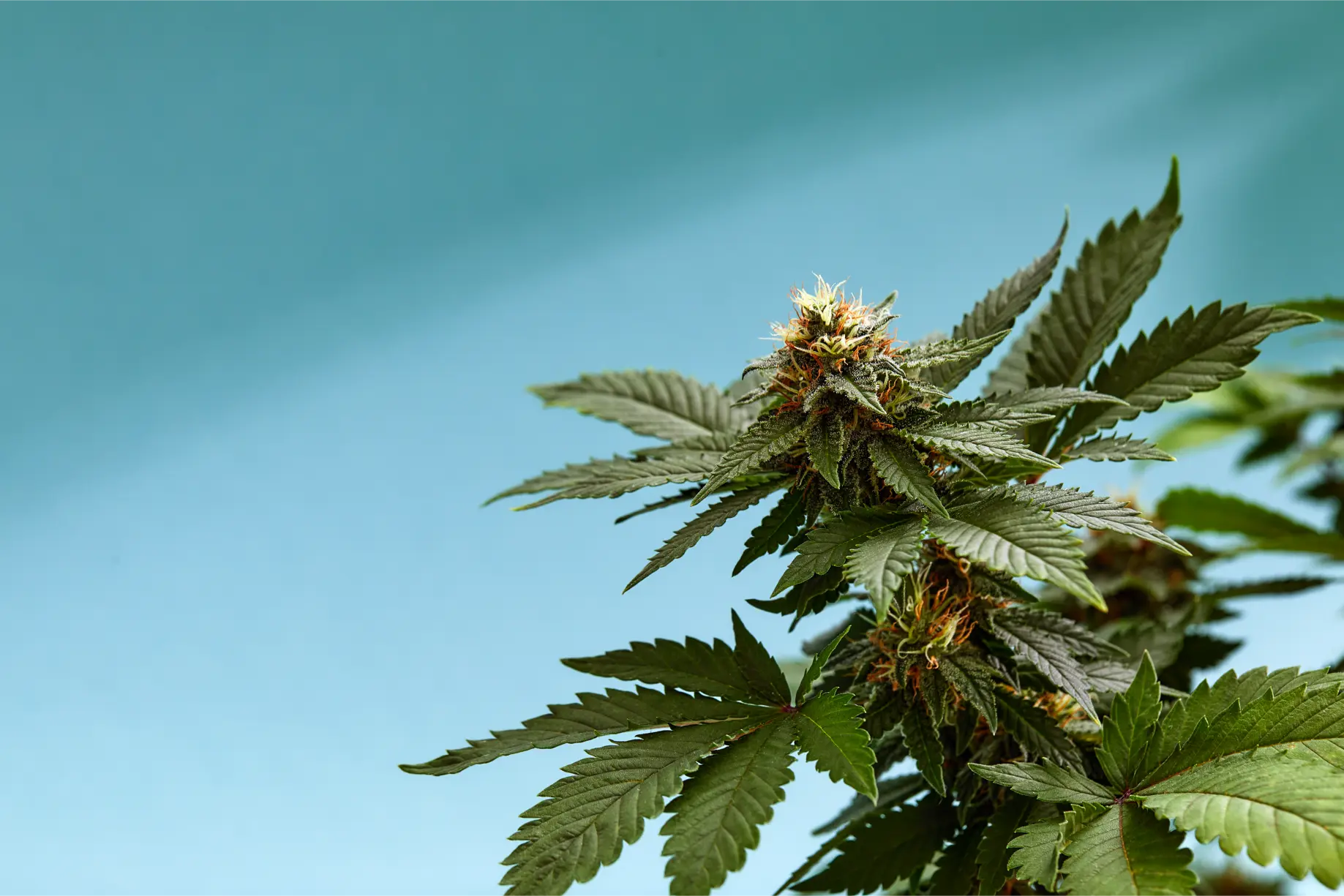
September 9, 2026
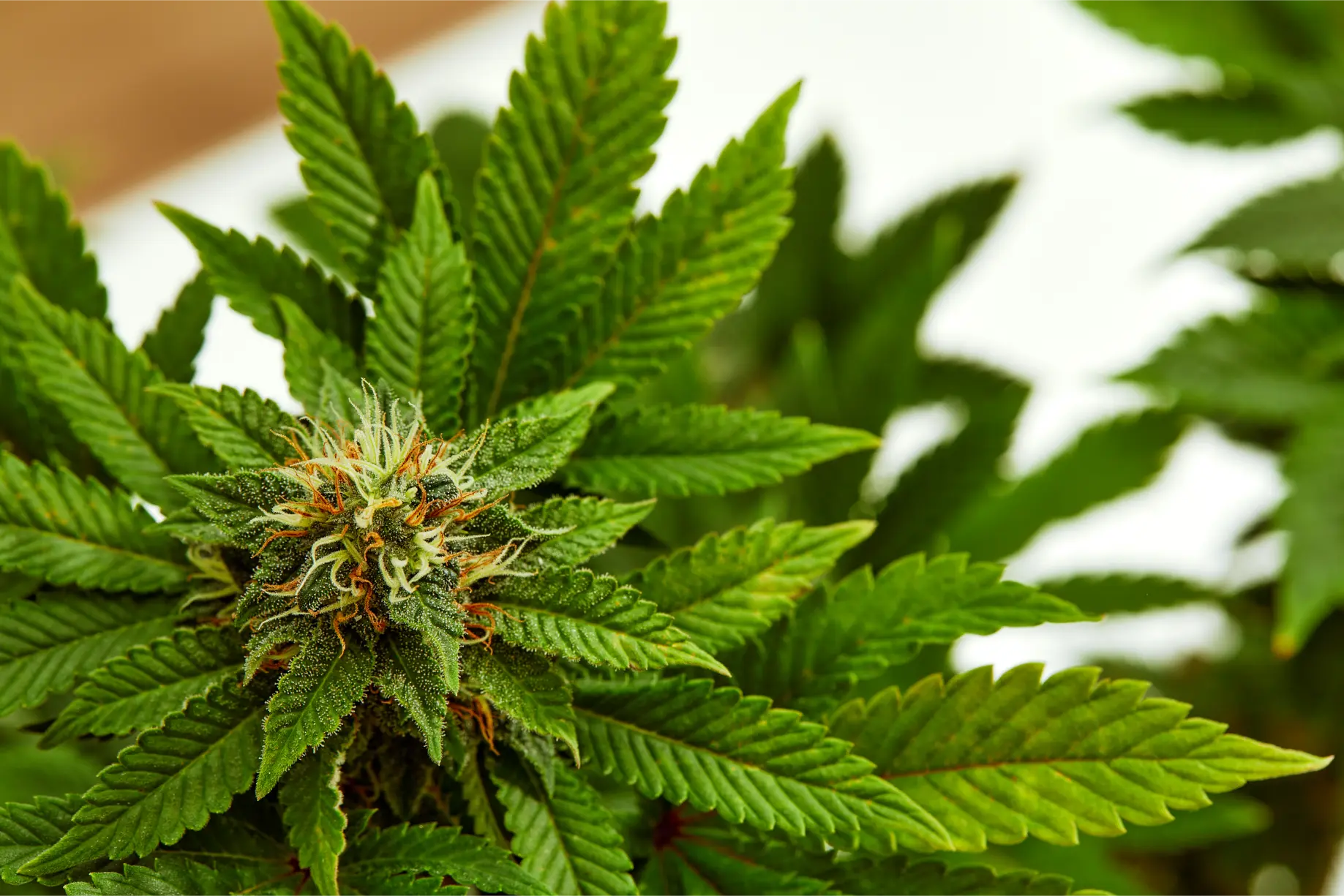
September 9, 2026
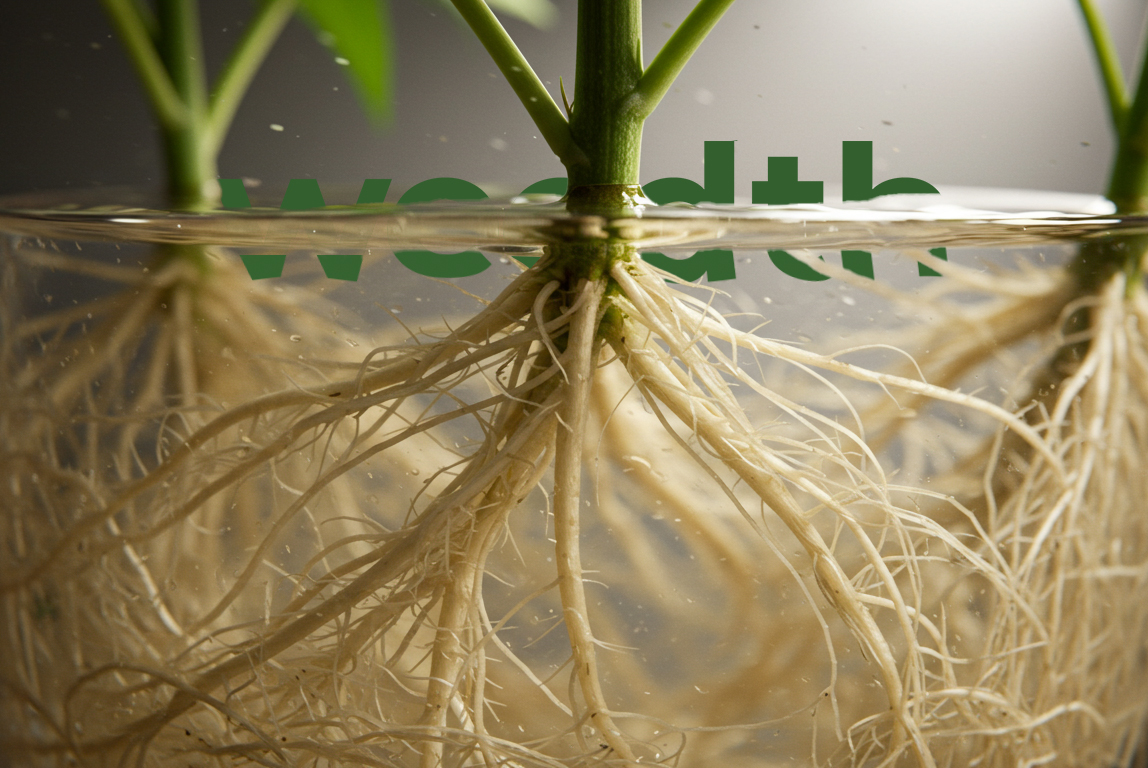
September 9, 2026