
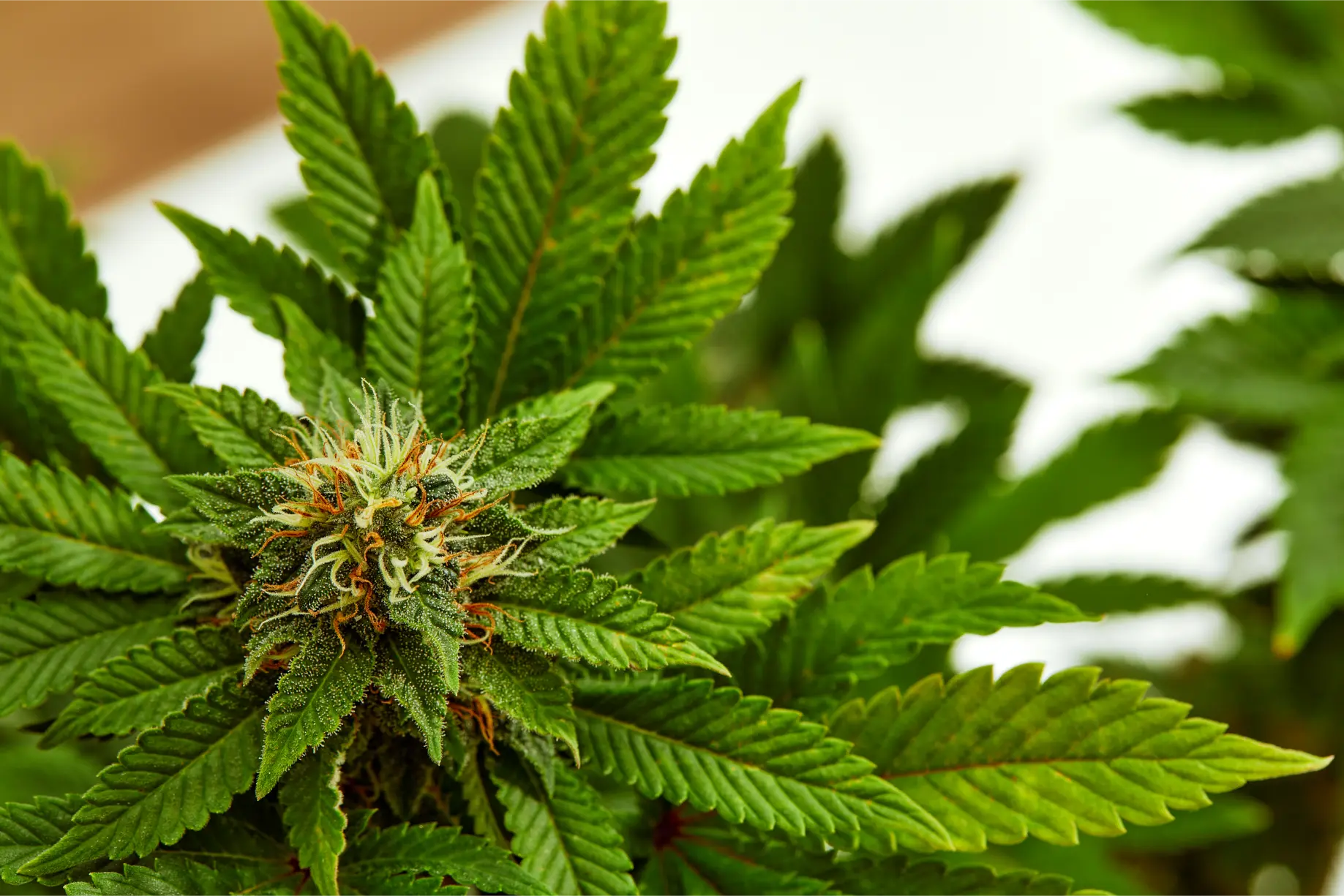
Jamaican Pearl
Jamaican Pearl is an elite, sativa-dominant hybrid that holds a celebrated position in modern horticultural history for solving one of the most stubborn dilemmas in cannabis cultivation: how to bring authentic tropical Caribbean sativa vigor, soaring cerebral euphoria and mouthwatering mango-citrus aromatics into cooler, temperate outdoor climates. Originally bred by the legendary Dutch breeders at Sensi Seeds, Jamaican Pearl was conceived as a genetic bridge between two distinct geographical worlds. By crossing an exquisite cut of Marley’s Collie (a renowned Jamaican sativa heirloom) with Early Pearl (a cold-hardened outdoor pioneer bred from Early Girl and Pollyanna), Sensi Seeds created an 85 percent sativa-dominant hybrid that retains the tall, multi-branched framework and tropical personality of a Caribbean landrace, while possessing the accelerated flowering velocity and autumn cold resilience needed to finish cleanly in northern European and North American gardens.
The defining horticultural asset of Jamaican Pearl is its extraordinary lateral branch architecture. In standard indoor hybrids, secondary branches often remain slender and subordinate to a single apical stem, requiring severe pruning or constant support. Jamaican Pearl behaves in completely the opposite fashion: when given sufficient root volume and early structural guidance, its secondary lateral branches thicken into robust, woody limbs capable of carrying massive, independent floral colas that rival the central main top. Novice growers who treat this plant like a standard indoor hybrid by aggressively stripping away lower branches make a catastrophic error, throwing away the most productive portions of the crop. Maximizing Jamaican Pearl demands an expansive canopy strategy: applying early apical control (such as FIM or topping above the fifth node), tying lateral branches radially outward into a wide horizontal perimeter, and establishing unobstructed vertical airflow corridors throughout the canopy.
Aromatic and flavor preservation represents the second major milestone in mastering Jamaican Pearl. Unlike modern dessert strains dominated by sweet vanilla dough or fuel cultivars packed with pungent petroleum, Jamaican Pearl produces a bright, refreshing bouquet steeped in tropical sunshine. Its terpene profile is dominated by high concentrations of beta-myrcene, beta-caryophyllene and limonene, creating an unmistakable aroma of ripe tropical mango, freshly zested citrus peel, sweet pineapple, floral blossoms and earthy cedarwood, punctuated by a faint, pungent diesel undertone. Because these delicate monoterpenes possess low boiling points, exposing mature plants to high late-bloom temperatures or rushing the post-harvest dry will rapidly evaporate the sweet tropical top notes, leaving behind a flat, peppery smoke. Capturing the authentic Caribbean fruit punch requires a slow, whole-plant cold hang at 60°F and 60 percent relative humidity.
When cultivated with disciplined canopy training and environmental awareness, Jamaican Pearl rewards the grower with heavy commercial yields of glistening, spear-shaped colas that deliver an uplifting masterclass in clean daytime medicine. Testing consistently between 18 and 22 percent THC, its psychoactive arc is sunny, vibrant and socially engaging. The high begins with an instantaneous burst of dopamine-rich cerebral euphoria that banishes stress, sharpens sensory appreciation and sparks animated conversation, before gradually settling into a warm, tension-melting physical calm that leaves the body refreshed and agile. Whether planted outdoors in temperate living soil beds or cultivated indoors under high-intensity lighting, Jamaican Pearl remains an enduring, connoisseur-grade classic that proves tropical sativas can thrive far beyond the equator.
Strain Features
| Feature | Details |
|---|---|
| Cultivar Name | Jamaican Pearl |
| Original Breeder | Sensi Seeds |
| Genetic Lineage | Marley’s Collie x Early Pearl |
| Variety | Sativa-Dominant Hybrid (approximately 85% Sativa / 15% Indica) |
| Cannabinoid Profile | High THC (typically testing between 18% and 22% total cannabinoids; CBD < 0.5%, traces of CBG and THCV) |
| Dominant Terpenes | Beta-Myrcene, Beta-Caryophyllene, Limonene, supported by Alpha-Pinene, Terpinolene and Humulene |
| Flowering Duration | 63 to 75 days (9 to 11 weeks indoors; late September to mid-October outdoors in Northern Hemisphere) |
| Canopy Stretch | Strong to very high (typically 1.8x to 2.5x vegetative height after 12/12 photoperiod flip) |
| Growth Architecture | Tall, robust, multi-branched framework with thick woody lateral limbs and broad radial spread |
| Flower Morphology | Dense, chunky spear-shaped calyx clusters with a high bract-to-leaf ratio and bright copper stigmas |
| Yield Potential | High (450 to 550 g/m² indoors; up to 800 to 1200 g/plant outdoors in large soil beds) |
| Cultivation Difficulty | Moderate (vigorous and resilient, but requires early branch training and adequate vertical space) |
| Primary Vulnerabilities | Vertical light bleaching if unmanaged indoors, late-season rain mold in dense outdoor cola cores |
| Optimal Climate | Temperate to warm climates; exceptional tolerance to cold autumn nights and variable weather |
Genetic Lineage
The genetic architecture of Jamaican Pearl represents a brilliant masterstroke of climate-adaptive cannabis breeding executed by Sensi Seeds. During the 1980s and 1990s, northern European cultivators faced a persistent biological barrier: tropical sativas from Jamaica, Colombia and Thailand produced unmatched euphoric highs and exotic fruit flavors, but their equatorial genetics required fourteen to eighteen weeks of flowering, causing them to succumb to autumn frost, rain and grey mold long before buds could mature. To bridge this divide, Sensi Seeds undertook an ambitious hybridization program to combine authentic Caribbean genetics with an early-ripening outdoor champion.
The maternal foundation is Marley’s Collie, an elite sativa hybrid bred in honor of reggae legend Bob Marley. Marley’s Collie combined a prize Jamaican sativa mother with a stabilizing sweet indica male, delivering soaring cerebral energy, lush tropical mango aromatics and elongated sativa floral stacking. Marley’s Collie supplied the essential Caribbean soul of Jamaican Pearl: its uplifting, dopaminergic euphoria, high natural pest resilience and unmistakable sweet fruit bouquet. However, Marley’s Collie retained a relatively long flowering cycle and a sprawling architecture that required extensive summer heat to reach peak potential.
To inject outdoor speed, cold resilience and structural reinforcement, Sensi Seeds introduced Early Pearl. Bred in the early days of Dutch indoor and greenhouse acclimatization by crossing Early Girl with Pollyanna, Early Pearl was celebrated for its thick, woody stalk calipers, cold-weather tolerance and an uncharacteristically rapid outdoor finish in late September. Early Pearl fundamentally transformed the hybrid: it thickened the secondary branch junctions so they could hold heavy cola weight without snapping, reduced the flowering timeline by nearly four weeks, and bestowed the progeny with remarkable resilience against sharp autumn temperature drops and high humidity.
When these two parental lines coalesce in Jamaican Pearl, the outcome is a remarkably vigorous F1 hybrid that expresses two primary phenotypes. The first is the highly sought-after “Tropical Mango” phenotype, which leans closer to Marley’s Collie, stretching roughly 2.2x after flip and producing elongated spear-like colas drenched in sweet mango, pineapple and cedarwood aromatics. The second is the “Early Pearl” phenotype, which displays slightly tighter internodal spacing, finishes about a week faster, and develops denser floral clusters with a sharper citrus and peppery spice profile. Both phenotypes share the signature thick lateral branching and robust vitality that have made Jamaican Pearl a legendary outdoor staple for over two decades.
Effect Breakdown
Initial Onset (0 to 15 Minutes)
The experience of consuming Jamaican Pearl begins with an immediate, radiant cranial activation that feels like stepping into warm Caribbean sunshine. Within moments of the first exhale, a gentle, tingling wave of warmth spreads across the temples and behind the eyes, accompanied by an instantaneous elevation in mood and visual brightness. Mental cobwebs and morning fatigue dissolve in a flash of dopaminergic clarity, replaced by an infectious sense of cheerful optimism, intellectual curiosity and conversational warmth. Unlike pure equatorial sativas that can trigger racing heartbeats or frantic thoughts, Jamaican Pearl cushions its cerebral lift with emotional composure. Sensory perception sharpens: music sounds vibrant, colors appear richer, and mundane tasks suddenly feel engaging and pleasurable.
The Plateau Phase (15 to 75 Minutes)
As the initial euphoric surge settles into its cruising altitude, the balanced hybrid vigor of Jamaican Pearl reveals its full glory. The mental state remains buoyant, motivated and creative, encouraging sustained focus on artistic projects, gardening, outdoor recreation or social gatherings with friends. Simultaneously, the subtle indica heritage inherited from Early Pearl begins to manifest throughout the musculoskeletal system. A gentle, tension-melting physical warmth spreads downward through the neck and shoulders, easing somatic stiffness without imparting any physical heaviness or lethargy. Users experience an optimal equilibrium: the mind operates at peak creative fluidity while the physical body feels relaxed, centered and free from distracting tension.
The Comedown and Residual Effects (75 to 180 Minutes)
In the final chapter of the journey, the stimulating cerebral qualities gently taper off into a calm, peaceful physical contentment. There is no abrupt energy crash, mental brain fog or overwhelming exhaustion typical of heavier indica varieties. Instead, the user experiences a clean, gradual return to baseline, accompanied by subtle appetite stimulation and a relaxed, satisfied frame of mind. This graceful taper makes Jamaican Pearl an exceptional companion for late afternoon outdoor walks, cooking dinner with friends or winding down after an active day without feeling sedated before bedtime.
Dosage Sensitivity and Consumption Caution
While Jamaican Pearl is celebrated for its friendly, approachable personality, dose management remains important. Testing consistently between 18 and 22 percent THC, this cultivar is deceptively potent. When consumed in excessive quantities, especially through high-potency concentrates or large vape pulls, the intense cerebral stimulation can overwhelm novice consumers or individuals prone to THC-induced anxiety. High doses can accelerate thought patterns into mental restlessness. Beginners are advised to start with one or two small inhalations, allowing ten to fifteen minutes for the full onset to develop before deciding whether to increase their intake.
Flavor & Aroma Profile
Live Plant Bouquet
Stepping inside an indoor cultivation room or approaching an outdoor garden of Jamaican Pearl during weeks five through nine is an intoxicating sensory experience. The ambient atmosphere becomes saturated with the rich, mouthwatering essence of a sun-drenched tropical fruit orchard. Lightly brushing against the sugar leaves or rubbing a developing floral calyx releases an immediate burst of sweet ripe mango, freshly sliced pineapple, candied orange peel and sweet tropical blossoms. Beneath this dominant fruit canopy lies a subtle undercurrent of wild mint, floral lavender and fresh mountain cedarwood. As harvest approaches in weeks nine and ten, the aroma deepens, introducing a faint, pungent diesel note and earthy spice inherited from its ancestral roots, giving the live bouquet surprising depth and complexity.
Post-Grind and Calyx Rupture
Breaking open a fully cured Jamaican Pearl bud causes a dramatic rupture of glandular trichome cuticles, instantly flooding the room with a sharper, more pungent tropical explosion. The sweet mango notes of the whole flower transform into bitter citrus zest, pungent Meyer lemon and sour lime peel. Grinding the floral material exposes the rich internal core, releasing aromatic layers of crushed pine needles, spicy clove, damp forest earth and a sharp, diesel-like solvent bite. This interplay between bright, sweet monoterpenes and pungent, peppery sesquiterpenes creates an olfactory profile that is both invigorating and multi-dimensional, completely distinguishing Jamaican Pearl from one-note fruit strains.
Inhale and Palate Experience
The consumption experience of Jamaican Pearl is exceptionally smooth, silky and flavorful when properly cured. On the initial inhale, the vapor or smoke coats the palate with sweet tropical mango, candied citrus peel and ripe pineapple juice, reminiscent of an iced tropical fruit punch on a warm summer afternoon. As the smoke expands smoothly through the respiratory tract without inducing harsh throat irritation, the mid-palate introduces complex secondary notes of fresh cedarwood, sweet basil and warm black pepper. The exhale is clean and refreshing, leaving behind a persistent, zesty citrus-oil and pine-resin film on the tongue that lingers for minutes after consumption. The clean combustion yields a fluffy, light-grey to pure white ash, signaling optimal nutrient tapering and thorough curing.
Dominant Terpenes
| Terpene | Aroma Contribution | Horticultural Role & Synthesis | Scientific & Experiential Context |
|---|---|---|---|
| Beta-Myrcene | Ripe mango, damp earth, sweet herbs, musk | Synthesized heavily in tropical sativa lines; primary monoterpene in Jamaican Pearl | Increases cell membrane permeability, facilitating smooth cannabinoid absorption; imparts tropical sweetness |
| Beta-Caryophyllene | Cracked black pepper, spicy wood, warm clove | Dense sesquiterpene synthesized in resin glands; highly resistant to late-bloom heat | Selectively binds to peripheral CB2 cannabinoid receptors; provides somatic physical comfort |
| Limonene | Fresh orange peel, tart lemon, citrus rind | Monoterpene produced under high-intensity light; sensitive to thermal degradation | Promotes mood elevation and stress relief; synergizes with cannabinoids to brighten focus |
| Alpha-Pinene | Crisp mountain pine, fresh rosemary, cedarwood | Functions as a natural botanical defense against predatory insects and herbivores | Contributes to respiratory expansion and aids mental focus by inhibiting acetylcholinesterase |
| Terpinolene | Herbal citrus, pine needles, fresh floral notes | Synthesized in late veg and early bloom; highly volatile monoterpene | Associated with uplifting cerebral stimulation and mental clarity; evaporates above 70°F |
| Humulene | Earthy hops, woody spice, dry forest loam | Sesquiterpene biosynthesized alongside caryophyllene, anchoring the tropical finish | Acts synergistically with caryophyllene to reduce somatic discomfort; modulates appetite dynamics |
The signature tropical profile of Jamaican Pearl is not the result of myrcene acting in isolation, but rather an intricate biochemical synergy between dominant monoterpenes, sesquiterpenes, and volatile organic esters. While high concentrations of beta-myrcene provide the ripe mango and lush fruit foundation, it is the elevated ratio of limonene and terpinolene that delivers the razor-sharp, energetic citrus freshness that lifts the cultivar’s bouquet. Beta-caryophyllene and humulene provide a sturdy, grounding base of earth, warm pepper and aged cedarwood, anchoring the volatile fruit notes and preventing the smoke from tasting thin or artificial.
From an agronomic perspective, cultivators must recognize that monoterpenes like myrcene, limonene and terpinolene possess low boiling points and fragile molecular structures. They are synthesized within the outer membrane of capitate-stalked glandular trichomes, which are prone to rupturing under thermal and mechanical stress. Maintaining a balanced spectral distribution rich in blue and ultraviolet wavelengths during vegetative growth builds dense trichome heads, while keeping late-bloom canopy temperatures below 76°F (24°C) prevents these priceless aromatic molecules from off-gassing into the exhaust ventilation.
Indoor vs. Outdoor Growing
| Cultivation Factor | Indoor Controlled Environment | Outdoor Natural Sunlight |
|---|---|---|
| Canopy Architecture | Requires early topping, LST and horizontal trellising to compress vigorous lateral branches | Develops into broad, towering multi-branched sativa trees reaching 8 to 11 feet tall |
| Lighting Transition | Thrives under blue-white Metal Halide (MH) in veg, switching to warm-orange HPS in bloom | Harnesses full-spectrum solar irradiance and natural UV to maximize monoterpene density |
| Nutrient Appetite | Moderate feeder (EC 1.3-1.5 mS/cm); sensitive to high nitrogen which delays flowering | Heavy feeder in deep organic living soil beds; utilizes compost teas and soluble kelp |
| Flowering Duration | 63 to 75 days (9 to 11 weeks) under strict 12/12 photoperiod; predictable harvest timing | Finishes in late September to mid-October in Northern Hemisphere; beats severe autumn freezes |
| Cold & Weather Resilience | Climate control eliminates cold stress; requires vigilant relative humidity management | Outstanding genetic cold tolerance inherited from Early Pearl; endures chilly autumn nights |
| Vulnerability Profile | Vertical light bleaching if untamed; microclimate humidity pockets if unpruned | Branch splitting from heavy wet colas during autumn wind storms; late-season rain mold |
| Average Yield | 450 to 550 grams per square meter under disciplined canopy management | 800 to 1200+ grams per plant when given unrestricted root volume and full sun |
| Recommended Cultivator | Intermediate growers skilled in horizontal canopy training and height control | Growers in temperate, sunny or cooler outdoor climates seeking a fast-finishing sativa |
Cultivating Jamaican Pearl indoors allows the grower complete mastery over the plant’s delicate thermal threshold, ensuring that every milligram of volatile tropical monoterpenes remains locked inside the trichome heads. Indoors, the primary operational focus must be horizontal canopy management. Because Jamaican Pearl possesses extraordinarily vigorous lateral branches that surge upward alongside the main stem, indoor cultivators must initiate the flowering photoperiod when plants are no taller than 12 to 15 inches. Deploying a horizontal trellis net allows you to weave the rapid lateral shoots horizontally across the screen, transforming a potentially unruly vertical tower into a dense, flat sea of productive floral spears.
Outdoors, Jamaican Pearl reveals its true heritage as a majestic, cold-hardened tropical queen. When planted directly into deep organic raised beds or large 100-gallon fabric containers filled with living soil, single plants can effortlessly surpass ten feet in height and eight feet in diameter. The cultivar demonstrates exceptional cold tolerance inherited from Early Pearl, routinely withstanding sharp autumn temperature drops that would stun or kill pure tropical sativas. However, because its colas swell into dense, chunky spears, outdoor cultivators in regions with heavy late-season rainfall must provide external perimeter caging and should construct protective clear hoop covers to prevent water pooling within mature flower clusters during October rains.
Strain-Specific Grow Guidance
Apply Early Apical Control (FIM or Topping) at the Fifth Node
Jamaican Pearl possesses strong apical momentum, but unlike rigid sativas, its lateral branches are biologically primed to become primary producers. To activate this lateral architecture, execute an early apical intervention, either a clean topping pass above the fifth node or a precise FIM cut on day 18 to 21 of vegetative growth. This single intervention halts central vertical domination and redistributes auxin hormones across eight to ten secondary lateral branches. Within two weeks, these secondary branches will develop thick, woody calipers, creating a multi-topped framework that maximizes photon capture across the entire canopy footprint.
Preserve and Spread Strong Lateral Branches Across a Wide Perimeter
The single greatest mistake made with Jamaican Pearl is applying aggressive lollipopping protocols designed for indica polyhybrids. Stripping away secondary branches on Jamaican Pearl removes the very limbs that produce its heaviest yields. Instead of removing laterals, gently pull them outward and anchor them horizontally using soft rubber plant ties or a wide horizontal trellis net. Position the net roughly 12 to 14 inches above the container rim. Guiding these vigorous branches radially outward exposes every interior node to direct light, transforming what would have been minor popcorn buds into massive, light-catching floral spears.
Manage the Transition Stretch Using Crisp Blue-White Metal Halide (MH) Light
Jamaican Pearl undergoes an aggressive post-flip stretch, typically expanding by 180 to 250 percent during the first three to four weeks of 12/12 bloom. To keep internodal spacing tight and prevent terminal colas from rocketing into light fixtures, manage the lighting spectrum during early flower. Instead of switching immediately to a red-heavy flowering spectrum on day one of 12/12, run a crisp blue-white Metal Halide (MH) lamp (around 6000K-6500K) throughout the first two weeks of transition. The high blue photon energy signals summer sunlight to the plant, suppressing excessive stem elongation and building thick, stocky branches before the heavy floral stacking begins.
Switch to Warm-Orange High-Pressure Sodium (HPS) for Floral Mass
On day 15 of flowering, when the initial vertical stretch has naturally decelerated and small floral clusters have formed along every node, switch the lighting fixture to a roaring, warm-orange 1000W High-Pressure Sodium (HPS) lamp (around 2000K-2100K). The intense red, orange and far-red wavelengths of HPS simulate the deep autumn sun, triggering aggressive flowering hormone synthesis, swelling secondary lower calyxes and maximizing total floral mass. The superior infrared penetration of DE HPS reaches deep into Jamaican Pearl’s thick lateral canopy, ensuring uniform density from top to bottom.
Maintain Conservative Nitrogen Feeding to Avoid Leaf Clawing
Due to its high sativa lineage, Jamaican Pearl is sensitive to excessive mineral nitrogen. Novice growers often mistake its rapid vertical stretch for a massive nutrient appetite and increase vegetative fertilizer concentrations, only to witness severe downward leaf clawing, dark leathery foliage and delayed flowering. Keep input electrical conductivity (EC) conservative during veg, hovering between 1.2 and 1.4 mS/cm. During flowering, taper nitrogen sharply by week three, transitioning to a balanced liquid bloom formulation paired with bioavailable calcium and magnesium. An input EC of 1.4 to 1.5 mS/cm is ample to support heavy flower production without risking salt stress.
Regulate Vapor Pressure Deficit (VPD) and Late-Bloom Dehumidification
Because Jamaican Pearl develops denser floral clusters than most tropical sativas, managing transpiration through disciplined vapor pressure deficit (VPD) targets is vital. During vegetative growth, maintain day temperatures of 76°F to 80°F (24°C to 27°C) with 65 to 70 percent relative humidity (VPD of 0.8 to 1.0 kPa). During mid-bloom (weeks four to seven), adjust to 74°F to 76°F with 50 percent RH (VPD of 1.2 to 1.3 kPa). In late bloom (weeks eight to eleven), lower relative humidity aggressively to 40 to 45 percent and drop day temperatures to 72°F to 74°F (VPD of 1.4 to 1.5 kPa). This elevated late-bloom VPD pulls moisture safely out of dense floral tissue and prevents internal condensation.
Install Structural Support Before Floral Weight Develops
While Jamaican Pearl develops thicker lateral stems than pure equatorial sativas, its finished colas become remarkably heavy during weeks eight through eleven. As floral spears swell with water weight and sticky resin, long lateral branches will inevitably bow outward and risk splitting at the main stalk junction during late bloom. Install external perimeter cages, bamboo stakes or a secondary horizontal trellis net before colas become too heavy to handle safely. Supporting each cola in an upright position improves light penetration and eliminates the mold risk caused by touching buds.
Harvest Timing: Swollen Calyx Architecture and Trichome Evaluation
Do not rely solely on brown pistils to determine harvest readiness, as Jamaican Pearl will naturally shoot new white stigmas if lighting intensity remains elevated late in bloom. Instead, inspect glandular trichome heads along the interior bracts using a 60x jeweler’s loupe or digital microscope. Peak harvest occurs between day 63 and day 75 when approximately 80 percent of trichome heads have turned completely milky-cloudy, with 10 to 15 percent transitioning to a warm amber. Calyxes should appear swollen, fleshy and tightly compacted. Harvesting at this exact juncture preserves the cultivar’s signature soaring, energetic cerebral clarity before excess CBN degrades the high into physical drowsiness.
Support Heavy Lateral Limbs to Prevent Trunk Splitting
Jamaican Pearl’s primary yield advantage is its massive lateral branch network. However, because these long lateral limbs carry colas that rival the main top in size and density, they generate immense mechanical leverage. During weeks eight through eleven, heavy floral mass combined with outdoor autumn wind or indoor air movement can cause unsupported lateral branches to tear away from the main trunk, destroying weeks of growth. Always install perimeter cages, stakes or horizontal trellis netting before flower weight accumulates.
How do I manage Jamaican Pearl’s vigorous lateral stretch indoors without sacrificing its tropical mango flavor?
Question sent by: Declan S., via e-mail
Managing Jamaican Pearl’s vigorous lateral architecture indoors while safeguarding its delicate tropical terpene profile requires a synchronized canopy and lighting strategy. First, address plant architecture early: top your plants cleanly above the fifth node on day 20 of vegetative growth, and weave lateral branches horizontally beneath a trellis net. Flip to 12/12 when your plants have occupied only thirty-five percent of your total vertical headroom, as Jamaican Pearl easily surges 180 to 250 percent during the first four weeks of bloom.
Second, manage the lighting spectrum strategically: run a crisp blue-white Metal Halide (MH) lamp for the first two weeks of 12/12 to keep internodal stretch tight, then switch to a warm-orange High-Pressure Sodium (HPS) fixture to drive dense floral stacking. Starting in week eight, maintain day temperatures at 72°F to 74°F and allow night temperatures to drop smoothly to 64°F. This cool finishing environment prevents the evaporation of fragile monoterpenes like myrcene, limonene and terpinolene, ensuring your cured colas deliver the intense, mouthwatering tropical mango bouquet that makes Jamaican Pearl legendary.
Weedth Bud Flavor Tips
Execute a Slow 14-Day Whole-Plant Cold Hang at 60°F and 60% RH
The post-harvest curing process determines whether Jamaican Pearl retains its mouthwatering mango-citrus bouquet or dries down into a generic, grassy smoke. Because the cultivar’s defining tropical notes are mediated by fragile monoterpenes with low boiling points, warm or rushed drying will permanently ruin the harvest. Harvest plants by cutting the main stalk at the base, removing only large non-resinous water leaves, and hanging the whole plant upside down in total darkness. Maintain strict climate control in the drying room: exactly 60°F (15.5°C) and 60 percent relative humidity for 12 to 14 days. This slow, cool dry allows starches and chlorophyll to break down smoothly while locking sweet tropical fruit aromatics securely inside the trichome heads.
Eliminate Direct Convective Airflow Across Hanging Colas
A disastrous error during post-harvest handling is pointing oscillating fans directly at hanging branches to accelerate drying. Direct convective airflow physically shears the fragile waxy cuticles of capitate-stalked trichomes, accelerating moisture loss unevenly and blowing delicate mango and citrus monoterpenes into the room exhaust. Instead, position oscillating fans to circulate air gently along the floor beneath the hanging plants or bounce air off adjacent walls. Air should remain in gentle, continuous ambient circulation without blowing directly against the drying flowers.
Glass Jar Curing and Relative Humidity Stabilization
Once small branch stems snap cleanly with an audible crack rather than bending, manicured flowers should be transferred into airtight borosilicate glass jars, filling them to approximately seventy-five percent capacity. Seal the jars and monitor internal relative humidity using calibrated digital hygrometers. The target equilibrium curing range is 58 to 62 percent RH. Burp the jars once daily for fifteen minutes during the first two weeks to release metabolic moisture and replenish oxygen. After fourteen days, reduce burping to once every three to four days. A minimum 30-day glass cure allows complex enzymatic processes to round off sharp edges, transforming the initial green aroma into a deep, luxurious bouquet of sweet tropical mango, candied citrus peel, sweet pineapple and spicy cedarwood.
Reject Artificial Terpene Additives and Scent Sprays
Some growers attempt to amplify tropical aromas by applying commercial fruit terpenes or sweet flavor sprays to buds during late bloom or curing. This practice should be vehemently rejected by any serious cultivator. Authentic Jamaican Pearl genetics possess a world-class natural terpene profile that far surpasses any synthetic formulation. Spraying foreign liquids onto mature colas ruins the natural trichome cuticle, increases the risk of mold contamination and leaves behind an artificial, harsh chemical aftertaste. Connoisseurs prize the pure, unadulterated botanical complexity of the plant, cultivated through clean nutrition and disciplined curing.
Protect Cured Resin from Heat and Ultraviolet Degradation
Light and heat are the primary enemies of cured cannabis quality. Ultraviolet radiation converts psychoactive THC into sleep-inducing cannabinol (CBN) and oxidizes volatile terpenes into odorless or harsh byproducts. Store cured Jamaican Pearl jars in a dark, temperature-controlled environment kept between 55°F and 62°F. Avoid repeatedly opening storage containers in warm rooms, as each air exchange allows volatile tropical aromatics to escape while introducing ambient humidity. Stored properly in dark glass in a cool cellar, Jamaican Pearl will retain its mouthwatering mango flavor and pristine potency for up to eight to twelve months.
Weedth Bud Boost Tips
Deploy High-PPFD Illumination with Deep Canopy Penetration
Because Jamaican Pearl develops thick, woody lateral branches and a broad sativa frame, low-output lighting fixtures simply lack the photon penetration required to develop dense flower sites beneath the top canopy layer. To maximize commercial yields, illuminate Jamaican Pearl with high-output fixtures that deliver exceptional canopy penetration, such as 1000W Double-Ended (DE) High-Pressure Sodium (HPS) fixtures delivering 900 to 1000 µmol/m²/s PPFD at the canopy level. The intense photon flux and rich red/far-red spectrum of DE HPS drive deep photosynthetic activity, swelling secondary lower calyxes into dense nuggets and maximizing total grams-per-watt efficiency.
Supplement Soluble Potassium Silicate Throughout Veg and Mid-Bloom
While Jamaican Pearl develops thicker stems than pure equatorial sativas, its finished colas dry down into exceptionally dense, heavy masses that test the physical limits of secondary branches. Supplementing your reservoir with soluble potassium silicate (providing bioavailable silicon dioxide) from early vegetative growth through week five of bloom provides enormous mechanical benefits. Silicon is incorporated directly into plant cell walls, creating rigid, woody branch structures capable of holding heavy floral spears upright. Furthermore, reinforced epidermal cells improve thermal tolerance and reinforce foliar defenses against environmental stress.
Provide a Targeted Liquid Phosphorus-Potassium (PK) Boost in Weeks 5 to 7
During weeks five through seven of flowering, Jamaican Pearl shifts its physiological focus from cell elongation to massive calyx swelling and glandular resin synthesis. This intensive developmental phase demands elevated concentrations of bioavailable phosphorus (P) for cellular energy transfer and potassium (K) for water regulation and carbohydrate transport. Introduce a targeted liquid PK booster (such as a balanced 0-10-10 or 0-13-14 mineral formulation) to supply the elemental building blocks needed for maximum floral mass. Monitor runoff electrical conductivity closely to ensure total root-zone salts do not exceed 1.6 mS/cm, avoiding fertilizer burn.
Feed Rhizosphere Microbiology with Unrefined Blackstrap Cane Molasses
Throughout mid-to-late flowering, the addition of unrefined liquid blackstrap cane molasses delivers immense agronomic rewards. Unrefined molasses contains a dense matrix of complex carbohydrates, potassium, sulfur, iron, calcium and magnesium. These carbohydrates serve as direct food for the billions of beneficial rhizosphere bacteria and mycorrhizal fungi living in the growing medium, stimulating exponential microbial reproduction. In turn, these microbes solubilize bound minerals and deliver them directly to root hairs. The natural sulfur content acts as an essential catalyst for terpene synthesis, noticeably boosting the concentration of volatile tropical monoterpenes and leaving buds encrusted in sticky glandular trichomes.
Maintain a Level, Multi-Topped Canopy Floor
Commercial yield in indoor cannabis cultivation is ultimately determined by how many flowering colas occupy the primary high-intensity light footprint. Allowing Jamaican Pearl to grow in its natural shape without training results in one massive central top and dozens of shaded, underdeveloped lower buds. By topping early above the fifth node and anchoring lateral branches horizontally across a trellis net, you create a flat, multi-topped canopy where eight to twelve primary colas per plant sit at the exact same distance from the light fixture. Every single cola receives optimal photon flux, resulting in uniform calyx density and eliminating airy popcorn flower.
Medical Uses & Benefits
Alleviation of Chronic Daytime Fatigue and Lethargy
One of the most frequently reported therapeutic applications for Jamaican Pearl is the management of chronic daytime fatigue, motivational depletion and executive dysfunction. Thanks to its high myrcene-limonene synergy, low sedative indica traits, and stimulating sativa heritage, Jamaican Pearl functions as an invigorating botanical tonic. Many patients describe an immediate clearing of mental cobwebs, accompanied by an infusion of clean, buoyant energy that encourages active physical movement, focused problem-solving and engagement with daily responsibilities without the jitteriness associated with pharmaceutical stimulants.
Management of Situational Depression and Mood Apathy
The cheerful, uplifting nature of Jamaican Pearl makes it an outstanding botanical choice among individuals navigating situational depression, persistent low mood and emotional apathy. The rapid release of dopamine and serotonin associated with its terpene-cannabinoid profile provides a comforting mental buffer, helping patients detach from rumination, negative thought spirals and emotional stress. The bright, mouthwatering mango and citrus aroma provides immediate aromatherapy benefits, cultivating an emotional atmosphere of sunny optimism and lighthearted joy.
Daytime Stress Relief Without Somatic Paralysis
For individuals dealing with high workplace stress, occupational burnout or social anxiety, heavy indica cultivars are often counterproductive because they induce couchlock, motor sluggishness and mental fog. Jamaican Pearl provides an optimal alternative: it relaxes muscular tension in the neck, jaw and shoulders while leaving the cognitive faculties sharp, agile and conversational. Patients report feeling centered, emotionally resilient and capable of navigating challenging social environments and complex tasks with relaxed confidence.
Distraction from Mild Somatic Discomfort and Headaches
While Jamaican Pearl is not designed to treat severe, debilitating neuropathic pain or deep bone trauma (which typically require heavy indica cultivars with high caryophyllene concentrations), it excels at providing mental distraction from mild somatic discomfort. Patients dealing with tension headaches, eye strain, mild joint stiffness or menstrual cramps often find that the cultivar’s euphoric cerebral rush effectively redirects attention away from physical pain, allowing them to remain functional and engaged throughout the day.
Clinical Caution and Responsible Medical Consultation
All medicinal applications detailed in this guide are compiled from peer-reviewed cannabinoid literature, medical patient registries and experienced cultivator observations rather than formal pharmaceutical claims. Jamaican Pearl is an exceptionally potent, intoxicating cultivar. Patients with pre-existing cardiovascular conditions, respiratory vulnerabilities, or a history of psychiatric disorders should exercise strict caution and consult with a licensed medical professional before incorporating high-THC sativa cannabis into their treatment regimen.
Ideal User Profile
Creative Professionals, Writers and Artists
Jamaican Pearl is a dream cultivar for creative individuals who require an imaginative, uninhibited mental state to produce their best work. Whether you are composing music, writing fiction, illustrating, coding software or brainstorming marketing campaigns, the strain’s stimulating cerebral onset removes creative blocks and inspires novel connections between ideas. The high provides sustained mental clarity without scattering your focus, allowing you to enter deep flow states for hours at a time.
Social Gatherings, Parties and Outdoor Enthusiasts
If you are looking for a cultivar to elevate a weekend camping trip, mountain hike, beach day or social dinner party, Jamaican Pearl is an exceptional selection. Its upbeat, talkative character naturally dismantles social awkwardness and inspires infectious laughter and engaging conversation. It enhances physical appreciation of nature, making sunlight, fresh air and scenic landscapes feel vivid and rejuvenating, while keeping you energetic enough to hike for miles without feeling physically weighed down.
Connoisseurs of Authentic Tropical Fruit Terpenes
In an era dominated by repetitive dessert polyhybrids tasting of baked dough, vanilla frosting and generic candy, Jamaican Pearl is a breath of fresh, vibrant Caribbean air. It is tailored specifically for the terpene purist who craves the authentic, biting essence of real fruit: ripe tropical mango, sweet pineapple juice, tart citrus peel and spicy cedarwood. When cured to perfection, smoking Jamaican Pearl delivers a sensory experience that leaves a lingering tropical fruit sheen on the palate that few other cultivars in cannabis history can match.
Who Should Exercise Caution
Jamaican Pearl is completely unsuitable for evening consumption, bedtime relaxation or individuals seeking relief from severe, chronic insomnia. Consuming this cultivar late in the evening will stimulate cognitive activity, making it exceedingly difficult to fall asleep. Furthermore, consumers who are exceptionally sensitive to THC or prone to panic attacks when exposed to cerebral sativas should approach Jamaican Pearl with caution or explore balanced 1:1 THC:CBD varieties instead.
Grower Notes and Feedback
Exceptional Lateral Vigor Demands Early Horizontal Training
Community feedback across commercial cultivation forums consistently highlights Jamaican Pearl’s extraordinary lateral branching as its most valuable characteristic. Cultivators universally report that secondary branches develop thick woody calipers capable of holding massive colas. Growers recommend topping early, installing horizontal trellis netting, and guiding branches radially outward to prevent terminal colas from crowding the central canopy.
Outstanding Natural Cold Tolerance in Temperate Gardens
Growers across northern Europe and North America praise Jamaican Pearl for its remarkable resilience against chilly autumn weather. Cultivators report plants enduring sudden drops into the mid-40s and low-40s Fahrenheit during late September and October without foliar damage or delayed ripening. Its Early Pearl parentage allows outdoor growers in temperate zones to successfully finish top-tier sativa flowers before harsh winter freezes arrive.
Moderate Nutrient Requirements: Avoid Salt Toxicity
Growers repeatedly report that Jamaican Pearl performs best under a moderate, balanced feeding regimen. Attempting to force high fertilizer concentrations (EC exceeding 1.7 mS/cm) frequently leads to salt accumulation, leaf tip burn, and severe downward leaf curling. Cultivators achieve the highest yields and sweetest terpene profiles by maintaining input EC between 1.3 and 1.5 mS/cm, utilizing organic living soil or coco coir, and supplementing with liquid calcium-magnesium, potassium silicate and unrefined blackstrap cane molasses.
Rapid Clonal Rooting and Mother Plant Longevity
Nursery managers report that authentic Jamaican Pearl mother plants are exceptionally robust, vigorous and long-lived. Cuttings taken from healthy vegetative mothers root with impressive speed, routinely establishing thick root systems in rockwool cubes or aeroponic cloners within seven to ten days. Clones transition smoothly into active vegetative growth without skipping a beat, making Jamaican Pearl an outstanding candidate for high-efficiency commercial perpetual harvest rotations.
Weedth Editor’s Note
Dual-Spectrum HID Lighting Transitions, Nursery Continuities, and Cured Tropical Mango Depth
Running authentic Jamaican Pearl inside our dedicated multi-light indoor cultivation facility provided an exhilarating, hands-on masterclass in managing high-vigor sativa genetics. I potted four mature Jamaican Pearl plants into 7-gallon aerated fabric containers filled with an organic living matrix of sphagnum peat moss, buffered coco coir, coarse agricultural perlite and aged compost. To master this plant’s explosive vertical energy, I implemented a classic horticultural spectrum transition: throughout the vegetative stage, I illuminated the canopy under a crisp blue-white 600W Metal Halide (MH) lamp (6500K). The intense blue photon output kept internodal spacing tightly compressed, prevented leggy stem elongation, and stimulated the development of thick, woody lateral branch calipers before the flowering cycle began.
Horticultural timing in a perpetual cultivation facility is an ongoing dance of cycles, contrasts and grower humor. As I wheeled these broad, multi-branched Jamaican Pearl plants into the flowering room and began securing their thick lateral limbs across our horizontal trellis, I was simultaneously working in our vegetative nursery staging a fresh tray of rooted cuttings for the next strain in our editorial queue, Mendo Breath. The sheer botanical contrast between the two was downright hilarious: here I was, taming a sun-drenched, sweet mango-pineapple Caribbean-temperate outdoor sativa that smells like a tropical fruit stand, while just a few feet away in the nursery under the blue-white MH lamp, I was preparing a stubby, gassy, vanilla-caramel California indica heavyweight designed to knock consumers unconscious. Jamaican Pearl’s vegetative structure was robust and eager. To break its natural apical dominance and expand its footprint, I topped each plant cleanly above the fifth node on day 20 of veg, immediately anchoring the resulting primary lateral branches outward using soft rubber training wire. When I triggered the 12/12 photoperiod, I kept the blue-white MH lamp running for the first twelve days of transition stretch to suppress runaway vertical height, before swapping the bulb over to a roaring, warm-orange 1000W High-Pressure Sodium (HPS) fixture. The intense red and far-red wavelengths of the 1000W HPS lamp bathed the canopy in rich autumn spectrum, driving deep photon penetration and swelling secondary lower calyxes into solid spears.
On day 21 of bloom, I performed a strategic defoliation pass, removing shaded understory shoots and large inward-facing fan leaves to establish clear vertical airflow corridors through the core. However, unlike standard lollipopping protocols, I deliberately preserved every thick lateral branch that had reached the trellis screen. Nutritional management was kept remarkably clean and disciplined: I maintained input electrical conductivity (EC) at a steady 1.4 mS/cm using a balanced liquid bloom base paired with bioavailable liquid Cal-Mag and soluble potassium silicate to reinforce branch cell walls. When I briefly tested an exploratory push to 1.6 mS/cm on one test plant, its leaf tips hooked downward in an immediate warning claw, prompting me to lock the reservoir firmly at 1.4 mS/cm. From week five onward, I introduced a targeted liquid phosphorus-potassium booster alongside unrefined liquid blackstrap cane molasses and liquid humic acid with each irrigation pass. By week eight, the room was a tropical wonderland: under a steady 10°F night temperature drop (73°F day / 63°F night), the entire canopy transformed into a sea of glistening floral spears, glistening with silver trichomes and filling the air with the aroma of ripe tropical mango, sweet pineapple juice, tart citrus peel and warm cedarwood. I harvested on day 68 when microscope inspection confirmed roughly eighty percent milky-cloudy trichomes and fifteen percent warm amber heads across the inner bracts.
On harvest day, the heavy floral spears were so resin-drenched and sticky that handling them left thick, fragrant tropical hash all over our gloves. We executed a full-plant cold hang in total darkness at exactly 60°F and 60 percent relative humidity for fourteen full days, using only gentle, indirect floor-level fans to circulate air beneath the branches without blowing directly against the drying colas. After a thirty-day glass cure in airtight borosilicate jars, opening the lid releases an olfactory masterpiece that commands total respect. The cured bouquet is profound: sweet ripe mango, candied citrus peel, sweet pineapple, fresh cedarwood and an unmistakable pungent diesel undertone. The vapor is remarkably smooth, dense and refreshing, delivering an instantaneous wave of cheerful mental euphoria that sparks creative thoughts before settling into a warm, tension-melting physical calm that dissolves somatic stress without inducing couchlock. It is completely unsuited for passive growers who neglect early branch training or overfeed nutrients, but for the cultivator seeking genuine tropical fruit flavor, robust lateral architecture and timeless daytime euphoria, Jamaican Pearl is an immortal benchmark.
Weedth Score
Growing Experience: 8.7/10: Cultivating Jamaican Pearl is an exceptionally rewarding and dynamic project for intermediate and advanced cultivators. Its remarkable lateral branch vigor, cold-weather resilience and cooperative response to early topping make canopy shaping deeply satisfying. However, its vigorous post-flip stretch and heavy lateral colas demand proactive trellising, spectrum management and conservative nutrient feeding to prevent branch splitting and light bleaching. In a well-managed garden, it delivers outstanding commercial yields.
Bud Structure & Visual Appeal: 8.5/10: The finished flowers of Jamaican Pearl showcase impressive density for an 85 percent sativa hybrid. The cured buds form chunky, elongated spear-like colas with a high calyx-to-leaf ratio that makes manicuring fast and effortless. The buds showcase bright olive-green bracts interwoven with fiery, electric-copper pistils, all blanketed beneath a dense, shimmering frost of glassy glandular trichomes that sparkle under direct light.
Aroma Complexity: 8.9/10: The aromatic profile is an authentic, world-class masterclass in tropical sativa terpene breeding. Opening a cured jar releases a room-filling explosion of ripe tropical mango, freshly sliced pineapple, candied citrus peel and sweet mountain cedarwood, anchored by a rich, savory foundation of damp earth, fresh pine needles and a pungent diesel undertone. It delivers outstanding aromatic depth that evolves with every sniff.
Flavor & Smoothness: 8.8/10: When dried slowly at 60°F/60% RH and cured properly in airtight glass, the smoke and vapor are exceptionally silky, dense and refreshing on the palate. The inhale delivers bright tropical mango, sweet pineapple juice and tart lemon zest, before smoothly transitioning into an herbal, peppery pine and cedarwood finish on the exhale. The smoke burns down to clean, fluffy white ash, leaving behind a persistent tropical fruit sheen on the palate.
Effects & High Experience: 9.1/10: Experientially, Jamaican Pearl delivers an outstanding, functional daytime sativa high. It opens with an exhilarating, dopaminergic mental lift that sweeps away mental fatigue, sharpens focus and inspires lively conversation and artistic creativity. As the high matures, a gentle somatic relaxation dissolves muscle tension in the neck and shoulders without ever inducing couchlock, mental fogginess or physical lethargy.
Resin & Extract Potential: 8.6/10: Thanks to its Early Pearl heritage, Jamaican Pearl produces an abundance of capitate-stalked glandular trichomes with resilient heads packed with volatile monoterpenes. While its lighter resin cuticles make solventless ice water hash yields moderate, hydrocarbon live resin and live badder extractions capture its explosive mango-pineapple profile with astonishing fidelity, producing golden, terpene-rich extracts.
Overall Satisfaction & Recommendation: 9.0/10: An undisputed outdoor classic that proves tropical sativas can achieve rapid flowering turnarounds, robust cold tolerance and unmatched fruit-terpene intensity in temperate climates. Highly recommended for daytime consumers, creative professionals, outdoor cultivators and growers equipped with the trellising and lighting discipline required to tame its vigorous lateral branch network.
Jamaican Pearl should never be evaluated merely as a cold-tolerant outdoor utility strain. Its true genius lies in its ability to synthesize authentic, mouthwatering tropical mango-citrus aromatics with an extraordinary lateral branch architecture and a wonderfully uplifting, sunny hybrid high that enriches both mind and body.
FAQ
What are the exact genetic parent lines of Jamaican Pearl?
Jamaican Pearl was bred by Sensi Seeds by crossing an elite Jamaican sativa hybrid, Marley’s Collie, with Early Pearl (Early Girl x Pollyanna). Marley’s Collie provides the authentic Caribbean tropical fruit flavor, soaring cerebral euphoria and narrow-leaf vigor, while Early Pearl contributes thick woody stalks, accelerated flowering speed and exceptional resilience against cold autumn temperatures.
How long does Jamaican Pearl take to complete flowering indoors?
Indoors under a controlled 12/12 photoperiod, Jamaican Pearl typically finishes flowering in 63 to 75 days (9 to 11 weeks). Peak resin maturity, characterized by approximately 80 percent milky-cloudy trichome heads and 10 to 15 percent warm amber heads along the inner calyx bracts, is generally reached between day 65 and day 70.
How much vertical stretch should growers expect after the 12/12 flip?
Growers should prepare for an aggressive vertical elongation of 180 to 250 percent over the first three to four weeks of 12/12 bloom. To prevent plants from growing into light fixtures, initiate the flowering flip when plants have reached only 30 to 35 percent of your maximum allowable vertical height, and weave shoots horizontally beneath trellis netting.
What type of lighting fixture produces the best results on Jamaican Pearl?
Jamaican Pearl performs exceptionally well under a classic dual-spectrum HID protocol: running a crisp blue-white Metal Halide (MH) lamp (6000K-6500K) during veg and early transition to suppress runaway vertical stretch, followed by a warm-orange 1000W High-Pressure Sodium (HPS) fixture (2000K-2100K) during mid-to-late bloom to drive deep red photon penetration and swell dense floral spears. Cultivators should strictly avoid outdated, low-intensity CFL fixtures, which lack the photosynthetic photon flux density required to develop dense calyxes.
Why is Jamaican Pearl particularly suited for outdoor cultivation in cooler climates?
Jamaican Pearl inherits exceptional cold-weather tolerance from its Early Pearl parentage. While pure equatorial sativas require warm tropical conditions and fail to finish before November snows, Jamaican Pearl finishes in late September to mid-October across temperate Northern Hemisphere regions, tolerating sharp autumn night temperature drops down into the 40s Fahrenheit without stalling.
Does Jamaican Pearl require structural support during flowering?
Yes, structural support is essential. Jamaican Pearl develops exceptionally thick lateral branches that produce massive floral colas. As flowers swell with heavy water weight and sticky resin in late bloom, these long lateral branches generate immense mechanical leverage and can tear away from the main trunk if not supported by perimeter cages, bamboo stakes or horizontal trellis netting.
What feeding mistakes should cultivators avoid with Jamaican Pearl?
The most common nutritional error is overfeeding mineral nitrogen during vegetative growth and early flowering. Jamaican Pearl possesses a sensitive sativa metabolism; excessive nitrogen causes severe downward leaf clawing, dark leathery foliage and delayed flower development. Maintain input EC between 1.3 and 1.5 mS/cm and taper nitrogen sharply after week two of bloom.
What causes Jamaican Pearl buds to lose their tropical mango aroma?
The signature mango and citrus aroma is mediated by volatile monoterpenes, specifically myrcene, limonene and terpinolene, which have very low boiling points. Drying flowers in rooms exceeding 65°F (18°C), pointing fans directly onto hanging colas, or rushing the dry in under ten days will cause these delicate compounds to volatilize into the air, leaving behind a flat, grassy or generic herbal smell.
Similar Strains
Maui Wowie: An iconic Hawaiian sativa landrace hybrid that shares Jamaican Pearl’s tropical fruit bouquet, sweet pineapple notes and energetic, sunny daytime euphoria. Maui Wowie requires more tropical climate conditions and lacks Jamaican Pearl’s specialized cold-weather tolerance for temperate outdoor seasons.
Durban Poison: A legendary South African pure sativa that shares Jamaican Pearl’s rapid flowering velocity, robust outdoor vigor and soaring daytime high. Durban Poison leans more into sweet anise, black licorice and spicy pine notes, with a slightly more slender branch structure.
Cinderella 99: A celebrated cross of Jack Herer genetics that delivers sweet tropical fruit, pineapple and citrus flavors with an energetic cerebral high. Cinderella 99 features a much more compact indoor architecture that is easier to manage in low-ceiling grow tents.
Super Silver Haze: A multi-Cannabis Cup-winning cross of Northern Lights, Skunk and Haze that delivers a similar invigorating, daytime creative energy. However, Super Silver Haze leans heavily into spicy lemon-pine cleaner and incense aromatics, requiring a slightly longer flowering window.
Panama Red: A classic Central American landrace sativa that shares Jamaican Pearl’s elongated sativa spear architecture and warm, uplifting cerebral euphoria. Panama Red features a much longer 12 to 14-week flowering cycle and requires warmer subtropical conditions to finish.
Strawberry Cough: A flavorful sativa-dominant hybrid that delivers sweet berry aromatics and an uplifting, social daytime high. Strawberry Cough features a bushier, more compact indoor growth habit with less lateral branch spread than Jamaican Pearl.
Early Pearl: As the direct paternal parent of Jamaican Pearl, Early Pearl (Early Girl x Pollyanna) provides the thick woody stalk calipers, cold-weather resilience and accelerated outdoor finishing speed. Early Pearl offers an earthier, more spicy floral profile with less of the sweet tropical mango top notes found in Jamaican Pearl.
Share this article
A quick overview of the topics covered in this article.
Follow us
Latest articles
October 24, 2026
October 24, 2026
October 24, 2026