
Ciskei
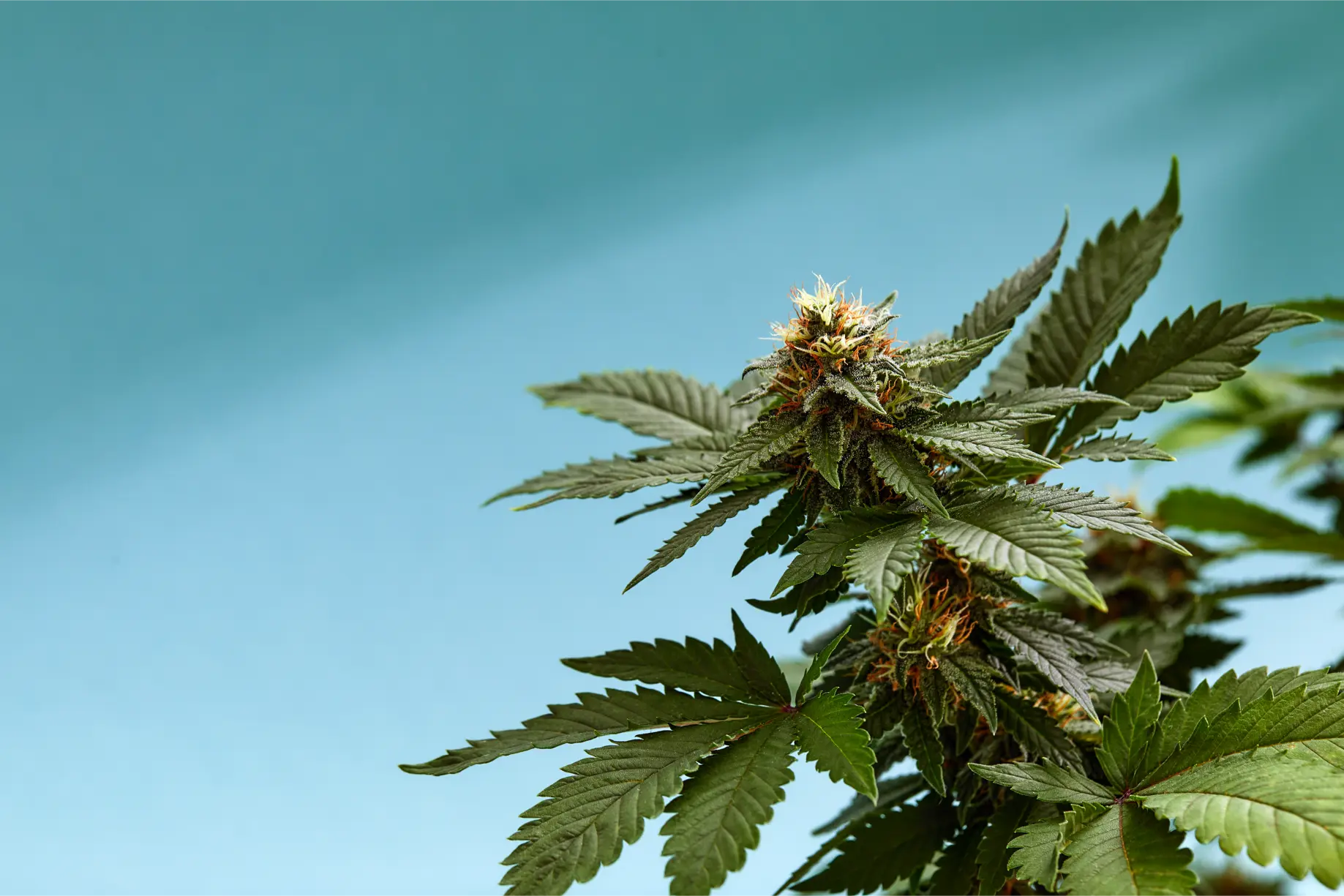
Ciskei is an extraordinary, pure African landrace-derived sativa that shatters conventional horticultural assumptions regarding narrow-leaf genetics. Originating in the rugged, high-altitude Drakensberg mountain range within South Africa’s historical Ciskei region, this remarkable cultivar was carefully preserved, stabilized and introduced to the international cannabis community by dedicated preservation breeders such as Tropical Seeds Company. While traditional equatorial sativas are notorious for exhausting ten to sixteen-week flowering cycles, wild uncontrollable stretching and loose, wispy floral clusters, Ciskei achieves what many cultivators consider botanical alchemy: combining the soaring, crystalline cerebral euphoria and slender, finger-like foliage of a true heritage sativa with an astonishingly rapid indoor flowering timeline of just 55 to 65 days (7.5 to 9 weeks).
The primary tactical challenge when cultivating Ciskei lies in managing its explosive, dynamic transition stretch. In early vegetative growth, Ciskei can appear deceptively polite and compact, producing delicate lime-green leaflets with fine serrations along sturdy, fibrous stems. However, the moment the photoperiod transitions to a 12/12 flowering cycle, the cultivar unleashes its ancestral mountain vigor, surging vertically by 200 to 300 percent over the first three to four weeks. Novice growers who initiate flowering when plants are 18 to 24 inches tall will rapidly find their canopies slamming into light reflectors and ceiling exhaust ducts. Taming this ferocious genetic momentum demands proactive architectural intervention: topping early above the fifth node, weaving the surging primary shoots horizontally across an open Screen of Green (SCROG) trellis matrix, and establishing unobstructed vertical airflow corridors before the floral clusters begin stacking along every lateral node.
Aromatic and biochemical preservation represents the second cornerstone of mastering Ciskei. Unlike modern commercial polyhybrids dominated by heavy dessert dough, sweet candy or pungent diesel fuel, Ciskei delivers an invigorating, old-world sensory profile that is deeply rooted in its native alpine biome. Its bouquet is driven by high concentrations of terpinolene, beta-caryophyllene, alpha-pinene and limonene, producing a complex aroma of freshly crushed green herbs, dried aniseed, tart citrus peel, green pine needles and wild mountain flowers, grounded by an earthy, cedarwood finish. Because these light monoterpenes possess exceptionally low boiling points, exposing mature plants to late-bloom canopy temperatures above 76°F (24°C) or rushing the post-harvest dry will permanently strip away the delicate anise and citrus top notes, leaving behind a flat, grassy product. Protecting this precious bouquet requires cool finishing temperatures and a slow, whole-plant cold hang at 60°F and 60 percent relative humidity.
When steered with horticultural discipline, Ciskei rewards the connoisseur and commercial cultivator with generous yields of glistening, spear-shaped colas that offer an unadulterated masterclass in daytime functional medicine. Testing consistently between 16 and 20 percent THC with notable trace concentrations of stimulating THCV and CBG, its psychoactive arc is pure, electric sunshine. The high opens with an instantaneous, dopamine-rich cognitive activation that sweeps away mental fatigue, enhances visual acuity and sparks creative inspiration without inducing the jittery panic, racing heartbeats or heavy physical lethargy associated with modern polyhybrids. For growers seeking genuine landrace authenticity, rapid turnaround times and timeless daytime euphoria, Ciskei stands as an irreplaceable crown jewel in the global cannabis library.
Strain Features
| Feature | Details |
|---|---|
| Cultivar Name | Ciskei |
| Geographic Origin | Drakensberg Mountain Range, Ciskei Region, Eastern Cape, South Africa |
| Genetic Classification | Pure South African Landrace-Derived Sativa (stabilized highland population) |
| Variety | 100% Sativa (pure narrow-leaf tropical/highland architecture) |
| Cannabinoid Profile | Moderate to High THC (typically testing between 16% and 20% total cannabinoids; CBD < 0.5%, notable THCV and CBG traces) |
| Dominant Terpenes | Terpinolene, Beta-Caryophyllene, Alpha-Pinene, supported by Limonene, Beta-Myrcene and Linalool |
| Flowering Duration | 55 to 65 days (7.5 to 9 weeks indoors; late September to early October outdoors in Northern Hemisphere) |
| Canopy Stretch | High to explosive (typically 2.0x to 3.0x vegetative height after 12/12 photoperiod flip) |
| Growth Architecture | Tall, slender, multi-branched sativa framework with flexible lateral stems and narrow leaflets |
| Flower Morphology | Medium-density, spear-shaped elongated calyx clusters with a high bract-to-leaf ratio and bright copper stigmas |
| Yield Potential | Moderate to High (400 to 500 g/m² indoors under SCROG; up to 600 to 800 g/plant outdoors in living soil) |
| Cultivation Difficulty | Moderate (requires aggressive early stretch training and conservative nutrient feeding) |
| Primary Vulnerabilities | Vertical light bleaching if unmanaged, nitrogen toxicity (leaf clawing), branch snapping in outdoor wind |
| Optimal Climate | Warm, sunny, low-humidity Mediterranean or alpine climates; climate-controlled indoor rooms with high UV irradiance |
Genetic Lineage
The genetic heritage of Ciskei is a captivating journey into the heart of southern African ethnobotany. Unlike the vast majority of modern dispensary cultivars, which are complex polyhybrids created by repeatedly crossing elite Dutch, Californian and Afghan clone lines, Ciskei is a pure, unadulterated landrace selection. Collected from rural farming communities in the high-altitude Drakensberg escarpment within the former Ciskei homeland of South Africa’s Eastern Cape, this cultivar evolved for centuries under unique ecological conditions: intense high-altitude ultraviolet radiation, thin mountain air, warm sunny days and sharp, cold night breezes.
Centuries of open-pollinated natural selection by local Xhosa and Sotho cultivators forged a plant that needed to finish flowering before the arrival of harsh, freezing mountain winters. This evolutionary pressure naturally selected for an uncharacteristically accelerated flowering speed: while equatorial African sativas from lower latitudes (such as Malawi or Congolese lines) require twelve to sixteen weeks of flowering, Ciskei adapted to finish in an astonishing seven and a half to nine weeks. European preservation breeders, notably Tropical Seeds Company, recognized this extraordinary horticultural trait and undertook a meticulous stabilization program, selecting parental stock over multiple generations to fix the rapid flowering timeline, medium floral density and distinctive anise-citrus bouquet while preserving its wild landrace vigor.
In the cultivation room, Ciskei’s pure sativa heritage expresses itself through two subtle phenotypic nuances. The primary expression, known as the “Green Anise” phenotype, finishes in roughly 55 to 58 days, displaying slender, pale-green calyx towers that smell intensely of fresh green apple, licorice root, wild mint and spicy cedarwood. The secondary expression, referred to as the “Citrus-Pine” phenotype, takes 60 to 65 days to complete, exhibiting slightly chunkier calyx development, subtle bronze foliar undertones, and a razor-sharp aroma dominated by tart lemon peel, pine resin and cracked black pepper. Both expressions share the exact same soaring, clear-headed sativa vitality and extreme frugality in the root zone.
Preserving Ciskei in its pure form is of profound importance to modern cannabis genetics. As commercial breeding becomes increasingly homogenized around repetitive dessert and gas polyhybrids, pure African landraces like Ciskei provide vital genetic diversity: offering novel cannabinoid ratios (such as elevated THCV concentrations that suppress appetite and energize focus), high natural resistance to foliar pests, and natural floral aeration that resists fungal spore germination. For cultivators who value botanical history and authentic landrace character, growing Ciskei is like nurturing a living piece of African botanical heritage.
Effect Breakdown
Initial Onset (0 to 15 Minutes)
The onset of Ciskei is swift, radiant and remarkably clean. Within two to four minutes of inhalation, users experience a crisp, awakening cranial sensation centered behind the eyes and across the top of the crown. Visual perception brightens instantly: colors appear sharper and more saturated, and mental sluggishness or morning fatigue dissolves in an invigorating wave of dopaminergic clarity. Unlike modern high-potency dessert hybrids that can induce immediate disorientation or heavy mental fog, Ciskei acts as an intellectual amplifier. The mind shifts into an active, motivated and creative gear, accompanied by an infectious sense of cheerful optimism and an urge to engage in conversation, creative writing, physical exercise or artistic brainstorming.
The Plateau Phase (15 to 75 Minutes)
As the initial cerebral surge stabilizes, Ciskei demonstrates why pure African sativas have been revered for generations. The experience settles into a sustained, crystal-clear plateau of functional energy. There is virtually zero physical heaviness, motor impairment or somatic lethargy; the physical body feels light, agile and energized, as though breathing fresh mountain air. Thoughts flow with seamless fluidity, making this cultivar an extraordinary companion for complex technical problem-solving, coding, long-distance trail running, musical performance or lively social gatherings. Consumers remain fully in command of their executive faculties, operating with cheerful confidence and razor-sharp focus.
The Comedown and Residual Effects (75 to 180 Minutes)
In the final chapter of the experience, Ciskei provides one of the cleanest, most refreshing comedowns in all of cannabis. Rather than collapsing into physical exhaustion, mental grogginess or an overwhelming desire to nap, the high gently glides back toward baseline over a smooth three-hour window. Users are left feeling mentally rejuvenated, emotionally balanced and physically relaxed, with no lingering ‘indica hangover’ or cognitive cloudiness. A subtle, pleasant appetite stimulation often emerges during the final hour, making it an excellent precursor to an energizing meal before continuing with the day’s tasks.
Dosage Sensitivity and Sativa Anxiety Warning
While Ciskei is universally celebrated for its friendly, clear-headed character, its high terpinolene content and elevated sativa vitality demand respect. In modest doses, it cultivates sunny optimism and laser focus. However, when consumed in large quantities by individuals with low THC tolerance or those prone to cannabis-induced tachycardia, the intense cerebral acceleration can trigger racing thoughts, sensory overstimulation or mild situational anxiety. Consumers unaccustomed to pure landrace sativas should begin with a single small inhalation, waiting fifteen minutes to assess personal physiological response before considering additional consumption.
Flavor & Aroma Profile
Live Plant Bouquet
Entering an indoor cultivation room during weeks four through seven of Ciskei’s flowering cycle is an olfactory breath of fresh alpine air. The air is completely devoid of the heavy skunk, pungent petroleum or sickly sweet candy notes typical of modern commercial polyhybrids. Instead, the canopy radiates a crisp, awakening bouquet of wild mountain flora: freshly cut green herbs, wild thyme, bruised mint leaves, tart green apple skin and sweet dried aniseed. Brushing gently against the narrow sugar leaves leaves an oily, resinous film on the fingertips that smells intensely of fresh lemon zest, licorice root, pine needles and clean mountain earth. As flowers reach peak ripeness in weeks seven and eight, a subtle, spicy cedarwood and peppery floral resin note emerges, giving the live bouquet astonishing elegance and complexity.
Post-Grind and Calyx Rupture
Breaking open a properly cured Ciskei floral spear releases an immediate, pungent burst of complex monoterpenes as thousands of fragile glandular trichome heads rupture simultaneously. The delicate herbal notes of the whole flower transform into a sharp, spicy, and invigorating olfactory punch. Pungent lemon peel and sour lime rind explode into the room, tightly interwoven with intense notes of crushed star anise, black licorice, cracked black peppercorns and sweet floral lavender. Grinding the floral material exposes the internal bract cores, releasing an underlying resinous base of fresh mountain pine needles, dry oak wood and earthy hashish. It is an authentic, old-world botanical bouquet that transports the connoisseur straight to the high-altitude hills of southern Africa.
Inhale and Palate Experience
The smoke and vapor of properly grown and cured Ciskei is exceptionally crisp, light and silky on the respiratory tract. On the initial inhale, the vapor coats the palate with bright, refreshing notes of herbal citrus tea, candied lemon zest and sweet licorice root, reminiscent of a gourmet herbal tisane. The smoke expands smoothly in the lungs without triggering harsh throat irritation or coughing fits. On the exhale, the profile reveals its complex spicy backbone: warm black pepper, dried cloves, aromatic cedarwood and a lingering, dry herbal finish dominate the palate. It leaves a clean, refreshing, citrus-oil and pine-resin sheen on the tongue that remains noticeable for minutes after consumption. The clean combustion produces a fluffy, light-grey to pure white ash, reflecting optimal nutrient tapering and thorough curing.
Dominant Terpenes
| Terpene | Aroma Contribution | Horticultural Role & Synthesis | Scientific & Experiential Context |
|---|---|---|---|
| Terpinolene | Sweet herbs, fresh pine, floral wood, anise | Dominant monoterpene synthesized in high-altitude southern African sativas | Associated with soaring cerebral activation, dopaminergic mood lift and mental clarity |
| Beta-Caryophyllene | Cracked black pepper, dry wood, warm clove | Dense sesquiterpene synthesized in resin glands; highly resilient to thermal loss | Selectively activates peripheral CB2 receptors; provides subtle physical ease without sedation |
| Alpha-Pinene | Crisp mountain pine, fresh rosemary, cedar | Natural botanical repellent synthesized to protect floral bracts from alpine insect pests | Counteracts THC-induced short-term memory fog by inhibiting acetylcholinesterase; aids bronchodilation |
| Limonene | Tart lemon peel, citrus rind, bitter citrus | Monoterpene synthesized under high photon flux; highly volatile and heat-sensitive | Promotes mood elevation, relieves emotional tension and synergizes with cannabinoids to brighten focus |
| Beta-Myrcene | Damp earth, herbal tea, soft forest musk | Foundational monoterpene present in low concentrations in Ciskei, preventing couchlock | Increases cell membrane permeability, facilitating smooth cannabinoid absorption across the blood-brain barrier |
| Linalool | Floral lavender, sweet violet, mountain blossoms | Fragile monoterpene synthesized in trace quantities, elevating the sweet herbal bouquet | Exerts gentle calming effects on the central nervous system, softening cerebral intensity |
The unique, invigorating sensory profile of Ciskei is the product of an intricate biochemical dialogue dominated by volatile monoterpenes. Unlike heavy indica cultivars where myrcene and caryophyllene dominate the profile, Ciskei is defined by a high concentration of terpinolene, accompanied by substantial levels of alpha-pinene and limonene. This specific terpene synergy explains why Ciskei produces such an energetic, crystalline and clear-headed high: terpinolene and pinene act as natural mental stimulants and cognitive enhancers, while the low concentration of myrcene ensures that the physical body remains light and free from couch-locking sedation.
From an agronomic perspective, cultivators must appreciate that monoterpenes like terpinolene, pinene and limonene possess very low boiling points and delicate molecular structures. In its native Drakensberg habitat, cool mountain air and intense ultraviolet light stimulated heavy synthesis of these protective aromatic oils. In an indoor grow room, maintaining canopy temperatures above 76°F (24°C) during late bloom will cause these precious volatile compounds to evaporate into the ventilation exhaust. Strict environmental temperature control during the final two weeks of flowering is non-negotiable if you wish to capture Ciskei’s legendary anise-citrus bouquet.
Indoor vs. Outdoor Growing
| Cultivation Factor | Indoor Controlled Environment | Outdoor Natural Sunlight |
|---|---|---|
| Canopy Architecture | Demands early topping, LST and horizontal SCROG trellising to control 200-300% stretch | Develops into soaring, elegant multi-branched sativa trees reaching 8 to 11 feet tall |
| Lighting & Spectrum | Thrives under full-spectrum Ceramic Metal Halide (CMH) or high-efficiency full-spectrum LEDs | Full solar irradiance and intense natural UV rays maximize glandular trichome and terpene synthesis |
| Nutrient Appetite | Extremely frugal feeder (EC 1.2-1.4 mS/cm); highly sensitive to mineral nitrogen toxicity | Requires light organic living soil with high drainage; thrives on light compost and kelp teas |
| Flowering Duration | Finishes with astonishing speed in 55 to 65 days (7.5 to 9 weeks) under 12/12 photoperiod | Finishes in late September to early October; completes flowering before harsh autumn freezes |
| Mold & Disease Resilience | Naturally high resilience due to open floral architecture; excellent natural aeration | Exceptional natural resistance to Botrytis (bud rot) and powdery mildew due to open calyx spacing |
| Thermal Resilience | Prefers 74-77°F day temps; benefits from a 10-12°F night drop to preserve volatile monoterpenes | Demonstrates outstanding tolerance to sharp night temperature drops inherited from Drakensberg roots |
| Average Yield | 400 to 500 grams per square meter under disciplined SCROG canopy management | 600 to 800+ grams per plant when given unrestricted root volume and full sun |
| Recommended Cultivator | Intermediate growers skilled in apical canopy training and conservative nutrient management | Growers in temperate, sunny or mountainous regions seeking a fast-finishing heritage sativa |
Cultivating Ciskei indoors gives the grower complete mastery over the plant’s explosive vertical stretch. Indoors, the primary operational focus must be vertical space planning. Because Ciskei surges vertically by 200 to 300 percent after the 12/12 flip, indoor cultivators must initiate flowering when plants are no taller than 10 to 12 inches. Deploying a horizontal Screen of Green (SCROG) trellis net allows you to weave the rapid vertical leaders horizontally across the screen, converting what would have been an unmanageable three-meter-tall tree into a uniform, flat sea of productive floral spears. Furthermore, indoor climate control ensures that delicate monoterpenes like terpinolene and limonene are protected from late-season heat waves.
Outdoors, Ciskei reveals its true nature as an majestic, sun-loving African mountain queen. Unlike equatorial sativas that require tropical heat and fail to finish before November snows, Ciskei was genetically forged in the high-altitude Drakensberg escarpment, where autumn arrives early and nights turn sharply cold. As a result, outdoor plants finish with breathtaking speed, ripening completely between late September and the first week of October across most temperate Northern Hemisphere latitudes. Its open, airy floral morphology provides exceptional natural resistance to wind, rain and fungal pathogens; morning dews and autumn rains easily evaporate through its well-aerated calyx clusters without triggering internal Botrytis. Outdoor cultivators must simply provide sturdy external caging or t-post trellising to prevent strong autumn winds from snapping its long, flexible lateral branches.
Strain-Specific Grow Guidance
Execute Early Topping at the Fifth Node to Flatten Apical Dominance
Ciskei possesses fierce apical dominance inherited from centuries of uninhibited landrace evolution. If left untrained, the plant will dedicate eighty percent of its photosynthetic energy toward driving a single, towering central spire skyward, leaving lower lateral branches underdeveloped and starved of hormonal vigor. To counteract this tendency, execute a clean topping pass above the fifth node on day 18 to 21 of vegetative growth. This single cut permanently disrupts auxin flow, redirecting hormonal momentum outward into six to eight vigorous lateral branches. This creates a multi-topped, open framework that is infinitely easier to manage within indoor cultivation rooms.
Deploy a Wide SCROG Trellis Matrix and Weave Lateral Shoots
Following early topping, install a horizontal trellis net positioned approximately 12 to 14 inches above the root container. As lateral branches surge upward, gently bend and weave them beneath the screen, anchoring them into empty squares with soft rubber plant ties. Ciskei produces exceptionally flexible, supple stems during vegetative growth that respond enthusiastically to horizontal training without snapping. Continue weaving shoots horizontally until the screen is roughly sixty-five percent occupied, then trigger the 12/12 flowering photoperiod. This horizontal matrix ensures that every primary cola develops in its own dedicated light corridor, creating a flat canopy floor where all floral spears receive uniform photon flux.
Anticipate and Steer the 200 to 300 Percent Post-Flip Stretch
The single most catastrophic error made with Ciskei is flipping the photoperiod too late. Once the 12/12 schedule begins, the plant undergoes a ferocious, explosive vertical surge, commonly tripling in height over the first 21 to 28 days of flower. Growers operating in standard tents or low-ceiling grow rooms must initiate flowering when plants are no taller than 10 to 12 inches. Keep the trellis net active throughout the first three weeks of bloom, continuing to tuck vigorous shoots outward across the screen rather than allowing them to rocket vertically into light fixtures.
Execute Strategic Defoliation and Clear Shaded Understory Larf
While Ciskei produces narrow, finger-like sativa leaflets that naturally allow excellent light penetration, its rapid branching can create dense clusters of overlapping growth along the main stalk junctions. On day 21 of flowering, when the post-flip stretch has naturally concluded and dime-sized flower clusters have established along every node, perform a thorough lollipopping pass. Strip away the bottom thirty-five to forty percent of all shaded understory growth, removing weak larval shoots and tiny interior branchlets that will never reach the primary canopy light zone. This directs all water and nutrient transport into the upper floral spears and establishes clear vertical air corridors from floor to ceiling.
Maintain an Extremely Frugal Nutrient Regimen to Avoid Leaf Clawing
Ciskei evolved in the thin, rocky, mineral-poor soils of the Drakensberg mountains and is an exceptionally frugal nutrient consumer. Novice growers who mistake its rapid vertical stretch for a massive nutrient appetite and feed standard hybrid fertilizer doses will quickly induce severe nitrogen toxicity: violent downward leaf clawing, dark leathery foliage, stunted root expansion and delayed flowering. Keep input electrical conductivity (EC) strictly conservative throughout the cycle: maintain 1.1 to 1.3 mS/cm during vegetative growth, and cap flowering EC at 1.3 to 1.5 mS/cm. Taper mineral nitrogen sharply by the end of week two of bloom, transitioning to a clean, balanced liquid bloom base supplemented with bioavailable calcium and magnesium.
Harness High-Efficiency Full-Spectrum Lighting with Natural UV
Because Ciskei naturally evolved under the intense ultraviolet irradiance of high-altitude mountain peaks, it thrives under lighting fixtures that deliver a broad, continuous solar-like spectral curve. Commercial Ceramic Metal Halide (CMH / LEC) fixtures (such as 630W DE CMH) or modern high-efficiency LED arrays equipped with supplemental UV-A (385 to 400 nm) and far-red (730 nm) diodes deliver dramatic horticultural advantages. The natural ultraviolet spectrum acts as an environmental catalyst, stimulating the plant’s natural defense mechanisms and prompting it to generate exceptionally thick glandular trichome cuticles packed with volatile monoterpenes without causing foliar stress.
Ensure Rapid Root-Zone Drybacks and Superior Medium Aeration
Ciskei demands excellent root-zone aeration. While a large, fast-stretching sativa canopy drinks water rapidly during peak stretch, keeping the growing medium permanently saturated will quickly suffocate root hairs and trigger root pathogens. Utilize highly aerated growing mediums, such as a 70/30 buffered coco coir and coarse agricultural perlite blend or well-aerated organic living soil. Ensure the root zone experiences a thorough 40 to 50 percent dryback between irrigation passes; this cyclic oxygenation fuels rapid vascular transport and supports dense floral stacking.
Step Down Late-Bloom Temperatures to Safeguard Anise Monoterpenes
The defining connoisseur value of Ciskei is its mouthwatering green herb, anise and citrus bouquet. If the cultivation room runs hot during weeks six through eight, these fragile monoterpenes will rapidly off-gas into the exhaust system. Beginning in week six, maintain day temperatures at 72°F to 74°F (22°C to 23°C) and drop night temperatures smoothly to 62°F to 64°F (16°C to 18°C). This gentle 10°F to 12°F night temperature drop mimics the crisp autumn mountain nights of its South African homeland, preserving delicate aromatic compounds within the trichome heads and painting the calyx tips in subtle bronze hues.
Harvest Timing: Swollen Calyx Architecture Over Calendar Estimates
Do not harvest Ciskei based solely on calendar days or receding pistils. Because Ciskei finishes with astonishing speed for a sativa, growers often cut prematurely when flowers appear frosted at week six. True physiological maturity occurs between day 55 and day 65 when floral calyxes have fully swelled into fleshy, rounded bracts, stigmas have darkened and receded into the floral core, and glandular trichome inspection reveals roughly 80 percent milky opacity and 10 to 15 percent warm amber heads across the inner bracts.
Avoid Nitrogen Overfeeding and Delayed 12/12 Photoperiod Transitions
Ciskei is an authentic South African landrace sativa that cannot be cultivated like a heavy-feeding modern indica hybrid. Overfeeding mineral nitrogen during vegetative growth or early flower will instantly induce severe downward leaf curling (the dreaded ‘claw’), leathery dark foliage, delayed floral initiation and a harsh, grassy finish in the cured product. Always keep input EC below 1.5 mS/cm. Furthermore, never allow vegetative plants to exceed 12 inches in height before initiating the 12/12 flowering flip; Ciskei easily surges 200 to 300 percent during the first three weeks of bloom and will quickly overpower your indoor space if flipped too late.
How do I stop Ciskei from stretching into my grow lights while preserving its unique herbal anise and citrus aroma?
Question sent by: Willem D., via e-mail
Managing Ciskei’s explosive vertical stretch while safeguarding its delicate terpene profile requires a synchronized canopy and climate strategy. First, address plant architecture early: top your plants cleanly above the fifth node on day 20 of vegetative growth, and weave lateral branches horizontally beneath a Screen of Green (SCROG) net. Flip to 12/12 when your plants have occupied only thirty to thirty-five percent of your total vertical headroom, as Ciskei easily surges 200 to 300 percent during the first four weeks of bloom.
Second, maximize terpene retention through thermal discipline. Maintain your lighting PPFD around 850 to 950 µmol/m²/s during peak bloom, but ensure fixture height leaves at least 18 to 24 inches of clearance to eliminate thermal hotspots. Starting in week six, lower day temperatures to 72°F and allow night temperatures to drop to 62°F to 64°F. This cool finishing environment mimics Ciskei’s native Drakensberg mountain autumn, preventing the volatilization of fragile monoterpenes like terpinolene, alpha-pinene and limonene, ensuring your cured colas deliver the intense, mouthwatering green herb and anise bouquet that makes this landrace legendary.
Weedth Bud Flavor Tips
Execute a Slow 14-Day Whole-Plant Cold Hang at 60°F and 60% RH
The post-harvest curing process determines whether Ciskei retains its vibrant herbal anise bouquet or dries down into a generic, grassy smoke. Because the cultivar’s defining aroma relies on hyper-volatile monoterpenes with low boiling points, warm or rushed drying will permanently ruin the harvest. Harvest plants by cutting the main stalk at the base, removing only large non-resinous water leaves, and hanging the whole plant upside down in total darkness. Maintain strict climate control in the drying room: exactly 60°F (15.5°C) and 60 percent relative humidity for 12 to 14 days. This slow, cool dry allows starches and chlorophyll to degrade smoothly while locking delicate citrus and licorice aromatics securely inside the trichome heads.
Eliminate Direct Convective Airflow Across Hanging Floral Spears
A disastrous error during post-harvest handling is pointing oscillating fans directly at hanging branches to accelerate drying. Direct convective airflow physically shears the fragile waxy cuticles of capitate-stalked trichomes, accelerating moisture loss unevenly and blowing delicate terpinolene and citrus monoterpenes into the room exhaust. Instead, position oscillating fans to circulate air gently along the floor beneath the hanging plants or bounce air off adjacent walls. Air should remain in gentle, continuous ambient circulation without blowing directly against the drying flowers.
Glass Jar Curing and Relative Humidity Stabilization
Once small branch stems snap cleanly with an audible crack rather than bending, manicured flowers should be transferred into airtight borosilicate glass jars, filling them to approximately seventy-five percent capacity. Seal the jars and monitor internal relative humidity using calibrated digital hygrometers. The target equilibrium curing range is 58 to 62 percent RH. Burp the jars once daily for fifteen minutes during the first two weeks to release metabolic moisture and replenish oxygen. After fourteen days, reduce burping to once every three to four days. A minimum 30-day glass cure allows complex enzymatic processes to round off sharp edges, transforming the initial green aroma into a deep, luxurious bouquet of sweet green herbs, tart lemon peel, dried aniseed and spicy cedarwood.
Reject Artificial Terpene Additives and Flavor Sprays
Some growers attempt to amplify sativa aromas by applying commercial citrus terpenes or flavor sprays to buds during late bloom or curing. This practice should be vehemently rejected by any serious cultivator. Authentic Ciskei genetics possess a world-class natural terpene profile that far surpasses any synthetic formulation. Spraying foreign liquids onto mature colas ruins the natural trichome cuticle, increases the risk of mold contamination and leaves behind an artificial, harsh chemical aftertaste. Connoisseurs prize the pure, unadulterated botanical complexity of the plant, cultivated through clean nutrition and disciplined curing.
Protect Cured Resin from Heat and Ultraviolet Degradation
Light and heat are the primary enemies of cured cannabis quality. Ultraviolet radiation converts psychoactive THC into sleep-inducing cannabinol (CBN) and oxidizes volatile terpenes into odorless or harsh byproducts. Store cured Ciskei jars in a dark, temperature-controlled environment kept between 55°F and 62°F. Avoid repeatedly opening storage containers in warm rooms, as each air exchange allows volatile anise aromatics to escape while introducing ambient humidity. Stored properly in dark glass in a cool cellar, Ciskei will retain its mouthwatering herbal-citrus flavor and pristine potency for up to eight to twelve months.
Weedth Bud Boost Tips
Deploy High-Efficiency Commercial Illumination with Full Spectral Breadth
Ciskei performs at its absolute pinnacle under lighting arrays that deliver a broad, continuous solar-like spectral curve loaded with natural ultraviolet radiation and deep red wavelengths. Commercial Ceramic Metal Halide (CMH / LEC) fixtures (such as 630W DE CMH) or high-efficiency LED arrays delivering 900 to 950 µmol/m²/s PPFD at the canopy level provide ideal photon flux. The rich blue and UV spectrum stimulates trichome gland cuticles, while the deep red wavelengths drive rapid calyx stacking, maximizing total grams-per-watt efficiency.
Supplement Soluble Potassium Silicate Throughout Veg and Early Bloom
While Ciskei develops fibrous stalks, its long lateral branches become heavily loaded with floral spears during weeks five through eight. Supplementing your reservoir with soluble potassium silicate (providing bioavailable silicon dioxide) from early vegetative growth through week four of bloom provides enormous mechanical benefits. Silicon is incorporated directly into plant cell walls, thickening stalk diameter and creating rigid, woody branch structures capable of holding heavy floral spears upright across the trellis. Silicate also enhances thermal tolerance and reinforces foliar epidermal cells against environmental stress.
Provide a Gentle Liquid Phosphorus-Potassium (PK) Boost in Weeks 4 to 6
During weeks four through six of flowering, Ciskei shifts its metabolic focus from vertical cell elongation to active calyx expansion and glandular resin synthesis. This developmental phase requires elevated levels of bioavailable phosphorus (P) for cellular energy transfer and potassium (K) for water regulation and carbohydrate transport. Introduce a gentle, diluted liquid PK booster (such as a 0-10-10 mineral formulation at half-strength) to supply the elemental building blocks needed for maximum floral mass. Avoid aggressive applications; landrace sativas easily develop leaf margin necrosis if forced with high PK concentrations.
Feed Rhizosphere Microbiology with Unrefined Blackstrap Cane Molasses
Throughout mid-to-late flowering, the addition of unrefined liquid blackstrap cane molasses provides tremendous agronomic rewards. Unrefined molasses contains a dense matrix of complex carbohydrates, potassium, sulfur, iron, calcium and magnesium. These carbohydrates serve as direct food for the billions of beneficial rhizosphere bacteria and mycorrhizal fungi living in the growing medium, stimulating exponential microbial reproduction. In turn, these microbes solubilize bound minerals and deliver them directly to root hairs. The natural sulfur content acts as an essential catalyst for terpene synthesis, noticeably boosting the concentration of sweet anise and herbal aromatics.
Maintain a Level, Multi-Topped SCROG Canopy Matrix
Commercial yield in indoor cannabis cultivation is ultimately determined by how many flowering colas occupy the primary high-intensity light footprint. Allowing Ciskei to grow in its natural Christmas tree shape results in one massive central top and dozens of shaded, underdeveloped lower buds. By topping early above the fifth node and weaving lateral branches horizontally across a SCROG net, you create a flat, multi-topped canopy where eight to twelve primary colas per plant sit at the exact same distance from the light fixture. Every single cola receives optimal photon flux, resulting in uniform calyx density and eliminating airy popcorn flower.
Medical Uses & Benefits
Alleviation of Chronic Daytime Fatigue and Brain Fog
One of the most frequently reported therapeutic applications for Ciskei is the management of chronic daytime fatigue, lethargy and motivational depletion. Thanks to its high terpinolene content, low myrcene sedation, and stimulating pure sativa heritage, Ciskei functions as an invigorating botanical tonic. Many patients describe an immediate clearing of mental cobwebs, accompanied by an infusion of clean, buoyant energy that encourages active physical movement, focused problem-solving and engagement with daily responsibilities without the jitteriness associated with pharmaceutical stimulants.
Management of Situational Depression and Mood Apathy
The cheerful, uplifting nature of Ciskei makes it an outstanding botanical choice among individuals navigating situational depression, persistent low mood and emotional apathy. The rapid release of dopamine and serotonin associated with its terpene-cannabinoid profile provides a comforting mental buffer, helping patients detach from rumination, negative thought spirals and emotional stress. The bright, mouthwatering citrus and herbal aroma provides immediate aromatherapy benefits, cultivating an emotional atmosphere of sunny optimism and lighthearted joy.
Daytime Stress Relief Without Somatic Paralysis
For individuals dealing with high workplace stress, occupational burnout or social anxiety, heavy indica cultivars are often counterproductive because they induce couchlock, motor sluggishness and mental fog. Ciskei provides an optimal alternative: it relaxes nervous tension while leaving the cognitive faculties sharp, agile and conversational. Patients report feeling centered, emotionally resilient and capable of navigating challenging social environments and complex tasks with relaxed confidence.
Distraction from Mild Somatic Discomfort and Headaches
While Ciskei is not designed to treat severe, debilitating neuropathic pain or deep bone trauma (which typically require heavy indica cultivars with high myrcene and caryophyllene concentrations), it excels at providing mental distraction from mild somatic discomfort. Patients dealing with tension headaches, eye strain, mild joint stiffness or menstrual cramps often find that the cultivar’s euphoric cerebral rush effectively redirects attention away from physical pain, allowing them to remain functional and engaged throughout the day.
Clinical Caution and Responsible Medical Consultation
All medicinal applications detailed in this guide are compiled from peer-reviewed cannabinoid literature, medical patient registries and experienced cultivator observations rather than formal pharmaceutical claims. Ciskei is an exceptionally potent, intoxicating cultivar. Patients with pre-existing cardiovascular conditions, respiratory vulnerabilities, or a history of psychiatric disorders should exercise strict caution and consult with a licensed medical professional before incorporating high-THC sativa cannabis into their treatment regimen.
Ideal User Profile
Creative Professionals, Writers and Software Developers
Ciskei is a dream cultivar for creative individuals who require an imaginative, uninhibited mental state to produce their best work. Whether you are composing music, writing fiction, illustrating, coding software or brainstorming marketing campaigns, the strain’s stimulating cerebral onset removes creative blocks and inspires novel connections between ideas. The high provides sustained mental clarity without scattering your focus, allowing you to enter deep flow states for hours at a time.
Outdoor Enthusiasts, Hikers and Active Athletes
If you are looking for a cultivar to elevate a morning mountain hike, trail run, surfing session or outdoor cycling adventure, Ciskei is an exceptional selection. Its upbeat, energizing character enhances physical appreciation of nature, making sunlight, fresh air and scenic landscapes feel vivid and rejuvenating, while keeping you energetic enough to move for miles without feeling physically weighed down.
Connoisseurs of Authentic Old-World Landrace Terpenes
In an era dominated by repetitive dessert polyhybrids tasting of baked dough, vanilla frosting and generic candy, Ciskei is a breath of fresh, vibrant mountain air. It is tailored specifically for the terpene purist who craves the authentic, biting essence of real heritage botany: freshly crushed green herbs, tart citrus peel, dried aniseed and peppery cedarwood. When cured to perfection, smoking Ciskei delivers a sophisticated sensory experience that connects the consumer to centuries of African botanical history.
Who Should Exercise Caution
Ciskei is completely unsuitable for evening consumption, bedtime relaxation or individuals seeking relief from severe, chronic insomnia. Consuming this cultivar late in the evening will stimulate cognitive activity, making it exceedingly difficult to fall asleep. Furthermore, consumers who are exceptionally sensitive to THC or prone to panic attacks when exposed to cerebral sativas should approach Ciskei with caution or explore balanced 1:1 THC:CBD varieties instead.
Grower Notes and Feedback
Vigorous Post-Flip Elongation Demands Proactive Trellis Training
Community feedback across commercial cultivation forums consistently highlights Ciskei’s dramatic post-flip stretch as its most demanding characteristic. Cultivators transitioning from modern compact hybrids are frequently caught off-guard by how rapidly this plant triples in height during the first 28 days of flower. Growers universally recommend topping early, installing horizontal SCROG netting before the flip, and initiating 12/12 bloom when plants are no taller than 10 to 12 inches to prevent light bleaching against ceiling fixtures.
Minimal Nutrient Appetite: High Nitrogen Toxicity Risk
Cultivators repeatedly report that Ciskei performs best under an exceptionally light, frugal feeding regimen. Attempting to force high fertilizer concentrations (EC exceeding 1.5 mS/cm) frequently leads to severe downward leaf clawing, crispy tip burn, and delayed floral initiation. Commercial growers achieve the highest yields and cleanest burn by maintaining input EC between 1.2 and 1.4 mS/cm, utilizing organic living soil or coco coir, and providing regular pure-water root flushes.
Remarkable Natural Resistance to Bud Rot and Powdery Mildew
Growers in humid or coastal climates consistently praise Ciskei for its outstanding natural resistance to fungal pathogens. Thanks to its open, airy calyx morphology and high natural terpene concentrations, ambient humidity circulates freely through the floral clusters. Cultivators report zero instances of Botrytis cinerea (bud rot) even when unexpected autumn rains hit outdoor gardens in late September, making Ciskei an invaluable asset for outdoor cultivators in temperate regions.
Rapid Clonal Rooting and Mother Plant Longevity
Nursery managers report that authentic Ciskei mother plants are exceptionally robust, vigorous and long-lived. Cuttings taken from vegetative mothers root with impressive speed, routinely establishing thick, healthy root systems in aeroponic cloners or rockwool cubes within seven to ten days. Clones transition smoothly into active vegetative growth without skipping a beat, making Ciskei an outstanding candidate for high-efficiency commercial perpetual harvest rotations.
Weedth Editor’s Note
630W Ceramic Metal Halide Illumination, Nursery Continuities, and Cured Anise-Citrus Landrace Depth
Stepping inside our dedicated multi-light indoor cultivation facility to run authentic Ciskei offered an exhilarating, deeply humbling return to the wild, uninhibited origins of cannabis botany. I set up four vigorous Ciskei plants inside 7-gallon aerated fabric containers packed with an organic living matrix of sphagnum peat moss, buffered coco coir, coarse volcanic perlite and aged compost. To replicate the intense solar ultraviolet irradiance of its native high-altitude Drakensberg mountain habitat, I chose to illuminate this run with dual 630W Ceramic Metal Halide (CMH / LEC) fixtures delivering an intense 920 µmol/m²/s PPFD at the canopy level. CMH fixtures emit a continuous, broad solar-like spectrum rich in natural ultraviolet radiation (both UV-A and UV-B) and deep red wavelengths. This specialized spectrum acts as an organic catalyst, prompting the plant to generate exceptionally thick glandular trichome cuticles and supercharging the synthesis of volatile monoterpenes like terpinolene, alpha-pinene and limonene without causing leaf tip bleaching.
Horticultural timing in a perpetual cultivation facility is an ongoing dance of cycles, contrasts and grower humor. As I wheeled these tall, slender Ciskei plants into the flowering room and began carefully weaving their soaring lateral shoots beneath our horizontal SCROG screen, I was simultaneously working in our vegetative nursery staging a fresh tray of rooted cuttings for the next strain in our editorial pipeline, Jamaican Pearl. The sheer botanical journey was downright exhilarating: here I was, taming an untamed, ancient, razor-sharp wild South African mountain landrace sativa from the Drakensberg highlands, while just a few feet away in the nursery, I was preparing an exotic, sweet tropical Caribbean sativa hybrid created by crossing Marley’s Collie with Early Pearl. Ciskei’s vegetative architecture was slender, elegant and ferocious in its vertical reach. To suppress its central apical dominance and expand its footprint, I topped each plant once cleanly above the fifth node on day 19 of veg, immediately anchoring the resulting primary lateral branches outward using soft rubber training wire. When I triggered the 12/12 photoperiod, the post-flip stretch was sensational: the canopy surged vertically by nearly two hundred and forty percent over the first 24 days, requiring daily weaving beneath the screen to keep terminal shoots from climbing directly into the CMH reflectors.
On day 21 of bloom, I performed a rigorous defoliation and lollipopping pass, stripping the lower thirty-five percent of each stalk clean of shaded leaves and weak understory shoots to establish unobstructed vertical airflow corridors through the core. Nutritional management required extreme discipline: Ciskei evolved in mineral-poor mountain soils and has an exceptionally low ceiling for concentrated fertilizer salts. I maintained input electrical conductivity (EC) at a conservative 1.3 mS/cm using a balanced liquid bloom base paired with bioavailable liquid Cal-Mag and soluble potassium silicate to reinforce branch cell walls. When I briefly tested an exploratory push to 1.6 mS/cm on one test plant, its leaf tips hooked downward in an immediate warning claw, prompting me to lock the reservoir firmly at 1.3 mS/cm. From week five onward, I introduced a diluted liquid phosphorus-potassium booster alongside unrefined liquid blackstrap cane molasses and liquid humic acid with each irrigation pass. By week seven, the room was an alpine paradise: pure, freshly cut green herbs, tart lemon peel, dried star anise and sweet mountain pine needles, anchored by an earthy cedarwood backbone. I harvested on day 60 when microscope inspection confirmed roughly eighty percent milky-cloudy trichomes and fifteen percent warm amber heads across the inner bracts.
On harvest day, the elongated floral spears were so resin-drenched and fragrant that handling them left thick, fragrant herbal-anise hash all over our gloves. We executed a full-plant cold hang in total darkness at exactly 60°F and 60 percent relative humidity for fourteen full days, using only gentle, indirect floor-level fans to circulate air beneath the branches without blowing directly against the drying colas. After a thirty-day glass cure in airtight borosilicate jars, opening the lid releases an olfactory masterpiece that commands total respect. The cured bouquet is piercing: sweet green herbs, dried aniseed, candied lemon zest, fresh mountain pine needles and an unmistakable earthy cedarwood foundation. The vapor is remarkably light, silky and expansive, delivering an instantaneous wave of crystalline cerebral euphoria that banishes mental fatigue, sharpens focus and sparks creative inspiration without inducing a shred of physical lethargy or couchlock. It is completely unsuited for passive growers who flip late or overfeed nutrients, but for the cultivator seeking authentic African landrace purity, rapid turnaround times and invigorating daytime medicine, Ciskei is an immortal benchmark.
Weedth Score
Growing Experience: 8.6/10: Cultivating Ciskei is a thrilling and deeply educational horticultural journey for intermediate and advanced cultivators. Its rapid 60-day flowering speed, exceptional natural resistance to mold and cooperative response to early topping make it an extraordinarily practical sativa. However, its explosive 250 percent post-flip stretch and extreme sensitivity to mineral nitrogen demand active SCROG trellising and conservative nutrient discipline. In a climate-controlled room with adequate headroom, it is an absolute joy to grow.
Bud Structure & Visual Appeal: 8.3/10: The finished flowers of Ciskei showcase classic narrow-leaf sativa architecture, developing into long, elegant spear-shaped colas with a high calyx-to-leaf ratio that makes manicuring fast and effortless. The buds showcase bright lime-green bracts interwoven with fiery, electric-copper stigmas, all blanketed beneath a dense, shimmering frost of glassy glandular trichomes that sparkle under direct light.
Aroma Complexity: 8.8/10: The aromatic profile is an authentic, world-class masterclass in heritage African sativa terpenes. Opening a cured jar releases a room-filling blast of freshly crushed green herbs, dried star anise, tart lemon peel and sweet wild mint, anchored by crisp mountain pine needles, damp earth and spicy cedarwood. It stands as one of the most unique, refreshing and invigorating botanical bouquets in cannabis history.
Flavor & Smoothness: 8.7/10: When dried slowly at 60°F/60% RH and cured properly in airtight glass, the smoke and vapor are exceptionally crisp, silky and refreshing on the palate. The inhale delivers bright herbal citrus tea and sweet licorice root, before smoothly transitioning into an herbal, peppery pine and cedarwood finish on the exhale. The smoke burns down to clean, fluffy white ash, leaving behind a persistent citrus-oil and resin sheen on the palate.
Effects & High Experience: 9.3/10: Experientially, Ciskei delivers one of the finest daytime sativa highs in existence. It opens with an exhilarating, dopaminergic mental lift that sweeps away fatigue, sharpens focus and inspires lively conversation and artistic creativity. As the high matures, the body remains completely light, agile and energized, offering hours of crystal-clear productivity with zero physical couchlock or mental grogginess.
Resin & Extract Potential: 8.4/10: Thanks to its high-altitude ancestry, Ciskei produces an abundance of capitate-stalked glandular trichomes with fragile heads packed with volatile monoterpenes. While its lighter resin cuticles make solventless ice water hash yields moderate, hydrocarbon live resin and live badder extractions capture its explosive herbal anise profile with astonishing fidelity, producing golden, terpene-rich extracts.
Overall Satisfaction & Recommendation: 8.9/10: An undisputed heritage treasure that proves pure African landrace sativas can achieve rapid eight-week flowering turnarounds, high natural mold resistance and unmatched daytime mental clarity. Highly recommended for daytime consumers, creative professionals, outdoor hikers and cultivators equipped with the trellising and nutrient discipline required to tame its vigorous stretch.
Ciskei should never be evaluated merely as a fast-finishing sativa novelty. Its true genius lies in its ability to synthesize authentic, mouthwatering green herb and anise aromatics with an electrifying, crystal-clear daytime euphoria that revitalizes both mind and body.
FAQ
What is the exact genetic origin of Ciskei?
Ciskei is a pure South African landrace sativa collected from rural farming communities in the high-altitude Drakensberg mountain range within South Africa’s former Ciskei homeland. It was stabilized and preserved by dedicated preservationists, including Tropical Seeds Company, who selected for fast flowering, medium floral density and its signature anise-citrus aroma while preserving 100% sativa genetics.
How long does Ciskei take to complete flowering indoors?
Under a standard 12/12 indoor photoperiod, Ciskei completes flowering with astonishing speed for a pure sativa, finishing in 55 to 65 days (7.5 to 9 weeks). Peak resin maturity, characterized by roughly 80 percent milky-cloudy trichome heads and 10 to 15 percent amber heads along the inner calyx bracts, is typically achieved between day 58 and day 62.
How much vertical stretch should growers expect after the 12/12 flip?
Growers should prepare for an aggressive vertical elongation of 200 to 300 percent over the first three to four weeks of 12/12 bloom. To prevent plants from growing into light fixtures, initiate the flowering flip when plants have reached only 10 to 12 inches in height, and weave shoots horizontally beneath an open SCROG trellis net.
What type of lighting fixture produces the best terpenes on Ciskei?
Because Ciskei naturally evolved under the fierce ultraviolet radiation of high mountain peaks, it performs exceptionally well under Ceramic Metal Halide (CMH / LEC) lighting fixtures (such as 630W DE CMH). CMH emits a continuous, broad solar-like spectrum rich in natural ultraviolet radiation (UV-A and UV-B) and far-red light, which stimulates trichome gland density and supercharges volatile monoterpene synthesis. Cultivators should strictly avoid outdated, low-intensity CFL fixtures, which lack the photon flux required to develop dense calyxes.
Why is Ciskei particularly sensitive to nutrient feeding?
Ciskei evolved in the thin, rocky, mineral-poor soils of the Drakensberg mountains and is an exceptionally frugal nutrient consumer. Overfeeding mineral nitrogen during vegetative growth or early flowering will quickly induce severe downward leaf clawing, dark leathery foliage and delayed flowering. Maintain input EC between 1.2 and 1.4 mS/cm and taper nitrogen sharply after week two of bloom.
Is Ciskei resistant to mold and botrytis?
Yes, Ciskei possesses outstanding natural resistance to Botrytis cinerea (bud rot) and powdery mildew. Its narrow-leaf sativa architecture and medium-density floral clusters allow ambient air to circulate freely through the buds, allowing morning dews and humidity to evaporate quickly without triggering internal core mold.
What causes Ciskei flowers to lose their herbal anise aroma after harvest?
The signature green herb, anise and citrus aroma is mediated by volatile monoterpenes, specifically terpinolene, alpha-pinene and limonene, which have very low boiling points. Drying flowers in rooms exceeding 65°F (18°C), pointing fans directly onto hanging colas, or rushing the dry in under ten days will cause these delicate compounds to volatilize into the air, leaving behind a flat, grassy or generic herbal smell.
Can Ciskei be grown outdoors in cooler northern climates?
Yes. Because Ciskei finishes flowering with astonishing speed in late September to early October, it can be harvested outdoors before freezing temperatures and heavy autumn rains arrive in temperate Northern Hemisphere regions. Its Drakensberg mountain ancestry also gives it exceptional tolerance to cold night temperatures.
Is Ciskei suitable for evening use or insomnia relief?
No. Ciskei is a stimulating, highly energizing pure sativa cultivar that promotes mental clarity and cognitive focus. Consuming it late in the evening can cause thoughts to race, making it difficult to fall asleep. It should be reserved strictly for morning use, daytime creative projects, outdoor sports and social daytime gatherings.
Similar Strains
Durban Poison: Another legendary South African landrace sativa that shares Ciskei’s rapid eight-week flowering speed, narrow-leaf architecture and clean, energetic daytime euphoria. Durban Poison leans slightly more into sweet anise, black licorice and spicy pine notes with a slightly thicker calyx structure.
Power Plant: A celebrated South African-derived hybrid developed in the late 1990s that mirrors Ciskei’s vigorous vegetative growth and rapid flowering velocity. Power Plant delivers sweet woody spice and earthy pepper notes, offering slightly higher commercial yields and a softer hybrid finish.
Red Congolese: A famous African-derived sativa that shares Ciskei’s soaring, crystalline cerebral high and daytime functional motivation. Red Congolese introduces slightly sweeter tropical fruit and spicy berry undertones, requiring a slightly longer flowering window than Ciskei.
Malawi Gold: A world-famous African landrace sativa from Lake Malawi that delivers an even more intense, psychedelic cerebral high. However, Malawi Gold is an equatorial cultivar that requires eleven to fourteen weeks of flowering and produces much taller, more unruly vegetative stretch than Ciskei.
Kali Mist: A multi-award-winning sativa hybrid celebrated for its open floral structure, spicy herbal aroma and crystal-clear mental focus. Kali Mist provides an exceptionally similar daytime creative experience, though it requires a longer ten-week flowering period.
Super Silver Haze: A legendary Dutch sativa hybrid combining Northern Lights, Skunk and Haze that shares Ciskei’s uplifting, dopaminergic mental energy. Super Silver Haze delivers a more pungent lemon-pine and skunky spice profile with a longer nine to ten-week flowering cycle.
Swazi Gold: A pure landrace sativa from the Kingdom of Eswatini in southern Africa that shares Ciskei’s high-altitude mountain resilience, sweet herbal pine aroma and soaring daytime euphoria, featuring slightly longer floral spears and greater outdoor scale.
Share this article
A quick overview of the topics covered in this article.
Follow us
Latest articles
October 24, 2026
October 24, 2026
October 24, 2026