How to Fatten Buds Outdoors: A Cannabis Flower Development Guide
Outdoor cannabis buds do not get bigger because one late-flower bottle says they will. They get bigger when the plant has enough usable sunlight, functioning roots, balanced nutrition, reliable water, healthy leaves, and a dry enough flower environment to finish its genetic potential.
That is good news, because it gives you more control than the usual “add more PK” advice suggests. A plant with shaded lower branches, a cramped root zone, saturated soil, hungry leaves, repeated drought, or early mold pressure cannot be rescued by a bloom booster. On the other hand, a well-built outdoor plant can keep adding flower mass late into the season when the systems doing the work stay protected.
This guide explains how to fatten cannabis buds outdoors without chasing myths. It separates bud size from density, dry weight, resin, and flower quality; builds a practical late-season plan; explains what nutrition can and cannot do; and shows how to respond when outdoor weather stops cooperating.
Use this guide only for lawful cultivation, with the property owner’s permission. Local rules may govern plant numbers, visibility, odor, access, runoff, and cultivation methods.
Master Advice: Outdoor buds are built by the whole season. Late flower is when the result becomes visible, not when a weak foundation suddenly becomes strong.
What “Fatten Buds” Actually Means Outdoors
Growers use fatten to describe several different things: bigger flower clusters, firmer flowers, more dry weight, fuller calyxes, heavier colas, more resin, or simply a plant that looks more finished. These outcomes overlap, but they do not come from one lever.
Bud bulking is the continued accumulation of flower tissue and dry matter during flowering.
It requires photosynthesis, water movement, root function, mineral availability, and a cultivar that still has time to finish. Density and resin are related quality traits, but they are not guaranteed by extra fertilizer.
| What you notice | What may be changing | What actually helps | What will not fix it alone |
|---|---|---|---|
| Flowers add visible volume | Calyx and flower-cluster expansion | Strong photosynthesis, stable roots, suitable nutrition, cultivar timing | A late PK product on a shaded or stressed plant |
| Colas feel firmer | Flower structure, lower leafiness, and natural maturation | Genetics, light exposure, crop health, disease prevention, correct harvest timing | Overdrying the plant before harvest |
| Dry yield increases | More functional canopy and more finished flower sites | Early plant structure, root volume, sunlight, water, nutrition, and season length | Removing healthy leaves late in flower |
| Flowers look frostier or more aromatic | Resin-gland development and terpene retention | Genetics, healthy flowering, gentle handling, weather protection, harvest and drying discipline | Sugar products marketed as flavor in a bottle |
The Outdoor Reality: Sunlight Starts the Conversation
Outdoors, the sun is both the opportunity and the constraint. It can provide more usable light than a modest indoor fixture, but it moves, clouds arrive, neighboring trees grow, and the strongest part of the day can land on a different section of the plant than you expected in spring.
Before trying to fatten flowers, observe the site during the flowering season. Check morning, solar noon, and late afternoon. A plant that receives a beautiful sunrise but loses direct light behind a fence at midday will have a lower energy budget than the calendar suggests. The same is true when tall companions shade the lower and inner canopy.
Protect the productive canopy
Every healthy fan leaf is a working solar panel. It supplies carbohydrates to the developing flowers, roots, and stems. Remove leaves that are dead, diseased, badly damaged, trapped in a wet cluster, or truly blocking an important flower site. Do not treat routine defoliation as a way to force larger buds.
Remember: A cleaner-looking plant is not automatically a more productive plant. Outdoor flower mass depends on the leaf area still capable of collecting sunlight.
“My outdoor buds are small but the plant is tall. Should I remove more leaves?”
Question sent by: Lauren Mitchell, via e-mail.
Not by default. Height does not prove the productive canopy receives enough direct sun, and removing healthy leaves can reduce the plant’s ability to fill flowers. First inspect the sun path, branch spacing, lower shaded sites, recent weather, root volume, and whether the cultivar still has time to finish. Remove only foliage that has a clear airflow, disease, or light-access reason.
Choose Genetics and Timing Before You Ask for Bigger Flowers
Genetics set the ceiling for flower architecture, density, finishing time, disease tolerance, and how a plant reacts to your local autumn. A long-flowering cultivar can look healthy yet run out of warm, dry weather before its flowers finish. A shorter cultivar with a realistic finish date often produces better final flower because it reaches maturity while the site can still support it.
Outdoor selection is not only about the highest advertised yield. Look for a cultivar that matches your latitude, frost risk, humidity, late-season rainfall, and practical ability to inspect flowers daily. Dense flower structure can be desirable, but in a wet climate it also increases the need for airflow and close mold checks.
Plan backwards from local finish weather.
Choose genetics that can complete their flowering cycle before repeated cold rain, heavy dew, or frost turns late flower into a disease-management exercise.
Judge a cultivar only by a seed catalog’s yield claim.
A large theoretical yield is less useful than a healthy, finished crop that matches your actual season and outdoor microclimate.
Build the Root Zone That Can Support Heavy Flowers
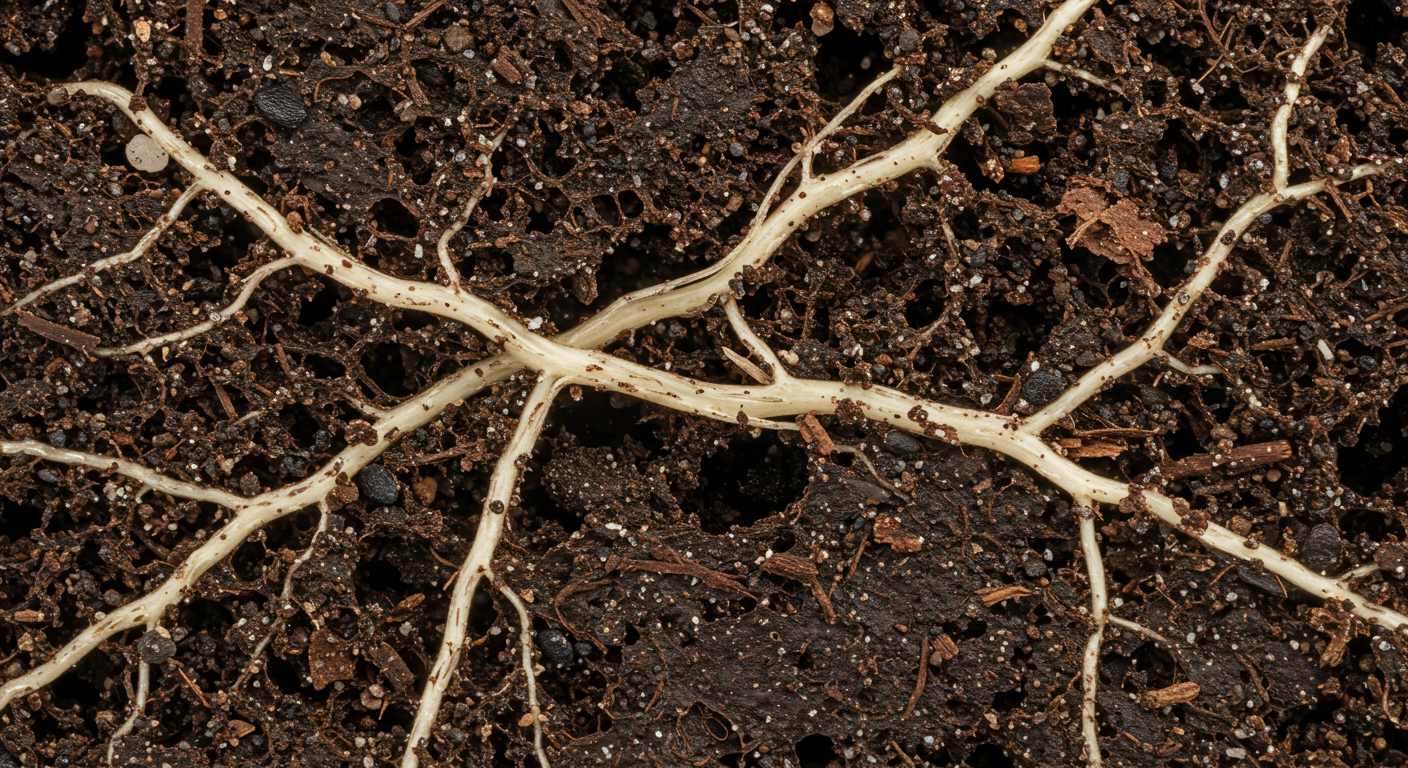
Flowers cannot keep gaining mass when roots are crowded, waterlogged, chronically dry, or chemically overloaded. Outdoor plants in the ground can explore a large soil volume, while container plants rely on the root-zone volume and structure available to them. Neither approach wins automatically. The important question is whether roots have oxygen, moisture, nutrition, and space through the flowering period.
In-ground plants
Ground soil offers large root potential, but it can also hide drainage layers, compaction, variable fertility, and competition from established trees. Improve the site before planting, not by digging around a flowering plant. Mulch can stabilize moisture and soil temperature, but keep it slightly away from the main stem and inspect for pests and excessive wetness.
Container plants
Containers allow you to control the medium and move a plant short distances when appropriate, but they dry faster, heat faster, and hold a finite nutrient reserve. As the canopy grows, the same pot can become a small root zone serving a large transpiring plant. Track pot weight and moisture at depth instead of watering only because the surface looks dry.
Pro Tip: On a warm day, compare the weight of a healthy container before first light, after a sunny afternoon, and just before irrigation. That simple routine teaches you how quickly the plant is using water as flowers develop.
| Root-zone issue | What it does above ground | Useful confirmation | Better response |
|---|---|---|---|
| Repeated drought | Slows growth, closes stomata, and can reduce flower expansion | Very light pot, dry moisture at depth, drooping that improves after appropriate irrigation | Improve watering consistency and container capacity; do not swing from drought to saturation |
| Saturation or poor drainage | Reduces oxygen and may mimic hunger or wilt | Heavy wet container, sour smell, slow drying, poor vigor, compromised roots | Correct drainage and irrigation frequency; avoid adding fertilizer to a saturated root zone |
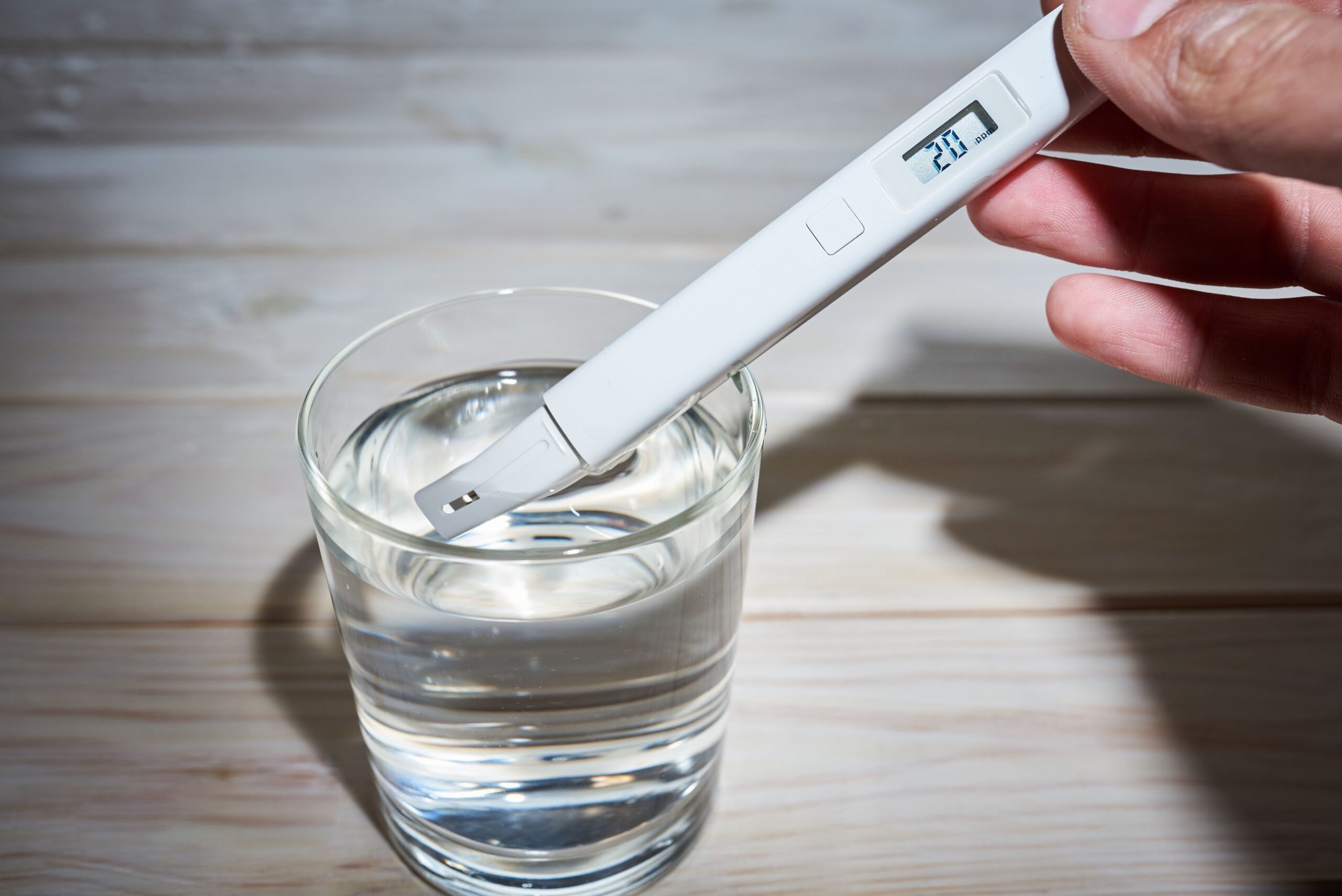
| High soluble salts | Restricts water uptake and can burn margins or tips | High EC trend, duplicate products, dark clawed foliage, reduced water use | Stop escalating feed and use a medium-appropriate correction after confirming the diagnosis |
| Small or root-bound container | Creates fast dry-down, unstable feeding, and weak late-season resilience | Roots circling drainage holes, rapid daily wilt, water moving straight through | Plan container volume before flower; avoid a disruptive late transplant unless conditions clearly justify it |
“My flowers stopped swelling after a heat wave. Do they need more bloom nutrients?”
Question sent by: Cameron Hayes, via e-mail.
Heat can raise water demand faster than roots can supply it, especially in a small dark container or dry soil. Check root-zone moisture, pot temperature, leaf posture, recent irrigation, source-water EC, and whether the plant recovered overnight. More fertilizer is not the first response to a water-balance problem. Restore a stable root zone, then judge new flower development over several days.
Water for Stability, Not Stress
Outdoor plants need water to keep stomata functioning, transport minerals, cool leaves, and build flower tissue. Both severe dry-down and constant saturation can stop that process. The goal is not to keep the medium wet. It is to maintain an oxygenated moisture range that fits the soil or substrate.
Water deeply enough to reach the active root zone, then allow the medium to use water in the way that suits its structure. In a container, small surface splashes often leave deeper roots dry. In heavy ground soil, frequent shallow watering can keep the surface wet while limiting deeper root exploration. Weather changes the rhythm, so an outdoor irrigation schedule must be a record, not a commandment.
Advice: Let the plant’s water use lead the schedule. A cool, cloudy week and a bright, windy week are different root-zone events even if the calendar date is the same.
Nutrition: Feed the Plant, Do Not Force the Flower
Flowering cannabis needs a complete nutrient profile. It does not need a competition to see how much phosphorus or potassium the root zone can hold. Nitrogen remains useful during flowering for proteins, enzymes, chlorophyll, and functional foliage, although the overall program may shift from a vegetative emphasis. Potassium, phosphorus, calcium, magnesium, sulfur, and micronutrients all matter, but they act in a system.
Outdoor research and controlled cannabis studies give the same practical warning: more fertilizer is not automatically more flower. Elevated root-zone phosphorus can increase phosphorus loss without improving flower yield or quality. High mineral concentrations can also make water uptake harder and create nutrient antagonism. Start with a complete program suited to the medium, then adjust only when the root zone and plant justify it.
Do not add a PK booster simply because buds look smaller than expected.
Small flowers can be caused by genetics, shade, timing, drought, root stress, disease, low canopy health, or weather. A high-EC correction may make the real limitation worse.
Organic, mineral, and mixed outdoor programs
Organic amendments, compost, mineral fertilizers, and liquid feeds can all support an outdoor cannabis plant. The difference is timing and predictability. A dry amendment needs time, moisture, temperature, and biological activity to release nutrients. A soluble mineral product acts quickly, but it can also raise EC quickly. Mixed programs can work when every input has a defined role and the total nutrient load is understood.
Do not stack a rich pre-amended soil, weekly liquid feed, Cal-Mag, bloom booster, and top dress without calculating the overlap. The label on each bottle may look reasonable alone while the combined root zone becomes concentrated.
“Can I use more phosphorus to make outdoor buds denser?”
Question sent by: Jordan Price, via e-mail.
Only correct phosphorus when there is evidence of a real need. Research has not shown that simply pushing root-zone phosphorus beyond an adequate range improves flower yield or quality. Density also depends on genetics, light exposure, flower health, water status, and maturation. Use a complete flowering program, monitor the root zone, and avoid treating phosphorus as a density button.
Make the Canopy Work Before Late Flower
Outdoor canopy management is most useful before the plant is committed to heavy flower production. Early training, selective branch removal, and support can help the plant distribute direct light and airflow across sites that can realistically finish. Late aggressive pruning often removes the leaf area and flower sites that would have contributed to final yield.
Choose a small number of well-lit, well-supported branches over a crowded mass of shaded sites. This does not mean turning every plant into the same shape. It means asking whether each branch receives useful light, can dry after rain, and can be inspected without breaking surrounding flowers.
Support branches before they become a problem.
Install stakes, soft ties, cages, or a suitable trellis while branches are flexible. Heavy flowers need support, especially after rain and wind.
Perform a major late-flower haircut to expose buds.
Sudden removal of healthy leaf area can weaken photosynthesis and create unnecessary stress when the plant should be finishing.
“Will lollipopping my outdoor plant in week five make the top buds bigger?”
Question sent by: Naomi Fraser, via Facebook page.
It can redirect attention away from genuinely shaded lower sites, but timing and intensity matter. By mid-flower, the plant has already built much of its canopy and resource network. Remove dead, diseased, weak, or completely shaded growth carefully. Do not expect a dramatic late cleanup to create new genetic flower capacity, and avoid stripping useful fan leaves from the productive canopy.
Rain, Dew, and Airflow Can Decide the Finish
Large, dense outdoor flowers hold moisture. That is precisely why late-season weather deserves as much attention as fertilizer. Rain, cool nights, morning dew, crowded leaves, and poor airflow create conditions where Botrytis and other flower problems can begin inside a cola before the outside looks alarming.
Inspect top colas and dense inner flowers after rain, not only from a distance. Look for a sudden gray or brown patch, a dried-looking sugar leaf emerging from an otherwise healthy flower, soft internal tissue, or a musty odor. Handle suspicious flowers carefully and keep tools clean. Remove clearly affected material promptly and dispose of it according to local waste guidance; do not smoke or process moldy flowers.
| Condition | Why it affects flowers | Useful action | Avoid |
|---|---|---|---|
| Heavy rain | Adds moisture to dense clusters and can compact wet soil | Check drainage, gently shake accessible excess water, inspect colas when dry, keep supports stable | Beating or squeezing flowers to remove water |
| Repeated morning dew | Keeps flowers wet at the start of each day | Improve spacing where practical, inspect inner flowers, time maintenance after drying | Ignoring wet colas because the afternoon becomes sunny |
| Heat and hot wind | Raises transpiration and can accelerate dry-down | Check moisture at depth, protect containers from root-zone overheating, water appropriately | Increasing fertilizer concentration to compensate for wilt |
| Cold wet finish | Slows drying and raises disease risk while maturation continues slowly | Inspect daily, protect from unnecessary wetting where lawful and practical, harvest healthy flowers at the right window | Waiting blindly for a calendar date while rot advances |
“Can I cover my outdoor plant every night to keep buds dry?”
Question sent by: Marcus Reed, via e-mail.
Only if the cover leaves generous airflow, avoids touching flowers, does not trap humid air, and is lawful and safe for your site. A cover that keeps rain off but creates a stagnant humid pocket can increase disease risk. Treat protection as part of an airflow plan, then inspect the flower interior rather than assuming the cover solved the problem.
Do Not Confuse Stress With Quality
Some late-season stress is inevitable outdoors. A plant may show normal aging, slower water use, or changing leaf color as it approaches maturity. That does not mean a grower should deliberately starve, drought, freeze, or overload it in search of denser buds. Severe stress reduces leaf function, slows flower development, and increases the chance of disease or poor finish.
Quality comes from a plant that can finish under controlled conditions, not from a plant that survives a dramatic last-week experiment. Protect mature flowers from damage, keep the root zone stable, and harvest based on the cultivar’s real maturity and flower health.
“Will withholding water make my outdoor buds denser before harvest?”
Question sent by: Avery Collins, via e-mail.
Dehydrating a plant can make flowers feel temporarily firmer while reducing normal water movement and stressing roots. That is not the same as building more dry flower mass or better quality. Maintain an appropriate root-zone moisture range through the finishing period and let drying happen after harvest under controlled conditions.
What to look for during a late-flower walkaround
When every cola suddenly seems important, let’s resist the urge to add another bottle. Start by checking the sun line, lifting the pot, looking under the canopy, feeling for a branch that needs support, opening one dense flower after rain, and comparing today’s plant with last week’s notes.
That short walk usually shows whether the next useful action is water, support, cleanup, protection, or simply giving a healthy plant the time it needs to finish.
Use a repeatable inspection order. It keeps the garden readable when weather, workload, and late-season urgency try to make every symptom look like a feeding problem.
Check These Before Changing the Feed
- Sun: Has a new shadow line reduced direct light on a key branch?
- Water: Is the root zone ready for irrigation at depth, not only dry on top?
- Roots: Is drainage normal, and is the container drying at a sensible pace?
- Leaves: Is new damage progressing, or are older leaves recording an earlier event?
- Flowers: Are dense inner colas dry, firm, and free from suspicious brown or gray tissue?
- Structure: Are branches supported before wind or rain turns a heavy cola into a break?
- Feed: What was actually applied last time, including water, base nutrients, supplements, and amendments?
A Practical Recommendation: Build for Flower Before Flowering Starts
Here is a practical recommendation for outdoor growers who want fuller, healthier flowers: spend the early season earning the late season. Choose a suitable cultivar, give it a realistic sun path, build an aerated root zone, establish a manageable canopy, and keep a simple water-and-feed log before the first serious flowers appear.
Then, during flowering, protect the working system. Keep leaves functional, water consistently, use a complete program instead of booster stacking, support branches, inspect dense flowers after wet weather, and make small evidence-based corrections. This approach may feel less dramatic than a miracle product, but it is how outdoor plants keep producing when the season becomes demanding.
What to Remember: The best way to fatten buds outdoors is to remove the factor holding them back. Sun, roots, water, nutrition, structure, and dry flower conditions matter more than a last-minute promise on a bottle.
Common Outdoor Bud-Fattening Questions
When do outdoor cannabis buds put on the most weight?
Many cultivars show visible flower expansion through the middle and later parts of flowering, but the exact timing depends on genetics, weather, plant health, and day length. Do not compare a plant only with a generic week-by-week chart. Compare it with its own recent growth, cultivar timeline, and local conditions.
Should I give bloom nutrients every time I water outdoors?
It depends on the root zone. In a fertile ground soil or amended container mix, the medium may already be supplying nutrients. In an inert container substrate, regular fertigation may be more appropriate. Match feeding frequency and concentration to the system, source water, plant demand, and root-zone trend rather than copying an indoor schedule.
Do molasses, sugar, or carbohydrates make buds bigger?
Roots do not absorb a bottle of sugar and send it directly to flower flavor or size. Carbohydrate inputs can affect microbial activity in some soil systems, but they also affect oxygen demand and sanitation. Healthy photosynthetic leaves make the carbohydrates the plant needs. Do not add sugar products without a defined role and a soil-management reason.
Can I use banana peels, wood ash, or household scraps for bigger buds?
Household inputs have variable nutrient content and can create pH, salt, pest, pathogen, or nutrient-balance problems. Use compost and amendments that are mature, appropriate for the soil, and applied with a known purpose. A complete horticultural program is easier to measure and diagnose than an improvised late-flower recipe.
“My outdoor buds are airy. Is it too late to fix them?”
Question sent by: Riley Thompson, via X.
First identify whether they are truly immature, genetically open in structure, shaded, heat- or drought-stressed, or affected by disease risk. Some cultivars naturally make less compact flowers, and outdoor flowers can look different from tightly controlled indoor examples. If the plant is still healthy and flowering, protect leaf function, roots, sun access, and dry flower conditions. Avoid drastic late pruning or high-EC feeding in search of instant density.
“Should I harvest early because rain is coming, even though buds are still swelling?”
Question sent by: Sophie Martin, via e-mail.
Balance maturity against disease risk. A healthy plant can continue developing through suitable weather, but repeatedly wet dense flowers can lose quality quickly if mold begins. Watch the forecast, your site’s drying conditions, flower density, cultivar susceptibility, and the first signs of disease. Harvesting healthy mature flowers slightly earlier can be wiser than waiting for a theoretical peak while rot spreads.
Read Flower Development by Phase, Not by Panic
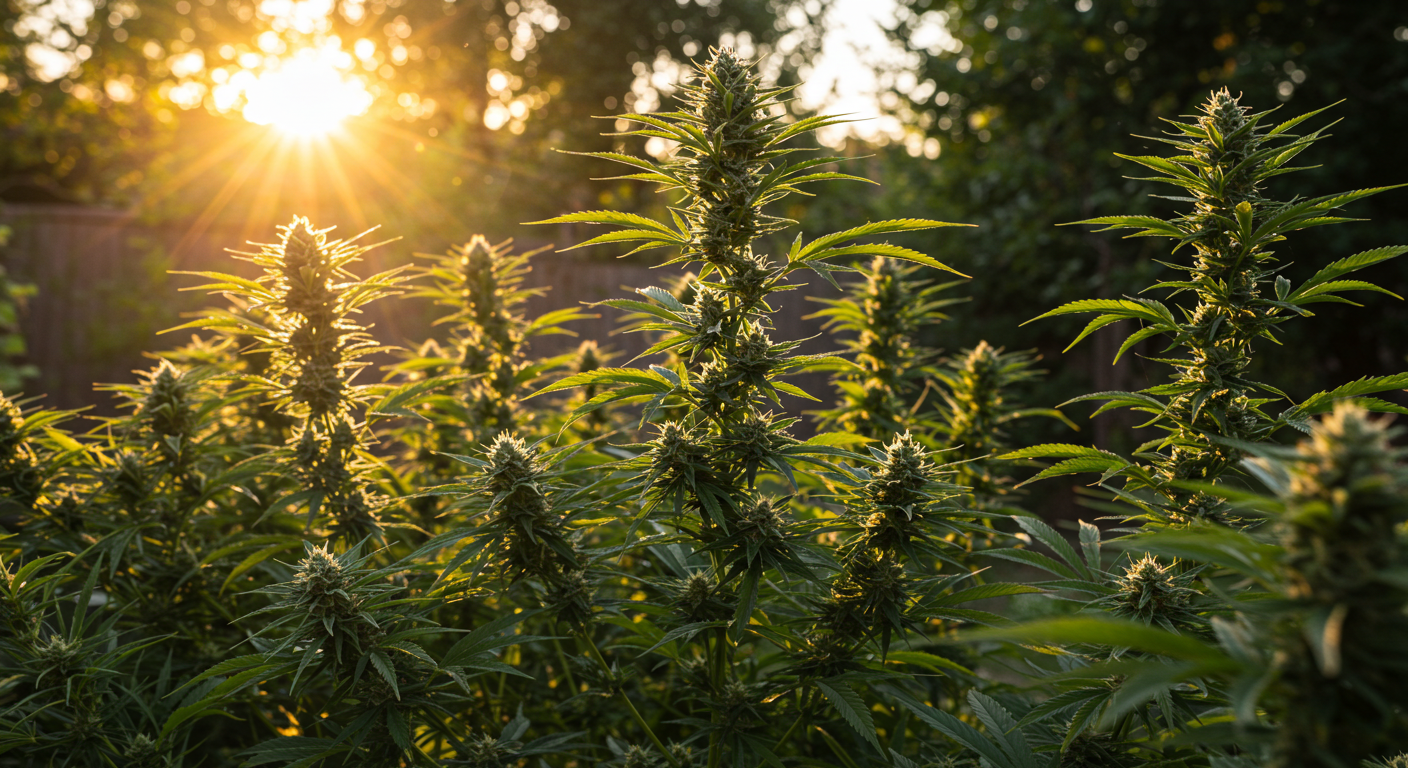
Outdoor flowering does not move in a straight line. A plant may stretch during transition, set many white pistils, appear slow for a period, then add noticeable volume later. Cold nights, cloudy weather, wind, plant age, and cultivar timing can change the pace. Use the phase to guide your work instead of treating every week as an emergency.
| Phase | What the plant is doing | Best outdoor focus | Mistake to avoid |
|---|---|---|---|
| Transition and early flower | Stretching, establishing flower sites, and redirecting growth | Root-zone stability, branch support, early airflow decisions, and a complete nutrition plan | Removing too much functional foliage or cutting nitrogen abruptly |
| Flower set | Building visible clusters and increasing demand for water and support | Consistent irrigation, sunlight access, measured nutrition, and canopy inspection | Assuming every white pistol needs a higher-strength bloom feed |
| Mid flower | Expanding flowers and building weight where light and roots are strongest | Keep leaves productive, protect roots, support branches, and inspect after wet weather | Booster stacking or a major late defoliation |
| Late flower and ripening | Maturing flowers as the plant’s overall rate may slow | Disease prevention, appropriate moisture, harvest-window decisions, and gentle handling | Forcing drought, starvation, or other stress to make flowers seem dense |
“My buds have many white pistils but are not getting much heavier. Is the feed too weak?”
Question sent by: Ethan Brooks, via e-mail.
Not necessarily. Fresh pistils show ongoing flower activity, but they do not diagnose nutrient strength. Check how much direct light the sites receive, whether roots are staying in a healthy moisture range, whether the cultivar is early or late in its flowering timeline, and whether weather has reduced water use. Compare several days of new growth before changing the nutrient concentration.
Diagnose the Limiting Factor Before Adding Anything
Outdoor flower problems look similar from a distance. A plant can look pale because it needs nutrition, because roots are saturated, because a container dried too hard, because high pH limits availability, or because the season is naturally ending. A structured diagnosis protects the crop from well-meant but unnecessary inputs.
| What you see | Likely possibilities | Check before acting | First useful move | Avoid |
|---|---|---|---|---|
| Flowers stay small in the lower canopy | Shade, weak branch position, leaf removal, or naturally low-priority sites | Direct sun duration, canopy depth, branch orientation, and leaf health above the site | Improve future structure and keep the main productive canopy healthy | Trying to force shaded buds with a stronger feed |
| Bud growth stalls after hot, dry weather | Root-zone drought, excessive container heat, salt concentration, or heat stress | Moisture at depth, pot weight, irrigation history, leaf posture, and input EC | Restore stable water management and shade the container, not the productive canopy, where practical | A sudden full-strength nutrient increase |
| Tips burn while flowers remain small | High EC, duplicate nutrients, source-water contribution, or dry-back concentration | Recipe, amendments, supplements, source water, pH, EC, drainage, and water use | Stop escalation and make a measured root-zone correction suited to the medium | Adding another booster to “push through” the burn |
| A cola suddenly browns inside | Botrytis or other flower disease, often after wet conditions | Open the cluster carefully, inspect adjacent flowers, and check weather history | Remove affected tissue, clean tools, and increase inspection frequency | Spraying or processing visibly moldy flowers |
| Late leaves fade while flowers mature | Natural senescence, low nitrogen, root stress, or an imbalanced program | Timeline, leaf progression, root-zone moisture, feed history, cultivar, and flower health | Keep the root zone stable and make only evidence-supported adjustments | Treating all late fade as either a deficiency or a sign to starve the plant |
“Can I add CO2 outside to make buds bigger?”
Question sent by: Connor Wallace, via e-mail.
Outdoor air is already continuously exchanging around the plant, so small consumer CO2 additions rarely create a controlled enrichment zone around a moving outdoor canopy. Sun exposure, root-zone water, nutrition, cultivar timing, and disease prevention are far more practical outdoor constraints. Do not introduce combustion or compressed-gas equipment around plants unless you fully understand the safety and legal requirements.
Important: Fix the reason a flower is underperforming before trying to increase nutrition. A healthy root zone turns a reasonable feed into plant growth; a stressed root zone can turn the same feed into another problem.
Selected Research Behind This Guide
The recommendations here treat flower development as a whole-plant and whole-season process. Research supports the value of light, root-zone management, measured nutrition, cultivar response, and avoiding excess inputs rather than assuming a single booster creates quality.
- Root-zone phosphorus study in medical cannabis: elevated phosphorus increased leachate losses without improving yield or quality.
- Outdoor cannabis fertilizer-response research: shows why reduced, efficient inputs can outperform indiscriminate high-fertilizer regimes.
- Cannabis yield meta-analysis: reviews how cultivar, light, production environment, and flowering duration influence yield.
- Cannabis nutrient-response research: demonstrates nutrient interactions and why concentration cannot be managed as an isolated number.
- University of New Hampshire nutrient-problem guidance: supports root, water, pH, and EC checks before treating a symptom as a fertilizer shortage.
Share this article
A quick overview of the topics covered in this article.
Follow us
Latest articles
September 9, 2026
September 9, 2026
September 9, 2026