

Cadillac Rainbows
Cadillac Rainbows – Strain Profile & Grow Guide
Cultivation, bud quality, flavor preservation, effects, and practical grow strategy
Cadillac Rainbows is a savory and candy-gas hybrid combining cherry, lemon, mint, garlic, earth, spice, broth-like umami, diesel, and sweet fruit with a euphoric opening that develops into strong full-body relaxation. It belongs to the modern group of cultivars in which flavor and visual quality are inseparable from cultivation discipline. The plant can produce impressive flower without an exotic feeding program, but the best version depends on canopy balance, stable root-zone conditions, controlled late-flower humidity, and a careful dry. A high THC number alone does not explain why the strain is memorable. Its value is in the way aroma, texture, resin, and effect develop together.
The documented lineage is Pure Michigan x Runtz. That background gives the plant a recognizable direction, yet phenotype variation still matters. One plant may lean toward the brighter, faster, or more aromatic parent, while another may stay shorter, denser, darker, or more physically calming. For that reason, every figure in this guide should be treated as a working range rather than a promise. Observe the individual plant first and use the cultivar description as a map, not a rigid recipe.
For growers, the central task is to understand the strain’s architecture before the flowering stretch ends. Medium hybrid growth with sturdy branching, medium internodes, relatively manageable leaf production in selected cuts, and dense chunky flowers. The main risks are unexpected stretch in high-vigor systems, branch lean, hidden moisture, strong garlic-fuel odor, late nutrient buildup, hot upper flowers, and a rushed dry that exaggerates savory harshness. These are manageable problems, but they become expensive when noticed late. The following profile focuses on how to prevent those losses while preserving the cultivar’s defining aroma of sweet cherry, lemon peel, mint, garlic, beef-broth-like umami, spice rack, earth, black pepper, and heavy diesel.
This guide treats Cadillac Rainbows as a two-sided cultivar: the same crop decisions that protect cherry, lemon, and mint must also keep garlic, pepper, earth, and diesel clean rather than harsh.
Weedth Grower Note: The defining challenge is not simply growing the plant to harvest. It is preserving sweet cherry, lemon peel, mint, garlic, beef-broth-like umami, spice rack, earth, black pepper, and heavy diesel while preventing unexpected stretch in high-vigor systems, branch lean, hidden moisture, strong garlic-fuel odor, late nutrient buildup, hot upper flowers, and a rushed dry that exaggerates savory harshness.
Strain Features
| Feature | Details |
|---|---|
| Type | Indica-dominant hybrid with a euphoric opening |
| Genetic profile | commonly expressed as indica-dominant, with the first phase feeling happier and more social than the late body effect |
| Lineage | Pure Michigan x Runtz |
| THC | commonly reported around 24-32% THC in selected flower |
| CBD | usually below 1% |
| Indoor flowering time | approximately 56-70 days indoors depending on cut and environment, with many proven selections finishing close to 63 days |
| Outdoor harvest | late September to early October in the Northern Hemisphere under dry finishing conditions |
| Yield potential | moderate, with selected cuts capable of efficient premium production under a level canopy |
| Height | medium with moderate-to-strong stretch, especially in hydroponic or highly vigorous root zones |
| Grow difficulty | Easy to moderate because the plant is generally cooperative, but cut-dependent stretch, dense flowers, strong odor, and late branch weight still require planning |
| Plant structure | medium hybrid growth with sturdy branching, medium internodes, relatively manageable leaf production in selected cuts, and dense chunky flowers |
| Stretch | usually about 1.5-2.1x, with hydroponic runs and highly vigorous cuts capable of surprising vertical extension |
| Aroma | sweet cherry, lemon peel, mint, garlic, beef-broth-like umami, spice rack, earth, black pepper, and heavy diesel |
| Flavor | candy cherry and citrus first, followed by mint, savory garlic, earthy spice, and a long fuel finish |
| Primary cultivation concern | unexpected stretch in high-vigor systems, branch lean, hidden moisture, strong garlic-fuel odor, late nutrient buildup, hot upper flowers, and a rushed dry that exaggerates savory harshness |
| Best training direction | top once, spread the main branches under a net, remove weak lowers after stretch, use light selective defoliation, and support every heavy top before the final swell |
Genetic Lineage
The lineage of Cadillac Rainbows is best understood as a combination of structural and sensory inheritance rather than a simple family-tree label. Pure Michigan contributes dense flower, dark color, garlic, earth, savory funk, chemical gas, and a heavy physical finish. Runtz adds candy, cherry, citrus, mint, smoothness, and a brighter euphoric beginning. Selected cuts vary noticeably between savory-garlic and sweet-candy expressions, and medium choice can shift how strongly each side appears in the finished aroma. These parent traits do not appear in equal proportions in every plant. A grower may find one phenotype that emphasizes fruit and color, another that emphasizes fuel and density, and a third that sits between them.
The most useful lineage clue for cultivation is the relationship between internodal spacing and flower density. Medium hybrid growth with sturdy branching, medium internodes, relatively manageable leaf production in selected cuts, and dense chunky flowers. This means the plant can create a productive canopy, but only when the grower prevents strong branches from shading weaker interior sites. The genetics provide the capacity for yield; the final architecture determines how much of that capacity becomes premium flower rather than lower-grade material.
Lineage also explains the effect progression. The early phase tends to show a happy euphoric rise, talkativeness, appetite interest, and a smooth release of accumulated stress. The middle becomes warm body pressure, softened muscles, slower but pleasant thought, and a balance between social comfort and physical calm. The finish develops into strong full-limb relaxation, heavy eyelids, appetite, and a sedating direction that is best suited to evening at larger doses. That sequence is more informative than a simple indica or sativa percentage because it describes how the experience changes over time.
Published strain descriptions can disagree because the same popular name may be used for different selections, clone-only cuts, or later breeding generations. This is especially common with modern dessert and Kush lines. When the documented lineage, flowering time, and aroma all point in the same direction, the identity is reasonably clear. When they conflict, the plant label should be treated cautiously until morphology and finished aroma confirm it.
For a home grower keeping a mother plant, clone testing is valuable. Root and flower several copies under the same conditions before making a long-term selection. Compare stretch, branch strength, flower density, aroma after four weeks of cure, and the effect at a controlled dose. The best keeper is not always the plant with the loudest stem rub in veg. A plant that finishes evenly, resists stress, dries predictably, and retains flavor after storage may be more valuable over repeated cycles.
Effect Breakdown
Candy-bright entry, savory undertow
Cadillac Rainbows often announces itself with a cheerful mental lift before its dense Kush side becomes obvious. Conversation can feel easier, food more interesting, and accumulated tension less urgent. The cherry-citrus edge of a sweeter phenotype can make this opening seem lighter than the eventual finish.
That first phase is the point at which impatient redosing causes trouble. Pure Michigan contributes substantial physical weight, while the Runtz side can make the onset polished enough to disguise how much intensity is still developing.
The middle phase changes the room
As the effect settles, attention narrows and the cultivar’s contrast becomes clearer. Music, flavor, and familiar company can feel unusually absorbing, but quick task-switching becomes less natural. Garlic, broth, mint, and fuel in the aroma also seem to prepare the user for the warmer, heavier center of the experience.
A fruit-led phenotype may retain sociability longer. A darker garlic-fuel expression usually reaches body pressure sooner. Harvest maturity matters as much as phenotype: mostly cloudy resin preserves more of the animated opening, while additional amber shortens the bright interval.
A slow, appetite-friendly landing
The late phase belongs to the body. Shoulders loosen, limbs gain weight, appetite may increase, and the cultivar becomes much better suited to an unstructured evening than a working afternoon. Large doses can produce heavy eyelids and a strong preference to remain seated.
The comedown is normally gradual. Mental intensity fades before the physical calm does, which can be useful for rest but inconvenient when the dose was taken too early in the day.
Warning
Do not judge the dose by the candy opening
The full-body portion develops after the euphoric rise. Wait for the complete effect before adding more, particularly with high-potency batches.
Flavor & Aroma Profile
A jar that moves from confectionery to kitchen funk
The most convincing Cadillac Rainbows flowers do not smell merely sweet or merely gassy. The jar can open with cherry candy, lemon peel, and cool mint, then turn toward garlic, pepper, earth, stock-like umami, and diesel as the flower warms.
Phenotype decides the order. Runtz-leaning plants may lead with polished red fruit and citrus. Pure Michigan-leaning plants tend to place garlic, damp soil, chemical fuel, and savory depth much closer to the front.
Broken flower reveals the identity
Grinding or splitting a cured flower should release a more complicated center than the jar alone: cherry skin, mint leaf, roasted garlic, black pepper, and a dense petroleum note. If breaking the flower produces only generic sugar, the plant may have been selected for appearance rather than aromatic depth.
The inhale is usually the sweetest moment. Cherry and citrus arrive first, while the exhale becomes minty, peppery, earthy, and distinctly savory. Diesel can remain on the palate long after the sweeter notes disappear.
Why the savory side can become harsh
Late nitrogen, root-zone salt accumulation, overheated upper flowers, and a rapid dry all exaggerate the cultivar’s roughest elements. Garlic and fuel should feel layered, not acrid. Clean root-zone management and a measured finish preserve the difference.
A cool, dark dry allows cherry and mint to remain suspended above the heavier base. When moisture is removed too quickly, those high notes disappear and the jar collapses into undifferentiated garlic-earth gas.
Dominant Terpenes
Cadillac Rainbows is better understood as a set of aromatic roles than a fixed laboratory order. Different cuts can reverse the balance between fruit, mint, pepper, earth, and fuel.
| Compound direction | Contribution | Grower observation |
|---|---|---|
| Limonene | Lemon peel and the bright edge around cherry candy | Often fades first in hot tops or a fast dry |
| Beta-caryophyllene | Black pepper, garlic warmth, and the dry savory exhale | Excess salts can make this portion abrasive |
| Myrcene | Earth, broth-like depth, and the heavy physical direction | Very late harvest can make it dominate the entire profile |
| Linalool and related floral notes | Softness between candy fruit and mint | Rough handling and warm storage quickly flatten it |
| Sulfurous volatile compounds | Garlic, rank fuel, and the distinctive savory impression | The aroma is not explained by terpene names alone |
Batch testing is more reliable than assuming chemistry from the cultivar name. In the room, the practical goal is to retain the fragile cherry-lemon-mint ceiling while allowing pepper, earth, garlic, and diesel to mature underneath it.
Indoor vs. Outdoor Growing
| Factor | Indoor | Outdoor |
|---|---|---|
| Size | medium with moderate-to-strong stretch, especially in hydroponic or highly vigorous root zones | Larger root volume can create a wide multi-branch plant |
| Finish | approximately 56-70 days indoors depending on cut and environment, with many proven selections finishing close to 63 days | late September to early October in the Northern Hemisphere under dry finishing conditions |
| Main advantage | Environmental control and repeatable quality | Root volume, sunlight, and higher per-plant yield |
| Main risk | unexpected stretch in high-vigor systems, branch lean, hidden moisture, strong garlic-fuel odor, late nutrient buildup, hot upper flowers, and a rushed dry that exaggerates savory harshness | Weather, insects, branch damage, and late moisture |
| Best strategy | top once, spread the main branches under a net, remove weak lowers after stretch, use light selective defoliation, and support every heavy top before the final swell | Open structure, early support, and weather planning |
Indoor structure
Indoors, Cadillac Rainbows usually finishes as a medium with moderate-to-strong stretch, especially in hydroponic or highly vigorous root zones plant. Its stretch is usually about 1.5-2.1x, with hydroponic runs and highly vigorous cuts capable of surprising vertical extension. The main objective is to create an even canopy before vertical growth stops. A net is useful, but branches should not be woven so tightly that removal at harvest becomes destructive.
Indoor climate
Indoor success depends on lower humidity as the compact flowers close and inspect the largest tops internally because the outer surface can look healthy while moisture remains trapped inside. Air should move above, below, and through the canopy without blasting one flower continuously. Strong extraction is more valuable than a fan pointed directly at the buds.
Indoor nutrition
The cultivar’s feeding direction is moderate feeding with stable calcium and magnesium; many cuts are easy feeders, but excessive late EC and nitrogen can flatten candy and savory detail into harsh generic gas. Irrigation runoff, leaf color, and tip condition should guide adjustment. A predetermined high-strength recipe is less reliable than observing how quickly the plant uses water and how the new growth develops.
Outdoor structure
Outdoors, the plant benefits from unrestricted root volume and direct sun. Expected timing is late September to early October in the Northern Hemisphere under dry finishing conditions. Give branches enough space to move in wind and enough support to prevent the final flowers from folding them downward.
Outdoor climate
The best outdoor site provides morning sun, steady airflow, and protection from prolonged late-season rain. The cultivar’s dense flower structure makes dry autumn weather more valuable than extreme summer heat.
Outdoor pest pressure
Outdoor aroma and dense flowers attract attention from insects as well as people. Inspect the interior of flowers and branch junctions. Caterpillar damage can open a path for rot, while mites and aphids reduce vigor long before yield visibly collapses.
Greenhouse use
A greenhouse can extend the season and protect flowers from rain, but it can also trap humidity. Side ventilation, roof vents, plant spacing, and active airflow are essential. Closing the structure at night without humidity control can create a wetter environment than growing outside.
Which environment fits best
Choose indoors when flavor consistency, security, and climate control are the priorities. Choose outdoors when root volume, plant size, and lower energy use matter more. Cadillac Rainbows can perform in both, but the grower must solve different problems: canopy density indoors and weather uncertainty outdoors.
Strain-Specific Grow Guidance
Cadillac Rainbows is a medium hybrid with sturdy laterals, medium internodes, and roughly 1.5-2.1x stretch. Highly vigorous root zones can push the upper end of that range. Its dense chunky flowers make the crop look structurally safe early, yet branch lean and hidden internal moisture become important during the final swell.
Map the phenotype before filling the room
On a first run, leave more headroom than the compact leaf shape appears to require. Top once after vigorous root establishment, spread four to eight strong laterals, and use the first two weeks of flower to measure rather than guess the cut’s extension.
Stop major bending once stems harden and flowers begin stacking. The correct end-of-stretch cleanup removes weak shoots that cannot reach the light field while preserving the productive secondary branches that give this cultivar its efficient premium yield.
Support a few strong tops early
Place a net or soft ties before garlic-fuel resin makes every canopy correction expensive.
Building a crowded forest of small branches
Too many interior sites create shaded flower, humid contact points, and a harvest that is visually large but low in premium weight.
Feeding behavior
No cultivar-specific EC curve has been established for Cadillac Rainbows. Its vigor supports moderate-to-firm complete nutrition after roots are established, but the plant should never be fed simply because stretch is rapid. Watch irrigation demand, runoff trend, new-leaf posture, and tip color together.
| Stage | Main objective | Useful direction | Common mistake |
|---|---|---|---|
| Rooting | Build an oxygenated root ball | Gentle complete feed and restrained irrigation | Large wet containers slowing early growth |
| Vegetative build | Create sturdy, separated laterals | Moderate nitrogen with balanced calcium and magnesium | Producing soft oversized fans before training |
| Stretch | Place 1.5-2.1x extension | Keep nutrition continuous while finishing canopy work | Increasing EC to chase fast vertical growth |
| Early flower | Set evenly lit flower sites | Reduce nitrogen gradually | Late topping or hard stripping |
| Bulk | Carry dense savory flowers | Stable irrigation and balanced bloom nutrition | Salt accumulation as water use begins to slow |
| Ripening | Integrate cherry-mint with garlic-fuel | Taper according to real demand | Keeping leaves dark and clawed to harvest |
Light response
Increase intensity after stretch geometry is established, not while the tallest branches are still deciding where they will finish. Cherry, lemon, and mint are useful biological indicators: when the upper tier loses them while middle flowers retain them, canopy heat or photon load is too aggressive.
A level canopy matters more than a heroic fixture setting. The goal is similar flower temperature and maturity across the screen, not one bleached central zone surrounded by underdeveloped edges.
Humidity and odor
Dense flowers require separate airflow paths above and below the canopy. A practical progression is about 50-55% RH early, 45-50% during bulk, and 40-45% near finish when plant health and temperature support it. Inspect flower interiors and branch junctions rather than trusting the wall sensor.
Garlic-diesel odor becomes strong before harvest. Odor control should be sized and tested before flowering, because equipment changes during late bloom disrupt temperature and pressure balance.
Warning
“Easy to grow” does not mean safe to crowd
Cadillac Rainbows can tolerate ordinary handling, but its dense flower and variable stretch punish a full room with no access lanes or internal inspection.
Harvest window
Many selections center near 63 days, with a working range of roughly 56-70. Harvest when bracts are swollen, water use is declining normally, trichomes on calyxes are mostly cloudy, and cherry-mint has become integrated with garlic, pepper, earth, and diesel.
An earlier harvest favors the euphoric candy side. Additional amber produces a shorter mental opening and a heavier finish. A staggered test branch is especially useful when the phenotype’s sweet and savory cues mature at different speeds.
Weedth Bud Flavor Tips
Indoor flavor priorities
Indoors, the key is to prevent heat and excessive nitrogen from flattening Cadillac Rainbows’s profile. Handles strong light under an even canopy, but hot top flowers lose mint-citrus detail and may become overly dry and savory. Keep the canopy uniform so top flowers do not experience a different temperature and stress level from the middle.
Reduce late nitrogen gradually rather than starving the plant. A healthy fade is not the same as forced deficiency. The goal is mature flower with clean combustion and defined aroma, not yellow leaves at any cost.
Avoid foliar products once flowers are established. Even products considered natural can leave aroma, residue, or microbial risk on resinous surfaces.
Outdoor flavor priorities
Outdoors, harvest timing should consider daily heat and incoming weather. Cutting in the cool morning after surface moisture has evaporated can reduce handling heat without trapping dew inside the flowers.
If rain is expected near maturity, compare the risk of early harvest with the risk of rot. A slightly early but clean crop may retain more usable flavor than a fully mature crop damaged by moisture. Use covers only when they do not trap humidity around the plant.
Keep harvested branches shaded and move them into the drying environment quickly. Direct sun on cut flower accelerates volatile loss and wilting.
Drying strategy
The cultivar-specific drying direction is: dry slowly in a cool dark room with gentle exchange because cherry, lemon, and mint disappear faster than garlic, earth, and diesel. Use darkness, cool temperature, gentle air exchange, and enough spacing that branches do not touch. Direct fan air should move around the crop, not at it.
Large and small flowers do not dry at the same speed. Sort or hang them so that inspection is easy. Do not seal the whole harvest based on the feel of one small branch.
The common stem-snap test is only one clue. The outside of a flower can feel dry while moisture remains in the center. Small containers with hygrometers can be used as a short conditioning test before the entire crop is sealed.
Curing and storage
The recommended cure is: four to eight weeks integrates candy cherry, citrus, mint, garlic, broth-like umami, pepper, and smoother diesel. Early in cure, open containers as needed to release excess moisture and refresh the headspace. As moisture stabilizes, reduce the frequency of opening.
Do not add fruit peel or other organic material to change aroma. It introduces uncontrolled moisture and microbes while masking the cultivar’s real profile. If flower is overdried, humidity control should be gradual and sanitary.
For long storage, use small airtight containers in a cool, dark place. Handle flowers by the stem where possible. Repeated grinding, squeezing, and container movement knocks trichome heads away from the surface.
Weedth Bud Boost Tips
Yield starts with architecture
The most reliable yield method is the cultivar’s preferred training approach: top once, spread the main branches under a net, remove weak lowers after stretch, use light selective defoliation, and support every heavy top before the final swell. Yield comes from productive surface area, not from the number of techniques used. A well-spaced canopy with ten strong tops can outperform a stressed plant with twenty weak tops.
Count the branches that can reach the productive light zone. Remove shoots that will remain shaded and thin. Direct resources toward sites that can form mature flowers. This also reduces trimming time and humidity risk.
A second support layer can protect yield late in bloom. Branches that fall below the light receive less energy and can split at the joint. Support preserves both quantity and flower shape.
Light and canopy efficiency
Use strong, uniform light according to this cultivar direction: handles strong light under an even canopy, but hot top flowers lose mint-citrus detail and may become overly dry and savory. Measure intensity at multiple points rather than trusting the fixture setting. Edge plants and center plants should not live in completely different environments.
Lower-canopy lighting can improve middle flower when used carefully, but it does not replace pruning and spacing. Additional light also adds heat and energy cost. The first priority is an efficient top canopy.
Clean reflective surfaces and maintain fixture distance. A small loss of usable light across an entire cycle can reduce flower density without creating an obvious visual problem.
Root volume and irrigation
Root health should follow the cultivar’s water preference: responds to consistent irrigation and good root oxygen; medium choice can noticeably shift stretch and terpene balance, so avoid changing several variables at once. Choose a container that supports the intended plant size. An oversized wet container can be as damaging as a rootbound small one.
Irrigate thoroughly enough to wet the active root zone, then allow an appropriate dryback. Frequent small splashes can leave the lower medium dry and concentrate salts near the top.
Automated irrigation can improve consistency, but emitters must be checked. A blocked line can create a stressed phenotype that is mistakenly blamed on genetics.
Nutrition without excess
Follow the strain’s feeding direction: moderate feeding with stable calcium and magnesium; many cuts are easy feeders, but excessive late EC and nitrogen can flatten candy and savory detail into harsh generic gas. The plant needs complete nutrition, not constant escalation. Increased fertilizer does not automatically increase cannabinoid or terpene production.
During mid-flower bulking, monitor water use and leaf condition. If water demand is rising and leaves remain healthy, a small feed increase may be useful. If water use drops, reduce stress before adding nutrients.
A late-flower taper should be based on plant maturity and medium, not a fixed myth. The objective is stable ripening and clean post-harvest quality.
Outdoor yield strategy
Outdoors, early root establishment and branch support create more value than late bloom additives. Prepare the site, improve drainage, and install support before the plant becomes difficult to access.
Open the center enough for sunlight and air, but preserve leaf area around productive branches. Excessive stripping outdoors can expose flower to heat and reduce the plant’s ability to buffer stress.
Inspect after storms. Re-tie branches, remove damaged tissue with clean tools, and dry trapped water from dense flower zones using natural airflow or gentle fans where legal and practical.
Remember: The cleanest yield increase comes from better light distribution, root health, and climate consistency. More additives cannot repair poor architecture.
Medical Uses & Benefits
Users most often consider Cadillac Rainbows for reported use for pain, stress, low mood, appetite loss, and insomnia, while the potency and heavy late phase may be unsuitable for daytime use or low-tolerance consumers. These are reported uses, not guaranteed treatments. Cannabis can reduce symptoms for one person and worsen them for another, especially when THC dose is high.
The onset of a happy euphoric rise, talkativeness, appetite interest, and a smooth release of accumulated stress may be helpful when stress or low mood is the main problem. The later development into strong full-limb relaxation, heavy eyelids, appetite, and a sedating direction that is best suited to evening at larger doses may suit evening discomfort and physical tension. The same progression can be inconvenient for anyone who needs sustained alertness.
Pain relief is usually described as partial rather than anesthetic. The strain may change attention, muscle tone, and emotional response to discomfort. Severe, new, or unexplained pain requires medical evaluation rather than self-treatment.
For sleep, timing matters. Taking a potent strain immediately before bed can feel mentally active for some users, even when the late phase is sedating. An earlier evening dose may allow the initial mental effects to settle before bedtime.
Anxiety response is dose-dependent. A small dose may feel calming, while a large dose can increase heart awareness, dizziness, or repetitive thought. Users with panic history should be especially conservative and consider lower-THC options.
Dry mouth, dry eyes, appetite changes, slowed reaction time, and short-term memory impairment are common cannabis effects. Combining cannabis with alcohol or other sedatives can increase impairment.
Medical patients should consider medication interactions, cardiovascular conditions, pregnancy, age, and mental-health history. Professional guidance is appropriate when cannabis is used alongside prescription treatment.
The safest therapeutic approach is repeatable dosing. Use the same preparation, measure the amount, keep notes, and avoid judging benefit from one unusually strong or weak batch.
Ideal User Profile
The ideal user is experienced evening consumers who enjoy savory gas and growers seeking a relatively cooperative plant with premium dense flower and strong post-harvest character. The strain suits someone who values a changing experience rather than a single flat effect. The early phase and late phase may feel different enough that timing matters.
For low-tolerance users, one inhalation may be sufficient. Wait at least several minutes before adding more. Edible forms require much longer onset time and should be dosed even more conservatively.
Time of day should match the finish. A cultivar that begins cheerful can still become physically heavy. Users should plan the full two-to-three-hour window rather than judging only the first fifteen minutes.
The best activities are low-risk and sensory: music, conversation, film, a meal, light stretching, or a familiar creative hobby. Driving, machinery, important financial decisions, and unfamiliar physical environments are poor matches.
Flavor-focused users should compare flower through a clean vaporizer at moderate temperature. Combustion can emphasize pepper and char while hiding delicate fruit, cream, or floral notes.
Growers considering this strain should be comfortable with its main cultivation issue: unexpected stretch in high-vigor systems, branch lean, hidden moisture, strong garlic-fuel odor, late nutrient buildup, hot upper flowers, and a rushed dry that exaggerates savory harshness. A grower who can manage that issue will usually find the rest of the cycle straightforward.
Grower Notes and Feedback
Growers often underestimate stretch because the foliage and early branching suggest a compact modern indica. Hydroponic vigor can reveal a much taller plant. Recording flip height and final height is more useful than carrying a single breeder number into every room.
Branch strength is good, but dense terminal flowers still change leverage late. Support installed before resin peaks keeps the tops separated and reduces handling damage.
The loudest vegetative stem rub is not always the best keeper. A valuable selection repeats its stretch, finishes uniformly near the expected window, keeps clean flower interiors, and retains cherry-mint detail after several weeks of storage.
Savory phenotypes are easily overfed because their dark aroma can mask mineral harshness during an early sample. The cured exhale is the honest test: garlic, pepper, and fuel should remain distinct rather than merging into bitterness.
Weedth Experience
The interesting part is the argument between its parents
What draws me to Cadillac Rainbows is not simply that it is sweet and gassy. Many modern hybrids can make that claim. This cultivar becomes memorable when cherry candy and cool mint are interrupted by garlic, broth, pepper, soil, and diesel. I want that disagreement to remain audible in the jar.
I would treat the first cycle as a measurement run. The medium leaves and strong branches can make the plant look settled before the Pure Michigan x Runtz stretch has declared itself. I would top once, spread the frame, write down flip height, and resist filling every empty square of the screen too early.
My pruning window would close at the end of stretch. I would remove weak interior shoots only after I can see which branches have genuinely reached the productive layer. Cadillac Rainbows does not need punishment; it needs enough negative space for air, inspection, and late branch movement.
The upper flowers would become my climate instruments. If they keep cherry peel and mint while gaining garlic-fuel depth, intensity is working. If the same tops become visually hard but aromatically blunt, I would reduce heat or redistribute light before reaching for another additive.
I would also watch the root zone late. This is a plant whose savory profile can make a salty sample sound “extra funky” until the cure exposes the mistake. Falling water demand, dark clawed leaves, and a bitter exhale would tell me to stop pushing.
At harvest I want the aroma to feel complete rather than merely loud. Cherry and lemon should still lift from the broken flower, mint should cool the transition, and the Pure Michigan side should close with garlic, pepper, earth, and diesel. If only one half is speaking, I would give the plant more time or split the harvest.
The dry is where I would be least willing to improvise. Large branches, darkness, cool air, patient moisture loss, and minimal flower contact preserve the high notes. A hot five-day dry can leave potent flower, but it removes the reason I chose Cadillac Rainbows over a simpler gas cultivar.
As finished flower, its best trick is timing. It begins friendly enough to invite conversation and ends heavy enough to change the evening’s plans. That arc feels coherent when cultivation and cure have kept the sweet and savory halves in balance.
Weedth Score
Growing Experience 8.9/10 Rewarding when unexpected stretch in high-vigor systems, branch lean, hidden moisture, strong garlic-fuel odor, late nutrient buildup, hot upper flowers, and a rushed dry that exaggerates savory harshness are managed early.
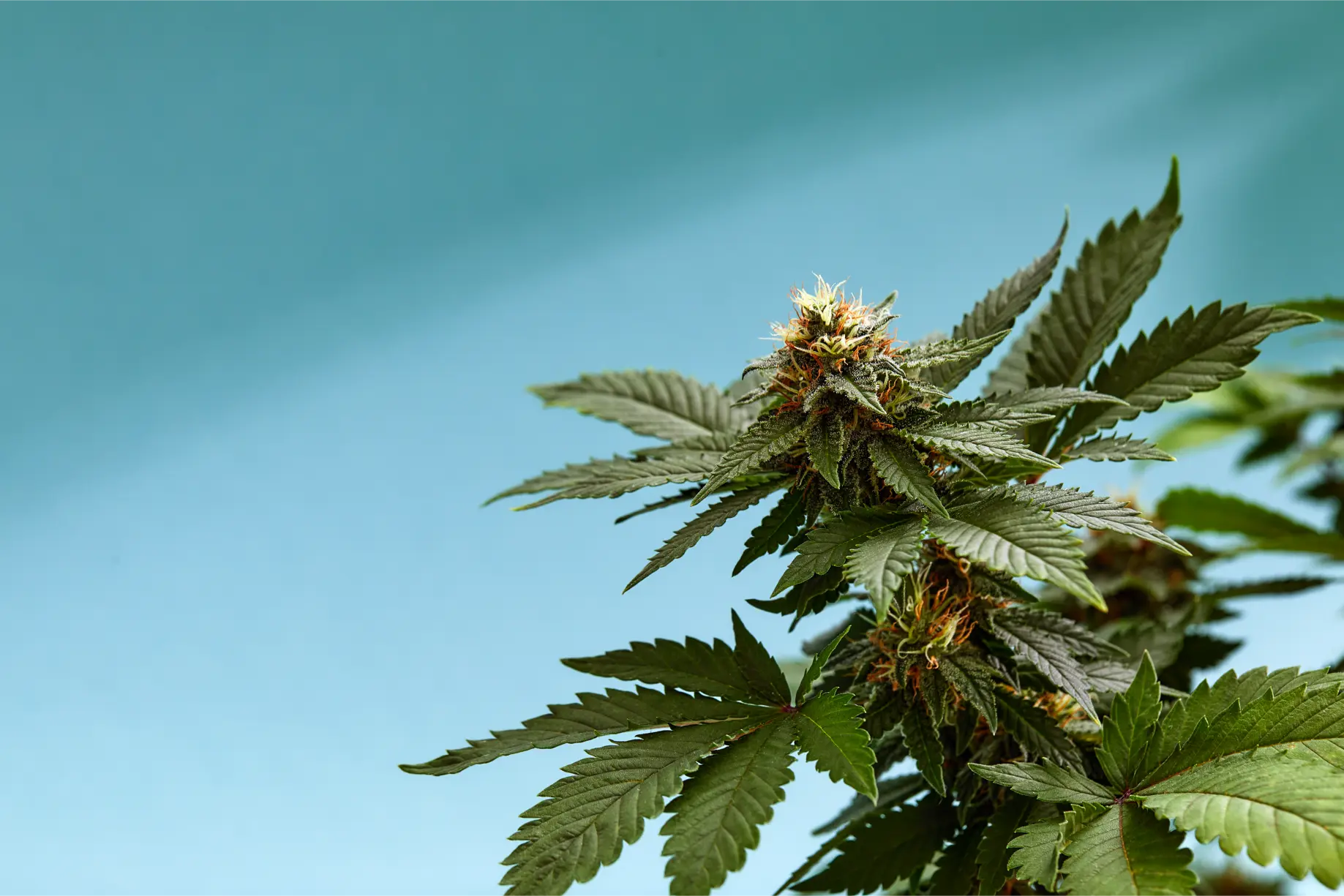
Bud Structure & Visual Appeal 9.6/10 Dense green, purple, and orange flowers with thick trichome coverage, swollen bracts, and a sticky compact finish.
Aroma Complexity 9.8/10 Layered profile of sweet cherry, lemon peel, mint, garlic, beef-broth-like umami, spice rack, earth, black pepper, and heavy diesel.
Flavor & Smoothness 9.4/10 Best after four to eight weeks integrates candy cherry, citrus, mint, garlic, broth-like umami, pepper, and smoother diesel and a slow dry.
Effects & High Experience 9.5/10 Moves from a happy euphoric rise, talkativeness, appetite interest, and a smooth release of accumulated stress toward strong full-limb relaxation, heavy eyelids, appetite, and a sedating direction that is best suited to evening at larger doses.
Overall Satisfaction & Recommendation 9.5/10 A strong choice for experienced evening consumers who enjoy savory gas and growers seeking a relatively cooperative plant with premium dense flower and strong post-harvest character.
Personal Closer: Cadillac Rainbows earns its place through character rather than one exaggerated number. The best flowers are structured, expressive, and worth the patience required to cure them properly.
FAQ
Is Cadillac Rainbows beginner-friendly?
It is manageable for an attentive beginner, but variable stretch, dense flowers, powerful odor, and late branch weight require advance planning.
What is its lineage?
The documented cross is Pure Michigan x Runtz, combining savory garlic-earth gas with candy, cherry, citrus, and mint.
How long does it flower?
Approximately 56-70 days indoors, with many selected cuts finishing close to 63 days. Use bract swelling, aroma, water demand, and calyx trichomes together.
How much does it stretch?
Usually about 1.5-2.1x. Vigorous hydroponic roots can push plants toward or beyond the upper end.
What training works best?
Top once, spread the main laterals, tuck through early stretch, clean weak lowers after architecture is visible, and support heavy tops before bulk.
Does it need heavy feeding?
No fixed heavy-feed rule is justified. Moderate complete nutrition with stable root-zone EC is safer than chasing stretch with concentration.
What is the main cultivation risk?
A crowded canopy combines hidden moisture, uneven light, branch contact, and difficult late inspection inside dense flowers.
Why does a batch taste harshly savory?
Late nitrogen, salt buildup, overheated tops, early harvest, or a fast dry can turn layered garlic-fuel into a bitter one-note exhale.
When should it be harvested?
When bracts are swollen and the aroma integrates cherry, lemon, and mint with garlic, pepper, earth, and diesel. Mostly cloudy resin preserves more lift.
How should it be dried?
On large branches in a cool, dark room with gentle air exchange and no direct fan. Dense flowers must lose moisture evenly.
What defines a keeper phenotype?
Predictable stretch, strong but accessible branching, clean dense flowers, and a cured aroma in which fruit, mint, savory funk, and fuel all remain distinct.
Is it suitable for daytime use?
Only at a small dose for tolerant users. The cheerful onset can develop into substantial body weight and reduced motivation.
Similar Strains
Pure Michigan
The direct parent reference emphasizes dark flower, garlic, earth, chemical fuel, density, and a heavier physical finish.
Runtz
Runtz explains the candy-cherry-citrus polish, minty lift, and the smoother euphoric beginning.
GMO
GMO shares rank garlic, savory depth, fuel, and long physical weight, usually with more stretch and less candy brightness.
Permanent Marker
Permanent Marker offers similarly dense premium flower and pungent chemical complexity, moving toward floral marker ink rather than broth-like umami.
Donny Burger
Donny Burger connects through savory meatiness, garlic, earth, and body-heavy potency with less cherry-candy contrast.
Glitter Bomb
Glitter Bomb shares dramatic resin and a bright-to-heavy effect arc, replacing Cadillac Rainbows’ garlic umami with dark grape, blueberry, lavender, and cocoa.
Share this article
A quick overview of the topics covered in this article.
Follow us
Latest articles
September 9, 2026

September 9, 2026

September 9, 2026