
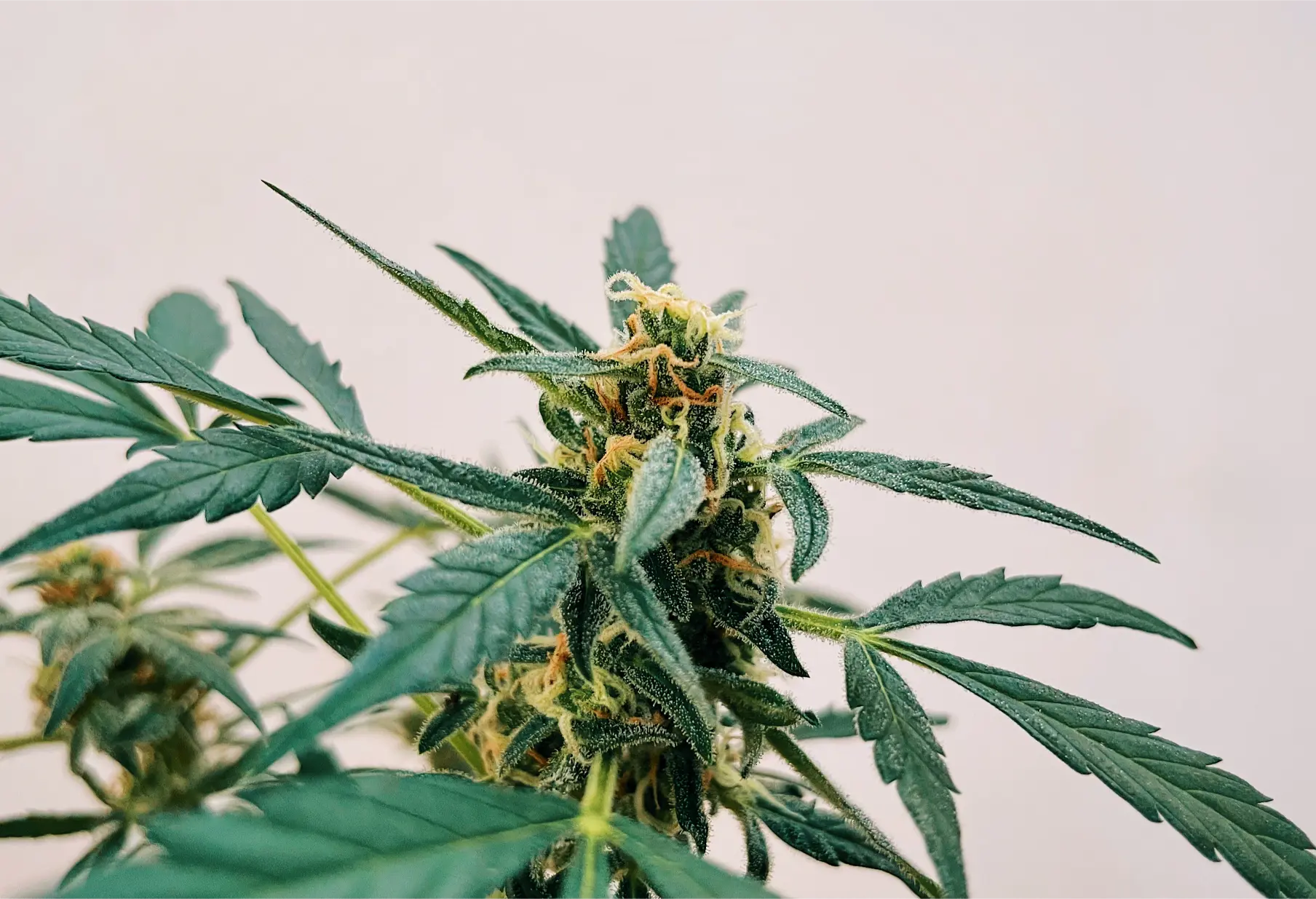
Black Tuna
Black Tuna – Strain Profile & Grow Guide
Black Tuna is a potent, indica-leaning hybrid known for compact resinous flowers, strong skunk, woody earth, diesel and a heavy physical finish. The name does not describe a fish-like aroma. The flower is usually pungent in a more familiar cannabis sense: damp forest floor, pepper, pine, fuel, old wood and dark herbal sweetness. Certain expressions add vanilla, floral spice or a faint candy note beneath the skunk.
The commonly documented lineage combines Herijuana with Lamb's Bread. That genetic contrast explains why Black Tuna can feel heavier than its first mental phase suggests. Herijuana contributes compact structure, dense resin and a narcotic body effect. Lamb's Bread contributes herbal brightness, cerebral lift and the possibility of more vertical growth in selected plants.
Public cultivation information is less consistent than it is for widely commercialized modern hybrids. Some records describe a squat, bushy plant. Others describe moderate stretch and medium height, while outdoor reports occasionally mention much taller plants. This should be treated as real phenotype and cut variation rather than solved by choosing the most convenient number.
The central cultivation question is how to manage a line that may express two different structural directions. A Herijuana-leaning plant can remain dense and compact. A Lamb's Bread-leaning plant may rise more strongly and create longer branches. Running both under one rigid canopy plan can reduce yield and increase humidity. Black Tuna rewards observation, phenotype separation and a full cure that allows woody skunk to develop into a more layered herbal-diesel profile.
Strain Features
| Feature | Details |
|---|---|
| Strain Type | Indica-leaning hybrid with a noticeable cerebral opening in some expressions |
| Genetic Profile | Herijuana x Lamb's Bread |
| Common Alias | Tuna Black |
| THC | Commonly reported from the high teens into the upper 20% range; batches vary widely |
| CBD | Usually low |
| Dominant Terpenes | Beta-caryophyllene, myrcene and pinene are commonly reported; limonene or terpinolene may lead in some samples |
| Flavor / Aroma | Skunk, wood, damp earth, diesel, pine, herbs, pepper and occasional vanilla or floral sweetness |
| Effect Character | Euphoric or creative opening followed by strong full-body relaxation and sleepiness |
| Flowering Time | Commonly around 8 to 9 weeks; some expressions may need additional time |
| Stretch | Moderate in many reports, but phenotype-dependent and potentially stronger in Lamb's Bread-leaning plants |
| Plant Architecture | Compact-to-medium frame with thick stems and dense lateral branching; taller expressions occur |
| Bud Structure | Compact, trichome-covered and often spear-shaped or chunky |
| Odor Intensity | High during late flower and drying |
| Feeding Behavior | Usually responds best to moderate nutrition and controlled late nitrogen |
| Mold Risk | Moderate when close internodes and dense colas restrict airflow |
| Grow Difficulty | Intermediate, with additional difficulty when phenotype behavior is unknown |
| Best Time of Use | Evening or nighttime for most users |
Genetic Lineage
Black Tuna combines Herijuana with Lamb's Bread, two lines associated with very different effects and plant behaviors.
Herijuana contributes the heavier side. It is known for dense indica structure, resin, earthy spice and a strong body effect. In Black Tuna, this influence may appear as short internodes, thick stems, broad leaves, compact colas and deep physical sedation.
Lamb's Bread contributes Jamaican sativa influence. It can add herbal sweetness, cerebral lift, social energy and more open branching. A Lamb's Bread-leaning Black Tuna may stretch more strongly and show longer internodes or a more upright canopy.
The combination creates a cultivar that can begin with mental brightness and finish with substantial physical weight. It also explains why classification varies. Some sources call Black Tuna balanced, while others describe it as strongly indica-dominant. The lived effect is often indica-leaning, but the genetic expression is more complex than one percentage.
Phenotype variation affects the grow room. Compact plants may form a broad, dense bush that needs interior thinning. Taller plants may require an earlier flip and more vertical support. A uniform screen can become difficult if both types are grown together.
Aroma also follows the lineage. Herijuana-leaning plants emphasize earth, wood, pepper and skunk. Lamb's Bread influence may bring brighter herbs, pine, citrus or floral sweetness. Certain phenotypes produce a faint candy or vanilla note that appears only after cure.
The flowers are generally compact and resinous. Some plants produce thick spear-shaped colas, while others form rounded clusters. Resin can cover surrounding sugar leaves, giving the plant a greasy or sparkling appearance before full maturity.
The exact origin story and selected cut can vary across records. The cultivar became associated with Canadian medical cannabis culture, but the publication article should focus on the plant rather than promotional history. For growers, the important point is that Black Tuna is not a fully standardized seed-line experience. The exact plant should be documented.
Why Black Tuna Requires More Record Keeping Than a Standardized Modern Cut
Black Tuna has a recognizable reputation, but the public cultivation record is smaller and less uniform than it is for widely distributed commercial hybrids. Similar names and local selections can circulate without identical structure. The most responsible approach is to treat the plant in front of the grower as the final authority while using the common Herijuana and Lamb's Bread account as a working genetic framework.
This uncertainty does not make the cultivar impossible to understand. Several patterns repeat: potent resinous flower, strong skunk and earth, an evening-oriented finish and meaningful variation between compact and more upright expressions. What should remain flexible are exact height, stretch, flowering date, terpene dominance and yield.
Record the plant from vegetative growth onward. Useful observations include leaf width, internode length, stem rub, branch angle, recovery after topping, transition stretch, water use after week five, flower shape and the date when calyx production begins to slow. These records make the second run far more predictable than any general label.
Herijuana-Leaning and Lamb's Bread-Leaning Expressions
A Herijuana-leaning plant commonly stays broader and denser, with closer nodes, thicker leaves and an earlier physical heaviness in the finished effect. The aroma may emphasize wet earth, dark wood, skunk, hash and pepper. These plants can create a crowded interior even when their final height is modest.
A Lamb's Bread-leaning expression may produce narrower leaves, more vertical branching and a brighter herbal, pine or floral edge. The effect can begin with more mental energy before the body weight appears. These plants may need an earlier flip and higher support.
The categories are not rigid. Many plants combine a compact lower frame with several long upper branches, or dense flowers with a surprisingly bright aroma. The value of the two-lane model is practical: it reminds the grower to expect variation and to avoid forcing every plant through one canopy plan.
Keeper Selection Should Include the Late Effect
Black Tuna can feel impressive immediately because the first cerebral change is strong. The keeper should also be evaluated two hours later. Some expressions maintain a warm, useful calm. Others become very sedating, foggy or heavy the next morning when consumed late.
Cured flavor matters as much as potency. A powerful plant that tastes only woody may be less desirable than a slightly less forceful expression that preserves pine, herbs, vanilla or floral sweetness. The best keeper should match the intended use, not simply produce the darkest flower or strongest first hit.
Effect Breakdown
Black Tuna often produces a two-part effect in which a mild cerebral lift leads into a much heavier body phase.
The Opening Window
The first minutes can feel euphoric, creative or socially warm. Users may notice a lift in mood and a stronger appreciation of music or conversation. This phase is the Lamb's Bread side showing through the heavier structure.
The mental effect is rarely as fast or electric as a pure tropical sativa. It feels grounded from the beginning. The user may become calm and engaged rather than intensely energized.
Mental Pressure and Emotional Quiet
As the effect develops, thought speed often slows. Worry may feel less urgent. The strain can create a quiet mental space that some users find useful for ending the day.
At a moderate dose, creativity may remain available. The user can become absorbed in one activity while ignoring distractions. At higher doses, memory and task organization decline.
Physical Heaviness
The body effect becomes increasingly strong. Tension in the neck, jaw and shoulders may feel reduced. Limbs become heavier and movement less attractive.
Some users report a numbing or pressure-like sensation. This makes the cultivar popular for evening relaxation, but it also means the strain can interfere with coordination.
Sleepiness and Late Phase
Sleepiness often appears after the initial euphoria fades. The cultivar can become deeply sedating in high-potency batches or when harvested late. Users may remain awake mentally while feeling physically unwilling to move.
The late phase can continue for several hours. A heavy dose may leave grogginess after the main effect fades.
Dose and Phenotype Variation
A Lamb's Bread-leaning phenotype may preserve more mental lift and herbal clarity. A Herijuana-leaning plant may feel heavier from the start. Harvest timing also changes the balance.
Earlier flower may feel brighter and less sleepy. Additional maturity deepens earth, body weight and sedation. The difference should be evaluated on the exact cut rather than assumed.
Common unwanted effects include dry mouth, dry eyes, dizziness and anxiety from excessive dosing. Black Tuna is not ideal for new consumers because its body effect can become powerful after a deceptively pleasant opening.
Dose and Timing Create Two Different Black Tuna Experiences
At a small dose, the cultivar can feel unexpectedly bright. The user may notice improved mood, stronger music appreciation and a focused inward quality. The body remains present but not yet heavy. This window can suit a quiet evening activity.
At a moderate dose, the effect becomes more obviously hybrid. Mental urgency decreases while the limbs feel warmer and slower. Conversation may remain comfortable, but complex planning and quick recall become less reliable.
At a high dose, Herijuana-like sedation can dominate. Standing, coordination and motivation may decline. The experience may end in sleep, and some users report residual heaviness the next morning. The difference between these dose levels can be larger than the strain's simple indica label suggests.
Tolerance and harvest maturity influence the result. Earlier flower may preserve more herbal brightness, while later flower usually strengthens the body phase. Users prone to dizziness or anxiety should allow the first dose to develop fully before adding more.
Flavor & Aroma Profile
Black Tuna's aroma is usually strong, dark and herbal. A jar may release skunk, damp wood, forest soil, diesel and pepper. Some phenotypes add pine, citrus peel, vanilla or lavender-like floral notes.
The name can lead users to expect fish. Healthy Black Tuna flower should not smell like spoiled seafood. Its pungency is more accurately described as skunk, earth, fuel and old wood.
Breaking the bud increases the diesel and spice. Resin warms under pressure, releasing a deeper herbal musk. Certain flowers show a candy-like sweetness behind the gas, but this is not universal.
The inhale is commonly earthy and woody. Pine and herbs may appear first. The exhale becomes skunky, peppery and fuel-heavy. A well-cured sample can leave a faint floral or vanilla note after the darker flavors fade.
Black Tuna benefits from a patient cure. Recently dried flower may feel harsh and one-dimensional. Several weeks allow the skunk, wood and herbs to become smoother and reveal the sweeter secondary layer.
Excess nitrogen can make the smoke greener and thicker. Root-zone salts may add a hot mineral edge. The cultivar is naturally pungent, but natural pungency should not be confused with poor smoothness.
Heat removes floral, citrus and vanilla notes before earth and skunk. A warm dry produces a strong-smelling batch that lacks nuance. Stable temperature and indirect air protect the more delicate Lamb's Bread contribution.
Outdoor flower may develop stronger wood, herbs and soil. Indoor flower often presents cleaner pine, vanilla and diesel. The final quality depends more on climate and cure than on the environment label.
The Aroma Should Be Dark, Not Lifeless
Healthy Black Tuna can smell like old wood, damp forest soil, skunk, pine resin and dried herbs. The profile is dark but should retain movement. Grinding the flower should reveal a fresher note, such as green pine, pepper, vanilla, floral herbs or fuel.
A flat cellar smell with no fresh release can indicate poor drying or storage. Localized sourness, soft tissue or an odor that appears only in one cola can indicate damage. The strain's earthy reputation should never be used to excuse a stagnant smell.
The inhale is often smoother than the jar suggests. Hash, wood and subtle sweetness may appear first. The exhale becomes more skunky and peppery. A clean cure leaves the palate dry and resinous rather than hot or mineral.
Outdoor-grown flower may show more soil, herbs and pine. Indoor flower can preserve cleaner vanilla, floral and fuel details. Neither environment guarantees better quality. The decisive variables are flower health, late temperature and drying control.
Dominant Terpenes
Black Tuna samples show variable terpene profiles. Beta-caryophyllene, myrcene and pinene are common, while some records emphasize limonene or terpinolene.
| Terpene | Flavor and Aroma Role | Possible Contribution to the Experience |
|---|---|---|
| Beta-Caryophyllene | Pepper, dry spice, wood and warm skunk | May contribute to the grounded body character, though one terpene does not determine the effect |
| Myrcene | Damp earth, musk, ripe herbs and depth | Often associated with the heavy physical finish in some samples |
| Pinene | Pine needles, fresh wood and herbal sharpness | Helps create the forest-like aroma and may add brightness |
| Limonene | Citrus lift and cleaner-like brightness | Can support the euphoric opening and lighter secondary flavors |
| Terpinolene | Fresh herbs, flowers, wood and complex sweetness | May be prominent in more Lamb's Bread-influenced samples |
| Minor sulfur and ester compounds | Skunk, fuel, candy and floral nuance | Likely shape the cultivar's specific pungency beyond the major terpene list |
Beta-caryophyllene often creates the peppery backbone. It connects the woody aroma to the physical heaviness and remains noticeable after over-drying.
Myrcene deepens earth and musk. High-myrcene samples may feel particularly sedating, although cannabinoid content and dose are more important than a single terpene.
Pinene contributes fresh wood and forest sharpness. It can keep the profile from feeling entirely damp or heavy.
Limonene and terpinolene may explain why certain Black Tuna expressions feel brighter and more herbal than expected. These compounds are more vulnerable to heat and oxygen.
The practical goal is to preserve the lighter herbal, pine and floral notes above the skunk-earth base. Without them, the flower remains strong but less complex.
Terpene Results Should Be Treated as Batch Information
Available laboratory profiles for Black Tuna are not uniform enough to support one permanent dominant-terpene claim. Some samples emphasize myrcene and beta-caryophyllene, while others show more terpinolene or pinene. The changing results are consistent with phenotype and market variation.
For the grower, aroma and plant behavior are more useful than trying to force the crop toward a listed terpene. A pine-herbal plant may naturally express a different balance from a dark-earth phenotype. Stable temperature, healthy roots and a careful cure protect the existing chemistry. They do not transform one phenotype into another.
The strain's skunk and heavy savory depth likely involves compounds beyond the most abundant laboratory terpenes. This is why two samples with similar headline terpene names can still smell noticeably different.
Indoor vs. Outdoor Growing
| Decision Point | Indoor Growing | Outdoor Growing |
|---|---|---|
| Phenotype Control | Different structures can be separated, trained and flipped individually | Root space can amplify differences between compact and tall plants |
| Height | Compact-to-medium plants suit many rooms; taller phenotypes need early flips | Some plants can become wide and tall with long vegetative growth |
| Canopy Density | Close internodes require interior pruning and selective defoliation | Wide spacing and natural wind help, though dense bushes still need opening |
| Flower Health | Controlled late humidity protects compact resinous colas | Rain and dew can remain inside spear-shaped flowers |
| Odor | Strong air handling is required during bloom and drying | Odor can travel far and should be considered in privacy planning |
| Support | A net helps organize mixed branch structures and late weight | Cages and stakes protect branches from wind and flower mass |
| Harvest | Indoor control allows each phenotype to finish separately | Outdoor harvest may need to be staged around weather and phenotype maturity |
| Best Fit | Intermediate growers willing to document and separate expressions | Dry temperate climates with privacy and a reliable autumn |
Indoors, Black Tuna's main advantage is the ability to manage phenotype differences. Compact and taller plants can be placed in separate zones or elevated to create an even canopy.
The indoor challenge is close internode density. A plant can remain below the light while creating a dark, humid center. Airflow and visibility matter more than final height alone.
Outdoors, Black Tuna can perform well in a temperate dry climate. Large root volume may increase both size and structural variation. Early topping and branch support help control the plant.
Outdoor reports occasionally describe taller plants. Growers should not assume a squat result. Privacy, odor and legal compliance should be planned for a larger-than-expected plant.
Late-season humidity is the major outdoor risk. Dense flowers need inspection after rain and dew. A protected structure must remain ventilated.
Strain-Specific Grow Guidance
Identify the Structural Lane Early
During vegetative growth, compare internode length, side-branch angle and recovery after topping. A compact Herijuana-leaning plant will build density quickly. A Lamb's Bread-leaning plant may continue rising and spacing nodes farther apart.
Mark the plants and document them. Treating both structures identically creates either overcrowding or wasted space.
Use One Early Topping as a Test
One topping reveals branch vigor. Compact plants may produce a wide set of close laterals. Taller plants may send several upright branches rapidly toward the light.
Avoid repeated topping until the response is clear. The compact phenotype can become too dense, while the tall phenotype may lose valuable recovery time.
Separate Phenotypes Physically When Possible
If multiple structures are present, place them in separate canopy zones. Use platforms or individual training rather than forcing every plant into the same screen position.
This allows the grower to flip tall plants earlier and compact plants after additional vegetative development.
Leave Adjustable Screen Space
A rigid fully filled screen is risky with unknown Black Tuna plants. Leave open space and continue tucking during transition.
Use the net as a guide. Compact plants should not be stretched unnaturally across a large area, and taller plants should not be allowed to rise through every gap.
Remove Interior Shoots From Compact Plants
Herijuana-leaning plants can produce many close shoots near the stem. These sites remain shaded and humid. Remove them before flower set is advanced.
A clean lower and central zone improves air movement and makes dark flowers easier to inspect.
Thin Taller Plants Differently
A more open Lamb's Bread-leaning plant may not need the same level of defoliation. Focus on branches that cross, leaves that block several sites and lower growth that cannot reach the canopy.
Uniform defoliation across different phenotypes ignores their actual structure.
Keep Nitrogen Under Control During Transition
Black Tuna can remain dark green. Excess nitrogen makes compact plants especially leafy and delays clean flower definition.
Begin reducing vegetative nutrition as stretch slows. Watch for clawing, glossiness and slow water use rather than waiting for severe burn.
Maintain Root-Zone Oxygen
Compact broad-leaf plants are easy to overwater because their leaves naturally look heavy. Use container weight and drying pattern.
Taller plants may drink faster during stretch. Each phenotype may require a different irrigation frequency even in the same room.
Avoid One Shared Irrigation Assumption
If plants differ in size and structure, they may not dry together. Watering all containers on the same schedule can leave compact plants saturated while taller plants become dry.
Group plants by demand or adjust individual volumes. Uniformity should be earned by similar behavior, not imposed by convenience.
Build Air Lanes Before Resin Appears
Once the flowers become sticky, late pruning becomes more disruptive. Remove weak growth and open the center before heavy resin production.
Air should move under the canopy and rise between main colas. Surface fan movement is not enough if the center remains stagnant.
Support Spears and Wide Branches Differently
Spear-shaped colas may need vertical support along the branch. Rounded clusters may need outward branch support. Use soft ties or netting appropriate to the structure.
Prevent colas from leaning into one another. Contact points create hidden moisture.
Inspect Dark Flowers From Multiple Angles
Dark green or purple tissue can hide discoloration. Look at the stem side and gently separate leaves from the flower surface.
Early warning signs include localized softness, stale odor, gray-brown bracts or tissue that detaches too easily.
Protect Herbal Brightness From Heat
The lighter Lamb's Bread notes are more fragile than Herijuana earth and skunk. High late-flower temperature can leave a heavy but one-dimensional result.
Maintain stable canopy temperature and avoid chronic top-zone stress. Cooler healthy nights may support aroma and color, but severe cold is unnecessary.
Use Maturity Signals for Each Plant
Different phenotypes may finish at different times. One plant may color and swell early, while another continues producing fresh pistils.
Evaluate calyx swelling, pistil slowdown and calyx trichomes plant by plant. A staged harvest is more accurate than cutting the room on one date.
Prepare the Dry for Different Cola Shapes
Compact rounded buds and long spears lose moisture differently. Grade branches by size and structure. Large spears may need division, while smaller branches can remain intact.
Use indirect airflow and monitor nighttime humidity. The dark woody aroma should become smoother, not stale.
Match Training to the Phenotype's Actual Recovery Speed
Compact Black Tuna plants can tolerate one early topping, but repeated cutting may create a knot of short branches. The plant then spends the transition filling the center instead of extending into clean separated tops. A taller phenotype may recover quickly and still require an early flip.
After the first topping, wait long enough to compare the new leaders. If they rise evenly and create useful spacing, continue with gentle branch spreading. If several short shoots stack at the same height, remove the weakest rather than topping again.
Control Root Moisture in the Compact Phenotype
Broad compact plants can shade the container surface and use water more slowly after stretch. The leaves may remain dark and heavy, which makes it difficult to distinguish natural posture from saturation. Lift or weigh the container, observe the interval between irrigations and compare morning recovery.
A root zone that remains wet for too long can create pale lower tissue, reduced aroma and stalled calyx expansion. The correct response may be more oxygen and a longer interval, not additional feed. Avoid large containers that remain saturated simply because the plant is physically short.
Taller expressions may dry faster due to greater leaf area and branch length. This is another reason mixed phenotypes should not share one automatic irrigation schedule.
Use Moderate Nutrition and Allow a Controlled Fade
More feed is not automatically more quality
Black Tuna's dark leaves can become almost blue-green under excessive nitrogen. The close internodes then become even leafier and the flowers are harder to inspect. Use enough nitrogen for healthy expansion, then reduce it as the stretch slows.
Late feeding should follow water use. If the plant drinks less, maintaining the same concentration and volume can increase root-zone salts. Burned tips, clawing and an increasingly harsh skunk smell are reasons to investigate the root zone rather than pushing more bloom nutrition.
A gradual late fade is acceptable when the flowers continue swelling and the root zone is healthy. Do not keep every fan leaf dark until harvest at the expense of airflow and smoothness.
Inspect Dark Colas From More Than One Angle
Dark purple or brown-green flower can conceal damaged tissue. Inspect the stem side, the underside of leaning tops and points where leaves enter the flower. A sugar leaf that wilts suddenly or pulls free with little resistance deserves immediate investigation.
Use clean hands and minimal pressure. The goal is to feel for unusual softness and view the interior without crushing resin. Mark the largest colas and check them after humid nights or irrigation changes.
Support the Taller Lane Before the Branches Harden
Lamb's Bread-leaning plants can develop longer upper branches than the early indica classification predicts. Install stakes or a loose net before the stems become rigid. Support at the branch, not around the flower.
Compact plants may need support later, when dense tops begin leaning outward. A modular system of individual ties works better than forcing both phenotypes into one tight second screen.
Harvest Each Phenotype on Its Own Evidence
Mixed Black Tuna plants may not finish together. The compact dark plants can appear ready first because of color and resin, while calyxes continue swelling. A taller herbal plant may show fresh pistils longer even when its trichomes are developing well.
Use calyx trichomes, pistil production, flower shape and aroma together. Earlier harvest usually preserves more cerebral brightness and pine. Later harvest strengthens earth, hash and sedation. The intended user experience should influence the final window.
Weedth Bud Flavor Tips
The best Black Tuna flavor combines skunk, wood and earth with pine, herbs and a faint sweet or floral return. The lighter layer is easy to lose.
Protect late-flower aroma by maintaining stable temperatures and avoiding severe drought. Stress can flatten herbal complexity and increase harshness.
Outdoor flowers should be cut after dew dries and moved immediately into shade. Do not transport wet branches in dense piles.
Dry medium branches with indirect circulation. Spear-shaped colas may require division if the core is thick. The outside should not become crisp before the center equalizes.
The early cure can smell strongly skunky and woody. Pine, vanilla or floral notes may appear after several weeks. Do not judge the final flavor immediately after drying.
Use smaller storage containers and keep them cool and dark. Repeated oxygen exposure removes the lighter Lamb's Bread notes first.
Handle resinous flowers gently. Rough trimming and repeated squeezing release aroma and remove trichome heads.
Build the Drying Plan Around Flower Shape
Compact phenotypes often produce thick clustered flowers, while taller expressions may produce longer spears. These shapes release moisture differently. Separate them during harvest and drying rather than assuming one branch test represents the full crop.
Large clustered tops may need to be divided. Long spears should be spaced so air can reach both sides without blowing directly on the surface. The objective is a gradual, even moisture decline.
A sealed test helps distinguish normal skunk intensity from moisture problems. Healthy flower may become louder and earthier as internal moisture redistributes, but it should not become hot, sour or soft in one localized area. Return overly soft samples to the drying space promptly.
The cure can reveal the Lamb's Bread side slowly. Pine, floral herbs or vanilla may not become obvious until the dominant skunk and wood soften. A fast dry removes those lighter notes permanently.
Protect the Herbal Layer During Storage
Use small, cool, dark containers after the cure stabilizes. The skunk and earth may remain loud even after the fresh herbal fraction has degraded, giving the false impression that the flower is fully preserved.
Open only the container being used. Avoid repeatedly exposing the entire harvest to room air. Handle the flower by the stem or base when possible because the resinous surface releases aroma and trichome heads easily.
Weedth Bud Boost Tips
Black Tuna yield depends on matching training to phenotype. A compact plant should not be forced to fill the same area as a taller plant, and a taller plant should not be crowded into a small square.
Indoors, separate structural types and create individual canopy plans. This increases uniform light exposure and reduces humidity.
Remove weak lower sites before flower set. Compact plants can produce many resinous but underdeveloped interior buds. A shallow productive zone improves premium percentage.
Maintain moderate nutrition and healthy roots. Dark leaf color does not mean the plant needs stronger feed. Salt stress reduces smoothness and slows water use.
Support branches early. Dense flowers gain weight quickly in the final weeks. A net or soft ties prevent leaning and maintain airflow.
Outdoor growers should top early and install a cage before the plant becomes large. Root volume can produce substantial size and branch leverage.
Do not chase dark coloration with severe cold. Healthy maturation and aroma are more important than maximum purple.
Harvest each phenotype when mature. A staged harvest protects quality and can reduce the amount of wet material entering the drying room at one time.
Premium Yield Comes From Phenotype-Specific Space
A compact plant does not automatically need more neighboring plants. Its dense lateral growth may already occupy a large volume near the stem. Give each main branch enough circumference for air and inspection.
A taller plant can cover more horizontal screen after stretch, but it should not be bent repeatedly into the compact plants. Separate canopy zones allow both structures to use light efficiently.
Removing weak interior sites is particularly valuable for the compact phenotype. Those buds can become resinous but remain soft and difficult to dry. Fewer clean tops increase the proportion of usable flower even when total wet weight is slightly lower.
For outdoor plants, build support before the final flower mass. A cage with open access is preferable to dense netting that blocks inspection. Wind protection should not eliminate air movement.
Do not force yield with high nitrogen or late salts. Black Tuna already has a strong sensory profile, and harsh cultivation can hide inside the skunk. Healthy roots, sufficient light, mature harvest timing and a controlled dry create the best quality return.
Medical Uses & Benefits
Black Tuna is commonly selected for strong evening relaxation, stress reduction and the temporary reduction of physical discomfort. These are reported experiences, not guaranteed treatments.
The initial euphoria may help some users move away from low mood or repetitive worry. The effect can feel creative or emotionally lighter before the body becomes heavy.
The later physical phase is the main reason users choose the cultivar. Muscles may feel relaxed and bodily discomfort less dominant. This does not establish a specific analgesic effect.
Sleepiness is common, especially at higher doses. Users may prefer the strain before bed or after demanding activity. The initial mental lift means timing can still matter.
Appetite may increase. Dry mouth and dry eyes are common. Dizziness can occur because the body effect is strong.
People with low tolerance should approach carefully. The cultivar can feel pleasant at first and become substantially heavier after the dose is already taken.
Black Tuna should not be described as curing or treating a disease. Medical use requires qualified advice and product-specific information.
A Cautious Interpretation of Reported Benefits
The cultivar is often chosen for evening stress, physical tension, appetite and sleep preparation because the later phase can be deeply relaxing. These reports describe user experience rather than a predictable medical outcome.
The initial cerebral lift matters. A person using it only for sleep may find that a small dose feels mentally active before the body settles. Timing and dose should therefore be tested cautiously. A larger dose is not automatically a better sleep strategy because dizziness, anxiety or next-day grogginess may increase.
People using medications, managing serious symptoms or reacting strongly to THC should seek qualified medical guidance. Black Tuna is generally THC-dominant and is not a substitute for professional care.
Ideal User Profile
Black Tuna suits experienced users who enjoy skunk, wood, earth and fuel with a heavy evening effect. It is well matched to quiet nights, music, films and sleep preparation.
A moderate-dose user may appreciate the initial creativity and euphoria. A high-dose user should expect reduced movement and possible sedation.
Flavor-focused users should look for a cut that retains pine, herbs or vanilla behind the skunk. A purely earthy sample may be less complete.
Growers should choose Black Tuna when they are comfortable documenting phenotype variation and adjusting canopy plans. The strain is less predictable than a uniform modern clone line.
It is less suitable for low-tolerance consumers, weak odor control or humid outdoor finishes. It is also a poor choice for growers who insist on treating every plant identically.
Who Is Most Likely to Appreciate Black Tuna
The ideal user values dark skunk, wood and herbs more than dessert sweetness. They want a strong evening progression that begins with mood elevation and ends with serious physical calm.
It can suit a quiet music session, a familiar social setting or the final hours of the day. It is less appropriate before complex work, driving, unfamiliar crowds or activities requiring coordination.
Low-tolerance users may find the first impact and late heaviness difficult. Experienced consumers should still begin below their usual dose when trying an unfamiliar batch because phenotype and harvest maturity can change the balance substantially.
Growers are a good fit when they enjoy observation and record keeping. Someone who wants every plant to fit one fixed schedule may find phenotype variation frustrating. A grower willing to separate structures can learn a great deal from the cultivar.
Grower Notes and Feedback
Grower reports consistently describe compact resinous flowers and strong odor. Plant structure is less consistent, ranging from squat and bushy to moderate stretch.
Phenotype separation is one of the most useful strategies. Mixed structures under one net create uneven light and irrigation demand.
Compact plants often need more interior thinning than expected. Their short height can hide a dense central zone.
Taller plants may require an earlier flip and additional support. They can preserve more herbal and cerebral traits.
Feeding should remain moderate. Dark leaves and close internodes make excess nitrogen especially problematic.
Flowering time commonly falls around eight to nine weeks, but individual plants should be evaluated separately.
The cure improves the profile significantly. Fresh flower can smell harshly skunky and woody. Several weeks may reveal pine, floral sweetness or vanilla.
The effect is repeatedly described as potent and evening-oriented. Many users report a pleasant cerebral opening followed by strong relaxation and sleepiness.
Additional Grower Pattern: One Harvest Date Can Hide Two Different Plants
A repeated mistake is choosing a single harvest day because all plants share the same name and flip date. Compact Black Tuna expressions may have dense mature-looking flowers while still producing new calyxes. Taller expressions may keep white pistils longer but already have mostly cloudy calyx trichomes.
The better method is to mark each plant and create an individual maturity record. Photograph the same cola every few days, note the decline in new pistils and compare aroma. Harvest can then be staged without treating variation as failure.
Another pattern concerns drying. The compact phenotype often needs more preparation before hanging because the flower clusters are thicker. The taller plant may dry faster along its long branches. Combining both in one tight drying area makes the end point difficult to judge.
Weedth Editor's Note
How I would judge the finished flower
The grower started four plants and assumed the indica-leaning reputation meant all four would remain short. During vegetative growth, three plants developed close internodes and broad leaves. The fourth produced narrower leaves, longer side branches and more vertical space between nodes.
The different plant was topped a second time in an attempt to keep it equal with the others. The three compact plants were also allowed a longer vegetative period so the entire screen would fill at once.
After the flip, the problem reversed. The taller plant recovered quickly and stretched through the screen despite the second topping. The compact plants barely extended and became increasingly dense beneath the net.
The grower continued tucking the tall plant while removing leaves from the short plants. By week three, the canopy looked flat from above, but the structure underneath was poor. The compact plants had too many interior shoots, and the tall plant had several bent branches crowded into neighboring squares.
Irrigation became uneven. The taller plant dried sooner, while the compact plants remained wet longer under their dense leaf mass. Watering all four together meant one plant was thirsty or three were too wet.
The harvest was usable, but the results were divided. The taller phenotype produced more open spears with brighter herbs and pine. The compact plants produced denser, heavier flowers but more small interior buds. One compact plant showed a soft spot where two colas touched.
The second cycle used clones from the best compact and tall plants, but they were placed in separate zones. The tall phenotype was flipped earlier and spread across a wider area. The compact phenotype received more vegetative time, fewer branches and a more open center.
Each plant was irrigated according to its own drying pattern. The tall plant received earlier support. The compact plant received more interior cleanup before flower set.
The final canopies were not identical in shape, but they were equal in productive height and light exposure. The compact plant produced clean dense flowers. The tall plant retained its herbal-skunk character without being forced through repeated bends.
The lesson is that canopy uniformity does not mean making every plant behave the same. It means creating an environment where different structures receive appropriate space, light, water and support.
My editorial view is that Black Tuna should be observed before it is standardized. The Herijuana and Lamb's Bread contrast can appear in the plant as clearly as it appears in the effect. The grower who respects that contrast gets better flower from both expressions.
Weedth Score
Growing Experience 8.0/10 Rewarding but less predictable when multiple phenotypes are grown together
Bud Structure & Visual Appeal 9.0/10 Compact, resinous and often dark with strong classic bag appeal
Aroma Complexity 8.9/10 Skunk, wood, earth, pine, herbs, diesel and occasional sweetness create depth
Flavor & Smoothness 8.4/10 Rich after cure; warm drying leaves a harsher woody-skunk result
Effects & High Experience 9.0/10 Pleasant cerebral lift followed by strong body relaxation and sleepiness
Overall Satisfaction & Recommendation 8.7/10 A powerful cultivar for experienced users and phenotype-aware growers
Growing Experience – 8.0/10: Black Tuna can be straightforward as a known clone. Seed-grown or mixed expressions require observation, individual irrigation and different training.
Bud Structure & Visual Appeal – 9.0/10: Compact trichome-covered flowers and possible dark color create strong appearance. Some expressions may be less uniform.
Aroma Complexity – 8.9/10: The cultivar combines classic skunk, wood and earth with pine, herbs and occasional sweet notes. The profile is memorable but not universally refined.
Flavor & Smoothness – 8.4/10: A patient cure improves the smoke significantly. Rapid drying leaves the profile rough and one-dimensional.
Effects & High Experience – 9.0/10: The cerebral-to-physical progression is powerful and satisfying for evening use. The intensity is a limitation for beginners.
Overall Satisfaction & Recommendation – 8.7/10: Black Tuna offers strong character, resin and effect. It is recommended for growers who value lineage contrast and can manage variation.
I would keep Black Tuna for the way herbal brightness sinks into woody body weight, but I would never force a tall Lamb's Bread-leaning plant and a compact Herijuana-leaning plant into the same training schedule.
The scores recognize Black Tuna's unusual personality and strong effect while deducting for identity uncertainty and phenotype-dependent room planning. Its best qualities are not convenience. They are depth, resin and a memorable transition from herbal cerebral lift to dark physical calm.
FAQ
What is Black Tuna's lineage?
Black Tuna is commonly documented as Herijuana crossed with Lamb's Bread. Herijuana contributes heavy indica structure and sedation. Lamb's Bread contributes herbal lift and cerebral energy.
Why is it called Black Tuna?
The name is historical and does not mean the flower smells like fish. The aroma is usually skunky, woody, earthy, herbal and fuel-like.
Is Black Tuna an indica or a sativa?
It is generally described as an indica-leaning hybrid. The effect often begins with euphoria or creativity and becomes heavily relaxing.
How much does Black Tuna stretch?
Moderate stretch is commonly reported, but phenotype variation is meaningful. Lamb's Bread-leaning plants may grow taller than compact Herijuana-leaning plants.
How long does Black Tuna flower?
Many expressions finish around eight to nine weeks. Some may need additional time. Evaluate each plant by calyx and trichome maturity.
Is Black Tuna difficult to grow?
A known cut can be manageable. Multiple or unknown phenotypes increase difficulty because height, irrigation demand and finish time may differ.
Does Black Tuna need topping?
One early topping can reveal branch behavior and create a useful frame. Repeated topping should depend on the specific plant rather than the strain name.
Is Black Tuna prone to mold?
Dense flowers and close internodes can create humidity risk. Keep the center open, separate colas and inspect dark flowers from the stem side.
Why does my Black Tuna taste mostly woody?
The phenotype may be earth-dominant. Heat, rapid drying and insufficient cure can also remove pine, floral or sweet notes while leaving wood and skunk.
Is Black Tuna suitable for beginners?
The potency is not beginner-friendly, and unknown plant variation can challenge new growers. It is better suited to experienced consumers and intermediate cultivators.
How can I tell normal Black Tuna funk from bud rot?
Normal aroma should be distributed across healthy firm flowers and become fresher when the bud is opened. Localized stale smell, unusual softness, gray-brown tissue or a sugar leaf that pulls free easily requires immediate inspection.
Why are different Black Tuna plants drinking at different rates?
Compact and taller phenotypes can have different leaf area, root volume and transpiration. Water each container according to its actual dryback rather than one shared calendar.
Should Black Tuna be grown from several plants or one known clone?
A known clone is more predictable. Several seed-grown or unverified plants can be valuable for selection, but the grower should expect different heights, finish times and aroma directions.
Can Black Tuna be harvested outdoors in stages?
Yes. Staged harvest can protect mature dense tops before rain while allowing healthy less-developed branches additional time. Every remaining flower should be inspected after weather changes.
Does dark color mean Black Tuna is mature?
No. Color is phenotype and environment dependent. Use calyx swelling, reduced new pistils and trichomes on calyx tissue to judge maturity.
Why is my Black Tuna effect more cerebral than expected?
A Lamb's Bread-leaning phenotype, earlier harvest, lower dose or personal response can preserve more mental energy. The body phase may still develop later.
Similar Strains
Herijuana: Shares dense structure, earth, spice and strong physical sedation. Herijuana is usually heavier and less mentally bright.
Lamb's Bread: Provides herbal uplift, creativity and a more open plant structure. It is much more energetic and less physically heavy than Black Tuna.
Bubba Kush: Offers compact growth, earthy sweetness and evening relaxation. Bubba Kush is generally softer and more coffee-like, with less skunk and herbal contrast.
LA Confidential: Matches woody earth, compact growth and strong body effects. LA Confidential is usually more hashy and less diesel-herbal.
Black Domina: Provides dark color, pepper, hash and heavy relaxation. Black Domina is generally more uniform and indica-like, while Black Tuna preserves a brighter cerebral opening.
Motorbreath: Shares diesel, earth and strong evening effects. Motorbreath is more chemically direct, while Black Tuna includes wood, herbs and classic skunk.
Share this article
A quick overview of the topics covered in this article.
Follow us
Latest articles

September 6, 2026

September 6, 2026
September 6, 2026

September 6, 2026