AK-47
AK-47 strain is a sativa-dominant classic that makes its case through balance: a bright, social opening, a calmer physical landing, and flowers that can be surprisingly dense when the canopy is planned early. It is a more forgiving route into energetic hybrid territory than its name suggests, but its quality still depends on stretch control, airflow and a patient cure.
Core Profile
The table below summarizes the most consistently reported traits for AK-47 across major strain references and cultivation guides. Because cannabis naming is not chemically standardized across all markets, exact terpene balance, potency, and morphology can shift by phenotype, grow environment, and post-harvest handling, so these are best treated as typical expectations rather than absolutes.
| Feature | Details |
|---|---|
| Feature | Details |
| Genetic Profile | Sativa-dominant hybrid, commonly described around 60/40 to 65/35 |
| Lineage | Colombian, Mexican, Thai, and Afghani background |
| THC Content | Commonly reported from the mid-teens into the low 20s, depending on phenotype and finish |
| CBD Content | Usually low, though some batches report trace to around 1% |
| Typical Effects | Cerebral uplift, sociability, creative buzz, followed by calm body ease |
| Best Time of Use | Late afternoon, evening, or flexible social use depending on dose |
| Flowering Time | Commonly around 8–9 weeks indoors |
| Outdoor Harvest Window | Often late September to early October in favorable climates |
| Yield Potential | Medium to high, especially for a sativa-leaning hybrid with good canopy management |
| Plant Height | Medium indoors, larger outdoors if given root space and season length |
| Grow Difficulty | Moderate; generally manageable, but stretch and canopy planning matter |
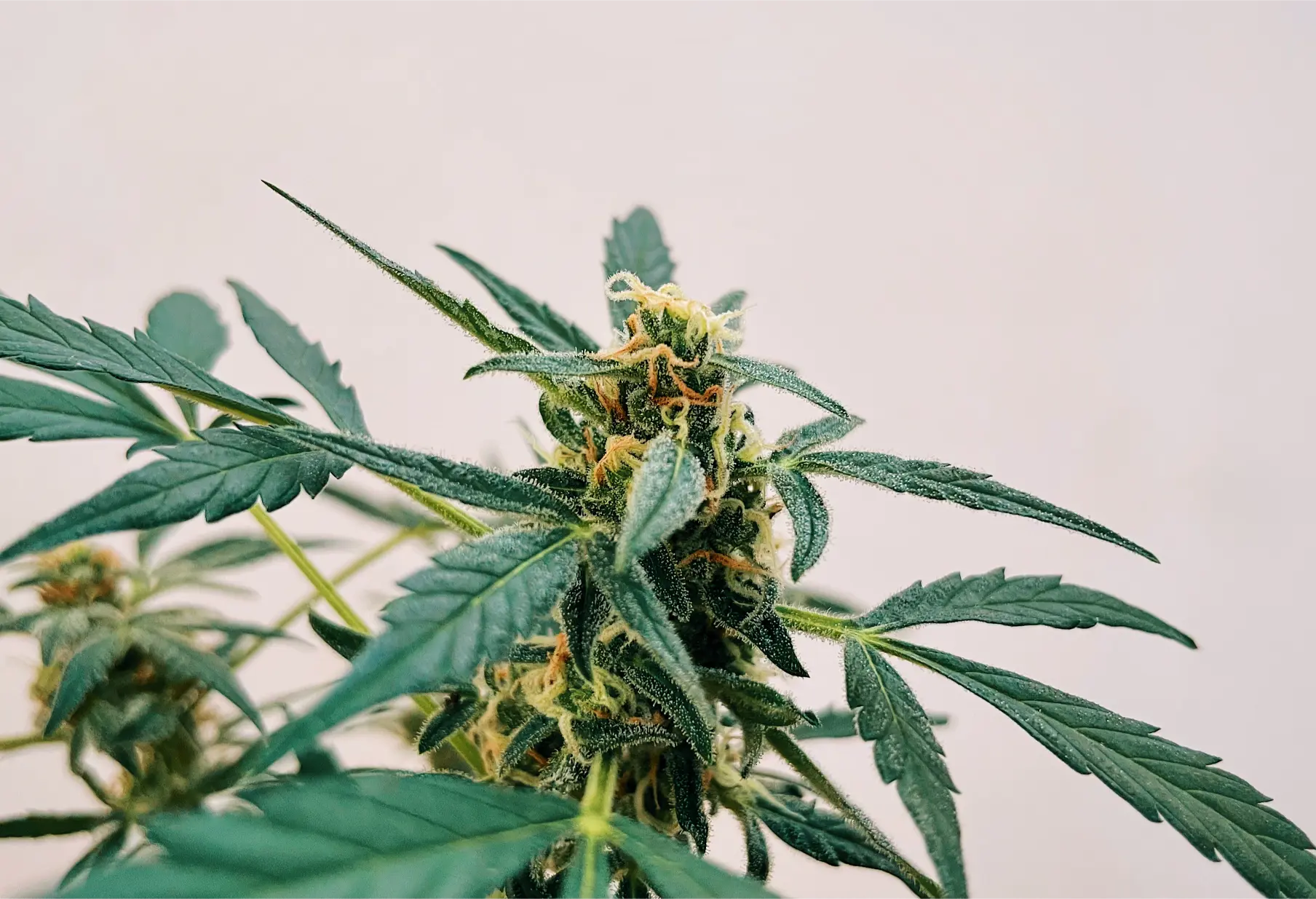
| Bud Structure | Resinous, compact-to-medium density flowers with notable trichome coverage |
| Core Aroma | Sweet floral earth, spice, skunk, with pine or citrus in some phenotypes |
| Dominant Terpenes | Commonly myrcene, pinene, and caryophyllene; some cuts show secondary citrus/floral lifts |
| Main Grow Priorities | Stretch control, airflow, balanced feeding, slow drying, patient cure |
| Main Risk | Overcrowded canopies can reduce light penetration and increase late-flower moisture risk |
Genetic Lineage
AK-47 is most commonly described as a four-way hybrid built from Colombian, Mexican, Thai, and Afghani stock. That combination explains why the strain rarely behaves like a pure narrow-leaf tropical sativa or a squat broad-leaf indica. Instead, it tends to sit in the middle: energetic and mentally active up top, but physically calmer and faster-finishing than many Haze-style cultivars. The Colombian, Mexican, and Thai side helps explain the brighter cerebral lift and more open, lively headspace, while the Afghani influence shows up in resin production, tighter bud formation, and a shorter flowering window than the tropical side alone would usually deliver.
Phenotype variation matters with AK-47 more than many growers assume. Some expressions lean sweeter and more floral, others show a pine-spice edge, and some jars push farther into earthy skunk. That variation is not unusual in cannabis generally, and it is especially worth remembering because commercial strain labels do not reliably map to chemistry across all sellers and regions. In practical terms, AK-47 usually keeps its identity as a balanced, upbeat hybrid with old-school sweet-earth-spice character, but the exact loudest note in the jar can still drift depending on cut, environment, and cure.
Effects and Chemistry
Effect Breakdown
AK-47 usually opens faster in the head than in the body. The initial onset is often described as mentally bright, buzzy, and socially easy, with a noticeable lift in mood and a sense that conversation, music, or simple creative tasks become more engaging. This first stage is one reason the strain built such a strong reputation: despite its aggressive name, the lived experience is typically more upbeat and friendly than harsh or disorienting.
At peak effect, the strain tends to balance that cerebral rise with physical relaxation rather than collapsing into heavy sedation. Many users find that the body settles without fully shutting the day down, which makes AK-47 more versatile than a heavier nighttime indica and more comfortable than racier sativa-leaning cultivars. It can feel motivating at lower to moderate doses, but it is not purely functional in the way a very clear, terpinolene-led daytime strain might be. The peak is better described as cheerful, mentally active, and physically unknotted.
The late phase usually grows quieter and warmer. A well-grown AK-47 often finishes with a relaxed body tone and less urgency than the opening suggests. At modest doses, that can feel smooth and easygoing. At higher doses, it can become spacey, foggy, or sleepier than expected, especially for low-tolerance users. Best timing depends on dose: lighter use suits late afternoon or social evening sessions, while heavier use fits post-work or pre-bed settings better. Users prone to anxiety should start carefully, because the first phase can still feel mentally strong when THC is high or the batch runs especially bright.
Flavor and Aroma Profile
AK-47’s most reliable sensory identity is sweet-floral earth with spice underneath. In the jar, the better examples often smell softer than modern gas-heavy cultivars. Instead of pure fuel or candy, you get an old-school mix: floral sweetness first, then earthy resin, then a skunky or woody edge behind it. Some batches also show light pine or lemon, which can make the nose feel cleaner and more lifted without changing the strain’s core personality.
When the bud is broken apart, AK-47 usually becomes more expressive. The inside tends to release more spice, more green wood, and a slightly sharper skunk note than the sealed jar suggested. On inhale, the flavor often lands as earthy and faintly sweet, with floral or sandalwood-like tones in smoother cures. On exhale, it commonly leaves a peppery-spicy finish, sometimes with pine brightness or a sour-sweet aftertaste depending on the phenotype. The strain is complex in a layered way rather than in a loud dessert way.
Curing matters a lot here. Fresh or rushed AK-47 can taste greener, rougher, and more generically skunky than it smells on the plant. A slower dry and patient cure usually soften the harsher edges and let the sweet-floral side come forward. Indoor flower often presents a cleaner, more polished spice-and-pine profile, while outdoor flower can lean broader and earthier, especially when dried in more variable autumn conditions. Those differences are consistent with broader postharvest cannabis research showing that cultivars can lose or shift volatile aroma compounds depending on drying conditions, temperature, and cure method.
Dominant Terpenes
Most modern AK-47 references place myrcene, pinene, and caryophyllene at the center of the chemotype, though some samples show secondary limonene or floral uplifts. That profile makes sensory and experiential sense: myrcene helps support the earthy-herbal base and soft body ease, pinene adds the cleaner pine lift and can help explain why many users describe the strain as alert enough for conversation, and caryophyllene contributes pepper, resin depth, and a warmer physical comfort layer.
Myrcene is often associated in the literature with analgesic, anti-inflammatory, sedative, and muscle-relaxant activity, which aligns with AK-47’s ability to stay mentally active while still reducing bodily tension. Caryophyllene is especially notable because it has documented CB2 receptor activity and is widely discussed for anti-inflammatory and anxiolytic relevance, making it a plausible contributor to the grounded, less chaotic landing phase of the strain. Pinene is more often discussed for alertness-related relevance and neurobehavioral interest in the literature, which fits the strain’s clearer top end compared with heavier myrcene-only profiles.
For growers, the practical takeaway is simple: AK-47’s character depends on preserving a mixed terpene profile rather than maximizing only raw density. If drying is too fast or flower is pushed too hot in late bloom, the cleaner pine and brighter top notes tend to fade first, leaving a flatter earthy-spice result. That does not make the flower bad, but it makes it less recognizably AK-47.
Cultivation
Indoor vs Outdoor Growing
The comparison below reflects the most commonly reported growth behavior of AK-47 in controlled indoor rooms versus full-season outdoor gardens. Like most classic hybrids, it is adaptable, but it rewards different priorities in each setting.
| Aspect | Indoor Growing | Outdoor Growing |
|---|---|---|
| Aspect | Indoor Growing | Outdoor Growing |
| Height | Medium, with manageable but noticeable stretch after the flip | Larger, more vigorous, especially with a long season and large root zone |
| Structure | Branchy hybrid form, easier to flatten into an even canopy | Broader frame, stronger lateral expansion, more exposure-dependent |
| Flowering | Usually around 8–9 weeks | Commonly finishes by late September to early October |
| Yield | Medium to high with canopy control and good light penetration | Medium to high if climate stays dry enough late in season |
| Main Priority | Stretch management and even light distribution | Weather timing, spacing, and moisture control near harvest |
| Main Risk | Overcrowded interior growth and reduced lower-site development | Late-season rain, dew, and mold pressure |
| Flavor Strength | Cleaner spice, pine, and floral precision when dried carefully | Richer earth and broader skunk notes, sometimes less polished if weather turns |
Strain-Specific Grow Guidance
AK-47 usually grows with more vigor than its fairly balanced finished effect suggests. It is not an uncontrollable vine, but it does not behave like a truly squat indica either. Expect a medium-height plant with a willing main stem, productive side branching, and a moderate stretch phase once flowering begins. That makes AK-47 friendly to growers who want a classic hybrid structure, but it still benefits from early decisions about shape. If you wait too long to open it up, the plant can crowd its own interior and waste otherwise strong potential.
Should I top AK-47, or will simple low-stress training be enough?
Question sent by: Jordan P., via Facebook page
Either approach can work, but it should match your room and the plant in front of you. A single early topping gives a compact room more useful main sites; gentle LST is enough when the plant already branches evenly. The real win is opening the center before the flowering stretch, then letting healthy leaf mass power the finish instead of stripping it bare.
Morphologically, the useful phrase for AK-47 is “balanced but busy.” It tends to make enough lateral growth to reward topping, low-stress training, or a light screen, yet it usually flowers fast enough that you do not need extreme management just to finish it. A single topping in early veg, followed by gentle branch spreading, is often enough to turn one central plant into a more productive multi-top structure. In tighter spaces, SCROG makes good sense because the strain has enough stretch to fill a screen without the long, frustrating flower cycle of more extreme sativa-leaning cultivars.
Defoliation should be selective, not aggressive. AK-47 benefits from interior cleanup and improved light access, but it usually performs better when the plant still carries enough healthy leaf mass to power mid-flower bulking. Removing weak lower growth before full bud set is smart. Stripping too hard in late flower is less smart. The plant’s main need is breathable structure, not a skeletal frame. A practical approach is to clean the lower third modestly, remove large blocking fans where necessary, and then let the plant focus on stacking resin-rich tops.
Feeding is best kept balanced. AK-47 is not usually described as especially fragile, but the strain’s best flower quality comes from steady nutrition rather than constant pushing. In veg, it responds well to enough nitrogen to build branch structure. In flower, it benefits from a cleaner handoff into bloom nutrition, with phosphorus and potassium rising as buds set while nitrogen gradually softens. Overfeeding late can darken the plant, flatten aroma clarity, and leave the cured bud earthier and harsher than it should be. Because the cultivar often carries both uplifting and calming qualities, preserving terpene nuance matters more than trying to force the last bit of bulk with heavy late salts. That is partly strain wisdom and partly a consistent lesson from postharvest and terpene-retention research more broadly.
Watering should follow root-zone logic rather than a rigid calendar. AK-47 generally rewards evenly aerated media and healthy dry-back cycles. Letting containers remain constantly wet tends to slow the plant’s rhythm and can reduce oxygen availability during the very stage when the roots need to support fast flower development. This matters most in dense indoor canopies, where lush tops sometimes fool growers into thinking the root zone can stay wetter than it should. A moderate wet-dry cycle, stable pH, and good airflow around containers tend to produce a cleaner, more aromatic finish.
Flowering typically runs around eight to nine weeks indoors, with outdoor harvest commonly landing from late September into early October where season length allows. Buds often finish denser than growers expect from a sativa-leaning label, which is one reason AK-47 has remained popular for so long. Harvest cues should come from the plant, not the calendar alone: swollen calyxes, darkened and receding pistils, and mostly cloudy trichomes with a little amber for a balanced finish are a practical target. If you want the brighter, more upbeat side of AK-47, take it at mostly cloudy. If you want a softer, calmer finish, wait for a modest increase in amber, but do not force the plant overly late just chasing sedation.
How AK-47 Behaves Through the Run
Use the first weeks of veg to decide where the energy will go. AK-47 often looks calm while it is small, then reveals how willing it is to fill unused space once the roots are established. That makes early training more useful than late correction. A topped plant with a few gently spread branches can enter flower with every future top already receiving light; an untouched plant can still perform, but it asks you to manage the main stem and its interior later.
Keep the canopy open without turning it bare. This cultivar needs enough leaf surface to build its resinous, compact-to-medium-density flowers. The productive middle ground is not stripping every fan leaf. It is removing weak lower sites, opening the branch junctions that stay damp, and preserving the healthy leaves that are actually feeding the top sites. If a leaf is not blocking light or airflow, it often has more value left on the plant than in the bin.
Read stretch as a timing signal. When the post-flip lift begins, guide the tallest branches outward while they are still pliable. That keeps the light plane even and prevents the room from becoming a collection of one dominant cola plus shaded secondary growth. A screen is useful here, but a few ties can do the same job in a smaller home grow. The method matters less than solving the same problem early.
Flowering-Room Decisions That Protect Quality
Do not confuse a lush canopy with a finished canopy. AK-47 can carry enough foliage to look impressive while lower flowers quietly fall behind. During early flower, look for sites that will never reach the light and remove them before they spend weeks drawing energy. This does not make the plant sparse; it lets the upper structure finish with more consistent density and makes late inspection easier.
Feed for clarity, not just weight. As buds set, a measured transition into bloom nutrition and stable root-zone moisture will usually carry the strain further than aggressive late feeding. Dark, overly soft foliage late in the run can make airflow worse and leaves less room for the sweet-floral, pine-spice profile to come through. If the plant is healthy and stacking well, consistency is the boost.
Harvest should follow the flower, not the breeder calendar alone. Compare trichomes across several representative top sites, not only the highest cola under the strongest light. AK-47’s character usually feels most complete when most heads are cloudy and a small amber fraction has appeared: enough maturity for body ease, without sanding away the strain’s brighter social edge.
Post-Harvest and Production Quality
Weedth Bud Flavor Tips
AK-47 deserves a slow dry because its best characteristics live in the middle and top of the aroma stack, not only in the heavy base notes. When it is dried too warm or too quickly, the result often tastes rougher and less layered: the floral sweetness drops, the pine becomes faint, and the smoke can collapse into generic earth and skunk. Research on cannabis postharvest handling increasingly supports the practical grower lesson that drying conditions meaningfully affect volatile preservation, and that cultivar-specific differences can be large enough that one-size-fits-all drying is not ideal.
For AK-47 specifically, moderate temperatures, darkness, and gentle indirect airflow are a better match than hot, fast turnover. A roughly 10- to 14-day dry, when achievable without microbial risk, usually keeps more aromatic precision than a rushed five- or six-day dry. Once stems are approaching a light snap and outer flower moisture has evened out, a glass-jar cure or similarly stable container cure works well. Recent work on drying and curing also supports controlled curing as a reasonable path for better preservation than a purely hurried finish.
Indoor flower typically benefits from a longer cure because it often carries clearer spice and pine that need a little time to round out. Outdoor flower often needs extra patience for a different reason: it may arrive at drying with more variable internal moisture, especially if harvest happened around cooler mornings or shifting autumn weather. In both cases, the mistake is the same—judging the flower too early. AK-47 often smells good fresh, but it usually smokes better after the cure has reduced the greener edge.
Weedth Bud Boost Tips
If the goal is to improve AK-47 yield without losing cultivar character, the best tools are canopy management and environmental consistency, not brute-force feeding. Early topping, branch spreading, and SCROG are especially useful because the plant has enough vigor to fill space but not such a long bloom that training becomes a multi-month patience test. The biggest gain usually comes from turning vertical enthusiasm into horizontal efficiency.
Light intensity should be high enough to firm the flowers and improve resin production, but even canopy shape matters just as much as total power. AK-47’s side branching can become genuinely productive if the tops sit at a similar height and the interior is not buried. Root volume also matters more than some growers expect; outdoors, larger containers or open ground allow the cultivar to capitalize on its hybrid vigor, while indoors, an unnecessarily tiny container can reduce the strain’s natural balance between top growth and bud density.
For bloom feeding, a moderate rise in phosphorus and potassium as flowers set usually makes more sense than a dramatic late spike. The sweet spot for AK-47 is support, not excess. Resin boosting without flavor loss generally comes from keeping the plant healthy, slightly easing nitrogen late, avoiding heat stress around the canopy, and finishing with enough time for full ripening rather than trying to chemically “force” the final two weeks. The better AK-47 flowers are usually the ones that finish cleanly, not the ones that were pushed hardest.
How to Judge an AK-47 Cure
Give the sweet side time to return. In the first days after drying, AK-47 can lead with green wood, earth or skunk. With a stable cure, the floral sweetness, pepper and lighter pine notes tend to separate more clearly instead of sitting in one rough, generic layer. That change is a useful reason to wait before deciding that a jar is merely earthy.
Open the jar with a purpose. Check aroma, moisture and texture rather than opening it repeatedly out of habit. A jar that smells sharp but feels damp needs more air exchange; one that has become brittle quickly may already have lost some of the top-note precision you worked to preserve. The goal is a flower that breaks apart cleanly, stays aromatic and gives the inhale enough smoothness to reveal its layered profile.
Use Cases and Evaluation
Medical Uses and Benefits
AK-47 is commonly chosen by users seeking a hybrid that may help with stress while remaining more mentally active than heavier evening strains. User-reported databases frequently associate it with stress relief, anxiety support, mood lift, and some pain management, though these are not controlled treatment claims and individual responses vary substantially. The mixed head-and-body profile makes the strain especially interesting for people who want relief without immediate full sedation.
That said, caution belongs in the same paragraph as praise. Because AK-47 can still be fairly potent, some users—especially those sensitive to rapid cerebral onset—may find the first phase too stimulating if dosage is too high. In practical terms, it may be a better fit for measured sessions than for unchecked consumption. Users commonly choose it for stress, low mood, social tension, mild appetite encouragement, or discomfort that feels better with relaxation but not necessarily with couch-lock.
Ideal User Profile
AK-47 suits the person who wants a classic hybrid with personality, not a blunt-force sedative or a razor-sharp daytime rocket. It is a good match for social smokers, music listeners, light creative users, and evening decompressors who still want some mental brightness. It also suits growers who appreciate old-school, resin-rich genetics and want a plant that yields well without the long flower time of true tropical sativa lines.
It is less ideal for users who only enjoy very sleepy indicas or for those who are extremely prone to racing thoughts from THC. Beginners can absolutely enjoy AK-47, but they should respect the opening phase and start light. The strain’s reputation as “balanced” makes it sound mild, but balance is not the same thing as weakness. A little can be engaging and warm; too much can become mentally crowded before the body settles.
Grower Notes and Feedback
AK-47 tends to earn positive feedback for delivering more density and resin than many growers expect from its sativa-dominant label. It is also regularly praised for being relatively quick to finish, which makes it appealing to people who want some sativa sparkle without the marathon flower time of more extreme lines. The main recurring grower advantage is efficiency: it can produce a satisfying hybrid canopy and a strong finished effect without requiring exotic treatment.
The main recurring complaint is not usually fragility but management. If AK-47 is allowed to stretch without a plan, or if the center of the plant goes too thick, lower sites can lag and the best light gets wasted. Another common disappointment happens after harvest rather than during the grow: jars that smelled promising on the branch but came out flatter after a quick dry. In other words, AK-47 is often easier to grow well than it is to finish exceptionally.
Weedth Editor’s Note
I like AK-47 because it rewards discipline without demanding theatrics. It is one of those strains that makes me pay attention early, not late. If I shape it in veg, open the middle, and keep the canopy even before the flip, the rest of the run is usually smooth. If I get lazy, the plant reminds me in flower by stacking a little too eagerly where I did not really want it.
I do not try to bully AK-47 with late nitrogen or oversized bloom feeding. The best version of it, for me, is not the darkest plant or the fattest single cola. It is the one that finishes clean, smells sweet and spicy when I crack the jar, and still holds that little pine lift after a proper cure. When that part is missing, I usually know I rushed the dry or let the room run a bit too warm.
Smoking it feels old-school in the best way. The head comes on first, but not with that jagged Haze edge. Then the body catches up and takes the whole experience from bright to level. That is the part I think people miss when they reduce AK-47 to just “a balanced hybrid.” The balance is exactly why it lasts.
Weedth Score
Growing Experience — 8.8/10. AK-47 is productive, versatile, and generally easier than many cerebral-leaning hybrids, but it still needs shape control and a thoughtful finish.
Bud Structure and Visual Appeal — 8.6/10. Resin coverage is usually strong, and the flowers often finish denser than the label suggests. It may not always deliver flashy colors, but it usually looks confidently classic.
Aroma Complexity — 8.7/10. Sweet floral notes over earth, spice, skunk, and occasional pine make it deeper than a one-note old hybrid, especially after cure.
Flavor and Smoothness — 8.5/10. When dried and cured properly, it is layered and satisfying. When rushed, it loses polish quickly.
Effects and High Experience — 9.0/10. The head-to-body progression is the strain’s signature strength, giving it flexibility that many single-direction cultivars lack.
Overall Satisfaction and Recommendation — 8.8/10. AK-47 remains a classic for a reason: fast enough, resinous enough, social enough, and calm enough to stay relevant long after newer hype cycles move on.
Questions and Related Strains
FAQ
Is AK-47 beginner-friendly? Yes, in relative terms. It is more manageable than many energetic sativa-leaning strains because it usually flowers in about eight to nine weeks and responds well to standard training. The main beginner mistakes are letting it stretch unevenly and rushing the dry.
How long does AK-47 flower? A common indoor expectation is around eight to nine weeks, while outdoor harvest often lands around late September to early October in suitable climates.
Does AK-47 stretch a lot? It usually stretches moderately rather than explosively. It has enough post-flip vigor that topping, LST, or a screen can improve efficiency, but it does not usually become unmanageable if planned well.
What does AK-47 taste like at its best? The most typical profile is sweet-floral earth with spice, skunk, and sometimes pine or light citrus. The exact leading note can vary by phenotype and cure.
Why does some AK-47 feel more racy and some more relaxing? Part of the answer is phenotype variation, and part is the larger industry reality that identical strain labels do not always map cleanly to identical chemistry. Harvest timing, cure quality, and terpene preservation also change how the same named cultivar feels in use.
Is AK-47 better indoors or outdoors? It performs well in both. Indoors, you get better control over canopy shape and drying precision. Outdoors, it can yield very well, but late-season moisture becomes the bigger variable.
What is the main grow risk? The main risk is not extreme sensitivity but mediocre management: a crowded canopy, uneven light, or a postharvest process that is too warm and too fast. Those are the most common ways to turn a great AK-47 into a merely decent one.
When should AK-47 be harvested? A practical target is mostly cloudy trichomes with a small amount of amber for a balanced effect, alongside swollen calyxes and darkened pistils. Earlier pulls tend to feel brighter; later pulls tend to feel calmer.
Similar Strains
White Russian. AK-47 is one of its foundational influences, so the comparison is natural. Expect a related balance of mental lift and body ease, but with a different texture and flavor emphasis.
Jack Herer. This is a useful comparison for users who like brighter, socially functional hybrids. Jack Herer often feels sharper and more explicitly uplifting, while AK-47 usually lands warmer and more grounded.
Amnesia Haze. Both can feel mentally active and mood-lifting, but AK-47 is generally faster-finishing, denser, and less extreme in stretch and flowering time. It is the easier choice when you want some cerebral energy without fully committing to Haze behavior.
Northern Lights. If the appeal is AK-47’s Afghan-backed body softness, Northern Lights is a logical adjacent strain. It usually leans more sedating and more purely nighttime, whereas AK-47 keeps more social and cerebral lift.
Skunk hybrids. AK-47 shares some of the sweet-earth-skunk backbone that made older skunk lines so durable, though AK-47 often presents that heritage with more floral sweetness and a more layered head effect.
Durban-leaning sativas. These make sense for users who like alert, upbeat flower, but AK-47 is the more balanced and physically forgiving branch of that comparison. Durban-style cultivars usually feel cleaner and more linear; AK-47 feels fuller and more mixed.
Share this article
A quick overview of the topics covered in this article.
Follow us
Latest articles
September 10, 2026
September 10, 2026
September 10, 2026