
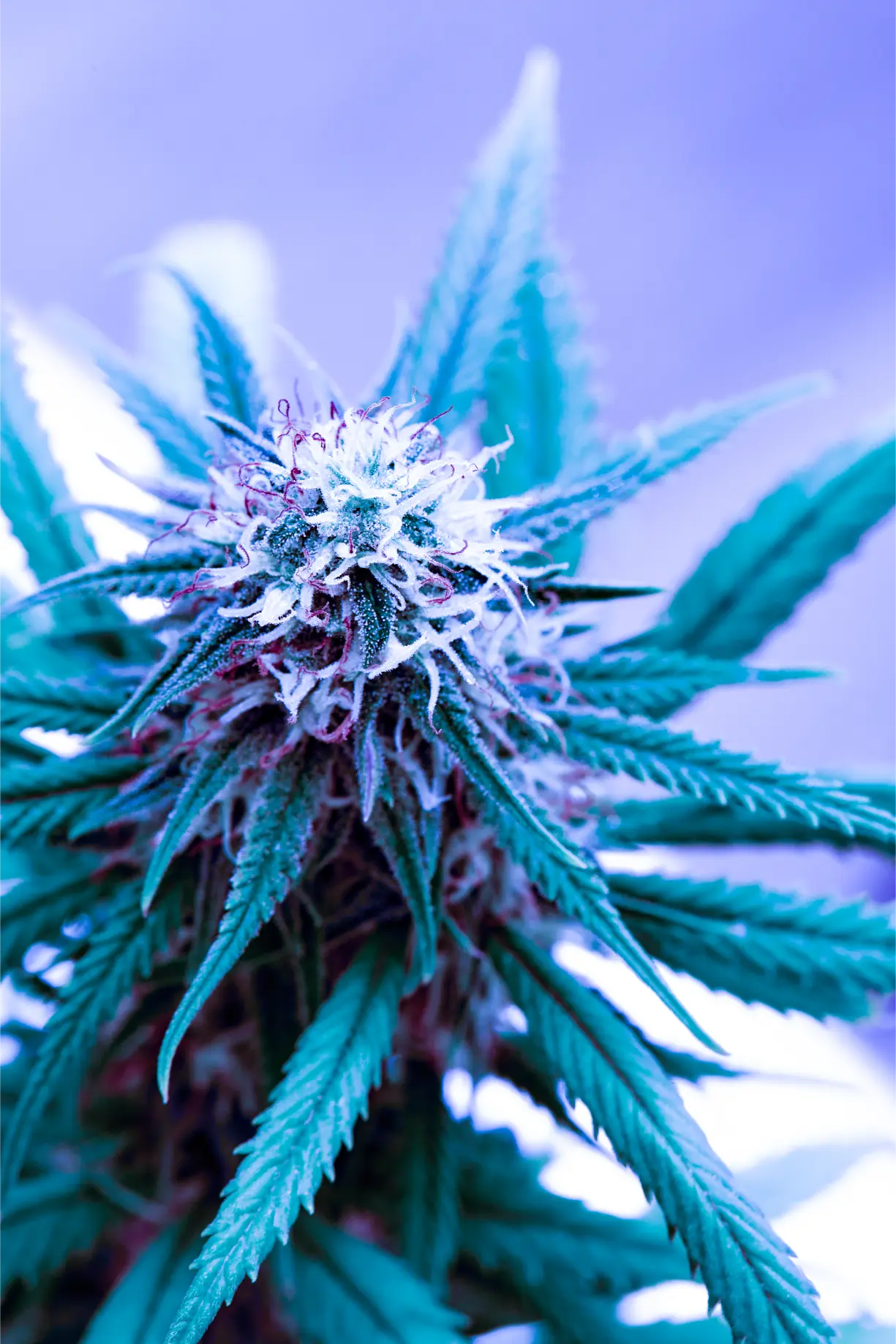
Cinderella 99
Cinderella 99 (often “C99” or “Cindy 99”) is a sativa-dominant hybrid famous for packing a pure, energetic sativa high into a surprisingly compact, fast-finishing plant. Born from a serendipitous discovery (a Jack Herer “bagseed” in Amsterdam), it was carefully bred by Mr. Soul to stabilize one prized female phenotype (“Princess”) with backcrosses that preserved Jack Herer’s citrus-tropical aroma and cerebral buzz while dramatically shortening flowering. The result is sometimes called “a sativa in an indica’s body”: most plants finish in 7–9 weeks (50–60 days) with tight internodes and dense, resinous flowers, yet deliver the clear-headed, uplifting high of a classic landrace sativa. Growers prize C99 for its huge fruit-forward flavor (sweet pineapple and citrus overtones) and heavy resin coat, as well as its strong calyx-to-leaf ratio (making trimming easier).
Strain Features
| Feature | Detail |
|---|---|
| Genetic Profile | Sativa-dominant hybrid, commonly described around 70–85% sativa |
| Lineage | A stabilized Jack Herer ‘Princess’ line with Jack Herer and Shiva Skunk ancestry |
| THC Direction | Usually 18–26%, with wider phenotype reports around 16–28%; CBD generally at or below 1% |
| Flowering Time | Fast for a sativa: usually 50–60 days, or about 7–9 weeks |
| Outdoor Window | Late September to early October in warm, dry finishing climates |
| Plant Size | Often 70–120 cm indoors with moderate veg; taller outdoors |
| Yield Potential | About 350–550 g/m² indoors; 400–800 g per plant outdoors in strong conditions |
| Grow Difficulty | Moderate; vigorous and compact for a sativa, but quality depends on light, airflow and drying |
| Aroma Direction | Pineapple, papaya, mango, grapefruit, citrus zest, pine, herbs and spice |
| Dominant Terpenes | Terpinolene and limonene with myrcene, pinene and caryophyllene support |
| Best Use | Daytime, creative and social use at moderate doses |
Genetic Lineage
Cinderella 99 traces back to a chance Jack Herer seed in Amsterdam, from which breeder “the breeder” selected a standout female (nicknamed “Princess”) with an electric, tropical aroma. Through extensive backcrossing, he locked in Princess’s traits. As a result, C99’s exact pedigree is somewhat informal — often described as Jack Herer crossed with Shiva Skunk (via stabilizations) — but the genetics clearly emphasize Jack Herer heritage. The surname “99” alludes to capturing 99% of Princess’s essence. Breeding focused on three pillars: fast flowering, compact stature, and terpinolene-led (pineapple/citrus) aroma. In practice, C99 is commonly labelled a ~70/30 or even 85/15 sativa hybrid. Its Jack Herer lineage contributes the iconic “punky” citrus-pine scent (from terpinolene/ limonene) and an energetic head-high. If Shiva Skunk (or similar skunk/NL lines) was used in the breeding, that would explain C99’s more compact buds and easier indoor growth (Shiva Skunk brings resin, shorter internodes). However, almost every report agrees that C99 nods to Jack Herer: expect Jack Herer–style clarity and mental buzz alongside a sweet tropical perfume. Phenotype variation is real but manageable.
The classic C99 “Princess” line yields uniform plants, but growers still note two main aroma expressions: one intensely fruity-pineapple and one spicier-herbal (skunky). All are potent, but picking a pineapple-leaning pheno often requires tasting multiple plants. In summary, Cinderella 99’s genetics are less about two distinct parent strains and more about a cultivated lineage honed for speed, stickiness, and that signature tropical-skunky bouquet.
Effect Breakdown
Cinderella 99 delivers a bright, uplifting high that evolves smoothly over time. Users report the onset as an almost immediate cerebral lift: a burst of euphoria and creativity hits within minutes of inhalation. There is usually no heavy sedation or “couch-lock.” Instead, C99’s high is energetic and focus-enhancing. Many describe a “giddy” or “buzzing” mental state that sharpens creativity, conversation, and social confidence. As the high peaks (typically within the first hour), the mind remains clear and active. Distractions fade and tasks can feel more engaging. Introspection and imaginative thoughts often surface. Physically, C99 induces only mild relaxation — a gentle ease in muscles without lethargy. While one is clearly high, the effect seldom drags you down. Toward midto late-high (1–3 hours after use), some users note a slow glide into deep relaxation and appetite stimulation. A kind of satiating body calm settles in behind the continued mental buzz, making it suitable for prolonged creative or social activities. Sleepiness only appears if extremely large doses are consumed or well after peak (when the high wears off).
Variations and cautions: At moderate doses, almost everyone experiences vivid euphoria and talkativeness. Higher doses can tip some users toward anxiety or paranoia, especially if they are sensitive to THC. Those prone to anxiety may want to use smaller amounts or in a comfortable setting. On rare occasions, a very chill or “lazy” indica-like effect can emerge (especially if harvest was a bit late), so skilled users may tap early versus late harvest to emphasize sparkle over sedation. In sum, C99’s effect profile is chronological: a rapid cerebral onset → sustained energetic high → gentle body ease → mild aftertiredness (never full sedation). It’s widely used as a daytime or creativestrain, often compared to pure sativas. Its high is functional — many users work, paint, or socialize actively rather than couch it. Duration is medium-long (typically 3–5 hours). Dry mouth and eyes are common mild side effects, but dizziness or lethargy are rare.
Flavor & Aroma Profile
Cinderella 99’s smell and taste are as famous as its effects. Open a jar and you’ll hit a wall of tropical fruit. The dominant notes are pineapple candy and citrus, often described as overripe (even slightly fermented) pineapple or grapefruit. Underneath the fruitiness is a fresh herbal pine/spice quality, a touch of skunk or diesel from its Shiva-skunk influence, and sometimes a whisper of floral sweetness. The overall nose is intensely sweet-tart and juicy, with very little earthy or hashy character.
Jar / Cured Flower
A sweet, tropical bouquet. Imagine peeled pineapple, citrus zest, papaya and mango with a hint of spicy pine and musk. One reviewer even likened it to “tropical fruit punch” or “grapefruit and fermented pineapple”. Cured buds often hold a sharp citrus-herbal punch that fills a room, mellowed by candy-like sweetness. Little grape or berry — it’s tropical from the jar.
Broken Bud / Grind
Crushing the buds intensifies the fruit and spice. The breakdown aroma often reveals pinene and caryophyllene notes: a clear lemon-pine and gentle black-pepper sharpness melding with the undercurrent of sweet citrus. Some phenotypes give off a faint floral/vanilla nuance on the grind. Overall, expect a potent sweet-sour mix.
Smoke/Vapor
On inhalation, the palate experiences juicy citrus-candy and pineapple sweetness up front. The smoke is smooth and creamy, unlike harsher skunk strains. As you exhale, the tropical flavors persist but mellow; spicy pine, herbal pepper, and a touch of minty pine (pinene) linger on the tongue. A slight pungent kick (think “sour fuel”) sometimes emerges late in the exhale if the buds are dense. Harshness is low – it’s widely considered a very palatable smoke/vapor with a velvety mouthfeel.
Aftertaste
The finish is clean and sweet. You might detect a light floral or vanilla sweetness as the last note, along with a faint spice. No heavy pepperburn remains (unlike a straight diesel), just a pleasant fruity echo. Well-cured C99 should closely mirror its aroma in flavor: tropical and lively. Poor drying/cure is the only real danger to this profile. If over-dried or frozen, the bright pineapple/citrus notes can fade into a generic “hay” or cedar taste. Conversely, rushed curing can leave it tasting too grassy. The fresh tang of tropical fruit is what makes Cinderella 99 memorable, so careful harvest timing and gentle cure (see Bud Flavor Tips) are key to preserving these notes. frosty trichome coverage. The tropical fruit aroma is driven by high limonene/terpinolene content.
Dominant Terpenes
C99’s signature aroma arises from a terpene profile that is both classic Jack Herer and uniquely tropical. The most prominent terpenes include:
| Compound | Contribution |
|---|---|
| Limonene (citrus peel) | Often 0.8–1.2% in lab tests. Provides the sweet lemonpineapple note and uplifting quality in the high. |
| Terpinolene (pine, floral) | Frequent lead terpenoid in Jack Herer lines. Contributes a zesty pine-citrus aroma and complex fruitiness (some describe “citrusy floral candy”). Supports the clear, alert sensation. |
| β-Myrcene (earthy, musky) | Usually present at moderate levels. Adds a subtle herbal musk that smooths the smoke and gives a touch of body relaxation. It may round out the otherwise piercing citrus with a mellow, tropical undertone. |
| β-Caryophyllene (peppery spice) | Imparts a gently spicy, woody note. In C99 it often appears as a faint black-pepper edge on the inhale or exhale, balancing the sweetness. |
| α-Pinene (pine, herbal) | Contributes a fresh pine-resin aroma (especially when grinding or smoking) and is likely behind the “forest-green” bud scent some growers note. It may also subtly help the strain’s energizing effect. |
Other terpenes like linalool or ocimene occur in trace amounts. What’s notable is that, unlike many modern hybrids, C99 is not myrcene-dominant; it emphasizes terpinolene/limonene more heavily. This terpene mix explains its bright, citrus-fruit profile (limonene/terpinolene) with a gentle spicy/herbal edge (pinene/caryophyllene). The dominance of limonene and terpinolene is consistent with the reported “pineapple-citrus candy” scent and day/euphoric effect. Terpene proportions can vary by phenotype and grow conditions. For example, one lab found limonene up to ~1.2%, pinene ~0.5%, and terpinolene leading. Even if minor terpenes fluctuate, they all play a role: limonene and terpinolene are reliably high in top-quality C99, making the citrus/ tropical notes stable features.
Indoor vs. Outdoor Growing
| Aspect | Indoor Growing | Outdoor Growing |
|---|---|---|
| Height & Stretch | Usually 70–120 cm with roughly 1.5–2× post-flip stretch. | Can exceed 1.5–2 m in a long season and extended veg. |
| Flowering | Commonly 50–60 days under stable conditions. | Usually finishes from late September into early October. |
| Yield | About 350–550 g/m² with strong light and an even canopy. | About 400–800 g per plant in large root zones and long seasons. |
| Climate Risk | Dense terminal flowers need late-flower airflow and moderate RH. | Rain and humidity near harvest can threaten the tightest clusters. |
| Best Strategy | Topping, LST or SCROG with a moderate veg period. | Early topping, branch support and full sun in a dry climate. |
Indoor, Cinderella 99 thrives under strong light and SCROG-style management. Its moderate height and 8-week cycle suit grow tents or cabinets. Topping and low-stress training work well to spread a flat canopy of colas, since the plant naturally grows many side branches. A moderate vegetative period (4–6 weeks) yields 5–8 main sites without becoming too tall; rapid flipping keeps height in check. Indoors, controlling humidity is crucial late flower—dense terminal buds can trap moisture if airflow is poor. Overall, indoors you get the fastest turnaround, high yields per area, and superior terpene preservation from the steady climate. Outdoors, C99 can reach towering heights if unstopped, but in warm sunny climates it finishes reliably by early autumn. The main advantages outside are yield and sunlight: in a long season it can fill large garden spaces with lush growth and heavy colas. However, outdoor C99 must be managed: heavy branches may need staking or netting as buds fatten, and late-season rains can threaten rot in the tight bud clusters. Planting after danger of late spring cold and training during summer (topping or trellising) will help.
If grown outdoors in a short season region, the main risk is incomplete maturity or poor flavor; in that case a greenhouse or growing under supplemental light might be advised. In summary, indoor cultivation gives maximum control (short cycle, high resin yield) at the cost of more equipment. Outdoor cultivation can produce very large plants and harvests in a single plant, but demands a warm, dry climate and more physical support. Either way, C99 rewards growers with ample potency and excellent flavor as long as space and environmental needs are managed.
Strain-Specific Grow Guidance
Cinderella 99’s cultivation profile is largely defined by its sativa heritage: vigorous vegetative growth and moderate stretch into a fast bloom. To grow it well, focus on training and environmental control.
Vegetative Stage
C99 grows lush and leafy in veg. A good practice is to top or fim early (around 4–5 nodes) to encourage multiple cola sites and control apical dominance. Follow with LST or ScrOG netting to spread the canopy. The plant responds well to LST (tucking down branches) to expose bud sites. A standard 4–6 week veg (even in limited space) builds ample nodes without excessive height. Root health is important: use a loose well-aerated medium (coco or soil mix) and avoid overwatering, as the plant develops a strong taproot and benefits from some dry-down between waterings.
Flowering Transition
Expect about 1.5–2× stretch over ~2–3 weeks after flip. Keep nutrient levels balanced to support this rapid growth: switch to a bloom formula higher in phosphorus. Monitor stretch and apply gentle support (netting, bamboo stakes) early if colas seem top-heavy. Avoid a sudden light stress during the stretch phase; C99’s canopy is dense, but the nodes open up enough to allow decent light penetration with proper training. It typically starts showing true flowers by week 2 of bloom (internodal bracts forming rapidly). Remove large fan leaves that shade inner bud sites once the stretch ends to prevent humidity pockets.
Nutrient/Water
C99 is a moderate-to-heavy feeder. It thrives under strong feeding regimes. In vegetative stage, use balanced N-P-K; once buds begin swelling, shift to bloom nutrients with elevated phosphorus and potassium to fuel trichome and flower production. Anecdotally, growers often give a little extra P/K during mid-flower (wk 3–5) to enhance bud stacking. Calcium and magnesium supplementation (cal-mag) can be beneficial, as with many sativas. Watch for signs of overfeeding late in bloom: unusually dark, leafy new growth or burnt tips may indicate tapering N sooner. Water thoroughly but allow slight dry-back between irrigations to encourage deep roots – C99 does not like constantly waterlogged roots but also does not tolerate drought stress.
Lighting
High-intensity light is crucial to maximize yield and resin. In a 4×4 tent, aim for ~600– 900 μmol/m²/s PPFD at the canopy. Many growers find C99 produces the best trichome development and flower density under strong LED or HPS. Indoors, maintain around 24–28°C (75–82°F) in day, slightly cooler at night. Dry bulb or ceiling-mounted fans should keep RH ~40– 50% in late flower to avoid mold; C99’s colas are resinous but not impervious. CO₂ enrichment can boost yield if you have a sealed environment – C99 responds well due to its vigorous metabolism, though it’s not strictly necessary for a successful grow.
Training Tips
C99 tolerates aggressive training. Repeated topping (2–3 times early) can multiply colas, but note it lengthens stretch and slightly delays maturity. Many growers find topping once (early veg) followed by flat SCROG net yields the best quality-to-time ratio. Because the bud-toleaf ratio is already high, you don’t need heavy defoliation; remove only large leaves blocking light to prime colas. Lollipopping (clearing low growth) can be done to focus energy upward. Staking or small cages can pre-emptively support big branches, especially outdoors.
Flower Development
Watch for bud swelling from week 4 onward. C99’s flowers become noticeably resinous by week 5–6. Pistils start white and turn amber by harvest; trichomes start clear, clouding and ambering around weeks 7–8. Because C99 can finish as early as 7–8 weeks, do not stretch beyond 9 weeks without clear need. Harvest timing is critical for flavor (see Bud Flavor Tips).
Pest/Disease
C99 is generally robust, but its dense canopy can hide issues. Keep airflow active to deter bud rot. Check for spider mites or aphids as with any sativa. Outdoors, watch for budworm and mold after heavy rains. By mid-flower, C99 transitions from growth to heavy production; at this stage, quality control becomes the priority. Ensure adequate airflow through the canopy and stable environmental conditions, so the strain’s spectacular aromatics and resin production are not compromised by stress. Small tweaks—like judicious defoliation for air and trimming dying leaves—can make the difference between average buds and ultimate Cinderella 99 flowers.
Why did my Cinderella 99 finish quickly but lose most of its pineapple aroma after harvest?
Question sent by: Lucas Grant, via X
Cinderella 99 can reach visual maturity before its volatile tropical profile is safely captured. Hot drying, direct fan exposure, over-drying and repeated warm-air handling remove the brightest terpinolene and limonene notes first. Use a cool, dark, gradual dry, then allow moisture to equalize during cure before judging the phenotype.
Weedth Bud Flavor Tips
Preserving C99’s vibrant tropical aroma through harvest, drying, and cure is essential. Here’s how to maximize that pineapple/citrus profile:
Harvest Timing
Pick at peak aroma. Unlike sleepy indicas, the best C99 buds often develop their strongest scent right before full maturity. Sniff the trichomes and pistils: many growers recommend cutting when pistils are ~50–70% amber and trichomes mostly milky. If harvested too early (translucent trichomes), the full fruitiness may be muted and have a more grass-like taste. Too late (more amber), the high becomes less energetic and more one-dimensional. A slightly earlier harvest preserves the bright citrus zing, while a later harvest favors a deeper, couchy effect and more musky-earthy notes.
Drying Environment
Dry C99 slowly and in the dark. Aim for a 1–2 week dry at ~16–18 °C and 50–55% RH. Because its terpenes are volatile, rapid or hot drying can strip away top notes (think strong citrus and pineapple) and leave behind dull flavors. Conversely, if drying is too slow (humid, >65% RH), buds can invite mold. The goal is gentle dehydration: cool, dark, and just dry enough (stems snap, buds still slightly springy). Hang branches or whole plants upside-down to minimize handling; the resinous sugar leaves will drip less if you don’t trim too aggressively while wet.
Curing
After hanging dry, jar-curing is critical for flavor development. Use airtight containers and “burp” daily for the first 1–2 weeks (opening jars for 10–15 minutes to refresh air) to prevent stale or ammonia smells. Cure in a cool dark place (around 18–20 °C). Over 4–8 weeks of curing, the herbal notes mellow and the tropical bouquet sharpens. C99 often mellows by the third or fourth week of cure, bringing out creamy, spicy undertones beneath the initial punch. Monitor humidity in jars (aim ~60% RH); if too high, add small desiccant packs, if too low, briefly add a peel of citrus fruit then remove after a few minutes.
Avoid Overhandling
C99 buds are very sticky. Minimize movement and breaking them up; crush them only when ready to smoke. Handling can knock off trichomes and degrade aroma.
Storage
After curing, store in dark, cool conditions (≤20 °C) to preserve terpenes. Vacuum sealing or using inert gas (nitrogen) can prolong freshness. Even brief exposure to warm air and light will fade the precious pineapple smell into generic hay.
Typical Pitfalls
Fast-dry buds taste more harsh and “green.” Under-dried buds can ferment or taste musty. Over-burping (daily beyond week 2) can dry them out. For outdoor harvests, avoid wetting buds with rain as C99’s dense colas can mold; if it rains near harvest, ensure good drying ventilation. Well-cured Cinderella 99 delivers exactly what its name promises: clear, strong fruit flavors. A properly timed and slow cure will accentuate the pineapple/citrus top notes, making the buds taste sweet and juicy rather than flat. Remember: the line between “bright tropical candy” and “musty hay” is drying speed and cure time. Always err on slower conditions to protect C99’s delicate ester compounds.
Weedth Bud Boost Tips
While C99 already yields impressively for a fast sativa, several techniques can nudge both quantity and quality upward:
Training for Yield
The single biggest boost comes from training. Use topping or mainlining to create multiple equal-sized colas (we’ve seen indoor crops hit full coverage with 4–8 top sites). A well-placed Screen of Green (ScrOG) can ensure every bud gets maximum light. Unlike ultra-tall sativas, C99 does not need to remain as one cola — flat canopies are the key. Low-stress training (LST) on all branches to widen the canopy can significantly improve total bud weight without stressing the plant.
Veg Duration
C99 performs well with a moderate veg time (4–6 weeks), but if your goal is absolute yield and space allows, extending veg by a couple more weeks (8–10 weeks) can add nodes. Just be prepared to train heavily since extra nodes mean more stretch. Note: many indoors choose to keep veg short, accepting slightly smaller plants in return for a guaranteed 8week finish.
Nutrients
Use a high-quality bloom fertilizer starting at 1–2 weeks after flip. Adequate phosphorus and potassium during mid-flower (weeks 3–5) will support the rapid bud swelling C99 undergoes. Some growers report giving a bloom booster or PK enhancer at peak bloom to fatten colas, but this is optional. Ensure nitrogen is reduced late in bloom so the plant puts energy into buds, not leaves. A common mistake is overfeeding in late flower — if you notice very dark leaves or burnt tips after week 6, dial back nutrients to avoid hurting taste.
CO₂
If you have a sealed grow room, supplementing CO₂ (to ~1000–1200 ppm) can boost C99’s yield; plants become visibly bushier and resinous. This works especially well since C99 thrives on strong light – CO₂ lets it fully utilize the available photons without burning out the stomata.
Environmental Boosts
Another trick is a mild cold shock (a few nights at ~18°C) in week 5–6 of bloom. Anecdotal reports suggest this can intensify bud resin and color (some phenotypes show slight purple hues under LED after cool nights). Do not overcool, but don’t avoid 15°C night lows if your climate naturally gets that cold — it likely won’t harm C99 and may improve aroma compounds.
Organic Supplements
For those who like bio-tuning, a late-flower molasses drench is a traditional method to feed soil microbes and add sugars. Though scientific evidence is weak, some growers swear by a tablespoon of molasses per gallon of water during the last 2–3 weeks to boost fragrance and bud size. Compost teas or mycorrhizal inoculants used early in growth can also strengthen roots (C99 will thank you with better nutrient uptake).
Balance Yield vs Flavor
Finally, recognize that pushing for maximum weight (too much water or nutrient, overly aggressive lights) can occasionally reduce terpene richness. If you’ve bred or chosen a high-THC C99, you might prefer to preserve its complex aroma by leaning a bit toward quality. For instance, reducing light intensity slightly in the final week can sometimes preserve softer terpenes (though yield might drop a few percent). Small trade-offs like this separate average from excellent results. In general, however, C99 can handle (and often rewards) robust feeding and strong training — just watch for stress signs and don’t let leaves combust, which would hurt flavor. In short, the best bud boost for C99 is smart training (topping, SCROG, LST) to create an even canopy, supplemented by a strong but not excessive nutrient plan in bloom. These maximize bud count and size without compromising the beloved tropical flavor.
A fast calendar is not permission to rush the finish
Cinderella 99 can flower quickly, but individual phenotypes still differ. Harvest by calyx swelling, reduced fresh pistil growth, aroma and trichome maturity rather than by day count alone. A rushed dry can erase the tropical character even when potency remains.
Medical Uses & Benefits
Cinderella 99’s medical uses reflect its energetic, mood-lifting effect rather than sedative relief. Patients most often seek C99 to combat fatigue and low mood. Its intense cerebral euphoria and creativity can help alleviate depression, ADHD symptoms, and stress by boosting motivation and focus. For example, someone struggling to initiate tasks or experiencing “brain fog” may find C99 clears mental haze and injects a strong sense of positivity and drive. Other reported uses include relief from mild pain and tension without heavy sedation. The strain’s moderate myrcene/β-caryophyllene content can ease headaches or minor aches, though the effect is subtle and mainly uplifts the user’s outlook on pain rather than inducing deep numbness. C99 is not typically chosen for sleep or anxiety; actually, high-THC C99 can exacerbate anxiety in sensitive individuals, so caution is advised for those prone to panic. Similarly, because it’s stimulating, it’s not ideal for nighttime pain or chronic fatigue syndrome – it may keep you awake. Some chronic users turn to C99 to stimulate appetite and combat nausea, though the effect is usually less intense than in indica strains.
In essence, C99 is a daytime therapeutic: suited for mental health (stress, PTSD, mood disorders) or to improve social functioning (appetite booster for those needing to eat). In palliative care, its cerebral focus might not be the primary need. Always remember: this profile is anecdotal; clinical evidence is limited. The strain’s high THC (and almost no CBD) means its effects come mainly from THC activity, so effects vary person-to-person. Limitations: Because it lacks significant CBD or sedating terpenes, C99 should not be marketed as a cure-all. It will not reliably induce sleep or deeply relax muscles. Those with anxiety disorders should use minimal doses. Patients seeking muscle relaxation or appetite stimulation may prefer a more balanced hybrid if C99’s buzz is too intense.
Ideal User Profile
Cinderella 99 is best suited for experienced users who want a potent, cerebral high and can handle strong THC. The ideal consumer values mental energy and creativity: artists, musicians, writers, coders, and socializers often gravitate toward it. For someone facing a mental slump or needing to enhance focus (e.g. during work or exercise), C99’s clear-headed euphoria can be a great aid. It’s also popular among daytime cannabis users who enjoy gaming, sports, or social gatherings, due to its sociable, talkative high. By contrast, C99 is less ideal for novices or those looking for simple “relaxation” or sleep. A beginner might find its intensity overwhelming and anxiety-provoking. Likewise, anyone needing deep body relaxation or pain relief to sleep would not typically pick C99. People with low THC tolerance or who experience paranoia should avoid large doses. In summary, Cinderella 99 is a daytime favorite. Choose C99 if you want an uplifting “creative brainrocket” rather than a couch-bound sedative. It’s for users who enjoy dissecting a complex high and savoring tropical flavors, not for users seeking a mellow, body buzz.
Grower Notes and Feedback
Cinderella 99 has a strong following among growers, and a few consistent patterns emerge from reallife reports:
Phenotype Variation
Most growers find Cinderella 99 surprisingly uniform if grown from the the stabilized stock. However, two loosely defined phenos sometimes surface: one with extremely sweet pineapple/grapefruit scent, another with a more classic diesel/skunky edge. The “pineapple pheno” is treasured and even called out in forums. Some minor differences in height and stretch are noted, but nothing drastic.
Stretch & Structure
Growers frequently note that C99 does stretch a fair bit (~2×) when flipped, especially if veg is extended. Plan accordingly. Within indoor tents, some gardeners report it doubling or tripling in size during flower if let loose. Early training (netting, tying) is commonly recommended; one Reddit grower said, “be mindful of the stretch – mine doubled in size, but it was an easy grow overall”. On the positive side, the branches are fairly sturdy, and heavy buds rarely cause breakage if given a little support.
Vigor
C99 grows aggressively, with many leaves and a lush green appearance. A common surprise is its appetite: it truly thrives on feeding and water (unlike some mellow landraces). Overfeeding can burn it out, though. It’s forgiving of climate fluctuations to some extent, but rapid swings can stress the plant.
Training Response
Most reports confirm C99 responds very well to training. Topping and LST are almost universally advised to manage its natural growth. One experienced grower noted it’s “super bushy even as a short plant,” so spreading the canopy early pays dividends. C99 also rebuds vigorously after stress or topping – it tends to recover rather than stall.
Bud Quality
Practically all growers remark on the dense, resin-coated buds. Even average grows produce plenty of crystal “beard” on the sugar leaves by mid-bloom. The calyx-to-leaf ratio is frequently praised: several reports say trimming takes “noticeably less time” than with leafy indica strains. Few growers complained about excessive popcorn; lower bud sets tend to fatten up if given room and light. One user in a forum specifically noted that C99’s “high calyx ratio reduces trimming labor by ~15–30%”.
Environmental Sensitivity
Most feedback suggests C99 is not overly finicky, but its aroma strength can be undercut by stress. For example, a few growers found excessive heat (>30 °C) or cold nights (below ~15 °C) can mute the bright pineapple notes. Also, some reported that allowing humidity to stay high in the last 2 weeks led to a “musty” aroma and tarnished buds. Keeping a dry late bloom really mattered for preserving fragrance.
Yield Consistency
When given proper conditions, Cinderella 99 consistently yields above average for a fast strain. Indoor grows often hit or surpass 500 g/m² with good lights. However, insufficient light or nutrients can noticeably halve yields – it doesn’t bush out indefinitely. In tight conditions, it will simply remain a smaller plant. One rootfinding comment was: “Repot in larger pots if you can; in soil it tripled in size, but mine was limited by the container”.
Resin & Aroma
Nearly all accounts emphasize the resin and smell. A surprising tip: a cool, dark cure tends to restore any aroma lost from a fast dry. One grower said it was “terrific to grow and fun… hope you like your weed potent as hell”. People love the ultra-potency, but advice is often given that big yields sometimes come at slight expense of nuance – meaning if two runs had identical yields, the one with slower dry/curing preserved flavor better. In short, growers find Cinderella 99 robust and rewarding but note that the key challenge is managing its vigor and preserving its delicate terpene profile. Standard cannabis habits (strong light, good ventilation, SCROG net) go a long way; excess humidity or rushed handling are usually the downfall of a C99 crop. The flavor and potency are its bragging points, so growers often say the “second time” they would focus more on gentle handling during harvest and cure to make sure that tropical aroma isn’t lost.
Weedth Editor’s Note
I remember my first C99 run vividly: it was in a 120×120×200 cm tent under LEDs, and within just two months I had zesty, candy-scented smoke hanging in the air. What struck me was not just the euphoric, clear high (as promised) but how forgiving the plant was of mistakes. A new grower tip: do not underestimate training. Mine exploded in 12/12 after topping once – I essentially had to SCROG on the fly. In my experience, branch support and airflow become the make-or-break factors late in bloom. The bud structure is tight, and if you let humidity creep up, you’ll lose that pineapple punch to rot. That said, C99 rewards attention with ease. One of its strengths is that you can push for bigger yields (longer veg, CO₂, etc.) without the “herky-jerky” temperaments some sativas show. It really wants to grow and bud. I find that’s also its biggest weakness: it’s easy to overfeed or overwater, thinking more gives more. When I did that, the excess fertilizer made the buds greener and harsher; dialing back nutrition in week 6 of flower fixed that.
Flavor-wise, I’d rank C99 among the best day-use strains I’ve handled. Its citrus-pine combo is addictive, but it’s fragile. In one run I got cocky and dried too hot in the garage – the bud lost nearly all the grapefruit sweetness and tasted flat. After that I treated the curing process like gold. The difference is night and day. For me, beginners might still find C99 a bit daunting only because of its rapid growth and power (I wouldn’t hand it to someone who hasn’t topped plants before). Experienced growers will appreciate it, especially those with limited space who want a pure sativa buzz. Does it justify space over, say, a slower strain? Yes, if you value quick turnover and mind high over maximal THC or yield.
Weedth Score
Growing Experience – 8.8/10: Cinderella 99 offers a rare fast sativa cycle, manageable indoor height and strong training response. High light demand, odor and moisture inside terminal flowers still reward active management.
Bud Structure & Visual Appeal – 8.7/10: Firm conical flowers, a high calyx-to-leaf ratio and early frost give the cultivar clean, efficient bag appeal without excessive trim.
Aroma Complexity – 9.2/10: Pineapple, papaya, mango, grapefruit, pine, herbs and gentle spice make the jar bright and recognizably tropical.
Flavor & Smoothness – 9.0/10: A careful cure lets the tropical sweetness mirror the jar aroma. Heat and over-drying are especially costly because the vivid top notes are the cultivar’s identity.
Effects & High Experience – 9.1/10: Rapid euphoria, creativity and social clarity remain functional at moderate doses, while excessive dosing can become anxious or scattered.
Overall Satisfaction – 9.0/10: Cinderella 99 earns classic status by combining speed, compact growth and true daytime character without reducing the flower to a generic high-yield sativa.
FAQ
Is Cinderella 99 an Indica or Sativa?
It is a sativa-dominant hybrid (around 70–85% sativa by lineage). Its tall internodes and energetic effects reflect that. It behaves more like a sativa than an indica.
Why is my C99 stretching so much after flip?
C99 typically stretches about 1.5–2× with an extended stretch phase. If you vegged long, expect even more. To control it, top early and use LST or a ScrOG net to flatten the canopy (this is standard practice with fast sativas).
Do I need to support the branches?
By late flower, yes. The colas can become heavy and resinous. In most grows a simple net or stakes will prevent drooping. Outdoors, support is even more important to keep branches upright under sun and wind.
What’s the best time to harvest for flavor?
For peak tropical aroma, aim to harvest when trichomes are mostly cloudy and about 50–70% of pistils have turned amber. This balances the bright pineapple/citrus notes with a full effect. If you wait too long, the flavor becomes more earthy and the high more sedating. Early harvest will give a more clear, fruity buzz but slightly less potency.
Why do some pheno smells differ?
Different cuts of C99 can emphasize different terpenes. The famous “pineapple pheno” smells candysweet, while others have a stronger earthy/pine or even “cheesy” back-note. Growing conditions (nutrients, light, climate) can also shift aromas. Selecting cuts by aroma (smelling clones) can help if you want one style over another.
How strong is Cinderella 99’s odor during grow?
Very strong, especially in late bloom. Fans should not underestimate it: it will smell prominently of tropical fruit. Good carbon filtration or exhaust is recommended when flowering indoors.
Does Cinderella 99 like heavy feeding?
It’s a moderately heavy feeder, especially for P/K in flower. However, watch for nutrient burn late bloom – C99 can show deficiency or burn signs more noticeably than indicas. In my runs, balanced nutrients with a bloom booster gave the best results; too much N in week 6+ will just produce more leaf at the expense of bud quality.
Can Cinderella 99 finish outdoors in a short season?
Only in very warm climates with a long autumn. It typically needs a full 8–9 week bloom and warm weather to ripen its tropical sugars. In areas with early frost, it may not fully mature. A greenhouse or starting very early can help. The general advice: if your last frost is before late September, it might be risky.
Is Cinderella 99 suitable for a small grow tent?
Yes. Its compact nature makes it surprisingly well-suited to 2×2 or 3×3 tents. Just be sure to use training (topping, LST/SCRoG) to make a flat canopy. Its moderate stretch can be accommodated in 60– 90 cm of vertical space if veg is controlled, and yields per square foot are excellent if light is sufficient.
Similar Strains
Jack Herer: A genetic grandfather of C99 (through its Princess parent), Jack Herer shares the cerebral, creative high and piney-citrus aroma. It typically flowers longer (~9–10 weeks) and yields more leafy buds, but the core “uplifting energy” is similar. Use Jack Herer if you want a taller plant with similar focus effects, though expect a slower finish and a touch more spice/ pepper flavor.
Tangie: For those who love C99’s citrus-tropical sweetness, Tangie is a comparable sativa hybrid (California Orange × Skunk) known for its intense orange-citrus aroma. Tangie’s high is also uplifting and social, but it tends to flower a bit longer (10–11 weeks) and has less of the pineapple note. Tangie plants may grow taller and lankier, whereas C99 stays shorter. If citrus candy flavor is your priority and you can handle slightly larger plants, Tangie is worth a try as an alternative.
Green Crack: This modern sativa (Skunk #1 × unknown) delivers a similarly energetic, clean high and was historically even named “Cush” (and sometimes confused with C99). Green Crack finishes in about the same time (8–9 weeks) and has a sweet fruity flavor (mango/citrus). However, Green Crack often has more of a mango/tropical-note focus and can be slightly easier on first-time growers. It also stretches a bit more. Grow Green Crack if you want the speed and mood boost of C99 but in a variety that’s often a bit more forgiving in vegetative vigor.
Durban Poison: A pure South African sativa, Durban Poison offers the classic uplift and focus. Its aroma is more anise and licorice, so it’s quite different in flavor from C99, but users who enjoy a spirited, daytime buzz will appreciate it. Durban’s natural traits (high energy, pep) mirror C99’s, but Durban needs a longer bloom (~9–10 weeks) and is more heat-sensitive. It’s a good choice for outdoors in warm climates looking for a “pure” sativa experience in the style of C99.
Blue Dream: A popular balanced hybrid (Blueberry × Haze), Blue Dream is sometimes compared to C99 for its potency and creativity boost. Blue Dream’s aroma is berry-citrus rather than tropical, and it leans more indicasque than C99, giving a bit more body relaxation. It flowers a bit longer (~9–10 weeks) but yields very heavily. In short, Blue Dream can scratch a similar itch (high THC, uplifting mood) with fruit notes, but with less skunky bite and slightly more physical ease. Each of these alternatives shares some qualities with Cinderella 99 – be it flavor or effect – while introducing a different twist (longer bloom, different aroma profile, growth habit, etc.). Choosing among them depends on whether you prioritize a particular scent, the exact effect profile, or specific growing conditions. For example, pick Tangie or Jack Herer to stay in the citrus-sativa vein but expect bigger plants, or Green Crack/Blue Dream for similar buzz with unique flavors and yields.
Share this article
A quick overview of the topics covered in this article.
Follow us
Latest articles
September 25, 2026
September 25, 2026
September 25, 2026
September 25, 2026