

Trainwreck
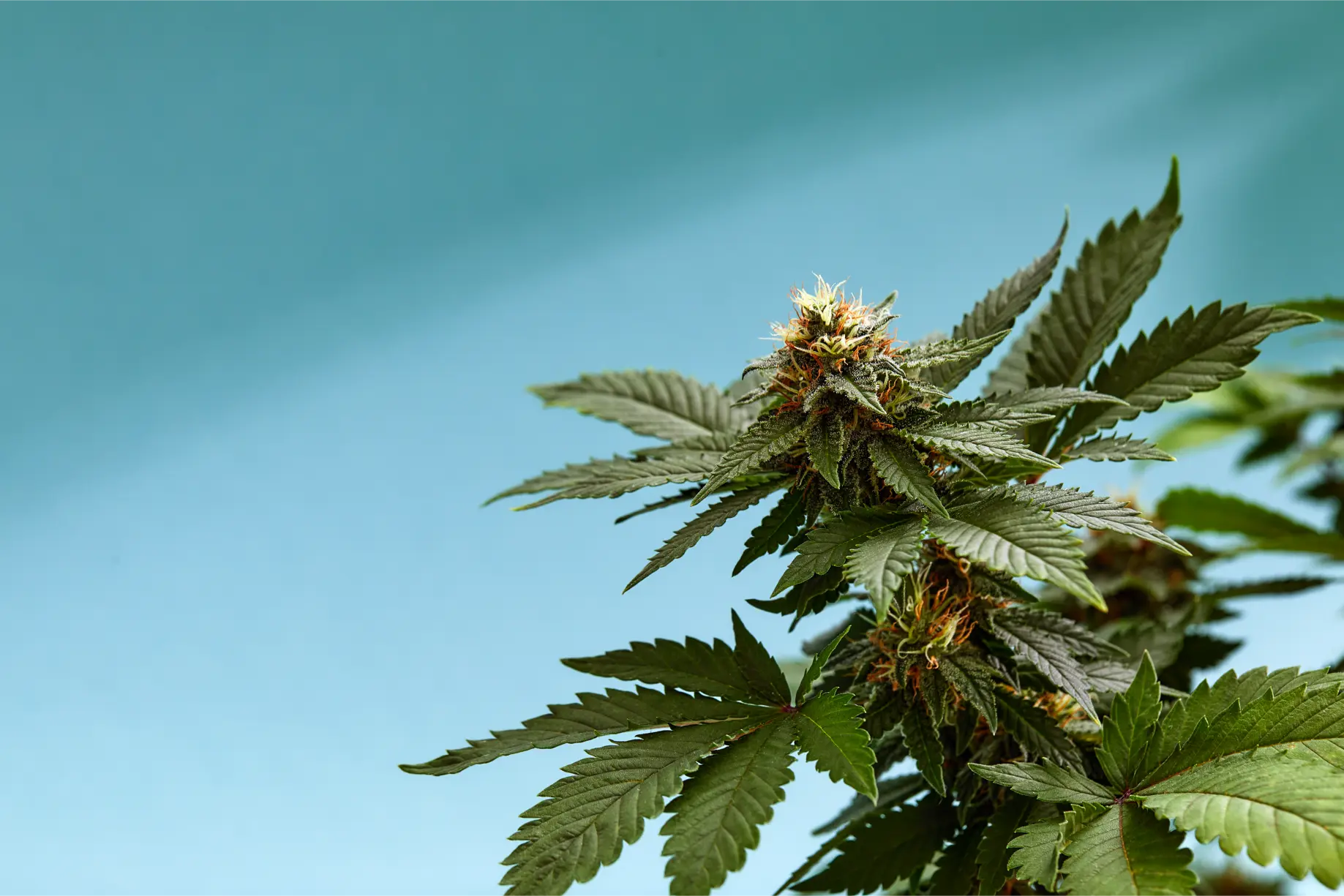
Trainwreck is a classic Northern California sativa that lives up to its name: it can hit you like a speeding locomotive. A cross of Mexican and Thai landrace sativas with Afghani indica, it combines sky-reaching growth and an explosive cerebral high. Growers recognize Trainwreck by how fiercely it stretches after flip and fills a tent with a sharp pine-lemon aroma. Users remember it for a rocket-fuel euphoria that later settles into a mellow body buzz.
Strain Features
| Feature | Detail |
|---|---|
| Genetic Profile | Sativa-dominant hybrid, commonly represented near 90% sativa |
| Lineage | Mexican sativa × Thai sativa × Afghani indica |
| THC Direction | High; commonly around 18–25%, with CBD generally below 1% |
| Flowering Time | Usually 9–10 weeks indoors |
| Outdoor Window | Late October in warm, long-season climates |
| Plant Size | Tall; roughly 100–150 cm indoors after training and 200+ cm outdoors |
| Stretch | Very high, commonly two-to-three-times vegetative height |
| Yield Potential | Around 550–600 g/m² indoors and 600–700+ g per outdoor plant under strong conditions |
| Grow Difficulty | Moderate; vigorous growth requires active structure and support |
| Aroma Direction | Pine resin, lemon-lime, herbs, mint, cedar and pepper |
| Dominant Terpenes | Terpinolene, caryophyllene, pinene and myrcene |
Genetic Lineage
Trainwreck’s lineage is widely cited as a blend of Mexican Sativa × Thai Sativa × Afghani Indica. These landrace parents shaped its dual nature. The Mexican and Thai sides contribute classic sativa traits: extremely long internodes, rapid flowering initiation, and a zesty, citrusy top note in the aroma. The Thai influence especially drives Trainwreck’s famed stretch and high-energy, clear-headed buzz. In contrast, the Afghani Indica parent adds crucial balance: dense, resinous buds and a grounding body feel. Afghani genetics gave Trainwreck its thick trichome coating and a more squat, robust structure late in flower. Most sources describe Trainwreck as overwhelmingly sativa – one well-known breeder lists it as ~90% sativa – while others note a 65/35 split. In practice the sativa side dominates growth and high, while the indica side shows up in the bud mass and late-stage relaxation. Over time, different “cuts” of Trainwreck have been preserved (notably the Humboldt or “Arcata” phenotype) to lock in that classic citrus-pine terpene blend.
Unlike modern hybrids with complex pedigrees, Trainwreck’s genetic story is fairly simple: it’s a synthesis of Old World sativas refined by West Coast growers. The result is a plant that grows like a sativa (tall, fast, light-demanding) but smokes with a depth not usually found in pure sativas – thanks to that Afghani backbone.
Effect Breakdown
Trainwreck is known for an instant, high-octane cerebral buzz that builds into a warm body stone. The high unfolds in waves:
Instant Onset (0–15 minutes)
Consumers report a rapid, head-turning lift. Almost immediately, Trainwreck unloads a surge of euphoria and alertness. Many describe it as “switching on” the mind — thoughts race, creativity sparks, and motivation spikes. Unlike slower strains, there’s little creeping up: you feel that head-rush quickly.
Peak (15–60 minutes)
The euphoric energy peaks, usually within the first hour. The head high is intensely uplifting and engaged: you become talkative, giggly, or hyper-focused. Sensory perception may sharpen (colors or sounds pop a bit), and tasks or creative endeavors feel easier. Despite the strong mental buzz, most users stay functional – it doesn’t sedate right away. This phase is often described as happy and clear.
Body Transition (1–2 hours)
As the cerebral high plateaus, Trainwreck’s indica side slowly emerges. Around 1–2 hours in, users typically feel a mild to moderate body relaxation spread outward. Muscles loosen and tension eases, but sedation is gentle. You may become physically calm or even relaxed into the couch, though not completely couch-locked unless you overdo it. If too much is consumed, the high can tilt toward couch-lock late in the session.
Finish (~3+ hours)
The high gradually tapers to a mellow afterglow. Any initial anxiety (rare, but possible in sensitive users) usually dissipates, leaving just a warm, languid body vibe. Appetite often kicks in. Many note a clear-headed calm as the ride ends. The overall duration can be longlasting: experienced smokers report Trainwreck keeps working for 3–4 hours, with a notable clarity even at the tail end. In practice, dose and timing affect the experience greatly. A small to moderate dose preserves more energy and focus. A heavy dose (or smoking continuously) pushes the high into a more sedative zone. Harvest timing also matters: an earlier harvest (closer to 9 weeks) locks in more of the sharp, heady pop, whereas letting plants reach 10+ weeks tends to deepen the body effect. In short, Trainwreck’s signature is a fast, buzzing head high that eventually blends into a gentle body ease. It excels for creative and social uses — though beginners should beware of the initial intensity.
Flavor & Aroma Profile
Trainwreck’s scent is pungent, spiky, and unmistakable. The jar aroma hits first with bold pine and citrus. Imagine opening a jar of sharp lemon-pine cleaner: the nose is immediately flooded with a crisp forest freshness and sour citrus zest. Below that top layer lie herbal-spicy and minty notes. Some phenotypes can even carry a slight menthol (eucalyptus) quality. There is also an earthy, cedarwood undertone. Overall, the bouquet is “sativa-pine” in every inhale: bright and herbal rather than sweet. Grinding or breaking a bud intensifies the smell: you’ll get a rush of concentrated pine resin and lemon peel, sometimes with a hint of floral sweetness emerging. When smoked or vaporized, the inhale delivers on promise — a clean, crisp flavor of lemon-lime and clear pine. The smoke is flavorful: the citrus is lively on the draw and mixes with a lightly spicy, cedar-like note. On exhale, a warm herbal spice surfaces (thanks to β-caryophyllene) that rounds out the sharpness. A subtle mint or cedar note lingers on the tongue, along with soft earthiness.
Quality samples often have a slight sweetness or light peppery spice on the aftertaste, but the main impression remains: pine-citrus with herbal and mint nuances. Trainwreck’s flavor is not a sugary fruit bomb – it’s more akin to sniffing a pine forest after a lemon wedge is dropped. It can be slightly harsh if harshly combusted, so a careful cure is key. After 2–4 weeks of curing, the smoke smooths out and reveals deeper layers (the heavy pine mellows into spicy-sweet cedar, for example). Inhale clarity and exhale spice remain, but any initial throat scratchiness dissipates with cure. Well-cured Trainwreck retains its sharp citrus note even weeks into storage, unlike some strains whose top notes fade. Overall, imagine a hike on the trail of lemon-scented pines: that is Trainwreck’s flavor journey from jar to aftertaste.
Dominant Terpenes
Trainwreck’s aroma and effects are driven by a familiar sativa terpene profile, often led by terpinolene and β-pinene. The main terpenes typically found are:
| Compound | Contribution |
|---|---|
| Terpinolene (citrus-pine) | Usually the most abundant in Trainwreck. Terpinolene gives the sharp lemon-pine scent that hits you first. It’s common in many Thai/Mexican sativas. This terpene is often linked to alertness and an uplifting mood, which fits Trainwreck’s energetic high. |
| β-Pinene (pine, resin) | Contributes the classic pine-resin aroma. The fresh pine and slight eucalyptus character in Trainwreck’s bouquet comes largely from pinene. Pinene is also thought to promote focus and memory (studies suggest it can counter short-term memory loss in cannabis users), aligning with the strain’s clear-headed buzz. |
| β-Caryophyllene (peppery spice) | Adds a warm, spicy kick (think black pepper or clove) especially noticeable on the exhale. Caryophyllene is a unique terpene that actually binds to cannabinoid receptors (CB2), potentially giving Trainwreck mild anti-inflammatory properties. It lends a depth to the flavor (pepper/woody notes) and likely contributes to the soothing sensation in later stages of the high. |
| Myrcene (earthy-musk) | An earthy, herbal aroma. Myrcene is present in moderate amounts. It tempers the higher terpenes, rounding the profile with a soft musk. Myrcene is common in sativas but is often stronger in indicas; in Trainwreck it is overshadowed by the dominant pinene and terpinolene, so the overall flavor remains fresh rather than cloying. |
Other terpenes often in lesser amounts include limonene (lemon) and linalool (floral). A whiff of orange zest in some phenotypes suggests limonene is present at times, adding an extra citrus zing. Trace linalool can impart a faint lavender note after curing. Some batches even hint of 1,8-cineole (eucalyptol), contributing to that cool, menthol-like spiciness. In general, the combined profile of terpinolene-pinene-caryophyllene makes Trainwreck smell like a walk through a pine grove with lemon peel in your pocket. These terpenes are also suspected to modulate the experience: pinene and terpinolene keep the mind sharp, while caryophyllene and myrcene ease the body. It’s a textbook sativa terpene mix that explains why Trainwreck is both uplifting and relaxing.
Indoor vs. Outdoor Growing
| Aspect | Indoor Growing | Outdoor Growing |
|---|---|---|
| Plant Size | About 100–150 cm after training; flip low and use a screen. | Can exceed 200 cm and become tree-sized in a long season. |
| Stretch | Often two-to-three-times after 12/12; early topping and LST are central. | Very high through the first flowering weeks. |
| Flowering | Usually 9–10 weeks under stable conditions. | Often late October; short seasons may need greenhouse protection. |
| Yield | Around 550–600 g/m² with strong light and an even canopy. | Around 600–700+ g per plant in ideal conditions. |
| Climate & Odor | Keep RH controlled and use strong filtration. | Warm, dry finishing weather and wide odor awareness are important. |
Indoor: Trainwreck rewards indoor growers with massive yields and fast turnaround, but only if you control its height and humidity. In a tent, expect branches to explode skyward after the flip (often doubling or tripling). To fit a standard 6–7 ft ceiling, veg to only 3–4 nodes then flower. Early topping plus screen-of-green (SCROG) is almost a necessity: weaving its long internodes through a net (by week 2-3 of flower) allows you to keep light spread and harness more colas instead of one tall stalk. Remove lower larf and big fan leaves mid-flower to let light hit all bud sites – since Trainwreck buds form in long colas, they need light to swell fully. Inside climate should stay warm and dry – this strain thrives on 12/12 of stable heat (77–85°F) with a sharp 12-hour dark break. Monitor humidity closely; as the dense trichome production peaks, buds can trap moisture. Keep RH around 40–50% and use oscillating fans to prevent “pockets” of damp air in the canopy.
Indoors you can flush or supplement nutrients on schedule, but Trainwreck isn’t overly fussy – many growers find standard feeding programs work fine as long as you avoid overfeeding. Outdoor: Given enough space and a long season, Trainwreck can dominate. In warm climates it will shoot up over 2 m tall, growing thick in the ground. Early-season growth is vigorous but manageable by topping or selective pruning (you can take it back a few nodes to control final height, though most outdoor growers let it stretch freely). Stakes or branch-support nets are wise, since upper colas become heavy. Outdoors, site it in full sun all season and ensure good soil drainage – this plant will drink a lot as it builds biomass. A warm, dry finish is crucial: if fall rains arrive when Trainwreck still has 2–3 weeks to go, mold can be a threat. If in a short-summer locale, consider starting indoors to jump the season or plan a greenhouse finish.
Finally, outdoor air movement usually negates extreme odor issues, but be aware: it will fill the garden (and nearby yards) with a pungent pine-lemon scent in late bloom. Between indoor control and outdoor volume, the choice depends on your environment. Indoors gives year-round timing control and ease of climate control (no late-season rains), while outdoors can yield larger plants with less equipment but requires a full, unfrosted growing season.
Strain-Specific Grow Guidance
Vegetative Growth & Training: Trainwreck is a vigorous grower that demands early planning. In vegetative stage, focus on establishing a sturdy base. Give it adequate nutrients (especially nitrogen) and at least 4–6 weeks of veg space to produce a few strong branches – but not too long, or it will be enormous after flip. Once you see 4–5 internodes, many growers recommend topping the main stem. This one action pays dividends: it splits the dominance of the central cola, resulting in 2 or more colas that you can train outward. Follow up with LST (tying branches down) or install a SCROG net before flowering. The idea is to create an even canopy early, because Trainwreck will grow upwards explosively once flower begins. If you skip this, by day 14 of 12/12 it can double in height, potentially bending lights or shading its own lower buds. Thus, take advantage of its responsiveness to training. Some growers even veg relatively short (e.g. 18–24″) and use the stretch as a way to quickly fill out a large screen.
Note also that its internodes are long and leaves are narrow – a dead giveaway of its Sativa lineage. This allows decent light penetration, but also means dense packing of colas is possible. Many selective defoliations (removing mid-level fan leaves) around weeks 3–4 of flower improve light on buds and airflow; at that point, trimming some inner foliage can increase yield and reduce mold risk. Flowering Transition: Upon 12/12, prepare for a roughly 2–3 week stretch. Keep an eye on lights distance: HPS/LED fixtures should start at ~24″ above the canopy and be raised only as needed when growth creeps up. In the stretch phase, the plant will mostly develop structure (lengthening branches and creating initial buds at the nodes). After about week 3 of bloom, the stretch slows. At that point, training is easier and most plants will start stacking buds more visibly. Continue to hold back lower, shaded branches (we call this “lollipopping”) so the plant can direct energy to the upper colas. You can also start a gentle bloom feeding schedule as the calyxes form.
Watch leaves carefully: some curling or clawing late in stretch might signal high N or heat. Given Trainwreck’s propensity to grow big, be sure to fill its pot early or transplant to a larger container (10+ gallons for a single plant) to avoid root restriction. Outdoors, consider mulching and stabilizing the base, since these plants can become very top-heavy. Nutrient & Watering Needs: Trainwreck isn’t a delicate nymph, but it will reward good feeding. In vegetative stage, a moderate-to-strong nitrogen feed helps build mass. When flower starts, switch to higher phosphorus and potassium formulas. Many growers report that standard 3-part bloom nutrients work well; a gentle “PK boost” at mid-flower (week 4-5) can sometimes help fatten buds, although it’s not absolutely needed given how naturally resinous the plant is. Avoid over-fertilizing – Trainwreck’s foliage can flush nutrient excess easily, but tip burn may cause stressed or airy buds. Monitoring runoff pH and EC is important, as its appetite will ramp up in bud.
Watering frequency will increase alongside its growth: as a guideline, expect to water sooner than a smaller indica would because of its thick canopy. However, do not overwater. Allow the medium to dry somewhat (until the last leaf tips droop a bit) between deep soakings. A short dry period forces roots to grow out in search of moisture. Overall, consistency is key; it will drink heavily in summer and bloom, so be prepared to feed more often than with slower strains. Quality water (pH ~6.0–6.5) will help it uptake nutrients at full speed. Environment & Climate: Warm and bright conditions bring out the best in Trainwreck. Ideal day temperatures are 75–85°F, with nights in the low 60s–70s°F. Unlike heavy indicas, it doesn’t crave very cool nights; in fact, 10–15°F drop at night helps preserve terpenes (up to ~60°F is fine). Be cautious of extremes: above 90°F day heat can cause stretch issues or leaf-tip burn; below 55°F nights can stall growth. Air circulation is essential: its canopy can become dense, so oscillating fans and exhaust are needed indoors to strengthen stems and manage humidity.
Outdoors, a breezy location is best. Speaking of humidity, lower is better with Trainwreck. Keep RH around 40–50% in flowering to prevent powdery mildew and mold – its colas are sticky but not as compact as a pure indica, so risk is moderate. Flower Development: After stretch, Trainwreck typically forms moderate-density buds on upright colas. It tends toward long, spade-shaped flowers rather than tight, grape-like clusters. The resin glands coat the sugar leaves and buds heavily, so even early in week 4 you’ll see frosty white trichomes developing. In mid to late flower (weeks 5–7), buds swell significantly in caliber. They may show natural “foxtailing” (stacked calyces) that is genetic to this strain, not necessarily a stress response. Leaf-to-bud ratio is decent; expect enough sugar leaves that trim effort is notable. By week 8 and beyond, colas are thick and heavy. The plant continues adding bulk through 9–10 weeks. Some phenotypes may start showing amber trichomes around week 9, but if you prefer full resin, waiting the extra week to accumulate more amber is common.
The pleasant side of this long bloom is that the pistils and aromatics deepen; a properly cured harvest reaches a richer flavor complexity than at cutout. Pests & Diseases: Overall, Trainwreck is relatively hardy. Its genetics do not make it exceptionally moldor pest-resistant, but if given airflow and moderately dry conditions, it holds up well. There are no unique vulnerabilities known (no famous susceptibility to pests). As with any heavy-yielder, common greenhouse pests (spider mites, aphids) can show up if care lapses, so inspect regularly. Outdoors, keep an eye on bud rot if fall rains loom. A small amount of powdery mildew (PM) on fan leaves won’t ruin the crop, but avoid humid stagnation. The plant can handle some minor nutrient stress and bounce back, thanks to its robust metabolism. In short: trainwreck’s weak point is not disease or insects, but environmental management (humidity and airflow). Nailing those will typically prevent any issues. Harvest & Post-Processing: Harvest timing is crucial to optimize Trainwreck’s signature qualities.
Since it’s a sativa-heavy hybrid, many growers choose to harvest in the 63–70 day range when most trichomes are cloudy and before a large share turn amber. This brings out the strain’s bright, clearheaded effect and preserves the zesty terpene top notes. If you wait past 70 days (9+ weeks), expect more amber and a heavier body effect – flavor also shifts slightly toward earthy sweetness. Given its build, the best indicators are thick calyxes and interior trichome color, rather than pistil count alone. After cutting, trim and hang or dry gently: a slow dry (60–65°F, 50–60% RH) is recommended to keep the citrusy terpenes intact. Rush-drying through heat will flatten the flavor into generic “dank.” Once dried, cure in airtight jars, burping daily for 1–2 weeks. Over the next month, the aroma will deepen – that sharp lemon-pine will mellow into a more rounded wood-and-spice bouquet. In practice, Trainwreck rewards patience: well-cured buds taste more vivid and have a smoother smoke than freshly trimmed flower.
Key Takeaways for Growers: Trainwreck is not a strain you let coast – it demands respect for its growth habit. Give it the following, and it will reward you: ample vertical space, strong light, and a welltrained canopy. Flip early if height is limited. Keep nutrients ample but not excessive. Maintain airflow to combat its sticky canopy, and plan your harvest to capture either the bright sativa high (earlier) or heavier stone (later), depending on your goal. In our experience, the biggest mistake is underestimating its height – and the biggest boon is realizing how yielding and versatile it can be once that challenge is handled.
Why does Trainwreck keep stretching after the rest of my canopy has already settled?
Question sent by: Dylan Mercer, via X
Trainwreck often has a longer transition and stronger apical drive than compact hybrids. Flip it lower, spread every leader across a screen and keep reserve vertical space for the first three flowering weeks. Once the stems harden, support them rather than repeatedly supercropping a plant that is already setting flowers.
Weedth Bud Flavor Tips
Trainwreck’s defining flavors – sharp pine, lemon-lime, herbal mint – can be surprisingly fragile. The biggest culprit in losing those top notes is heat: high drying temperatures (over ~70°F) will volatilize terpenes like pinene and terpinolene, leaving a muted smoke. To preserve the bright citrus/pine character, dry slowly at ~60–64°F and moderate humidity (around 50%). A drying period of 7–10 days (until stems snap) is ideal. Avoid airflow that blows directly on the buds (like high-speed fans); gentle circulation is fine, but direct blasts or hot lights will scrub away volatiles. Once dry, cure fully: Trainwreck truly shines after 3–4 weeks in the jar. During cure, open the jars once or twice daily at first (burping) to release moisture, then taper off. This careful curing lets the subtle herbal and floral undertones develop beneath the upfront citrus. Another tip: minimize handling. When buds are wet, trichomes are brittle. Over-trimming or rough handling in the first few days can knock off glands and reduce aroma. Use sharp scissors, and handle buds by the outer leaves rather than squeezing the dense colas.
If your buds are extra sticky, consider freezing shears between cuts. Also be aware that Trainwreck’s terpinolene-rich scent is somewhat volatile: it may fade faster if flower is stored warm or in light. Store cured buds in cool, dark conditions (around 60°F) to extend the lemony top notes. Some growers even drop a small humidity-control pack in the jar (62% RH) to keep humidity ideal – too dry storage (below 60%) can cause harshness and terpene loss. Finally, harvest timing affects flavor: an earlier harvest (just when trichomes cloud) often gives slightly sharper citrus and herb, whereas a later cut can mellow those into a creamier, earthy pine. We find that for the purest pine-citrus aroma, trimming around 65 days and then curing about 4 weeks brings out the best. If you wait to 75 days, expect a tad more fuel and less zing. In summary: slow and cool drying/curing is key. Do not rush the drying rack, and the bold citrus-pine terpene profile will reward you with a complex, long-lasting flavor.
Weedth Bud Boost Tips
To maximize Trainwreck’s bud production and potency without undue stress, follow these tailored tips:
Maximize Light Exposure
Ensure your entire canopy receives intense light. Because of Trainwreck’s long internodes, standard LST or a SCROG will distribute tops evenly under the light source. In flower, aim for at least 600–900 μmol/m²/s PAR on the top canopy. Side/under-canopy lighting (like smaller LEDs or CFLs) can help ripen lower colas on this tall plant.
Supplement Silica
A mid-flower silica or calcium-magnesium supplement can strengthen cell walls. Trainwreck’s branches bear heavy colas; stronger stems help support them and may slightly boost bud weight. Add a low dose (e.g. 25–50 ppm silica) starting in week 2-3 of bloom.
Targeted Defoliation
Early in flowering (weeks 1–3 of 12/12), remove large fan leaves that shade bud sites or block airflow. This “bulk thinning” allows more buds to swell and reduces mildew risk. However, avoid heavy defoliation after week 4, as new growth slows and you don’t want to stress the plant as buds fatten.
Maintain Nutrient Consistency
Stick to a proven feeding schedule. Some growers report slightly better bud finish by reducing nitrogen after week 3 of bloom and ramping phosphorus. A gentle week-5 “flushing” can actually improve resin quality – not by starving the plant, but by removing any salt build-up that might harshen smoke.
Environmental Enhancements
If possible, consider a brief UV-B or higher light-intensity stint late in flower (week 5+). Some research suggests UV exposure boosts trichome production. Even a slight day/night temperature drop (e.g. 10–15°F) in late bloom can enhance coloration and terpene richness, as long as humidity stays in check.
Support Heavy Buds
Install supports (netting, stakes, or cages) before your buds get too heavy. Collapsing branches can lose yield. We’ve seen Trainwreck colas easily weigh several ounces; preemptively tying them up or using a trellis ensures all flowers stay upright and well-ventilated.
Optimal CO₂ Levels (Advanced)
If you have a sealed grow room and supplemental CO₂, Trainwreck can use it. Aim for 1,000–1,200 ppm during the light cycle. This encourages more vigorous flowering. But only do this if your grow room is well-ventilated and heat is controlled— otherwise the risk of stress outweighs gains. In essence, most “bud boosting” for Trainwreck is about robust support and light distribution. The plant itself will produce big, resinous buds if given space, nutrients, and gentle encouragement. Avoid gimmicky additives; focus on proven practices: open a SCROG early, keep N moderate, provide strong P/ K bloom nutrients, and watch humidity. With these in place, Trainwreck naturally rewards you with skyhigh yields and maxed-out trichomes.
Plan for two-to-three-times stretch before the flip
Trainwreck can outrun a room quickly. Topping alone is not height control; the new leaders still need horizontal space. Begin training in veg, keep the first weeks of flower organized and avoid solving a structural problem with late heavy pruning.
Medical Uses & Benefits
Trainwreck’s potent, uplifting high makes it a go-to for certain medicinal needs, but it’s not a fit for every condition. Its high THC content (often 18–25%) means its effects are primarily psychological rather than CBD-mediated. Common reported benefits include:
Stress & Depression Relief
The clear, mood-lifting euphoria of Trainwreck can provide shortterm relief from stress and low mood. Patients often use it to boost spirits, as the strain reliably induces happiness and talkativeness. The rapid onset means it can break through mental stagnation quickly, though the lack of CBD suggests effects are from THC and terpenes.
Pain & Headache
Some users report Trainwreck eases pain (including migraines and tension headaches) during its high. The later mild body relaxation and anti-inflammatory terpene caryophyllene might help with muscle aches or chronic pain for a while. However, heavy sedation from some phenos is limited, so for severe physical pain a different indica may be more effective.
Appetite Stimulation
Noted by a few as a side effect. Trainwreck can induce munchies, as the adoring high and relaxation make eating more enjoyable. That said, appetite lift tends to be milder than what you’d get from a high-CBD or heavy-indica strain.
Fatigue/ADD/Focus
Interestingly, because the initial effect is so energizing, Trainwreck is sometimes used off-label for ADHD or fatigue. The clarity and creativity can help some users concentrate on tasks. Of course, others might find it too energizing or even anxiety-inducing for this purpose.
Sleep Aid
Generally not first choice for insomnia since Trainwreck is stimulating at the start. That said, if one smokes a large amount or lets it run very late (harvested 10+ weeks), the relaxing afterglow can help some fall asleep. Most prefer it earlier in the day.
General Well-being
Its strong terpene profile (especially pinene and caryophyllene) carries anecdotal anti-inflammatory and anti-anxiety qualities. Some medical users try Trainwreck for PTSD or anxiety due to its mood lift, but results vary. Note that high THC strains can sometimes exacerbate anxiety in sensitive individuals. Important cautions: High-THC strains like Trainwreck should be approached cautiously by beginners or those prone to paranoia. Its intensity can occasionally trigger anxiety or a racing heart in anxious users. It is not a gentle “couch lock” indica; it’s better for managing pain/tension without sedation, especially in daylight hours. Always start with a low dose to gauge tolerance. While its uplifting effect is praised for stress relief, anyone using cannabis for medical reasons should remember that studies are limited – these are anecdotal patterns rather than proven treatments.
Ideal User Profile
Trainwreck suits experienced, daytime users who want energy and creativity. Ideal consumers are those seeking a strong cerebral high with enough relaxing side to take the edge off in the evening. For example:
Creative or Professional Day Use
Artists, musicians, or anyone needing a burst of inspiration often enjoy Trainwreck. Its fast onset and clear mind make it great for brainstorming, tackling projects, or socializing. It’s frequently chosen for morning or afternoon sessions (assuming a normal schedule), unless consumed at night in high quantities.
Stress Relief Seekers
If you’re battling chronic stress or low mood and need a powerful lift, Trainwreck can work – just use it in controlled doses. It’s a potent “anti-depressant” effect, but novices should beware of overdoing it.
Recreational Users Who Love Pine/Citrus
Anyone who really savors flavor will appreciate Trainwreck’s pungent aroma. It’s popular among connoisseurs and those who like bold, piney buds.
Gardeners with Large Spaces
Growers who have room and patience will enjoy cultivating it. If you have a tall tent or an outdoor plot, and you don’t mind the training work, Trainwreck can be very rewarding. It’s less ideal for growers with small closets or a strict height limit.
Not for Heavy Sedation
Avoid Trainwreck if you need something strictly sedating (like a strong indica) or if you’re a beginner. It can surprise new users with how intense the high is. Also, those with very low THC tolerance or a strong anxiety background might find it a bit much. In summary: Choose Trainwreck if you’re ready for a powerful sativa experience. You enjoy lemonpine flavors and a high that gets your mind racing (in a good way). You probably have a high THC tolerance already. Conversely, skip it if you want mellow, effortless medicine or if height/odor are constraints in your grow space. In user terms: it’s fantastic for someone who values vigorous head highs and wants a plant that literally grows large, but it’s a mismatch for anyone looking for a gentle sleep aid or an easy couch-lock.
Grower Notes and Feedback
Experienced growers’ reports on Trainwreck consistently echo its two main traits: extreme stretch and copious resin. Across forums and grow journals, cultivators often share war stories of managing its height. One grower warned bluntly: “Trainwreck can ruin a grow if you aren’t expecting it” – a reminder to dedicate a full tent to it or train it intensely. Conversely, the rewards are well noted: yields are often described as “outstanding” once training is in place. For example, a sustainable grower reported that Trainwreck thrived on living soil alone, producing “super nice shape” and heavy trichome coverage without any synthetic feed. This suggests Trainwreck will reward organic or humble setups with great results, as long as basic needs are met. Most growers perform heavy early defoliation. A common tactic is to strip any fan leaves blocking the interior canopy by week 3 of flower. This dramatically increases bud exposure and airflow. Reports also indicate that if you remove the lower 1/3 of branches (“lollipopping”), you funnel growth upward and avoid wasting energy on small popcorn buds.
On the flip side, growers rarely mention hermaphroditism or chronic disease with Trainwreck – it seems genetically stable. Color variation is minimal; most trainwreck phenotypes stay green (even cool nights seldom trigger purple hues). An often-cited surprise is just how efficient Trainwreck is. Even without special nutrients or CO₂, buds become thick and sticky. One cultivator noted by week 7 of flower, each branch was “super nice and happy” with no fertilizer needed. The aroma becomes very noticeable by mid-flower, so first-time growers often remark on suddenly realizing how strong their carbon filter (or outdoor isolation) must be. Quality variation appears relatively low. While slight differences exist (some pheno lean more lemon, others more pine), there’s a consensus that Trainwreck from reputable seed stock consistently delivers a strong head high. Users have only occasionally complained of sample-to-sample flavor differences, implying that stable breeders have preserved the characteristic profile well. It’s also noted as forgiving: minor pH or temperature ups and downs don’t seem to collapse the grow; Trainwreck bounces back quickly.
The flavor, however, is sensitive to drying/cure: multiple growers emphasize that rushing the cure flattens the nuanced citric notes into dull dankness. Conversely, sticking to a slow cure yields back that classic Tang or pine punch. In summary, growers repeatedly mention: this strain is a vigorous, surprisingly low-maintenance producer (once trained) that must be respected in space and odor. Success stories often mention watching buds fill out like clockwork around week 6, and worst-case scenarios revolve around forgetting to trim or train it. Handling tips gleaned from feedback include: start training early, plan for a 10-week bloom in tropical climates, and be prepared for a fragrant harvest (smell and sticky trichomes go hand in hand).
Weedth Editor’s Note
Trainwreck is one of those strains that demands respect from day one. I’ve grown it twice indoors and once outdoors, and each time I was reminded that this plant isn’t shy about its sativa roots. At about two weeks into flowering, I always get that “whoa” moment when those internodes start racing upward. My top priority becomes shaping the canopy rather than worrying about yield – once you tame the verticality, the rest is smooth sailing. In fact, I’ve learned to flip a little earlier in small tents, just to keep her from dislocating the light. Outside, on the other hand, I let it roam and I was rewarded with 8-foot tall stalks by harvest. Just remember: height means yield here. The rewards after mastering that stretch are tremendous. Each harvest produced big, gorgeous buds – not the chunky golf balls of an indica, but majestic foxtail colas covered in glue. I found the aroma absolutely intoxicating: it fills a drying room with lemony pine unlike anything else. One trick I discovered is to really baby the cure.
Rushing it took away the lime brightness and replaced it with flat earthiness. But after a proper six-week cure, the buds popped with sweet pine again. So patience paid off: flavor and smoothness truly improve with time for Trainwreck. On the smoke side, Trainwreck does what it says – it’s energetic. I wouldn’t use it late at night unless I wanted a later crash. In fact, in my experience it’s better for daytime or active evenings. A little goes a long way: I’ve watched friends spark up a joint and get glued to the couch, which can be surprising for a sativa-dominant strain. It shows that those Afghani genes work quietly in the background. If I could impart one piece of advice: plan your grow around its weaknesses. Give it space, be ready to train and stake, and don’t ignore that nose. Missing a day of defoliation or misjudging your ceiling can turn your grow into – well – a train wreck. But do it right, and it’s a star performer.
I wouldn’t call it “easy,” but I wouldn’t say it’s finicky either – it’s just straightforward and vigorous. After managing its quirks, I always come away impressed. Few strains pack such a complete experience: colossal yields, awesome terpene profile, and a high that really does live up to the “freight train” reputation. If you’ve got the room and are ready to steer the train, it’s absolutely worth the ride.
Weedth Score
Growing Experience – 8.1/10: Trainwreck grows hard, responds to screens and can yield heavily, but two-to-three-times stretch, odor, branch leverage and a long outdoor finish demand active planning.
Bud Structure & Visual Appeal – 8.8/10: Long spear-shaped flowers carry heavy frost and excellent resin while retaining enough openness to express their sativa background.
Aroma Complexity – 9.2/10: Pine resin, lemon-lime, herbs, mint, cedar, pepper and occasional floral notes create a sharp profile that is difficult to mistake.
Flavor & Smoothness – 8.8/10: A two-to-four-week cure softens the pine and exposes spicy-sweet cedar without erasing the citrus edge. Poor combustion or a rushed dry can feel scratchy.
Effects & High Experience – 9.2/10: The immediate euphoric surge is creative and functional at sensible doses, followed by a gradual, comfortable body transition.
Overall Satisfaction – 9.0/10: Trainwreck is dramatic in growth and effect, but disciplined canopy control converts that drama into a productive, aromatic and genuinely classic harvest.
FAQ
Why is my Trainwreck plant stretching so much after I switch to 12/12?
Trainwreck’s Thai/Mexican sativa heritage causes extreme vertical growth in early flower. It commonly doubles or triples its veg height in the first 2–3 weeks of bloom. To manage this, either flower it at a smaller vegetative size or employ training (topping, SCROG, bending) right as you flip. In practice, plan on heavy stretch and keep lights high or use a screen to contain it. If height is a concern (e.g. low ceilings), flip earlier or do one topping before flower.
Does Trainwreck need to be scrogged or heavily trained?
While not strictly required, it’s highly recommended. Given its vigorous growth and one-main-cola tendency, using a SCROG net or multiple mainlines will greatly increase yield and prevent an unwieldy plant. Training techniques like topping after 3–4 nodes, then bending stems horizontally, work wonders. Most successful indoor grows weave Trainwreck under a screen: this gives an even canopy so light isn’t wasted at the top. Outdoors, strong staking or a lattice can similarly help. Without training, you risk low bud set due to shading and hitting lights.
How long should I let Trainwreck flower before harvest?
Plan for about 9–10 weeks of flowering. Most phenotypes finish around day 63–70 with predominantly cloudy trichomes. If you want a brighter, more energetic high, harvest at the 9-week point. Waiting an extra week (to 10 weeks or so) will round out the high and add body relaxation, but the citrus notes may soften. In any case, watch bud development: large swollen calyxes and amber pistils are good sign that it’s near peak. Always base harvest on trichome color and aroma more than just the calendar.
Can I grow Trainwreck outdoors in a moderate climate?
You can, but be aware of its long season. Trainwreck prefers a long, warm summer. In northern climates with early autumn rains or frost, it may struggle to finish before cold hits in late October. If you have at least 5–6 months of warm sun (like USDA zone 9 or above), it will do very well; otherwise consider growing it under lights or in a greenhouse through fall. Outdoors it can become very large, so give it space and stake it against wind. An ideal outdoor site is sheltered from heavy late-season rain to avoid mold on those sticky colas.
Is Trainwreck better suited for daytime or nighttime use?
Generally daytime or early evening. The high is predominantly cerebral and energizing at first, making it good for social or creative activities. It typically wakes you up rather than lulls you to sleep. That said, the indica genetics do kick in later, so very high doses or late-night use can lead to a more sedating effect. Most users stick to mornings or afternoons to take advantage of the focus boost. If you’re very sensitive to stimulation, a small dose after dinner might unwind you, but it’s not a classic “nighttime relaxer” strain.
How strong is Trainwreck’s aroma during growth, and do I need a carbon filter?
Extremely strong. Even in veg it can give off a noticeable pine/lemon scent, which intensifies hugely in late flower. Indoors, definitely run a good carbon filter when it starts budding. Outdoors, be prepared for anyone downwind to smell it for days. The good news is that the aroma signals resin production: if it stinks, you know you’ve got potent buds forming.
Similar Strains
Amnesia Haze: A legendary sativa-dominant hybrid with a similar uplifting, creative high. Amnesia (a Haze x Afghani descendant) shares Trainwreck’s energetic buzz and copious yields. It leans more on citrus-orange flavors (from its Haze heritage), whereas Trainwreck is pinier. Amnesia also tends to have a longer bloom (often 10–12 weeks). Both demand space and training, but Amnesia’s head high can feel even more psychedelic, making it a favorite for sativa lovers seeking a comparable, if slightly fruitier, effect.
Ghost Train Haze: This potent hybrid (Neville’s Haze × Chemdawg) offers a very powerful head high akin to Trainwreck’s. Ghost Train Haze is similarly long and vigorous, pushing THC levels into the mid-20s. Its flavor profile is earthier and fuel-like, so smokers get more diesel/wood notes than Trainwreck’s crisp pine. For growers, Ghost Train Haze also stretches massively and thrives under training, but it often finishes with a heavier body stone. Use Ghost Train if you love extreme potency and don’t mind a harsher aroma, while Trainwreck is the choice for pine-citrus smoothness.
Honey Bananas: A modern sativa-leaning hybrid (G13×Banana Kush×Ghost OG) known for an extremely fruity terpene mix. Its high is uplifting and clear-headed, much like Trainwreck’s, and it also yields big chunky buds. The major difference is in taste: Honey Bananas tastes of sweet tropical citrus and banana, rather than pine. It finishes in a similar 8–10 week timeframe and often has thick colas. Growers comparing the two report that Honey Bananas is somewhat more bushy, while Trainwreck is lankier – but both respond well to topping/SCROG. Choose Honey Bananas for a sweeter flavor experience with comparable energizing effects.
Neville’s Haze: A pure homage to classic sativa highs. It’s a tall, thin plant (Nepalese × Haze) that delivers an extreme head rush with almost no comedown. Its pine-lemon aroma is on point, making it very familiar to Trainwreck smokers. The catch is Neville’s very long flowering (often 12+ weeks), so it demands patience. Its bud structure is also airy, and yields are high. If you enjoy Trainwreck but want an even more spacey, robust sativa uplift, Neville’s Haze is a natural cousin. Just be ready to wait and train it aggressively.
Chocolope (Chocolate Thai): A pure Thai sativa descendant, it hits you with a clear, focused cerebral buzz. Chocolope’s flavor is very different – think coffee and chocolate with a sweet orange twist – but its energy level matches Trainwreck. It has a shorter flowering time (8–9 weeks) and tends to produce big resinous buds as well. Growers appreciate Chocolope’s stability and slightly shorter stature, which can be easier to manage indoors. Use Chocolope if you want Trainwreck’s potency in a slightly easier-to-handle sativa, with a richer earthy-fruity flavor. Each of these strains shares a kinship with Trainwreck, whether in genetic background, rising head high, or pine-citrus terpene character. The differences lie in their particular terpene bouquets, grow habits, and exact effect balance. Comparing them helps highlight what’s special about Trainwreck: namely, its combination of razor-sharp pine aromas, tremendous stretch tolerance, and that hallmark zesty Sativa kick.
Share this article
A quick overview of the topics covered in this article.
Follow us
Latest articles
September 9, 2026

September 9, 2026

September 9, 2026