
Blue Face
Blue Face – Strain Profile & Grow Guide
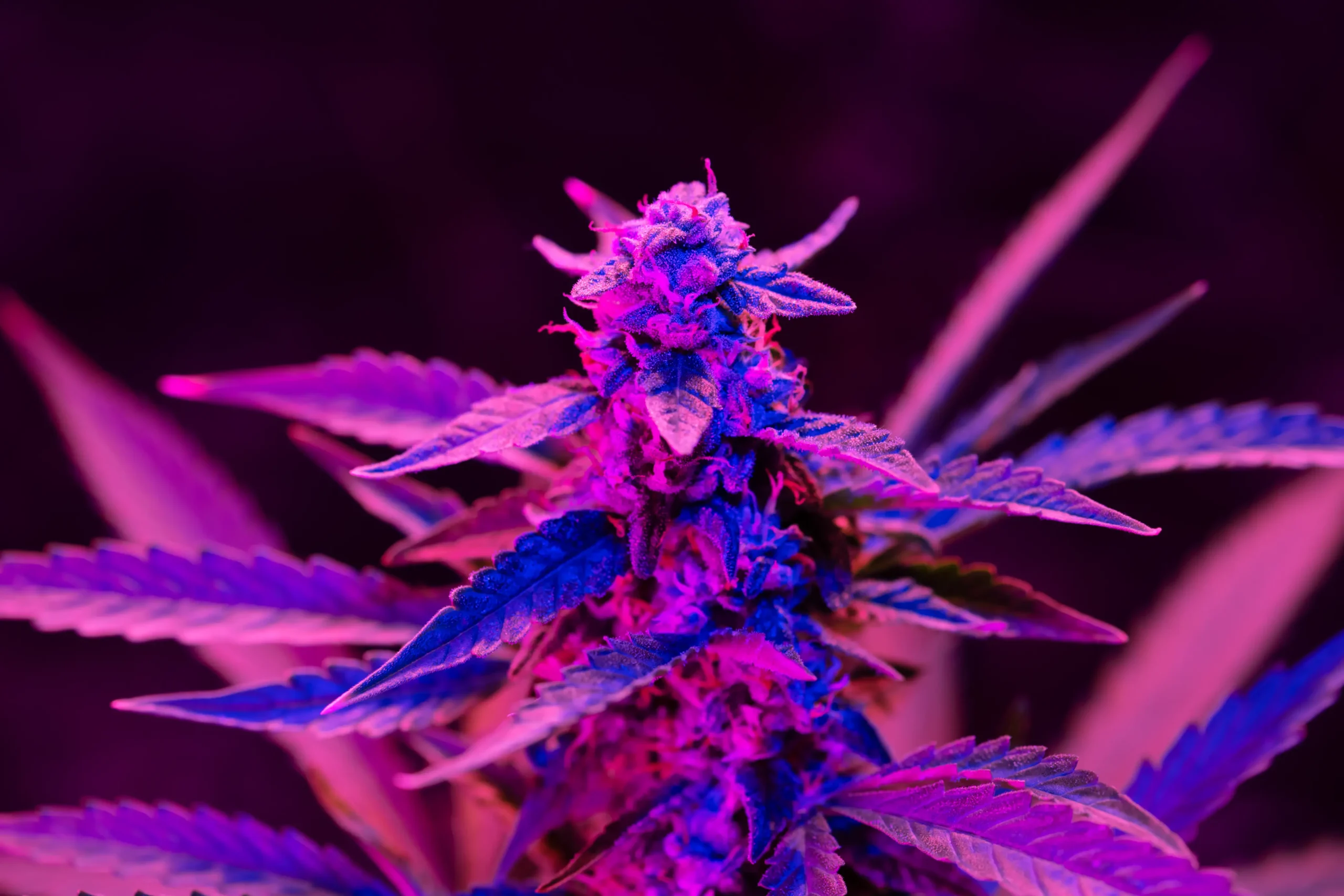
Blue Face is a selected blue phenotype from a Face Off OG and Animal Mints cross. The flower is known for dark purplish-blue dappling, dense resin and an aroma that can move from lemon gas to rubbed eraser, redwood bark, ginger, rubber, window cleaner and berry. It has been described by the growers most closely associated with the selected cut as their most difficult flower to produce. That statement deserves more attention than the awards or visual reputation because it explains the central reality of Blue Face: exceptional flower quality does not automatically arrive through easy plant behavior.
Public cultivation data for the exact elite cut is limited. The verified information is stronger around lineage, aroma, potency and difficulty than around universal measurements for stretch, yield or feeding. A responsible grow guide must therefore avoid pretending that Blue Face has one standardized recipe. The cut should be approached as a high-value plant whose behavior must be documented carefully, with changes made from observation rather than copied from a generic Animal Mints or OG schedule.
The lineage suggests several likely pressures. Face Off OG can contribute sharp lemon fuel, strong apical behavior and a potent head effect. Animal Mints can add dense flower, color, broad foliage, cookie-mint depth and a heavier body phase. In the selected blue expression, those traits appear to concentrate into compact, highly resinous flower that may be less forgiving of environmental drift than its sturdy appearance suggests. Grower reports outside the official description also point toward smaller plants and extremely dense finished buds.
Blue Face should be treated as a precision cultivar. The goal is not maximum plant size. It is to bring a limited number of healthy branches through flower without heat stress, root-zone instability, excessive leaf overlap or post-harvest damage. The plant’s visual beauty can distract from this quieter work. Blue color, resin and dense calyxes are outcomes. The management targets remain root health, airflow, stable water use and a controlled finish.
Strain Features
| Feature | Details |
|---|---|
| Strain Type | Potent indica-leaning hybrid with a strong cerebral onset |
| Genetic Profile | Face Off OG x Animal Mints, selected blue phenotype |
| THC | Commonly reported in the mid-20% range; batch dependent |
| CBD | Usually very low |
| CBG | Some tested batches show measurable CBG, though this is not universal |
| Dominant Terpenes | Pinene, beta-caryophyllene and humulene are frequently reported |
| Flavor and Aroma | Lemon gas, blueberry, rubber, redwood bark, ginger, eraser, cleaner and earthy spice |
| Effect Character | Immediate head pressure, creative or focused energy, then strong relaxation and possible couch-lock |
| Flowering Time | Exact cut data is limited; approximately 8 to 10 weeks is a cautious working range |
| Stretch | Cut-specific and not consistently documented; plan for moderate transition until measured |
| Plant Architecture | Often described as a smaller, difficult plant producing dense premium flowers |
| Bud Structure | Very dense, dark, heavily resinous and visually distinctive |
| Grow Difficulty | Advanced |
| Primary Quality Risk | Treating the plant as a normal high-potency hybrid despite limited cut data and a reputation for difficult flower production |
Genetic Lineage
Blue Face comes from Face Off OG crossed with Animal Mints. It is not simply a generic seed-line name. The best-known version is a selected blue phenotype, which means its identity depends on the exact cut. Seed-grown descendants or similarly named products may not reproduce the same color, aroma, structure or difficulty.
Face Off OG contributes a searing lemon-gas profile and an effect that can feel intense in the head before becoming physically heavy. OG-related plants often build strong top dominance and can react strongly to root-zone or environmental problems. Their flower may look dense and complete while the internal moisture and branch support still require careful attention.
Animal Mints contributes cookie-mint depth, fuel, dense calyxes, color and substantial potency. Its influence also helps explain the berry and creamy notes reported after grinding, even when the initial jar aroma is rubber, cleaner and wood. The selected blue expression does not need to smell conventionally minty. Genetic influence can appear through structure, resin and effect as much as through a literal flavor label.
The combination creates a profile that is difficult to simplify. Some samples smell like lemon solvent and pine. Others present blueberry muffin, pumpkin spice, rubber and bark. The official tasting notes of rubbed eraser, redwood, ginger and window cleaner are unusually specific and consistent with consumer reports of berry gas and chemical sharpness. A strong Blue Face should therefore feel strange but coherent, not like a random collection of odors.
Color is a phenotype trait rather than a cultivation trick. Cooler nights may deepen pigment in a genetically capable plant, but harmful cold does not create the selected identity. The grower should protect plant health and allow natural expression. Dark tissue can also make early damage harder to see, so color should increase inspection rather than reduce it.
Because the exact cut has a reputation for difficulty, lineage-based inference must remain secondary to plant observation. Face Off OG and Animal Mints can suggest likely needs, but they cannot replace records from the actual clone. The first run should establish stretch, root vigor, water use, branch strength, flowering duration and sensitivity to pruning. Only the second run should be treated as a true optimization cycle.
Effect Breakdown
The First Minutes Can Feel Sharper Than the Indica Label
Blue Face often produces immediate head pressure, sensory intensity and a rapid shift in attention. Users describe creativity, focus, laughter and a feeling that can lean strongly sativa-like at first. Lemon gas and pinene-rich aroma reinforce that impression. The onset is not always comfortable for low-tolerance consumers.
A small dose may feel energetic and mentally engaging. The user can become interested in music, games or conversation. The same stimulation can become anxious when the amount is increased. Blue Face has enough potency to make two inhalations feel very different from one.
Physical Relaxation Arrives Behind the Head Effect
The body phase develops after the initial mental lift. Tension decreases, limbs feel heavier and the experience becomes less outward. The transition can be smooth, but it may also feel abrupt when the dose is high.
Some users remain creative and focused while physically relaxed. Others move quickly toward couch-lock. The selected batch, maturity and personal tolerance influence the result. A greener, earlier harvest may preserve more head activity, while a fully mature dense cut can finish considerably heavier.
Giggly, Hungry and Social, Until It Is Not
Blue Face can create laughter, appetite and comfortable conversation. This middle period is one of the cultivar’s most enjoyable qualities. The user feels strongly affected without necessarily becoming silent.
The window can close quickly. Later, the same user may become sleepy, inward and less willing to move. It is safer to schedule Blue Face for late afternoon or evening rather than assuming the creative opening will continue unchanged.
Side Effects and Dose Control
Dry mouth and dry eyes are common. Anxiety is the main concern for sensitive users because the onset can be strong and the potency is high. Harsh smoke from a poor cure can intensify the uncomfortable head pressure.
A small first dose is appropriate even for experienced users trying a new batch. Blue Face is a selected cultivar with limited standardization across markets. The name alone does not tell the user how strong the specific flower will feel.
Flavor & Aroma Profile
Blue Face is one of the less predictable aromatic experiences among modern high-end hybrids. The jar may open with lemon cleaner, diesel, pine and rubber. The flower can then reveal blueberry, cream and warm spice after grinding. The contrast between chemical sharpness and soft berry is central to its appeal.
Rubbed eraser is an unusually accurate descriptor for certain samples. It combines dry rubber, paper dust and a faint mineral smell. Redwood bark adds damp wood and forest depth. Ginger contributes a sharp warm spice rather than sweet bakery flavor. Window cleaner describes the high, nasal chemical lift, not a literal added scent.
Berry is more likely to appear when the bud is broken or smoked. Some users compare the flavor to blueberry muffin or dark berry gas. That softer note can be hidden by the initial solvent aroma. A poor cure may preserve the rubber while removing the fruit, leaving the flower aggressive but incomplete.
The inhale can be lemony, piney and dry. The exhale introduces rubber, pepper and earth. In better-cured samples, berry cream and ginger remain after the gas fades. The smoke can be expansive or slightly harsh because of resin density and chemical intensity. Smoothness depends heavily on clean maturation and moisture control.
Blue Face should not be dried rapidly for appearance. Dense flowers can harden beautifully on the outside while retaining moisture in the center. The result is a flower that looks premium but burns unevenly and develops a sour internal smell. Branch size, room conditions and internal moisture must be evaluated together.
Color and aroma can also create false confidence during harvest. Dark purple-blue buds and heavy trichomes look finished. Calyxes may still be developing. The grower should wait for structural maturity and trichomes on calyx tissue, not simply the most photogenic day.
Dominant Terpenes
| Terpene or Volatile Group | Likely Role in Blue Face |
|---|---|
| Pinene | Supports pine, sharp herbal freshness and the focused, high-pressure opening. |
| Beta-Caryophyllene | Adds pepper, dry spice and part of the warm gas foundation. |
| Humulene | Contributes wood, bark, hops and a dry earthy finish. |
| Limonene | May reinforce lemon cleaner and the brighter cerebral onset in selected batches. |
| Minor Berry, Rubber and Solvent-Like Volatiles | Help create blueberry, eraser, ginger and window-cleaner notes that are not fully explained by the primary terpene list. |
Terpene rankings are based on tested batches rather than a universal formula. The selected cut can vary under different environments, and products sold under the name may not all be genetically identical. Sensory evaluation after cure remains essential.
The presence of pinene does not guarantee a clear-headed experience. Blue Face can become intensely stoney and sedating. Terpenes influence perception and aroma, but dose and cannabinoid chemistry remain major parts of the effect.
Indoor vs. Outdoor Growing
| Decision Point | Indoor Growing | Outdoor Growing |
|---|---|---|
| Cut Control | The exact clone can be measured and repeated | Unknown seed expressions may diverge more strongly in structure and finish |
| Climate Stability | Temperature, humidity and root-zone conditions can be kept narrow | Weather variation can expose the cut’s sensitivity during late flower |
| Plant Size | Smaller plants can be given individual space and observation | Long seasons may increase size, but quality is not guaranteed by biomass |
| Flower Density | Controlled humidity protects very dense buds | Rain and dew are major concerns inside dark compact flowers |
| Flavor | Stable temperatures preserve berry, ginger and sharp gas | Full sun may deepen bark and earth, while heat can remove the berry layer |
| Support | A low net or individual ties protect heavy compact tops | Cages should be installed before branches become rigid |
| Best Fit | Advanced indoor growers running a verified cut | Dry, protected outdoor climates with close daily observation |
Indoor cultivation is the more logical environment for the selected Blue Face cut because the plant’s reputation for difficulty calls for control and repeatability. The grower can adjust plant count, container size and irrigation around the actual behavior. Small plants should not automatically be packed closely. Dense flower and broad leaf overlap may require more space than the vegetative height suggests.
Outdoors, the cultivar may perform well in a dry climate, but the risk is higher. The exact selected cut is less thoroughly documented outdoors, and dark dense flowers are poor candidates for repeated autumn moisture. A protected structure or the ability to move container plants can reduce exposure.
Outdoor size should not be the primary goal. Blue Face is valued for flower quality, aroma and effect. A smaller, healthy plant with clean dense tops is more successful than a large stressed plant that loses the berry-chemical balance.
Strain-Specific Grow Guidance
Treat the First Run as Data Collection
Record every important behavior. Note days to rooted growth, response to topping, pre-flip height, stretch by week, irrigation frequency, flowering initiation, aroma changes and final harvest date. Blue Face is not the strain to “feel out” casually and then forget the details.
A verified cut becomes easier only after the room has learned it. The second run can correct spacing and irrigation. The first run should prioritize health and observation over maximum yield.
Do Not Crowd Small Plants
A small vegetative plant may still produce broad leaves and dense colas. High plant count can create a humid wall even when the canopy is short. Give each plant enough lateral space for air to move around the main branches.
If the plant grows slowly, extending veg is safer than adding more plants to the same area. The root system and branch diameter need time to support premium flower.
Use Low-Stress Structure Before Aggressive Cutting
One topping may be appropriate when the plant is healthy and actively growing. If recovery is slow, branch bending and selective pruning are safer than repeated high-stress training. A difficult cut should not be forced through a fashionable training method.
Build four to eight strong branches depending on plant size. Remove weak inner shoots. The target is a readable structure with clear access to every future cola.
Match Container Size to Root Vigor
An oversized wet container can slow a difficult plant further. Use a well-aerated medium and a container that the root system can colonize before flowering. Pot up in stages when possible rather than placing a small clone directly into a very large final volume.
Watch how quickly the plant recovers after irrigation. Slow posture recovery, persistent heavy leaves and a cold wet medium suggest that frequency or volume is too high.
Keep Environmental Changes Small
Blue Face is a poor candidate for large late corrections. Avoid dramatic changes in light intensity, temperature or feed strength. A narrow stable range allows the grower to identify what the cut actually needs.
Canopy temperature matters more than room temperature alone. Dark dense flowers and broad leaves can absorb heat. Measure conditions at the top level and maintain gentle airflow through the plant.
Feed From Response, Not Reputation
More feed is not automatically more quality
Premium high-potency flower does not require aggressive nutrient strength. Begin with moderate feeding and increase only when new growth, water use and tip condition support the decision. Dark clawed leaves or slow drinking are reasons to reduce concentration.
Late nitrogen can hide inside the color of the plant. Purple-blue pigment does not mean the leaves are fading correctly. Read leaf texture, clawing and petiole behavior as well as color.
Defoliate for Access and Air
Remove leaves that press against flowers, block several sites or close the center. Do not strip the plant completely. A difficult cultivar needs enough healthy leaf area to finish, especially if vegetative growth was slow.
The best defoliation schedule may be two light passes rather than one aggressive event. One near the end of stretch and another minor cleanup in mid-flower can preserve balance.
Inspect Dark Flowers Closely
Blue and purple tissue can hide brown damage. Check the stem side of the largest buds and any point where leaves remain trapped inside the flower. Healthy dense tissue should remain firm and connected.
An unusual local smell, sudden softness or a dead sugar leaf pulling out easily can indicate internal trouble. The normal rubber and cleaner aroma should not discourage physical inspection.
Support Before the Final Density Appears
The plant may be small but the flowers can be heavy. Individual ties or a low second net keep branches separated and reduce pressure at the stem junction. Support should be installed before the trichome layer makes handling destructive.
Harvest Without Letting Color Decide
Blue Face can become visually spectacular before it reaches full maturity. Look for calyx swelling, slower fresh pistils and mostly cloudy calyx trichomes. A few amber heads may be appropriate for a heavier effect, but the cultivar does not need to be taken excessively late.
A staged harvest can be useful if upper tops mature earlier than the shaded middle. The remaining branches should still be healthy and receiving enough light to benefit.
Plan the Final Two Weeks Around the Cut, Not the Calendar
Blue Face is a poor candidate for a rigid week-by-week finish. The dense surface resin can make the plant look advanced while water use, calyx expansion and aroma are still changing. Track these signals together. A plant that is still drinking strongly and producing new bracts is not finished simply because the flower has turned blue and the sugar leaves are covered in frost.
The final feed reduction should follow declining demand rather than a fixed date. If the plant is still using water predictably, keep the root zone balanced and avoid a sudden nutrient withdrawal that interrupts the last swell. When uptake slows, reduce concentration and irrigation frequency in proportion to the plant. The purpose is a clean, stable finish, not forced starvation.
Divide the Harvest When Flower Position Creates Different Maturity
A difficult cut often develops unevenly between the upper and lower canopy. Blue Face can show extremely dense top flowers while protected side branches remain less swollen. One harvest date may therefore sacrifice either the top aroma or the lower maturity.
Staged harvesting is reasonable when the difference is clear. Remove the completed upper branches, reduce the remaining light load and allow lower sites several additional days. This should be a measured response to calyx and trichome differences, not an automatic technique. The remaining plant must still be healthy enough to finish cleanly.
Weedth Bud Flavor Tips
Blue Face’s berry and ginger notes are more fragile than its rubber and gas. The final weeks should be kept stable and not overheated. Moving the light too close to deepen color or density can remove the softer aromatic layer.
Harvest when surface moisture is low. Outdoor or greenhouse flowers should be moved into shade immediately. Dense dark buds heat quickly in direct sun after cutting.
Sort flowers by size. Large tops may need to be divided, especially if the center feels solid around the stem. Smaller branches can remain intact to slow their moisture loss. Drying all material identically is likely to overdry one group and underdry another.
Use mild trimming before drying. Remove large fan leaves and damaged material, but consider leaving some sugar-leaf protection in a dry room. A heavily wet-trimmed Blue Face bud can become crisp outside before internal moisture has moved.
During cure, evaluate aroma in stages. Rubber and cleaner may dominate first. Berry, ginger and bark can become clearer after moisture equalizes. Do not reject the flower in the first week unless there is evidence of microbial damage.
Store the final flower cool, dark and in small containers. Repeated opening reduces berry and lemon before the heavier gas. Blue Face is valuable because both sides survive together.
Weedth Bud Boost Tips
The cultivar should be optimized for premium percentage rather than maximum canopy biomass. Limit the number of tops to what the root system and branch frame can finish. A small plant covered in excellent buds is more successful than a large plant with inconsistent density.
Extend vegetative time only while the plant remains healthy. Slow growth caused by a wet root zone or excessive feeding will not be fixed by simply waiting. Correct the environment first, then allow the plant to build branch diameter.
Use even light rather than maximum light. Blue Face’s dark flowers and dense tops may heat more than expected. The best intensity maintains strong leaf posture and aroma without bleaching, tacoing or hardened top surfaces.
Keep lower growth clean. The selected cut’s value lies in top-quality flower. Small shaded buds consume resources, trap humidity and complicate drying. Remove them before resin makes the decision emotionally difficult.
Support every main branch. This improves light position and prevents colas from touching. The result is not only safer flower but more uniform maturation.
For selection, score the plant in separate categories: health, structure, aroma, density, smoothness and effect. Do not allow color or awards associated with the name to dominate the evaluation. A Blue Face cut that cannot be grown cleanly in the actual room may not be the right keeper for that environment.
Blue Face also requires careful separation between genetic compactness and growth restriction. A naturally small cut should still produce firm new shoots, expanding roots and predictable water use. When the plant remains small because the container stays wet, the leaves lose posture and the newest growth stalls, increasing feed is unlikely to help. Reduce the mismatch between root mass and wet medium, restore oxygen and wait for normal drinking before making another nutritional change.
This diagnostic distinction becomes especially valuable during cloning. A slow clone with an undeveloped root system should not enter the same irrigation rhythm as a fully established plant simply because both occupy identical containers. Early individual watering may feel less efficient, but it prevents the weakest plant from spending the entire vegetative period in a saturated root zone. Once the roots have caught up, the plants can move toward a shared schedule.
The same principle applies after transplanting. Blue Face may need a quieter establishment period before training begins. Let the plant show renewed tip growth and a clear wet-to-dry cycle before topping or spreading the branches. Combining transplant stress, aggressive training and high feed in the same week makes it difficult to identify which factor caused the slowdown.
Medical Uses & Benefits
Blue Face is often reported as creative, focused, euphoric and strongly relaxing. Some users choose it for low mood because the first phase can feel bright and engaging. Others use it at night because the later phase becomes heavy and sleepy.
Users also report temporary relief from general physical discomfort and tension. The intense sensory shift may distract from pain, while the body phase can feel calming. These experiences do not establish treatment for pain or any other medical condition.
The strain may stimulate appetite. It can also cause anxiety, dry mouth and dry eyes. The quick head pressure makes careful dosing important for people who are sensitive to THC.
Blue Face should not be treated as a predictable medicine based only on the name. The selected cut, harvest maturity and batch chemistry can produce different outcomes. Medical users should seek professional guidance.
Ideal User Profile
Blue Face is for experienced consumers who enjoy sharp lemon gas, rubber, wood and berry rather than a simple sweet profile. The ideal user is curious about unusual aroma and comfortable with an intense opening.
It can suit creative evenings, gaming, music and relaxed social use at a small dose. Larger doses are more appropriate when the user can accept couch-lock and sleepiness.
Growers should be advanced or highly attentive. The plant’s public reputation as difficult, combined with limited standardized grow data, makes it unsuitable for someone seeking an easy first cultivar.
The strain is a poor fit for crowded rooms, hot drying spaces and wet outdoor climates. It rewards patience, individual plant observation and a willingness to sacrifice plant count for flower quality.
Blue Face also rewards a different style of record keeping from easier commercial hybrids. Photograph the same branch every few days, note irrigation volume and measure the time required for the container to return to its normal dryback. These records reveal whether a small plant is genuinely slow or simply using less water because its roots have not colonized the container. Without that distinction, growers often add nutrition to a plant that actually needs more oxygen and patience.
The cultivar's difficult reputation should not be interpreted as fragility in every category. Dense flowers and strong resin can remain structurally impressive. The challenge is that the margin between premium and compromised flower is narrow. Small environmental errors may not destroy the plant, but they can erase berry, create harsh chemical flavor or leave hidden moisture inside a beautiful cola.
Grower Notes and Feedback
The most authoritative recurring statement is that the selected Blue Face is exceptionally difficult to grow well. The exact reason is not fully published, which is why invented precision should be avoided. The plant should be approached cautiously and documented.
Consumer and grower observations frequently describe small plants with very dense flowers. This suggests that yield should be evaluated through quality and density rather than height.
Aroma reports are unusually diverse but connected: eraser, bark, ginger, cleaner, rubber, lemon gas, blueberry and spice. That complexity supports the idea that a good cure is essential.
The effect can feel sativa-like at first and indica-heavy later. Some users report creativity and focus. Others describe immediate stoniness and couch-lock. Dose and batch maturity likely explain part of the difference.
Blue coloration is prominent in the selected cut but should not be forced through stress. Healthy pigment is a genetic expression. Cold-damaged leaves and stalled roots are not quality improvements.
Weedth Editor's Note
The tradeoff I would plan around
The Blue Face cut arrived smaller than the other clones scheduled for the room. The first reaction was to compensate with a larger container and a stronger vegetative feed. The logic seemed reasonable: more root space and more nutrition would help a slow plant catch up.
It did the opposite. The medium stayed wet long after the neighboring plants had become light. New leaves emerged dark and heavy, and the branches remained close to the main stem. Nothing looked critically wrong, but the plant was not building momentum.
The correction began by changing only one variable. Irrigation volume was reduced and the container was allowed to dry more deeply, without forcing a severe wilt. The feed concentration remained unchanged for several days so the effect of water could be seen clearly. New growth became lighter and the leaves began holding themselves higher.
The plant was not topped again. Instead, four existing branches were opened slowly over a week. Two weak inner shoots were removed. The canopy remained smaller than the others, but every branch had direct light and the medium began drying on a predictable rhythm.
During flower, the Blue Face plants never became the largest in the room. They did become the densest. By week six, the tops looked almost complete, with dark color and heavy resin. One branch was cut early for a drying test. It looked beautiful and tasted mainly of rubber and pine.
The remaining plants stayed until the calyxes expanded and the water use slowed naturally. Those flowers developed berry and ginger behind the cleaner gas. The difference was not visible in photographs. It was obvious in the jar.
The experience changed the way the plant was judged. Blue Face did not need to catch up in size. The attempt to force speed had been the first mistake. Once the root zone became stable and the branch count was simplified, the cultivar expressed its strength where it mattered: dense flower and unusual flavor.
Weedth Score
Growing Experience 7.5/10 Exceptional potential, but limited standardized data and a strong reputation for difficulty demand advanced observation.
Bud Structure & Visual Appeal 9.8/10 Dark blue-purple dappling, dense calyxes and heavy resin create elite visual quality.
Aroma Complexity 9.6/10 Lemon gas, eraser, bark, ginger, rubber, cleaner and berry form a genuinely unusual profile.
Flavor & Smoothness 8.6/10 Outstanding when fully matured and cured, though the resinous chemical smoke can be expansive.
Effects & High Experience 9.0/10 Strong cerebral pressure, creativity and laughter can transition into deep relaxation and couch-lock.
Overall Satisfaction & Recommendation 8.9/10 Highly recommended for advanced growers and experienced users seeking distinctive premium flower.
Blue Face loses points almost entirely on cultivation difficulty and incomplete public grow standardization. Its flower quality, color and terpene identity remain exceptional when the selected cut is handled correctly.
FAQ
What is Blue Face's lineage?
Blue Face is a selected blue phenotype from Face Off OG crossed with Animal Mints.
Is Blue Face the same as Animal Face?
It is a sister phenotype from the same genetic family, not simply another name for every Animal Face plant. The selected cut has its own color and aroma identity.
Why is Blue Face difficult to grow?
The exact cut-specific reasons are not fully published. The selected flower has been described by its growers as their most difficult cultivar, so the first run should focus on observation, root stability and environmental consistency rather than aggressive optimization.
How long does Blue Face flower?
Exact verified cut data is limited. An 8-to-10-week working range is cautious, but the plant should be harvested by maturity rather than calendar alone.
How much does Blue Face stretch?
Stretch is not consistently documented. Plan for moderate transition, leave spare canopy room and measure the exact cut during the first run.
Does Blue Face stay small?
Grower reports often describe a smaller plant with extremely dense flowers. Small size does not mean it should be crowded or placed in an oversized wet container.
Why does Blue Face smell like rubber or cleaner?
Rubber, eraser and window-cleaner notes are recurring parts of the selected aroma. Poor curing can make them harsh, while a careful cure reveals berry, ginger and wood underneath.
Is Blue Face prone to mold?
Its dense dark flowers can hide moisture damage. Late humidity, leaf contact and the stem-facing side of the largest buds require close inspection.
Is Blue Face good for beginners?
No. The limited cultivation data and reputation for difficulty make it a better choice for advanced growers.
What type of effect does Blue Face produce?
Many users report an intense creative or focused head effect followed by relaxation, hunger and possible couch-lock. Dose and batch maturity strongly affect the progression.
Similar Strains
Animal Face shares the family structure, potency and gas. It usually presents more direct OG-cookie intensity, while Blue Face adds darker color and an unusual berry-rubber profile.
Face Off OG provides lemon gas, head pressure and a strong physical finish. It is more classic OG and less berry-cream or mint influenced.
Animal Mints contributes dense flower, cookie gas and body relaxation. It is generally sweeter and mintier, while Blue Face is sharper, woodier and more chemical.
Jealousy offers dense colorful flower and balanced potency with creamy gas. It is easier to interpret aromatically and less eraser-like.
Permanent Marker shares chemical sharpness, dense modern flower and strong effect. It leans floral, candy and marker ink, while Blue Face emphasizes bark, ginger, rubber and blueberry gas.
Share this article
A quick overview of the topics covered in this article.
Follow us
Latest articles
September 9, 2026
September 9, 2026
September 9, 2026