
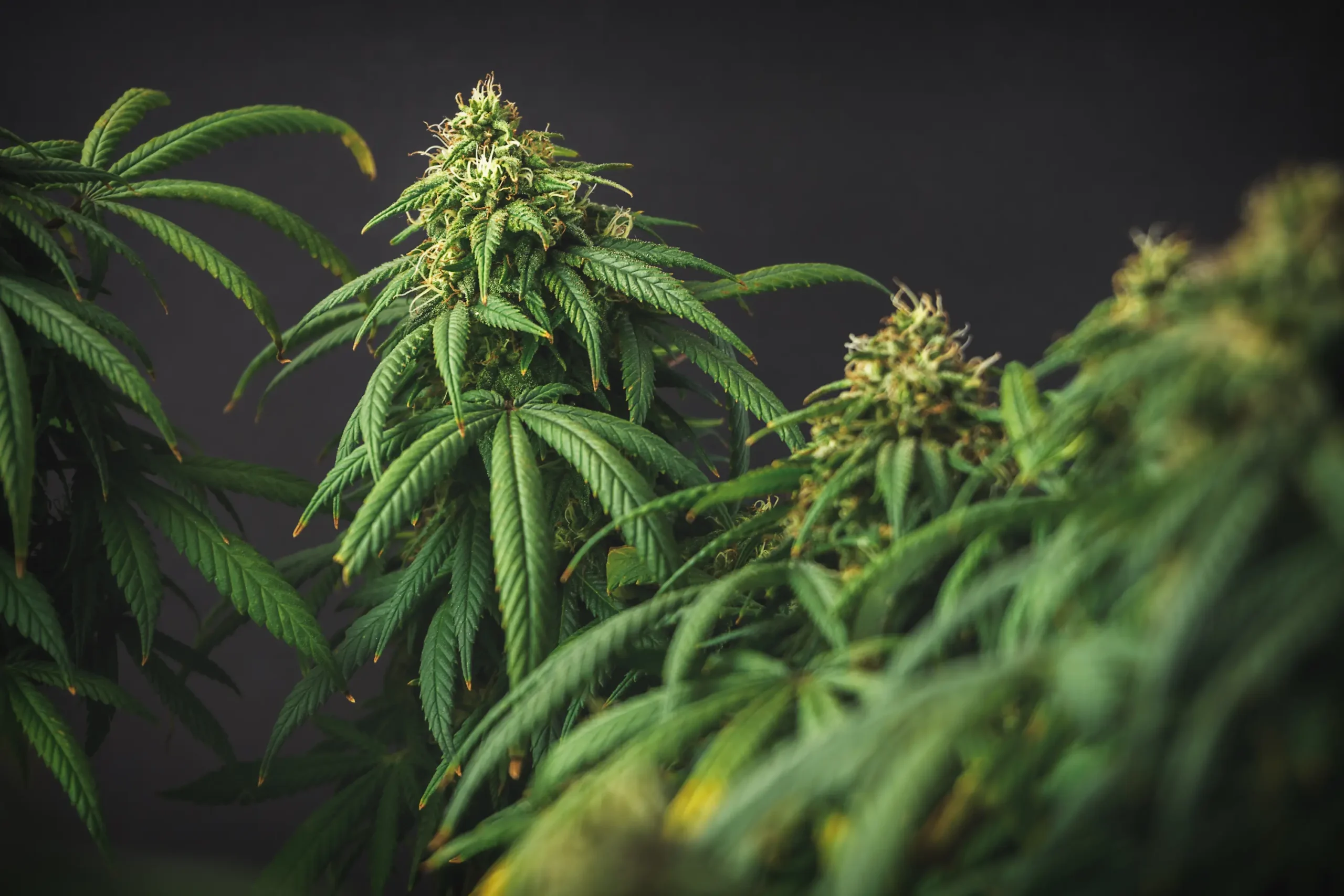
Chem 91
Chem 91 is the kind of cultivar that makes the word gas feel literal. Its best flowers smell less like a sweet dessert and more like a workshop where fuel, rubber, sharp cleaning solvent, damp soil, and skunk have been compressed into sticky green resin. That profile is not decorative. It is the reason the plant remains influential, and it is also the quality most easily diluted when growers overfeed, harvest by calendar, or rush the dry.
The plant behind that aroma is not a perfectly standardized seed-line hybrid. Chem 91 is historically treated as a clone-only selection with uncertain bagseed ancestry, so the grower is often dealing with a verified cut, a selfed version, a backcross, or a later reproduction that may not behave exactly like the original. The common thread is a stretchy, sharp-smelling, resinous plant that forms elongated flowers and usually needs more support than its stems appear to require in early bloom.
The central cultivation decision is how to use its vertical energy without allowing the canopy to become uneven or the branches to fold under late flower weight. Chem 91 can produce premium flower across more than the top few inches, but only when the laterals are spread early and the root zone remains aerated. The cultivar dislikes being managed as a squat, water-loving indica. It performs better when the grower treats it as a vigorous hybrid that needs oxygen, branch space, and time to ripen its chemical aroma fully.
Strain Features
| Feature | Details |
|---|---|
| Strain Type | Hybrid, commonly described as indica-leaning in body effect but structurally more open and stretchy than a compact indica. |
| Genetic Profile | Clone-only Chem family selection; seed versions may be S1s, backcrosses, or reproductions. |
| Lineage | Exact ancestry remains disputed. Historical accounts connect it to early 1990s bagseed and an unknown “Dog Bud” source. |
| THC / CBD | Commonly high-THC, frequently reported around the low-to-mid 20% range; CBD is usually minimal. |
| Dominant Terpenes | Often myrcene, limonene, terpinolene, and beta-caryophyllene in varying order. |
| Flavor / Aroma | Chemical fuel, skunk, ammonia, rubber, damp earth, citrus peel, and a faint savory sweetness. |
| Effect Character | Fast mental pressure and euphoria followed by a warmer, heavier physical phase. |
| Flowering Time | Approximately 9-10 weeks for the classic expression; some reproductions finish earlier or later. |
| Stretch | Moderate to strong. Many plants reach roughly 1.5-2 times their pre-flower height. |
| Plant Architecture | Open internodes, vigorous laterals, elongated colas, and stems that may need support after swelling. |
| Feeding Behavior | Moderate to moderately heavy appetite, but poor tolerance for saturated media, root binding, and abrupt pH swings. |
| Bud Density | Medium-dense rather than uniformly rock hard; spear-like flowers can hold hidden moisture near the stem. |
| Grow Difficulty | Moderate. The plant is vigorous, but canopy control, root-zone discipline, odor, and support matter. |
| Best Time of Use | Late afternoon or evening for most users, depending on dose and individual sensitivity. |
Genetic Lineage
Chem 91 has a historical identity that is stronger than its documented pedigree. The cultivar is associated with an early 1990s seed found in cannabis sold under a name commonly remembered as Dog Bud. From that event came several Chem family cuts, and the 1991 selection became the reference point for an entire fuel-forward branch of modern cannabis. The exact origin of the original imported flower has never been proven, so confident claims of Thai, Nepalese, Afghan, or American parentage should be treated as theory rather than fact.
That uncertainty affects cultivation. A verified clone behaves differently from a modern seed reproduction carrying the same name. Selfed and backcrossed lines can preserve the chemical aroma while widening variation in leaf width, stretch, flower density, and feeding response. Growers should record the source and generation of their plant before comparing it with a description of the historical cut.
The traits that remain most recognizable are strong apical movement, elastic lateral branching, early skunk-fuel odor, greasy resin, and elongated flower formation. These characteristics help explain why Chem 91 appears repeatedly in the ancestry of fuel, diesel, OG, and garlic-leaning hybrids. Its genetic value is less about perfect uniformity and more about an aromatic signature that can dominate a cross.
Important: Treat “Chem 91” as a cultivar family label unless the plant is known to be the original clone. Flowering time, yield, and exact terpene balance can shift noticeably in seed-derived versions.
Effect Breakdown
A Fast Mental Entry
Chem 91 often arrives quickly in the head. The first stage can feel bright, pressurized, talkative, and intensely present rather than dreamy. Music may sound more dimensional, conversation can become animated, and ordinary sensory details can feel unusually important. This is not always a clean focus strain. The mental energy can be productive in a small dose, but it may also become nonlinear or obsessive.
The Dose Threshold
At a moderate amount, the initial lift begins to spread through the shoulders, face, and limbs. Physical tension eases while the mind stays alert enough for a movie, music session, or unstructured social evening. At higher amounts, the body component becomes much more dominant. The same cultivar that felt energetic during the first twenty minutes can turn warm, heavy, hungry, and difficult to organize around.
Chem 91 has little CBD in most tested examples, so sensitive users do not receive much cannabinoid buffering. The sharp onset can produce racing thoughts, dizziness, dry mouth, or anxiety when the dose is too large. The ammonia-fuel aroma can also encourage experienced users to assume the flower is familiar and manageable, even when a particular harvest is unusually potent.
Duration and Finish
The useful middle phase often lasts longer than the initial rush. Many users describe an extended plateau of euphoria and physical release before the experience gradually becomes quieter. The finish can be appetite-forward and sleep-friendly, but Chem 91 is not automatically a bedtime cultivar. A smaller dose taken late may keep a mentally active user awake before the body phase arrives.
Flavor & Aroma Profile
The Chemical Top Note
The first impression from a mature jar should be unmistakably sharp. Solvent, fresh fuel, rubber, skunk spray, and a faint ammonia sting form the top of the profile. A weak example may smell generically earthy or lemony. A strong example has an almost industrial edge that reaches the nose before the jar is brought close.
What Appears After Grinding
Breaking the flower exposes the darker layers. Damp soil, black pepper, savory herbs, citrus rind, and a slightly fermented sweetness emerge beneath the fuel. Some expressions carry a garlic-like or onion-skin note, while others are cleaner and more lemon-chemical. The aroma can cling to fingers and scissors because much of the resin feels oily rather than dry and sandy.
Inhale, Exhale, and Aftertaste
The inhale is usually less sweet than the smell suggests. Fuel and pepper arrive first, followed by earthy citrus and a dense skunky expansion. The exhale can taste sour, metallic, and faintly creamy. Properly cured flower leaves a long chemical-herbal aftertaste. Poorly finished flower becomes hot, chlorophyll-heavy, and one-dimensional, with the fuel reduced to harshness rather than complexity.
Chem 91 is a useful test of post-harvest skill because the loudest aroma is not necessarily the most stable. A hot dry may still leave a strong smell, but it often removes the citrus lift and savory middle that separate refined Chem flower from a blunt solvent note.
Dominant Terpenes
| Terpene | Likely Sensory Role | Interpretive Note |
|---|---|---|
| Myrcene | Earth, musk, ripe herbal depth | Often supports the darker base and later physical heaviness; abundance varies by sample. |
| Limonene | Citrus peel and solvent brightness | May sharpen the fuel profile rather than making it taste obviously lemony. |
| Terpinolene | Fresh chemical, herbal, pine-like complexity | Appears prominently in some tested Chem expressions and can help explain the bright, volatile top note. |
| Beta-caryophyllene | Pepper, dry spice, woody warmth | Adds bite on the exhale and may contribute to the cultivar’s grounded finish. |
| Pinene | Pine needle and fresh resin | Usually secondary, but more apparent in cuts that smell cleaner and less savory. |
Terpene order is not consistent across all Chem 91 material. Clone health, harvest timing, environment, and the use of S1 or backcross seed can change which compounds dominate. Terpenes explain aroma more reliably than they predict an exact psychological effect, so the effect descriptions should remain based on recurring user reports rather than a single terpene theory.
Indoor vs. Outdoor Growing
| Decision Factor | Indoor | Outdoor |
|---|---|---|
| Canopy Control | Easier to contain the transition stretch with a net and early bending. | Space is less restrictive, but wind can expose weak branch junctions. |
| Root-Zone Management | Container dryback and oxygen can be controlled precisely. | Large soil volume supports vigor, but heavy ground and prolonged rain are serious disadvantages. |
| Flower Quality | Better control of heat protects volatile fuel and citrus notes. | Full sun can deepen resin and spice, but hot harvest weather can flatten the brightest aroma. |
| Main Risk | Uneven tops, light stress, root saturation, and late branch collapse. | Rain inside spear colas, wind breakage, and a season that extends into unstable autumn weather. |
| Best Training | Topping or bending plus a wide trellis; avoid a narrow single-stem plant. | Early topping, cage support, and a broad structure with open pathways. |
| Odor | Very high and difficult to contain without serious filtration. | Odor carries far downwind and can become obvious before flowers look mature. |
| Who Benefits | Growers prioritizing the classic chemical profile and a controlled harvest window. | Growers in warm, dry regions with room, structural support, and a reliable autumn. |
Chem 91 is usually easier to refine indoors because the plant’s two major weaknesses, root-zone inconsistency and late structural instability, are simpler to manage in a controlled room. An indoor grower can flip early, spread the laterals, and hold temperature steady as the fuel profile matures.
Outdoor cultivation becomes attractive when the climate is dry and the plant can build a broad root system. The cultivar can produce substantial branches and useful secondary flower under full sun, but it should not be placed in a low, wet site. If autumn storms are common, the grower may spend the final weeks choosing between incomplete ripeness and weather damage.
Strain-Specific Grow Guidance
Read the Clone Before Choosing a Training Plan
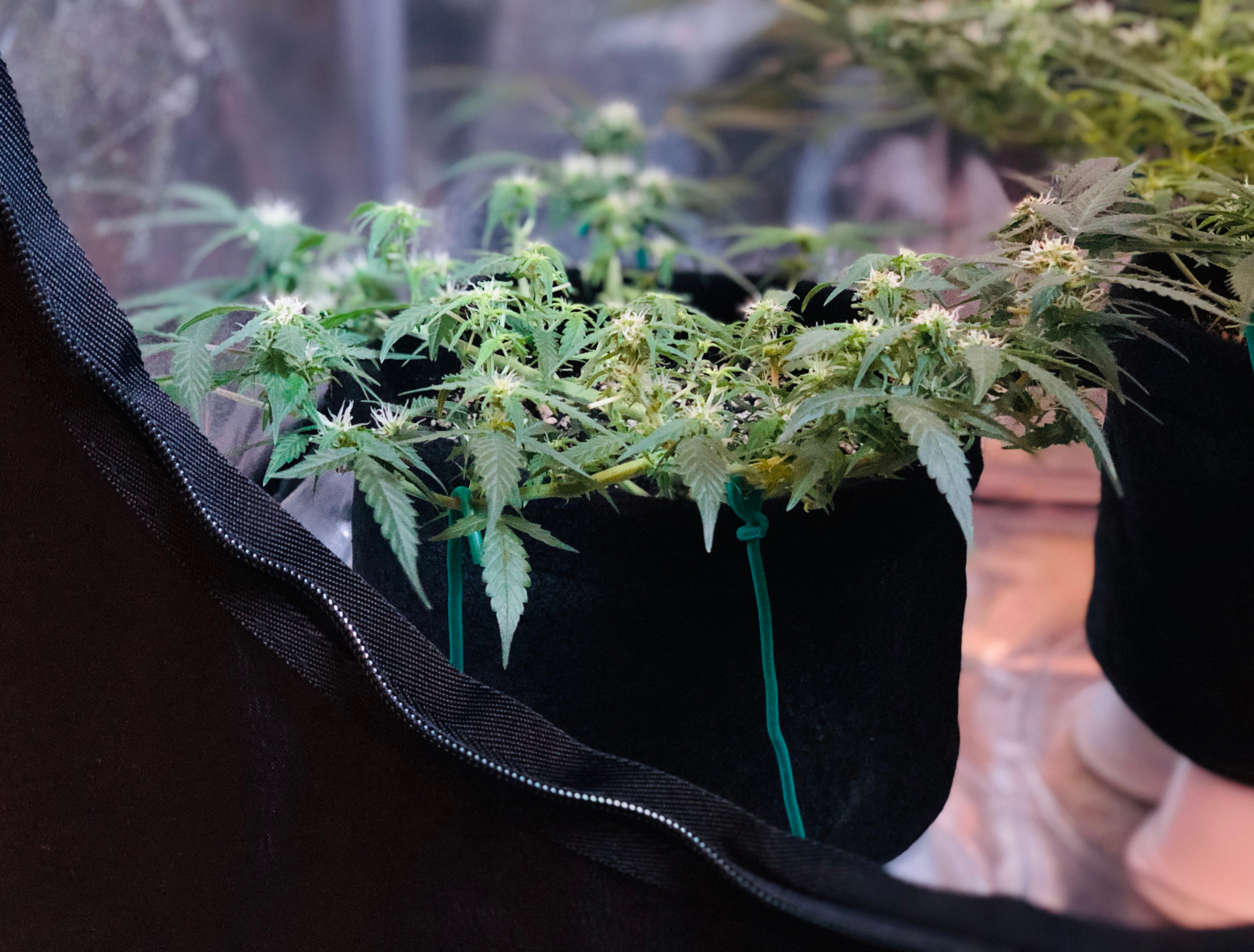
Chem 91 can look compact during early vegetative growth and then reveal its real architecture after roots become established. Internodes begin to open, laterals accelerate, and the top can gain height faster than surrounding plants. Do not decide that it is a short plant based on the first two weeks. Wait until the clone is actively producing new growth and observe whether the side branches can reach the top without assistance.
A verified vigorous cut usually benefits from one early topping or from bending the main stem below the highest laterals. Repeated topping is not automatically useful. Too many cuts can create a cluster of thin leaders that all require support. The objective is six to twelve well-spaced tops, not the highest possible branch count.
Use the Stretch Instead of Fighting It
The transition commonly lasts two to three weeks. During that period, continue guiding branches laterally through a trellis. A screen installed only after stretch is almost useless because the stems become less cooperative once flower clusters set. Leave open spaces at the flip. Chem 91 can occupy them quickly, and a screen that looks complete in vegetative growth often becomes overcrowded by day twenty-one.
The best canopy is broad but not flat to the point of compression. Slight differences in top height can help light reach the elongated flower surfaces. What matters is preventing a few dominant stems from escaping into the highest intensity zone while lower branches remain shaded.
Protect the Root Zone From Saturation
Chem 91 can drink aggressively under strong light, yet it reacts poorly when that demand is interpreted as a need for permanently wet media. Saturated conditions reduce root-zone oxygen and can create a misleading picture of nutrient deficiency, drooping, and slow lateral growth. Use a porous medium, avoid placing a small plant in an oversized wet container, and irrigate according to actual dryback rather than a rigid calendar.
Root binding is another avoidable limitation. A restricted root mass can cause the plant to demand water repeatedly while still failing to build the branch strength needed for flower. Transplant before the container is completely packed. In hydroponic systems, maintain strong oxygenation and avoid abrupt solution changes.
Feed the Vigor, Not the Reputation
Chem 91 is often called a moderate-to-heavy feeder, but the useful interpretation is that a healthy plant can support a steady nutrient supply. It does not mean that every plant should be pushed to high concentration. Dark clawed leaves, burned tips, and reduced internodal flexibility indicate that the feeding level has passed the plant’s productive range.
Nitrogen should begin tapering once the stretch slows. Excess late nitrogen can maintain soft leaf growth inside the colas and delay the shift from sharp green skunk to mature fuel. Calcium and magnesium demand may become more visible in fast-growing plants under intense light or in coco, but supplementation should respond to water quality and symptoms rather than habit.
Plan Support Before Weight Arrives
Chem 91 branches often appear strong because they are flexible and recover well from bending. That flexibility becomes a liability when elongated flowers gain weight. Use a net, stakes, or both before the colas begin leaning. Tying a collapsing branch late can damage resin and create a humid contact point where flowers touch.
Do not remove every lower branch. Unlike a plant that produces only useless larf, Chem 91 can create respectable secondary flowers when light penetrates. The better strategy is to remove the weakest inner shoots while preserving laterals that can reach the productive zone. A shallow, open lower canopy gives more premium flower without forcing all weight onto a few tops.
Airflow Must Reach the Stem Side of the Cola
The flowers are not always rock hard, but they can stack in long clusters around the stem. Room humidity may look acceptable while moisture remains where adjacent calyxes meet. Air should move through branch lanes and around the interior, not simply sweep across the canopy surface. Inspect the middle of the longest colas after irrigation cycles and after any equipment failure.
Recognize Real Maturity
Chem 91 should not be harvested only because the aroma is loud. The smell can become intense before the calyxes finish swelling. Look for a reduction in fresh pistil production, fuller bracts, and mostly cloudy trichomes on the calyx surface. An earlier harvest emphasizes sharp citrus-solvent energy. A slightly later harvest usually deepens earth, skunk, and physical weight.
Field advice: On a second run, most growers would flip earlier, install support sooner, and reduce late nitrogen more confidently. Those three changes improve both canopy control and the clarity of the finished fuel profile.
Read the Transition in Weekly Stages
Chem 91 is easiest to control when the first three flowering weeks are treated as a sequence rather than one long stretch event. During the first week, the main job is redirecting the fastest leaders into unoccupied canopy space. During the second, secondary shoots reveal which branches can realistically reach the light. By the third, flower set is established and the stems begin losing flexibility. Any branch that is still trapped below the productive plane at that point is unlikely to become premium flower. Cleaning it then is more efficient than carrying it through another six weeks.
Build support before the flowers demand it
This staged approach also prevents the common mistake of removing too much on the day of the flip. Chem 91 needs leaf area to power its rapid transition. A heavy pre-flower strip can slow the plant, after which it often resumes stretching unevenly. Small corrections over two or three visits preserve vigor while keeping the trellis readable.
Separate Water Demand From Root-Zone Saturation
A healthy Chem 91 canopy can consume water aggressively, particularly after the root system has filled the container and the transition is underway. That does not mean the medium should remain continuously wet. The plant may droop from a lack of oxygen in a saturated root zone and look deceptively thirsty. Before increasing irrigation frequency, compare container weight, drainage speed, root-zone temperature, and the time required for leaves to recover after watering. A plant that perks up as the medium dries is asking for a better wet-dry rhythm, not more water.
In a recirculating or high-frequency system, the equivalent concern is oxygenation and uniform delivery. One restricted dripper can leave part of the root mass salty while the rest remains wet. Chem 91's fast top growth can hide that imbalance until mid-flower, when lower leaves begin fading unevenly. Inspect the delivery system before interpreting every patch of yellowing as a nutrient deficiency.
Install Support Before the Colas Become Rigid
The branches may look strong through early flower because the internodes are still open and the flowers are light. The leverage changes during the final swell. Long tops become heavy at their ends and can fold at an old bend or at the point where a lateral leaves the main stem. A second support layer, individual soft ties, or a well-placed cage should be ready before that weight arrives. Supporting a branch after it has creased protects the flower from the floor, but it does not restore unrestricted vascular flow.
Use a Two-Sample Harvest Check
When the harvest window is uncertain, take a small representative branch rather than judging only the topmost cola. The highest flowers may mature earlier because they receive stronger light and more heat. Compare their aroma, calyx swelling, and trichomes with a well-lit middle branch. Chem 91 is ready when maturity is consistent across the productive zone, the solvent sharpness has gained lemon, earth, or savory depth, and new white pistils have largely stopped appearing. This reduces the chance of harvesting a visually finished top above a still-developing canopy.
Weedth Bud Flavor Tips
Preserve the Bright Edge, Not Only the Loud Smell
Chem 91 can remain pungent after a rough dry, which creates false confidence. The goal is not simply to retain odor. It is to preserve the difference between solvent, citrus peel, savory earth, and skunk. High heat removes that separation and leaves a blunt chemical harshness.
Harvest during the cooler part of the light cycle or early morning outdoors. Move cut branches out of sun immediately. The flowers are elongated, so they may feel dry on the outside while the stem-side calyxes remain wet. Hang branches with enough separation to prevent contact and allow slow, indirect air exchange.
Do Not Point a Fan at the Flowers
Direct airflow hardens the outer surface and strips the volatile top note. Air should circulate around the room and through the hanging branches. If large colas are extremely close around the stem, separate them into manageable branches rather than breaking every flower into small pieces.
Cure Evolution
During the first week after drying, Chem 91 may smell aggressively skunky and green. Over several weeks, the ammonia edge becomes cleaner, citrus appears behind the fuel, and the smoke loses its raw plant bite. A four-to-six-week cure is often more revealing than a two-week cure. Long-term storage should be cool, dark, and stable, with flowers kept whole until use.
Average Chem 91 tastes hot and chemical. Excellent Chem 91 tastes chemical and layered. That distinction is created by maturity, gentle handling, and enough cure time for the middle notes to emerge.
Weedth Bud Boost Tips
Indoor: Build a Supported Productive Shelf
Yield improves when the plant is spread before transition and allowed to fill a trellis during stretch. A long vegetative period is not always necessary because Chem 91 creates distance quickly after the flip. Focus on horizontal coverage, strong root establishment, and eight to twelve serious flower sites rather than a dense forest of thin branches.
Remove weak interior growth after stretch, but retain laterals that have reached direct light. Keep canopy depth moderate. Strong light can produce firm spear colas, yet excessive intensity on escaped tops may bleach the resin and flatten the citrus component. Quality yield comes from even light, not the highest possible reading above one branch.
Outdoor: Structure Is the Yield Strategy
Use a wide cage early and connect major branches to several support points. A single central stake does not protect a wide Chem 91 plant from rotational wind. Root volume and full sun can create large yields, but only when the branches remain separated and upright through late flower.
Do not chase size in a wet location. A smaller plant in a raised, aerated root zone often produces more usable flower than a huge plant in heavy soil. Where autumn rain is likely, prioritize an open frame and the ability to cover or move potted plants.
What Not to Push
CO2, extreme light, and aggressive bloom supplements are only useful after roots, irrigation, canopy, and environment are already stable. Chem 91 does not need stress tricks to make resin. It needs uninterrupted health and a complete finish. Excessive late feeding can add leaf and water weight while reducing the percentage of clean, flavorful flower.
Use the Second Run to Reduce Unproductive Depth
After one complete cycle, measure where the best Chem 91 flowers actually formed. If quality dropped sharply below the upper canopy, raise the lower cleanup line on the next run and shorten the productive depth. If mid-level buds remained firm and aromatic, preserve more of that zone. This cultivar can produce many resinous sites, but yield improves most when the room stops spending light, irrigation, and trimming time on branches that never reach the same chemical intensity as the tops. The second run should be simpler, more supported, and easier to inspect than the first.
Medical Uses & Benefits
Chem 91 is commonly chosen by experienced users for stress, low mood, physical tension, appetite loss, and evening pain management. The early euphoria can create distance from repetitive thoughts, while the later body phase may reduce the sense of muscular tightness. These are reported experiences, not evidence that the cultivar treats a medical condition.
The cultivar is not universally calming. Its fast onset and high THC can worsen anxiety, dizziness, or mental overstimulation in sensitive users. People seeking sleep may find it useful after the stimulating stage passes, but someone with insomnia triggered by racing thoughts may prefer a slower, more immediately sedating profile.
Because CBD is usually very low, dose control matters. Medical users who need daytime function should begin with a small amount and evaluate whether the mental pressure improves focus or makes concentration less predictable.
Ideal User Profile
Chem 91 suits a user who enjoys fuel, skunk, and chemical flavor without dessert sweetness. It is more appropriate for an intermediate or experienced consumer who understands that a bright opening can become physically heavy later.
Choose it for late-afternoon creativity, music, conversation, appetite, or a transition from activity into relaxation.
Choose it as a grower if you enjoy training elastic branches, managing a trellis, and preserving an old-school gas profile.
Avoid it when odor must remain low, when the grow space has no vertical margin, or when the root zone stays wet for long periods.
Users who want gentle fruit, low-THC functionality, or immediate sleep may find Chem 91 unnecessarily intense. Growers who judge success only by dense round buds may also misunderstand it. The cultivar’s strength is aromatic force and effect character, not a perfectly uniform modern flower shape.
Grower Notes and Feedback
One recurring pattern in grow reports is that Chem 91 appears easier than it is during vegetative growth. The plant is vigorous and recovers from bending, so growers delay support and allow the top to rise. The consequences arrive later, when the longest colas lean and the light distribution becomes difficult to correct.
Growers also disagree about appetite. Some cuts accept strong feeding, while others burn quickly. The disagreement is often explained by root health and source material. A well-rooted plant in aerated media can use more nutrition than a clone sitting in a wet, restricted container.
Another common surprise is the amount of odor produced before visual maturity. The room can smell finished while the flowers still need two weeks of swelling. Growers who harvest by smell alone tend to report a sharper, thinner effect and less developed earth beneath the fuel.
Trim is usually manageable because the elongated flowers do not always bury large leaves deeply, but the resin is sticky and persistent. Scissors gum quickly, and rough handling reduces the greasy surface that gives the cultivar much of its visual and aromatic appeal.
Another pattern across Chem-family grows is that lower flower quality depends heavily on how early the canopy was organized. The cultivar can form resinous small buds below the main tops, which tempts growers to keep every branch. Those buds may be useful, but they rarely match the density and chemical clarity of the upper zone. On a second run, most growers would keep fewer lower sites and use the saved airflow and labor to finish the main branches more evenly.
Identity remains a practical issue. A verified old cut, a selfed seed line, and a modern backcross can all carry the Chem 91 name while behaving differently. The useful response is not to argue with the label in the garden. Record stretch, irrigation rhythm, aroma, flowering duration, and finished effect for the actual plant. Once a keeper is selected, those notes become more valuable than a generic description of the family.
Weedth Editor's Note
The point where this plant reveals itself
I think Chem 91 is often grown for the wrong visual target. Trying to force it into short, round, rock-hard flowers misses what the plant does naturally well. I would rather see clean spear colas with intact chemical-citrus aroma than a compressed canopy fed so heavily that the smoke tastes hot.
My first priority would be root oxygen. The second would be support before I believed it was necessary. The third would be patience at harvest. Those choices are not glamorous, but they protect the exact qualities that make the cultivar worth occupying space.
The weakness is efficiency. Chem 91 can stretch, smell, and demand attention without producing the visual uniformity of a modern production hybrid. The strength is that a correct jar is unmistakable. Few cultivars create such a direct connection between plant health and a raw, chemical aroma.
I would recommend it to a grower who wants to study a foundational gas cultivar and is willing to build the room around the plant rather than forcing the plant into a compact schedule. I would not recommend it as a low-odor beginner project.
Weedth Score
Growing Experience 8.0/10 Vigorous and responsive, but stretch, support, odor, and root-zone sensitivity require active management.
Bud Structure & Visual Appeal 8.2/10 Greasy resin and long spear colas are distinctive, though less uniformly dense than modern dessert hybrids.
Aroma Complexity 9.5/10 Fuel, solvent, skunk, earth, citrus, pepper, and savory notes form a highly recognizable profile.
Flavor & Smoothness 8.6/10 Excellent after a complete cure; early harvest or hot drying turns complexity into harsh chemical heat.
Effects & High Experience 8.8/10 Fast euphoria and a substantial body finish, with meaningful anxiety risk at high doses.
Overall Satisfaction & Recommendation 8.7/10 A high-character cultivar for gas-focused growers, but not the easiest path to uniform commercial-looking flower.
*Chem 91 is not subtle, and that is exactly why every cultivation mistake becomes easy to taste.*
FAQ
Is Chem 91 the same as Chemdawg?
Chem 91 is one historic selection within the broader Chem family. The names are often used loosely, but the original 1991 cut, later Chem selections, selfed versions, and backcrosses are not identical. Source matters more here than it does with a highly stabilized seed cultivar.
How much does Chem 91 stretch after the flip?
A common working expectation is approximately 1.5-2 times the pre-flower height, with some seed-derived expressions stretching more. Leave empty trellis space and continue tucking during the first two to three weeks.
Does Chem 91 need a trellis?
A trellis is strongly recommended indoors. It controls transition growth and supports the long colas later. Outdoors, a cage plus individual ties is safer than relying on one central stake.
Why is my Chem 91 drooping even though the media is wet?
The likely issue is lack of root-zone oxygen rather than thirst. Chem 91 can drink heavily, but it does not benefit from constant saturation. Confirm container weight, drainage, root temperature, and irrigation frequency before adding more water or nutrients.
Does Chem 91 need heavy feeding?
Healthy vigorous plants can use a steady moderate-to-strong program, but “heavy feeder” is not permission to ignore tip burn and clawing. A wet or rootbound plant will tolerate much less. Reduce nitrogen as stretch ends.
When should Chem 91 be harvested for the best flavor?
Wait for completed calyx swelling, reduced fresh pistils, and mostly cloudy flower trichomes. Earlier harvests emphasize sharp solvent and mental energy. A slightly later window adds earth, skunk, and physical weight without allowing the flower to become dull.
Why does one Chem 91 plant smell lemony while another smells savory?
Different reproductions and phenotypes can shift the balance between limonene, terpinolene, myrcene, and caryophyllene. Environment and maturity also matter. The family resemblance is chemical fuel, but the supporting notes can vary widely.
Is Chem 91 suitable for outdoor growing?
Yes in a warm, dry climate with a reliable autumn. It is less attractive in heavy soil, frequent late rain, or exposed windy sites. Structural support and an aerated root zone are more important than maximizing plant size.
Similar Strains
Chemdawg: The closest family comparison. It shares the chemical-skunk identity, but individual Chem cuts can differ in stretch, body effect, and savory intensity.
Sour Diesel: Similar fuel dominance and energetic onset. Sour Diesel is usually more citrus-sour, more openly sativa in structure, and often takes longer to finish.
GMO: A descendant that transforms Chem-family funk into garlic, onion, and heavy savory gas. It stretches more and commonly finishes with a heavier body effect.
Motorbreath: A good alternative for users who want Chem fuel with a stronger OG foundation. Flowers are often denser and the effect more sedating.
OG Kush: Comparable fuel, earth, and branch-support concerns, but OG usually carries more pine-lemon Kush character and stronger apical dominance.
Permanent Marker: A modern high-resin option for growers who like loud chemical aroma but want sweeter floral and candy layers with denser bag appeal.
Share this article
A quick overview of the topics covered in this article.
Follow us
Latest articles
September 29, 2026
September 29, 2026
September 29, 2026
September 29, 2026