
Death Star
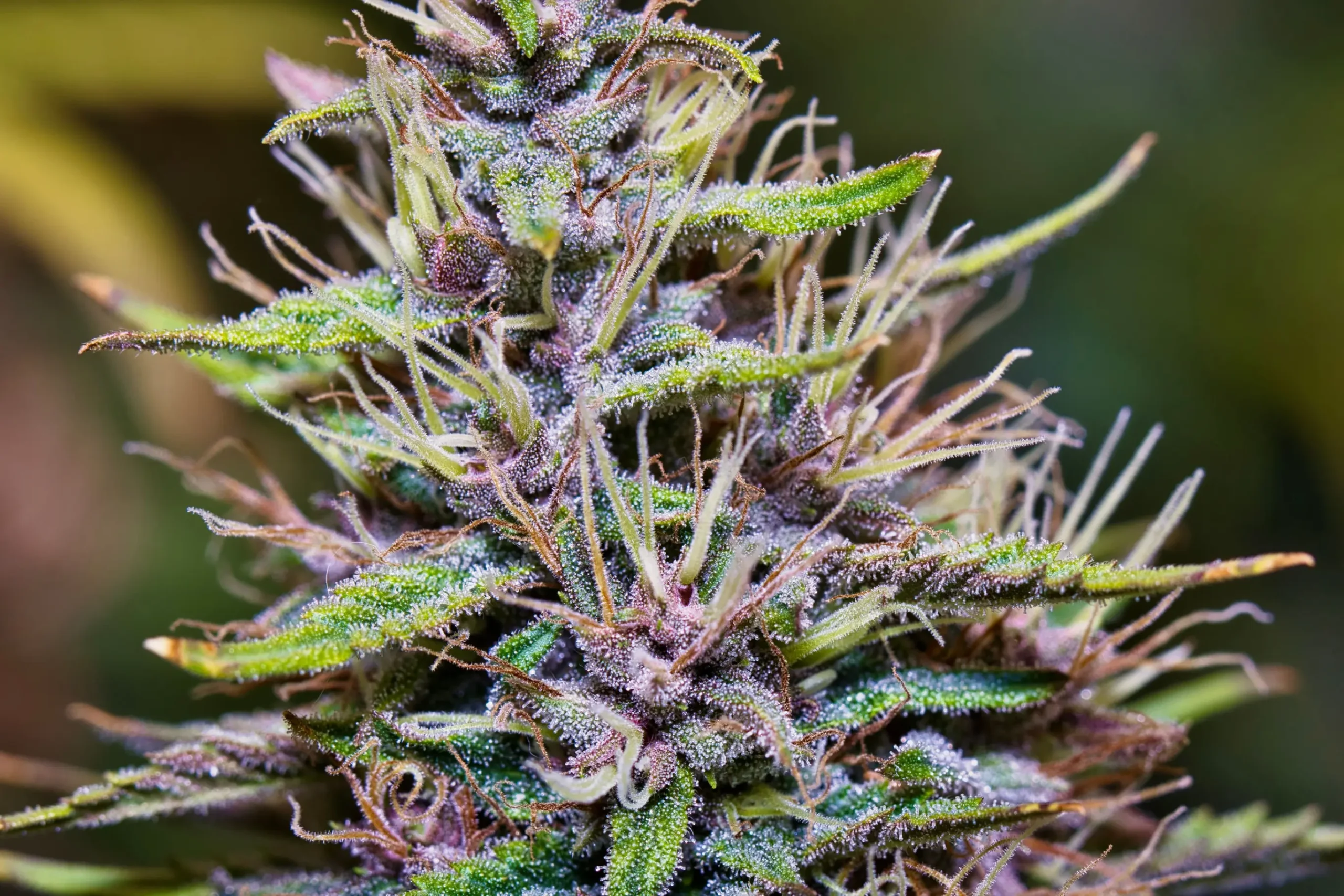
Death Star is a compact plant with a loud finish. The classic line combines Sensi Star and Sour Diesel, and the result is usually shorter and stouter than the Diesel name might suggest. It builds dense resinous flowers on a relatively controlled frame, then releases an odor that can move from skunk and fuel to sweet earth, pepper, and citrus depending on phenotype.
Historically, the original cultivar is associated with a clone line from Ohio rather than a broad seed population. That matters because modern plants sold or shared under the same name can differ. Some preserve the short stout shape and deep skunk-diesel aroma closely, while others lean fruitier or taller. A serious profile should therefore describe the recurring clone identity without pretending every modern Death Star plant is genetically identical.
For growers, the main cultivation question is how to exploit Death Star's compact, dense-flowering frame without turning that compactness into a sealed, overfed, humidity-prone canopy. The plant can work beautifully in SOG because it does not need a huge vegetative period to build a useful flowering column. It can also be trained into several branches. The problem appears when every branch and fan leaf is retained simply because height is not a concern.
The short structure also changes feeding logic. Death Star is often described as preferring moderate fertilizer rather than an aggressively heavy schedule. A compact plant with dense leaves can look dark and healthy while excess nitrogen quietly increases internal shading and delays the clean finish. The best crop usually comes from steady nutrition, a breathable lower plant, and enough support to keep heavy tops separated.
Flavor quality depends on preserving the cultivar's pungent chemistry without reducing it to harsh skunk. Good flower carries diesel, earth, pepper, sour citrus, and a sweet or creamy undertone. The cultivar does not need to smell pleasant in a conventional sense. It needs to smell distinct.
Strain Features
| Feature | Details |
|---|---|
| Strain Type | Indica-dominant hybrid |
| Genetic Profile | Sensi Star × Sour Diesel |
| Historical Form | Classic identity is associated with a clone-only Ohio line; modern recreations can vary |
| THC | Commonly reported in the high teens to mid-20% range |
| CBD | Usually very low |
| Dominant Terpenes | Beta-caryophyllene, myrcene, and limonene recur often |
| Flavor / Aroma | Skunk, diesel, pungent earth, pepper, sour citrus, sweet musk |
| Effect Character | Euphoric opening followed by deep relaxation, tingling, appetite, and possible sleepiness |
| Flowering Time | Approximately 9 weeks is a useful center; many reports place maturity near 60 to 65 days |
| Grow Difficulty | Easy to moderate |
| Stretch | Low to moderate in classic compact expressions |
| Plant Architecture | Short, stout, branchy, suited to compact indoor production |
| Bud Density | Dense to very dense |
| Training Compatibility | SOG is natural; multi-branch training also works |
| Feeding Behavior | Often performs best on moderate, steady nutrition |
| Mold Risk | Moderate if dense tops or inner foliage remain humid |
| Odor Intensity | Very strong |
| Best Time of Use | Evening and nighttime |
Genetic Lineage
Death Star combines Sensi Star with Sour Diesel. The Sensi Star side helps explain the compact plant, dense resinous flowers, and physically heavy finish. Sour Diesel contributes the fuel, sour citrus, mental lift, and a degree of branch extension without fully turning the plant into a tall sativa structure.
The original Death Star story is tied to a clone that circulated regionally for years. That makes the cultivar different from a broad seed line with a predictable range of sibling phenotypes. Modern seed recreations may resemble the original but should not automatically be treated as exact copies.
Phenotype reports often divide roughly into pungent diesel-skunk expressions and sweeter or fruitier ones. Both can be potent and dense, but the diesel-dominant plants usually carry the strongest historical identity.
The inheritance also explains why SOG works so well. Death Star does not need a huge branching framework to produce dense flower. A strong central axis with a few productive sides can convert limited indoor space into a high percentage of usable bud.
Sensi Star's influence is especially visible in how efficiently Death Star packs flower onto a compact frame. The buds often appear broader and denser than the plant's vegetative silhouette would predict. That inheritance is one reason a grower should not judge final potential only by height or branch length.
Sour Diesel contributes more than odor. It also helps explain the brighter mental opening and the fact that some Death Star plants develop more branch extension than a classic pure indica. The hybrid works because the Diesel influence adds movement without removing the compact production style.
Because clone histories are difficult to document perfectly, a modern grower should use phenotype evidence. Short internodes, pungent sour fuel, dense resin, and the characteristic heavy finish together provide a stronger picture than one label on a seed packet.
Effect Breakdown
Death Star usually begins with a noticeable mood lift rather than instant sleep. The first phase can feel euphoric, tingly, and mentally pleasant, sometimes with enough clarity for music, conversation, or a film.
The body effect then deepens steadily. Shoulders soften, appetite often increases, and stillness becomes more attractive. Moderate doses can remain social. Higher doses pull the user toward the couch and eventually sleep.
The strain's strength is the transition. It offers enough Sour Diesel influence to avoid feeling completely flat at the beginning, yet the Sensi Star side gives the experience a heavy endpoint.
High doses can produce dizziness, dry mouth, dry eyes, or anxious mental pressure in sensitive users. It is generally better treated as an evening strain even when the first phase feels upbeat.
The cultivar is also strongly associated with odor and expectation. Users sometimes interpret a very pungent batch as more potent than it is. The actual experience still depends on cannabinoids, dose, tolerance, and the specific plant.
Flavor & Aroma Profile
Death Star's aroma is unapologetically pungent. Skunk and diesel usually lead, with earth, pepper, and sour citrus underneath. Some examples carry a sweet or creamy note that softens the fuel. Others smell almost industrial.
The grinder is where the cultivar often becomes much louder. Breaking dense buds exposes resin and releases sour fuel, pepper, and musky sweetness that may be muted in the closed jar.
On the inhale, the flavor can begin with earthy sweetness or citrus. The exhale becomes peppery, skunky, and diesel-heavy. The aftertaste often stays on the tongue as dry spice and fuel.
Fruity phenotypes should not automatically be dismissed. Historical grow information acknowledges fruitier expressions. The useful question is whether the cured flower remains distinctive and resinous rather than whether every plant smells identical.
A rushed dry exaggerates Death Star's rough side. The skunk remains, but citrus and sweetness disappear, leaving hot, harsh earth. Slow even drying lets the unpleasant and pleasant parts stay in balance.
The sweet side of Death Star is easiest to notice when the bud is not overdried. When moisture falls too low, the palate shifts toward dry pepper and burnt skunk. A correctly cured sample often reveals a soft sweetness behind the fuel that makes the smoke feel fuller.
Some users compare the darker expression to roasted, bitter, or almost coffee-like pungency. That description reflects the heavy volatile mix and smoke character rather than a literal coffee terpene. It is useful sensory language when kept grounded.
The best flower should remain recognizable from the first inhale to the aftertaste. If the jar smells powerful but the smoke becomes generic charcoal and earth, post-harvest quality is the likely weak link.
Phenotype comparison is particularly useful with Death Star because the fruity side can be mistaken for poor authenticity. A sweeter plant can still show the compact structure, resin density, and heavy effect associated with the cultivar. The better question is whether the aroma remains complex and pungent after cure.
Smoke smoothness is also a strong post-harvest indicator. Death Star can be naturally thick and pungent, but a scratchy green finish usually reflects drying or immature flower rather than a requirement of the genetics.
Dominant Terpenes
| Terpene | Aroma Role | Cultivar Relevance | Scientific Caution |
|---|---|---|---|
| Beta-caryophyllene | Pepper, spice, wood | Fits the peppery pungent finish and is commonly prominent | CB2 interaction does not establish strain-specific treatment effects |
| Myrcene | Earth, musk, herbs | Supports the heavy earthy base and often appears in relaxing batches | Does not independently cause couch-lock |
| Limonene | Citrus peel | Explains sour lemon brightness in some examples | Often secondary and phenotype dependent |
| Humulene / minor woody terpenes | Dry herbs, wood | Can deepen the dark roasted or skunky impression | Minor terpene presence varies widely |
Death Star is a good example of why terpene tables do not capture the whole odor. Skunk and fuel aromas can involve volatile compounds beyond the usual headline terpenes. The sensory profile should therefore be described from the flower itself, not reduced to three molecules.
The recurring caryophyllene-myrcene-limonene pattern is still useful for explaining pepper, earth, and citrus, but it should not be treated as a guaranteed hierarchy.
Indoor vs. Outdoor Growing
| Decision Point | Indoor | Outdoor |
|---|---|---|
| Architecture | Compact frame is efficient for SOG and small rooms | Can become a broad sturdy bush with more veg time |
| Stretch | Usually manageable | Less important outdoors, though seed recreations may vary |
| Flower Density | Easy to build dense top flower under even light | Dense outdoor tops need dry weather late |
| Canopy Risk | Interior leaves and branches can pack together quickly | Broad plants need spacing between branch masses |
| Feeding | Moderate steady feeding is easier to control | Large roots increase demand but do not justify automatic heavy feed |
| Odor | Strong filtration is important | Odor can carry far from the plant |
| Best Fit | Growers wanting dense compact indoor production | Dry, private sites with good autumn airflow |
Indoor production is where Death Star's compact nature is most useful. SOG can take advantage of short plants and dense tops without requiring repeated training.
A multi-branch plant also works, but canopy density needs to be monitored early. Short internodes mean the plant can become too full before the grower notices a height problem.
Outdoors, odor and flower density become bigger concerns than size. A dry finish is important because dense top flowers can hold moisture after dew or rain.
Indoor Death Star is especially efficient where vertical space is limited. A grower can keep lights relatively close to a uniform canopy without spending weeks controlling tall stretch. The tradeoff is that plant count and spacing become more important because compact plants can crowd each other horizontally.
Greenhouse cultivation deserves caution. A roof protects dense buds from direct rain, but humidity can remain high after sunset. Without active air exchange, a greenhouse can be more dangerous for compact Death Star colas than an open outdoor site.
Outdoor plants benefit from early structural opening. Once the branch framework hardens, trying to create space by late pruning can expose inner tissues suddenly and stress a plant already carrying flower.
Strain-Specific Grow Guidance
Choose SOG or Multi-Branch Early
Death Star can be grown efficiently as a central-column plant in SOG or topped into several productive branches. Decide early because the two systems need different vegetative timing.
SOG plants should be kept simple. Multi-branch plants need enough recovery after topping for laterals to establish before the flip.
Keep the Interior Smaller Than the Exterior
The classic compact shape can hide too much internal growth. Remove shoots pointing directly into the center and leaves that remain permanently layered over one another.
Do not strip the plant bare. The goal is a visible central airflow path and separated flower sites.
Use Moderate Feeding as the Baseline
Death Star is repeatedly described as performing well with moderate fertilizer. Begin from a stable level and increase only when water use and growth justify it.
Excess nitrogen makes an already compact plant darker and leafier, which increases shading and can delay the clean transition into flower.
Let the Flowering Column Stay Simple
In SOG, the top half of the plant should carry most of the premium flower. Weak lowers can be removed after stretch.
Trying to keep every small branch often increases trim labor without adding much quality weight.
Support Dense Tops Before They Lean Together
Even a short plant can need support because dense colas become heavy. Stakes or a loose trellis keep flowers upright and separated.
Support is especially useful for multi-branch plants where tops can lean inward and touch.
Humidity Control Starts Inside the Bud Zone
Dense Death Star flowers create small humid spaces around stems and sugar leaves. Room RH is not the whole story.
Inspect the base of sugar leaves and internal flower contact points. A suddenly dying leaf can be an early warning of internal damage.
Harvest by Density, Resin, and Aroma
A useful target is around nine weeks, but the plant should decide the exact date. Wait for swollen calyxes, mature trichomes on the flower, and a full skunk-diesel aroma.
An earlier cut can preserve more mental lift and citrus. Later maturity usually deepens body weight and darkens the flavor toward earth and spice.
Vegetative Vigor Should Not Be Confused With a Need for Long Veg
Death Star's compact structure means the grower can build useful flower sites without creating a large plant. A long vegetative period is only worthwhile when the production model requires a wide multi-branch canopy. In SOG, excessive veg simply creates more lower growth that must later be removed.
The decision should be based on plant count and footprint. A single plant occupying a large area needs time to develop several strong branches. A dense SOG needs only enough root and stem maturity to support one main flowering column and a few productive sides.
Use Topping to Change Shape, Not to Chase a Number of Tops
A topped Death Star plant can become an efficient multi-branch bush, but repeated topping can make the short internodes too dense. After the first cut, watch how quickly the laterals separate. If four to six branches already occupy the available space, additional cuts usually create smaller competing shoots rather than better flower.
Low-stress ties are useful for opening those branches, especially near the center. The ideal shape resembles a low open bowl rather than a solid dome. That allows light and air to reach the branch junctions where compact plants otherwise remain shaded.
SOG Works Because the Plant Does Not Need to Become Complicated
Dense flowers change the airflow plan
Death Star's natural SOG suitability is not merely a yield claim. It solves the cultivar's main structural weakness. By keeping each plant simple, the grower reduces interior humidity, avoids excessive branching, and creates a uniform harvest zone.
Uniformity matters at drying as well. Similar-sized tops dry more consistently than a harvest containing a few huge colas and many tiny lower buds. This makes post-harvest handling easier and improves the percentage of flower that reaches the same cure condition.
Fan Leaves Can Hide a Humidity Problem Before Buds Are Large
Broad leaves overlapping inside a compact plant can hold a humid boundary layer even in early flower. If several leaves lie directly on one another, remove or reposition the one that contributes least to productive light capture. This is more useful than waiting until dense flowers already surround the contact point.
Avoid complete leaf stripping. Death Star's short structure does not need to look sparse. The target is simply to prevent the center from becoming sealed.
Odor Control Is Part of Grow Planning
Death Star can become pungent before the flowers are visually impressive. Indoor growers should have odor management functioning before late flower rather than adding it after the room becomes difficult to contain.
Outdoor odor is a different issue. Strong skunk and diesel can travel beyond the immediate garden, so privacy and local law should be considered before choosing the site. Odor intensity is a cultivar trait, not a sign that the plant needs more or less nutrition.
Do Not Let Strong Resin Encourage a Premature Harvest
Death Star can become frosty early enough that the plant looks ready before the calyxes have finished swelling. Resin coverage is not the same thing as complete maturity. The final weight and deeper body effect often arrive after the visual frost is already obvious.
Harvest should follow a combination of flower trichomes, calyx swelling, aroma, and the slowdown in new pistil production. If the plant is healthy and still gaining density, a few extra days may contribute more than an early cut chosen only because the buds look sticky.
Outdoor Branches Need Air After Rain, Not Just Sun
A short stout outdoor plant can trap water in the center after rainfall because the branches are close together. The grower should be able to see through the plant from more than one direction. If the interior remains dark and wet long after the outer leaves dry, it is too dense.
Support systems should keep heavy branches apart rather than pulling them inward. A wide cage or perimeter stakes preserve spacing better than tying every branch toward one central pole.
Light Penetration Should Be Solved Structurally
Death Star does not usually need extreme light intensity to produce dense top flower. The more useful question is whether the side and lower parts of each flowering column receive enough light to mature. A compact canopy with overlapping leaves can waste strong light by absorbing it at the very top.
Spacing between plants, selective leaf removal, and a shallow productive zone improve lower-bud quality without forcing the upper leaves into unnecessary stress. If the tops are already healthy and dense, more intensity is not automatically a better solution.
Late-Flower Irrigation Often Needs to Change
As the plant stops building new vegetative tissue and the room becomes cooler or more humid, water demand can change. Continuing the exact same irrigation frequency used during peak stretch can leave the root zone wetter for longer.
Watch container weight and plant demand rather than following a fixed calendar. A predictable dryback helps preserve root oxygen and reduces the chance that a compact late-flower plant stays chronically wet.
Weedth Bud Flavor Tips
Death Star's best flavor depends on preserving sour citrus and sweetness inside a profile that naturally leans skunky and heavy. Those brighter details disappear faster than the fuel.
Avoid harvesting while the flowers still smell mainly green. Dense buds need full aromatic maturity before cutting.
Dry large tops evenly. If the outside crisps while the center remains wet, the cure becomes uneven and the smoke turns harsh.
Do not point fans directly at the buds. Strong air exchange is useful, but surface stripping is not.
During cure, expect skunk and earth to remain obvious while pepper, citrus, and sweetness become cleaner. A long cure cannot repair hot-dry terpene loss.
Store small amounts separately when possible so one frequently opened container does not expose the entire harvest.
Death Star's sulfurous skunk character can be intense enough to mask post-harvest mistakes, but harshness should not be mistaken for authenticity. Well-finished flower still carries sweetness and sour citrus beneath the pungency.
The drying room should smell strong without feeling hot. If the room becomes warmer because many dense flowers were loaded at once, the grower may need more environmental capacity rather than more direct fan speed.
Cure evaluation should be done after the flower has stabilized, not on the first day it enters a container. A phenotype that initially smells almost too skunky may become more balanced as pepper, citrus, and sweet earth separate over several weeks.
Weedth Bud Boost Tips
Death Star's yield advantage comes from density, not from building a huge plant. Keep the productive flower zone concentrated.
SOG is a rational strategy because it matches the compact architecture and limits the need for long vegetative time.
If topping, retain only strong laterals that can reach even light. A bush full of short internal branches lowers premium bud percentage.
Moderate feeding is usually enough. Pushing a dark compact plant harder can create more leaf than flower.
A support net protects quality by preventing dense colas from collapsing into each other.
Outdoors, space plants widely enough that the interior dries after dew. A slightly smaller open plant often produces more usable flower than an oversized dense bush.
Do not chase extreme biomass. Death Star is at its best when most harvested buds are dense, mature, clean, and pungent.
Death Star's dense flower makes branch diameter and support more important than maximizing node count. A branch that is thick enough to hold its top and still remain separated from neighboring flowers is more valuable than several weak shoots carrying smaller buds.
In SOG, consistent plant size creates a more efficient light field. Large differences between plants cause taller tops to dominate while shorter plants remain shaded. Selecting uniform clones or grouping similar plants improves usable yield.
For multi-branch plants, remove branches that cross through the center. Crossing branches create shade, rubbing damage, and difficult harvest access, all without increasing the productive footprint.
Plant count should also be matched to access. A dense room of compact Death Star plants can look efficient until the back row becomes impossible to inspect. Leaving enough space to reach the center of the crop protects more flower than squeezing in one extra plant.
At harvest, divide quality by position. If the upper half repeatedly produces excellent dense buds while the bottom remains leafy, the next run should concentrate the productive zone rather than trying to improve weak lowers with more feed or light.
Medical Uses & Benefits
Users commonly report choosing Death Star for stress, pain, appetite, and sleep. These are experience reports, not clinical proof that the strain treats a disease.
The strong physical phase can make pain and tension less intrusive for some users, while the initial euphoria may improve mood.
Sleep is a natural use case at higher doses, but the early cerebral lift means the effect is not always immediately sedating.
The cultivar is usually THC-dominant and may worsen anxiety or dizziness in sensitive users. Low CBD means there is little buffer against high intoxication.
Medical use should be discussed with a qualified healthcare professional, especially alongside prescription medication.
For users seeking sleep, timing matters. Because the euphoric phase may appear before full sedation, consuming the strain shortly before the intended rest period can make more sense than waiting until already in bed.
People sensitive to appetite stimulation should also be aware that hunger can become pronounced. A medical use profile should include this as both a possible benefit and an inconvenience depending on the individual.
Ideal User Profile
Death Star suits users who want old-school pungency and a heavy evening finish. It is particularly appealing to people who enjoy diesel, skunk, pepper, and earth.
Experienced users may enjoy the euphoric opening before the body effect deepens. Beginners should start low because the late phase can become much heavier than the first few minutes suggest.
It fits dinner, films, quiet social settings, and sleep preparation better than demanding work or exercise.
People seeking bright fruit, dessert flavors, or daytime clarity will usually find better options elsewhere.
Death Star is also a strong fit for people who prefer cannabis with a pronounced aroma identity. Someone who dislikes skunk or diesel may find even well-grown flower unpleasant, regardless of effect quality.
For growers using their own harvest, the cultivar makes sense when odor control and nighttime consumption are acceptable parts of the project. It is less practical where discretion is the dominant requirement.
Grower Notes and Feedback
Growers repeatedly describe the original style as short and stout, which is why SOG remains one of the most logical ways to run it.
Phenotype reports include both diesel-heavy and fruitier expressions. This should be treated as real variation rather than evidence that one grow is wrong.
Moderate feeding appears repeatedly in cultivation descriptions, making aggressive fertilizer a poor default.
Odor is a major practical issue. Even small plants can produce a strong skunk-fuel smell during late flower and drying.
The original clone history creates uncertainty around modern seed versions. Growers should evaluate the plant they have rather than assume every Death Star label represents the same cut.
Grower discussions around old Death Star cuts often emphasize that the original clone had a specific compact shape and pungent character. Modern plants carrying the name may be excellent, but they should be evaluated as their own expressions rather than assumed identical.
A second recurring theme is nostalgia around odor and effect. That makes keeper selection vulnerable to expectation bias. The grower is better served by comparing cured aroma, structure, and effect directly across plants rather than choosing the one that most closely matches a memory from years ago.
Death Star's compactness can also make environmental mistakes look cultivar-specific. A chronically wet root zone, low airflow, or excessive nitrogen may produce an unusually slow, leafy plant that does not resemble the classic cut. Before rejecting a phenotype, correct the obvious environmental limitations and judge the plant through a complete healthy cycle.
Weedth Editor's Note
The point where this plant reveals itself
Death Star is a strain I would keep structurally simple. Its best trait is that a compact frame can produce dense, resinous flower. I would not bury that advantage under unnecessary branch count.
If I were running many small plants, I would choose SOG and let the central flowering columns do the work. If I were running fewer plants, I would top once and keep only the strongest side branches.
The canopy warning is hidden density. A short plant can look easy while leaves and buds are pressed together in the middle. I would prioritize access and separation over a perfectly full footprint.
I also would not push feed just because the plant looks sturdy. Death Star's compact dark foliage can disguise excess until the flower zone is already too leafy.
The keeper for me would be the plant that combines dense flower with a clean sour-diesel top note after cure. A louder skunk smell alone would not be enough.
I would also separate Death Star phenotypes by cured aroma before choosing a mother. A plant that smells spectacular in late flower can change dramatically after drying. The keeper should prove that its sour fuel and sweetness survive the full process.
If the room were small, I would consider Death Star one of the more logical old-school strains to run because its compact shape leaves environmental headroom. I would spend that saved height on better spacing and airflow, not on squeezing in more branches.
Weedth Score
Growing Experience 8.2/10 Compact, efficient, and adaptable to SOG, but odor and dense-canopy management require attention.
Bud Structure & Visual Appeal 8.6/10 Dense, frosty, sticky flowers with classic bag appeal.
Aroma Complexity 8.7/10 Skunk, diesel, earth, pepper, citrus, and sweetness create a forceful old-school profile.
Flavor & Smoothness 8.2/10 Excellent when slowly dried, but easy to make harsh if rushed.
Effects & High Experience 8.8/10 Strong euphoric-to-sedating progression with memorable body weight.
Overall Satisfaction & Recommendation 8.5/10 Highly worthwhile for compact indoor production and pungent nighttime flower.
Personal closer: I would keep the Death Star that smells sour and diesel-heavy after cure, not the one that simply stinks the loudest in late flower.
FAQ
What is Death Star's lineage?
The classic cultivar is Sensi Star crossed with Sour Diesel. The original identity is associated with a clone line, so modern recreations can vary.
How tall does Death Star grow?
Classic expressions are short to medium and stout. Seed-derived recreations may show more variation.
How long does Death Star flower?
Around 60 to 65 days is a useful expectation, with roughly nine weeks as a common center.
Is Death Star good for SOG?
Yes. Its compact structure and dense central flower make SOG one of the most natural production styles.
Does Death Star respond well to topping?
Yes when grown as fewer larger plants. One early topping can create several useful branches without overcomplicating the canopy.
Is Death Star a heavy feeder?
Moderate feeding is a better default. Increase only when the plant's growth and water use support it.
Is Death Star prone to mold?
Dense flowers create a moderate risk under humid conditions. Keep buds separated and inspect internal tissue.
Why is my Death Star fruity instead of diesel?
Phenotype variation is documented. Some expressions are fruitier while others preserve the classic diesel-skunk profile.
Does Death Star need branch support?
Dense tops can become heavy, particularly on multi-branch plants. A loose net or stakes can protect flower separation.
When should Death Star be harvested?
Look for swollen calyxes, mature flower trichomes, reduced fresh pistils, and a complete skunk-diesel aroma rather than relying only on day count.
Is Death Star good outdoors?
Yes in dry conditions, but dense tops and strong odor can create practical problems.
Why are my lower Death Star buds small?
The compact canopy can shade inner and lower sites quickly. Remove weak shoots that never reach useful light.
How can I preserve Death Star's fuel aroma?
Avoid hot drying and direct fan air. Preserve internal moisture evenly and store cool and airtight.
Is Death Star good for sleep?
Many users report strong sleepiness at higher doses, though the first phase can be euphoric and mentally active.
Is Death Star suitable for beginners?
The plant is manageable, but the high can be potent and the grow requires attention to odor and dense-bud humidity.
A note on the original clone: modern seed versions can still be excellent cultivation subjects, but they should be treated as expressions carrying the Death Star name rather than unquestioned replicas of one historic cut. This distinction is especially important when comparing flowering time, odor, or branch structure between gardens.
Similar Strains
Sour Diesel: Shares fuel and sour citrus but grows taller and stays more cerebral.
Super Skunk: Shares pungent skunk intensity and compact production, with a faster and more uniform classic structure.
GMO: Offers even heavier funk and long-lasting effects but grows taller and flowers longer.
Bubba Kush: Matches the compact nighttime body effect while replacing diesel with coffee, earth, and hash.
Romulan: Shares pine-earth heaviness and dense flower, but often branches more irregularly.
OG Kush: Provides related resin, earth, and relaxation with more pine-citrus and less raw skunk.
Share this article
A quick overview of the topics covered in this article.
Follow us
Latest articles
September 9, 2026
September 9, 2026
September 9, 2026