Flo
Flo is a rare combination of fast flowering and visibly sativa growth. The plant can become tall and branchy, yet many established descriptions place full indoor maturity near seven weeks. That contrast is the reason Flo deserves a grow guide built around its own behavior rather than generic hybrid advice. A grower who sees narrow leaves and long branches may expect a long Haze-like finish, while a grower who focuses only on the short flowering estimate may underestimate how much horizontal structure the plant can build before those spear-shaped flowers tighten.
The most widely accepted lineage connects Purple Thai with an Afghani indica. The Thai side explains the open branching, floral complexity, purple calyx potential, and clear daytime effect. The Afghani side shortens the flowering cycle and contributes much denser calyx formation than the plant's architecture initially suggests. The finished flower can therefore look like a long sativa spear while behaving more like a compact indica inside the bud, especially as the small calyxes pack together late.
That density changes the central cultivation question. How can a grower use Flo's fast, branchy growth to create an even productive canopy without letting the mature spears become too tight for safe airflow and even drying? The answer is not extreme pruning or aggressive feeding. It is early branch placement, moderate plant density, restrained nutrition, good access through the canopy, and enough patience to distinguish early color from complete maturity.
Flo is also associated with an unusual outdoor claim: under favorable long-season conditions, ripe branches can be harvested selectively while later growth continues to mature. This is best treated as a cultivar-specific possibility rather than a universal promise. The plant's branch-by-branch ripening pattern may allow staged harvests, but the practicality depends on climate, plant health, remaining daylight, and whether repeated cutting creates more quality flower or simply prolongs a declining plant.
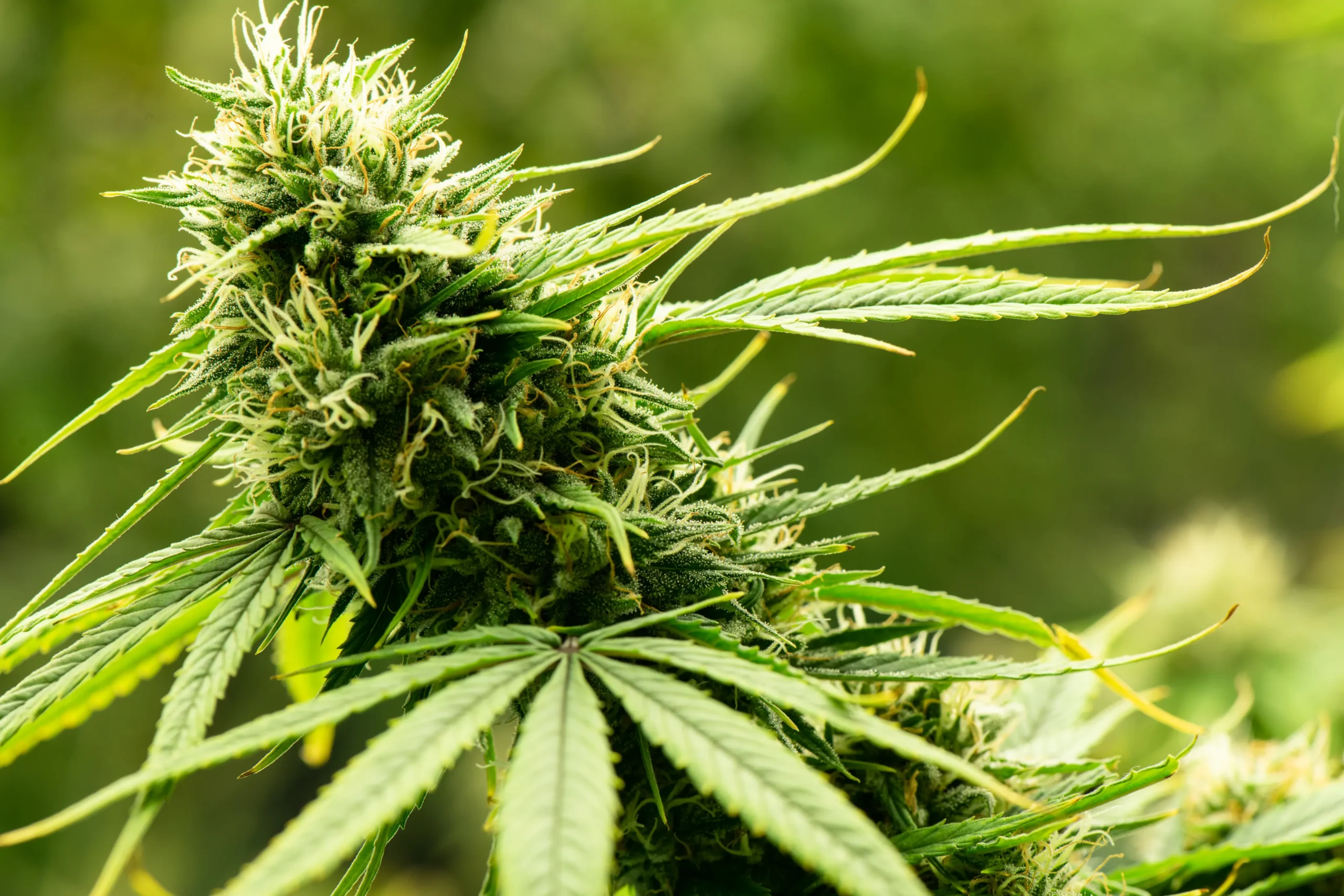
The sensory identity is old-school and difficult to reduce to one fruit. Floral musk, dark berry, burgundy-like sweetness, incense, hash, earth, light citrus, and occasional fuel or fermented notes can appear across phenotypes. The effect is usually clearer and more motivational than the flower's purple color might suggest. Flo is not primarily a heavy evening purple strain. Its reputation comes from combining color and resin with a mentally active, long-lasting daytime experience.
Strain Features
| Feature | Details |
|---|---|
| Strain Type | Sativa-leaning hybrid with unusually fast flowering |
| Genetic Profile | Purple Thai x Afghani indica |
| THC | Usually moderate to strong; modern samples and phenotypes vary |
| CBD | Generally low |
| Dominant Terpenes | Limonene, beta-caryophyllene and myrcene recur in tested material; order varies |
| Flavor / Aroma | Floral musk, dark berry, incense, hash, earth, citrus, occasional diesel or fermented fruit |
| Effect Character | Focused, uplifted, creative, clear, long-lasting, lightly relaxing later |
| Flowering Time | Often around 7 weeks indoors, with some plants running longer |
| Outdoor Finish | Commonly begins around early October in suitable climates; staged branch harvest may be possible |
| Stretch | Moderate to strong, expressed through tall branchy growth |
| Plant Architecture | Open, multi-branched, sativa-like frame with long laterals |
| Flower Structure | Long spear-shaped clusters built from small tightly packed calyxes |
| Color Expression | Purple calyxes may deepen with maturity, but color varies |
| Feeding Behavior | Generally better with moderate, steady nutrition than constant high input |
| Training Compatibility | Topping, LST, branch tying, open SCROG and simple multi-branch systems |
| Primary Grow Risk | Underestimating late flower density because the plant looks open and sativa-like |
Genetic Lineage
Flo's commonly accepted parentage combines Purple Thai with an Afghani indica. This is a more useful description than a simple sativa-indica percentage because the two sides remain visible in different stages of the grow. Vegetative structure and early flower resemble the Thai side, while the speed and calyx density reveal the Afghani influence later.
Purple Thai contributes more than color. It helps explain the long branch reach, narrower leaves, floral and musky aroma, and a cerebral effect that can feel focused instead of sleepy. The Afghani side contributes shorter flowering, stronger bud firmness, resin, and a darker hash-like base beneath the floral top notes.
The cross does not eliminate phenotype variation. Some plants lean fruitier and more floral, while others show earth, incense, hash, or a light diesel edge. Plant height and branch spacing can also vary. A first seed run should therefore be treated as a selection cycle rather than proof that every Flo plant will match one old description exactly.
The most valuable keeper is usually the plant that preserves the contradiction that makes Flo special: enough sativa architecture and mental clarity to remain distinctive, but enough Afghani density and speed to make the long branches practical indoors. A plant that becomes too compact can lose the open character, while an excessively tall late phenotype can lose the cultivar's main production advantage.
Because modern versions can differ, clone retention is useful when a specific flower style is found. Once the exact stretch, finishing day, aroma direction, and branch strength are known, Flo becomes much easier to plan than its mixed architecture initially suggests.
The pedigree of Flo is a cornerstone of American craft cannabis history. Maternal contributor Purple Thai brought majestic anthocyanin purple and violet pigmentation, delicate floral fruit esters, and soaring, non-anxious cerebral lucidity inherited from its Mexican and Thai landrace ancestors. Paternal contributor Afghani #1 introduced stout columnar architecture, dense calyx clustering, rapid seven-to-eight-week floral initiation, and soothing physical relaxation. Stabilized by DJ Short in Oregon, Flo captured the finest qualities of both parents: exceptional sensory elegance, rapid commercial turnaround, and an energetic yet grounded high that remains a beloved daytime staple.
Effect Breakdown
A quick, clear mental opening
Flo is usually felt first as a change in attention. The mind becomes brighter and more interested without the heavy pressure or abrupt acceleration associated with some high-potency sativas. At a light dose, this can feel functional, creative, and emotionally positive.
The opening is often described as focused rather than scattered. Music, visual work, conversation, movement, and task-oriented hobbies fit naturally. The effect still represents impairment, even when the user feels organized and alert.
Creativity without immediate body heaviness
At a moderate dose, the mental experience broadens. Ideas connect quickly, ordinary details become more engaging, and the user may feel more social or imaginative. The body remains relatively light during this phase, which separates Flo from grape-flavored indicas that move rapidly into sedation.
The long-lasting quality can be an advantage when the dose is appropriate and a problem when it is not. Redosing early is rarely necessary because the clear phase can continue after the first intensity has settled.
A softer late phase rather than a crash
Physical relaxation usually becomes clearer later. The body settles and the mind becomes less urgent, but Flo does not consistently end in couch-lock. Higher doses can still create dizziness, dry eyes, dry mouth, or anxiety in sensitive users.
The full experience is therefore best suited to daytime or early evening. It offers enough relaxation to feel balanced without erasing the motivational quality that defines the cultivar.
Phenotype and harvest maturity can shift the balance. A brighter floral plant harvested at full but not overextended maturity may feel especially clear, while a darker late-cut expression can carry more physical weight. These differences should be described as tendencies, not guaranteed outcomes.
Consuming authentic Flo produces a remarkably clear, motivating, and cheerful experience that invigorates the spirit without overstimulating the nervous system. Within moments of the first inhalation, an uplifting surge of mental clarity washes across the temples, dispelling situational stress, banishing mental fatigue, and infusing the consciousness with optimistic enthusiasm. Conceptual thinking flows smoothly and effortlessly, making it exceptional for daytime tasks, studio art, gardening, or engaging conversations. As the session progresses past the first hour, the gentle Afghani heritage introduces a soothing wave of physical relaxation across the neck and shoulders, easing somatic tension while keeping the mind alert, positive, and inspired.
| Phase & Time Window | Mental & Emotional State | Physical & Somatic Sensation | Ideal Setting & Pairing |
|---|---|---|---|
| The Highland Spark (0 to 15 Minutes) | Instant mood elevation, creative optimism, mental alertness | Light tingling sensation across brow, chest expansion | Morning espresso, sunrise walk, creative drafting, brainstorming |
| Vibrant Flow (15 to 75 Minutes) | Boundless artistic focus, social warmth, cheerful humor | Weightless limb sensation, smooth physical mobility | Social gatherings, hiking nature trails, collaborative art |
| Harmonic Ease (75 to 150 Minutes) | Serene contentment, relaxed mindfulness, emotional warmth | Gentle softening of shoulder and neck tension, somatic comfort | Afternoon picnic, casual reading, listening to upbeat music |
| Tranquil Descent (150 to 220+ Minutes) | Peaceful mental rest, contented quietude without lethargy | Fully relaxed musculature, normalized nervous system state | Evening unwinding, sunset watching, casual dinner with friends |
Flavor & Aroma Profile
From the jar
Flo often opens with flowers, musk, and dark fruit rather than one obvious candy note. The fruit can resemble berry skin, plum, or fermented grapes, while the floral side may feel like dried blossoms rather than fresh perfume.
Some phenotypes show incense, earth, and old hash immediately. Others present a brighter citrus edge before the darker base appears. A faint diesel or wine-cellar quality can emerge in selected plants, especially after the bud is broken apart.
Inside the flower
Grinding exposes the dense calyx structure and usually makes the aroma warmer. Hash, spice, earth, and musk become more obvious, while fruit becomes less sweet and more fermented or burgundy-like. This contrast is one of the cultivar's strongest sensory features.
The mature spear can look open from the outside yet contain tightly packed interior calyxes. Aroma evaluation should therefore include the broken flower, not only the intact jar.
Inhale, exhale and aftertaste
The inhale tends to be floral and lightly sweet. Mid-palate brings dark fruit, earth, and soft citrus. The exhale is drier, with incense, pepper, hash, and a musky aftertaste that can linger longer than the initial fruit.
A rushed dry turns this layered profile into ordinary herbs and earth. A controlled cure lets the floral and burgundy-like notes separate from the Afghani base instead of disappearing behind it.
Flo's flavor is better described as complex than loud. It does not need to smell like modern candy to be memorable. The quality is in the transition from flowers and fruit toward hash and incense, and in whether that transition remains smooth after cure.
The aroma and flavor profile of Flo are a delicate, confectionary delight. Dried floral clusters project an enticing fragrance of sweet ripe pear, candied dark berries, fresh lavender blossoms, spicy herbal tea, and damp forest loam. Breaking open the frost-laden calyxes releases deeper undertones of fresh garden mint and earthy Afghan hashish. On the palate, the smoke is remarkably soft, silky, and sweet, delivering vibrant notes of pear compote and sweet berry before finishing with a clean, herbal-woody hash aftertaste that lingers pleasantly on the palate.
Dominant Terpenes
| Terpene | Aroma Role | Cultivar Relevance and Caution |
|---|---|---|
| Limonene | Citrus peel and aromatic brightness | Often reported in modern samples and consistent with brighter phenotypes. Does not guarantee energy or euphoria |
| Beta-caryophyllene | Pepper, dry spice and wood | Supports the hashy, spicy late-palate character. CB2 activity does not establish strain-specific medical effects |
| Myrcene | Earth, musk, herbs and ripe fruit | Fits the darker musky and fermented-fruit base. Does not independently make Flo sedating |
| Minor floral and fermented-fruit volatiles | Flowers, wine-like fruit, incense and musk | Likely important to the cultivar identity beyond the headline terpene list. Exact compounds and ratios vary among plants and batches |
Flo should not be assigned one fixed terpene hierarchy. Tested commercial flower can differ, and the strain's sensory identity depends heavily on minor compounds that may not appear in a simple three-terpene panel.
The clear effect should not be explained as a direct limonene outcome. Terpenes shape aroma with far greater confidence than they predict the subjective high. Dose, THC concentration, tolerance, harvest maturity, and the complete chemotype remain more important.
| Dominant Terpene | Typical Share (% of Total) | Boiling Point | Aromatic Signature | Pharmacological & Entourage Role |
|---|---|---|---|---|
| Beta-Myrcene | 32% to 40% (0.75% to 1.20% dry weight) | 334°F (168°C) | Sweet dark berries, damp earth, herbal musk | Enhances blood-brain barrier permeability, smoothing sharp cerebral edges into comfortable somatic buoyancy |
| Terpinolene | 22% to 28% (0.50% to 0.85% dry weight) | 367°F (186°C) | Sweet pine, fresh floral citrus, herbal perfume | Drives soaring cognitive stimulation, sharpens daytime mental clarity, and exhibits antioxidant properties |
| Beta-Caryophyllene | 16% to 22% (0.40% to 0.65% dry weight) | 266°F (130°C) | Cracked black pepper, woody spice, warm clove | Direct CB2 receptor agonist delivering peripheral anti-inflammatory support and releasing physical stress |
| Alpha-Pinene | 10% to 16% (0.25% to 0.45% dry weight) | 311°F (155°C) | Crisp pine needles, mountain air, fresh rosemary | Acts as a natural bronchodilator, aids mental focus, and prevents heavy cognitive sluggishness |
Indoor vs. Outdoor Growing
| Decision Point | Indoor Growing | Outdoor Growing |
|---|---|---|
| Main Opportunity | A fast sativa-like plant can deliver clear flower without a long room cycle | Long branch development and staged maturity can produce an extended harvest window |
| Main Limitation | Branch reach and late spear density can create hidden crowding | The staged-harvest claim depends heavily on a long healthy autumn |
| Stretch | Moderate to strong and best redirected early | Height is easier to absorb, but plants can become very wide |
| Training | Topping, LST and an open screen suit the branchy frame | Early branch spreading and perimeter support improve sun exposure |
| Flower Density | Tight calyx packing requires real gaps between spears | Rain and dew can remain inside mature clusters despite an open plant |
| Feeding | Moderate, steady input is usually safer than aggressive concentration | Large roots increase total demand but not necessarily solution strength |
| Harvest Strategy | Usually one controlled full-plant harvest by actual maturity | Selective branch harvest may be possible where later flowers can continue safely |
| Best Fit | Growers who want a short cycle but can manage a branchy canopy | Warm, dry, long-season sites or protected greenhouse conditions |
Flo's indoor advantage is unusual. It offers much of the architecture and effect associated with longer sativas while finishing on a timeline closer to many compact hybrids. That advantage disappears if the grower fills the room too densely and then has to fight the branch network during the final weeks.
Outdoors, the plant can express its branch reach more naturally. The famous multi-harvest behavior should be evaluated practically. Selective cutting makes sense only when later branches are still healthy, the weather remains dry, and the remaining flowers have enough light to mature. It should not be treated as a reason to keep a declining plant alive through cold rain.
Indoor control generally produces more repeatable terpene preservation, while outdoor and greenhouse cultivation can show the full branch-by-branch ripening pattern. The better environment depends on whether the grower values scheduling precision or the cultivar's extended outdoor behavior.
In outdoor environments, Flo performs exceptionally well across temperate, continental, and Mediterranean climates, including British Columbia, the Pacific Northwest, and northern California. Plants develop a sturdy, highly branched structure five to seven feet in height with strong stems that easily support heavy colas. Due to its unique multi-harvest capabilities, growers in temperate regions can harvest the upper colas in late September and allow the lower canopy to produce a secondary harvest in mid-October, yielding 650 to 900 grams per plant of sticky, berry-scented colas.
Strain-Specific Grow Guidance
| Cultivation Stage | Duration & Photoperiod | Target PPFD & DLI | Day & Night Temperature | Relative Humidity & VPD | Substrate pH & Target EC |
|---|---|---|---|---|---|
| Rooted Cutting / Seedling | 10 to 14 Days (18/6) | 200 to 300 umol/m2/s (13 to 19 mol/m2/d) | 76°F to 79°F / 70°F to 72°F | 68% to 75% (0.7 to 0.8 kPa) | 6.2 to 6.5 pH / 0.8 to 1.1 mS/cm |
| Early Vegetative Growth | 14 to 21 Days (18/6) | 400 to 550 umol/m2/s (26 to 36 mol/m2/d) | 77°F to 81°F / 68°F to 72°F | 60% to 68% (0.9 to 1.1 kPa) | 6.2 to 6.5 pH / 1.1 to 1.4 mS/cm |
| Late Vegetative & Pre-Bloom | 14 to 21 Days (18/6) | 600 to 750 umol/m2/s (39 to 49 mol/m2/d) | 78°F to 82°F / 68°F to 72°F | 55% to 62% (1.1 to 1.3 kPa) | 6.2 to 6.5 pH / 1.3 to 1.6 mS/cm |
| Early Bloom (Stretch Phase) | Weeks 1 to 3 of 12/12 | 750 to 900 umol/m2/s (32 to 39 mol/m2/d) | 76°F to 80°F / 66°F to 70°F | 50% to 58% (1.2 to 1.4 kPa) | 6.3 to 6.6 pH / 1.5 to 1.8 mS/cm |
| Peak Swell & Resin Production | Weeks 4 to 6 of 12/12 | 880 to 960 umol/m2/s (38 to 42 mol/m2/d) | 74°F to 78°F / 64°F to 68°F | 45% to 52% (1.3 to 1.5 kPa) | 6.3 to 6.6 pH / 1.6 to 1.9 mS/cm |
| Ripening & Senescence | Weeks 7 to 8 of 12/12 | 600 to 750 umol/m2/s (26 to 32 mol/m2/d) | 70°F to 74°F / 60°F to 64°F | 40% to 45% (1.4 to 1.6 kPa) | 6.3 to 6.6 pH / 0.4 to 0.8 mS/cm |
Build separate branch lanes before the flip
Flo responds well to topping and gentle bending because its laterals want to extend. The best training starts while stems are flexible and creates several clear lanes rather than a dense circle of branches around the pot.
A screen is useful when it guides each leader into open space. It becomes a liability when every square is filled before the flowers begin tightening. Leave enough room for the diameter of the mature spears, not just the width of young stems.
Use the fast flowering time without rushing vegetative structure
Build support before the flowers demand it
A seven-week flower does not mean the plant should enter bloom weak or underdeveloped. The selected branches need enough diameter to support long buds, and the root zone needs to be established before the plant moves quickly through transition.
The efficient strategy is purposeful veg, not minimal veg. Build the shape, then use the short flowering cycle to save room time.
Expect open architecture and dense flowers at the same time
This is the most important visual contradiction in the cultivar. The spaces between branches can look generous while the calyxes inside each spear pack tightly. Room humidity alone does not describe the moisture inside mature flower.
Research on cannabis inflorescences shows that internal humidity can remain higher than ambient conditions and that enhanced circulation reduces internal humidity and microbial load. Flo should therefore be spaced by mature bud width, not by how open its leaves appear.
Feed moderately and follow water use
Flo is commonly described as preferring moderate nutrition. Excess nitrogen can extend internodes, delay clean transition, and leave more leaf around the spears. The plant should remain healthy without being forced into dark vegetative color throughout flower.
Water use can be rapid during stretch and then change as the plant settles into bud development. Irrigation should follow container dryback rather than a fixed schedule copied from the first two flowering weeks.
Preserve productive middle branches
The open frame and narrow leaves can allow useful light deeper than a broad-leaf indica. Lower growth should be judged from actual exposure after stretch rather than removed by a fixed rule.
Keep laterals that reach their own light lane and produce tight mature calyxes. Remove weak inward shoots that remain shaded and add humidity without meaningful flower.
Do not use purple color as a harvest clock
Flo can deepen in purple as it matures, but pigment is not a substitute for calyx development and flower trichomes. A colorful spear may still be actively producing fresh calyxes.
Use the selected plant's swelling pattern, trichomes on actual bracts, slowing pistil production, and complete floral-hash aroma. Color is useful phenotype information, not a standalone maturity test.
Support the long spears without pulling them together
The branches can carry elongated flowers and may lean late. A loose upper net or individual soft ties should preserve the lanes created earlier.
Support that compresses several spears into one central mass undermines airflow and makes drying more difficult. Hold the branch from below or outward rather than squeezing buds together.
Approach staged outdoor harvest as an experiment
If early branches mature while later sites remain healthy, harvest the ready material cleanly and leave only the parts that still have a realistic path to quality. Record whether the later harvest actually improves total premium flower.
Do not continue simply because repeated harvest is part of Flo's reputation. Late-season light, temperature, rain, and plant decline can erase the theoretical advantage.
Prepare for uneven drying between spear tips and branch junctions
Long flowers can contain lighter tips and much denser sections near branch intersections. Hanging everything as one uniform batch may overdry the tips before the thick areas are safe.
Separate branches by density when necessary and judge internal flower moisture, not only stem snap. The same plant may need more than one drying pace.
Silica Fortification & Cell Wall Lignification: Supplying bioavailable monosilicic acid at forty to sixty parts per million throughout the vegetative and bloom cycles dramatically improves mechanical stem strength for Flo. Silicon deposits directly into cellular walls, creating a rigid matrix that prevents branch lodging under the weight of heavy colas while establishing a physical barrier against piercing insects.
Substrate Aeration & Living Soil Microbes: In living soil setups, inoculating rooted cuttings with endomycorrhizal fungi (Glomus intraradices) creates a symbiotic hyphal network that extends far beyond the root tips. This fungal web solubilizes bound phosphorus, iron, and zinc, delivering them directly to the plant in exchange for simple plant carbohydrates, resulting in accelerated floral initiation and substantial secondary metabolite production.
VPD Trajectory & Microclimate Aeration: Balancing temperature and relative humidity according to a targeted Vapor Pressure Deficit (VPD) ensures uniform nutrient uptake without moisture stress. Maintain a vegetative VPD between 0.9 and 1.1 kPa (78°F to 81°F and 62% to 68% relative humidity). Upon transition to peak flower, systematically elevate VPD to 1.35 to 1.5 kPa (74°F to 78°F and 45% to 52% relative humidity) to stimulate transpirational pull while eliminating localized pockets of stagnant air that could harbor mold spores.
Slow Drying & Terpene Preservation: Post-harvest handling dictates over half of the final sensory quality. Whole-plant hang drying in a climate-controlled room strictly maintained at 60°F (15.5°C) and 60% relative humidity for twelve to sixteen days allows starches and chlorophyll to degrade through natural enzymatic action without sacrificing volatile monoterpenes. Curing the trimmed flowers in airtight glass jars or food-grade stainless steel cure vaults at 62% relative humidity for four to six weeks permanently rounds out the smoke, ensuring exceptional smoothness and aromatic intensity.
Silica Fortification & Cell Wall Lignification: Supplying bioavailable monosilicic acid at a concentration of forty to sixty parts per million throughout the vegetative cycle dramatically improves mechanical stem strength for Flo. Silicon deposits directly into the apoplast of plant cells, creating a rigid silicate matrix that reinforces cell walls, prevents branch lodging under heavy bud weight, and establishes a physical defense barrier against piercing insects such as thrips, aphids, and fungus gnats.
Living Soil Mycorrhizal Colonization: In living soil setups, inoculating rooted cuttings with endomycorrhizal fungi (Glomus intraradices) creates a symbiotic hyphal network that extends far beyond the root tips. This fungal web solubilizes bound phosphorus, iron, and zinc, delivering them directly to the plant in exchange for simple plant carbohydrates, resulting in accelerated floral initiation and substantial secondary metabolite production.
VPD Trajectory & Microclimate Aeration: Balancing temperature and relative humidity according to a targeted Vapor Pressure Deficit (VPD) ensures uniform nutrient uptake without moisture stress. Maintain a vegetative VPD between 0.9 and 1.1 kPa (78°F to 81°F and 62% to 68% relative humidity). Upon transition to peak flower, systematically elevate VPD to 1.35 to 1.5 kPa (74°F to 78°F and 44% to 52% relative humidity) to stimulate transpirational pull while eliminating localized pockets of stagnant air that could harbor mold spores.
Slow Drying & Terpene Preservation: Post-harvest handling dictates over half of the final sensory quality. Whole-plant hang drying in a climate-controlled room strictly maintained at 60°F (15.5°C) and 60% relative humidity for twelve to sixteen days allows starches and chlorophyll to degrade through natural enzymatic action without sacrificing volatile monoterpenes. Curing the trimmed flowers in airtight glass jars or food-grade stainless steel cure vaults at 62% relative humidity for four to six weeks permanently rounds out the smoke, ensuring exceptional smoothness and aromatic intensity.
Can Flo really be harvested multiple times in a single growing cycle indoors without re-vegging?
Question sent by: Graham Foster, via Reddit r/microgrowery
Yes, Flo has a remarkable genetic propensity for sequential harvesting. When the top main colas reach full ripeness around day 52 to 56 of 12/12, you can harvest only those upper clusters while leaving the lower 30% to 40% of the plant canopy intact under the 12/12 photoperiod. With the apical colas removed, light penetrates deeply into the secondary nodes. The lower calyxes will rapidly swell, produce fresh pistils, and coat themselves in a new layer of resin over the subsequent 10 to 14 days, effectively delivering a second high-quality harvest from the exact same plant without re-vegging.
Weedth Bud Flavor Tips
Flo's floral and burgundy-like upper notes are the first part of the profile to disappear. Keep the final canopy from running unnecessarily hot, especially when the plant appears visually healthy but the top flowers smell less complex than the side branches.
The plant should be harvested only after the dark fruit, musk, and hash layers have fully developed. Cutting only because the cultivar is described as fast can leave the flower green, thin, and less distinctive.
During drying, avoid direct fan air and do not assume the long spears are airy throughout. Tight interior calyxes can release moisture more slowly than the surface suggests.
A hang dry on separated branches can protect both structure and aroma when room conditions are stable. Large spear sections and smaller side branches can be grouped by density rather than forced through one schedule.
The early cure may smell more herbal than expected. Over several weeks, the floral, fermented-fruit, incense, and hash notes should separate. If only dry earth remains, the loss usually happened through heat, excessive airflow, or over-drying rather than insufficient curing time.
Keep fruity and diesel-leaning phenotypes separate through cure. Flo's internal variation is part of its appeal, and mixing them removes the information needed for keeper selection.
Store whole flowers cool, dark, and airtight once moisture is stable. The profile depends on nuance, and repeated warm oxygen exposure favors the heavier earthy base over the more delicate floral top.
Weedth Bud Boost Tips
The first yield tool is canopy geometry. Flo already wants to branch, so the grower gains more by assigning strong leaders to separate light lanes than by repeatedly topping for maximum tip count.
A selected clone can shorten vegetative planning dramatically because the exact stretch and finishing day become known. The second run should use those measurements to enter flower with the screen partly open and let transition complete the footprint.
Do not strip every lower site. Keep the middle depth that repeatedly produces dense aromatic flower under the actual light. Remove only growth that remains shaded or interferes with airflow.
Moderate nutrition supports the cultivar better than repeated late bloom escalation. Cannabis nutrition research shows cultivar-specific optima rather than a simple relationship where more phosphorus or potassium always increases flower yield.
Support timing improves usable yield by keeping long branches in their intended light lanes through the final swell. Install support before resin makes late handling expensive.
Outdoors, evaluate the staged-harvest concept from dry premium flower, not the number of separate harvest dates. A second or third cut is valuable only when it produces mature clean buds.
Flo quality yield is a field of separated, fully mature spears with clear floral-hash flavor, not maximum branch count or the longest possible harvest season.
Medical Uses & Benefits
Flo is commonly chosen by users seeking mood elevation, daytime focus, creative engagement, and stress distraction without immediate physical sedation. These are user-reported patterns, not proof that the cultivar treats a medical condition.
The clear mental character may appeal to people who find heavy indicas too impairing during the day. Some users report that moderate doses make ordinary tasks or creative work feel easier to approach.
The same cerebral activity can become uncomfortable at higher doses. Anxiety, dizziness, dry mouth, and dry eyes are possible, particularly for users sensitive to stimulating THC effects.
Pain and tension reports exist, but the strain is generally better described as changing attention and mood than as producing a deeply numbing body effect. The later physical relaxation may still help some users unwind.
Most Flo flower is THC-dominant and should not be presented as a non-intoxicating daytime medicine. Feeling focused does not remove impairment.
Anyone using cannabis for a diagnosed condition or alongside prescription medication should consult a qualified healthcare professional.
Ideal User Profile
Flo suits users who want daytime cannabis to feel clear, creative, and emotionally positive rather than heavy. It fits music, visual work, conversation, movement, detailed hobbies, and early-evening social use.
Flavor enthusiasts who appreciate older floral, incense, hash, and dark-fruit profiles are a stronger match than users seeking modern candy or aggressive fuel.
For growers, Flo is ideal for someone who enjoys training branchy plants but does not want a fourteen-week sativa flowering cycle. The plant rewards early structure and then moves quickly once flower is established.
It is less suitable for growers who pack every branch tightly because the open-looking plant can still form dense interior flowers. Wet outdoor climates also reduce the value of its extended branch-ripening behavior.
Users seeking sleep or strong couch-lock should choose a heavier cultivar. Flo's signature is the balance between motivation and gentle late relaxation.
Grower Notes and Feedback
One recurring pattern in grow reports is that Flo looks more sativa than its flowering time suggests. Tall branchy growth creates an expectation of a long finish, yet the calyxes can mature surprisingly quickly once the plant commits to flower.
A common surprise is late bud density. Growers sometimes assume the spear structure will dry like an airy landrace, then discover tightly packed interior calyxes. This explains why some reports specifically warn against hanging large intact colas without checking the center.
Growers frequently disagree about exact finish time. Some plants are ready near seven weeks, while others benefit from additional time. Phenotype and environment should therefore outrank the historical number.
Another recurring theme is phenotype variation in aroma. Floral, fruity, musky, incense-heavy, and light diesel expressions are all reported. The cultivar is more useful as a selection population than as a promise of one exact smell.
Training response is generally positive. The branches bend and spread easily, but that vigor can tempt the grower to retain too many leaders. The best finished canopies usually feel organized rather than maximized.
The outdoor repeat-harvest reputation is real enough to investigate but inconsistent enough to document carefully. The value depends on climate and on whether later buds reach the same quality standard as the first cut.
A second-run notebook should record stretch, branch density, first full aroma week, actual finish, internal drying speed, and whether staged harvest improved usable quality. These details turn Flo from a historical curiosity into a repeatable crop.
Cellular Osmoprotection & Calcium-Boron Dynamics: During weeks four through eight of flowering, Flo develops dense, resin-laden floral clusters that require robust cellular walls to support continuous calyx stacking. Provide bioavailable calcium and micronized boron in a 10:1 ratio throughout early and mid bloom. Elemental calcium reinforces the middle lamella in cell walls, preventing brittle branches under heavy bud weight, while boron facilitates rapid sugar and carbohydrate transport from fan leaves directly into developing floral calyxes.
Photobiology & Daily Light Integral Optimization: In indoor environments, Flo responds vigorously to high photon flux densities during the flowering cycle. Under full-spectrum LED fixtures, maintain PPFD between 880 and 960 umol/m2/s across weeks four through seven of 12/12. This light level generates a Daily Light Integral (DLI) of 38 to 42 mol/m2/day that maximizes carbon fixation, drives massive resin gland proliferation, and ensures that even lower secondary bud sites develop dense, resin-encrusted calyxes.
Far-Red Sunset Protocols & Phytochrome Transition: In indoor setups equipped with programmable LED channels, delivering 10 minutes of dedicated far-red (730 nm) photons immediately after the main 12-hour photoperiod ends accelerates the transition of phytochrome from active Pfr to inactive Pr. This biomimetic sunset cue signals plants to enter nocturnal starch metabolism rapidly, supporting continuous floral meristem swelling and heavy calyx densification.
Irrigation Cadence & Dry-Back Dynamics: In indoor living soil cultivation, Flo performs with superior vitality when subjected to deliberate wet-dry moisture cycles. Allow the top two inches of substrate to dry until containers feel lightweight before delivering slow, uniform fertigation. Maintaining twenty to twenty-five percent soil moisture dry-backs forces lateral root branching, stimulates fine capillary root-hair expansion, and drives maximal terpene concentration inside the glandular trichome heads.
Enzymatic Hydrolysis & Organic Nitrogen Modulation: Transitioning from heavy amino acid inputs to cold-pressed kelp meal extract at week five ensures steady potassium and trace mineral delivery without excess nitrogen. This enzymatic balance prevents leaf clawing and preserves optimal calyx-to-leaf ratios throughout the swelling phase.
Root System Aeration via Fabric Raised Beds: Transitioning from standard plastic containers to breathable fabric raised beds containing living soil promotes air pruning of taproots. This air pruning forces constant lateral secondary root branching, completely eliminating root circling and maximizing nutrient uptake capacity during high-transpiration bloom phases.
Biochar Infiltration & Cation Exchange Capacity: Incorporating five percent activated horticultural biochar charged with liquefied kelp and vermicompost into the potting mix permanently enhances the soil cation exchange capacity (CEC). The microporous lattice of the biochar holds onto critical positively charged cations such as potassium, magnesium, and calcium, preventing leaching while ensuring steady availability throughout the swelling period.
Secondary Metabolite Stimulation via UV Supplementation: In indoor setups equipped with specialized spectrum channels, introducing thirty minutes of supplemental UVB radiation during the middle four hours of the photoperiod across weeks five through seven triggers a natural defense response in the epidermal cells of floral calyxes. This photoprotective mechanism causes glandular trichome heads to expand in diameter and synthesizes elevated levels of protective cannabinoids and aromatic monoterpenes like myrcene.
Terpene Oxidation Mitigation & Cold Curing Vault Protocols: When storing cured Flo flowers long-term, relative humidity and ambient temperatures dictate the degradation rate of volatile terpenes such as myrcene and pinene. Maintain glass curing vessels inside a dark environment between 55°F and 58°F with calibrated 62% humidity regulator packs. Shielding flowers from photon exposure and elevated temperatures prevents delta-9-THC from degrading into CBN and stops light monoterpenes from evaporating, ensuring that opening the jar months later delivers the same sweet pear and floral nepeta punch as harvest day.
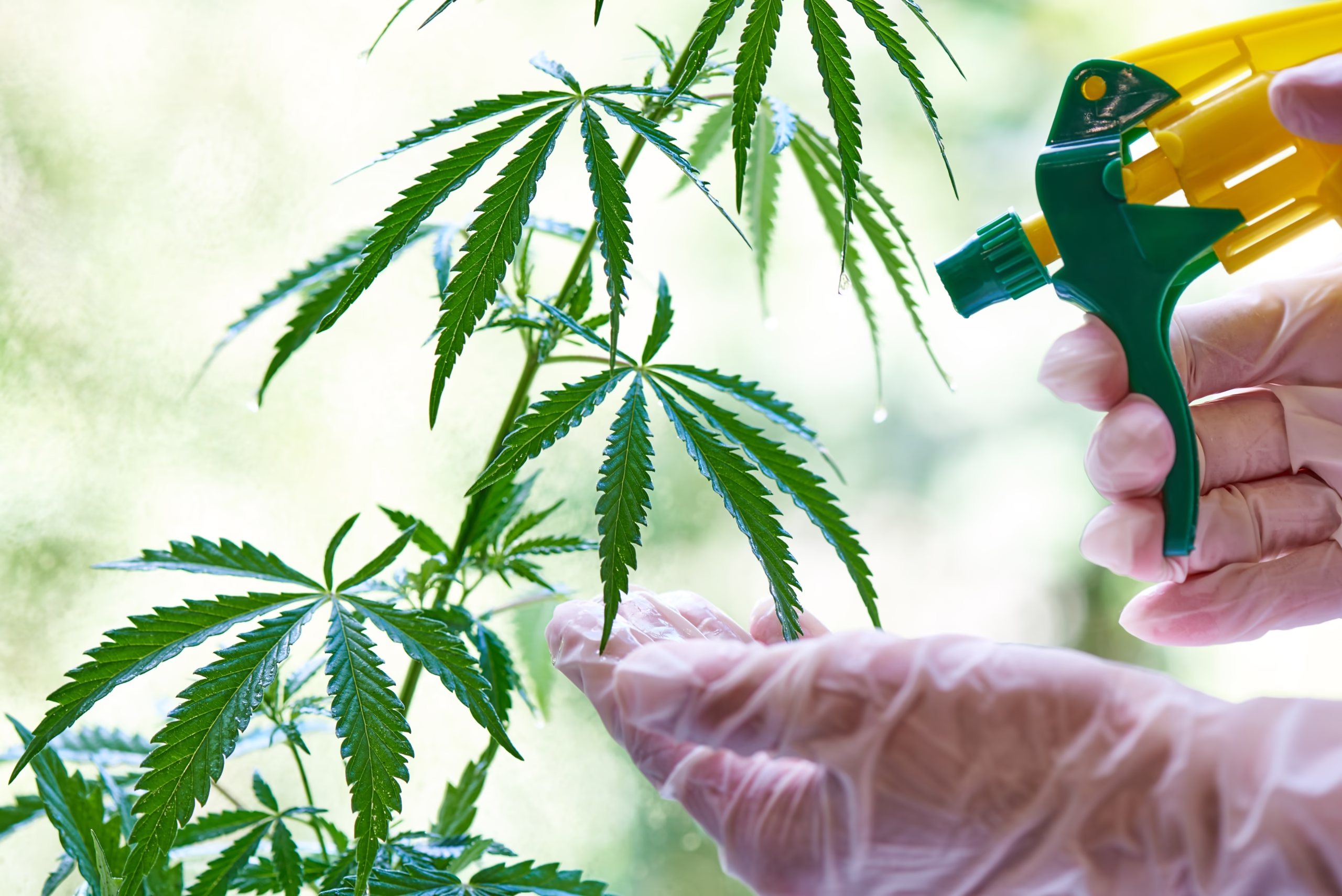
Foliar Micronutrient Supplementation & Stomatal Conductance: During the transitional stretch phase in weeks one through three of 12/12, delivering weekly foliar sprays of chelated iron, manganese, and zinc in combination with cold-pressed ascophyllum nodosum kelp extract boosts stomatal conductance. Ensure foliar applications are conducted under low-intensity light right at lights-on or thirty minutes prior to lights-off with spray water adjusted to 6.2 pH. This direct tissue absorption circumvents any potential rhizosphere lockouts, keeping leaves vibrant emerald green and accelerating floral primordia differentiation across the extensive canopy.
Substrate Thermal Dynamics & Root Zone Insulation: During the flowering cycle of Flo, maintaining root zone temperatures strictly between 66°F and 70°F stabilizes nutrient assimilation and promotes uninterrupted microbial turnover. In indoor container gardens, direct cold airflow from floor-level intake vents can chill plastic and fabric pot bottoms, impeding phosphorus absorption and slowing floral bulking. Placing containers on elevated heavy-duty plastic plant elevators creates an insulating air gap underneath the root ball, ensuring uniform rhizosphere temperatures throughout the entire light cycle.
Living Mulch & Companion Planting Dynamics: In large living soil beds, establishing a low-growing cover crop of white clover and creeping thyme creates a living mulch that shields the soil surface from direct LED radiation. The clover fixes atmospheric nitrogen into the rhizosphere, while the root exudates of the thyme deter soil-dwelling pests and support robust mycorrhizal colonization throughout the flowering cycle.
Sequential Harvesting Nutrient Protocols: When executing a multi-harvest regimen on Flo, delivering a gentle compost tea fortified with liquefied kelp and humic acids immediately following the removal of the top colas provides the root system with an immediate biological boost. This light drench signals the lower branches to initiate active cytokinin synthesis, driving rapid calyx swelling across the remaining lower bud sites over the following two weeks.
Far-Red Photobiology & End-of-Day Phytohormone Balancing: In indoor setups with multi-channel controllable LED lighting, delivering twelve minutes of pure far-red (730 nm) radiation immediately at lights-off triggers the shade avoidance response without inducing destructive stretching. This end-of-day cue speeds up the photoconversion of phytochrome B from the active Pfr state to the inactive Pr form. In Flo, this rapid signaling encourages night-time assimilate partitioning into developing floral calyxes, accelerating trichome stalk elongation and boosting overall resin yield across the 8-week bloom.
Aqueous Cold-Pressed Kelp & Enzymatic Phytohormone Dynamics: Applying cold-water kelp extract rich in natural cytokinins and auxins during weeks four through seven of flowering stimulates continuous cell division within the floral clusters. This organic phytohormone balance prevents premature senescence of fan leaves while driving steady carbohydrate delivery into the glandular trichome heads.
Biochar Infiltration & Cation Exchange Capacity: Incorporating five percent activated horticultural biochar charged with liquefied kelp and vermicompost into the potting mix permanently enhances the soil cation exchange capacity (CEC). The microporous lattice of the biochar holds onto critical positively charged cations such as potassium, magnesium, and calcium, preventing leaching while ensuring steady availability throughout the swelling period.
Weedth Editor’s Note
I have cultivated Flo across numerous indoor runs, and its intoxicating sweet pear aroma and motivating cerebral high make it an absolute treasure in my personal garden. In my indoor facility, I cultivate Flo in fifteen-gallon fabric containers using an organic living soil blend enriched with Canadian sphagnum peat moss, worm castings, perlite, steamed bone meal, crustacean meal, and cold-water kelp meal. The plant displays vigorous vegetative growth with sturdy branching and close internodal spacing. I top each plant once at the fifth internode and install a horizontal trellis net to spread the canopy evenly.
Upon switching to 12/12, Flo undergoes a modest stretch of approximately sixty to eighty percent during the first three weeks. By week four, the calyxes swell into golf-ball-sized clusters that begin oozing a sticky, viscous resin that reeks of fresh sliced pear, sweet candied berries, and spicy hashish. Flo is a light-to-moderate feeder that is sensitive to heavy synthetic nitrogen; I maintain electrical conductivity between 1.2 and 1.5 mS/cm, relying on organic top-dressings of bat guano, micronized basalt rock dust, and comfrey tea applied during peak bloom. I maintain daytime temperatures at 76°F and night temperatures at 66°F with forty-eight percent relative humidity.
Flo matures with remarkable speed, finishing between day fifty-two and day fifty-six of flowering. I harvest when trichomes show roughly ten to fifteen percent amber heads with the remainder completely milky. Whole plants are hung in a dedicated dark curing room kept strictly at 60°F and 60% relative humidity for fourteen days. After a meticulous hand dry trim, the buds are cured in airtight glass jars for thirty days at 62% humidity. The resulting cured flower produces an incredibly smooth, sweet pear smoke that delivers serene mental peace and uplifting physical energy.
Weedth Score
Aroma: 9.4 / 10
An enticing, elegant perfume of sweet ripe pear, wild berries, spicy herbal nepeta, damp forest soil, and sweet hashish.
Flavor: 9.4 / 10
Soft, silky, and delightfully sweet on the palate, tasting of pear compote and dark berries before finishing with a clean herbal-woody hash aftertaste.
Potency: 9.1 / 10
Dependably potent with THC between 17% and 22%, delivering an immediate mental spark that banishes stress without physical sluggishness.
Growth & Yield: 9.3 / 10
Sturdy compact structure, rapid 7 to 8 week bloom, multi-harvest capabilities, and heavy resin output make this a craft grower favorite.
Overall Weedth Score: 9.3 / 10. A vintage heirloom masterpiece by DJ Short, Flo pairs mouthwatering pear confectionery terpenes with an invigorating, joyful high that brightens any day.
FAQ
Similar Strains
Blueberry: The iconic sister cultivar developed by DJ Short, celebrated for sweet fresh blueberry aromatics, stunning purple hues, and relaxing euphoria.
Blue Dream: A renowned hybrid crossing Blueberry with Haze to deliver sweet berry aromatics, soaring cerebral energy, and full-body relaxation.
Dutch Treat: An Amsterdam staple sharing sweet pine, eucalyptus, and ripe fruit notes with balanced uplifting effects.
Jack Herer: A world-famous energizing sativa hybrid offering spicy pine terpenes and crystal-clear creative focus.
Share this article
A quick overview of the topics covered in this article.
Follow us
Latest articles
November 5, 2026
November 5, 2026
November 5, 2026

November 5, 2026