
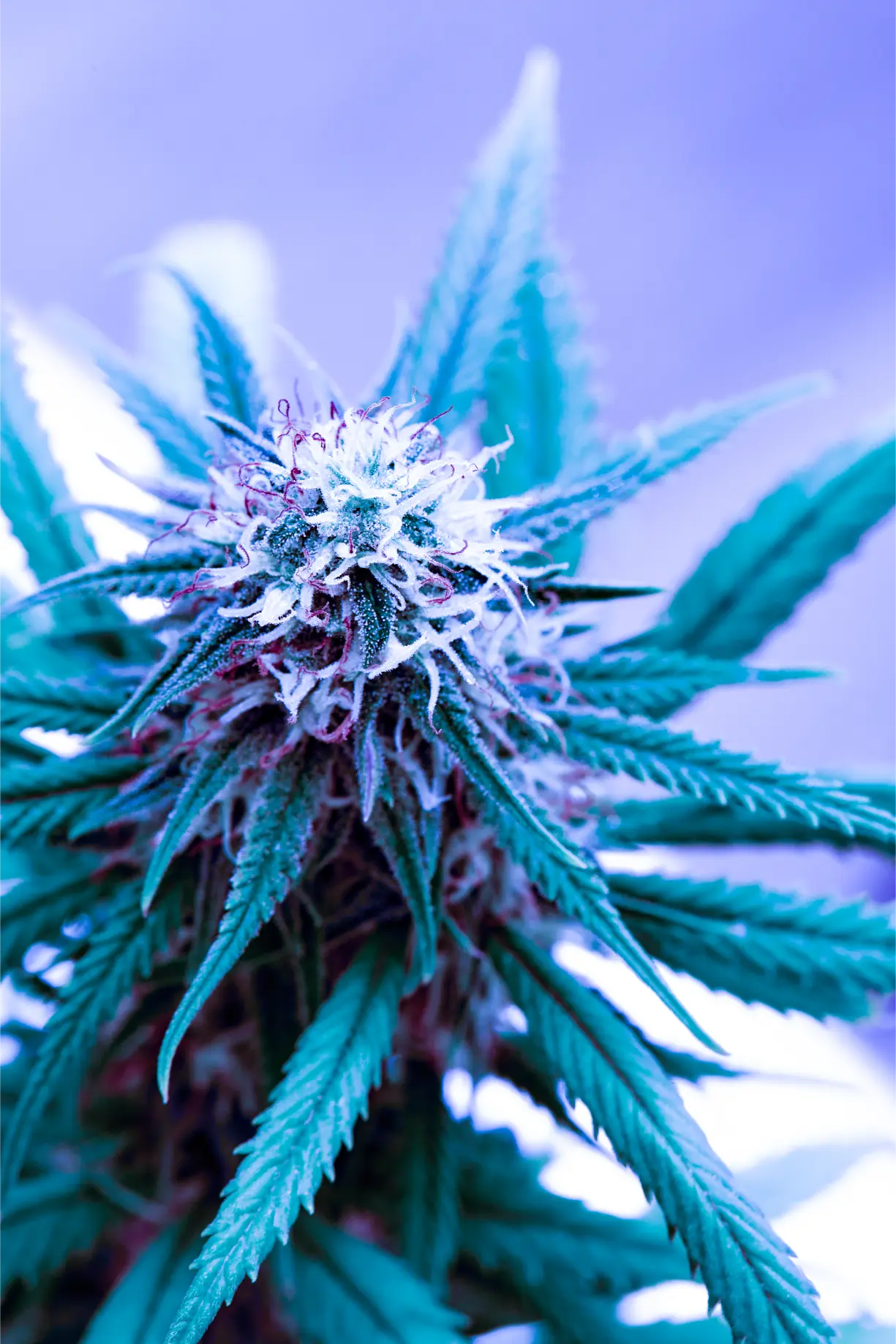
Garlic Cocktail
Garlic Cocktail – Strain Profile & Grow Guide
Garlic Cocktail is built around a sensory contradiction that few cultivars express convincingly. Its lineage combines GMO with Mimosa, bringing savory garlic, onion, chem, and fermented earth into direct contact with orange peel, tangerine, floral citrus, and sweet fruit. Weak examples allow one side to erase the other. Strong examples move from bright orange at the top of the aroma into garlic fuel underneath, then return to sour citrus on the exhale.
The plant can be equally contradictory. GMO influence may produce pronounced stretch, longer branches, and late maturity. Mimosa can add vigor, citrus-forward expression, and a more open flower arrangement. Some selected cuts finish in roughly eight to nine weeks, while others need longer for the savory and citrus layers to integrate. Public records disagree about dominance percentages and origin details, but the GMO x Mimosa lineage is consistent enough to define the cultivar.
Garlic Cocktail is frequently valued for resin, and the flowers can look complete before the flavor is ready. Heavy trichome coverage, orange pistils, and dense calyx stacking create strong visual maturity. Yet the highest-quality harvest often arrives after the orange smell has stopped feeling thin and the garlic has changed from raw sulfur into a deeper savory gas. Cutting too early preserves brightness but can leave the flavor disjointed. Waiting too long can produce a heavier effect and more chem while reducing fresh tangerine.
For growers, the central question is how to control GMO-style reach without crowding the citrus-bearing side branches. The plant benefits from early structure, a screen with spare space, and support installed before the resinous flowers become difficult to move. It does not benefit from being treated as a short indica merely because many users describe the final effect as relaxing.
The drying room is where the cultivar's contrast is either preserved or simplified. Garlic, chem, and pepper are persistent. Orange, tangerine, and floral sweetness are fragile. A batch can smell extremely pungent after a fast dry and still have lost half its identity. Garlic Cocktail deserves a process that protects volatile citrus while allowing dense resinous flowers to lose internal moisture safely.
Strain Features
| Feature | Details |
|---|---|
| Strain Type | Potent hybrid; commonly experienced as balanced to indica-leaning despite an active opening |
| Genetic Profile | GMO x Mimosa |
| Origin Note | Public records disagree about the original commercial attribution; lineage is more consistent than origin claims |
| THC | Commonly reported in the mid-to-upper 20% range, with some unusually strong batches |
| CBD | Usually very low |
| CBG | Some tested batches report measurable CBG, but this varies |
| Dominant Terpenes | Beta-caryophyllene and limonene are frequently prominent; pinene, myrcene, and humulene may contribute |
| Aroma | Garlic, onion skin, orange peel, tangerine, chem, skunk, pepper, earth, and sour fruit |
| Flavor | Savory garlic gas with orange rind, herbs, pine, and a creamy or cheesy middle in some expressions |
| Effect Character | Fast mental uplift or sociability followed by warm body relaxation and possible sleepiness |
| Flowering Time | Approximately 8 to 10 weeks; selected cuts may finish near 59 to 63 days, while others benefit from more time |
| Stretch | Moderate to strong, especially in GMO-leaning expressions |
| Plant Architecture | Medium-tall, active laterals, longer internodes, and strong flower-site production |
| Bud Structure | Dense to elongated calyx clusters with heavy resin and bright pistils |
| Grow Difficulty | Intermediate |
| Yield Potential | Moderate to high when height, lower growth, and support are managed early |
| Primary Quality Risk | Late canopy congestion, premature harvest based on frost, and citrus loss during hot drying |
Genetic Lineage
GMO contributes the cultivar's deepest traits: garlic, onion, rubber, mushroom-like earth, chem, high potency, strong resin, and a tendency toward substantial flowering stretch. Mimosa contributes orange, tangerine, floral fruit, brighter mental energy, and a more expressive upper aroma. The cross works because the parents are not similar. Garlic Cocktail depends on tension between them.
What GMO contributes to the plant
GMO influence can extend the flowering transition and produce long branches with useful node spacing. The plant may continue rising after other hybrids have stopped. Flowers can form along a substantial portion of the branch, and the final colas may become heavier than the early structure suggests. GMO also increases the chance that an impatient grower mistakes early frost for complete maturity.
What Mimosa changes
Mimosa can shorten or soften the GMO profile, add citrus intensity, and make the opening effect feel more social. Structurally, it may increase lateral vigor and create a less severe chem silhouette. Some expressions show brighter green flowers, long orange pistils, and a clearer fruit top note.
The main phenotype directions
One lane is garlic-dominant. These plants smell of onion, diesel, rubber, and pepper, with orange appearing mainly after the flower is broken. They may stretch more and finish with a heavier effect.
A second lane is citrus-dominant. Orange peel, tangerine, and sour fruit arrive first, while garlic remains as a savory base. These expressions can be especially attractive for flavor, but the citrus is more vulnerable during drying.
The most complete lane maintains both. Fresh flower smells like squeezed orange over garlic and fuel. Cured flower adds herbs, pine, cream, and earth. This mixed expression is usually more distinctive than the loudest one-note chem plant.
Selection should include the cure
Garlic-heavy live plants often remain loud after drying. Citrus-heavy plants can change more dramatically. A keeper decision made in late flower may favor a plant that later loses its orange. Keep samples separate through cure and compare the same flower at multiple points.
Effect Breakdown
Garlic Cocktail does not always follow the heavy appearance of its buds. The opening can be mentally bright, conversational, and even playful. The physical phase develops later and can become substantial.
| Phase | Common Experience | Main Caution |
|---|---|---|
| Early onset | Euphoria, talkativeness, sharpened sensory attention, and a warm head change | Potent batches can become mentally intense before the body effect appears |
| Middle phase | Relaxed muscles, improved appetite, calmer mood, and continued social engagement | Repeated dosing may create more late heaviness than expected |
| Late phase | Deeper body calm, reduced motivation, possible sleepiness, and mental fog | Large doses can cause dizziness, anxiety, or excessive sedation |
The opening often feels cleaner in citrus-forward expressions. Garlic-dominant plants may arrive with more pressure and physical weight. This is a recurring report rather than a fixed rule, because cannabinoid concentration, maturity, and user tolerance can outweigh aroma type.
At a moderate dose, the cultivar may suit relaxed conversation, music, cooking, films, or creative work that does not require precise planning. The body becomes comfortable while the mind remains interested. At a higher dose, the experience can become inward, appetite-heavy, and less functional.
Harvest maturity affects the balance. Earlier flower usually feels brighter and sharper. Fully swollen flower produces a deeper body phase and more savory aftertaste. Users seeking daytime function should not assume every batch will behave the same simply because the citrus is vivid.
Dry mouth, dry eyes, dizziness, and anxiety are possible. The delay between the mental opening and physical weight makes patience important. A user may feel able to consume more during the first phase and then discover that the original dose had not finished developing.
Flavor & Aroma Profile
Garlic Cocktail should smell like two incompatible ingredients occupying the same space. Orange and garlic need to remain distinct enough to recognize, yet integrated enough that the flower does not feel unfinished.
Jar opening
The first impression may be orange peel, sour tangerine, skunk, or raw garlic. Temperature changes the order. A cool jar often shows more citrus. Warm flower releases sulfur, chem, and earth. Some expressions add cheese, cream, or pine.
Ground flower
Grinding exposes the savory interior. Onion skin, garlic cloves, rubber, black pepper, and damp soil become stronger. The citrus shifts from juice toward bitter rind. A faint fermented note may appear, especially in mature GMO-leaning plants.
Inhalation
The inhale can be surprisingly smooth and fruity. Orange, lemon rind, and sweet herbs arrive first in balanced expressions. Garlic and chem remain behind the sweetness rather than dominating immediately. Citrus-heavy phenotypes may show a creamy middle.
Exhalation
The exhale becomes savory. Garlic, pepper, skunk, pine, and diesel remain on the tongue. A good sample ends with sour orange. A poorly processed sample ends with hot sulfur and dry earth.
What the cure should accomplish
The cure should not remove the funk. It should soften the raw edges enough for the orange and garlic to coexist. During the first week, the flower may smell disorganized. After several weeks, the citrus often becomes less sharp but more connected to the cream, pine, and gas.
Aroma loss patterns
Direct airflow removes orange and floral sweetness first. Excess late nitrogen can leave a rough green or mineral taste. Overmature flower may retain garlic and chem while losing fresh tangerine. Hot storage accelerates the same shift.
Distinguishing natural sulfur from damage
The cultivar can naturally smell fermented, garlicky, or onion-like. Spoilage should be judged by texture, localized discoloration, moisture, and an abnormal decomposing smell rather than pungency alone. Dense flower interiors should still be inspected carefully, especially where leaves remain trapped against the stem.
Dominant Terpenes
Standard terpene data commonly highlights beta-caryophyllene and limonene. Pinene, myrcene, and humulene can add structure. The defining garlic and onion impressions likely depend heavily on minor sulfur-containing compounds and other volatiles that are not fully represented in routine panels.
| Terpene or Volatile Group | Likely Role in Garlic Cocktail |
|---|---|
| Beta-Caryophyllene | Black pepper, dry spice, warmth, and part of the savory fuel base |
| Limonene | Orange peel, sour citrus, and the brighter mental opening |
| Alpha-Pinene | Pine, fresh herbs, and a sharper resinous edge |
| Myrcene | Earth, musk, ripe fruit depth, and the later body relaxation |
| Humulene | Dry wood, hops, and a savory bitter finish |
| Sulfur-containing volatiles | Garlic, onion, skunk, rubber, and fermented chem character |
The practical implication is that terpene preservation alone is not enough. The complete volatile profile must survive. Sulfur compounds can remain powerful after citrus has disappeared, producing flower that is loud but unbalanced. Cooler drying protects the contrast.
Indoor vs. Outdoor Growing
| Cultivation Question | Indoor Answer | Outdoor Answer |
|---|---|---|
| How much room is needed? | Medium-tall plants need open screen space and vertical headroom | Root volume may produce a wide, tall plant with long lateral branches |
| How should stretch be controlled? | Top early, spread branches, and tuck only during early transition | Top before midsummer and maintain a broad supported frame |
| What is the main flower risk? | Dense resinous sites can crowd around the center and upper screen | Autumn dew or rain can remain inside savory dense flowers |
| How is citrus protected? | Stable canopy and drying temperatures preserve orange | Hot late-season sun can reduce tangerine before harvest |
| How strong is the odor? | Very strong extraction and odor control are necessary | Garlic and skunk can travel far and affect privacy |
| Is support needed? | A second trellis is useful before colas gain full weight | Cages and individual branch ties should be installed early |
| Can harvest be staged? | Yes, citrus and garlic phenotypes can be taken separately | Weather may limit the ability to wait for slower branches |
| Best environment | Controlled rooms with airflow and enough height | Dry, warm climates with privacy and a reliable autumn finish |
Indoor cultivation gives the grower control over the exact factor that defines quality: temperature. Citrus-forward flowers can be protected from heat, and the late humidity around dense resin can be managed. The cost is that vertical space and odor become serious constraints.
Outdoor plants can become large and aromatic. Strong sunlight may deepen orange, herbs, and fuel, but the crop needs a dry finish. The cultivar is not ideal for a garden where privacy is important. Its odor becomes noticeable before harvest and can intensify dramatically during warm afternoons.
In a short outdoor season, cut selection matters. A faster citrus-forward expression may finish safely. A GMO-leaning plant that needs additional time can be caught by autumn weather. Use a known clone or keep a protection plan available.
Strain-Specific Grow Guidance
Begin with a realistic height assumption
Do not let the stretch make the decisions
Do not plan Garlic Cocktail as a compact indica. Even if the final effect leans relaxing, the GMO side can produce substantial stretch. Enter flower with unused screen space and enough distance above the canopy.
One early topping works well for many cuts. It reduces central dominance and creates several branches that can be spread outward. A second topping should be reserved for vigorous plants with enough vegetative time. Repeated late topping creates too many shoots and delays structure.
Build branch lanes before transition
Place the main branches so that each has a vertical route. The plant may continue producing useful lateral growth during the first flowering weeks. Continue light tucking while stems remain flexible, then stop when the flower sites begin stacking.
The goal is not a perfectly full screen on day one. The goal is a screen that becomes complete after stretch without branches crossing beneath the final colas.
Separate the center
GMO-influenced plants can create long branches with multiple flower sites. Mimosa influence can add lateral growth. Together, they may form a dense middle even when the upper canopy looks open. Remove inward-facing shoots and weak branches before week three.
Lower flowers can be resinous but inconsistent. Keep sites that reach the productive plane. Remove those that remain beneath the main branch layer. This improves both airflow and harvest uniformity.
Watch the timing of nitrogen reduction
Garlic Cocktail may grow vigorously enough to look hungry, but dark leaves and delayed flower formation indicate excess nitrogen. Reduce vegetative emphasis as stretch slows. Carrying too much nitrogen late can sharpen the final smoke and obscure orange with green herbs.
There is no reliable reason to push extreme bloom additives. The plant's resin is genetic. Root health, stable light, and mature harvest timing are more valuable than forcing nutrient concentration.
Irrigation and root oxygen
The plant can drink quickly during stretch and mid-flower. This demand should be met without keeping the medium continuously wet. Use a well-aerated root zone and adjust irrigation to actual dryback.
A sudden decline in water use during week six or seven is a reason to inspect the root zone and environment before feeding more. Saturation and salt buildup can both create pale or dull leaves that resemble hunger.
Light intensity and heat
Garlic Cocktail can support dense resin under strong light, but citrus quality declines when the top flowers remain hot. An even canopy is more useful than maximum intensity at the center. Watch leaf edges, bleaching, and aroma differences between upper and lower branches.
If the upper flowers smell almost entirely garlic while the cooler side branches retain orange, the plant may be showing environmental separation rather than pure phenotype variation.
Airflow for elongated flowers
Some cuts form elongated clusters rather than one solid round bud. This can appear safer for humidity, but the stem-facing side may still remain wet where small leaves and calyxes overlap. Air should move between branches and upward through the canopy.
Do not aim a strong fan directly at the citrus-rich tops. Mechanical drying on the plant can damage leaf surfaces and reduce volatile aroma before harvest.
Support before resin locks the canopy
Install an upper support layer while the flowers are still small. Once resin becomes abundant, pulling branches through a net can smear trichomes and create contact points. The upper screen should hold the branch, not squeeze the flower.
Outdoor ties need regular adjustment because branches expand and move in wind. Use soft material and preserve enough movement that the plant can flex without rubbing colas together.
Interpreting maturity
Bright orange pistils can remain visible late, so pistil color alone is weak. Look for calyx swelling, reduced fresh pistil production, a change from raw garlic to deeper savory gas, and mostly cloudy trichomes on calyx tissue.
Citrus-forward tops may appear ready earlier because the aroma is intense. Wait until the flavor has depth. Garlic-forward lower branches may need more time. A staged harvest can preserve both expressions.
Separate genetic sulfur from damaged-flower odor
Garlic Cocktail naturally produces garlic, onion, fermented citrus, and chem notes that can make inspection less intuitive. Healthy sulfur aroma is distributed through the resin and becomes stronger when a flower is gently opened. Damaged tissue usually creates a localized change: one section feels softer, turns dull near the stem, and carries an odor that is wet, sour, or decaying rather than simply pungent.
Inspect the densest flowers by structure, not smell alone. Look at stem-facing calyxes, trapped leaves, and places where two tops touch. A naturally offensive profile should never be used as a reason to ignore altered texture or internal discoloration. At the same time, do not cut a healthy plant simply because its mature aroma resembles garlic left in a warm kitchen.
Use branch-by-branch maturity when the canopy is uneven
The upper canopy may express Mimosa brightness earlier, while protected side flowers retain greener pistils and a heavier GMO character. When the difference is substantial, staged harvest can protect orange top notes in the highest branches while allowing lower flowers to finish calyx expansion. The decision should be based on maturity, not convenience.
Partial harvest changes irrigation demand. Once the largest tops are removed, the remaining plant usually uses less water. Continuing the previous schedule can leave the root zone saturated during the final days. Reassess container weight after every partial harvest.
Weedth Bud Flavor Tips
Garlic Cocktail requires a flavor plan that protects two different volatile groups. The savory base is durable. The citrus top is not.
Keep the final canopy cool enough that orange peel remains visible beside the garlic. Avoid late light stress and repeated severe drought. Outdoor harvest should occur after surface moisture dries but before direct sun warms the flowers.
Separate branch sizes. Large GMO-like colas and smaller Mimosa-like side flowers may lose moisture at different speeds. Keep smaller branches on more stem and divide unusually dense tops.
Use indirect air. A fan aimed at the flower can create a strong garlic smell while removing orange and floral sweetness. Air exchange should prevent stagnant moisture without rapidly drying exposed surfaces.
Allow the cure to soften raw sulfur. The first days may smell aggressive and disjointed. Several weeks often reveal cream, pine, sour orange, and a cleaner garlic finish. Do not try to reduce odor through excessive airing.
Store phenotypes and canopy zones separately. The upper plant may be garlic-heavy, while lower side branches retain more citrus. Separate jars reveal whether the difference came from maturity, temperature, or genetics.
Avoid long-term heat. Garlic and chem can remain while orange fades, leaving the impression that potency survived when sensory complexity did not.
Weedth Bud Boost Tips
Use the stretch to finish an open screen rather than creating a full canopy in vegetative growth. The plant can generate enough vertical growth to close remaining gaps.
Limit the productive zone. Remove weak lower sites before the resin makes them difficult to discard. Dense frosty larf still reduces airflow, trimming efficiency, and flavor uniformity.
Support the long branches in two stages. The first layer creates distribution. The second catches flower weight. Do not wait for visible leaning.
Maintain root-zone consistency during the final swell. The plant should not oscillate between wilt and saturation. Stable water use supports calyx expansion and aroma production.
Protect citrus phenotypes from the hottest part of the light footprint. Raise shorter plants and move tall branches outward. Uniform temperature can improve flavor more than additional intensity.
For resin processing, test the garlic-forward and citrus-forward phenotypes separately. A strong fruit aroma does not predict return, and the greasiest flower may not release heads in the same way as a sandy expression.
Medical Uses & Benefits
Garlic Cocktail is commonly reported as a potent hybrid for stress, physical tension, low mood, and evening relaxation. The opening may feel talkative or emotionally positive before the body phase becomes stronger. These reports are subjective and do not prove treatment of a medical condition.
Some users choose the cultivar for daytime or afternoon discomfort because moderate doses can remain functional. Others find the same batch too heavy. Dose, maturity, and phenotype create meaningful differences.
Appetite may increase, and higher doses can support sleep preparation later in the experience. The bright opening means it may not be an immediate sleep aid.
High THC and low CBD can cause dizziness, headache, anxiety, dry mouth, dry eyes, and sedation. Users with THC sensitivity should begin cautiously and wait for the delayed body effect.
Garlic Cocktail may feel different at two points in the same session. The early portion can be conversational and mentally active, while the later phase becomes appetite-forward and physically slow. Someone seeking daytime relief may prefer a smaller amount, whereas a mature garlic-heavy batch can be too distracting or sleepy for detailed work.
The cultivar is not automatically calming for everyone. Its cerebral rise can feel intense before the body catches up. Batch chemistry, harvest maturity, and individual response are more reliable than the strain name when evaluating therapeutic suitability.
Ideal User Profile
Garlic Cocktail suits experienced users who enjoy savory cultivars but want citrus to cut through the funk. It fits social evenings, music, cooking, low-pressure creative work, and relaxation after physical activity.
The ideal grower has enough height, good odor control, and a drying room capable of protecting citrus. The plant rewards early training and record keeping. Mixed seed runs should be separated by stretch and aroma rather than forced into one harvest date.
It is less suitable for low ceilings, hot rooms, wet outdoor climates, or gardens requiring discretion. Users who dislike garlic, onion, chem, or skunk will not be converted by the orange alone.
Low-tolerance consumers should treat it as a strong cultivar. The friendly Mimosa side can make the opening feel manageable, but the GMO body phase may arrive later.
Grower Notes and Feedback
Grow reports consistently support the GMO x Mimosa identity, while commercial origin descriptions differ. That uncertainty should be kept separate from the grow guidance. The plant itself is commonly described as vigorous, pungent, and resin-heavy.
Flowering time reports cluster around eight to nine weeks for selected cuts, but GMO-leaning expressions may benefit from more time. Growers should not cut every plant on day fifty-nine because one record lists that number.
The flavor is not always strongly garlic-dominant. Orange, tangerine, herbs, cheese, pine, and sour fruit appear frequently. This variation makes post-cure selection important.
Stretch is usually meaningful. Even plants that remain medium height can produce long branches and active side growth. A screen and early topping are more useful than late height correction.
Odor becomes intense before harvest. Indoor rooms need reliable extraction. Outdoor growers should consider neighbors and visibility as part of site selection.
The cured result depends heavily on late nutrition and drying. Excess salts make pepper and sulfur rough. Warm drying keeps the funk but removes orange. Clean, cool processing reveals the full contrast.
Structure reports show a similar split to the aroma reports. A Mimosa-leaning plant may branch widely and carry more separated flower clusters. GMO-leaning cuts can stretch longer, form heavier connected colas, and require more support. Mixed rooms should be organized by actual branch behavior rather than labels on the pots.
Growers who preserve the best flavor generally reduce late heat before reducing light indiscriminately. The purpose is not to make the room cold. It is to stop exposed tops from becoming warmer than side branches, because the orange fraction tends to disappear first from the hottest flowers.
Post-harvest observations explain why two equally pungent batches can taste different. Warm, fast-dried flower keeps garlic and pepper but loses tangerine and cream. Slower branches may smell quieter during the first week, then develop a clearer citrus-sulfur sequence during cure.
Weedth Editor's Note
The decision I would not postpone
A useful Garlic Cocktail comparison does not begin with two different phenotypes. It begins with one plant whose upper and lower branches appear to be becoming different cultivars.
The top colas sit in the strongest light. They are dense, white with resin, and dominated by garlic and chem by week seven. The side branches are cooler and slightly less developed. They smell like orange peel, sweet herbs, and a softer onion note. The obvious conclusion is that the top is the GMO expression and the sides are showing Mimosa.
That conclusion changes when the harvest is divided. The upper colas are taken first because the calyxes are full and the trichomes are mature. The side branches remain for several days. During that extra time, their flowers harden, the orange becomes deeper, and garlic appears beneath it. The difference was not simply genetics inside one plant. It was temperature and maturity.
Drying creates a second test. One upper branch hangs near the room's strongest air return. Another is placed in a quieter zone. Both remain pungent, but the branch near the return loses orange and cream. It smells more aggressive and seems stronger, yet the flavor is narrower. The quieter branch keeps sour tangerine through the exhale.
I would use that result to change the next run in three ways. The canopy would be flatter so the upper flowers do not remain the hottest. Harvest would be staged by actual maturity rather than canopy position. Drying branches would be rotated by size and location before the citrus has time to disappear.
A lower branch adds another clue. It looks less impressive at harvest and is nearly placed with the trim, yet after drying separately it carries the strongest tangerine note in the batch. Its cooler position protected citrus that the exposed tops partly lost. That does not make shaded growth the target. It shows that the canopy surface was warmer than the room average suggested.
The next cycle would use canopy position as a diagnostic. The top layer would be held at a more even distance from the light, support would be installed before any cola could lean into the warmer center, and harvest samples would be labeled by height. The cure could then show whether the adjustment improved orange retention without reducing density.
Garlic Cocktail is easy to misunderstand because garlic survives almost every mistake. A loud jar is not enough. My keeper would need the orange to survive beside the sulfur after cure. The cultivar's value is the contrast, not the maximum possible amount of funk.
Weedth Score
Growing Experience 8.2/10 Vigorous and rewarding, but stretch, odor, and heat-sensitive citrus require active management.
Bud Structure & Visual Appeal 9.2/10 Dense resinous flowers, bright pistils, and elongated calyx stacking create premium visual quality.
Aroma Complexity 9.4/10 Garlic, onion, orange, chem, pepper, pine, and cream form one of the most distinctive modern profiles.
Flavor & Smoothness 8.6/10 Excellent after a cool cure; late salts and fast drying can make sulfur harsh and remove citrus.
Effects & High Experience 8.7/10 Sociable and euphoric at first, then physically relaxing and potentially sleepy.
Overall Satisfaction & Recommendation 8.9/10 A high-value cultivar for experienced growers who can preserve the savory-citrus contrast.
Garlic Cocktail earns its strongest score in aroma complexity. It loses small amounts for version uncertainty, stretch, and the ease with which citrus can disappear while the jar remains loud.
FAQ
What is Garlic Cocktail's lineage?
The most consistent lineage is GMO crossed with Mimosa. Public records disagree about the original commercial attribution, but the parentage is widely repeated.
How much does Garlic Cocktail stretch?
Moderate-to-strong stretch is common, especially in GMO-leaning cuts. Leave screen space and vertical room. A medium-height plant can still develop long branches that need support.
How long does Garlic Cocktail flower?
Selected cuts are often reported near eight to nine weeks, with some records around 59 to 63 days. GMO-forward expressions may benefit from additional time. Use maturity signals rather than one date.
Does Garlic Cocktail respond well to topping?
Yes. One early topping and branch spreading usually create a manageable frame. Repeated topping should be limited to vigorous plants with enough vegetative recovery time.
Why does my Garlic Cocktail smell like orange but not garlic?
The plant may be citrus-forward, less mature, or receiving cooler conditions. Garlic and chem often deepen later. Keep phenotypes separate through cure before deciding that the savory side is absent.
Why did the orange disappear after drying?
Direct airflow, high temperature, low humidity, and repeated oxygen exposure remove citrus faster than garlic and chem. The flower can remain loud while becoming less complex.
Is Garlic Cocktail prone to mold?
Dense resinous flowers can retain moisture around the stem and where leaves touch the cola. Risk rises in crowded canopies and wet outdoor finishes. Interior inspection and indirect airflow are important.
Is Garlic Cocktail a heavy feeder?
It can support productive feeding, but excess nitrogen and salts create dark leaves, slow water use, and rough flavor. Use plant response rather than an assumed appetite.
Is Garlic Cocktail suitable outdoors?
Yes in warm, dry climates with privacy and enough time for a full finish. Strong odor, possible GMO stretch, and autumn moisture make site selection important.
Is Garlic Cocktail good for daytime use?
Moderate doses of citrus-forward batches may feel social and functional. Stronger or more mature flower can become physically heavy. Users should test the exact batch cautiously.
A careful grower should also compare the smell before and after grinding. Whole flowers may appear citrus-forward, while broken flower reveals whether garlic, pepper, and cream are actually integrated through the resin. This comparison helps separate a complete phenotype from one carrying only a superficial orange top note.
Similar Strains
GMO: Shares garlic, chem, resin, stretch, and a heavy late effect. It usually flowers longer and lacks Garlic Cocktail's fresh orange contrast.
Mimosa: Provides orange, tangerine, sociability, and a brighter effect. It is generally less savory and less physically heavy.
Garlic Juice: Matches garlic and fruit but leans toward papaya and tropical musk rather than orange peel. It may remain shorter and more dessert-like.
First Class Funk: Offers garlic, ammonia, cream, and fuel with similarly dense resin. It usually has less vivid citrus and a darker body effect.
Clementine: A useful alternative for users who want sharper tangerine and more daytime energy without the garlic-heavy finish.
Donny Burger: Provides savory potency and a deep relaxing effect, but replaces citrus with burger-like earth, onion, and dark gas.
Share this article
A quick overview of the topics covered in this article.
Follow us
Latest articles
September 9, 2026
September 9, 2026
September 9, 2026