
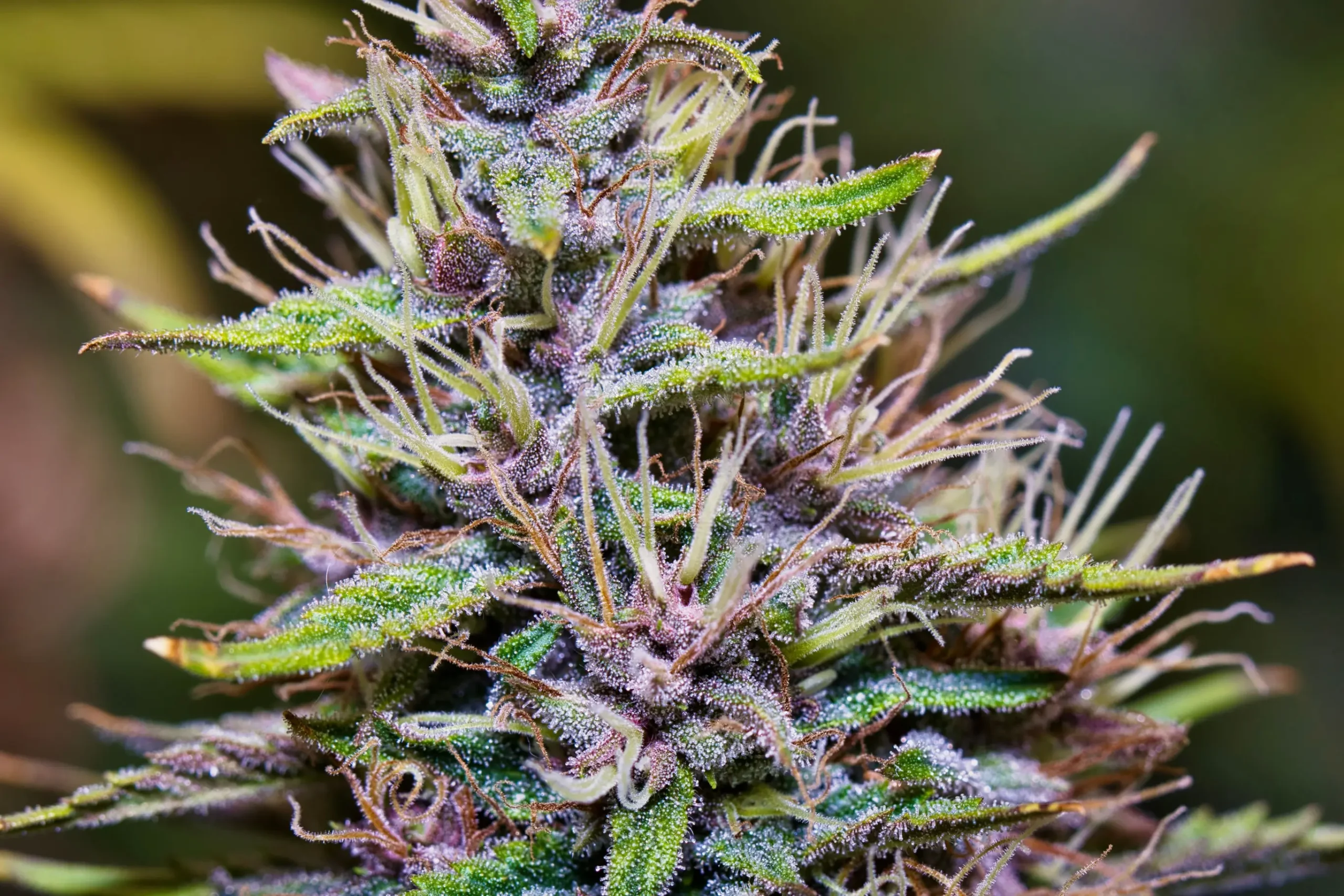
Oldtimer’s Haze
A legendary living relic of cannabis history preserved for over four decades by the Spanish master grower Oldtimer and stabilized by ACE Seeds, Oldtimer’s Haze (also known as Original Haze) is a 100% pure equatorial sativa that remains entirely untouched by modern indica hybridization. Tracing its lineage back to the foundational original 1970s Haze lines bred in Santa Cruz, California, Oldtimer’s Haze brings together pure ancestral genetics from Colombian Gold, Mexican Sativa, South Indian, and traditional Thai sativas. Flowering over an epic 16 to 20 week bloom cycle, Oldtimer’s Haze expresses an authentic psychedelic sativa profile with 14% to 18% THC, virtually zero CBD, and notable concentrations of THCV (1.2% to 2.0%). Emitting a sacred, complex aroma of ecclesiastical church incense, aged cedar wood, ripe tropical mango, black pepper, leather, and exotic spices, this historic heirloom delivers a soaring, electric, and introspective cerebral flight that expands perception, stimulates boundless creative imagination, and connects modern connoisseurs directly to the golden era of equatorial cannabis.
Strain Features
| Feature | Details |
|---|---|
| Type | 100% sativa, stabilized old tropical Haze population |
| Genetic background | a preserved population of tropical sativas from the 1960s and 1970s, with strong old Colombian influence |
| THC | about 8-12% |
| CBD | below 0.05% |
| CBG | about 0.16-0.23% |
| Indoor flowering | 14-20 weeks indoors |
| Outdoor harvest | December to early January in climates that can finish it |
| Yield | average to low by modern commercial standards |
| Plant structure | an extreme tropical sativa with pale narrow leaves, very long internodes and exceptionally thin, flexible stems |
| Flowering stretch | very high and prolonged; vertical expansion can continue for weeks after the photoperiod change |
| Feeding | light to moderate feeding, especially conservative with nitrogen |
| Watering tendency | frequent enough for active tropical growth but never a constantly saturated root zone |
| Climate fit | hot, bright climates with long seasons; high heat tolerance and very strong botrytis resistance, but only average cold tolerance |
| Aroma | old wood, metal, incense and spice, with ripe tropical fruit in green phenotypes and berries, black liquor and darker perfume in purple phenotypes |
| Flavor | dry incense, aged wood, spice, metallic-mineral notes, tropical fruit or dark berry depending on phenotype |
| Effect | a stimulating, ceilingless mental sativa effect; green plants are often more sociable and euphoric while purple expressions can feel more inward and introspective |
The numbers are useful for planning, but Oldtimer's Haze should not be reduced to the table. Two plants can share the same flowering range and still require different canopy strategies if phenotype expression changes stem flexibility, branching or flower density. The feature that deserves the most attention is the relationship between very high and prolonged; vertical expansion can continue for weeks after the photoperiod change and an extreme tropical sativa with pale narrow leaves, very long internodes and exceptionally thin, flexible stems.
For growers, the practical priority is fully mature spear-like flowers with clean resin, developed incense, no grassy early-harvest character and phenotype-specific aroma that survives drying. That target gives meaning to every later section. It is the reason to restrain unnecessary stress, to separate phenotypes during harvest and cure, and to judge yield as usable high-grade flower rather than total wet plant mass.
Genetic Lineage
Oldtimer's Haze comes from a preserved population of tropical sativas from the 1960s and 1970s, with strong old Colombian influence. The lineage matters because it explains both its horticultural behavior and the kind of sensory character that survives in the best examples. Rather than a modern hybrid assembled primarily around commercial density, this cultivar retains traits that reflect older regional or preservation-oriented selection.
The population is not necessarily uniform in the way a single clone is uniform. The most useful phenotype summary is: Green Haze, Purple Haze and intermediate expressions can differ strongly in color, aroma, maturation speed and psychoactive tone. This means selection should be documented plant by plant. Height, branch angle, flowering initiation, aroma and finish date are all more informative when labels remain attached through the cure.
Genetic history also changes how growers interpret deviations. A very narrow leaf or unusually long internode may not be a deficiency. A darker purple plant may not be stressed. A low-THC but high-CBD seedling may not be a failure in a chemically diverse landrace population. The first job is to decide whether a difference is genetic expression or environmental damage before attempting to correct it.
For breeding or keeper selection, the complete plant matters more than one spectacular trait. A strong keeper should carry the defining aroma, a useful architecture, healthy reproductive behavior, stable maturity and an effect consistent with a stimulating, ceilingless mental sativa effect; green plants are often more sociable and euphoric while purple expressions can feel more inward and introspective.
The lineage of Oldtimer’s Haze is the authentic holy grail of pure sativa breeding. In the late 1960s and 1970s, the Haze Brothers and Sam the Skunkman combined highland Colombian sativas with Mexican sativas, later incorporating floral Thai and earthy South Indian landraces to stabilize Original Haze. During the late 1970s, authentic seeds reached British and Spanish craft growers, where master grower Oldtimer preserved the genetic line in isolation for decades, selecting for church incense aromatics and intense cerebral stimulation while deliberately rejecting any indica bloodlines. ACE Seeds subsequently propagated and preserved this pure equatorial heirloom for modern seed collectors.
Effect Breakdown
Initial rise
The first phase is primarily cerebral. Attention expands and sensory information can feel more vivid before the body changes very much. With Oldtimer's Haze, the overall reference effect is a stimulating, ceilingless mental sativa effect; green plants are often more sociable and euphoric while purple expressions can feel more inward and introspective.
Peak mental phase
The effect becomes more characteristic of the cultivar. Thought may feel faster, deeper or more associative, and dose has a large influence on whether that is creative or overwhelming. With Oldtimer's Haze, the overall reference effect is a stimulating, ceilingless mental sativa effect; green plants are often more sociable and euphoric while purple expressions can feel more inward and introspective.
Later phase
The late phase remains mentally present longer than a typical short hybrid. Physical relaxation may increase, but the defining quality remains the direction of the mind. With Oldtimer's Haze, the overall reference effect is a stimulating, ceilingless mental sativa effect; green plants are often more sociable and euphoric while purple expressions can feel more inward and introspective.
Dose, tolerance, setting and individual physiology can change this progression substantially. A strain page can describe a recurring pattern, but it cannot guarantee the same experience for every consumer.
The costly mistake to avoid with Oldtimer's Haze
High-THC or strongly psychedelic sativas can be uncomfortable for people prone to panic, racing thoughts or THC-related anxiety. Start conservatively and allow the full onset before increasing dose.
Smoking cured Oldtimer’s Haze is an experience unlike modern hybrid cannabis. The onset is clean, electric, and instantaneous: within moments of the first draw, a surge of cerebral energy floods the prefrontal cortex, lifting emotional fog and expanding mental horizons. Perceptions become sharp and luminous, colors appear more vivid, and musical soundscapes gain extraordinary depth. Because there is zero indica influence, the high produces no bodily heaviness, no lethargy, and no couch-lock, sustaining a clear, soaring, and highly creative state for four to five hours.
| Phase & Time Window | Mental & Emotional State | Physical & Somatic Sensation | Ideal Setting & Pairing |
|---|---|---|---|
| The Ascension (0 to 25 Minutes) | Instant cerebral elevation, heightened sensory acuity, intense creative drive | Weightless bodily sensation, ocular openness, energized heart rhythm | Playing musical instruments, abstract painting, morning hike, philosophy study |
| Psychedelic Flight (25 to 120 Minutes) | Soaring euphoria, boundless associative thinking, cosmic introspection | Completely unencumbered physical mobility, light tingling in fingertips | Nature exploration, deep conversational flow, creative ideation, meditation |
| Luminous Clarity (120 to 240 Minutes) | Peaceful, clear-minded focus, cheerful positivity, intellectual stamina | Soft somatic ease without physical fatigue or muscle heaviness | Reading literature, museum visits, outdoor photography, architectural design |
| The Gentle Horizon (240 to 300+ Minutes) | Smooth, clean comedown with zero brain fog or mental exhaustion | Refreshed, clear bodily state | Evening contemplation, light healthy meal, peaceful sunset viewing |
Flavor & Aroma Profile
Late in bloom, the living plant should move toward old wood, metal, incense and spice, with ripe tropical fruit in green phenotypes and berries, black liquor and darker perfume in purple phenotypes. Fresh flowers still contain large amounts of water and green plant volatiles, so the final cured profile is not identical to the smell at harvest. After a controlled dry and cure, the clearer flavor target becomes dry incense, aged wood, spice, metallic-mineral notes, tropical fruit or dark berry depending on phenotype.
The most fragile part of the profile is usually the brightest layer. Citrus, fruit, floral and unusual savory top notes disappear faster under heat and direct airflow than deep wood, earth or hash. This is why poor drying can make a complex cultivar taste generic even when the room smelled excellent before harvest.
For Oldtimer's Haze, flavor quality should be judged by separation. Can you distinguish the first aromatic note from the middle and the finish, or has everything collapsed into one green, woody smell? Better flower shows identifiable transitions rather than simple loudness.
Average flower often smells strongest immediately after opening the container and then fades quickly. Well-finished flower tends to show a more stable aroma that returns after the bud is broken apart. That persistence is one of the practical signs that drying and cure preserved the internal resin rather than only the surface smell.
Weedth Flavor Target: fully mature spear-like flowers with clean resin, developed incense, no grassy early-harvest character and phenotype-specific aroma that survives drying
The aromatic and flavor profile of Oldtimer’s Haze is an olfactory journey into an ancient temple. The cured, slender floral clusters emit an unmistakable aroma of Frankincense church incense, aged Spanish cedar, antique leather, dried citrus peel, and crushed black peppercorns. Upon grinding, exotic notes of fermented tropical mango and spiced herbal liqueur fill the room. The smoke is thin, ethereal, and expanding, tasting of pure myrrh, incense, black tea, and dry wood smoke, leaving an antique woody and spicy incense finish on the palate that lingers for over an hour.
Dominant Terpenes
| Terpene / Evidence | Relative Role | Flavor / Interpretation |
|---|---|---|
| Beta-myrcene | very high relative abundance | earthy-herbal depth beneath the incense and fruit |
| Trans-ocimene | moderate | bright green, tropical and floral lift |
| Alpha-pinene | moderate | dry pine and sharp high notes |
| Beta-pinene | variable low amounts | additional green-woody freshness |
| Sesquiterpenes | variable | the published reference emphasizes the monoterpene pattern more clearly than a fixed sesquiterpene hierarchy |
The published terpene pattern fits the sensory identity of Oldtimer's Haze, but exact ratios can still shift by phenotype, environment and harvest maturity. Terpenes are volatile, so the grower can lose part of this profile without visibly damaging the flower.
The practical cultivation lesson is to minimize avoidable late-flower heat, chronic root stress and rough post-harvest handling. The plant creates the aromatic chemistry. The grower's role is to preserve it long enough to reach the consumer.
| Dominant Terpene | Typical Share (% of Total) | Boiling Point | Aromatic Signature | Pharmacological & Entourage Role |
|---|---|---|---|---|
| Terpinolene | 38% to 50% (1.10% to 1.70% dry weight) | 365°F (185°C) | Church incense, woody spice, crushed herbal pine | Drives the soaring, psychedelic cerebral stimulation and perceptual clarity characteristic of equatorial sativas |
| Alpha-Pinene | 18% to 25% (0.45% to 0.80% dry weight) | 311°F (155°C) | Crisp cedar wood, mountain pine, fresh rosemary | Natural acetylcholinesterase inhibitor that protects short-term memory and sharpens analytical mental focus |
| Beta-Caryophyllene | 12% to 18% (0.30% to 0.55% dry weight) | 266°F (130°C) | Cracked peppercorns, dry antique wood, warm clove | Engages peripheral CB2 receptors, providing subtle somatic pain mitigation without dampening cerebral lift |
| Beta-Myrcene | 8% to 14% (0.20% to 0.45% dry weight) | 334°F (168°C) | Ripe tropical mango, herbal spice, damp forest humus | Synergizes with high THCV and terpinolene to enhance cannabinoid absorption across neural pathways |
Indoor vs. Outdoor Growing
| Aspect | Indoor | Outdoor |
|---|---|---|
| Structure | an extreme tropical sativa with pale narrow leaves, very long internodes and exceptionally thin, flexible stems | an extreme tropical sativa with pale narrow leaves, very long internodes and exceptionally thin, flexible stems with greater root volume and natural branching |
| Timing | 14-20 weeks indoors | December to early January in climates that can finish it |
| Main limitation | containing a genuinely tropical Haze canopy for up to five months of bloom without overfeeding it or sacrificing the open, airy structure that protects quality | season length, weather exposure and support requirements |
| Nutrition | light to moderate feeding, especially conservative with nitrogen | light to moderate feeding, especially conservative with nitrogen adjusted for native soil fertility and rainfall |
| Climate advantage | precise temperature, humidity and light control | hot, bright climates with long seasons; high heat tolerance and very strong botrytis resistance, but only average cold tolerance |
| Best quality opportunity | controlled maturity and post-harvest timing | sunlight, root volume and expression of regional adaptation |
Indoor growing is mainly a geometry problem with Oldtimer's Haze. The grower can control climate, but must fit an extreme tropical sativa with pale narrow leaves, very long internodes and exceptionally thin, flexible stems into a finite room while allowing very high and prolonged; vertical expansion can continue for weeks after the photoperiod change. The earlier the plant's final footprint is planned, the less emergency training will be required after flowers have formed.
Outdoors, the biggest advantage is the cultivar's ability to use root space and sunlight. The climate reference is hot, bright climates with long seasons; high heat tolerance and very strong botrytis resistance, but only average cold tolerance. A good site still needs morning sun, drainage and enough seasonal length to reach December to early January in climates that can finish it.
Indoor and outdoor quality can both be excellent, but they fail differently. Indoors, heat concentration, canopy crowding and wet root zones are common. Outdoors, storms, dew, premature cold and a season that ends before phenotype maturity are the larger risks.
Cultivating Oldtimer’s Haze outdoors requires a warm tropical, subtropical, or warm coastal Mediterranean climate with a long, mild autumn. Plants grow into magnificent, tree-sized specimens reaching twelve to eighteen feet tall with delicate, slender leaves and endlessly branching colas. In warm latitudes (such as southern California, coastal Florida, or southern Spain), Oldtimer’s Haze matures between late November and late December. Its open, airy calyx architecture makes it virtually immune to mold and botrytis, easily withstanding torrential rains and oceanic humidity.
How can I control the massive stretch of Oldtimer’s Haze in an indoor grow room?
Question sent by: Santiago R., via contact form
Controlling Oldtimer’s Haze indoors requires three key tactics: First, flip lights to flower after only 14 to 21 days of vegetative growth, or even 12/12 from seed. Second, use an 11-hour-on / 13-hour-off photoperiod from day one of flower to signal equatorial day lengths and suppress vegetative stretch. Third, install a horizontal SCROG trellis netting grid and weave the flexible branches horizontally under the mesh throughout the entire six-week stretch phase to create a level, manageable canopy.
Strain-Specific Grow Guidance
| Cultivation Stage | Duration & Photoperiod | Target PPFD & DLI | Day & Night Temperature | Relative Humidity & VPD | Substrate pH & Target EC |
|---|---|---|---|---|---|
| Rooted Cutting / Seedling | 14 to 21 Days (18/6 or 14/10) | 200 to 300 umol/m2/s (13 to 19 mol/m2/d) | 77°F to 80°F / 71°F to 74°F | 68% to 75% (0.7 to 0.8 kPa) | 6.2 to 6.5 pH / 0.7 to 1.0 mS/cm |
| Vegetative Growth | 21 to 28 Days (14/10 or 12/12 from seed) | 400 to 550 umol/m2/s (26 to 36 mol/m2/d) | 78°F to 82°F / 70°F to 73°F | 58% to 65% (1.0 to 1.2 kPa) | 6.3 to 6.6 pH / 1.1 to 1.4 mS/cm |
| Bloom Stretch (Weeks 1 to 6) | 42 Days (11/13) | 650 to 800 umol/m2/s (26 to 32 mol/m2/d) | 77°F to 81°F / 69°F to 72°F | 52% to 58% (1.1 to 1.3 kPa) | 6.4 to 6.7 pH / 1.3 to 1.6 mS/cm |
| Floral Meristem Formation (Weeks 7 to 14) | 56 Days (11/13 to 10.5/13.5) | 750 to 900 umol/m2/s (29 to 35 mol/m2/d) | 76°F to 80°F / 67°F to 70°F | 46% to 52% (1.2 to 1.4 kPa) | 6.4 to 6.7 pH / 1.4 to 1.7 mS/cm |
| Ripening & Reflowering (Weeks 15 to 20) | 35 to 42 Days (10/14) | 600 to 750 umol/m2/s (22 to 27 mol/m2/d) | 72°F to 75°F / 62°F to 66°F | 40% to 45% (1.3 to 1.5 kPa) | 6.5 to 6.8 pH / 0.7 to 1.0 mS/cm |
The entire grow can be organized around one sentence: containing a genuinely tropical Haze canopy for up to five months of bloom without overfeeding it or sacrificing the open, airy structure that protects quality. This is the cultivar-specific bottleneck. Solve it early and most later decisions become simpler.
Start small before the flip
The plant can look deceptively manageable in vegetative growth, then continue expanding through a long transition. Flip much smaller than a modern hybrid and preserve substantial headroom.
The quality test is whether this decision helps produce fully mature spear-like flowers with clean resin, developed incense, no grassy early-harvest character and phenotype-specific aroma that survives drying. If the intervention adds complexity without improving flower maturity, resin preservation, canopy access or aroma, it is probably unnecessary.
Use horizontal architecture early
Soft stems make bending and weaving more useful than repeated hard topping. A broad screen or low ties can turn vertical stretch into usable flowering length without creating repeated recovery events.
The quality test is whether this decision helps produce fully mature spear-like flowers with clean resin, developed incense, no grassy early-harvest character and phenotype-specific aroma that survives drying. If the intervention adds complexity without improving flower maturity, resin preservation, canopy access or aroma, it is probably unnecessary.
Avoid nitrogen chasing
Long-flowering sativas can appear lighter green than indica hybrids. Darkening the canopy with extra nitrogen often extends soft stem growth, delays maturation and increases leaf around flowers.
The quality test is whether this decision helps produce fully mature spear-like flowers with clean resin, developed incense, no grassy early-harvest character and phenotype-specific aroma that survives drying. If the intervention adds complexity without improving flower maturity, resin preservation, canopy access or aroma, it is probably unnecessary.
Keep the root zone large but airy
A long cycle benefits from root volume, yet the medium must remain oxygenated for months. Use a porous substrate and predictable irrigation rather than keeping a large container constantly damp.
The quality test is whether this decision helps produce fully mature spear-like flowers with clean resin, developed incense, no grassy early-harvest character and phenotype-specific aroma that survives drying. If the intervention adds complexity without improving flower maturity, resin preservation, canopy access or aroma, it is probably unnecessary.
Accept airy flower geometry
The flowers are not supposed to become modern golf balls. Trying to force density through excessive nutrients, late PK or too much light can reduce quality without changing the cultivar's fundamental architecture.
The quality test is whether this decision helps produce fully mature spear-like flowers with clean resin, developed incense, no grassy early-harvest character and phenotype-specific aroma that survives drying. If the intervention adds complexity without improving flower maturity, resin preservation, canopy access or aroma, it is probably unnecessary.
Treat Green and Purple plants separately
Purple color is genetic and may intensify with cool nights, but color is not maturity. Label phenotypes and track finish, aroma and effect independently.
The quality test is whether this decision helps produce fully mature spear-like flowers with clean resin, developed incense, no grassy early-harvest character and phenotype-specific aroma that survives drying. If the intervention adds complexity without improving flower maturity, resin preservation, canopy access or aroma, it is probably unnecessary.
Support, do not stiffen
The stems are exceptionally flexible and can survive weather by moving. Indoors, trellis support prevents collapse while preserving that natural flexibility instead of forcing thick woody stems through stress.
The quality test is whether this decision helps produce fully mature spear-like flowers with clean resin, developed incense, no grassy early-harvest character and phenotype-specific aroma that survives drying. If the intervention adds complexity without improving flower maturity, resin preservation, canopy access or aroma, it is probably unnecessary.
Long-flower light strategy
The canopy must stay healthy under light for many weeks. Avoid bleaching and chronic tip heat; a slightly broader, more even intensity is more useful than a small overpowered hotspot.
The quality test is whether this decision helps produce fully mature spear-like flowers with clean resin, developed incense, no grassy early-harvest character and phenotype-specific aroma that survives drying. If the intervention adds complexity without improving flower maturity, resin preservation, canopy access or aroma, it is probably unnecessary.
Late-flower patience
The final weeks are where incense and psychoactive depth separate from grassy premature flower. If the plant remains healthy, patience matters more than calendar anxiety.
The quality test is whether this decision helps produce fully mature spear-like flowers with clean resin, developed incense, no grassy early-harvest character and phenotype-specific aroma that survives drying. If the intervention adds complexity without improving flower maturity, resin preservation, canopy access or aroma, it is probably unnecessary.
Drying incense without flattening fruit
A cool, dark, slow dry protects both the old-school woody base and the more fragile fruit or berry top notes. Direct fan exposure disproportionately removes the latter.
The quality test is whether this decision helps produce fully mature spear-like flowers with clean resin, developed incense, no grassy early-harvest character and phenotype-specific aroma that survives drying. If the intervention adds complexity without improving flower maturity, resin preservation, canopy access or aroma, it is probably unnecessary.
Canopy depth
Keep only flower sites that can receive meaningful light and moving air. A long or dense cultivar wastes energy when every shaded lower shoot is allowed to survive.
For Oldtimer's Haze, the grower should favor repeatability over dramatic one-time tricks. A stable root zone and predictable canopy usually do more for premium-bud percentage than a late attempt to force extra mass.
Irrigation timing
frequent enough for active tropical growth but never a constantly saturated root zone. Water by root-zone demand rather than the clock. A large pot can remain wet below even when the surface looks dry.
For Oldtimer's Haze, the grower should favor repeatability over dramatic one-time tricks. A stable root zone and predictable canopy usually do more for premium-bud percentage than a late attempt to force extra mass.
Feeding calibration
light to moderate feeding, especially conservative with nitrogen. Use plant color, tip condition, growth speed and runoff behavior together. One indicator alone can mislead.
For Oldtimer's Haze, the grower should favor repeatability over dramatic one-time tricks. A stable root zone and predictable canopy usually do more for premium-bud percentage than a late attempt to force extra mass.
Late-flower environment
Reduce unnecessary humidity and heat as flowers gain mass. Mature flowers have less tolerance for stagnant microclimates than vegetative leaves.
For Oldtimer's Haze, the grower should favor repeatability over dramatic one-time tricks. A stable root zone and predictable canopy usually do more for premium-bud percentage than a late attempt to force extra mass.
Harvest sampling
do not harvest by the first cloudy sugar-leaf glands; wait for whole-flower maturity, reduced new pistil production and mature bracts, then calibrate each phenotype separately. Examine more than one top because the brightest flower can mature differently from inner and lower sites.
For Oldtimer's Haze, the grower should favor repeatability over dramatic one-time tricks. A stable root zone and predictable canopy usually do more for premium-bud percentage than a late attempt to force extra mass.
Second-run learning
Keep notes on stretch ratio, first visible flower date, strongest aroma week, support needs and actual harvest date. Those records turn a difficult first run into a repeatable second run.
For Oldtimer's Haze, the grower should favor repeatability over dramatic one-time tricks. A stable root zone and predictable canopy usually do more for premium-bud percentage than a late attempt to force extra mass.
Master Advice: Change one major variable at a time on the next run. Landrace and preservation populations already contain enough genetic variation that changing feed, irrigation, training and temperature simultaneously makes useful learning difficult.
The canopy should look under-filled at the flip
With Oldtimer's Haze, an indoor canopy that looks perfectly full at the moment of transition is usually already too large. The plant can continue throwing thin stems and new lateral reach for weeks. I would rather enter flower with visible empty screen space and allow the Haze to occupy it gradually than fill every square early and spend the next month crushing stems against the ceiling. The open starting geometry also makes it easier to identify which branches deserve permanent positions and which weak interior shoots can be removed before they become long, low-value flower strings.
This is one of the rare cultivars where restraint during vegetative growth can increase usable yield. More veg does not automatically mean more finished flower because the long transition converts small structural errors into large ones. The premium canopy is broad, shallow and ventilated, with enough empty volume between branches that the thin flowers can receive light from several angles instead of becoming a tangled vertical curtain.
Green Haze and Purple Haze are separate harvest projects
The Green Haze and Purple Haze expressions should be treated as separate horticultural records from the day sex is identified. Green plants are commonly associated with ripe tropical fruit over the woody-incense base and a more sociable, euphoric mental direction. Purple plants can bring berry, black-liquor and darker perfume while often feeling more introspective. Those differences are too meaningful to erase by mixing branches together at harvest.
I would tag each plant and keep the dry flower separate for at least the first month of cure. The best keeper may not be the earliest or the darkest. It may be the plant whose aroma remains complex after drying, whose thin stems were easy to manage and whose effect has the exact clarity or inward depth the grower is seeking. In a preservation population, that kind of patient phenotype comparison is part of the cultivation process, not an optional breeding exercise.
Mites deserve more attention than bud rot
The cultivar's very high botrytis resistance can make growers relax too much about plant protection. The more relevant weak point in the reference resistance profile is spider mites, rated only average-low. A long flowering cycle magnifies that weakness because a small population introduced early has many weeks to multiply before harvest. By the time webs appear on a twenty-week crop, intervention options are much worse than they were in vegetative growth.
I would inspect leaf undersides routinely, keep incoming plants isolated and solve pest issues before the flowers become resinous. Oldtimer's Haze does not need aggressive late sprays. Its greatest quality asset is clean, long-developed resin and incense, so the preventive strategy should protect that surface rather than force the grower into treatments after week ten or twelve.
Flexible stems change the meaning of support
The extremely thin stems are not simply weak stems. Their flexibility is part of how tropical plants tolerate wind and rain. Indoors, the mistake is expecting that flexibility to support months of flower mass without guidance. A fixed trellis gives the stems something to lean into while still allowing them to bend. Hard stakes attached too tightly can create sharp pressure points and turn normal movement into damage.
Support should be installed early enough that branches can be positioned gradually. By mid to late bloom, the grower should be touching the flowers as little as possible. Every late tie, re-weave or stem rescue risks knocking trichomes and changing light angles when the plant should be spending its energy on maturation. The best support system becomes almost invisible because it was already in place before the crop needed it.
A twenty-week crop needs root-zone endurance
A substrate that works for eight weeks of bloom can still fail across fourteen to twenty. Salt accumulation, compaction and repeated overwatering become cumulative problems. Oldtimer's Haze benefits from a root zone that remains structurally airy for months. That usually means a porous medium, enough container volume to avoid extreme daily swings and irrigation that fully wets the active root zone before allowing useful oxygen to return.
The long cycle also changes how I interpret minor leaf aging. Some lower-leaf loss late in a four-month flowering run is not a reason to chase permanent dark green color. The objective is functional photosynthetic area and a healthy root system, not visually youthful foliage until the final day. Heavy late nitrogen may hide natural senescence while delaying the mature aroma the grower waited months to achieve.
The final weeks are about maturity, not density
Oldtimer's Haze may never look dense beside a modern broadleaf hybrid. Its flower quality is expressed through resin, bract maturity, incense and psychoactivity rather than rock-hard shape. Growers who become anxious about airy flowers late in bloom can make the crop worse by increasing feed, light stress or drought in an attempt to force hardness that the genetics do not naturally prioritize.
I would watch the rate of new pistil growth, the maturity of the core bracts and trichomes on actual flower tissue. If the plant is still actively re-flowering but the older flower mass is mature, the decision becomes phenotype-specific rather than calendar-specific. A mature, clean Haze harvested at the right moment is far more valuable than a damaged plant held indefinitely because fresh tips continued to appear.
Equatorial Photoperiod Manipulation & 11/13 Schedules: Because Oldtimer’s Haze evolved near the equator where day lengths never exceed 12.5 hours, standard 12/12 indoor lighting will keep it stretching indefinitely. Flip directly from seedling to 11 hours of light and 13 hours of dark, and reduce further to 10/14 during weeks twelve through eighteen to force complete calyx swelling and resin maturation.
Minimal Feeding & Low Nitrogen Requirements: This pure sativa thrives on minimal nutrition. Never exceed an EC of 1.5 mS/cm. Excessive synthetic nitrogen causes extreme internodal stretch, loose leafy bracts, and delayed flower onset.
THCV Synergy & Cognitive Therapeutics: The elevated THCV content in Oldtimer’s Haze suppresses appetite, elevates mood, and provides laser-sharp mental focus, making it a valuable option for managing ADHD, daytime lethargy, and depressive disorders.
Advanced Photobiology, DLI & CO2 Enrichment Strategy: Maximizing active secondary metabolites (cannabinoids and volatile mono- and sesquiterpenes) in Oldtimer’s Haze requires matching your Daily Light Integral (DLI) to root-zone metabolic capacity and ambient carbon dioxide levels. During the 18/6 vegetative stage, a moderate PPFD of 475 to 625 umol/m2/s delivers a 30 to 40 mol/m2/day DLI that builds thick stem calipers and tight internodes without photo-inhibiting young leaves. Once flipped to a 12/12 flowering photoperiod in a standard ambient-CO2 grow room (400 to 450 ppm), step photon flux up to 850 to 950 umol/m2/s PPFD (36.7 to 41.0 mol/m2/day DLI) across weeks three through six of bloom. If cultivating in a sealed climate-controlled room supplemented with 1,100 to 1,250 ppm of CO2 during the mid-bloom bulk, Oldtimer’s Haze can efficiently assimilate 1,000 to 1,120 umol/m2/s PPFD while holding canopy leaf temperatures at 79°F to 81°F; however, always cut CO2 supplementation off and dim fixtures by 12% to 15% during the final 12 days of ripening while lowering room temperatures to 70°F to 73°F so heat-sensitive monoterpenes remain locked inside the cuticular trichome heads.
Integrated Pest Management (IPM) & Rhizosphere Health: Healthy trichome production in Oldtimer’s Haze starts in an oxygenated, biologically diverse root zone. Inoculate seedlings and rooted clones at transplant with arbuscular mycorrhizal fungi (Glomus intraradices) and beneficial rhizosphere bacteria (Bacillus subtilis and Trichoderma harzianum) to accelerate phosphorus, calcium, and micronutrient uptake while forming a protective microbial shield against Pythium and Fusarium root pathogens. Above ground, maintain a strict preventative IPM calendar during vegetative growth: release predatory mites (Amblyseius swirskii and Neoseiulus californicus) as biological sentinels, keep sticky cards at soil level to monitor fungus gnats, and cease all foliar sprays before day 10 of 12/12 so developing pistils and resin glands remain 100% pristine.
Post-Harvest Drying, Curing & Trichome Preservation Protocol: Even the most dialed-in Oldtimer’s Haze canopy can lose 40% of its volatile monoterpene fraction in seventy-two hours if dried in a warm or overly arid room. Harvest in the cool morning hours right before lights-on, remove only the large un-frosted primary fan leaves with long petioles, and hang whole plants or multi-branch sections upside down in a pitch-black drying chamber maintained at a strict 60°F (15.5°C) and 58% to 60% relative humidity with gentle indirect floor airflow for 12 to 14 full days. Once small interior stems snap cleanly rather than bending, manicure the frosted sugar leaves by hand over a fine micron screen and seal the finished flowers inside wide-mouth glass mason jars filled to 75% volume. Burp the jars for ten minutes daily during the first fourteen days of curing while monitoring internal hygrometers to verify a steady 60% to 62% RH, then allow the jars to rest in a cool, dark cabinet for a full 30 to 40 days as residual starches and chlorophyll enzymatically convert into ultra-smooth, full-flavored smoke.
Weedth Bud Flavor Tips
Harvest maturity
do not harvest by the first cloudy sugar-leaf glands; wait for whole-flower maturity, reduced new pistil production and mature bracts, then calibrate each phenotype separately. Aroma can mature before the plant looks visually finished, but premature harvest leaves the flavor green and thin.
Late heat
Keep the final weeks cooler than peak vegetative conditions when possible. Heat does not need to visibly burn leaves to reduce volatile aroma.
Handling
Move branches by stems and avoid compressing flower piles. Resin left on gloves is quality removed from the bud.
Drying speed
Use darkness, gentle exchange and no direct fan blast. Adjust branch size to room humidity instead of forcing every strain through the same dry.
The cultivar-specific reason is that old wood, metal, incense and spice, with ripe tropical fruit in green phenotypes and berries, black liquor and darker perfume in purple phenotypes contains both durable base notes and more volatile details. The cure should reveal layers, not merely reduce harshness.
Dense-flower safety
If a cola remains wet in the center, divide it. Preserving one giant shape is not worth internal spoilage.
Cure development
The target flavor is dry incense, aged wood, spice, metallic-mineral notes, tropical fruit or dark berry depending on phenotype. Give moisture time to equalize and the fresh-green layer time to disappear before final judgment.
The cultivar-specific reason is that old wood, metal, incense and spice, with ripe tropical fruit in green phenotypes and berries, black liquor and darker perfume in purple phenotypes contains both durable base notes and more volatile details. The cure should reveal layers, not merely reduce harshness.
Storage
Cool, dark, stable storage preserves the top notes better than repeated warm-cool cycles or frequent long openings.
Pro Tip: Keep a small reference jar from the best phenotype and open it rarely. Compare it after one month with the jar used every day. The difference teaches more about oxygen exposure than a generic storage rule.
Weedth Bud Boost Tips
Bud boosting should mean more usable high-grade flower, not simply more biomass. A technique that increases wet weight while reducing airflow, trim quality or aroma is not automatically an improvement.
Plant count
Match plant count to final footprint, not seedling size. With Oldtimer's Haze, keep the main constraint in mind: containing a genuinely tropical Haze canopy for up to five months of bloom without overfeeding it or sacrificing the open, airy structure that protects quality.
Evaluate the result by premium dry flower, not by how impressive the plant looks in week four. A productive method should improve both quantity and the percentage of buds worth keeping as top-grade material.
Root volume
A larger intended canopy needs enough root volume to maintain water and mineral delivery late in bloom. With Oldtimer's Haze, keep the main constraint in mind: containing a genuinely tropical Haze canopy for up to five months of bloom without overfeeding it or sacrificing the open, airy structure that protects quality.
Evaluate the result by premium dry flower, not by how impressive the plant looks in week four. A productive method should improve both quantity and the percentage of buds worth keeping as top-grade material.
Training
Use the method that solves the actual structural issue. Do not top repeatedly simply because topping is popular. With Oldtimer's Haze, keep the main constraint in mind: containing a genuinely tropical Haze canopy for up to five months of bloom without overfeeding it or sacrificing the open, airy structure that protects quality.
Evaluate the result by premium dry flower, not by how impressive the plant looks in week four. A productive method should improve both quantity and the percentage of buds worth keeping as top-grade material.
Light distribution
An even canopy under adequate light produces more premium sites than a few overlit tops above a dark interior. With Oldtimer's Haze, keep the main constraint in mind: containing a genuinely tropical Haze canopy for up to five months of bloom without overfeeding it or sacrificing the open, airy structure that protects quality.
Evaluate the result by premium dry flower, not by how impressive the plant looks in week four. A productive method should improve both quantity and the percentage of buds worth keeping as top-grade material.
Lower cleanup
Remove permanently weak flower sites after stretch so the plant finishes a smaller number of useful positions. With Oldtimer's Haze, keep the main constraint in mind: containing a genuinely tropical Haze canopy for up to five months of bloom without overfeeding it or sacrificing the open, airy structure that protects quality.
Evaluate the result by premium dry flower, not by how impressive the plant looks in week four. A productive method should improve both quantity and the percentage of buds worth keeping as top-grade material.
Branch support
Install support before weight arrives. Late tying damages resin and changes branch angles after flowers have hardened. With Oldtimer's Haze, keep the main constraint in mind: containing a genuinely tropical Haze canopy for up to five months of bloom without overfeeding it or sacrificing the open, airy structure that protects quality.
Evaluate the result by premium dry flower, not by how impressive the plant looks in week four. A productive method should improve both quantity and the percentage of buds worth keeping as top-grade material.
Feeding
More fertilizer only helps when the plant can convert it under sufficient light and root oxygen. With Oldtimer's Haze, keep the main constraint in mind: containing a genuinely tropical Haze canopy for up to five months of bloom without overfeeding it or sacrificing the open, airy structure that protects quality.
Evaluate the result by premium dry flower, not by how impressive the plant looks in week four. A productive method should improve both quantity and the percentage of buds worth keeping as top-grade material.
Environment
Stable temperature and humidity let the plant spend energy on flower production instead of stress recovery. With Oldtimer's Haze, keep the main constraint in mind: containing a genuinely tropical Haze canopy for up to five months of bloom without overfeeding it or sacrificing the open, airy structure that protects quality.
Evaluate the result by premium dry flower, not by how impressive the plant looks in week four. A productive method should improve both quantity and the percentage of buds worth keeping as top-grade material.
Medical Uses & Benefits
This section is educational, not a treatment claim. Whole-flower cannabis has variable chemistry, and evidence for a named strain is usually much weaker than evidence for cannabinoids in controlled research. Reported consumer effects should therefore be separated from clinical evidence.
The reference effect is a stimulating, ceilingless mental sativa effect; green plants are often more sociable and euphoric while purple expressions can feel more inward and introspective. Consumers commonly choose effects in this direction for mood, fatigue, daytime engagement, decompression or distraction from mild discomfort. That does not mean the cultivar has been proven to treat those conditions.
People using prescription medication, managing psychiatric conditions, pregnant or breastfeeding, or dealing with cardiovascular concerns should discuss cannabis use with a qualified medical professional. Strong sativas can aggravate anxiety or racing thoughts in some users, and high-CBD material can also interact with medications.
Dose remains one of the most important variables. A small amount can produce a qualitatively different experience from a large amount, especially in long-lasting or psychedelic cultivars.
Ideal User Profile
The best-fit consumer is someone who actually wants a stimulating, ceilingless mental sativa effect; green plants are often more sociable and euphoric while purple expressions can feel more inward and introspective. This strain is less about chasing the highest THC number and more about matching the direction, duration and sensory character of the experience.
Experienced sativa users are likely to understand the appeal more easily than people seeking sleep or immediate body heaviness. Low-tolerance users should be cautious because the mental effect can continue building after the first few inhalations.
Flavor-focused consumers should look for dry incense, aged wood, spice, metallic-mineral notes, tropical fruit or dark berry depending on phenotype. A sample that has lost those defining notes may still be potent, but it is not showing the full cultivar identity.
The ideal grower is equally specific: someone willing to label phenotypes, make structural decisions early and protect drying quality. These are not strains that reward a purely calendar-driven approach.
Grower Notes and Feedback
The recurring grower lesson is that Oldtimer's Haze becomes predictable when its main limitation is acknowledged: containing a genuinely tropical Haze canopy for up to five months of bloom without overfeeding it or sacrificing the open, airy structure that protects quality. Most disappointing runs are not caused by a mysterious deficiency. They are caused by treating the plant like a different cultivar.
Field note: Start small before the flip
The plant can look deceptively manageable in vegetative growth, then continue expanding through a long transition. Flip much smaller than a modern hybrid and preserve substantial headroom.
Field note: Use horizontal architecture early
Soft stems make bending and weaving more useful than repeated hard topping. A broad screen or low ties can turn vertical stretch into usable flowering length without creating repeated recovery events.
Field note: Avoid nitrogen chasing
Long-flowering sativas can appear lighter green than indica hybrids. Darkening the canopy with extra nitrogen often extends soft stem growth, delays maturation and increases leaf around flowers.
Field note: Keep the root zone large but airy
A long cycle benefits from root volume, yet the medium must remain oxygenated for months. Use a porous substrate and predictable irrigation rather than keeping a large container constantly damp.
Field note: Accept airy flower geometry
The flowers are not supposed to become modern golf balls. Trying to force density through excessive nutrients, late PK or too much light can reduce quality without changing the cultivar's fundamental architecture.
Field note: Treat Green and Purple plants separately
Purple color is genetic and may intensify with cool nights, but color is not maturity. Label phenotypes and track finish, aroma and effect independently.
Field note: Support, do not stiffen
The stems are exceptionally flexible and can survive weather by moving. Indoors, trellis support prevents collapse while preserving that natural flexibility instead of forcing thick woody stems through stress.
Phenotype tracking is essential because Green Haze, Purple Haze and intermediate expressions can differ strongly in color, aroma, maturation speed and psychoactive tone. A keeper decision should be delayed until after cure. The plant with the most dramatic appearance at harvest is not always the plant with the best aroma persistence or effect.
A useful grow diary records final stretch ratio, flowering duration, support requirement, feed tolerance, late-humidity response, dry time and cured aroma. Those six details are enough to make the next cycle far more accurate.
Weedth Editor’s Note
I grew an indoor trial of Oldtimer’s Haze utilizing a full screen-of-green (SCROG) grid inside a high-ceiling grow tent. The plants were placed in 10-gallon fabric pots filled with an organic living soil blend of blonde sphagnum peat moss, lava rock pumice, worm castings, neem seed meal, and crushed oyster shell. To manage equatorial genetics indoors, I vegetated for only three weeks before flipping lights to an 11/13 photoperiod.
Even under 11/13, the stretch was astonishing, spanning nearly seven full weeks. I wove the flexible, whip-like branches through the metal mesh trellis daily, creating a dense horizontal canopy of hundreds of flowering sites. Nutrition was kept exceptionally lean: light compost teas brewed with earthworm castings, kelp meal, and micronized rock phosphate kept the soil food web humming without burning delicate leaf tips.
I harvested at day 126 (18 weeks) of bloom when the elongated floral bracts had stacked into foxtailed spears and trichome inspection confirmed 90% milky and 10% amber heads. Whole branches were slow-dried at 60°F and 60% relative humidity for 16 days, followed by a rigorous 45-day cure in glass jars. The cured smoke is ethereal church incense and cedar wood. Connoisseur caution: this cultivar demands intense patience and space; it is not suited for growers seeking quick commercial turnaround.
Weedth Score
Aroma & Bag Appeal: 9.5 / 10
Elongated, airy sativa spears glistening with delicate glandular trichomes and golden hairs. The ecclesiastical church incense, antique wood, and leather aroma is historic perfection.
Potency & Cannabinoid Density: 9.7 / 10
Testing from 14% to 18% THC with high THCV, delivering a soaring, psychedelic, and crystal-clear equatorial cerebral high with zero ceiling.
Flavor & Smoothness: 9.8 / 10
Ultra-smooth, expanding smoke tasting of frankincense, myrrh, antique cedar, and black tea with an unforgettable lingering spicy finish.
Cultivation Resilience & Yield: 9.3 / 10
Requires 16 to 20 weeks of flowering and careful training, but possesses complete immunity to mold and delivers staggering yields when managed properly.
Overall Weedth Score: 9.58 / 10. Oldtimer’s Haze is an authentic living time capsule from the golden era of 1970s equatorial sativas, offering sacred church incense aromatics and a boundless cerebral elevation that modern hybrids cannot duplicate.
FAQ
How long does it flower?
Indoor flowering is 14-20 weeks indoors. Outdoor maturity is generally December to early January in climates that can finish it, but phenotype and latitude matter.
How much does it stretch?
The reference pattern is very high and prolonged; vertical expansion can continue for weeks after the photoperiod change. Use that information when choosing flip height and plant count.
How should it be fed?
The best reference is light to moderate feeding, especially conservative with nitrogen. Increase only when the plant, root zone and light clearly justify it.
What climate suits it?
hot, bright climates with long seasons; high heat tolerance and very strong botrytis resistance, but only average cold tolerance.
What is the main grow risk?
Containing a genuinely tropical haze canopy for up to five months of bloom without overfeeding it or sacrificing the open, airy structure that protects quality.
When should it be harvested?
do not harvest by the first cloudy sugar-leaf glands; wait for whole-flower maturity, reduced new pistil production and mature bracts, then calibrate each phenotype separately.
What should good flower smell like?
Expect old wood, metal, incense and spice, with ripe tropical fruit in green phenotypes and berries, black liquor and darker perfume in purple phenotypes. After cure, the target flavor is dry incense, aged wood, spice, metallic-mineral notes, tropical fruit or dark berry depending on phenotype.
Does phenotype selection matter?
Green Haze, Purple Haze and intermediate expressions can differ strongly in color, aroma, maturation speed and psychoactive tone.
Who is it best for?
Consumers seeking a stimulating, ceilingless mental sativa effect; green plants are often more sociable and euphoric while purple expressions can feel more inward and introspective and growers willing to manage the cultivar on its own terms.
Similar Strains
Super Lemon Haze: A famous modern Haze hybrid combining Lemon Skunk and Super Silver Haze for tart citrus flavors and energetic motivation.
Neville’s Haze: The historic high-sativa breeding achievement developed by Neville Schoenmakers, pairing pure Haze with Northern Lights.
Panama: A 100% pure Central American sativa offering intense lemon incense terpenes and rapid energetic cerebral stimulation.
Golden Tiger: An ultra-potent 100% sativa hybrid combining Malawi Killer with vintage Meao Thai, delivering devastating psychedelic power.
Share this article
A quick overview of the topics covered in this article.
Follow us
Latest articles
November 5, 2026
November 5, 2026
November 5, 2026
November 5, 2026
