
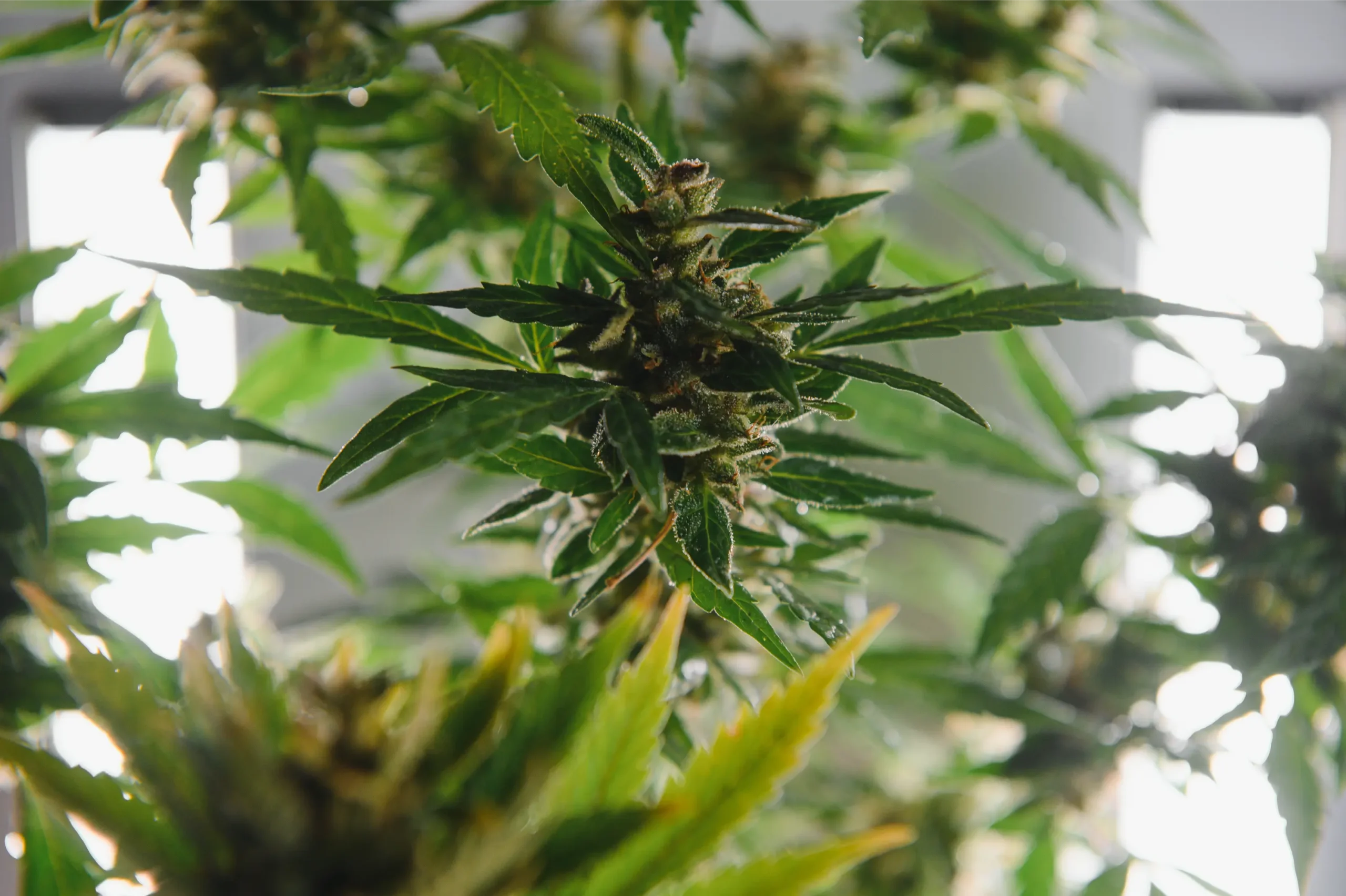
SFV OG
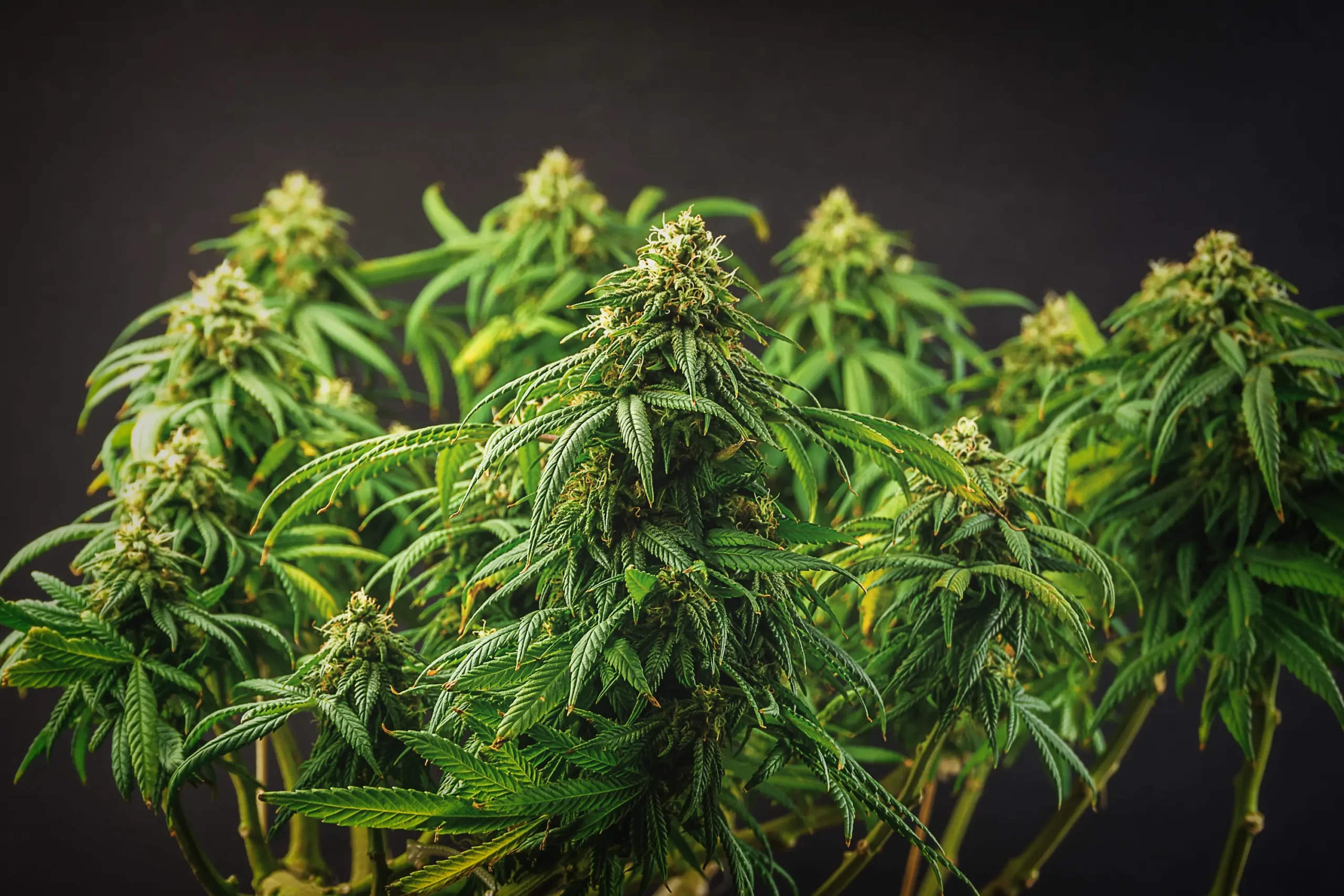
SFV OG is one of the clearest examples of why the word "OG" does not describe one uniform plant. Its reputation comes from the San Fernando Valley and from an aromatic profile that leans harder into lemon peel, pine cleaner, kerosene, earthy mint, and dry floral fuel than many heavier Kush expressions. It may finish with a physically calm effect, but the plant often grows with enough vertical ambition to surprise anyone expecting a squat indica.
The original SFV OG cut and the later seed-derived SFV OG Kush lines are not always the same thing. Some records treat SFV OG as a selected OG Kush expression. Others use the name for an Afghani-influenced seed line created from that cut. This naming overlap affects every practical claim, from stretch to flowering time. A clone may run long and leggy with open internodes, while a seed expression may be shorter, denser, or more heavily indica influenced. The most useful approach is to describe what repeatedly appears across reliable reports and then show the grower where variation changes the plan.
Several traits recur. SFV OG frequently stretches through the first three weeks of flower. It builds long side branches that need support before the terminal buds gain weight. It may look underwhelming in the middle of bloom and then add a large portion of its final mass during the last two weeks. It drinks actively when healthy, yet the leaves can show stress quickly when the root zone is overfed or deprived of oxygen. Its best flower carries bright lemon and pine over fuel. Its average flower often keeps the fuel but loses the freshness.
This is not a cultivar to rush because the room smells strong at week six. Odor arrives before complete density. Resin arrives before the last calyx expansion. A quality SFV OG harvest is built by controlling stretch early, keeping the interior readable, supporting the branches before they lean, and leaving enough plant health for the late swell. The dry then decides whether the lemon remains sharp or disappears into generic OG earth.
Strain Features
| Feature | Details |
|---|---|
| Strain Type | OG-family hybrid, commonly described as sativa-leaning in growth and indica-leaning in finish |
| Genetic Identity | San Fernando Valley OG cut; seed-derived SFV OG Kush versions may include Afghani influence |
| THC | Commonly reported from the high teens into the upper 20% range; substantial batch variation |
| CBD | Usually very low |
| Dominant Terpenes | Limonene, beta-caryophyllene, myrcene, pinene, linalool, and humulene commonly appear |
| Flavor and Aroma | Lemon peel, pine resin, kerosene, earthy mint, pepper, herbs, and dry floral fuel |
| Effect Character | Clear or euphoric mental lift followed by calm physical pressure and dose-dependent heaviness |
| Flowering Time | Approximately 8 to 10 weeks; many quality-focused runs extend through the ninth or tenth week |
| Stretch | Moderate to strong, especially during the first three weeks after the flip |
| Plant Architecture | Leggy to medium-tall, open internodes, active lateral branching, and terminal-heavy flower formation |
| Yield Pattern | Moderate overall; much of the visible weight can arrive late |
| Water Demand | Can drink aggressively when roots are healthy and the canopy is active |
| Feeding Behavior | Productive under steady nutrition, but excess nitrogen and salt accumulation reduce quality |
| Branch Strength | Requires support as terminal flowers gain weight |
| Training Compatibility | Responds well to topping, low-stress spreading, lower cleanup, and a loose screen |
| Odor Intensity | Very high from mid-flower through cure |
| Climate Preference | Warm, dry flowering conditions with strong air exchange |
| Primary Cultivation Risk | Underestimating stretch, harvesting before late bulking, and losing lemon-pine volatiles after harvest |
| Grow Difficulty | Intermediate |
Genetic Lineage
SFV OG belongs to the broader OG Kush family, but the exact way the name is used depends on the plant. The original San Fernando Valley cut is generally treated as an OG Kush phenotype or close OG relative selected in Southern California. Later seed lines were created by crossing or stabilizing material from the cut, often with Afghani influence. Those seed lines helped distribute the aroma and structure more widely, but they also created naming confusion.
The distinction matters because the original cut is often described as lanky, late-bulking, and lemon-forward. An Afghani-influenced line may reduce stretch, increase density, or deepen the body effect. Both may be sold under closely related names. A grower should therefore record whether the plant came from a known clone, a backcross, or a seed population. The strain name alone does not tell the whole horticultural story.
OG inheritance is visible in the branch geometry. SFV OG can form long internodes, uneven top dominance, and flowers that concentrate near the ends of branches rather than filling every lower node. This is why lower cleanup matters. The plant may coat small shaded flowers in resin, but resin does not make them efficient. Directing the strongest branches into the light produces a higher percentage of finished buds.
The aromatic inheritance is equally recognizable. Citrus and pine sit over fuel and earth. In strong expressions, the citrus resembles fresh lemon rind or cleaning solvent rather than candy. Earthy mint and dry flowers can appear in the background. That combination has made SFV OG influential in later fuel and lemon hybrids.
Chemically, laboratory reports do not agree on one dominant terpene. Some batches lead with limonene, others beta-caryophyllene or myrcene. This is expected when different cuts and growing environments share a name. The recurring relationship is more useful than one number: bright citrus, peppery fuel, earthy relaxation, and pine freshness.
A proper keeper should preserve that relationship after curing. High resin, hard flower, or short stature may be useful traits, but an SFV OG selection that loses lemon and pine becomes less distinctive. The plant should also finish without requiring excessive intervention. A cut that grows beautifully but repeatedly forms weak, moisture-prone terminals may not be the best choice for a particular room.
Effect Breakdown
SFV OG often enters the experience through mood rather than sedation. A small dose may feel bright, peaceful, and mentally expansive. The user can become more absorbed in music, conversation, or a single thought without immediately feeling physically heavy. Some people describe the opening as euphoric and clear. Others feel a mild head haze that reduces stress without removing awareness.
The body effect develops underneath the mental phase. It may begin as warmth through the shoulders, face, or limbs, then settle into a calm physical baseline. At moderate doses, the strain can remain functional in a quiet setting. The user may still follow a conversation or complete a simple task, but urgency fades. This is not the best state for work requiring rapid switching or precise planning.
Dose determines whether SFV OG feels balanced or sleepy. A light amount can support an evening walk, creative listening, or relaxed social use. A moderate amount shifts the center toward the body and appetite. A heavy amount can become couch-locking, foggy, and sleep-oriented. The transition may be slower than the first mental change, which creates the same overconsumption risk seen in many OG cultivars.
The cultivar can also feel stronger than a THC number suggests because the aromatic intensity and rapid mood change create a full sensory experience. Conversely, a poorly cured batch may feel flat and harsh even when potency is high. The user experience depends on more than cannabinoid percentage.
Possible negative effects include dry mouth, dry eyes, dizziness, anxiety, and next-stage fatigue. Sensitive users may find the early head pressure uncomfortable. The strain should be approached cautiously when tolerance is low.
SFV OG is best suited to the second half of the day. It does not always force immediate sleep, but its direction is toward stillness. The user who consumes it in the morning may remain mentally awake while losing the motivation to use that clarity.
Flavor & Aroma Profile
The defining SFV OG aroma is lemon over fuel. Not lemon candy, not lemon dessert, but the sharp oil of fresh peel mixed with kerosene, pine cleaner, and dry soil. The best flower also carries a cool earthy mint note that appears after the first citrus impact. Some batches add floral herbs, black pepper, or a faint sweetness similar to resinous wood.
An intact bud may smell piney and earthy. Breaking it releases brighter citrus and a deeper chemical backend. The inner flower often contains the strongest lemon. Grinding increases the fuel rapidly, which is one reason the strain can be difficult to conceal.
The inhale may begin with lemon and pine. The exhale is usually heavier, bringing pepper, kerosene, earth, and mint. A good cure produces a long aftertaste that feels clean and dry. A poor cure produces throat irritation and a flat petroleum note.
SFV OG is vulnerable to two different flavor failures. The first is late canopy heat. When the upper flowers remain too warm, the lemon becomes weaker before harvest, while the fuel remains. The second is post-harvest speed. Direct air and low humidity remove fresh pine and citrus faster than the heavier sesquiterpene base.
Overfeeding can create a third failure. The strain's natural sharpness becomes mineral and rough when salts accumulate. The grower may interpret the harshness as "extra gas," but clean OG fuel should feel penetrating without tasting metallic.
Outdoor SFV OG can express more dry herbs, pine bark, and soil. Indoor flower can be more precise and lemon-forward. The best outdoor result requires a warm finish with cool but not wet nights. Prolonged autumn moisture can damage the flowers and mute the bright top notes before harvest.
Curing changes the balance. Freshly dried flower may smell mainly of pine and fuel. Lemon can return as internal moisture equalizes. The earthy mint becomes more visible, and the smoke becomes less aggressive. SFV OG should not be judged immediately after the stems appear dry.
Dominant Terpenes
| Terpene | Aroma Role | Cultivar-Specific Importance |
|---|---|---|
| Limonene | Lemon peel, citrus oil, brightness | Drives the recognizable fresh top note and supports the uplifted opening |
| Beta-Caryophyllene | Pepper, dry spice, warm fuel | Gives the exhale structure and helps create the penetrating OG backend |
| Myrcene | Earth, musk, herbs, ripe depth | Supports physical relaxation and the grounded middle of the aroma |
| Alpha-Pinene and Beta-Pinene | Pine resin, green wood, fresh sharpness | Essential to the cleaner-like citrus-pine identity |
| Linalool | Dry floral softness and light spice | Rounds the chemical edge in some batches |
| Humulene | Wood, hops, dry earth | Deepens the savory and resinous finish |
Published profiles disagree on whether limonene, beta-caryophyllene, or myrcene leads. This variability should be expected. The strain name covers different material, and environment changes volatile expression. A grower should use the table as a sensory framework, not a guaranteed laboratory order.
The practical lesson is simple. SFV OG contains top notes that are easy to lose and base notes that remain. Heat and oxygen can leave a flower that still smells strong but no longer smells complete. Flavor preservation must focus on keeping lemon and pine above the fuel.
Indoor vs. Outdoor Growing
| Grow Decision | Indoor | Outdoor |
|---|---|---|
| Height | Requires early flip and vertical planning in low rooms | Can become tall and broad with long-season root growth |
| Canopy | Loose screen, top control, and open branch lanes | Early topping and structural support create a manageable framework |
| Watering | Active plants may drink quickly, but root oxygen must remain high | Large plants need deep irrigation and dependable drainage |
| Flower Development | Stable conditions allow the late swell to complete | Weather must remain favorable through the final two weeks |
| Humidity | Strong extraction protects dense terminals | Dry autumns are strongly preferred |
| Odor | Filtration becomes essential before peak flower | Odor travels far and may create security concerns |
| Flavor | Clean lemon, pine, and fuel separation | More herbal, woody, and earthy complexity when the finish is dry |
| Support | A second net prevents late terminal collapse | Cages and individual branch ties should be installed early |
| Harvest | Easy to extend to full maturity or take in stages | Rain or frost may force an earlier compromise |
| Best Fit | Growers with adequate height and reliable climate control | Warm, dry regions with a long enough season |
Indoors, SFV OG uses vertical space faster than many indica-labeled plants. The grower should calculate final height from the exact room, not from a generic strain category. A partially filled screen gives the branches somewhere to go during transition. Crowding the screen before the flip creates a wall of stems and leaves just as airflow becomes most important.
The plant's open internodes can be helpful. Light and air can reach between branches when the canopy is organized. The same open structure becomes inefficient if the lower branches are preserved without a path to the top. SFV OG rewards selective cleanup more than indiscriminate defoliation.
Outdoor cultivation can produce larger plants and more complex aroma, but the final weeks determine success. Reports repeatedly describe late weight gain. A climate that turns wet before that period may force the grower to choose between safety and complete maturity. Protected outdoor structures should be ventilated aggressively; a roof without air exchange can create a humid enclosure.
Strain-Specific Grow Guidance
The first measurement should be stretch
Take a height measurement at the flip and continue through the first three weeks. SFV OG can appear manageable for several days before accelerating. A simple record prevents the grower from relying on memory and makes the second run more precise.
Top once early enough for the plant to rebuild strong branches. A second topping is optional when width is available. Long side branches should be spread rather than allowed to rise directly beside the main stem. The final structure should resemble an open candelabra, not a compressed bush.
Use the screen in two stages
The lower screen is for position. Guide branches into separate lanes and continue gentle tucking during early transition. Once stems stiffen, stop pulling them horizontally. The upper screen is for weight. It should catch stems above the first flower clusters without pressing into the buds.
Do not let the stretch make the decisions
This two-stage approach solves two separate problems. One net cannot always control stretch and support late terminals equally well. When the first net is too high, the lower structure remains disorganized. When it is too low and tight, the heavy flowers still lean above it.
Lower cleanup should follow light, not a calendar
SFV OG can produce resinous lower flowers that tempt the grower to keep them. Examine whether each branch receives direct useful light. If it remains under the canopy after stretch, remove it. A small frosty bud still consumes trimming time, drying space, and plant resources.
The cleanup should be completed before the flowers become dense. Remove weak interior shoots, low branchlets, and leaves that remain permanently shaded. Avoid stripping healthy upper leaves simply to create a fashionable bare plant.
Water demand and the "chugger" reputation
Healthy SFV OG plants can drink aggressively. That does not mean they should remain constantly wet. High water use reflects active leaf area, root volume, temperature, and medium. When those conditions change, the irrigation schedule must change with them.
During stretch, containers may dry rapidly. In late flower, water demand can decline. Continuing the same frequency after demand falls increases root-zone saturation and night humidity. Weigh containers, observe leaf posture, and watch the speed of recovery after irrigation.
A well-aerated medium is valuable because the plant combines high demand with sensitivity to root stress. Compacted soil or poorly oxygenated solution can produce pale leaves and stalled tops that resemble a feeding deficiency.
Nutrition without harshness
SFV OG can support productive feeding when roots are healthy, but the goal is not maximum concentration. Excess nitrogen produces dark leaves, elongated flowering growth, and a delayed fade. High salt accumulation can make the final smoke rough and reduce lemon clarity.
During vegetative growth and early stretch, provide enough nutrition to support branch expansion. As flowers establish, reduce the vegetative emphasis. Let the plant devote energy to calyx and resin development rather than maintaining oversized dark leaves.
If leaf tips burn while the plant continues to look pale, do not automatically add more. Check root-zone pH, moisture, and salt behavior. The apparent deficiency may be an uptake problem.
Late bulking changes the harvest plan
SFV OG is often described as a late bulker. In the middle of flower, the colas may look narrower than expected. The final two weeks can add substantial density and resin. Harvesting at the earliest published time may sacrifice both yield and flavor.
This late development requires the plant to remain healthy. Severe starvation, repeated drought, or high heat at the end reduces the capacity to complete the swell. A clean finish is not the same as an exhausted plant.
A late-bulking audit for the final fourteen days
During the last two weeks, evaluate SFV OG through changes rather than snapshots. Mark one representative terminal flower and compare its width, calyx projection, pistil production, and aroma every two or three days. The cultivar can add weight without producing dramatic new vertical growth, so daily photographs from the same angle are more informative than memory. If the flower is still widening and the plant remains healthy, the run may not be finished even when the trichome layer looks complete.
At the same time, inspect whether the upper canopy is beginning to bleach, canoe, or lose lemon intensity. The late swell is valuable only while environmental stress remains controlled. Raising light intensity to force more weight at this point can work against the cultivar by increasing surface temperature and flattening the volatile top notes. The better decision is often to preserve the existing photosynthetic capacity and let the plant complete its normal schedule.
The irrigation pattern may also change. A plant that was drinking aggressively can slow as senescence advances. Reduce water volume or frequency in response to actual container behavior rather than maintaining the peak-flower routine. This protects root oxygen and prevents a humid dark cycle around the densest terminal flowers.
Environmental control
The cultivar prefers warm days and dry late flower, but excessive canopy heat damages citrus. Maintain air movement above and through the canopy. Monitor the upper flowers separately from room temperature; the leaf surface near strong light can be warmer than the general air.
Dark-cycle humidity deserves special attention. Large irrigations just before lights-off can increase moisture when temperature falls. Schedule and volume should be adjusted so the root zone is hydrated without turning the entire room humid overnight.
Branch support and inspection
Support long branches before the final swell. Once a terminal cola leans, it may touch a neighbor and create a hidden humid surface. Support also improves light distribution by keeping branches in their planned positions.
Inspect the underside and stem-facing side of the largest flowers. Dense terminal buds can hide dead leaves or early rot. The cultivar's strong odor should not make the grower assume every unusual smell is healthy fuel.
Harvest window
Many SFV OG plants finish between eight and ten weeks, but quality-focused cuts frequently benefit from the later part of that range. Look for full calyx expansion, slowing pistil production, and mostly cloudy trichomes on calyx tissue. The lemon should remain bright while the fuel deepens.
An earlier harvest usually emphasizes the head effect and sharp citrus. A later harvest increases physical relaxation, density, and earthy fuel. Excessive delay can reduce lemon and make the effect heavier than necessary.
Weedth Grower Note: SFV OG can look underweight at the exact point when impatient growers begin changing the feed. The plant often needs stable health and time, not a stronger late-flower formula.
Weedth Bud Flavor Tips
The flavor plan begins before harvest. Protect the upper canopy from heat and avoid letting the root zone swing between saturation and severe drought. Both stresses can reduce the freshness of lemon and pine.
Cut branches after the aromatic profile has integrated, not simply when resin first appears. The final days can deepen fuel while maintaining citrus if the environment remains stable. Outdoor branches should be taken after surface moisture dries and moved out of direct sun.
Sort harvested material into at least two size groups. Thick terminal branches need more time than thin side branches. Hanging them together is acceptable only if the smaller pieces can be removed independently. Do not overdry half the crop while waiting for the largest colas.
Air should circulate around the branches, not blow directly at them. Fast surface drying preserves the heavy fuel smell while stripping lemon and pine. This creates a loud but incomplete result.
During cure, expect the profile to change. Pine and green earth may dominate at first. Lemon can sharpen after moisture equalizes. Fuel becomes smoother and less acrid. Four or more weeks can produce a much more coherent flower than a quick two-week evaluation.
Long-term storage should remain cool, dark, and divided into small containers. Opening one large jar repeatedly exposes the entire harvest. SFV OG's citrus fraction is too valuable to spend through unnecessary air exchange.
Weedth Bud Boost Tips
SFV OG yield improves through canopy efficiency and late patience. It does not need every branch preserved. It needs the correct branches maintained in strong light until the last swell.
Indoors, keep the top zone shallow and the branch lanes separate. Remove shaded lowers after stretch. A small number of long, well-lit branches can produce more premium flower than a crowded screen of short terminals.
Use support to maintain orientation. A leaning branch changes its light exposure and can shade neighboring flowers. The upper support net protects both structure and yield.
Outdoors, create a wide framework early. Long branches should be supported before flowering. The root zone must drain well because large plants can consume substantial water without tolerating stagnant roots.
Do not judge yield at week six. The cultivar may add much of its final mass in weeks eight through ten. Preserve leaf health and avoid severe late stress. The last increase is biological, not something that can be replaced with excessive additives.
Medical Uses & Benefits
SFV OG is commonly reported as useful for stress, appetite loss, physical tension, and evening discomfort. The early euphoric phase may improve mood, while the later physical calm can make pain or tightness feel less intrusive.
Some users find it mentally peaceful without immediate sedation. Others become sleepy quickly. Dose, harvest maturity, and individual sensitivity all change the result.
High THC and low CBD mean that anxiety, dizziness, and excessive sedation remain possible. Reported benefits do not establish treatment. People using cannabis for a health condition should seek appropriate professional guidance.
Ideal User Profile
SFV OG suits users who enjoy lemon-pine fuel and want a strong evening hybrid that does not always begin with immediate couch-lock. It fits music, quiet social use, appetite, and winding down.
It is less suitable for users who dislike sharp chemical aromas or who require predictable daytime functionality. Low-tolerance users should begin with a small amount.
For growers, it suits rooms with vertical reserve, strong air exchange, and the patience to allow late bulking. It is a poor match for a low ceiling combined with a fully packed screen.
Grower Notes and Feedback
Growers repeatedly describe SFV OG as leggy, thirsty, and late-bulking. Those traits should be understood together. A large active canopy can drink quickly, but preserving too much growth increases root demand and creates more low-value sites. Training and irrigation are parts of the same yield plan.
The cultivar's moderate yield is often misunderstood. It may not produce the largest biomass, yet the resin and aroma can make the finished quality exceptional. The goal is not to turn it into a commercial bulk plant by force.
Reports also differ on feeding. Some growers call it a heavy feeder, while others warn against overfeeding. The difference may reflect medium, climate, and line. The safe conclusion is that healthy plants can consume well, but the cultivar does not tolerate chronic excess without quality loss.
Odor arrives early and becomes intense. Lemon cleaner, pine, and fuel can escape before the flowers look large. Filtration and drying-room control should be prepared in advance.
One final grower observation concerns room comparison. SFV OG can appear less productive beside compact modern hybrids during mid-flower because its branches remain visible and the buds are not yet fully swollen. Judging it too early can lead to unnecessary pruning, extra feed, or an early harvest. Compare finished dry flower and premium percentage, not only week-six canopy volume.
The late-swell habit also changes how clones should be selected. A compact plant that looks superior at week six may finish with less aroma and less final mass than a taller sister that remained open for longer. Keeper decisions should include the final two weeks, dry weight by branch class, cured lemon intensity, and how much support the plant required. Selecting only from mid-flower photographs favors early appearance over complete performance.
A second-run improvement often involves fewer main branches, not more. When the first canopy produces many small terminal flowers, reducing the branch count allows each retained stem to receive stronger light and more structural support. SFV OG usually expresses its quality most clearly when the plant is allowed to form distinct lemon-fuel terminals rather than a flat surface of mixed-size buds.
SFV OG should also be evaluated after storage, not only after the first cure. The best lemon-pine expressions remain recognizable after several weeks without becoming dusty or one-dimensional. A cut that loses citrus immediately may still be potent, but it offers less of the aromatic durability that makes the cultivar valuable.
Weedth Editor's Note
The decision I would not postpone
The SFV OG scenario that matters most happens late, when the room looks almost finished but the branches still feel lighter than expected. The smell is already loud enough to suggest harvest. Resin covers the flowers. A quick photograph would make the plant look ready. Then the branches are supported and left under stable conditions for another stretch of time. The terminal buds widen, the calyxes push outward, and the lemon becomes less sharp and more integrated with the fuel.
I would resist changing the feed simply because the middle weeks look modest. The plant's late behavior is part of the cultivar. My intervention would be structural: clean the lower growth, keep the roots oxygenated, support the branches, and protect the canopy temperature.
At harvest, I would separate the heavy terminals from thinner branches. The largest pieces deserve a slower schedule. The smaller ones should not become brittle while the tops finish drying. After cure, I would compare the first jar opened at two weeks with another left longer. SFV OG often explains itself more clearly with time.
The keeper I want is not the shortest plant. It is the one that keeps lemon peel and pine alive above the kerosene after curing, adds real weight late, and finishes without turning the room into an unmanageable tangle.
Weedth Score
Growing Experience 8.1/10 Responsive and rewarding, but stretch, support, and late bulking demand attention
Bud Structure & Visual Appeal 8.9/10 Resinous terminal flowers with classic OG shape and strong late density
Aroma Complexity 9.3/10 Lemon peel, pine, fuel, earthy mint, pepper, and floral herbs form a signature profile
Flavor & Smoothness 8.5/10 Excellent after a slow cure; heat and salts make the smoke sharp
Effects & High Experience 8.7/10 Peaceful mental lift develops into reliable physical calm
Overall Satisfaction & Recommendation 8.7/10 A quality OG for growers who can wait through the late finish
I would grow SFV OG again for the final two weeks, when an ordinary-looking OG canopy turns into lemon-fuel flower worth the patience.
FAQ
What does SFV OG stand for?
SFV refers to the San Fernando Valley in Southern California. The name is associated with an OG cut selected and circulated from that region.
Is SFV OG the same as SFV OG Kush?
Not always. The original cut and later seed-derived lines may be closely related but can differ because some seed versions include additional Afghani influence.
How much does SFV OG stretch?
Moderate to strong stretch is common, especially during the first three weeks of flower. Leave unused vertical and horizontal space on the first run.
How long does SFV OG flower?
Most reports place it around 8 to 10 weeks. Many cuts gain meaningful density during the ninth and tenth weeks.
Why do SFV OG buds look small in mid-flower?
The cultivar often bulks late. Confirm plant health and light distribution, but avoid overreacting with stronger feed before the normal final swell.
Is SFV OG a heavy feeder?
Healthy plants can consume well, but chronic high nitrogen or salt accumulation can reduce flavor and smoothness. Feed according to root health and actual demand.
Does SFV OG need branch support?
Yes. Long branches may appear strong until terminal flowers gain late weight. A second net or individual ties are useful.
Why did my SFV OG lose its lemon aroma?
Late canopy heat, direct drying airflow, over-drying, and repeated oxygen exposure remove volatile citrus and pine faster than fuel and earth.
Is SFV OG suitable for SCROG?
Yes, when the screen is left partially open at the flip. It works best for branch separation and stretch control rather than maximum density.
Is SFV OG prone to mold?
Dense terminal flowers can trap moisture even on an open plant. Dark-cycle humidity, touching colas, and poor drying increase risk.
Is SFV OG good for daytime use?
Some experienced users find light doses clear and peaceful, but the effect commonly becomes physically relaxing. Afternoon or evening is a safer fit.
What is the best harvest window for flavor?
Harvest after full calyx expansion and a mostly cloudy trichome profile while lemon and pine remain bright. Cutting too early sacrifices late density; waiting too long can flatten citrus.
Similar Strains
Triangle Kush
Triangle Kush shares OG structure, lime, pine, earth, and fuel. It is often more clone-dependent and may produce less late mass.
OG Kush
OG Kush provides the broad genetic and aromatic foundation, with citrus gas and balanced head-to-body effects.
Tahoe OG
Tahoe OG leans more directly toward pine, fuel, and evening sedation, often with a slightly heavier finish.
Fire OG
Fire OG adds dense resin and stronger potency to a citrus-fuel base. It can feel more forceful and less meditative.
Headband
Headband shares lemon, fuel, and physical calm but often adds a more noticeable pressure-like cerebral sensation.
Share this article
A quick overview of the topics covered in this article.
Follow us
Latest articles
August 20, 2026
August 20, 2026
August 20, 2026
August 20, 2026