
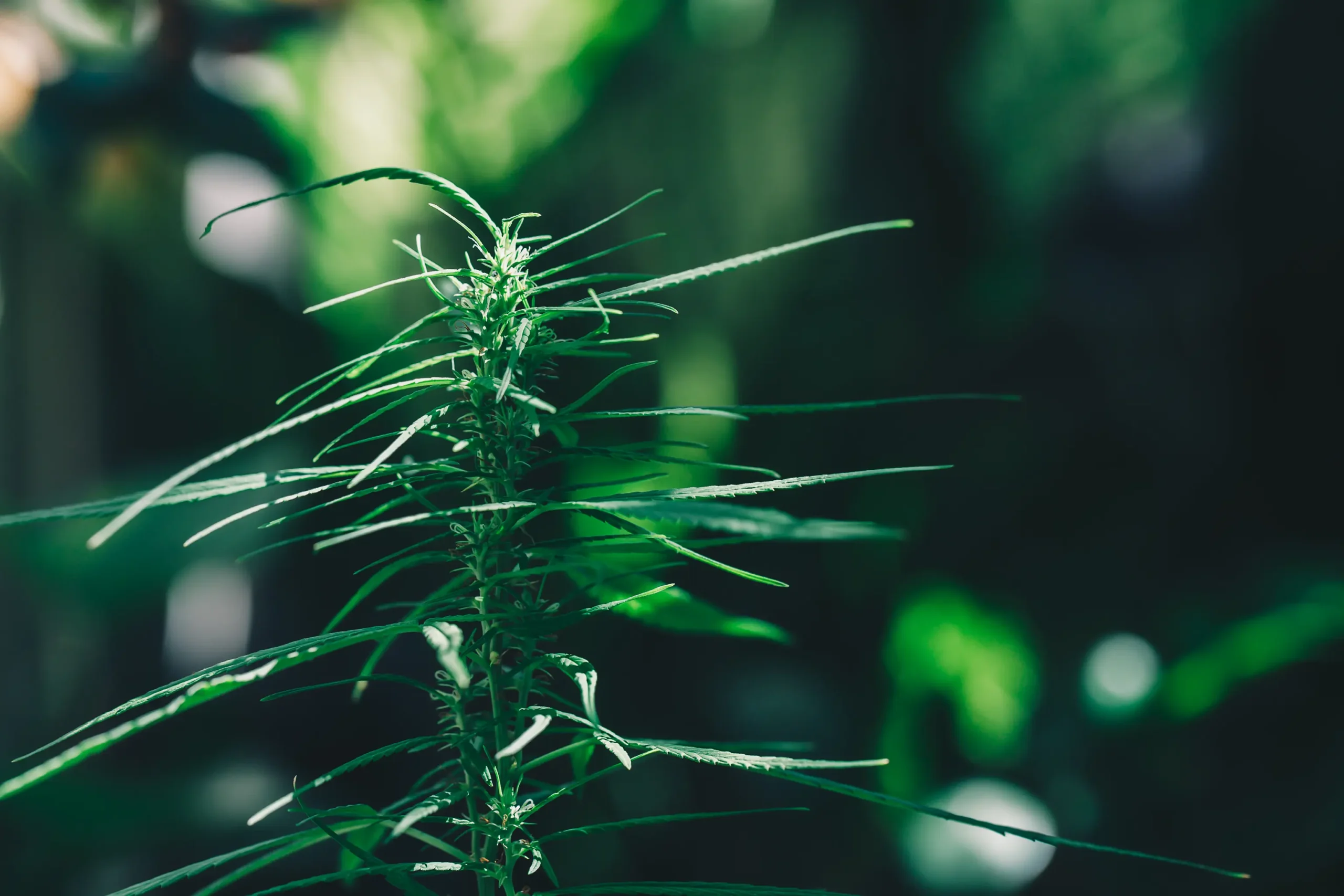
The Church
A bushy old-school hybrid built around humid-climate resilience, dense resinous colas, sweet fruit and sandalwood, and a body-first effect that becomes cerebral and social.
The Church is an indica-leaning hybrid with a reputation for finishing early, yielding heavily, and tolerating damp conditions better than many dense-flowered cultivars. Its most useful feature is not immunity to mold, because no dense cannabis flower is immune. The real advantage is a plant architecture and lineage selected to keep performing when cool nights, humid air, or unpredictable outdoor weather would stop a more delicate cultivar. That resilience has made it attractive to both northern outdoor growers and indoor cultivators who want a forgiving, high-output canopy.
The lineage is usually described as Swiss sativa combined with Skunk and then paired with Super Skunk and Northern Lights material. Some records also include El Nino or a Swiss strawberry-type selection in the family. Those differences matter because they explain why one plant may smell like sweet fruit and sandalwood while another leans into pine, wet earth, and sharp skunk. The broad identity remains consistent: a short-to-medium bush with strong branching, an eight-to-nine-week finish, high resin, and a heavy physical onset that opens into a longer mental effect.
The Church can be grown indoors, outdoors, or in a greenhouse, but the best method changes with the environment. Indoors, its wide branching responds well to low-stress training and a controlled screen. Outdoors, it can become a broad shrub that needs a cage and interior airflow more than vertical control. The cultivar can tolerate higher humidity than many modern dessert hybrids, yet its thick spear colas still need inspection during the final swell. Resistance reduces risk; it does not remove the physical reality of moisture inside a dense flower.
Flavor develops across cure. Freshly dried buds can seem mostly earthy and skunky. Over several weeks, sweet fruit, citrus, pine, spice, and sandalwood become more distinct. The effect also has two stages. The first phase feels physically grounded and relaxed, while the later phase often becomes more cerebral, social, and conversational. This unusual progression makes The Church more versatile than its heavy plant structure suggests.
Legal note: Educational content only. Always follow the cultivation and cannabis laws that apply in your location.
Strain Features
| Feature | Details |
|---|---|
| Type | Indica-dominant hybrid, commonly described near 60% indica and 40% sativa. |
| Common Lineage | Swiss sativa x Skunk family material, combined with Super Skunk and Northern Lights; some records also mention El Nino or Swiss strawberry genetics. |
| Flowering Time | Usually 8-9 weeks indoors, with many plants finishing near 56 days. |
| Outdoor Harvest | Commonly late September to early October in the Northern Hemisphere. |
| Indoor Height | Short to medium, bushy, and easy to keep below the fixture with LST or SCROG. |
| Outdoor Height | Medium and wide, capable of becoming a heavy shrub in open soil. |
| Stretch | Moderate. Often doubles rather than triples, with strong lateral movement. |
| Bud Structure | Dense spear-shaped or conical colas with high resin and a favorable calyx-to-leaf ratio. |
| Yield Potential | High indoors and outdoors when the canopy remains open and branches are supported. |
| Aroma | Sweet fruit, citrus, spice, sandalwood, pine, earth, and skunk. |
| Likely Terpene Direction | Myrcene, beta-caryophyllene, pinene, and limonene commonly fit the reported profile. |
| Effects | Heavy physical entry that develops into a long-lasting cerebral, social, and relaxed state. |
| Difficulty | Easy to moderate. Resilient, but dense flowers still require late humidity control. |
| Best Training | LST, open-bowl shaping, broad SCROG, selective topping, and outdoor cage support. |
| Climate Strength | Better than average performance in cool, humid, or changeable conditions. |
| Main Grow Risks | Overconfidence in mold resistance, crowded interior branches, late cola weight, excess nitrogen, and wet greenhouse nights. |
| Medical Interest | Reported use for stress, pain, low mood, appetite, and evening relaxation. |
| Best Use Time | Late afternoon or evening; moderate doses can remain social. |
The Church is often introduced through large yield claims and mold-resistance language. Those descriptions are useful only when interpreted carefully. Yield depends on light, root volume, season, plant count, and training. Mold resistance means the cultivar may remain healthy under conditions that damage a sensitive plant, but the grower must still manage water, airflow, and internal flower density.
Grower priority: Use the cultivar’s resilience as a safety margin, not as permission to keep a wet canopy. Open the center and protect the dense late flowers.
Genetic Lineage
Swiss Sativa and Climate Resilience
The Swiss sativa side is associated with outdoor adaptability, tolerance of cool humid conditions, and a more open mental effect. It helps explain why The Church can finish in northern locations and why its high does not remain purely sedating. This influence may also contribute sweet fruit, sandalwood, and a mild strawberry-like note in some phenotypes.
Climate adaptation should not be simplified into one gene or one parent. The final plant combines several lines, and different releases may emphasize different selections. Still, the Swiss component is the clearest explanation for the cultivar's reputation in damp outdoor gardens.
Skunk and Super Skunk Contributions
Skunk family genetics add vigorous branching, fast flower formation, strong odor, broad environmental tolerance, and substantial yield. Super Skunk strengthens density, resin, and the earthy-musky body of the aroma. These traits create the large spear colas and heavy physical onset that define many Church phenotypes.
The same density that supports yield also creates risk. Skunk-derived flowers can swell rapidly, and interior sugar leaves may remain hidden. A cultivar can be naturally resistant while still developing isolated rot where dead plant material and moisture remain trapped.
Northern Lights Influence
Northern Lights contributes compact height, short flowering, resin, pine-earth flavor, and a calmer body effect. It helps control the more expansive sativa side and makes the plant practical indoors. Phenotypes with stronger Northern Lights expression may stay shorter, stretch less, and finish with a cleaner pine-heavy aroma.
El Nino and Swiss Strawberry References
Some lineage records add El Nino or describe a Swiss strawberry-type parent. Because commercial names and historical records are inconsistent, it is better to acknowledge the uncertainty than present one four-part formula as proven. These references fit the fruity, smooth, and slightly floral expressions found in some plants, but growers should identify the actual phenotype through cultivation and cure.
Phenotype Range
A Skunk-forward plant is pungent, broad, fast, and heavily branched. A Northern Lights-forward plant is shorter, piney, and more physically relaxing. A Swiss-forward plant may stretch slightly more and express sweeter fruit, citrus, or sandalwood. The most balanced keeper combines early finish and resilience with a recognizable fruit-spice profile and a social late effect.
Lineage note: The common family is clear, but exact parent labels vary. Select by finished behavior and cured quality rather than treating one written pedigree as a genetic certificate.
Effect Breakdown
First Phase: Physical Impact
The Church usually begins in the body. Muscles loosen, the face and shoulders feel warmer, and the user becomes physically comfortable. The onset can feel heavier than the final experience. At a moderate dose, this is relaxing rather than immobilizing. At a high dose, the first phase may be strong enough to delay activity and encourage sitting down.
The physical entry makes the cultivar useful after work, exercise, or a stressful day. It can reduce the sense of urgency without immediately closing down conversation. Users who expect a purely sleepy indica may be surprised by what happens next.
Second Phase: Cerebral Expansion
As the body settles, the mind often becomes more active. Conversation feels easier, music becomes engaging, and the mood lifts. This later cerebral phase can last longer than the initial heaviness. The combination creates a social evening effect that is relaxed but not silent.
A Swiss-forward phenotype may emphasize this social mental stage, while a compact Northern Lights-forward plant may stay more physically grounded. Harvest timing also matters. Earlier cloudy flower is usually brighter, while more amber strengthens the body-first character.
Peak: Social Calm Rather Than Speed
The Church is not usually fast or restless. The mental activity is broad, warm, and conversational. Users may become reflective, amused, or interested in familiar stories. It is a better fit for relaxed company than for detailed office work.
Late Phase: Appetite and Rest
The late stage softens into appetite and physical ease. Sleepiness can appear, especially at higher doses, but the cultivar may not knock the user out immediately. A moderate session can end with a calm appetite and a gentle transition toward rest.
Dose and Side Effects
Low doses highlight sociability and mood. Medium doses emphasize body relaxation. High doses can produce couch-lock, dry mouth, dizziness, and mental fog. Anxiety is less common than with stimulating Haze types, but potent flower can still feel overwhelming to a new user.
| Stage | Common Experience | Dose Sensitivity |
|---|---|---|
| Onset | Heavy shoulders, warmth, stress release, quiet mood lift. | Stronger in high doses and late-harvest batches. |
| Middle | Cerebral openness, conversation, music appreciation, social ease. | More obvious in Swiss-forward and earlier-harvest phenotypes. |
| Late | Appetite, calm body, slower pace, possible sleepiness. | High doses may become couch-locking. |
| After-effect | Residual relaxation with limited mental stimulation. | Late-night use can support a gradual bedtime routine. |
Effect note: The unusual sequence is body first, mind second. Give the effect time to change before deciding whether the flower is too heavy or too mild.
Flavor & Aroma Profile
Aroma During Flowering
The growing plant often begins with green skunk, pine, and damp earth. Sweetness develops as the flowers stack. In warmer air, the canopy may release ripe fruit, citrus peel, and a dry sandalwood note. Some phenotypes remain strongly musky, while others become surprisingly sweet.
Odor is persistent rather than delicate. Indoor rooms need filtration, especially after the dense colas begin producing greasy resin. Outdoor aroma can travel in cool evening air and should be considered in legal and privacy planning.
Jar Aroma
Freshly dried flower may smell like earth, pine, and sharp skunk. The cure reveals fruit and sandalwood. A strong jar can suggest sweet citrus, damp soil, dark wood, pepper, and a mild strawberry-like tone. The profile should feel old-school and layered rather than candy-like.
Flavor on Inhale
The inhale is usually sweet and earthy. Vapor can reveal citrus and soft fruit before heavier wood and spice appear. Smoke emphasizes the skunk, pine, and soil. A well-cured sample remains smooth despite the pungency.
Flavor on Exhale
Sandalwood and spice are clearest on exhale. A peppery note may remain on the tongue, followed by sweet fruit or pine. A Skunk-forward phenotype can be louder and more musky, while a Swiss-forward plant may leave a cleaner fruit-citrus finish.
How Environment Changes the Profile
Cool outdoor nights can deepen earth and wood, while strong sun may develop richer fruit. A hot indoor canopy tends to flatten the citrus and leave only skunk. Excess nitrogen creates a leafy herbal finish. Stable late-flower temperature and a gradual fade protect the more delicate layers.
Cure Development
The Church improves noticeably between two and six weeks. Early cure is dominated by pine and soil. Later, fruit, sandalwood, and spice become clearer. Because the colas are dense, the flower must be evenly dried before sealing. Uneven internal moisture delays aroma development and can create a stale, damp profile.
Flavor target: The ideal cure reveals sweet fruit and sandalwood above pine, earth, spice, and a controlled skunky base.
Dominant Terpenes
The Church does not have one universally documented terpene order across every release. The most commonly reported sensory profile is consistent with myrcene, beta-caryophyllene, pinene, and limonene, with minor floral or woody compounds shaping phenotype differences.
Myrcene
Myrcene supports damp earth, musk, ripe fruit, and the heavy physical opening. A myrcene-forward plant may feel more relaxing and smell more soil-like. Excessive late heat can turn the aroma dull by reducing brighter monoterpenes and leaving myrcene-heavy earth behind.
Beta-Caryophyllene
Beta-caryophyllene contributes pepper, spice, and a dry woody edge. It also interacts with CB2 receptors, but the cultivar should not be described as a standardized anti-inflammatory medicine. In flavor, it gives the sandalwood-skunk profile a warm finish.
Pinene
Pinene creates fresh pine, resin, and some of the clearer mental character. It is often strongest in compact Northern Lights-forward plants. Pinene can make the body-heavy onset feel less mentally cloudy at a moderate dose.
Limonene
Limonene supports citrus, sweet fruit, and mood elevation. It may be more pronounced in Swiss-forward phenotypes. Because it is volatile, late canopy heat, fast drying, and warm storage can quickly reduce it.
Linalool, Humulene, and Minor Fruit Compounds
Linalool can contribute floral softness, humulene adds dry wood and hops, and minor esters or terpenoids may create strawberry-like fruit. These compounds are usually not dominant, but they decide whether a plant smells generic or distinctive.
Chemotype note: Use laboratory testing for exact medical or product decisions. The strain name predicts a family of aromas, not a fixed terpene percentage.
Indoor vs. Outdoor Growing
| Aspect | Indoor Cultivation | Outdoor Cultivation |
|---|---|---|
| Height | Short to medium and bushy, with moderate stretch. | Medium and wide, often forming a heavy shrub. |
| Flowering | Usually 8-9 weeks. | Commonly late September to early October. |
| Best Training | LST, open-bowl canopy, broad SCROG, and selective topping. | Early topping, wide cage, open center, and strong branch support. |
| Humidity | More tolerant than many dense cultivars, but final RH control remains necessary. | A strong candidate for humid regions, provided flowers are inspected after rain. |
| Yield | High with even light and organized branching. | High per plant with root space, sun, and a complete finish. |
| Feeding | Moderate to moderately heavy when roots are active; avoid excess late nitrogen. | Responds to fertile soil and deep roots, but wet fertility can create excessive leaf mass. |
| Main Advantage | Fast, forgiving, adaptable, and productive. | Resilience to cool humid conditions and an early harvest window. |
| Main Limitation | Dense inner canopy and heavy colas. | Large width, odor, weather exposure, and false confidence in mold resistance. |
| Best Climate | Any controlled room with reliable dark-cycle dehumidification. | Temperate, northern, humid, or cool sites with airflow and morning sun. |
| Post-Harvest | Dense colas need even branch spacing and internal moisture checks. | Rain-exposed flowers require careful cleaning and inspection before drying. |
Indoor Cultivation
Indoors, The Church is easy to shape because the plant branches readily and does not usually produce extreme stretch. A broad screen converts lateral vigor into many flower lanes. The canopy should not be filled completely before the flip. Moderate stretch and continued side growth will close the remaining gaps.
The controlled room reveals a key contradiction: the plant may tolerate humidity, but high indoor yield creates thick flowers. Lower nighttime RH as the colas merge, keep extraction running after lights-off, and inspect the thickest sections. Genetic resilience is most useful when combined with environmental discipline.
Outdoor Cultivation
Outdoors, The Church is at its best in climates that are too cool or damp for fragile modern hybrids. Early finishing helps it avoid the worst autumn weather. The plant should receive morning sun so dew dries quickly, and branches should be spread into a cage so air reaches the interior.
Its root system can search deeply in open ground, but poor drainage still creates problems. Raised beds or mounded soil help in wet regions. A rain shelter should remain open on the sides. Enclosing the plant traps humidity and removes the advantage of natural airflow.
Environment choice: The cultivar is one of the stronger outdoor options for changeable weather, but dense flowers still need dry surfaces, morning sun, and regular inspection.
Strain-Specific Grow Guidance
Use Moderate Vegetative Time
The Church grows quickly enough that a long indoor vegetative period is rarely necessary. Allow roots to establish, top once if a multi-leader plant is desired, and begin low-stress training. Flip before the screen is full. The plant's lateral growth will complete the canopy during transition.
Build an Open Bowl
Pull main branches outward so the center remains visible. Remove shoots that repeatedly grow inward or remain under stronger branches. The structure should resemble a bowl or low chandelier, with each flower lane receiving light and air.
Outdoors, the same principle applies at a larger scale. A central stake with a wide cage allows branches to be tied outward. The plant becomes more stable in wind and less likely to develop a wet interior.
Training Response
The Church responds well to topping, LST, and SCROG. One or two early tops are usually enough. Heavy high-stress training should be completed before flowering. The stems are sturdy, but mature branches become less flexible and carry substantial weight.
Canopy Density and Defoliation
Do not let the stretch make the decisions
Broad fan leaves can overlap after stretch. Remove selected interior leaves that remain wet or block multiple flower sites. Do not strip the plant aggressively. Its resilience does not eliminate the need for photosynthetic leaf area, and over-defoliation can reduce the rapid eight-week build.
Feeding Strategy
The Church can support a high yield with moderate to moderately strong nutrition when the roots are healthy. Increase gradually through vegetative growth and early flower. Reduce nitrogen as the stretch ends. Excess nitrogen keeps the interior leafy, delays fade, and reduces the clean fruit-spice finish.
In living soil, balanced amendments and active biology can carry the plant through the short cycle. In coco or hydro, monitor root-zone EC because a fast plant can consume heavily during stretch, then slow as dense flowers mature. A fixed high feed until harvest increases salt accumulation.
Watering in Humid Conditions
The cultivar may tolerate humid air, but the root zone still needs oxygen. Water early in the light cycle so most evaporation occurs while extraction is active and temperatures are stable. Avoid saturating the medium shortly before lights-off.
Outdoors, rainfall must be included in the irrigation plan. Do not water because the calendar says so if the soil remains wet. Deep roots can access moisture below the surface, and repeated surface watering encourages a shallow humid root zone.
Humidity and Mold Resistance
Mold resistance should be understood as relative performance. The Church may resist infection better or maintain healthier tissue in damp conditions, but Botrytis can still enter through damaged flowers, dead leaves, caterpillar wounds, or prolonged internal moisture. Lower humidity as density increases and remove senescent leaf material.
After rain, inspect the plant the following morning. Gently separate touching colas, look for dead sugar leaves, and smell the stem side. Shake off standing water without striking the flowers. A fan in a greenhouse should move air through the full plant, not only at the roof.
Support Heavy Spears
The main colas can become long and heavy. Install a net indoors by early flower and add ties as needed. Outdoors, use a cage with horizontal rings. Support should hold branches apart. Tying all colas toward one central stake creates a humid cluster.
Temperature Management
The cultivar tolerates cool nights, but cold wet nights slow transpiration and increase condensation. In an indoor room, keep dark-cycle temperature from dropping sharply. Outdoors, choose a site with air drainage rather than a low pocket where cold humid air settles.
Pest Management
Resilience does not eliminate pests. Broad leaves should be inspected for mites and aphids. Outdoor flowers need caterpillar monitoring because feeding damage can create a direct path for rot. Use preventive biological methods early and avoid spraying mature resinous flowers unless a legal, tested intervention is necessary.
Harvest Window
The Church is often ready near eight weeks, but the calendar should confirm rather than decide. Wait for dense calyx swelling, reduced fresh pistils, and mostly cloudy trichomes. An earlier harvest emphasizes the cerebral social phase. More amber strengthens the physical opening and late relaxation.
Outdoor Harvest After Rain
If rain is forecast near maturity, compare the risk of weather damage with the remaining ripening benefit. A nearly finished clean plant may be safer to harvest before several wet days. A clearly immature plant should be protected and monitored rather than cut automatically. Partial harvest can remove mature exposed tops while sheltered lowers continue.
Drying Strategy
Dense spears can be divided into large branches and spaced widely. Remove damaged or contaminated material before it enters the drying room. Keep darkness, moderate humidity, and gentle circulation. The outside should not become crisp while the stem side remains wet.
| Environmental Event | The Church Response | Grower Action |
|---|---|---|
| Humid week in mid-flower | Usually continues growing without immediate visible damage. | Open the center, maintain extraction, and begin closer inspection. |
| Cool wet night late in flower | May tolerate the temperature but retain moisture in dense spears. | Dry surfaces quickly at dawn and inspect touching colas. |
| High nitrogen after stretch | Produces dark leaves and a crowded interior. | Reduce nitrogen and avoid unnecessary defoliation shock. |
| Heavy branch lean | Colas can press together and create local humidity. | Support outward with a net or cage. |
| Rain near harvest | Resilience buys time but does not guarantee safety. | Use maturity, forecast length, and internal inspection to decide. |
Master grow advice: The Church performs best when resilience and prevention work together. Do not test its limits simply because it has a strong reputation in humidity.
Weedth Bud Flavor Tips
Allow a Natural Late Fade
The fruit and sandalwood profile is clearer when the plant finishes without excess nitrogen. Reduce vegetative nutrition after stretch and let healthy leaves fade gradually. Forced starvation is unnecessary, but a dark leafy harvest usually cures into more herb and less fruit.
Protect Citrus in the Final Weeks
The citrus and sweet fruit notes are more volatile than earth and skunk. Keep upper flowers away from excessive radiant heat and avoid a hot dry room. The plant can survive warmth that the aroma cannot.
Harvest After Sweetness Appears
Early flower smells mostly green and skunky. Wait until the aroma becomes rounder and the calyxes swell. A mostly cloudy harvest usually balances fruit, sandalwood, and the social effect.
Dry by Cola Density
A smaller open phenotype may hang whole. A heavy spear phenotype is safer as large branches. Keep enough plant material to slow the dry but enough separation to prevent trapped moisture. The method should follow the flower, not tradition.
Cure Beyond the Skunk Stage
At two weeks, The Church may seem like a simple earthy Skunk. By four to six weeks, sweet fruit, spice, and sandalwood become clearer. Continue only after internal moisture is stable. A cure cannot repair flower that was sealed wet.
Store in Small Full Containers
Divide the harvest so each container is opened less often. Keep whole flowers cool and dark. Light, heat, oxygen, and grinding accelerate volatile loss. Use a working jar for regular access.
Compare Indoor and Outdoor Phenotypes Separately
Sun-grown flower may express deeper earth, wood, and fruit, while indoor flower may preserve sharper citrus and skunk. Do not assume one environment is automatically superior. Compare clean cured flower from both under the same consumption method.
Flavor checklist: Moderate nitrogen, cool late flowers, full calyx maturity, density-based drying, and a four-to-six-week cure reveal the fruit-sandalwood layer.
Weedth Bud Boost Tips
Indoor: Flip Before the Screen Is Full
The Church continues branching during transition. Fill roughly two-thirds to three-quarters of the screen before the flip, then guide the remaining growth. A fully packed vegetative screen becomes a dark humid canopy in flower.
Indoor: Use Lateral Strength
Select strong outer branches and give each a lane. The cultivar does not need one giant central cola to yield well. Several medium spears receive light more evenly and dry more safely.
Indoor: Maintain Dark-Cycle Dehumidification
A high-output canopy releases substantial moisture after lights-off. Keep extraction and dehumidification active. Yield gains from dense flowers disappear quickly if one humidity spike damages the center.
Outdoor: Maximize Morning Sun
Morning sun dries dew and rain before the day warms. A site that receives only afternoon sun may remain wet for hours. In humid climates, early light is a direct quality tool.
Outdoor: Encourage Deep Roots Without Wet Soil
Prepare loose, well-drained soil and water deeply but less frequently once established. Deep roots help the plant tolerate dry periods and reduce surface humidity. In wet ground, use raised beds or mounds.
Outdoor: Use a Wide Support Cage
A wide cage spreads branches into air and light, increasing premium flower along the entire plant. A central stake may support weight but does not solve interior crowding.
Select for the Local Climate
A keeper for a humid site should finish early, shed moisture quickly, and maintain aroma after cool nights. The highest-yielding indoor phenotype may not be the safest outdoor choice. Local selection is more valuable than one universal winner.
| Yield Lever | Benefit | Boundary |
|---|---|---|
| SCROG | Converts bushy lateral growth into an even canopy. | Overfilling increases humidity and lowers premium percentage. |
| Moderate defoliation | Improves interior light and moisture release. | Heavy stripping reduces an already short flowering window. |
| Early outdoor cage | Supports and separates heavy branches. | Late installation can damage roots and flowers. |
| Morning sun | Dries dew and lowers disease pressure. | Cannot compensate for standing water or enclosed airflow. |
| Climate-selected keeper | Matches finish and flower structure to real weather. | Requires multiple plants and complete post-harvest evaluation. |
Yield principle: The Church yields through broad healthy structure. Air gaps are productive space because they protect every flower around them.
Medical Uses & Benefits
The Church is commonly used for stress, pain, physical tension, low mood, and appetite. Its body-first, mind-second progression can feel useful to users who want physical relaxation without immediate mental shutdown. These observations are not clinical proof and do not establish a standardized medical dose.
| Reported Use | Possible Experience | Caution |
|---|---|---|
| Stress | The physical onset can reduce tension, followed by a warmer social mood. | High doses may become foggy or couch-locking. |
| Pain | Body heaviness and reduced muscle tension may lower pain salience. | Severe pain requires professional assessment and treatment. |
| Low mood | The later cerebral phase can improve sociability and interest. | Potent THC may worsen anxiety in sensitive users. |
| Appetite | Hunger often increases during the late phase. | Prepare food before a heavy dose. |
| Sleep | The late calm can support a gradual bedtime routine. | The cerebral middle phase may delay sleep in some users. |
| Social anxiety | Moderate doses may feel warm and conversational. | Too much can increase self-consciousness or mental fog. |
Medical note: The effect changes over time. Users seeking sleep should test timing because the social cerebral phase may appear after the initial body heaviness.
Ideal User Profile
The Church suits growers who want an adaptable old-school hybrid and users who prefer evening relaxation with a social second phase. It is especially relevant to outdoor cultivators dealing with cool, humid, or unpredictable autumn weather.
- Best suited to: evening conversation, music, relaxed gatherings, appetite, and gradual unwinding.
- Grower profile: beginner to intermediate indoors or outdoors, with basic airflow, support, and inspection skills.
- Flavor preference: sweet fruit, citrus, sandalwood, pine, earth, spice, and skunk.
- Less suitable for: users seeking a fast energetic daytime effect, growers who assume resistance means no mold prevention, or tiny spaces where bushy width cannot be managed.
It is a strong first outdoor strain for a legal humid garden, but the grower should still learn weather-based irrigation, morning inspection, and branch support. The cultivar forgives more than many, yet the best quality still comes from attentive prevention.
Building a Weather-Ready Outdoor Structure
The Church is often chosen for outdoor resilience, but resilience should not be confused with immunity. Its branching can become broad and flower-heavy, and a rain-resistant plant can still fail when unsupported limbs split or when leaves seal moisture inside the center. Install a wide cage or layered trellis early. Guide the main branches outward so sun and wind can reach the interior from several directions.
Keep the base clear of weeds and dense companion vegetation. Morning sun is especially valuable because it removes dew before temperatures rise. In a greenhouse or rain shelter, leave the sides open and create high exhaust. A roof that blocks rain but traps overnight humidity does not solve the cultivar’s real late-season risk.
Using Resistance as Time, Not Permission
A resistant phenotype gives the grower more time to identify and correct a problem. It does not make poor sanitation, stagnant air, or wet flowers safe. Inspect after every period of rain and after nights when humidity remains elevated. Look behind the main colas, at branch junctions, and around dead sugar leaves. Remove damaged material with clean tools and increase separation around neighboring flowers.
Preventive sprays should end before dense flowers develop. Once resin and calyx stacks are present, environmental control and physical inspection are safer than coating the crop. Outdoors, caterpillar damage deserves special attention because a small feeding wound can create an internal rot site that is hidden until the surrounding tissue collapses.
Controlling the Stretch Without Flattening the Plant
The Church generally stretches enough to reward horizontal training, but it does not need to be pressed into an extremely low canopy. A moderate screen with upward room for the final leaders preserves airflow and keeps the flowers separated. Top once or twice in vegetative growth, spread the strongest branches, and continue tucking only through the active transition period.
When the stretch slows, stop forcing branches sideways and allow each leader to build a vertical flowering column. Repeated bending after stem hardening can split the hollow interior or create crowded bends where moisture collects. The most efficient canopy has a level light surface with enough vertical freedom for each cola to remain distinct.
Feeding for Flower Completion Rather Than Dark Foliage
The cultivar can remain vigorous under moderate nutrition, but excess nitrogen creates thick leaves and delays the natural opening of the canopy. Reduce vegetative nitrogen after the main stretch and judge the plant by growth rate, petiole posture, tip condition, and flower development. A healthy medium-green plant with active swelling is preferable to a glossy dark plant that remains leafy.
In organic soil, avoid repeated rich top-dressings simply because rain or irrigation appears to wash nutrients downward. Nutrients remain in the root zone even when the surface changes. In coco or hydro, monitor the difference between input and runoff electrical conductivity. A rising root-zone concentration during cool wet weather indicates that water uptake has slowed more than mineral uptake.
Preserving the Incense, Berry, and Earth Layers
The Church can move from sweet berry and floral incense toward earth, hash, and spice as it matures. Harvesting too early preserves brightness but leaves the effect thin. Waiting too long can bury the top notes beneath a heavier earthy base. The preferred window arrives when calyx swelling is complete, most trichomes are cloudy, and the jar aroma already appears in miniature on the living flower.
Dry outdoor branches only after removing rain-damaged tissue and inspecting every large cluster. A slow dark dry protects incense and berry, but wet outdoor material may require more branch division than an indoor crop. Cure separate phenotypes and separate harvest dates independently. The plant with the best field resistance may not be the plant with the most complex cured aroma, so selection should consider both.
Grower Notes and Feedback
Mold Resistance Is Real but Relative
Growers frequently report that The Church remains healthy through humidity that damages neighboring plants. The same growers can still find isolated rot in a branch that was injured, crowded, or wet for too long. The correct lesson is that the cultivar provides a margin, not immunity.
Bushy Growth Can Hide More Than It Shows
The canopy fills quickly and looks productive, but lower interior shoots may remain shaded. Successful growers remove weak inward growth and keep the center visible. The plant responds well without needing extreme defoliation.
The Effect Is Often Misjudged From the First Twenty Minutes
The heavy body entry can make users assume the session will be sedating. The later cerebral phase changes the experience. This is why a moderate dose can work socially even though the plant is indica-dominant.
Outdoor Plants Need Width Planning
The Church may remain moderate in height while spreading widely. Fences, paths, and neighboring plants should be considered before the season. Training a mature shrub away from an obstruction is difficult and can break loaded branches.
Cure Reveals the Better Phenotype
Skunk-forward plants are loud during flower, while fruit-forward plants may develop more slowly. After cure, the quieter plant can become more complex. Keep labeled samples and compare after at least one month.
Dense Flowers Demand a Slow but Safe Dry
Growers who hang the whole plant in a humid room may find that the outer leaves dry while the central spears remain wet. Branch separation, monitoring, and patience produce a smoother result. Resistance in the garden does not protect poorly dried flower.
Grower feedback summary: The Church is forgiving where weather is imperfect. The grower still earns quality through open structure, correct harvest timing, and careful drying.
Weedth Editor's Note
What this cultivar asks from the room
I see The Church as an outdoor-resilience cultivar first and a high-yield indoor hybrid second. Its reputation matters most in a real climate where dew, cool nights, and short weather windows complicate harvest. I would choose the earliest healthy fruit-sandalwood phenotype for that environment, even if another plant looked heavier indoors.
Indoors, I would not test the mold-resistance claim. I would build an open bowl, flip before the screen was full, and keep the dark cycle dry. The plant makes dense flowers quickly, so prevention is easier than correcting a wet center in week seven.
I would evaluate the effect twice. The first twenty minutes emphasize the body, but the later mental phase tells me whether the phenotype is truly balanced. A keeper that stays social without losing physical calm is more interesting than the most sedating plant.
For flavor, I would wait through a full cure. The early skunk and earth can hide the sweet fruit and sandalwood. If those upper notes do not appear after six weeks, I would not keep the plant simply because it yielded well.
I recommend The Church to growers who need resilience but still care about flavor. It is easy enough for a beginner, yet it rewards advanced selection because climate performance, aroma, and effect can peak in different phenotypes.
Weedth Score
Growing Experience 9.0/10 – Adaptable, fast, and resilient, with a manageable bushy structure.
Bud Structure & Visual Appeal 8.8/10 – Heavy resinous spears with good calyx-to-leaf ratio and classic bag appeal.
Aroma Complexity 8.7/10 – Sweet fruit, sandalwood, pine, earth, citrus, spice, and skunk develop through cure.
Flavor & Smoothness 8.5/10 – Smooth and layered when dried evenly; dense colas punish rushed post-harvest work.
Effects & High Experience 8.8/10 – Distinct body-first, cerebral-second progression with social versatility.
Overall Satisfaction & Recommendation 8.9/10 – One of the more useful old-school hybrids for humid climates and broad evening use.
Editor closer: A sturdy plant in bad weather, a sweet sandalwood jar after cure, and an effect that begins in the body but ends in conversation.
FAQ
What is The Church crossed with?
The common lineage includes Swiss sativa, Skunk, Super Skunk, and Northern Lights. Some records also mention El Nino or Swiss strawberry-type genetics. Exact labels vary by release.
Is The Church the same as Church OG?
No. Church OG is a separate OG-family cultivar. The Church is the Swiss, Skunk, Super Skunk, and Northern Lights hybrid described in this profile.
How long does The Church flower?
Most plants finish in eight to nine weeks indoors, with many near fifty-six days. Outdoors it is commonly ready from late September into early October.
Is it really mold resistant?
It is better than average in humid conditions, but not mold-proof. Dense flowers still need airflow, dry surfaces, and inspection. Damage, caterpillars, and prolonged wetness can still lead to rot.
Is The Church good for beginners?
Yes. It is vigorous, adaptable, and responds well to simple training. Beginners must still manage branch support, dark-cycle humidity, and drying.
What training method works best?
Low-stress training into an open bowl or broad SCROG is highly effective. Outdoors, early topping and a wide support cage keep the center open.
How much does it stretch?
Stretch is moderate, often around a doubling in height. Lateral growth is more significant than extreme vertical movement.
What does The Church taste like?
Common notes include sweet fruit, citrus, sandalwood, pine, earth, peppery spice, and skunk. Phenotypes differ in fruit intensity and musk.
Why does my plant smell mostly skunky?
The phenotype may lean Skunk, or the fruit may need more cure. Excess heat, late nitrogen, and fast drying can also remove the sweeter top notes.
Can The Church grow in a greenhouse?
Yes, especially in cool or wet regions. The greenhouse must vent well. Keeping rain out while trapping humid air can be worse than growing outdoors.
When should it be harvested for a social effect?
Harvest after full swelling when trichomes are mostly cloudy with limited amber. More amber strengthens the body-heavy and sleepy phases.
How long should it cure?
Four to six weeks is a useful target. The fruit and sandalwood often appear after the early earth-skunk stage has softened.
Similar Strains
- Super Skunk: Shares fast flowering, heavy yield, pungent earth, and physical relaxation with less fruit-sandalwood complexity.
- Northern Lights: More compact and simpler, with pine-earth flavor and a quieter sedating effect.
- White Widow: Comparable resilience and resin with a brighter, more immediate cerebral opening.
- Swiss Miss: An outdoor-oriented option with cool-climate adaptation and a lighter old-school profile.
- Early Skunk: Similar northern outdoor usefulness, early finish, and Skunk vigor.
- Great White Shark: Dense, resinous, and body-heavy, with stronger White-family frost and a more narcotic late phase.
Share this article
A quick overview of the topics covered in this article.
Follow us
Latest articles
August 21, 2026
August 21, 2026

August 21, 2026
August 21, 2026