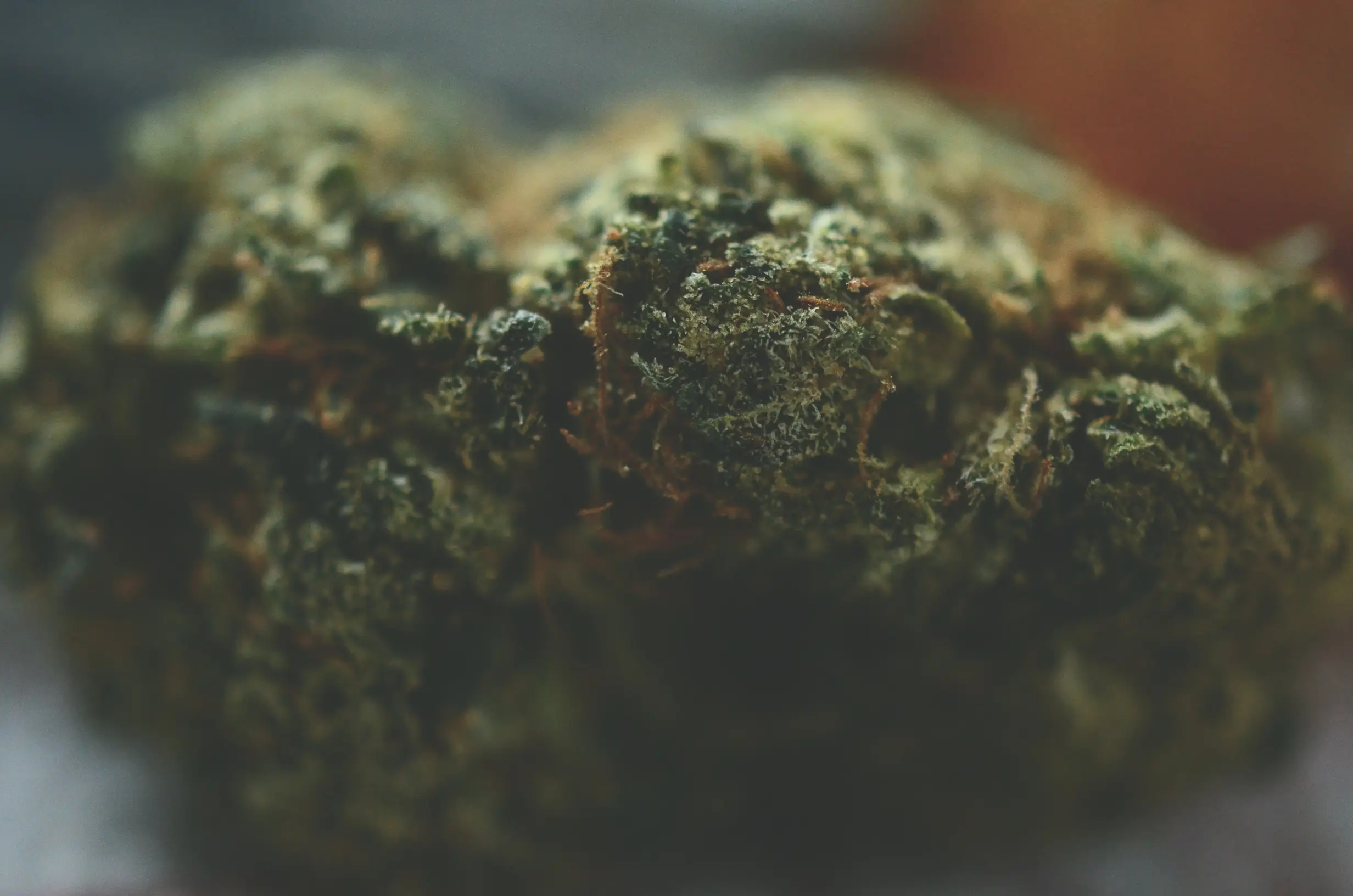
Zookies
Zookies sits at the point where two different forms of resin production meet. Animal Cookies contributes dense dessert flower, spice and a heavy body effect. GG4 contributes glue-like stickiness, sour diesel, vigorous branching and a tendency to stretch beyond the compact appearance of the vegetative plant. The result is a hybrid that can produce polished, hard flowers while still behaving like a more expansive, fuel-driven plant during transition.
Its aroma is often summarized as cookies and gas, but strong examples carry more detail: toasted nuts, butter, black pepper, damp earth, chocolate, diesel and a faint floral sweetness. The effect can also be misunderstood. A moderate amount may feel focused and physically calm rather than immediately sedating. Larger doses reveal the heavier side, especially after the cerebral lift has settled.
Zookies is usually capable of good yield, but the plant creates a specific trap. The early canopy can look balanced and cooperative, encouraging the grower to retain every strong lateral. During the first three weeks of flower, those branches rise, leaf overlap increases and the eventual cola positions become much closer than expected. The cultivar does not need more flower sites. It needs better separation between the sites it already wants to build.
A high-quality run depends on timing. Topping and branch placement belong in vegetative growth. Interior cleanup belongs before dense flower set. Support belongs before the glue-influenced resin makes every adjustment difficult. The central cultivation question is how to use Zookies' vigor without letting the canopy consume its own airflow, light distribution and flavor.
Strain Features
| Feature | Details |
|---|---|
| Strain Type | Balanced to indica-leaning hybrid |
| Genetic Profile | Animal Cookies x GG4 |
| THC | Commonly reported around 20% to the mid-20% range; stronger batches exist |
| CBD | Usually very low |
| Dominant Terpenes | Beta-caryophyllene, limonene and myrcene are recurring; humulene may be important in nutty expressions |
| Flavor and Aroma | Toasted nuts, butter, cookie dough, pepper, earth, chocolate, diesel and floral sweetness |
| Effect Character | Clear or focused euphoria with physical calm, becoming heavier and hungrier at larger doses |
| Flowering Time | Commonly 9 to 10 weeks; some selected cuts appear ready earlier but continue improving late |
| Stretch | Moderate to strong, often around 1.5 to 2 times depending on the cut and environment |
| Plant Architecture | Medium-tall hybrid with vigorous laterals and a canopy that fills quickly after the flip |
| Bud Structure | Dense, sticky and resin-rich, with dark green or purple accents in some expressions |
| Branch Strength | Generally useful, but late weight and long side branches still benefit from support |
| Yield Character | Moderate to good; quality improves when the productive zone is kept shallow |
| Odor Intensity | Strong in late flower, especially after the buds are disturbed |
| Training Compatibility | Very good for topping, low-stress training and SCROG when the screen is not overfilled |
| Feeding Behavior | Usually accepts productive nutrition, but excess nitrogen increases leaf congestion and mutes cookie sweetness |
| Main Grow Risk | Retaining too many laterals, then entering late flower with touching colas and uneven maturity |
| Grow Difficulty | Intermediate |
Genetic Lineage
Animal Cookies brings the dessert and OG side of Zookies. Its influence appears in dense flowers, vanilla-spice sweetness, dark foliage, color and a physically relaxing finish. Animal Cookies itself can vary between compact GSC-like and stretchier Fire OG-like expressions, which means Zookies does not inherit one perfectly fixed plant shape from that parent.
GG4 contributes a different kind of power. It is associated with fast lateral growth, sour earth, diesel, coffee, rubber and extremely adhesive resin. The plant often stretches more than an indica label suggests and can produce long branches that become heavy with sticky flowers. When these traits combine with Animal Cookies density, the grower receives a plant that may be structurally open in vegetative growth but much more crowded after flower stacking begins.
The balanced expressions are usually the most recognizably Zookies. They retain cookie dough and nutty sweetness without losing the diesel and earthy glue. Their branches are active enough to fill a screen, yet the flowers harden into modern dense clusters. The effect begins mentally present but becomes physically calm.
Animal Cookies-leaning plants may stay darker, tighter and sweeter. They can require more interior thinning because short node spacing places leaves and future buds close together. Their flower may show vanilla, butter, pepper and cherry-like sweetness with less aggressive fuel.
GG4-leaning plants may stretch farther, create more space between early nodes and smell strongly of sour diesel, earth and rubber. The buds can become slightly more elongated, and branch support becomes more important. These plants may appear less finished than compact siblings at the same calendar day, yet they can add noticeable weight late.
The cross also explains the resin texture. Zookies often feels greasy or adhesive rather than simply dusty with trichomes. The resin can gum scissors and cause small sugar leaves to stick against the flower. That trait is attractive for extraction and bag appeal, but it makes late canopy work unpleasant and increases the value of completing training before week four.
Phenotype selection should include more than smell. A keeper needs a structure compatible with the grower's room. The loudest diesel plant may stretch beyond the available height. The sweetest cookie plant may create too much interior leaf. The best overall expression balances aroma, branch strength, finish time and the percentage of flowers that mature evenly.
The inheritance also affects trim and drying behavior. Animal Cookies tends to create hard calyx clusters with small sugar leaves held close to the flower. GG4 can add longer, more adhesive flowers whose leaves stick outward before folding back as they dry. A balanced plant may look easy to manicure while still carrying enough resin to glue scissors quickly. This matters before harvest because a grower planning to wet-trim an entire room can discover that handling time is much longer than the bud-to-leaf ratio suggested.
Rooted clones can reveal another useful difference. Compact cookie-leaning plants may establish a dense root ball and remain physically small, while GG4-leaning plants convert the same root volume into faster branch extension. Equal container size does not guarantee equal irrigation demand. A mixed population should be judged by leaf area, drying rate and root-zone response rather than by the fact that every plant entered the room on the same day.
Effect Breakdown
Zookies often begins in the mind without feeling sharply racy. At a light dose, thoughts may feel quieter and easier to organize. Users frequently describe focus, uplift and a sense that physical discomfort has moved into the background. The strain can therefore feel more functional than its dense appearance suggests.
The social character is calm rather than explosive. Conversation remains easy, but the user may prefer a smaller group or a familiar activity. Humor can increase without the restless energy associated with brighter sativas. This is the range in which some experienced users choose Zookies for housework, a walk, stretching or a relaxed creative project.
A moderate dose creates a different balance. The body becomes tingly and comfortable. Appetite rises, muscles loosen and the mind becomes more absorbed in one task. Focus remains possible, but switching tasks becomes less appealing. The user may feel capable while choosing not to do very much.
The heavy threshold arrives gradually. Additional consumption can create strong eyelid pressure, slower movement and reduced short-term memory. The user may not feel abruptly sedated, yet the body continues gaining weight. This delayed physical development makes overconsumption easy when the first phase feels clear.
Some users report headache or mental pressure, particularly with large doses. Anxiety is possible, though many people find the cultivar calmer than a pure fuel-forward hybrid. Dry mouth, dry eyes and appetite are common.
The effect may last several hours, with the late phase becoming quieter and more physically centered. Mature flower tends to produce more body calm and sleepiness. Earlier mature flower may preserve a clearer, more active character. The phenotype also matters: diesel-dominant expressions can feel sharper at the beginning, while cookie-dominant plants may move into relaxation sooner.
The setting strongly changes how that progression is experienced. In a stimulating social environment, the initial clarity can remain visible for longer because conversation keeps the mind engaged. In a quiet room after a large meal, the same dose may reveal body heaviness much sooner. The cultivar therefore earns its balanced reputation through flexibility, not because every session follows an identical timeline.
Tolerance also changes the apparent personality. Frequent users may describe Zookies as functional and steady. A less experienced user can encounter the full physical weight from an amount that seemed modest. This difference is one reason potency percentages alone do not predict whether the strain will feel daytime-friendly.
Flavor & Aroma Profile
Zookies has a savory dessert profile. It is sweet enough to suggest baked goods, yet the sweetness is surrounded by pepper, nuts, earth and diesel. The result is closer to toasted cookie dough near a workshop than to pure candy.
The intact flower often presents a warm blend of butter, vanilla, nuts and dry spice. A dark chocolate or coffee-like note may sit underneath. Once the bud is broken apart, the GG4 side becomes more obvious. Sour diesel, damp soil, rubber and pepper expand quickly. A faint floral or citrus note can brighten the upper edge.
Nutty expressions are especially distinctive. They may resemble roasted peanuts, hazelnut skin or dry pastry crumbs rather than sweet nut butter. Humulene and caryophyllene-rich profiles can make the flower feel dry and savory even when cream remains present.
The inhale usually begins smoother and sweeter than the room aroma. Butter, cookie dough and soft cocoa can appear first. The exhale carries pepper, diesel and earth. A strong sample leaves a toasted, oily coating on the palate. A weakly cured sample leaves only dry gas.
Zookies flower can smell powerful soon after harvest. The adhesive resin traps aroma, but intensity should not be confused with readiness. Freshly dried flower may taste sharp or green despite a loud jar. Several weeks of cure allow the nutty and creamy notes to separate from the fuel.
Heat changes the profile toward earth and diesel. The butter, flower and citrus disappear first. Excess nitrogen adds a vegetal edge and can make the smoke feel thicker. Overdrying produces a brittle exterior and a pepper-heavy aftertaste. These losses are especially noticeable because the cultivar's identity depends on contrast.
Outdoor flower may show more wood, soil and sour fruit. Indoor flower often expresses cleaner butter and cookie notes when temperatures remain stable. Neither environment automatically produces better flavor. The grower must decide whether the climate can finish dense sticky flowers without forcing a fast or risky dry.
Dominant Terpenes
Beta-caryophyllene frequently forms the backbone of Zookies. It contributes black pepper, dry spice and the warmth connecting cookie dough to diesel. In nutty expressions, caryophyllene can resemble toasted skin or baking spice.
Limonene adds brightness. It may appear as a faint lemon edge, a lift in the floral sweetness or a cleaner upper note above the earth. It can also align with the more euphoric and focused opening reported by users.
Myrcene contributes damp soil, ripe fruit and physical relaxation. In heavier samples, it rounds the diesel and makes the effect feel warmer. Because myrcene can decline during drying and storage, an overdried batch may taste sharper and less complete.
Humulene helps explain roasted nuts, hops, cocoa and dry wood. It prevents the cookie side from becoming sugary. Some profiles may also contain linalool or pinene, adding floral softness or fresh pine.
The cultivar's signature likely depends on minor sulfur compounds and other volatile molecules from the GG4 side. Major terpene lists can look similar to many hybrids, yet Zookies remains identifiable through the combined expression of adhesive resin, savory pastry and sour fuel.
Indoor vs. Outdoor Growing
| Decision Point | Indoor Growing | Outdoor Growing |
|---|---|---|
| Canopy fill | Moderate-to-strong stretch can complete a partially open screen | Root freedom may create a tall, wide plant with long side branches |
| Training | One topping, branch spreading and SCROG work well | Early topping and wide spacing help prevent a dense central mass |
| Flower density | Climate control supports hard sticky flowers | Repeated rain can remain inside dense resinous buds |
| Light distribution | A shallow canopy improves lower-flower maturity | Sun can reach multiple branch angles when the plant is opened early |
| Support | A second net helps when side branches become heavy | Stakes or cages should be installed before flowers harden |
| Feeding | Easier to separate fast-drinking and dark compact expressions | Rich soil can keep the plant too leafy into autumn |
| Flavor | Stable temperatures favor butter, nuts and cookie dough | Sun may deepen earth and diesel; heat can remove floral sweetness |
| Harvest | Nine to ten weeks can be completed without weather pressure | Early October-style finishes require a dependable dry autumn |
| Main risk | Overfilling the screen and losing airflow | Size, odor, rain and drying volume |
| Best fit | Intermediate growers who can prune early and support late | Warm, dry climates with enough space between plants |
Indoors, Zookies is well suited to a screen because the side branches are active and flexible early. The screen should remain partly open at the flip. The plant often uses more space during transition than the vegetative canopy suggests. Filling every square beforehand creates a flat-looking room that becomes a vertical wall by week three.
The indoor environment also allows the grower to protect the final sticky flowers. Humidity should be reduced before maximum density, not after a problem appears. Air movement through the center is more valuable than strong fan pressure over the tops.
Outdoors, Zookies can become a large plant with substantial yield potential. The cultivar benefits from early structural work and generous spacing. Natural sun can develop the full length of side branches, but the flowers require dry finishing weather. A large resinous plant can also create a difficult drying workload, so processing space should be planned before harvest.
Indoors, plant count should be decided by access as much as by square footage. Zookies can fill a screen from a small number of plants, but each plant needs a route for pruning and inspection. A dense wall that cannot be reached from both sides is difficult to correct once the resin makes branches adhere to the net. Slightly wider spacing often produces less total green mass and a greater percentage of mature flower.
Outdoor success depends on the finish. The plant can use unrestricted roots to build long laterals and substantial biomass, yet the same vigor can produce shaded interior flowers if the center is not opened. Morning sun, moving air and a dry autumn matter more than maximum summer size. In a marginal climate, several separated medium colas are a safer target than a few oversized tops.
Strain-Specific Grow Guidance
The Canopy Is Usually Fuller Than It Looks
During late vegetative growth, Zookies may appear open because the branches are separated and leaves are held at different heights. After the flip, those branches rise together and the new leaves occupy the same vertical zone. The result is a rapid increase in canopy density.
Flip with space remaining. If the room already looks complete, remove weak branches or reduce vegetative time. The cultivar does not need every lateral to become productive.
Top Once, Then Use Directional Training
One early topping usually creates enough main branches. After recovery, use ties or a screen to direct those branches into separate zones. Repeated topping can multiply the interior faster than the grower can manage it.
Directional training is more useful than forcing a perfectly symmetrical plant. Place vigorous branches into empty screen areas and remove laterals that grow inward beneath stronger arms.
Make the Lower-Cleanup Decision Before Week Three
Zookies can frost small sites early. That visual quality makes late pruning psychologically difficult. A lower bud may look promising while receiving too little light to harden.
Remove the lower and inner growth before flower formation becomes advanced. Keep the productive layer shallow enough that the middle buds mature with the tops. This reduces trim time and improves drying uniformity.
Separate Leaves From Future Flowers
Large fan leaves can rest against developing colas as the branches rise. These contact points hold moisture and block light. Remove selected leaves that press against flower sites or close air lanes.
Avoid a dramatic all-at-once strip. The plant uses a large leaf area to support vigorous stretch. A measured pass near the end of transition, followed by minor corrections, is safer.
Manage Nutrition Through Water Use
Zookies often drinks actively under strong light. Fast water use can be mistaken for a need for high nutrient concentration. The plant may need more frequent irrigation while still preferring moderate feed strength.
Watch the difference between volume and concentration. A plant that empties the container quickly but shows healthy medium-green leaves may need more water events. Dark clawed leaves and burned tips indicate that stronger feed is not the answer.
Do Not Carry High Nitrogen Into Dense Flower
The Animal Cookies side can keep foliage dark. The GG4 side can continue vegetative movement during transition. Prolonged nitrogen combines both traits into a crowded leafy canopy.
Reduce vegetative nitrogen as the flower structure becomes clear. A controlled late fade is acceptable. The goal is not to starve the plant, but to prevent leaves from dominating the flower zone.
Use Support to Maintain Separation
Zookies branches are often stronger than they first appear, yet the late flowers become heavy and sticky. A leaning branch can attach itself to another cola or press against the screen.
Install support before the final swell. Use the second net to hold spacing, not simply height. Each top should have air around its sides.
Watch the Middle of the Flowering Window
Some plants appear to pause after stretch. The structure is set, resin is visible and the flowers do not yet look large. This is not necessarily a feeding problem. Zookies often adds density through the later weeks.
Avoid responding with aggressive bloom products. Check roots, light and climate, then allow the plant to continue. Excess salts introduced during this apparent pause can damage the final flavor.
Inspect Sticky Flowers Without Compressing Them
The resin can make flowers adhere to gloves, leaves and nearby buds. Handle them as little as possible. Inspect from several angles and look for wilted sugar leaves or soft sections near the stem.
Dense flowers change the airflow plan
When two colas touch, separate or support them rather than squeezing them together with a tie. Mold risk follows contact and trapped moisture more than average room humidity alone.
Match Container Volume to the Intended Plant Size
A large container can support a wide Zookies plant, but it can also remain wet for too long beneath a short vegetative cycle. Choose root volume according to the canopy plan. A small plant in excessive media may show slow water use and heavy leaves even when drainage is technically good.
Where large containers are necessary, allow the root system to colonize them before maintaining frequent irrigation. The goal is not to force a dramatic dryback. It is to keep oxygen available and make water use predictable before flowering begins.
Protect the Productive Middle, Not Only the Tops
Zookies can produce useful flowers along the upper half of strong laterals. A grower focused only on top colas may remove too much middle growth, while a grower afraid to prune may retain a deep layer of soft buds. The correct boundary follows light and branch strength.
During the first flowering weeks, identify which middle sites receive direct light for part of the cycle and sit on branches capable of supporting density. Keep those. Remove the sites hidden permanently beneath overlapping leaves. This produces a canopy with more than one narrow row of premium flower without turning the plant into an unventilated column.
Harvest When the Nutty Sweetness Has Developed
Early flower may smell mainly of sour diesel and pepper. The butter, nuts and cookie dough often become clearer as calyxes swell. Wait for reduced fresh pistils and mostly cloudy calyx trichomes.
If the tops mature ahead of the middle, staged harvest is preferable to holding finished flowers under excessive light. The desired effect also matters. Earlier maturity favors focus; later maturity strengthens body relaxation.
Weedth Bud Flavor Tips
Zookies should not be dried as loose individual buds unless the environment is unusually humid. Small pieces lose butter, flower and limonene-rich notes quickly. Medium branches slow the process while still allowing the sticky flowers to remain separated.
Remove large fan leaves and any leaf material pressed tightly against the buds. Retain enough small protective leaf to prevent the surface from becoming brittle. The correct trim level depends on room humidity and flower size.
The drying room should move air gently around the branches. Direct airflow can preserve diesel while stripping the more delicate cookie and nut layer. This creates a loud jar with a thin palate.
During cure, open containers only as much as moisture management requires. Once the flower is stable, frequent opening becomes terpene loss. Nutty and chocolate-like notes often become clearer after several weeks, while harsh pepper softens.
Different flower sizes should not be sealed together immediately. Small middle buds can feel dry while the largest tops still release internal moisture. Equalize them in separate groups first. Combining them too early can either overdry the small flowers or raise moisture around the dense ones.
A mature Zookies cure should not eliminate the pepper. The goal is to make the pepper feel integrated with butter, nuts and diesel. When the cookie portion remains invisible after several weeks, review harvest maturity and drying speed before assuming the phenotype had no sweetness.
The adhesive resin changes how Zookies should be trimmed. During the middle of the dry, small sugar leaves can cling tightly to neighboring calyxes. Pulling them away by hand can tear the flower surface and remove the most exposed trichomes. Clean, narrow scissors and minimal compression preserve the greasy exterior more effectively. Where a leaf is folded deep into a compact bud, removing it before drying may be safer than trying to extract it after the flower has hardened around it.
A small control container can make the cure easier to judge. Place a representative middle flower and a piece from a main top in a separate jar, then compare their aroma and texture over several days without repeatedly exposing the entire harvest. If the main top releases moisture while the middle flower stays stable, the size groups still need separate equalization. When both settle into butter, nuts, pepper and diesel without a green edge, the larger batch is ready for more stable storage.
Weedth Bud Boost Tips
Zookies yield improves when the branches are assigned space early. A screen with fewer, stronger tops allows each flower to expand without touching. The cultivar's natural vigor supplies enough sites; the grower's job is selection.
Use the full productive length of the side branches, but do not maintain a deep shaded canopy. Good side lighting or reflective distribution helps middle flowers harden. Weak sites beneath that zone should be removed.
Outdoors, wide branch angles and early support create a strong plant. Keep the center open enough that wind passes through. Large root volume can produce high biomass, but the final value depends on how much of that biomass becomes mature flower.
Avoid late attempts to increase resin through drought or severe stress. Zookies already produces adhesive trichomes. Stress near harvest is more likely to simplify aroma and interrupt calyx expansion than to improve quality.
Medical Uses & Benefits
Users commonly report choosing Zookies for stress, mild physical pain, appetite loss and situations where they want calm without immediate sleep. The clearer opening can feel useful for people who prefer to remain mentally present.
High doses can become sedating or mentally uncomfortable. Headache, dry mouth and dry eyes are reported. The strain is THC-dominant, and individual response can differ substantially.
These experiences do not prove treatment of anxiety, pain, attention disorders or other conditions. People using cannabis for symptoms should consider dose, product testing and professional guidance where appropriate.
Ideal User Profile
Zookies suits users who enjoy cookie flavor but want more earth, pepper and diesel than a pure dessert profile provides. It fits experienced consumers seeking a middle ground between focus and physical calm.
Moderate doses can suit afternoons, exercise recovery, cooking, music or familiar household tasks. Larger doses are better reserved for evenings when appetite and reduced motivation are acceptable.
Growers should choose Zookies when they can train early and resist the urge to preserve every frosty site. It is not unusually fragile, but it punishes late canopy correction.
Grower Notes and Feedback
Growers repeatedly describe Zookies as responsive to topping and a screen. The plant's side branches fill space effectively, which can create good yields from a limited number of plants. The same behavior causes crowding when the screen is full too early.
Flowering records generally cluster around nine to ten weeks, though some cuts appear ready sooner. Resin develops strongly before full density. Growers who wait for calyx expansion often report better weight and flavor than those who harvest on frost alone.
The aroma is variable but consistently combines sweet and savory qualities. Nutty, buttery and cookie descriptions are common, while diesel and earth become stronger after the flower is broken. Some examples show more floral or chocolate character.
Trimming can be sticky but efficient when lower growth was removed. The buds may carry a good calyx-to-leaf ratio, yet sugar leaves adhere tightly to the resin. Scissors require frequent cleaning.
The effect is often praised for balance. Many users describe physical relief without immediate couch-lock. That balance becomes less reliable at high doses, where hunger and heaviness take over.
Weedth Editor's Note
What matters after the headline numbers
A Zookies room can deceive the eye at the flip. Six plants may sit evenly beneath the screen, each with open branches and clear spaces between leaves. The structure looks finished but not crowded. I would still leave several squares empty around the fastest laterals.
By the end of week two, the difference becomes obvious. The plants have not only grown taller; the side branches have moved into the same horizontal plane. Leaves that once occupied separate levels now overlap. The wrong response would be a severe strip in one afternoon. I would first remove the weak branches that cannot reach the productive layer, then return several days later for the leaves creating contact points.
One plant may appear slower because its flowers remain small after stretch. If the roots are healthy, the tips are clean and water use is normal, I would not increase feed simply to create visible movement. Zookies often looks structurally complete before the late density arrives. The patient plant may become the heaviest by week nine.
Support would be installed before that weight. I would use the second net to create lanes, pulling neighboring tops apart rather than merely holding them upright. The target is not a flat photograph. It is an environment where every sticky cola can breathe.
During drying, I would separate branches by flower size. The most compact tops need more space and perhaps shorter sections. The open side branches can remain longer. After cure, I would compare the nutty aftertaste rather than the initial gas. The keeper is the plant that still tastes like buttered cookie and toasted nuts after the diesel leaves the mouth.
The same room would also change the way I judge yield. I would weigh the amount of dense, evenly dried flower rather than celebrating every resinous lower site. Zookies can make a full plant look productive before trimming reveals how much of the lower canopy stayed soft. On the second run, that result would determine where I set the cleanup line, not a universal rule borrowed from another cultivar.
Weedth Score
Growing Experience 8.5/10 Vigorous and trainable, with canopy timing as the main challenge
Bud Structure & Visual Appeal 9.2/10 Dense, sticky and heavily resinous with strong modern bag appeal
Aroma Complexity 8.9/10 Butter, nuts, pepper, chocolate, earth and diesel create savory depth
Flavor & Smoothness 8.7/10 Rich after a measured cure; heat and overdrying leave mostly gas
Effects & High Experience 8.6/10 Focused and calm at moderate doses, heavier and hungrier at larger amounts
Overall Satisfaction & Recommendation 8.8/10 A strong hybrid for growers who manage space before the flowers become sticky
Zookies earns repeat space when the grower preserves the toasted cookie beneath the glue. The resin is obvious; the balance is the real achievement.
FAQ
What is Zookies' lineage?
Zookies is commonly documented as Animal Cookies crossed with GG4.
How tall does Zookies grow?
It commonly finishes medium-tall indoors and can become substantially larger outdoors. Stretch and vegetative time determine final size.
How much does Zookies stretch?
Moderate-to-strong stretch is common, often around one and a half to two times. Leave screen space on the first run.
Does Zookies respond well to topping?
Yes. One early topping followed by branch spreading works well. Repeated topping can create excessive interior density.
Is Zookies suitable for SCROG?
Yes, provided the screen is not completely filled before flowering. The transition growth should finish the canopy.
Does Zookies need heavy nutrients?
It can support productive feeding, but high water use does not always mean high nutrient concentration. Excess nitrogen creates leafiness and reduces flavor clarity.
Why are my Zookies buds frosty but still small in week six?
Resin can appear before the final bulking period. If roots, light and climate are healthy, allow the plant to continue rather than forcing it with aggressive additives.
Is Zookies prone to mold?
Dense sticky flowers and touching colas create risk in humid conditions. Early branch separation and late humidity control are important.
When should Zookies be harvested?
Wait for full calyx swelling, reduced fresh pistils and mostly cloudy trichomes on calyx tissue. Check the middle canopy as well as the tops.
Is Zookies a daytime strain?
Moderate doses can feel clear and functional for experienced users. Larger doses often become physically heavy and appetite-forward.
Similar Strains
Animal Cookies contributes dense dessert flower, spice and a heavy body phase. It is often sweeter and less glue-like.
GG4 provides adhesive resin, sour diesel and vigorous stretch, with a rougher earthy profile and stronger physical weight.
Glookies combines cookie genetics with glue-like vigor and gas, often adding chocolate and nutty notes.
Peanut Butter Breath shares savory nuts, dough and relaxing effects, but usually presents less diesel and a drier plant structure.
Share this article
A quick overview of the topics covered in this article.
Follow us
Latest articles
September 9, 2026
September 9, 2026
September 9, 2026