
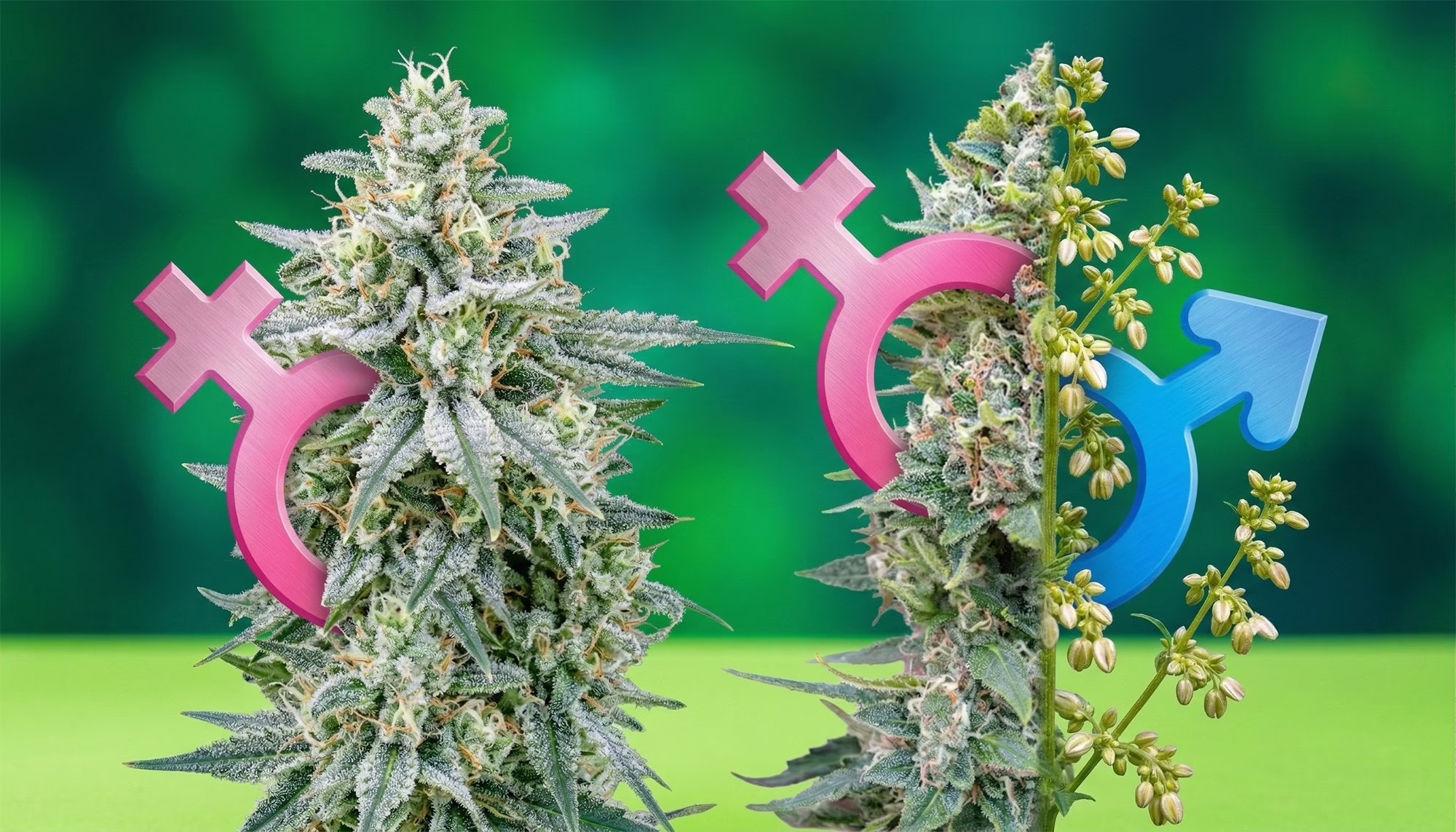
Cannabis Hermaphroditism and Intersex Flowers: Causes, Identification, and Pollen Risk
A female cannabis plant can occasionally develop male reproductive structures during flowering. In a flower-focused garden, the practical problem is not the label “hermaphrodite.” The problem is whether those structures can release viable pollen, whether nearby pistillate flowers are still receptive, and whether the expression is isolated or keeps returning.
Intersex expression can create real pollination risk. Research on cannabis has shown that anthers formed within otherwise female inflorescences can produce germinating pollen and mature seed. At the same time, finding one yellow anther does not prove why it appeared, does not automatically mean the entire plant is genetically unstable, and does not tell you that every flower in the garden has already been pollinated.
The useful response is therefore diagnostic. Confirm what structure you are looking at, determine whether it has opened, inspect the rest of the plant and nearby plants, reduce pollen movement, document the event, and recheck. This resource focuses on that procedure. Broader questions about the cannabis life cycle, outdoor site planning, and general flowering management belong in Weedth’s Cannabis Grow Basics and Outdoor Grow Comprehensive Guide.
In This Resource
On This Page
- What Intersex Flowers Actually Mean
- Identify the Structure Before You Judge the Plant
- Why Female Cannabis Can Produce Male Floral Structures
- Pollen Risk Depends on Stage, Extent, and Exposure
- Intersex Flowers Outdoors Add Another Layer of Uncertainty
- What to Do When You Find Intersex Flowers
- Do Not Blame a Single Stressor Without Evidence
- Record the Event and Judge Stability Separately
- Make the Decision From Pollen Risk, Not the Label
What Intersex Flowers Actually Mean
Cannabis is commonly described as a dioecious species, meaning male and female reproductive structures are usually borne on separate plants. The species is also sexually plastic. Genetic sex and the floral structures that eventually appear are related, but they are not an absolutely rigid one-to-one system under every genotype and condition.
This is why terminology matters. Growers often use “herm,” “hermaphrodite,” “intersex,” and “nanners” as if they all describe the same biological state. They do not. The words can point to different floral arrangements, different stages of development, and very different levels of pollen risk.
Intersex expression
In practical cultivation language, intersex expression means a plant expected to produce one sexual flower type develops reproductive structures associated with the opposite sex. In female flower production, the most relevant example is anthers or staminate flowers appearing on a plant otherwise producing pistillate flowers.
Intersex, monoecious, and hermaphroditic are not identical
A monoecious cannabis plant can carry separate male and female flowers on the same individual as part of its normal sexual system. That is common in some hemp breeding material and is different from a normally female plant unexpectedly developing male structures inside or among pistillate inflorescences.
Botanically, “hermaphroditic” can also imply male and female reproductive organs within the same flower. In cultivation, however, the term is used broadly for several kinds of mixed-sex expression. For a home grower, the more useful description is literal: what structure appeared, where did it appear, how many are present, and has it released pollen?
Remember: A broad label is less useful than a precise observation. “One exposed anther inside a lower flower” tells you more than “the plant hermed.”
Male structures can appear in different forms
Some plants form recognizable staminate flowers that resemble small male flower structures rather than normal pistillate bracts. Others produce exposed yellow or yellow-green anthers directly from otherwise female floral tissue. Growers commonly call these exposed anthers “nanners” because of their narrow shape, but that informal name should not replace the biological question: has the anther matured enough to release pollen?
In a 2020 cannabis study, intersex anthers were described as bright yellow structures about 2 to 3 mm long that developed within bract tissue and among stigmas. Severe expression could involve much more extensive conversion of the inflorescence. The study also showed that these anthers were not merely cosmetic. Some of their pollen germinated, and seed developed on affected plants.
Describe the structure you actually found
Record whether you saw an unopened staminate flower, an exposed anther, an open structure, visible pollen, or developing seed. Location and number matter.
Diagnosing from one slang term
Do not let “herm” become the diagnosis, cause, pollen-risk estimate, and genetic verdict all at once. Those are separate questions.
Identify the Structure Before You Judge the Plant
False alarms happen because cannabis flowers change quickly. Swollen bracts, stipules, new pistillate growth, damaged floral tissue, and immature male structures can look similar during a hurried inspection. Use bright neutral light and a hand lens if needed. Do not squeeze, rub, or repeatedly handle a suspicious structure just to identify it.
Begin with the whole plant before zooming in. Note whether the suspicious structure appears at a lower node, inside a developed flower, along several branches, or across much of the canopy. An isolated late-flower anther is a different management problem from multiple clusters of staminate flowers appearing early in bloom.
Look first where floral tissue is changing
Inspect nodes and developing flower sites during the transition into flowering, then continue inspecting the interior and lower surfaces of maturing inflorescences. Intersex anthers can be partly concealed by bracts and stigmas. Looking only at the top surface of the largest cola can miss early structures elsewhere on the plant.
Move methodically from one side of the plant to the other. Use the same route each time so a section is not skipped. Outdoors, inspect after wind has settled and the plant is dry enough to handle without spreading moisture or damaging flowers.
Field Advice: Photograph the suspicious structure before removing anything. Include one close image and one wider image showing its position on the branch. The wider image often becomes more useful later than the macro shot.
Separate unopened staminate flowers from exposed anthers
An unopened male-type flower has not necessarily released pollen yet. An exposed anther is farther along. A dehisced anther, meaning one that has split and discharged pollen, is a different risk category again. That stage distinction should drive the response.
| What You Find | What It Means for the Next Decision |
|---|---|
| Normal pistillate bract with stigmas | Do not remove normal female floral tissue simply because the bract is swollen. Look for the actual male reproductive structure before diagnosing intersex expression. |
| Closed staminate-looking flower | Pollen may not have been released yet, but the structure can mature. Confirm the rest of the plant and decide whether containment or removal is practical before disturbing it. |
| Exposed yellow anther inside pistillate flower | Treat it as a functional pollen risk. Determine whether the anther is intact, split, dusty, isolated, or part of repeated expression. |
| Open anther or visible yellow pollen | Assume some release may already have occurred. Shift attention from prevention alone to exposure assessment, neighboring flowers, and repeated scouting. |
| Developing seed in nearby flowers | Pollination occurred earlier. Seed set does not identify the pollen source by itself, especially outdoors where external pollen is possible. |
Check whether pollen release has already begun
Do not wait for a visible cloud of pollen. A small number of functional anthers can release enough pollen to fertilize nearby receptive flowers even when the release is much less dramatic than a fully male plant. Conversely, a closed structure that has not opened gives you a different containment opportunity.
Do not shake a suspect plant through the garden
If mature anthers may be present, avoid carrying, brushing, leaf-blowing, or aggressively shaking the plant near flowering females. Air movement and handling can move released pollen. Make the inspection and containment plan before you start moving branches.
“I found one yellow anther late in flower. Is the whole plant ruined?”
Question sent by: NorthSideMike, via email.
Not automatically. One late anther tells you to inspect, not to rewrite the entire harvest as a failure. Check whether it has opened, search the entire plant for more structures, inspect nearby plants, and note how close you are to normal harvest maturity. If the expression is isolated and no pollen release is evident, the risk can be very different from an early, repeated pattern across several branches. Keep checking because the next decision depends on whether the event stays isolated.
Why Female Cannabis Can Produce Male Floral Structures
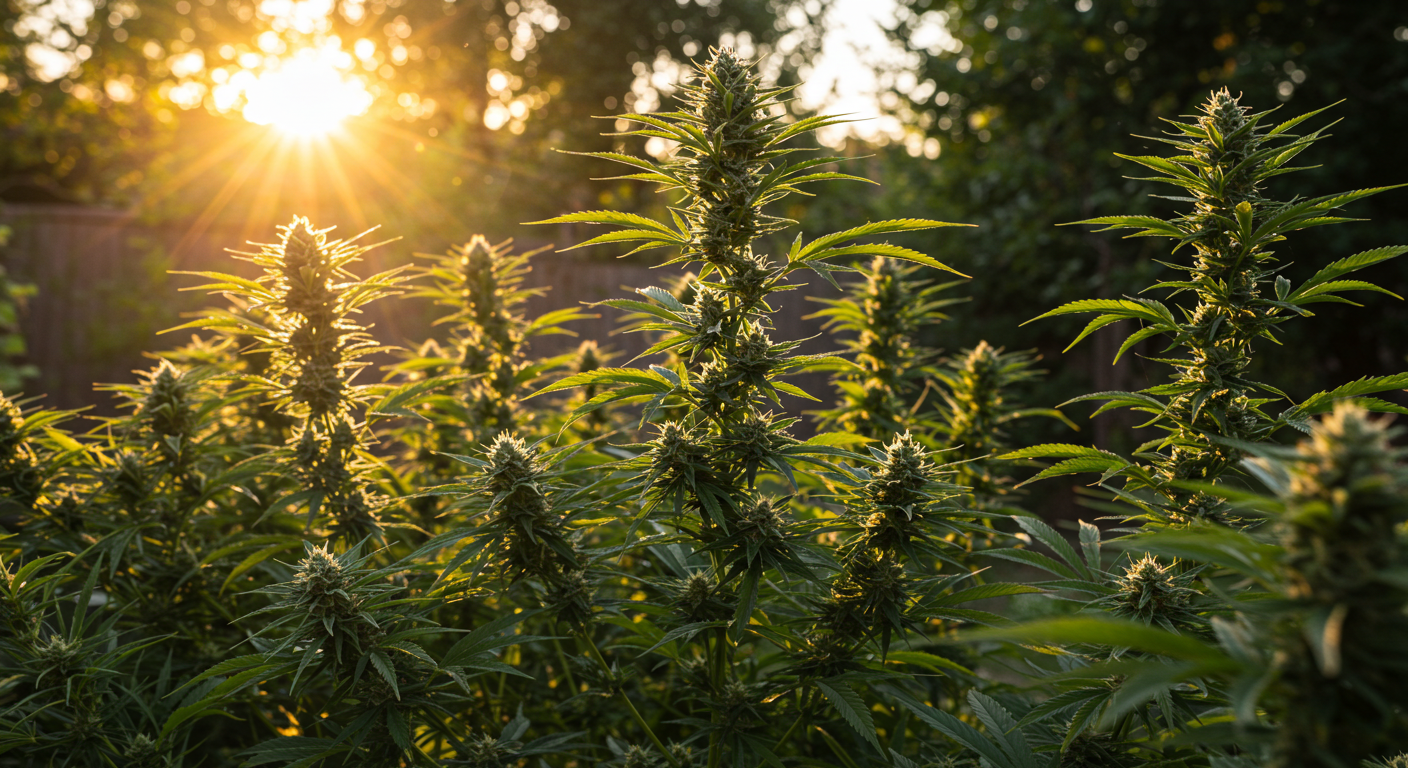
There is no single cause that explains every intersex cannabis flower. Current research supports a layered model involving genotype, hormonal signaling, developmental stage, deliberate chemical manipulation, and environmental conditions. The relative contribution of each layer can change from one plant or cultivar to another.
This is where grower folklore often outruns the evidence. A plant experiences a hot day and later shows an anther, so heat is blamed. A timer fails and an anther appears, so the light leak is treated as proven. Those events may matter, but a chronological association is not the same as a demonstrated cause.
What Causes Mixed or Hermaphroditic Cannabis Flowers?
The most defensible answer is that sex expression in cannabis is plastic and genotype-dependent. A plant’s genetic background influences its baseline sexual system and sensitivity. Hormonal pathways then help regulate which floral organs develop. Environmental and developmental signals can modify that expression in some genotypes.
That means two female plants exposed to the same stress do not have to respond in the same way. It also means one plant can show intersex flowers in a difficult run while another plant from the same garden remains completely pistillate. The interaction is the story.
Sexual plasticity
Sexual plasticity is the ability of reproductive expression to change despite the plant’s underlying genetic sex. In cannabis, research has shown that hormonal signaling can alter the floral phenotype of genetically female or male plants. Plasticity does not mean every plant changes sex under ordinary stress.
Genetics set sensitivity, but one event does not reveal the whole genotype
If the same clone repeatedly develops male structures under normal, well-documented flowering conditions while neighboring genotypes remain stable, genetic susceptibility becomes a stronger explanation. If one seed plant produces a single late anther during a severe environmental disruption, the evidence for inherited instability is weaker.
Repeatability is therefore more informative than one dramatic observation. Compare related plants, clones from the same donor, plants from the same seed lot, and different cultivars sharing the same environment. This does not turn a home garden into a breeding trial, but it helps separate “this plant had an event” from “this material repeatedly expresses the same problem.”
Master Advice: Do not select a cause first and then search the garden for evidence that fits it. Record the floral event first, then compare genetics, timing, and environment.
Photoperiod disruption is a possible factor, not an automatic diagnosis
Photoperiod has long been discussed in cannabis sex expression, and older work suggests that some photoperiod conditions can influence male flower formation on female plants. But the popular rule that “any light leak causes hermaphroditism” is too simple.
A 2024 study of more than 400 indoor female cannabis plants did not find proximity to a grow-room door to be a useful predictor of male flower number under the low-intensity leakage conditions observed there. The authors also noted that the actual dark-period light may have been too weak to test the broader hypothesis confidently. The practical lesson is not that dark interruptions never matter. It is that seeing a small light leak does not prove it caused the intersex flower.
Important: Fix an unintended flowering-light disruption because stable photoperiod management is good cultivation practice. Do not use the repair as proof that you discovered the biological cause.
Heat, drought, nutrient imbalance, and injury do not have equal evidence
Environmental stress is biologically plausible and appears in the cannabis literature, but the evidence is uneven. A 2023 cannabis study produced cosexual plants under drought in one experimental population, demonstrating that water stress can be associated with masculinization under at least some genetic and experimental conditions. That result should not be converted into a universal drought threshold for home growers.
Recent reviews also discuss temperature, water availability, nutrient status, mechanical damage, and other stressors as factors worth investigating, while emphasizing that controlled cannabis-specific thresholds are lacking for many of them. Some mechanistic context comes from other plant species, which is useful for hypothesis building but not for declaring a cannabis rule.
| Factor | How to Interpret the Evidence |
|---|---|
| Genetic background | A core part of sex-expression stability. Repeated expression across clones or related material under otherwise stable conditions strengthens concern about inherited susceptibility. |
| Hormonal signaling | Strongly supported as a mechanism controlling sexual plasticity. Deliberate hormone-pathway manipulation can reverse floral phenotype in cannabis. |
| Photoperiod disruption | Biologically relevant, but the effect depends on intensity, duration, timing, genotype, and context. A minor light leak is not an automatic diagnosis. |
| Drought or water stress | Cannabis-specific experimental evidence shows cosexual expression can occur under drought in at least some material. Do not generalize one trial into a universal trigger level. |
| Temperature stress | Frequently proposed and biologically plausible, but direct cannabis evidence defining a universal temperature trigger remains limited. |
| Nutrient imbalance or mechanical injury | Commonly proposed contributors. Current reviews note limited controlled evidence for specific nutrient thresholds or universal stress-to-intersex rules. |
| Plant age and developmental stage | Floral response can vary with stage. A late isolated anther and widespread early mixed expression should not be interpreted as the same event. |
Intentional sex reversal proves plasticity, but it is not ordinary grow stress
Controlled breeding research can deliberately induce male flowers on genetically female cannabis by manipulating ethylene signaling. This is strong evidence that floral sex expression has a hormonal control layer. It does not mean a home garden accidentally reproduces that treatment whenever the plant becomes stressed.
This distinction also matters when discussing feminized cannabis seeds. Feminized does not mean “destined to become hermaphroditic.” Seed-production method, parental selection, line stability, genotype, and cultivation environment all matter. Treat “feminized” as a seed-production and sex-probability label, not a stability guarantee or instability diagnosis.
“My plant was outdoors with no light leaks. Why did it still produce mixed flowers?”
Question sent by: Emily Foster, via contact form.
Because light interruption is only one possible contributor. Start with the plant’s genetic background and the timing of the expression, then review the actual season: heat events, drought, root-zone problems, storm damage, major pruning or breakage, disease pressure, and whether related plants behaved the same way. You may still end the season without proving one cause. A precise record of what happened is more useful than forcing a single explanation.
Pollen Risk Depends on Stage, Extent, and Exposure
The practical reason intersex flowers matter in a sensimilla-style flower garden is pollination. Once viable pollen reaches receptive pistillate flowers, fertilization redirects reproductive development toward seed. That can reduce the proportion of unseeded floral tissue and change the quality goal of the harvest.
Risk should be judged from four dimensions: maturity of the male structure, amount of expression, recurrence, and exposure of nearby receptive flowers. A fifth factor is air movement, particularly outdoors or in a room with strong circulation.
One hidden anther is not the same pollen source as a full male inflorescence
Research comparing intersex cannabis flowers with normal male flowers found that intersex anthers could produce viable pollen, but they did not show the same prolific mass pollen release observed from fully staminate male inflorescences. This matters because risk is a gradient, not a binary switch.
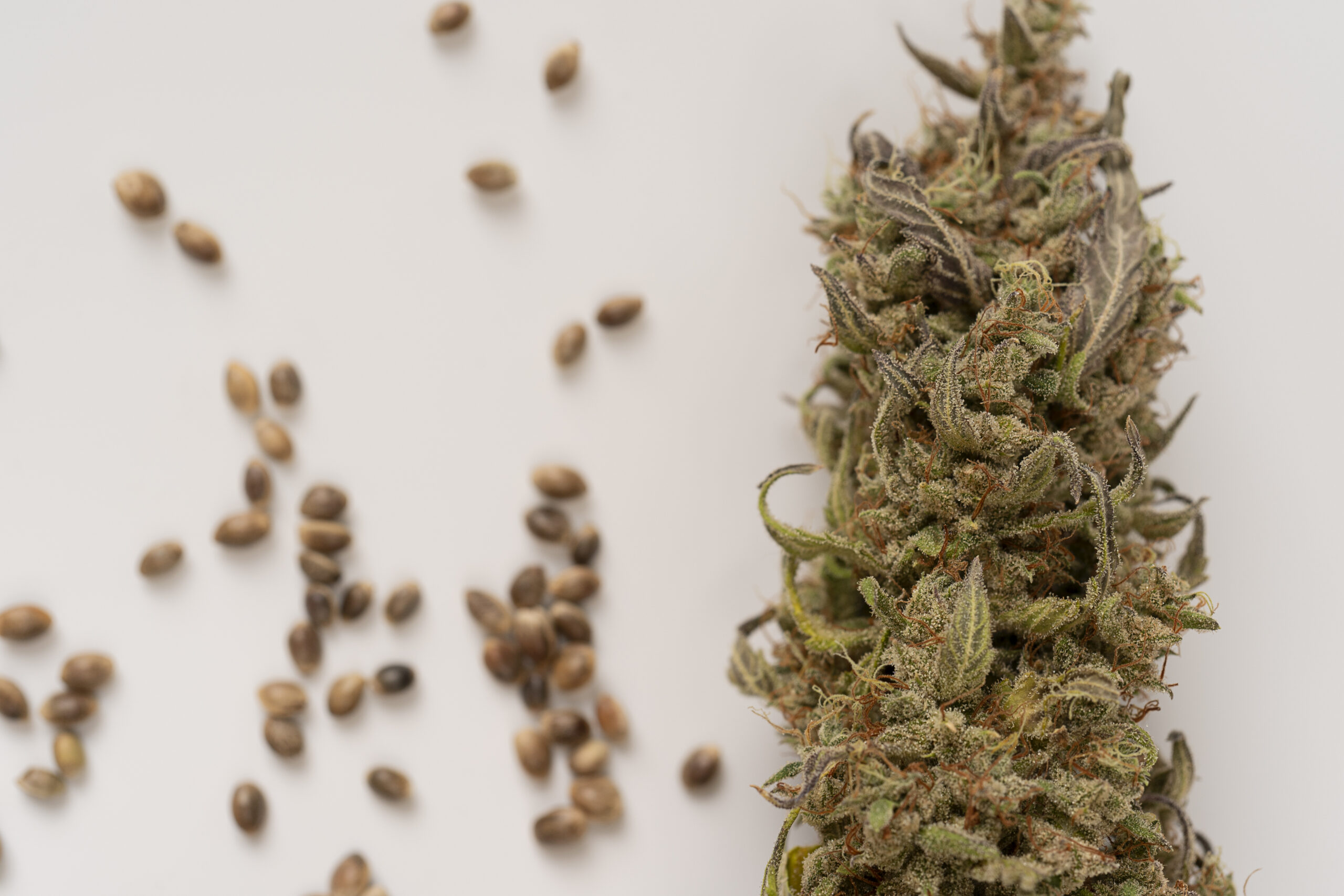
It would still be a mistake to call an isolated anther safe. In the same work, pollen from intersex flowers germinated in laboratory tests, and affected flowers produced mature seeds. The correct interpretation is that lower visible pollen production does not equal zero fertilization risk.
Weedth Verdict: Treat every mature intersex anther as potentially functional, but scale the response to the extent and stage of the event rather than pretending one anther and one full male plant are equivalent pollen sources.
Seed set tells you pollination happened earlier, not exactly where pollen came from
Once seeds begin developing, the fertilization event is already in the past. Removing an anther at that point cannot reverse a fertilized ovule. What you can still do is reduce further exposure and document where seed formation appears.
Pattern can be informative. Seed concentrated near the affected branch may support a local source hypothesis. Seed distributed broadly across an outdoor garden can also reflect external pollen. Pattern alone is not proof because wind, airflow, plant position, and flower receptivity all shape where pollen lands.
Pro Tip: If seed appears, mark the exact branches where you first find it. A simple branch map can help distinguish a localized event from garden-wide exposure later.
Do not invent a fixed safe distance outdoors
Cannabis is wind-pollinated. Field research with hemp shows pollen density drops sharply with distance from a source, yet measurable and biologically meaningful pollen can travel well beyond the immediate crop. Modern dispersal modeling also shows long tails that vary with wind and atmospheric conditions.
Those studies usually involve agricultural pollen sources that can release vastly more pollen than one intersex home-garden plant. Their kilometer-scale results should therefore not be converted into a home-grow isolation rule. The practical conclusion is simpler: outside, distance helps but cannot guarantee zero pollen exposure, and wind direction changes the risk.
Do not use a guessed isolation radius as a guarantee
There is no universal home-garden distance that makes a mature pollen source harmless. Outdoor pollen movement changes with source strength, wind, turbulence, topography, vegetation, weather, and timing. Use containment and early detection instead of relying on one distance number.
Intersex Flowers Outdoors Add Another Layer of Uncertainty
Outdoor plants face environmental variation that cannot be flattened into a controlled-room explanation. Heat waves, cold nights, drought, storms, branch damage, irregular irrigation, disease, and shifting day length can overlap during reproductive development. At the same time, nearby cannabis or hemp pollen may arrive from outside the garden.
The result is a harder diagnostic problem. An outdoor plant with seed is not automatically an intersex plant, and an outdoor plant with one anther is not automatically the source of every seed you find. You need to inspect the plant itself before connecting the two events.
Hermaphroditism and Intersex Flowers Outdoors
Outdoors, inspect flowering plants after major stress events, but do not wait for stress before scouting. A plant can express mixed flowers without an obvious dramatic event. The most useful routine is consistent observation through the flowering transition and continuing into later flower, with extra checks after unusual heat, drought, storm damage, or other major disruptions.
Wind complicates management. A structure that opens outside is not confined by room walls, and moving branches can help release or redistribute pollen. Rain may temporarily wet pollen and floral surfaces, but rain is not a dependable pollen-control strategy. Do not assume a storm “washed the risk away.”
Field Advice: After severe outdoor weather, inspect in two passes. First assess structural damage and plant safety. Once branches are stable, make a separate reproductive inspection for new staminate structures instead of trying to diagnose everything at once.
External pollen can make a clean plant look guilty
If pistillate flowers develop seed but you cannot find male or intersex structures on the plant, keep external pollen in the differential diagnosis. Wind-pollinated cannabis can receive pollen from sources beyond the visible garden. This is especially relevant where legal hemp, seed crops, or other flowering cannabis may exist nearby.
That does not mean external pollen should become the default excuse. Search your own plants carefully first. Document the distribution of seed, dates, prevailing wind during flowering, and any known nearby sources only if that information is available lawfully. The goal is to preserve uncertainty rather than invent certainty.
What to Do When You Find Intersex Flowers
A useful response has to work before you know the cause. The procedure below is designed around pollen containment and evidence preservation. It is not a breeding protocol and it does not assume every affected plant must be treated the same way.
Step 1: stop routine handling and confirm the structure
Pause pruning, shaking, foliar spraying, strong fan adjustment, or other work that moves the flowering canopy. Photograph the structure, inspect it with good light, and decide whether you are looking at a closed staminate flower, exposed anther, opened anther, or something that is not male reproductive tissue.
Then scan the entire plant. A single visible structure can be the only one present, or it can be the easiest one to see. Record the count approximately rather than pretending you can guarantee that every hidden flower was found.
Tip: Use a simple branch order for scouting, such as lower left to upper left, then lower right to upper right. Repeat the same route at every recheck.
Step 2: classify the immediate pollen risk
For a home-garden decision, you can use three practical categories. They are not validated scientific thresholds. They are a way to avoid making every discovery feel identical.
| Risk Category | Practical Interpretation |
|---|---|
| Lower immediate risk | One or very few structures, apparently unopened or newly exposed, no visible pollen, no recurrence yet, and the plant can be inspected thoroughly. Continue containment and close rechecks. |
| Moderate risk | Multiple structures, uncertain opening status, repeated expression on more than one branch, or nearby receptive plants that would be difficult to protect. Management needs to become more conservative. |
| High risk | Open/dehisced anthers, visible pollen, widespread staminate flowers, repeated rapid recurrence, or a plant positioned where pollen movement can readily affect a valuable unseeded crop. |
Important: These categories organize a decision. They are not biological cutoffs and they do not predict exactly how many seeds will form.
Step 3: contain before you remove
If a suspicious structure is mature, the removal process itself can release pollen. Reduce unnecessary airflow around the plant if this can be done safely, avoid brushing branches through neighboring flowers, and prepare a small sealable container or bag for removed material.
Removing one visible anther can reduce one source, but it does not solve an underlying tendency to form more. The value of removal depends on how localized the expression is and whether you can continue inspecting the plant closely.
Make the containment plan first
Confirm the structure, reduce unnecessary air movement, prepare for clean removal or plant isolation, and know where the material will go before disturbing the flower.
Plucking first and inspecting later
Do not repeatedly pinch questionable structures with bare fingers while moving from plant to plant. You lose the evidence and may spread released pollen.
Step 4: decide whether localized removal is still reasonable
The decision depends on the garden objective. In a flower crop where preventing seed is the priority, early widespread or recurring intersex expression creates a much stronger case for removing the affected plant from proximity to receptive females. A single late structure near normal harvest maturity may be manageable if it can be removed without spreading pollen and the plant can be inspected repeatedly.
Do not make the decision from plant size, rarity, aroma, or emotional attachment alone. Ask what is at risk around it. Keeping one unstable plant can threaten several otherwise unseeded plants if pollen release continues.
Pro Tip: The most valuable plant in the garden is not always the plant you are inspecting. Include the value and maturity of neighboring flowers in the keep-or-remove decision.
Step 5: inspect neighboring plants and correct obvious stress without chasing theories
After containment, inspect nearby flowers for male structures and record any visible pollen or early seed development. Then correct obvious environmental failures that would be undesirable regardless of the intersex event, such as a broken timer, severe irrigation inconsistency, damaged support, uncontrolled heat, or a root-zone problem.
Change the clearest problem first. Do not simultaneously alter light schedule, nutrient concentration, irrigation frequency, pruning, and temperature unless plant safety requires it. If several variables change together, you lose the ability to learn which correction mattered.
Remember: Environmental correction and causal proof are different. You can fix a bad condition without claiming it caused the flower.
Step 6: recheck on a defined schedule
Do not treat one clean inspection after removal as the end of the event. Recheck the affected plant and its nearest flowering neighbors after the initial response, then continue more frequently than your normal scouting while reproductive tissue is actively developing.
A practical home-garden schedule is an immediate baseline, another close inspection within roughly 24 to 48 hours, a further check after several days, and then continued routine checks through the remaining flowering period. This is a scouting cadence, not a validated cannabis threshold. Tighten it if new structures are appearing quickly.
“I removed every nanner I could see. How long do I keep checking?”
Question sent by: Sophie, via X.
Keep checking for the rest of active flowering because removal does not prove the plant has stopped producing male structures. Make one close recheck within the next day or two, another after several days, and continue your normal flower inspection after that. If new anthers keep appearing, especially on new branches or in larger numbers, treat recurrence as new information and raise the pollen-risk category.
| Stage / Period | Plant Status | Main Task | Risk / Check |
|---|---|---|---|
| Discovery | Identity and opening stage uncertain | Photograph, confirm, stop unnecessary movement, inspect whole plant | Has pollen already been released? |
| Same session | Extent becomes clearer | Classify risk, contain, decide whether localized removal or plant removal is more appropriate | Are receptive neighboring flowers exposed? |
| About 24 to 48 hours | Early recurrence may become visible | Repeat the same inspection route | New anthers, overlooked structures, fresh pollen |
| Several days later | Pattern begins to emerge | Compare recurrence, plant response, and corrected environment | Is expression isolated, stable, or expanding? |
| Remaining flowering period | Pollination consequences may become clearer | Continue routine scouting and branch-level records | Seed set, new intersex structures, neighboring plant symptoms |
Do Not Blame a Single Stressor Without Evidence
Once an intersex flower appears, growers often search backward for the most dramatic event in the previous week. That is understandable, but it can create a false story. The plant may have a sensitive genotype, the relevant developmental change may have started earlier than the visible anther, or several conditions may have interacted.
A better approach is to rank explanations by evidence. Ask what is directly observed, what is repeated, what is merely possible, and what has only been proposed in grower lore.
Use neighboring plants as context, not perfect controls
If several cultivars share the same hot spell and only one repeatedly develops male structures, that pattern raises suspicion about genotype-specific sensitivity. It does not prove the environment played no role because different genotypes can respond differently to the same event.
If every plant in one zone shows unusual reproductive development after a clear equipment or irrigation failure, the shared environment deserves more weight. Again, the conclusion should be proportional to the evidence.
Safety Note: Do not create deliberate severe drought, heat, nutrient toxicity, mechanical injury, or unstable lighting just to “test” whether a plant will intersex. A home flower garden is not a controlled stress experiment, and those interventions can damage plant health and product quality.
Late-flower expression needs its own context
Some growers report isolated male structures near the end of flowering. Developmental timing can matter, and a late isolated event should not automatically be interpreted the same way as widespread early expression. Still, “it is late” is not a pollen shield. If receptive flowers remain nearby, a functional anther can still matter.
Record how close the plant is to its normal harvest window, whether the anther was open, and whether more appear. If the plant repeatedly expresses early enough to threaten most of flowering, that is a different stability problem from one isolated structure at the end of an otherwise normal cycle.
Tip: When comparing seasons, record flowering stage rather than only calendar date. “Day 64” is less useful than “late flower, approximately one week before the normal harvest window” if different runs started at different times.
Record the Event and Judge Stability Separately
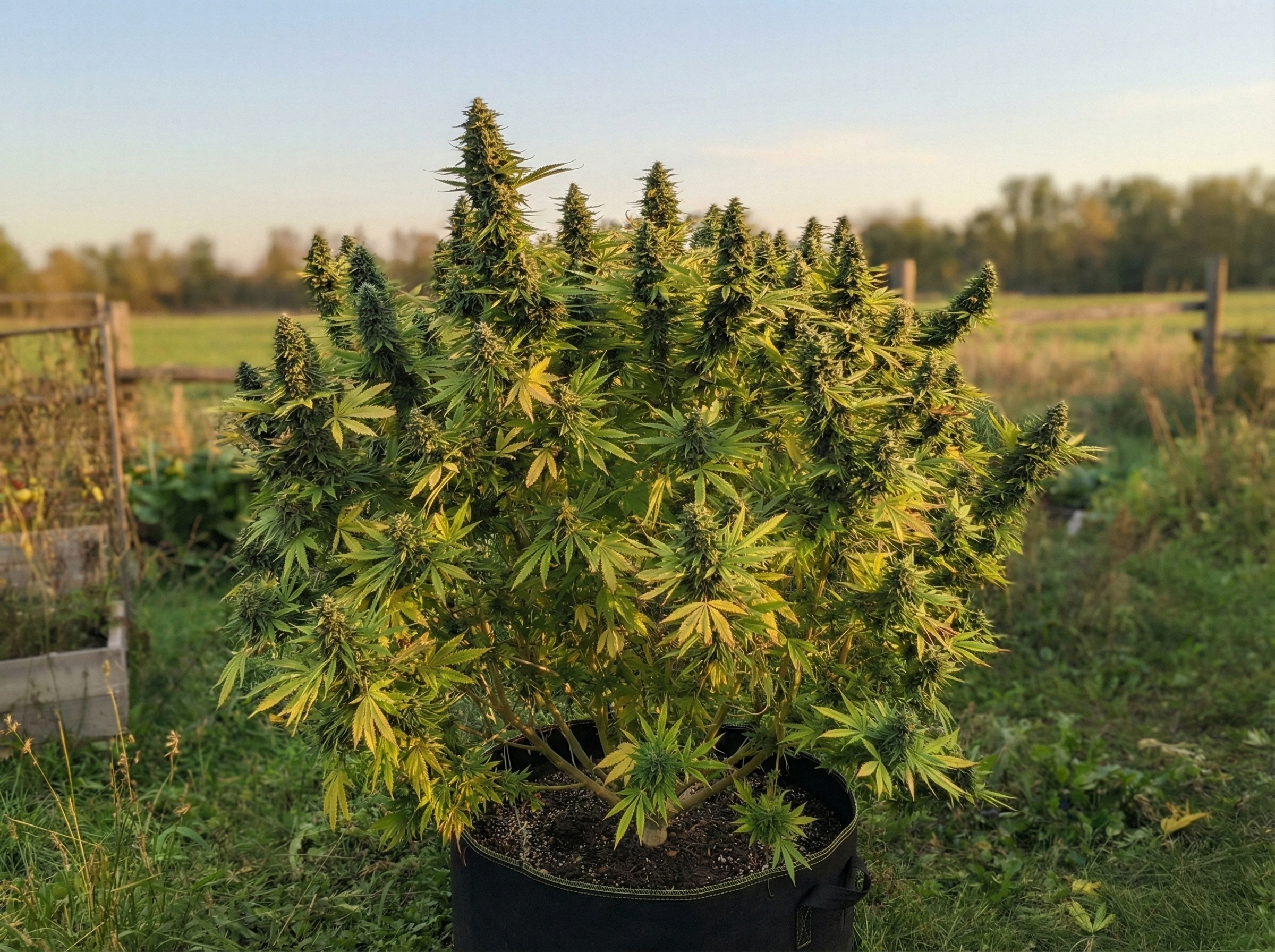
Intersex events are easy to misremember. A grower may later recall that a plant “always herms” when the record actually shows one late anther after storm damage, or may forget that the same clone produced male structures in three otherwise stable runs.
Use the plant’s unique ID and source record. Record date, flowering stage, branch location, structure type, approximate count, whether any anther appeared open, environmental events, management changes, neighboring plant status, and what happened at the next inspection. This is exactly the kind of event where plant labels and lot records become more valuable than memory.
Separate one plant, one clone line, and one seed lot
A single seed-grown plant is one genotype. Its behavior does not automatically describe every seed in the pack. A clone line is different because repeated runs share the same genetic individual, making recurrence across environments much more informative.
If several independent plants from the same seed lot show similar early intersex expression under stable conditions, that pattern is worth preserving in the record. If only one plant does, record that too. Do not erase variation by giving the entire pack one verdict.
Field Advice: Keep the original source lot or pack ID separate from your individual plant ID. That lets you ask later whether the issue followed one plant, several siblings, or a vegetatively propagated line.
Do not turn selfed seed into proof of stability
Research has shown that spontaneous intersex flowers on genetically female cannabis can produce seeds that are genetically female. That finding does not mean seed from an accidental intersex event should automatically be treated as high-quality feminized breeding material.
Sex of the progeny and stability of the progeny are separate questions. If the parent showed unwanted intersex expression, especially repeatedly or under ordinary conditions, preserving those seeds without a deliberate evaluation plan can carry forward uncertainty. Learn the broader seed terminology first in Cannabis Seed Types Explained for Beginners.
Important: “Female progeny” does not mean “proven stable progeny.” Do not collapse sex outcome and intersex risk into the same trait.
Make the Decision From Pollen Risk, Not the Label
The final decision is not whether the word “hermaphrodite” sounds serious enough. It is whether the plant is creating a pollen source that conflicts with the goal of the garden, and whether that source can be managed with confidence.
A plant with widespread early staminate expression, open anthers, repeated recurrence, and many receptive neighbors represents a very different risk from a single late closed structure on an isolated branch. Both deserve attention, but they do not deserve identical management.
Before You Keep, Isolate, or Remove the Plant
- Confirm that the structure is actually staminate or anther tissue.
- Record whether it is closed, exposed, open, or visibly releasing pollen.
- Inspect the whole plant rather than the first branch only.
- Check nearby flowering plants before disturbing the suspect plant.
- Estimate whether the expression is isolated, repeated, or widespread.
- Include flowering stage and time remaining to the normal harvest window.
- Correct obvious environmental failures without claiming they prove the cause.
- Record the plant ID, lot or source, date, branch location, and photos.
- Schedule a defined recheck instead of assuming removal solved the event.
- Treat recurring expression across clones or related material as stronger stability evidence than one isolated event.
Weedth Verdict: The safest interpretation is evidence-based and proportional. Confirm the structure, control pollen risk first, then investigate why it appeared. Do not reverse that order.
Questions Growers Ask About Intersex Flowers
Does one nanner mean every nearby plant will be seeded?
No. One functional anther can create pollination risk, but seed set depends on whether pollen was released, how much moved, where it moved, and whether receptive flowers were exposed. Inspect rather than assuming either zero damage or total crop-wide pollination.
Can stress make any female cannabis plant produce male flowers?
Research supports environmental modulation of sex expression, but it does not support the rule that every female plant will intersex when sufficiently stressed. Genotype and developmental context matter. Specific universal stress thresholds for cannabis hermaphroditism have not been established.
Are feminized seeds automatically more likely to become hermaphroditic?
No. Feminized describes how the seed population is produced to favor female offspring. Stability depends on the parental material, selection, production quality, genotype, and environment. A feminized label is neither a guarantee of stability nor proof of instability.
Can I tell whether pollination came from my own plant or an outside source?
Sometimes the spatial pattern gives clues, but it rarely proves the source. Outdoors, cannabis pollen can travel on wind from outside the garden. Document where seed appears, inspect every plant for male structures, and preserve uncertainty when no source can be confirmed.
If I remove visible anthers, is the risk over?
No. Removing visible structures reduces those specific pollen sources. It does not prove hidden structures are absent or that new ones will not develop. Continue close inspection through the remaining flowering period and raise your response if expression recurs.
Share this article
A quick overview of the topics covered in this article.
Follow us
Latest articles

September 4, 2026
September 4, 2026
September 4, 2026
September 4, 2026
