
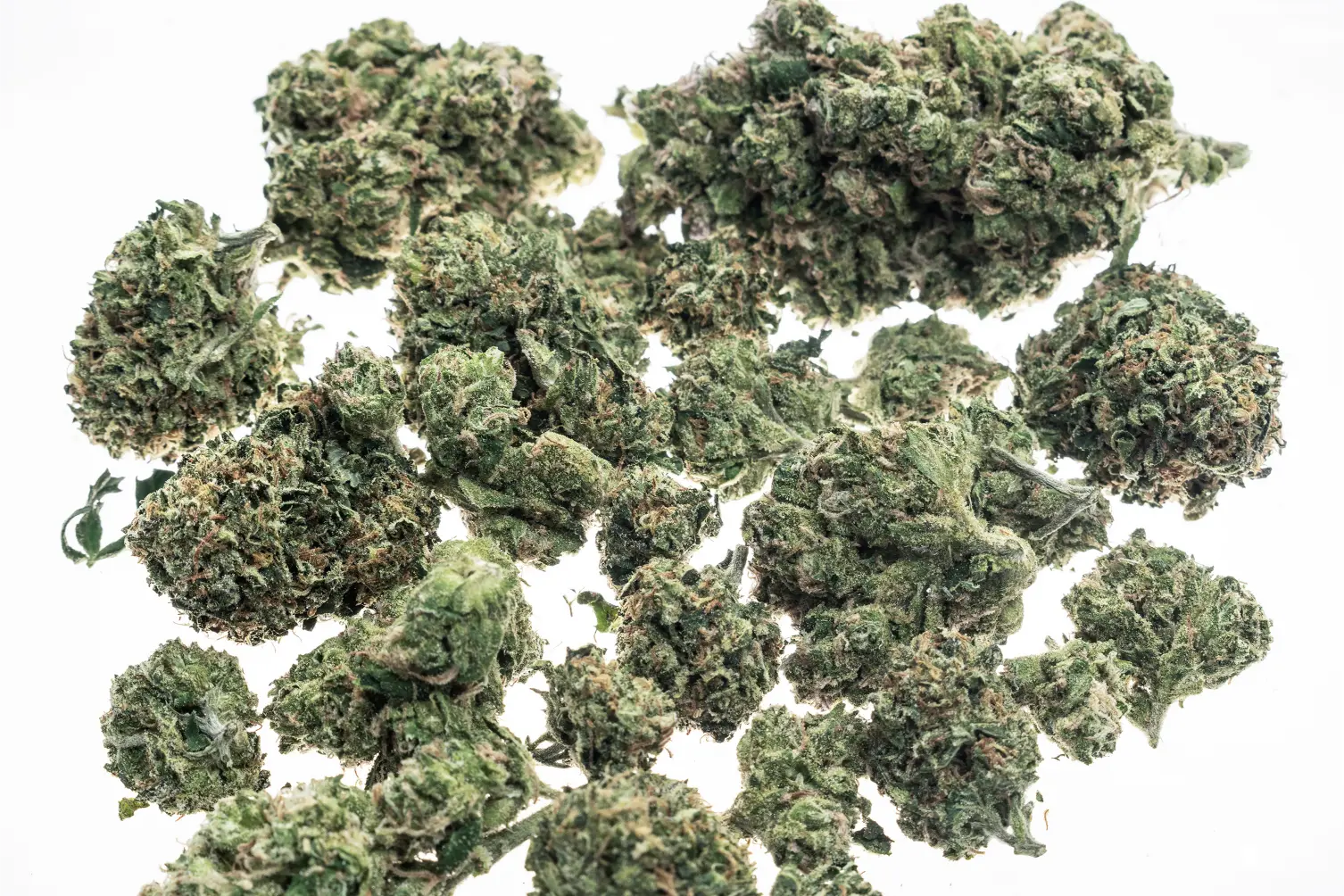
London Pound Cake Strain: Complete Cultivar & Grow Guide
In the illustrious pantheon of modern exotic cannabis genetics, London Pound Cake (frequently recognized in elite craft circles by its premier numerical designation, London Pound Cake #75) stands as an undisputed titan of contemporary dessert breeding. Developed by the visionary breeding collective at Cookies in collaboration with Sherbinskis, this iconic hybrid represents the sublime union of the legendary Sunset Sherbet (Girl Scout Cookies crossed with Pink Panties) and an undisclosed, heavy-hitting indica backcross. Rather than presenting a generic, one-dimensional sugary palate, London Pound Cake delivers an authentic, multi-layered gourmet bakery experience: freshly baked vanilla sponge cake, churned sweet butter, Meyer lemon glaze, Concord grape skin, dark berry compote, cracked black pepper, and refined hydrocarbon diesel fuel.
Agronomically, London Pound Cake is a masterclass in structural density and canopy efficiency, making it particularly beloved among commercial cultivators and craft horticulturists seeking exceptional bag appeal. The plant exhibits a sturdy, medium-tall stature characterized by broad, dark forest-green fan leaves and thick, fibrous lateral branches with compact internodal spacing. As blooming progresses past the fourth week, the cultivar forms dense, bulbous, golf-ball-to-spear-shaped calyx clusters that pack an extraordinary density of capitate-stalked glandular trichomes. The contrast between its deep royal purple and midnight-violet calyxes and its thick blanket of opaque white resin heads creates immediate, jaw-dropping shelf appeal that commands top-tier reverence in any dispensary showcase.
However, unlocking the full connoisseur potential of London Pound Cake demands strict environmental discipline, aggressive interior defoliation, and vigilant post-harvest moisture control. Because the cultivar produces such dense, tightly packed calyx clusters with compact internodes, an unpruned interior canopy can easily trap stagnant microclimate humidity, creating prime conditions for botrytis cinerea during the final weeks of bloom. Furthermore, the delicate monoterpenes and pastry esters responsible for its signature baked vanilla dough and sweet butter notes are highly vulnerable to thermal degradation under aggressive lighting. This comprehensive cultivation guide provides an exhaustive analysis of London Pound Cake, detailing its genetic lineage, complex phytochemical profile, canopy training strategies, precise fertigation targets, and post-harvest curing protocols.
Strain Features
| Feature | Details |
|---|---|
| Strain Type | Indica-dominant hybrid (approximately 70% Indica / 30% Sativa) |
| Genetic Lineage | Sunset Sherbet (Girl Scout Cookies x Pink Panties) x Undisclosed Indica Hybrid |
| Popular Selections | London Pound Cake #75 (LPC #75) |
| THC Potency | 22% to 28%+ total cannabinoids under dialed commercial conditions |
| CBD Content | Low (consistently beneath 0.2% in certified analytical tests) |
| Primary Terpenes | Beta-Caryophyllene, D-Limonene, Beta-Myrcene, Linalool, Humulene |
| Flowering Time (Indoor) | 8.5 to 9.5 weeks (60 to 65 days from twelve-twelve photoperiod flip) |
| Harvest Window (Outdoor) | Early to mid-October in Northern Hemisphere temperate growing regions |
| Plant Morphology | Medium-tall stature, robust lateral branching, broad foliage, chunky spear colas |
| Stretch Potential | Moderate (typically 1.5x to 1.8x vertical expansion during early transition) |
| Bud Density & Structure | Extremely dense, rounded golf-ball clusters, swollen calyxes, heavy trichome frost |
| Color Expression | Deep royal purple, midnight violet, dark forest green with bright tangerine pistils |
| Aroma & Palate | Vanilla pound cake, churned butter, Meyer lemon, Concord grape, black pepper, gas |
| Yield Potential | 450 to 550 g/m² indoors; up to 750 g per plant outdoors under full natural sunlight |
| Difficulty Level | Intermediate; demands disciplined canopy defoliation, trellis netting, and cool curing |
Upon inspecting a healthy vegetative stand of London Pound Cake, horticulturists are immediately impressed by its stout, stocky structural framework. The plant develops thick, woody main stems and sturdy secondary branches lined with broad, leathery, dark emerald-green fan leaves that reflect its heavy indica heritage. The internodal spacing is compact to moderate, which allows the plant to pack an immense number of floral sites into a relatively small vertical footprint. However, this compact branching habit means that vegetative canopies can become excessively dense very quickly, requiring attentive pruning to maintain air channels through the center of the plant.
The floral architecture of London Pound Cake is where the cultivar commands exceptional commercial respect. As blooming enters the fifth and sixth weeks, calyxes swell outward in rounded, heavily clustered formations that stack into solid, chunky colas. Unlike some Cookies hybrids that produce small, isolated popcorn buds, London Pound Cake stacks its calyx clusters tightly along the stems, forming dense, heavy spears that feel like solid wood in the hand. The calyx-to-leaf ratio is remarkably high: the few sugar leaves present are narrow, small, and completely coated in resin, making hand manicuring an exceptionally fast and efficient process.
Visual bag appeal on finished London Pound Cake buds is spectacular. The cured calyxes display an intricate marbling of olive green, royal purple, and deep violet, accented by a dense thicket of fiery mandarin-orange pistils. Enveloping every millimeter of the floral bracts is a thick, glistening blanket of capitate-stalked glandular trichomes with large, fully formed bulbous heads. When broken apart, the internal calyxes are sticky with dense resin that clings to trimmers’ shears and releases a burst of sweet vanilla cake, churned butter, and rich grape diesel.
Genetic Lineage
The genetic architecture of London Pound Cake represents a masterstroke of contemporary breeding by the Cookies and Sherbinskis collectives, combining the illustrious Sunset Sherbet with an elite, undisclosed heavy indica line. The maternal contributor, Sunset Sherbet (bred by Mr. Sherbinski by crossing Girl Scout Cookies with Pink Panties), contributed an extraordinary foundation of rich dessert sweetness, candied citrus, dark berry compote, heavy trichome coverage, and deep royal purple coloration. Furthermore, Sunset Sherbet introduced an unmistakable sweet confectionery finish that connoisseurs worldwide adore.
While the paternal contributor has remained a closely guarded proprietary trade secret within the Cookies organization, extensive horticultural observation and phytochemical testing strongly indicate a heavy-yielding, resinous indica lineage closely aligned with OG Kush or an elite Afghani backcross. This undisclosed parent provided the structural backbone, thick stem girth, dense calyx bulking, and rapid finish that transformed the sweet, somewhat leafy Sherbet structure into a commercial production powerhouse.
The hybridization of Sunset Sherbet with this heavy indica donor resulted in a rare, harmonious synergy where neither parent overshadows the other. Instead of canceling each other out, the creamy citrus and berry notes of Sunset Sherbet merged with the pungent diesel, pepper, and earth of the indica parent to synthesize a completely novel aromatic compound: the unmistakable essence of freshly baked vanilla pound cake drizzled with sweet lemon-grape glaze. Agronomically, the cross overcame the somewhat delicate root systems of pure Cookies lines, producing a resilient, high-vigor cultivar that excels in commercial cultivation facilities.
Phenotypic exploration within London Pound Cake populations famously yielded several numbered selections, with London Pound Cake #75 emerging as the definitive global standard. The #75 cut showcases intense aromas of warm vanilla dough, churned sweet butter, and tart lemon glaze, supported by an earthy kerosene finish. Other expressions may lean slightly more toward dark berry compote or sharp peppery diesel, but the #75 selection remains the undisputed gold standard for growers seeking the perfect balance of gourmet bakery aromatics, bag appeal, and potent hybrid relaxation.
Effect Breakdown
The psychoactive onset of London Pound Cake is immediate, warm, and delightfully comforting, making its presence felt within the first two or three draws. Unlike cultivars that ease the user in with a gentle background lift, London Pound Cake announces itself with a potent cerebral surge that wraps around the forehead and temples like a warm, comforting headband. A wave of joyful, peaceful euphoria washes over the mind, dissolving mental stress, situational anxiety, and depressive fatigue. Colors appear slightly brighter, sensory perception is heightened, and an infectious sense of mental calm and emotional ease takes hold.
During the first thirty to forty-five minutes of the high, the cognitive faculties remain upbeat and socially engaged. Users frequently find themselves cheerful, talkative, and amused, making the cultivar enjoyable for animated conversations with friends, listening to favorite albums, or engaging in artistic hobbies. The presence of caryophyllene and limonene provides a deeply soothing mental release that keeps thoughts peaceful and prevents the initial phase from feeling frantic or overwhelming.
As the session crosses into its second hour, the heavy indica lineage begins to exert its somatic influence. A deep, melting physical relaxation spreads downward from the base of the skull, cascading through the neck, across the shoulder blades, and into the lower back and legs. Muscular tightness releases its grip, joint stiffness dissolves, and a pleasant, weighted sensation settles over the entire body. While users do not experience instantaneous, immobilizing couch-lock at moderate doses, physical motivation naturally subsides, encouraging comfortable seating and leisure.
At elevated dosages, London Pound Cake reveals its true heavyweight indica nature. With THC concentrations consistently measuring between 22% and 28%+, heavy consumption will quickly shift the experience from cheerful euphoria into deep, restorative sedation. The eyelids grow heavy, mental chatter falls completely silent, and consumers are gently escorted toward deep, uninterrupted sleep. Common adverse effects at high doses include dry mouth, dry eyes, and mild short-term memory haze. When consumed with appropriate respect, London Pound Cake provides one of the most balanced, comforting, and luxurious evening highs in contemporary cannabis.
Flavor & Aroma Profile
The aromatic profile of London Pound Cake is an extraordinary olfactory masterpiece that sets it apart from almost every other hybrid on the market today. Unsealing an airtight curing container releases an immediate, mouth-watering wave of sweet baked goods: warm vanilla sponge cake, churned sweet butter, and sweet Concord grape preserves rise from the jar with astonishing intensity. Unlike synthetic dessert flavorings, London Pound Cake captures the nuanced, complex aroma of an artisanal lemon pound cake drizzled with sweet fruit glaze.
As the dense, frosty buds are broken apart or run through a grinder, the secondary and tertiary aromatic layers burst forth. The Sunset Sherbet parentage reveals a decadent base of Meyer lemon zest, sweet cream, and dark berries, while the undisclosed indica ancestor makes its presence known with a sharp, invigorating undercurrent of unrefined diesel fuel, cracked black pepper, and damp forest loam. This fascinating juxtaposition between rich bakery sweetness and pungent herbal earth creates an aromatic tension that keeps the consumer returning to the jar again and again.
On the palate, London Pound Cake delivers an exceptionally rich, full-bodied, and velvety combustion experience. Inhaling through a clean glass pipe or a precision dry-herb vaporizer at 340°F to 365°F coats the tongue in thick, luxurious vapor that tastes of sweet vanilla cake, churned butter, and sweet grape jelly. The vapor feels silky and cool on the throat, devoid of the scratchy harshness that can plague less refined cultivars. The dessert sweetness dominates the initial draw, leaving a lingering, buttery cake glaze across the lips and tongue.
Upon exhalation, the flavor profile transitions into a complex, savory finish. The sweet cake notes recede to reveal a complex intermingling of tart lemon peel, earthy pine, warm peppery caryophyllene spice, and rich diesel. This lingering aftertaste remains on the palate for minutes after exhalation, delivering a satisfying, mouth-coating finish that keeps connoisseurs returning to the bowl. If the crop is dried too quickly or cured under warm conditions, the delicate cake and butter monoterpenes can evaporate, leaving behind primarily earth and fuel; however, a disciplined cold cure locks in the full symphonic dessert experience.
Dominant Terpenes
| Terpene | Estimated Range | Aroma Profile | Physiological & Entourage Role |
|---|---|---|---|
| Beta-Caryophyllene | 0.6% to 1.3% | Cracked black pepper, warm woody spice, dry earth | Acts as a dietary cannabinoid binding directly to peripheral CB2 receptors; delivers potent somatic anti-inflammatory and pain relief |
| D-Limonene | 0.5% to 1.1% | Candied citrus, sweet lemon peel, bright fruit | Drives the initial cerebral euphoria; promotes dopamine release, elevates mood, and aids cannabinoid cellular absorption |
| Beta-Myrcene | 0.3% to 0.8% | Ripe dark fruit, earthy musk, sweet grape compote | Enhances blood-brain barrier permeability; provides smooth somatic muscle relaxation and bridges fruit and fuel flavor notes |
| Linalool | 0.2% to 0.5% | Floral lavender, sweet French spice, vanilla cream | Modulates GABAergic neurotransmission to alleviate anxiety, smooth out mental tension, and enrich creamy mouthfeel |
| Humulene | 0.1% to 0.4% | Earthy hops, woody spice, dry herbal vegetation | Works synergistically with caryophyllene to suppress systemic inflammation; provides subtle appetite balancing in early stages |
The phytochemical profile of London Pound Cake is a masterclass in terpene synergy, where major and minor aromatic fractions collaborate to steer both its remarkable flavor and its potent, two-stage physiological impact. Leading the chromatographic analysis in most certified laboratory tests is beta-caryophyllene, often accounting for more than 30% of the total terpene volume. As a unique sesquiterpene capable of acting as a full agonist at human CB2 cannabinoid receptors located throughout peripheral tissues, caryophyllene delivers profound somatic anti-inflammatory and analgesic relief without triggering psychotropic effects on its own. In London Pound Cake, caryophyllene provides the warm, peppery backbone that balances the sweet vanilla dough.
Working in close harmony with caryophyllene is d-limonene, the primary monoterpene responsible for the bright, mouth-watering fruit notes and the uplifting cerebral onset. Limonene stimulates the brain’s dopamine and serotonin pathways, generating the joyful, giggly euphoria that defines the first hour of consumption. Furthermore, limonene enhances tissue permeability, facilitating the swift transport of cannabinoids across cellular membranes for an accelerated physiological onset.
The supporting terpene ensemble, comprising beta-myrcene, linalool, and humulene, provides essential balance and therapeutic refinement. Myrcene deepens the ripe fruit notes and facilitates the rapid transport of cannabinoids across the blood-brain barrier, intensifying overall potency. Linalool contributes calming, anti-anxiety neurochemical modulation, smoothing out any potential nervous tension and imparting a silky, floral-cream texture to the vapor. Together, this harmonious biochemical suite delivers a balanced, restorative, and deeply pleasurable cannabis experience.
Indoor vs Outdoor Growing
| Cultivation Parameter | Indoor Environment | Outdoor Environment |
|---|---|---|
| Canopy Height & Training | Easily managed with early topping, LST, and single-tier trellis netting; moderate 1.6x stretch | Develops a stout, broad 6- to 8-foot bush; requires heavy lateral staking and perimeter caging |
| Terpene & Flavor Integrity | Superior control; late-bloom temperatures can be cooled to 72°F to 75°F to preserve dessert esters | Sunlight builds incredible resin volume, but late-season heatwaves can thermally volatilize fragile pastry notes |
| Moisture & Mold Resilience | Precise environmental control allows progressive RH reduction down to 40% to 45% (VPD 1.35 to 1.50 kPa) | High botrytis vulnerability in dense colas; demands an arid autumn climate or clear greenhouse shelter |
| Flowering Time & Harvest | Predictable 60 to 65 days under controlled 12/12 artificial lighting fixtures | Finishes early to mid-October; requires frost protection and rain covers during the final swelling weeks |
| Structural Support Needs | Moderate to High; dense golf-ball colas add weight to secondary branches; trellis strongly advised | Critical; heavy-duty exterior cages and bamboo supports necessary to withstand autumn winds and rains |
| Averaged Harvest Yield | 450 to 550 grams per square meter under high-efficiency LED or DE HPS fixtures | 600 to 750+ grams per plant in 100- to 150-gallon living organic soil beds |
When choosing between an indoor facility and an outdoor garden for cultivating London Pound Cake, growers must carefully balance the cultivar’s exceptional bud density against regional climate realities. Indoors, London Pound Cake is an absolute pleasure to run because the controlled environment allows the horticulturist to preserve every delicate fraction of its vanilla cake and lemon glaze aromatic profile. The monoterpenes and fruit esters responsible for its signature dessert scent begin evaporating at temperatures above 78°F. In a sealed indoor facility with precise climate control, maintaining daytime temperatures at 74°F to 76°F and nighttime temperatures at 64°F to 66°F during weeks six through nine locks in these fragile compounds, producing cured flowers that reek of gourmet confectionery.
Furthermore, indoor cultivation allows for strict relative humidity management, which is critical for this cultivar. Because London Pound Cake stacks rock-hard, swollen calyxes that cluster tightly along the stems, internal air circulation within the colas is naturally restricted. In an indoor setting, lowering relative humidity to 42% to 45% during the final three weeks of bloom eliminates the stagnant microclimates that otherwise foster botrytis cinerea (gray mold), ensuring a pristine, mold-free harvest of dense, frosty colas.
Outdoors, London Pound Cake can produce impressive, heavy yields when grown in regions with long, dry, warm Mediterranean-style autumns. Given full solar exposure and large 100- to 200-gallon living soil beds, the plant develops a broad, thick-stemmed, seven-foot wide bush with tremendous lateral branching. The broad natural solar spectrum stimulates massive glandular trichome development, and the cool autumn night air encourages deep purple and violet pigmentation across the calyxes and sugar leaves by late September.
However, outdoor cultivation carries significant risks in humid, rainy, or short-season temperate climates. Because the floral bracts swell into rock-hard, moisture-trapping clusters, autumnal rains, morning river fog, or heavy seasonal dews can easily penetrate the centers of the colas, creating conditions where botrytis can take hold undetected. Outdoor growers in non-arid regions must provide clear greenhouse roofing, high-velocity air circulation fans, or manually shake morning dews off the plants to protect flowers right up to harvest in early October.
Strain-Specific Grow Guidance
Mastering London Pound Cake requires an agronomic strategy tailored to its stout vegetative architecture, moderate flowering stretch, and high resin output. During the vegetative stage, maintain an ambient daytime temperature of 78°F to 82°F (25.5°C to 28°C) paired with a relative humidity of 65% to 70%, establishing a comfortable vegetative VPD of 0.8 to 1.1 kPa. Provide light intensity of 400 to 550 µmol/m²/s PPFD to encourage stocky internodal growth and build thick, woody main stems capable of supporting heavy colas later in bloom.
Canopy shaping must begin early to take advantage of the plant’s strong lateral branching. We recommend topping the main shoot when the plant has established five to six true vegetative nodes, cutting back cleanly to node four. This directs growth hormones into the primary lateral branches, which surge outward at a 45-degree angle. As these lateral shoots expand, train them horizontally using soft plant ties or training clips to open up the center of the plant. By week four of vegetative growth, the plant will have established an expansive, symmetrical candelabra canopy with eight to twelve primary shooting heads, perfectly positioned for the trellis screen.
Upon flipping the photoperiod to twelve-twelve, expect a moderate vertical stretch of 1.5x to 1.8x over the next 18 to 21 days. While significantly more manageable than lanky sativa crosses, the plant still pushes upward with vigorous momentum. Install a lower trellis net approximately eight to ten inches above the pot rim just before the flip, and weave the rising branches outward into adjacent trellis squares during weeks one and two. Stop weaving after day 14 and install a second trellis net twelve inches higher to provide dedicated vertical support as the rock-dense calyx clusters begin to bulk in weeks five through eight.
CULTIVATION ALERT: INTERIOR FOLIAGE CONGESTION AND BOTRYTIS PREVENTION
London Pound Cake inherits broad, leathery fan leaves from its indica parentage that can quickly close off the interior canopy, blocking photon penetration to secondary floral sites and trapping humid, stagnant microclimates around internal stems. Perform a thorough, disciplined defoliation on Day 21 of flower (the end of the stretch phase) to remove large inward-facing fan leaves and clear out weak undergrowth in the bottom 30% of the plant. A second light defoliation should be performed on Day 42 to clear any new fan leaves that shade primary colas. Neglecting interior airflow will dramatically increase the risk of botrytis cinerea within its rock-dense colas.
From a nutritional standpoint, London Pound Cake is a moderate consumer that thrives under balanced, clean mineral nutrition. In coco coir or rockwool, maintain a vegetative EC of 1.4 to 1.7 mS/cm with a pH of 5.8 to 6.2. The cultivar displays an elevated demand for calcium and magnesium during early bloom, especially when grown under high-intensity LED fixtures; supplementing with extra chelated cal-mag prevents premature leaf chlorosis and strengthens vascular walls. During peak bloom in weeks five and six, ramp the EC up to a maximum of 1.9 to 2.1 mS/cm, providing generous levels of phosphorus and potassium to fuel rapid calyx swelling.
GROWER DILEMMA: PRESERVING DELICATE BAKERY-BUTTER TERPENES AGAINST LATE HEAT
The defining commercial signature of London Pound Cake is its authentic vanilla pound cake, sweet butter, and tart lemon glaze bouquet, which is driven by volatile monoterpenes and pastry esters. These delicate aromatic compounds begin evaporating at temperatures above 78°F (25.5°C) and degrade rapidly under direct infrared radiation from high-intensity fixtures. During weeks six through nine of bloom, keep canopy surface temperatures strictly between 73°F and 76°F (22.8°C to 24.4°C) and provide continuous, gentle horizontal air circulation across the top colas. Allowing the canopy to overheat will burn off the pastry top notes, leaving behind only generic fuel and earth.
Harvest timing on London Pound Cake should be determined by examining glandular trichome heads on the calyxes rather than relying on pistil coloration. Most phenotypes require 60 to 65 full days of twelve-twelve lighting to reach peak maturity. During weeks seven and eight, the colas swell substantially, stacking swollen bracts that crowd the stems. Using a 60x microscope, inspect the capitate-stalked trichomes across the middle colas: harvest when 90% to 95% of the resin heads have transitioned to a milky opaque appearance, with approximately 5% to 10% displaying rich golden amber hues.
Weedth Bud Flavor Tips
Maximizing the extraordinary, multi-layered flavor profile of London Pound Cake requires deliberate environmental and post-harvest discipline. The primary driver of connoisseur-grade flavor is thermal stability. During the final three weeks of bloom, maintain daytime room temperatures at 74°F (23.3°C) and drop nighttime temperatures to 64°F to 66°F (17.7°C to 18.8°C). This ten-degree diurnal differential stimulates secondary metabolite production and promotes vivid royal purple pigmentation, while preventing the excessive heat that causes fragile limonene, pinene, and pastry esters to boil off into the exhaust stream.
Enhancing root zone biological health with organic soil inoculants and carbohydrates also plays a major role in terpene synthesis. Introducing humic acids, fulvic minerals, and blackstrap molasses during weeks three through six feeds beneficial mycorrhizae and bacteria in the rhizosphere. In response, these microorganisms release bio-stimulants and organic enzymes that trigger the plant’s systemic defense mechanisms, prompting the glandular trichomes to produce higher concentrations of beta-caryophyllene, linalool, and secondary fruit esters that enrich the sweet butter finish.
Post-harvest drying is where the vibrant bakery-butter profile of London Pound Cake is either perfected or ruined. Cultivators must never use automated wet trimming on this cultivar. Chopping wet colas and tumbling them through mechanical trimmers damages delicate trichome heads and smears chlorophyll over the calyxes, imparting a harsh grassy off-flavor. Instead, practice whole-plant hanging or hang large multi-branch sections with fan leaves intact. Maintain the drying space strictly at 60°F (15.5°C) and 60% relative humidity in complete darkness with gentle, indirect air circulation for 14 to 16 full days.
Once small branch stems snap crisply rather than bending, perform a careful dry hand trim and place the manicured buds into airtight glass curing jars, filling them to approximately 70% capacity. Burp the jars once daily for ten minutes during the first two weeks, monitoring internal humidity with calibrated mini-hygrometers to hold RH between 58% and 62%. London Pound Cake requires a minimum four-week cure for the sharp fuel edge to soften, allowing the sweet vanilla cake, churned butter, and Meyer lemon glaze to fully marry into its signature gourmet dessert profile.
Weedth Bud Boost Tips
For commercial operators and craft specialists seeking to maximize both harvest yield and cannabinoid potency on London Pound Cake without sacrificing aromatic complexity, advanced environmental optimization and generative irrigation steering are paramount. Under high-efficiency full-spectrum LED fixtures, elevate light intensity to a PPFD of 850 to 1000 µmol/m²/s during the peak bulking window in weeks four through seven. Pair this high photon flux with atmospheric carbon dioxide supplementation maintained between 1100 and 1200 ppm during lights-on to accelerate photosynthesis and fuel rapid calyx expansion.
Irrigation strategy in inert media like coco coir should be dialed in with high-frequency pulse feeding. Deliver multiple small irrigation shots during the first six hours of the light cycle, ensuring a total daily runoff of 15% to 20% to prevent the buildup of concentrated fertilizer salts in the substrate. Allow a daily substrate dry-back of 25% to 35% before lights-off. This controlled dry-back improves root zone oxygenation, encourages vigorous fibrous root branching, and signals the plant to produce a denser forest of capitate-stalked glandular trichomes across all floral surfaces.
Trellis support is mandatory for high-yielding London Pound Cake crops. Because the cultivar stacks rock-dense, heavy calyx clusters that add tremendous weight to secondary branches, unsupported stems will lean, bow, or snap by week seven. When stems bend under heavy floral weight, the vascular xylem and phloem vessels become restricted, choking the transport of water, carbohydrates, and mineral nutrients to the swelling buds. Installing a sturdy double-tier trellis system keeps branches upright and vascular pathways fully open, allowing colas to bulk to their maximum genetic potential.
Finally, incorporate soluble potassium silicate throughout vegetative growth and into week six of flower. Soluble silica strengthens the cellular walls of the stems and floral bracts, providing structural rigidity that supports heavy colas while improving the plant’s natural resilience against environmental heat stress and fungal pathogens. Paired with a gradual flush using pure water during the final ten to twelve days, this boost protocol ensures rock-solid, heavily frosted colas that command premium value in any market.
Medical Uses & Benefits
Beyond its celebrated standing among recreational connoisseurs, London Pound Cake offers significant therapeutic utility for medical cannabis patients seeking relief from an array of chronic physiological and psychological conditions. The cultivar’s most profound clinical application lies in the management of chronic stress, anxiety disorders, and persistent mental fatigue. The rich concentration of d-limonene, working in synergy with elevated levels of delta-9-THC, exerts an immediate uplifting influence on neurological pathways associated with mood regulation and emotional resilience, helping patients break free from cycles of depressive rumination and emotional exhaustion.
For patients suffering from chronic musculoskeletal pain, tension headaches, and systemic inflammation, London Pound Cake provides deep, restorative somatic relief. The beta-caryophyllene content selectively targets peripheral CB2 receptors, modulating the release of pro-inflammatory cytokines and easing muscular tension across the cervical spine, shoulders, and lower back. Patients dealing with arthritis, fibromyalgia, and chronic muscle spasms report meaningful reductions in physical discomfort, allowing for restful comfort during late afternoon and evening hours.
London Pound Cake is also an exceptional therapeutic choice for patients experiencing severe appetite loss, gastrointestinal discomfort, or treatment-induced nausea. The cultivar is renowned for triggering powerful, reliable appetite stimulation, making it easier for patients undergoing aggressive medical treatments to consume calorie-dense, nutritious meals. The soothing somatic relaxation eases abdominal cramping, relaxes gastrointestinal smooth muscle tissue, and reduces visceral discomfort.
During the latter stages of the experience, London Pound Cake provides effective relief for sleep-onset insomnia and nighttime restlessness. The calming influence of linalool and myrcene buffers the nervous system, quieting racing thoughts and allowing patients to drift into sustained, restorative sleep without the grogginess associated with pharmaceutical sedatives. However, because tested batches regularly eclipse 22% to 28% THC, novice patients should begin with conservative microdoses to evaluate their individual physiological response.
Ideal User Profile
London Pound Cake is engineered specifically for the seasoned cannabis connoisseur who demands extreme potency, authentic gourmet bakery flavors, and deep, full-body hybrid relaxation. If your palate appreciates the sophisticated harmony between warm vanilla cake, churned sweet butter, Meyer lemon glaze, and earthy diesel fuel, London Pound Cake is an absolute must-have in your personal genetic rotation.
Evening unwinders and creative hobbyists will find London Pound Cake to be the ultimate companion for decompressing after intensive, high-stress workdays. The initial cheerful, talkative euphoria breaks through mental exhaustion, making it wonderful for enjoying music, laughing over films, or sharing a delicious meal with close friends. As the session progresses, the deep, warm somatic tranquility effortlessly melts away physical tension, paving the way for comfortable couch lounging and restful sleep.
Connoisseur extractors and solventless hash makers will find London Pound Cake utterly captivating. Its brittle, large-headed capitate-stalked trichomes wash with phenomenal efficiency in ice-water extraction systems, yielding pale, resinous live rosin that bursts with unrefined pound cake, sweet butter, and lemon-diesel aromas. It is a prized cultivar that commands top-shelf reverence in the solventless rosin community.
Conversely, London Pound Cake is not recommended for intense morning productivity, high-stakes professional meetings, or novice consumers with low cannabinoid tolerance. The cultivar’s heavy somatic stone and powerful sedation can quickly induce lethargy and couch-lock if consumed before demanding daytime tasks. Furthermore, individuals who prefer mild, low-potency flower should approach London Pound Cake with caution, as its high THC concentration commands immediate respect.
Grower Notes and Feedback
A comprehensive review of commercial cultivation forums, caregiver networks, and craft grower journals highlights several consistent themes regarding London Pound Cake’s performance in the garden. Cultivators universally praise the cultivar for its exceptional hybrid vigor and rapid root development. Rooted cuttings transition into vegetative growth with remarkable speed, establishing thick, fibrous stems and robust lateral branches that eagerly absorb balanced nutrition. Growers operating in living soil beds note that London Pound Cake responds enthusiastically to microbial teas and organic top-dressings, displaying rapid stem thickening and vibrant, lush fan leaf expansion.
The most consistent piece of advice from experienced growers centers on canopy airflow and interior pruning. Because London Pound Cake builds dense, rock-hard colas that can trap moisture along internal stems, growers who neglect defoliation during weeks three and six report higher susceptibility to localized botrytis. Experienced cultivators recommend aggressive lollipopping of the bottom third of the plant and running powerful oscillating fans beneath the canopy to keep air moving constantly through the floral clusters.
Another recurring observation in grower logs is the necessity of post-harvest patience. Commercial cultivators who rushed their harvest at day 56 based on early frost development consistently reported disappointment with final terpene expression and yield. Conversely, operations that allowed the plants to push to day 60 through 65 experienced a dramatic final calyx swelling phase that added 15% to 20% to total dry weight, while unlocking the deep vanilla pound cake and sweet butter aromas that define connoisseur quality.
Trimming feedback for London Pound Cake is overwhelmingly positive across commercial processing facilities. The cultivar boasts a favorable calyx-to-leaf ratio with sparse, narrow sugar leaves that are heavily encrusted with resin. Hand trimmers report rapid processing times with minimal leaf extraction needed. Furthermore, the manicured trim yields exceptional bubble hash, allowing commercial operations to monetize every gram of biomass produced.
Weedth Editor’s Note
When I ran this cut in my 4×4 tent during a crisp autumn cycle, London Pound Cake delivered one of the most exquisite dessert-smoking experiences I have ever enjoyed in my garden. Here in the Great Lakes region, indoor cultivation as October arrives requires constant vigilance against environmental swings: cold autumn winds push outdoor temperatures into the low forties, chilling the basement slab down to 56°F if pots are left directly on the concrete. To prevent root zone stalling and maintain rapid nutrient uptake, I raised my fabric containers six inches off the floor on insulated timber platforms, wrapping the beds in insulating reflective foil to maintain a cozy 68°F root zone.
I vegetated my rooted cutting of the #75 cut under a 600W metal halide fixture, topping the main stem at the fourth node and using plastic-coated training wire to tie down the lateral branches into a wide, open bush. The vegetative vigor was remarkable: thick green stems and broad fan leaves absorbed balanced nutrient feeds with eager appetite. When I flipped the timer to twelve-twelve under my 1000W double-ended high-pressure sodium lamp, the vertical stretch surged with energetic force, expanding by nearly 1.6x over the next 20 days. Weaving those sturdy shoots through my heavy nylon trellis net created an immaculate, multi-topped canopy where every floral site received direct photon exposure.
By week six of bloom, rubbing a sugar leaf filled the entire basement with an intoxicating scent of freshly baked vanilla pound cake, sweet churned butter, and tart lemon glaze. However, running a 1000W HPS fixture in an enclosed tent generates intense radiant heat, and I knew that allowing canopy temperatures to drift past 78°F would boil off those delicate bakery monoterpenes. I dialed up my inline exhaust ventilation, brought in cool conditioned intake air, and kept the canopy surface locked at a stable 74°F during the day, dropping night temperatures to 64°F to draw out the plant’s royal violet and midnight purple pigments.
By day 63, the colas were standing tall: dense, frosty spires of swollen purple calyxes adorned with fiery orange hairs and coated in a blizzard of crystalline trichomes. Harvesting the plant whole-hung at 60°F and 60% relative humidity for fifteen days, followed by a month-long cure in sealed glass jars, yielded an astonishingly clean smoke that burned with pure white ash. The inhale delivered sweet vanilla cake and churned butter, while the exhale revealed Meyer lemon peel, cracked black pepper, and refined diesel fuel. London Pound Cake is an absolute masterpiece for growers who value gourmet pastry flavor and deep, restorative hybrid relaxation.
Weedth Score
The Weedth Score evaluates cultivars across six comprehensive performance metrics, synthesizing commercial agronomic feasibility, visual bag appeal, phytochemical complexity, combustion quality, physiological impact, and overall cultivation satisfaction. Every metric is rigorously scored on a ten-point scale to provide growers and connoisseurs with an unvarnished assessment of genetic quality.
Growing Experience: 8.9 out of 10. London Pound Cake provides an engaging, highly satisfying cultivation experience that rewards attentive horticultural technique. Its rapid root development, sturdy lateral branches, and manageable 1.6x stretch make canopy training and trellising a pleasure. The plant accepts heavy nutrient regimens eagerly and exhibits good natural resilience against common garden pests. However, its dense foliage requires active defoliation, and its rock-dense colas demand strict late-bloom humidity control, keeping it just shy of a higher score.
Bud Structure & Visual Appeal: 9.7 out of 10. The visual bag appeal of properly finished London Pound Cake is world-class. Its chunky, rock-hard colas boast swollen calyx clusters that stack uniformly, avoiding the loose foxtailing seen in less refined hybrids. The contrast between deep forest green, royal purple flushes, and burnt orange pistils creates immediate visual intrigue. Coated from base to tip in a shimmering, greasy blanket of capitate-stalked glandular trichomes, cured buds look like frosted gemstones.
Aroma Complexity: 9.6 out of 10. Aroma is where London Pound Cake achieves legendary status. The authentic fragrance of vanilla sponge cake, churned sweet butter, and Meyer lemon glaze is intoxicatingly unique. What elevates the profile into the upper stratosphere is the subtle undercurrent of Concord grape skin, black pepper, and chemical fuel inherited from its indica heritage. It commands any room within seconds and represents the pinnacle of modern bakery-diesel cannabis.
Flavor & Smoothness: 9.5 out of 10. The flavor translation from unburned flower to inhaled smoke is remarkably faithful and exceptionally smooth. The inhale delivers sweet vanilla pound cake, churned butter, and creamy lemon glaze, while the exhale coats the palate in rich roasted nuts, black pepper, and petroleum. The smoke feels thick, dense, and full-bodied on the tongue, leaving a sweet pastry glaze that lingers for minutes without any harsh throat scratchiness.
Effects & High Experience: 9.4 out of 10. The effect profile is a beautifully orchestrated hybrid journey. The experience begins with an uplifting, peaceful cerebral euphoria that dissolves mental fatigue and sparks cheerful conversation without inducing anxiety. As the high matures, a powerful wave of somatic tranquility relieves physical tension, stimulates appetite, and brings peaceful restorative calm without immediate knockout sedation. It is an extraordinary high for evening relaxation and decompression.
Overall Weedth Score: 9.4 out of 10. London Pound Cake is an undisputed triumph of modern craft breeding, successfully uniting the gourmet citrus-berry aromatics of Sunset Sherbet with the structural stability, dense calyx bulking, and gas potency of its indica lineage. For cultivators equipped to manage its late-bloom humidity and maintain cool canopy temperatures, it stands as an indispensable, top-tier addition to any elite genetic library.
FAQ
What exact genetic lineage constitutes London Pound Cake?
London Pound Cake is a celebrated boutique hybrid created through the crossing of Sunset Sherbet (Girl Scout Cookies x Pink Panties) and an undisclosed heavy indica line, bred collaboratively by Cookies and Sherbinskis. Sunset Sherbet contributes rich dessert sweetness, candied citrus, dark berry compote, and deep purple coloration, while the heavy indica ancestor adds thick stem girth, dense calyx bulking, and long-lasting somatic tranquilization.
What is London Pound Cake #75?
London Pound Cake #75 (LPC #75) is the most famous, globally celebrated phenotype selection of London Pound Cake. Selected for its extraordinary terpene profile of warm vanilla cake, churned butter, and Meyer lemon glaze, combined with rock-hard calyx density and intense trichome coverage, the #75 cut has become an industry standard in legal markets.
How significant is the flowering stretch and how should cultivators control it?
London Pound Cake undergoes a moderate vertical stretch, typically increasing in height by 1.5x to 1.8x during the first three weeks of twelve-twelve photoperiod lighting. To effectively control this vertical expansion, cultivators should top the main stem early during vegetative growth (cutting back to node four), apply low-stress training to spread lateral branches horizontally, and weave expanding shoots through a rigid trellis net during the first two weeks after the photoperiod flip.
What is the optimal flowering duration for London Pound Cake?
Indoors, London Pound Cake typically requires 8.5 to 9.5 weeks (60 to 65 days) of twelve-twelve lighting to achieve full physiological maturity. While the bakery aroma is intense by week seven, the calyxes undergo substantial secondary swelling during weeks eight and nine, bulking the buds and allowing the sweet pastry and fuel undertones to mature. Harvest when 90% to 95% of glandular trichome heads on the calyxes have turned milky opaque with 5% to 10% showing amber coloration.
Why do growers warn about late-bloom humidity with London Pound Cake?
London Pound Cake forms rock-hard, swollen calyx clusters that stack tightly along the stems, creating dense colas with minimal internal air space. Trapped humidity combined with stagnant airflow can create an ideal environment for botrytis cinerea (gray mold). Cultivators must maintain late-bloom relative humidity between 42% and 45% (VPD 1.35 to 1.50 kPa), ensure continuous oscillating airflow across the canopy, and prune away dying interior leaves.
How does London Pound Cake compare to Sunset Sherbet in growth and effects?
While Sunset Sherbet is famous for its sweet berry-citrus flavor and colorful purple buds, it is often somewhat leafy and can produce modest yields. London Pound Cake improves upon these agronomic traits by incorporating its heavy indica lineage, which increases stem thickness, tightens calyx bulking, improves yields, and adds an intoxicating bakery-butter flavor and deeper somatic relaxation.
What temperature targets produce the richest purple calyxes?
London Pound Cake possesses strong genetic anthocyanin expression that will turn purple naturally, but the deepest royal violet coloration is achieved by introducing a ten- to twelve-degree diurnal temperature drop in late bloom. Maintain daytime canopy temperatures at 74°F to 76°F and allow night temperatures to drop to 64°F to 66°F starting around Day 45 of flower. Avoid dropping temperatures below 60°F, as excessive cold will stall root nutrient uptake.
What post-harvest curing timeline brings out the best smoke quality?
London Pound Cake requires a slow, whole-plant dry at 60°F and 60% relative humidity for 14 to 16 days to allow core moisture to equalize without evaporating delicate bakery monoterpenes. After manicuring, buds should be cured in airtight glass jars at 58% to 62% RH for a minimum of four weeks. This curing window allows residual chlorophyll to break down and enables the heavy vanilla cake, sweet butter, and diesel terpenes to fully harmonize into a silky smooth smoke that burns with clean white ash.
Similar Strains
Sunset Sherbet: As the celebrated maternal parent of London Pound Cake, Sunset Sherbet (Girl Scout Cookies x Pink Panties) provides the direct blueprint for candied citrus, sweet berry compote, and deep purple coloration. While Sunset Sherbet leans purely into sweet fruit confectionery with moderate physical ease, London Pound Cake grounds this profile with the dense calyx bulking, warm vanilla pastry dough, and heavy somatic tranquilization of its indica lineage.
Gelato #33 (Larry Bird): Sharing direct genetic kinship through Sunset Sherbet and the Cookies lineage, Gelato #33 delivers a remarkably similar balance of sweet dessert dough, citrus zest, and purple bag appeal. While Gelato #33 focuses on orange sherbet, lavender cream, and earthy dough, London Pound Cake leans more heavily into rich vanilla cake, churned sweet butter, and Meyer lemon glaze.
Lava Cake: Bred by crossing Thin Mint GSC with Grape Pie, Lava Cake rivals London Pound Cake in modern gourmet pastry complexity. Lava Cake delivers warm chocolate fudge, vanilla dough, and Concord grape compote alongside dense, purple-splashed colas. Both cultivars appeal to connoisseurs who demand rich baked dessert flavors balanced by sophisticated undertones.
Georgia Pie: Combining Gelatti with Kush Mints, Georgia Pie is another premier dessert powerhouse that shares London Pound Cake’s dense calyx architecture and bakery appeal. Georgia Pie delivers baked Georgia peaches, buttery pastry crust, and cooling mint-gas aromas, making it a wonderful daytime and evening counterpart for lovers of rich dessert cultivars.
Wedding Cake: Bred from Triangle Kush and Animal Mints, Wedding Cake shares London Pound Cake’s rich vanilla cake dough, peppery caryophyllene spice, and heavy somatic tranquilization. Wedding Cake offers a slightly more lemon-pine gas profile, making it a wonderful alternative for lovers of rich dessert cultivars.
Oreoz: A powerhouse cross of Cookies and Cream and Secret Weapon, Oreoz shares London Pound Cake’s frosty, rock-dense bud structure, high cannabinoid ceiling, and chocolate-cream complexity. While Oreoz delivers a slightly more muted flavor profile, both cultivars represent the pinnacle of visual bag appeal and heavy evening relaxation in contemporary cannabis.
Final Verdict
London Pound Cake stands as an undisputed triumph of modern craft cannabis breeding, seamlessly uniting the gourmet citrus-berry aromatics of Sunset Sherbet with the structural stability, dense calyx bulking, and gas potency of its indica lineage. The result is a cultivar that delivers on every front: jaw-dropping royal purple and midnight-violet bag appeal, an avalanche of crystalline trichomes, an intoxicating bouquet of freshly baked vanilla cake, churned butter, and fuel, and a beautifully balanced, two-stage high that elevates the mind before soothing the body.
For commercial cultivators and craft artisans, London Pound Cake offers an exceptionally rewarding crop that pays handsome dividends upon harvest. While managing its dense interior foliage requires proactive canopy defoliation and its rock-hard calyx density demands disciplined late-bloom humidity control, its rapid vegetative rooting, sturdy lateral branching, manageable eight-to-nine-week finish, and exceptional resin wash yields make it a standout performer in any commercial facility. When brought to full sixty-to-sixty-five-day maturity and cured with patience, London Pound Cake produces pristine, connoisseur-grade flower that commands top-tier market value.
For the consumer, London Pound Cake delivers an unforgettable, multi-layered sensory journey and a profoundly satisfying high. From the instant its pungent vanilla-butter aroma commands the room to the final smooth, peppery exhale, it captivates the senses and warms the soul. Whether you are looking to dissolve the stress of a demanding workweek, elevate a lively evening with good friends, or ease chronic physical aches before slipping into restorative sleep, London Pound Cake provides a luxurious, heavy-hitting experience that solidifies its standing among the finest boutique cultivars of our time.
Share this article
A quick overview of the topics covered in this article.
Follow us
Latest articles

November 2, 2026
November 2, 2026

November 2, 2026
November 2, 2026
