
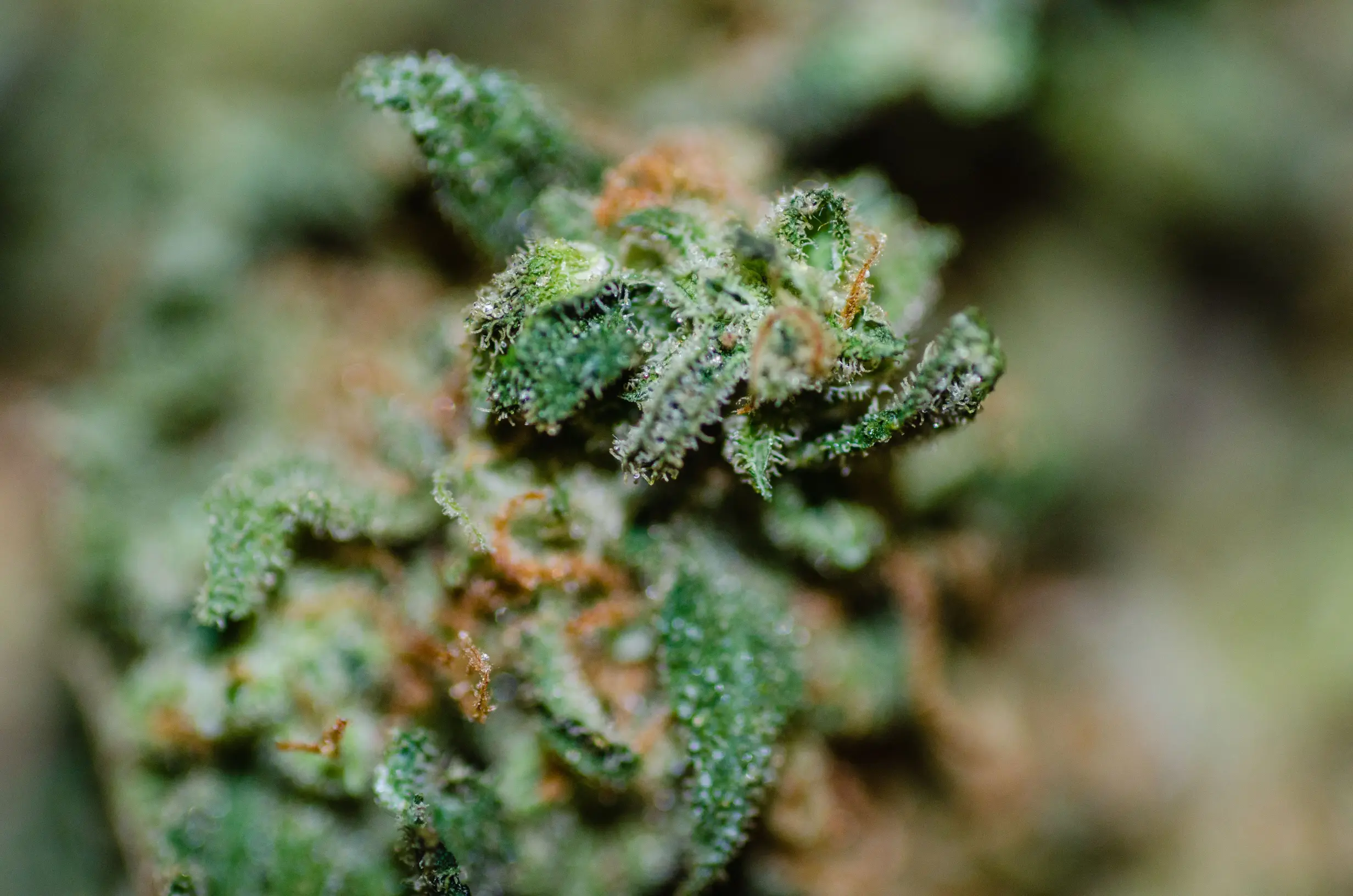
Meat Breath Strain: Complete Cultivar & Grow Guide
In the expansive and increasingly homogenized landscape of modern boutique cannabis, where confectionary candy fruit and sugary dessert profiles dominate commercial dispensary shelves, Meat Breath stands as a fiercely independent, unapologetically polarizing masterwork of savory breeding. Originally developed by the legendary underground breeder ThugPug Genetics (Gromega), Meat Breath is the sublime result of pairing an elite, intensely funky phenotype of Meatloaf with ThugPug’s cornerstone stud, Mendo Breath F2. Rather than catering to conventional sweet-toothed expectations, this cultivar produces an unmistakable aromatic profile characterized by cured deli meats, dry-aged charcuterie, crushed black peppercorns, roasted garlic cloves, fermented sourdough yeast, damp loamy earth, and lingering chemical hydrocarbon fuel, all delicately underlaid by an elusive whisper of sweet vanilla pastry cream.
Agronomically, Meat Breath is an intriguing study in structural density, requiring a disciplined hand and an experienced eye throughout both vegetative growth and generative bloom. The cultivar typically exhibits a compact-to-medium indica-dominant architecture, developing thick, fibrous, woody stalks, compact internodal spacing, and broad, dark forest-green fan leaves that can transition toward deep royal purple, eggplant, and charcoal-slate hues as night temperatures drop late in flowering. Its flowers develop into rock-hard, chunky, boulder-like calyx clusters coated in a remarkably dense, granular blanket of capitate-stalked glandular trichomes. The sheer resin production on Meat Breath makes it a darling among solventless hash artisans, producing exceptionally greasy, terpene-rich bubble hash and live rosin that carry its savory, umami-forward essence straight through the extraction process.
However, cultivating Meat Breath presents a unique set of horticultural challenges that separate novice growers from seasoned craft artisans. Because of its extraordinarily dense flower structure, close internodal stacking, and broad, light-blocking foliage, the cultivar creates localized microclimates that are highly susceptible to botrytis cinerea (bud rot) and powdery mildew if canopy management and airflow are neglected. Furthermore, its natural, genetically programmed aroma presents an intriguing diagnostic puzzle: the cultivar naturally exudes notes of damp forest earth, musk, fermentation, and sharp sulfur, which can easily trick an inattentive grower into overlooking the earliest warning signs of stagnant moisture, anaerobic root-zone decay, or internal cola necrosis. This master guide delivers an exhaustive technical breakdown of Meat Breath, covering its lineage, volatile chemical makeup, clinical therapeutic potential, indoor and outdoor grow parameters, canopy pruning strategies, and slow post-harvest curing protocols.
Strain Features
| Feature | Details |
|---|---|
| Strain Type | Indica-dominant hybrid (approximately 70% Indica / 30% Sativa) |
| Genetic Lineage | Meatloaf x Mendo Breath F2 (bred by ThugPug Genetics) |
| THC Potency Range | 24% to 29% total THC in optimized indoor environments |
| CBD Content | Generally low (0.05% to 0.2%), trace secondary cannabinoids (CBG 1.2% to 1.8%, CBC 0.3%) |
| Dominant Terpenes | Beta-Caryophyllene, D-Limonene, Beta-Myrcene, Alpha-Humulene, Linalool, plus volatile sulfur compounds (VSCs) |
| Aromatic Profile | Cured deli meat, black pepper, roasted garlic, fermented dough, damp forest humus, diesel fuel, vanilla cream |
| Flavor Profile | Savory umami, cracked pepper, garlic oil, leather, charred wood, earthy hash, subtle sweet dough exhale |
| Onset & Effect Character | Immediate frontal pressure and cerebral stillness transitioning into heavy somatic couch-lock and profound muscle ease |
| Flowering Time | 8 to 9 weeks (56 to 63 days) indoors; early to mid-October outdoors in Northern latitudes |
| Stretch Factor | Low to moderate (1.4x to 1.7x height increase following the 12/12 light flip) |
| Plant Architecture | Compact to medium frame, thick woody lateral stems, short internodal gaps, broad fan foliage |
| Bud Structure | Extremely dense, golf-ball to fist-sized chunky clusters, dark purple to charcoal hues, heavy glandular trichome coat |
| Aroma Intensity | Overwhelmingly pungent; requires commercial-grade carbon filtration and negative room pressure |
| Fertigation Preference | Prefers moderate electrical conductivity (1.8 to 2.2 EC in peak bloom); sensitive to excessive nitrogen late in flower |
| Root Zone Preference | High aeration with defined wet-to-dry dryback cycles; sensitive to overwatering in compact root zones |
| Mold & Pest Resistance | Moderate pest resistance; elevated susceptibility to internal botrytis due to dense calyx clusters and tight nodes |
| Horticultural Difficulty | Intermediate to advanced; demands meticulous canopy thinning, lower defoliation, and disciplined microclimate control |
| Optimal Consumption Timing | Evening, late night, or quiet recovery periods; not suited for high-focus daytime tasks |
The botanical and physical traits of Meat Breath reflect its heavily indica-leaning heritage and meticulous selection by ThugPug Genetics. Unlike modern dessert lines that prioritize bright anthocyanin coloration at the expense of floral density, Meat Breath offers both: an extraordinary, almost crystalline frost that covers midnight-purple, forest-green, and slate-gray calyxes, alongside an exceptionally heavy, rock-solid bud density. The flowers form dense, knobby clusters that retain significant heft after drying, giving them outstanding bag appeal and commanding presence in any premium craft collection.
In the vegetative room, Meat Breath grows with deliberate, stocky vigor. Its thick stems and dense branching create a naturally bushy habit that can quickly become impenetrable to light and air if left untrained. Rather than shooting rapidly toward the lights with prolonged sativa stretch, Meat Breath channels its photosynthetic energy into building thick, fibrous cell walls and developing extensive lateral branch junctions. This structural rigidity allows the plant to support heavy floral mass late in bloom, although thoughtful trellis support remains critical to prevent branches from bending outward under the sheer weight of its resin-saturated tops.
The chemical profile of Meat Breath is equally formidable. While its total cannabinoid content routinely tests between 25% and 29% THC, its subjective intensity is greatly amplified by its complex terpene and volatile sulfur compound (VSC) profile. The interaction between high concentrations of beta-caryophyllene, alpha-humulene, and myrcene creates a profound entourage effect that delivers deep somatic relaxation, heavy physical sedation, and comprehensive mental decompression. For cultivators and consumers alike, Meat Breath represents the ultimate expression of the savory, umami side of cannabis.
Genetic Lineage
To fully appreciate the singular aroma, growth mechanics, and psychoactive potency of Meat Breath, one must examine its storied pedigree. Bred by the enigmatic Gromega of ThugPug Genetics, Meat Breath represents a deliberate collision between two heavy-hitting, resin-drenched families: Meatloaf and Mendo Breath F2. This genetic cross brought together old-school chem-funk, deep earthy hashiness, and modern California cookie-pastry genetics into a unified, exceptionally stable hybrid that reshaped modern expectations of cannabis flavor.
The maternal parent, Meatloaf, is an elusive clone-only cultivar steeped in underground folklore. Believed to derive from an elite phenotype of Space Queen crossed with a chem-leaning or hash plant hybrid, Meatloaf earned its vivid moniker through its unapologetic savory funk. Cultivators who worked with the original Meatloaf cut reported aromas of cured meats, roast beef, garlic, sulfur, damp cellar floor, and caustic industrial fuel. Agronomically, Meatloaf contributed exceptional calyx density, thick structural branching, and heavy resin output. It is this maternal lineage that supplies Meat Breath with its dominant umami identity, moving the aroma far beyond typical herbal earthiness into a realm of savory, almost culinary pungency.
The paternal contributor, ThugPug’s prized Mendo Breath F2 stud, is itself one of the most influential breeding lines of the past decade. Created by crossing OG Kush Breath (OGKB, an elite, slow-growing, heavily mutated descendant of Girl Scout Cookies) with Mendo Montage (Mendocino Purps crossed with Crystal Locomotive), Mendo Breath F2 is famous for injecting rock-hard floral density, deep purple and violet anthocyanin coloration, sweet vanilla pastry dough, and tranquilizing physical potency into its progeny. In the Meat Breath pairing, the Mendo Breath father acted as an essential softening agent: it took the raw, abrasive, chemical-savory funk of Meatloaf and wrapped it in a layer of velvety sweetness, roasted nuts, and creamy vanilla pastry dough, while simultaneously cementing the hybrid’s compact structure and frosted visual appeal.
When these two parent lines coalesced, the resulting Meat Breath progeny exhibited remarkable phenotypic consistency within a well-defined aromatic spectrum. While some phenotypes lean slightly more toward the sweet pastry and purple dough of Mendo Breath, and others lean aggressively into the rotten meat, garlic, and gas of Meatloaf, nearly all selections share the same signature contrast: an initial wave of sharp, savory umami backed by a subtle, luxurious bakery finish. Understanding this dual heritage is essential for cultivators, as managing the vegetative density of the Mendo Breath side while navigating the pungent, moisture-trapping floral architecture of Meatloaf requires specific, disciplined horticultural intervention.
Phenotypic Selection in Meat Breath Seeds
When hunting through a regular seed pack of Meat Breath, cultivators should evaluate candidate keeper cuts across four distinct criteria rather than selecting solely for the loudest plant in vegetative growth. A keeper phenotype must display: (1) strong stem rubs exhibiting clear savory meat and roasted garlic notes in mid-veg; (2) moderate internodal spacing that allows adequate airflow through the lower canopy; (3) uniform, bulbous calyx swelling by day 50 of bloom; and (4) an aromatic profile that maintains its sweet vanilla cream and bakery undertones after a full 14-day slow dry. Phenotypes that display purely abrasive sulfur notes without the stabilizing sweetness of Mendo Breath often cure into one-dimensional, harsh-smoking flower.
Effect Breakdown
Meat Breath delivers an experience that is as distinctive and multifaceted as its aromatic profile. Far from being a simple, blunt-force sedative that immediately knocks the user unconscious, the high develops in distinct, predictable waves that reflect both the mental sharpness of its chem-leaning heritage and the overwhelming somatic heaviness of its indica genetics. Understanding this progression allows consumers and medical patients to optimize their dosing schedule and create an ideal setting for consumption.
The initial onset arrives with surprising speed, typically manifesting within two to five minutes after the first inhalation. Rather than a burst of energetic, racy euphoria, Meat Breath announces itself through a pronounced physical sensation behind the eyes, across the temples, and down the bridge of the nose. Users frequently describe this phase as a sudden quietude of the mind, as if internal mental chatter and environmental noise have been turned down with a precision fader. Sensory perception becomes heightened yet calm: colors appear richer, music takes on spatial depth, and repetitive racing thoughts dissipate into tranquil mental stillness. This initial cerebral window is introspective and deeply serene, providing profound emotional detachment from daily stress without inducing immediate grogginess.
As the session progresses past the twenty-minute mark, the hybrid’s Mendo Breath and indica-dominant genetics begin their powerful somatic descent. A warming, weighted sensation spreads outward from the core of the chest, traveling down the spine, across the shoulders, and into the major limbs. Muscle fibers that have been clenched from postural fatigue, occupational physical labor, or chronic anxiety release their tension involuntarily. The desire to engage in physically demanding or cognitively complex tasks evaporates, replaced by an overwhelming sense of physical comfort and total contentment. At moderate doses, users remain pleasantly awake, reclined in deep relaxation while enjoying movies, extended musical listening sessions, or quiet contemplative reading.
In the final phase of the Meat Breath experience, typically occurring between ninety minutes and two hours after ingestion, the cultivar’s sedative nature becomes undeniable. The heavy physical stone transitions into a state of profound drowsiness, making eyelids feel weighted and limbs pleasantly immovable. For individuals seeking restorative sleep, this stage offers a natural, seamless bridge into deep slumber without the restless mental toss-and-turn common in lighter hybrids. The following morning is typically characterized by relaxed muscular ease, though very high doses consumed late in the evening can leave low-tolerance users feeling slightly foggy during early morning hours.
Potency Advisory and Sensory Caution
Due to total THC levels frequently exceeding 26% and an exceptionally potent concentration of sedating sesquiterpenes (caryophyllene and humulene), Meat Breath is strictly an evening or nighttime cultivar. Inexperienced consumers or individuals sensitive to heavy body loads should begin with a single, measured inhalation. Overconsumption can precipitate temporary postural dizziness, severe dry mouth, transient auditory sensitivity, and profound couch-lock that can persist for several hours. Ensure all demanding domestic and professional responsibilities are completed before indulging.
Flavor & Aroma Profile
The sensory journey of Meat Breath is among the most fascinating and unconventional in the entire cannabis catalog. Opening an airtight glass cure jar of properly finished Meat Breath flower produces an immediate, room-filling olfactory impact that defies standard fruit, candy, or pine categories. The initial top note is aggressively savory, conjuring vivid impressions of Italian cured meats, prosciutto, summer sausage, cracked peppercorns, and roasted garlic cloves. Beneath this cured-charcuterie front lies a deep, damp, loamy base of forest humus, wet river stone, and pungent diesel fuel. As the nose acclimates to the initial savory shock, a sophisticated secondary aromatic stratum reveals itself: sweet fermented dough, vanilla sponge cake, and warm roasted hazelnut cream, contributed directly by the Mendo Breath parentage.
Breaking or grinding the dense, frosted nuggets causes an explosive aromatic expansion. The physical rupture of the glandular trichome heads releases concentrated volatile sulfur compounds and monoterpenes, transforming the savory meat aroma into an intense chemical bouquet reminiscent of industrial degreaser, raw garlic puree, burning rubber, and ammonia-laced chem fuel. Yet, even at its most pungent and abrasive, the fragrance retains an underlying warmth and gourmet depth that connoisseurs find utterly intoxicating. The bouquet feels greasy, oily, and heavy, hanging in the ambient air for hours after the jar has been sealed.
Upon inhalation through clean glass or a calibrated dry herb vaporizer, the flavor profile demonstrates remarkable smoothness and elegance that surprises many first-time consumers who anticipated a harsh, acrid smoke. At lower vaporization temperatures (350°F to 370°F), the sweet dough and vanilla pastry notes of Mendo Breath coat the palate first, delivering a creamy, velvety mouthfeel. As the vapor warms, the mid-palate is overtaken by rich umami: roasted garlic, black peppercorn, and aged leather. The exhale leaves a profound, savory coating that lingers on the tongue and back of the throat for several minutes, reminiscent of charred beef crust, toasted brioche, and petroleum diesel fuel.
Combustion in an unbleached rice paper joint offers a classic craft experience. The joint burns with an impeccably white, fluffy ash and creates a thick, oily resin ring immediately behind the burning cherry, indicating thorough flushing and a high concentration of intact glandular lipids. The smoke is dense and satisfying, carrying substantial physical weight on the throat without triggering harsh coughing spasms, provided the crop was dried slowly at 60°F and cured for a minimum of four weeks in airtight glass.
Dominant Terpenes
While the overall sensory experience of Meat Breath is heavily shaped by specialized volatile sulfur compounds (VSCs), its fundamental chemical architecture is anchored by a potent, synergistic ensemble of monoterpenes and sesquiterpenes. Standard laboratory gas chromatography profiles reveal that Meat Breath typically contains between 2.2% and 3.8% total terpene content by dry weight, placing it in the upper echelon of aromatic potency. The precise balance of these aromatic compounds dictates not only its savory bouquet but also its tranquilizing therapeutic efficacy.
| Terpene Compound | Chemical Class | Concentration Range | Aromatic Descriptor | Horticultural & Physiological Function |
|---|---|---|---|---|
| Beta-Caryophyllene | Bicyclic Sesquiterpene | 0.85% to 1.45% | Cracked black pepper, dry wood, clove spice, savory charcuterie | Acts as a selective functional CB2 receptor agonist; provides somatic anti-inflammatory and analgesic support |
| D-Limonene | Monocyclic Monoterpene | 0.45% to 0.85% | Sharp citrus lift, cleaner gas, bright solvent, chemical fuel | Enhances dermal and mucosal cannabinoid permeability; elevates mood and tempers heavy somatic sedation |
| Beta-Myrcene | Acyclic Monoterpene | 0.35% to 0.75% | Damp earth, loamy soil, musk, bruised tropical fruit, clove | Increases blood-brain barrier permeability for THC; promotes deep musculoskeletal relaxation and sedation |
| Alpha-Humulene | Monocyclic Sesquiterpene | 0.25% to 0.50% | Noble hops, woody dryness, crushed herbs, roasted bitterness | Works synergistically with caryophyllene as an anti-inflammatory; acts as a natural appetite moderator |
| Linalool | Acyclic Monoterpenol | 0.15% to 0.35% | Floral lavender, sweet cream, vanilla pastry, powdery spice | Modulates GABAergic neurotransmission; delivers tranquilizing anxiolytic and sleep-inducing support |
| Alpha-Pinene | Bicyclic Monoterpene | 0.08% to 0.20% | Crisp pine needle, resinous wood, rosemary, herbal clarity | Provides acetylcholinesterase inhibition to buffer short-term memory fatigue and maintain mental focus |
| Volatile Sulfur Compounds (VSCs) | Organosulfur Trace Compounds | 0.01% to 0.05% | Raw garlic, chives, pastrami, skunk cabbage, pungent umami | Primary chemical driver of the signature savory, meat-like, and allium-forward character of the cultivar |
Beta-caryophyllene represents the primary structural terpene in Meat Breath, frequently accounting for nearly forty percent of the total terpene fraction. Because caryophyllene is a large, heat-stable bicyclic sesquiterpene, it survives the post-harvest drying and curing process far more effectively than delicate monoterpenes. Caryophyllene is structurally unique in the botanical world because it binds directly to human CB2 cannabinoid receptors in peripheral tissues, acting as a potent non-intoxicating anti-inflammatory agent. In Meat Breath, caryophyllene supplies the sharp, mouth-filling black pepper and toasted wood notes that ground its savory profile.
The interplay between D-limonene and beta-myrcene provides essential aromatic contrast and dictates the trajectory of the high. While limonene provides a sharp, solvent-like chemical lift that prevents the heavy umami profile from feeling sluggish or dull, myrcene deepens the damp, loamy earthiness and amplifies somatic sedation. Meanwhile, alpha-humulene reinforces caryophyllene’s woody, herbal dryness, and linalool introduces the subtle, luxurious cream and floral vanilla undertones that emerge after four weeks of glass curing. The presence of prenylated volatile sulfur compounds (such as 3-methyl-2-butene-1-thiol and related thiol derivatives) provides the decisive culinary spark, transforming what would otherwise be a standard peppery-kush profile into an unmistakable, cured-deli masterpiece.
Indoor vs Outdoor Growing
Successfully cultivating Meat Breath requires aligning the plant’s unique botanical morphology with the specific capabilities and environmental controls of your growing environment. Because Meat Breath produces exceptionally dense, rock-hard calyx clusters, compact internodal spacing, and heavy, moisture-trapping foliage, environmental discipline is paramount regardless of whether you choose an indoor tent, commercial warehouse, or outdoor garden plot.
| Horticultural Factor | Indoor Cultivation | Outdoor Cultivation |
|---|---|---|
| Canopy Height & Footprint | Compact to medium (3.5 to 5.0 feet indoors); exceptional spatial efficiency in tents and tiered vertical racks | Broad, bushy, and sprawling (5.0 to 7.5 feet outdoors); expands aggressively with unrestricted root volume |
| Vegetative Duration | 3 to 5 weeks from rooted cutting; responds well to early single topping and low-stress lateral training | 6 to 9 weeks; requires early topping and aggressive center pruning to build an open, goblet-style framework |
| Flowering Period | 56 to 63 days (8 to 9 weeks) under an exact 12/12 photoperiod schedule | Early to mid-October in Northern latitudes; requires dry, frost-free autumn weather |
| Environmental Control Demand | High; strict dehumidification (40% to 45% RH in late bloom) and vigorous oscillating airflow are essential | High; requires dry, arid late-season conditions; highly vulnerable to prolonged autumn rains and heavy morning dew |
| Odor Management & Security | Extreme; requires high-capacity virgin activated carbon filters and continuous negative static pressure | Extreme; pungent savory meat and diesel fumes carry immense distances on autumn breezes; requires complete privacy |
| Yield Potential | 425 to 525 grams per square meter (1.4 to 1.7 lbs per light) under calibrated commercial lighting | 600 to 900 grams per plant in large living soil containers or amended outdoor beds |
| Pest & Pathogen Vulnerability | Low pest susceptibility; moderate risk of powdery mildew if interior lower canopy airflow stagnates | Elevated botrytis (bud rot) risk in dense main colas during late-season rain events; requires hoop house protection |
| Resin & Terpene Quality | Exceptional terpene preservation, pristine trichome heads, and vivid midnight-purple calyx contrast | Deep, earthy, leathery profile with heavy resin production, though heat can degrade delicate bakery monoterpenes |
Indoors, Meat Breath is an exemplary performer for cultivators who value bud density, resin quality, and vertical control over raw vegetative stretch. In a controlled indoor environment, the grower maintains total sovereignty over temperature, relative humidity, vapor pressure deficit (VPD), and airflow velocity. This degree of control is critical during the final three weeks of bloom, when Meat Breath’s golf-ball calyxes swell into rock-hard formations that can harbor trapped moisture at their interior stems. By driving relative humidity down to 42% and keeping multiple oscillating fans directed both above and below the canopy, indoor artisans can push floral swelling to its genetic limit without courting catastrophic mold outbreaks.
Outdoor cultivation of Meat Breath can yield breathtaking, deeply colored specimens, but it demands an arid, Mediterranean, or high-desert climate with dry, sunny autumn conditions. In regions characterized by humid late-summer thunderstorms, autumn rains, or heavy morning condensation (such as the Pacific Northwest, Midwest, or Northeast), outdoor cultivation of Meat Breath in open ground carries substantial risk. Because its colas are so dense and naturally display dark purple and charcoal coloration, internal mold infections can easily establish themselves deep within the flower cluster and remain completely invisible from the outside until substantial damage has occurred. Cultivators in northern or humid zones attempting an outdoor run should utilize high-ventilation hoop houses or clear-roofed rain shelters equipped with high-volume industrial circulation fans to protect the swelling colas from direct precipitation.
Strain-Specific Grow Guidance
Mastering the cultivation of Meat Breath requires moving beyond generic cannabis feeding charts and adopting a regimen tailored to its specific botanical habits. Because Meat Breath combines the compact internodes of Mendo Breath with the dense, nitrogen-sensitive floral architecture of Meatloaf, the cultivar rewards thoughtful, balanced horticultural stewardship at every developmental phase.
Photoperiod Transition and Stretch Management: When transitioned from an 18/6 vegetative cycle to a 12/12 flowering regime, Meat Breath exhibits a modest, controlled stretch, typically gaining between 40% and 70% in total height over the first twenty-one days. Unlike lanky sativa-dominant cultivars that double or triple in vertical stature, Meat Breath channels its initial flowering energy into stacking tightly clustered flowering sites along thick lateral branches. Cultivators should top the plant once or twice during the fourth week of vegetative growth, gently pulling the primary lateral branches outward using soft plant ties or a single layer of trellis netting. The goal is to create a broad, open bowl-shaped canopy that exposes all primary tops to uniform light intensity while preventing the center of the plant from becoming overcrowded.
Strategic Canopy Defoliation Protocols: Due to its broad, dinner-plate fan leaves and short internodal spacing, Meat Breath can quickly form an impenetrable vegetative mat that blocks light penetration and severely restricts microclimate airflow through the lower half of the canopy. Implement a disciplined, two-stage defoliation protocol:
- Day 21 of Flower (Post-Stretch Defoliation): Once vertical stretch concludes, thoroughly strip the lower 30% of the plant (lollipoping), removing all underdeveloped inner suckers, spindly shoots, and inward-facing fan leaves that receive less than 400 umol/m2/s of light. This directs photosynthetic energy exclusively into the upper canopy sites and establishes unobstructed horizontal airflow beneath the floral canopy.
- Day 42 of Flower (Mid-Bloom Microclimate Thinning): Conduct a second, surgical thinning pass. Remove large, broad fan leaves that directly cast heavy shade over swelling lower bud sites, as well as any leaves whose petiole surfaces press tightly against dense calyx clusters. Opening small inspection channels allows the grower to visually inspect the interior stems of primary colas during the final weeks of maturation.
Fertigation, Electrical Conductivity, and Nutrient Balancing: Meat Breath performs best under a steady, moderate fertigation regime rather than high-salinity aggressive force-feeding. In inert soilless substrates (coco coir or rockwool), target an electrical conductivity (EC) of 1.4 to 1.6 mS/cm during vegetative growth, stepping up to 1.8 to 2.2 mS/cm during peak floral bulking in weeks four through six. Maintain a root-zone pH between 5.8 and 6.2 in hydro/coco, or 6.3 to 6.7 in living organic soil.
The most critical nutritional caution with Meat Breath involves nitrogen management. Because the cultivar naturally expresses deep forest-green foliage and carries heavy indica genetics, it accumulates nitrogen rapidly in leaf tissues. Continuing to supply high nitrogen concentrations into mid-bloom causes immediate leaf clawing, excessive vegetative leaf production within the floral clusters, and a harsh, acrid mineral taste in the cured flower. At the onset of week four of bloom, taper elemental nitrogen down significantly while increasing potassium, phosphorus, calcium, and magnesium. Incorporating soluble silica throughout vegetative and early bloom strengthens stem vascular walls, helping branches bear heavy floral loads without snapping.
Environmental VPD and Microclimate Parameters: Maintaining a precise vapor pressure deficit (VPD) is the single most effective tool for preventing fungal pathogens while driving optimal nutrient transport in Meat Breath:
- Early Bloom (Weeks 1 to 3): Daytime temperatures of 76°F to 80°F, nighttime temperatures of 68°F to 72°F, relative humidity of 58% to 62%, maintaining a target VPD of 1.0 to 1.2 kPa.
- Peak Bloom (Weeks 4 to 6): Daytime temperatures of 74°F to 78°F, nighttime temperatures of 66°F to 70°F, relative humidity of 48% to 52%, driving a target VPD of 1.2 to 1.4 kPa.
- Late Bloom & Ripening (Weeks 7 to 9): Daytime temperatures of 70°F to 74°F, nighttime temperatures of 62°F to 66°F, relative humidity of 40% to 44%, pushing a target VPD of 1.4 to 1.6 kPa. Dropping nighttime temperatures by 8°F to 12°F during the final ten days stimulates rich anthocyanin expression without slowing plant metabolism.
Grower Question: How can I tell whether Meat Breath’s pungent damp earth and savory smell is normal genetics or the start of internal bud rot?
This is the quintessential Meat Breath dilemma. Because the cultivar naturally exudes aromas of cured meat, wet loamy earth, garlic, and fermented sulfur, inexperienced growers often panic, mistaking its genetic funk for fungal spoilage. The key diagnostic distinction lies in uniformity, localization, and physical tactile inspection. Genetic Meat Breath funk is uniform, clean, oily, and distributed evenly across every flower on the plant. By contrast, botrytis (bud rot) produces a localized, distinctly stale, swampy, or flat cellar odor concentrated around a single specific cola. Furthermore, healthy Meat Breath flowers remain rock-hard, firm, and resilient to gentle thumb pressure, whereas a bud suffering from internal rot will feel abnormally soft, spongy, or damp near the central stalk. If a single sugar leaf on a primary cola turns pale brown, wilts prematurely, and pulls free from the bud with zero resistance, gently spread that cola open under bright white inspection light to inspect the central stem immediately.
Weedth Bud Flavor Tips
Preserving the delicate balance between Meat Breath’s aggressive savory umami and its subtle vanilla pastry dough requires obsessive attention during the post-harvest phase. The compounds that make Meat Breath unique, specifically its volatile sulfur fractions, monoterpenes, and delicate esters, are highly sensitive to thermal degradation, rapid moisture loss, and oxidative stress.
Harvest Timing and Trichome Coloration: Do not harvest Meat Breath based solely on calendar days or external pistil browning. Examine the glandular trichomes on the calyx structures located in the middle tier of the primary colas using a 60x lighted jeweler’s loupe or digital microscope. The ideal connoisseur harvest window occurs when roughly 80% to 85% of the trichome heads have transitioned from clear to fully milky opaque, with approximately 10% to 15% turning a rich amber hue. Harvesting earlier (when trichomes are predominantly clear) results in a harsh, acrid pepper profile that lacks bakery depth, while letting the crop go too late (exceeding 25% amber) degrades the bright limonene and sweet vanilla esters, leaving a dull, overly sedating, and muddy earth flavor.
Whole-Plant Hanging and Slow Drying: When taking down your crop, avoid wet-trimming individual flowers on mechanical machines. Wet-trimming ruptures living plant cells, releasing bitter chlorophyll into the drying flowers and causing rapid, uneven surface evaporation that traps moisture inside the dense core. Instead, cut the plant at the main base and hang whole plants upside down in a dedicated, light-tight drying room maintained at an uncompromising 60°F (15.5°C) and 60% relative humidity. Maintain gentle, indirect air circulation in the room using oscillating fans pointed at the floor or walls, ensuring that moving air never blows directly across hanging branches. Under these precise parameters, the drying cycle should take between 12 and 16 days. The crop is ready for manicuring when smaller side branches snap cleanly with an audible crack rather than merely bending.
Disciplined Glass Curing Protocol: Once dried, carefully hand-trim the colas, taking care to handle the buds only by their stems to avoid crushing the resin heads. Pack the manicured flowers loosely into food-grade, airtight glass jars, filling each jar to approximately 75% capacity to leave an adequate air pocket. Store the jars in a dark room kept at 62°F to 65°F. During the first two weeks, burp each jar daily for five to ten minutes to vent accumulated carbon dioxide and moisture rebound. By week three, burping can be reduced to twice weekly. Meat Breath undergoes a dramatic chemical transformation during curing: the abrasive, raw ammonia and sharp pepper notes present on day one mellow gracefully, allowing the sweet roasted dough, vanilla cream, and rich savory charcuterie to fuse into a seamless, luxurious gourmet experience.
Weedth Bud Boost Tips
For commercial operators and craft home growers seeking to maximize the yield, resin head density, and aesthetic bag appeal of Meat Breath, integrating proven horticultural optimization techniques can unlock the cultivar’s true genetic ceiling.
High PPFD and Atmospheric Carbon Dioxide Enrichment: Meat Breath possesses a robust, indica-dominant photosynthetic engine that responds enthusiastically to high light intensity, provided sufficient atmospheric carbon dioxide (CO2) is supplied. Under modern high-efficiency broad-spectrum LED lighting fixtures, scale photosynthetic photon flux density (PPFD) progressively:
- Vegetative Growth: 450 to 650 umol/m2/s at ambient CO2 (400 to 450 ppm).
- Early Bloom (Weeks 1 to 3): 700 to 850 umol/m2/s at 800 to 1,000 ppm CO2.
- Peak Bloom (Weeks 4 to 6): 950 to 1,150 umol/m2/s with CO2 enriched to 1,200 to 1,400 ppm.
- Late Bloom (Weeks 7 to 8): Taper light intensity back to 750 to 850 umol/m2/s and return CO2 to ambient levels. This prevents thermal stress on top-tier calyxes and preserves delicate terpenes while allowing trichomes to finish ripening.
Substrate Aeration and Precision Drybacks: Because Meat Breath forms a dense, compact root ball that is highly sensitive to hypoxic (low oxygen) conditions, ensure your growing medium contains at least 30% to 35% coarse perlite, pumice, or expanded clay pebbles when growing in soilless peat or coco coir blends. Implement crop steering through structured irrigation drybacks: allow substrate volumetric water content (VWC) to dry back by 45% to 55% overnight during the vegetative and generative stretch phases to encourage explosive root branching and short internodes. During peak floral bulking in weeks four through six, shorten drybacks to 25% to 30% through multiple small irrigation shots during the light cycle to sustain steady nutrient delivery to swelling calyxes.
Double Trellis Architecture and Calyx Spacing: Meat Breath’s thick, fibrous lateral branches create heavy, dense floral clusters that can easily clump together into a solid mass if unsupported. Install a two-tier modular trellis netting system: position the first net roughly 10 inches above the container rim to spread lateral shoots horizontally during late veg, and install a second net 14 inches above the first to support heavy floral colas during weeks five through eight. Spacing the primary colas at least four to six inches apart prevents adjacent flowers from touching, eliminating localized humidity pockets and allowing light to penetrate deeply into mid-tier bud sites.
Medical Uses & Benefits
While recreational connoisseurs seek out Meat Breath for its astonishing savory flavor profile, registered medical cannabis patients across numerous legal jurisdictions rely on this cultivar for its profound, body-centric therapeutic efficacy. The hybrid’s unique phytochemical fingerprint, marked by potent concentrations of THC, beta-caryophyllene, alpha-humulene, and myrcene, provides targeted relief for a variety of challenging chronic symptoms.
Chronic Musculoskeletal Pain and Inflammatory Conditions: Meat Breath is particularly celebrated among patients managing chronic physical pain, including lower back spasms, sciatica, arthritis, degenerative disc disease, and fibromyalgia. The primary therapeutic driver is beta-caryophyllene, which binds selectively to peripheral CB2 cannabinoid receptors to downregulate pro-inflammatory cytokines and ease muscular contractions. Concurrently, high levels of delta-9-THC interact with central nervous system CB1 receptors, altering the neurological perception of pain signals and providing meaningful relief for patients suffering from persistent discomfort.
Severe Stress, Anxiety, and Nervous Tension: For individuals grappling with high-stress occupational exhaustion, generalized anxiety, or post-traumatic stress symptoms, Meat Breath acts as a rapid neurological reset button. Its initial cerebral onset induces an immediate sensation of mental stillness, quieting persistent intrusive thoughts and reducing the emotional urgency of psychological stressors. The presence of linalool and limonene modulates GABAergic and serotonergic pathways in the brain, fostering a tranquil emotional equilibrium that allows patients to disconnect from chronic mental fatigue.
Insomnia and Sleep Architecture Disruption: Sleep disorders represent one of the primary medical indications for Meat Breath. As the initial mental calm gives way to the cultivar’s heavy somatic stone, patients experience profound physical drowsiness that facilitates rapid sleep onset. Furthermore, clinical cannabis literature indicates that indica-dominant cultivars rich in myrcene and humulene help prolong stage 3 slow-wave (deep) sleep, reducing nighttime awakenings and allowing patients to wake up feeling physically restored, provided the dosage was appropriately calibrated.
Appetite Stimulation and Digestive Comfort: While alpha-humulene can act as an appetite suppressant in specific chemical contexts, the overwhelming physical relaxation and cannabinoid density of Meat Breath frequently triggers robust appetite stimulation in patients experiencing nausea, gastrointestinal discomfort, or treatment-induced loss of appetite. By easing stomach cramping and stimulating ghrelin production, Meat Breath helps restore healthy eating habits in individuals undergoing challenging medical therapies.
Ideal User Profile
Given its unconventional aroma, immense physical potency, and distinct growth habits, Meat Breath is not an all-purpose cultivar designed for every consumer or grower. It caters to specific preferences and experience levels:
The Savory Connoisseur: If your palate has grown fatigued by the relentless stream of generic candy-sweet, berry, and citrus strains dominating dispensary shelves, Meat Breath offers an intoxicating breath of fresh air. Consumers who revere old-school chem funk, GMO, Donny Burger, and earthy hash cultivars will find Meat Breath to be an essential crown jewel in their personal collection.
The Evening Relaxation Enthusiast: Meat Breath is designed specifically for post-work decompression, quiet weekend evenings, and late-night contemplation. If your ideal session involves sinking into a comfortable armchair with a high-fidelity record, streaming an engaging film, or winding down before restorative sleep, this cultivar delivers unmatched somatic tranquility.
The Intermediate to Advanced Cultivator: While Meat Breath is structurally sturdy and manageable in height, its dense floral architecture and unique aromatic profile make it better suited to growers who have already mastered foundational environmental control. Cultivators who understand canopy defoliation, VPD tracking, and slow post-harvest curing will achieve astonishing, connoisseur-grade results that showcase the strain’s full genetic majesty.
Who Should Look Elsewhere: Daytime wake-and-bake enthusiasts, individuals seeking a high-energy creative spark for outdoor athletics, and novice consumers with low cannabinoid tolerance should approach Meat Breath with extreme caution. Its tranquilizing somatic heaviness will quickly derail demanding schedules, and its intense savory bouquet can be overwhelming for individuals who prefer light, floral, or sweet profiles.
Grower Notes and Feedback
Aggregated feedback from commercial cultivators and elite craft growers who have run Meat Breath across multiple harvest cycles reveals consistent operational patterns, structural strengths, and common horticultural pitfalls:
Exceptional Structural Rigidity and Calyx Hardness: Growers universally praise Meat Breath for its thick, woody stalks and sturdy branch junctions. Unlike floppy sativa-leaning cultivars that collapse under their own weight, Meat Breath holds its frame with remarkable structural integrity. When cured properly, the dried flowers exhibit an almost petrified, rock-hard density that yields exceptional jar weight and visual shelf appeal.
Aggressive Vegetative Bushiness Requires Proactive Training: A recurring operational note is the cultivar’s tendency to produce dense, compact clusters of inward-facing shoots during vegetative growth. Growers who neglect early low-stress training and lateral branch spreading find themselves facing an overcrowded canopy by week three of bloom. Experienced cultivators recommend topping early and aggressively clearing out the center of the plant to create an open framework before initiating the 12/12 photoperiod.
Extreme Odor Control Demands: Cultivators consistently emphasize the overwhelming intensity of Meat Breath’s aroma during the final three weeks of flowering and the initial week of drying. Standard residential carbon filters that handle fruity or sweet strains often struggle to completely scrub the heavy savory sulfur, garlic, and ammonia fumes produced by Meat Breath. Commercial operations recommend utilizing dual virgin carbon filters in series and maintaining strict negative pressure in all cultivation and drying spaces.
Phenotypic Coloration and Diagnostic Vigilance: While cultivators celebrate the cultivar’s stunning purple, violet, and charcoal coloration, seasoned growers warn that deep anthocyanin pigmentation can make early mold detection more difficult. In green cultivars, a dying leaf or infected calyx turns pale brown and stands out vividly against the green backdrop; in dark purple Meat Breath, necrotic tissue blends seamlessly into the dark background. Growers emphasize the necessity of physically opening and inspecting the largest colas under bright white lighting rather than relying on quick casual glances.
Weedth Editor’s Note
When I ran this cut in my 4×4 tent under a 600W MH for vegetative growth and switched over to the 1000W HPS for flower, my Great Lakes basement setup was tested to its absolute limit. In our northern climate, late-autumn humidity swings in an unfinished basement can turn an otherwise routine run into a horticultural tightrope walk. By week six of bloom, the canopy was an absolute fortress of midnight-purple and charcoal-dusted colas that smelled like a deli counter collided with a petroleum refinery. Every time I unzipped the tent, the aroma of cured pastrami, black pepper, and garlic was so intense that it made my eyes water.
Around day 54 of 12/12, during my daily morning inspection, I noticed something subtle that made my stomach drop. Standing in front of the tent, the overall room smelled incredible, but as I hovered directly over the back-left corner, I caught a fleeting whiff that felt different: a cool, flat, slightly stale cellar note that had no business being there. Visually, the primary top cola looked pristine, boasting rock-hard calyxes and glistening trichomes with no obvious brown patches or dying leaves. But that localized scent discrepancy refused to leave my mind.
I grabbed a pair of latex gloves and gently parted the dense calyx clusters near the central stalk of that back-left cola. There, buried deep against the main stem where the inner foliage was thickest, was a dime-sized patch of early gray botrytis starting to take hold. Because Meat Breath naturally smells like damp earth and fermented funk, it is terrifyingly easy to talk yourself into believing that an off smell is just the cultivar doing its thing. If I had ignored my nose for another forty-eight hours, that entire three-ounce cola would have been completely ruined.
I surgically excised the affected flower material right then and there, bagged it, and disposed of it outside the room. I immediately added a second oscillating fan down low to sweep beneath the canopy and recalibrated my dehumidifier to pull the late-bloom relative humidity down to an uncompromising 42%. More importantly, I installed a secondary digital hygrometer right at flower level rather than relying solely on the main controller sensor hanging near the ceiling. That secondary sensor revealed that while the upper room was reading a comfortable 48% RH, the microclimate trapped inside the dense lower cola clusters was sitting at a swampy 61% RH during lights-off. That single grow permanently transformed how I approach savory, dense cultivars: genetic funk should never be used as an excuse to ignore your grower intuition, and disciplined interior defoliation is non-negotiable.
Weedth Score
Growing Experience: 8.4 out of 10. Meat Breath is a remarkably sturdy, structurally cooperative plant that responds exceptionally well to simple topping and low-stress branch training. Its low-to-moderate stretch makes it a dream for height-restricted indoor spaces, and its thick stems support heavy flowers with minimal staking. The deduction in this category reflects the cultivar’s elevated vulnerability to internal botrytis, its demanding canopy defoliation requirements, and the diagnostic vigilance needed to differentiate healthy genetic funk from microclimate humidity issues.
Bud Structure and Visual Appeal: 9.6 out of 10. Visually, Meat Breath is an absolute showstopper that commands instant reverence. The flowers develop into rock-hard, chunky, boulder-like formations splashed with deep royal purple, charcoal slate, and emerald green, all buried beneath an avalanche of crystalline, capitate-stalked trichomes. The contrast between its dark calyxes and opaque white frost creates world-class shelf presence that rivals any modern exotic cultivar on the global market.
Aroma Complexity: 9.7 out of 10. The olfactory profile of Meat Breath represents a masterclass in savory cannabis breeding. The seamless fusion of cured deli pastrami, cracked black peppercorns, roasted garlic, fermented dough, damp forest humus, and chemical diesel, rounded off by an elusive whisper of sweet vanilla cream, places it in a league of its own. It is an unforgettable aromatic journey that challenges and delights connoisseurs who appreciate true terpene complexity.
Flavor and Smoothness: 8.9 out of 10. When dried slowly at 60°F and cured for a minimum of four weeks in glass, Meat Breath delivers a remarkably velvety, expansive smoke. The inhale presents sweet dough, roasted nuts, and vanilla cream, while the exhale saturates the palate with savory umami, black pepper, and petroleum gas. The score loses minor points only because rushed drying or excessive late-bloom nitrogen can easily cause the peppery caryophyllene fraction to become harsh and scratchy on the throat.
Effects and High Experience: 9.2 out of 10. Meat Breath provides a profoundly satisfying, multi-stage high that perfectly bridges mental calm and physical tranquilization. The initial wave of cerebral stillness and sensory enhancement offers excellent stress relief, while the subsequent somatic stone melts away physical fatigue and prepares the body for deep, restorative rest. It is a premier evening companion for seasoned consumers seeking genuine potency without racing mental turbulence.
Overall Weedth Score: 9.2 out of 10. Meat Breath is an undisputed modern classic that proves cannabis does not need to taste like candy to achieve legendary status. With its breathtaking visual bag appeal, complex savory umami profile, outstanding solventless wash potential, and heavy physical stone, it earns our highest recommendation for experienced growers and discerning connoisseurs who appreciate the art of true craft genetics.
FAQ
What is the exact genetic lineage of Meat Breath?
Meat Breath was bred by ThugPug Genetics by crossing Meatloaf (an elusive, savory chem/hash-plant hybrid renowned for cured meat and garlic aromas) with ThugPug’s flagship stud, Mendo Breath F2 (OG Kush Breath x Mendo Montage). The pairing combines intense savory umami with sweet vanilla dough and purple resin density.
Is Meat Breath an indica or a sativa dominant hybrid?
Meat Breath is an indica-dominant hybrid, typically leaning approximately 70% indica and 30% sativa. While the onset delivers a brief window of focused mental calm and sensory elevation, the experience rapidly transitions into heavy physical relaxation, muscle ease, and late-stage sedation.
How long does Meat Breath take to flower indoors?
In a controlled indoor environment under a standard 12/12 light cycle, Meat Breath finishes flowering in 56 to 63 days (8 to 9 weeks). Some specific chem-leaning phenotypes can be taken to day 65 for maximum calyx swelling and a heavier amber trichome ratio.
How much does Meat Breath stretch after flipping to 12/12?
Meat Breath exhibits a modest, low-to-moderate stretch factor of roughly 1.4x to 1.7x its vegetative height. It channels the majority of its early flowering energy into stacking tightly spaced lateral floral sites rather than shooting rapidly toward the ceiling.
Why does Meat Breath smell like cured meat and roasted garlic?
The cultivar’s signature savory aroma is driven by a unique synergy between high concentrations of beta-caryophyllene, alpha-humulene, and specialized volatile sulfur compounds (VSCs), including prenylated thiols. These organic compounds mimic the aromatic volatile profiles found in aged charcuterie, roasted garlic, and fermented foods.
Is Meat Breath prone to bud rot or powdery mildew?
Yes. Because Meat Breath produces rock-hard, tightly stacked calyx clusters with short internodal spacing, it can easily trap humidity within its interior canopy. Maintaining relative humidity between 40% and 44% in late bloom, ensuring vigorous horizontal airflow, and conducting aggressive lower canopy defoliation are essential to prevent fungal issues.
Can Meat Breath be grown successfully outdoors?
Meat Breath can thrive outdoors in warm, semi-arid Mediterranean or desert climates with dry, sunny autumn weather. However, in regions prone to late-summer rains, heavy humidity, or dense morning dew, its dense, dark colas are highly susceptible to botrytis. Outdoor cultivators in humid zones should use well-ventilated hoop houses.
What is the best nutrient program for Meat Breath?
Meat Breath thrives under a steady, moderate nutrient program (1.8 to 2.2 EC in peak bloom). Cultivators must avoid heavy nitrogen applications past week three of bloom, as the cultivar readily claws and accumulates salts, resulting in excessive interior leaf foliage and a harsh mineral smoke.
What are the primary medical uses for Meat Breath?
Medical cannabis patients commonly utilize Meat Breath for chronic musculoskeletal pain, joint inflammation, severe occupational stress, generalized anxiety, appetite loss, and chronic sleep onset insomnia.
Is Meat Breath suitable for beginning growers?
While Meat Breath has strong structural stems and manageable height, its high mold susceptibility, sensitivity to overwatering, and complex diagnostic profile make it better suited for intermediate to advanced growers who have solid control over canopy microclimates and post-harvest drying.
Similar Strains
Mendo Breath: As the paternal progenitor of Meat Breath, Mendo Breath (OGKB x Mendo Montage) shares direct genetic kinship, presenting a remarkably similar dense calyx architecture, deep purple anthocyanin coloration, and heavy somatic body melt. While Mendo Breath focuses more heavily on sweet vanilla frosting, roasted caramel, and fresh bakery dough, Meat Breath takes this foundation and injects aggressive cured-meat umami, garlic, and cracked black pepper.
GMO (Garlic Cookies): Developed by Mamiko Seeds and popularized by Skunkmasterflex, GMO (Chemdog D x Girl Scout Cookies) is the premier standard-bearer for allium-forward, savory cannabis. Both GMO and Meat Breath deliver intense garlic, sulfur, and fuel aromatics alongside profound physical sedation. However, while GMO is an extreme stretcher that requires 70 to 80 days to flower, Meat Breath finishes much faster (56 to 63 days) and maintains a far more compact, easily manageable canopy.
Donny Burger: A celebrated cross of GMO and Han-Solo Burger, Donny Burger shares Meat Breath’s uncompromising commitment to savory, umami-forward funk. Delivering a rich profile of charred beef, cheese, pungent onions, and chemical fuel, Donny Burger rivals Meat Breath in its polarizing, gourmet appeal and heavy-hitting evening couch-lock.
Garlic Breath: Another standout creation from ThugPug Genetics, Garlic Breath pairs GMO with Mendo Breath F2, sharing the identical father as Meat Breath. Garlic Breath delivers a sharper, more direct burst of raw garlic cloves, chemical fuel, and spicy pepper, whereas Meat Breath offers a more complex charcuterie and cured-deli profile balanced by sweet bakery dough.
Motorbreath: Bred by Pisces Genetics by crossing Chemdog D with SFV OG Kush, Motorbreath is a heavyweight powerhouse that shares Meat Breath’s intense potency, heavy physical tranquilization, and complex industrial aroma. While Motorbreath leans purely into caustic petroleum diesel, lemon cleaner, and earthy skunk, both cultivars appeal to consumers seeking maximum cannabinoid ceiling and deep evening relaxation.
Black Diamond: A northern California legacy hybrid combining Blackberry and Diamond OG, Black Diamond shares Meat Breath’s stunning dark purple calyx coloration, rock-hard bud density, and profound physical muscle relief. While Black Diamond delivers a sweeter, berry-infused earthy wine profile, both cultivars represent exceptional choices for unwinding at the end of a demanding day.
Final Verdict
Meat Breath stands as an extraordinary, defiant masterpiece of modern craft cannabis breeding. In an era where commercial markets are saturated with interchangeable sweet and fruity genetics, ThugPug’s iconic creation reminds the cannabis community that botanical complexity, true connoisseur value, and memorable character often lie in the unexpected, savory corners of the genetic spectrum. By uniting the raw, untamed umami funk of Meatloaf with the resin density, sweet pastry dough, and tranquilizing potency of Mendo Breath F2, Meat Breath achieves an exquisite equilibrium that captivates seasoned palates worldwide.
For cultivators, running Meat Breath is an immensely satisfying and educational endeavor. While it demands proactive lower canopy thinning, strict environmental VPD discipline, and vigilant inspection during the final weeks of bloom to protect its dense colas from botrytis, the reward upon harvest is nothing short of breathtaking. Its rock-hard, crystalline-frosted, midnight-purple flowers provide incredible shelf presence, and its exceptional resin wash yields make it a treasure for solventless extraction. When given a patient, cold 14-day dry and a disciplined glass cure, Meat Breath produces pristine flower that commands instant respect in any circle.
For the consumer, Meat Breath offers a profound sensory adventure and an impeccably balanced, heavy-hitting high. From the instant its pungent bouquet of cured pastrami, black pepper, and garlic commands the room to the final smooth, vanilla-dough exhale, it captivates the senses and soothes the spirit. Whether you are looking to melt away deep physical aches, quiet an overstimulated mind after an exhausting week, or simply experience one of the most distinctive terpene profiles in botanical history, Meat Breath delivers an unforgettable journey that solidifies its permanent standing among the true elite cultivars of our time.
Share this article
A quick overview of the topics covered in this article.
Follow us
Latest articles
November 2, 2026
November 2, 2026

November 2, 2026
November 2, 2026
