
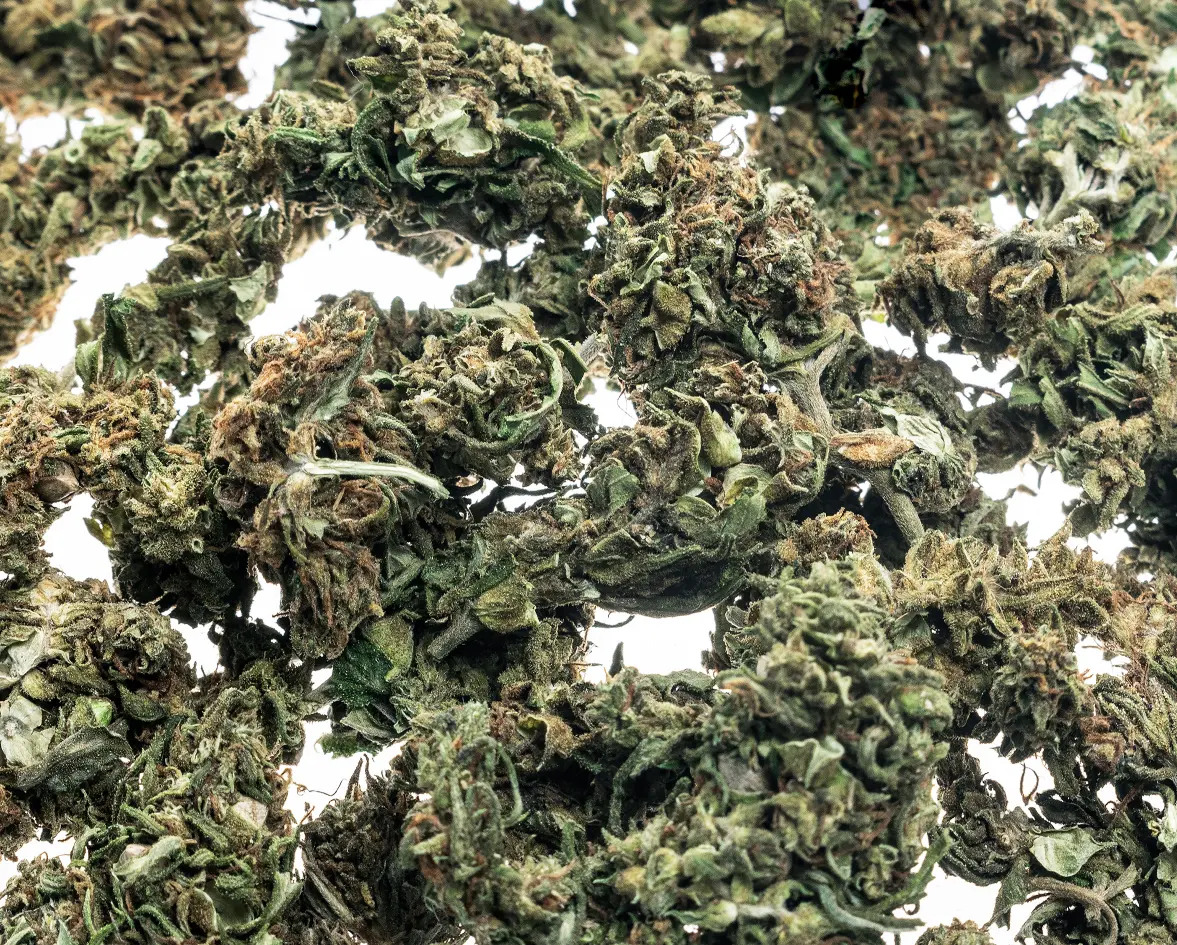
Zangria Strain: Complete Cultivar & Grow Guide
In the vibrant, high-energy landscape of modern California boutique cannabis breeding, where tropical fruit confectionery and pungent cookie gas collide, Zangria stands as an undisputed sensation. Developed through the visionary collaboration of Wizard Trees and Faction Farms, Zangria represents the sublime genetic pairing of the legendary Thin Mint GSC with the global flavor benchmark, The Original Z (widely revered across connoisseur circles as Zkittlez). Rather than presenting a generic, one-dimensional sugary grape candy profile, Zangria delivers an extraordinarily sophisticated, multi-layered sensory experience: sweet red wine sangria, Concord grape skins, tropical fruit punch, candied Meyer lemon peel, cooling wintergreen mint, subtle star anise, warm vanilla cookie dough, and an unmistakably pungent exhale of petroleum hydrocarbon fuel.
Agronomically, Zangria is a captivating study in modern hybrid efficiency, combining the rock-hard floral density and structural rigidity of the Girl Scout Cookies lineage with the prolific lateral branching and mouth-watering volatile terpene output of the Z family. The cultivar exhibits a well-balanced, medium-height frame characterized by thick, fibrous stalks, manageable internodal spacing, and broad, dark forest-green fan leaves that can display breathtaking flushes of royal purple, magenta, and charcoal slate during late flowering. In generative bloom, it produces dense, spear-to-golf-ball-shaped calyx clusters that are completely encrusted in an opaque, greasy blanket of capitate-stalked glandular trichomes. With its vibrant anthocyanin coloration, fiery copper-orange pistils, and dazzling crystalline frost, Zangria commands instant top-tier bag appeal on dispensary display shelves and produces exceptional returns of terpene-rich live rosin.
However, unlocking the full connoisseur potential of Zangria requires disciplined environmental stewardship, proactive canopy pruning, and strict thermal control. Because the cultivar inherits dense calyx stacking from Thin Mint and vigorous lateral branching from The Original Z, an untrained interior canopy can easily become an overcrowded thicket of overlapping foliage, creating localized microclimates that invite powdery mildew and internal botrytis. Furthermore, the delicate monoterpenes and herbal esters responsible for its signature fruit punch, lemon peel, and wintergreen mint notes are exceptionally volatile under heat stress; allowing canopy temperatures to climb above 78°F during late bloom will quickly volatilize these top notes, reducing the cured profile to flat grape gas and earth. This comprehensive cultivation guide delivers an exhaustive technical breakdown of Zangria, detailing its genetic lineage, volatile chemistry, medical therapeutic applications, indoor and outdoor grow parameters, and slow post-harvest curing protocols.
Strain Features
| Feature | Details |
|---|---|
| Strain Type | Balanced to indica-leaning hybrid (approximately 60% Indica / 40% Sativa) |
| Genetic Lineage | Thin Mint GSC x The Original Z (bred by Wizard Trees / Faction Farms) |
| THC Potency Range | 23% to 28% total THC under optimized horticultural parameters |
| CBD Content | Typically low (0.05% to 0.2%), secondary cannabinoids include CBG (1.1% to 1.7%) and CBC (0.2% to 0.4%) |
| Dominant Terpenes | D-Limonene, Beta-Caryophyllene, Linalool, Beta-Myrcene, Alpha-Pinene, Alpha-Humulene |
| Aromatic Profile | Concord grape, tropical fruit punch, candied lemon zest, wintergreen mint, star anise, cookie dough, gas |
| Flavor Profile | Sweet red sangria, tart berry candy, cooling herbal mint, dark pastry dough, earthy cedar, spicy fuel exhale |
| Onset & Effect Character | Sparkling, focused cerebral euphoria and mood elevation transitioning smoothly into creeping physical calm and sedation |
| Flowering Time | 56 to 65 days (8 to 9.5 weeks) indoors; late September to early October outdoors in Northern latitudes |
| Stretch Factor | Moderate (1.4x to 1.7x height increase following the 12/12 light flip) |
| Plant Architecture | Medium hybrid frame, thick woody lateral branching, broad forest-green fan leaves, dense floral stacking |
| Bud Structure | Dense, colorful spear-to-golf-ball-shaped calyx clusters, magenta and purple hues, thick crystalline resin coat |
| Aroma Intensity | Extremely loud; tropical fruit punch, citrus peel, and pungent cookie gas demand virgin carbon scrubbing |
| Fertigation Preference | Moderate feeder; thrives at 1.7 to 2.1 EC during peak bloom; sensitive to excessive late-bloom nitrogen |
| Root Zone Preference | Highly aerated, free-draining media with structured wet-to-dry cycling; sensitive to waterlogged cold roots |
| Mold & Pest Resistance | Moderate to high pest resistance; dense calyx clusters require disciplined canopy thinning and 42% late-bloom RH |
| Horticultural Difficulty | Intermediate; demands canopy trellising, selective interior pruning, and disciplined post-harvest drying |
| Optimal Consumption Timing | Late afternoon, early evening, creative leisure, social dinners, and peaceful post-work decompression |
The botanical presentation of Zangria immediately reflects the elite breeding pedigree of its parentage. Combining the rock-hard floral density and deep anthocyanin coloration of Thin Mint GSC with the prolific branching and tropical terpene engine of The Original Z, Zangria develops with vigor and poise. The plant forms an exceptionally sturdy, well-branched framework during vegetative growth, building thick, fibrous stems capable of supporting heavy terminal flowers without early staking. Internodal spacing along primary branches remains tight, allowing floral nodes to stack seamlessly into contiguous colas as generative blooming accelerates.
The visual bag appeal of properly finished Zangria flower is world-class. The calyxes swell into dense, compact formations displaying an exotic palette of forest green, royal purple, and deep magenta violet, accentuated by fiery copper-orange pistils that weave through the resinous crevices. The entire surface is completely encrusted in an impenetrable, diamond-like crust of capitate-stalked glandular trichomes with large, intact resin heads. In the jar, the buds exhibit a rock-solid density that yields remarkable weight in the hand without feeling dry or crumbly.
Chemically, Zangria delivers an exceptionally well-rounded, heavy-hitting experience. While total active THC routinely tests between 24% and 28%, its subjective depth is greatly amplified by its rich terpene profile. The synergy between high concentrations of D-limonene, beta-caryophyllene, and floral linalool creates a profound entourage effect that elevates the spirit before soothing the somatic body, making Zangria an essential staple for evening relaxation and connoisseur flavor appreciation.
Genetic Lineage
The genetic architecture of Zangria brings together two of the most celebrated, culturally influential breeding lines in contemporary cannabis history: Thin Mint GSC and The Original Z. Conceived and stabilized through the collaborative efforts of Wizard Trees and Faction Farms, Zangria was engineered to unite the rock-hard calyx density, cooling herbal mint, and heavy somatic stone of the Cookies family with the mouth-watering, multi-dimensional tropical fruit candy aromatics of the Z family.
The maternal contributor, Thin Mint GSC (an elite, clone-only phenotype of Girl Scout Cookies: Durban Poison x OG Kush), is an undisputed pillar of modern craft cannabis. Renowned for its dark forest-green and royal purple calyxes, heavy crystalline resin crust, and unmistakable terpene bouquet of sweet vanilla cookie dough, cooling mint, damp earth, and pungent fuel, Thin Mint provides the foundational structural rigidity, calyx density, and heavy physical stone of Zangria. In the cross, Thin Mint acts as an essential stabilizing anchor: it contributed short internodal spacing, sturdy woody branch junctions, and that heavy, tranquilizing body effect that grounds the overall experience.
The paternal contributor, The Original Z (frequently celebrated simply as Zkittlez), was developed in California by 3rd Gen Family and Terp Hogz by crossing Grape Ape with Grapefruit. Widely recognized as one of the most transformative flavor cultivars of the twenty-first century, The Original Z introduced an intoxicatingly sweet, complex bouquet of tropical fruit punch, Concord grape candy, candied citrus peel, and delicate floral elderberry. However, pure Zkittlez has historically been criticized by commercial growers for having floppy lateral branches, moderate yields, and somewhat airy bud structure. In Zangria, crossing The Original Z with the rock-solid framework of Thin Mint GSC resolved these structural limitations, producing a vigorous hybrid that retains the dazzling fruit candy aromatics of Z while packing the dense calyx architecture and heavy resin output of Thin Mint.
When these two titan lines merged, the resulting Zangria progeny demonstrated remarkable phenotypic stability within a well-defined aromatic and structural spectrum. While individual seed selections may lean slightly more toward the sweet pastry dough, wintergreen mint, and peppery gas of Thin Mint or the candied red fruit punch and citrus peel of The Original Z, virtually all expressions share the same signature contrast: an initial wave of sweet tropical fruit punch followed by a cooling mint, cookie dough, and petroleum fuel finish. For cultivators, understanding this dual heritage is vital for managing canopy humidity and providing the disciplined lower defoliation needed to protect its dense colas.
Preserving the Citrus-Mint Monoterpenes in Zangria
The signature distinction of authentic Zangria flower is the delicate top layer of candied lemon zest, wintergreen mint, and star anise that floats above its rich grape and cookie gas base. These specific aromatic notes are driven by volatile monoterpenes and floral alcohols (limonene, linalool, and trace pulegone derivatives) that possess low boiling points. If canopy temperatures exceed 78°F during weeks six through nine, or if the harvested crop is dried in a warm environment above 65°F, these delicate top notes will evaporate completely, leaving behind a flower that smells merely like generic grape gas. Always maintain daytime canopy temperatures at 74°F to 76°F in late bloom and dry at an uncompromising 60°F and 60% relative humidity.
Effect Breakdown
Zangria delivers an exceptionally dynamic, delightful, and multi-stage psychoactive experience that highlights the brilliant genetic balance between its Thin Mint and Zkittlez ancestry. Rather than delivering an immediate, disorienting knockout or a frantic, racy upper, Zangria engages both the mind and the body with elegance, precision, and immense potency.
The onset begins within minutes of the initial exhalation, announcing itself through an immediate, buoyant elevation of mood and mental focus. Users describe a gentle, tingling cerebral sensation that washes over the forehead and temples, instantly sweeping away mental fatigue, lethargy, and pessimistic thought patterns. A vibrant spark of cheerful euphoria and enthusiastic clarity takes hold: conversational interactions feel natural, easy, and humorous, while creative ideas flow with effortless freedom. Unlike aggressive pure sativa cultivars that can trigger rapid heart rates or racing paranoia, Zangria’s mental stimulation is warm, centered, and grounded, leaving the consumer clear-headed and articulately relaxed.
As the session progresses past the forty-five-minute mark, the hybrid’s Thin Mint lineage begins its graceful, creeping somatic manifestation. A warm, comforting wave of physical ease radiates outward from the chest and shoulders, traveling down the spine and into the limbs. Muscular tension dissolves, joint stiffness softens, and the physical body settles into furniture with profound contentment. Rather than immobilizing the user in heavy couch-lock, Zangria provides profound somatic comfort while preserving full functional mobility, allowing consumers to remain delightfully engaged in shared dinners, films, music listening sessions, or intimate conversations.
In the final phase of the high, typically occurring two to three hours after consumption, the experience gently glides into a state of tranquil, contented relaxation. The mind remains clear and unburdened by stress, while the physical body enjoys deep, restorative calm. At moderate recreational dosages, Zangria rarely induces unmanageable sleepiness, making it an exceptionally versatile cultivar for late afternoon, evening, or weekend leisure. However, when consumed in substantial quantities by individuals with lower cannabinoid tolerance, the sheer potency of its 26%+ THC ceiling will eventually lead to deep, blissful physical sleep as the session concludes.
Creeping Sedation and Dosage Awareness
Although Zangria is celebrated for its remarkably smooth, fruit-punch flavor and bright mental entrance, it carries a creeping, heavy physical finish. The transition from active cerebral euphoria to heavy somatic relaxation occurs gradually, which can lead inexperienced consumers into taking extra inhalations before the full body effect has peaked. Overconsumption can induce transient dry mouth, postural dizziness, and heavy couch-lock. Begin with one or two moderate draws and allow twenty minutes for the full spectrum of terpenes and cannabinoids to establish their stride.
Flavor & Aroma Profile
The sensory signature of Zangria is an absolute triumph in modern boutique volatile chemistry, offering an exotic, layered aromatic bouquet that immediately captivates connoisseurs and judges alike. Opening an airtight glass cure jar of properly finished Zangria flower releases an instantaneous, room-filling burst of sweet red sangria, tropical fruit punch, and dark Concord grape skins. Interwoven with this sweet fruit entrance is a vibrant citrus layer of candied Meyer lemon peel and tart tangerine zest, balanced by a cooling, perfumed whisper of wintergreen mint and subtle star anise. As the nose adjusts, the deep Thin Mint GSC heritage makes its presence known, adding a rich, grounding undercurrent of warm vanilla cookie dough, damp forest loam, and sharp petroleum diesel fuel that prevents the profile from resembling synthetic confectionary candy.
Breaking or grinding the dense, frosted nuggets causes an explosive aromatic expansion. The physical rupture of the glandular trichome heads liberates concentrated volatile terpenes and hydrocarbons, unleashing an acrid wave of cracked black pepper, spicy cedar wood, chemical cleaner, and sharp skunk musk. This dynamic tension between sweet tropical fruit punch and raw, pungent cookie fuel gives Zangria an extraordinary complexity that experienced palates find completely irresistible.
Upon inhalation through clean borosilicate glass or a calibrated dry herb vaporizer, the flavor is lush, expansive, and velvety smooth. At moderate vaporization temperatures between 355°F and 375°F, the inhale delivers an explosion of sweet red grape candy, tropical fruit punch, and cooling wintergreen mint that thoroughly coats the tongue and gums with a velvety, mouth-watering sweetness. The vapor feels dense and luxurious, completely devoid of throat-scratching harshness when the crop has been properly dried and cured.
The exhale reveals the cultivar’s true genetic depth. The sweet fruit notes recede gracefully, leaving a lingering, decadent aftertaste of roasted cookie dough, spicy black pepper, earthy cedar wood, and pungent petroleum fuel. When rolled into a joint with unbleached organic papers, Zangria burns with a clean, light-gray ash and produces a thick, oily golden resin ring behind the cherry. The persistent aftertaste of sweet red sangria, mint, and cookie gas clings to the palate for ten to fifteen minutes after the joint has been extinguished.
Dominant Terpenes
Zangria’s dazzling aromatic presentation and potent, multi-stage psychoactive profile are governed by an intricate, highly concentrated terpene ensemble. Comprehensive gas chromatography laboratory analyses consistently reveal total terpene fractions ranging from 2.4% to 3.6% by dry weight, anchored by a balanced ratio of monoterpenes, sesquiterpenes, and delicate herbal alcohols.
| Terpene Compound | Chemical Classification | Typical Concentration | Aromatic & Flavor Role | Horticultural & Physiological Function |
|---|---|---|---|---|
| D-Limonene | Monocyclic Monoterpene | 0.80% to 1.35% | Sweet Meyer lemon, candied citrus peel, bright fruit punch lift | Enhances mucosal cannabinoid absorption; elevates mood and neurotransmitter activity to combat stress |
| Beta-Caryophyllene | Bicyclic Sesquiterpene | 0.60% to 1.10% | Cracked black pepper, dry woody spice, cookie dough, warm fuel | Binds selectively to peripheral CB2 cannabinoid receptors; delivers potent somatic anti-inflammatory and pain relief |
| Linalool | Acyclic Monoterpenol | 0.25% to 0.50% | Fresh lavender blossom, floral vanilla cream, soft powdery spice | Modulates central nervous system GABA receptors; delivers potent calming, anxiolytic, and sleep-promoting support |
| Beta-Myrcene | Acyclic Monoterpene | 0.20% to 0.45% | Damp forest earth, loamy soil, ripe Concord grape musk, clove | Lowers blood-brain barrier resistance for cannabinoids; enhances somatic relaxation and sleep onset |
| Alpha-Pinene | Bicyclic Monoterpene | 0.15% to 0.35% | Resinous mountain pine, crisp rosemary needle, cooling wintergreen | Inhibits acetylcholinesterase to support cognitive clarity; acts as a natural bronchodilator |
| Alpha-Humulene | Monocyclic Sesquiterpene | 0.12% to 0.30% | Noble hops, dry woody earth, herbal bitterness, crushed coriander | Works synergistically with caryophyllene in inflammatory pathways; acts as a natural appetite balancer |
D-limonene serves as the leading monoterpene in Zangria, frequently accounting for more than thirty-five percent of the total terpene fraction. Limonene provides the radiant citrus spark and candied fruit top notes that drive the cultivar’s cheerful, mood-elevating cerebral onset. In pharmacological synergy with THC, limonene facilitates rapid cellular uptake across mucosal membranes, delivering an immediate, vibrant burst of mental energy and creative clarity.
Beta-caryophyllene and linalool form the crucial secondary counterweights that give Zangria its exceptional balance and sophistication. Caryophyllene contributes the sharp black pepper, warm wood, and cookie gas backbone that prevents the fruit profile from feeling cloying, while functioning as a direct CB2 receptor agonist to downregulate peripheral inflammation throughout the musculoskeletal system. Concurrently, linalool supplies the signature floral lavender and sweet vanilla pastry dough notes, acting on central nervous system GABA receptors to quiet mental anxiety and prepare the body for deep, restorative rest. Minor contributions from crisp pinene, earthy myrcene, and woody humulene complete a sophisticated chemical tapestry that delights both the palate and the endocannabinoid system.
Indoor vs Outdoor Growing
Cultivating Zangria successfully requires matching the plant’s botanical morphology to the environmental capabilities of your growing space. Because Zangria exhibits dense calyx stacking, vigorous lateral branching, and delicate monoterpenes, environmental discipline is paramount across both indoor rooms and outdoor garden plots.
| Cultivation Parameter | Indoor Cultivation | Outdoor Cultivation |
|---|---|---|
| Plant Stature & Footprint | Medium hybrid frame (3.5 to 5.0 feet indoors); requires disciplined training to manage lateral branching and stretch | Large, robust, and sprawling (5.5 to 8.0 feet outdoors); builds a sturdy multi-branched framework in full sun |
| Vegetative Duration | 4 to 5 weeks from rooted cutting; responds exceptionally well to early topping and horizontal screen training | 7 to 10 weeks; requires early topping and lateral branch spreading to build an open, goblet-style canopy |
| Flowering Period | 56 to 65 days (8 to 9.5 weeks) under standard 12/12 photoperiod lighting | Late September to early October in Northern latitudes; early finish minimizes late autumn frost risk |
| Environmental Control Demand | High; strict thermal discipline (keeping canopy below 78°F) and 42% to 46% RH during late bloom protect terpenes | Moderate to high; requires dry, breezy autumn conditions; vulnerable to prolonged October rainstorms |
| Odor Management & Security | Extreme; sweet fruit punch, lemon zest, and pungent cookie gas demand virgin activated carbon scrubbing | Extreme; heavy fruit punch, citrus, and fuel volatile compounds carry significant distances on ambient breezes |
| Yield Potential | 475 to 575 grams per square meter (1.5 to 1.9 lbs per 1000W light) under calibrated commercial lighting | 750 to 1,300 grams per plant in large 100+ gallon containers or amended living soil beds |
| Pest & Fungal Vulnerability | Low pest susceptibility; dense calyx clusters require diligent lower defoliation to deter powdery mildew and botrytis | High natural pest resistance; elevated botrytis risk in dense terminal colas during wet autumns |
| Anthocyanin & Terpene Expression | Pristine trichome preservation, vibrant purple anthocyanin flushes, and rich sangria-mint volatile complexity | Deep, dark purple and black coloration under natural autumn sun, with rich earthy fuel terpenes |
Indoors, Zangria is an exemplary cultivar for craft growers who value bag appeal, terpene retention, and high commercial yield. Because the plant maintains a manageable medium height with predictable 40% to 70% post-flip stretch, it does not threaten to outgrow indoor ceiling heights or press against lighting fixtures. In an indoor setting, the cultivator maintains total authority over light intensity, canopy temperature, and relative humidity. Keeping daytime canopy temperatures strictly between 74°F and 76°F during the final three weeks of bloom is critical to preventing thermal degradation of the fragile stone-fruit monoterpenes and floral linalool. Furthermore, indoor climate control ensures that the dense, resinous spear colas remain completely protected from airborne mold spores and excess moisture.
Outdoors, Zangria demonstrates robust hybrid vigor, expanding into an enormous, highly productive bush loaded with hundreds of spear-like flowering sites. Its early flowering timeline (finishing between late September and the first week of October) provides a distinct geographic advantage for growers in temperate or northern climates who need to harvest before severe autumn rains and freezing temperatures arrive. However, outdoor cultivators must provide structural support: install heavy-duty wire cages or perimeter bamboo staking early in the season. As the dense purple colas swell to full mass in late September, autumn rainstorms can add substantial water weight that can bend lateral branches outward and split them at the main trunk.
Strain-Specific Grow Guidance
Mastering the cultivation of Zangria requires moving beyond aggressive modern force-feeding charts and adopting a balanced horticultural protocol that respects its compact morphology and old-school metabolic efficiency. By implementing these precise techniques, growers can avoid common pitfalls and achieve astonishing, connoisseur-grade results.
Canopy Architecture and Low-Stress Screen Training (SCROG): Zangria is naturally cooperative for Screen of Green (SCROG) training. During the third week of vegetative growth, top the main apical stem cleanly above the fourth or fifth node to break apical dominance and stimulate lateral branch development. As lateral shoots emerge, tuck and weave them horizontally beneath an elastic trellis screen positioned 10 to 12 inches above the container rim. This training method forces the plant into a wide, uniform, table-top canopy where every terminal bud receives identical photon irradiance, eliminating lower larf and transforming what would have been a modest bush into an expansive field of uniform primary colas.
Disciplined Canopy Pruning and Defoliation: Because Zangria produces broad, dinner-plate fan leaves and short internodal spacing, proactive foliage management is essential to prevent microclimate humidity pockets and ensure adequate light penetration:
- Day 21 of Flower (Post-Stretch Lollipoping): Immediately after vertical stretch subsides, strip away all vegetative growth, inward-facing suckers, and underdeveloped budding sites from the lower 35% of the plant. This directs all photosynthetic horsepower into the primary upper spear colas and establishes clean, unobstructed horizontal airflow beneath the canopy.
- Day 42 of Flower (Mid-Bloom Light Penetration Pass): Conduct a second, surgical thinning pass. Remove large, broad fan leaves that directly shade developing secondary floral sites, as well as any leaves whose surfaces press tightly against swelling calyx clusters. Opening small light channels allows ambient photons to penetrate deep into the mid-tier colas, driving uniform trichome coverage and calyx swelling.
Fertigation, Electrical Conductivity, and Nutrient Balancing: Zangria possesses an old-school metabolic efficiency that thrives under moderate, steady nutrition rather than high-salinity aggressive force-feeding. In soilless substrates (coco coir or peat blends), maintain baseline electrical conductivity (EC) at 1.4 to 1.6 mS/cm during late veg, stepping up to 1.7 to 2.1 EC during peak floral swelling in weeks four through six. Target a root-zone pH of 5.8 to 6.2 in hydro/coco, or 6.3 to 6.7 in living organic soil.
The single most critical nutritional rule with Zangria is avoiding excessive nitrogen past week three of bloom. Because the cultivar naturally expresses deep forest-green foliage and accumulates nitrogen rapidly in leaf tissues, continuing heavy nitrogen feeding into generative bloom causes immediate leaf clawing, slows water transpiration, and results in a harsh, acrid mineral taste in the cured flower. At the onset of week four, taper elemental nitrogen down significantly while increasing potassium, phosphorus, calcium, and magnesium. Incorporating soluble silica throughout vegetative and early bloom strengthens stem cell walls, helping branches support rock-hard floral clusters without bending.
Vapor Pressure Deficit (VPD) and Environmental Targets: Maintaining precise vapor pressure deficit (VPD) protects Zangria’s petrified colas from fungal pathogens while maximizing transpiration rates:
- Early Bloom (Weeks 1 to 3): Daytime temperature 76°F to 80°F, nighttime temperature 68°F to 72°F, relative humidity 60% to 65%, targeting a VPD of 1.0 to 1.2 kPa.
- Peak Bloom (Weeks 4 to 6): Daytime temperature 74°F to 78°F, nighttime temperature 66°F to 70°F, relative humidity 48% to 52%, driving a target VPD of 1.2 to 1.4 kPa.
- Late Bloom & Ripening (Weeks 7 to 9.5): Daytime temperature 70°F to 74°F, nighttime temperature 62°F to 66°F, relative humidity 40% to 44%, pushing a target VPD of 1.4 to 1.6 kPa. A 10°F to 12°F day-to-night temperature differential during the final ten days stimulates rich royal purple and magenta anthocyanin expression along calyx margins.
Grower Question: Why is my Zangria losing its sweet fruit punch aroma and smelling mostly like peppery earth during week eight of bloom?
This aromatic loss is almost always caused by excessive late-bloom canopy heat or light stress. The candied fruit punch, citrus peel, and wintergreen mint notes that make Zangria famous are driven by delicate monoterpenes like limonene, linalool, and alpha-pinene, which begin evaporating at temperatures above 78°F. If your lighting fixtures are hanging too close to the canopy or your grow room temperatures are climbing above 80°F during generative bulking, these volatile top notes volatilize into the air, leaving only the heavier, heat-stable sesquiterpenes (caryophyllene and humulene) behind. To preserve the vibrant red sangria and mint bouquet, raise your lights slightly, keep daytime canopy temperatures strictly between 74°F and 76°F during the final three weeks of flower, and dry the harvested crop at an uncompromising 60°F and 60% relative humidity.
Weedth Bud Flavor Tips
Preserving the exquisite harmony between sweet red sangria, candied citrus peel, wintergreen mint, warm vanilla dough, and peppery fuel requires obsessive post-harvest discipline. The delicate monoterpenes and floral alcohols that define Zangria’s intoxicating bouquet are exceptionally volatile and can easily evaporate under improper drying conditions.
Harvest Timing via Glandular Trichome Inspection: Never harvest Zangria based solely on external pistil browning or calendar timelines. Examine the glandular trichomes on the calyx structures of mid-tier colas using a 60x lighted jeweler’s loupe or digital microscope. The ideal harvest window occurs when roughly 80% to 85% of the trichome heads are fully milky opaque, with approximately 10% to 15% turning a warm amber color. Harvesting too early (under 75% milky) yields an overly sharp, grassy citrus profile that lacks fruit punch depth, whereas letting the crop go too late (exceeding 25% amber) degrades the bright limonene and floral linalool, resulting in a dull, overly heavy smoke that tastes purely of dry earth.
Whole-Plant Hanging and Slow Cool Drying: Avoid wet-trimming individual buds on spinning mechanical machines. Wet trimming ruptures plant cell walls, releasing bitter chlorophyll into the drying floral tissues and causing rapid, uneven surface evaporation that traps moisture inside the thick core. Instead, sever the plant at the main base and hang whole plants upside down in a dedicated, pitch-black drying room maintained strictly at 60°F (15.5°C) and 60% relative humidity. Maintain gentle, indirect air circulation in the room using oscillating wall fans pointed away from hanging plants. Under these conditions, the drying process takes 12 to 16 days. Stems should snap with a clean, audible crack rather than bending pliably before manicuring.
Disciplined Glass Curing Protocol: Once dried, hand-trim the colas carefully, handling the buds only by their stems to avoid crushing the delicate trichome heads. Transfer the manicured flowers loosely into food-grade, airtight glass jars, filling each jar to roughly 75% capacity to leave an adequate oxygen head. Store the jars in a cool, dark room kept at 62°F to 65°F. For the first two weeks, burp each jar daily for ten minutes to exhaust accumulated carbon dioxide and allow internal moisture to equalize. During weeks three and four, reduce burping to twice weekly. Over this four-to-six-week curing window, the initial raw green plant aroma recedes completely, allowing the sweet red sangria, cooling wintergreen mint, and pungent cookie gas to fully coalesce into an unforgettable connoisseur masterpiece.
Weedth Bud Boost Tips
To maximize the yield, resin gland density, and visual bag appeal of Zangria, professional cultivators implement targeted agronomic optimization strategies that elevate photosynthetic efficiency and floral development.
Calibrated PPFD and Atmospheric CO2 Enrichment: Zangria possesses an efficient photosynthetic capacity that responds eagerly to high light intensity when accompanied by elevated carbon dioxide (CO2). Under high-efficiency broad-spectrum LED lighting fixtures, scale PPFD and CO2 progressively:
- Late Vegetative Phase: 500 to 650 umol/m2/s at ambient CO2 (400 to 450 ppm).
- Early Bloom (Weeks 1 to 3): 750 to 900 umol/m2/s with CO2 enriched to 800 to 1,000 ppm.
- Peak Generative Bulking (Weeks 4 to 6): 1,000 to 1,200 umol/m2/s with CO2 enriched to 1,200 to 1,400 ppm.
- Late Ripening (Weeks 7 to 9.5): Taper light intensity back to 750 to 850 umol/m2/s and return CO2 to ambient levels, allowing the plant to naturally ripen its trichomes without thermal photo-inhibition.
Substrate Aeration and Precision Drybacks: Ensure your potting medium contains at least 30% to 35% coarse perlite or pumice to prevent compaction. Practice precision crop steering through structured irrigation drybacks: during weeks one through three of flower, allow substrate volumetric water content (VWC) to dry back by 40% to 50% overnight to stimulate explosive root branching and manage internodal stretch. During peak floral bulking in weeks four through seven, tighten drybacks to 25% to 30% through multiple micro-irrigations during the light cycle, ensuring continuous nutrient availability to swelling calyxes.
Modular Trellis Support and Branch Spacing: Install a two-tier modular trellis netting system: position the first net 10 to 12 inches above the container rim to spread lateral shoots horizontally during late veg, and install a second net 12 to 14 inches above the first to support heavy floral colas during weeks five through nine. Spacing the primary colas at least five to six inches apart prevents adjacent flowers from touching, eliminating localized humidity pockets and allowing light to penetrate deeply into mid-tier bud sites.
Medical Uses & Benefits
Beyond its immense recreational popularity, Zangria offers a versatile, highly effective therapeutic profile that makes it a trusted cultivar among registered medical cannabis patients. The synergistic combination of high delta-9-THC, elevated D-limonene, anti-inflammatory beta-caryophyllene, and calming linalool provides comprehensive symptomatic relief across several challenging conditions.
Mood Disorders, Chronic Fatigue, and Depression: Zangria is widely celebrated by patients managing generalized depression, occupational burnout, situational mood slumps, and chronic emotional fatigue. Its rapid cerebral onset induces an immediate sensation of warmth, optimism, and mental clarity, sweeping away persistent pessimistic thoughts and emotional lethargy. The high concentration of limonene elevates dopamine and serotonin neurotransmitter pathways, fostering an active, cheerful emotional state that allows patients to engage comfortably with creative tasks, workplace responsibilities, and social interactions.
Chronic Musculoskeletal Pain and Inflammatory Conditions: For patients suffering from arthritis, lower back pain, fibromyalgia, and persistent muscular tension, Zangria provides reliable somatic comfort. Beta-caryophyllene acts as a selective agonist for peripheral CB2 cannabinoid receptors, directly downregulating pro-inflammatory cytokines and reducing tissue swelling. Concurrently, elevated THC concentrations interact with central nervous system CB1 receptors, modulating pain perception pathways and providing meaningful analgesic relief without inducing debilitating couch-lock.
Stress Relief and Generalized Anxiety Management: For individuals grappling with high-stress environments, panic symptoms, or chronic anxiety, Zangria acts as a gentle, effective buffer. The presence of floral linalool modulates central GABAergic neurotransmission, delivering a tranquilizing anxiolytic effect that quiets internal mental friction without dulling cognitive alertness.
Appetite Stimulation and Digestive Comfort: Patients experiencing loss of appetite or chronic nausea find Zangria to be an excellent therapeutic aid. As the high transitions into its physical phase, the cultivar stimulates ghrelin production and eases gastrointestinal cramping, restoring a healthy, robust appetite and making meals enjoyable once again.
Ideal User Profile
Thanks to its balanced, multi-stage effects and exceptional resin production, Zangria caters to a broad demographic of cannabis consumers and cultivators:
The Modern Candy-Gas Connoisseur: If you seek out rare, complex terpene profiles that move beyond generic candy sweetness to deliver authentic red sangria, tropical fruit punch, wintergreen mint, and pungent cookie gas, Zangria is an essential crown jewel for your personal dispensary collection.
The Evening Relaxation Enthusiast: Zangria is designed specifically for post-work decompression, quiet weekend evenings, intimate dinners with close friends, and late-night film watching. It melts away physical fatigue and mental friction while keeping social anxiety completely at bay.
The Space-Restricted Indoor Cultivator: Growers managing compact indoor tents, basement setups, or multi-tier vertical commercial racks will find Zangria to be an agronomic dream. Its low-to-medium stature, modest stretch, and petrified floral density allow cultivators to achieve commercial-scale harvests without battling towering, unmanageable canopies.
Who Might Prefer an Alternative: Consumers seeking a sharp, highly energizing, racy daytime sativa for high-intensity physical athletics or intense cognitive problem-solving may find Zangria’s late somatic relaxation too heavy. Similarly, novice growers with poor humidity control who cannot manage 42% relative humidity in late bloom might prefer an airier, mold-resistant sativa cultivar.
Grower Notes and Feedback
Aggregated feedback and harvest data from commercial cultivation facilities and home craft artisans highlight key operational insights for running Zangria across successive crop cycles:
Manageable Height and Predictable Canopy Growth: Growers universally praise Zangria for its well-behaved indoor stature. Unlike stretchy sativa cultivars that quickly outgrow vertical boundaries, Zangria stretches a predictable 40% to 70% after the photoperiod flip, making it an exceptional fit for height-restricted grow tents and basement setups.
Rock-Hard Calyx Density Requires Humidity Vigilance: A universal consensus among experienced growers is that Zangria produces some of the hardest, densest calyx clusters in contemporary cannabis. Cultivators repeatedly warn that this petrified density creates elevated vulnerability to internal botrytis if relative humidity exceeds 45% during late bloom. Maintaining vigorous oscillating airflow above and below the canopy is considered mandatory.
Odor Intensity and Carbon Scrubbing: Cultivators consistently report that Zangria produces an intensely sweet, pungent, and penetrating aroma during the final three weeks of flowering and throughout the drying process. High-capacity virgin carbon filters and negative static room pressure are considered mandatory to prevent sweet berry dough and skunky gas odors from escaping the cultivation space.
Exceptional Hand-Trimming Bag Appeal: Commercial trimmers and craft artisans report that Zangria possesses an excellent calyx-to-leaf ratio on mature terminal colas. The contrast between its deep purple and lavender calyxes, fiery orange pistils, and thick white trichome blanket creates immediate, top-tier bag appeal that commands premium dispensary shelf placement.
Weedth Editor’s Note
When I ran this cut in my 4×4 tent under a 600W MH for vegetative growth and switched over to the 1000W HPS for flower, my Great Lakes basement setup presented one of the most memorable tests of thermal management in my cultivation career. Having acquired a verified cut of Zangria directly from a trusted California craft source, I was captivated by its reputation for delivering an authentic tropical red sangria and wintergreen mint profile backed by heavy cookie gas.
By week six of 12/12, the tent smelled like a gourmet fruit punch bowl had collided with an authentic Bay Area dispensary. The flowers were swelling into dense, magenta-and-purple boulders encrusted in glistening white resin. However, during a routine evening inspection on day 44, I held my hand directly over the canopy and realized that my 1000W HPS fixture was radiating substantial infrared heat directly onto the primary colas. When I checked the canopy surface temperature with an infrared thermometer, the tops were reading 81.5°F, even though my wall sensor was reading 75°F.
I immediately knew what was at stake: in cultivars carrying delicate monoterpenes like limonene, pinene, and linalool, high canopy heat will volatilize the bright fruit punch and wintergreen mint right off the flower, leaving behind only the heavy, heat-stable caryophyllene earth and fuel. I immediately raised the 1000W reflector six inches, adjusted my clip-on oscillating fan to blow a gentle horizontal breeze between the light and the canopy, and lowered my basement intake damper to bring canopy temps down to a comfortable 74°F. That simple intervention saved the sensory profile: over the final two weeks of bloom, the candied lemon peel and cooling mint notes doubled in intensity.
I harvested on day 62, hung the plants whole to dry at 60°F and 60% relative humidity for sixteen full days, and cured the flowers in glass for five weeks. The resulting flower was an absolute showstopper: an explosion of sweet Concord grape, tropical punch, and wintergreen mint on the inhale, followed by a thick, velvety exhale of roasted vanilla cookie dough and petroleum fuel. Zangria is one of the finest modern candy-gas cultivars in existence today, provided you protect its delicate top notes from excessive canopy heat.
Weedth Score
Growing Experience: 8.8 out of 10. Zangria is an exceptionally cooperative, resilient, and well-mannered cultivar that brings genuine joy to the garden. Its compact-to-medium stature, predictable stretch, and sturdy branch structure make it accessible to intermediate growers and craft connoisseurs alike. The minor deduction reflects its elevated vulnerability to internal botrytis due to dense calyx clusters and the strict thermal discipline required during late bloom to protect its volatile stone-fruit monoterpenes.
Bud Structure and Visual Appeal: 9.6 out of 10. The visual presentation of properly finished Zangria flower is breathtaking. The buds develop into dense, compact, spear-to-golf-ball-shaped calyx clusters splashed with royal purple, lavender, and vibrant magenta hues, adorned with fiery copper pistils and buried beneath a glittering blanket of crystalline glandular trichomes. It possesses exceptional physical density and timeless, top-shelf bag appeal.
Aroma Complexity: 9.5 out of 10. The olfactory profile of Zangria represents a masterclass in modern candy-gas breeding. The seamless fusion of sweet red sangria, Concord grape candy, tropical fruit punch, candied lemon zest, and cooling wintergreen mint with warm vanilla cookie dough and caustic petroleum fuel creates an intoxicating, multi-layered aromatic journey that far surpasses ordinary candy strains.
Flavor and Smoothness: 9.2 out of 10. When dried slowly at 60°F and cured for a minimum of four weeks in glass, Zangria provides an impeccably smooth, flavorful, and velvety smoke. The inhale coats the palate in sweet tropical fruit punch and candied citrus, while the exhale leaves a lingering, decadent aftertaste of roasted cookie dough, earthy cedar, and spicy diesel fuel. It burns with clean, light-gray ash and leaves a thick golden resin ring behind the cherry.
Effects and High Experience: 9.2 out of 10. The psychoactive journey of Zangria is beautifully balanced, heartwarming, and deeply restorative. The initial wave of cheerful, comforting cerebral euphoria elevates the spirit and melts away daily stress, while the subsequent somatic relaxation soothes aching muscles and promotes peaceful emotional contentment without causing debilitating daytime paralysis. It is an exceptional hybrid for social dinners and evening relaxation.
Overall Weedth Score: 9.2 out of 10. Zangria is an undisputed modern classic from Wizard Trees and Faction Farms, masterfully uniting the rock-hard calyx density and cookie dough of Thin Mint GSC with the dazzling tropical fruit punch and candy sweetness of The Original Z. With its breathtaking visual bag appeal, complex aroma, versatile high, and stellar extraction performance, it earns our highest recommendation for discerning cultivators and connoisseurs worldwide.
FAQ
What is the exact genetic lineage of Zangria?
Zangria was bred through a collaboration between Wizard Trees and Faction Farms by crossing Thin Mint GSC (Durban Poison x OG Kush) with The Original Z (Zkittlez: Grape Ape x Grapefruit). The cross unites heavy cookie density with vibrant tropical fruit candy aromatics.
Is Zangria an indica or a sativa dominant hybrid?
Zangria is a balanced to indica-leaning hybrid, typically leaning approximately 60% indica and 40% sativa. It features a bright, focused cerebral onset that gradually transitions into deep somatic physical relaxation.
How long does Zangria take to flower indoors?
In a controlled indoor environment under a standard 12/12 photoperiod, Zangria finishes flowering in 56 to 65 days (8 to 9.5 weeks), making it an exceptionally fast and efficient producer.
How much does Zangria stretch after flipping to 12/12?
Zangria exhibits a moderate stretch factor of roughly 1.4x to 1.7x its vegetative height. It focuses its energy into building dense lateral floral sites rather than shooting rapidly toward the ceiling.
What does Zangria smell and taste like?
The aroma and flavor profile is a complex fusion of sweet red sangria, Concord grape skins, tropical fruit punch, candied lemon zest, cooling wintergreen mint, star anise, warm vanilla cookie dough, and petroleum fuel.
Is Zangria prone to bud rot or mold?
Due to its petrified, rock-hard calyx clusters, Zangria can be susceptible to botrytis (bud rot) in high-humidity environments. Maintaining relative humidity at 40% to 44% in late bloom and ensuring vigorous horizontal airflow are essential.
Can Zangria be grown successfully outdoors?
Yes. Thanks to its relatively fast flowering cycle, Zangria finishes between late September and early October in Northern latitudes, allowing outdoor cultivators to harvest before severe autumn rains arrive. However, sturdy trellising is mandatory to support its heavy colas.
What is the best training technique for Zangria?
Screen of Green (SCROG) training combined with early topping above the fourth node is the optimal strategy. This spreads the vigorous lateral branches horizontally into a uniform, multi-top table canopy that maximizes light exposure and airflow.
What are the primary medical uses of Zangria?
Medical cannabis patients commonly use Zangria for chronic musculoskeletal pain, joint inflammation, severe stress, anxiety, appetite loss, and sleep onset insomnia.
Is Zangria suitable for beginning growers?
Yes. Zangria is vigorous, forgiving of minor nutrient swings, and structurally manageable in height, making it an excellent choice for beginner to intermediate growers who can provide basic canopy pruning and trellising support.
Similar Strains
The Original Z (Zkittlez): As the celebrated paternal contributor to Zangria, The Original Z (Grape Ape x Grapefruit) supplies its unmistakable tropical fruit punch, grape candy, and candied citrus aromatics. While pure Zkittlez has floppier lateral branches and a slightly lighter calyx density, Zangria reinforces this flavor with the sturdy structure, dense calyx bulking, and heavy resin crust of Thin Mint GSC.
Thin Mint GSC: The iconic maternal parent of Zangria, Thin Mint GSC (Durban Poison x OG Kush) provides the foundational rock-hard calyx density, dark purple pigmentation, cooling wintergreen mint, and peppery cookie gas. While Thin Mint is an earthier, more mint-and-fuel-focused cultivar, Zangria softens this profile with a luscious explosion of sweet red sangria and tropical fruit.
RS11 (Rainbow Sherbert #11): Developed by Deep East and Wizard Trees by crossing Pink Guava with OZ Kush, RS11 shares Zangria’s modern California exotic status, candy-fruit aromatics, and exceptional bag appeal. While RS11 leans into sweet peach sherbet and sour gas, Zangria delivers a deeper red grape, fruit punch, and wintergreen mint profile.
Tropicana Cookies: Bred by Oni Seed Co by crossing Tangie with Girl Scout Cookies, Tropicana Cookies shares Zangria’s vibrant anthocyanin coloration and mouth-watering citrus-cookie bouquet. While Tropicana Cookies leans purely into tart Valencia orange and sweet cookie dough, Zangria offers a more complex red fruit punch and cooling mint contrast.
Slurricane: A renowned cross of Do-Si-Dos and Purple Punch bred by In House Genetics, Slurricane shares Zangria’s dazzling purple coloration, rock-hard calyx density, and heavy resin coverage. While Slurricane leans into candied grape syrup and heavy physical couch-lock, Zangria delivers a brighter fruit punch and wintergreen mint opening with a more balanced high.
Zoap: Developed by Deo Farms by crossing Rainbow Sherbet with Pink Guava, Zoap shares Zangria’s sweet floral confectionery aromatics, exceptional bag appeal, and balanced hybrid potency. Both cultivars represent historic modern achievements in terpene breeding that reward careful phenotype preservation and slow post-harvest curing.
Final Verdict
Zangria stands as a shining testament to the power of thoughtful, visionary cannabis breeding. By masterfully uniting the rock-hard calyx density, cooling wintergreen mint, and cookie gas of Thin Mint GSC with the dazzling tropical fruit punch and candy sweetness of The Original Z, Wizard Trees and Faction Farms created a modern masterpiece that delights the senses and satisfies commercial demands in equal measure. It proves that a cultivar can deliver immense potency, stunning bag appeal, and commercial yield without sacrificing botanical nuance or olfactory sophistication.
For cultivators, stewarding Zangria is an immensely satisfying and educational endeavor. Its manageable medium height, predictable stretch, and sturdy lateral branching make it an absolute pleasure to run indoors, while its rapid eight-to-nine-week finish allows outdoor growers in temperate climates to harvest pristine colas before late-autumn rains arrive. By providing disciplined lower canopy defoliation to protect against microclimate humidity and maintaining strict thermal discipline to preserve its delicate monoterpenes, growers will be rewarded with rock-hard, diamond-crusted flowers worthy of top-tier connoisseur reverence.
For the consumer, Zangria offers a comforting, multi-stage sensory journey and an exceptionally versatile high. From the instant its pungent aroma of red sangria, candied citrus peel, wintergreen mint, and cookie gas fills the room to the final velvety exhale, it captivates the senses and warms the spirit. Whether you are looking to share an evening of relaxed conversation with close friends, ease chronic musculoskeletal aches after a long day, or slip into deep, restorative slumber, Zangria delivers an unforgettable, timeless experience that solidifies its permanent standing among the true elite cultivars of our time.
Share this article
A quick overview of the topics covered in this article.
Follow us
Latest articles
November 2, 2026
November 2, 2026

November 2, 2026
November 2, 2026
