
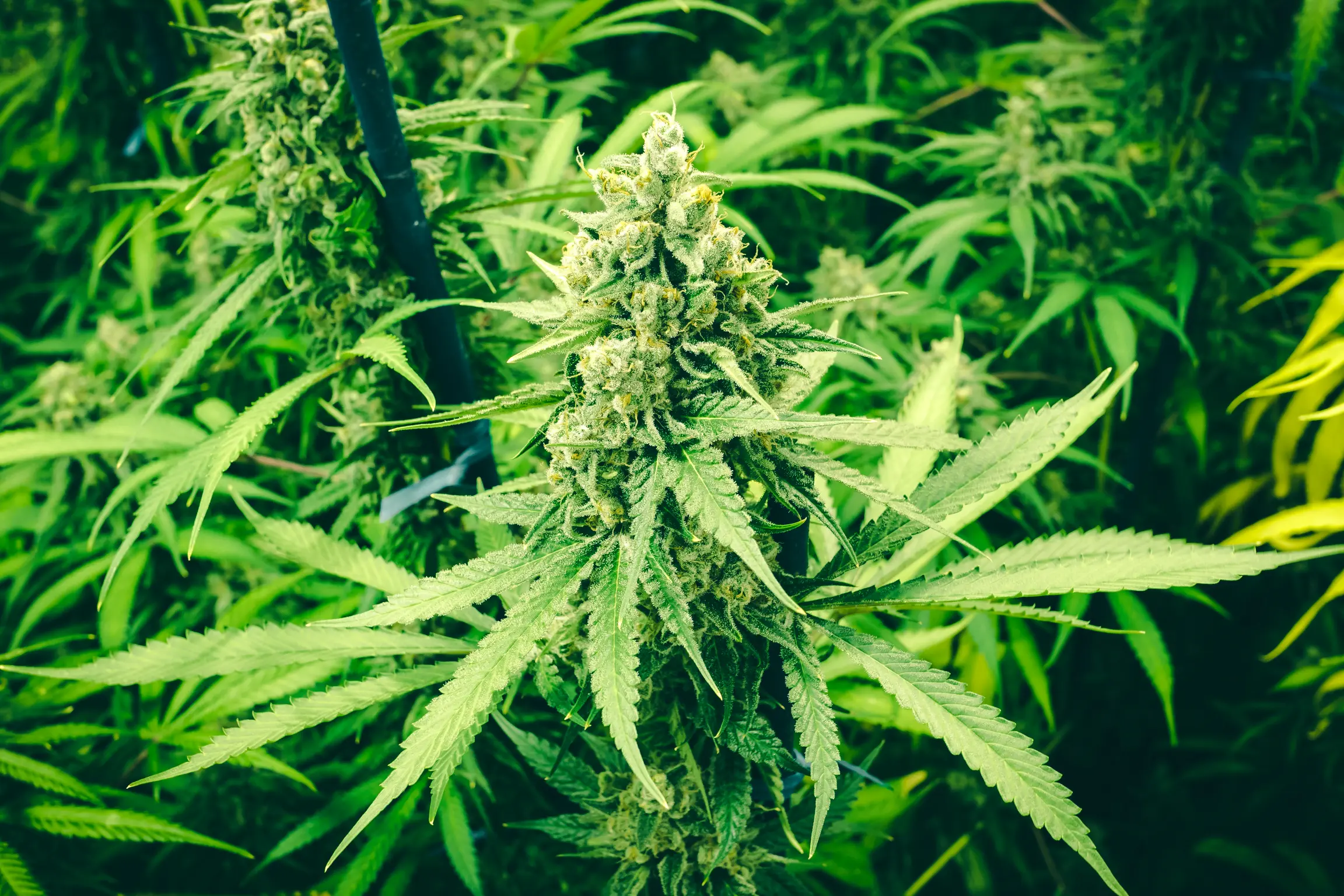
Mexican Sativa Strain: Complete Cultivar & Grow Guide
In the expansive and storied history of international cannabis breeding, few cultivars embody the spirit of adventurous genetic preservation quite like Mexican Sativa. Conceived and stabilized during the late 1980s by the pioneering breeders at Sensi Seeds in Amsterdam, this celebrated sativa-dominant cultivar was created to solve one of the most stubborn agronomic paradoxes in northern horticulture: how to capture the soaring, joyous cerebral energy and exotic sandalwood incense of traditional Mexican equatorial landraces while dramatically shortening the flowering cycle and engineering robust resilience against the cold, damp autumn climates of Northern Europe and North America.
To accomplish this formidable breeding objective, Sensi Seeds crossed an elite heirloom landrace from the misty highlands of Oaxaca, Mexico with two geographically distinct, functional parent lines: Durban Poison (the fast-flowering, pure African sativa from South Africa) and an exceptionally hardy Pakistani Hash Plant from the Hindu Kush mountains. The resulting three-way polyhybrid preserves approximately 70% sativa heritage while displaying unique physiological adaptations. Rather than demanding 14 to 16 weeks of tropical warmth, Mexican Sativa matures indoors in just 50 to 65 days (7 to 9 weeks), finishing outdoors before heavy autumn frosts arrive in late September or early October. Its floral architecture is naturally open, graceful, and elongated, deliberately favoring continuous internal airflow and natural Botrytis mold resistance over rock-hard density.
However, extracting maximum connoisseur quality from Mexican Sativa requires an appreciation for traditional landrace sativa morphology and disciplined canopy management. Because the cultivar inherits rapid apical elongation and a flowering stretch multiplier of 2.0x to 2.5x pre-flip height, unmanaged plants can quickly outgrow indoor tents and create uneven light distribution. Furthermore, its unique sensory profile of aged sandalwood, spiced black hash, fresh herbs, and zesty citrus peel relies on delicate volatile monoterpenes and sesquiterpenes that require careful thermal management during late flowering and post-harvest drying. This comprehensive technical guide provides commercial facility operators, outdoor farmers, and home growers with an exhaustive blueprint detailing genetic lineage, phenotype selection, precision crop steering, and specialized post-harvest curing protocols.
Strain Features
| Feature | Details |
|---|---|
| Strain Type | Sativa-dominant hybrid (approximately 70% Sativa / 30% Indica) |
| Genetic Lineage | Oaxacan Highland Sativa x Durban Poison x Pakistani Hash Plant (Sensi Seeds) |
| THC Potency Range | 16% to 22% total delta-9-THC with rich secondary cannabinoid fractions |
| Secondary Cannabinoids | THCV: 0.5% to 1.4%, CBG: 0.8% to 1.5%, CBC: 0.2% to 0.5%, CBD: trace below 0.3% |
| Dominant Terpenes | Alpha-Pinene, Beta-Caryophyllene, Beta-Myrcene, Terpinolene, Linalool, Alpha-Humulene |
| Aromatic Profile | Exotic sandalwood, holy temple incense, spiced black hash, fresh cedar wood, dried anise, and zesty citrus rind |
| Flavor Profile | Aromatic dry wood and spicy coriander on inhale, transitioning into dark hashish, roasted nuts, and herbal pine on exhale |
| Onset & Effect Character | Rapid, crystal-clear mental activation, elevated mood, laughter, social energy, and sustained daytime motivation without physical heaviness |
| Flowering Time | 50 to 65 days (7 to 9 weeks) indoors; late September to early October outdoors in Northern temperate zones |
| Flowering Stretch Multiplier | 2.0x to 2.5x pre-flip height; vigorous vertical elongation with long, elegant lateral branches |
| Canopy Architecture | Tall, graceful, open sativa frame with slender branches, narrow serrated leaflets, and generous internodal spacing |
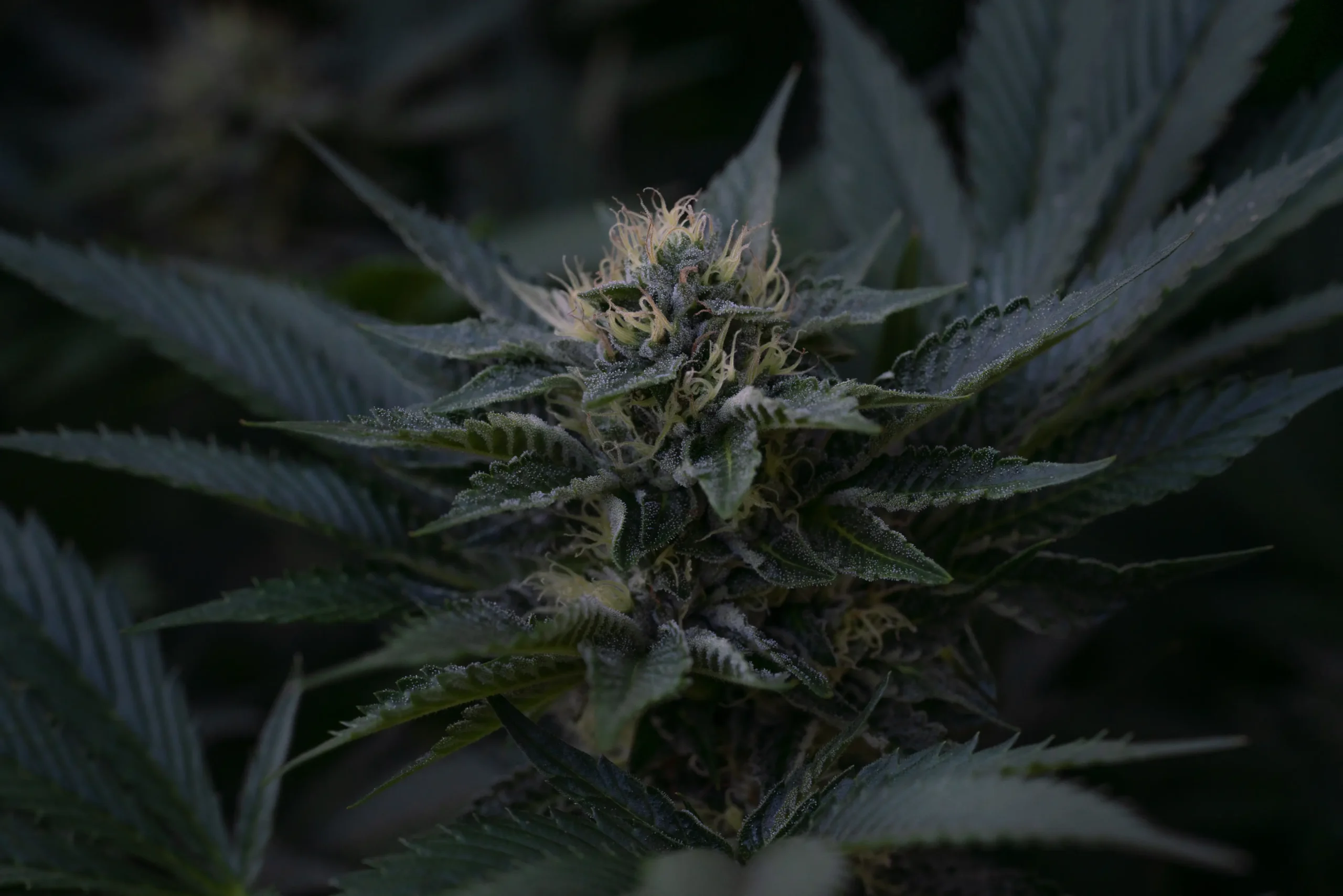
| Bud Morphology | Elongated, aerated floral spires displaying pale mint-green calyxes, slender golden pistils, and a frosty coat of sticky resin |
| Yield Potential | Indoor: 450 to 550 g/m² under optimized SCROG; Outdoor: 650 to 1,000+ grams per plant in full sun |
| Cultivation Difficulty | Beginner to intermediate; highly resilient to cold, pests, and mold, but requires indoor vertical height control |
Bud Density Expectation
Do not evaluate Mexican Sativa by the dense, rock-hard standards of modern indica dessert hybrids. Its calyx clusters are naturally aerated and spear-shaped, an evolutionary adaptation that prevents mold in damp climates while maximizing surface area for resin production and terpene retention.
Genetic Lineage
Mexican Sativa is the product of an ingenious, three-way continental hybridization designed by Sensi Seeds to solve the fundamental agronomic limitations of pure equatorial landraces in non-tropical zones.
The foundational maternal ancestor is an authentic landrace sativa collected from the misty mountain ridges of Oaxaca, Mexico. For generations, Oaxacan sativas have been celebrated among connoisseurs for producing some of the most euphoric, laughing, and spiritually uplifting cannabis in Central America. Characterized by narrow leaflets, slender stems, and high terpinolene and pinene content, pure Oaxacan plants smell of fresh pine needles, dried herbs, and sacred sandalwood. However, pure Oaxacan landraces require 14 to 16 weeks of tropical sunlight, making them virtually impossible to finish outdoors in temperate European or northern American latitudes.
To introduce rapid flowering triggers without losing sativa clarity, Sensi Seeds incorporated Durban Poison, the famed pure landrace sativa from South Africa. Durban contributed early photoperiod triggering, vigorous lateral branching, high natural THCV synthesis, and a sweet, spicy anise undertone. Finally, to grant cold resistance and heavy resin coverage, breeders introduced an elite Pakistani Hash Plant from the high-altitude Hindu Kush. The Pakistani genetics shortened internodes, infused rich sandalwood and hashish sesquiterpenes, and endowed the cultivar with an astonishing ability to thrive under cool, damp autumn weather.
Core Phenotypes & Selection Criteria
Phenohunting through seed lines of Mexican Sativa reveals an intriguing genetic spectrum that bridges high-altitude tropical sativa traits with rugged mountain indica resilience:
1. The Oaxacan Sandalwood Phenotype (The Connoisseur Cut)
This expression leans most heavily into its Mexican ancestry. The plant develops a tall, elegant, slender frame with narrow leaflets and a 2.5x stretch multiplier. In bloom, it builds elongated floral spires that exude an intoxicating perfume of aged Mysore sandalwood, holy church incense, dried citrus peel, and fresh pine needles. It finishes in 60 to 65 days and delivers an extraordinarily sparkling, euphoric high that inspires spontaneous laughter, music appreciation, and creative flow.
2. The Fast-Finishing Pakistani Hash Phenotype
Displaying stronger influence from the Hindu Kush ancestor, this cut features slightly broader fan leaves and a stockier framework, stretching only 1.8x. Its flowers are noticeably firmer and more compact, displaying dark emerald calyxes encrusted in sticky resin. Its aroma leans heavily into dark black hash, roasted coriander, cracked black pepper, and damp earth. It finishes with startling speed around day 50 to 52, making it the premier choice for northern outdoor cultivators racing against early autumn rains.
3. The Durban Anise & Spice Phenotype
A vigorous hybrid expression that exhibits explosive branching and heavy calyx stacking. The buds are spear-shaped and resinous, releasing a pungent bouquet of sweet black licorice, star anise, cedar wood, and lemon peel. It finishes around day 56 to 58, yields heavily under horizontal SCROG nets, and delivers a laser-focused, stimulating high with notable appetite suppression due to elevated THCV concentrations.
4. The Cold-Resistant Mountain Matriarch
An outdoor-optimized phenotype that thrives in damp, cool environments. The foliage turns subtle bronze and purple tones under cool night temperatures, while its calyxes remain completely free from botrytis or mildew even after days of heavy morning mist. It produces huge quantities of fragrant, resin-dusted spears that smell of spiced woods and clean herbal tea, making it an invaluable production mother for outdoor craft operations.
Effect Breakdown
Mexican Sativa is celebrated worldwide for providing an invigorating, functional, and socially joyful psychoactive profile that favors clear cognitive engagement over physical sedation.
The Bright Cerebral Awakening: Minutes 1 to 20
The onset of Mexican Sativa is swift, clean, and unmistakable. A sparkling sensation of mental brightness and optimism washes over the consumer, lifting emotional weight and replacing mental chatter with creative alertness. Colors appear crisper, music reveals subtle rhythmic details, and conversation flows with animated enthusiasm. Users feel a natural urge to move, socialize, take walks, or engage in artistic expression. Unlike hyper-racy sativas that can provoke sensory overwhelm, Mexican Sativa feels cheerful, comfortable, and centered.
The Joyful, Motivated Plateau: Minutes 20 to 75
During the peak of the experience, the cultivar’s landrace heritage shines brilliantly. Users experience sustained motivation, infectious humor, and spontaneous laughter, reminiscent of classic 1970s Mexican imports. Physical tension in the shoulders dissolves without causing muscular weakness or lethargy. The mind remains organized, focused, and articulate, making Mexican Sativa an extraordinary daytime companion for social gatherings, creative brainstorming, gardening, or physical exercise.
The Clean, Gentle Resolution: Beyond 75 Minutes
As the psychoactive effects gradually subside over two to three hours, the experience tapers with exceptional smoothness. The mental state gently returns to baseline without the heavy crash, brain fog, or sudden exhaustion often caused by commercial indica crosses. The consumer feels calm, refreshed, and clear-headed, ready to continue their day productively.
Functional Daytime Suitability
Mexican Sativa is ideal for daytime consumption. Its stimulating, clear-headed profile is counterproductive for sleep, making it best enjoyed in the morning, afternoon, or early evening during social events or outdoor activities.
Flavor & Aroma Profile
The olfactory and gustatory identity of Mexican Sativa is an authentic bridge to heirloom cannabis traditions, offering rich, noble woods, sacred spice, and clean earth.
Aroma: Sandalwood, Incense, and Spiced Hash
Uncapping a properly cured jar of Mexican Sativa releases an exotic, sophisticated fragrance that stands apart from modern candy hybrids. The primary aromatic impression is of aged sandalwood, cedar shavings, and holy temple incense. Beneath this woody foundation lies a rich undercurrent of spiced black hash, toasted coriander, dried star anise, and damp woodland soil. Grinding the dried flowers unleashes a delicate top note of zesty citrus peel and fresh pine needles, completing a complex and deeply comforting bouquet.
Flavor: Dry Noble Woods and Herbal Spice
On the palate, Mexican Sativa delivers an exceptionally smooth, refined smoke that coats the tongue with subtle, savory nuance. The inhale is dry, woody, and aromatic, tasting of polished sandalwood, fresh pine resin, and spicy herbs. As the smoke expands, deeper notes of roasted walnuts, dark hashish, and sweet anise emerge on the palate. The exhale is remarkably clean and refreshing, leaving a lingering aftertaste of spiced cedar and lemon tea that remains on the breath for several minutes.
Vaporization Temperature Stepping
To appreciate the subtle layers of Mexican Sativa’s terpene spectrum, vaporization at controlled temperatures is recommended. Low temperatures between 168°C and 178°C (334°F to 352°F) highlight delicate alpha-pinene, terpinolene, and zesty citrus monoterpenes. Stepping temperatures up to 190°C to 200°C (374°F to 392°F) activates the heavier caryophyllene and humulene sesquiterpenes, delivering the full, authentic taste of traditional sandalwood and aged hashish.
Dominant Terpenes
Laboratory chromatography testing typically reveals total terpene content between 1.8% and 3.2% in well-grown Mexican Sativa, driven by a harmonious balance of noble woody sesquiterpenes and uplifting monoterpenes.
| Terpene Compound | Typical Concentration | Sensory Profile | Physiological and Entourage Dynamics |
|---|---|---|---|
| Alpha-Pinene | 0.55% to 0.95% | Crisp pine needles, fresh rosemary, cedar resin | Acts as a natural bronchodilator, aids mental focus, and mitigates short-term memory impairment associated with high THC |
| Beta-Caryophyllene | 0.40% to 0.75% | Cracked black pepper, warm spice, woody clove | Directly activates peripheral CB2 receptors, delivering potent anti-inflammatory, analgesic, and gastroprotective relief |
| Beta-Myrcene | 0.35% to 0.65% | Damp forest earth, herbal musk, ripe fruit | Increases cellular membrane permeability, accelerating cannabinoid uptake; adds grounding body ease without heavy sedation |
| Terpinolene | 0.15% to 0.35% | Pine-citrus solvent, sweet floral herbs, apples | Contributes the sparkling, cheerful top notes in the aroma; adds energetic creative synergy to the mental state |
| Linalool | 0.10% to 0.22% | Soft floral lavender, sweet herbal cream | Modulates central GABA receptor pathways, delivering profound stress reduction, emotional calm, and mood balance |
| Alpha-Humulene | 0.08% to 0.20% | Earthy hops, woody spice, dry herbal tea | Works synergistically with caryophyllene to suppress systemic inflammation; modulates appetite stimulation |
Indoor vs Outdoor Growing
Mexican Sativa was specifically engineered to be one of the most versatile cultivars in cannabis history, performing brilliantly in both controlled indoor setups and harsh outdoor climates.
| Agronomic Dimension | Indoor Controlled Facility | Outdoor Open-Air Cultivation |
|---|---|---|
| Photoperiod & Speed | Fast 50 to 65-day bloom cycle; requires disciplined vertical canopy training to manage 2.2x stretch | Flowering initiates early in August; matures between late September and October 8 before heavy frost |
| Canopy Management | Responds eagerly to early topping, SCROG netting, and selective defoliation; easily trained into an even horizontal canopy | Builds massive, multi-branched sativa trees 2.0 to 2.8 meters tall; requires wire cage support for heavy branches |
| Humidity & Mold Risk | Open sativa bud structure provides exceptional mold resistance; maintain 45% to 50% RH in late flower | Unmatched natural mold resilience; aerated calyx spires allow wind to pass freely, shedding dew and rain quickly |
| Temperature & Color | Keep daytime temperatures at 24°C to 25°C; handles cool room temperatures down to 17°C with vigor | Thrives in cool, temperate northern regions (UK, Netherlands, Germany, Canada); handles chilly autumn nights with ease |
| Yield Potential | Consistent 450 to 550 g/m² under high-efficiency LED arrays with proper canopy distribution | 650 to 1,000+ grams per plant when rooted in large living soil beds in full sun |
| Terpene Retention | Strict environmental thermal control preserves delicate sandalwood and pinene monoterpenes | Deep, complex sandalwood, hashish, and pine sun-grown aroma; exceptionally durable resin glands |
Strain-Specific Grow Guidance
Mexican Sativa is exceptionally hardy and forgiving of beginner mistakes, but maximizing its harvest weight and aromatic depth requires understanding its vigorous landrace architecture.
Vegetative Architecture and Early Pruning
During vegetative growth, Mexican Sativa establishes rapid vertical and lateral momentum supported by slender, highly flexible branches. To encourage an even canopy, top the main apical stem once at the fourth or fifth node when plants reach approximately 25 to 30 cm in height. Apply low-stress training (LST) ties to pull primary lateral branches outward into a horizontal plane. This breaks apical dominance and stimulates secondary shoots to rise uniformly, forming a broad, multi-topped canopy that captures light efficiently across the entire footprint.
Managing the Flowering Stretch
Upon flipping the photoperiod to 12/12, Mexican Sativa exhibits a vigorous stretch multiplier of 2.0x to 2.5x pre-flip height over the first 21 days. Cultivators must plan their vertical headroom carefully; a plant flipped at 30 cm will easily finish between 70 and 85 cm. Flowering should be initiated before plants fill more than 50% of the available vertical canopy space.
Defoliation and Lower Canopy Pruning
Because Mexican Sativa produces long, elegant branches that can become crowded indoors, strategic pruning is vital. Execute a thorough lower canopy strip (lollipopping) on day 21 of flower, removing the bottom 30% of shaded interior shoots and non-viable sucker branches. On day 42 (week 6), perform a selective second defoliation, removing large fan leaves that cast shadows over swollen calyx spires. This maximizes photon capture on productive tops and ensures continuous horizontal airflow through the canopy core.
Week-by-Week Environmental and Crop Steering Schedule
| Flowering Stage | Target Day Range | Day / Night Temp | Relative Humidity (RH) | VPD Target | Target PPFD | Nutrient EC & Steering Focus |
|---|---|---|---|---|---|---|
| Stage 1: Stretch & Early Flower | Days 1 to 21 (Weeks 1 to 3) | 25°C / 20°C (77°F / 68°F) | 65% to 70% | 1.0 to 1.2 kPa | 600 to 700 μmol/m²/s | EC 1.6 to 1.8 mS/cm; balanced N-P-K, support rapid cell division and stem development |
| Stage 2: Calyx Tower Stacking | Days 22 to 35 (Weeks 4 to 5) | 24°C / 19°C (75°F / 66°F) | 55% to 60% | 1.2 to 1.4 kPa | 750 to 850 μmol/m²/s | EC 1.8 to 2.1 mS/cm; ramp phosphorus and potassium, initiate second defoliation |
| Stage 3: Floral Bulking & Resin Surge | Days 36 to 49 (Weeks 6 to 7) | 23°C / 18°C (73°F / 64°F) | 45% to 50% | 1.4 to 1.6 kPa | 850 to 950 μmol/m²/s | EC 2.0 to 2.3 mS/cm; peak PK boost, maintain adequate calcium for cell wall strength |
| Stage 4: Trichome Clouding & Ripening | Days 50 to 58 (Week 8) | 22°C / 16°C (72°F / 61°F) | 40% to 45% | 1.5 to 1.7 kPa | 700 to 800 μmol/m²/s | EC 1.0 to 1.2 mS/cm; drop nocturnal temp to enhance resin firmness, taper nutrients |
| Stage 5: Final Leaching | Days 59 to 65 (Week 9) | 21°C / 15°C (70°F / 59°F) | 38% to 42% | 1.6 to 1.8 kPa | 500 to 600 μmol/m²/s | EC 0.2 to 0.4 mS/cm; pure reverse osmosis water, harvest when trichomes reach 90% milky |
Nutrition and Nitrogen Discipline
Mexican Sativa is a moderate feeder that thrives on balanced mineral or organic nutrition. Because of its landrace sativa ancestry, it requires lower nitrogen concentrations than heavy-feeding indica dessert cultivars. Continuing high nitrogen feedings past week 4 causes excessive leafiness within calyx clusters, delays ripening, and leaves a harsh, grassy aftertaste in the cured smoke. Taper nitrogen aggressively at week 4 and emphasize bioavailable potassium, phosphorus, and sulfur to support heavy trichome gland swelling and rich sandalwood terpene synthesis.
Harvest Timing Cue
To preserve the crystal-clear cerebral euphoria and noble sandalwood aromatics of Mexican Sativa, harvest when 90% of trichome heads on calyx bracts are milky white with only 5% to 10% displaying warm amber coloration. Delaying harvest until amber exceeds 25% degrades delicate pinene and sandalwood terpenes in favor of heavier sedation.
SCROG & Sativa Stretch Management
Because Mexican Sativa possesses slender lateral branches and a vigorous flowering stretch, deploying a horizontal Screen of Green (SCROG) is the most efficient indoor technique for maximizing yield and maintaining an even canopy.
Trellis Installation & Shoot Weaving
Install a horizontal trellis net with 10 to 15 cm square grids approximately 25 to 30 cm above the container surface during late vegetative growth. As branches stretch toward the lights during weeks 1 through 3, gently tuck and weave emerging tips horizontally beneath the netting into open grid positions. Once the stretch halts at day 21, allow terminal tops to grow vertically through the squares, creating an exceptionally level plane of productive calyx spires that all share equal access to light.
Branch Reinforcement and Heavy Cola Support
While Mexican Sativa stems are flexible during veg, they become heavy and brittle as calyxes swell during weeks 6 through 8. The SCROG net provides critical physical support, preventing heavy floral tops from leaning outward, shading neighbors, or snapping under their own weight. This ensures uninterrupted vascular transport of water and nutrients through the final day of flowering.
Crop Steering & Irrigation Matrix
Commercial cultivators utilizing precision substrates such as rockwool or high-porosity coco coir achieve the greatest consistency with Mexican Sativa by executing disciplined crop steering routines based on volumetric water content (VWC) and pore water electrical conductivity (EC).
Generative Steering During the Stretch (Weeks 1 to 3)
During the first three weeks of flowering, apply generative irrigation steering to restrict excessive internodal elongation and promote rapid flower initiation. Cultivators allow larger overnight drybacks (typically 45% to 55% reduction from maximum substrate saturation) and apply smaller, concentrated irrigation shots (2% to 3% of substrate volume) beginning two hours after lights-on. This elevates root-zone electrical conductivity to between 4.0 and 5.5 mS/cm, signaling the plant to divert resources toward tight floral formation rather than vertical stem stretching.
Vegetative Steering During Bulking (Weeks 4 to 6)
From week 4 through week 6, pivot into vegetative steering to maximize calyx swelling and floral biomass accumulation. Deliver larger irrigation shots (4% to 6% of media volume) every 45 to 60 minutes until achieving 15% to 20% daily runoff. Maintain substrate moisture at 55% to 65% VWC with shallower overnight drybacks of only 25% to 35%. Root zone EC should be stabilized between 2.6 and 3.2 mS/cm. This steady hydration and nutrient availability allows calyxes to swell rapidly into dense, resinous spears.
Late Generative Ripening Shift (Week 7 to Harvest)
Starting in week 7, irrigation steering returns to a generative posture. Overnight drybacks are intentionally pushed back to 40% to 50%, and total irrigation events are reduced. This mild, controlled water stress stimulates secondary metabolite production, triggering a surge in trichome gland head development, terpene synthesis, and cannabinoid density before final leaching.
Cold Climate Outdoor Agronomy & Mold Defense
Mexican Sativa is celebrated as one of the few true sativa cultivars capable of thriving outdoors in cool, humid, northern temperate climates where autumn weather deteriorates quickly.
Aerated Floral Architecture as a Biological Shield
The loose, elongated bud structure of Mexican Sativa is its greatest outdoor asset. Unlike modern dense indica buds that trap moisture between swollen calyxes, Mexican Sativa allows morning wind to pass freely through the interior core of the flower. Following heavy autumn rainfall or morning dew, moisture evaporates rapidly, depriving Botrytis cinerea and powdery mildew spores of the free surface water necessary for germination.
Cold Night Resilience & Anthocyanin Expression
The Pakistani Hash Plant ancestry provides deep cellular cold resilience, allowing the plant’s vascular system to transport nutrients efficiently even when night temperatures drop toward 8°C to 12°C (46°F to 54°F). Under these chilling autumn night conditions, fan leaves and calyx bracts take on beautiful bronze, copper, and pale violet hues while resin gland heads remain firm, glassy, and aromatic.
High-Altitude Soil Ecology & Mineral Dynamics
Cultivating Mexican Sativa in organically amended living soil beds mimics the native mountain soil ecology of the Sierra Madre del Sur in Oaxaca and the Hindu Kush valleys of Pakistan.
Volcanic Basalt and Granite Mineralization
High-altitude landraces evolved in soils rich in decomposed granite, volcanic basalt rock dust, and natural gypsum. Incorporating paramagnetic basalt meal and glacial rock dust into living organic soil beds supplies over 60 essential trace minerals, including silicon, manganese, and iron. Silicon deposits directly into trichome stalk cell walls, reinforcing mechanical strength and preventing premature resin head loss during heavy autumn winds.
Mycorrhizal Symbiosis & Terpene Complexity
Inoculating organic beds with endomycorrhizal fungi (Glomus intraradices) creates an extensive subterranean fungal network that maximizes bioavailable phosphorus uptake. This natural biological symbiosis triggers the MEP and mevalonate enzymatic pathways, significantly increasing the synthesis of noble woody sesquiterpenes, including alpha-humulene, caryophyllene, and authentic sandalwood-like aromatics that synthetic mineral feeds fail to replicate.
Lighting Spectrum & Photobiology
Managing photosynthetic photon flux density (PPFD) and spectral quality is essential to unlocking the resin density and noble wood terpenes of Mexican Sativa while preventing light bleaching.
Photosynthetic Photon Flux Density (PPFD) & Daily Light Integral (DLI)
Mexican Sativa performs exceptionally well under high photon irradiance when supported by balanced nutrition and proper VPD. In vegetative growth, provide 400 to 500 μmol/m²/s under an 18-hour photoperiod (DLI 26 to 32 mol/m²/day). In early bloom, ramp PPFD progressively from 650 μmol/m²/s to peak levels of 850 to 950 μmol/m²/s during weeks 4 through 7 (DLI 37 to 41 mol/m²/day in non-CO2 setups). In sealed facilities enriched with 1,100 to 1,250 ppm CO2, Mexican Sativa can comfortably process up to 1,050 μmol/m²/s, resulting in significantly bulkier calyx towers.
Targeted UV and Blue Light Supplementation
Because pinene and volatile monoterpenes are highly responsive to spectral cues, maintaining high blue photon fractions (450 nm) during late bloom helps prevent excessive stretching. Furthermore, introducing supplementary ultraviolet light (UVA at 385 nm and modest UVB at 310 nm for 2 hours daily during weeks 5 through 7) stimulates the plant’s natural photoprotective response, prompting trichomes to synthesize higher concentrations of cannabinoids, flavonoids, and protective terpenes without causing leaf margin necrosis.
Mineral Nutrition & Deficiency Guide
Maintaining precise nutritional balance ensures Mexican Sativa develops dense, resinous floral spears without encountering lockouts or leaf tip burn.
| Nutrient Element | Optimal Range | Deficiency Symptoms | Toxicity Symptoms & Management |
|---|---|---|---|
| Nitrogen (N) | 120 to 150 ppm (veg); 50 to 70 ppm (bloom) | Premature chlorosis of bottom foliage, pale stems, slow development | Dark emerald clawed leaves, brittle foliage, delayed ripening; reduce nitrate inputs immediately after week 3 |
| Phosphorus (P) | 50 to 70 ppm (veg); 90 to 120 ppm (bloom) | Red or purple petiole striping accompanied by dark bronze necrotic spotting on mature leaves | Rarely toxic directly, but high phosphorus locks out iron, zinc, and calcium; maintain balanced bloom formulations |
| Potassium (K) | 150 to 180 ppm (veg); 220 to 280 ppm (mid bloom) | Marginal chlorosis turning into crisp brown necrotic edges on fan leaves | Excess potassium interferes with calcium and magnesium absorption; monitor runoff EC and keep K balanced |
| Calcium (Ca) | 140 to 180 ppm throughout cycle | Localized brown necrotic flecking on new leaves, distorted shoot tips, weak branches | Extremely rare; ensure steady transpiration through proper VPD to maintain continuous calcium transport to colas |
| Magnesium (Mg) | 60 to 80 ppm throughout cycle | Distinct interveinal chlorosis on middle canopy leaves while veins remain dark green | High magnesium restricts calcium uptake; supplement with balanced magnesium sulfate (Epsom salts) |
| Sulfur (S) | 70 to 100 ppm during bloom | General yellowing of new upper leaves resembling nitrogen deficiency, muted aroma | Virtually non-toxic in hydroponics; essential for the enzymatic synthesis of pungent thiols and terpenes |
Pathogen Management & Microclimate Control
Thanks to its aerated sativa floral architecture, Mexican Sativa possesses superior natural resistance to fungal pathogens. However, proactive integrated pest management (IPM) remains vital.
Environmental Mold Resistance & Airflow
While Mexican Sativa flowers are less prone to internal moisture entrapment than dense dessert strains, maintaining proper environmental parameters is still essential. Maintain VPD between 1.3 and 1.6 kPa during mid-to-late flower, and keep relative humidity below 45% during the final three weeks. Ensure continuous horizontal airflow through the canopy using oscillating wall fans to prevent stagnant microclimates.
Pest Scouting and Biological Agents
The tender foliage of Mexican Sativa can attract two-spotted spider mites and thrips. Implement weekly scouting with hand lenses and yellow sticky traps. Introduce predatory mites, such as Neoseiulus californicus and Amblyseius swirskii, during early vegetative growth to establish an active biological shield that prevents pest outbreaks throughout the flowering cycle.
Traditional Hashish & Dry-Sift Protocols
Mexican Sativa carries rich resin-producing genetics from its Pakistani Hash Plant heritage, making it an exceptional cultivar for traditional solventless dry-sifting.
Trichome Head Abscission Mechanics
Under microscopic analysis, Mexican Sativa displays spherical capitate-stalked trichome heads averaging 90 to 125 micrometers in diameter. The abscission zone connecting the gland head to the stalk is remarkably narrow and brittle when chilled. In cold room dry-sifting (temperatures maintained below 10°C / 50°F), gentle mechanical tumbling separates gland heads cleanly from stalks without pulverizing surrounding leaf matter, producing pure golden kief with minimal plant contaminant.
Dry-Sieve Micron Screens & Static Tech
For connoisseur dry-sift collection, run cured whole flower across a stack of stainless steel mesh screens. The initial 160-micron screen catches bulk plant debris while allowing gland heads to pass. The primary collection occurs on the 104-micron and 73-micron screens, isolating pristine, spherical trichome heads. Applying static parchment separation (static tech) removes any remaining microscopic hair or leaf fragments, leaving a 99% pure melt that bubbles vigorously under a flame.
French Pressing & Temple Ball Aging
Pure Mexican Sativa dry sift is an extraordinary material for traditional hot bottle pressing and temple ball curing. By wrapping the sift in cellophane or parchment and rolling it with a heated wine bottle filled with boiling water, the cuticular waxes melt and fuse, decarb-activating cannabinoids into a rich, dark, pliable hashish paste. When rolled into smooth spheres (temple balls) and aged in an airtight, cool cellar for 3 to 12 months, the hash develops an extraordinary, velvety smoothness and rich spicy sandalwood bouquet that modern extracts cannot replicate.
Water Activity & Terpene Retention
The post-harvest drying and curing phase determines whether Mexican Sativa delivers an unforgettable sensory masterpiece or loses its delicate sandalwood top notes to thermal evaporation.
Thermodynamic Equilibrium & Water Activity Targets
Whole plants should be harvested and hung to dry in a dark room maintained strictly at 15°C to 16°C (59°F to 61°F) and 60% relative humidity for 12 to 16 days. The target is an equilibrium water activity (aw) between 0.58 and 0.62 aw at 18°C. Dropping below 0.55 aw damages delicate trichome gland membranes and accelerates volatile terpene loss, while moisture levels above 0.65 aw create an active hazard zone for fungal spore germination during storage.
Slow Glass Curing & Chlorophyll Degradation
Once the smaller stems snap cleanly, manicured buds should be transferred into glass curing vessels filled to 70% capacity. Burp the vessels daily for 15 minutes during the initial two weeks to release trapped moisture and ethylene. Over a 3 to 5-week cure, residual chlorophyll and starches break down enzymatically, allowing the noble sandalwood, aged hashish, and fresh pine notes to harmonize, delivering an extraordinarily smooth, clean smoke that burns to fluffy white ash.
Maintaining equilibrium relative humidity inside curing containers between 60% and 62% allows these critical enzymatic reactions to proceed without stall. This slow biochemical transformation converts harsh, throat-irritating pigments into neutral metabolites, unlocking an exceptionally velvety smoke that coats the palate with pure sandalwood and sacred incense essence.
Weedth Bud Flavor Tips
Preserving the nuanced sandalwood and pine profile of Mexican Sativa requires meticulous attention to plant nutrition, harvest timing, and post-harvest environmental parameters.
Protect the Woody Sesquiterpenes
Never allow late-flowering canopy temperatures to exceed 25°C (77°F). Running cool day temperatures (22°C to 23°C / 72°F to 74°F) and chilly nights (16°C to 17°C / 61°F to 63°F) during weeks 7 and 8 locks these fragile aromatic compounds deep within the capitate resin heads.
Clean Mineral Leaching
Execute a disciplined 7 to 10-day clean water leach using reverse osmosis water prior to harvest. Forcing the plant to metabolize stored nitrates within its vegetative tissues prevents an acrid, grassy aftertaste and ensures the finished smoke burns to a clean, white ash with thick, sweet sandalwood vapor.
Gentle Hand Manicuring
Avoid automated tumble trimmers that fracture fragile capitate trichome heads. Careful hand manicuring preserves outer resin gland structures and prevents premature terpene oxidation, extending the shelf life and aroma of cured flowers.
Weedth Bud Boost Tips
Commercial growers seeking to maximize marketable yields toward the 550 g/m² benchmark without compromising density or terpene content should implement targeted cultivation optimizations.
Screen of Green (SCROG) Training
Deploy a horizontal SCROG netting system and weave branches beneath the mesh through day 14 of flowering. This creates an expansive, flat canopy where every floral top receives identical light intensity, converting potential lower larf into dense, high-grade spears.
Carbon Dioxide Supplementation
Enriching the sealed indoor atmosphere with 1,150 to 1,250 ppm of carbon dioxide (CO2) during weeks 2 through 6 of bloom stimulates photosynthetic activity. Paired with elevated PPFD (850 to 950 μmol/m²/s), CO2 supplementation substantially accelerates calyx swelling and overall bud mass.
Mid-Bloom Phosphorus and Potassium Boost
Provide targeted, bioavailable PK supplementation between days 28 and 45 of flowering. This supplies the essential elemental building blocks required for rapid floral cell expansion and heavy trichome gland formation.
Medical Uses & Benefits
Beyond its legendary status among daytime connoisseurs, Mexican Sativa offers profound therapeutic value for medical cannabis patients managing specific chronic conditions.
Chronic Fatigue, Depression, and Mood Elevation
The rich combination of moderate THC, pinene, and caryophyllene provides exceptional relief for patients struggling with chronic lethargy, depressive mood patterns, and low motivation. The strain acts as an uplifting cognitive catalyst, promoting sustained focus, mental organization, and cheerful optimism without causing physical jitters.
Daytime Pain Relief Without Sedation
Thanks to peripheral CB2 activation facilitated by beta-caryophyllene and the soothing presence of myrcene, Mexican Sativa effectively attenuates chronic joint stiffness, arthritis discomfort, and neuropathic distress without inducing unwanted daytime sleepiness.
Appetite Regulation and Focus
Thanks to natural THCV concentrations inherited from Durban Poison, Mexican Sativa helps patients stay energized and mentally alert without triggering acute appetite spikes, making it valuable for individuals seeking daytime functional therapy.
Stress Reduction and Social Ease
Patients dealing with social anxiety, work-related burnout, or situational stress report significant relief from Mexican Sativa. It induces an optimistic, joyful headspace that silences intrusive worries while keeping the body energized and socially receptive.
Ideal User Profile
Mexican Sativa is an exquisite cultivar tailored for specific lifestyle contexts and consumer preferences.
The Outdoor and Cool-Climate Cultivator
Growers living in cool, damp northern regions who want to harvest authentic sativa flower before October rains will find Mexican Sativa to be the ultimate dependable outdoor companion.
The Daytime Social and Active Consumer
For individuals looking to enjoy creative hobbies, outdoor sports, social gatherings, or productive daytime tasks with cheerful euphoria and physical comfort, Mexican Sativa delivers an ideal balanced effect curve.
Who Should Exercise Caution
Individuals seeking heavy nighttime sedation, sleep induction, or intense couch-lock should avoid Mexican Sativa during late evening hours. Its stimulating, bright cerebral high is inherently counterproductive for sleep.
Grower Notes and Feedback
Grower journals and commercial cultivation logs consistently praise Mexican Sativa for its exceptional cold tolerance, high mold resistance, and joyful social high.
Cultivators note that the strain is exceptionally easy to root, forming healthy clones within seven to ten days. Outdoor growers in Northern Europe and Canada celebrate its ability to withstand wet September weather without developing bud rot. The most universal cautionary feedback centers on indoor vertical stretch management; because the plant stretches up to 2.5x pre-flip height, failing to top and trellis early can result in colas crowding indoor lighting grids.
Weedth Editor’s Note
Mexican Sativa is one of the greatest achievements in the history of Sensi Seeds. It proves that you don’t need to live in the tropics to enjoy authentic, laughing Mexican sativa flower. By infusing Oaxacan genetics with Durban and Pakistani Hash Plant, Sensi created a plant that finishes fast, shrugs off northern frosts, and smells like an ancient cedar temple.
If you grow this cultivar indoors, treat your SCROG screen as an absolute necessity. Top it early, weave those branches horizontally, and keep your late-flower temperatures cool. If you grow it outdoors, plant it in rich living soil in full sun and watch it turn into a magnificent, frost-covered tree that will produce some of the cleanest daytime flower you will ever smoke.
Weedth Score
| Assessment Category | Score (1 to 10) | Editorial Assessment & Cultivation Notes |
|---|---|---|
| Growing Experience | 9.1 / 10 | Unrivaled cold and mold resilience, rapid 7 to 9-week finish, and high adaptability to outdoor climates |
| Bud Density & Bag Appeal | 9.2 / 10 | Elongated, aerated floral spires encrusted in glittering trichomes with pale mint-green calyxes |
| Aroma Complexity | 9.5 / 10 | Authentic heirloom bouquet of aged sandalwood, temple incense, spiced black hash, and cedar |
| Flavor Smoothness & Translation | 9.3 / 10 | Velvety smoke delivering dry noble woods, roasted coriander, and pine that burns to pure white ash |
| Effects & Cognitive Clarity | 9.5 / 10 | Soaring, joyous cerebral euphoria, laughter, and daytime functionality without physical heaviness |
| Overall Connoisseur Rating | 9.3 / 10 | An immortal classic that brings heirloom Central American sativa genetics to northern gardens with unmatched reliability |
FAQ
Is Mexican Sativa an indica or a sativa?
Mexican Sativa is a sativa-dominant hybrid, typically testing at approximately 70% sativa and 30% indica. It exhibits an open plant structure, narrow leaves, vigorous vertical stretch, and a soaring cerebral euphoria ideal for daytime use.
What are the genetics of Mexican Sativa?
Mexican Sativa was developed by Sensi Seeds in Amsterdam by crossing an authentic Oaxacan Highland Sativa from Mexico with Durban Poison from South Africa and a resilient Pakistani Hash Plant from the Hindu Kush.
How long does Mexican Sativa take to flower?
Indoors under 12/12 lighting, Mexican Sativa finishes flowering in 50 to 65 days (7 to 9 weeks). Outdoors in Northern temperate climates, plants mature between late September and early October, well before heavy autumn frosts.
What does Mexican Sativa smell and taste like?
Mexican Sativa exhibits an iconic aroma of aged sandalwood, holy temple incense, spiced black hash, fresh cedar wood, dried anise, and zesty citrus peel. On the palate, it delivers dry noble woods, toasted coriander, and herbal pine that burns to pure white ash.
Is Mexican Sativa good for outdoor growing in cold climates?
Yes. Mexican Sativa was bred specifically to excel in cool, damp northern outdoor climates (such as the UK, Netherlands, Germany, and Canada). Its Pakistani genetics provide cold night tolerance, while its aerated bud structure sheds moisture rapidly to prevent mold.
Why are the buds of Mexican Sativa looser than modern hybrids?
The aerated, elongated bud structure is an evolutionary adaptation inherited from tropical Oaxacan and Durban sativas. This open floral architecture allows air to circulate freely through the colas, preventing moisture entrapment and providing natural immunity to Botrytis mold.
How much does Mexican Sativa stretch during bloom?
Mexican Sativa exhibits a vigorous vertical stretch, typically expanding by 2.0x to 2.5x its vegetative height during the first three weeks of 12/12. Early topping and a horizontal SCROG net are recommended to manage indoor headroom.
What are the medical benefits of Mexican Sativa?
Medical patients frequently utilize Mexican Sativa to manage chronic fatigue, depression, generalized anxiety, social stress, and mild inflammation. Its clear, joyful high provides effective symptom relief without causing daytime sedation or lethargy.
How should I dry and cure Mexican Sativa to preserve its sandalwood aroma?
Dry whole plants slowly in a dark room held strictly at 15°C to 16°C (59°F to 61°F) and 60% relative humidity for 12 to 16 days. Cure in airtight glass jars filled to 70% capacity at 60% to 62% RH for 3 to 5 weeks to preserve volatile pinene, terpinolene, and sandalwood sesquiterpenes.
How does Mexican Sativa compare to Acapulco Gold or Colombian Gold?
Pure Mexican landraces like Acapulco Gold and Colombian sativas require 14 to 18 weeks of tropical photoperiods, produce wispy flowers, and cannot survive northern frosts. Mexican Sativa captures the exact laughing, joyful cerebral high and noble sandalwood incense of those legendary landraces while finishing in a fast 7 to 9 weeks with robust cold tolerance.
Can Mexican Sativa be trained effectively in indoor grow tents with limited height?
Yes. Although it has a 2.5x stretch, Mexican Sativa has very flexible branches that respond exceptionally well to low-stress training and horizontal SCROG netting. By topping early at node 4 and weaving lateral shoots horizontally through a screen during the first two weeks of bloom, cultivators can keep the total canopy height under 80 cm while maximizing square-meter yield.
Similar Strains
| Cultivar Name | Genetic Relationship | Aromatic & Flavor Overlap | Agronomic & Growth Similarities |
|---|---|---|---|
| Durban Poison | Direct genetic parent (South African Landrace) | Spicy licorice, sweet anise, pine resin, and lemon | Fast flowering speed, high mold resistance, and energetic daytime cerebral euphoria |
| Pakistani Chitral Kush | Related Hindu Kush hash plant landrace | Sweet dark hash, cedar wood, damp loam, and spice | Stout cold tolerance, rich resin gland production, and soothing physical comfort |
| Acapulco Gold | Classic Mexican landrace sativa relative | Warm toffee, spiced tea, citrus zest, and noble wood | Tall sativa framework, joyful mental clarity, and open spear-shaped calyx clusters |
| Jack Herer | Haze x Northern Lights x Shiva Skunk hybrid | Crisp pine, sweet citrus, spicy wood, and earthy haze | Vigorous stretch, daytime functional motivation, and high resin head density |
| Panama | Panama 74 x Green Panama landrace hybrid | Lemon incense, vanilla wood, and spicy herbal musk | Open sativa structure, high outdoor resilience, and soaring creative high |
Share this article
A quick overview of the topics covered in this article.
Follow us
Latest articles
November 9, 2026
November 9, 2026
November 9, 2026
November 9, 2026
