
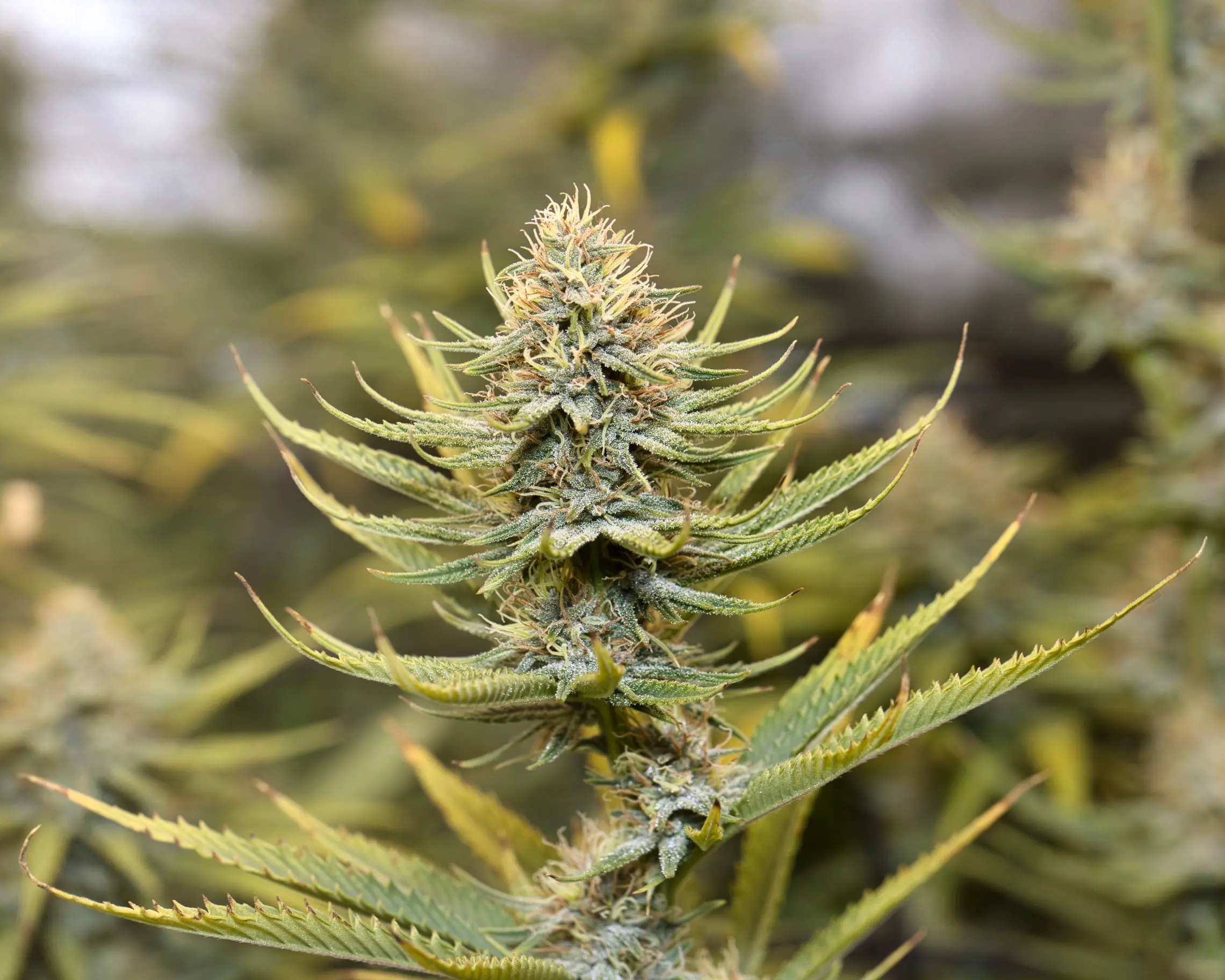
White Runtz Strain: Complete Cultivar & Grow Guide
In the contemporary landscape of elite cannabis breeding, few cultivars have reshaped connoisseur culture and commercial retail markets quite like White Runtz. Emerging from the heart of California modern exotic genetic revolution, White Runtz represents a premier, specialized phenotype selected from the world-famous cross between Gelato #33 (the legendary Larry Bird cut) and Zkittlez. Championed by the Runtz crew and elevated through the Cookies family network, White Runtz earned its name from the sheer, overwhelming density of capitate-stalked glandular trichomes that encase every calyx, sugar leaf, and bract in a blinding, silvery-white mantle of crystalline resin. It harmonizes the candied rainbow sweetness and tropical fruit esters of Zkittlez with the creamy vanilla pastry dough, lavender earth, and subtle gassy fuel of Gelato #33.
From an agronomic perspective, White Runtz presents a compact to medium stature characterized by tight internodal spacing, strong lateral branching, and dense, dark forest-green foliage. Unlike finicky first-generation Zkittlez cuts that frequently exhibited sluggish vegetative expansion, brittle lateral stems, and low yields, White Runtz inherited the structural integrity, vigorous nutrient assimilation, and uniform calyx development of Gelato #33. When cultivated under precision horticultural practices, this cultivar stacks golf-ball-sized floral clusters that undergo an astonishing visual metamorphosis during the final three weeks of flowering, expressing rich violet, eggplant purple, and midnight obsidian hues beneath its thick blizzard of snowy frost.
However, commanding maximum flower yield, bag appeal, and monoterpene preservation from White Runtz requires strict environmental vigilance, active humidity control, and precise post-harvest handling. Because its floral clusters develop exceptional density and resin volume, inadequate air circulation or elevated humidity during mid to late flowering can elevate the risk of internal microclimate humidity entrapment. Commercial cultivators must implement double-layer trellising, aggressive vegetative pruning, and strategic defoliation at Day 21 and Day 42 of flowering to facilitate unimpeded airflow and uniform photon penetration. This comprehensive technical guide provides commercial facility operators, craft caregivers, and home growers with an exhaustive blueprint covering genetics, phenotype selection, vegetative steering, generative irrigation, lighting physics, pathogen prevention, and solventless hash production.
Strain Features
| Agronomic Trait | Observed Specification | Cultivator Note |
|---|---|---|
| Genetic Lineage | Gelato #33 (Larry Bird Cut) x Zkittlez | Selected by Runtz Crew / Cookies Family; elite resin cut |
| Cultivar Classification | Balanced Hybrid (50% Indica / 50% Sativa) | Combines radiant uplifting euphoria with soothing somatic peace |
| Cannabinoid Content (THC) | 24% to 29% THCA (Average 26.5% Active THC) | Exceptional cannabinoid potency suitable for high tolerance |
| Secondary Cannabinoids | CBG: 1.2% to 1.7%, CBC: 0.4% to 0.7%, CBD: < 0.2% | Robust minor cannabinoid entourage amplifying analgesic relaxation |
| Total Terpene Concentration | 2.6% to 3.8% Dry Flower Weight | Unusually high volatile monoterpene and confectionery ester volume |
| Dominant Terpenes | Beta-Caryophyllene, D-Limonene, Linalool, Beta-Myrcene | Sugared tropical candy, vanilla cream, citrus rinds, soft gas |
| Flowering Duration (Indoors) | 58 to 65 Days (8.5 to 9.5 Weeks) | Fast commercial finisher; peak resin gland cloudiness around Day 62 |
| Outdoor Harvest Window | October 5 to October 18 (Northern Hemisphere) | Requires moderate autumn climate with low late-season rainfall |
| Vegetative Stretch Factor | 130% to 150% Post-Photoperiod Flip | Manageable vertical expansion; responds exceptionally to SCROG |
| Indoor Yield Potential | 475 to 575 g/m² under optimized high-efficiency LED arrays | Enhanced significantly through precision generative crop steering |
| Outdoor Yield Potential | 700 to 1100 g/plant in prepared organic living soil beds | Requires stout physical trellising to support dense flower heads |
| Calyx-to-Leaf Ratio | High (75:25) | Streamlined post-harvest manicuring; excellent resinous sugar leaf |
| Trichome Morphology | Capitate-stalked glandular heads (85 to 115 microns) | Exemplary washability for ice water hash and solventless rosin |
| Pathogen Vulnerability | Moderate resistance to PM; sensitive to late-flower Botrytis | Maintain canopy VPD above 1.3 kPa and RH below 45% in late bloom |
| Sensory Profile | Candied fruit, sweet vanilla cream, citrus zest, lavender, gas | Profound mouth-coating persistence and candy room note |
Genetic Lineage & Breeding History
The phenomenon of Runtz represents one of the most culturally and commercially impactful genetic breakthroughs in the history of the modern cannabis industry. Originating in Northern California through the creative collaboration of Ray Bama, Nick, and Yung LB, the Runtz brand transformed from an underground boutique delicacy into a global cultural movement. While numerous phenotypes and crosses emerged from the original seed stock, White Runtz quickly distinguished itself as the absolute pinnacle cut for bag appeal, resin coating, and balanced hybrid potency.
The cross itself was engineered by pairing Gelato #33 with Zkittlez. Gelato #33, bred by Mario Guzman (Sherbinski) by crossing Sunset Sherbet with Thin Mint GSC, contributed its thick, muscular branch architecture, high calyx-to-leaf ratio, and legendary sensory notes of sweet citrus cream, earthy lavender, and hazelnut. Gelato #33 provided the necessary structural backbone and heavy cannabinoid ceiling that allowed the cross to thrive in demanding commercial production environments.
For the other parent, the breeders utilized Zkittlez, a multi-award-winning cultivar bred by Terp Hogz and 3rd Gen Family through crossing Grape Ape with Grapefruit. Zkittlez was celebrated across the globe for its mind-blowing candy flavor, smelling and tasting identically to tropical fruit candy chews. However, original Zkittlez cuts were notorious for weak stems, slow vegetative root growth, and delicate flowers that bruised easily. By combining Zkittlez with Gelato #33, the breeders successfully captured the mouthwatering candy terpenes of Zkittlez while gaining the dense calyx formation, vigorous growth, and frost of Gelato. The selected White Runtz cut was named for its extraordinary trichome density, which appeared so thick and white that the flowers looked as though they had been dipped in powdered confectioners sugar.
Core Phenotypes & Selection Criteria
When cultivating White Runtz from authentic clone stock or exploring backcross seed lines, growers will encounter two prominent phenotypic expressions within the genetic pool:
- Phenotype #1 (The Official White Runtz Cut / Balanced Confectionery): The definitive commercial champion. This phenotype exhibits medium, compact stature with thick, self-supporting lateral branches. The vegetative foliage features wide, dark emerald leaves with smooth margins. In flower, stretch is strictly contained between 130% and 145%. Floral clusters form exceptionally dense, golf-ball calyx stacks that express vivid lilac and dark amethyst pigments during the final fourteen days. The aroma is a 50/50 symphony of sweet tropical candy, vanilla cream, and subtle sour fuel. Testing consistently between 25% and 29% THC, this phenotype produces the highest concentration of capitate-stalked trichomes and washes cleanly between 73u and 110u for ice water hash.
- The Zkittlez-Dominant Phenotype (The Pure Candy Lean): Leaning toward the Terp Hogz heritage, this expression is slightly more delicate in vegetative growth with thinner stems and wider internodal spacing. It requires gentler nutrient strength (EC 1.6 to 2.0 mS/cm) and responds poorly to over-irrigation. In bloom, vertical stretch is minimal (115% to 130%). Buds develop deep magenta and pink coloration early in week 5, producing a bouquet dominated by candied fruit chews, tart grapefruit zest, and tropical syrup with zero perceptible fuel. While its visual bag appeal and flavor are astonishing, yields are approximately 15% lower than the official cut.
Commercial growers establishing mother stock should prioritize individuals demonstrating the high calyx-to-leaf ratio, thick branch diameter, and sweet candy cream aroma characteristic of Phenotype #1. White Runtz clones strike roots quickly, generally establishing vigorous root primordia within 9 to 12 days under standard nursery parameters.
Effect Breakdown & Pharmacodynamics
White Runtz delivers a multifaceted, deeply gratifying experiential arc that bridges the gap between cerebral euphoria and physical tranquility. Testing consistently between 24% and 29% THCA with a rich terpene profile dominated by caryophyllene, limonene, and linalool, the cultivar initiates a smooth, phased onset that unfolds over three to four hours.
Upon initial consumption, the cerebral onset is surprisingly radiant and uplifting. Within three to five minutes, consumers experience an expansive wash of positive mental energy, creative inspiration, and sensory appreciation. Everyday stress, mental fatigue, and persistent anxiety dissipate, replaced by a warm, contented calm. Conversational flow is enhanced, making this initial phase ideal for social gatherings, artistic pursuits, or peaceful introspective relaxation. Unlike high-energy sativas that can trigger rapid heartbeat or anxious racing thoughts, White Runtz maintains an anchored, centered mental headspace.
As the session progresses past the forty-five-minute mark, the potent indica genetic foundation asserts its authority. A heavy, soothing warmth flows outward from the center of the chest into the spinal column, shoulders, and extremities. Skeletal muscles release chronic tension, breathing deepens, and a profound sensation of physical peace takes hold. While not aggressively incapacitating at moderate dosages, higher consumption levels easily induce a serene, couch-locked tranquility that culminates in restful, restorative sleep.
From a clinical and medicinal perspective, White Runtz is widely prescribed and utilized across medical cannabis programs for diverse indications:
- Chronic Musculoskeletal Pain: The synergistic combination of high THC concentrations and beta-caryophyllene interacts with both central CB1 receptors and peripheral CB2 receptors, providing robust analgesia for back pain, osteoarthritis, and tendonitis.
- Insomnia & Sleep Latency: The high myrcene and linalool content shortens the time required to fall asleep and promotes deeper non-REM slow-wave sleep cycles.
- Depression & Chronic Stress: Limonene-driven neuro-calming modulates serotonin pathways, dispelling negative emotional spirals and acute mental distress.
- Anorexia & Appetite Stimulation: White Runtz strongly activates hunger signaling pathways, making it highly effective for patients managing nausea, post-chemotherapy appetite loss, or eating disorders.
Flavor & Aroma Bouquet
The sensory profile of White Runtz is revered as an absolute masterpiece in cannabis flavor chemistry. The interplay between volatile monoterpenes, aliphatic esters, and sesquiterpenes creates an olfactory profile that smells like a gourmet candy boutique:
- Cured Jar Bouquet: Opening a properly cured container of White Runtz immediately floods the surrounding space with a sweet, pungent wave of tropical candy chews, sugared berries, and rich vanilla pastry cream. Beneath the confectionery top notes lies a grounding foundation of rich organic earth, sandalwood, and sweet blossom honey.
- The Dry Pull: Inhaling air through an unlit joint provides an intense taste of candied fruit, sweet berry syrup, and tart tropical citrus. The lips and palate are coated in a sweet, sugary resinous glaze.
- Inhalation & Combustion: Upon ignition, the smoke is remarkably thick, velvety, and dense, expanding in the lungs without harsh irritation. The flavor across the front palate is dominated by creamy candy, strawberry syrup, and vanilla frosting.
- The Retrohale: Exhaling through the nostrils reveals the complex Gelato and Cookies ancestry. The sweet fruit notes give way to spicy cedarwood, cracked black pepper, and a subtle earthy gas that tingles the sinuses.
- Aftertaste & Room Note: The burning flower produces an intoxicating room note that smells of sweet tropical incense and baked goods. A lingering aftertaste of candied fruit and creamy vanilla remains on the palate for thirty minutes following the session.
Dominant Terpenes & Entourage Chemistry
Laboratory gas chromatography testing indicates that White Runtz features an impressive total terpene concentration ranging between 2.6% and 3.8% by dry weight. The rich interplay of monoterpenes and sesquiterpenes drives both its exotic bouquet and profound medicinal effects:
| Terpene Compound | Chemical Classification | Concentration Range | Aroma Character | Biological Mechanism |
|---|---|---|---|---|
| Beta-Caryophyllene | Bicyclic Sesquiterpene | 0.85% to 1.35% | Cracked black pepper, warm clove, spicy wood | Direct agonist of peripheral CB2 receptors; potent anti-inflammatory and pain modulator |
| D-Limonene | Monocyclic Monoterpene | 0.70% to 1.15% | Sweet orange zest, fresh lemon peel, candied citrus | Anxiolytic, anti-depressive; enhances transdermal and cellular membrane permeability |
| Linalool | Acyclic Monoterpenoid | 0.25% to 0.45% | Floral lavender, sweet lilac, fresh linen | Modulates GABAergic neurotransmission; reduces anxiety, tension, and nervous excitability |
| Beta-Myrcene | Acyclic Monoterpene | 0.40% to 0.75% | Ripe mango, damp earth, crushed lemongrass | Analgesic, muscle relaxant; potentiates cannabinoid transport across the blood-brain barrier |
| Alpha-Humulene | Monocyclic Sesquiterpene | 0.15% to 0.28% | Woody noble hops, earthy spice, dry coriander | Synergizes with caryophyllene for systemic inflammation reduction and appetite modulation |
| Alpha-Pinene | Bicyclic Monoterpene | 0.10% to 0.22% | Crisp pine needles, fresh conifer resin, rosemary | Acetylcholinesterase inhibitor; aids memory retention, focus, and bronchodilation |
| Trans-Nerolidol | Acyclic Sesquiterpene Alcohol | 0.06% to 0.14% | Woody apple, fresh tree bark, citrus floral | Parasiticidal, anti-fungal, soothing somatic relaxant |
Indoor vs Outdoor Cultivation Dynamics
Cultivating White Runtz successfully depends on tailoring operational practices to the chosen growing environment:
Indoor Controlled-Environment Agriculture: Indoor cultivation represents the premier method for commercial operations seeking to produce immaculate A-grade dry flower or solventless fresh frozen biomass. In sealed grow rooms, environmental vapor pressure deficit (VPD), carbon dioxide enrichment, and thermal day/night differentials can be dialed with scientific precision. Because White Runtz forms exceptionally dense, moisture-retentive floral clusters, maintaining strict dehumidification (keeping relative humidity between 40% and 45% during weeks 6 through 9) is critical to completely prevent Botrytis cinerea. Under high-output LED fixtures delivering 1000 micromoles per square meter per second of PPFD and 1200 ppm CO2, indoor growers routinely harvest 475 to 575 grams per square meter of rock-hard, resin-drenched buds.
Outdoor & Greenhouse Environments: Grown outdoors, White Runtz thrives under long, sun-drenched summers in Mediterranean or temperate zones. Cultivated in large 150-gallon to 300-gallon fabric containers of living organic soil, plants expand into colossal bushes reaching six to eight feet in height and width, yielding 700 to 1000 grams per plant. Harvest occurs between October 5 and October 18 in northern latitudes. However, because its dense floral colas can hold moisture from late-season morning dews or autumn rains, outdoor growers must utilize clear polyethylene hoop house shelters, leaf-blower drying passes, or powerful greenhouse circulation fans to ensure flower integrity during the final two weeks.
Grower Question: How can I maximize the thick sugar-coating trichome coverage on White Runtz?
To achieve the famous snow-white trichome crust that gives White Runtz its name, ensure canopy light levels hit 900 to 1000 umol/m2/s PPFD by week 5 with supplemental CO2 at 1100 to 1200 ppm. In weeks 7 and 8, maintain a broad UV-A spectrum if your LED fixture permits, and drop root zone night temperatures slightly to stimulate secondary glandular trichome synthesis.
Strain-Specific Grow Guidance
Maximizing the genetic potential of White Runtz requires a disciplined horticultural strategy across every phase of plant development:
Phase 1: Propagation & Clonal Establishment
White Runtz cuttings exhibit strong rooting vigor, consistently striking healthy adventitious roots within 9 to 12 days when kept at root zone temperatures of 23°C to 25°C (74°F to 77°F) with relative humidity at 75% to 80%. Keep substrate moisture balanced, avoiding overly saturated rooting cubes that cause hypoxic root conditions. Maintain lighting at gentle nursery levels of 150 to 250 micromoles per square meter per second (PPFD). Inoculate the root zone early with beneficial endomycorrhizal fungi (Glomus intraradices) to establish an expansive fungal network for enhanced phosphorus and water uptake.
Phase 2: Vegetative Canopy Architecture & Training
During the vegetative phase (weeks 2 through 6), White Runtz produces a compact, multi-branched frame. To establish an expansive, multi-topped canopy, top the apical stem above the 5th or 6th node once the plant is firmly rooted. Follow topping with Low Stress Training (LST), gently tying down lateral branches horizontally to encourage secondary shoot emergence across the trellis grid.
Because this cultivar develops dense, broad-fingered foliage that can shade out lower growth sites, growers must practice routine canopy thinning. Strip off weak interior suckers and under-canopy growth (lollipopping) seven days before transitioning to 12/12 photoperiod. Light levels should be scaled to 500 to 650 micromoles per square meter per second, with nutrient EC held at 1.8 to 2.2 mS/cm at a substrate pH of 5.8 to 6.2 in coco or 6.4 to 6.8 in soil.
Phase 3: The Flowering Transition & Stretch (Weeks 1 to 3)
Upon switching to a 12/12 photoperiod, White Runtz undergoes a moderate, predictable stretch of approximately 130% to 150%. It does not produce chaotic, runaway vertical expansion, making it exceptionally manageable. Install the first layer of horizontal trellis netting at Day 1 of flower, gently spreading branches across the grid. Maintain day temperatures at 26°C to 28°C (79°F to 82°F) and night temperatures at 20°C to 22°C (68°F to 72°F), targeting a transition VPD of 1.1 to 1.3 kPa.
Day 21 Defoliation Protocol: On Day 21 of flower, perform a thorough, aggressive defoliation pass. Remove large water leaves that shade emerging flower sites, as well as any small bottom growth that failed to breach the main trellis line. Install a second trellis netting layer to support the immense floral weight that will accumulate over the following weeks.
Phase 4: Mid-Flower Floral Bulking (Weeks 4 to 6)
By week 4, vertical stretching halts completely as the plant directs all energy toward calyx multiplication, pistil production, and glandular trichome biosynthesis. This is the period of maximum mineral uptake. Elevate electrical conductivity (EC) to 2.4 to 2.8 mS/cm, supplying abundant potassium, phosphorus, calcium, and sulfur. Increase light intensity to 950 to 1050 micromoles per square meter per second, supported by 1200 to 1350 ppm CO2. Lower relative humidity to 48% to 52% (VPD 1.3 to 1.5 kPa) to facilitate rapid transpiration and nutrient transport.
Phase 5: Late Bloom Ripening & Senescence (Weeks 7 to 9)
During weeks 7 through 9, White Runtz floral spears swell into dense, rock-hard calyx clusters completely coated in white crystalline resin. Calyx bracts take on deep plum, violet, and obsidian hues as anthocyanins accumulate. To maximize terpene retention and stimulate intense coloration, lower night temperatures to 17°C to 19°C (63°F to 66°F) during the final fourteen days. Lower relative humidity strictly to 40% to 45% (VPD 1.4 to 1.6 kPa) to protect against Botrytis. Taper nutrient inputs down during the final 10 days, allowing the plant to digest internal nutrient reserves for a clean, ash-white combustion.
Crop Steering & Irrigation Matrix
Modern precision crop steering in rockwool or coco substrates empowers growers to control plant morphology, maximize flower density, and stimulate secondary terpene synthesis:
| Growth Stage | Steering Mode | Daily Dryback % | Feed EC (mS/cm) | Runoff EC Target | Target VWC % (Peak) | Substrate pH |
|---|---|---|---|---|---|---|
| Early Veg (Days 1 to 14) | Vegetative | 20% to 25% | 1.4 to 1.8 | 1.6 to 2.0 | 65% to 70% | 5.8 to 6.0 |
| Late Veg (Days 15 to 28) | Balanced/Veg | 25% to 30% | 1.8 to 2.2 | 2.0 to 2.4 | 60% to 65% | 5.8 to 6.1 |
| Stretch (Weeks 1 to 3) | Generative | 35% to 42% | 2.4 to 2.8 | 3.0 to 3.8 | 55% to 60% | 5.7 to 5.9 |
| Bulking (Weeks 4 to 6) | Vegetative | 25% to 30% | 2.6 to 3.0 | 2.8 to 3.4 | 65% to 70% | 5.8 to 6.2 |
| Ripening (Weeks 7 to 8) | Generative | 35% to 45% | 2.0 to 2.4 | 3.2 to 4.2 | 50% to 55% | 5.9 to 6.2 |
| Final Flush (Week 9) | Mild Generative | 30% to 35% | 0.6 to 1.0 (RO) | 1.2 to 1.8 | 50% to 55% | 6.0 to 6.3 |
Crop Steering Mechanics: Enforcing strong generative drybacks (35% to 42% decline in volumetric water content before the first morning shot) during the first three weeks of 12/12 photoperiod keeps internodes compact and establishes tight floral nodes. Transitioning into vegetative steering during weeks 4 through 6 (frequent micro-irrigations maintaining high substrate moisture) swells calyxes and drives dry biomass yields. Re-introducing generative drybacks during weeks 7 and 8 imposes mild osmotic root stress that dramatically accelerates capitate-stalked trichome production without compromising calyx integrity.
Living Soil, Organics & Secondary Metabolites
While White Runtz delivers massive yields in precision hydroponics, growing this cultivar in organic living soil unlocks an incomparable depth of sweet tropical candy and vanilla cream aromatics. A diverse soil food web produces complex organic esters that synthetic mineral salts simply cannot match:
- Fungal Inoculation & Root Architecture: Inoculate raised soil beds with diverse mycorrhizal fungi, Glomus intraradices, and Trichoderma harzianum. Fungal mycorrhizae extend root absorption efficiency by hundreds of percent, ensuring steady access to insoluble organic phosphorus and micro-cations throughout bloom.
- Organic Carbohydrate & Mineral Inputs: Feed soil beds with unsulfured blackstrap molasses, humic acids, and kelp meal extracts every ten days. Molasses fuels beneficial soil bacteria while kelp supplies bioavailable trace minerals, natural cytokinins, and potassium essential for heavy floral swelling.
- Organic Top-Dressing at Flip: At the onset of flowering, top-dress beds with a balanced organic blend of fish bone meal, langbeinite, volcanic basalt rock dust, and rich worm castings. The slow enzymatic breakdown provides steady nutrition without burning delicate feeder roots.
- Botanical Teas & Fermented Plant Extracts: Apply weekly foliar applications of fermented comfrey extract and horsetail tea during vegetative and pre-flower stages. Horsetail delivers bioavailable organic silica, reinforcing plant cell walls and thickening stems to support heavy floral loads.
Root Zone Thermal Dynamics & Dissolved Oxygen Architecture
A critical element in maximizing White Runtz vegetative growth rate and secondary metabolite synthesis is root zone thermal management. While the aerial plant canopy thrives at daytime ambient temperatures between 26°C and 28°C (79°F to 82°F), the rhizosphere must be maintained within a narrower, cooler threshold between 20°C and 22°C (68°F to 71°F). In hydroponic, deep water culture (DWC), or automated drain-to-waste fertigation systems, elevated reservoir temperatures exceeding 24°C (75°F) cause dissolved oxygen levels to plummet below critical biological thresholds (less than 6 mg/L). Under low dissolved oxygen conditions, root hair respiration slows, active ATP-driven ion transport is suppressed, and opportunistic oomycete pathogens such as Pythium ultimum and Fusarium oxysporum proliferate rapidly.
Commercial facilities growing White Runtz in slab rockwool or high-porosity coco coir should employ automated water chillers on nutrient batch tanks, ensuring delivery irrigation solution temperatures remain stabilized at 20°C to 21°C. Furthermore, utilizing micro-bubble oxygen diffusers or commercial dissolved oxygen injection skids to sustain DO levels above 10 to 12 mg/L dramatically accelerates lateral root branching, enhances nutrient assimilation efficiency, and increases the plant resilience against environmental heat spikes. In organic living soil beds, insulating container sidewalls and maintaining a thick 5 cm cover mulch of chopped barley straw shields root zone biology from radiant heat produced by high-intensity lighting fixtures.
Vapor Pressure Deficit (VPD) Calibration Across Development Cycles
Precision transpiration control in White Runtz relies on maintaining an unbroken, stage-specific vapor pressure deficit (VPD) gradient. Transpiration is the primary physiological engine driving xylem sap flow, delivering essential macro-cations (calcium, magnesium, potassium) from root tips to rapidly dividing apical meristems. If the atmospheric VPD is calibrated too low (excessive humidity), transpiration stalls, leading to localized calcium deficiencies, foliar edema, and weak, soft cell walls that invite fungal hyphae penetration. Conversely, if VPD spikes excessively high (arid, dry air), guard cells flanking foliar stomata close to prevent desiccation, terminating photosynthetic carbon dioxide assimilation and inducing severe abiotic stress.
To maintain peak physiological conductance throughout the life cycle of White Runtz, commercial environmental controllers should be programmed according to the following VPD targets:
- Clonal Propagation & Rooting: Target VPD 0.6 to 0.8 kPa (Ambient Temperature: 24°C to 25°C, Relative Humidity: 75% to 80%). Minimizes leaf moisture loss while adventitious root primordia develop.
- Early to Mid-Vegetative Stage: Target VPD 0.9 to 1.1 kPa (Ambient Temperature: 26°C to 27°C, Relative Humidity: 65% to 70%). Promotes rapid foliar expansion, robust stem girth, and vigorous water uptake.
- Flowering Transition & Stretch (Weeks 1 to 3): Target VPD 1.1 to 1.3 kPa (Ambient Temperature: 26°C to 28°C, Relative Humidity: 58% to 62%). Balances rapid cell division with controlled transpiration during internodal elongation.
- Peak Bloom Bulking (Weeks 4 to 6): Target VPD 1.3 to 1.5 kPa (Ambient Temperature: 25°C to 26°C, Relative Humidity: 48% to 52%). Maximizes nutrient transport to swelling floral bracts and stimulates resin gland biosynthesis.
- Late Bloom Ripening & Senescence (Weeks 7 to 9): Target VPD 1.4 to 1.6 kPa (Ambient Temperature: 22°C to 24°C, Relative Humidity: 40% to 45%). Protects diamond-hard calyx clusters from moisture entrapment and molds while preserving volatile monoterpenes.
Dense Calyx Microclimate Defoliation
White Runtz creates exceptionally thick, crystalline floral nuggets that pack tightly along nodes. Perform strategic day 21 and day 42 defoliations to ensure ambient airflow passes directly between stacked calyxes.
Lighting Spectrum, DLI & Photobiology
White Runtz possesses extraordinary photosynthetic machinery, transforming high photon levels into massive resin yields when matched with appropriate carbon dioxide and nutrient fertigation:
- Daily Light Integral (DLI) Targets: In vegetative growth, provide a DLI of 30 to 35 mol/m²/day (PPFD 450 to 550 micromoles per square meter per second over an 18-hour photoperiod). In flowering, advance the DLI to 42 to 48 mol/m²/day (PPFD 950 to 1100 micromoles per square meter per second over a 12-hour photoperiod).
- CO2 Supplementation: When driving PPFD above 850 micromoles per square meter per second, atmospheric carbon dioxide becomes the primary rate-limiting factor for photosynthesis. Maintain sealed room CO2 at 1200 to 1400 ppm from Day 7 to Day 49 of bloom. Drop CO2 back to ambient levels (450 to 500 ppm) during the final two weeks of ripening to encourage clean senescence.
- Far-Red Photobiology (730 nm): Introducing 15 minutes of far-red illumination at lights-out (the Emerson effect) triggers rapid phytochrome conversion (Pfr to Pr), accelerating the onset of nighttime floral metabolic processes and encouraging faster floral site initiation during weeks 1 and 2.
- Blue Photon Regulation for Canopy Control: Supplementing higher proportions of blue light (450 nm) during the stretch phase (weeks 1 to 3) helps suppress excessive internodal elongation by stimulating cryptochrome photoreceptors. Keeping blue light levels at 15% to 20% of the total spectrum produces tighter calyx spacing and stouter lateral branches.
- Ultraviolet Spectrum (UVA/UVB): Supplementing 2 to 3 watts per square meter of targeted UVA (365 to 385 nm) and trace UVB throughout mid to late flowering acts as a benign abiotic stressor. In response, epidermal cells increase the density of protective glandular trichome heads on calyx bracts, elevating total cannabinoid and terpene yields by up to 12%.
Mineral Nutrition & Deficiency Management
Managing the nutritional requirements of White Runtz ensures vigorous canopy development and prevents metabolic disorders:
| Nutrient Element | Target Range (ppm) | Role in White Runtz Development | Deficiency Symptoms | Toxicity Symptoms |
|---|---|---|---|---|
| Nitrogen (N) | Veg: 140-180 | Bloom: 60-80 | Fuels structural protein synthesis and vegetative canopy expansion | Premature yellowing (chlorosis) of lower fan leaves in early bloom | Dark green leathery leaves, clawing tips, delayed flowering onset |
| Phosphorus (P) | Veg: 40-50 | Bloom: 70-90 | Energy transfer (ATP), root expansion, and heavy floral bract initiation | Purpling of leaf petioles accompanied by dark necrotic leaf spotting | Interferes with zinc, iron, and copper uptake, causing interveinal chlorosis |
| Potassium (K) | Veg: 160-200 | Bloom: 220-280 | Osmotic regulation, stomatal movement, and late-bloom floral swelling | Marginal leaf scorch, yellowing leaf edges, and reduced floral density | Competes with calcium and magnesium ions, triggering cal-mag lockouts |
| Calcium (Ca) | Veg: 120-150 | Bloom: 140-170 | Cell wall integrity, vascular strength, and apical meristem health | Necrotic brown spots on emerging upper foliage, weak floppy stems | Extremely rare; typically ties up sulfate and phosphate in concentrated stock solutions |
| Magnesium (Mg) | Veg: 50-65 | Bloom: 65-80 | Central atom of chlorophyll; drives photosynthetic light absorption | Sharp interveinal chlorosis on mid-canopy leaves with bright green veins | Can inhibit potassium uptake if calcium-to-magnesium ratio drops below 2:1 |
| Sulfur (S) | Veg: 50-70 | Bloom: 70-100 | Essential precursor for amino acids; drives resin and enzyme synthesis | General pale yellowing of new upper leaves resembling nitrogen deficiency | Reduced leaf size, dark root browning, and diminished enzymatic activity |
Integrated Pest & Pathogen Management
White Runtz requires proactive, biological Integrated Pest Management (IPM) to ensure clean harvests free of fungal spores and insect pests:
- Botrytis cinerea (Bud Rot) Prevention: Due to its rock-hard calyx density and high internal moisture retention, White Runtz is susceptible to late-flower Botrytis if humidity spikes. Commercial facilities must maintain canopy airflow between 0.3 and 0.5 m/s, lower nighttime relative humidity below 45%, and apply preventative biologicals like Bacillus subtilis during vegetative growth. Cease all foliar sprays once floral clusters set at Day 21.
- Powdery Mildew Mitigation: White Runtz exhibits moderate resistance to powdery mildew, but dense, unpruned canopies can create humid microclimates that invite spore germination. Apply micronized sulfur (in vegetative stage only) or foliar potassium bicarbonate and biological biofungicides to build plant systemic resistance.
- Biological Arthropod Control: Implement a continuous beneficial predatory mite release program. Deploy Amblyseius swirskii for broad mites and thrips, Neoseiulus californicus for two-spotted spider mites, and apply Steinernema feltiae beneficial nematodes and Hypoaspis miles to the root substrate to eliminate fungus gnat larvae.
Slow Vegetative Recovery Patience
White Runtz grows at a steady but modest pace during early veg. Avoid overwatering young root systems and allow adequate drybacks between irrigations to stimulate vigorous taproot and lateral root hair expansion.
Solventless Hash & Live Rosin Extraction
White Runtz is an undisputed royalty within the craft solventless hash and live rosin community. Its remarkable trichome head morphology makes it a preferred cultivar for commercial ice water wash facilities:
- Trichome Gland Morphology: Microscopic examination shows predominantly capitate-stalked glandular trichomes featuring massive resin heads ranging between 85 and 115 microns. The heads possess a well-defined abscission zone at the neck of the stalk, allowing them to snap cleanly away during washing without releasing unwanted green plant lipids.
- Whole Plant Fresh Frozen (WPFF) Harvesting: Harvest plants at peak milky trichome ripeness. Immediately buck buds from main stems directly into food-grade collection bins, discarding non-resinous water leaves without bruising floral bracts. Vacuum-seal or bag and freeze at -20°C (-4°F) or colder within two hours to preserve volatile monoterpenes.
- Ice Water Washing Parameters: Wash using reverse osmosis ice water kept at 0°C to 2°C (32°F to 35°F) in a temperature-controlled cold room held below 10°C (50°F). Run short, gentle wash cycles (5 to 8 minutes) to collect the purest first-pull trichome fraction. The 73u to 120u collection sleeve yields the highest grade melt.
- Rosin Pressing & Cold Curing: White Runtz regularly yields between 4.5% and 6.0% return from fresh frozen biomass to dry bubble hash. When pressed through 25-micron or 37-micron stainless steel mesh sleeves at 68°C to 78°C (155°F to 172°F), the rosin flows as a shimmering, platinum-golden nectar. Upon cold curing at 10°C to 12°C (50°F to 54°F) for 7 to 10 days, it cures into a wet, terpene-rich badder overflowing with sweet candied fruit and vanilla cream aromas.
Harvest Timing, Drying & Curing Science
Protecting the delicate monoterpenes and achieving smooth, clean combustion requires precise post-harvest handling and drying science:
Harvest Window Determination
Avoid harvesting based merely on amber pistils. Examine mid-canopy calyxes with a 60x microscope. The ideal harvest window for White Runtz opens when 85% to 90% of trichome heads have turned completely milky-white, 5% to 10% have shifted to amber, and clear trichomes are practically nonexistent. This balance maximizes sedative body relaxation and euphoric tranquility while preserving volatile fruit and candy aromatics.
The Whole-Plant Hang Dry (The 60/60 Rule)
Sever whole plants at the base and hang them inverted in a dedicated dark drying room. Strictly maintain the 60/60 environmental protocol: 15.5°C to 16.5°C (60°F) temperature and 60% relative humidity, accompanied by indirect, continuous air circulation. This slow dry process spans 12 to 15 days, allowing internal moisture to equalize gradually and enabling enzymes to break down harsh chlorophyll and starches into smooth-burning carbohydrates.
Airtight Curing & Water Activity Stabilization
Once smaller stems snap crisply rather than bending, manicured buds are placed into airtight glass jars or food-grade curing totes filled to 75% volume. Store containers in a dark space at 15°C to 18°C (59°F to 64°F). Burp containers daily for 10 minutes during the first two weeks to vent excess moisture and carbon dioxide. Target an equilibrium water activity (Aw) of 0.58 to 0.62 (internal relative humidity of 58% to 62%). A minimum cure duration of four weeks rounds out the floral notes, producing a sublime, velvet-smooth smoke.
Weedth Bud Flavor Tips
Cultivator Strategies for Maximizing Tropical Candy Terpenes in White Runtz
Elevate the sweet fruit and candy cream terpene profile of White Runtz with these proven cultivation strategies:
- Late-Flower Temperature Drop: Lower night temperatures to 17°C to 19°C (63°F to 66°F) during weeks 7 and 8 of flowering. Cooler temperatures prevent the evaporation of volatile monoterpenes like myrcene and limonene, while stimulating vivid purple anthocyanin pigmentation.
- Organic Carbohydrate Supplementation: In living soil or coco systems, feed gentle doses of unsulfured blackstrap molasses, humic acids, and fulvic acid during weeks 4 through 6 of bloom. These organic inputs nourish the beneficial rhizosphere microbiome, indirectly fueling terpene precursor pathways.
- Gentle Pre-Harvest Flush: Flush substrates with pure reverse osmosis water for the final 7 to 10 days of flower. This forces the plant to metabolize residual nitrate salts stored in leaves, preventing bitter metallic tastes and ensuring clean, white ash.
- Convection Vaporization for Tasting: Evaluate cured flower using a dry herb convection vaporizer set to 175°C to 188°C (347°F to 370°F) to taste the pure tropical candy and vanilla cream notes before hotter combustion temperatures take over.
Weedth Bud Boost Tips
Commercial Techniques for Maximum Calyx Density and Canopy Yield
Maximize commercial harvest yields and floral density of White Runtz using these advanced agronomic methods:
- Screen of Green (SCROG) Canopy Training: Set up a horizontal trellis net 25 cm above the container rim. Train lateral branches horizontally during late veg and the first two weeks of flower to build a dense, flat canopy where every bud site receives uniform photon density.
- Elevated CO2 Enrichment: Maintain atmospheric CO2 at 1200 to 1350 ppm during weeks 3 through 6 of bloom while supplying 1000 micromoles per square meter per second of PPFD. This combination drastically accelerates calyx multiplication and increases dry flower weight by 15% to 20%.
- Decisive Lollipopping at Day 21: Strip away all lower foliage, small shoots, and bud sites located in the bottom 30% of the plant canopy on Day 21 of flower. Eliminating low-light sink tissue channels all hormonal energy into the top canopy spears, eliminating larfy bottom buds.
- Bioavailable Silica from Early Veg: Dose with monosilicic acid (SiO2) weekly through week 4 of bloom. Silica hardens cellular walls, thickening lateral branches and enabling them to carry massive, rock-hard floral colas without sagging.
Grower Notes and Feedback
In my cultivation runs with White Runtz, root-zone moisture management in vegetative growth has emerged as a crucial factor. The cultivar does not like over-saturated roots during early veg; enforcing healthy drybacks encourages root hairs to branch out aggressively, accelerating overall vegetative speed.
Canopy defoliation must be executed strategically. Because the floral nuggets form dense, marble-hard clusters that sit close to the stem, removing large inward-facing fan leaves at day twenty-one and day forty-two ensures direct airflow passes through the core of the plant, preventing stagnant humidity pockets and mold.
On the trim table, White Runtz is an absolute joy to manicure. The leaf-to-calyx ratio is exceptionally favorable, with small, frosty sugar leaves that trim away cleanly, leaving rock-hard, white-frosted floral nuggets that maintain incredible density and shelf stability throughout curing.
Weedth Editor’s Note
Cultivating White Runtz in my facility has always been an exercise in appreciating pure candy terpene chemistry and staggering resin coverage. I cultivate this elite Gelato and Zkittlez cross in five-gallon air-pruning fabric containers with an amended living soil medium enriched with basalt rock dust and worm castings. In the vegetative phase, White Runtz displays a steady, deliberate growth pace with broad dark-green foliage and moderate branching. I top the plants once above the fifth node at day twenty-four and use low-stress training to gently pull lateral branches outward, ensuring light reaches the inner canopy.
When transitioned to twelve-twelve bloom lighting, White Runtz exhibits a modest, highly manageable stretch of one hundred and thirty to one hundred and fifty percent over the first three weeks. I provide a balanced organic nutrition program supplemented with weekly compost teas and organic kelp meal, delivering 950 umol/m2/s PPFD under broad-spectrum LED fixtures with CO2 maintained at 1150 ppm. The floral clusters begin swelling early, stacking into rock-hard, rounded nuggets along each branch.
By day fifty of bloom, White Runtz earns its famous name. The calyxes and surrounding sugar leaves become completely entombed in a thick, snow-white crystalline frost of glandular trichomes that looks like confectioner powdered sugar. The aroma in the room is intensely sweet and sugary: rainbow fruit candy syrup, sweet cream, vanilla icing, and pungent chemical petroleum. I lower late-bloom relative humidity to forty-two percent and harvest when ninety percent of trichome heads are milky with ten percent amber, which consistently arrives at day sixty-four.
Post-harvest handling demands meticulous care to preserve its delicate glandular frosting. I dry whole plants in a dark room held at 60/60 parameters for fifteen days. Following precision hand trimming, I cure the dense flowers in glass vessels for forty days. The resulting smoke is exceptionally smooth, delivering a mouthwatering rainbow candy inhale with creamy gas undertones. The primary drawback is its slower vegetative growth rate and modest commercial yield per square meter compared to commercial workhorses. It is a premier boutique cultivar intended for top-shelf connoisseurs who value unmatched bag appeal and confectionery flavor.
Similar Strains
| Cultivar Name | Genetic Relationship | Aromatic & Flavor Overlap | Agronomic & Growth Similarities |
|---|---|---|---|
| Runtz | Original parent phenotype (Zkittlez x Gelato) | Sugary rainbow candy, tropical fruit syrup, and creamy petroleum | Moderate stretch, balanced hybrid stone, and sensational aromatic intensity |
| Gelato 33 | Direct genetic parent lineage (Sunset Sherbet x Thin Mint GSC) | Sweet citrus cream, lavender earth, and crisp minty pine | Dense purple-tinted calyxes, heavy resin production, and calm euphoria |
| Zkittlez | Direct genetic parent lineage (Grape Ape x Grapefruit) | Tart candied fruit, sweet tropical berries, and tangy herbal citrus | Bushy lateral profile, lower stretch, and profoundly uplifting sensory euphoria |
| Pink Runtz | Sister phenotype variant (Zkittlez x Gelato selection) | Sweet pink confectionery, candied strawberry, and creamy vanilla | Stout structure, high THC potency, and soothing physical relaxation |
Cultivator FAQ & Troubleshooting
What is the genetic heritage of White Runtz?
White Runtz is an elite, resin-heavy phenotype selected from the cross between Gelato #33 (Sunset Sherbet x Thin Mint GSC) and Zkittlez (Grape Ape x Grapefruit). It was popularized by the Runtz crew and Cookies collective, becoming world-famous for its extreme trichome coverage and sweet candy flavor.
How long does White Runtz take to flower indoors?
Under a standard 12/12 indoor photoperiod, White Runtz requires 58 to 65 days (8.5 to 9.5 weeks) of flowering. Optimal harvest timing for maximum terpene preservation and balanced cannabinoid potency typically falls between Day 60 and Day 63, when trichomes are predominantly milky with 5% to 10% amber.
Why is it called White Runtz?
The cultivar was christened White Runtz due to the extraordinary density of its capitate-stalked glandular trichomes. In late flowering, the resin blanket is so thick that the deep purple and emerald calyxes appear completely white and frosted, as though dipped in confectioners sugar.
Does White Runtz require heavy branch trellising?
Yes, while its stems are thicker than those of original Zkittlez, the dense golf-ball calyx clusters produced during weeks 6 through 9 can cause lateral branches to bend or fracture under their own mass. Installing double-layer trellis netting or bamboo support stakes is strongly recommended.
How do I prevent bud rot (Botrytis) on dense White Runtz buds?
Due to its tight calyx stacking and heavy resin coating, White Runtz is vulnerable to late-flower moisture entrapment. Maintain late-bloom relative humidity strictly below 45%, ensure continuous canopy air circulation (0.3 to 0.5 m/s) with oscillating fans, and never apply liquid foliar sprays past Day 21 of flower.
What is the optimal nutrient feed strength for White Runtz?
White Runtz prefers moderate nutrition. Maintain vegetative EC at 1.8 to 2.2 mS/cm. In early bloom, ramp EC to 2.2 to 2.5 mS/cm, peaking at 2.4 to 2.8 mS/cm during floral bulking (weeks 4 to 6). Taper feed strength down during late bloom to allow for natural leaf senescence.
How much does White Runtz stretch after switching to 12/12?
White Runtz exhibits a moderate, predictable vertical stretch of approximately 130% to 150% post-flip. It remains manageable and compact compared to stretchy sativas, making it well-suited for indoor grow tents and multi-tiered commercial vertical racking.
What are the primary medical benefits of White Runtz?
Patients utilize White Runtz extensively for chronic pain management, severe insomnia, muscle spasticity, anxiety disorders, and stress reduction. Its potent indica pharmacology relaxes the body deeply while calming hyperactive cognitive thought patterns.
What is the best way to dry and cure White Runtz?
Follow the 60/60 rule: hang whole plants upside down at 15.5°C to 16.5°C (60°F) and 60% relative humidity for 12 to 15 days in complete darkness. Cure trimmed buds in airtight glass jars at 58% to 62% humidity for a minimum of 30 days to develop deep grape and vanilla dessert notes.
How does leaf surface temperature affect VPD calculations in White Runtz?
Leaf surface temperature (LST), measured with an infrared radiometer, is typically 1°C to 2°C lower than ambient room temperature under high-efficiency LED fixtures due to active transpiration. Commercial growers must base their vapor pressure deficit calculations on actual leaf temperature rather than ambient room air, ensuring true transpirational driving pressure is maintained.
How should runoff electrical conductivity (EC) be managed in coco coir?
Runoff EC should be tested daily to monitor substrate root zone salt accumulation. If runoff EC climbs more than 1.0 mS/cm above input feed EC during mid-bloom bulking, increase the irrigation event duration by 10% to 15% to achieve a 20% runoff volume, washing excess mineral salts out before osmotic stress can inhibit root function.
What is the best protocol for maintaining White Runtz mother stock?
Maintain White Runtz mother plants under an 18-hour photoperiod with PPFD between 300 and 400 micromoles per square meter per second. Provide a balanced vegetative nutrient solution with an EC of 1.6 to 1.8 mS/cm and elevated calcium. Regularly prune apical shoots every 14 days to promote dense lateral branching and prevent the mother plant from becoming woody.
Can White Runtz be propagated through tissue culture micropropagation?
Yes, White Runtz performs exceptionally well in tissue culture. Nodal explants sterilized in 10% bleach and initiated on Murashige and Skoog (MS) basal medium supplemented with 0.5 mg/L benzylaminopurine (BAP) show rapid shoot proliferation within 21 days, producing sterile, pathogen-free plantlets ready for rooting.
Why are my White Runtz buds lacking intense candy aroma?
Delicate aliphatic fruit esters and monoterpenes like myrcene and limonene evaporate rapidly if late bloom temperatures exceed 25°C (77°F) or if buds are dried too quickly at high temperatures and low humidity. Maintain late-flower temperatures around 22°C to 23°C (72°F to 74°F), dry slowly at 16°C (60°F) and 60% RH for 14 days, and cure in airtight glass for four weeks to allow the complex candy aromatics to mature.
How should the pre-harvest flush be executed to enhance ash color without sacrificing terpenes?
A precision pre-harvest flush for White Runtz should span 10 to 14 days in coco or rockwool, utilizing reverse osmosis water supplemented with low concentrations of calcium and magnesium (EC 0.4 to 0.6 mS/cm) during the first 5 days, transitioning to pure RO water (EC < 0.1 mS/cm) for the final 5 to 7 days. This gradual reduction forces the plant to metabolize accumulated nitrogenous compounds and starches stored in fan leaves, yielding silky-smooth smoke and clean white ash while preserving delicate fruit esters.
Share this article
A quick overview of the topics covered in this article.
Follow us
Latest articles

November 9, 2026
November 9, 2026

November 9, 2026
November 9, 2026
