
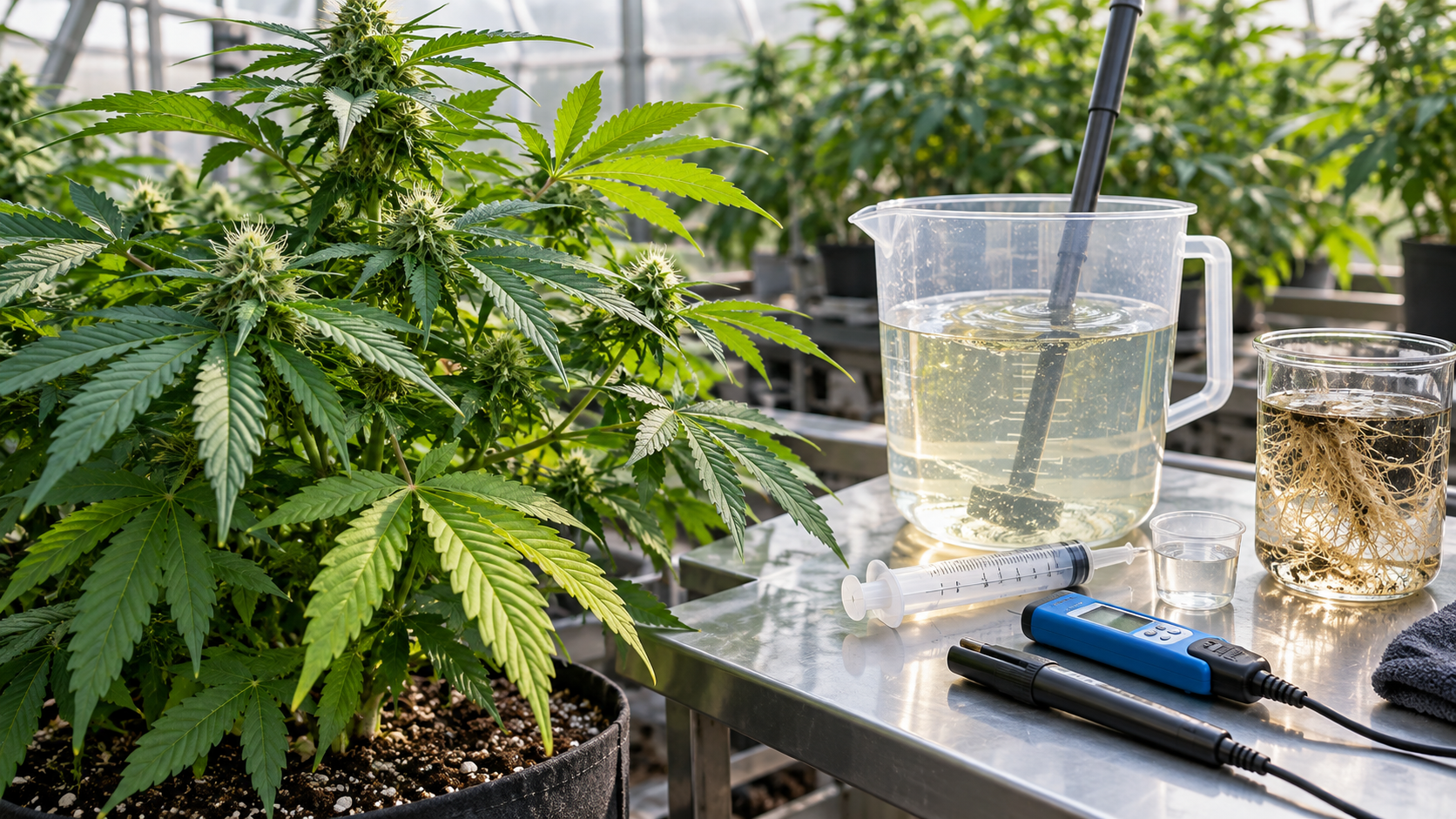
Feeding Cannabis Seedlings and Rooted Clones: Cotyledon Depletion, Root Establishment EC, and Plug-to-Pot Fertigation
The propagation nursery represents the most nutritionally vulnerable phase in the commercial cannabis lifecycle. A critical biological divide exists between seed-grown cannabis seedlings and vegetative rooted cuttings (clones). While a newly germinated seedling relies on endogenous nutrient reserves stored within embryonic endosperm and cotyledons for its initial metabolic energy, a rooted cutting has completely severed maternal supply and operates on depleted carbohydrates stored within cutting stem tissues. Consequently, applying identical fertility protocols to seedlings and clones results in either osmotic salt burn on juvenile taproots or rapid nitrogen deficiency on newly struck cuttings. Establishing precision early-stage nutrition requires balancing input electrical conductivity (EC) between 0.4 and 0.8 dS/m for emerging seedlings, and 0.8 to 1.2 dS/m for actively rooting cuttings. Substrate physical chemistry plays a governing role: unbuffered coco coir demands proactive calcium nitrate pre-charging to satisfy cation exchange capacity (CEC), whereas rockwool and inert peat blends necessitate strict root-zone pH stabilization between 5.6 and 6.0. This clinical guide breaks down cotyledon depletion biochemistry, establishes adventitious root nutrient uptake kinetics, details plug-to-pot fertigation schedules, and provides actionable verification protocols to ensure flawless canopy establishment.
The Biological Divide: Seedling Physiology vs Rooted Clone Metabolism
In commercial horticulture, cannabis cultivators frequently group seedlings and rooted clones under the generalized umbrella of “nursery propagation stock.” From a plant physiology standpoint, this conflation introduces severe operational errors. A sexual seedling and an asexual cutting represent two entirely different developmental paradigms with distinct vascular systems, hormone balances, and nutritional reserves.
A cannabis seedling initiates life through embryonic embryogenesis. Upon seed coat germination, the radical emerges first, driven by positive geotropism to drive a deep, unbranched primary taproot directly downward into the substrate. The emerging taproot possesses a delicate root apical meristem and an active elongation zone lined with hyper-sensitive root hairs (trichoblasts). These juvenile cells have not yet developed thickened suberin layers in their endodermis, rendering them exceptionally vulnerable to osmotic shock. However, the seedling is biologically self-sufficient: its thick, rounded cotyledons (embryonic leaves) contain rich internal stores of proteins, lipids, phosphorus (as phytin), and potassium, providing all necessary building blocks to fuel early cell division without relying on external substrate minerals.
Conversely, a rooted clone has no taproot. When a vegetative terminal cutting is removed from a donor mother plant, its primary vascular connection is severed. The cutting must generate adventitious roots from parenchymal cells within the stem cortex, a high-energy metabolic process driven by endogenous auxin (indole-3-butyric acid, IBA) that consumes vast quantities of stored carbohydrates. By the moment the first white adventitious root tips break through the exterior of a propagation plug (rockwool, OASIS wedge, or stabilized peat plug), the cutting is in a state of severe internal nutrient depletion. Its vascular system is already physiologically mature, its stomata are fully formed, and its xylem conduits are capable of handling solute concentrations that would severely damage an embryonic seedling. Treating both plant types identically either results in burning the seedling or starving the clone.
Young cannabis seedlings and rooted cuttings possess vastly different metabolic sinks and root morphologies, requiring distinct initial electrical conductivity targets.
Cotyledon Nutrient Reserves and Endosperm Depletion Timelines
To determine the exact day external fertilization must begin for a cannabis seedling, cultivators must understand the biochemical lifespan of the cotyledon. The cotyledons are not true photosynthetic leaves; they are modified seed leaves packed with aleurone grains and storage parenchyma. During the first 72 to 96 hours post-emergence, the seedling relies entirely on internal mobilization:
- Phytin Cleavage: Endogenous phytase enzymes cleave phytin molecules (myo-inositol hexakisphosphate), releasing mobile orthophosphate anions (H2PO4–) and magnesium cations (Mg2+) to fuel ATP generation and early ribosomal synthesis.
- Storage Protein Hydrolysis: Seed storage proteins are broken down into free amino acids, providing organic nitrogen to synthesize ribulose-1,5-bisphosphate carboxylase-oxygenase (RuBisCO) within developing plastids.
- Lipid Catabolism: Glyoxysomal enzymes convert stored triglycerides into sucrose via the glyoxylate cycle, providing osmotic pressure to expand hypocotyl cells and unfurl the first pair of true single-bladed serrated leaves.
Under moderate environmental conditions (PPFD 100 to 150 μmol/m2/s, air temperature 24 to 26 °C, relative humidity 65% to 75%), this internal nutritional buffer sustains the seedling until the first pair of true leaves reaches approximately 2 to 3 cm in length, typically occurring between Day 5 and Day 8 after germination. As the true leaves expand, the cotyledons begin to pale, transitioning from deep vibrant green to pale lime green as their internal nitrogen and magnesium are translocated to the apical shoot.
Waiting for the cotyledons to turn yellow, shrivel, and abscise before introducing external fertilizer is a critical mistake. If the cotyledons fully exhaust their nitrogen reserves before substrate roots have access to bioavailable mineral ions, the seedling experiences a sudden metabolic stall. The juvenile shoot halts development, cell walls lignify prematurely, and the plant enters a stunted “hardened” state that delays vegetative expansion by 10 to 14 days. Mild fertigation (EC 0.5 to 0.7 dS/m) must commence the moment the first true serrated leaves unfurl, bridging the gap before cotyledon depletion completes.
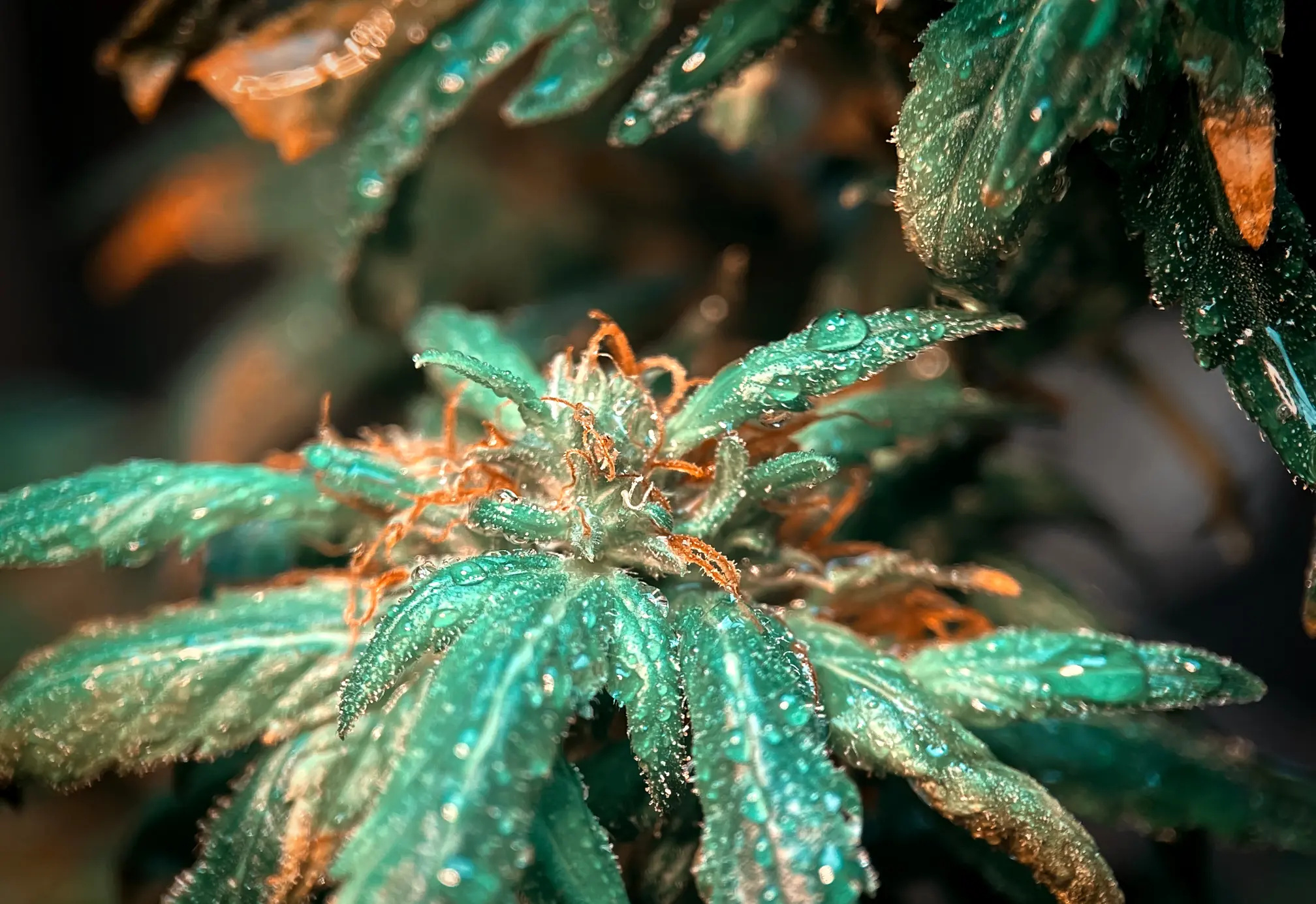
Emerging cotyledons contain sufficient endogenous nutrient reserves to fuel embryonic expansion during the initial 5 to 8 days post-germination.
Adventitious Root Kinetics: Why Rooted Cuttings Demand Earlier Nutrition
While seedlings require gentle patience, rooted cuttings demand immediate ionic intervention. When cuttings reside inside a humid propagation dome (Days 1 to 10), they rely on leaf foliar moisture absorption while callus tissue differentiates into root primordia. During this rooting phase, growers traditionally supply plain reverse osmosis water or extremely dilute nutrient solution (<0.3 dS/m) to prevent pathogen proliferation and avoid inhibiting auxin signaling.
However, the physiological status changes drastically once adventitious roots penetrate the propagation plug. At the “root strike” phase (typically Days 8 to 12):
- Carbohydrate Exhaustion: The cutting has consumed 60% to 80% of its soluble carbohydrates to fuel root cell division. Without nitrogen and magnesium, it cannot synthesize new chlorophyll to replenish energy reserves through photosynthesis.
- Transpiration Surge: As the dome vents are opened and ambient humidity drops from 90% to 65%, stomatal conductance increases rapidly. The cutting begins actively pulling water through its stem. If that water contains zero dissolved minerals, the internal osmotic balance collapses.
- Rapid Interveinal Yellowing: Cuttings pull mobile elements (N, P, K, Mg) from their lower mature fan leaves to feed the emerging apical shoot tips. If external fertilizer is withheld, lower fan leaves rapidly develop necrotic yellowing and drop prematurely, leaving a bare, weak cutting with insufficient photosynthetic surface area.
Rooted clones should never be fed plain water once roots have emerged from the media. The moment 2 to 3 root tips emerge visibly from the propagation cube, the plug must be hydrated with a balanced, complete nutrient solution formulated at an electrical conductivity of 0.9 to 1.2 dS/m with an input pH of 5.7 to 5.9. This delivers immediate ionic sustenance, halts lower-leaf cannibalization, and triggers vigorous lateral secondary root branching.
Nursery Foliar Feeding: Stomatal Penetration, Surfactants, and Phloem Limits
Foliar feeding is widely practiced in commercial propagation, but it is frequently misunderstood and misapplied. During the unrooted cutting phase (Days 1 to 8), the absence of functional root hairs leaves the leaf epidermis as the primary pathway through which moisture and dissolved solutes can enter the plant. However, the plant leaf is anatomically engineered to prevent water loss, not to absorb bulk nutrients. Understanding the biophysical limitations of foliar assimilation is essential to avoid leaf burn and fungal outbreaks.
The adaxial (upper) and abaxial (lower) surfaces of juvenile cannabis leaves are coated with a hydrophobic waxy cuticle composed of cutin, suberin, and epicuticular wax crystals. Solute penetration through intact cuticle occurs via minute hydrophilic pores (ectodesmata) that possess an estimated diameter of less than 1.0 to 1.5 nanometers. Consequently, large chelated molecules (such as synthetic Fe-EDDHA or bulky organic humates) exhibit exceptionally low cuticular penetration rates. Most foliar uptake occurs through open stomata on the lower leaf surface, where stomatal density in cannabis typically ranges from 150 to 250 stomata per square millimeter.
To achieve effective stomatal infiltration without causing foliar salt crystallization:
- Surface Tension Reduction: Water has an exceptionally high surface tension (approximately 72.8 mN/m at 20 °C), causing plain water droplets to bead up on the waxy leaf surface without entering stomatal cavities. Cultivators must incorporate a non-ionic organosilicone surfactant (such as polyether-modified trisiloxane) at 0.025% to 0.05% volumetric concentration. This reduces liquid surface tension below 22 mN/m, causing the droplet to spread into a microscopic, uniform film that flows directly into stomatal apertures.
- Nutrient Mobility Realities (Phloem vs Xylem): Foliar sprays can only translocate phloem-mobile nutrients to the rest of the cutting. Nitrogen (supplied as pure low-biuret urea or L-amino acids), magnesium (as magnesium sulfate), and potassium move readily from treated leaves into developing tissues. However, calcium (Ca2+) and boron (B) are virtually immobile in phloem tissue; they move almost exclusively via transpiration-driven xylem sap flow. Spraying calcium onto clone leaves will fortify the sprayed leaf cell walls, but virtually zero calcium will travel down into the emerging root tips. Root-zone calcium must be supplied through substrate irrigation.
- Osmotic and Pathogen Boundaries: Foliar solutions applied in the nursery must never exceed an electrical conductivity of 0.4 to 0.6 dS/m (approximately 200 to 300 ppm). Applying high-EC foliar sprays under humid domes creates standing salt deposits as water evaporates, triggering contact leaf necrosis. Furthermore, leaves must dry completely within 30 to 45 minutes of application; standing liquid films remaining on foliage inside 95% RH domes create the perfect incubation environment for Botrytis cinerea (gray mold).
Cultivator Inquiry: Yellowing Cuttings in Propagation Plugs
Why are clone leaves yellowing right after roots pop out of rockwool?
Question sent by: Derek Simmons, via email.
“We root our cuttings in 1.5-inch rockwool cubes inside automated humidity domes. The clones look vibrant and green for the first 8 days, but as soon as the first white roots penetrate the outside of the rockwool, the lower leaves rapidly turn bright yellow and drop off. We have been giving them pure RO water adjusted to pH 5.8 to avoid burning the new roots. Are our humidity domes too wet, or is this a disease outbreak?”
Derek, what you are observing is classic acute mobile nutrient translocation caused by withholding fertilizer during the root emergence phase. Your cuttings are not suffering from fungal pathogens or high humidity; they are literally consuming their own lower leaves to survive.
During the 8 to 10 days before root emergence, the cutting survives entirely on the finite nitrogen and magnesium reserves stored in its stem and fan leaves. When root primordia finally breach the cube and begin contacting the air, the cutting initiates an aggressive vegetative growth response that requires immediate nitrogen to build chlorophyll, proteins, and cell walls. Because you are feeding pure reverse osmosis water with zero mineral ions, the root zone cannot supply any nitrogen. The plant is forced to activate catabolic enzymes, breaking down RuBisCO and chlorophyll in its mature lower leaves and mobilizing that nitrogen upward into the apical tip. This causes immediate, uniform yellowing (chlorosis) of the lower foliage.
To eliminate this issue permanently, immediately discontinue giving pure RO water to rooted cuttings. The moment roots appear, hydrate your rockwool cubes with a balanced vegetative nutrient solution mixed to 1.0 dS/m EC (containing approximately 90 ppm N, 30 ppm P, 90 ppm K, 70 ppm Ca, and 30 ppm Mg) at pH 5.7 to 5.8. Furthermore, ensure your initial rockwool soak prior to inserting cuttings contains a light nutrient charge (0.5 to 0.6 dS/m) rather than plain water. The new adventitious roots will thrive on this mineral concentration, the lower leaves will remain dark green and photosynthetically active, and your transplant shock will drop to zero.
Root-Zone Temperature Dynamics: The Q10 Metabolic Coefficient and Cold-Substrate Lockouts
One of the most frequently overlooked variables in early cannabis nutrition is substrate root-zone temperature. In nursery environments, cultivators often focus entirely on ambient room air temperature while allowing propagation trays to sit on cold metal benching or uninsulated concrete floors. This creates a severe thermal disconnect where the canopy resides at 25 °C, but the juvenile root zone is resting at 16 to 18 °C.
Root nutrient assimilation is fundamentally an enzymatic and biochemical process governed by the Q10 temperature coefficient. In biological systems, the Q10 value represents the factor by which metabolic reaction rates increase with every 10 °C rise in temperature:
Q10 = (R2 / R1) ^ (10 / (T2 – T1))
For active ion transport across root plasma membranes (specifically driven by H+-ATPase proton pumps), the Q10 value typically ranges between 2.0 and 2.5. This means that if the root-zone substrate temperature drops from an optimal 23 °C down to 17 °C, the physiological rate of active mineral uptake is cut by more than 50%.
The agronomic consequences of cold propagation substrate are immediate and severe:
- Phosphorus Induced Deficiency: Orthophosphate (H2PO4–) uptake is exceptionally sensitive to low temperature. When substrate temperature drops below 19 °C, seedlings and clones develop intense dark purple coloration along stems and leaf petioles, coupled with a complete cessation of lateral root extension, even when the substrate is saturated with available phosphorus fertilizer.
- Water Viscosity and Hydraulic Resistance: Water viscosity increases significantly as temperature decreases (water at 18 °C is approximately 15% more viscous than water at 24 °C). Combined with reduced aquaporin channel permeability in cold root membranes, the young plant cannot draw water fast enough to satisfy canopy transpiration demands, triggering daytime wilting under modest light intensities.
- Optimal Nursery Heating Targets: Maintain propagation bench surface temperatures strictly between 22 °C and 24 °C (72 – 75 °F) using thermostatically controlled silicone heating cables or hydronic bottom-heat mats. Keeping the root zone 1 to 2 °C warmer than ambient air accelerates cell division in root apical meristems, optimizes active cation uptake, and reduces rooting duration by 3 to 5 days.
Substrate Interaction: Coco Coir Buffering, Rockwool Chemistry, and Peat Dynamics
The chemical and physical properties of the propagation media dictate how young roots perceive and absorb delivered nutrients. An identical fertilizer solution of 0.8 dS/m will produce radically different root-zone availability when applied to coco coir, rockwool, or a peat-based potting mix.
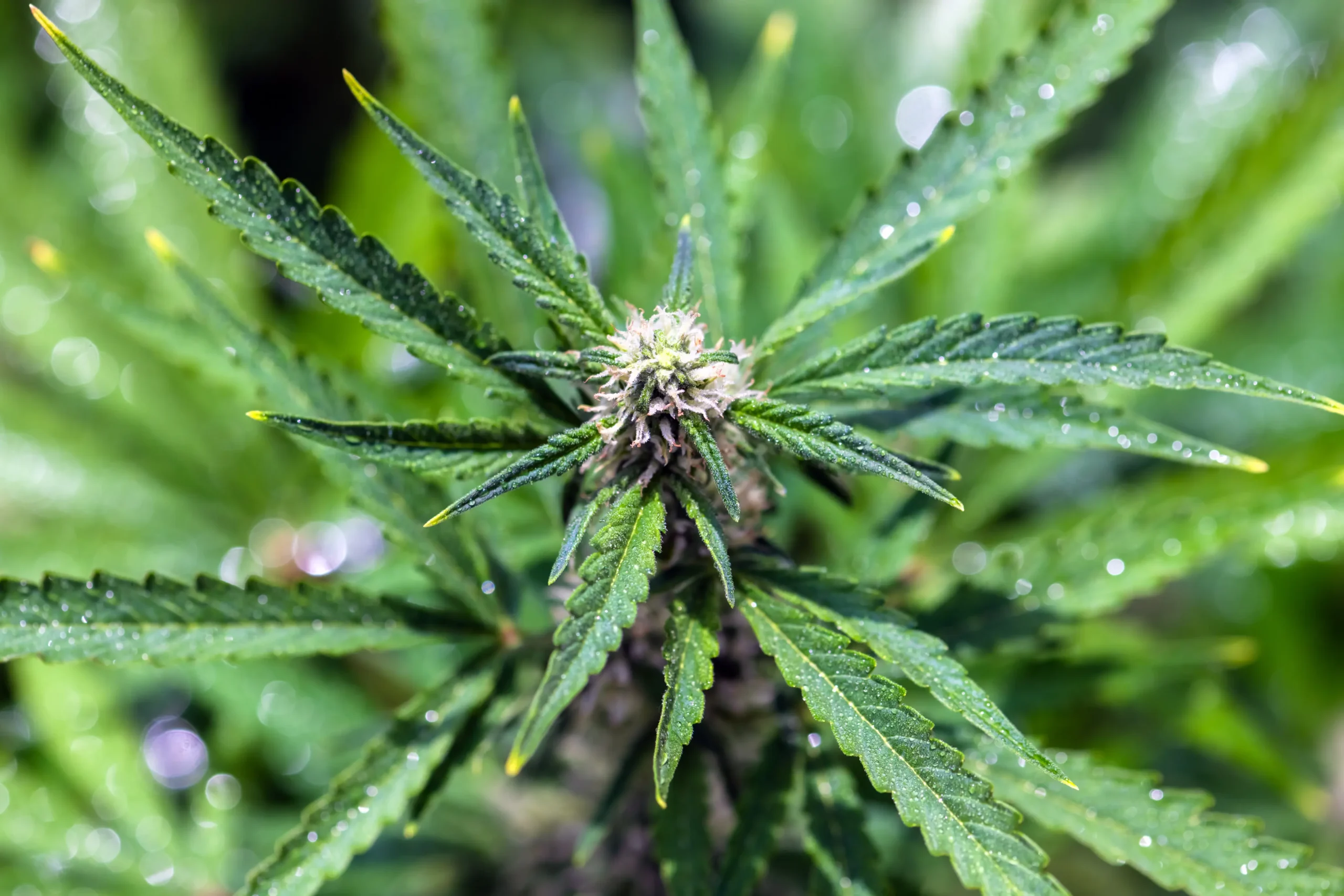
Adventitious roots on rooted cuttings lack taproot geotropism, requiring earlier ionic availability and precise substrate moisture dry-backs to stimulate lateral branching.
1. Coco Coir: The Cation Exchange Hazard
Coco coir possesses a high Cation Exchange Capacity (CEC), typically ranging from 40 to 90 meq/100g. In its raw, unbuffered state, the negatively charged exchange sites on the coconut coir fibers are naturally saturated with monovalent sodium (Na+) and potassium (K+) ions. When a cultivator hydrates raw coco plugs with a standard seedling nutrient solution containing calcium (Ca2+) and magnesium (Mg2+), an immediate cation exchange reaction occurs: the divalent calcium ions displace the monovalent sodium and potassium on the exchange sites.
The coir fibers chemically bind the calcium, locking it away from the plant, while releasing free potassium and sodium into the pore water. The juvenile seedling or clone suddenly experiences acute calcium deficiency (manifesting as necrotic spotting on expanding shoot tips and root tip dieback) coupled with localized sodium toxicity. For nursery propagation, cultivators must use exclusively triple-washed, laboratory-certified buffered coco pre-charged with calcium nitrate, or soak unbuffered coco plugs in a 1.5 dS/m calcium-rich solution (150 ppm Ca, 50 ppm Mg) before inserting seeds or cuttings.
2. Rockwool: Alkalinity and Zero-CEC Dynamics
Rockwool (stonewool) is an inert, inorganic substrate manufactured by spinning molten basalt rock and chalk into fibrous strands. Rockwool possesses exactly zero Cation Exchange Capacity (CEC = 0). It cannot bind, store, or buffer any nutrient cations or anions. Every mineral ion delivered in the fertigation solution remains 100% bioavailable within the film of water coating the fibers.
However, newly manufactured raw rockwool carries residual lime and alkaline manufacturing dust, often exhibiting a dry pH of 7.5 to 8.5. If seeds or cuttings are placed into unconditioned rockwool, the alkaline microenvironment immediately precipitates iron, manganese, and phosphorus, causing rapid chlorosis and fungal susceptibility. Prior to use, rockwool propagation plugs must be thoroughly submerged and conditioned in water acidified to pH 5.2 to 5.4 containing a light 0.5 dS/m nutrient charge. Because rockwool has zero CEC, it responds instantly to input chemistry: whatever EC and pH you deliver is exactly what the juvenile roots experience.
3. Peat and Soilless Potting Mixes: Moisture Perching and Starter Charges
Sphagnum peat moss blends (such as Pro-Mix, Sunshine Mix, or custom peat-perlite formulations) are naturally acidic (pH 3.5 to 4.5) and are commercially pre-amended with calcitic and dolomitic limestone to elevate pH to an optimal 5.8 to 6.2. Many commercial peat propagation mixes contain a proprietary “starter charge” – a light synthetic fertilizer blend designed to feed seedlings for the first 10 to 14 days.
Cultivators must read manufacturer data sheets carefully. If a peat substrate contains a pre-charged mineral package, adding external fertilizer solution during early seedling emergence will compound the solute load, driving root-zone EC beyond 1.8 dS/m and burning fragile taproots. In pre-charged peat, provide plain de-chlorinated water adjusted to pH 6.0 until the seedling exhibits visible vegetative expansion (Day 10 to 14). Conversely, if using an inert, unamended peat propagation blend, light fertigation (0.6 dS/m) must begin as soon as the first true leaves emerge.
Rhizosphere Biologicals: Mycorrhizal Colonization and Bacterial Siderophores
Integrating beneficial microbial inoculants during early nursery propagation fundamentally transforms the efficiency of mineral nutrient uptake. The juvenile root zone has a limited physical surface area; establishing a symbiotic biological sheath around young roots exponentially expands the functional absorption network while establishing biological warfare against root pathogens.
1. Arbuscular Mycorrhizal Fungi (AMF) Dynamics
Glomus species (primarily Glomus intraradices, recently reclassified as Rhizophagus irregularis) form mutualistic endomycorrhizal associations with cannabis roots. The fungal hyphae penetrate root cortical cells, forming highly branched nutrient-exchange organs called arbuscules. The external fungal mycelium extends millimeters beyond the root depletion zone, mining immobile phosphate and micronutrients and transporting them directly to the plant in exchange for photosynthetic sucrose.
However, successful mycorrhizal colonization requires strict nutritional management during propagation:
- The High-Phosphorus Inactivation Trap: Cannabis plants regulate mycorrhizal colonization based on internal phosphorus status. If cultivators flood propagation plugs with high-phosphorus “bloom booster” feeds (available P > 45 ppm), the plant suppresses the secretion of strigolactones (signaling hormones that stimulate mycorrhizal spore germination). The plant perceives no need for a fungal partner, and mycorrhizal colonization is completely aborted. Keep early propagation phosphorus between 15 and 25 ppm to encourage aggressive colonization.
- Direct Inoculant Contact: Mycorrhizal spores do not move through substrate capillary action. They must make direct physical contact with the germinating radicle or severed cutting stem. Dust the root plug hole directly with dry granular or wettable powder spore inoculants prior to inserting seeds or cuttings.
2. Plant Growth-Promoting Rhizobacteria (PGPR)
Beneficial rhizobacteria belonging to the Bacillus and Pseudomonas genera act as chemical bio-refineries within the root zone. Strains such as Bacillus subtilis, Bacillus amyloliquefaciens, and Pseudomonas fluorescens synthesize low-molecular-weight iron chelators known as siderophores (such as bacillibactin and pyoverdine). These bacterial siderophores possess exceptionally high stability constants for ferric iron (Fe3+), stripping insoluble iron from substrate particles and delivering bioavailable iron directly to root membrane receptors even under alkaline root-zone pH spikes. Furthermore, PGPR strains actively synthesize endogenous auxins (IAA), stimulating lateral root branching and accelerating plug rooting velocity.
Stage-by-Stage Early Nutrition and Environmental Matrix
To guarantee repeatable nursery performance, the following clinical benchmark matrix defines optimal electrical conductivity, pH, volumetric water content (VWC), and atmospheric targets from initial germination through vegetative transplanting:
| Developmental Phase | Timeframe | Target Input EC (dS/m) | Target Input pH | Substrate VWC / Dry-Back | PPFD (μmol/m2/s) | Target Room VPD (kPa) |
|---|---|---|---|---|---|---|
| Radicle / Germination | Days 1 – 3 (Seed) | 0.2 – 0.4 (RO / tap) | 5.8 – 6.0 | 60% – 70% VWC (moist, not soaked) | 50 – 80 | 0.4 – 0.6 |
| Cotyledon Unfurling | Days 4 – 7 (Seed) | 0.4 – 0.6 | 5.7 – 5.9 | 50% – 60% VWC (15% dry-back) | 100 – 130 | 0.6 – 0.8 |
| First True Leaves (1-Blade) | Days 8 – 14 (Seed) | 0.6 – 0.9 | 5.7 – 5.9 | 45% – 55% VWC (20% dry-back) | 150 – 200 | 0.8 – 1.0 |
| Unrooted Clone Callus | Days 1 – 7 (Clone) | 0.3 – 0.5 | 5.6 – 5.8 | 65% – 75% VWC (dome 90% RH) | 60 – 90 | 0.3 – 0.5 |
| Root Strike (Tips Visible) | Days 8 – 12 (Clone) | 0.9 – 1.2 | 5.7 – 5.9 | 50% – 60% VWC (dome vented) | 120 – 160 | 0.7 – 0.9 |
| Weaned Nursery Established | Days 13 – 18 (Both) | 1.2 – 1.5 | 5.7 – 6.0 | 40% – 55% VWC (25% dry-back) | 200 – 280 | 0.9 – 1.1 |
Osmotic Hazards: Salt Burn, Plasmolysis, and Damping-Off Risks
The juvenile cannabis root system operates within a razor-thin physiological margin. While adult vegetative plants with massive root masses can buffer transient osmotic fluctuations or environmental stress, propagation stock subjected to nutritional mismanagement suffers immediate cellular damage.
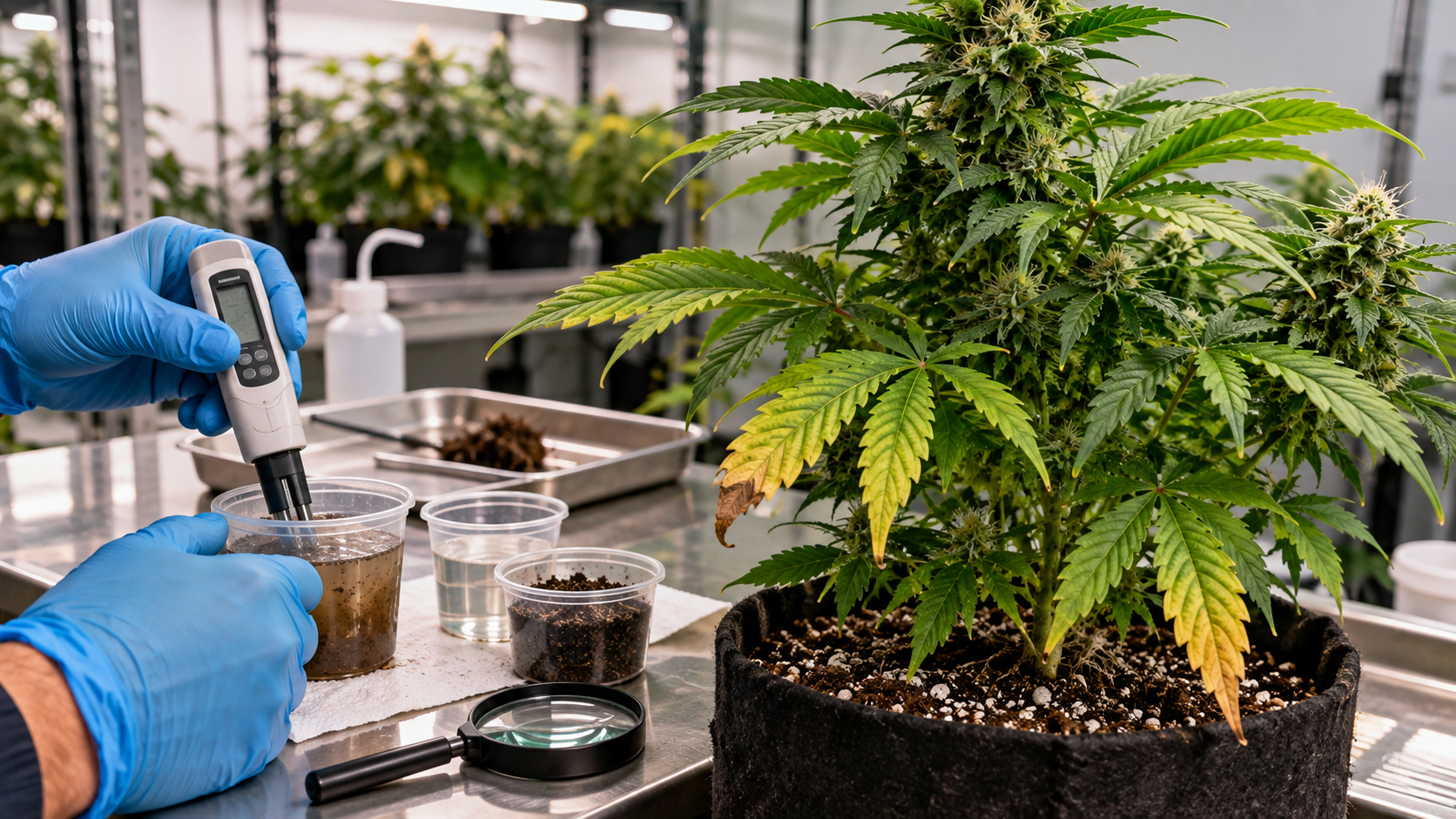
Premature high-EC fertigation induces osmotic plasmolysis in juvenile root hairs, permanently stunting early vegetative canopy development.
1. Plasmolysis: Cellular Dehydration via High Osmotic Pressure
When input fertilizer EC exceeds the osmotic tolerance of young root hairs (typically >1.2 dS/m for emerging seedlings), the solute concentration of the substrate water exceeds the solute concentration within the root cortical cells. Water naturally flows down its water potential gradient, moving from areas of low solute concentration to areas of high solute concentration. Instead of roots absorbing water from the substrate, water is chemically drawn out of the root cells into the media.
This phenomenon, known as plasmolysis, causes the plasma membrane to pull away from the rigid cell wall. The juvenile root hairs collapse, turn brown, and die within 24 hours. Above ground, the seedling exhibits symptoms identical to extreme dehydration: foliage wilts, leaf tips curl downward, and expanding leaves develop scorched, crispy brown margins. Flushing heavily with pure water is often attempted, but the damaged root meristem is already compromised, allowing opportunistic water molds to invade.
2. Damping-Off Pathogens and Stagnant Low-Oxygen Media
The second primary nursery failure mode is over-saturation resulting in hypoxic root-zone suffocation. Fungal pathogens belonging to the Oomycete class (principally Pythium ultimum, Fusarium oxysporum, and Rhizoctonia solani) produce motile biflagellate zoospores that swim through free gravitational water within saturated substrates.
When seedlings or unrooted clones are kept in waterlogged plugs with zero air-filled porosity (VWC > 85%), root cells starve for dissolved oxygen (DO < 2 mg/L). Anaerobic respiration takes over, producing toxic ethanol and acetaldehyde that damage root cell membranes. The damping-off pathogens detect these exudates, infect the un-suberized hypocotyl stem tissue at the soil line, and enzymatically dissolve the vascular cambium. The seedling stem softens, turns water-soaked and brown, and collapses overnight. Maintaining adequate substrate dry-backs (allowing VWC to drop by 20% to 25% between irrigations) is the single most effective cultural defense against damping-off.
Clinical Plug-to-Pot Transition and Fertigation Workflow
Transplanting fully rooted plugs into primary vegetative containers (such as 1-gallon pots or 4-inch rockwool blocks) represents a high-risk transition point. If the physical substrate properties or chemical solute concentrations between the plug and the receiving container are mismatched, the new roots will refuse to exit the plug, circling tightly within the original media boundary (the “container lock” effect).
Phase 1: Pre-Conditioning the Receiving Substrate
Never transplant young plugs into dry, uncharged media. Twenty-four hours prior to transplanting, saturate the receiving containers with an establishment nutrient solution:
- Target EC: Match the current plug EC exactly (typically 1.0 to 1.2 dS/m). Never introduce a drastic osmotic shock during transplanting.
- Target pH: 5.8 for coco and rockwool; 6.0 for peat mixes.
- Biological Inoculation: Incorporate beneficial biological inoculants (such as Bacillus subtilis, Trichoderma harzianum, and Glomus intraradices mycorrhizal spores) into the pre-soak solution. Inoculating the receiving root zone coats root tips with symbiotic bacteria that stimulate lateral root development and physically outcompete Pythium.
Phase 2: Mechanical Placement and Root Protection
Carefully insert the rooted plug into the pre-formed cavity in the receiving block or container. Ensure the top surface of the plug sits completely flush with the surrounding media surface. If the plug is buried too deeply, moisture contacting the juvenile stem triggers collar rot; if the plug protrudes above the surface, ambient airflow wicks moisture away, causing the exposed root tips to desiccate.
Phase 3: The Post-Transplant Settling Event and Dry-Back Trigger
Immediately following mechanical placement, administer a light settling fertigation event (150 to 250 mL per container) around the base of the plug to eliminate air gaps between the plug and the surrounding substrate. Once settled, halt all irrigation until the container experiences a pronounced 25% to 35% volumetric dry-back. Forcing the container to dry back gently increases substrate oxygenation, lowers root-zone water potential, and encourages the adventitious roots to aggressively surge outward in search of moisture.
Propagation Nutrition Standard Operating Checklist
Maintain nursery data integrity and seedling/clone health by verifying these daily checkpoints:
- Seedling media is kept moist but never standing in stagnant drainage saucers; maximum VWC capped at 65%.
- Cotyledons are inspected daily for natural green retention; mild fertigation (0.6 dS/m) begins upon first true leaf emergence.
- Rooted clone cubes receive 1.0 dS/m complete nutrient solution immediately upon visible emergence of 2-3 root tips.
- Propagation bench substrate bottom-heat is maintained strictly at 22 to 24 °C to prevent phosphorus lockouts.
- Coco propagation plugs are pre-buffered with calcium nitrate to prevent cation exchange locking of essential divalent ions.
- Rockwool propagation cubes are pre-soaked in pH 5.4 conditioned water to neutralize alkaline manufacturing residues.
- Foliar nursery feeds incorporate a non-ionic surfactant and are restricted to mobile nutrients under 0.5 dS/m EC.
- Nursery input EC and pH are verified using a two-point calibrated meter prior to every single irrigation event.
- PPFD levels over emerging seedlings are maintained strictly between 100 and 150 μmol/m2/s to prevent photoinhibition.
- Propagation dome vents are opened progressively over 48 hours to acclimate stomata before full dome removal.
- Receiving transplant containers are pre-saturated with matched-EC nutrient solution containing mycorrhizal inoculants.
- Post-transplant dry-back of 25% to 35% VWC is enforced before the second irrigation cycle is initiated.
Scientific References
- Caplan, D., Stemeroff, J., & Zheng, Y. (2018). Vegetative propagation of cannabis (Cannabis sativa L.) through stem cuttings. Canadian Journal of Plant Science, 98(5), 1125-1132.
- Marschner, H. (2012). Marschner’s Mineral Nutrition of Higher Plants (3rd ed.). Academic Press, London.
- Raviv, M., & Lieth, J. H. (2008). Soilless Culture: Theory and Practice. Elsevier Science, Amsterdam.
- Saloner, A., Sacks, M. M., & Bernstein, N. (2019). Response of medical cannabis to magnesium: Biomass, cannabinoid profile, and physiological mechanisms. Industrial Crops and Products, 142, 111867.
- Taiz, L., Zeiger, E., Møller, I. M., & Murphy, A. (2015). Plant Physiology and Development (6th ed.). Sinauer Associates, Sunderland, MA.
- van Delden, S. H., et al. (2020). Current and future perspectives on indoor and controlled-environment cannabis production. Industrial Crops and Products, 158, 113048.
Share this article
A quick overview of the topics covered in this article.
Follow us
Latest articles
November 3, 2026
November 3, 2026
November 3, 2026
November 3, 2026