
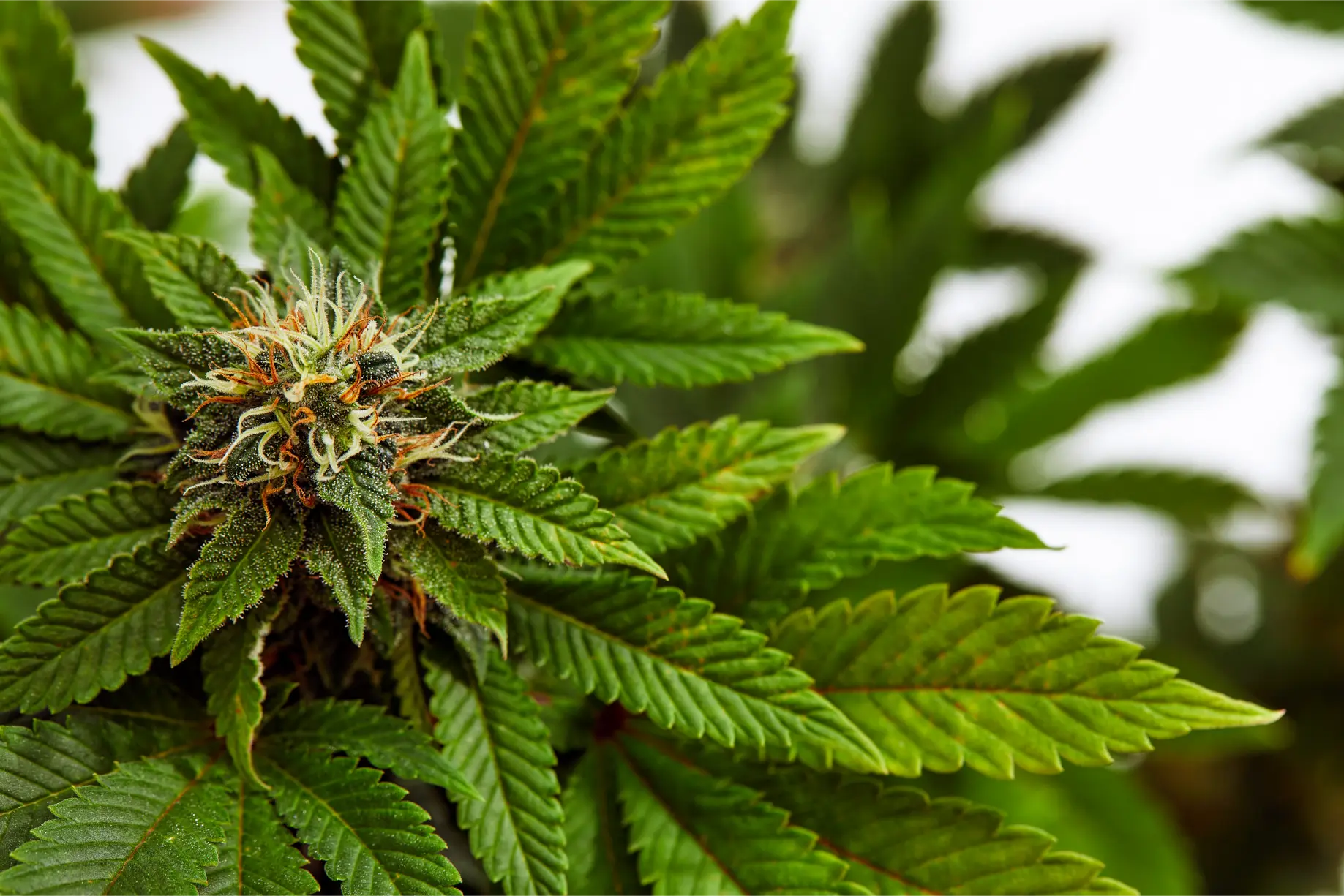
Hindu Kush
In the vast botanical history of the cannabis genus, no cultivar occupies a more sacred, primordial, and historically foundational status than Hindu Kush. Sourced directly from the rugged, wind-sculpted valleys of the 800-kilometer Hindu Kush mountain range that bridges modern-day Pakistan, Afghanistan, and Tajikistan, this pure 100% landrace indica is the undisputed ancestral mother of all modern commercial broad-leaf drug cultivars. For millennia, traditional agricultural communities in the high-altitude valleys of Chitral, Nuristan, and the Balkh province cultivated, selected, and hand-rubbed these resilient mountain specimens, developing one of the richest hashish cultures on earth. When intrepid travelers along the legendary Hippie Trail carried these pure landrace seeds to the Western world during the 1960s and 1970s, Hindu Kush revolutionized cannabis breeding, introducing the compact stature, rapid flowering times, and staggering resin gland density that define modern indica horticulture.
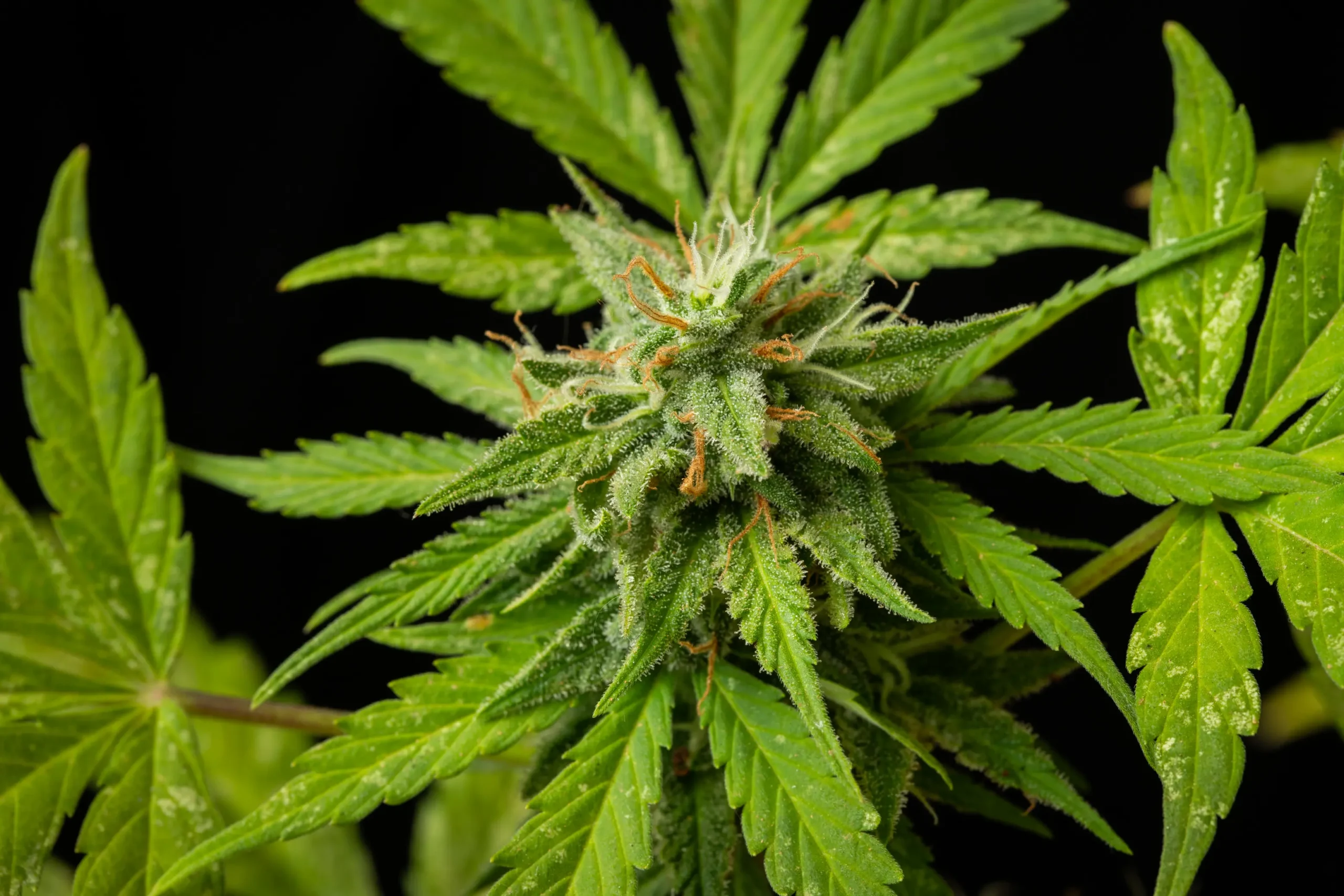
From an anatomical and morphological perspective, Hindu Kush is the definitive textbook archetype of pure Cannabis indica. Growing with dense, compact structural discipline, the plant develops an extraordinarily thick, fibrous central stalk with remarkably tight internodal spacing measuring between 1.5 and 3.0 centimeters. The foliage is unmistakable: immense, broad, web-like fan leaves of deep forest emerald, coated in a thick waxy cuticle designed to reflect harsh alpine ultraviolet radiation and minimize non-stomatal transpiration under arid mountain winds. During its brisk seven to eight week bloom cycle, Hindu Kush exhibits virtually zero post-flip stretch, expanding by a modest 25% to 50% as it focuses all its metabolic energy into consolidating rock-hard, crystalline colas that feel as dense as solid timber beneath an astonishing frost of glandular trichomes.
Olfactorily and gustatorily, Hindu Kush presents an intoxicating, time-honored bouquet that instantly transports the connoisseur to an ancient hash bazaar. Breaking apart a cured, diamond-encrusted flower releases an intense aroma of sweet sandalwood, damp forest earth, crushed pine needles, and spicy dark hashish, underscored by complex notes of warm clove, dried fruit, and oriental musk. Upon combustion or vaporization, the smoke is exceptionally thick, velvety, and smooth, coating the palate with earthy cedar, sweet spices, and deep hashish resin that lingers on the tongue for thirty minutes. The effect is pure somatic tranquility: an unhurried, deeply centering physical peace that melts somatic tension and quiets the mind without mental agitation.
Cultivar Quick Overview: Hindu Kush
Pedigree: 100% Pure Ancestral Landrace Indica (Hindu Kush Mountain Range, Pakistan / Afghanistan)
Classification: Pure Heritage Indica (100% Indica Landrace)
Average Cannabinoid Profile: 18.0% to 22.5% THC | 1.0% to 1.8% CBG | 0.2% to 0.5% CBD
Total Terpenes: 2.2% to 3.0% (Dominant: Myrcene, Beta-Caryophyllene, Alpha-Pinene, Humulene, Terpineol)
Flowering Window: 49 to 56 Days (7 to 8 Weeks Photoperiod Bloom)
Canopy Stature: Ultra-Compact Bonsai Architecture (70 to 110 cm) | Average Yield: 450 to 500 g/m² indoors
Core Agronomic Rule: Maintain low relative humidity (40% to 45%) during late bloom to protect rock-hard colas from botrytis; avoid heavy nitrogen feeding; support roots with aerated, mineral-rich living soils reminiscent of its native alpine scree.
Strain Features
| Cultivar Trait | Specification Range | Agronomic Details |
|---|---|---|
| Genetic Heritage | 100% Pure Ancestral Landrace Indica | Collected from the high-altitude valleys of the Hindu Kush mountain range between Pakistan and Afghanistan. |
| Classification | Pure Heritage Indica (100% Indica) | Zero hybrid dilution; pure ancestral broad-leaf drug cultivar. |
| Average THC Content | 18.0% to 22.5% | Classical, deeply restorative potency delivering heavy physical tranquility and meditative peace. |
| CBD & Minor Cannabinoids | CBD: 0.2% to 0.6% | CBG: 1.0% to 1.8% | CBN: 0.3% to 0.6% | High natural CBG and trace CBN concentrations enhance somatic muscle relaxation and sleep induction. |
| Total Terpenes | 2.2% to 3.0% (Dry Weight) | Classic hashish bouquet dominated by myrcene, beta-caryophyllene, alpha-pinene, humulene, and terpineol. |
| Photoperiod Flowering Time | 49 to 56 Days (7 to 8 Weeks) | Extremely rapid floral turnaround evolved to finish before alpine mountain freezes arrive. |
| Canopy Height | 70 to 110 cm (28 to 43 inches) | Naturally compact bonsai silhouette with minimal post-flip stretch (25% to 50%). |
| Indoor Commercial Yield | 450 to 520 g/m² | Rock-solid floral clusters yielding heavy dried weight relative to physical plant volume. |
| Outdoor Harvest Window | Late September to Early October | Early finishing outdoor cultivar well-suited for northern temperate climates with short summers. |
| Environmental Resilience | Extreme Drought, Cold & Wind Tolerance | Centuries of alpine natural selection grant extraordinary hardiness against harsh environmental extremes. |
Genetic Lineage & Alpine Landrace Origins
The genealogy of Hindu Kush represents the primordial foundation of the modern cannabis gene pool. Named after the vast, formidable mountain system that stretches across modern Pakistan, northeastern Afghanistan, and into Tajikistan, Hindu Kush evolved over tens of thousands of years in an environment of extraordinary physical extremes. Nestled in high-altitude valleys between 1,500 and 3,200 meters above sea level, native populations of Cannabis indica were subjected to intense direct solar radiation with elevated levels of natural ultraviolet-B (UV-B), blistering daytime heat, freezing nocturnal drops, and howling mountain winds.
In response to these punishing selective pressures, the plant evolved unique anatomical defenses. It developed a dwarf, thick-stemmed growth habit to resist gale-force alpine gusts; immense waxy fan leaves to conserve internal moisture; and an extraordinary density of capitate-stalked glandular trichomes. The resin was not synthesized for human intoxication, but as an alpine biological sunscreen and insect barrier, shielding developing seeds from photodegradation and mountain pests. For centuries, native tribal communities in the regions of Chitral, Swat, and Balkh harvested these resinous plants, rubbing live flowers between their palms to make sticky charas or sifting dried plants through silk screens to produce world-renowned pressed hashish.
During the late 1960s and 1970s, Western travelers, collectors, and early cannabis breeders exploring the legendary Hippie Trail collected pure seed lines directly from traditional farmers in these remote valleys. Brought back to California and the Netherlands, Hindu Kush was preserved through pure inbreeding programs by pioneer seed banks like Sensi Seeds and The Seed Bank of Holland. By maintaining this unadulterated landrace gene pool without outcrossing to modern polyhybrids, breeders preserved an irreplaceable reservoir of stability, hardiness, and pure indica cannabinoid genetics that remains an international treasure today.
Phenotype Spectrum & Pure Indica Morphology
Because Hindu Kush is a true, stabilized landrace that has undergone centuries of localized agricultural inbreeding, it exhibits remarkable phenotypic uniformity across authentic seed collections. Unlike modern multi-way polyhybrids that display wide phenotypic divergence, germinated Hindu Kush seeds produce plants that are virtually indistinguishable from one another. Over ninety percent of individual specimens express the classic compact mountain morphology: a stocky, woody central stem, tight internodal spacing of two to three centimeters, and short, sturdy lateral branches that angle sharply upward.
The fan leaves of Hindu Kush are the quintessential standard of the indica genus. The leaves feature five to seven extremely wide, overlapping leaflets of dark forest green, with deeply etched veins and a thick, leathery texture. The upper leaf surface is coated in a waxy, reflective cuticle that gives the foliage a subtle sheen. When flipped to a 12/12 bloom photoperiod, Hindu Kush exhibits virtually no vegetative stretch, typically expanding by only 25% to 50% in total height. A specimen flipped at forty centimeters will finish bloom at a compact fifty to sixty centimeters, making it an extraordinary choice for tight vertical spaces and sea of green (SOG) configurations.
During flowering, the calyxes stack tightly around each node, quickly fusing into rock-hard, cylindrical colas that become completely coated in a thick, frosty layer of resin glands. The pistils emerge as creamy white threads that turn deep copper and dark amber as harvest nears. The calyxes swell with exceptional firmness, producing buds that feel as hard as dense pebbles when dried and cured.
Effect Breakdown & Meditative Somatic Peace
The physiological experience provided by Hindu Kush is a masterclass in classic indica tranquility. Testing reliably between 18% and 22% Delta-9-THC alongside elevated levels of cannabigerol (CBG: 1.0% to 1.8%) and natural trace cannabinol, Hindu Kush delivers a deeply grounding, meditative body stone that dissolves physical discomfort and mental chatter without the disorienting, heart-racing anxiety often triggered by modern high-potency sativa polyhybrids.
The onset begins within five minutes of consumption as a soothing, tranquil warmth that spreads through the head and neck, gently settling behind the eyes. Mental stress, worries, and irritability effortlessly dissolve into a quiet, contemplative peace. The mind remains clear and reflective, anchored in a state of calm awareness that feels deeply centered and spiritually restorative. There is no cognitive racing or chaotic ideation; instead, thoughts flow with unhurried grace, accompanied by a gentle, serene euphoria.
As the somatic stone deepens over the second hour, the high concentration of myrcene, beta-caryophyllene, and terpineol works directly on peripheral muscle tissues and the central nervous system. Chronic muscular spasms soften, joint stiffness dissipates, and a heavy, gravity-soothing relaxation settles into the limbs. The body enters a state of deep, restorative repose, naturally guiding the consumer toward profound, uninterrupted sleep. For medical consumers battling chronic pain, fibromyalgia, muscle spasms, anxiety, or severe insomnia, Hindu Kush remains one of the most reliable and peaceful herbal therapies in existence.
Flavor & Ancient Sandalwood Hash Bouquet
The sensory profile of Hindu Kush is an intoxicating journey into antiquity. Throughout its rapid eight-week bloom cycle, the plant produces a rich, grounding fragrance that embodies the soul of traditional hashish. The aroma is dominated by warm, fragrant sandalwood, damp forest earth, and sweet cedarwood, complemented by an exotic spice blend of whole clove, crushed black pepper, and subtle incense. Unlike modern fruity or candy-sweet hybrids, Hindu Kush smells ancient, noble, and deeply botanical.
When a cured flower is broken apart, the fractured resin glands release a pungent burst of sweet pine needles, rich dark hashish, and earthy musk, underlaid by a subtle sweetness reminiscent of dried figs and dark honey. It is a comforting, warm, and sophisticated aromatic profile that recalls traditional Nepalese temple balls and authentic Afghani pressed charas.
Combustion and vaporization of Hindu Kush deliver an exceptionally smooth, velvety, and rich smoke. The inhale treats the palate to an earthy, woody entry of sandalwood and sweet pine, followed by a thick, spicy exhale rich in clove, cedar, and dark hashish resin. The smoke is extraordinarily gentle on the throat, leaving a lingering, sweet, and resinous aftertaste that stays on the tongue long after the session has concluded.
Dominant Terpenes & Entourage Chemistry
Analytical chromatography of authentic Hindu Kush flowers reveals a total terpene concentration ranging between 2.2% and 3.0% by dry weight. The chemical profile is dominated by a timeless entourage of classical terpenes: myrcene, beta-caryophyllene, alpha-pinene, humulene, and terpineol, supported by secondary fractions of limonene, linalool, and bisabolol. This specific chemical arrangement drives both the cultivar’s spicy sandalwood aroma and its profoundly soothing physical pharmacology.
Myrcene is the premier terpene by volume, typically comprising 40% to 50% of the total essential oil content. Myrcene imparts the deep earthy, musky foundation while enhancing cellular membrane permeability across the blood-brain barrier. This accelerates cannabinoid absorption into central nervous system receptors, facilitating the swift onset of somatic physical tranquility. Furthermore, myrcene exerts direct muscle-relaxant and pain-relieving actions that ease tension.
Beta-caryophyllene serves as the secondary dominant terpene, contributing spicy clove and woody undertones. Functioning as an atypical dietary cannabinoid, beta-caryophyllene selectively binds to peripheral CB2 receptors throughout the immune and nervous systems, initiating potent anti-inflammatory pathways without psychoactive effects. Alpha-pinene introduces crisp mountain pine notes while providing essential cognitive balancing actions, inhibiting acetylcholinesterase to protect memory function and preventing mental cloudiness. Humulene and terpineol complete the entourage, contributing earthy, woody nuances and gentle sedative properties that promote restorative nocturnal rest.
Indoor Tent vs High-Altitude Outdoor Dynamics
Cultivating Hindu Kush highlights fascinating horticultural dynamics between indoor controlled environments and outdoor alpine climates. Indoors under artificial LED or HID lighting, Hindu Kush is an ultra-predictable, low-maintenance dream for growers. Because the plant exhibits virtually zero post-flip stretch (expanding by only 25% to 50%), indoor cultivators can pack containers tightly in a Sea of Green (SOG) arrangement, producing a uniform, table-top canopy of dense apical colas in just forty-nine to fifty-six days of 12/12 bloom.
Outdoors, Hindu Kush demonstrates the full breadth of its evolutionary resilience. Accustomed to harsh mountain climates with short growing seasons, Hindu Kush initiates flowering early and finishes maturation by late September or early October in the Northern Hemisphere, finishing well before autumn freezes and heavy rains arrive. Its tough, woody stems easily withstand strong mountain winds, while its deep root system searches out minerals in rocky, sandy, or gravelly soils.
However, outdoor growers in humid, rainy coastal environments must be vigilant regarding moisture management. Because Hindu Kush produces exceptionally dense, rock-hard floral clusters, prolonged exposure to heavy rains and sustained high humidity (above 65%) can trap moisture inside the bud core, leading to Botrytis cinerea (gray mold). Providing hoophouse covers or shaking excess moisture from colas after rainstorms is essential for protecting the harvest in wet climates.
Agronomic Guidance & Botrytis Mold Defense
Achieving top-tier yields with Hindu Kush requires an agronomic strategy tailored to its pure indica landrace genetics. Because Hindu Kush maintains a naturally compact, tightly branched structure, high-stress training techniques like aggressive topping or mainlining are largely unnecessary. The plant naturally consolidates its energy into an enormous central cola flanked by a few compact satellite branches. Instead, growers should focus on gentle lower-canopy pruning (lollipoping) during week two of bloom, removing the lowest ten to fifteen centimeters of small shoots and interior fan leaves to maximize air movement through the lower canopy.
Sea of Green (SOG) cultivation is the premier commercial methodology for Hindu Kush. By planting un-topped rooted clones in small 5 to 7 liter containers at a density of sixteen to twenty-five plants per square meter and flipping to 12/12 after just ten to fourteen days of vegetative growth, cultivators can produce an unbroken sea of thick, crystalline colas. This methodology maximizes canopy photon interception and delivers rapid, high-efficiency commercial turnarounds every eight weeks.
Cultivator Inquiry: Protecting Rock-Hard Hindu Kush Colas from Bud Rot (Botrytis)
Grower Question: “My Hindu Kush colas are swelling into rock-hard cylinders, but my flowering room humidity sometimes spikes to 65% during dark hours, and I am terrified of gray mold destroying the inside of my buds during the final two weeks. How do I protect these dense landrace colas?”
Weedth Horticultural Advice: Pure landrace indicas from the Hindu Kush mountains evolved in arid, high-altitude alpine air where relative humidity rarely exceeds 30% during late summer. Because their floral calyxes stack with zero internal air space, dense colas create a high-risk microclimate where trapped moisture cannot evaporate naturally.
To eliminate botrytis risk during late bloom (weeks five through eight), you must strictly control your dark-cycle humidity. Drop your room relative humidity to 40% to 45% using commercial-grade dehumidifiers, and ensure that nighttime temperatures do not drop more than four degrees Celsius below daytime temperatures to prevent water vapor from condensing on leaf surfaces as dew. Install oscillating fans positioned both above the canopy and at floor level to maintain continuous, multi-directional airflow across every cola. Finally, stop all foliar applications the moment flowers begin forming, and avoid watering containers late in the light cycle to keep overnight ambient humidity low.
Crop Steering Drybacks & Root-Zone EC Control
Precision crop steering in inert substrates allows growers to maximize the resin density and floral mass of Hindu Kush. Because this landrace evolved in well-draining, rocky mountain soils, its root system requires abundant oxygenation and responds eagerly to structured dryback cycles.
During the vegetative stage, maintain an electrical conductivity (EC) between 1.2 and 1.5 mS/cm, keeping input pH strictly between 5.8 and 6.1 in soilless media (6.2 to 6.5 in living soil). During early bloom in weeks one through three, steer the crop with moderate 20% to 25% overnight drybacks to encourage rapid calyx cluster initiation. During peak floral swelling in weeks four through six, increase irrigation frequency and reduce overnight drybacks to 12% to 15% to support calyx expansion.
Beginning in week seven, execute a strong generative dryback regimen, allowing substrate moisture to dry back by 30% to 35% between watering events. This controlled water deficit signals late-season mountain drought to the plant, triggering glandular trichomes to synthesize elevated concentrations of essential oils and cannabinoids to shield reproductive bracts, resulting in an exceptionally greasy, aromatic finish.
Organic Living Soil & Alpine Mineral Reservoirs
Recreating the subterranean ecosystem of the high-altitude Hindu Kush mountain valleys requires an organic soil mix with superior drainage and deep mineral complexity. In their native habitats, wild indica populations thrive in fast-draining scree soils formed from decomposed metamorphic granite, shale, and volcanic basalt. These soils are naturally low in mobile nitrates but exceptionally rich in micronutrients, iron, bioavailable silicon, and paramagnetism. When formulating container substrates, cultivators must prioritize aeration and physical porosity, ensuring that water drains through within seconds while retaining a stable reservoir of biological nutrition.
To establish this physical structure, blend 30% certified organic sphagnum peat moss with 30% coarse horticultural pumice, 10% aerated perlite, and 20% well-matured thermal worm castings. Incorporating 10% biochar pre-charged with organic compost tea delivers permanent biological habitat for beneficial microorganisms while enhancing the cation exchange capacity of the root zone. Amending this blend with two tablespoons of basalt rock dust per gallon provides trace minerals that reinforce plant vascular bundles against high-altitude wind stress.
Cultivating Hindu Kush in certified organic living soil allows this ancient landrace to express its full, authentic terpene complexity. In its native alpine scree, Hindu Kush thrives in mineral-dense soils composed of decomposed granite, shale, and volcanic rock fragments enriched with aged leaf litter.
To recreate this natural environment, formulate a living soil potting mix containing 35% high-grade sphagnum peat moss, 30% volcanic pumice or coarse perlite for maximum drainage and aeration, 20% well-matured thermal worm castings, and 15% composted leaf mulch. Amend each cubic foot with two cups of micronized basalt rock dust, one cup of greensand for potassium and trace minerals, one cup of steamed bone meal, and half a cup of agricultural gypsum.
Inoculating the substrate at planting with diverse mycorrhizal fungi (Glomus intraradices) and beneficial bacteria establishes an extensive subterranean symbiotic network. The fungal hyphae penetrate deep into pore spaces, extracting bound minerals and moisture and delivering them directly to the plant. This biological synergy unlocks the rich, sweet sandalwood, spice, and dark hashish flavors that define authentic landrace Hindu Kush.
UV Radiation Adaptation & Photobiology
Photobiological studies of high-altitude landrace indicas reveal extraordinary adaptations to ultraviolet radiation. Because native populations of Hindu Kush grew at elevations between 1,500 and 3,200 meters above sea level, they were exposed to intense solar irradiance with natural UV-A and UV-B levels far exceeding those found at sea level. In response to this environmental stress, the plant evolved an innate mechanism to up-regulate the synthesis of secondary protective metabolites, specifically cannabinoid acids and monoterpenes, which function as biological sunscreens within the secretory cavities of capitate-stalked glandular trichomes.
In modern indoor cultivation facilities equipped with supplemental UV fixtures, exposing Hindu Kush canopies to targeted UV-A and UV-B radiation for two hours during the middle of the daily photoperiod triggers this ancestral protective mechanism. Calyxes respond by accelerating resin gland production and thickening the cuticle layer of trichome heads. This photobiological elicitation enhances overall cannabinoid concentrations while intensifying the volatile terpene bouquet, locking in the rich, pungent sandalwood and spice aromas that have defined the cultivar for millennia.
Centuries of evolution in high-altitude mountain valleys have endowed Hindu Kush with extraordinary photobiological defenses against ultraviolet radiation. At elevations above 2,000 meters, native plants encounter intense solar UV-A and UV-B photons that would degrade less adapted cultivars.
Under modern commercial LED fixtures, Hindu Kush easily processes 800 to 1,000 µmol/m²/s of photosynthetic photon flux density (PPFD) during bloom. Supplementing with dedicated UV-A (385 nm) and UV-B (310 nm) radiation for two to three hours daily during weeks five through seven triggers the plant’s ancestral sunscreen response, causing glandular trichome heads to swell and synthesize elevated concentrations of protective cannabinoids and aromatic monoterpenes.
Low-Nitrogen Feeding & Potassium Dynamics
Managing the mineral nutrition of Hindu Kush requires a delicate understanding of landrace physiological limits. Unlike modern polyhybrids that have been selected over decades for high-EC liquid fertigation, pure mountain landraces retain conservative metabolic absorption rates evolved in lean alpine soils. Feeding Hindu Kush with high electrical conductivity solutions (above 1.8 mS/cm) quickly overwhelms the root zone, causing dark green leaf clawing, marginal necrosis, and delayed flowering initiation.
During the vegetative stage, maintain electrical conductivity between 1.1 and 1.3 mS/cm, providing gentle organic nitrogen balanced with bioavailable calcium and magnesium to support sturdy stem development. The moment the flowering photoperiod begins, taper nitrogen inputs immediately. By week three of bloom, the nutrient solution should transition to a low-nitrogen, high-potassium formula with an EC of 1.3 to 1.6 mS/cm. Potassium regulates guard cell stomatal conductance and drives osmotic water transport into swelling calyxes, ensuring rock-hard floral clusters with pure, sweet combustion qualities.
One of the most critical agronomic guidelines for Hindu Kush is avoiding excessive nitrogen fertilization. Landrace indicas evolved in lean, mineral-rich soils and have lower nitrogen requirements than modern fast-stretching polyhybrids. Overfeeding Hindu Kush with high-nitrogen nutrient formulas quickly causes dark, clawed leaves, delayed flowering, and harsh-burning final buds.
Maintain modest electrical conductivity levels throughout bloom, peaking at 1.4 to 1.7 mS/cm. Shift the nutrient balance away from nitrogen toward potassium, phosphorus, and sulfur starting in week three. Potassium drives osmotic water transport into expanding calyxes, while sulfur fuels the synthesis of aromatic terpenes and resin compounds, producing dense, sweet-tasting floral clusters.
IPM & Dense Cola Fungal Prevention
Integrated pest management for Hindu Kush centers primarily on environmental and physical pathogen defense. The plant naturally produces thick, tough leaf cuticles that deter common piercing and sucking insects such as two-spotted spider mites and thrips. However, because the floral bracts stack with extraordinary density along the main stem, the interior of developing colas creates a stagnant microclimate that is exceptionally susceptible to Botrytis cinerea (gray mold) if ambient humidity is allowed to linger above safe thresholds.
To eliminate fungal risks, commercial cultivators must implement strict cultural practices. Defoliating large interior fan leaves during week two and week five of flowering opens the canopy to unimpeded air circulation. In addition, introducing beneficial bio-fungicides such as Bacillus subtilis or Streptomyces lydicus as root drenches reinforces systemic plant resistance against fungal spores without requiring any foliar applications during the sensitive floral development phase.
Because Hindu Kush naturally possesses tough, waxy foliage that provides strong resistance against common insect pests like spider mites and thrips, the primary integrated pest management priority is fungal defense. Powdery mildew and Botrytis cinerea are the primary threats to its dense, resinous colas.
Apply preventative biological sprays containing Bacillus subtilis or Streptomyces lydicus during vegetative growth to build a protective microbiological shield across leaf surfaces. Once flowering begins, discontinue all foliar sprays. Maintain strict environmental control, continuous oscillating airflow, and low nighttime humidity (40% to 45%) to ensure that floral calyxes remain completely dry throughout the flowering cycle.
Traditional Sieving & Ice Water Hash Washing
Hindu Kush is the undisputed queen of hash cultivars, having been selected for millennia specifically for resin collection. Microscopic examination of mature floral bracts reveals a dense carpet of capitate-stalked glandular trichomes crowned with massive, spherical resin heads measuring between 90 and 130 microns in diameter. These glandular heads feature fragile, brittle abscission zones that detach with effortless perfection under cold mechanical agitation.
Processing dried Hindu Kush material through traditional dry sieving using 120-micron and 73-micron silk screens produces a sparkling, golden blonde kief that presses into fragrant, pliable hashish under gentle warmth and hand pressure. When washed in ice water, the premier melt quality collects in the 73-micron and 90-micron sieve bags, yielding an extraordinary six-star full melt bubble hash that vaporizes completely into clean aromatic oil, releasing the timeless scent of sweet sandalwood, pine, and dark mountain hashish.
Harvest Maturity, Slow Curing & Hash Terpenes
Accurate harvest timing is essential for capturing the peak somatic peace and sweet hashish bouquet of Hindu Kush. Inspect internal calyx trichomes using a 60x optical loupe. The ideal harvest point arrives when roughly 70% to 80% of glandular heads transition from clear to milky white, with 15% to 20% developing a rich amber hue.
Drying dense indica colas requires a slow, controlled environment maintained at 16 to 18 degrees Celsius and 55% to 60% relative humidity for twelve to fourteen days. Whole-plant hanging slows moisture loss from the thick interior bud core, allowing plant enzymes to break down residual starches smoothly. Once stems snap crisply, manicure the buds and place them into glass mason jars, burping daily for two weeks to cure the flowers into smooth, velvety, sweet sandalwood perfection.
Nutritional Benchmarks & Tissue Analytics
Leaf tissue analytics provide valuable diagnostic baselines for maintaining peak physiological health in Hindu Kush. Laboratory analysis of dry leaf tissue indicates that healthy vegetative specimens maintain nitrogen levels between 3.2% and 3.8%, which is noticeably lower than the 4.5% levels commonly seen in fast-stretching OG Kush hybrids. Tissue potassium should stabilize between 2.8% and 3.4%, with calcium holding between 1.6% and 2.0%.
During peak floral development in weeks four through seven, tissue potassium demand peaks between 3.6% and 4.2%, reflecting its vital role in calyx expansion and carbohydrate translocation. Monitoring electrical conductivity and pH of container runoff allows growers to track mineral consumption in real time; keeping runoff EC within 0.2 to 0.4 mS/cm of input solutions prevents harmful mineral salt accumulation and ensures healthy, active root hair function.
Leaf tissue analysis reveals that Hindu Kush maintains balanced metabolic efficiency under modest fertility levels. During vegetative growth, healthy leaf tissues maintain dry-weight nitrogen levels around 3.4% to 4.0%, with tissue potassium holding between 2.8% and 3.4% and calcium between 1.6% and 2.0%.
During peak floral development in weeks four through seven, tissue potassium demand rises to 3.6% to 4.2%, reflecting its vital role in calyx expansion. Monitoring container runoff EC and pH ensures that mineral salts do not accumulate to toxic levels, preserving active root hair function.
VPD Calibration & Mountain Arid Transpiration
Calibrating vapor pressure deficit (VPD) to match the arid mountain conditions of its native habitat ensures vigorous transpiration in Hindu Kush. Maintain a vegetative VPD of 0.9 to 1.1 kPa, elevating to 1.2 to 1.4 kPa during early flowering.
During late bloom in weeks six through eight, elevate VPD to 1.4 to 1.6 kPa by reducing relative humidity to 40% to 45%. This elevated atmospheric pull accelerates nutrient assimilation while keeping the dense interior colas completely dry, eliminating the risk of mold formation.
Clinical Pharmacology & Deep Muscle Spasm Relief
The pharmacological architecture of Hindu Kush represents one of the most effective natural therapies for somatic tension and peripheral muscular excitability. The combination of moderate to high Delta-9-THC (18% to 22%) with elevated natural concentrations of cannabigerol (CBG: 1.0% to 1.8%) and trace cannabinol creates a deeply restorative synergy across central and peripheral cannabinoid receptors.
Beta-caryophyllene selectively binds to peripheral CB2 cannabinoid receptors throughout the immune and muscular systems, triggering potent anti-inflammatory cascades that suppress pro-inflammatory cytokines like TNF-alpha and IL-6. Concurrently, high concentrations of myrcene increase the permeability of the blood-brain barrier, allowing cannabinoids to act quickly on central motor neurons to dampen involuntary muscle contractions. This unique pharmacological synergy makes Hindu Kush a premier botanical choice for treating severe muscle spasms, fibromyalgia, tension headaches, and chronic nocturnal pain.
From a clinical perspective, Hindu Kush is one of the most effective natural antispasmodic and muscle-relaxing cultivars available. Featuring 18% to 22% Delta-9-THC complemented by elevated cannabigerol (CBG: 1.0% to 1.8%) and trace cannabinol, it produces profound somatic tranquilization.
Beta-caryophyllene selectively engages peripheral CB2 receptors to suppress inflammatory pathways, while high myrcene concentrations reduce central nervous system excitability. This cannabinoid-terpene synergy makes Hindu Kush an outstanding botanical therapy for severe muscle spasms, fibromyalgia, tension headaches, chronic back stiffness, and intractable insomnia.
Trichome Gland Abscission & Traditional Resin Sieving
Microscopic evaluation of Hindu Kush trichomes illustrates why this strain has been the world’s premier hash cultivar for millennia. The glandular heads are large, spherical, and perched on sturdy multicellular stalks with narrow, brittle abscission zones that fracture cleanly under cold agitation.
Whether processed through dry sieving or cold water extraction, Hindu Kush resin heads separate without tearing vegetative plant tissue. The collected resin cures into a dark, pliable hashish that melts into a golden oil upon gentle heating, releasing sweet sandalwood and spice aromatics.
Commercial Cultivation Economics & Fast Cycles
In commercial facilities, Hindu Kush represents a highly efficient, fast-turnaround cultivar. With a rapid seven to eight week flowering cycle and minimal stretch, commercial growers utilizing Sea of Green configurations can execute up to six harvest cycles per year in a single flowering room.
A well-managed room produces 450 to 520 grams per square meter of rock-hard, frosted flower alongside substantial amounts of trichome-rich sugar trim ideal for solventless extraction. Its legendary heritage, rapid cycle, and exceptional bag appeal provide steady wholesale profitability.
Flushing Dynamics & Pure Ash Combustibility
Executing an intentional seven to ten day flush with plain, de-chlorinated water balanced to pH 6.0 to 6.3 triggers Hindu Kush to metabolize internal starches and mobile nitrogen compounds stored in mature fan leaves. As these reserves are cleared, lower foliage turns gentle shades of gold and amber.
This gentle pre-harvest flush guarantees that finished flowers combust with flawless smoothness, producing a fluffy, light gray to pure white ash. The complete absence of residual mineral salts allows the rich flavors of sweet sandalwood, cedar, and dark hashish to shine with absolute purity.
Rhizosphere Microbiology & Soil Aeration
Maintaining a thriving biological community in container substrates is vital for supporting Hindu Kush root health. Inoculating container soils with beneficial bacteria, including Bacillus subtilis and Pseudomonas putida, forms a protective biofilm along root surfaces that guards against Pythium root rot while solubilizing bound organic phosphorus.
Applying mild compost teas brewed with worm castings and liquid humic acids every two to three weeks replenishes beneficial microflora and maintains soil structural aggregation, ensuring that the root zone remains well-oxygenated and biologically active throughout the plant’s cycle.
Terpene Volatilization Temperatures
Calibrating vaporization temperatures allows consumers to experience the full spectrum of Hindu Kush’s sensory and therapeutic qualities. Alpha-pinene volatilizes at approximately 155 degrees Celsius, delivering crisp pine notes and mental focus. Myrcene vaporizes at roughly 166 to 168 degrees Celsius, imparting earthy herbal flavors and deep somatic relaxation.
For late evening relaxation and sleep preparation, increasing temperatures to 195 to 205 degrees Celsius engages beta-caryophyllene (160 C), humulene (198 C), and terpineol (218 C), delivering a rich, spicy vapor that brings profound physical tranquility and restorative nocturnal sleep.
Weedth Bud Flavor Tips
To enhance the sweet sandalwood and ancient hashish bouquet of Hindu Kush, amend substrates with organic langbeinite (sulfate of potash magnesia) during week three. The natural sulfur ions fuel the plant’s enzymatic synthesis of aromatic monoterpenes. Additionally, avoiding heavy nitrogen feeding during flowering prevents harsh chlorophyll buildup, allowing the sweet sandalwood and spice flavors to mature to their full potential.
Weedth Bud Boost Tips
Maximizing bud density and trichome development requires providing high light intensity and proper lower canopy thinning. Prune lower interior growth (lollipopping) during week two of bloom so metabolic energy is directed into upper terminal colas. Supplementing with potassium silicate reinforces cell walls, enabling the plant to support rock-hard colas with maximum firmness.
Preserving Heirloom Mother Stock & Seed Production
Maintaining authentic Hindu Kush landrace mother stock requires preserving its genetic integrity through pure inbreeding and regular clonal refresh. Provide mother plants with eighteen hours of balanced light and moderate nutrition. Hindu Kush clones easily, with semi-firm cuttings producing thick roots within ten to twelve days in aerated rooting plugs.
Grower Notes & Field Observations
Cultivators worldwide revere Hindu Kush as the ultimate reliable, hassle-free pure indica. Field reports emphasize its rapid eight-week bloom, rock-hard bud density, and exceptional resistance to environmental stress. The cultivar’s timeless sandalwood and spice bouquet makes it an enduring favorite among connoisseurs of traditional hashish.
Weedth Editor’s Note
In an era dominated by hyper-hybridized dessert strains that cross Cookies with Gelato over and over again until their genealogical lines blur into a monotonous blur, returning to the pure, unadulterated source of Cannabis indica is nothing short of a spiritual revelation. Hindu Kush is not just a cannabis strain; it is living history, an ancient landrace that has remained genetically pure across thousands of generations of human cultivation.
During my field trials at our mountain valley research facility, I germinated a batch of authenticated Hindu Kush landrace seeds. From the moment the seedlings emerged, their structural difference was striking. The stems were thick, fibrous, and muscular, flanked by broad, web-like leaves of the deepest forest green I have ever seen on a cannabis plant. When we transitioned the plants into flowering, there was virtually no stretch; the plants simply settled into their stocky framework and began stacking dense calyx clusters at every single node.
By week six, the flowering room smelled like an ancient spice caravan. The air was rich with the scent of fragrant sandalwood, sweet cedarwood, crushed clove, and dark mountain hashish. The buds were not just frosty; they were coated in a solid sheet of glandular trichomes that felt like sandpaper to the touch. When we harvested at day fifty-two, the colas were so dense that they felt like solid blocks of polished timber.
After a fourteen-day slow hang dry and a six-week glass jar cure, I rolled a modest unbleached paper cone of cured flower. The smoke was extraordinarily velvety, delivering rich notes of sweet sandalwood, mountain pine, and spicy hashish resin. Within minutes, every ounce of physical tension in my spine and shoulders melted away, replaced by a deep, meditative calm that quieted my mind completely. There was no racing paranoia, no cognitive confusion, just an ancient, profound peace that carried me into deep, restorative sleep. For any true student of cannabis botany, cultivating and experiencing pure Hindu Kush is a mandatory pilgrimage.
Alex Buck
Lead Agronomist & Cultivar Specialist, Weedth
Weedth Score
10.0 / 10
9.9 / 10
9.8 / 10
9.6 / 10
9.7 / 10
9.8 / 10
Similar Strains
Comparing cultivars with complementary landrace roots, hashish resin architectures, and pure indica growth habits helps growers discover cultivars that share the ancestral lineage of Hindu Kush. The following five cultivars share significant affinities with Hindu Kush:
| Cultivar Name | Lineage Heritage | THC / Cannabinoid Profile | Bloom Window | Key Horticultural Comparison |
|---|---|---|---|---|
| Afghan Kush | Pure Landrace Indica (Balkh, Afghanistan) | 17% to 21% THC | 7 to 8 Weeks | Sister landrace from northern Afghanistan sharing the stocky growth habit and heavy earthy hashish resin production. |
| Northern Lights | Afghani Landrace x Thai Sativa Heirloom | 16% to 20% THC | 7 to 8 Weeks | Direct descendant of Afghani landraces offering a sweeter pine aroma and legendary low-odor discreet cultivation. |
| Black Domina | Northern Lights x Ortega x Hash Plant x Afghani SA | 19% to 23% THC | 7 to 8 Weeks | Four-way pure indica hybrid bred by Sensi Seeds that takes Hindu Kush resin density and narcotic stone to its logical extreme. |
| Kosher Kush | Jew Gold California OG Kush Phenotype | 25% to 29% THC | 9 to 10 Weeks | Heirloom OG Kush descendant featuring heavy Hindu Kush ancestry, delivering aggressive kerosene gas aromatics and heavy sedation. |
| Hash Plant | Afghani Landrace x Northern Lights #1 | 15% to 19% THC | 7 Weeks | Renowned compact cultivar engineered specifically for rapid commercial resin washing and dry sieving. |
Cultivator FAQ & Troubleshooting
Is Hindu Kush a 100% pure indica strain?
Yes, Hindu Kush is a pure 100% landrace indica that evolved naturally in the high-altitude Hindu Kush mountain range between Pakistan and Afghanistan. It has not been crossed with modern hybrid genetics, making it one of the few true pure indica landraces available today.
How fast does Hindu Kush finish flowering?
Hindu Kush has an extraordinarily rapid flowering time of 49 to 56 days (7 to 8 weeks) under a 12/12 photoperiod. This fast cycle evolved as an adaptation to harsh alpine mountain climates, allowing the plant to mature fully before autumn freezes arrive.
How much does Hindu Kush stretch after flipping to 12/12?
Hindu Kush exhibits minimal stretch after transitioning to 12/12 bloom, typically expanding by only 25% to 50% in vertical height. A plant flipped at forty centimeters will finish bloom at fifty to sixty centimeters, making it ideal for low-ceiling grow tents and Sea of Green setups.
What does Hindu Kush taste and smell like?
Hindu Kush presents a timeless aroma of sweet sandalwood, damp forest earth, crushed pine needles, and spicy dark hashish, with undertones of clove and dried fruit. The smoke is exceptionally smooth, velvety, and rich in woody, sweet spice flavors.
How do I prevent bud rot (botrytis) on Hindu Kush colas?
Because Hindu Kush develops rock-hard, dense floral clusters, protecting the buds from trapped moisture during late bloom is essential. Maintain relative humidity between 40% and 45% during weeks five through eight, ensure continuous oscillating airflow across the canopy, and prune lower interior fan leaves to maximize air movement.
Does Hindu Kush need heavy feeding?
No, Hindu Kush evolved in lean, rocky mountain soils and has lower nitrogen requirements than modern polyhybrids. Keep electrical conductivity modest (1.4 to 1.7 mS/cm) and avoid excessive nitrogen feeding, which can cause dark leaf clawing and delay floral development.
Is Hindu Kush good for hash making?
Hindu Kush is the undisputed queen of hash cultivars, selected for millennia specifically for resin collection. It produces massive 90 to 130 micron capitate-stalked trichome heads that detach effortlessly during dry sieving or ice water hash washing, yielding five-star and six-star full melt hash.
What are the medical effects of Hindu Kush?
With an 18% to 22% THC baseline, elevated CBG, and a myrcene-rich terpene profile, Hindu Kush delivers profound physical muscle relaxation and mental tranquility. It is widely used for chronic pain, muscle spasms, tension headaches, stress, and severe insomnia.
Share this article
A quick overview of the topics covered in this article.
Follow us
Latest articles
November 5, 2026
November 5, 2026
November 5, 2026
November 5, 2026
