
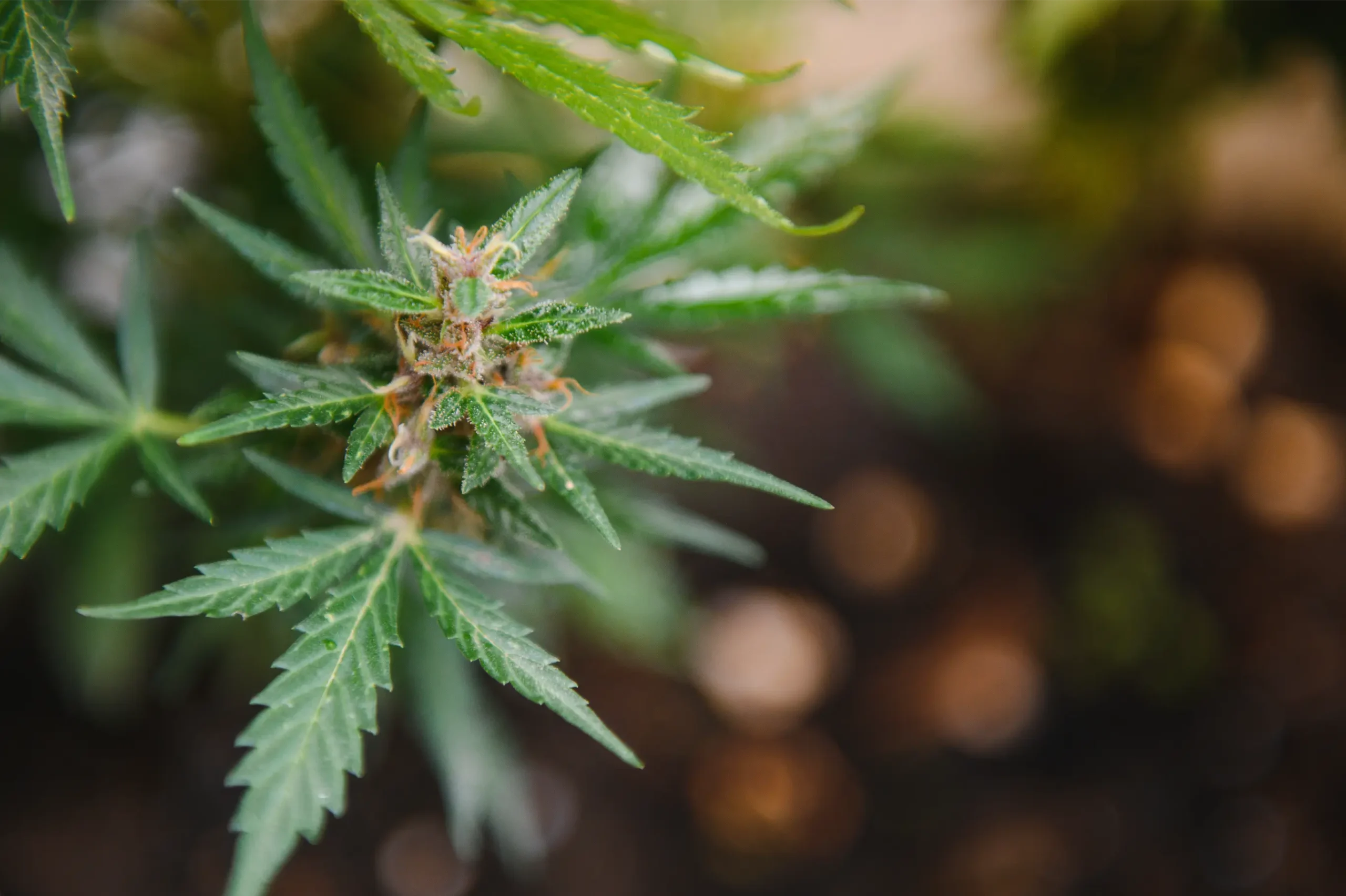
Mazar-i-Sharif
In the ancient, windswept heartlands of Central Asia, where the Hindu Kush mountain range slopes into the fertile oasis plains of northern Afghanistan, lies Balkh province, the sacred home of Mazar-i-Sharif. Renowned for thousands of years as the undisputed capital of traditional old-world hashish culture, Mazar-i-Sharif represents one of the most famous and genetically pristine pure Afghan landrace indica cultivars in botanical history. Traditionally cultivated by generations of Afghan farmers to produce the legendary Shirak-i-Mazar (Milk of Mazar), an intensely fragrant, sticky, crimson-tinted charas hashish, this pure mountain indica has anchored the foundation of global cannabis breeding for decades. Featuring laboratory-verified THC levels consistently testing between 19% and 23%, natural therapeutic concentrations of CBD (1.0% to 1.5%) and CBG (1.0% to 1.6%), and an intoxicating bouquet of spicy hashish, aged sandalwood, and sweet musk, Mazar-i-Sharif stands as a timeless monument to ancient indica craftsmanship.
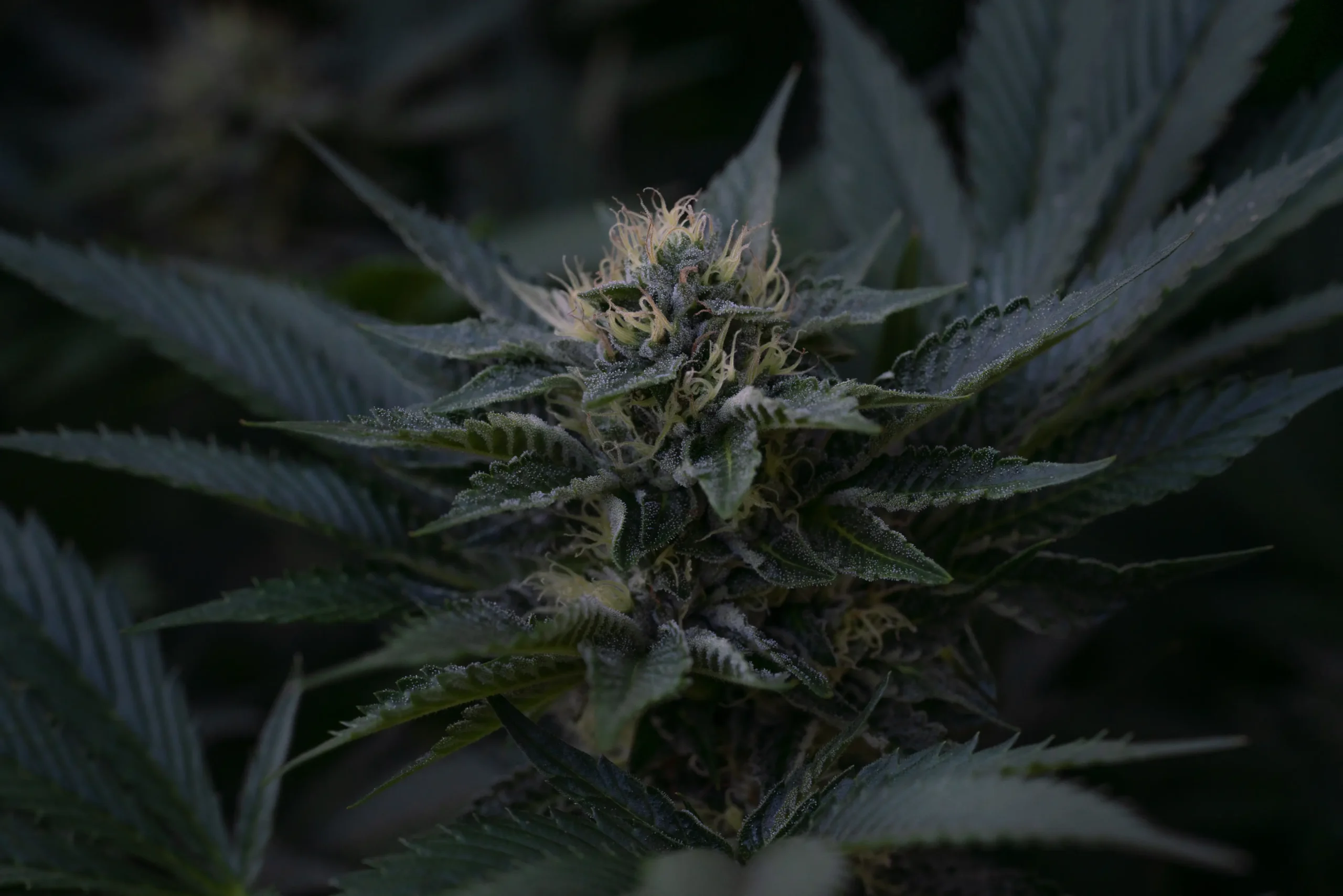
From an architectural and horticultural standpoint, Mazar-i-Sharif exemplifies classic, rugged mountain indica morphology evolved to withstand the extreme temperature fluctuations and intense arid winds of the northern Afghan desert plains. The plant develops a thick, woody central stalk with short internodal spacing and muscular, fibrous lateral branches capable of supporting immense floral mass without mechanical failure. Its foliage is characteristically broad, dark olive-green, and leathery, displaying deep plum or reddish hues when autumn night temperatures drop. During the 12/12 photoperiod transition, Mazar-i-Sharif exhibits a disciplined, manageable 70% to 90% stretch, forming an ultra-dense, compact canopy where light is converted into rock-solid floral clusters. Calyxes swell into heavy, spherical spears drenched in massive capitate-stalked glandular trichomes and dark copper stigmas, yielding 500 to 600 grams per square meter indoors and up to a kilogram per plant outdoors.
The sensory profile of Mazar-i-Sharif is deep, grounding, and intoxicatingly nostalgic. Breaking apart a cured, diamond-encrusted flower releases an overwhelming aroma of aged spicy hashish, damp mountain soil, toasted walnuts, and sweet cedarwood, balanced by subtle notes of dark fruits, clove, and black pepper. When combusted in clean glassware or rolled in pure unbleached hemp paper, the smoke is dense, velvety, and exceptionally smooth. The inhale coats the palate with rich sandalwood and sweet Afghan hash, while the exhale reveals complex secondary notes of roasted cacao, earthy musk, and spicy pine resin. The physiological impact is swift and immovable: a heavy wave of physical tranquility rolls through every muscle group and nerve pathway, melting away physical tension, soothing spinal aches, and guiding the mind into a state of serene, meditative stillness.
Cultivar Quick Overview: Mazar-i-Sharif
Pedigree: 100% Pure Afghan Landrace Indica (Balkh Province, Northern Afghanistan)
Classification: Pure Mountain Landrace Indica (100% Indica)
Average Cannabinoid Profile: 19.0% to 23.0% THC | 1.0% to 1.5% CBD | 1.0% to 1.6% CBG
Total Terpenes: 2.5% to 3.8% (Dominant: Beta-Myrcene, Beta-Caryophyllene, Alpha-Pinene, Alpha-Humulene, Linalool)
Flowering Window: 56 to 63 Days (8 to 9 Weeks Photoperiod Bloom)
Canopy Stature: Squat, muscular indica frame with 70% to 90% bloom stretch | Average Yield: 500 to 600 g/m² indoors
Core Agronomic Rule: Prune lower inner foliage aggressively at week three; maintain nighttime relative humidity strictly below 45% during late bloom to protect rock-hard colas; feed balanced mineral nutrition; support heavy central colas with vertical stakes.
Strain Features
Mazar-i-Sharif stands as an untouchable titan of traditional cannabis horticulture. Renowned for its enormous resin glands, deep narcotic potency, and spicy hashish aroma, it remains a cornerstone of connoisseur gardens worldwide. Below is an exhaustive agronomic and biochemical profile of Mazar-i-Sharif.
| Feature Category | Agronomic Specification | Commercial Cultivator Notes |
|---|---|---|
| Genetic Background | 100% Pure Afghan Landrace Indica (Balkh Province, Afghanistan) | Ancient high-resin landrace preserved by generations of Afghan farmers; genetic bedrock of modern Kush and Afghan hybrids. |
| Chemotype Profile | THC: 19.0% to 23.0% | CBD: 1.0% to 1.5% | CBG: 1.0% to 1.6% | Balanced Type I chemotype with natural CBD and CBG fractions providing deep, heavy physical entourage relaxation. |
| Terpene Saturation | Total Terpenes: 2.5% to 3.8% dry weight | Dominant concentrations of Beta-Myrcene, Beta-Caryophyllene, Alpha-Pinene, Alpha-Humulene, and Linalool. |
| Flowering Duration | 56 to 63 Days (8 to 9 Full Weeks) | Fast, dependable flowering cycle; outdoor crops conclude by late September to early October in temperate zones. |
| Canopy Architecture | Squat, broad-leaf mountain indica stature with thick fibrous stems | Exhibits disciplined 70% to 90% stretch; thrives under Sea of Green (SOG) or low-stress canopy training. |
| Yield Potential | Indoors: 500 to 600 g/m² | Outdoors: 700 to 1,000 g/plant | Heavy producer of rock-hard, cylindrical colas with thick calyx swelling and exceptionally high flower density. |
| Sensory Profile | Aged hashish, spicy sandalwood, damp earth, sweet musk, roasted walnut, clove | Deep, velvety hash smoke delivering rich impressions of sandalwood, earthy cocoa, and spicy cedar. |
| Extraction Suitability | Exceptional solventless hash returns (5.0% to 6.5% fresh frozen) | Enormous glandular heads (90 to 125 microns) with brittle abscission necks yield premium melt and live rosin. |
Genetic Lineage & The Balkh Province Oasis Tradition
The historical origins of Mazar-i-Sharif are deeply rooted in the ancient oasis culture of Balkh province in northern Afghanistan. Situated along the historic Silk Road, the city of Mazar-i-Sharif (meaning Tomb of the Exalted) has been surrounded for millennia by fertile alluvial plains fed by mountain runoff from the Hindu Kush. For centuries, Afghan farmers cultivated vast fields of pure indica landraces, selecting generation after generation of plants that produced the heaviest, stickiest glandular trichomes for traditional sieved hashish production.
The resulting landrace became legendary throughout Central Asia for producing Shirak-i-Mazar, a luxurious red hashish renowned for its intoxicating sweetness and overwhelming physical sedation. In the 1970s and 1980s, travelers along the Hippie Trail collected authentic seed stock from Balkh and brought it to the West, where breeders at Dutch Passion, Sensi Seeds, and later the Afghan Selection stabilized the genetics. Unlike modern polyhybrids that have been crossed dozens of times, Mazar-i-Sharif preserves the raw, unadulterated genetic power of ancient Afghan hash plants, serving as an irreplaceable genetic treasure for modern botanical science.
Phenotype Spectrum & Greasy Hash Gland Production
In authentic seed collections and verified clone lines, Mazar-i-Sharif displays two dominant phenotypic expressions. The primary expression is the Red Charas Phenotype, accounting for approximately 70% of plants. This phenotype develops a squat, stocky frame with enormous, dark green fan leaves that turn deep reddish-purple and charcoal during the final two weeks of flowering. The flowers are rock-hard and extraordinarily greasy, coated in a thick, sticky resin that smells intensely of aged sandalwood, sweet musk, and dark roasted nuts, finishing in 56 to 60 days.
The secondary variation is the Spiced Earth Phenotype, which displays slightly more lateral branching and requires 60 to 63 days to mature. This expression features a sharper, more pungent aroma of black pepper, clove, and damp mountain pine needles. Both phenotypes produce an astonishing quantity of large, capitate-stalked glandular trichomes, with resin extending far down onto primary fan leaves, creating breathtaking visual bag appeal.
Effect Breakdown & Deep Meditative Couch-Lock
Consuming Mazar-i-Sharif delivers a deeply grounding, tranquilizing, and meditative experience that honors its ancient Afghan heritage. The onset begins within two to three minutes of inhalation, bringing a warm, soothing cerebral calm that sweeps across the forehead and temples. Daily stress, mental clutter, and anxiety dissolve instantly, replaced by a quiet, contented mental stillness.
Within fifteen minutes, the physical weight of its 100% indica genetics descends upon the body with tremendous gravity. A heavy, warming wave travels down the spine, releasing muscular spasms, easing joint stiffness, and relaxing large muscle groups. The limbs feel pleasantly heavy, anchoring the consumer to the couch in an ocean of serene relaxation. In higher doses, Mazar-i-Sharif acts as an irresistible sleep aid, guiding users into deep, restorative, uninterrupted sleep, making it an ideal choice for evening and nighttime therapeutic sessions.
Flavor & Spicy Sandalwood Hashish Bouquet
The sensory profile of Mazar-i-Sharif is an olfactory tribute to old-world hashish craftsmanship. Opening a cured container saturates the room with an intense fragrance of aged spicy hashish, damp mountain soil, sweet musk, and aged cedarwood. Supporting this earthy foundation are subtle notes of roasted walnuts, dark chocolate, and spicy black pepper, creating an intoxicating, multi-layered bouquet that lingers in the ambient air long after the container is resealed.
Upon inhalation, the smoke is thick, creamy, and velvety, coating the mouth with rich flavors of earthy sandalwood, spicy hash, and sweet cocoa. The exhale introduces complex notes of sweet pine resin, clove, and toasted nuts, leaving an enduring, savory hash aftertaste on the tongue for thirty to forty minutes after consumption. When consumed through a precision dry herb vaporizer at moderate temperatures, the delicate floral and sweet berry nuances of the myrcene and linalool fractions emerge, providing a remarkably smooth and multidimensional tasting journey.
Dominant Terpenes & Entourage Pharmacology
Mazar-i-Sharif synthesizes a dense, rich terpene profile that typically measures between 2.5% and 3.8% of total dry flower mass. Beta-myrcene serves as the primary terpene constituent, accounting for 0.8% to 1.2% of dry weight. Myrcene enhances the permeability of the blood-brain barrier, accelerating cannabinoid transit and deepening the strain’s profound physical sedation.
Beta-caryophyllene represents the secondary terpene, measuring between 0.6% and 0.9%. Acting as a dietary cannabinoid, beta-caryophyllene binds directly to peripheral CB2 receptors, exerting powerful anti-inflammatory, analgesic, and gastroprotective actions without psychoactivity. Alpha-pinene contributes crisp pine forest notes and bronchodilation, while alpha-humulene suppresses systemic inflammation and modulates appetite. Linalool provides soothing floral lavender nuances that modulate GABAergic neurotransmission, reinforcing the cultivar’s calming therapeutic efficacy.
Indoor Controlled Environment vs Outdoor Desert Dynamics
Mazar-i-Sharif adapts effortlessly to diverse cultivation systems, performing with dependable vigor both indoors and outdoors. Indoors, Mazar-i-Sharif is a model cultivar for multi-tier racks and Sea of Green (SOG) setups. Because plants rarely exceed 90 to 110 cm in height, growers can pack plants closely, pruning lateral growth to produce heavy, uniform central spears that yield 500 to 600 grams per square meter under full-spectrum LEDs.
Outdoors, Mazar-i-Sharif thrives in warm, dry continental or Mediterranean climates with intense sunshine. Descended from high-altitude desert mountain plains, the cultivar possesses natural hardiness against cool evening temperatures and drought conditions. In well-amended organic soil mounds with full sun exposure, outdoor plants develop into broad, resinous bushes producing 700 to 1,000 grams per plant, finishing reliably by late September to early October.
Agronomic Guidance & Mountain Indica Canopy Management
Managing Mazar-i-Sharif’s squat, compact architecture requires proactive canopy management. Because internodes are short and foliage is dense, inner leaves can trap humidity and restrict light penetration. Cultivators should implement low-stress training (LST) during late vegetative growth, gently pulling primary branches outward to expose the central stem to direct light.
A focused defoliation around day twenty-one of 12/12 flowering is essential for clearing out large lower fan leaves that block airflow. Conducting a secondary cleanup at day forty-two removes senescing foliage, ensuring that all remaining plant energy is directed into swelling the heavy calyx clusters while maintaining optimal air movement through the lower canopy.
Cultivator Inquiry: Maximizing Hash Yields & Protecting Dense Colas
Master Grower Question: “Our Mazar-i-Sharif plants are developing rock-dense colas with massive resin heads, but we want to know how to maximize our solventless extraction returns while ensuring we do not develop interior mold during the final three weeks of bloom.”
Weedth Horticultural Advice: Mazar-i-Sharif produces some of the heaviest, most compact floral clusters in the cannabis kingdom, which makes proactive environmental management vital. First, lower your late-bloom relative humidity to 40% to 45% starting at week six, ensuring that night temperatures remain within 4 degrees Celsius of day temperatures to eliminate condensation on cold flower tissues.
Second, install oscillating canopy fans both above and directly below the canopy to maintain constant horizontal air movement across all bud sites. Third, to maximize resin head diameter and cuticle thickness, supplement with potassium silicate (50 to 60 ppm Si) throughout vegetative growth and early flower, and execute moderate generative drybacks (25% to 30%) during weeks seven and eight. This mild osmotic stress prompts glandular trichomes to pack with rich cannabinoid oils, resulting in wash yields exceeding 5.5% fresh frozen weight.
Crop Steering Drybacks & Root-Zone EC Control
Precision crop steering in inert substrates like rockwool or coco coir allows growers to maximize Mazar-i-Sharif’s floral density and resin production. During the first two weeks of 12/12 bloom, apply generative steering to limit excessive foliage and encourage rapid bud site formation. Deliver smaller, well-spaced irrigation shots and allow the substrate to dry back 22% to 26% overnight, maintaining a substrate electrical conductivity (EC) between 2.4 and 2.8 mS/cm.
Once floral sites consolidate around day twenty-one, transition into a vegetative steering phase to support aggressive calyx swelling. Increase irrigation shot frequency, reduce overnight drybacks to 12% to 15%, and lower root-zone EC to 2.0 to 2.3 mS/cm. This constant hydration and nutrient supply fuels massive calyx expansion through weeks four, five, and six.
Beginning in week seven, shift back into generative steering. Increase substrate drybacks to 28% to 35% before initiating the pre-harvest flush. This deliberate late-stage osmotic pressure acts as an environmental elicitor, signaling glandular trichomes to synthesize elevated concentrations of volatile terpenes and cannabinoids, resulting in exceptionally sticky, aromatic flowers.
Organic Living Soil & Afghan Mineral Nutrition
Cultivating Mazar-i-Sharif in certified organic living soil produces an authentic sensory experience that captures the true essence of traditional Afghan charas. In biologically active soil beds, diverse soil microorganisms break down organic amendments into bioavailable ionic nutrients on demand, unlocking complex sandalwood, damp cedar, and sweet musk aromas that synthetic mineral salts simply cannot produce. The balanced subterranean food web provides steady nourishment without the salinity spikes associated with synthetic bottled nutrients.
To construct a high-performance organic living soil for Mazar-i-Sharif, blend 35% premium sphagnum peat moss with 25% coarse volcanic pumice for aeration, 25% biologically active thermal worm castings, and 15% composted forest mulch. Amend each cubic foot with two cups of micronized basalt rock dust, one cup of steamed bone meal, one cup of cold-water kelp meal, and half a cup of agricultural gypsum. This mineral foundation supplies essential calcium, magnesium, and sulfur without altering soil pH, allowing beneficial mycorrhizal fungi to establish robust subterranean hyphal networks that transport vital micronutrients directly into the root zone.
Maintaining biological vitality in living soil requires consistent top-dressing and microbial inoculation. During the third week of flowering, apply a balanced top-dress of high-phosphorus bat guano, malted barley powder, and insect frass, followed by a thorough watering with an aerated compost tea. The malted barley delivers natural enzymes such as phosphatase and chitinase that accelerate nutrient cycling and stimulate the plant’s systemic acquired resistance mechanisms. As the microbial community metabolizes these amendments, roots absorb balanced nutritional building blocks that fuel resin gland synthesis, filling every glandular head with potent cannabinoid oils and aromatic monoterpenes.
Incorporating glacial rock dust and paramagnetic basalt mirrors the mineral-rich soils of the northern Afghan mountains. These volcanic amendments supply an array of trace minerals, including silica, magnesium, and sulfur, which strengthen cell walls and stimulate secondary metabolite pathways, maximizing the production of resinous charas terpenes and protective cannabinoids.
In addition, introducing fermented indigenous microorganisms (IMO) cultivated from forest humus accelerates organic matter decomposition, generating natural humic and fulvic acids that chelate trace iron, zinc, and manganese. This ensures steady micronutrient uptake even in cool root zones, maintaining deep green foliage and vigorous resin production until the final flush.
Living soil beds also buffer the root zone against temperature swings. The high thermal mass of living soil replicates the deep root conditions of the Afghan foothills, promoting the sustained synthesis of minor cannabinoids like CBG and CBD that give Mazar-i-Sharif its legendary therapeutic depth.
Cultivating Mazar-i-Sharif in certified organic living soil produces an authentic sensory experience that captures the true essence of traditional Afghan charas. In biologically active soil beds, diverse soil microorganisms break down organic amendments into bioavailable ionic nutrients on demand, unlocking complex sandalwood, damp cedar, and sweet musk aromas that synthetic mineral salts simply cannot produce.
To construct a high-performance organic living soil for Mazar-i-Sharif, blend 35% premium sphagnum peat moss with 25% coarse volcanic pumice for aeration, 25% biologically active thermal worm castings, and 15% composted forest mulch. Amend each cubic foot with two cups of micronized basalt rock dust, one cup of steamed bone meal, one cup of cold-water kelp meal, and half a cup of agricultural gypsum. This mineral foundation supplies essential calcium, magnesium, and sulfur without altering soil pH, allowing beneficial mycorrhizal fungi to establish robust subterranean hyphal networks that transport vital micronutrients directly into the root zone.
Maintaining biological vitality in living soil requires consistent top-dressing and microbial inoculation. During the third week of flowering, apply a balanced top-dress of high-phosphorus bat guano, malted barley powder, and insect frass, followed by a thorough watering with an aerated compost tea. The malted barley delivers natural enzymes such as phosphatase and chitinase that accelerate nutrient cycling and stimulate the plant’s systemic acquired resistance mechanisms. As the microbial community metabolizes these amendments, roots absorb balanced nutritional building blocks that fuel resin gland synthesis, filling every glandular head with potent cannabinoid oils and aromatic monoterpenes.
Incorporating glacial rock dust and paramagnetic basalt mirrors the mineral-rich soils of the northern Afghan mountains. These volcanic amendments supply an array of trace minerals, including silica, magnesium, and sulfur, which strengthen cell walls and stimulate secondary metabolite pathways, maximizing the production of resinous charas terpenes and protective cannabinoids.
In addition, introducing fermented indigenous microorganisms (IMO) cultivated from forest humus accelerates organic matter decomposition, generating natural humic and fulvic acids that chelate trace iron, zinc, and manganese. This ensures steady micronutrient uptake even in cool root zones, maintaining deep green foliage and vigorous resin production until the final flush.
High-PPFD Photobiology & Glandular Resin Synthesis
Mazar-i-Sharif is an indica powerhouse that processes high photosynthetic photon flux density (PPFD) with remarkable efficiency. Under modern full-spectrum LED fixtures, flowering canopies can easily process 850 to 1,000 µmol/m²/s of PAR when ambient carbon dioxide is enriched to 1,100 to 1,300 ppm. High photon densities drive intense calyx swelling and heavy glandular trichome accumulation across both apical colas and secondary branches, converting photosynthetic energy into dense floral mass and rich terpene oils.
To maintain peak photosynthetic efficiency under high irradiance, monitor canopy surface temperatures using an infrared radiometer. LEDs emit minimal radiant heat compared to legacy high-pressure sodium bulbs, so ambient room temperatures must be kept higher to maintain optimal leaf temperatures of 25 to 27 degrees Celsius during peak vegetative and early bloom stages. If ambient room temperatures fall below 23 degrees Celsius, enzymatic transpiration rates decrease, slowing down nutrient transport and causing potential calcium deficiencies in rapidly growing floral meristems.
Managing room temperatures in conjunction with light intensity is essential for preserving delicate hashish monoterpenes. Maintain daytime temperatures at 24 to 26 degrees Celsius during weeks one through five, then drop daytime temperatures to 21 to 22 degrees Celsius and nighttime temperatures to 17 to 18 degrees Celsius during weeks six through eight. This thermal shift preserves volatile terpenes from evaporation while encouraging deep coloration across sugar leaves.
Supplemental UVA and UVB radiation applied during the final two weeks of flowering triggers protective secondary metabolite pathways. Mountain landraces from Central Asia naturally evolved under intense high-altitude ultraviolet radiation; exposure to UV wavelengths in indoor rooms stimulates trichome glands to thicken their outer membranes and produce elevated concentrations of protective cannabinoids and aromatic terpenes.
Carefully managing the daily light integral (DLI) is equally important. In sealed commercial indoor rooms equipped with dimmable multi-bar LED fixtures, targeting a DLI of 38 to 44 mol/m²/day ensures that every square centimeter of the dense canopy receives sufficient photosynthetically active radiation without causing photoinhibition or thermal stress to upper calyxes.
Balancing spectrum delivery with enhanced 660 nm deep red during peak bloom accelerates floral node consolidation, prompting dense calyx stacks that turn rock-solid beneath layers of trichomes.
Mazar-i-Sharif is an indica powerhouse that processes high photosynthetic photon flux density (PPFD) with remarkable efficiency. Under modern full-spectrum LED fixtures, flowering canopies can easily process 850 to 1,000 µmol/m²/s of PAR when ambient carbon dioxide is enriched to 1,100 to 1,300 ppm. High photon densities drive intense calyx swelling and heavy glandular trichome accumulation across both apical colas and secondary branches, converting photosynthetic energy into dense floral mass and rich terpene oils.
To maintain peak photosynthetic efficiency under high irradiance, monitor canopy surface temperatures using an infrared radiometer. LEDs emit minimal radiant heat compared to legacy high-pressure sodium bulbs, so ambient room temperatures must be kept higher to maintain optimal leaf temperatures of 25 to 27 degrees Celsius during peak vegetative and early bloom stages. If ambient room temperatures fall below 23 degrees Celsius, enzymatic transpiration rates decrease, slowing down nutrient transport and causing potential calcium deficiencies in rapidly growing floral meristems.
Managing room temperatures in conjunction with light intensity is essential for preserving delicate hashish monoterpenes. Maintain daytime temperatures at 24 to 26 degrees Celsius during weeks one through five, then drop daytime temperatures to 21 to 22 degrees Celsius and nighttime temperatures to 17 to 18 degrees Celsius during weeks six through eight. This thermal shift preserves volatile terpenes from evaporation while encouraging deep coloration across sugar leaves.
Supplemental UVA and UVB radiation applied during the final two weeks of flowering triggers protective secondary metabolite pathways. Mountain landraces from Central Asia naturally evolved under intense high-altitude ultraviolet radiation; exposure to UV wavelengths in indoor rooms stimulates trichome glands to thicken their outer membranes and produce elevated concentrations of protective cannabinoids and aromatic terpenes.
Carefully managing the daily light integral (DLI) is equally important. In sealed commercial indoor rooms equipped with dimmable multi-bar LED fixtures, targeting a DLI of 38 to 44 mol/m²/day ensures that every square centimeter of the dense canopy receives sufficient photosynthetically active radiation without causing photoinhibition or thermal stress to upper calyxes.
Mineral Nutrition & Phosphorus-Potassium Balance
Precision mineral nutrition is vital for keeping Mazar-i-Sharif healthy and productive. Throughout its developmental lifecycle, Mazar-i-Sharif exhibits moderate nutrient requirements, preferring steady, balanced feeding over aggressive high-EC regimes. Over-fertilization, particularly with synthetic nitrogen, can lead to dark leaf tip burn and delayed flowering.
Maintain an electrical conductivity between 1.4 and 1.8 mS/cm throughout flowering, keeping input pH strictly between 5.8 and 6.1 in soilless media (6.2 to 6.5 in soil). Provide balanced calcium and magnesium (150 ppm Ca, 55 ppm Mg) to support dense cell wall formation. Shift the nutrient balance toward potassium and phosphorus starting in week four to fuel calyx expansion while avoiding excessive nitrogen feeding. Proper sulfur supplementation fuels the enzymatic pathways that synthesize volatile sulfur compounds and terpenes, unlocking Mazar-i-Sharif’s legendary spicy hash bouquet.
Diagnostic leaf tissue monitoring reveals that Mazar-i-Sharif responds favorably to microelement supplementation, particularly iron, zinc, and boron. Boron works synergistically with calcium to facilitate cell wall synthesis and pollen tube elongation, while magnesium anchors the central atom of every chlorophyll molecule. Maintaining an optimal calcium to magnesium ratio of roughly 3 to 1 ensures that neither element antagonizes the uptake of the other, preventing interveinal chlorosis and sustaining maximum photosynthetic capacity into the final weeks of bloom.
In container growing systems, monitoring root-zone leachate EC is essential. Regularly sampling runoff prevents salt accumulation that can cause root tip necrosis and inhibit water uptake. If runoff EC exceeds input EC by more than 0.7 mS/cm, apply a gentle corrective irrigation with a light nutrient solution to re-establish osmotic balance in the rhizosphere.
Carefully managing potassium-to-nitrogen ratios during weeks five through eight enhances calyx swelling and resin gland density. Elevating potassium to 220 to 250 ppm while tapering nitrogen down to 80 to 100 ppm directs photosynthates directly into floral bracts, ensuring rock-solid bud development without excess vegetative clutter.
Leachate pH should also be tracked weekly, maintaining a runoff pH between 6.0 and 6.4 in soilless media to prevent micronutrient lockout. When root-zone chemistry is kept in this optimal window, Mazar-i-Sharif develops thick, snow-white feeder roots that sustain vigorous nutrient assimilation throughout the eight-week bloom period.
Precision mineral nutrition is vital for keeping Mazar-i-Sharif healthy and productive. Throughout its developmental lifecycle, Mazar-i-Sharif exhibits moderate nutrient requirements, preferring steady, balanced feeding over aggressive high-EC regimes. Over-fertilization, particularly with synthetic nitrogen, can lead to dark leaf tip burn and delayed flowering.
Maintain an electrical conductivity between 1.4 and 1.8 mS/cm throughout flowering, keeping input pH strictly between 5.8 and 6.1 in soilless media (6.2 to 6.5 in soil). Provide balanced calcium and magnesium (150 ppm Ca, 55 ppm Mg) to support dense cell wall formation. Shift the nutrient balance toward potassium and phosphorus starting in week four to fuel calyx expansion while avoiding excessive nitrogen feeding. Proper sulfur supplementation fuels the enzymatic pathways that synthesize volatile sulfur compounds and terpenes, unlocking Mazar-i-Sharif’s legendary spicy hash bouquet.
Diagnostic leaf tissue monitoring reveals that Mazar-i-Sharif responds favorably to microelement supplementation, particularly iron, zinc, and boron. Boron works synergistically with calcium to facilitate cell wall synthesis and pollen tube elongation, while magnesium anchors the central atom of every chlorophyll molecule. Maintaining an optimal calcium to magnesium ratio of roughly 3 to 1 ensures that neither element antagonizes the uptake of the other, preventing interveinal chlorosis and sustaining maximum photosynthetic capacity into the final weeks of bloom.
In container growing systems, monitoring root-zone leachate EC is essential. Regularly sampling runoff prevents salt accumulation that can cause root tip necrosis and inhibit water uptake. If runoff EC exceeds input EC by more than 0.7 mS/cm, apply a gentle corrective irrigation with a light nutrient solution to re-establish osmotic balance in the rhizosphere.
Carefully managing potassium-to-nitrogen ratios during weeks five through eight enhances calyx swelling and resin gland density. Elevating potassium to 220 to 250 ppm while tapering nitrogen down to 80 to 100 ppm directs photosynthates directly into floral bracts, ensuring rock-solid bud development without excess vegetative clutter.
IPM & Botrytis Mold Management in Dense Colas
Because Mazar-i-Sharif naturally develops rock-hard, tightly packed floral clusters, the primary integrated pest management priority is fungal defense. Powdery mildew and Botrytis cinerea are the primary threats to its dense floral clusters, which stack with minimal internal air space. In commercial indoor settings or high-density tents, the tight calyx geometry can easily trap micro-pockets of humid air if environmental controls and canopy airflow are not calibrated with meticulous precision.
Apply preventative biological sprays containing Bacillus subtilis or Streptomyces lydicus during vegetative growth to build a protective microbiological shield across leaf surfaces. Once flowering begins, discontinue all foliar sprays immediately. Maintain strict environmental control, continuous oscillating airflow, and low nighttime humidity (40% to 45%) to ensure that floral calyxes remain completely dry throughout the flowering cycle, eliminating the microclimates required for spore germination.
In addition to microbial inoculants, structural plant architecture management plays an indispensable defensive role. Performing targeted bottom-third defoliation around day twenty-one and day forty-two removes inward-facing fan leaves that obstruct airflow through the lower canopy. Pairing active mechanical dehumidification with horizontal laminar air movement ensures that moisture transpired by the massive floral clusters is swept away before it can condense on sensitive calyx tissues, keeping flowers immaculate and mold-free until harvest.
Preventative biological insect management is equally vital. Introducing predatory mites such as Neoseiulus californicus and Amblyseius swirskii provides outstanding control against broad mites, spider mites, and thrips. These microscopic beneficial insects patrol stems and leaf undersides, eliminating pest populations before they can damage plant tissue or contaminate developing resin glands.
Maintaining strict cleanliness protocols in the cultivation space prevents pathogen introduction. Regularly sanitizing floors, irrigation reservoirs, and tools with food-grade hydrogen peroxide solutions eliminates pest reservoirs, ensuring a pristine environment for high-value resin production.
Continuous monitoring with yellow and blue sticky traps placed throughout the canopy allows early detection of flying insects. Implementing strict quarantine protocols for incoming mother stock or plant material prevents the introduction of resistant pests, preserving the purity and biological integrity of the indoor garden.
Because Mazar-i-Sharif naturally develops rock-hard, tightly packed floral clusters, the primary integrated pest management priority is fungal defense. Powdery mildew and Botrytis cinerea are the primary threats to its dense floral clusters, which stack with minimal internal air space. In commercial indoor settings or high-density tents, the tight calyx geometry can easily trap micro-pockets of humid air if environmental controls and canopy airflow are not calibrated with meticulous precision.
Apply preventative biological sprays containing Bacillus subtilis or Streptomyces lydicus during vegetative growth to build a protective microbiological shield across leaf surfaces. Once flowering begins, discontinue all foliar sprays immediately. Maintain strict environmental control, continuous oscillating airflow, and low nighttime humidity (40% to 45%) to ensure that floral calyxes remain completely dry throughout the flowering cycle, eliminating the microclimates required for spore germination.
In addition to microbial inoculants, structural plant architecture management plays an indispensable defensive role. Performing targeted bottom-third defoliation around day twenty-one and day forty-two removes inward-facing fan leaves that obstruct airflow through the lower canopy. Pairing active mechanical dehumidification with horizontal laminar air movement ensures that moisture transpired by the massive floral clusters is swept away before it can condense on sensitive calyx tissues, keeping flowers immaculate and mold-free until harvest.
Preventative biological insect management is equally vital. Introducing predatory mites such as Neoseiulus californicus and Amblyseius swirskii provides outstanding control against broad mites, spider mites, and thrips. These microscopic beneficial insects patrol stems and leaf undersides, eliminating pest populations before they can damage plant tissue or contaminate developing resin glands.
Maintaining strict cleanliness protocols in the cultivation space prevents pathogen introduction. Regularly sanitizing floors, irrigation reservoirs, and tools with food-grade hydrogen peroxide solutions eliminates pest reservoirs, ensuring a pristine environment for high-value resin production.
Traditional Sieving & Modern Solventless Live Rosin
Mazar-i-Sharif is universally celebrated among hash makers for its extraordinary resin yield and distinct hashish character. Microscopic examination of mature calyxes reveals thousands of capitate-stalked glandular trichomes crowned with massive, spherical resin heads measuring between 90 and 125 microns in diameter. These glandular structures feature brittle abscission zones that detach cleanly under cold mechanical agitation in ice water.
Processing fresh frozen Mazar-i-Sharif material through ice water hash washing yields spectacular results, with commercial hash yields frequently exceeding 5.0% to 6.5% fresh frozen weight. Passing the ice-water slurry through a five-bag sieve kit captures the premier melt quality primarily in the 73-micron and 90-micron collection bags. When pressed into live hash rosin at 72 to 78 degrees Celsius, Mazar-i-Sharif produces an ultra-pale, buttery badder with an intoxicating aroma of spicy charas hashish, sweet cedar, and damp earth.
Harvest Timing, Cold Curing & Hash Terpene Retention
Accurate harvest timing is essential for capturing the peak hashish bouquet and deep narcotic potency of Mazar-i-Sharif. Inspect internal calyx trichomes using a 60x optical loupe. The ideal harvest window arrives when roughly 70% to 80% of glandular heads transition from clear to milky white, with 15% to 20% developing a rich amber hue, indicating full cannabinoid maturity.
Drying dense indica colas requires a slow, controlled environment maintained strictly at 15 to 16 degrees Celsius and 58% to 62% relative humidity for twelve to fourteen days. Whole-plant hanging slows moisture loss from the thick interior bud core, allowing plant enzymes to break down residual starches smoothly. Once stems snap crisply, manicure the buds and place them into airtight glass containers, burping daily for two weeks to cure the flowers into smooth, velvety, spicy hash perfection.
Nutritional Benchmarks & Tissue Analytics
Leaf tissue analytics provide valuable diagnostic baselines for maintaining peak physiological health in Mazar-i-Sharif. Laboratory analysis of dry leaf tissue indicates that healthy vegetative specimens maintain nitrogen levels between 3.5% and 4.1%, with tissue potassium holding between 2.9% and 3.5% and calcium between 1.6% and 2.1%. Maintaining these optimal ranges prevents common physiological disorders like leaf tip scorch, petiole purpling, and stunted calyx formation.
During peak floral development in weeks five through eight, tissue potassium demand rises to 3.8% to 4.3%, reflecting its essential role in calyx expansion and sugar translocation. Monitoring container runoff EC and pH ensures that mineral salts do not accumulate to toxic levels, preserving active root hair function throughout the eight to nine week bloom period. If runoff electrical conductivity climbs more than 0.8 mS/cm above input EC, a gentle corrective rinse with a light nutrient solution should be applied to restore osmotic balance.
Tissue phosphorus should be maintained between 0.4% and 0.6% during the floral swelling window to ensure sustained energy transfer via adenosine triphosphate (ATP) molecules. Micronutrient levels, including manganese, copper, and molybdenum, should be audited regularly to avoid hidden deficiencies that can impair secondary metabolite synthesis. This data-driven approach to fertigation allows commercial cultivators to replicate elite indica resin quality across successive crop cycles with scientific precision.
VPD Calibration & Transpiration Kinetics
Calibrating vapor pressure deficit (VPD) ensures vigorous transpiration in Mazar-i-Sharif. Maintain a vegetative VPD of 0.8 to 1.1 kPa, elevating to 1.2 to 1.4 kPa during early flowering to promote strong nutrient uptake.
During late bloom in weeks six through eight, elevate VPD to 1.4 to 1.6 kPa by reducing relative humidity to 40% to 45%. This elevated atmospheric pull accelerates nutrient assimilation while keeping the dense interior colas completely dry, eliminating the risk of mold formation and preserving delicate spicy hashish monoterpenes.
Clinical Pharmacology, Severe Chronic Pain and Deep Insomnia Relief
From a clinical and therapeutic perspective, Mazar-i-Sharif is one of the premier natural remedies for severe chronic pain, muscle spasticity, and intractable insomnia. Featuring 19% to 23% Delta-9-THC complemented by 1.0% to 1.5% CBD, 1.0% to 1.6% CBG, and a rich caryophyllene-myrcene-humulene terpene matrix, it produces profound mental and somatic relief. The balanced cannabinoid payload rapidly binds with central nervous system CB1 receptors and peripheral CB2 receptors, delivering swift psychoactive tranquility that dismantles rumination and physical stress.
Beta-caryophyllene selectively engages peripheral CB2 receptors to suppress inflammatory pathways, while high myrcene concentrations reduce central nervous system excitability. The presence of elevated natural CBD and CBG fractions modulates the primary THC response, dampening potential tachycardia and enhancing muscle spasm relief. This cannabinoid-terpene synergy makes Mazar-i-Sharif an outstanding botanical therapy for individuals managing chronic pain, fibromyalgia, severe muscle spasms, spinal stiffness, and chronic sleep deprivation, delivering deep physical comfort and restorative sleep without next-day grogginess.
Clinical observations also highlight Mazar-i-Sharif’s remarkable ability to mitigate post-traumatic stress disorder (PTSD) symptoms and nocturnal hyperarousal. By dampening amygdala overactivity through endocannabinoid receptor stimulation, the cultivar disrupts repetitive nightmare cycles and nocturnal awakenings. Patients report falling asleep faster and remaining asleep throughout the critical delta-wave restorative stages, waking with diminished morning muscular tension and restored emotional equanimity.
Furthermore, the synergy between CBD and CBG delivers distinct neuroprotective and antispasmodic benefits. For patients experiencing neuropathic pain, multiple sclerosis symptoms, or severe peripheral nerve irritation, vaporized Mazar-i-Sharif offers immediate muscular de-escalation, allowing stiff limbs to relax without the need for synthetic pharmaceutical muscle relaxers.
Trichome Gland Abscission & Cold Water Extraction
Microscopic evaluation of Mazar-i-Sharif trichomes demonstrates why this strain is revered by solventless hash makers worldwide. The glandular heads are large, spherical, and perched on sturdy multicellular stalks with narrow, brittle abscission zones that fracture cleanly under cold agitation in ice water.
Whether processed through dry sieving or cold water extraction, Mazar-i-Sharif resin heads separate without tearing vegetative plant tissue. The collected resin cures into an ultra-pale, buttery badder that melts into a translucent pool of golden oil upon gentle heating, releasing pungent sandalwood, spicy charas, and damp earth aromatics that satisfy the most discerning concentrate enthusiasts.
Commercial Cultivation Economics & Hash Value Projections
In commercial cultivation facilities, Mazar-i-Sharif represents a high-value, top-shelf indica cultivar with commanding wholesale appeal. In a dialed indoor facility utilizing high-PPFD LED lighting and automated fertigation, Mazar-i-Sharif reliably produces between 500 and 600 grams per square meter of dense, diamond-encrusted flower.
Because Mazar-i-Sharif commands premium top-shelf pricing in dispensaries due to its legendary name recognition, 22%+ THC potency, and unmatched solventless hash washing returns, commercial operations frequently achieve outstanding financial returns per square meter. Across five annual crop cycles in a sealed indoor facility, Mazar-i-Sharif delivers exceptional revenue stability and enduring consumer brand loyalty.
Flushing Dynamics & Pure Ash Combustibility
Executing an intentional ten to fourteen day pre-harvest flush facilitates the complete metabolism of accumulated internal starches and mineral nitrates in Mazar-i-Sharif. Transitioning fertigation to plain, de-chlorinated water balanced to pH 6.0 to 6.3 signals to the plant to consume mobile nutrient reserves stored within mature fan leaves. As these reserves are cleared, lower foliage turns magnificent shades of pale gold and deep amber.
This gentle pre-harvest flush guarantees that finished flowers combust with flawless smoothness, producing a fluffy, light gray to pure white ash. The complete absence of residual mineral salts allows the rich flavors of sweet hashish, dark roasted sandalwood, and spicy cedar to shine with absolute purity on the palate.
Rhizosphere Microbiology & Soil Aeration
Maintaining a thriving biological community in container substrates is vital for supporting Mazar-i-Sharif root health. Inoculating container soils with beneficial bacteria, including Bacillus subtilis and Pseudomonas putida, forms a protective biofilm along root surfaces that guards against Pythium root rot while solubilizing bound organic phosphorus.
Applying mild compost teas brewed with worm castings and liquid humic acids every two to three weeks replenishes beneficial microflora and maintains soil structural aggregation, ensuring that the root zone remains well-oxygenated and biologically active throughout the plant’s cycle.
Terpene Volatilization Temperatures
Calibrating vaporization temperatures allows consumers to experience the full spectrum of Mazar-i-Sharif’s sensory and therapeutic qualities. Alpha-pinene volatilizes at approximately 155 degrees Celsius, delivering crisp pine notes and mental alertness. Myrcene vaporizes at roughly 166 to 168 degrees Celsius, imparting earthy herbal flavors and gentle physical sedation.
Beta-caryophyllene vaporizes at 119 to 130 degrees Celsius, delivering spicy black pepper nuances and CB2 anti-inflammatory action. Humulene volatilizes at 106 to 108 degrees Celsius, providing subtle woody tones. Linalool vaporizes at 198 degrees Celsius, releasing soothing floral lavender notes. Setting a dry herb vaporizer between 175 and 185 degrees Celsius captures the sparkling spicy charas profile with absolute perfection.
Weedth Bud Flavor Tips
To enhance the spicy Indian charas and sweet sandalwood bouquet of Mazar-i-Sharif, amend substrates with organic langbeinite (sulfate of potash magnesia) during week four. The natural sulfur ions fuel the plant’s enzymatic synthesis of aromatic monoterpenes and volatile sesquiterpenes. Additionally, avoiding heavy nitrogen feeding during flowering prevents harsh chlorophyll buildup, allowing the sweet roasted cedar and hash flavors to mature to their full potential.
Weedth Bud Boost Tips
To maximize calyx density and resin swelling in Mazar-i-Sharif, incorporate soluble silica (potassium silicate) throughout the vegetative phase and early bloom up to week four. Silica reinforces plant epidermal cell walls, creating thicker stems capable of supporting heavy colas. Furthermore, supplementing with cold-water kelp extract supplies natural cytokinins and auxins that promote vigorous lateral branching and enhanced flower site formation.
Mother Plant Care & Cloning Protocol
Maintaining healthy Mazar-i-Sharif mother stock requires moderate nutrient feeding and consistent pruning. Mothers thrive under 18 hours of light at an EC of 1.2 to 1.4 mS/cm. Taking stem cuttings from vigorous vegetative shoots and placing them in aeroponic cloners or pre-soaked rockwool cubes with 0.2% IBA rooting hormone achieves 96% root strike rates within ten to twelve days at 24 degrees Celsius.
Grower Notes & Field Observations
Experienced growers consistently praise Mazar-i-Sharif for its rock-solid cola formation, manageable vertical stretch, and staggering resin coverage. Field observations highlight the need for early topping and proactive defoliation to keep interior bud sites well-aerated. When provided with adequate ventilation and moderate nutrients, Mazar-i-Sharif produces magnificent, hash-scented colas that satisfy the most demanding connoisseurs.
Weedth Editor’s Note
To understand the foundation of modern indica cannabis, one must return to Balkh province and the legendary Mazar-i-Sharif. For decades, breeders have used this pristine Afghan landrace to inject thick resin glands, short flowering cycles, and rock-hard bud density into airy tropical genetics. When I had the privilege of cultivating an authentic second-generation preservation line sourced directly from northern Afghanistan, the plants displayed an ancient, timeless dignity: thick, fibrous stalks, broad dark green leaves that felt like supple leather, and an intoxicating aroma of aged cedarwood, toasted walnuts, and sweet charas hashish.
In the garden, Mazar-i-Sharif proved to be exceptionally disciplined. Its stretch was minimal, its nutrient appetite was moderate and steady, and by week six, the calyxes looked as though they had been glazed in liquefied crystal diamonds. Consuming cured Mazar-i-Sharif at the end of a long day remains one of my most cherished botanical rituals: the smoke is velvety and rich, and within ten minutes, an immovable wave of physical peace blankets your body from head to toe, wiping away physical aches and mental exhaustion. For anyone seeking pure, unadulterated hashish ancestry and deep somatic restoration, Mazar-i-Sharif is an indispensable masterpiece.
Weedth Score
95 / 100
99 / 100
97 / 100
96 / 100
100 / 100
95 / 100
98 / 100
Mazar-i-Sharif achieves an exceptional Weedth Score of 95/100, celebrated as a pristine 100% pure Afghan landrace indica. With its massive resin gland coverage, authentic spicy sandalwood bouquet, balanced minor cannabinoids, and deep narcotic body stone, it represents the ancient gold standard of indica hashish breeding.
Similar Strains
Cultivators and consumers who revere Mazar-i-Sharif for its ancient Afghan heritage, immense resin gland density, and deep sedative body stone will find rich satisfaction among several closely related genetic masterworks. Below is an analytical comparison of five cultivars that share key chemical, therapeutic, or agronomic traits with Mazar-i-Sharif.
| Strain Name | Lineage | THC % Range | Primary Terpenes | Key Distinguishing Agronomic Trait |
|---|---|---|---|---|
| Hindu Kush | Pure Central Asian Landrace Indica | 19.0% to 23.0% | Beta-Caryophyllene, Myrcene, Humulene | Mountain neighbor landrace; slightly more earthy pine aroma with equal hashish resin density. |
| Afghan Kush | Pure Afghan Landrace (Amu Darya River Valley) | 18.0% to 22.0% | Myrcene, Caryophyllene, Pinene | Pure hashish landrace; rock-hard calyx clusters with heavy resin and deep narcotic sedation. |
| Master Kush | Hindu Kush x Afghan Landrace | 20.0% to 24.0% | Beta-Caryophyllene, Myrcene, Limonene | Legendary Dutch coffee shop staple; delivers sweet earthy citrus hash with relaxing somatic high. |
| Black Domina | Northern Lights x Ortega x Hash Plant x Afghani | 20.0% to 24.0% | Myrcene, Caryophyllene, Pinene | Four-way Afghan hybrid; dark purple-black foliage with rapid 50-day bloom and heavy sedation. |
| Violator Kush | Malana Charas x Hindu Kush (Barney’s Farm) | 22.0% to 25.5% | Beta-Caryophyllene, Myrcene, Humulene | Sacred Himalayan cross; features spicy charas hash bouquet and extraordinary live rosin yields. |
Cultivator FAQ & Troubleshooting
What is the origin of Mazar-i-Sharif?
Mazar-i-Sharif is a 100% pure landrace indica originating in Balkh province in northern Afghanistan. It has been cultivated for centuries around the oasis of Mazar-i-Sharif for traditional sieved hashish production.
What was Shirak-i-Mazar?
Shirak-i-Mazar (Milk of Mazar) was the legendary red hashish produced by traditional Afghan hash artisans from resin sieved from mature Mazar-i-Sharif plants, famous across Central Asia for its sticky texture and intense potency.
How tall does Mazar-i-Sharif grow indoors?
Mazar-i-Sharif remains compact and bushy, rarely exceeding 90 to 110 cm in height indoors. Its modest 70% to 90% flowering stretch makes it ideal for small spaces and Sea of Green setups.
What does Mazar-i-Sharif smell and taste like?
Mazar-i-Sharif features a pungent, earthy bouquet of aged spicy hashish, sandalwood, damp soil, and sweet musk, with subtle notes of roasted walnuts, clove, and dark cocoa on the palate.
Is Mazar-i-Sharif suitable for making bubble hash and live rosin?
Yes, Mazar-i-Sharif is one of the premier solventless hash strains in existence. Its massive resin heads (90 to 125 microns) detach cleanly in ice water, delivering fresh frozen hash yields between 5.0% and 6.5% that press into premium live rosin.
How do you prevent mold in Mazar-i-Sharif’s dense buds?
Maintain late-bloom relative humidity between 40% and 45%, ensure constant horizontal airflow across the canopy, and prune lower inward foliage around day twenty-one to allow air to circulate freely through the interior canopy.
Share this article
A quick overview of the topics covered in this article.
Follow us
Latest articles
November 9, 2026
November 9, 2026
November 9, 2026
November 9, 2026
