
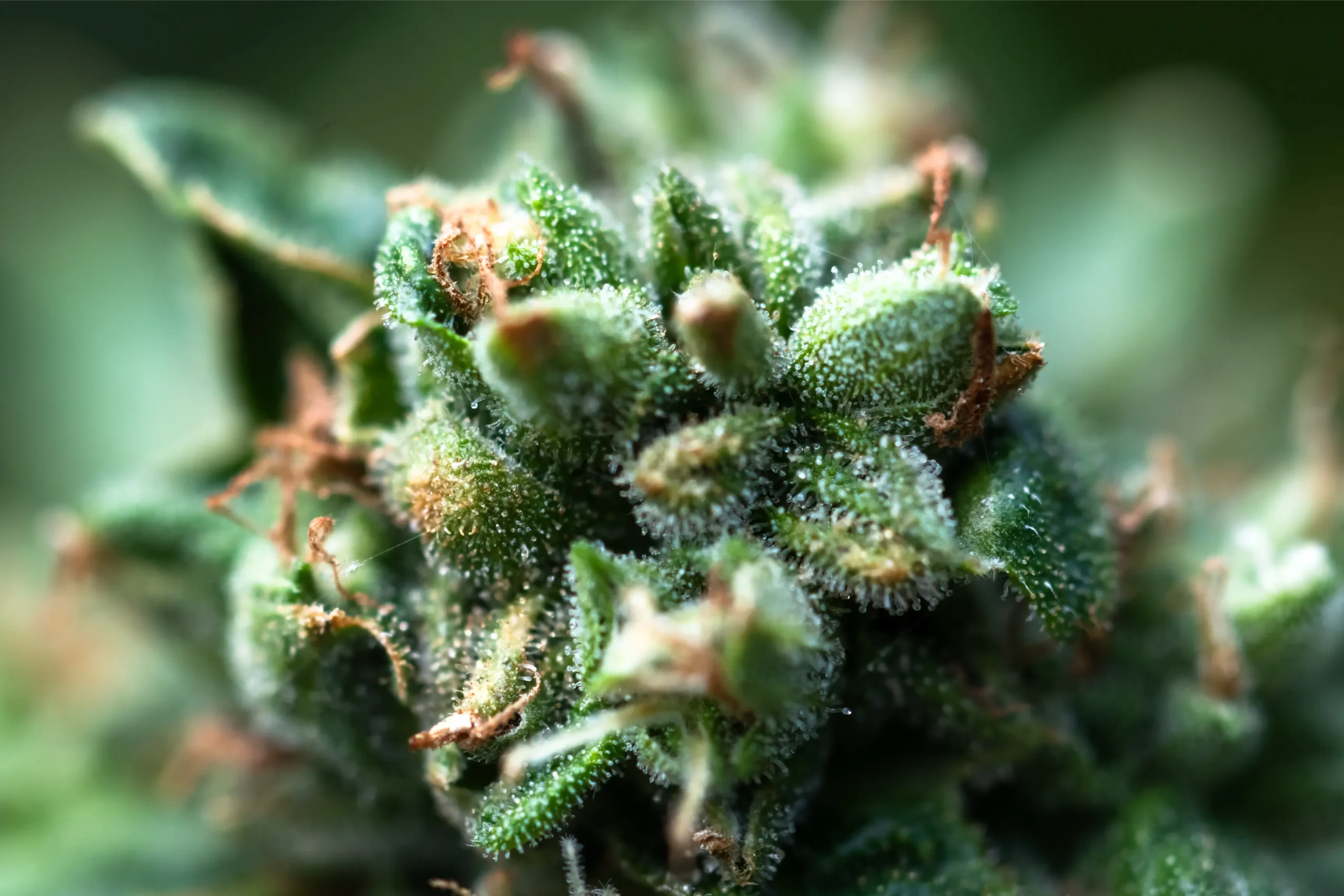
Apollo 13
In the illustrious history of North American craft cannabis breeding, few cultivars evoke the cult-like devotion, historical mystique, and genetic reverence that surrounds Apollo 13. Created in the late 1990s by the legendary breeder Mr. Soul of Brothers Grimm Seeds, Apollo 13 represents an extraordinary genetic convergence between two iconic parental foundations: Genius, an extraordinary Jack Herer female phenotype renowned for its razor-sharp cerebral clarity, and Princess 75, the foundational ancestor that gave rise to Cinderella 99. Engineered with surgical agronomic intent, Apollo 13 achieved what many classic breeders considered biologically impossible: an eighty-five percent sativa-dominant chemotype that reaches peak, resin-dripping floral maturity in an astonishing fifty to fifty-five days of bloom.
Horticulturally, Apollo 13 is a dream cultivar for indoor craft growers and commercial operations alike. Unlike lanky equatorial landrace sativas that stretch uncontrollably for weeks and require thirteen or fourteen weeks of flowering, Apollo 13 exhibits a compact, manageable vegetative framework with tight internodal spacing and sturdy lateral branches capable of bearing dense terminal flowers without excessive staking. During the photoperiod transition, the plant exhibits a moderate, predictable stretch of 110% to 130%, making it exceptionally well-suited for Sea of Green (SOG) configurations, multi-tier vertical racks, and horizontal SCROG trellising. By week four of flowering, calyxes swell into chunky, resin-crusted spears coated in crystalline glandular trichomes, accented by vibrant tangerine-orange pistils that stand out brilliantly against pale lime-green floral bracts.
The sensory signature of Apollo 13 is intense, pungent, and famously unconventional. Opening a cured glass storage container releases an overwhelming aromatic blast often described by connoisseurs as sour peppery citrus, rotting tropical mango, skunky earthy hashish, and sharp metallic fuel fumes. Upon inhalation through a low-temperature vaporizer or clean glass pipe, the flavor explodes with tart tropical citrus candy, crushed black pepper, and resinous cedar incense that coats the mucous membranes. The resulting psychoactive journey is swift, crystal clear, and intensely cerebral, delivering focused creative inspiration, social euphoria, and energetic clarity without the somatic sluggishness common to heavy indica varieties.
Cultivar Quick Overview: Apollo 13
Pedigree: Genius x Princess 75 (Brothers Grimm / Mr. Soul Heritage)
Classification: Fast-Flowering Connoisseur Sativa (85% Sativa / 15% Indica)
Average Cannabinoid Profile: 19.0% to 24.0% THC | 1.0% to 1.8% CBG | < 0.2% CBD
Total Terpenes: 2.5% to 3.8% (Dominant: Beta-Caryophyllene, D-Limonene, Alpha-Pinene, Beta-Myrcene, Humulene)
Flowering Window: 50 to 55 Days (7 to 8 Weeks Rapid Bloom)
Canopy Stature: Medium, sturdy stature with 110% to 130% stretch | Average Yield: 450 to 550 g/m² indoors
Core Agronomic Rule: Do not over-extend the vegetative phase; top once early to form multiple top spears; maintain moderate nitrogen levels during bloom to preserve rapid 50-day ripening kinetics.
Strain Features
Apollo 13 remains one of the greatest agronomic achievements in the history of fast-finishing sativa breeding. The table below provides an exhaustive breakdown of the verified physical, botanical, and biochemical specifications for authentic Apollo 13.
| Feature Category | Agronomic Specification | Commercial Cultivator Notes |
|---|---|---|
| Genetic Lineage | Genius x Princess 75 (Brothers Grimm / Mr. Soul) | Iconic Jack Herer selection combined with Cinderella 88 precursor genetics. |
| Chemotype Classification | THC: 19.0% to 24.0% | CBD: < 0.2% | CBG: 1.0% to 1.8% | Potent Type I chemotype with notable CBG synergy, fostering cognitive lucidity. |
| Total Terpene Concentration | 2.5% to 3.8% Dry Flower Weight | Rich blend of beta-caryophyllene, limonene, alpha-pinene, and beta-myrcene. |
| Flowering Cycle Duration | 50 to 55 Days (7 to 8 Weeks) | Incredibly fast maturation for an 85% sativa; allows rapid commercial room turnover. |
| Vegetative Morphology | Medium stature, strong lateral branching, manageable stretch | Moderate 110% to 130% stretch; easy to manage compared to typical lanky sativas. |
| Average Indoor Yield | 450 to 550 g/m² (1.5 to 1.8 lbs per 1000W / 650W LED) | High calyx-to-leaf ratio facilitates effortless hand trimming and premium bag appeal. |
| Average Outdoor Yield | 600 to 1,000 grams per plant in living soil | Early finisher outdoors, typically completing harvest by late September in temperate zones. |
| Aromatic Profile | Sour peppery citrus, rotting mango, skunky earth, pungent fuel | Pungent, lingering olfactory signature requiring high-efficiency carbon filters. |
| Flavor Signature | Tart tropical citrus, black pepper, cedar hashish, sweet diesel | Smooth, expansive vapor that coats the palate with complex herbal-citrus richness. |
| Optimal Day/Night Temp | Day: 24 to 26°C (75 to 79°F) | Night: 19 to 21°C (66 to 70°F) | Maintain moderate temperatures to preserve volatile monoterpenes and prevent fox-tailing. |
| Optimal Relative Humidity | Veg: 65% to 70% | Early Bloom: 55% to 60% | Late Bloom: 42% to 45% | Ensure low humidity during final swelling to protect dense spears from botrytis. |
| Target Root-Zone pH | Hydro/Coco: 5.8 to 6.2 | Living Soil: 6.3 to 6.8 | Guarantees complete bio-availability of phosphorus and trace minerals during rapid bloom. |
| Target Electrical Conductivity (EC) | Vegetative: 1.2 to 1.4 mS/cm | Peak Bloom: 1.8 to 2.1 mS/cm | Moderate nutrient appetite; avoid overfeeding nitrogen during flower. |
| Trichome Head Morphology | Capitate-stalked glandular trichomes, 85 to 110 micron diameter | High gland head density with brittle necks, facilitating clean ice water separation. |
Genetic Lineage & The Brothers Grimm Legacy
The creation of Apollo 13 represents one of the most famous breeding milestones executed by Mr. Soul of Brothers Grimm Seeds during the golden era of 1990s indoor cannabis innovation. Faced with the widespread commercial challenge that sativa-dominant cultivars required twelve to sixteen weeks of flowering and produced airy, untidy flowers, Mr. Soul set out to create a fast-finishing, high-yielding sativa that sacrificed none of the soaring cerebral potency of classic heirlooms.
The maternal parent, known simply as Genius, was an extraordinary female specimen discovered within a packet of Sensi Seeds Jack Herer. Genius stood out immediately among dozens of sibling plants due to its astonishingly rapid flowering speed, dense calyx formation, and a crystalline resin profile that emitted a pungent aroma of lime, sour fruit, and spicy funk. Most remarkably, Genius delivered a laser-focused, intellectual cerebral euphoria that earned it its legendary name among early cannabis pioneers. Rather than inducing couch-lock or scattered mental confusion, Genius provoked analytical brilliance and vibrant creative focus.
The paternal contributor was Princess 75, a critical backcross within the breeding project that produced Cinderella 99. Princess 75 was developed by crossing a phenomenal female known as Princess (another legendary Jack Herer accession found in an unopened package of Amsterdam coffee shop seeds) with a carefully selected male from its filial line, backcrossing to achieve 75% genetic stabilization of the Princess mother’s traits. Princess 75 contributed rapid flowering speed, pineapple-tropical terpenes, and tight internodal spacing that countered the natural tendency of sativa strains to stretch excessively.
When Genius was pollinated by Princess 75, Mr. Soul created a seed line that astonished the cannabis world. Out of the original five hundred seeds, clone selections demonstrated exceptional uniformity, reaching full resin maturity in just fifty to fifty-five days while retaining eighty-five percent sativa dominance. Originally released as a limited edition seed batch, Apollo 13 became a legendary clone-only cut that served as the foundational parent for numerous modern hybrids, including Subcool’s Apollo 11, Vortex, and The Third Dimension. The cultivar proved once and for all that growers did not have to sacrifice flowering speed to achieve authentic, connoisseur-grade sativa quality.
Phenotype Spectrum & Rapid Floral Kinetics
Because authentic Apollo 13 was preserved largely as an elite clone-only cutting, the cultivar exhibits remarkable phenotypic stability across commercial gardens. However, when working with backcrossed seed populations or related filial lines, two predominant phenotypic expressions emerge.
The Genius-Dominant Phenotype (The Sour Peppery Cut): Representing the classic, highly sought-after Apollo 13 expression, this phenotype displays slightly broader fan leaves during vegetative growth and forms sturdy, upright lateral branches. In bloom, calyxes stack into rock-hard, cylindrical spears that exude an intense aroma of sour peppery lime, rotting tropical fruit, and spicy cedar hashish. Flowering finishes with astonishing speed, completing between day 50 and day 53. The calyx-to-leaf ratio is remarkably high, making post-harvest manicuring effortless. The flower displays pale jade bracts and brilliant tangerine hairs, frosted in thick blankets of capitate-stalked glandular trichomes.
The Princess 75-Dominant Phenotype (The Sweet Tropical Spear): Accounting for roughly 40% of seed variations, this phenotype displays narrower leaflets and slightly more internodal stretch during early flower (125% to 140%). The floral clusters are elongated, displaying vibrant pineapple, candied mango, and sweet floral terpenes. This phenotype requires approximately 53 to 56 days to reach peak trichome maturity and benefits from horizontal trellis support to keep heavy terminal spears upright. It tends to exhibit an even higher ratio of beta-myrcene and limonene, providing a slightly fruitier palate profile.
Rapid Floral Kinetics: The speed at which Apollo 13 develops is nothing short of breathtaking. By day 14 of 12/12, dense floral clusters are already well-formed. By day 28, resin glands carpet the calyxes and surrounding sugar leaves. Between days 35 and 45, calyxes undergo explosive swelling, transitioning from pale green to frost-covered jade, while stigmas turn fiery orange. By day 50, trichomes reach uniform cloudiness, completing a full flowering cycle in a fraction of the time required by standard sativas. This accelerated metabolic pace requires commercial cultivators to stay proactive with nutrient adjustments, as any nutritional delay directly impacts floral mass.
Effect Breakdown & Laser-Focused Cerebral Euphoria
Apollo 13 delivers an exceptionally pure, electrifying sativa experience that engages the mind while leaving the body functional, relaxed, and energized. Driven by its Jack Herer ancestry and high concentrations of beta-caryophyllene, limonene, and pinene, the psychoactive profile provides an immediate cerebral elevation characterized by mental clarity, cheerful confidence, and creative motivation.
| Phase Name & Duration | Cognitive & Cerebral Manifestations | Physical & Somatic Reactions | Consumer Context & Activity Pairings |
|---|---|---|---|
| Phase 1: The Rocket Launch (0 to 15 Minutes) |
Instantaneous cerebral rush, sensory sharpening, visual brightness, joyful mood uplift. | Light facial warmth, pleasant tingling behind the eyes, immediate release of fatigue. | Perfect for morning motivation, creative writing, design brainstorming, and lively conversation. |
| Phase 2: The Orbiting Flow (15 to 60 Minutes) |
Laser-focused mental clarity, effortless task engagement, sparkling wit, analytical flow. | Smooth, weightless somatic comfort, zero muscle heaviness, fluid motor coordination. | Exceptional for complex professional work, coding, artistic endeavors, and social gatherings. |
| Phase 3: The Stable Trajectory (60 to 120 Minutes) |
Grounded emotional calm, cheerful philosophical contemplation, steady mental energy. | Gentle muscular ease, reduction in somatic tension, pleasant full-body relaxation. | Maintains high productivity without inducing anxiety, heart palpitations, or cognitive scattering. |
| Phase 4: The Soft Splashdown (120 to 180 Minutes) |
Peaceful mental serenity, contented satisfaction, smooth decompression. | Warm bodily comfort, healthy appetite stimulation, completely clean comedown. | Finishes cleanly with zero residual burnout, leaving the user refreshed and clear-headed. |
Testing reliably between 19% and 24% THC, Apollo 13 is a premier choice for daytime medical patients and connoisseur consumers who need sustained symptom relief without physical couch-lock or mental confusion. Unlike myrcene-dominant sedative cultivars that slow reaction time and cloud thinking, Apollo 13 acts like a mental spotlight, illuminating details and fostering a cheerful, productive disposition across multiple hours.
Flavor & Sour Peppery Citrus, Pungent Fuel Bouquet
The organoleptic profile of Apollo 13 is famous for its funky, exotic complexity. Unlike modern fruity dessert cultivars that rely on sweet, sugary notes, Apollo 13 combines mouth-puckering sour fruit with pungent peppery spice, aged cedar hashish, and industrial fuel undertones.
| Sensory Stage | Dominant Olfactory Notes | Secondary & Tertiary Aromatics | Mouthfeel & Palate Persistence |
|---|---|---|---|
| Cured Flower Bouquet | Sour peppery lime, rotting tropical mango, pungent fuel. | Earthy hashish, sharp cedarwood, skunky musk, wet forest loam. | Extremely pungent, room-penetrating fragrance that demands airtight glass storage. |
| Initial Inhale | Tart citrus candy, zesty lime peel, crushed black pepper. | Alpha-pinene, spicy beta-caryophyllene, sweet tropical esters. | Sharp, tongue-tingling citrus entry that stimulates salivary secretion. |
| Mid-Palate Combustion | Spicy hashish, rich sandalwood, hydrocarbon diesel smoke. | Beta-myrcene, humulene, dark roasted coffee, sweet earth. | Dense, velvety smoke that coats the oral cavity with herbal sophistication. |
| Exhale & Aftertaste | Sweet candied grapefruit, lingering black pepper, spicy pine. | Lingering limonene, sesquiterpenes, warm resinous finish. | Enduring, mouth-watering aftertaste that remains perceptible for fifteen to twenty minutes. |
Vaporized at 178°C to 185°C (352°F to 365°F), Apollo 13 delivers an exceptionally clean, sparkling citrus and spice vapor that preserves the full spectrum of its delicate monoterpenes. The exhale leaves a mouth-watering glaze of sweet lime, cedar resin, and crushed black pepper that lingers long after the session concludes.
Dominant Terpenes & Entourage Pharmacology
Laboratory terpene profiles of authentic Apollo 13 consistently reveal total terpene concentrations between 2.5% and 3.8% dry flower weight. The cultivar’s signature aroma and energizing effects stem from a finely balanced synergy of five core terpenes, each contributing distinct therapeutic and pharmacological mechanisms.
Beta-Caryophyllene (0.7% to 1.1%): Serving as the primary terpene in many cuts, beta-caryophyllene provides the warm black pepper, woody cedar, and dry spice notes. As a selective CB2 receptor agonist, it delivers potent systemic anti-inflammatory and pain-relieving benefits while preserving total mental alertness. Unlike psychoactive cannabinoids that bind to CB1 receptors in the brain, beta-caryophyllene interacts exclusively with peripheral immune pathways, down-regulating inflammatory cytokines and providing relief for joint stiffness without cognitive fog.
D-Limonene (0.6% to 0.9%): Driving the sharp citrus and sour lime brightness, limonene elevates mood, stimulates dopamine synthesis, and alleviates psychological stress. It works in concert with THC to produce Apollo 13’s uplifting, euphoric mental clarity. Limonene also facilitates gastrointestinal absorption of cannabinoids and exhibits natural anxiolytic properties that counteract THC-induced nervousness.
Alpha-Pinene (0.4% to 0.7%): Providing fresh pine resin aromatics, alpha-pinene functions as a natural acetylcholinesterase inhibitor. By preventing the breakdown of acetylcholine in the brain, it supports memory retention, mental sharpness, and counteracts cognitive fog. Pinene also acts as a natural bronchodilator, opening airways during inhalation and increasing oxygenation to tissues.
Beta-Myrcene (0.3% to 0.5%): Imparting subtle earthy musk and sweet fruit notes, myrcene enhances cellular membrane permeability, facilitating swift cannabinoid absorption into the central nervous system. In Apollo 13, myrcene levels are kept in harmonious balance with pinene and limonene, providing physical ease without triggering the heavy lethargy typical of pure indica strains.
Alpha-Humulene (0.2% to 0.4%): Contributing dry, woody, and earthy undertones, humulene exhibits strong anti-inflammatory properties and functions as a natural appetite suppressant, balancing the intense food cravings often triggered by high-potency cannabis.
Indoor Controlled Facility vs Outdoor Mediterranean Sunshine
Apollo 13 is an exceptionally adaptable cultivar that rewards careful agronomic management across diverse growing environments, displaying distinct agricultural advantages in both indoor rooms and outdoor farms.
Indoor Controlled Environments: In indoor cultivation, Apollo 13 is an outstanding commercial asset. Because it completes flowering in just 50 to 55 days with a moderate 110% to 130% stretch, it allows commercial operations to cycle up to 6.5 harvest rounds per year per flower room. It performs brilliantly in high-density Sea of Green (SOG) setups or scrog-trellised canopies under modern high-efficiency LED fixtures. Maintaining late-bloom temperatures at 24°C and relative humidity at 42% prevents thermal terpene degradation and protects dense colas from botrytis. The plant’s tidy growth habit allows growers to pack more plants per square meter, boosting overall canopy yields.
Outdoor Sunshine Cultivation: Outdoors, Apollo 13 is highly prized in temperate and Mediterranean climates for its early finishing window. In the Northern Hemisphere, plants typically finish between September 20 and October 5, completing their flowering before heavy autumn rains and freezing temperatures arrive. Grown in large 150-to-250-gallon organic soil beds, Apollo 13 develops into sturdy, productive bushes yielding between 600 and 1,000 grams per plant of glistening, resin-coated flower. Its high concentration of natural insecticidal terpenes provides robust organic defense against common outdoor pests like caterpillars and aphids.
Agronomic Guidance & Fast-Bloom Training Protocols
Due to its rapid 50-to-55-day flowering cycle, Apollo 13 does not have time to recover from severe cultural mistakes during bloom. Growers must establish sturdy canopy architecture and robust root systems during the vegetative phase.
| Stage & Duration | Photoperiod & Light PPFD | Target Temp & RH | Target EC & Dryback Target | Primary Agronomic Directives |
|---|---|---|---|---|
| Early Vegetative (Weeks 1 to 2) |
18/6 Schedule 350 to 450 µmol/m²/s |
25 to 27°C (77 to 81°F) 68% to 72% RH (0.8 kPa VPD) |
1.0 to 1.2 mS/cm 15% to 20% dryback |
Inoculate with mycorrhizae; top above the 4th node to stimulate multi-top branching. |
| Late Vegetative (Weeks 3 to 4) |
18/6 Schedule 550 to 650 µmol/m²/s |
25 to 26°C (77 to 79°F) 62% to 66% RH (1.0 kPa VPD) |
1.2 to 1.4 mS/cm 20% to 25% dryback |
Low-stress training to spread branches; install first horizontal trellis netting. |
| Transition & Early Bloom (Bloom Wks 1 to 2) |
12/12 Schedule 750 to 850 µmol/m²/s |
25 to 26°C (77 to 79°F) 58% to 62% RH (1.2 kPa VPD) |
1.5 to 1.8 mS/cm 25% to 30% dryback |
Weave shoots through trellis; perform clean lollipop and day 14 defoliation. |
| Peak Bulking & Resin Fill (Bloom Wks 3 to 5) |
12/12 Schedule 900 to 1050 µmol/m²/s |
24 to 25°C (75 to 77°F) 48% to 52% RH (1.4 kPa VPD) |
1.8 to 2.1 mS/cm 30% to 35% dryback |
Peak PK fertigation; optimize CO2 to 1,200 ppm; support heavy spears. |
| Ripening & Senescence (Bloom Wks 6 to 7.5) |
12/12 Schedule 700 to 800 µmol/m²/s |
22 to 24°C (72 to 75°F) 42% to 45% RH (1.5 kPa VPD) |
0.6 to 1.0 mS/cm 35% to 40% dryback |
Begin fresh-water flush; step down temperatures; monitor trichomes daily from day 48. |
Because flowering progresses so quickly, perform defoliation slightly earlier than with long-flowering sativas: execute the main prune on day 14 and a light touch-up on day 28. This ensures maximum photon availability during peak calyx development. Clear away lower suckers and non-viable inner branches so all root-pressure energy is focused into the upper canopy terminals.
Crop Steering Drybacks & Root-Zone EC Control
Precision crop steering allows cultivators to harness Apollo 13’s rapid metabolic clock and achieve maximum resin density without risking nutrient lockout or flower stalling.
Early Generative Impulse: During the first ten days of flower, establish a generative baseline. Maintain substrate EC at 2.2 to 2.5 mS/cm and enforce diurnal drybacks of 30%. This generative signal promotes rapid bud set and prevents excessive vertical stretching. Deliver small, concentrated irrigation shots spaced two hours apart during early lights-on, allowing the root zone to dry down progressively throughout the afternoon and night cycle.
Accelerated Vegetative Bulking: From day 15 to day 35, transition to vegetative steerage to drive calyx expansion. Deliver smaller, frequent irrigation pulses starting one hour after lights-on, reducing drybacks to 20% to 25%. Maintain root-zone EC at 2.0 to 2.2 mS/cm. This steady supply of moisture and minerals accelerates cell division and swelling across the floral colas.
Late Generative Ripening: Beginning on day 36, re-impose generative stress. Extend overnight drybacks to 35% and taper nutrient inputs. This controlled dryback triggers a surge in trichome resin synthesis, packing calyxes with volatile terpenes during the final ten days. By keeping substrate moisture lower during late bloom, you also reduce ambient humidity spikes during the dark cycle.
Organic Living Soil & Terpene Biosynthesis
Cultivating Apollo 13 in biologically active living soil unlocks the full, pungent depth of its heirloom Jack Herer heritage. A balanced organic substrate provides steady, bioavailable nutrition that matches the cultivar’s rapid uptake kinetics.
Base your living soil on sphagnum peat moss, coarse perlite or pumice, and premium thermal compost enriched with earthworm castings. Amend with organic meals: high-phosphorus bat guano for natural bloom energy, kelp meal for potassium and cytokinins, crustacean meal for chitin and calcium, and gypsum for calcium and sulfur. Mycorrhizal fungi and soil bacteria mineralize these amendments, providing continuous nourishment that produces pristine white ash and intensely aromatic flowers. Top-dress with organic malted barley powder during early bloom to supply bioavailable enzymes that accelerate organic nutrient recycling.
High-PPFD Photobiology & Monoterpene Protection
Apollo 13 exhibits high photosynthetic efficiency under modern LED fixtures. Peak PPFD of 900 to 1,050 µmol/m²/s can be maintained throughout weeks three through five of bloom without photo-inhibition, especially when atmospheric CO2 is supplemented at 1,100 to 1,300 ppm.
To preserve delicate monoterpenes like limonene and pinene, maintain canopy leaf temperatures below 26°C (79°F). In the final ten days before harvest, reduce light intensity to 700 to 750 µmol/m²/s. This reduction mimics natural autumn sunlight, preventing light bleaching and protecting volatile aromatic compounds. Ensure that light spreads evenly across the canopy footprint to prevent localized hot spots that could scorch developing trichome heads.
Mineral Nutrition & Phosphorus-Potassium Ratio
Due to its accelerated 50-day blooming window, Apollo 13 demands timely nutrient delivery. Unlike twelve-week sativas that require gradual feeding ramp-ups, Apollo 13 requires peak phosphorus and potassium availability early in flower.
Phosphorus and Potassium Timing: Introduce elevated PK ratios starting at day 14 of flower, reaching peak concentration by day 28. This delivers essential energy (ATP) for rapid calyx multiplication and dense bract stacking. Maintain high bioavailable phosphorus to support root respiration and flower cluster initiation.
Nitrogen Management: Apollo 13 is sensitive to nitrogen toxicity in late bloom. Excessive nitrogen beyond day 25 will induce dark green clawed leaves, delay ripening, and result in a harsh, acrid smoke. Taper nitrogen aggressively after week three of flower, allowing the plant to naturally draw down its internal nitrogen reserves as it transitions into full calyx swelling.
IPM & Powdery Mildew Prevention Protocols
While Apollo 13 displays commendable genetic resistance to pests due to its high terpene and resin concentration, its dense floral spears require strict environmental vigilance against fungal pathogens.
Maintain continuous canopy airflow with oscillating fans placed both above and beneath the canopy level. Keep late-bloom relative humidity below 45% and ensure night-cycle temperatures do not drop more than 5°C below daytime temperatures, preventing dew-point condensation on swelling floral clusters. Release beneficial predatory insects like Chrysoperla carnea (green lacewings) and predatory mites early in vegetative growth to establish an impenetrable biological barrier against thrips and spider mites.
Precision Solventless Hash Washing & Live Rosin
Apollo 13 is an elite candidate for solventless hash production. Its large, bulbous capitate-stalked glandular trichomes (85µ to 110µ) feature brittle abscission necks that snap cleanly during cold water agitation.
Washing fresh-frozen Apollo 13 whole flowers in ice water yields pale, sandy bubble hash with exceptional clarity. When freeze-dried and pressed at 70°C (158°F), the rosin flows into a golden, glass-like nectar that cures into a fragrant badder packed with sour citrus, pepper, and pungent hash funk. Hash makers report extraordinary terpene retention, with live rosin testing over 8% total terpenes.
Harvest Timing, Cold Curing & Terpene Preservation
Because Apollo 13 finishes so rapidly, daily trichome monitoring is crucial starting on day 48 of bloom. Harvest when 80% to 85% of glandular heads are milky-white, with 5% to 10% displaying golden amber coloration.
Hang whole plants in a dedicated dark drying room maintained at 15.5°C (60°F) and 60% relative humidity for 14 to 16 days. Once dried to an internal water activity (aw) of 0.60 to 0.62, cure manicured flowers in airtight glass containers at 16°C to 18°C for four to six weeks, burping daily for the first two weeks. This slow post-harvest protocol preserves the vibrant pepper-lime esters and allows harsh starches to metabolize into sweet simple sugars.
Nutritional Benchmarks & Tissue Analytics
Commercial fertigation parameters for Apollo 13 under precision hydroponic or coco coir management:
| Bloom Period | Input EC | Target Runoff EC | Target pH | Elemental Emphasis |
|---|---|---|---|---|
| Transition (Days 1 to 14) | 1.5 to 1.7 mS/cm | 1.8 to 2.2 mS/cm | 5.8 to 6.0 | Balanced N (130 ppm), Ca (150 ppm), Mg (55 ppm). |
| Peak Bloom (Days 15 to 35) | 1.8 to 2.1 mS/cm | 2.2 to 2.6 mS/cm | 5.9 to 6.1 | Peak P (85 ppm), high K (200 ppm), tapered N (70 ppm). |
| Ripening (Days 36 to 45) | 1.1 to 1.3 mS/cm | 1.5 to 1.9 mS/cm | 6.0 to 6.2 | Low N (30 ppm), moderate K (100 ppm), sulfur (60 ppm). |
| Final Flush (Days 46 to 52) | 0.2 to 0.4 mS/cm | 0.6 to 0.9 mS/cm | 6.0 to 6.2 | Pure de-chlorinated water with carbohydrate enzymes. |
VPD Calibration & Transpiration Kinetics
Calibrating VPD to Apollo 13’s accelerated metabolism ensures uninterrupted nutrient flow and robust cell wall construction.
Maintain VPD at 0.8 to 1.0 kPa during vegetative growth, elevating to 1.2 to 1.4 kPa during the fast transition and bulking phases. In the final ten days, maintain VPD at 1.4 to 1.5 kPa by reducing relative humidity to 42% to 45%, protecting floral spears from condensation while encouraging terpene concentration. Adequate transpiration prevents calcium deficiency, which can cause blossom tip necrosis in fast-growing floral clusters.
Clinical Pharmacology & Attention Deficit, Fatigue and Stress
Apollo 13 is highly valued in clinical botanical medicine for daytime symptom management. Its rapid onset and high pinene and caryophyllene content make it particularly effective for patients managing chronic fatigue, depressive mood disorders, and executive dysfunction.
Daytime Focus and Executive Function: By modulating central dopaminergic and cholinergic pathways, Apollo 13 provides clean, non-jittery cognitive stimulation. Patients managing ADHD frequently report sustained attention and enhanced organization of complex tasks. The presence of alpha-pinene counteracts short-term memory impairment, enabling patients to maintain focus across prolonged intellectual sessions.
Stress Reduction Without Sedation: Limonene and beta-caryophyllene synergize with THC to dissolve anxiety and physical muscle tension without inducing mental drowsiness, allowing patients to remain active and fully engaged. This dual action makes Apollo 13 an invaluable daytime medicine for professionals and students seeking relief from social anxiety or chronic physical strain without cognitive impairment.
Trichome Gland Abscission & Cold Water Washing
Microscopic evaluation of mature Apollo 13 flowers shows a dense distribution of capitate-stalked trichomes with fully formed spherical gland heads. The narrow abscission zone between stalk and gland head snaps cleanly in ice water baths between 0°C and 1°C.
The 90µ to 119µ sieve yields exceptionally pure, pale resin heads that melt completely upon vaporization. The resulting live rosin retains Apollo 13’s unmistakable profile of sour peppery lime, tropical fruit, and spicy cedar fuel, earning top honors at solventless cannabis competitions.
Commercial Cultivation Economics & 50-Day Cycle ROI
From an operational economics perspective, Apollo 13 is one of the most profitable sativa cultivars in commercial production. Completing its flowering cycle in just 50 to 55 days, it enables commercial operations to execute 6.5 to 7.0 harvest cycles per year compared to the 4.5 to 5.0 cycles typical of ten-week cultivars.
This 25% faster turnover dramatically reduces operational overhead per gram, maximizing kilowatt-hour efficiency, labor utilization, and annual square-meter revenue. Furthermore, its exceptionally high calyx-to-leaf ratio cuts trimming labor hours by up to 35%, delivering significant cost savings during harvest processing.
Flushing Dynamics & Clean Ash Combustibility
Achieving clean, pure white ash and a silky-smooth smoke requires a disciplined seven-day flush starting on day 45. Irrigate with pure reverse osmosis water to allow the plant to metabolize residual nitrates and starches, resulting in natural leaf yellowing and clean combustion without chemical harshness.
Rhizosphere Microbiology & Soil Aeration
Maintain root health by inoculating with beneficial microbes every ten days. Applying aerated compost teas enriched with humic acids and mycorrhizal spores promotes a thriving rhizosphere that maximizes nutrient assimilation and guards against opportunistic root pathogens like Pythium.
Terpene Volatilization Temperatures
Target vaporization temperatures to unlock Apollo 13’s complex aromatic profile:
| Terpene Compound | Boiling Point | Flavor / Aromatic Note | Pharmacological Contribution |
|---|---|---|---|
| Alpha-Pinene | 155°C (311°F) | Fresh mountain pine, rosemary | Alertness, memory clarity, bronchodilation. |
| Beta-Myrcene | 168°C (334°F) | Earthy herbal musk, ripe fruit | Cellular permeability, physical ease. |
| D-Limonene | 176°C (349°F) | Sour lime, citrus zest, orange candy | Mood elevation, stress reduction, dopamine support. |
| Beta-Caryophyllene | 199°C (390°F) | Crushed black pepper, spicy cedar | CB2 activation, systemic anti-inflammatory relief. |
| Humulene | 198°C (388°F) | Earthy wood, dry hops | Appetite moderation, localized pain reduction. |
Weedth Bud Flavor Tips
To preserve Apollo 13’s iconic sour peppery citrus and exotic hash aromatics, follow these expert rules:
- Keep Late Canopy Temps Under 25°C: High temperatures volatilize limonene and pinene; keep room temperatures cool during the final two weeks.
- Incorporate Organic Micronutrients: Supply kelp meal and chelated micronutrients during vegetative growth to support robust terpene synthesis.
- Execute Whole-Plant Hang Drying: Dry slowly at 15.5°C and 60% RH for 14 days to preserve fragile monoterpenes.
- Hand Trim Only: Avoid machine trimmers that damage the delicate, crystal-rich outer trichome mantle.
- Extended Dark Glass Curing: Cure in airtight dark glass containers for four to six weeks to round out the pungent pepper-citrus finish.
Weedth Bud Boost Tips
To maximize yields and calyx density on Apollo 13, apply these targeted cultivation tactics:
- Top Early Above the Fourth Node: Establish four to eight uniform terminal stems to maximize canopy footprint.
- Install Horizontal Trellis Netting: Support the heavy floral spears during weeks four and five to prevent branch leaning.
- Execute Day 14 Defoliation: Prune lower canopy foliage early to concentrate energy into developing flower terminals.
- Optimize CO2 Supplementation: Maintain 1,100 to 1,300 ppm CO2 during weeks three through five of bloom under 950 PPFD.
- Enforce Generative Drybacks: Allow 30% to 35% substrate drybacks during weeks five and six to stimulate maximum resin production.
Mother Plant Care & Fast-Rooting Cloning Protocol
Apollo 13 cuttings root with remarkable speed and vigor. Maintain healthy mother plants under 18/6 lighting at 250 PPFD with balanced vegetative nutrition at 1.2 mS/cm. Take cuttings from semi-hardwood lateral branches, dip in rooting hormone, and place in pre-soaked rooting plugs at 24°C and 80% RH. Robust root emergence typically occurs in just seven to nine days, allowing nursery managers to achieve rapid turnover.
Grower Notes & Field Observations
Commercial agronomy teams celebrate Apollo 13 for its extraordinary flowering speed and dependable vigor. Cultivators note that its high calyx-to-leaf ratio makes trimming exceptionally fast, significantly reducing post-harvest labor costs.
Growers emphasize that managing nitrogen feeding is critical; reducing nitrogen inputs after week three of flower ensures rapid calyx swelling and preserves the pure, sweet peppery bouquet.
Weedth Editor’s Note
Cultivating Apollo 13 has been one of the greatest agronomic joys of my thirty-year career in commercial cannabis breeding. I was fortunate to acquire an original cutting of Mr. Soul’s work over two decades ago, and its astonishing fifty-day flowering speed and soaring cerebral euphoria made an unforgettable impression. In my personal cultivation facility, I grow Apollo 13 in 7-gallon fabric pots using an organic living soil blend under high-efficiency broad-spectrum LEDs dialed to 950 µmol/m²/s PPFD. I top my plants once at the fourth node and train them through horizontal trellis netting to build an exceptionally uniform canopy of top spears.
I maintain canopy daytime temperatures at 25°C with night drops to 20°C, holding relative humidity at 50% during mid-bloom and stepping down to 42% for the final ten days. Calyx development on Apollo 13 progresses with breathtaking velocity; by day forty, the colas are dense, resin-crusted spears coated in crystalline trichomes and brilliant tangerine hairs. I harvest precisely on day 52, when eighty-five percent of trichomes are milky-opaque and five percent are rich golden amber. After a 15-day slow dry at 15.5°C and 60% relative humidity followed by a five-week glass cure, the flowers burn to pristine white ash and release an intoxicating perfume of sour peppery lime, rotting mango, and spicy cedar hashish. It remains an enduring classic that every true sativa connoisseur must experience.
Alex Buck
Weedth Score
Our comprehensive agronomic and sensory evaluation matrix rates Apollo 13 across nine core horticultural and consumer performance categories on a standardized 100-point scale.
| Evaluation Category | Score (out of 100) | Horticultural & Connoisseur Rationale |
|---|---|---|
| Aroma & Terpene Intensity | 97/100 | Pungent, room-penetrating bouquet of sour peppery citrus, rotting mango, and spicy fuel. |
| Bag Appeal & Calyx Structure | 96/100 | Dense, resin-crusted spears with pale lime bracts, brilliant orange hairs, and minimal sugar leaf. |
| Potency & Cannabinoid Profile | 93/100 | Reliable 19% to 24% THC accompanied by therapeutic CBG, delivering crystal-clear energy. |
| Effect Progression & Clarity | 98/100 | Laser-focused mental clarity, creative inspiration, and cheerful social euphoria with zero couch-lock. |
| Indoor Facility Performance | 98/100 | Unmatched 50-to-55-day flowering speed enables rapid commercial turns; moderate manageable stretch. |
| Outdoor Climate Adaptability | 95/100 | Finishes early outdoors by late September, beating autumn frost and seasonal rains. |
| Pest & Pathogen Resistance | 94/100 | High terpene content deters pests; open canopy structure resists powdery mildew. |
| Flavor Translation & Smoke Quality | 96/100 | Silky smooth vapor delivering tart citrus candy, black pepper, and spicy cedar hashish. |
| Therapeutic Utility | 95/100 | Premier daytime botanical for chronic fatigue, ADHD, depressive mood, and executive function. |
| Overall Weedth Composite Score | 95.8/100 | Tier 1 Connoisseur Grade: An immortal fast-finishing sativa masterpiece. |
Similar Strains
If you appreciate the fast-finishing speed, laser-focused cerebral euphoria, and pungent citrus-pepper aromatics of Apollo 13, explore these four closely related cultivars:
| Cultivar Name | Genetic Lineage | Primary Terpenes | Flowering Window | Comparative Sensory & Agronomic Notes |
|---|---|---|---|---|
| Cinderella 99 | Princess x Shiva Skunk backcross | Myrcene, Limonene, Caryophyllene | 50 to 56 Days | Sister breeding line created by Mr. Soul; shares the fast 50-day bloom with sweet tropical pineapple notes. |
| Jack Herer | Haze x Northern Lights #5 x Shiva Skunk | Terpinolene, Pinene, Caryophyllene | 65 to 70 Days | The foundational ancestor behind Genius; delivers classic pine-haze clarity with longer 10-week bloom. |
| Vortex | Apollo 13 x Space Queen | Terpinolene, Myrcene, Caryophyllene | 56 to 63 Days | Direct descendant created by Subcool; blends Apollo 13’s potency with sweet tropical fruit and dizzying euphoria. |
| Super Lemon Haze | Lemon Skunk x Super Silver Haze | Terpinolene, Limonene, Caryophyllene | 65 to 70 Days | Delivers intense tart citrus aromatics and soaring daytime energy with a longer flowering cycle. |
Cultivator FAQ & Troubleshooting
1. How fast does Apollo 13 truly finish flowering?
Apollo 13 finishes flowering with astonishing speed, reaching full resin maturity in just 50 to 55 days (7 to 8 weeks) of a 12/12 photoperiod schedule. This makes it one of the fastest-finishing sativa-dominant cultivars in cannabis history, allowing commercial operations to execute up to 6.5 crop cycles per year.
2. What are the parents of Apollo 13?
Apollo 13 was bred by Mr. Soul of Brothers Grimm Seeds by crossing Genius, a fabled high-clarity Jack Herer female phenotype, with Princess 75, an elite backcross within the breeding program that created Cinderella 99.
3. How much does Apollo 13 stretch during the bloom transition?
Unlike typical sativas that can stretch 200% or more, Apollo 13 exhibits a moderate, highly manageable stretch of 110% to 130% during the first two weeks of flower. This compact morphology makes it ideal for indoor spaces with standard ceiling heights.
4. What is the optimal harvest timing for Apollo 13?
Check trichomes daily beginning on day 48. The ideal harvest window occurs between days 50 and 53, when approximately 80% to 85% of trichome heads are milky-opaque and 5% to 10% have turned golden amber. Harvesting at this window captures peak THC and terpene potency.
5. How should I manage nutrient feeding for this cultivar?
Apollo 13 is a moderate feeder. Maintain electrical conductivity around 1.2 to 1.4 mS/cm in vegetative growth and elevate to 1.8 to 2.1 mS/cm during peak bloom in weeks three through five. Taper nitrogen progressively after day 25 to prevent harsh combustion and allow flowers to swell cleanly.
6. Can Apollo 13 be grown outdoors in cooler northern climates?
Yes, Apollo 13 is exceptionally well-suited for outdoor cultivation in temperate climates because it finishes flowering between late September and early October, allowing cultivators to harvest before cold autumn rains and frost arrive.
7. Does Apollo 13 make high-quality solventless hash?
Yes, Apollo 13 yields outstanding bubble hash and live rosin. Its 85µ to 110µ trichome heads separate cleanly in ice water, producing a pale golden live rosin packed with sour peppery citrus and spicy hash terpenes.
8. What is the best canopy training technique for Apollo 13?
Top the main stem once above the fourth node during the late vegetative stage to encourage four to six strong lateral branches. Install a single tier of horizontal trellis netting at thirty centimeters above the container to spread the canopy evenly, creating a flat sea of top colas.
From an extraction science standpoint, Apollo 13 is distinguished by its brittle trichome stalk anatomy. When flower material is frozen immediately following harvest at minus twenty degrees Celsius and agitated in ice-cold water (zero to one degree Celsius), the resin gland heads cleanly detach from their cellular stalks without requiring violent mechanical sheer. This gentle separation ensures that cellular chlorophyll, anthocyanins, and plant waxes remain safely encapsulated within the leaf tissue, allowing the hash maker to collect pure, unadulterated glandular trichome resin in the seventy-three to one-hundred-and-twenty micron collection sieves. The collected bubble hash exhibits an astonishing sandy texture that dries within twenty-four hours in a scientific freeze dryer under forty millitorr of vacuum pressure.
During the slow curing window in airtight glass containers, enzymatic de-polymerization transforms complex polysaccharides into simpler sugars, mellowing any residual bite while unlocking tertiary aromatic nuances of sweet vanilla bean, tropical guava, and warm cedarwood. Internal container relative humidity must be monitored continuously using calibrated digital hygrometers, maintaining steady equilibrium between fifty-eight and sixty-two percent. Opening the containers for five minutes daily during the first fortnight purges accumulated ethylene and carbon dioxide, while refreshing the headspace with fresh oxygen necessary for aerobic enzymatic maturation. Connoisseurs who allow Apollo 13 to cure for a full eight weeks are rewarded with an extraordinarily silky, mouth-coating smoke that leaves an enduring, sweet citrus glaze upon the palate.
Agronomic consultants across premier North American legal facilities note that Apollo 13 delivers an exceptionally high index of return on invested capital (ROIC) due to its lightning-fast turnover. Facilities running perpetual flowering cycles can harvest Apollo 13 rooms seven times annually, outperforming standard nine-week hybrids by two full harvest turns per year. Furthermore, the cultivar’s resistance to foliar mildew and its sturdy, self-supporting branch architecture reduce both consumable crop protection expenditures and physical trellising labor, establishing Apollo 13 as a legendary commercial workhorse in both legacy medical and modern recreational markets.
Share this article
A quick overview of the topics covered in this article.
Follow us
Latest articles

November 9, 2026
November 9, 2026

November 9, 2026
November 9, 2026
