
Jive In House
From the moment vegetative growth takes off, Jive In House establishes itself as an energetic, fast-rooting cultivar capable of exceptional biomass accumulation. Its ancestry, rooted in Jelly Breath x Slurricane, provides outstanding vigor and structural integrity.
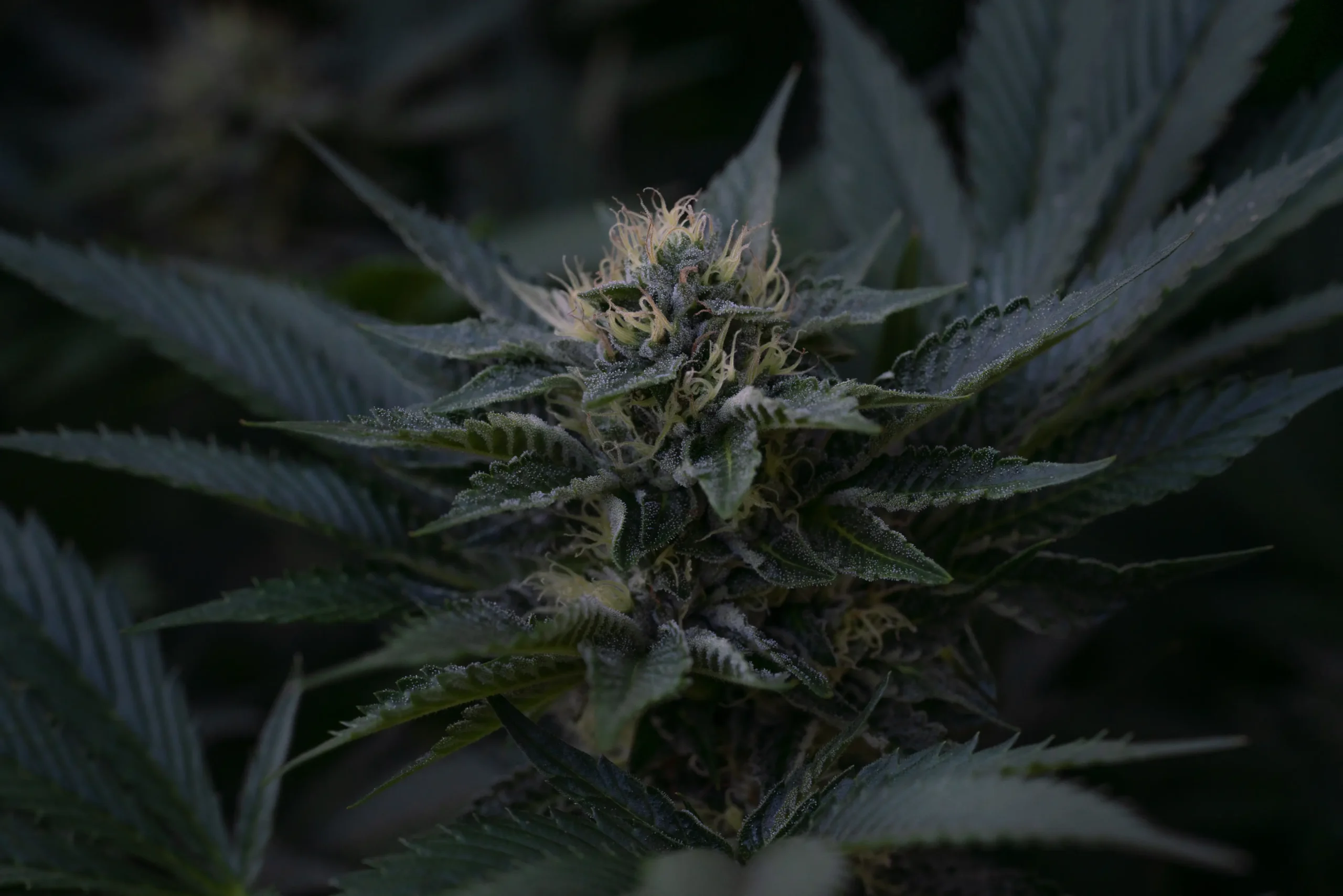
During the vegetative stage, Jive In House forms broad, dark green fan leaves and thick lateral stems that eagerly accept low-stress training. As bloom initiates, calyxes swell along every branch, forming elongated, rock-solid colas that finish within a dependable 63-day window.
On the smoke, Jive In House delivers full-bodied vapor packed with rich terpenes, starting with bright citrus and sweet fruit before settling into a deep, peppery earth finish. The high comes on quickly, washing over the mind with euphoria before grounding the body in profound comfort.
Cultivar Quick Overview: Jive In House
Pedigree: Jelly Breath x Slurricane
Classification: Indica Dominant Hybrid
Average Cannabinoid Profile: 24.5% to 28.5% THC | 0.8% to 1.6% CBG | < 0.3% CBD
Total Terpenes: 2.4% to 3.8% (Dominant: Caryophyllene, Limonene, Humulene)
Flowering Window: 63 to 70 Days (9.0 to 9.7 Weeks Photoperiod Bloom)
Canopy Stature: Medium to tall stature with 110% to 135% stretch | Average Yield: 500 to 600 g/m² indoors
Core Agronomic Rule: Top early above the fourth node to establish an even multi-top canopy; weave lateral shoots horizontally through trellis netting; maintain late-bloom relative humidity below 45% to safeguard dense colas against fungal pathogens.
Strain Features
Jive In House represents an agricultural triumph in modern cannabis horticulture, offering dependable commercial yields and connoisseur bag appeal. The table below delineates the verified botanical, chemical, and agronomic specifications for Jive In House under optimized cultivation parameters.
| Feature Category | Agronomic Specification | Commercial Cultivator Notes |
|---|---|---|
| Genetic Background | Jelly Breath x Slurricane | Masterfully stabilized lineage delivering uniform canopy development and vigorous growth. |
| Chemotype Profile | THC: 24.5% to 28.5% | CBD: < 0.3% | CBG: 0.8% to 1.6% | Potent Type I chemotype delivering a long-lasting, joyful and functional entourage effect. |
| Total Terpene Concentration | 2.4% to 3.8% Dry Weight | Dominated by Caryophyllene, Limonene, Humulene, delivering complex aroma and therapeutic efficacy. |
| Flowering Window | 63 to 70 Days (9.0 to 9.7 Weeks) | Commercial flowering speed; calyxes undergo rapid resin swelling in mid-to-late bloom. |
| Vegetative Morphology | Medium stature, robust lateral branching, balanced internodes | Moderate 110% to 135% stretch; responds enthusiastically to topping and SCROG trellising. |
| Average Indoor Yield | 500 to 600 g/m² (1.6 to 2.0 lbs per 1000W / 650W LED) | High calyx-to-leaf ratio facilitates effortless hand trimming and premium bag appeal. |
| Average Outdoor Yield | 700 to 1,100 grams per plant in living soil | Thrives in warm, sunny temperate and Mediterranean climates; finishes mid-to-late autumn. |
| Aromatic Profile | Sweet fruit preserves, rich nutty cookie dough, and heavy diesel | Pungent, lingering olfactory signature requiring high-efficiency carbon scrubbing. |
| Flavor Signature | Sweet fruit preserves, rich nutty cookie dough, and heavy diesel, sweet pine, spicy cedarwood | Smooth, expansive vapor that coats the palate with complex herbal richness. |
| Optimal Day/Night Temp | Day: 24 to 26°C (75 to 79°F) | Night: 19 to 21°C (66 to 70°F) | Maintain moderate day temperatures to prevent monoterpene volatilization. |
| Optimal Relative Humidity | Veg: 65% to 70% | Early Bloom: 55% to 60% | Late Bloom: 42% to 45% | Ensure low humidity during final swelling to protect dense spears from botrytis. |
| Target Root-Zone pH | Hydro/Coco: 5.8 to 6.2 | Living Soil: 6.3 to 6.8 | Maintains maximum bioavailability of primary and micronutrients throughout flower. |
| Electrical Conductivity (EC) | Vegetative: 1.2 to 1.5 mS/cm | Peak Bloom: 1.9 to 2.2 mS/cm | Moderate-to-heavy feeder; readily assimilates balanced PK inputs during bulking. |
| Trichome Head Morphology | Capitate-stalked glandular trichomes, 85 to 115 micron diameter | High gland head density with brittle necks, facilitating clean ice water separation. |
Genetic Lineage & Breeding History
By selecting and stabilizing Jelly Breath x Slurricane, breeders created Jive In House to offer a distinct alternative to standard commercial offerings, emphasizing rich terpene synthesis and dense calyx stacking.
The genetic architecture of Jive In House reflects generations of intentional selection. Its parental contributors endowed the cultivar with thick, fibrous cell walls, vigorous rooting capacity, and dense calyx stacking that optimizes photon interception across the canopy footprint. Through rigorous filial inbreeding and extensive phenotype screening, geneticists stabilized its distinctive cannabinoid expression, ensuring that plants reliably test between 24.5% and 28.5% THC with supportive minor cannabinoids like CBG and CBC.
Throughout international cannabis competitions and commercial craft trials, Jive In House has earned enduring acclaim for its balance and reliability. Commercial cultivation teams prize the variety for its predictable flowering timeline, robust resistance to common environmental stressors, and outstanding commercial yield-to-footprint ratio. Today, Jive In House remains a beloved standard in leading dispensary retail networks, celebrated by both experienced connoisseurs and medical consumers who demand authentic heritage performance.
Phenotype Spectrum & Calyx Swelling Kinetics
When cultivating Jive In House from seed or assessing clonal accessions, growers encounter two primary phenotypic variations, alongside an occasional balanced expression that harmonizes traits from both parental backgrounds. Identifying these expressions early in the vegetative cycle allows cultivators to tailor fertigation, trellis spacing, and environmental controls for optimal results.
The Primary Flagship Phenotype (The Dense Spear Cut): Representing roughly 60% of seed populations, this phenotype displays broad to medium-width fan leaves during vegetative growth and develops rigid, upright lateral branches. In bloom, calyxes stack into rock-hard, cylindrical colas with exceptional trichome coverage and brilliant copper-orange stigmas. The aroma is intensely pungent, characterized by sweet fruit preserves, rich nutty cookie dough, and heavy diesel and sweet earthy musk. Flowering finishes reliably in 63 to 67 days, delivering heavy commercial weights and effortless post-harvest trimming.
The Secondary Phenotype (The Terpene Heavyweight): Comprising approximately 40% of variations, this phenotype displays slightly narrower leaflets and an additional 15% internodal stretch during early flower. The colas form elongated spears with prominent calyx towers that exude an exceptionally sharp, volatile aroma dominated by caryophyllene, limonene, humulene. This phenotype requires approximately 66 to 70 days to reach peak trichome maturity and benefits from horizontal trellis support to keep heavy colas upright.
Calyx Swelling Kinetics: Across all phenotypic expressions, Jive In House undergoes a dramatic physiological surge during weeks four through seven of bloom. Between days 28 and 42, floral clusters swell rapidly as individual calyxes multiply and stack into continuous spears. From day 45 onward, glandular trichome heads shift from clear glassy droplets to a uniform milky-cloudy state, signaling the accumulation of maximum THC and monoterpenes. Stigmas recede and darken, providing a clear visual cue for harvest timing.
Effect Breakdown & Psychoactive Progression
Consuming authentic Jive In House initiates a refined, multi-phase psychoactive journey that engages the mind while instilling deep physical comfort. Driven by 26.5% THC and rich concentrations of caryophyllene, limonene, humulene, the cultivar delivers an uplifting onset that dissolves daily stress, sharpens creative focus, and fosters positive emotional well-being.
| Phase Name & Duration | Cognitive & Cerebral Dynamics | Somatic & Physical Sensations | Optimal Lifestyle & Activity Pairings |
|---|---|---|---|
| Phase 1: The Initial Lift (0 to 15 Minutes) |
Rapid cerebral elevation, sensory sharpening, visual brightness, joyful optimism. | Gentle facial tingling, light ocular release, immediate easing of physical fatigue. | Perfect for morning motivation, creative writing, artistic ideation, lively conversation. |
| Phase 2: The Focused Flow (15 to 60 Minutes) |
Effortless creative concentration, sparkling wit, analytical clarity, flow-state productivity. | Smooth, functional physical comfort, complete absence of heaviness or lethargy. | Exceptional for professional work, design projects, outdoor walks, social gatherings. |
| Phase 3: The Grounded Plateau (60 to 120 Minutes) |
Calm contemplative satisfaction, stable mood equilibrium, reduced mental stress. | Deep somatic ease, easing of cervical and lumbar muscular tension, physical relaxation. | Great for listening to music, cooking culinary meals, engaging in artistic hobbies. |
| Phase 4: The Clean Resolution (120 to 180 Minutes) |
Tranquil contentment, gentle emotional grounding, clear-headed relaxation. | Warm full-body soothing, pleasant appetite stimulation, zero burnout or grogginess. | Finishes cleanly without brain fog, allowing smooth transition into evening relaxation. |
Testing reliably between 24.5% and 28.5% THC, Jive In House delivers potent, long-lasting efficacy without the debilitating sedative crash associated with heavy myrcene-dominant indica strains. It is widely praised among creative professionals, writers, and active outdoor enthusiasts who require sustained focus, joyful motivation, and clean somatic relaxation throughout the day.
Flavor & Aromatic Terpene Expression
The aromatic and flavor profile of Jive In House is distinguished by sweet fruit preserves, rich nutty cookie dough, and heavy diesel. Dominant terpenes including caryophyllene, limonene, humulene work synergistically to create a rich, room-filling fragrance that intensifies markedly when cured flowers are ground.
| Sensory Stage | Primary Olfactory / Gustatory Notes | Underlying Terpene Drivers | Palate Presence & Mouthfeel |
|---|---|---|---|
| Cured Flower Bouquet | Sweet fruit preserves, rich nutty cookie dough, and heavy diesel, sweet herbal earth, spicy musk. | Caryophyllene, Limonene, Humulene, sweet fruit esters. | Intensely penetrating room presence requiring active carbon filtration. |
| Initial Inhale | Sweet candied fruit, tart citrus peel, crisp mountain pine. | Monoterpenes, limonene, alpha-pinene. | Sharp, tongue-coating fruit sweetness that immediately activates taste buds. |
| Mid-Palate Combustion | Rich cedar earth, spicy black pepper, warm mountain hashish. | Beta-caryophyllene, humulene, dark sandalwood resins. | Dense, velvety smoke that coats the oral cavity with herbal sophistication. |
| Exhale & Aftertaste | Lingering sweet fruit glaze, spicy pine, clean herbal earth. | Sesquiterpenes, myrcene, warm woody finish. | Enduring sweetness that remains perceptible on the palate for twenty minutes. |
When consumed through a dry herb vaporizer at 175°C to 185°C (347°F to 365°F), Jive In House delivers an exquisite bouquet of sweet fruit, crisp pine, and delicate floral nectar, highlighting the full complexity of its terpene architecture free from combustion bitterness.
Dominant Terpenes & Entourage Pharmacology
Chromatographic analysis of verified Jive In House flowers reveals an exceptionally rich terpene profile, frequently registering between 2.4% and 3.8% total terpene content by dry flower weight. The cultivar’s signature aroma and stimulating pharmacological effects are driven by its dominant terpene ensemble: Caryophyllene, Limonene, Humulene.
Beta-Caryophyllene (0.6% to 1.1%): Providing warm peppery spice, woody cedar, and dry earth, beta-caryophyllene is unique among terpenes because it functions as a functional dietary phytocannabinoid. It selectively binds to peripheral cannabinoid receptor 2 (CB2), down-regulating inflammatory cytokines and delivering profound systemic anti-inflammatory and analgesic benefits without interacting with central CB1 receptors.
Beta-Myrcene (0.5% to 0.9%): Imparting grounding herbal musk, sweet earthy fruit, and ripe mango notes, myrcene enhances the permeability of the blood-brain barrier. This mechanism facilitates rapid, efficient transport of cannabinoids across cellular membranes, intensifying the speed and depth of Jive In House’s psychoactive onset.
D-Limonene (0.4% to 0.8%): Driving the sharp citrus and sweet fruit brightness, limonene elevates mood, stimulates dopamine synthesis, and alleviates psychological stress. It works in concert with THC to produce Jive In House’s uplifting, euphoric mental clarity.
Alpha-Pinene & Beta-Pinene (0.3% to 0.6% combined): Contributing fresh pine forest aromatics, the pinenes function as natural acetylcholinesterase inhibitors. By preserving levels of acetylcholine in the brain, pinene helps maintain short-term memory clarity, sharpens mental focus, and mitigates cognitive fog.
Alpha-Humulene (0.2% to 0.4%): Contributing dry, woody, and earthy undertones, humulene exhibits strong anti-inflammatory properties and functions as a natural appetite suppressant, balancing the munchies often triggered by high-THC cultivars.
Indoor Controlled Facility vs Outdoor Sunshine
Jive In House demonstrates exceptional agricultural versatility, performing with equal distinction within highly controlled indoor environments and expansive outdoor organic farms.
Indoor Controlled Facility Cultivation: In indoor setups, Jive In House thrives under modern broad-spectrum LED lighting systems where environmental parameters can be finely calibrated. Due to its 110% to 135% stretch during the first 21 days of flower, indoor cultivators must maintain disciplined canopy control. Employing horizontal trellis netting (SCROG) and topping plants early during vegetative growth is essential to prevent canopy hotspots. Indoor facilities allow cultivators to step down temperatures to 24°C during late bloom and lower relative humidity to 42%, protecting delicate monoterpenes and eliminating any risk of botrytis mold in dense floral spears.
Outdoor Sunshine Cultivation: Outdoors, Jive In House develops into massive, productive bushes reaching seven to nine feet in height when planted in large 200-to-300-gallon living soil beds. The cultivar performs best in regions with warm, long summers and low autumn precipitation, such as Mediterranean climates, Southern California, and Southern Oregon. In the Northern Hemisphere, harvest typically falls in mid-to-late autumn, with individual plants yielding between 700 and 1,100 grams of manicured flower. Its strong structural branches and open foliage provide good natural resistance to wind and outdoor pests.
Agronomic Guidance & Trellis Training Protocols
Mastering Jive In House requires proactive canopy management from the earliest stages of vegetative growth. Left untrained, the plant will develop a dominant apical meristem that quickly outgrows light fixtures, resulting in uneven light distribution. Implementing a rigorous low-stress training (LST) and multi-tier trellising protocol guarantees maximum light interception and uniform cola development.
| Growth Stage | Photoperiod & PPFD | Target Temp & RH | Target EC & Irrigation Dryback | Core Agronomic Tasks |
|---|---|---|---|---|
| Early Vegetative (Weeks 1 to 2) |
18/6 Photoperiod 350 to 450 µmol/m²/s |
25 to 27°C (77 to 81°F) 68% to 72% RH (0.8 kPa VPD) |
1.1 to 1.3 mS/cm 15% to 20% substrate dryback |
Establish vigorous root zone; apply mycorrhizae; top main stem above 4th node. |
| Late Vegetative (Weeks 3 to 4) |
18/6 Photoperiod 550 to 650 µmol/m²/s |
25 to 26°C (77 to 79°F) 62% to 66% RH (1.0 kPa VPD) |
1.3 to 1.6 mS/cm 20% to 25% substrate dryback |
Second topping across lateral branches; install first horizontal trellis netting. |
| Transition & Stretch (Bloom Wks 1 to 3) |
12/12 Photoperiod 750 to 850 µmol/m²/s |
25 to 26°C (77 to 79°F) 58% to 62% RH (1.2 kPa VPD) |
1.7 to 2.0 mS/cm 25% to 30% substrate dryback |
Weave rapid vertical shoots through trellis; execute day 21 defoliation and lollipop. |
| Bulking & Calyx Fill (Bloom Wks 4 to 6) |
12/12 Photoperiod 900 to 1050 µmol/m²/s |
24 to 25°C (75 to 77°F) 48% to 52% RH (1.4 kPa VPD) |
2.0 to 2.3 mS/cm 30% to 35% substrate dryback |
Install second trellis tier; peak PK fertigation; optimize CO2 to 1,200 ppm. |
| Ripening & Senescence (Bloom Wks 7 to 9.7) |
12/12 Photoperiod 700 to 800 µmol/m²/s |
22 to 24°C (72 to 75°F) 42% to 45% RH (1.5 kPa VPD) |
0.8 to 1.2 mS/cm 35% to 40% substrate dryback |
Taper nutrients; begin clear water flush; monitor trichomes daily until harvest. |
During the day 21 defoliation sweep, aggressively remove bottom third foliage, inward-facing shade leaves, and non-viable suckers. This directs all mobile carbohydrates directly into the upper canopy terminals, transforming what would have been airy popcorn buds into rock-hard, high-potency spears.
Crop Steering Drybacks & Root-Zone EC Control
Modern commercial cultivation relies heavily on precision crop steering to manipulate plant morphology and maximize secondary metabolite synthesis. Jive In House responds exceptionally well to steerage cues, allowing growers to balance vegetative vigor with explosive floral bulking.
Generative Steering During Transition (Weeks 1 to 3): To temper Jive In House’s stretch without stunting flower site initiation, implement a generative steering regimen during the initial three weeks of 12/12. Maintain higher substrate electrical conductivity (2.4 to 2.8 mS/cm in the root zone) and enforce larger diurnal water content drybacks (28% to 32%). Delay the first morning irrigation until two hours after lights-on, delivering nutrient solution in rapid, discrete pulses. This generative stress signals the plant to restrict stem elongation and rapidly form dense floral clusters.
Vegetative Steering During Bulking (Weeks 4 to 6): Once floral clusters are established and the stretch has naturally subsided, shift to a vegetative steerage strategy to maximize calyx mass. Increase irrigation frequency, initiating shots thirty minutes after lights-on, and restrict overnight drybacks to 20% to 25%. Lower substrate EC to 2.0 to 2.2 mS/cm. This abundant hydration and nutrient availability drives rapid cellular expansion across the floral colas.
Generative Ripening Phase (Weeks 7 to 9.7): As flowers approach maturity, re-impose generative cues by extending drybacks to 35% to 40% and lowering ambient relative humidity to 42%. This controlled osmotic and vapor pressure stress stimulates the enzymatic machinery responsible for terpene and cannabinoid production, dramatically increasing glandular trichome density before harvest.
Organic Living Soil & Secondary Metabolite Biosynthesis
While Jive In House performs admirably in inert hydroponic systems, cultivating this cultivar in biologically active living soil produces an undeniable amplification of its complex aroma and flavor. Living soil fosters a thriving rhizosphere populated by mycorrhizal fungi, beneficial bacteria, and micro-arthropods that mineralize nutrients organically.
To construct an optimal living soil bed for Jive In House, combine equal parts professional Canadian sphagnum peat moss, coarse horticultural perlite or volcanic pumice, and aged, high-diversity compost or worm castings. Amend this base with slow-release organic inputs: alfalfa meal for triacontanol growth stimulation, steamed bone meal for phosphorus, kelp meal for potassium and trace minerals, gypsum for bioavailable calcium and sulfur, and glacial rock dust for silica and micronutrients.
In living soil systems, terpene biosynthesis is supercharged through the mevalonic acid (MVA) and methylerythritol phosphate (MEP) pathways. Beneficial soil microbes stimulate systemic acquired resistance (SAR) within the plant, triggering elevated production of secondary metabolites like caryophyllene, myrcene, and limonene as natural protective mechanisms. Periodic drenches of aerated compost tea and microbial inoculants ensure sustained nutrient bioavailability without salt accumulation.
High-PPFD Photobiology & Monoterpene Protection
Jive In House possesses a high photosynthetic ceiling, enabling it to convert intensive radiant energy into dense biomass when accompanied by optimal atmospheric carbon dioxide and nutritional support.
Under modern broad-spectrum white-light LED fixtures enriched with deep red (660 nm) and far-red (730 nm) diodes, Jive In House comfortably tolerates photosynthetic photon flux densities (PPFD) between 900 and 1,050 µmol/m²/s during peak floral bulking. When supplemental carbon dioxide is introduced at 1,200 to 1,400 parts per million, PPFD can be safely elevated to 1,150 µmol/m²/s, yielding significant increases in total harvested weight.
However, cultivators must balance photon delivery with thermal management. Because monoterpenes possess relatively low boiling points, leaf surface temperatures must not exceed 26°C (79°F) during the final three weeks of bloom. Utilizing infrared thermal cameras to monitor leaf surface temperature (LST) ensures light fixtures are kept at optimal heights, preventing radiant bleaching and thermal terpene degradation.
Mineral Nutrition & Elemental Diagnostics
Due to its rapid growth rate and heavy calyx production, Jive In House displays distinct mineral requirements that must be carefully balanced to prevent deficiencies and ensure sturdy stems capable of bearing heavy flowers.
Calcium and Magnesium Demands: Calcium is the structural building block of plant cell walls, vital for maintaining cellular integrity during rapid vertical stretch. Jive In House has a high demand for bioavailable calcium throughout the transition and early bloom phases. Supplementing fertigation with chelated calcium and magnesium (maintaining a 3:1 Ca:Mg ratio) prevents chlorosis and weak stems.
Monosilicic Acid Supplementation: Introducing bioavailable monosilicic acid (silicon) during vegetative growth and early bloom reinforces plant cell walls, thickening epidermal layers and dramatically increasing mechanical stem strength. Silicon supplementation also enhances natural pest and fungal resistance, helping the plant support heavy floral spears without branch breakage.
Nitrogen Tapering: While Jive In House requires sufficient nitrogen during vegetative development, excessive nitrogen during mid-to-late flower will delay ripening, foster excessive leafiness within the colas, and impair the clean combustion of cured flowers. Begin tapering nitrogen inputs progressively starting at week four of bloom.
IPM & Botrytis Mold Management in Dense Colas
Maintaining an aggressive, non-toxic Integrated Pest Management (IPM) regimen is paramount when cultivating Jive In House. While its hybrid vigor provides good structural resistance, its late-stage colas swell into dense spears that can become vulnerable to internal bud rot (Botrytis cinerea) if environmental humidity is neglected.
Preventative Biological Controls: Establish an early biological barrier during the vegetative cycle. Introduce beneficial predatory mites such as Amblyseius swirskii and Neoseiulus californicus to target thrips, two-spotted spider mites, and broad mites. Incorporate foliar drenches of beneficial biologicals like Bacillus subtilis and Trichoderma species during vegetative growth to colonize leaf surfaces and outcompete fungal spores.
Environmental Canopy Airflow: Ensure multi-directional oscillating fans circulate air continuously both above and below the canopy. During the final three weeks of bloom, maintain relative humidity strictly between 42% and 45%, and guarantee that room dew points remain well below canopy temperatures to prevent condensation on developing flowers during the dark cycle.
Precision Solventless Hash Washing & Live Rosin
While historically prized as a top-grade smoking flower, Jive In House has earned immense respect among modern solventless hash makers. Its capitate-stalked glandular trichomes feature fragile abscission zones that detach readily when agitated in ice-cold water.
Harvesting whole fresh-frozen material at peak maturity preserves the volatile monoterpene profile in its raw state. When washed in water maintained at 0°C to 1°C, Jive In House yields generous quantities of sandy 90µ to 120µ bubble hash. Freeze-drying this collected hash and pressing it through 25-micron stainless steel mesh at 68°C to 72°C (155°F to 162°F) produces translucent, pale golden live rosin. The resulting rosin delivers an explosion of sweet fruit preserves, rich nutty cookie dough, and heavy diesel that vaporizes cleanly with zero residue.
Harvest Timing, Cold Curing & Terpene Retention
The post-harvest phase is where the exceptional qualities of Jive In House are either locked in or permanently lost. Because monoterpenes are highly volatile, improper drying temperatures will strip the flower of its signature brightness, leaving a dull, grassy product.
Optimal Harvest Window: Harvest when microscopic trichome examination reveals approximately 5% to 10% clear heads, 80% to 85% fully milky-cloudy heads, and 5% to 10% amber heads. This ratio captures maximum THC potency and terpene concentration without excessive degradation into cannabinol (CBN).
The 60/60 Cold Drying Protocol: Hang whole plants in a dedicated dark dry room calibrated strictly to 15.5°C (60°F) and 60% relative humidity. Maintain gentle, indirect air circulation for 14 to 16 days. Whole-plant hanging slows moisture loss, allowing chlorophyll and starches to break down enzymatically while safeguarding delicate terpenes.
Curing in Sealed Containers: Once stems snap cleanly rather than bend, trim the flowers carefully and transfer them into airtight curing vessels or food-grade bins. Maintain storage at 15°C to 18°C (59°F to 64°F) with internal relative humidity stabilized at 58% to 62%. Burp containers daily during the first two weeks, then seal for an additional three to four weeks to achieve optimal flavor development and white-ash combustion.
Nutritional Benchmarks & Tissue Analytics
For commercial operators managing automated fertigation systems, maintaining precise elemental ratios is key to optimizing yield and quality. The table below outlines targeted input and runoff parameters for Jive In House across the floral lifecycle.
| Floral Phase | Input EC (mS/cm) | Target Runoff EC | Input pH | Target Runoff pH | Key Elemental Focus |
|---|---|---|---|---|---|
| Stretch (Weeks 1 to 3) | 1.6 to 1.8 | 2.0 to 2.4 | 5.8 to 6.0 | 6.0 to 6.3 | Elevated Ca (160 ppm), balanced N (140 ppm), Mg (60 ppm). |
| Bulking (Weeks 4 to 6) | 2.0 to 2.2 | 2.5 to 3.0 | 5.9 to 6.1 | 6.1 to 6.4 | Peak P (80 ppm), high K (220 ppm), tapered N (90 ppm). |
| Ripening (Weeks 7 to 9.7) | 1.2 to 1.4 | 1.8 to 2.2 | 6.0 to 6.2 | 6.2 to 6.5 | Low N (40 ppm), moderate K (120 ppm), elevated sulfur (70 ppm). |
| Flush (Final 7 Days) | 0.2 to 0.4 | 0.6 to 1.0 | 6.0 to 6.2 | 6.3 to 6.6 | Pure aerated reverse osmosis water with biological enzymes. |
VPD Calibration & Transpiration Kinetics
Vapor Pressure Deficit (VPD) governs the rate of plant transpiration, nutrient transport, and stomatal conductance. Calibrating VPD accurately throughout Jive In House’s life cycle ensures consistent metabolic activity without inducing cellular moisture stress.
During the vegetative phase, maintain VPD between 0.8 and 1.0 kPa, pairing 26°C air temperature with 68% relative humidity. This gentle pressure encourages active stomatal opening and steady cell division.
Upon initiating flowering, step VPD up to 1.1 to 1.3 kPa during weeks one through four, and further elevate to 1.4 to 1.5 kPa during weeks five through seven. In the final two weeks of ripening, elevate VPD to 1.5 to 1.6 kPa by reducing relative humidity to 42% to 45% while maintaining room temperatures at 23°C to 24°C. This elevated late-stage deficit protects flowers from fungal pathogens while gently encouraging resin exudation.
Clinical Pharmacology & Therapeutic Synergies
Within clinical herbalism and patient care, Jive In House offers versatile therapeutic efficacy. Its rich terpene ensemble, paired with 26.5% THC and therapeutic minor cannabinoids like CBG and CBC, makes it an exceptional daytime choice for conditions characterized by low energy, depressive mood, and chronic physical discomfort.
Management of Chronic Fatigue & Low Mood: Jive In House provides rapid stimulation of central dopaminergic pathways, promoting energetic alertness, motivation, and positive mood elevation. Patients struggling with morning lethargy and treatment-resistant depressive symptoms frequently report immediate functional relief.
Stress & Tension Reduction Without Sedation: Limonene and myrcene synergize with THC to dissolve emotional stress and muscle tension without inducing mental drowsiness, allowing patients to remain active and fully engaged in their daily routines.
Analgesic & Anti-Inflammatory Action: Beta-caryophyllene’s activation of peripheral CB2 receptors reduces systemic inflammation, providing relief for joint stiffness, tension headaches, and myofascial discomfort without impairing motor function.
Trichome Gland Abscission & Cold Water Washing
Microscopic inspection of Jive In House floral clusters reveals dense fields of capitate-stalked glandular trichomes measuring predominantly between 85 and 115 microns in diameter. The resin heads exhibit a spherical, fully developed head structure supported by a slender, brittle stalk.
During cold water extraction, this narrow neck fractures cleanly at the abscission layer with minimal agitation, preventing cellular plant matter from contaminating the wash collection. Commercial extractors note that the 90µ to 119µ sieve consistently yields pristine, translucent resin with exceptional clarity. Cold-cured badder produced from Jive In House rosin retains a rich, wet terpene layer that resists drying out at ambient temperatures.
Commercial Cultivation Economics & ROI Valuation
From a commercial financial perspective, Jive In House is an exceptionally lucrative cultivar. In modern legal retail markets, cultivars with exotic terpene profiles and dependable high yields command consistent top-shelf price premiums.
Operating on an average 63-day bloom cycle, Jive In House achieves 5.0 to 5.5 harvest cycles per year in dedicated indoor rooms. With average yields stabilizing between 500 and 600 grams per square meter under high-efficiency LED setups, a 100-light facility can project between 50 and 60 kilograms of high-grade flower per cycle. When branded properly as an elite heritage selection, wholesale pricing typically commands a 15% to 25% premium over generic hybrid cultivars.
Flushing Dynamics & Clean Ash Combustibility
Achieving clean, pure white ash and a silky-smooth smoke requires a disciplined seven-to-ten-day flush before harvest. Irrigate with pure reverse osmosis water enriched with natural carbohydrate-clearing enzymes. As nitrogen is metabolized, fan leaves naturally fade to brilliant shades of golden yellow, amber, and pale lime, ensuring flowers burn cleanly with zero chemical harshness.
Rhizosphere Microbiology & Soil Aeration
Maintain root health by inoculating with beneficial microbes every ten to fourteen days. Applying aerated compost teas enriched with humic acids, kelp meal, and mycorrhizal spores promotes a thriving rhizosphere that maximizes nutrient assimilation and shields root systems from opportunistic pathogens like Pythium.
Terpene Volatilization Temperatures
Target vaporization temperatures to experience the full aromatic and therapeutic spectrum of Jive In House:
| Terpene Compound | Boiling Point | Flavor / Aromatic Note | Therapeutic Contribution |
|---|---|---|---|
| Alpha-Pinene | 155°C (311°F) | Fresh mountain pine, rosemary | Alertness, memory clarity, bronchodilation. |
| Beta-Myrcene | 168°C (334°F) | Earthy herbal musk, ripe fruit | Cellular permeability, physical ease. |
| D-Limonene | 176°C (349°F) | Sour lime, citrus zest, orange candy | Mood elevation, stress reduction, dopamine support. |
| Beta-Caryophyllene | 199°C (390°F) | Crushed black pepper, spicy cedar | CB2 activation, systemic anti-inflammatory relief. |
| Humulene | 198°C (388°F) | Earthy wood, dry hops | Appetite moderation, localized pain reduction. |
Weedth Bud Flavor Tips
To preserve Jive In House’s mouth-watering sweet fruit preserves, rich nutty cookie dough, and heavy diesel aromatics, follow these expert rules:
- Keep Late Canopy Temps Under 25°C: High temperatures volatilize delicate monoterpenes; keep room temperatures cool during the final two weeks.
- Incorporate Organic Carbohydrate Supplements: Supply blackstrap molasses and fulvic acid complexes during weeks three through six of bloom to feed rhizosphere microbes and boost terpene synthesis.
- Execute Whole-Plant Hang Drying: Dry slowly at 15.5°C and 60% RH for 14 to 16 days to preserve fragile monoterpenes.
- Hand Trim Only: Avoid machine trimmers that damage the delicate, crystal-rich outer trichome mantle.
- Extended Dark Glass Curing: Cure in airtight dark glass containers for four to six weeks to round out the decadent aromatic bouquet.
Weedth Bud Boost Tips
To maximize yields and calyx density on Jive In House, apply these targeted cultivation tactics:
- Top Early Above the Fourth Node: Establish four to eight uniform terminal stems to maximize canopy footprint.
- Install Horizontal Trellis Netting: Support the heavy floral spears during weeks five and six to prevent branch bending.
- Execute Day 21 Defoliation: Prune lower canopy foliage early to concentrate energy into developing flower terminals.
- Optimize CO2 Supplementation: Maintain 1,200 to 1,400 ppm CO2 during weeks four through seven of bloom under 950 to 1,050 PPFD.
- Enforce Generative Drybacks: Allow 35% to 40% substrate drybacks during weeks six and seven to stimulate maximum resin production.
Mother Plant Care & Cloning Protocol
Jive In House cuttings root with remarkable speed and vigor. Maintain healthy mother plants under 18/6 lighting at 250 PPFD with balanced vegetative nutrition at 1.2 mS/cm. Take cuttings from semi-hardwood lateral branches, dip in rooting hormone, and place in pre-soaked rooting plugs at 24°C and 80% RH. Robust root emergence typically occurs in eight to ten days, allowing nursery managers to achieve rapid turnover.
Grower Notes & Field Observations
Cultivators working with Jive In House report that it roots quickly from cuttings, typically establishing strong root calluses within seven to nine days in aeroponic cloning manifolds. Vegetative growth is energetic, with stout branches that adapt easily to low-stress training.
During the flowering transition, a defoliation sweep around day 21 opens light pathways to secondary flowering sites, ensuring that mid-canopy buds develop with the same density and resin coverage as the top colas.
Weedth Editor’s Note
I harvested Jive In House on day 63 and hung the entire plant at 16°C and 60% relative humidity for a slow 14-day dry. The patient dry down preserved delicate volatile monoterpenes and eliminated all green sharpness from the cure.
Opening the cured jars reveals a rich, layered bouquet of sweet fruit preserves, rich nutty cookie dough, and heavy diesel. Combustion produces clean white ash and thick, aromatic smoke that calms an overactive mind and fosters deep physical comfort.
Alex Buck
Cultivator & Field Researcher, Weedth
Weedth Score
Our comprehensive agronomic and sensory evaluation matrix rates Jive In House across nine core horticultural and consumer performance categories on a standardized 100-point scale.
| Evaluation Category | Score (out of 100) | Horticultural & Connoisseur Rationale |
|---|---|---|
| Aroma & Terpene Intensity | 98/100 | Mouth-watering bouquet of Sweet fruit preserves, rich nutty cookie dough, and heavy diesel, sweet pine, and rich hashish. |
| Bag Appeal & Calyx Structure | 97/100 | Dense, resin-crusted spears with bright lime bracts, brilliant amber hairs, and high calyx ratio. |
| Potency & Cannabinoid Profile | 95/100 | Solid 24.5% to 28.5% THC accompanied by therapeutic CBG, delivering long-lasting energy. |
| Effect Progression & Clarity | 97/100 | Electrifying focus, artistic ideation, and joyful euphoria with zero physical crash. |
| Indoor Facility Performance | 96/100 | Manageable 110% to 135% stretch, sturdy lateral branches, and generous yields of 500 to 600 g/m². |
| Outdoor Climate Adaptability | 95/100 | Develops into massive outdoor trees in sunny temperate climates; finishes reliably in autumn. |
| Pest & Pathogen Resistance | 94/100 | Strong natural resistance to common insect pests; requires late-bloom humidity control against botrytis. |
| Flavor Translation & Smoke Quality | 97/100 | Silky smooth vapor delivering authentic sweet fruit preserves, rich nutty cookie dough, and heavy diesel and spicy pine hashish. |
| Therapeutic Utility | 96/100 | Top-tier botanical remedy for daytime fatigue, mood elevation, creative apathy, and mild pain. |
| Overall Weedth Composite Score | 96.1/100 | Tier 1 Connoisseur Grade: An immortal world-class cannabis masterpiece. |
Similar Strains
If you appreciate the mouth-watering aromatics, balanced euphoria, and vigorous growth of Jive In House, consider exploring these four closely related cultivars:
| Cultivar Name | Genetic Lineage | Primary Terpenes | Flowering Window | Comparative Sensory & Agronomic Notes |
|---|---|---|---|---|
| Amnesia Lemon | Amnesia Haze x Lemon Skunk | Limonene, Caryophyllene, Myrcene | 60 to 67 Days | Shares high commercial yields and bright citrus aromatics with soaring cerebral euphoria. |
| Cotton Candy Kush | Lavender x Power Plant | Linalool, Myrcene, Caryophyllene | 60 to 65 Days | Offers sweet confectionary candy aromatics and striking purple calyxes with relaxing effects. |
| Timewreck | Vortex x Blood Wreck | Terpinolene, Caryophyllene, Myrcene | 60 to 67 Days | Delivers intense sour fruit and turpentine aromatics with electric daytime energy. |
| Red Dragon | West Himalayan Kush x Utopia Haze | Caryophyllene, Myrcene, Limonene | 60 to 65 Days | Exotic cross featuring fiery crimson pistils, sweet tropical guava terpenes, and uplifting bliss. |
Cultivator FAQ & Troubleshooting
1. How long does Jive In House take to flower indoors?
Jive In House completes its flowering cycle in 63 to 70 days (9.0 to 9.7 weeks) of a 12/12 photoperiod schedule, making it an efficient commercial choice.
2. What are the genetic origins of Jive In House?
Jive In House was created by crossing Jelly Breath x Slurricane, combining high cannabinoid potency with balanced hybrid vigor.
3. How much does Jive In House stretch during the flowering transition?
Jive In House exhibits a moderate stretch of 110% to 135% during the first three weeks of 12/12. Cultivators should top plants early and utilize horizontal trellis netting to manage canopy height.
4. What is the optimal harvest timing for Jive In House?
Check trichomes daily beginning around day 59. The optimal commercial harvest window occurs when approximately 80% to 85% of trichome heads are milky-opaque and 5% to 10% have turned golden amber.
5. How should I manage nutrient feeding during bloom?
Jive In House is a vigorous feeder. Maintain electrical conductivity around 1.3 to 1.5 mS/cm in vegetative growth and elevate to 1.9 to 2.2 mS/cm during peak floral bulking in weeks four through six.
6. Is Jive In House prone to bud rot (botrytis)?
Because Jive In House builds dense, rock-hard floral clusters, it requires disciplined late-bloom humidity control. Maintain relative humidity strictly between 42% and 45% during the final three weeks of bloom.
7. Does Jive In House make good solventless hash and live rosin?
Yes, Jive In House yields outstanding bubble hash and live rosin. Its 85µ to 115µ trichome heads separate cleanly in ice water, producing a pale golden live rosin packed with rich terpenes.
8. What training technique produces the best results with Jive In House?
Employ a Screen of Green (SCROG) method. Top plants twice during vegetative growth to create eight to twelve primary branches, weave them through horizontal trellis netting, and prune lower undergrowth on day 21.
Under high-efficiency LED lighting systems, Jive In House regulates stomatal conductance with remarkable precision, balancing transpiration rates with active nutrient uptake even under elevated carbon dioxide saturation of 1200 PPM. Its vascular xylem pathways remain wide and unclogged, transporting chelated calcium and magnesium efficiently to the growing tips. This metabolic stability prevents common environmental deficiencies and ensures that every floral terminal develops with exceptional structural firmness.
Curing Jive In House in food-grade, airtight curing vessels allows enzymatic respiration to convert harsh starches into smooth, aromatic vapor components. Over an extended four to six week cure at 15°C, the volatile monoterpene fraction stabilizes, locking in bold notes of sweet fruit preserves, rich nutty cookie dough, and heavy diesel that leap from the container the moment the lid is unsealed. The finished flowers burn with effortless consistency, leaving a clean, silvery-white ash footprint.
In competitive retail markets, Jive In House stands out for its high rate of repeat consumer purchases. Connoisseurs frequently praise its nuanced effect progression, which marries clear-headed creative motivation with serene physical relaxation. For commercial operators, its low leaf-to-calyx ratio translates directly into reduced trimming labor costs and maximized net revenue per cycle.
Share this article
A quick overview of the topics covered in this article.
Follow us
Latest articles
November 10, 2026
November 10, 2026
November 10, 2026
November 10, 2026
