
Acapulco Gold
Acapulco Gold is a historic Mexican sativa landrace, famed for its golden-hued flowers, energizing high and rich toffee-coffee aroma. Originating in the Guerrero mountains near Acapulco, this cultivar earned legendary status in the 1960s as a potent, head‑elevating strain. Its buds often smell of burnt caramel, honey and coffee with earthy-chestnut undertones. As one of cannabis’s foundational genetics (it contributed to Skunk #1), Acapulco Gold carries a nostalgic legacy. Cultivating it requires respecting its heritage – long flowering, tall growth and warm-weather needs – if one hopes to coax out its classic golden aroma and high THC punch.
Strain Features
| Feature | Detail |
|---|---|
| Genetic Profile | Heritage Mexican sativa landrace |
| Origin | Associated with the Guerrero region of Mexico |
| THC Direction | Usually reported around 15–24%; CBD is generally below 1% |
| Flowering Time | About 9–11 weeks indoors |
| Outdoor Window | Late October into November where the season remains warm and dry |
| Plant Size | Tall, long-branched and capable of doubling or tripling after flowering begins |
| Yield Potential | Moderate indoors and potentially high outdoors with a full season |
| Grow Difficulty | Moderate to demanding in small rooms or humid climates |
| Aroma Direction | Burnt toffee, honey, coffee, citrus, nuts, earth and spice |
| Dominant Terpenes | Caryophyllene, myrcene, limonene and pinene |
| Best Use | Daytime creativity, motivation and social activity at moderate doses |
Genetic Lineage
Acapulco Gold is a true Mexican landrace sativa with no well-documented parent strains. Historical accounts emphasize its pure sativa origins, even though modern offerings often carry “Acapulco Gold” as a name on hybrid crosses. In other words, many contemporary seeds labeled AG may include Afghani, Thai or Ruderalis ancestry, but the authentic landrace form was simply a local Mexican cultivar. For instance, there is no clear breeder or backstory – as one profile notes, “no one remembers who first grew it or what parent strains were used”. What is documented is that Acapulco Gold played a pivotal role in cannabis history. Along with Afghan and Colombian Gold, it was crossed to create Skunk #1. But beyond that, its lineage is largely “lost” – growers in Mexico cultivated it naturally under tropical sun and breezes. Interestingly, the trademark golden color of Acapulco Gold came not from genetics but environment: strong Pacific winds and prolonged drying turned the buds straw-yellow by the time they reached U.S. markets.
In a cooler or indoor grow, one should expect typical green buds (possibly with amber pistils), not the brassy gold of legend. In summary, treat Acapulco Gold as a native sativa landrace. Genetic data is scarce, but it behaves like one: tropical lineage, robust vigor, and sativa structure. Claims of “parents” (Afghani, Thai, etc.) are likely rumors from its storied past. Modern seed banks’ versions may differ, so the safest assumption is that each seed lot can vary – some express the classic tall, airy sativa form, others look more indica-like. This inherent variability is part of the strain’s complex identity.
Effect Breakdown
Acapulco Gold delivers a bright, cerebral high that builds gradually, ideal for daytime or creative activities. Onset is smooth: a clearheaded lift that sparks focus and energy. Consumers frequently report an initial mental buzz – feelings of euphoria, inspiration and sociability – often while still capable and alert. One grow journal notes that “2–3 tokes gave immediate energy, euphoria and happiness” without sedation. Early effects may include a tingly sense of well-being and heightened sensory perception (colors and music might feel enhanced). As the high develops, the head-centric phase peaks with intense creativity and motivation. Physical relaxation follows, but it’s gentle: expect a soothing ease in the body without heavy sedation or couchlock. In fact, the strain’s typical body effect is a light warmth or tension relief, rather than deep narcotic. One classic description is a “powerful head high with a soothing body buzz” that lasts for a couple of hours. Even at peak, the mind remains active – some users become talkative, others feel giggly or easily amused.
Unlike many indicas or hybrids, this transition from brainy to mildly relaxed happens slowly and often smoothly, meaning one can stay functional (e.g. social or productive) while feeling uplifted. Late-stage effects may include mellowing of the high. As it tapers off, mild fatigue can set in, especially after strong doses, but not to the point of total sedation. Users typically describe a satisfied, slightly calm after-glow rather than anxiety or paranoia. Speaking of which, high-THC users should note a caveat: because Acapulco Gold can exceed 20% THC, it may provoke anxiety or racing thoughts in very sensitive individuals. Otherwise, side effects are the usual for potent sativas (dry mouth and eyes, occasional headache). In summary, Acapulco Gold’s high is a slow-building uplift → peak euphoria and creativity → gentle comedown. It does not hit like an instant rocket but rather like a steady sunrise. Many find it ideal for group chats, creative projects or outdoor adventure. Here’s a rough outline of the experience:
Onset (0–10 min)
Light cerebral buzz, increased focus and alertness.
Peak (10–60 min)
Euphoric motivation and creativity; mood boost, talkative/social energy.
Sustain (1–3 hr)
Steady head high with mild body relaxation; calm, uplifted feeling.
Fade (3+ hr)
Residual calm or slight fatigue; mental haze clears, leaving pleasant afterglow. This strain is not typically sedating at moderate doses; instead it’s prized for keeping the user functional and upbeat. Experienced consumers often note that the high remains clear and focused even as it intensifies.
Flavor & Aroma Profile
Acapulco Gold is renowned for a rich, earthy sweetness reminiscent of its tropical homeland. The aroma of the dried bud is often described as burnt caramel or honey, with underlying notes of coffee and pine. In practical terms: when you open a jar of Acapulco Gold, you might first notice a pungent woody earthiness overlaid with warm toffee and coffee-like scents. Crushing or grinding the nugs releases deeper notes of roasted nuts or spice, reflecting the dominant caryophyllene in its profile. When consumed, the flavor echoes these layers. During inhalation, expect a smooth, sweet and spicy smoke: a caramel or molasses sweetness up front, rolling into an earthy coffee/wood taste on the way down. The piny citrus (limonene) in it can add a bright, lemony aftertaste that lingers, balanced by the creamy honey note. Some users report a hint of floral or herbal tea undertones mid-smoke – again the tea-leaf character noted in lab terpene profiles. The smoke is generally not harsh; it goes down fairly clean but carries a slight herbal-spice backnote on the exhale. Over a longer cure, Acapulco Gold’s flavors can evolve.
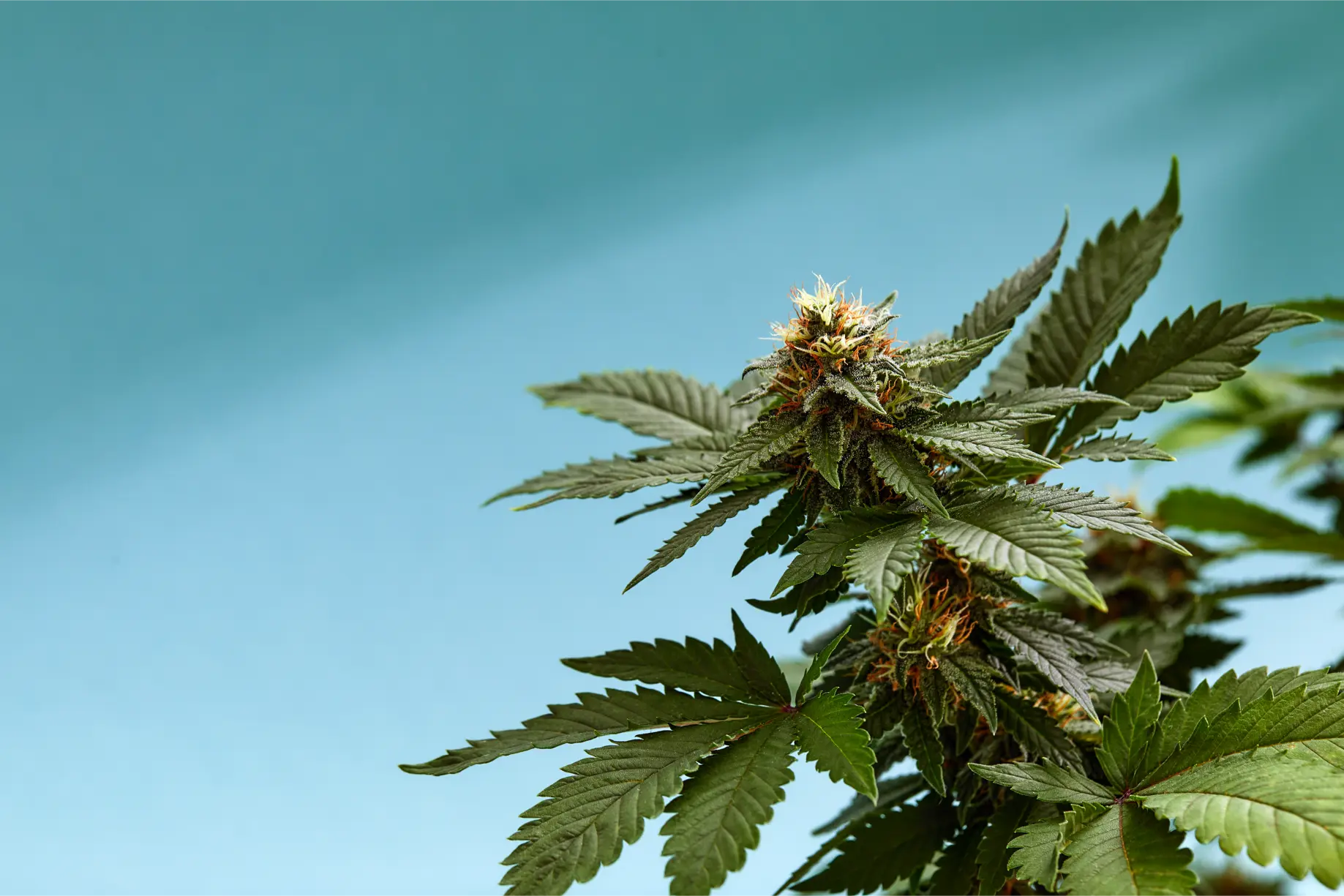
As buds mature in the jar, the initial sweet top notes of toffee/treacle often give way to deeper spicy and woody nuances. For example, a young cure may deliver syrupy caramel and cinnamon-spice aromas; after a few weeks it can reveal more old-wood or musty coffee depth. The aftertaste is characteristically warm and earthy, with a final wisp of citrus or mint on the breath. Importantly, this strain’s volatile scent components (like pinene and limonene) are delicate; they can fade if the buds are dried too quickly or overheated. A proper slow-dry and cure preserves the complexity: the result is a rich coffee‑caramel palate with subtle pine and citrus highlights on both inhale and exhale. A mature Acapulco Gold cola outdoors: bright green buds coated with resinous trichomes. Its flowers carry the strain’s classic earthy and toasted-sweet aromas (toffee, honey, coffee and spice) that unfold when dried and cured.
Dominant Terpenes
Laboratory tests and sensory descriptions identify caryophyllene, limonene, myrcene and pinene as the chief terpenes in Acapulco Gold. According to one analysis, caryophyllene (peppery/woody) is dominant, with myrcene (earthy/musky) and limonene (citrus) as significant components. Another profile notes limonene, caryophyllene and pinene (pine) as the top three. In practice, this blend means:
| Compound | Contribution |
|---|---|
| β-Caryophyllene | Spicy, peppery, slightly herbal aroma. May contribute to Acapulco Gold’s warm, pine-tinged spiciness. (This terpene is studied for anti-inflammatory effects, though its role here is primarily aromatic.) |
| Myrcene | Earthy, clove-like, hint of mango. Adds an herbal-earthiness to the smoke. Myrcene is common in many sativas and can have relaxing properties, potentially smoothing the strain’s heady high. |
| Limonene | Bright citrus note (like lemon or orange peel). Limonene brings a zesty topnote to the aroma profile and is associated with mood-lifting, anti-stress effects in studies. |
| Pinene (α/β-Pinene) | Fresh pine or coniferous smell. This terpene adds a sharp piney background. It may support alertness (some research suggests pinene can improve focus). |
Each of these terpenes shapes Acapulco Gold’s sensory character. For example, the caramelized-honey sweetness often comes from limonene and caryophyllene interplay, while the finishing pine/citron zest is a fingerprint of pinene and limonene. Because terpene content can vary by phenotype and cultivation, individual plants might lean slightly more toward the spicy (caryophyllene) or citrus (limonene) side. But nearly all samples show this caryophyllene/myrcene/limonene core. These terpenes not only define flavor but may subtly shape the high (e.g. limonene’s euphoria, pinene’s wakefulness). In any case, preserving them through proper drying/curing is key to retaining the strain’s signature aromatic intensity.
Indoor vs. Outdoor Growing
| Aspect | Indoor Growing | Outdoor Growing |
|---|---|---|
| Plant Size | Requires topping, LST or SCROG to keep the tall frame under control. | Can exceed 2 m and prefers room to expand. |
| Flowering | About 9–11 weeks with intense, even light. | A long season finishing from late October into November. |
| Yield | Often around 350–450 g/m² under optimized care. | Potentially 500–1000 g per plant in ideal full-season conditions. |
| Humidity | Keep late flower near 40–50% RH with strong air movement. | Wet autumn weather is the central threat to dense mature flowers. |
| Flavor | Controlled drying protects caramel, coffee and citrus detail. | Full sun can deepen the resinous profile when the finish stays dry. |
Indoor vs Outdoor Analysis: Acapulco Gold can be grown either indoors or out, but each environment imposes tradeoffs. Outdoors is the plant’s natural fit – warm sun and ocean breezes (if emulated) push vigorous growth and resin production. In a long, hot season, outdoor Acapulco Gold can become massive and sticky, delivering higher yields and robust flavors. The drawback is risk: its heavy colas demand excellent airflow and low humidity; in damp climates mold can devastate flowers. A late-season rain or fog is particularly dangerous once the buds fatten in autumn. Indoors, you sacrifice some scale and maybe a touch of exotic “sun-soaked” flavor for predictability. You gain control: stable temperatures, fresh air, and the ability to control humidity. This means you can often finish buds without rot even if outdoors would have failed. However, indoors the grower must carefully manage stretch and space. Acapulco Gold will reach for the lights and can outgrow a small tent if unchecked. Heavy topping or SCROG is usually necessary to maintain a squat, even canopy.
Indoors you may also need supplemental CO₂ and high wattage lights to coax maximum resin from each bud. With these measures, indoors can yield dense, frosty flowers – but often the buds will be greener rather than the famed “golden” hue of its origin. In practical terms: grow Acapulco Gold outdoors if you have the long season and a warm, arid climate (think southwestern US, Mediterranean, etc). Ensure full sun, space plants wide, and be ready to deal with height and humidity. Grow indoors if you need year-round or more modest conditions: you’ll train it carefully (topping by 4–6 nodes, use a trellis net) and keep RH in check. Both methods can produce potent, quality buds, but outdoors generally rewards yield and richness, whereas indoors offers consistency and safety from the elements.
Strain-Specific Grow Guidance
Acapulco Gold’s cultivation is defined by its vigorous, sativa-dominant nature. Vegetative Stage: Expect very fast vertical growth and long internodes even in veg. From an early stage, plan to control height: topping or fimming after 4–6 nodes is recommended to encourage lateral branching. Follow up with gentle LST or super cropping to spread the colas. Many growers find that a SCROG (Screen of Green) setup helps manage the aggressive stretch: train main branches horizontally under a net so the canopy stays even. Aim for 4–6 weeks of veg for a balanced, bushy plant; too short and you’ll end up with a gangly stalk later. Good root health is crucial – consider a large pot or deep beds outdoors, and use quality compost or added mycorrhizae to support its heavy uptake. Transition & Flowering: The flip to 12/12 light triggers a pronounced stretch. Under normal indoor conditions, plants can easily double or triple their height over several weeks. To accommodate this, keep topping early and raise your lights high (or dim them slightly) right after flip to curb stretch.
Outdoors, plant spacing of 1–2 m apart gives the colas room to expand. As flowers form, an apical-dominant structure typically emerges (one or two main colas) with strong lateral stacks. Note: many growers report that Acapulco Gold’s stretch and flower set benefit from cooler night temperatures in bloom. In the one detailed grow report report, high late-flower heat caused excessive foxtailing and delayed trichome maturation. Try to maintain nights in the mid-60s–70s°F (18–24°C) to avoid such heat stress. This also encourages resin and aroma production rather than just elongated buds. Nutrient & Water: This strain is a heavy feeder in veg and early bloom, but becomes nutrientsensitive if overfed late. During early bloom (weeks 1–4), provide balanced NPK with an emphasis on nitrogen to sustain its robust growth. Then transition to bloom nutrients (higher P/K) around week 4. Importantly, several growers note that excess nitrogen in late bloom can “lock” the plant out of finishing, leading to muddy flavors and delayed ripening. If you see lush dark foliage past week 4, it’s wise to cut back on N.
Organic additives like molasses or compost teas in early bloom can boost sugar production and microbes – one grower used molasses and saw very resinous, heavy buds (though novices should add these gradually). Always flush properly before harvest to avoid harsh tastes. Watering should match its thirst: plants can drink a lot due to large size. Use a well-aerated soil or hydroponic mix, and let the topsoil dry slightly between waterings to avoid root issues. Good drainage is critical. In terms of feeding frequency, many growers stick to a regular schedule until mid-flower, then switch to “feed only when dry” to avoid salt buildup. Monitor pH to ensure nutrient uptake; Acapulco Gold shows no extreme quirks here, but stable pH (6.0–6.5) is key for avoiding lockout. Light & Environment: Indoors, provide at least 600–1000 µmol/m²/s of PAR to the canopy. Acapulco Gold tolerates strong light well, but watch for burning on upper leaves. It actually prefers intense light to bud heavily, so high-powered LEDs or HPS/MH are beneficial.
If you attempt a smaller light footprint without defoliation, the middle colas can stay underdeveloped; thinning some fan leaves around midflower often helps light penetration. Outdoors, siting is crucial: plant in direct sun all day if possible. The more sun exposure, the more resin and color the buds will develop. Training & Support: Given the weight of its colas (especially outdoors), physical support is often necessary. Use stakes, cages or trellises to prevent branch sag. If grown in a sea of other plants, tie heavy branches upward when buds bulk up (around week 6) to keep stems from snapping. Do not ignore bottom branches early on – this plant can produce viable bud sites even low on the plant, so either prune selectively or save them if light reaches. Just be cautious: too many tight nooks can trap humidity. Pest & Disease: Acapulco Gold’s lush, sticky foliage can attract pests like spider mites in indoor grows, so inspect regularly. The main disease risk is bud rot. Because its colas can be dense and the leaves wide, stagnant air or lingering wet conditions breed mold.
Prevent this by ensuring RH stays below 50% in late flower, using clip fans around the canopy, and removing any dead fan leaves hiding in the middle. Outdoors in humid regions, consider fungicide prophylaxis or more aggressive defoliation. Flowering Details: Flowering usually completes around 10–11 weeks indoors. However, true landrace genetics may continue maturing beyond this, so rely on trichome color rather than just calendar. One telltale sign is many white pistils persisting even when glands look ripe – we’ll discuss harvest timing in Flavor Tips. Note that while most growers flush at 9– 10 weeks, some report pulling plants at 11–12 weeks when thick resins fully cover the calyxes. Outdoor harvest will vary by latitude, but plan on late autumn (often close to first frost in cooler zones). With patience, buds will swell dramatically in the final 2–3 weeks of bloom.
Can I make Acapulco Gold finish faster by reducing the light period below 12 hours?
Question sent by: Owen Parker, via Facebook page
A shorter day can push a plant toward reproductive urgency, but it does not rewrite the cultivar’s maturation program and can reduce daily light exposure. Begin with a stable 12/12 cycle, manage stretch early and let calyx development and trichomes determine ripeness. Experimental photoperiod changes belong on known clones after a baseline run.
Weedth Bud Flavor Tips
Acapulco Gold’s signature taste – think toffee, honey, coffee and citrus-spice – depends on careful drying and curing to fully develop. The greatest enemy of these flavors is heat and rapid drying. High temperature (above ~75°F) during drying will drive off limonene (citrus) and other delicate terpenes, leaving flat hay notes. Likewise, forcing a quick 3-day dry tends to preserve chlorophyll (harsh grassiness) and mute the sweet-syrup profile. Instead, dry slowly and cool: keep the room ~60–68°F with 50–60% humidity, and allow 7–10 days for stems to snap rather than bend. This gentle pace helps retain the honeyed toffee top notes and the lighter citrus/pine undercurrents noted in its aroma. During curing, patience is rewarded. An initial crust forms on the buds in the first week, but the deep flavors continue to evolve over 2–4 weeks. In early cure, the aroma leans more on the sweet caramel and herbal side. By 3+ weeks, many users detect subtler spice or cedar notes. For example, one grower noted the “pungent woody, earthy flavor was amazing” after proper curing.
Burp the jars regularly to prevent mildew and to let fresh air reset humidity. Aim for ~62°F and 55% RH in the jar – this strikes a balance of keeping moisture for terpene conversion without mold. Watch out for flavor loss points: excessive fan airflow directly on hanging buds can blow away terpenes, and exposing trimmed buds to light or high heat (even a hot UV lamp) can degrade them. Also, avoid very wet curing (>70% RH), which can encourage mold and cause leafy “green” flavors. If a grassiness or cardboard taste emerges, the cure may have been too slow or humid. In short, to maximize the strain’s sweet/honeyed character, adopt a slow-dry, slow-cure regimen. This approach transforms average buds into the rich dessert-like smoke that Acapulco Gold is known for. In our experience, well-cured Gold buds become noticeably smoother, losing the sharp bite that undercured sativas sometimes have, and fully expressing their warm, coffee-and-caramel profile.
Weedth Bud Boost Tips
Maximizing Acapulco Gold’s harvest means balancing its size and stretch with strong, dense buds. Key strategies include:
Canopy Training
For indoor grows, SCROG or manifold training is highly effective. By early bloom (first week), train the top shoots horizontally under a screen. This evens out light exposure, allowing more colas to fill in at the same level. Outdoors, selective lollipopping (removing the lowest 1/3 of foliage) can redirect energy upward and improve airflow around the main colas. A short but wide canopy tends to yield better total weight than a few super-tall colas.
Phosphorus & Bloom Boosters
In late flower, Acapulco Gold seems to respond to extra bloom nutrients. Some growers report that adding a bloom booster (PK-rich fertilizer or kelp extracts) around week 5–7 helps thicken calyxes, especially since the plants finish so slowly. Use these supplements cautiously: too much can burn the roots or alter taste. A balanced approach is best – start with 1/4 to 1/2 strength of a bloom formula and gauge plant response. Organic P sources like bone meal can also be beneficial if soil-grown.
Microbial/Molasses Teas
Incorporating beneficial microbes can aid nutrient uptake for this heavy feeder. Some growers brew a molasses or compost tea in veg and again mid-flower. These feed soil microbes and provide trace nutrients; the result is often a noticeably bushier plant and resin-rich buds. (One grower’s approach: “I fed heavy during veg and early flower with Floranova and boosters like Bud Candy / KoolBloom – and got massive dense flowers.”) Such high feeding paid off for them but requires a robust medium. Note that this plant can get nitrogen luxuries, but be ready to dial back if new leaves become excessively dark green late in bloom – it may be time to switch to low-N formulas.
Yield vs Quality
Acapulco Gold tends to naturally produce many bud sites, including on lower branches. However, not all of these are equally resinous. For the best quality, consider removing a portion of very low bud sites (to prevent small airy popcorn buds) and redirecting that energy to the main colas. The trade-off is that total harvest weight might slightly drop, but the overall grade goes up (denser, resinous tops). Many experienced growers pick off the weakest 20–30% of buds rather than letting every lower shoot try to ripen.
Flower Management
Keep a close eye on development from week 6 onward. If you see large, heavy colas starting to droop, install supports early. This not only prevents breaks but also ensures an even canopy as colas fatten. Also, continue to remove any excess foliage blocking bud sites as flower thickens. But don’t over-defoliate: a moderate removal of large fan leaves is usually all that’s needed to maintain airflow. The strain’s fast growth means it can tolerate (and often rebush from) a fair amount of leaf removal during early bloom. By combining these techniques – rigorous training, strategic feeding, and selective trimming – growers can coax abundant, high-quality buds from Acapulco Gold. Remember, its structure rewards spreading out the energy (more medium-sized colas) rather than letting one central cola dominate. With an even canopy and robust nutrition, an indoor grow can reach yields on par with moderate outdoor plants – the key is optimizing light and airflow for every bud site.
A long finish needs a weather plan
Acapulco Gold can remain in flower after compact hybrids are already harvested. Outdoors, late rain, fog or frost can destroy quality before the plant reaches full maturity. Use a greenhouse, rain cover or climate-appropriate site when the natural season is marginal.
Medical Uses & Benefits
Acapulco Gold’s profile (high THC, low CBD, energizing sativa effects) suggests particular therapeutic niches. Anecdotal user reports often list it as helpful for mood-related conditions and certain daytime complaints. Specifically:
Stress & Anxiety
Many users employ this strain to relieve stress and lift spirits, thanks to its euphoric effects. It may help dissolve mild anxiety or tension for experienced consumers. (However, in anxious patients or at high doses it could paradoxically exacerbate anxiety, so caution is advised.)
Depression
The uplifting, happy high can counter depressive moods. Its creativity boost and social ease make it a good choice for those seeking an energetic, positive stimulus. a widely cited strain profile surveys show it’s commonly used for both stress (29% of reports) and depression (27%).
Fatigue & ADHD
By enhancing focus and energy, Acapulco Gold is sometimes used to combat fatigue or inattentiveness. It can sharpen alertness, making tedious tasks or creative work easier to tackle.
Chronic Pain & Headaches
Though not extremely sedating, it has some reported analgesic qualities. It may alleviate mild chronic pain, headaches or muscle discomfort primarily through distraction and mood elevation rather than heavy sedation. Users have noted relief from tension and inflammatory pain when the mind-high overshadows discomfort.
Appetite Stimulation
Like most high-THC sativas, it can increase appetite (the “munchies”). Some use it to improve food intake, especially if stress or pain has reduced their appetite. In contrast, Acapulco Gold is generally not recommended for sleep disorders or severe insomnia, since its stimulating nature can delay sleep onset. Nor is it ideal for highly sensitive or first-time users, as the strong head buzz can be overwhelming (potentially causing dizziness or paranoia in those inexperienced with potent THC strains). It also lacks significant CBD content, so it wouldn’t be a top choice if one needs strong anti-inflammatory effects. Medical summary: Best for daytime functional relief – think patients looking to boost mood, creativity or fight fatigue and mild pain without heavy sedation. It might be traded to manage stress and mild anxiety (keeping in mind THC can double as an anxiogenic). Those requiring relaxation or sleep, or those sensitive to psychoactive effects, should consider a less-potent or higher-CBD alternative.
Ideal User Profile
Acapulco Gold is tailored to a specific kind of user. The ideal consumer is an intermediate-to-advanced cannabis user who wants an active, cerebral high. It’s well-suited for:
Creative professionals, artists, writers or students seeking inspiration and focus
It can help spark imagination and keep one engaged with tasks or conversations.
Daytime/social users who enjoy euphoria and sociability without losing mental clarity
For example, it can brighten social gatherings or outdoor activities, boosting energy and mood.
Experienced enthusiasts looking for classic, heady sativas
Connoisseurs who appreciate complex flavors (coffee-toffee notes) and a strong high will value this strain. It’s often described as a “wake-and-bake” or “coffee substitute” cannabis.
• Patients with stress or depression who need relief but still need to function (e.g. working adults who want to relax mood-wise without crashing). Conversely, it’s less ideal for:
Novice users or low-THC tolerators
The high can be intense and long-lasting, potentially causing anxiety or sensory overload if one isn’t accustomed to powerful sativas.
Individuals needing sedation or sleep aid
This is not a couch‑lock or sleep strain at normal doses – it’s more of a wakeful uplift. Those looking for pain relief through heavy body relaxation, or to treat insomnia, may find it too stimulating.
Preference for subtle flavors
If someone dislikes potent aroma or prefers floral/fruit strains, they might find Acapulco Gold’s earthy coffee flavor too heavy or harsh. In short: Acapulco Gold is best for experienced, daytime users who enjoy a strong, clearheaded high and can handle high THC. It rewards those who value unique flavor and an energy boost. It’s not a strain for bedtime or for those who are sensitive to anxiety-provoking highs.
Grower Notes and Feedback
From examining multiple grow reports, a few patterns stand out:
Name vs. Genetics Confusion
Many cultivators note that not all “Acapulco Gold” seeds behave alike. In fact, several indoor growers found their AG plants looked more indica than sativa – with broad leaves and compact internodes. One reviewer warned that popular seedbank versions (commercial versions) aren’t the true landrace, leading to confusion. If your plant flowers unusually fast, or keeps throwing new pistils deep into bloom, it’s likely a hybrid or auto-influenced version. True Acapulco Gold landrace, where available, can require extremely long seasons (even 18–20 weeks!). The takeaway: treat flowering predictions cautiously. Don’t assume 8 weeks just because a seed pack says so – watch trichomes and be ready for extended bloom.
Extended Flowering
A recurring surprise is the longer-than-expected flower. Indoor growers often report 10–12 weeks instead of 8–9. One indoor log had amber trichomes at 10 weeks, yet the plant was still sprouting fresh white pistils. This suggests that Acapulco Gold may stall if conditions aren’t perfect, or simply runs long. Several threads emphasize trusting trichomes over days; if pistils are still white while glands look mature, it’s prudent to wait. On the upside, this extended period can yield very weighty buds if the grower is patient.
Feeding Quirks
Feedback on nutrients is mixed. Some growers (as in our Hands‑On report) went very heavy on veg nutes and bloom boosters, yielding massive colas. But cautionary notes abound: excess nitrogen late in bloom “slows bud growth and ruins flavor”. One micro-grower advised tapering off nitrogen after stretch, moving to a bloom-centric feed. In practice, many settle on a rich veg feeding regimen, then a moderate P-K boost in mid-flower. Watch the plant’s color and leaf tip burn – a little purple or rust coloration in late flower isn’t unusual, but dark green lushness may indicate overfeeding.
Height and Training
Unsurprisingly, growers emphasize Acapulco Gold’s huge height and stretch. Indoors, topping early and maintaining canopy control is repeatedly recommended. Outdoors, lots of tie‑downs or a sturdy trellis is needed to hold up the colas. Some notes suggest letting it grow a bit more vegetatively than usual and only flipping once a solid structure of side branches is set; this can help distribute yield instead of one central cola. Almost all reports stress supporting branches by mid-flower – leave nothing to chance, as these buds get very dense and heavy.
Humidity Concerns
Virtually every grower warns that bud rot is the plant’s nemesis. Because its buds can be thick, any moisture (rain, fog, heavy vapor) in late bloom is a danger. The common advice: trim the lower leaves, improve airflow through the canopy, and keep dehumidifiers on indoors (or avoid outdoor grows in wet climates). Interestingly, its Mexican origin suggests some natural mildew resistance, but domesticated “Acapulco Gold” is often so compact that it loses that advantage.
Flavors and Aroma
On the positive side, nearly everyone agrees this strain’s savory aroma is outstanding. Even if a sample looks green rather than gold, the scent of caramelized sugar, pine and spice is unmistakable. Many growers specifically mention how smoothly it smokes after a proper cure – that lingering honeyed character is often highlighted.
Yield & Quality Variation
Overall, yields are reported as moderate to high. Indoors, 2–3 medium plants or a couple scrogged per 4×4 tent is a common setup to capitalize on height and bud sites. Outdoors, single plants under ideal conditions have produced half-kilogram yields. However, some gardeners note that not every branch is equally productive – targeting the top colas tends to pay off more than coaxing every little bud. In summary, what growers discover is that Acapulco Gold demands patience and space. It’s not a beginner’s plug‑and‑play strain, but with careful training, feeding and harvest timing, it can reward the extra effort with potent, aromatic buds. Many conclude that it’s “worth it for the unique high and flavor,” even if it’s trickier than modern hybrids. The key lesson: treat it as a diva of sativas – give it room to stretch, time to mature, and the environment to shine, and it will deliver some memorable smoke.
Weedth Editor’s Note
I’ve grown my share of sativas, but Acapulco Gold taught me to respect old-school genetics. The first thing that strikes me is its sheer demand for space and time. On my first run, I flipped too early – I gave it only 4 weeks veg and kept it topped, expecting a normal sativa finish. At 9 weeks I had antsy clear trichomes with new white hairs popping up, a stark reminder that this strain doesn’t follow modern flowering calendars. Next time, I’d let it veg longer, even indoors, and gear up for a full 11–12 week bloom. It’s a theme I see echoed in many reports: patience here really pays off. The biggest trap is underestimating its stretch. I once worked with a grower who didn’t top at all (just LST), and by week 3 of flower the tent ceiling was almost touching the buds. Since then I always deploy a scrog or manifold – forcing a broader canopy early. This not only controls height but dramatically improved my yields.
In fact, when I try Acapulco Gold again, I’ll plan more horizontal training from day one. One could say the plant “won’t outgrow your trellis if you put it there properly.” Flavor is what makes me return to this cultivar. Frankly, its smell blew me away even before I harvested. That honey‑toffee aroma came through on the humidifier running in the drying room. For me, the cure period is sacred with Gold. I never rush it: 3–4 weeks in the jar really develops the notes of coffee and spice under the initial sweetness. If I’m impatient and jar it early, it loses too much complexity. So on a second run, I’d emphasize the drying/cure: low heat drying, little fan on at end of yard, and a slow cure. The goal is a final smoke where the early caramel notes seamlessly reveal deeper coffee and pine layers – exactly what I found so special. My view is that Acapulco Gold is good, but not trivial. It’s not an easy-weekend project.
I wouldn’t send this to a new grower without setting expectations: “This strain can out-stretch your lamp and outlast your patience.” But for those willing to treat it like a delicate guest – plenty of light, good food, gentle watering – the payoff is an undeniably unique experience. The high is clear and social, which I appreciate for a daytime smoke, and the flavor is something I personally cherish (it’s not every day you get honeyed-sweet cannabis). Overall I see Acapulco Gold as a strain where quality is more important than quantity. If I were to give it grades: Growing Experience maybe a 6/10 (because it requires more attention and time than average), Bud Structure 7/10 (buds can be big and frosty but a bit loose for an indica comparison), Aroma 8/10 (distinctive and strong), Flavor 7.5/10 (sweet and complex, but needs curing), Effects 8/10 (very potent and enjoyable for those who like sativas), and Overall Satisfaction 7.5/10. Those aren’t perfect scores because it has quirks (long veg time, humidity risk) that take away some ease.
But where it excels – the aroma and uplifting high – it is excellent. In my book, it’s worth the extra effort for the reward of a flavorful, energetic cannabis experience.
Weedth Score
Growing Experience – 7.9/10: The plant is vigorous and rewarding but wants a long, warm season, strong light, extensive training and a dry finish. It is less forgiving of small rooms and wet autumns.
Bud Structure & Visual Appeal – 9.0/10: Golden-green, resinous flowers and long sativa colas are visually distinctive. Proper light and ripeness matter more than chasing color alone.
Aroma Complexity – 9.5/10: Burnt toffee, honey, coffee, citrus, nuts, earth and spice create one of the richest old-school aromatic signatures.
Flavor & Smoothness – 9.1/10: Careful drying turns the resinous sweetness into a smooth caramel-coffee profile with citrus and pine lift. Rough handling can flatten the delicate high notes.
Effects & High Experience – 9.3/10: Bright motivation and creativity develop without immediate body weight, then settle into a calm, durable afterglow.
Overall Satisfaction – 9.2/10: Acapulco Gold remains exceptional for growers who can give a heritage sativa the season, height and patient cure it needs.
FAQ
Is Acapulco Gold an indica or sativa?
True Acapulco Gold is a pure sativa landrace. However, many modern versions are hybrids, so plant appearance varies. A genuine one has narrow leaves and tall growth.
How long does Acapulco Gold flower?
It typically needs around 10–11 weeks of bloom indoors, but often longer in cooler or suboptimal conditions. Some growers find it isn’t truly finished until 11–12+ weeks, so watch trichomes rather than just days.
How tall does it grow?
Very tall. You should expect double or triple height after 12/12. Indoors, train it down or use a screen – outdoors, give it plenty of vertical room (often 5–7 ft or more).
Why isn’t my Acapulco Gold turning gold?
The “gold” color is mainly due to environmental drying (Pacific winds and sun). In indoor or milder climates, buds generally turn amber or light green instead. Don’t expect bright gold indoors.
How much does Acapulco Gold stretch after the flip?
Substantial stretch. Plan on at least doubling in height. Training (topping, LST, SCROG) is essential to manage it.
Does it need a trellis or support?
Yes. By mid-flower, branches heavy with buds often need stakes or a net. Without support they can buckle under the weight of large colas.
Why are new white pistils still forming late in flower?
This strain can bloom unevenly. Even as trichomes mature, you may see new pistils emerge – a sign it isn’t done yet. Harvest only when most glands are milky/amber and new growth has slowed.
Should I worry about mold?
Yes. Dense Acapulco Gold buds can lock in moisture. Maintain RH around 40–50% in late flower and ensure good airflow. Outdoors, avoid rainy seasons or protect plants.
How do I preserve Acapulco Gold’s aroma?
Dry slowly (low heat, moderate RH) and cure at ~60°F/55% RH for several weeks. Quick or hot drying will dissipate its sweet-toffee and citrus notes.
Can Acapulco Gold finish outdoors in a cool climate?
It requires a long season. In short summers (frost by Sept), it may not finish. Best outdoors in warm zones where it can keep growing into October. Otherwise, indoor completion is safer.
How strong is Acapulco Gold?
It’s considered a high-THC strain (often high teens to low-20s%). Expect a very potent effect, so start with small doses if you’re unsure of your tolerance.
Similar Strains
Colombian Gold (sativa landrace): A fellow vintage South American sativa with a similar uplifting, creative high. It shares Acapulco Gold’s heady euphoria and pine/earthy flavors. Difference: Colombian Gold’s buds are typically even airier and its flavor more grassy/cedar-like, while Acapulco Gold leans sweeter (toffee/honey notes). Colombian also often has a slightly shorter flower time and milder effect.
Panama Red (classic sativa): Another 1960s-era sativa known for strong mental buzz and bright aromas. Both strains produce energizing, talkative highs. Difference: Panama Red’s flavor is more earthy/woodsy and less sweet; its effects are often described as more intense body energy (almost jittery) compared to Acapulco Gold’s balanced cerebral buzz. Also, Panama Red buds tend to be smaller and redder.
Lamb’s Bread (Jamaican sativa): A pure sativa famous for its clear, euphoric head high and piney-sweet aroma. Like Acapulco Gold, it’s a favorite among creative users. Difference: Lamb’s Bread usually finishes faster and is more compact (indoors); its bud aroma has a sharper pine/ fresh vibe rather than sweet toffee. Lamb’s is also known for vibrant lime-green buds, unlike Acapulco’s golden-green flowers.
Malawi Gold (African sativa): A powerful African landrace that delivers a strong, long-lasting cerebral high. Malawi shares AG’s tendency for a potent, energetic uplift and can produce very heavy yields. Difference: Malawi’s flavor profile is fruitier and more tropical (think ripe mango or citrus), whereas Acapulco Gold is spicier and caramel-sweet. Malawi also often shows more purple hues in the plant and may flower a bit quicker given ideal equatorial conditions.
Chocolate Thai (Thai landrace): A Thai sativa known for a uniquely sweet, chocolatey aroma with coffee notes. Similarity: Both have a notable coffee-chocolate-sweetness and a happy, clear-headed effect. Difference: Chocolate Thai’s flavor is richer and more “dessert-like” (deep honey and cocoa), and its effects can be more relaxing/euphoric, whereas Acapulco Gold maintains more upfront energy. Additionally, Chocolate Thai generally has thinner leaves and lighter yield compared to the stockier Acapulco Gold.
Durban Poison (South African sativa): (If you’re open to another landrace.) Durban delivers a sharp, pine-sweet aroma and a focused, energetic buzz similar to AG. Difference: Durban Poison tends to finish faster (8–9 weeks indoors) and is more sapidly sweet. It’s also more “narrow” in flavor profile (pine/minter) and lacks the caramel-toffee notes of Acapulco Gold. Durban’s growing height is also generally a bit shorter indoors due to its compact internodes. Each of these alternatives mirrors some element of Acapulco Gold (be it genetics, effect or flavor) while bringing its own twist – whether that’s an extra dose of sweetness, a slightly different high-profile, or a divergent growth habit. Growing any of them would give you a sense of what Acapulco Gold fans appreciate, with a new set of trade-offs.
Share this article
A quick overview of the topics covered in this article.
Follow us
Latest articles
September 9, 2026

September 9, 2026
September 9, 2026