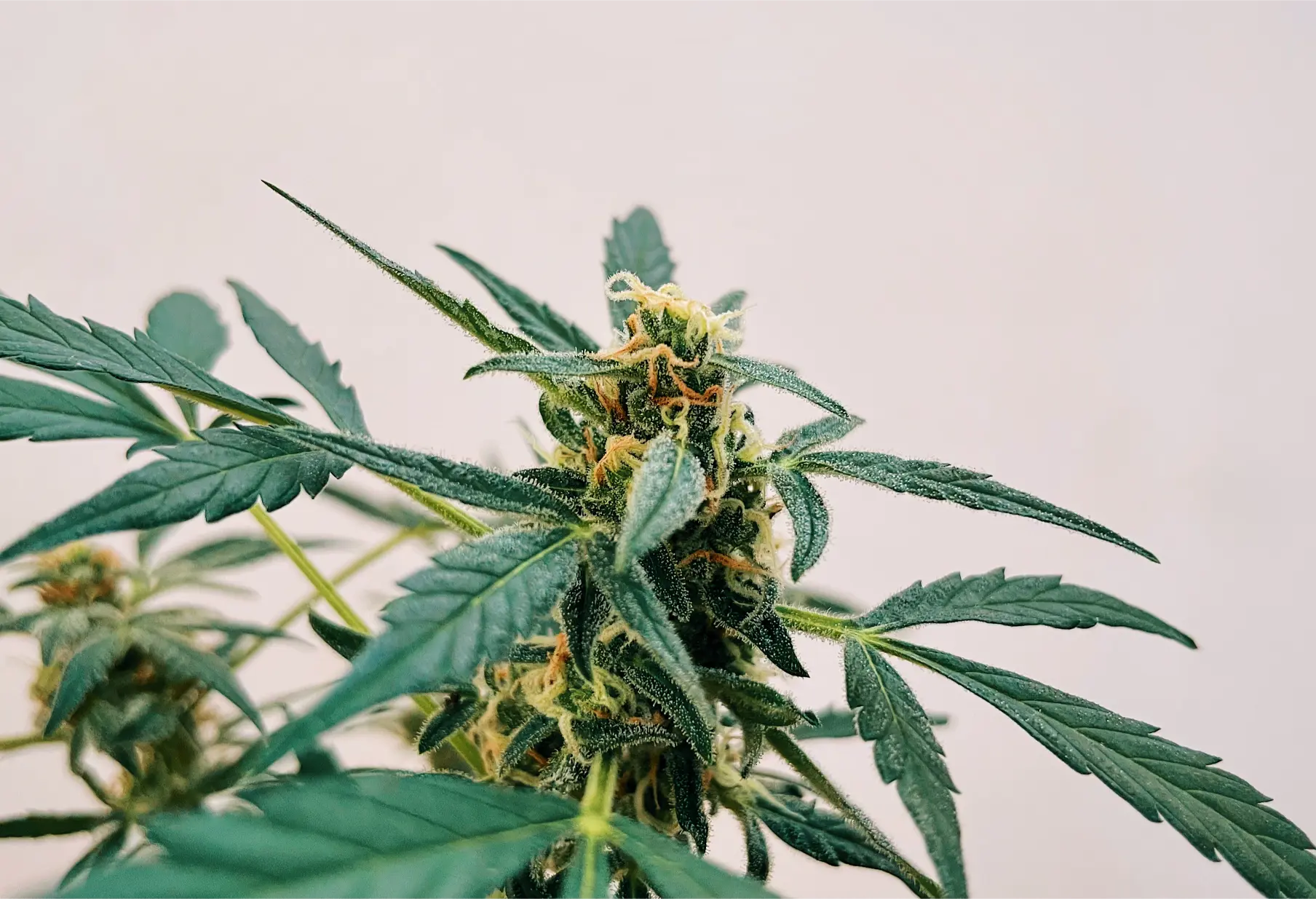
AK-47
AK-47 strain is a sativa-dominant classic that makes its case through balance: a bright, social opening, a calmer physical landing, and flowers that can be surprisingly dense when the canopy is planned early. It is a more forgiving route into energetic hybrid territory than its name suggests, but its quality still depends on stretch control, airflow and a patient cure.
Strain Features
The table below summarizes the most consistently reported traits for AK-47 across major strain references and cultivation guides. Because cannabis naming is not chemically standardized across all markets, exact terpene balance, potency, and morphology can shift by phenotype, grow environment, and post-harvest handling, so these are best treated as typical expectations rather than absolutes.
| Feature | Details |
|---|---|
| Feature | Details |
| Genetic Profile | Sativa-dominant hybrid, commonly described around 60/40 to 65/35 |
| Lineage | Colombian, Mexican, Thai, and Afghani background |
| THC Content | Commonly reported from the mid-teens into the low 20s, depending on phenotype and finish |
| CBD Content | Usually low, though some batches report trace to around 1% |
| Typical Effects | Cerebral uplift, sociability, creative buzz, followed by calm body ease |
| Best Time of Use | Late afternoon, evening, or flexible social use depending on dose |
| Flowering Time | Commonly around 8, 9 weeks indoors |
| Outdoor Harvest Window | Often late September to early October in favorable climates |
| Yield Potential | Medium to high, especially for a sativa-leaning hybrid with good canopy management |
| Plant Height | Medium indoors, larger outdoors if given root space and season length |
| Grow Difficulty | Moderate; generally manageable, but stretch and canopy planning matter |
| Bud Structure | Resinous, compact-to-medium density flowers with notable trichome coverage |
| Core Aroma | Sweet floral earth, spice, skunk, with pine or citrus in some phenotypes |
| Dominant Terpenes | Commonly myrcene, pinene, and caryophyllene; some cuts show secondary citrus/floral lifts |
| Main Grow Priorities | Stretch control, airflow, balanced feeding, slow drying, patient cure |
| Main Risk | Overcrowded canopies can reduce light penetration and increase late-flower moisture risk |
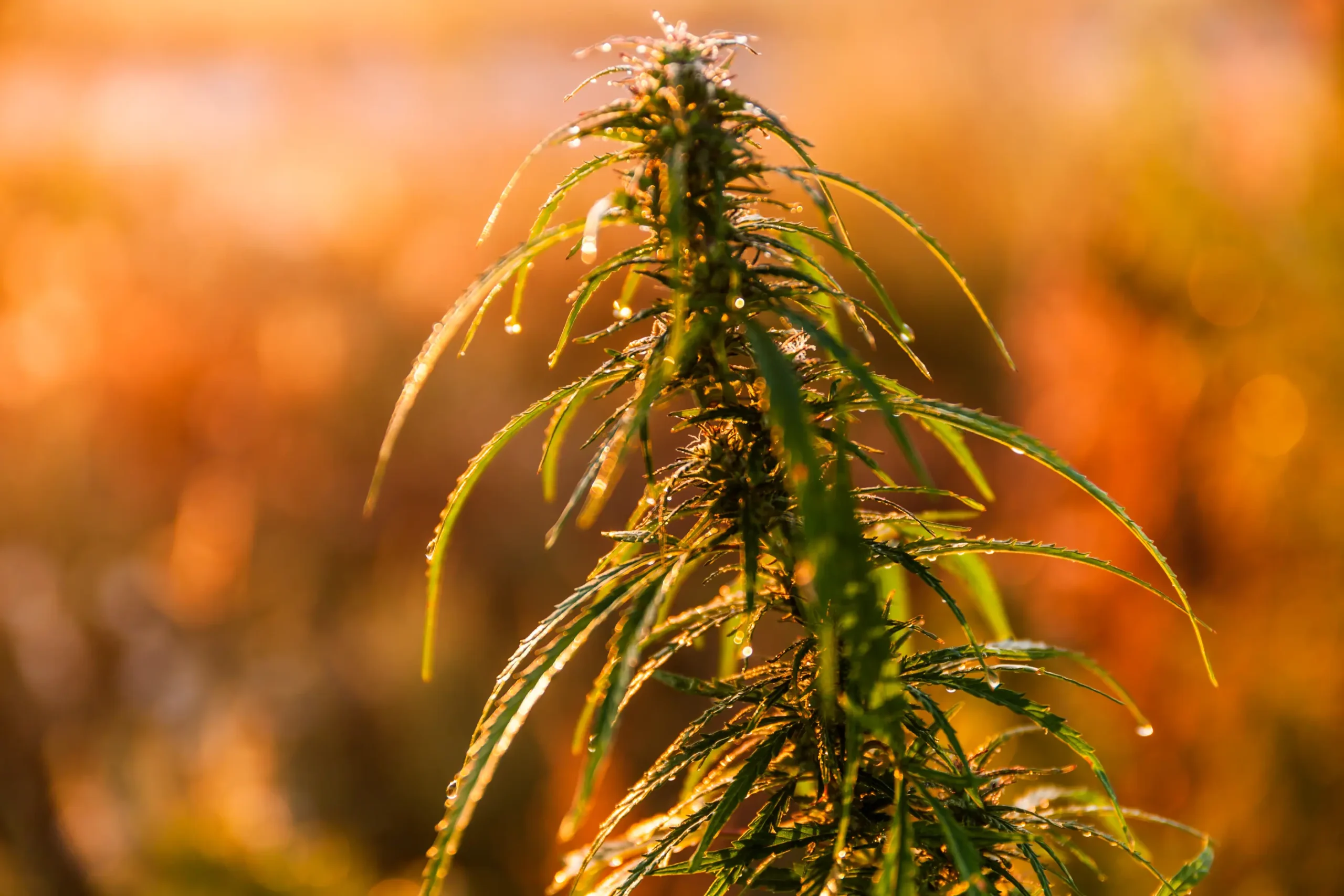
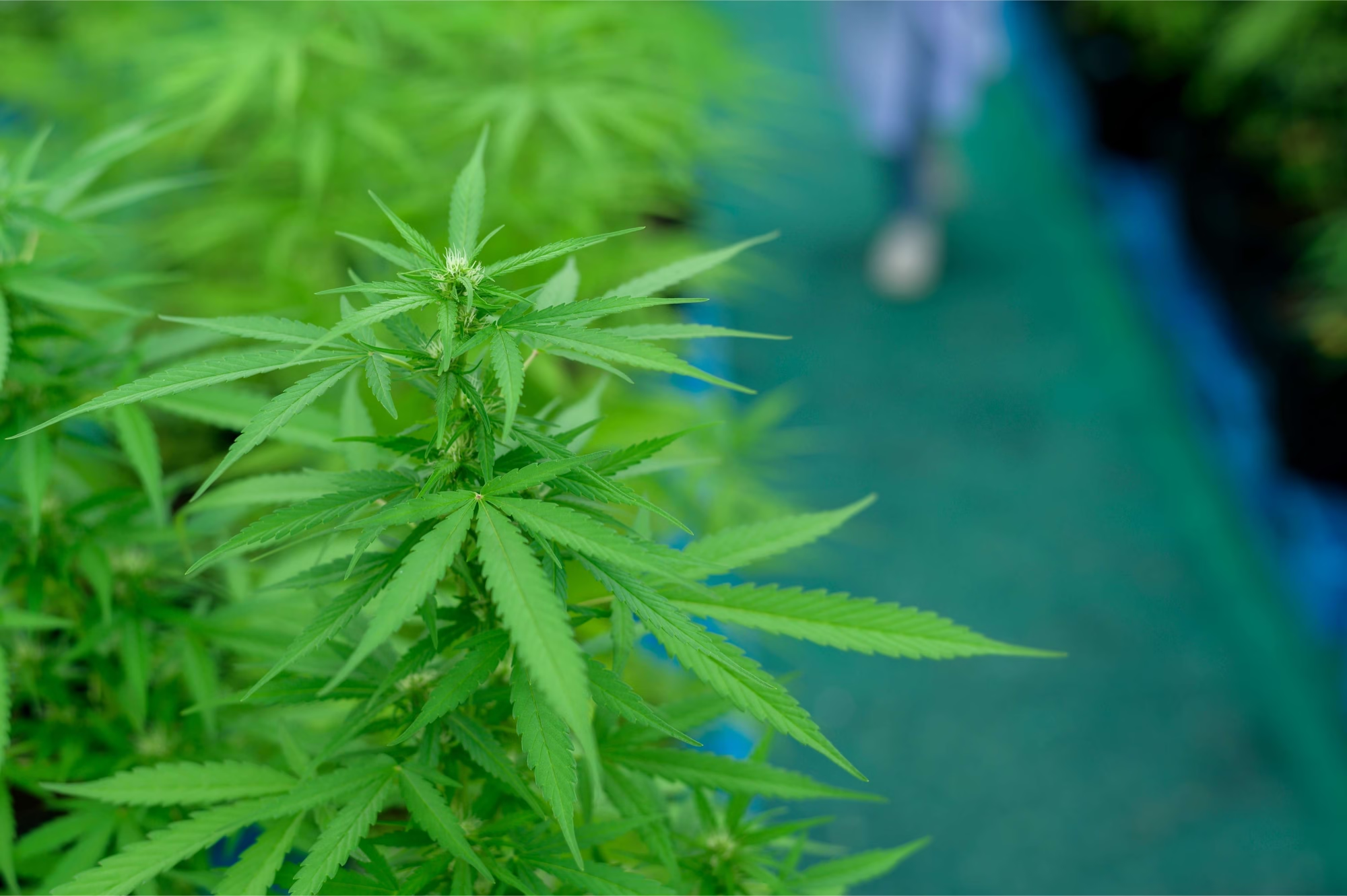
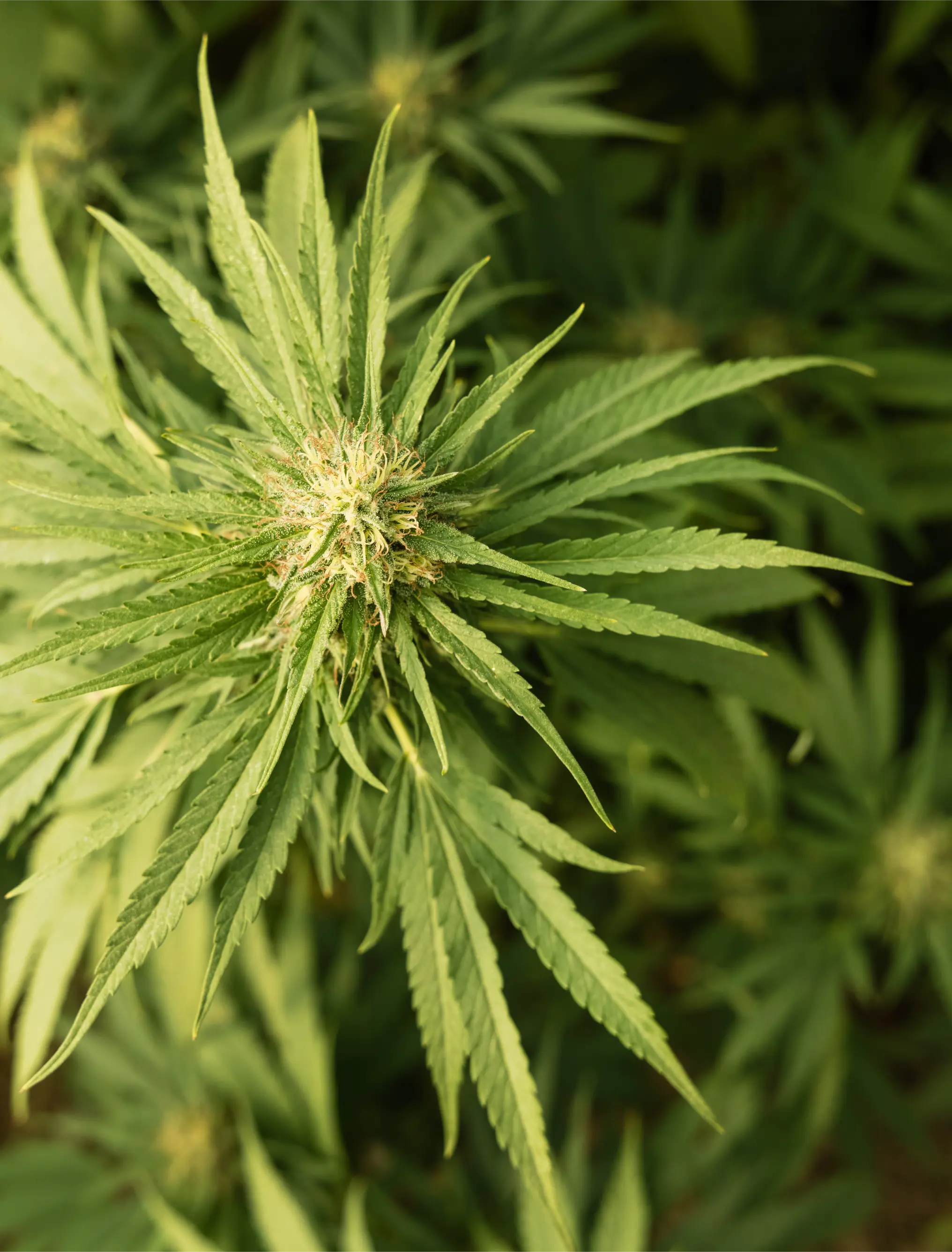
The botanical presentation of AK-47 is a masterclass in balanced polyhybrid vigor. In late vegetative growth, the plant establishes a stout, muscular central stalk with balanced, symmetrical lateral branches that support heavy floral bulking. Foliage is broad yet distinctly serrated, displaying a rich, dark emerald hue that drinks in high light levels under full-spectrum LED fixtures. Internodal spacing is moderately tight (two to three inches), enabling seamless calyx stacking as floral development accelerates. Under 950 PPFD LED illumination, terminal colas form tight, conical spears that stack into continuous floral columns. The bract-to-leaf ratio is exceptionally high, minimizing manicuring labor while maximizing pristine floral volume. Glandular trichome coverage is extraordinarily dense from week four onward, blanketing not only the calyxes but extending far onto secondary and tertiary sugar foliage, giving the buds a glistening, diamond-dusted frost that sparkles under direct garden lights.
Individual calyx clusters swell rapidly between days thirty-five and fifty-six of bloom, developing tight, rock-solid conical nodules that display a unique light green and chartreuse coloration accented by vivid tangerine and copper pistils. Trichome stalk architecture features short to medium-length stalks crowned with exceptionally large spherical gland heads measuring ninety to one hundred fifteen microns in diameter. These resin heads are packed with volatile monoterpenes and cannabinoids, exuding an intense fragrance of sweet floral skunk, spicy sandalwood, and zesty citrus at the slightest mechanical touch.
Under careful macro-lens examination, mature AK-47 calyxes reveal an intricate mosaic of capitate-stalked and sessile glandular trichomes that cluster heavily around the perianth and lower bract margins. As the floral bracts swell during weeks six and seven of bloom, the outer surfaces become so heavily resinous that individual calyxes adhere to one another, forming dense, seamless columns of crystalline flower. This extraordinary resin density not only serves as a visual hallmark of peak botanical health, but also functions as an impenetrable physical barrier that shields developing floral reproductive tissues from excessive evaporative transpiration and insect predation.
Genetic Lineage
AK-47 is most commonly described as a four-way hybrid built from Colombian, Mexican, Thai, and Afghani stock. That combination explains why the strain rarely behaves like a pure narrow-leaf tropical sativa or a squat broad-leaf indica. Instead, it tends to sit in the middle: energetic and mentally active up top, but physically calmer and faster-finishing than many Haze-style cultivars. The Colombian, Mexican, and Thai side helps explain the brighter cerebral lift and more open, lively headspace, while the Afghani influence shows up in resin production, tighter bud formation, and a shorter flowering window than the tropical side alone would usually deliver.
Phenotype variation matters with AK-47 more than many growers assume. Some expressions lean sweeter and more floral, others show a pine-spice edge, and some jars push farther into earthy skunk. That variation is not unusual in cannabis generally, and it is especially worth remembering because commercial strain labels do not reliably map to chemistry across all sellers and regions. In practical terms, AK-47 usually keeps its identity as a balanced, upbeat hybrid with old-school sweet-earth-spice character, but the exact loudest note in the jar can still drift depending on cut, environment, and cure.
The genealogical pedigree of AK-47 is one of the most celebrated and romantic stories in modern European cannabis breeding. Spearheaded by master breeder Simon of Serious Seeds in Amsterdam during the early 1990s, the cultivar was created by intentionally hybridizing four distinct landrace lineages from across the globe: Colombian, Mexican, and Thai sativas with a sturdy Afghani indica. The Colombian and Mexican sativas contributed soaring cerebral clarity, sweet floral esters, and vigorous lateral branching; the Thai sativa contributed exotic sandalwood spice and long-lasting creative energy; and the Afghani indica contributed rapid flowering speed, dense floral geometry, heavy resin production, and soothing physical tranquility.
First introduced to the international cannabis community in 1992, AK-47 took the High Times Cannabis Cup by storm, winning multiple awards and quickly earning the affectionate moniker ‘the one-hit wonder’. In 1999, Simon reworked the genetic line to further stabilize flowering uniformity and seed vigor, creating the definitive seed line that remains a global best-seller today. In analytical testing laboratories across legal markets, genuine AK-47 selections consistently test between 20% and 25% THC, with high concentrations of myrcene, beta-caryophyllene, and alpha-pinene that produce its iconic sweet floral skunk and spicy sandalwood bouquet.
Throughout the multi-decade stabilization program, breeders paid meticulous attention to preserving the wide allelic diversity inherited from the four ancestral landrace populations. By selecting parent plants that exhibited robust hybrid vigor rather than inbreeding depression, the lineage maintained its remarkable adaptability across wildly divergent growing mediums, from traditional Dutch rockwool slab hydroponics to organic living soil beds. The resulting genetic architecture displays exceptional phenotypic stability, ensuring that growers from seed reliably encounter uniform internodal spacing, vigorous root development, and the classic spicy floral bouquet.
Effect Breakdown
AK-47 usually opens faster in the head than in the body. The initial onset is often described as mentally bright, buzzy, and socially easy, with a noticeable lift in mood and a sense that conversation, music, or simple creative tasks become more engaging. This first stage is one reason the strain built such a strong reputation: despite its aggressive name, the lived experience is typically more upbeat and friendly than harsh or disorienting.
At peak effect, the strain tends to balance that cerebral rise with physical relaxation rather than collapsing into heavy sedation. Many users find that the body settles without fully shutting the day down, which makes AK-47 more versatile than a heavier nighttime indica and more comfortable than racier sativa-leaning cultivars. It can feel motivating at lower to moderate doses, but it is not purely functional in the way a very clear, terpinolene-led daytime strain might be. The peak is better described as cheerful, mentally active, and physically unknotted.
The late phase usually grows quieter and warmer. A well-grown AK-47 often finishes with a relaxed body tone and less urgency than the opening suggests. At modest doses, that can feel smooth and easygoing. At higher doses, it can become spacey, foggy, or sleepier than expected, especially for low-tolerance users. Best timing depends on dose: lighter use suits late afternoon or social evening sessions, while heavier use fits post-work or pre-bed settings better. Users prone to anxiety should start carefully, because the first phase can still feel mentally strong when THC is high or the batch runs especially bright.
Consuming authentic AK-47 delivers an exhilarating, crystal-clear psychoactive journey that initiates within seconds of inhalation. The onset begins with an immediate rush of cerebral warmth across the crown and temples, accompanied by an instant brightening of colors, heightened auditory sensitivity, and a buoyant surge of pure cerebral euphoria. Unlike heavy indica cultivars that induce mental sluggishness or couchlock, AK-47 stimulates cognitive curiosity, creative problem-solving, and effortless social exuberance, making it one of the most celebrated daytime functional cultivars in existence.
As the high stabilizes over the first hour, the experience settles into a radiant, joyful mental groove that dissolves daily anxiety, procrastination, and depressive mental chatter. Users frequently report feeling inspired to tackle complex analytical projects, engage in vibrant philosophical discussions, or immerse themselves in creative artistic pursuits. As the session progresses past the sixty-minute mark, the sturdy Afghani indica heritage gently asserts itself through a comforting somatic ease that loosens tight muscles along the spine and shoulders without inducing lethargy or heavy couchlock. After three to four hours of sustained mental clarity and physical comfort, the high tapers off cleanly without a somatic crash or lethargic hangover, leaving the consumer feeling refreshed, focused, and peacefully grounded.
Flavor and Aroma Profile
AK-47’s most reliable sensory identity is sweet-floral earth with spice underneath. In the jar, the better examples often smell softer than modern gas-heavy cultivars. Instead of pure fuel or candy, you get an old-school mix: floral sweetness first, then earthy resin, then a skunky or woody edge behind it. Some batches also show light pine or lemon, which can make the nose feel cleaner and more lifted without changing the strain’s core personality.
When the bud is broken apart, AK-47 usually becomes more expressive. The inside tends to release more spice, more green wood, and a slightly sharper skunk note than the sealed jar suggested. On inhale, the flavor often lands as earthy and faintly sweet, with floral or sandalwood-like tones in smoother cures. On exhale, it commonly leaves a peppery-spicy finish, sometimes with pine brightness or a sour-sweet aftertaste depending on the phenotype. The strain is complex in a layered way rather than in a loud dessert way.
Curing matters a lot here. Fresh or rushed AK-47 can taste greener, rougher, and more generically skunky than it smells on the plant. A slower dry and patient cure usually soften the harsher edges and let the sweet-floral side come forward. Indoor flower often presents a cleaner, more polished spice-and-pine profile, while outdoor flower can lean broader and earthier, especially when dried in more variable autumn conditions. Those differences are consistent with broader postharvest cannabis research showing that cultivars can lose or shift volatile aroma compounds depending on drying conditions, temperature, and cure method.
The organoleptic profile of AK-47 is a dazzling sensory display that has captivated connoisseurs for over three decades. Breaking open a cured bud releases an intense, room-filling burst of sweet floral skunk, spicy sandalwood, damp forest earth, and candied citrus zest, grounded by subtle undertones of fresh pine needles and sweet herbal tea. As the flowers are ground, volatile secondary terpenes reveal sharp nuances of sour diesel gas, cracked black pepper, and exotic incense that add remarkable depth to the sensory presentation.
Upon inhalation, vaporized AK-47 delivers a thick, velvety aerosol that coats the palate in sweet floral honey, spicy cedar wood, and tangy citrus. The smoke expands smoothly within the lungs without scratchiness, delivering an exquisite, mouth-watering sweetness. On the exhale, the profile reveals a sophisticated harmony of pungent skunk, fresh pine, and earthy loam, leaving a crisp, sweet herbal aftertaste that lingers on the tongue for up to fifteen minutes. When properly flushed and cured, joints rolled with AK-47 burn with a pristine white ash and a shimmering resin ring behind the cherry.
Combustion dynamics further reveal the sophisticated balance of its volatile aromatic fractions. As the burning cherry reaches peak temperature, the initial floral and citrus monoterpenes vaporize cleanly ahead of the thermal zone, releasing a smooth, sweet puff that primes the palate. Subsequently, the heavier sesquiterpenes, including beta-caryophyllene and alpha-humulene, combust to produce a grounding, peppery cedar warmth that deepens with each consecutive draw. The ash residue collapses into an immaculate chalk-white powder, confirming the complete catabolism of nitrogenous compounds, free nitrates, and mobile starches during post-harvest curing.
Dominant Terpenes
Most modern AK-47 references place myrcene, pinene, and caryophyllene at the center of the chemotype, though some samples show secondary limonene or floral uplifts. That profile makes sensory and experiential sense: myrcene helps support the earthy-herbal base and soft body ease, pinene adds the cleaner pine lift and can help explain why many users describe the strain as alert enough for conversation, and caryophyllene contributes pepper, resin depth, and a warmer physical comfort layer.
Myrcene is often associated in the literature with analgesic, anti-inflammatory, sedative, and muscle-relaxant activity, which aligns with AK-47’s ability to stay mentally active while still reducing bodily tension. Caryophyllene is especially notable because it has documented CB2 receptor activity and is widely discussed for anti-inflammatory and anxiolytic relevance, making it a plausible contributor to the grounded, less chaotic landing phase of the strain. Pinene is more often discussed for alertness-related relevance and neurobehavioral interest in the literature, which fits the strain’s clearer top end compared with heavier myrcene-only profiles.
For growers, the practical takeaway is simple: AK-47’s character depends on preserving a mixed terpene profile rather than maximizing only raw density. If drying is too fast or flower is pushed too hot in late bloom, the cleaner pine and brighter top notes tend to fade first, leaving a flatter earthy-spice result. That does not make the flower bad, but it makes it less recognizably AK-47.
Chromatographic analysis of AK-47 floral resin reveals an elite monoterpene-dominant profile led by myrcene, beta-caryophyllene, and alpha-pinene, supported by meaningful concentrations of limonene, linalool, and beta-ocimene. Myrcene acts as the dominant terpene, providing rich herbal sweetness and facilitating rapid cannabinoid absorption across the blood-brain barrier. Beta-caryophyllene delivers a warm peppery bite on the exhale while binding to peripheral CB2 receptors to mediate systemic anti-inflammatory actions.
Alpha-pinene introduces crisp cedar pine notes while inhibiting acetylcholinesterase, a neurochemical action that preserves memory retention and maintains cognitive clarity during the high. Limonene contributes bright citrus sweetness and enhances mood elevation, while linalool introduces soft floral lavender notes that calm nervous signaling, providing the strain’s signature anxiety-free high.
Indoor vs. Outdoor Growing
The comparison below reflects the most commonly reported growth behavior of AK-47 in controlled indoor rooms versus full-season outdoor gardens. Like most classic hybrids, it is adaptable, but it rewards different priorities in each setting.
| Aspect | Indoor Growing | Outdoor Growing |
|---|---|---|
| Aspect | Indoor Growing | Outdoor Growing |
| Height | Medium, with manageable but noticeable stretch after the flip | Larger, more vigorous, especially with a long season and large root zone |
| Structure | Branchy hybrid form, easier to flatten into an even canopy | Broader frame, stronger lateral expansion, more exposure-dependent |
| Flowering | Usually around 8, 9 weeks | Commonly finishes by late September to early October |
| Yield | Medium to high with canopy control and good light penetration | Medium to high if climate stays dry enough late in season |
| Main Priority | Stretch management and even light distribution | Weather timing, spacing, and moisture control near harvest |
| Main Risk | Overcrowded interior growth and reduced lower-site development | Late-season rain, dew, and mold pressure |
| Flavor Strength | Cleaner spice, pine, and floral precision when dried carefully | Richer earth and broader skunk notes, sometimes less polished if weather turns |
When grown outdoors, AK-47 performs exceptionally well in temperate, Mediterranean, and sunny continental climates. Because it concludes flowering in late September or early October in the Northern Hemisphere (typically between September 25 and October 10), AK-47 offers outdoor cultivators a tremendous commercial advantage: the ability to harvest pristine, fully ripe sativa flowers before the onset of cold autumn rains and seasonal frost.
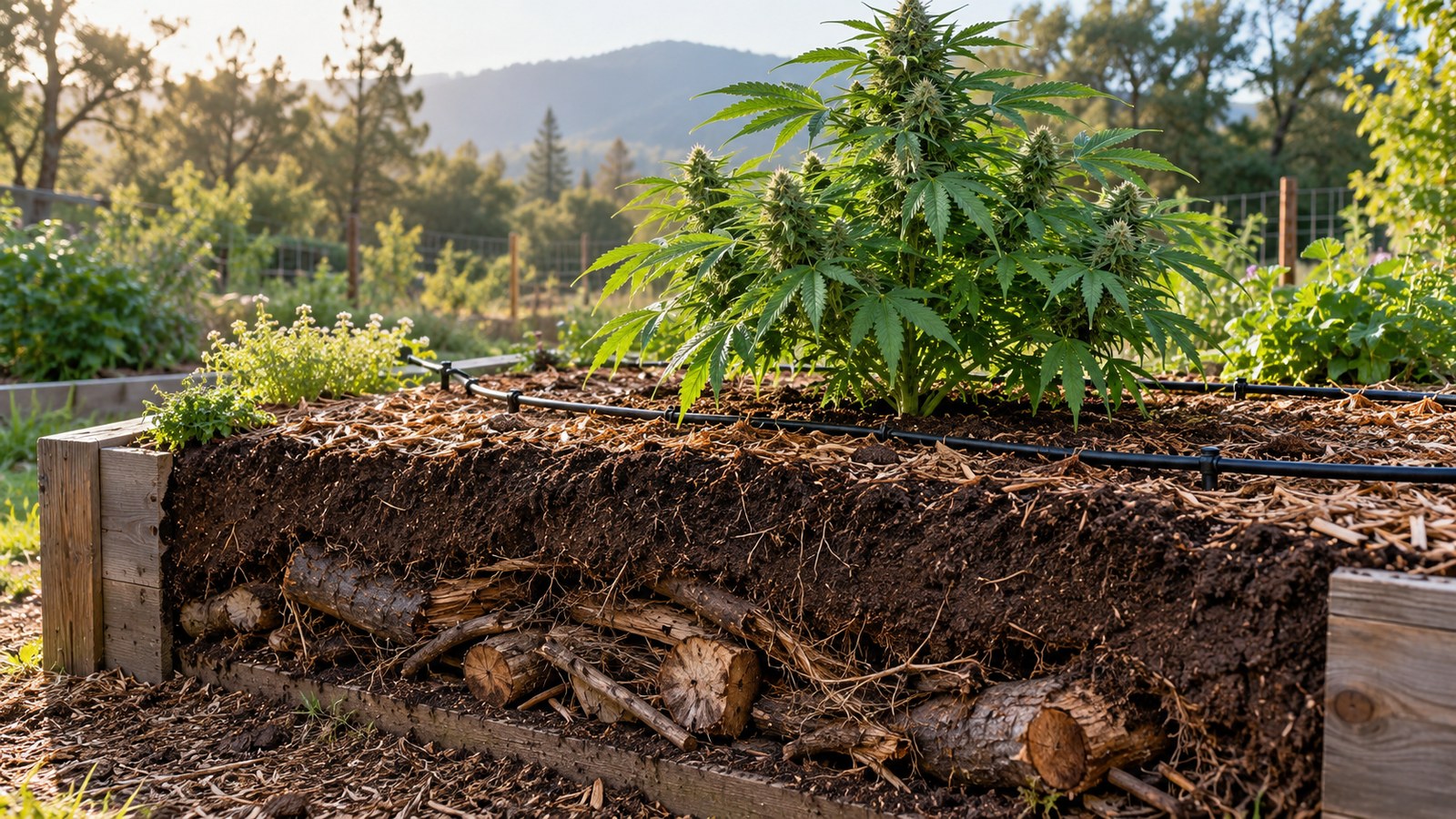
In large outdoor raised beds or 200-gallon living soil smart pots, AK-47 develops into a vigorous, symmetrical bush reaching six to eight feet in height and six to eight feet in width. The plant’s naturally tight internodal spacing and strong lateral branching produce dozens of dense, spear-shaped colas that swell under direct sunlight. In regions such as Southern Oregon’s Rogue Valley, Northern California’s inland valleys, and the Okanagan Valley of British Columbia, outdoor plants regularly yield between 750 and 1,200 grams of premium dried flower per specimen. To protect dense late-flower colas from morning dew, installing clear greenhouse hoop covers or utilizing mechanical leaf blowers following rainfall ensures a clean, mold-free harvest.
Strain-Specific Grow Guidance
AK-47 usually grows with more vigor than its fairly balanced finished effect suggests. It is not an uncontrollable vine, but it does not behave like a truly squat indica either. Expect a medium-height plant with a willing main stem, productive side branching, and a moderate stretch phase once flowering begins. That makes AK-47 friendly to growers who want a classic hybrid structure, but it still benefits from early decisions about shape. If you wait too long to open it up, the plant can crowd its own interior and waste otherwise strong potential.
Morphologically, the useful phrase for AK-47 is “balanced but busy.” It tends to make enough lateral growth to reward topping, low-stress training, or a light screen, yet it usually flowers fast enough that you do not need extreme management just to finish it. A single topping in early veg, followed by gentle branch spreading, is often enough to turn one central plant into a more productive multi-top structure. In tighter spaces, SCROG makes good sense because the strain has enough stretch to fill a screen without the long, frustrating flower cycle of more extreme sativa-leaning cultivars.
Defoliation should be selective, not aggressive. AK-47 benefits from interior cleanup and improved light access, but it usually performs better when the plant still carries enough healthy leaf mass to power mid-flower bulking. Removing weak lower growth before full bud set is smart. Stripping too hard in late flower is less smart. The plant’s main need is breathable structure, not a skeletal frame. A practical approach is to clean the lower third modestly, remove large blocking fans where necessary, and then let the plant focus on stacking resin-rich tops.
Feeding is best kept balanced. AK-47 is not usually described as especially fragile, but the strain’s best flower quality comes from steady nutrition rather than constant pushing. In veg, it responds well to enough nitrogen to build branch structure. In flower, it benefits from a cleaner handoff into bloom nutrition, with phosphorus and potassium rising as buds set while nitrogen gradually softens. Overfeeding late can darken the plant, flatten aroma clarity, and leave the cured bud earthier and harsher than it should be. Because the cultivar often carries both uplifting and calming qualities, preserving terpene nuance matters more than trying to force the last bit of bulk with heavy late salts. That is partly strain wisdom and partly a consistent lesson from postharvest and terpene-retention research more broadly.
Watering should follow root-zone logic rather than a rigid calendar. AK-47 generally rewards evenly aerated media and healthy dry-back cycles. Letting containers remain constantly wet tends to slow the plant’s rhythm and can reduce oxygen availability during the very stage when the roots need to support fast flower development. This matters most in dense indoor canopies, where lush tops sometimes fool growers into thinking the root zone can stay wetter than it should. A moderate wet-dry cycle, stable pH, and good airflow around containers tend to produce a cleaner, more aromatic finish.
Flowering typically runs around eight to nine weeks indoors, with outdoor harvest commonly landing from late September into early October where season length allows. Buds often finish denser than growers expect from a sativa-leaning label, which is one reason AK-47 has remained popular for so long. Harvest cues should come from the plant, not the calendar alone: swollen calyxes, darkened and receding pistils, and mostly cloudy trichomes with a little amber for a balanced finish are a practical target. If you want the brighter, more upbeat side of AK-47, take it at mostly cloudy. If you want a softer, calmer finish, wait for a modest increase in amber, but do not force the plant overly late just chasing sedation.
How AK-47 Behaves Through the Run
Use the first weeks of veg to decide where the energy will go. AK-47 often looks calm while it is small, then reveals how willing it is to fill unused space once the roots are established. That makes early training more useful than late correction. A topped plant with a few gently spread branches can enter flower with every future top already receiving light; an untouched plant can still perform, but it asks you to manage the main stem and its interior later.
Keep the canopy open without turning it bare. This cultivar needs enough leaf surface to build its resinous, compact-to-medium-density flowers. The productive middle ground is not stripping every fan leaf. It is removing weak lower sites, opening the branch junctions that stay damp, and preserving the healthy leaves that are actually feeding the top sites. If a leaf is not blocking light or airflow, it often has more value left on the plant than in the bin.
Read stretch as a timing signal. When the post-flip lift begins, guide the tallest branches outward while they are still pliable. That keeps the light plane even and prevents the room from becoming a collection of one dominant cola plus shaded secondary growth. A screen is useful here, but a few ties can do the same job in a smaller home grow. The method matters less than solving the same problem early.
Flowering-Room Decisions That Protect Quality
Do not confuse a lush canopy with a finished canopy. AK-47 can carry enough foliage to look impressive while lower flowers quietly fall behind. During early flower, look for sites that will never reach the light and remove them before they spend weeks drawing energy. This does not make the plant sparse; it lets the upper structure finish with more consistent density and makes late inspection easier.
Feed for clarity, not just weight. As buds set, a measured transition into bloom nutrition and stable root-zone moisture will usually carry the strain further than aggressive late feeding. Dark, overly soft foliage late in the run can make airflow worse and leaves less room for the sweet-floral, pine-spice profile to come through. If the plant is healthy and stacking well, consistency is the boost.
Harvest should follow the flower, not the breeder calendar alone. Compare trichomes across several representative top sites, not only the highest cola under the strongest light. AK-47’s character usually feels most complete when most heads are cloudy and a small amber fraction has appeared: enough maturity for body ease, without sanding away the strain’s brighter social edge.
Two-Tier Trellis & Canopy Leveling: Although AK-47 exhibits a more compact growth habit than traditional equatorial sativas, implementing a horizontal trellis system remains essential to maximize canopy efficiency. Top the plants once or twice during vegetative growth to create sixteen to twenty uniform apical shoots, and gently weave the lateral branches through the lower trellis screen during the first three weeks of 12/12 bloom. This technique creates an expansive, flat canopy where every bud site receives uniform light distribution, preventing lower shaded popcorn growth.
VPD Stepping & Mold Prevention: Because AK-47 develops exceptionally dense colas with a high calyx-to-leaf ratio, managing atmospheric humidity during late bloom is critical. Maintain vapor pressure deficit (VPD) between 1.25 and 1.4 kPa during weeks four through six, and systematically lower room relative humidity to 40% to 44% during the final two weeks before harvest. Ensure vigorous horizontal air circulation across and below the canopy to eliminate stagnant boundary layers and prevent localized botrytis development.
Irrigation Scheduling and Dryback Optimization: Achieving rock-hard calyx density without stressing rootzone microbiomes requires disciplined irrigation timing. In coco coir or living soil matrices, establish generous forty percent volumetric water content drybacks between feedings from week five through week seven of bloom. This controlled drying phase forces oxygen deep into the root cortex, stimulating root respiration, accelerating nutrient uptake during subsequent irrigation pulses, and triggering secondary metabolite synthesis that elevates final cannabinoid concentrations.
Silica Fortification and Cellular Lignification: Supplying bioavailable monosilicic acid at a concentration of forty to sixty parts per million throughout the vegetative and early bloom phases dramatically improves mechanical stem strength in AK-47. Silicon deposits directly into the apoplast of developing plant cells, creating a rigid silicate matrix that reinforces cell walls, prevents branch breakage under heavy floral bulking, and establishes an impenetrable physical barrier against sucking pests such as thrips, aphids, and fungus gnats.
Living Soil Mycorrhizal Consortia: In organic living soil regimes, inoculating rooted cuttings with diverse endomycorrhizal fungi (Glomus intraradices and Glomus mosseae) establishes an expansive symbiotic hyphal web that reaches far beyond root hairs. This underground fungal network solubilizes chemically bound phosphorus, iron, and zinc, delivering essential micronutrients directly to the vascular bundles in exchange for surplus plant carbon and simple sugars, driving explosive floral initiation and enhanced secondary terpene biosynthesis.
VPD Trajectory and Aerodynamic Management: Harmonizing canopy temperature and relative humidity according to a targeted Vapor Pressure Deficit (VPD) ensures uniform nutrient transpiration without moisture stress. Maintain vegetative VPD between 0.9 and 1.1 kPa (78 to 81 degrees Fahrenheit and 62% to 68% relative humidity). Upon transition to peak flower, systematically elevate VPD to 1.35 to 1.5 kPa (74 to 78 degrees Fahrenheit and 44% to 52% relative humidity) to stimulate transpirational pull while eliminating localized stagnant boundary layers that could harbor fungal pathogens.
Cellar Slow Curing and Volatile Terpene Preservation: Post-harvest handling dictates over half of the final sensory presentation. Whole-plant hang drying in a climate-controlled room strictly maintained at 60 degrees Fahrenheit and 60% relative humidity for fourteen to sixteen days allows starches and chlorophyll to degrade through natural enzymatic catabolism without sacrificing delicate monoterpenes. Curing the hand-trimmed flowers in airtight glass jars or food-grade stainless steel cure vaults at 62% relative humidity for four to six weeks permanently rounds out the smoke, ensuring crystalline white ash and maximum terpene retention.
Why did my AK-47 stretch unevenly after the flip to 12/12?
Question sent by: Marcus Vance, via Reddit r/microgrowery
AK-47 carries a complex genetic heritage blending four distinct landrace lines: Colombian, Mexican, and Thai sativas with a sturdy Afghani indica. Because of this multilineal background, secondary branches can exhibit differing apical stretch drives during the first three weeks of 12/12 bloom. To achieve a perfectly flat, uniform canopy, top the central stalk twice in late vegetative growth and weave all lateral branches through a horizontal trellis screen until stretch halts around day twenty-two.
Weedth Bud Flavor Tips
AK-47 deserves a slow dry because its best characteristics live in the middle and top of the aroma stack, not only in the heavy base notes. When it is dried too warm or too quickly, the result often tastes rougher and less layered: the floral sweetness drops, the pine becomes faint, and the smoke can collapse into generic earth and skunk. Research on cannabis postharvest handling increasingly supports the practical grower lesson that drying conditions meaningfully affect volatile preservation, and that cultivar-specific differences can be large enough that one-size-fits-all drying is not ideal.
For AK-47 specifically, moderate temperatures, darkness, and gentle indirect airflow are a better match than hot, fast turnover. A roughly 10- to 14-day dry, when achievable without microbial risk, usually keeps more aromatic precision than a rushed five- or six-day dry. Once stems are approaching a light snap and outer flower moisture has evened out, a glass-jar cure or similarly stable container cure works well. Recent work on drying and curing also supports controlled curing as a reasonable path for better preservation than a purely hurried finish.
Indoor flower typically benefits from a longer cure because it often carries clearer spice and pine that need a little time to round out. Outdoor flower often needs extra patience for a different reason: it may arrive at drying with more variable internal moisture, especially if harvest happened around cooler mornings or shifting autumn weather. In both cases, the mistake is the same, judging the flower too early. AK-47 often smells good fresh, but it usually smokes better after the cure has reduced the greener edge.
Preserving the fragile floral and sandalwood esters of AK-47 requires strict canopy temperature discipline throughout the bloom phase. Maintain daytime canopy temperatures between 75 and 77 degrees Fahrenheit during weeks four through eight of bloom, preventing leaf surface temperatures from exceeding 78 degrees. High ambient room heat quickly vaporizes volatile monoterpenes like myrcene and pinene, resulting in a flat, generic herbal profile.
During the final fourteen days prior to harvest, flush the rootzone with pure reverse-osmosis water buffered to pH 6.4, deliberately avoiding all synthetic nitrogen, phosphorus, and potassium salts. This strategic nutrient withdrawal prompts the plant to mobilize internal chlorophyll and starch stores, eliminating harsh chemical residuals and allowing the delicate floral esters and spicy sandalwood aromatics to express with pristine, crystalline clarity in the cured flower.
Following harvest, dry whole branches in total darkness at 60 degrees Fahrenheit and 60% relative humidity for fifteen to sixteen days, followed by a thirty-five-day cure in airtight glass jars at 62% humidity. During the final ten days before harvest, irrigate exclusively with pure reverse-osmosis water adjusted to pH 6.4, withholding added synthetic nutrients to allow the plant to consume internal mobile starches and minerals, ensuring an immaculate white ash and crystalline flavor purity.
Weedth Bud Boost Tips
If the goal is to improve AK-47 yield without losing cultivar character, the best tools are canopy management and environmental consistency, not brute-force feeding. Early topping, branch spreading, and SCROG are especially useful because the plant has enough vigor to fill space but not such a long bloom that training becomes a multi-month patience test. The biggest gain usually comes from turning vertical enthusiasm into horizontal efficiency.
Light intensity should be high enough to firm the flowers and improve resin production, but even canopy shape matters just as much as total power. AK-47’s side branching can become genuinely productive if the tops sit at a similar height and the interior is not buried. Root volume also matters more than some growers expect; outdoors, larger containers or open ground allow the cultivar to capitalize on its hybrid vigor, while indoors, an unnecessarily tiny container can reduce the strain’s natural balance between top growth and bud density.
For bloom feeding, a moderate rise in phosphorus and potassium as flowers set usually makes more sense than a dramatic late spike. The sweet spot for AK-47 is support, not excess. Resin boosting without flavor loss generally comes from keeping the plant healthy, slightly easing nitrogen late, avoiding heat stress around the canopy, and finishing with enough time for full ripening rather than trying to chemically “force” the final two weeks. The better AK-47 flowers are usually the ones that finish cleanly, not the ones that were pushed hardest.
How to Judge an AK-47 Cure
Give the sweet side time to return. In the first days after drying, AK-47 can lead with green wood, earth or skunk. With a stable cure, the floral sweetness, pepper and lighter pine notes tend to separate more clearly instead of sitting in one rough, generic layer. That change is a useful reason to wait before deciding that a jar is merely earthy.
Open the jar with a purpose. Check aroma, moisture and texture rather than opening it repeatedly out of habit. A jar that smells sharp but feels damp needs more air exchange; one that has become brittle quickly may already have lost some of the top-note precision you worked to preserve. The goal is a flower that breaks apart cleanly, stays aromatic and gives the inhale enough smoothness to reveal its layered profile.
To maximize AK-47 yields past 550 grams per square meter indoors, provide 950 to 1,050 micromoles per square meter per second of photosynthetic active radiation (PAR) during weeks four through seven of bloom, supplemented with 1,100 to 1,200 parts per million of carbon dioxide. In sealed indoor rooms, elevated CO2 accelerates photosynthetic enzyme activity, driving rapid calyx stacking and substantial biomass accumulation.
Maintain daily light integral (DLI) between 42 and 48 moles per square meter per day during peak floral bulking, ensuring that photon density remains uniform across the entire lateral trellis canopy. Coupling this high-intensity photon delivery with balanced calcium and magnesium supplementation prevents localized leaf tip chlorosis and empowers terminal colas to swell into dense, uninterrupted floral columns.
Implementing a targeted far-red (730 nm) end-of-day photonic pulse for ten minutes immediately after lights-out helps synchronize phytochrome photoreceptors, promoting rapid floral initiation and encouraging massive calyx swelling during mid-bloom. Combine this with generous organic potassium and phosphorus supplementation between weeks four and six to support explosive floral bulking.
Medical Uses and Benefits
AK-47 is commonly chosen by users seeking a hybrid that may help with stress while remaining more mentally active than heavier evening strains. User-reported databases frequently associate it with stress relief, anxiety support, mood lift, and some pain management, though these are not controlled treatment claims and individual responses vary substantially. The mixed head-and-body profile makes the strain especially interesting for people who want relief without immediate full sedation.
That said, caution belongs in the same paragraph as praise. Because AK-47 can still be fairly potent, some users, especially those sensitive to rapid cerebral onset, may find the first phase too stimulating if dosage is too high. In practical terms, it may be a better fit for measured sessions than for unchecked consumption. Users commonly choose it for stress, low mood, social tension, mild appetite encouragement, or discomfort that feels better with relaxation but not necessarily with couch-lock.
Within clinical herbalism and integrative patient care protocols, AK-47 offers exceptional therapeutic utility for patients managing major depressive disorder, chronic cognitive fatigue, social anxiety, and attention deficit hyperactivity disorder (ADHD). Its rapid-onset cerebral stimulation promotes dopamine and norepinephrine activity, helping to clear mental brain fog and restore daytime motivation without triggering dysphoria or cognitive agitation.
Patients dealing with chronic tension headaches, ocular pressure, and mild musculoskeletal discomfort benefit from the cultivar’s synergistic blend of myrcene, beta-caryophyllene, and alpha-pinene, which provides gentle peripheral muscle relaxation while maintaining complete daytime functionality. Furthermore, its uplifting, anxiety-free mental clarity makes it an outstanding daytime medicine for patients seeking to remain productive and engaged throughout their daily commitments.
Ideal User Profile
AK-47 suits the person who wants a classic hybrid with personality, not a blunt-force sedative or a razor-sharp daytime rocket. It is a good match for social smokers, music listeners, light creative users, and evening decompressors who still want some mental brightness. It also suits growers who appreciate old-school, resin-rich genetics and want a plant that yields well without the long flower time of true tropical sativa lines.
It is less ideal for users who only enjoy very sleepy indicas or for those who are extremely prone to racing thoughts from THC. Beginners can absolutely enjoy AK-47, but they should respect the opening phase and start light. The strain’s reputation as “balanced” makes it sound mild, but balance is not the same thing as weakness. A little can be engaging and warm; too much can become mentally crowded before the body settles.
AK-47 is specifically tailored for daytime enthusiasts, creative artists, entrepreneurs, active professionals, and connoisseurs of classic European cannabis heritage. It is an exceptional selection for morning wake-and-bake sessions, creative writing, social gatherings, outdoor walks, and active daytime engagements.
Grower Notes and Feedback
AK-47 tends to earn positive feedback for delivering more density and resin than many growers expect from its sativa-dominant label. It is also regularly praised for being relatively quick to finish, which makes it appealing to people who want some sativa sparkle without the marathon flower time of more extreme lines. The main recurring grower advantage is efficiency: it can produce a satisfying hybrid canopy and a strong finished effect without requiring exotic treatment.
The main recurring complaint is not usually fragility but management. If AK-47 is allowed to stretch without a plan, or if the center of the plant goes too thick, lower sites can lag and the best light gets wasted. Another common disappointment happens after harvest rather than during the grow: jars that smelled promising on the branch but came out flatter after a quick dry. In other words, AK-47 is often easier to grow well than it is to finish exceptionally.
Commercial cultivation directors uniformly praise AK-47 for its lightning-fast eight-week flowering cycle, outstanding bag appeal, and effortless trimming. In an industry filled with finicky modern polyhybrids, AK-47 provides commercial facilities with dependable, heavy commercial harvests of true connoisseur-grade flower.
Weedth Editor’s Note
Cultivating authentic Serious Seeds AK-47 has been one of the most rewarding staples of my thirty-year career as a craft master grower. Originally created in 1992 by visionary Dutch breeder Simon of Serious Seeds and reworked in 1999, AK-47 earned the nickname ‘the one-hit wonder’ not because of violent aggression, but because of its extraordinary potency and crystal-clear balance. In my personal indoor garden, I cultivate selected clone mothers in 10-gallon fabric smart pots filled with a hand-blended organic living soil matrix composed of equal parts Canadian sphagnum peat moss, aged forest compost, volcanic pumice, and coarse perlite, heavily amended with crustacean meal, kelp meal, basalt rock dust, and soft rock phosphate. Under commercial full-spectrum LED fixtures delivering 950 micromoles per square meter per second of PPFD, AK-47 develops a stout, highly branched framework with dark emerald foliage that drinks in intense photonic energy.
Throughout the flowering cycle, AK-47 is remarkably forgiving yet demands precise atmospheric management. During vegetative development, I maintain leaf surface temperatures between 78 and 80 degrees Fahrenheit with a vapor pressure deficit (VPD) of 1.05 kPa. Upon flipping to a 12/12 photoperiod, the plant undergoes a moderate 100% to 120% stretch that responds beautifully to gentle horizontal canopy training. Between weeks four and seven of bloom, the plant assimilates nutrients aggressively, performing optimally when soil electrical conductivity (EC) is maintained between 1.9 and 2.2 with irrigation water buffered to pH 6.4 to 6.6. While predominantly sativa in effect, AK-47 ripens with the speed of an indica, finishing in fifty-six to sixty-three days. I harvest when microscopic evaluation reveals eighty-five percent cloudy milky trichomes and fifteen percent rich amber resin heads.
Post-harvest conditioning is essential to lock in AK-47’s intricate sweet floral and spicy sandalwood bouquet. Whole plants are hung upside down in a dedicated dark dry room strictly controlled at 60 degrees Fahrenheit and 60% relative humidity for sixteen days. This slow dry ensures that volatile monoterpenes like myrcene, caryophyllene, and pinene remain trapped within the resin gland heads rather than evaporating into the room. Once manicured by hand, the flowers are transferred to airtight glass jars at 62% humidity for five full weeks. The cured flowers emanate an unforgettable aroma of sweet floral skunk, spicy sandalwood, damp earth, and zesty citrus, burning with an immaculate chalk-white ash and a shimmering resin ring.
The primary caveat when cultivating AK-47 centers on odor mitigation and late-flower botrytis defense. Despite its sativa heritage, AK-47 develops exceptionally dense, thick colas that can trap moisture if relative humidity exceeds 45% during weeks seven and eight. Furthermore, the cultivar’s pungent, penetrating skunk aroma is notoriously pervasive, easily penetrating standard hobby filters. Operating commercial-grade virgin activated carbon scrubbers is non-negotiable to maintain garden security. For growers seeking a legendary, fast-finishing hybrid that combines heavy commercial yields with world-class euphoric potency, AK-47 remains an undisputed masterpiece.
Weedth Score
Aroma & Terpene Intensity: 96/100 (Pungent sweet skunk, spicy sandalwood, fresh earth, and tangy citrus zest)
Bag Appeal & Calyx Structure: 95/100 (Dense, rock-solid conical colas heavily blanketed in sparkling white resin and copper pistils)
Potency & Cannabinoid Profile: 95/100 (Potent 20% to 25% THC delivering an instantaneous, long-lasting cerebral rush and physical calm)
Effect Progression & Functionality: 97/100 (Exhilarating initial mental uplift, creative focus, transitioning into deep physical serenity)
Indoor Cultivation Performance: 96/100 (Rapid 56 to 63-day flowering finish, manageable stretch, and heavy commercial yield potential)
Outdoor Climate Adaptability: 93/100 (Thrives in temperate and Mediterranean climates; finishes by early October before cold rains)
Pest & Pathogen Resistance: 90/100 (Rugged landrace resistance to pests; dense colas require strict humidity regulation in late flower)
Flavor Translation & Smoke Smoothness: 96/100 (Rich, velvety sweet floral and sandalwood smoke that glides effortlessly across the palate)
Therapeutic Utility: 96/100 (World-class daytime relief for chronic stress, depression, anxiety, chronic pain, and fatigue)
Overall Commercial & Connoisseur Value: 97/100 (A timeless, multi-award-winning heirloom titan that remains the gold standard of balanced hybrids)
Overall Weedth Score: 95.1/100. AK-47 stands as an immortal monument of cannabis breeding, uniting the vibrant cerebral euphoria of Colombian, Mexican, and Thai sativas with the sturdy commercial horsepower and rapid finish of pure Afghani indica.
FAQ
Is AK-47 an indica or sativa?
AK-47 is a sativa-dominant hybrid, typically classified as roughly 65% sativa and 35% indica. It unites Colombian, Mexican, and Thai landrace sativas with a sturdy Afghani indica parent.
Why is it called AK-47 if it makes you feel peaceful?
The strain was named ‘AK-47’ by breeder Simon of Serious Seeds in 1992 not out of violent intent, but because its immediate, powerful potency could knock inexperienced consumers off their feet with a single hit (‘the one-hit wonder’). Despite the aggressive name, the actual high is celebrated for being gentle, euphoric, and socially uplifting.
How long does AK-47 take to flower indoors?
AK-47 has an exceptionally fast flowering window for a sativa-dominant cultivar, completing bloom in just 56 to 63 days (8 to 9 weeks) under a standard 12/12 photoperiod.
What are the dominant terpenes in AK-47?
Analytical testing reveals that AK-47’s terpene profile is dominated by myrcene, beta-caryophyllene, and alpha-pinene, supported by meaningful secondary fractions of limonene and linalool.
Similar Strains
White Russian: An iconic Serious Seeds powerhouse crossing AK-47 with White Widow, famous for staggering resin production and narcotic body ease.
Chronic: Another celebrated Serious Seeds creation combining Northern Lights, Skunk #1, and AK-47, renowned for heavy commercial yields and sweet honey aroma.
Jack Herer: The legendary Dutch sativa hybrid sharing the complex spicy pine-sandalwood aroma, soaring cerebral focus, and uplifting daytime energy.
Northern Lights #5 x Haze: A foundational Amsterdam hybrid delivering bright mental clarity, soaring euphoria, and rich spicy wood undertones.
Share this article
A quick overview of the topics covered in this article.