
Alien Rock Candy
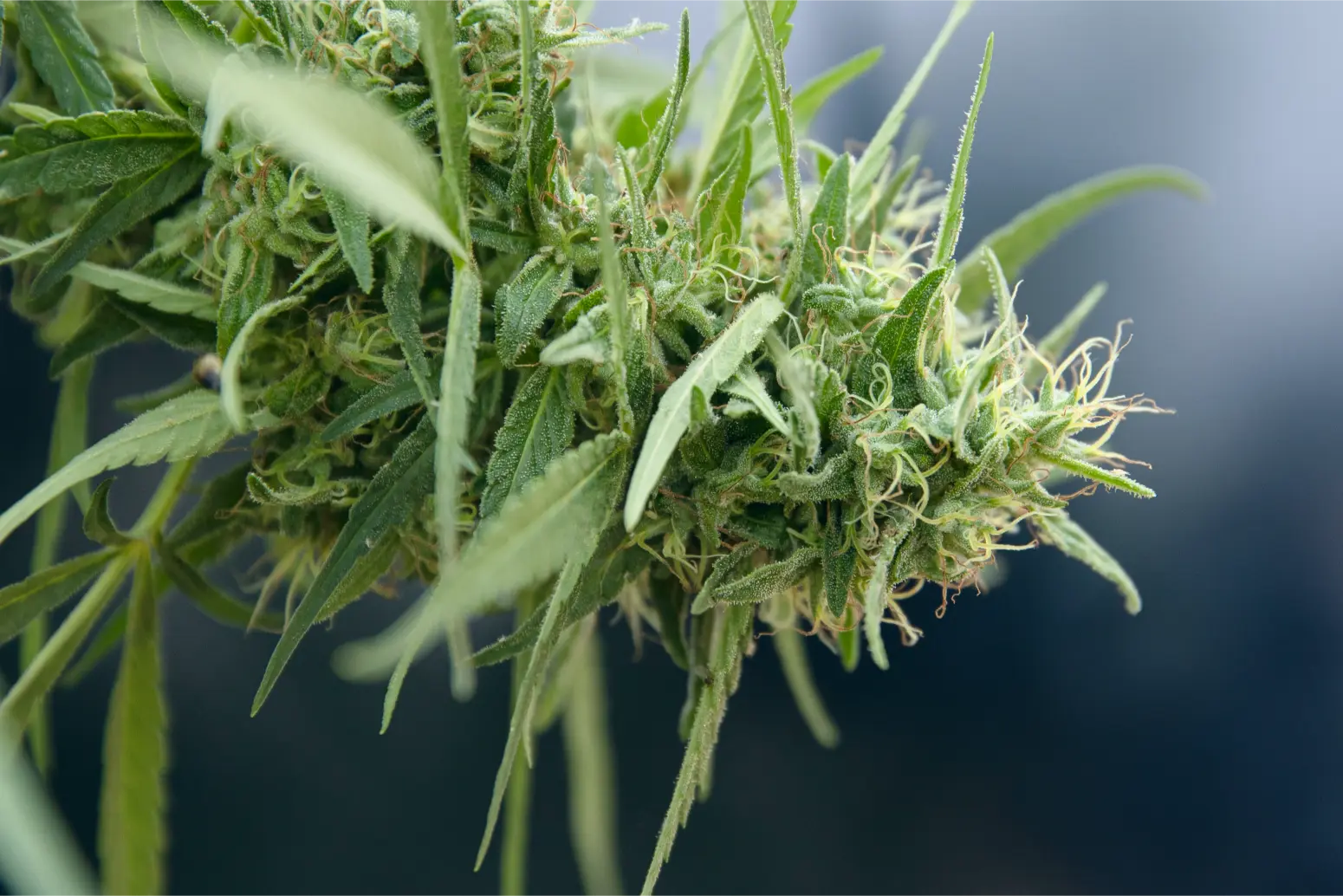
Alien Rock Candy, often shortened to ARC and sometimes called Alien Candy, is an indica-leaning hybrid commonly documented as Sour Dubble x Tahoe Alien. The cultivar is known for sticky, densely resinous flowers and a sweet-sour aromatic profile that can combine lemon-lime candy, citrus, fruit, pine, earth, and a mild kush-like depth. It is often described as relatively easy to grow and fast to flower, but a quality-focused run still has one central challenge: dense resin-rich flowers must be kept healthy and aromatic through the finish and dry.
The plant can grow quickly in vegetative conditions, and the relatively short flowering cycle can make it attractive to growers who want a faster photoperiod hybrid without sacrificing resin. The mistake is to interpret speed as permission to rush post-harvest. Alien Rock Candy's candied citrus character is one of its most valuable traits, and that character can be reduced dramatically by heat, excessive airflow, or overdrying.
For Weedth, the cultivar is best approached as a resin-and-flavor strain rather than a maximum-biomass strain. The ideal harvest is a high percentage of dense, intact, trichome-rich flowers that retain sour citrus sweetness after cure.
Strain Features
| Feature | Details |
|---|---|
| Type | Indica-dominant hybrid |
| Core genetics | Sour Dubble x Tahoe Alien |
| Common aliases | Alien Rock Candy, ARC, Alien Candy in some markets |
| Typical THC | Commonly reported from high teens into low-to-mid 20s depending on material |
| CBD | Usually low |
| Indoor flowering | Often around 8 weeks, with some plants extending toward 9 |
| Plant structure | Fast vegetative growth, medium overall size, strong branching |
| Stretch | Moderate, phenotype dependent |
| Yield | Medium to medium-high; quality yield can be excellent |
| Bud structure | Dense, sticky, resin-coated flowers, sometimes compact or popcorn-like clusters |
| Aroma | Sweet citrus, lemon-lime, sour candy, fruit, pine, earth, mild fuel |
| Flavor | Candied citrus, sour fruit, lemon, sweet herbs, earthy finish |
| Common terpene pattern | Myrcene, limonene, caryophyllene frequently reported |
| Grow difficulty | Easy to moderate, with late flower humidity as the main hidden challenge |
| Training response | Good response to topping and LST |
| Main risk | Dense flower interiors plus excessive humidity or rapid post-harvest drying |
| Quality priority | Trichome integrity and persistent sour-citrus candy flavor |
Genetic Lineage
Alien Rock Candy is most consistently documented as a cross of Sour Dubble and Tahoe Alien. The lineage explains both the sensory profile and the plant's practical behavior. Sour Dubble contributes sour fruit, citrus, sweetness, resin, and a bright edge to the effect. Tahoe Alien contributes structure, density, kush-like depth, and strong resin expression.
Some secondary strain databases or commercial labels confuse Sour Dubble with similarly named Sour Bubble material. Growers should use the stated parentage of their exact source rather than assuming every "Alien Candy" product is genetically identical. This guide uses Sour Dubble x Tahoe Alien as the core identity.
The Sour Dubble side is important for flavor selection. Good phenotypes carry a sharp sour-fruit or lemon-lime note into late flower. Weaker expressions may smell sweet and earthy but lose the sour edge. Tahoe Alien influence can deepen the flower structure and add pine, soil, fuel, or kush-like background notes.
The most useful keeper is usually not the plant with the highest raw wet weight. Dense resinous flowers increase weight quickly, but if branch interiors are shaded or humidity is poorly controlled, premium quality drops. Keeper selection should include flower density without internal rot, resin coverage, trim quality, cured aroma, and whether the citrus-candy character survives storage.
The lineage also explains the effect progression. Alien Rock Candy is usually calming overall, but many users report a euphoric or uplifting first wave before physical heaviness builds. A Sour Dubble-leaning phenotype may feel brighter and more citrus-forward. A Tahoe Alien-leaning phenotype may feel heavier, earthier, and more sedating.
Color is usually secondary to resin. Flowers are often green with orange or rust-colored pistils and heavy frost. Some phenotypes can show darker hues, but ARC's bag appeal comes primarily from trichome density and sticky flower texture, not dramatic pigmentation.
Effect Breakdown
Alien Rock Candy usually has a delayed or building quality rather than a purely immediate sedative effect. The first few minutes can feel euphoric, warm, and mentally pleasant. Some users report a mild social or giggly lift before the body effect becomes obvious.
The middle phase is the defining part. Relaxation expands through the body while mental tension softens. The user may remain awake and engaged but becomes less interested in physical activity. Music, games, a film, or quiet conversation fit this phase well.
At higher doses, heaviness becomes more pronounced. Limbs feel weighted, appetite may increase, and sleepiness can follow. This is why the cultivar is often preferred in the evening. A small dose can still be balanced, but the strain has a clear capacity to become sedating.
The effect can feel stronger than a simple THC number suggests because onset speed, terpene profile, dose, and individual tolerance all shape experience. A novice should not chase the effect by redosing quickly.
Negative effects can include dry mouth, dry eyes, dizziness, anxiety, and excessive sedation. Because the high can build over several minutes, waiting before taking more is especially sensible.
A slightly earlier mature harvest can preserve more of the uplifting first phase. More amber can shift the result toward heavier body effects. As always, harvest preference should not push the plant past flavor peak.
Flavor & Aroma Profile
Alien Rock Candy is named accurately when grown well. The best flowers can smell like sour citrus candy layered over fruit, pine, earth, and resin. Lemon-lime is common, but apricot, orange, sweet herbs, or grape-like fruit can appear in individual expressions.
The live plant can begin relatively green and sour. As resin accumulates, sweetness increases. Breaking a late flower open can release a much sharper citrus aroma than smelling the intact cola from a distance.
On inhalation, sweet citrus usually arrives first. The exhale becomes more sour, earthy, and slightly piney. A faint kush or fuel note can remain at the back of the palate. The most successful cure does not eliminate the sourness; it smooths the edges while preserving contrast.
A poor dry turns ARC into generic sweet earth very quickly. Because the flowers are resinous, growers sometimes assume aroma is protected automatically. Resin does not prevent volatile loss. Hot moving air can strip lemon and sweet fruit while leaving heavier sesquiterpene-like spice and earth.
Overly wet curing is the opposite failure. Dense flowers can retain internal moisture even when the surface feels dry. If jarred too early, the aroma can become dull, grassy, or fermented. Large buds should be checked for moisture equalization before long-term storage.
The flavor target is persistence. A good jar should smell sweet before the bud is broken, become sharper and sourer when ground, and still deliver lemon or fruit on exhale.
Dominant Terpenes
Common terpene panels for Alien Rock Candy frequently feature myrcene, limonene, and caryophyllene.
Myrcene supports earthy, musky, herbal, and ripe-fruit depth. It can make the candy profile feel denser rather than bright and thin.
Limonene is central to lemon, orange, and citrus-candy notes. It is one of the compounds most vulnerable to heat and prolonged oxygen exposure.
Caryophyllene contributes pepper, dry spice, and woody warmth. It provides structure beneath the sweetness.
Other samples may contain pinene, humulene, linalool, valencene, or additional terpenes. Exact ranking is not universal.
For growers, the practical point is that ARC's signature depends on keeping lighter citrus volatiles present alongside heavier earthy compounds. If the cure preserves only myrcene-like earth and caryophyllene-like spice, the cultivar loses much of its identity.
Indoor vs. Outdoor Growing
Indoors, Alien Rock Candy is attractive because it can move quickly through veg and finish in roughly eight weeks. This creates good cycle efficiency. The plant can be topped and trained into a compact multi-cola structure without needing a very long vegetative period.
The main indoor challenge is flower density. As buds harden, air must reach the interior canopy. A room that is comfortable in early flower can become too humid when the plant's transpiration and flower mass increase.
A moderate plant count usually works better than overcrowding. Give each plant enough horizontal area that side branches are separate. If a screen is used, leave open squares rather than filling every space.
Outdoors, ARC can grow larger than its indoor reputation suggests. Strong vegetative growth and a broad root zone can create a substantial plant. Support is still useful because dense flowers add weight.
The relatively quick finish can help outdoor growers avoid very late-season weather, but climate still matters. Warm dry summers with a reasonably dry autumn are ideal. Persistent humidity requires extra spacing and regular inspection.
Outdoor sun can produce strong citrus and pine complexity, but extreme heat can reduce aromatic brightness. Mulch can stabilize root-zone moisture, provided the stem base remains dry and the soil drains well.
Strain-Specific Grow Guidance
Vegetative speed
Alien Rock Candy often establishes quickly once roots are active. Do not confuse fast growth with a need for heavy fertilizer. Give the plant enough nutrition to stay healthy, then use structure rather than nutrients to control vigor.
Top early if a multi-cola plant is desired. The cultivar usually responds well. After topping, use LST to spread the new leaders and expose interior growth.
Plant count
Because veg is fast, fewer plants can fill a space efficiently. High plant density can create a humid forest by mid flower. A lower count with better branch spacing often produces more premium bud.
Stretch
Stretch is usually manageable but should still be recorded. Some Sour Dubble-leaning plants can extend more than expected. Flip before the canopy is completely full.
Leaf management
Dense flower does not always mean dense leaves, but overlapping interior foliage should be addressed. Remove weak shoots and leaves that create direct moisture traps.
Do not strip heavily for "better light penetration." Keep enough leaf area to support rapid flower production.
Root zone
ARC grows best with oxygen around the roots. Soil should be well aerated. Coco should drain freely. Chronic wetness slows the same vigorous plant that otherwise appears easy.
Use container weight, moisture sensors, or direct observation rather than watering by rigid schedule.
Feeding
More feed is not automatically more quality
Moderate feeding is usually sufficient. Excess nitrogen near the flip can create soft leafy growth that complicates a short flowering cycle. The cultivar does not have time to spend weeks correcting overfeeding.
During flower, maintain balanced nutrition and avoid large late EC spikes. Dense buds come from healthy photosynthesis, not simply from high phosphorus concentration.
Light
ARC can benefit from strong light because the cycle is short and the cultivar is capable of good resin. Increase intensity gradually. Uniform canopy exposure matters more than maximum center values.
Light stress can bleach the very resinous tops growers are trying to improve. If calyx tips lose pigment or leaves taco upward, correct the environment before adding more intensity.
Humidity
Late humidity is the main hidden risk. Dense resinous flowers create an interior environment that room sensors cannot measure directly. Lower dark-period RH and keep gentle air movement through the plant.
Avoid directing a fan strongly at one cola. This can dry the surface while interior moisture remains high.
Temperature
Moderate temperatures preserve citrus. The plant can tolerate normal warm vegetative conditions, but late flower should not be unnecessarily hot.
Do not use extreme cold to create color. ARC is not a color-dependent quality cultivar.
Flower development
The cultivar forms dense clusters relatively quickly. Resin can appear early, which tempts growers to think maturity is close. Continue watching calyx expansion and trichome development rather than judging by frost alone.
Support
Compact branches can still sag when dense flowers are wet. Use stakes or a light support net if needed. Support should prevent movement without crushing buds.
Harvest
Around eight weeks is common, but some phenotypes benefit from additional days. Harvest when trichomes are predominantly cloudy, calyxes are full, and the sour-citrus aroma is at its strongest.
If the citrus begins fading while amber continues increasing, the flavor peak may already be passing.
Treat the short flowering window as a scheduling advantage
Alien Rock Candy's relatively fast finish changes the way the entire grow should be organized. A short bloom does not mean the plant should be rushed. It means errors made at the transition have less time to be corrected. A plant that enters flower root-bound, overfed, badly shaped, or pest-stressed can spend a large percentage of its total bloom recovering instead of building resinous flowers.
The most important preparation therefore happens before the flip. Make sure the root system is active, the canopy shape is already close to final, major training wounds have healed, and pests are under control. Do not plan to solve structural problems in week four. By then, Alien Rock Candy may already be well into flower production.
This is also why a long vegetative period is rarely necessary indoors. The plant's reported vigor can fill space quickly. Once the intended footprint is mostly established and enough empty space remains for stretch, transition to flower. An overgrown ARC canopy wastes the cultivar's fast-cycle advantage by creating pruning and humidity problems that should have been prevented earlier.
Fast vegetative growth does not justify a crowded plant count
Alien Rock Candy can be tempting in high-density gardens because individual plants do not require an excessively long veg. The hidden tradeoff is flower microclimate. Several fast-growing plants packed closely together can create overlapping branches and dense resinous clusters in a short period.
Choose plant count according to final canopy area, not according to how many small pots fit on the floor. A lower number of well-trained plants can cover the same light footprint while leaving more air around each cola. This matters because premium ARC flowers tend to be dense and sticky. The grower should create room for those flowers before they exist.
If using a sea-of-green style, keep individual plants simple and upright rather than allowing every plant to become a bush. If using fewer plants, top and spread them into an even canopy. Mixing a high plant count with heavily branched bushes creates the worst of both systems: too many stems, too much interior shade, and difficult inspection late in flower.
Resin-dense flowers create their own microclimate
Room humidity is only an indirect measurement of what is happening inside a dense flower. Alien Rock Candy can develop sticky, compact clusters where the center exchanges moisture more slowly than the air around the plant. A sensor showing acceptable RH does not guarantee that the interior of a cola is equally safe.
Manage this risk through architecture first. Space colas so they are not touching. Remove weak interior shoots before they become small moisture-holding flowers. Keep gentle air moving through the canopy rather than only above it. Use exhaust and dehumidification to control the dark period when temperature drops can push relative humidity upward.
Inspect flowers as they gain density. Do not squeeze them repeatedly, because resin damage and physical compression are counterproductive. Instead, look for subtle warning signs: an isolated sugar leaf turning brown while surrounding tissue remains green, a soft spot in an otherwise firm flower, an unusual dull or musty smell, or tissue that separates from the stem too easily. These symptoms deserve immediate investigation.
The highest-risk period is often not early flower, when the plant already smells strong and looks resinous. It is the final part of bloom when clusters are largest and night humidity can remain trapped. Resist the assumption that an easy, fast cultivar no longer needs attention because harvest is close.
Balance leaf removal with photosynthetic demand
ARC usually does not require extreme defoliation. The objective is to remove specific leaves that create a known problem: leaves resting on each other, leaves blocking air through the center, damaged foliage, or large leaves covering several productive sites when repositioning is impossible.
Heavy stripping can reduce the plant's photosynthetic capacity during a short window when it is trying to build flowers rapidly. Because the bloom is not unusually long, there is less time to replace lost leaf area. If the canopy is too dense, solve most of that problem in veg through training and branch selection rather than relying on repeated flower-stage defoliation.
A useful method is to step back from the canopy and look through it horizontally. If no light or visual gaps exist between branches, the interior is likely too closed. Remove the least productive inner growth first. If the canopy is already open and each top has air around it, do not defoliate simply because another grow schedule says "day 21 strip."
Root-zone oxygen is the foundation of the cultivar's vigor
Alien Rock Candy's easy-growing reputation assumes a functioning root zone. In well-aerated media, the plant can convert its vegetative vigor into a fast flowering transition. In chronically wet media, that vigor can disappear quickly.
In soil, use a structure that drains freely and does not collapse after several weeks of irrigation. Water enough to wet the active root zone, then allow appropriate drawdown before the next event. Learn the container's weight at different moisture levels. A calendar cannot account for plant size, temperature, pot material, and airflow as well as direct observation.
In coco or similar inert media, frequent irrigation can be effective when drainage, oxygenation, and nutrient concentration are controlled. The important point is not to imitate a soil dryback schedule in coco or a coco irrigation schedule in heavy soil. ARC is adaptable, but the medium dictates how oxygen and water should be managed.
Root problems are particularly expensive close to the flip. If leaves remain drooped long after lights on, water demand collapses unexpectedly, or healthy green foliage begins to pale while the medium stays wet, investigate roots before increasing fertilizer. A nutrient-rich but oxygen-poor root zone can mimic deficiency because uptake is impaired.
Feeding for clean flowers instead of dark leaves
Alien Rock Candy does not need to be pushed to high nutrient concentration to produce dense flowers. During vegetative growth, aim for steady medium-green growth, strong stems, and short enough internodes to support a compact canopy. Excess nitrogen can create oversized dark leaves and soft tissue that crowd the interior just before flower.
At the transition, reduce the emphasis on vegetative nitrogen while maintaining overall nutrition. Do not make an abrupt starvation move. A plant entering a fast bloom still needs functional leaves and roots. The goal is a clean change in growth pattern, not a dramatic color shift.
In mid flower, watch the relationship between feeding and water use. A plant that is drinking strongly, maintaining leaf posture, and producing new calyx mass is generally metabolically comfortable. If tip burn increases while drinking slows, raising EC further is unlikely to improve yield. Adjust concentration to the plant rather than chasing an aggressive feeding chart.
Late flower should be stable. Large last-minute changes in mineral concentration, irrigation, or additives can disturb root function and alter water balance without adding meaningful quality. Alien Rock Candy already has the genetic tendency to make resinous flowers. Preserve that expression rather than trying to force it chemically.
Distinguishing frost from maturity
One of ARC's traps is early visual excitement. The flowers can become visibly resinous before they are ready to harvest. A frosty plant is not automatically a mature plant. Trichome coverage tells you that glandular resin is present; trichome state and calyx development tell you more about ripeness.
Check trichomes on calyx surfaces rather than the tips of sugar leaves, which can mature earlier. Combine that observation with calyx swell, pistil behavior, aroma integration, and the slowing of new flower production. The best harvest point often occurs when the flowers have stopped looking like separate clusters and have filled into mature, rounded structures.
Because the cultivar can finish around eight weeks, checking should become more frequent as that window approaches. Do not wait until a nominal harvest day to look closely for the first time. Follow the transition from clear to cloudy over several observations. This creates a trajectory rather than a single snapshot.
A phenotype-selection framework
Alien Rock Candy should be selected after curing, not at the moment of harvest. Different expressions can emphasize the parents differently. A brighter phenotype may show sharp sour citrus, lemon-lime candy, and more energetic aromatic lift. Another may lean deeper into earthy, musky, or heavier fuel notes with a denser relaxing character.
Neither expression is automatically better. The Weedth quality target is the phenotype that combines useful architecture with a distinctive cured profile. Record vegetative speed, stretch, branch strength, flower density, resin coverage, trim ratio, and the aroma at several stages. Then compare those observations with the cured jar.
A visually spectacular plant may lose much of its citrus during drying and become generically sweet. A less colorful plant may preserve a penetrating sour-lime note for weeks. For a flavor-focused keeper, the second plant can be more valuable. Similarly, the heaviest-yielding plant may create flowers so tightly packed that mold risk and trimming losses reduce the percentage of premium finished bud.
If multiple phenotypes are being grown, keep flower samples separate through drying and cure. Mixing them destroys the ability to learn which plant actually produced the preferred result. Label jars with the same plant identity used in the grow room and evaluate them after an equivalent cure period.
Protecting the sour lemon-lime top notes
ARC's most distinctive aromatic layer is also one of the easiest to flatten. Bright citrus and sour-candy notes depend on volatile compounds that can be lost through heat, excessive airflow, and very rapid drying. A flower can smell intensely lemony on the living plant and cure into a dull sweet-earth profile if post-harvest conditions are too aggressive.
Harvest during a cooler part of the light cycle or shortly before lights on when practical. Move cut material promptly into a dark, controlled environment. Avoid leaving branches under hot work lights for hours while trimming. Every warm, exposed hour is unnecessary aromatic loss.
During drying, the objective is gradual moisture removal without creating a stagnant mold environment. Cool, moderate conditions generally protect aroma better than hot, dry air. Air should circulate in the room, not blast directly across flower surfaces. Direct fan exposure can make the outside feel dry while the center still contains moisture, creating an uneven cure and a false sense that the buds are ready for containers.
Do not rely only on stem snap. Different branch sizes behave differently. Evaluate small stems, flower texture, and internal moisture. Once the buds are dry enough for curing, move them into clean airtight containers and monitor the internal environment. Glass is particularly useful for long-term aroma protection because it limits odor transfer and repeated air exchange when properly sealed.
When the jar smells weaker than the live plant
A common grower disappointment is opening the cured jar and finding that the sharp live-plant aroma has softened too much. Diagnose this backward through the process.
If the flower dried in only a few days and became crispy on the surface, the environment was probably too dry, too warm, or too windy. If the jar initially smelled grassy and later became dull, material may have been sealed too wet or airflow during drying may have been insufficient. If aroma was strong after drying but faded during storage, repeated opening, warm storage, light exposure, or a poor seal may be responsible.
Also consider harvest timing. Very early flower can smell bright but lack fully developed depth. Overripe flower can lose some of the high citrus impression as the profile becomes heavier. The best flavor window is often a compromise: mature resin and full calyx development while the sour-citrus top notes are still vivid.
Keep notes on every stage. For a second run, "dry slower" is more useful when converted into actual observations: number of drying days, approximate room temperature and humidity, whether whole branches or smaller pieces were hung, and when the aroma changed. Reproducibility begins with records.
Diagnosing airy Alien Rock Candy flowers
If ARC produces airy flowers despite its reputation for dense clusters, check environment and canopy before blaming genetics. Excess heat can increase internodal extension and reduce flower density. Insufficient light at the productive canopy can leave calyxes underdeveloped. A root system that spent early flower waterlogged or salt-stressed may never support full bulk.
Excessive stretch from a crowded or weakly lit transition can also create a canopy that is too deep. The top few sites receive good light while a large proportion of the plant develops airy flowers. Correct that on the next run by flipping earlier, spreading branches more evenly, and removing clearly unproductive lower shoots after stretch.
Phenotype remains a possibility. If environment was strong and one plant consistently produced loose flowers while siblings were dense, that individual may simply express more open structure. This is why side-by-side records are useful. Genetics should be the conclusion after environmental causes have been evaluated, not the first excuse.
Diagnosing flowers that are too dense for the room
The opposite problem is equally real. A phenotype can produce attractive rock-dense flowers that become difficult to keep safe in a humid room. The answer is not to intentionally weaken the plant. Improve spacing and environmental control.
Reduce the number of retained colas so each one has more air. Avoid allowing two tops to lean together. Open the interior in early flower, then leave the plant relatively stable as resin production increases. Lower dark-period humidity and make sure air actually exchanges through the canopy.
If the room cannot maintain an appropriate environment, choose a slightly more open phenotype on the next cycle. Premium quality includes storability and freedom from internal damage. A beautiful cola that repeatedly develops rot is not the superior keeper for that environment.
Quality yield instead of harvest weight
Alien Rock Candy can reward growers with good medium-to-heavy production, but total wet weight is a poor measure of success. Dense lower popcorn, excessive sugar leaf, immature inner flowers, and overlarge moisture-rich colas all contribute weight before drying. Weedth's more useful question is how much of the harvest becomes clean, resinous, aromatic flower after drying and trimming.
Before the flip, identify the strongest branch framework. After stretch, remove thin shaded growth that has no realistic path to the productive canopy. This improves airflow and directs resources to fewer sites. Keep healthy lower branches that receive useful light; do not lollipop by formula.
At harvest, compare categories. How many grams are premium tops? How much is solid secondary flower? How much becomes trim or extraction-grade material? The cultivar and training method should be judged by this distribution. A run with slightly less total weight but far more premium flower is often the better grow.
Second-run optimization checklist
After the cure, write down what you would change before running the same phenotype again. If veg filled the room too fast, reduce veg days or plant count. If stretch created a crowded center, train outward earlier. If flowers needed emergency support, install the net before the flip. If lower buds were weak, clean those sites earlier. If sour-citrus aroma faded, adjust harvest and drying rather than immediately changing nutrition.
Also note what should not change. Growers often ruin a good second run by modifying every variable at once. If root health, vigor, and flower density were excellent, keep the medium and irrigation strategy stable. Change the one or two factors most likely to improve premium-bud percentage or flavor.
ARC is a particularly good cultivar for iterative improvement because the cycle is not excessively long. The grower can apply lessons from one harvest to the next without waiting months through an extended bloom. The key is to use that faster feedback loop deliberately.
Outdoor strategy for a dense, fast-finishing plant
Outdoors, Alien Rock Candy's manageable flowering period can be an advantage where the season is not extremely long. The plant still needs a site with strong direct sun, open air movement, and enough warmth to maintain active growth.
Avoid low pockets where cool humid air collects overnight. Morning sun is valuable because it dries dew from flowers. Give branches room from surrounding plants and walls. A dense hedge around the cannabis plant can reduce wind exchange and hold humidity even when the general weather seems dry.
In containers, monitor water use as autumn arrives. A plant that required frequent irrigation in summer may slow dramatically in cooler conditions. Continuing the same schedule can keep roots wet for too long. In the ground, drainage quality becomes important after prolonged rain.
Because the flowers can be dense, inspect after storms. Shake excess surface water gently from supported branches when appropriate and legal, but avoid rough handling that damages trichomes. If a weather event threatens mature tops while lower sections need more time, staged harvest can be considered.
The final-week decision
In the last week, resist three common mistakes: forcing drought, forcing cold, and forcing darkness. None is required to make Alien Rock Candy resinous. Severe drought can reduce metabolism and make flower texture brittle. Excessive cold can create condensation and slow roots. Extended darkness has no reliable need to replace normal healthy finishing conditions.
Instead, preserve stability. Keep the root zone functional, maintain moderate canopy temperature, control humidity, support heavy branches, and inspect trichomes. The cultivar already has the genetic capacity for strong resin production. The grower's task is to arrive at harvest without losing that quality to stress.
When calyx trichomes are predominantly cloudy, flowers are fully swollen, fresh pistil production has slowed, and the sour-candy aroma is at its strongest, harvest is near. If a small amount of amber is desired for a heavier finish, allow it to develop while watching the aroma. Do not sacrifice the strain's defining citrus character merely to achieve an arbitrary amber percentage.
Weedth Bud Flavor Tips
Alien Rock Candy's flavor is the reason to slow down after a fast flower cycle. The plant may finish quickly, but the dry should not.
Harvest when flowers are cool rather than overheated. Cut whole branches where practical. Leave enough stem and leaf to moderate moisture loss in dry climates; remove more fan leaves in humid climates.
Keep the drying room dark and clean. Moderate temperature and humidity with gentle exchange preserve more aroma than hot forced air. Scientific cannabis studies consistently show that drying and storage alter terpene profiles.
ARC's citrus top notes are particularly vulnerable. If a fan is pointed directly at flowers, the outside can become crisp while the inside remains wet. This creates the worst combination: aroma loss plus mold risk.
Use small test containers to check moisture equalization before committing the whole harvest to cure. If the flowers soften dramatically after several hours sealed, they need more drying.
During cure, sourness should become cleaner rather than disappear. Earth and pine should integrate beneath the candy. If the jar smells only sweet and woody, some citrus was likely lost.
Store long-term flower in small airtight glass containers, cool and dark. Avoid opening the entire harvest repeatedly.
Weedth Bud Boost Tips
ARC responds to efficient canopy building more than exotic inputs. Top once, spread branches, and create several equal flower sites.
Because veg is fast, do not waste weeks building an oversized plant unless outdoor scale is the goal. Indoor efficiency comes from filling the footprint quickly and flipping before crowding.
Remove weak lower shoots early. The cultivar's dense top flowers deserve the plant's resources. Small interior popcorn adds trimming time and raises humidity.
Strong light can increase yield when the environment supports it. Research in cannabis shows flower biomass responds to light intensity across useful ranges. Apply the principle gradually and watch plant response.
CO2 is optional. It requires sealed-room control and sufficient light. Most home growers will gain more from stable irrigation and canopy uniformity.
Outdoors, build root volume and branch support. A large container or healthy ground soil can unlock much larger plant size than indoor descriptions suggest.
Avoid late "resin boosters" that stress the plant. ARC already expresses high resin genetically. Protect trichomes rather than forcing them.
Medical Uses & Benefits
Consumers often report choosing Alien Rock Candy for relaxation, sleepiness, stress reduction, and temporary relief from discomfort. These are subjective reports, not clinical treatment claims.
The strain's effect progression provides a reason for its evening popularity: euphoria first, body relaxation later, and possible sleepiness at higher dose.
THC-sensitive users can experience dizziness, anxiety, or excessive sedation. Start low and wait for the delayed build.
The presence of myrcene, limonene, and caryophyllene does not establish a medical effect for the flower. Consult qualified healthcare professionals when using cannabis around medical conditions or medications.
Ideal User Profile
Alien Rock Candy suits flavor-focused evening users who enjoy sweet citrus but want earth and pine underneath. It is a strong fit for someone who likes a euphoric opening followed by physical calm.
Growers who want a relatively fast photoperiod with high resin potential are also a good match. The cultivar does not demand advanced training, but environmental control improves the finish.
It is less ideal for someone seeking a very energetic daytime strain. High doses can become sleepy.
Very humid growers need to be comfortable managing dense flowers. The cultivar is easy to grow only when late-flower climate is under control.
Grower Notes and Feedback
A recurring observation is fast vegetative growth. ARC can fill space efficiently, which makes it suitable for shorter veg cycles.
Growers also emphasize resin. Buds can be sticky enough that scissors gum up quickly. This is attractive but requires gentle handling.
Some reports describe very large outdoor plants, demonstrating that "medium indoor plant" does not define outdoor potential. Root volume changes everything.
Flowering around eight weeks is common, but grower patience still matters. Resin can look mature before the full aromatic profile is finished.
The cultivar is often considered easy because it does not require elaborate feeding. The main skill is maintaining airflow and drying dense buds evenly.
The second run usually improves when plant count is reduced, branch spacing increases, and cure is slowed.
Weedth Editor's Note
What this cultivar asks from the room
Alien Rock Candy is the strain where I would separate fast flowering from fast handling. I am happy to take the eight-week bloom. I would not take a four-day dry just because the harvest arrived quickly.
I would keep the canopy simple. Several strong tops, a clean lower third, and enough space between colas. The resin already provides the visual appeal. There is no reason to turn the plant into a wall of touching flowers.
I would judge the harvest by the sour note. Sweetness is easy to retain. The sharper lemon-lime edge is what disappears when the room runs hot or the buds dry too quickly. If that sour brightness survives a month in the jar, the run was successful.
I would recommend ARC to a beginner with one condition: learn humidity control before late flower. The plant itself is cooperative. The dense buds are the part that demands respect.
Weedth Score
Growing Experience – 8.9/10. Fast, manageable, and resinous. Main challenge is dense-flower humidity.
Bud Structure & Visual Appeal – 9.1/10. Thick trichome coverage and sticky dense flowers create strong bag appeal.
Aroma Complexity – 9.0/10. Sour citrus candy, fruit, pine, earth, and light fuel make a distinctive profile.
Flavor & Smoothness – 9.0/10. Excellent when the citrus is preserved through a slow dry.
Effects & High Experience – 8.8/10. Euphoric start, relaxing middle, sleepy high-dose finish.
Overall Satisfaction & Recommendation – 9.0/10. A strong resin-and-flavor choice for growers who want a relatively quick flowering cycle.
ARC is at its best when the flower stays sour after the sweetness settles down.
FAQ
What are Alien Rock Candy's genetics?
The commonly documented lineage is Sour Dubble x Tahoe Alien.
Is Alien Candy the same strain?
The names are sometimes used interchangeably, but commercial naming can be inconsistent. Verify stated parentage.
How long does it flower?
Around eight weeks is common, with some plants extending toward nine.
Is it easy to grow?
Generally yes. The hidden challenge is managing humidity around dense flowers and drying them evenly.
Does it stretch a lot?
Usually moderate, but phenotype variation exists. Flip before the space is completely full.
Is it good for topping?
Yes. Fast vegetative growth and strong branches respond well to topping and LST.
Is it good for SCROG?
Yes, especially with fewer plants. Keep enough space between tops for airflow.
Is it a heavy feeder?
Usually not. Moderate balanced nutrition is sufficient. Avoid excessive nitrogen near flower.
Does it need branch support?
Productive plants may benefit from a support net or stakes because dense buds become heavy.
What does it taste like?
Sweet and sour citrus, lemon-lime candy, fruit, pine, earth, and mild spice or fuel.
What are the common terpenes?
Myrcene, limonene, and caryophyllene are frequently reported.
Why does the citrus disappear after drying?
Heat, rapid dehydration, excessive airflow, and oxygen exposure can reduce volatile monoterpenes.
Is it mold resistant?
Do not depend on that assumption. Dense buds can rot under sustained high humidity.
When should I harvest?
When calyxes are fully swollen, most calyx trichomes are cloudy, amber is present according to effect preference, and the sour-citrus aroma is vivid.
Is it good outdoors?
Yes in warm, reasonably dry conditions. Give large plants support and enough spacing.
Is it good for beginners?
Yes, provided the grower understands irrigation and late-flower humidity.
Similar Strains
Sour Diesel: A good alternative for users who enjoy the sour, citrus, fuel side but want a more energetic effect.
Tahoe OG: Relevant for the earthy, pine, kush-like and relaxing side of the Tahoe Alien ancestry.
Gorilla Glue #4: Similar appeal for growers who prioritize sticky resin and strong potency, though the flavor is more diesel-earth than candy citrus.
Lemon Tree: A brighter alternative for consumers who care most about lemon clarity and daytime usability.
Gushers: Another dense, sweet, resinous hybrid with fruit and fuel complexity, generally with a more modern dessert profile.
White Truffle: A useful comparison for resin-heavy, evening-leaning flower with a darker savory aroma direction.
Share this article
A quick overview of the topics covered in this article.
Follow us
Latest articles
September 9, 2026
September 9, 2026
September 9, 2026