

Amnesia Haze Strain: Complete Cultivar & Grow Guide
Amnesia Haze often enters the flowering room looking easier to manage than its legendary reputation suggests. Its branches may be flexible, its canopy may still feel open, and its early flowers may appear slower to develop than those of a compact indica hybrid. Then the stretch continues, the tops begin competing aggressively for vertical space, and the flowering calendar starts to feel much longer than expected. That delayed transformation defines the cultivar. Amnesia Haze is not difficult because it is inherently weak or unusually fragile; it is difficult because its final size, productive canopy depth, harvest timing, and flavor quality depend on decisions made before the plant fully reveals its flowering behavior.
The name also does not refer to one perfectly standardized genotype. Different Amnesia Haze lines share a recognizable Haze-dominant identity, but their reported ancestry, flowering duration, stretch intensity, and flower density can vary. Most expressions retain the central features growers associate with the name: strong vertical growth, narrow-leaf morphology, a long flowering period, citrus and spice aromatics, substantial resin potential, and an intensely cerebral effect. Well-grown Amnesia Haze is not simply lemon-scented cannabis. The strongest expressions build a layered aroma of lemon peel, lime, sweet herbs, pepper, dry earth, pine, floral haze, and incense. The effect can be bright, social, and motivating at a restrained dose, then become disorienting and mentally expansive when consumption increases.
For the grower, the central objective is controlling the plant without suppressing the traits that make it worth growing. Amnesia Haze needs enough horizontal space to convert stretch into productive flowering branches, but not so many retained shoots that the lower canopy becomes a field of weak, late-maturing buds. The best results come from planning the flowering structure early, feeding according to plant response rather than reputation, and allowing the flowers to reach genuine botanical maturity. This master guide delivers an exhaustive technical breakdown of Amnesia Haze, detailing its disputed lineage, terpene hierarchy, canopy steering protocols, and specialized post-harvest curing methods.
Strain Features
| Feature | Details |
|---|---|
| Strain Type | Sativa-dominant hybrid (commonly described as approximately 70% sativa and 30% indica) |
| Genetic Lineage | Haze-dominant polyhybrid with South Asian, Jamaican, Thai, Hawaiian, and Afghan contributions |
| THC Content | Commonly reported in the high teens to mid-twenties (19% to 24%), with select batches exceeding 25% |
| CBD Content | Usually low and commonly below 1% in tested flower; secondary cannabinoids include CBG (1.0% to 1.8%) and THCV (0.4% to 0.8%) |
| Dominant Terpenes | Terpinolene, Beta-Caryophyllene, Beta-Myrcene, D-Limonene, Ocimene, Alpha-Pinene |
| Flavor and Aroma | Lemon peel, lime, citrus oil, sweet herbs, black pepper, dry earth, pine, floral haze, and church incense |
| Effect Character | Fast cerebral lift, soaring euphoria, sociability, sensory enhancement, creativity, transitioning to calm relaxation |
| Flowering Time | Commonly 10 to 12 weeks (70 to 84 days) indoors; faster expressions approach 9 to 10 weeks, while longer phenotypes require 12 to 13 weeks |
| Outdoor Harvest | Late October to early November in the Northern Hemisphere; requires long, warm autumn conditions |
| Flowering Stretch | Strong and prolonged; approximately two to three times (2.0x to 3.0x) the pre-flip height is possible in vigorous expressions |
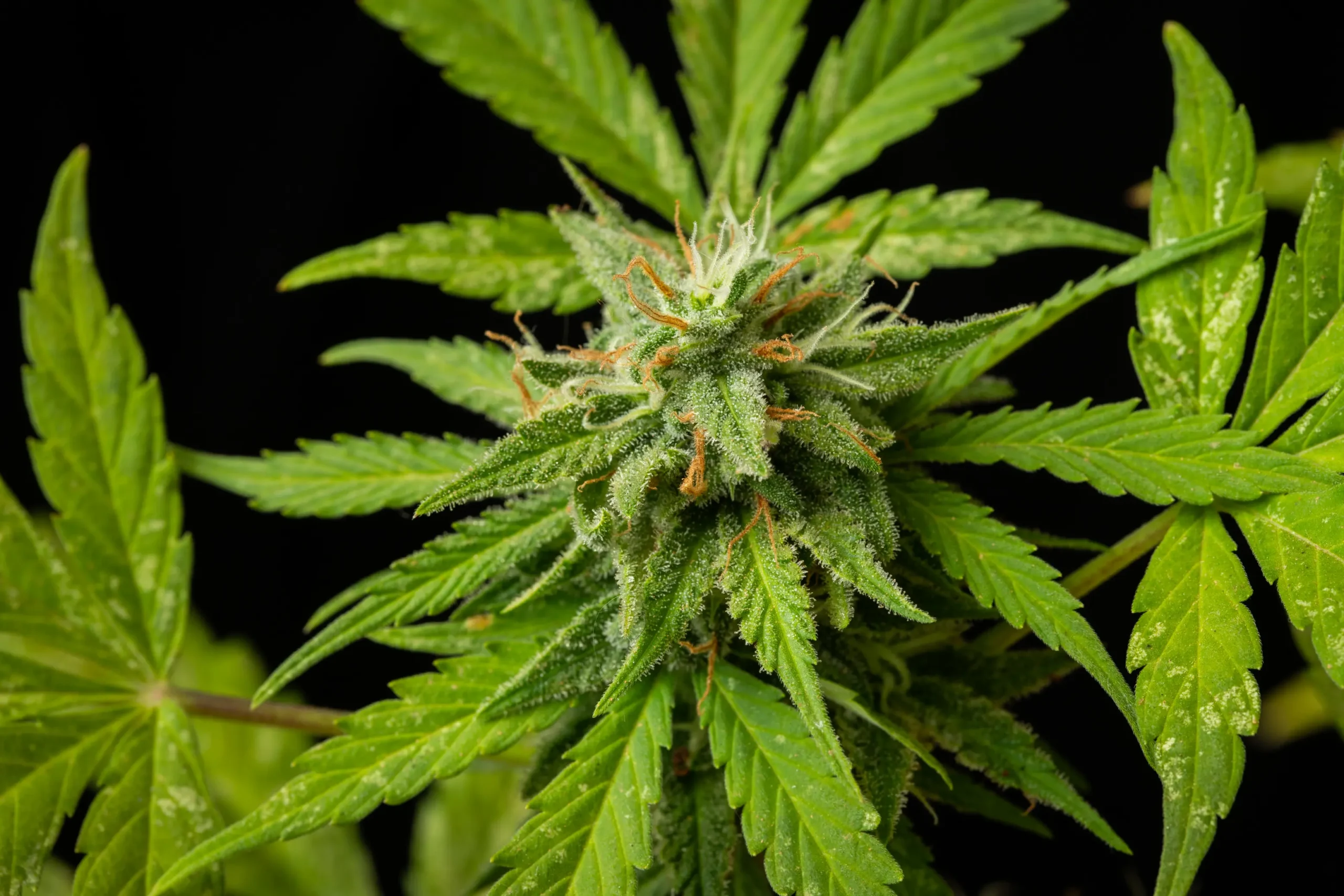
| Plant Structure | Upright, branchy, flexible, and relatively open early in flower; long internodes become pronounced during generative transition |
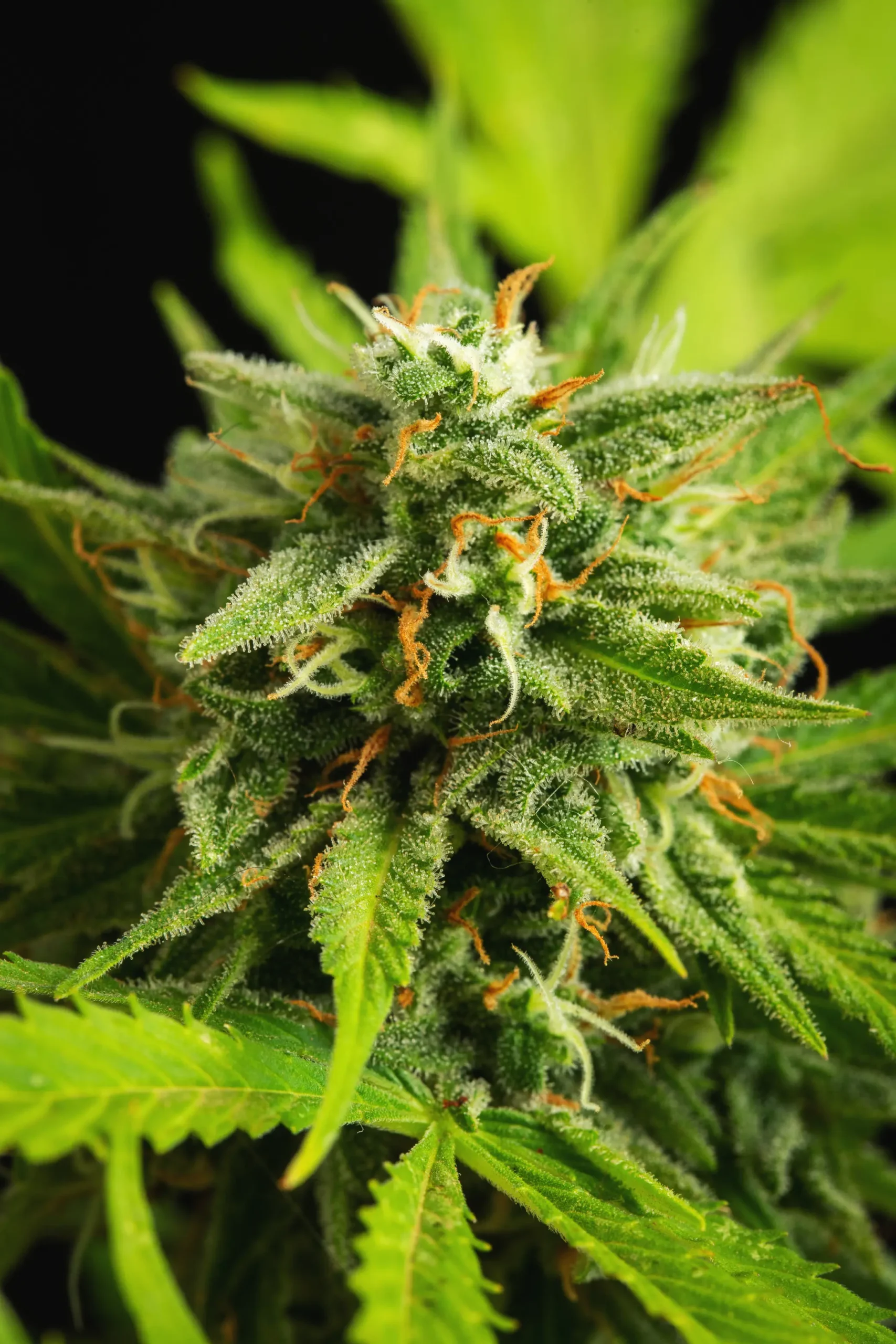
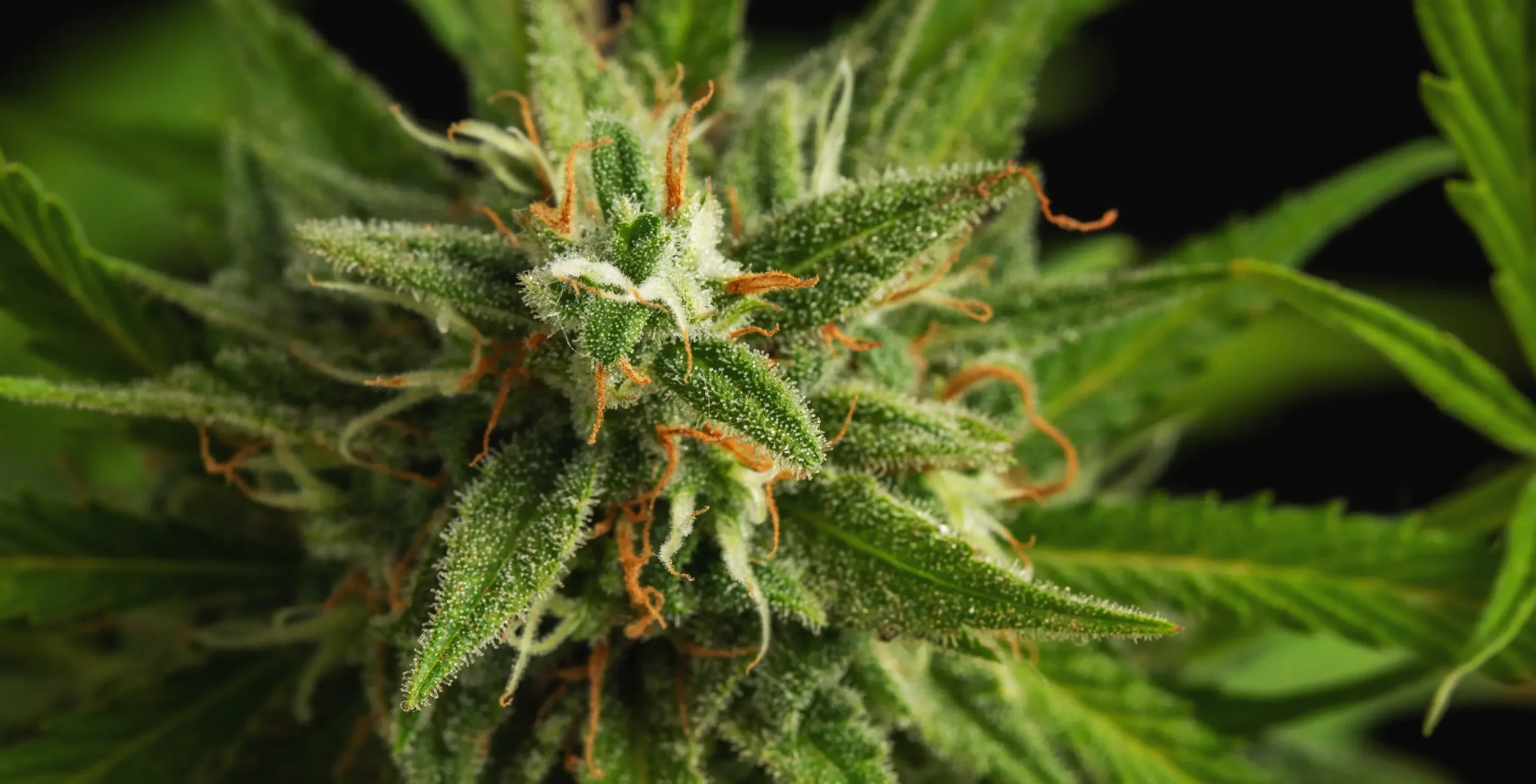
| Flower Structure | Elongated, spear-like colas with medium to firm density; lower flowers may remain airy without canopy control |
| Resin Production | Very high when the plant is allowed to finish fully; thick coverage of glandular capitate-stalked trichomes |
| Yield Potential | Medium-high to high (550 to 650 g/m² indoors under optimized lighting; 700 to 1,000+ grams per plant outdoors) |
| Grow Difficulty | Moderate to advanced; demands disciplined height control, conservative nutrition, and patient harvest timing |
Canopy Management Imperative
Because Amnesia Haze can continue stretching vigorously through week 4 of flowering, flip your plants when the vegetative canopy covers only 40% to 50% of the available horizontal grid. Allowing the vegetative screen to fill completely before flower induction leads to unmanageable vertical crowding and shaded lower bud sites.
Genetic Lineage
Amnesia Haze has a recognizable global identity without having one universally verified family tree. The most consistent genetic story begins with Haze-dominant material connected to tropical and subtropical sativa populations. South Asian and Jamaican sativa ancestry appears frequently in historical strain records. Other detailed breeding accounts add Thai, Hawaiian, Cambodian, and Afghan material, demonstrating that several modern Amnesia Haze lines were built from complex multi-generational selections rather than one simple two-parent cross.
The deeper historical roots trace directly back to the late 1960s in Santa Cruz, California, where the legendary Haze Brothers developed the original Original Haze by crossing unhybridized equatorial landraces from Colombia, Mexico, Thailand, and South India. These early pure sativas grew uncontrollably tall, frequently demanded 16 to 20 weeks of flowering, and produced thin, wispy floral clusters. When Sam the Skunkman transported these genetics to Amsterdam in 1984, Dutch breeders, most notably Nevil Schoenmakers at the Seed Bank of Holland and later Soma of Soma Seeds, recognized the need to adapt these wild genetics for commercial indoor horticulture.
By crossing Haze stock with a high-energy Jamaican sativa and backcrossing with an unyielding Afghani indica matriarch, breeders succeeded in condensing the flowering cycle to 10 to 12 weeks while maintaining the soaring cerebral high of the tropical sativa ancestors. The indica contribution provided essential structural rigidity, thicker floral bracts, and unprecedented glandular trichome density. Subsequent commercial selections across Amsterdam coffee shops during the 1990s cemented Amnesia Haze as an international benchmark, earning first-place honors at the High Times Cannabis Cup in 2004 and 2012.
Why Some Plants Finish Much Earlier Than Others
Flowering estimates for Amnesia Haze range from approximately nine weeks to thirteen weeks. That span is too wide to attribute to simple grower error or environmental variation alone. Faster phenotypes may begin stacking flowers soon after stretch slows, producing firm colas with a more balanced hybrid structure that finish cleanly between days 63 and 70. Conversely, longer Haze-leaning plants often continue extending while their flowers remain small and separated. These longer plants can look far behind schedule during the middle of bloom, then add much of their final calyx mass and resin late during weeks 10 through 12. Cultivators must never harvest a long-flowering phenotype according to a faster phenotype’s calendar; a plant at week ten may still require two or three weeks to achieve its true chemical peak.
Amnesia Haze Versus Amnesia
The names Amnesia and Amnesia Haze are often used interchangeably in casual discourse, but they should not automatically be treated as the exact same cultivar. Amnesia is a broader family designation, frequently tracing to an original Dutch coffee shop clone that leaned slightly more toward Skunk and Northern Lights. Amnesia Haze usually indicates a Haze-forward expression with stronger vertical stretch, a longer flowering cycle, more citrus-incense character, and a more elevated cerebral effect. The safest agronomic approach is to evaluate the plant itself: its internodal morphology, flowering speed, aroma evolution, and mature calyx structure provide far more reliable data than the seed packet label alone.
Effect Breakdown
Amnesia Haze is frequently categorized as an energetic sativa, but that description becomes incomplete once dosage and session progression are examined. The effect is best understood as a dynamic progression from mental brightness into sensory expansion, creative immersion, and, in higher doses, short-term cognitive disorganization.
The Functional Window
At a low or restrained dose, the onset feels clean, rapid, and uplifting. Mood lifts immediately, social conversation becomes effortless, and ordinary tasks feel engaging. Music gains noticeable acoustic detail, humor becomes more accessible, and mental fatigue temporarily recedes. This is the range most commonly associated with daytime productivity, creative brainstorming, artistic exploration, and outdoor recreation. The effect is not always conventionally focused; some users feel motivated but become more captivated by new ideas than by completing mundane organizational checklists.
The Expansive Middle
With a moderate dose, the experience becomes less like a simple stimulant and recognizably Haze-like. Thoughts connect rapidly across diverse concepts, sensory information feels unusually vivid, and time perception can slow down. Conversations frequently move into unexpected, philosophical directions. Some users experience a dreamy, floating quality even while remaining physically upright and active. This stage explains the cultivar’s seemingly contradictory reputation: it can feel invigorating and mentally hazy at the exact same moment. Ideas arrive swiftly, but short-term working memory becomes less reliable, making this state poorly suited for tasks involving complex arithmetic, precise technical instructions, or high-stakes administrative work.
High Dose: Euphoria Can Become Disorientation
At higher doses, Amnesia Haze becomes intensely cerebral and occasionally overwhelming. Sensitive consumers may experience racing thoughts, elevated pulse, heightened self-awareness, sensory distortion, and temporary confusion. Consumer report datasets frequently list dry mouth, dizziness, and situational paranoia among potential adverse effects when dosage exceeds personal tolerance. The difference between an inspiring daytime session and an uncomfortable mental rush can be surprisingly narrow, meaning that unfamiliar users should allow 15 to 20 minutes between inhalations before escalating dosage.
Physical Character, Duration, and Finish
While the cerebral component dominates, the physical body effect is secondary rather than absent. As the initial cerebral peak stabilizes around the 45-minute mark, tension across the shoulders, neck, and limbs begins to soften. Users often report a gentle physical tingling or warm somatic calm that takes the edge off the mental intensity without causing immediate couchlock. At higher doses or during late-evening use, physical motivation may decline while the mind remains active. The overall duration is notably long-lasting, with the main psychoactive plateau sustaining for three to four hours before gently tapering into calm relaxation and healthy appetite stimulation.
Evening Use Warning
Due to its prolonged cerebral stimulation and active terpinolene-pinene chemistry, consuming Amnesia Haze late in the evening can significantly delay sleep onset. Even when the body feels physically relaxed, cognitive ideation remains active for hours after consumption.
Flavor & Aroma Profile
Amnesia Haze should smell bright without smelling simplistic. The citrus is immediate and dominant, but the cultivar’s true botanical identity comes from what sits directly underneath it: black pepper, damp earth, sweet herbs, pine resin, floral haze, and a dry incense note that becomes increasingly prominent as the cured flower is broken apart or vaporized.
Top Notes: Lemon Oil, Lime, and Sour Citrus
The primary aromatic layer closely resembles freshly grated lemon peel rather than confectionary lemon candy. High-grade expressions suggest cold-pressed lime skin, grapefruit pith, sour citrus tonics, or a sharp household-citrus intensity. This brightness can feel almost electric when opening a freshly unsealed curing container. It is strongest in well-preserved flower dried at cool temperatures and can volatilize rapidly if buds are dried too quickly or stored in warm, unsealed glass.
The Haze Heart: Herbs, Flowers, and Incense
Behind the citrus foreground, the bouquet deepens into complex, less conventional aromatics. A well-developed Haze phenotype carries dry culinary herbs, steeped green tea, floral pollen, fresh pine needles, warm culinary spices, and exotic wood. Crucially, the aroma features a distinct church incense character (frankincense and myrrh) that sets authentic Haze cultivars apart from generic modern lemon crosses. While incense may not overpower the jar aroma, it consistently emerges on the exhale and lingers richly in the surrounding room.
Base Notes: Earth and Pepper
Beta-caryophyllene, myrcene, and humulene contribute a peppery, woody, musky, and earthy foundation. This grounded base prevents the high-strung citrus from feeling thin or artificial. When flowers are ground in a grinder, notes of cracked black peppercorn and rich potting soil become markedly noticeable. High-grade curing allows these darker, foundational notes to balance the lemon top notes in exquisite harmony.
Aroma Versus Flavor in Consumption
The unburned flower often smells noticeably more citrus-forward than the smoke or vapor tastes. On the inhale, Amnesia Haze opens with lemon zest, sweet herbs, and a hint of creamy sweetness. The mid-palate becomes earthier, woodier, and more resinous. The exhale delivers black pepper, cedar wood, pine resin, and a dry, lingering citrus-incense aftertaste. Vaporization between 175°C and 190°C (347°F to 374°F) preserves maximum lime and floral clarity, whereas traditional combustion emphasizes the spicy wood, earth, and incense base notes.
Secondary Organoleptic Compounds and Flavonoids
Beyond primary terpenes, the deep sensory character of Amnesia Haze is shaped by secondary volatile sulfur compounds (VSCs) and flavonoids. Trace thiol compounds provide a pungent sharpness that cuts through sweet lemon notes, while cannflavins A, B, and C contribute subtle herbal bitterness and significant cellular anti-inflammatory protection. The presence of linalool and geraniol in select phenotypes imparts a gentle rose-lavender undertone, preventing the citrus profile from becoming overly acidic on the throat.
Dominant Terpenes
Amnesia Haze should not be assigned one permanent, rigid terpene ranking. Published laboratory analyses demonstrate that circulating seed lines, indoor versus outdoor environments, harvest windows, and post-harvest drying protocols produce noticeable shifts in terpene ratios. However, across all verified profiles, a consistent cluster of primary terpenes defines the cultivar’s chemotype.
| Terpene Compound | Typical Concentration | Aromatic Contribution | Physiological and Entourage Dynamics |
|---|---|---|---|
| Terpinolene | 0.60% to 1.15% | Sharp citrus, pine resin, sweet herbs, lilac blossom, classic Haze freshness | Drives the energetic, lucid cerebral onset; exhibits antioxidant and antimicrobial properties |
| Beta-Caryophyllene | 0.40% to 0.80% | Cracked black pepper, warm dry spice, woody clove | Binds selectively to peripheral CB2 receptors, providing significant anti-inflammatory and somatic pain modulation |
| Beta-Myrcene | 0.30% to 0.65% | Musky earth, ripe mango, damp vegetation, herbal cloves | Enhances cellular membrane permeability, facilitating rapid cannabinoid uptake and imparting warm physical ease |
| D-Limonene | 0.25% to 0.60% | Fresh lemon peel, lime zest, tart sour citrus | Modulates serotonin and dopamine pathways to promote positive mood elevation and cognitive clarity |
| Ocimene | 0.10% to 0.35% | Sweet green fruit, fresh tropical flowers, clean herbal lift | Adds expansive floral sweetness to the aroma; displays antiviral and decongestant biological activity |
| Alpha-Pinene | 0.10% to 0.30% | Crisp pine needles, fresh cedar, forest air | Acts as a natural bronchodilator and acetylcholinesterase inhibitor, supporting memory retention during high-THC sessions |
| Alpha-Humulene | 0.08% to 0.25% | Dry wood, earthy hops, subtle herbal bitterness | Works synergistically with caryophyllene to suppress systemic inflammation and modulate appetite |
| Alpha-Bisabolol | 0.05% to 0.18% | Delicate chamomile, soft floral sweetness, subtle cream | Provides dermatological and mucosal anti-inflammatory protection; enhances smoothness on the throat |
| Trans-Farnesene | 0.04% to 0.15% | Green apple skin, fresh cut wood, subtle vegetative tartness | Acts as a natural insect repellent and contributes crisp, tart fruit nuance to the background aroma |
Laboratory variation reflects genetic diversity, phenotype selection, canopy temperature during bloom, root-zone health, drying temperature, and storage duration. Terpinolene-forward expressions tend to smell sharper, greener, and more citrus-resinous, while caryophyllene-heavy cuts push stronger black pepper and woody incense.
Indoor vs Outdoor Growing
Deciding between controlled indoor cultivation and outdoor open-field farming requires a thorough understanding of the cultivar’s growth timeline and environmental tolerances.
| Agronomic Factor | Indoor Controlled Cultivation | Outdoor Open-Air Cultivation |
|---|---|---|
| Stretch Control | Strictly managed with early 12/12 flip timing, topping, LST, and SCROG netting | Height is less restrictive, but wind exposure, staking, and plant privacy become critical factors |
| Final Plant Size | Medium to tall (1.2 to 1.6 meters) when properly trained and pruned | Can become enormous, frequently reaching 2.5 to 3.5 meters tall with equal horizontal spread |
| Flowering Duration | Controlled environment guarantees completion of the 10 to 13-week generative cycle | Requires a climate where warm, dry autumn conditions persist well into late October or November |
| Canopy Strategy | A wide, shallow SCROG screen is far more efficient than allowing upright vertical towers | Early topping creates a broad, wind-resistant frame supported by sturdy external caging |
| Lower Flower Quality | Weak and larval without proactive under-canopy pruning and powerful light penetration | Natural sunlight provides superior depth, but shaded inner branchlets still require selective thinning |
| Flower Density | Upper colas become firm and substantial while retaining their elongated spear morphology | Full sun produces massive, heavy colas that require extensive trellis and branch support |
| Aroma & Terpenes | Precise temperature control prevents the loss of volatile lemon and terpinolene fractions | Full solar spectrum develops rich, complex earthy incense, though late heat can volatilize top notes |
| Pest & Mold Exposure | Easier to exclude pests; late-flower dehumidification is critical to prevent internal bud rot | Long outdoor season increases cumulative exposure to caterpillars, mites, rain, and Botrytis |
| Root-Zone Management | Container size and automated fertigation must sustain a large canopy through a long bloom | Deep living soil or 100+ gallon fabric pots support massive root volume and heavy water uptake |
| Harvest Flexibility | Cultivator decides harvest timing strictly based on trichome maturity and calyx swelling | Inclement autumn weather, cold rains, or early frost may force an emergency premature harvest |
Strain-Specific Grow Guidance
Mastering Amnesia Haze indoors requires planning every step backwards from available flowering height rather than vegetative appearance. A plant that looks comfortably small during veg can quickly become an unmanageable giant once generative stretch begins.
Plan Backwards From Final Height
Before flipping lights, calculate container height, required light fixture distance, trellis net positioning, and necessary ceiling buffer. In vigorous phenotypes, Amnesia Haze can easily triple its pre-flip height. Flipping earlier than you would with an indica hybrid is essential; waiting for the vegetative screen to look completely filled will result in an overcrowded, light-choked flowering room.
Vegetative Architecture and Topping
Amnesia Haze naturally establishes a strong central leader flanked by flexible, upright lateral branches. The leaflets are narrow and delicate, allowing light to penetrate into lower nodes. An early topping at the fourth or fifth node divides apical dominance, prompting side branches to extend horizontally. Avoid excessive, repeated topping; building too many growing tips on Amnesia Haze produces a dense forest of thin shoots that stretch into spindly, unmanageable colas.
Low-Stress Training and SCROG Strategy
The flexible branch structure of Amnesia Haze makes it exceptionally well suited for Screen of Green (SCROG) training. Use the screen to separate major limbs, maintain an even horizontal plane, direct tops into unlit spaces, and support late-flower weight. Leave open squares across the screen before initiating 12/12; the vigorous four-week stretch will naturally fill the grid. Do not attempt to preserve every minor shoot under the screen; a net packed with weak secondary growth produces low-grade larf and increases trimming labor.
Selective Supercropping and Stretch Management
During weeks 1 through 3 of flowering, any aggressive shoot that threatens to break away from the canopy plane can be rescued via selective supercropping. Gently pinch and soften the fibrous inner stem between thumb and forefinger, bending the shoot horizontally into an open pocket of the trellis. This redistributes auxin hormones to lower nodes without severing the vascular bundle. Supercropping should be applied early while stems remain pliable; bending hardened woody stems in late flower causes structural fractures and wound stress.
Lower Canopy Removal and Defoliation
Because Amnesia Haze produces significant under-canopy growth, conduct a comprehensive lower canopy cleanout (lollipopping) on day 21. Remove weak interior shoots, shaded suckers, and tiny flower clusters unlikely to reach direct light. Amnesia Haze does not need to be stripped into bare poles; its narrow leaves naturally permit good light penetration. Remove leaves selectively when they block primary floral sites, overlap to trap moisture, or impede lateral airflow through the trellis screen.
Root Volume and Irrigation Dynamics
A large sativa canopy enduring a 12-week flowering cycle creates substantial, prolonged demand on the root system. Small containers dry out too rapidly, causing severe osmotic stress and salt accumulation. Ensure adequate container volume (minimum 15 to 20 liters for indoor coco/soilless media). Maintain consistent, automated irrigation pulses during peak lights-on hours to prevent cycles of severe wilting followed by waterlogged saturation.
Feeding Behavior: Conservative Nutrition
Despite its large stature, Amnesia Haze does not require heavy fertilizer concentrations. Cultivation reports consistently show that the strain is sensitive to overfeeding, particularly during early flower. Excessive nitrogen causes leaf tips to burn, foliage to turn dark and claw downward, and floral development to stall into leafy vegetative growth. Begin with moderate electrical conductivity (EC 1.2 to 1.5 mS/cm in veg, peaking at 1.8 to 2.0 mS/cm in mid-bloom) and adjust based on leaf color and runoff EC rather than pushing maximum manufacturer chart values.
Week-by-Week Environmental and Crop Steering Schedule
| Flowering Phase | Target Day Range | Day / Night Temp | Relative Humidity (RH) | Vapor Pressure Deficit (VPD) | Target PPFD | Nutrient EC & Steering Focus |
|---|---|---|---|---|---|---|
| Phase 1: Transition & Stretch | Days 1 to 21 (Weeks 1 to 3) | 26°C / 21°C (79°F / 70°F) | 65% to 70% | 0.9 to 1.1 kPa | 550 to 750 μmol/m²/s | EC 1.4 to 1.7 mS/cm; moderate nitrogen, elevated calcium and magnesium for cellular division |
| Phase 2: Calyx Formation | Days 22 to 42 (Weeks 4 to 6) | 25°C / 20°C (77°F / 68°F) | 55% to 60% | 1.1 to 1.3 kPa | 750 to 900 μmol/m²/s | EC 1.8 to 2.1 mS/cm; taper nitrogen, ramp phosphorus and potassium to fuel early bud stacking |
| Phase 3: Floral Bulking | Days 43 to 63 (Weeks 7 to 9) | 24°C / 19°C (75°F / 66°F) | 48% to 52% | 1.3 to 1.5 kPa | 850 to 1,000 μmol/m²/s | EC 1.9 to 2.2 mS/cm; peak PK delivery, maintain sulfur and micronutrients for terpene synthesis |
| Phase 4: Trichome Maturation | Days 64 to 77 (Weeks 10 to 11) | 23°C / 18°C (73°F / 64°F) | 42% to 45% | 1.4 to 1.6 kPa | 700 to 850 μmol/m²/s | EC 1.2 to 1.5 mS/cm; step down base nutrients, sustain root oxygenation and moderate drybacks |
| Phase 5: Final Leaching & Swell | Days 78 to 84+ (Week 12+) | 21°C / 16°C (70°F / 61°F) | 38% to 42% | 1.5 to 1.7 kPa | 500 to 650 μmol/m²/s | EC 0.2 to 0.4 mS/cm; pure reverse osmosis water, cool night flush to preserve volatile monoterpenes |
Integrated Pest and Pathogen Management (IPM)
Due to its extended 12-week flowering lifecycle, Amnesia Haze is exposed to cumulative pathogen pressure for nearly a month longer than fast 8-week hybrids. Proactive biological IPM is far more effective than reactive chemical intervention during bloom. In vegetative propagation, deploy beneficial predatory mites such as Amblyseius andersoni and Neoseiulus californicus to establish a standing defense against two-spotted spider mites and microscopic broad mites. Apply weekly foliar sprays of beneficial Bacillus subtilis or Trichoderma inoculants during vegetative growth to colonize phyllosphere surfaces and prevent powdery mildew spores from establishing. Once generative flowering initiates and pistils emerge, all foliar applications must cease; environmental humidity control, strict sanitation, and powerful horizontal air filtration through HEPA intake units become the primary defense mechanisms against Botrytis cinerea (gray mold).
Maturity Indicator Rule
Never judge Amnesia Haze harvest readiness solely by resin on sugar leaves. Sugar leaf trichomes mature up to two weeks earlier than calyx trichomes. Always inspect the glandular trichome heads situated directly on the swollen bracts of mid-canopy flowers with a 60x jeweler’s loupe or digital microscope.
Weedth Bud Flavor Tips
The extraordinary flavor of Amnesia Haze relies on preserving aromatic contrast: bright, volatile lemon and lime at the top, sweet herbs and pine in the center, and dry black pepper and sacred incense at the base. If volatile monoterpenes are lost during cultivation or post-harvest, the cured profile collapses into flat earth and pepper.
Protect the Citrus Before Harvest
Monoterpenes begin degrading rapidly at elevated temperatures. Avoid sustained canopy heat exceeding 26°C (78°F) during the final three weeks of flowering. Prevent severe drought stress in the root zone, avoid aggressive late-flower foliar sprays, and ensure tops do not touch hot lighting fixtures. A healthy, stress-free plant reaching maturity naturally retains substantially higher terpene density than a crop subjected to extreme late-season shocks.
Use Aroma Progression as a Harvest Guide
While trichome color reflects cannabinoid maturity, aroma reveals flavor maturity. Early flowers smell green, sour, and sharply acidic. As calyxes swell between weeks 9 and 12, the scent deepens, incorporating rich herbal sweetness, black pepper, and warm incense without relinquishing its bright lemon core. Harvesting prematurely yields flower with a sharp, grassy, one-dimensional taste; harvesting too late allows the sparkling citrus notes to dull into dusty earth.
Indoor and Outdoor Flavor Priorities
Indoors, keep upper canopies cool, maintain gentle air movement, and transfer cut plants immediately into a dedicated, climate-controlled drying room. Outdoors, inspect colas regularly for water retention after autumn dew or rain. If rain threatens late in the season, shaking excess surface water from branches and providing temporary overhead shelter protects volatile terpenes and prevents mold from destroying the crop.
Drying Speed and Whole-Plant Hanging
Extensive horticultural research demonstrates that elevated drying temperatures severely diminish total terpene retention. Dry Amnesia Haze in a dark, clean room maintained strictly at 15°C to 18°C (60°F to 64°F) and 58% to 62% relative humidity. Employ whole-plant hanging or large-branch hanging to slow moisture loss over a gentle 12 to 16-day period. Never aim oscillating fans directly at drying colas, as uneven airflow causes outer calyxes to become brittle while inner stems remain wet.
Curing and Long-Term Storage
Once smaller stems snap cleanly, trim the flowers and seal them into airtight glass curing jars or food-grade stainless steel containers filled to 70% capacity. Burp containers daily for 15 minutes during the first two weeks, monitoring internal jar humidity with mini hygrometers to maintain a steady 60% to 62% RH. A patient cure of three to six weeks rounds out lingering chlorophyll harshness and allows the intricate layers of lemon, pine, pepper, and church incense to fully separate and harmonize. Store finished buds in a cool, dark environment away from heat, light, and frequent air exposure.
Water Activity and Cellular Moisture Management
For commercial operators and craft growers seeking long-term shelf stability, monitoring water activity ($a_w$) is far more reliable than subjective tactile inspections. The target water activity for cured Amnesia Haze is between 0.58 and 0.62 $a_w$. At this equilibrium, microbial and fungal activity is completely halted, while cellular enzymatic processes continue to slowly decompose harsh residual starches and chlorophyll. Sealing buds with a water activity above 0.65 creates an immediate hazard for anaerobic mold development, whereas allowing buds to dry below 0.55 irreversibly desiccates volatile terpene envelopes, permanently destroying the zesty lemon top notes.
Weedth Bud Boost Tips
Amnesia Haze possesses massive genetic yield capacity, but maximizing harvest weight requires strict structural organization rather than simply pushing stronger nutrients.
Indoor Strategy: Fewer Strong Tops, More Even Light
A high-yielding indoor canopy focuses light on a balanced number of primary colas rather than hundreds of tiny shoots. Top early, spread branches horizontally through the screen, and prune weak secondary growth during week 3 of flower. Keeping fewer, well-positioned branches increases average cola size, resin consistency, trim efficiency, and overall percentage of top-grade A-buds.
Flip Timing Is a Yield Decision
Flipping early may feel like sacrificing vegetative bulk, but with Amnesia Haze, it safeguards total yield. A plant that outgrows its room loses efficiency because dominant tops must be repeatedly bent, lights must be raised, lower branches become heavily shaded, and heat stress damages flower tips. Leaving open space on the screen before the flip allows the plant to stretch naturally into an optimal, high-efficiency flowering plane.
Control Canopy Depth and Feed for Health
Amnesia Haze can produce flowers along long sections of each branch, but only the top 30 to 45 cm that receives direct, high-intensity light will mature into dense, premium bud. Establish a productive canopy depth and clean out interior shoots below that zone. Feed for steady, continuous health rather than maximum EC strength. Consistent, moderate nutrition produces superior floral density and resin quality compared to pushing aggressive feeding followed by corrective flushes.
Outdoor Strategy: Robust Early Framework
A long outdoor vegetative season creates massive plants. Top outdoor plants multiple times during late spring to distribute height across several primary structural limbs. Install heavy-duty wire cages or multi-layered horizontal trellis support early; long branches with heavy late-season colas will easily snap or collapse under wind and autumn rain without rigid reinforcement.
Staged Harvesting for Uneven Canopies
Because Amnesia Haze colas are exceptionally long, upper spears frequently reach full maturity while lower secondary flowers remain slightly underripe. When environmental conditions allow, harvest the mature top colas first, leaving mid and lower branches on the plant for an additional 7 to 10 days. This allows lower calyxes to receive direct light, swell with fresh resin, and substantially increase your final usable harvest weight.
Medical Uses & Benefits
While Amnesia Haze is predominantly celebrated as an energizing recreational cultivar, medical cannabis patients frequently utilize its distinct chemotype for daytime symptom management. These applications reflect patient-reported outcomes and pharmacological mechanisms rather than clinical medical guarantees.
Stress, Mood Elevation, and Depression
The rapid, uplifting onset of Amnesia Haze provides meaningful relief for individuals struggling with chronic stress, situational anxiety, and depressive apathy. The synergy between high THC levels, limonene, and terpinolene stimulates dopamine pathways, interrupts negative rumination, and fosters a cheerful, motivated cognitive state that helps patients engage in social and domestic activities.
Fatigue and Daytime Lethargy
Patients dealing with chronic fatigue, low physical energy, or daytime grogginess frequently select Amnesia Haze as a morning or early afternoon functional aid. A restrained dose reduces perceived mental exhaustion, revitalizes motivation, and encourages physical mobility without the jittery physical tremors associated with high-caffeine stimulants.
Mild Pain, Migraines, and Physical Tension
While not a heavy body narcotic, Amnesia Haze offers valuable relief for tension headaches, migraines, ocular pressure, and mild musculoskeletal discomfort. The anti-inflammatory action of beta-caryophyllene and alpha-pinene, paired with central cannabinoid analgesia, softens pain perception while allowing the patient to remain fully alert and functional during daytime hours.
Appetite Stimulation
As the stimulating cerebral peak transitions into physical relaxation during hours two and three, appetite stimulation becomes noticeable. Patients experiencing low appetite due to medical treatments, stress, or gastrointestinal discomfort find that Amnesia Haze makes meals appealing without inducing immediate lethargy.
Ideal User Profile
Amnesia Haze suits the individual who wants cannabis to expand, enrich, and enliven their daytime experience rather than bring the day to an abrupt, sleepy halt.
The Daytime Enthusiast
This user seeks clear-headed cerebral uplift, artistic motivation, and joyful mental energy. Ideal activities include creative writing, painting, musical practice, daytime hiking, gardening, cooking, and engaging in social conversations. It is less suitable before activities requiring exacting precision, legal scrutiny, operating heavy machinery, or complex financial calculations.
The Haze Flavor Seeker
Connoisseurs who appreciate botanical complexity over modern sugary dessert profiles will treasure Amnesia Haze. The intricate juxtaposition of sour lemon zest, pine resin, crushed herbs, black pepper, and ancient cathedral incense provides an olfactory experience that stands in a league of its own.
The Patient, Disciplined Grower
Amnesia Haze rewards the cultivator who can plan vertical stretch in advance, train branches horizontally through a screen, feed moderately, and wait patiently through a 12-week flowering cycle. Growers seeking a quick 8-week turnaround or working in small tents without training will find faster, compact hybrids more convenient.
Grower Notes and Feedback
Aggregated feedback from commercial facilities and experienced home cultivators highlights several universal lessons regarding Amnesia Haze.
First, vegetative growth can be deceptive; the plant often appears manageable, flexible, and open before the flip, only to stretch aggressively through the trellis net for four consecutive weeks. Cultivators who fail to anticipate this stretch routinely end up with colas burning against light fixtures. Second, the mid-flowering phase (weeks 5 to 7) can feel slow, as buds remain narrow while the plant focuses on resin formation. The dramatic secondary calyx bulking occurs late (weeks 9 through 12), rewarding patience with dense, substantial colas.
Third, branch support is mandatory; long stems that appear sturdy early on will easily bend and collapse once heavy upper colas gain water and resin weight during late flower. Installing double trellis netting saves crops from falling into humid, unventilated piles. Finally, outdoor success is strictly bound to climate; in dry, warm regions with long autumns, Amnesia Haze produces colossal yields of exceptional quality, whereas in damp, cold regions, late-season Botrytis mold poses an extreme threat.
Weedth Editor’s Note
I would decide whether I had enough flowering height before deciding whether I had enough floor space for Amnesia Haze. The plant can be trained into a wide canopy, but that does not make its vertical behavior disappear. A screen controls direction; it does not eliminate stretch. The classic mistake is filling the screen completely in veg and assuming the plant will stop when every square is occupied.
I flip while the canopy still looks slightly unfinished. That goes against the natural instinct to maximize vegetative mass, but Amnesia Haze reliably provides the missing growth during transition. Leaving empty grid space is not wasted real estate; it is a vital part of the management plan.
The second variable I protect fiercely is time. This is not a cultivar to schedule around the fastest published estimate. Some expressions may finish near ten weeks, but a genuine Haze-leaning phenotype will still be building its finest floral bulk and resin density after faster hybrids in the same room have already been harvested and hung. Its true genius lies in that unmistakable lemon-incense finish. Treat the plant with patience, control your canopy height early, and Amnesia Haze will reward you with an unforgettable connoisseur harvest.
Weedth Score
| Assessment Dimension | Score (1 to 10) | Editorial Evaluation & Agronomic Notes |
|---|---|---|
| Growing Experience | 7.4 / 10 | Highly responsive to training and capable of heavy yields, but prolonged stretch and 12-week room occupancy require discipline |
| Bud Structure & Visual Appeal | 8.0 / 10 | Attractive elongated spear colas with thick resin frosting and bright orange pistils; lower flowers require pruning to avoid larf |
| Aroma Complexity | 8.9 / 10 | Lemon, lime, herbs, black pepper, pine, floral haze, and church incense create a distinctive, multi-layered bouquet |
| Flavor & Smoothness | 8.6 / 10 | Superb citrus-spice profile when harvested fully mature and dried cool; rushed, hot drying rapidly strips top volatile notes |
| Effects & High Experience | 8.8 / 10 | Euphoric, social, creative, and mentally expansive; score reflects situational anxiety risk at excessive doses |
| Overall Satisfaction & Recommendation | 8.4 / 10 | A high-value Haze cultivar for patient growers and daytime connoisseurs; requires adequate vertical height and late-flower care |
FAQ
Is Amnesia Haze a sativa or an indica?
Amnesia Haze is a sativa-dominant hybrid, typically classified around 70% sativa and 30% indica. Its sativa heritage drives its tall growth, vigorous stretch, narrow leaves, long flowering cycle, and cerebral high. The 30% indica influence contributes crucial calyx density, heavy resin gland production, physical tranquility, and a significantly shorter flowering time than pure equatorial sativas.
What is the exact lineage of Amnesia Haze?
There is no single universally verified two-parent cross. The most consistent records describe a Haze-dominant polyhybrid blending South Asian and Jamaican landrace sativas with Thai, Hawaiian, and dense Afghani indica genetics. Some modern versions represent continuing selections of the original Dutch Amnesia clone backcrossed into Haze-dominant stock.
How long does Amnesia Haze take to flower?
Indoors, plan for 10 to 12 weeks (70 to 84 days) under 12/12 lighting. Faster hybrid phenotypes may finish near 9 to 10 weeks, while authentic Haze-leaning expressions can require 12 to 13 weeks. Never harvest strictly by a calendar; evaluate calyx swelling, pistil retraction, and trichome cloudiness.
How much does Amnesia Haze stretch after the flip?
Amnesia Haze routinely stretches two to three times (2.0x to 3.0x) its pre-flip vegetative height during the first three to four weeks of flowering. Flip plants when they cover only 40% to 50% of the available vertical canopy height, using horizontal trellis netting to weave expanding shoots.
Can Amnesia Haze grow in a small grow tent?
Yes, but it requires proactive height management. Apply early topping at the fourth node, utilize low-stress training to pull branches outward, and employ a SCROG screen. Initiate flowering after a brief two-week vegetative phase to prevent tops from growing into your lighting fixtures.
Does Amnesia Haze need heavy nutrient feeding?
No. Amnesia Haze performs best with light to moderate nutrition. It is particularly sensitive to excessive nitrogen during early flower, which causes dark foliage clawing, tip burn, and leafy, delayed bud development. Keep electrical conductivity moderate (1.5 to 1.9 mS/cm) and monitor runoff values.
Why are my Amnesia Haze buds airy?
Airy buds typically result from harvesting too early (before the secondary calyx swell during weeks 10 through 12), inadequate light intensity across lower branches, excessive vegetative nitrogen, high canopy heat (above 28°C / 82°F), or failing to prune weak under-canopy shoots.
Can Amnesia Haze finish outdoors in cold or short climates?
It is risky. Because it finishes in late October or early November, outdoor plants in northern temperate zones frequently encounter cold rains, frost, and high humidity, which can lead to severe Botrytis bud rot before flowers mature. In such climates, a well-ventilated greenhouse with dehumidification is strongly recommended.
When should I harvest Amnesia Haze for the best flavor?
Harvest when calyxes are fully swollen, white pistils have retracted, and trichomes on the calyxes show predominantly cloudy-opaque heads with 5% to 15% amber. The aroma should have evolved from sharp, green citrus into a rich, complex lemon, pepper, pine, and church incense profile.
Does Amnesia Haze benefit from a long cure?
Yes. A slow cure of three to six weeks in airtight glass jars at 60% to 62% relative humidity smooths out chlorophyll sharpness and allows the subtle, exquisite layers of church incense, black pepper, and sweet herbs to emerge cleanly from behind the lemon top notes.
Similar Strains
| Cultivar Name | Genetic Relationship | Aromatic & Sensory Comparison | Agronomic & Cultivation Overlap |
|---|---|---|---|
| Super Silver Haze | Close ancestral cousin (Skunk #1 x Northern Lights #5 x Haze) | Features more skunky, metallic, and pine-incense character beneath a citrus-spice core | Similar 10 to 11-week bloom cycle, strong vertical stretch, and high yield potential under SCROG |
| Super Lemon Haze | Direct descendant (Lemon Skunk x Super Silver Haze) | Pushes sweeter, candied lemon drop aromatics with less dry church incense than Amnesia Haze | Highly vigorous sativa hybrid that benefits from early topping, trellis netting, and high light levels |
| Jack Herer | Shared Haze and Northern Lights ancestry | More structured, herbal pine and spicy wood profile with grounded earthy undertones | Slightly faster 9 to 10-week bloom duration with denser calyx clusters and moderate stretch |
| Sour Diesel | Chemdawg x Super Skunk sativa-dominant hybrid | Heavy petroleum fuel, sour citrus, and chemical skunk replacing Haze floral incense | Vigorous stretch, branchy architecture, daytime cerebral intensity, and high nitrogen sensitivity in flower |
| Tangie | California Orange x Skunk hybrid | Sweet tangerine peel and tropical citrus nectar rather than sharp lemon and incense | Fast-growing sativa-dominant plant with generous yields and bright, social daytime euphoria |
| Moby Dick | Haze x White Widow hybrid | Combines bright lemon pine with thick, resinous White Widow hashish and vanilla notes | Vigorous sativa growth, immense outdoor yield capacity, and substantial floral density requiring strong airflow |
The Core Phenotypes of the Amnesia Haze Spectrum
Because Amnesia Haze represents a polyhybrid tapestry of equatorial landraces and stabilizing Afghani genetics, seed selections routinely exhibit five distinct phenotypic expressions:
- The Terpinolene-Dominant Lemon Spire: Characterized by extreme vertical stretch, narrow serrated leaflets, and spear-shaped calyx towers. It carries an electric bouquet of sour lemon peel, pine resin, and green herbs, requiring 11 to 12 weeks of bloom with a soaring, cerebral high.
- The Incense-Heavy Church Haze: Features a slightly slower vegetative rate but produces extraordinary concentrations of beta-caryophyllene, humulene, and myrrh-like aromatics. The cured smoke is dense and resinous, reminiscent of aged cathedral incense and dark exotic hardwood.
- The Compact Dutch Commercial Phenotype: Shows stronger Afghani morphological influence with tighter internodal spacing, broader fan leaves, and firmer floral clusters. This phenotype finishes in 9 to 10 weeks and is prized by commercial operations for its uniform canopy habit and predictable yield.
- The Tropical Ocimene Sweet Expression: Pushes delicate tropical fruit sweetness, ripe mango, and floral lilac notes alongside the citrus core. It produces a very smooth, social high with minimal edge, making it popular for recreational daytime consumers.
- The Late-Swell Thai Leaning Matriarch: Stretches aggressively for five full weeks, produces elongated, wispy early flowers, and adds virtually all its calyx mass during weeks 11 through 13. While demanding the highest horticultural patience, it yields the most potent, long-lasting psychoactive experience.
Solventless Extraction and Hash Washing Potential
While equatorial sativa cultivars are traditionally considered challenging for ice water extraction due to narrower trichome stalk bases, properly finished Amnesia Haze yields exceptional live rosin. The glandular trichomes feature 73μ to 120μ spherical heads filled with high terpene fractions. Because the capitate stalks are delicate, gentle wash cycles at near-freezing temperatures (0°C to 1°C / 32°F to 34°F) prevent premature stalk breakage and mechanical chlorophyll contamination. The resulting cold-cured live rosin displays a shimmering, translucent golden sauce texture that retains electric lemon zest and holy incense notes with unmatched intensity.
Share this article
A quick overview of the topics covered in this article.
Follow us
Latest articles

November 5, 2026
November 5, 2026
November 5, 2026
November 5, 2026
