
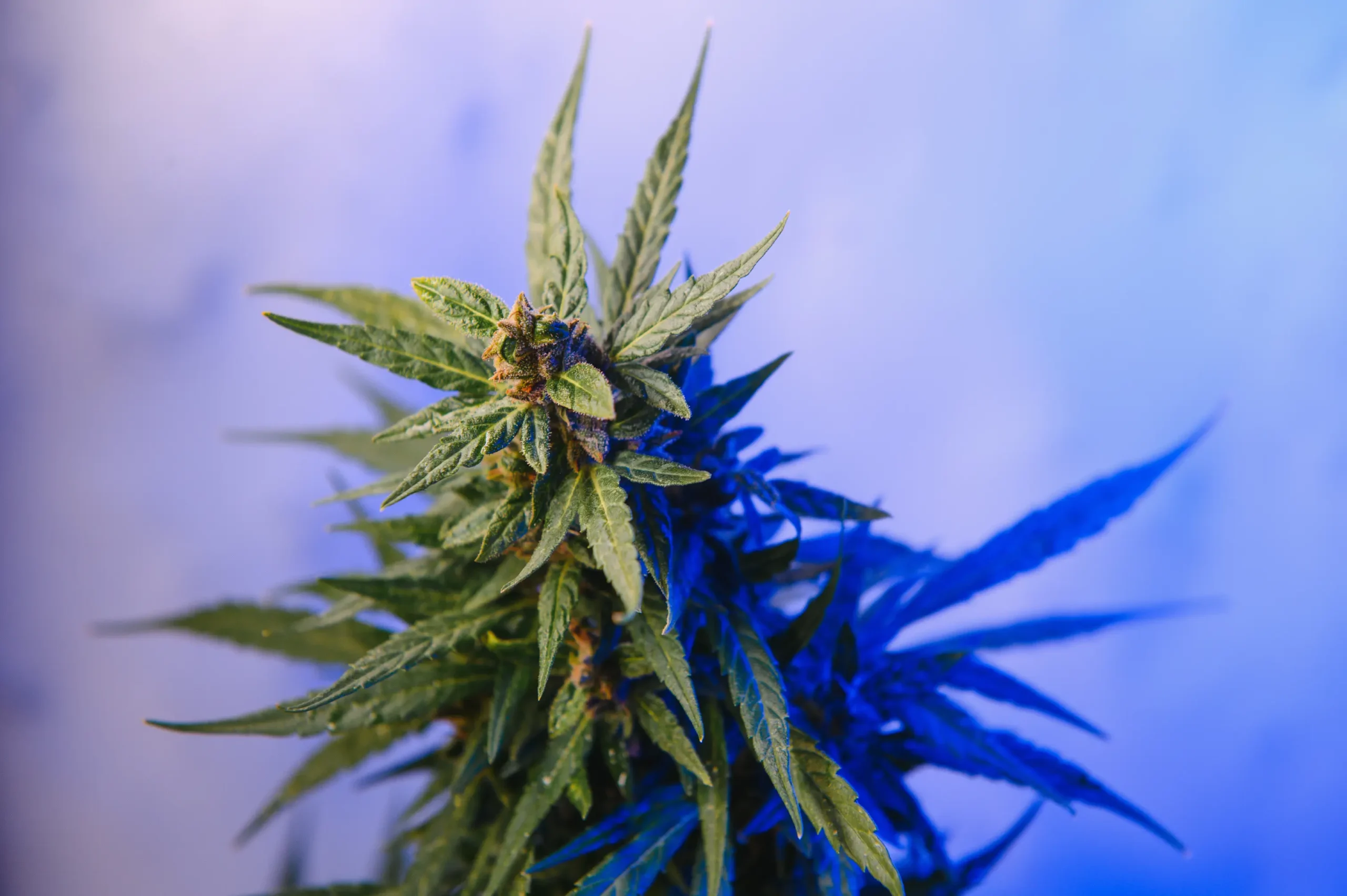
Baklava
Baklava – Strain Profile & Grow Guide
Baklava is a name shared by more than one cannabis cultivar. This profile follows the version most consistently documented as Kosher Kush crossed with Gelato 41. That distinction matters because another similarly named line uses different parents and can display different growth, flavor, and finishing behavior. A serious grow guide must identify the genetic version before treating any flowering time or training report as universal.
The Kosher Kush x Gelato 41 version is built around OG gas and creamy dessert depth. Strong flower can smell of diesel, tar, vanilla, butter, dark berries, citrus peel, spice, earth, and a faint savory or cheese-like note. It does not usually taste like literal syrup or pastry filling. The name fits the density and richness of the profile more than a precise food imitation.
Baklava often remains medium in height and can finish within roughly eight to nine weeks, yet its compact appearance should not encourage overcrowding. Dense flowers and broad late-season leaf mass create a hidden humidity problem. The plant may show color, pale fan leaves, and heavy resin before the calyxes have stopped building. Harvesting by visual drama alone can produce attractive flower with less developed gas, cream, and body effect.
The cultivation challenge is less about controlling extreme stretch and more about distinguishing natural late fade from root-zone or nutritional stress while the flowers are still gaining weight. Some plants begin to look finished early. Pale leaves, purple tones, and a strong smell can appear while the buds continue to harden. A grower who reacts by cutting immediately loses the late swell. A grower who reacts by increasing feed without checking water use can create harshness.
Baklava rewards a patient but observant finish. The best run keeps the center open, supports the dense tops, reduces humidity before the buds are fully compact, and allows the cream and OG gas to integrate. The drying process should be slow enough to preserve vanilla and berry, yet controlled enough that thick flowers do not retain wet cores.
Strain Features
| Feature | Details |
|---|---|
| Strain Type | Indica-leaning hybrid |
| Genetic Profile | Kosher Kush x Gelato 41 |
| Naming Note | Other cultivars also use the name Baklava; verify the lineage before applying this guide |
| THC | Commonly reported from the low-to-mid 20% range; batch results vary |
| CBD | Usually very low |
| Dominant Terpenes | Limonene, myrcene, and beta-caryophyllene are frequently reported; linalool and humulene may influence some samples |
| Aroma | OG gas, diesel, tar, vanilla cream, butter, berries, citrus, spice, and earth |
| Flavor | Creamy fuel, vanilla, dark fruit, pepper, herbs, and a dry Kush finish |
| Effect Character | Focused or creative opening that gradually becomes physically relaxing and potentially couch-locking |
| Flowering Time | Approximately 8 to 9 weeks; some expressions finish near 60 to 63 days |
| Stretch | Low to moderate in many documented expressions |
| Plant Architecture | Medium height, sturdy branching, broad hybrid leaves, and a canopy that can become dense |
| Bud Structure | Compact, heavy, resinous flowers with possible purple coloration |
| Grow Difficulty | Intermediate |
| Yield Potential | Moderate to high when flower sites are exposed and humidity remains controlled |
| Primary Quality Risk | Early harvest based on color and fade, hidden moisture inside dense buds, and harshness from unnecessary late feeding |
Genetic Lineage
The selected Baklava version combines Kosher Kush with Gelato 41. Kosher Kush contributes the deep OG foundation: fuel, earth, pine, spice, body weight, and a tendency toward potent late relaxation. Gelato 41 contributes cream, vanilla, fruit, color, resin, and a more mentally engaging opening.
The parents create a plant that can feel old and modern at the same time. The Kush side gives the flower a dry, serious base. The Gelato side rounds the edges with cream and sweet fruit. In cultivation, the result often stays more manageable than a tall OG, yet the flowers retain enough Kush density that late humidity deserves attention.
The OG-forward expression
OG-forward plants smell of tar, diesel, earth, pine, and pepper. They may have slightly more open internodes but still form dense tops. The effect becomes physically heavy and the creamy fruit remains in the background. These plants often need a full finish before the gas feels deep rather than sharp.
The Gelato-forward expression
Gelato-forward plants show more vanilla, berry, cream, color, and a smoother mental opening. They may stay shorter, carry broader leaves, and form rounded compact buds. The risk is that growers read early purple color and resin as maturity.
The balanced expression
The balanced keeper opens with gas, then reveals vanilla butter and dark fruit. The plant remains medium, branches evenly, and finishes with dense flowers that are not excessively leafy. This expression offers the clearest reason to grow Baklava instead of either parent alone.
Naming confusion and research discipline
Because multiple Baklava cultivars circulate, lineage should be treated as part of the plant name. A Wedding Cake x Gelato version, for example, may share dessert traits but does not provide the same Kosher Kush foundation. Growers should record the exact clone or seed line and avoid combining reports from unrelated versions.
Effect Breakdown
Baklava has a split reputation. Some users describe it as focused, tingly, and creative. Others emphasize relaxation, appetite, and couch-lock. Both reports can be accurate because the effect often changes over time.
The opening: clear pressure and sensory focus
The first phase can feel mentally organized, euphoric, and slightly creative. Sound and flavor become more noticeable. The user may feel calm without immediately becoming tired. Gelato-forward batches tend to show this phase more clearly.
The middle: comfort begins replacing momentum
Physical warmth develops through the shoulders, back, and legs. The user can remain engaged, but the desire to move decreases. Appetite may increase. The experience becomes better suited to a film, music, conversation, or a quiet project than to demanding work.
The late phase: Kush weight
The Kosher Kush side becomes more visible later. High doses or fully mature flower can create strong heaviness, reduced coordination, and sleepiness. A batch that felt focused during the first twenty minutes may become unsuitable for activity an hour later.
Dose and harvest timing
A small dose may remain balanced and useful in the afternoon. A larger dose can become an evening experience. Earlier harvested flower may feel brighter and taste more citrus-forward. Fully mature flower tends to deepen tar, earth, and physical relaxation.
Dry mouth and dry eyes are common. Dizziness and anxiety can occur in sensitive users. The delayed body phase makes it important to wait before consuming more.
Flavor & Aroma Profile
Baklava's profile is rich rather than loud in one direction. Its strongest feature is the way dry OG gas sits beneath cream and dark fruit.
The first jar impression
The jar may open with diesel, tar, berry, vanilla, or sweet earth. Some samples show citrus peel or cheese-like savoriness. The aroma usually feels thicker and less bright than a pure fruit cultivar.
What appears after grinding
Breaking the flower releases black pepper, pine, cookie dough, and a deeper fuel note. The berry becomes darker, closer to jam or dried fruit. In OG-forward expressions, tar and earth dominate. Gelato-forward plants release more cream and floral sweetness.
The inhale
Vanilla, butter, cream, and mild fruit can arrive before the gas. The smoke or vapor may feel soft at first. This sweetness can hide the potency and encourage large inhalations.
The exhale
The exhale is where Baklava becomes more Kush-like. Diesel, pepper, dry earth, herbs, and tar remain on the palate. A well-cured flower leaves cream and berry behind the fuel. A poor cure leaves hot gas and rough spice.
Maturity changes the aroma
Immature flower can smell sweet and colorful while tasting thin. The vanilla remains separate from the gas. During the final swell, the profile becomes heavier and more integrated. Excessive delay can flatten berry and cream, leaving mostly earth and tar.
Drying risk
Dense flowers can dry unevenly. If the whole plant is hung with too much leaf in a humid room, the core remains wet. If the grower responds with strong direct air, the outer flower loses vanilla and berry. Branch size and spacing should solve the moisture problem before fan speed is increased.
Dominant Terpenes
The Kosher Kush x Gelato 41 version is commonly associated with limonene, myrcene, and beta-caryophyllene. Their proportions vary. Linalool may support floral cream, while humulene can reinforce dry herbs and spice.
| Terpene | Likely Role in Baklava |
|---|---|
| Limonene | Adds citrus lift, brightens dark fruit, and may contribute to the focused opening |
| Myrcene | Supports earth, ripe fruit, musk, and the late physical heaviness |
| Beta-Caryophyllene | Provides pepper, dry spice, warmth, and part of the OG gas structure |
| Linalool | May add floral cream, vanilla softness, and a calmer aromatic middle |
| Humulene | Reinforces hops, dry herbs, and a slightly bitter Kush finish |
| Pinene | Can contribute pine and fresh resin in OG-forward expressions |
The butter, tar, vanilla, and berry impressions cannot be assigned neatly to one compound. Human aroma perception comes from combinations, concentration, and curing chemistry. The practical priority is preserving the whole profile through stable finishing and storage.
Indoor vs. Outdoor Growing
| Aspect | Indoor Growing | Outdoor Growing |
|---|---|---|
| Height | Medium size fits many rooms and tents | Longer vegetative time can create a broad shrub |
| Stretch | Low-to-moderate stretch is easy to manage after one early topping | Outdoor plants may widen more than they rise |
| Canopy Density | Interior leaf removal is important before buds become compact | Wide spacing and an open center allow natural airflow |
| Flower Risk | Dense tops need controlled humidity and regular inspection | Rain and dew can remain inside heavy purple flowers |
| Aroma Quality | Stable temperature protects vanilla, berry, and cream | Sun can deepen gas, while hot finishing weather may reduce sweetness |
| Support | A simple net or soft ties usually hold the main branches | Cages or stakes prevent broad branches from leaning after storms |
| Harvest | Indoor growers can wait for full calyx development | Autumn weather may pressure an earlier harvest |
| Best Fit | Growers who can control humidity and drying speed | Warm, dry climates with a dependable early-to-mid autumn finish |
Indoors, Baklava's moderate height makes the plant manageable, but compact structure can create false security. A tidy outer silhouette may hide crowded interior shoots and large leaves. The center should be opened before flower density increases.
Outdoors, the plant can build a wide framework. The medium finishing window is useful, yet dense flowers still need a dry autumn. Purple color can conceal damaged tissue, so inspection should focus on texture and the stem side of the bud.
The indoor advantage is harvest control. Baklava often benefits from a few extra days after it first looks ready. Outdoor growers may not receive that time if rain arrives. A protected site or movable container increases the chance of reaching full maturity.
Strain-Specific Grow Guidance
Confirm which Baklava you have
The name alone is not enough. This guide follows Kosher Kush x Gelato 41. Record the exact lineage and source information privately. If the plant behaves like a different cross, use its actual structure rather than forcing this profile onto it.
Vegetative structure
Most documented expressions remain medium and respond well to one topping. The side branches can form a broad, productive frame without repeated cutting. Bend the main branches outward and keep the center visible.
Repeated topping can be useful in a long vegetative period, but Baklava does not need a very high top count to yield well. Dense flowers on a few strong branches are easier to ventilate and dry than many small overlapping colas.
Transition and stretch
Low-to-moderate stretch is common. The screen can be more complete at the flip than with a tall GMO or Haze hybrid, but it should not be solid. Leave room for leaves and flowers to separate.
The plant may widen as much as it rises. Side branches can push into neighboring space. Maintain clear boundaries between plants rather than focusing only on final height.
Interior cleanup
Remove weak inward-facing shoots and lower branches before the flowers harden. Broad leaves can hide small sites close to the main stem. Those sites may become resinous but remain soft and leafy.
Selective defoliation should expose air paths and major flowers. Avoid stripping every fan leaf. The plant needs enough healthy leaf area to continue the late swell, especially if the natural fade begins early.
Reading early fade
Baklava can show pale or colorful fan leaves before harvest. Do not assume every fade is healthy maturity. Check water use, root-zone moisture, new growth, and flower development. A plant that continues drinking and swelling may be naturally finishing. A plant that remains wet and stops developing may have a root or salt problem.
The wrong response is automatic feeding. If the leaves pale while the container dries normally and the flowers continue building, increasing nutrient strength can create unnecessary salt accumulation. If the plant is fading rapidly early in bloom, investigate rather than romanticizing the color.
Feeding
A moderate, balanced program usually suits the cultivar. Excess nitrogen creates dark leaves and additional interior density. Late salt accumulation can make the tar and pepper harsh.
Do not let the stretch make the decisions
Reduce nitrogen as the stretch ends. Maintain enough nutrition for the final swell without trying to keep every leaf green. There is no reliable evidence that extreme finishing additives improve the cream or density.
Distinguish healthy fade from a stalled root zone
Baklava makes the final third of flowering visually confusing because pigmentation, natural senescence, and root-zone stress can all produce pale or darkening leaves. The difference is found in plant behavior. A healthy finishing plant continues to pull water, holds its flowers upright, and adds visible calyx volume even as older leaves lose color. A stressed plant remains wet after irrigation, loses posture, and stops producing meaningful flower mass.
The corrections are opposite. A naturally fading plant usually needs stability and time. A saturated or salty root zone needs a review of irrigation frequency, drainage, concentration, and root oxygen. Adding more feed to both plants because the leaves look similar can preserve neither yield nor flavor.
Read the bud-to-leaf ratio by canopy zone
The best upper and lateral flowers often finish with exposed swollen calyxes and relatively easy trim work. Interior sites may remain leafier even when heavily frosted. Judge each branch by access to light and air rather than resin alone. Removing a weak inner branch early can increase the uniformity of the remaining flowers and shorten the time spent trimming soft lowers.
Baklava benefits more from precise selection than aggressive stripping. Keep productive side flowers that sit in clear branch lanes. Remove the shoots trapped behind the main stems where no late defoliation can create a clean path.
Irrigation
Medium plants in oversized containers are easy to overwater. Match container size to vegetative time and root mass. Baklava generally benefits from a well-aerated medium and complete, evenly spaced irrigations.
Water demand may decline during the late fade. Adjust frequency rather than continuing the mid-flower schedule. A wet root zone increases canopy humidity and can accelerate leaf decline.
Light and temperature
The plant can form dense resinous flowers under strong light, but top-leaf stress and high temperature reduce vanilla and berry. Keep the canopy even. Do not push the central tops closer to the light simply because the plant remains short.
Color is not a reason to use harmful cold. Genetic expressions may turn purple under moderate late conditions. Severe temperature drops slow metabolism and increase moisture risk.
Humidity management
Prepare for density before the buds become hard. Lower humidity gradually and maintain air movement through the center. Inspect where flowers touch leaves, supports, or neighboring branches.
Purple and dark green tissue can hide early discoloration. A flashlight and gentle stem-side inspection are more useful than judging the top surface.
Support
Branches are often sturdy but can lean during the final swell. A net or individual ties prevent contact and keep the flowers in the light plane. Install support before the buds become too dense to move comfortably.
Harvest timing
Do not harvest by purple color, pale fan leaves, or surface frost. Wait for calyx swelling, slowing fresh pistils, and mostly cloudy trichomes on calyx tissue. The aroma should move from separate sweet cream and sharp gas toward a connected vanilla-tar profile.
An earlier cut can preserve more focus and citrus. A later cut deepens body weight and OG earth. The ideal window depends on the intended effect, but immature density should not be accepted merely to protect color.
Weedth Bud Flavor Tips
Baklava flavor is protected by controlling the transition from live plant to stable dry flower. Vanilla and berry are easier to lose than tar and pepper.
Keep late-flower temperatures stable. Avoid a hot final week in which the upper colas remain fragrant but lose creamy depth. Outdoor harvests should be moved out of direct sun immediately.
Remove large fan leaves for airflow, but do not automatically wet-trim every protective sugar leaf in a dry room. Some leaf coverage can slow the surface enough for internal moisture to migrate outward.
Separate unusually dense colas into medium branches. The core should not remain wet after the exterior becomes firm. Do not solve this problem with direct fan air.
Allow the cure to reduce raw gas. Early jars may smell of tar and green herbs. Over several weeks, vanilla, butter, berry, and spice become more integrated. Use small containers for long-term storage.
Keep OG-forward and Gelato-forward phenotypes separate. The first may need more cure time. The second may lose fruit more quickly. One storage schedule can be adjusted only when the samples remain labeled.
Dry different flower sizes as different materials
The largest Baklava tops can feel dry at the surface while the center remains cool and wet. Smaller branches may reach a safe trimming point several days earlier. Keeping every piece together for convenience can over-dry the side flowers or leave the main colas unstable. Sort by branch thickness and flower mass before hanging, then judge each group independently.
A dense top does not need strong air pointed at it. It needs space and enough time for internal moisture to migrate. Direct airflow hardens the exposed calyxes, carries away vanilla and berry, and can create a false sense that the flower is ready for storage. Break open one representative flower and compare the center with the exterior rather than relying only on stem behavior.
Let the cure reveal whether the harvest was complete
During the first days in storage, OG gas and pepper may dominate. Cream, butter, and dark fruit often become clearer after moisture equalizes. If the flower remains thin, grassy, and sharply peppery after several weeks, the cause may be an early harvest rather than a cure that simply needs more time. Cure develops existing maturity. It cannot create calyx completion that never occurred on the plant.
Weedth Bud Boost Tips
Use a broad plant with several strong tops instead of a packed screen. Baklava's dense flowers gain more from separation and uniform light than from maximum site count.
Top once early, spread the main branches, and remove the weakest interior growth before flower set. A simple canopy is easier to support and produces more consistent drying units.
Maintain moderate nutrition through the swell. Do not chase green leaves late. The flowers can continue gaining density while fan leaves fade naturally.
Support the main branches before they lean. A cola that falls against another may remain hidden for days and create a moisture pocket. Early ties protect both weight and quality.
Harvest branches by actual maturity when needed. A more exposed top may finish before a shaded side. Staged harvest can improve total premium yield without forcing the entire plant to wait.
For resin-focused use, test each phenotype after full maturity. Visual frost, aroma, and processing performance should be measured separately.
Medical Uses & Benefits
Baklava is commonly reported as a relaxing hybrid that may help some users manage stress, low mood, appetite loss, and evening physical tension. The opening can feel focused or creative before the body becomes heavier. These reports are subjective and do not establish treatment.
The delayed physical phase may suit users who want a period of mental engagement before rest. Higher doses are more likely to become sleepy and impair coordination.
Some users report choosing Baklava for anxiety, while others experience anxiety from the potency. Individual response and dose matter. High THC and low CBD require caution.
Dry mouth, dry eyes, dizziness, increased appetite, and sedation are possible. Persistent symptoms should be discussed with a qualified health professional.
Ideal User Profile
Baklava suits an experienced user who enjoys OG gas but wants cream, vanilla, and dark fruit around it. It fits late afternoon, early evening, films, music, and relaxation after work.
The ideal grower prefers medium plants with dense premium flowers and is willing to inspect the interior carefully. The cultivar is manageable in height but not completely hands-off. Humidity and maturity decisions determine quality.
It is less suitable for very humid outdoor climates, rapid drying rooms, or users seeking a light clear daytime effect. The late body phase can become strong.
Growers interested in color should choose it for the complete flower, not only purple potential. A green expression with better gas-and-cream balance may be the stronger keeper.
Grower Notes and Feedback
Grower reports describe medium, compact plants with dense flowers and a flowering window around sixty to sixty-three days in some lines. Because multiple Baklava versions exist, those numbers should not be applied without lineage verification.
The most useful reports separate visual maturity from functional maturity. Baklava may show purple color, a heavy trichome coat, and fading fan leaves while still building flower from the inside outward. Growers who inspect the calyxes close to the stem often find more fresh tissue than the outer surface suggests.
Water-use observations are equally valuable. A plant that slows slightly late in bloom may simply be reducing vegetative demand. A sudden collapse in drinking, especially after a heavy irrigation, is different. Several disappointing runs attributed to an early fade are better explained by a root zone that remained wet and limited the final swell.
The Kosher Kush x Gelato 41 version is consistently associated with OG gas and a creamy finish. Consumer reports also mention tar, vanilla, butter, berry, spice, and occasional cheese-like notes.
Color can appear early. Pale leaves and purple tones sometimes make the plant look more mature than it is. Growers who allow the calyxes to finish often report better density and a more complete aroma.
The plant is not usually difficult because of stretch. The challenge is dense-bud management. Interior cleanup, humidity control, and branch-sized drying matter more than complex training.
Feeding reports favor moderation. Heavy late nutrition can damage smoothness. Natural fade should be evaluated alongside water use and flower growth rather than automatically corrected.
Post-harvest comments repeatedly reward patience. Cream and berry become clearer after cure, while rushed flower remains sharp and gas-dominant.
Weedth Editor's Note
The tradeoff I would plan around
Baklava creates one of the most convincing false finishes in a mixed room. One plant is smaller than its neighbors, its fan leaves are paling, and violet color is moving into the upper canopy. The buds are already hard enough to look complete. Beside it, greener plants continue drinking and appear less mature.
The instinct is to cut the colorful plant first. A closer check shows a different story. Fresh pistils are still appearing inside the top flowers. The calyxes near the stem have not expanded as far as those on the exterior. The container still dries at a normal rate. The plant is fading, but it is not finished.
The next decision is equally important. Increasing the feed to restore green would respond to the leaves rather than the flowers. Holding the environment steady and allowing the plant to continue for another week produces a better result. The tops gain weight, the cream becomes clearer, and the gas loses its raw edge. The leaves do not become greener, but the flower becomes more complete.
A comparison branch taken early reveals the difference after drying. It looks almost identical to the later harvest. The early branch smells sweeter at first, then cures into sharp tar and pepper. The later branch develops vanilla, berry, butter, and deeper OG gas. Visual quality alone would not have explained the gap.
The drying rack adds another decision. The early branch is smaller and reaches trimming condition first, while the later top remains soft near the stem. Treating both as one batch would mean sealing the larger flower too soon or leaving the smaller one exposed too long. Separating them by density preserves the comparison and makes the flavor difference easier to understand.
The next cycle would change the way the plant is read from week five onward. Photographs of color would be less important than weekly notes on container weight, calyx expansion, and the number of new pistils. A small reference branch could be tagged instead of cutting a main top early. This creates a better maturity record without sacrificing one of the most valuable flowers.
I would use that experience to build the next cycle around observation rather than color. The plant would be supported earlier so the late swell does not change its position. Irrigation frequency would be reduced only when actual water use declines. The drying plan would separate the densest tops from smaller branches.
Baklava's lesson is simple but specific: a plant can fade before it finishes. My preferred keeper would show the early color without losing the ability to swell, and it would retain vanilla and dark fruit after the Kush gas becomes dominant.
One more comparison is worth preserving from the drying room. The densest top may remain soft near the stem two days after the smaller branches are ready for trimming. Treating the whole plant as one unit forces a compromise. Sorting by density allows the small flowers to retain cream instead of becoming brittle while the main tops finish safely.
For the next run, I would also label one upper and one side branch before harvest. If the side branch keeps more berry and vanilla despite slightly lower density, the problem is likely canopy heat rather than genetics. That information is more useful than selecting the darkest plant by sight.
Weedth Score
Growing Experience 8.5/10 Manageable height and sturdy growth, with maturity reading and dense-bud humidity as the main challenges.
Bud Structure & Visual Appeal 9.3/10 Dense, colorful, resinous flowers deliver premium appearance.
Aroma Complexity 8.9/10 OG gas, tar, vanilla, butter, berries, citrus, and spice create rich depth.
Flavor & Smoothness 8.7/10 Excellent after a patient cure; premature harvest and late salts create sharpness.
Effects & High Experience 8.6/10 Focused and tingly at first, then strongly relaxing and potentially sedating.
Overall Satisfaction & Recommendation 8.8/10 A strong medium-sized cultivar for growers who can distinguish early fade from full maturity.
Baklava scores well as a complete flower cultivar. The main deduction comes from naming confusion and the ease with which early color can mislead the harvest decision.
FAQ
Which Baklava strain does this guide cover?
This guide covers the Kosher Kush x Gelato 41 version. Other cultivars use the same name, including versions with different Gelato or cake-related parents. Verify the lineage before applying grow expectations.
How tall does Baklava grow?
The documented Kosher Kush x Gelato 41 version is commonly medium in height with low-to-moderate stretch. Long outdoor vegetative growth can create a broad plant. Cut variation still matters.
How long does Baklava flower?
Many reports place it around eight to nine weeks, with selected plants finishing near sixty to sixty-three days. Use calyx swelling, pistil behavior, aroma, and calyx trichomes rather than one date.
Does Baklava respond well to topping?
Yes. One early topping and branch spreading usually create a productive frame. The plant does not require a very high top count because its dense main flowers can carry substantial weight.
Why are my Baklava leaves fading before harvest?
The fade may be natural, but check water use, root-zone moisture, flower development, and timing. A plant that continues drinking and swelling may not need stronger feed. A plant that remains wet and stalls requires investigation.
Is Baklava prone to bud rot?
Dense compact flowers can retain moisture, especially where leaves or neighboring buds touch. Late humidity control, an open center, and stem-side inspection reduce risk.
Why does my Baklava taste like tar but not vanilla?
Phenotype is one reason. Early harvest, warm drying, direct airflow, and excess late salts can also remove cream and berry while leaving tar, earth, and pepper.
Should Baklava be exposed to cold to become purple?
Color is genetic and may appear under moderate late conditions. Harmful cold is not necessary and can slow the plant or increase moisture risk. Quality should not be sacrificed for color.
Is Baklava suitable for outdoor growing?
It can perform well in warm, dry climates with a dependable autumn. Wet regions are more challenging because the dense flowers hold rain and dew. Early support and an open center are important.
Is Baklava a daytime or nighttime strain?
Small amounts may feel focused and creative. Larger doses or fully mature flower often become physically heavy. Most experienced users place it from late afternoon into evening.
Similar Strains
Kosher Kush: Shares the dry OG gas, earth, spice, and deep body finish. It is usually less creamy and may show a more traditional Kush structure.
Gelato 41: Provides vanilla, fruit, resin, and a balanced mental opening. It has less dry OG tar and may feel brighter.
LA Kush Cake: Matches dense dessert flower, gas, and evening relaxation. It usually leans more toward vanilla cake and mint, with a larger plant structure.
Ice Cream Cake: Offers cream, dough, color, and sedation with less tar and a sweeter finish. It often remains compact and similarly humidity-sensitive.
Biscotti: Shares dense gas, dessert spice, and body weight. It tends to taste nuttier and pepperier, with less vanilla butter.
Lava Cake: Provides grape, vanilla, mint, and a heavy evening effect. It is a stronger option for users who want more fruit and color with less pure OG gas.
Share this article
A quick overview of the topics covered in this article.
Follow us
Latest articles
September 9, 2026
September 9, 2026
September 9, 2026