
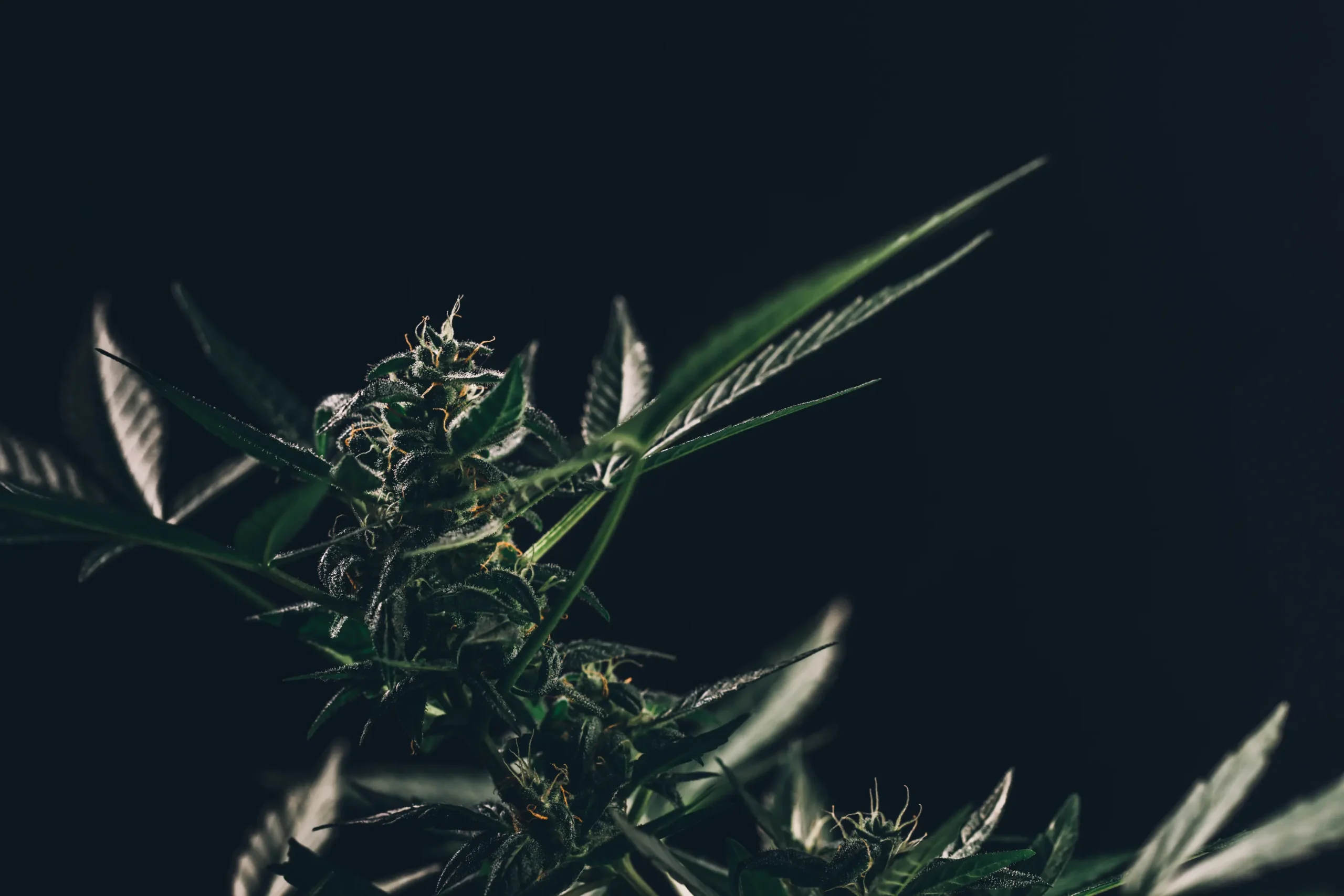
Bubba Kush
The Bubba Kush strain is a classic indica-dominant cannabis strain known for its heavy body relaxation, dense bud structure, earthy coffee aroma, and deeply calming nighttime character. It is not a strain built around speed, loud fruit, or extreme stretch. Its value comes from weight, smoothness, old-school Kush depth, and a physical effect that settles into the body with clear purpose.
For growers, Bubba Kush is especially useful when space is limited and the goal is compact, resinous, high-quality indica flower. It stays short, branches heavily, and produces bulky buds that can become impressively dense when the environment is stable. That same density is also its main challenge. Bubba Kush rewards clean airflow, careful humidity management, moderate feeding, and patient curing. Push it too wet or too crowded and the flowers can lose quality. Grow it with control and patience and it becomes one of the most satisfying old-school indica strains to keep in the garden.
Strain Features
| Feature | Details |
|---|---|
| Genetic Profile | Indica-dominant hybrid, commonly described around 80% indica and 20% sativa |
| Lineage | Commonly associated with OG Kush influence and an unknown indica background, often linked to Afghani-style indica traits |
| THC Content | Usually moderate to high, often reported in the mid-to-high range depending on phenotype and grow quality |
| CBD Content | Typically very low |
| Origin | United States, associated with the late 1990s Kush scene |
| Flowering Time | Around 7-9 weeks indoors |
| Outdoor Harvest Window | Usually late September to early October in suitable northern hemisphere climates |
| Yield Potential | Medium indoors, with strong results in compact setups when canopy density is managed well |
| Plant Height | Short to medium, naturally compact and stocky |
| Grow Difficulty | Easy to moderate, forgiving in structure but sensitive to poor airflow and excess humidity during late flower |
| Best Grow Style | Indoor, greenhouse, dry outdoor climates, SOG, compact multi-plant layouts, short veg cycles |
| Stretch Behavior | Low to moderate stretch after flowering begins |
| Bud Structure | Bulky, dense, chunky indica-style buds with resin-heavy surfaces |
| Aroma | Earthy, hashy, coffee, mocha, spice, faint floral sweetness, dark chocolate undertones |
| Flavor | Coffee, hash, earth, cocoa, spice, mild sweetness on the exhale |
| Dominant Terpenes | Caryophyllene, limonene, myrcene |
| Best Time of Use | Evening and nighttime |
| Common Effects | Relaxed, sleepy, hungry, calm, heavy body comfort |
| Medical Use Potential | Often chosen by users for stress, pain, insomnia, appetite loss, muscle tension, and evening relaxation |
| Main Grow Risk | Dense flowers can trap moisture, especially in crowded canopies or humid late-flower rooms |
Weedth Grow Focus Airflow, humidity discipline, slow drying, and flavor-preserving cure
Genetic Lineage
Bubba Kush carries the classic shape and behavior of old-school indica cannabis. Its exact lineage is often discussed with some uncertainty, but the strain is widely associated with OG Kush influence and an unknown indica parent. That unknown indica side is where much of Bubba Kush’s physical structure appears to come from: short stature, broad leaves, thick stems, slow vertical stretch, and dense flower formation.
The Kush side contributes potency, resin, depth, and the recognizable earthy-hashy backbone. The indica side gives Bubba Kush its stocky frame and heavy body effect. Together, these traits create a plant that feels built for compact gardens. Bubba Kush does not usually race upward. Instead, it fills space sideways, stacks short internodes, and builds weight through thick flowering sites.
This genetic behavior matters for growers. Bubba Kush should not be treated like a long-stretch hybrid that needs constant height control. It should be treated like a dense indica that needs early structure, clean spacing, and strong airflow before the buds become heavy. If the canopy is too crowded before flowering begins, the plant’s natural compactness can become a problem later. The inner branches may stay shaded, humidity can collect under the leaves, and the lower buds can become soft or underdeveloped.
The best Bubba Kush plants usually show a balanced expression: compact but not suffocated, dense but not wet, leafy but not sealed shut. Some phenotypes lean more hashy and earthy, while others bring a stronger coffee, cocoa, or sweet floral edge. The grower’s environment plays a large role in which side becomes louder. Cooler late-flower temperatures, moderate feeding, and slow curing tend to deepen the dark coffee and hash notes. Hot rooms and fast drying can flatten those notes into a dull earthy profile.
Effect Breakdown
Initial Onset
Bubba Kush usually begins with a calm mental shift rather than a sharp cerebral rush. The first stage often feels like pressure leaving the face, shoulders, and chest. Mood may lift gently, but this is not a bright daytime euphoria strain. It does not usually create the fast, talkative, electric onset that some sativa-leaning hybrids produce.
Instead, Bubba Kush settles the mind. The emotional tone becomes quieter and more grounded. Stress feels less urgent. Thoughts slow down without becoming completely blank at first. Many users describe this early phase as warm, steady, and reassuring, especially after a long day.
For sensitive users, this softer onset is one reason Bubba Kush remains popular. It can feel strong, but it usually does not hit with a chaotic mental edge when used carefully. The first mistake beginners make is assuming the gentle onset means the strain is mild. Bubba Kush often builds in layers. A little can feel cozy. Too much can become very heavy.
Peak Effects
As the high develops, Bubba Kush becomes increasingly physical. The body effect spreads through the limbs, back, neck, and shoulders. Muscles feel heavier. Movement becomes slower. The strain’s indica character becomes more obvious during this stage.
At the peak, Bubba Kush is best described as body-led relaxation with a calm, slightly dreamy mental layer. It is not ideal for work, complex tasks, or social situations that require sharp focus. It is much better for quiet evenings, food, music, stretching, watching something slow, or simply letting the body rest.
The appetite effect can become noticeable during the peak. Food may become more appealing, and the strain can make simple flavors feel warmer and richer. For users who struggle to eat after stress or pain, this can be one of Bubba Kush’s useful qualities.
Late Phase and Duration
The late phase is where Bubba Kush shows its full nighttime personality. The body becomes heavier, and the mind becomes less interested in activity. This is when couch-lock can appear, especially with higher doses or well-grown high-THC flower.
The comedown usually leans sleepy rather than edgy. Bubba Kush is often chosen before bed because the final stage can feel like a slow descent into rest. It is not the best strain when the user wants to stay mentally productive. It is better when the day is already finished.
Beginners should approach Bubba Kush with patience. The effect can feel manageable in the first few minutes, then deepen into full body sedation. A small amount may be relaxing. A larger amount may turn into a strong sleep-focused experience.
Flavor & Aroma Profile
Bubba Kush has one of the most recognizable old-school indica flavor profiles. It is dark, earthy, roasted, and resinous rather than bright or tropical. The best examples smell like coffee grounds, dry earth, hash, cocoa, pepper, and faint sweet flowers.
In the jar, Bubba Kush usually opens with a grounded earthy aroma. It can smell like damp soil, roasted coffee, dark herbs, and old-school hash. When the bud is broken apart, deeper notes appear. The coffee profile becomes warmer. The spice becomes sharper. Some phenotypes show a mocha-like scent, almost like bitter chocolate mixed with earthy resin.
The inhale is usually smooth when properly dried and cured. The first flavor is often earthy and hashy, followed by roasted coffee and cocoa. On the exhale, Bubba Kush can show a sweet-spicy finish. The sweetness is not candy-like. It is more like dark floral sweetness, warm spice, and faint chocolate bitterness.
The flavor depends heavily on post-harvest handling. Bubba Kush can become harsh and flat if dried too quickly. A hot drying room strips away the coffee and mocha top notes. Over-drying can leave only a dull earthy taste. The best Bubba Kush needs a slow dry and a patient cure because its flavor is layered but not loud in the same way as fruit-forward strains.
Grower note: Bubba Kush is a cure-sensitive strain. If the jar smells earthy but the coffee and chocolate notes are weak, the issue is often not genetics. It is usually drying temperature, curing time, or overfeeding during late flower.
Dominant Terpenes
Caryophyllene
Caryophyllene is central to Bubba Kush’s spicy, peppery, hash-like depth. It gives the strain a warm bite on the exhale and supports the darker flavor profile. When Bubba Kush tastes like coffee mixed with spice, caryophyllene is one of the main reasons.
In effect, caryophyllene is often associated with body comfort and stress relief. In Bubba Kush, it works with the heavy indica structure to create a grounded, physical feeling. It does not make the strain energetic. It adds warmth, depth, and a calming edge.
For growers, caryophyllene expression improves when the plant is not pushed too hard late in flower. Excess nitrogen, high heat, and fast drying can make the final smoke taste sharper and less refined.
Myrcene
Myrcene gives Bubba Kush much of its heavy physical relaxation. It also supports the earthy, musky, herbal base of the aroma. A Bubba Kush flower with strong myrcene expression often feels deeper, slower, and more body-focused.
This terpene is one reason Bubba Kush works best in the evening. Myrcene-heavy profiles tend to feel heavier in the limbs and more sedating as the session continues. When paired with dense indica genetics, the result can become strongly couch-oriented.
In cultivation, myrcene preservation depends on temperature control. Hot late-flower rooms and aggressive drying can reduce the softer musky-earthy notes. Keeping the canopy from overheating and drying slowly after harvest helps preserve the calm, rounded character.
Limonene
Limonene may seem surprising in a dark Kush profile, but it helps brighten Bubba Kush enough to keep the aroma from becoming flat. It can add a faint citrus lift, slight sweetness, or cleaner edge behind the coffee and earth.
In the high, limonene can support the early mood lift. Bubba Kush is not a bright citrus strain, but the small uplifting layer at the beginning often feels more balanced than a purely narcotic indica. Limonene helps soften the heaviness without changing the strain’s nighttime identity.
If Bubba Kush is grown too warm or dried too fast, this lighter layer disappears first. The flower may still smell earthy, but it loses the subtle top note that makes a good jar feel complex.
Indoor vs Outdoor Growing
| Aspect | Indoor Growing | Outdoor Growing |
|---|---|---|
| Height | Short to medium, easy to control in tents and compact rooms | Medium if given long veg and root space, but still not usually tall like sativa-heavy strains |
| Structure | Stocky, broad-leafed, bushy, dense internodes | Wider, stronger branching under full sun |
| Stretch | Low to moderate | Moderate outdoors if planted early |
| Flowering Time | Around 7-9 weeks | Usually late September to early October in suitable climates |
| Yield | Medium, strong for compact setups when trained well | Medium to high in dry climates with enough sun and root volume |
| Best Technique | SOG, short veg, light topping, selective defoliation | Early topping, branch support, dry climate, rain protection |
| Main Risk | Humidity pockets inside dense canopy | Autumn rain, morning dew, bud rot in dense flowers |
| Flavor Potential | Strong coffee, hash, earth, cocoa when dried and cured slowly | Deeper earthy and herbal notes when grown in healthy soil and harvested in dry weather |
| Best Climate | Controlled indoor room with late-flower RH discipline | Warm, dry, sunny climate with low late-season humidity |
Bubba Kush is highly suitable for indoor cultivation because its compact structure is easy to manage. It does not demand tall ceilings or aggressive stretch control. For small tents and short rooms, this is a major advantage. A grower can keep the plant short, build a flat canopy, and focus on dense flower production.
The main indoor challenge is not height. It is air movement through the canopy. Bubba Kush can form a leafy, tight plant with thick flower sites. If humidity rises during late flower, the buds can trap moisture. The grower must create air channels before the flowers become too dense.
Outdoors, Bubba Kush can perform well in warm and dry climates. It does not love wet autumn conditions. The flowers can become heavy and compact, so repeated rain or thick morning dew near harvest can create risk. In dry outdoor gardens, Bubba Kush can develop rich earthy and hashy flavors. In humid outdoor gardens, it needs spacing, pruning, and protection from late-season moisture.
Strain-Specific Grow Guidance
Morphology and Plant Shape
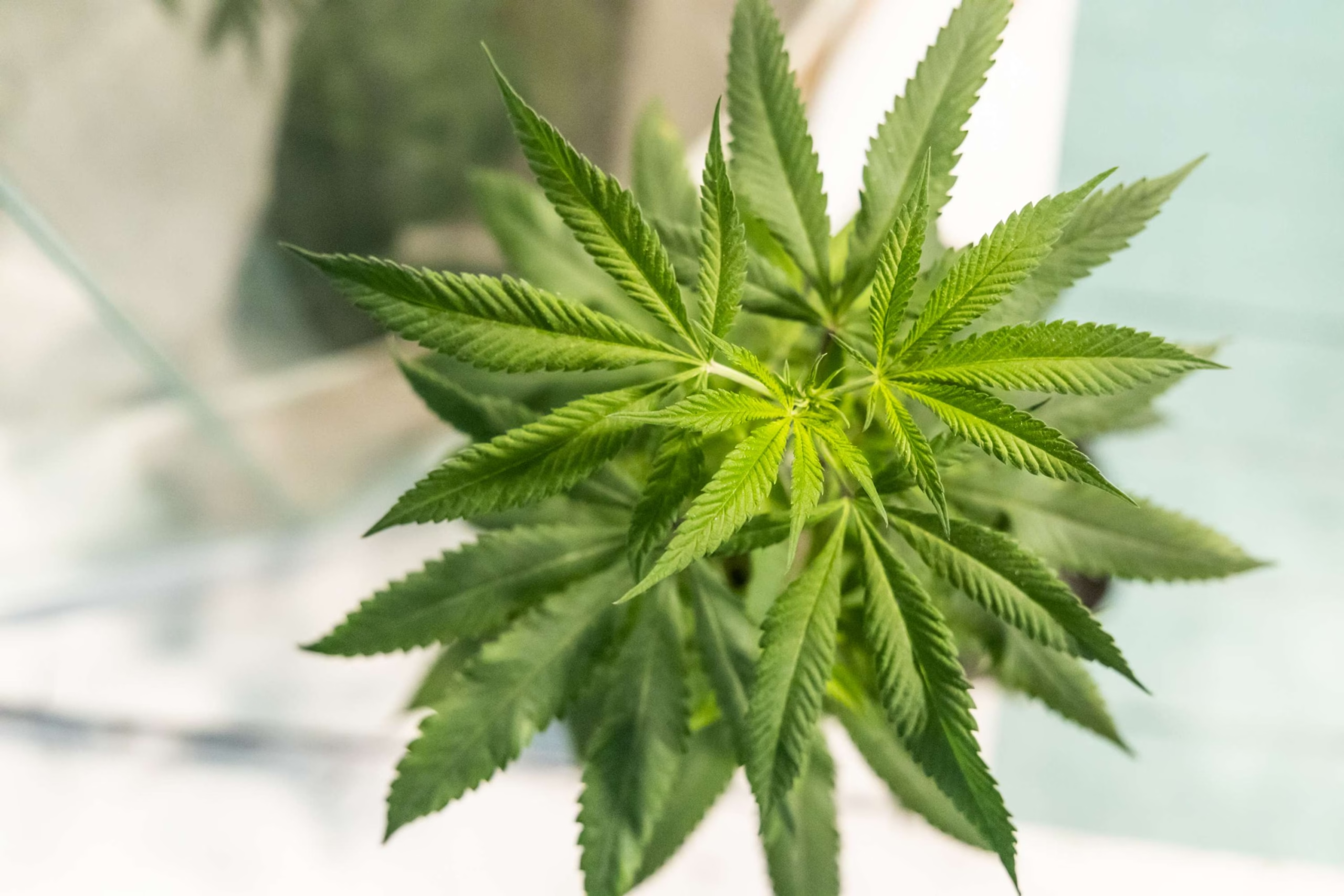
Bubba Kush grows like a classic indica. It usually stays short, broad, and thick. Fan leaves are wide, stems are sturdy, and internodal spacing is tight. This makes the plant visually satisfying, but it also means the canopy can become too dense if left untouched.
The plant does not need extreme height control. Instead, it needs shape control. A grower should focus on creating a plant that breathes. The goal is not to remove too much leaf mass. The goal is to prevent sealed pockets where stale air collects.
During veg, Bubba Kush benefits from early topping or gentle lateral training. It does not need heavy stress to produce multiple tops. A single topping followed by low stress training can create a strong, even plant. If grown in a SOG system, it can also perform well with minimal topping and a shorter vegetative period.
Stretch Behavior
Bubba Kush usually stretches less than many modern hybrids. After the flip to flower, expect a controlled rise rather than explosive vertical growth. This makes it easier to flower in small spaces, but it also means that veg structure matters. If the plant is too small before flowering, it may not stretch enough to fill the canopy.
For indoor growers, this means timing is important. Bubba Kush should not be flipped too early unless the plan is a SOG layout with many small plants. For fewer plants, allow enough vegetative growth to build branch sites before switching to flower.
Training Response
Bubba Kush responds well to simple, early training. It does not need complicated manipulation. Topping, LST, and light canopy spreading are usually enough.
Bubba Kush responds especially well to the following simple training methods when each one is matched to plant count, available veg time and canopy density.
SOG
Excellent for short indica structure and fast room turnover.
Low Stress Training
Good for opening the plant and increasing light penetration.
Single topping
Useful for creating multiple main tops without slowing the plant too much.
Light SCROG
Possible, but less necessary than with stretchier strains.
Lollipopping
Helpful if done moderately before the canopy becomes too thick.
Bubba Kush should not be heavily stripped late in flower. Large defoliation after the buds have formed can stress the plant and reduce energy production. It is better to remove selected leaves gradually during veg and early flower.
Defoliation and Airflow
Defoliation is one of the most important grow decisions with Bubba Kush. Because the plant stays compact and leafy, inner airflow can become poor. This matters most after week 3 of flowering, when buds begin to swell and leaves become less flexible.
A good strategy is to remove lower interior growth that will never receive strong light. Then, remove only the large fan leaves that block airflow or shade strong bud sites. The top canopy should remain productive, but the inside of the plant should not feel wet, dark, or sealed.
Important: Bubba Kush does not need to be stripped naked. Over-defoliation can reduce bud swell and weaken the plant. The best approach is selective and practical: open the plant enough to breathe, but keep enough healthy leaf area to feed the flowers.
Feeding Behavior
Bubba Kush usually performs best with moderate feeding. It does not need to be pushed aggressively to make quality flower. Heavy feeding can darken the leaves, slow the natural fade, and reduce flavor quality.
During veg, provide enough nitrogen to support broad leaf growth and branching. During early flower, reduce nitrogen gradually and increase bloom support. In mid flower, Bubba Kush can use extra phosphorus and potassium, but the feed should remain balanced. Too much bloom booster can create harsh smoke and salt stress.
Calcium and magnesium support can help under strong lighting, especially in coco or mineral-heavy setups. Watch the leaves. Bubba Kush will often show excess before severe deficiency. Very dark green leaves, clawing, burned tips, and slowed bud development all suggest the plant is being pushed too hard.
The best Bubba Kush flower often comes from a plant that is well-fed but not overstuffed. Moderate nutrition, stable pH, and a clean final ripening period protect the strain’s coffee, cocoa, and hash notes.
Watering Behavior
Because Bubba Kush is short and dense, many growers accidentally overwater it, especially in large containers. The plant may not drink as fast as taller, more vigorous hybrids during early growth. Overwatering can slow root development, reduce oxygen, and make the plant look heavy or dull.
Use a well-aerated medium. Fabric pots, added aeration, and proper dry-back cycles help Bubba Kush develop a healthier root zone. The plant likes consistent moisture, but it does not like a cold, soggy medium.
A good watering rhythm supports both yield and flavor. Healthy roots feed dense flowers. Stressed roots create weaker terpene expression and smaller buds.
Flowering and Bud Development
Bubba Kush begins to show its real identity in mid flower. Buds become chunky, thick, and resinous. The flowers are not always giant in length, but they can become heavy for their size. This is why the strain works well in compact gardens. The flowers carry weight through density rather than massive stretch.
The late flowering stage is where quality is won or lost. High humidity can become dangerous. Poor airflow can trap moisture. Excess feeding can delay ripening. High heat can flatten the coffee and chocolate notes.
For best results, keep the late flower environment slightly dry, stable, and cool enough to preserve terpenes. The plant should finish with dense resinous buds, not wet oversized colas that are difficult to dry safely.
Harvest Timing
Bubba Kush is usually ready around 7-9 weeks indoors, but phenotype and environment matter. Harvesting too early can make the effect feel less complete and the flavor more green or earthy. Harvesting too late can increase heaviness, but it may also reduce some of the brighter aromatic notes.
For a balanced Bubba Kush harvest, aim for mostly cloudy trichomes with a small amount of amber. For a stronger nighttime version, allow a little more amber development. Avoid waiting too long if humidity is rising or if dense tops begin to feel overly compact.
The best harvest window is not only about potency. It is about the combination of aroma, resin maturity, and bud health.
Grower Question
Grower Question
Why does my Bubba Kush stay heavy and slow for days after watering even though the leaves still look healthy?
Question sent by: Caleb N., via email
Bubba Kush can keep a calm-looking canopy while its compact root zone is still short of oxygen. Lift the container before you water again and compare that weight with a genuinely dry-back-ready pot; then check drainage speed, root-zone temperature, pot size and how much structural aeration the medium contains. If the center stays cold and heavy while only the surface dries, adding more nutrient solution will deepen the problem. Let the container become meaningfully lighter without forcing a severe wilt, improve airflow around the pot, and correct the medium or drainage at the next safe transplant. The plant is telling you that its watering interval and root volume are out of step, not automatically that it needs more feed.
Weedth Bud Flavor Tips
Indoor Flavor Tips
Bubba Kush’s flavor depends heavily on temperature and curing. The coffee, mocha, hash, and spice profile is not as loud as modern fruit strains, so poor post-harvest work can erase much of its character.
Keep late flower temperatures moderate. If the room is too hot, Bubba Kush can still produce strong flower, but the aroma becomes flatter. The earthy base remains, while the coffee and chocolate notes fade. A stable canopy temperature and slightly cooler nights in late flower help protect the dark aromatic profile.
Avoid heavy nitrogen late in flower. Bubba Kush already has a deep earthy profile, and excess nitrogen can make the smoke taste greener, heavier, and less refined. A clean fade is not only visual. It supports smoother flavor.
Dry slowly. A 10-14 day dry is often better than a quick 5-day dry for Bubba Kush. The strain needs time for the roasted and hashy notes to settle. Fast drying can create a sharp hay-like smell that hides the coffee profile.
Cure for at least 3-4 weeks. Bubba Kush improves with time in the jar. After the first week, the harsh green edge begins to soften. After several weeks, the coffee, cocoa, and spice notes become rounder. Longer cures can make the smoke feel thicker and smoother.
Grower note: If Bubba Kush smells good on the plant but bland in the jar, the dry was probably too fast or too warm. This strain needs a slow transition from fresh flower to cured flower.
Outdoor Flavor Tips
Outdoor Bubba Kush can produce a deeper, more herbal version of the strain. Healthy soil and full sun can bring out rich earthy, hashy, and spicy notes. However, outdoor flavor depends strongly on weather near harvest.
Harvest after a dry period when possible. If heavy rain is coming late in flower, do not ignore it. Dense Bubba Kush flowers can hold moisture. A slightly earlier clean harvest is often better than waiting for perfect trichomes and losing tops to rot.
Give outdoor plants space. Bubba Kush should not be crowded against walls, fences, or other dense plants. Morning airflow matters. If dew sits on the flowers for hours each day, risk increases.
Use balanced organic soil amendments if growing outdoors. Bubba Kush does not need excessive bottled feeding to express flavor. A healthy living soil style can support deeper coffee, earth, and hash notes. The goal is not to make the plant taste like additives. The goal is to keep the plant healthy enough to express its own genetics.
Dry outdoor Bubba Kush carefully. Outdoor buds often contain more environmental moisture and may have thicker stems. Do not pack them tightly in the drying room. Keep airflow gentle, not direct. Direct fan blast can over-dry the outside while the inside stays too wet.
Weedth Bud Boost Tips
Indoor Bud Boost Tips
Bubba Kush can produce strong indoor results, but the grower must respect its compact structure. It is not a huge stretch strain, so yield comes from canopy planning.
Use a short-to-medium veg depending on plant count. In SOG, smaller plants can be flowered earlier. In fewer-plant setups, give Bubba Kush enough vegetative time to build multiple branches before flowering.
Train early, then stop heavy manipulation. A single topping and LST can create a wider plant with more tops. Once flowering begins, focus on support and airflow rather than constant bending.
Keep the canopy even. Bubba Kush does not like being buried under its own leaves. A flat canopy helps light reach more tops and reduces weak lower buds.
Remove lower larf before flower sites harden. Lower branches that will never receive strong light should be removed before they waste energy. This helps the plant push weight into the top flowers.
Use strong but controlled light. Bubba Kush can form dense flowers under high-quality light, but too much heat near the canopy damages terpene quality. The goal is intensity without stress.
Control humidity aggressively in late flower. For dense indica buds, this is more useful than trying to force size with extra nutrients. Dry, moving air protects the final weight you already built.
Support heavy tops if needed. Bubba Kush branches are usually sturdy, but dense late-flower buds can lean. Soft plant ties or a support net can keep tops upright and evenly lit.
Outdoor Bud Boost Tips
Outdoors, root volume is the first yield booster. Bubba Kush will stay compact, but a larger root zone allows it to build stronger branches and denser flowers.
Start with early structure. Topping once in veg can create a wider plant with multiple main flowering sites. This is better than allowing one dense central cola in humid areas.
Choose a dry, sunny spot. Bubba Kush’s best outdoor quality comes from strong sun and low late-season humidity. If the garden is shaded in the morning, dew may linger too long.
Prune for airflow before flowering gets serious. Once dense flowers form, it becomes harder to correct airflow without stressing the plant. Clean up the interior early.
Avoid overfeeding outdoors. Rich soil is useful, but excessive nitrogen can create leafy buds and delay ripening. Bubba Kush should finish with dense flowers, not heavy green leaf mass inside the bud.
Protect from late rain. A simple rain cover, greenhouse roof, or movable container strategy can protect the final weeks. Bubba Kush does not need wet flowers near harvest.
Medical Uses & Benefits
Warning
Reported use is not a medical guarantee
The following section preserves commonly reported experiences, not proof that Bubba Kush diagnoses, treats or cures any condition. High-THC cannabis can increase anxiety, dizziness, sedation and impairment. Do not drive or perform safety-sensitive work while impaired. Persistent symptoms, interacting medicines, pregnancy, breastfeeding, cardiovascular concerns or a history of psychosis require guidance from a qualified healthcare professional.
Bubba Kush is often chosen by users looking for deep physical relaxation rather than daytime stimulation. Its effect profile makes it especially suitable for evening use.
For stress, Bubba Kush may help quiet mental tension. The early mood lift is soft, but the body relaxation can make stress feel less physical. Users who carry tension in the shoulders, neck, jaw, or back may appreciate this body-heavy profile.
For pain, Bubba Kush is often valued because the high settles into the body. It may help with chronic discomfort, muscle soreness, cramps, and physical tension. It is not a medical guarantee, and individual responses vary, but the strain’s combination of THC potency and relaxing terpenes makes it a common choice for body relief.
For insomnia, Bubba Kush is one of the more logical strain choices. It becomes heavier as the session develops, and the late phase can support sleep. Users who want an evening strain that transitions into rest often prefer this type of indica profile.
For appetite, Bubba Kush may increase hunger, especially after the peak begins. This can be useful for users who lose appetite from stress or discomfort.
For anxiety, dosage matters. A small amount may feel grounding. Too much THC can feel overwhelming for sensitive users. Bubba Kush is calming in character, but it is still a THC-rich strain, so new users should start carefully.
Ideal User Profile
Bubba Kush is best for users who want a calm, body-heavy indica experience. It suits people who use cannabis at the end of the day, not people looking for a clear daytime productivity strain.
The ideal Bubba Kush user enjoys slow evenings, warm food, quiet music, stretching, films, sleep preparation, or physical rest. This is not usually the strain for intense creative work, busy social energy, or active daytime focus.
It is also a good fit for old-school Kush lovers. If a user enjoys earthy, hashy, coffee-like cannabis rather than candy, fruit, or gas-heavy modern profiles, Bubba Kush feels familiar and satisfying.
Beginners can use Bubba Kush carefully, but it is better suited to users who understand dose control. The onset can feel friendly, then the peak can become very heavy. A beginner who takes too much may simply become sleepy, foggy, or couch-locked.
For growers, Bubba Kush suits people who want compact indica plants and do not want a tall, stretchy cultivar. It is also useful for indoor growers with limited vertical space. The ideal grower is someone who can manage humidity, avoid overwatering, and stay patient during drying and curing.
Grower Notes and Feedback
Growers often describe Bubba Kush as easy to keep short but not always easy to finish perfectly. The plant’s structure is forgiving, but the flowers demand environmental discipline.
The most common positive feedback is about manageability. Bubba Kush usually does not become too tall. It can fit in small rooms and tents. It responds well to simple training, and it does not need constant height correction.
The most common challenge is density. The buds can become thick enough to trap moisture. This is especially true when the grower lets the plant stay too leafy. A dense Bubba Kush canopy may look healthy from the outside while the inner branches receive poor airflow.
Another frequent grower observation is that Bubba Kush can lose flavor if rushed. The fresh plant may smell rich and promising, but a quick dry can turn the final jar into plain earthy cannabis. The best growers treat Bubba Kush like a slow-cure strain.
Feeding feedback is usually moderate. Bubba Kush can handle decent nutrition, but the highest quality flower does not come from forcing it. Overfed plants can look dark and impressive, yet smoke harsher and lose aroma clarity. This strain rewards balance.
In flower, Bubba Kush often produces more weight than expected for its height. That is part of its appeal. It stays compact but builds dense tops. For growers who want efficient use of vertical space, this is a major advantage.
Weedth Editor’s Note
I like Bubba Kush because it teaches restraint. It is not a plant that asks me to chase height, stretch, or dramatic training. It asks me to build a clean structure early and then protect the flowers while they gain density.
When I grow a strain like this, I pay attention to the center of the plant. The outside can look perfect while the inside gets too still. I usually remove weak lower growth before flowering gets serious and then take a few large leaves only where they block airflow or strong bud sites. I do not strip Bubba Kush heavily. I just open enough space for air to move through the plant.
The best Bubba Kush jars I have had were never from the most aggressively fed plants. They came from the plants that finished clean, dried slowly, and cured longer than I originally wanted to wait. Around the third or fourth week in the jar, the smoke changed. The green edge dropped away and the coffee note became more obvious. The cocoa and hash notes came forward after that.
Smoking Bubba Kush feels like the end of the day. It does not push me into ideas or conversation. It makes me want to sit down, eat something warm, and stop carrying tension in my shoulders. The first few minutes can feel happy and light, but the real identity arrives later when the body gets heavy and the room slows down.
If I had to give one piece of advice for Bubba Kush, it would be this: do not judge the plant only by flower size. Judge it by density, aroma, dry quality, and smoothness after cure. Bubba Kush is at its best when the grower respects the slow parts of the process.
Weedth Score
Growing Experience – 8.5/10:
Bubba Kush is easy to manage in height and responds well to simple training. It is a strong choice for small indoor spaces and short canopies. The reason it does not score higher is humidity sensitivity in late flower. Dense buds and compact foliage require clean airflow.
Bud Structure & Visual Appeal – 8.5/10:
The buds are chunky, resinous, and classic indica in appearance. They often show dark green tones, orange hairs, and a frosty coating. Some phenotypes may look less colorful than modern purple dessert strains, but the density and old-school structure are excellent.
Aroma Complexity – 9/10:
Bubba Kush has a rich dark profile with coffee, hash, earth, mocha, spice, and subtle floral sweetness. It is not the loudest fruit strain, but it has serious depth. A slow cure makes the aroma much more refined.
Flavor & Smoothness – 8.5/10:
Properly cured Bubba Kush can be smooth, roasted, earthy, and satisfying. The main risk is harshness from overfeeding or fast drying. When handled correctly, the coffee-chocolate-hash profile is one of the strain’s best qualities.
Effects & High Experience – 9/10:
The effect is reliable, body-heavy, and excellent for evening use. It begins with calm mood lift and finishes with deep relaxation. It is not versatile for daytime productivity, but for nighttime comfort it performs extremely well.
Overall Satisfaction & Recommendation – 9/10:
Bubba Kush is strongly recommended for growers and users who appreciate compact indica plants, dense flowers, and old-school Kush flavor. It is not flashy, but it is dependable, flavorful, and deeply relaxing when grown and cured correctly.
“Dense, earthy, coffee-rich, and built for the quiet end of the day.”
FAQ
Is Bubba Kush beginner-friendly?
Yes, Bubba Kush can be beginner-friendly because it stays short, handles simple training, and does not usually stretch out of control. However, beginners must pay attention to humidity and watering. The plant is easy to keep alive, but top-quality Bubba Kush requires good airflow and a slow cure.
How long does Bubba Kush take to flower?
Most Bubba Kush plants finish indoors in about 7-9 weeks. Some phenotypes may be ready earlier, while others benefit from a longer finish. Trichomes should guide the final harvest decision.
Does Bubba Kush stretch a lot?
No. Bubba Kush usually has low to moderate stretch. This makes it useful for indoor growers with limited height. Because stretch is limited, the plant should be given enough veg time to fill the canopy before flowering.
Is Bubba Kush better indoors or outdoors?
Bubba Kush is especially strong indoors because the grower can control humidity and airflow. Outdoors, it can perform well in warm, dry climates. In wet autumn climates, dense buds can become risky near harvest.
What does Bubba Kush taste like?
Bubba Kush commonly tastes earthy, hashy, coffee-like, spicy, and slightly chocolatey. Some phenotypes also show mild floral sweetness. The flavor becomes much smoother after a slow dry and several weeks of curing.
Why does my Bubba Kush taste flat?
Flat flavor usually comes from fast drying, high drying temperatures, excess late nitrogen, or harvesting before terpene maturity. Bubba Kush needs slow drying and patient curing to show its coffee, hash, and cocoa notes.
Does Bubba Kush need heavy feeding?
No. Bubba Kush usually performs best with moderate feeding. It can handle bloom nutrition, but overfeeding can reduce flavor quality and make the smoke harsher. Balanced feeding is better than aggressive feeding.
Is Bubba Kush good for sleep?
Bubba Kush is commonly chosen for nighttime use because its effects often become sleepy and body-heavy. It may help some users relax before bed, but responses vary based on tolerance and dose.
What is the main grow risk with Bubba Kush?
The main risk is moisture trapped in dense buds or crowded foliage. Late-flower humidity control, selective defoliation, and steady airflow are the most important preventive steps.
Can Bubba Kush be grown in SOG?
Yes. Bubba Kush is well suited to SOG because it stays short and flowers in a compact structure. It can work well in multi-plant layouts with short veg times.
Similar Strains
Master Kush
Master Kush is similar because it shares the old-school indica identity, earthy flavor, compact growth, and deep body relaxation. It is a good comparison for users who like Bubba Kush’s calm, traditional Kush character.
Afghan Kush
Afghan Kush is similar through its broad-leaf indica behavior, dense buds, and hashy aroma. Growers who like Bubba Kush’s stocky structure and resin-heavy flowers often appreciate Afghan Kush.
Kosher Kush
Kosher Kush is stronger and more pungent in many expressions, but it shares the heavy relaxation, dense bud risk, and Kush-style flavor depth. It is a good choice for users who want a deeper, more intense nighttime profile.
Purple Kush
Purple Kush offers similar physical heaviness and compact indica growth, but often with more purple visual expression and sweet grape-earth flavor. It is useful for growers who like Bubba Kush’s density but want more color.
Northern Lights
Northern Lights is similar in grow reliability, compact indica structure, and relaxing nighttime effect. It is often easier and more forgiving, making it a useful comparison for beginner growers.
Granddaddy Purple
Granddaddy Purple shares the heavy relaxation and evening-use profile, but its flavor leans more grape, berry, and sweet fruit. It is a good similar strain for users who like Bubba Kush’s body effect but want a sweeter aroma.
Share this article
A quick overview of the topics covered in this article.
Follow us
Latest articles
September 26, 2026
September 26, 2026
September 26, 2026
September 26, 2026
