
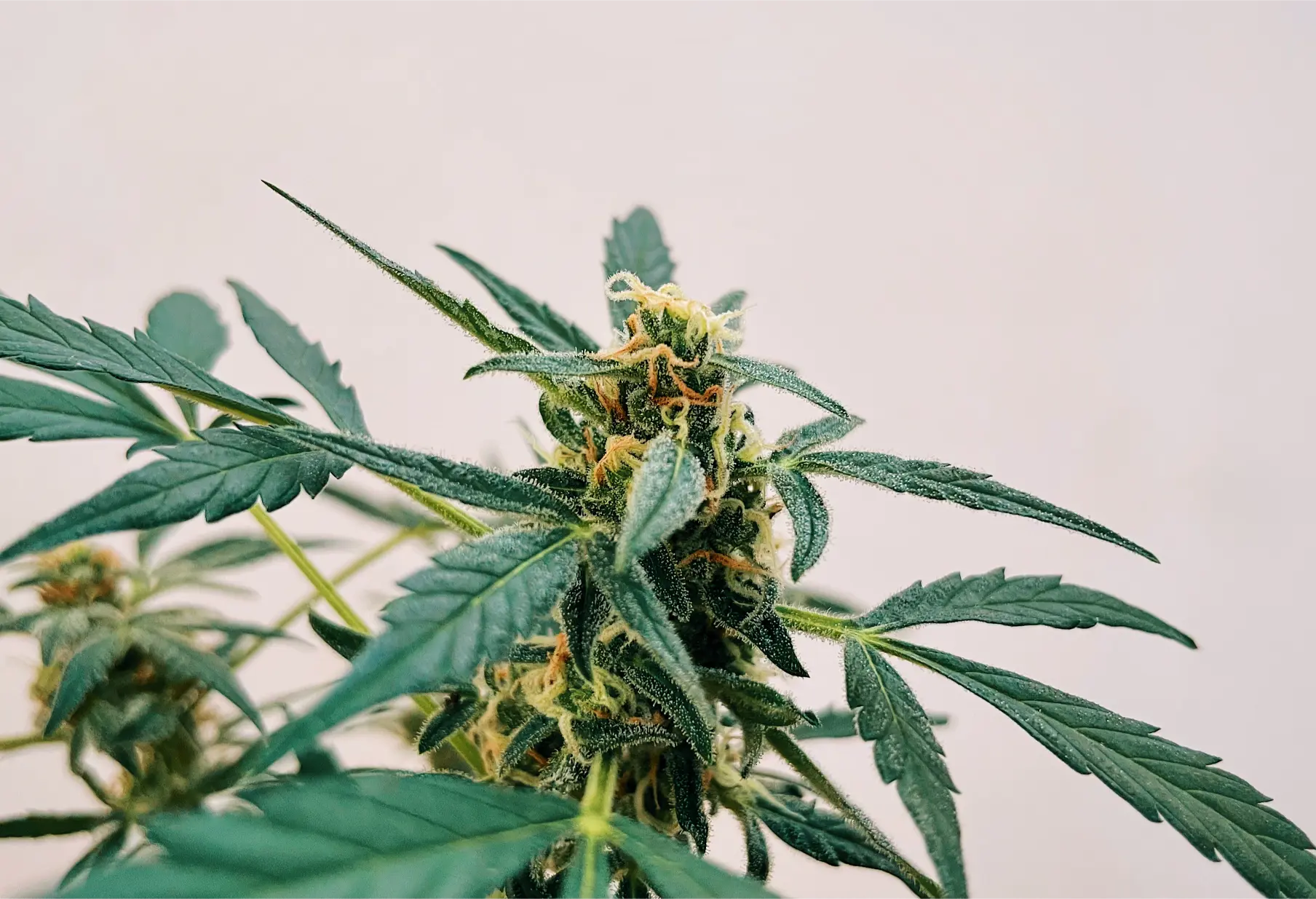
Burmese Kush
Burmese Kush is a contradiction in plant form. It can begin slowly, remain narrow through early vegetative growth and look naturally suited to a small room. Once flowering begins, however, some expressions rise rapidly and can finish several times taller than their flip height. The plant does not always create a wide field of branches. Instead, it often builds flower from the main stem downward, producing dense dark-green buds with a high calyx-to-leaf ratio and fine resin across the nearby leaves.
That behavior makes Burmese Kush an efficient SOG candidate but a poor cultivar to judge by early size alone. It also creates a second contradiction. The plant can tolerate warmth, yet its dense flower and compact inner structure become vulnerable when humidity remains high. The central grow problem is learning when to trust its compact shape and when to prepare for a surprisingly forceful flowering transition.
The name also requires care. More than one unrelated cultivar has been sold as Burmese Kush. This profile focuses on the historically documented compact, fast-flowering line commonly associated with Burmese and old California Kush or OG-type ancestry. Growers should confirm the lineage of their own material because another plant carrying the same name may behave very differently.
Strain Features
| Feature | Details |
|---|---|
| Strain Type | Indica-leaning hybrid with meaningful sativa influence |
| Common Lineage | Burmese genetic material crossed with an old California Kush or OG-type line |
| Naming Caution | Other unrelated crosses have also been sold under the Burmese Kush name |
| THC | Commonly reported around 18% to 25%, with wide product variation |
| CBD | Usually very low |
| Dominant Terpenes | Beta-caryophyllene, myrcene and limonene are frequently reported; terpinolene-forward examples also exist |
| Core Aroma | Pine, dark earth, sweet spice, wood, Kush, herbs and occasional tree fruit or peach |
| Effect Character | Slow-building, centered and calming, with euphoria arriving before heavier physical relaxation |
| Flowering Time | Commonly 7 to 9 weeks for the compact historical line |
| Outdoor Harvest | Usually early autumn, though local season and source genetics can shift timing |
| Vegetative Vigor | Slow to moderate at the beginning |
| Stretch | Highly deceptive and phenotype-dependent; some plants triple or more from a small flip height |
| Plant Architecture | Narrow main structure, limited early branching and later development along the central stem |
| Bud Structure | Dense dark-green nuggets, small trichomes and a favorable calyx-to-leaf ratio |
| Yield Potential | Moderate, with strong space efficiency in SOG |
| Heat Response | Generally tolerant of warm conditions |
| Humidity Risk | Moderate to high; powdery mildew and dense-flower moisture are recurring concerns |
| Feeding Behavior | Moderate, with conflicting reports from different phenotypes and grow systems |
| Training Compatibility | SOG, early supercropping, limited topping and gentle LST |
| Grow Difficulty | Moderate |
| Best Time of Use | Late afternoon, evening or low-pressure social settings |
Genetic Lineage
The Historical Compact Line
The best-documented version combines Burmese material with an old California Kush or OG-type plant. The Burmese influence is not expressed as an extremely tall tropical sativa. Instead, it appears through thinner leaves, a more active flowering stretch and a brighter mental tone than the Kush name alone suggests.
The California Kush side contributes dark-green color, compact flower, pine, earth and a calmer physical finish. It also helps shorten flowering time. The resulting cultivar can complete bloom surprisingly quickly even when the transition growth is strong.
Why the Name Creates Confusion
Burmese Kush has also been used for unrelated crosses. Some records describe a very different sativa-leaning combination with alternative parentage and a longer flowering expectation. Those plants should not be assumed to share the compact SOG behavior described here.
This naming conflict affects every practical number. A grower reading that Burmese Kush finishes in seven weeks may receive a different line that needs nine or ten. A plant expected to stay narrow may branch widely. The safest approach is to confirm the source description and then use the plant's actual morphology as the final authority.
Inherited Morphology
The compact historical line begins with limited branching. Leaves can be thin and flat despite the plant's dark Kush color. During flowering, bud sites develop along the main stem and short laterals. Some phenotypes show more sativa-style elongation and create longer side branches, but the general plant remains easier to place closely than a wide tropical hybrid.
Phenotype Range
A squat expression may build one heavy central column with short supporting branches. A stretchier expression can rise dramatically and create denser flower clusters along a longer frame. Bud shape may also shift from chunky Kush nuggets toward slightly longer calyx formations.
Aroma varies from pine, wood and sweet spice to brighter fruit or peach-like notes. Terpinolene-rich samples show that the name cannot be reduced to one myrcene-caryophyllene Kush profile.
Effect Breakdown
Burmese Kush is best described by delay and accumulation rather than by a dramatic immediate hit.
The Quiet Beginning
The first minutes may feel deceptively mild. Mood softens, irritation becomes less urgent and the body begins to release tension without a heavy drop. Some users remain talkative and socially comfortable.
This stage can encourage redosing because the full strength has not arrived. A cautious consumer should wait. The cultivar often becomes more powerful after the initial amount has already been absorbed.
Centered Euphoria
The mental phase develops as calm euphoria rather than fast excitement. Thoughts may feel less scattered, and social anxiety can become less prominent for some users. The experience is often described as centered or mellow.
A brighter phenotype may add gentle mental energy, humor or a peachy, terpinolene-like sensory lift. This variation explains why some users describe the cultivar as talkative while others view it as a traditional relaxing Kush.
Physical Expansion
As the effect builds, warmth and body weight become stronger. Muscles soften and movement becomes less urgent. Pain and tension may feel more distant, although these are subjective reports rather than clinical evidence.
At a moderate dose, the user may remain functional enough for conversation, food or a film. At a high dose, the effect becomes heavier and more persistent.
The Late Phase
The finish can be long-lasting. Sleepiness, appetite and physical stillness may increase. The slow onset means the late phase can be stronger than expected, especially for someone who consumed more during the quiet beginning.
Dry mouth and dry eyes are common. Headache, dizziness and anxious discomfort are reported by a smaller group. Even a calming cultivar can become unpleasant when THC dose exceeds individual tolerance.
Flavor & Aroma Profile
Dark-Green Pine and Wood
The classic expression opens with pine, dry wood and dark earth. The aroma is clean rather than strongly skunky. It can resemble crushed pine needles over warm soil and old wooden furniture.
This base survives drying more easily than the sweeter notes. A poorly handled crop may retain pine and earth while losing nearly everything else.
Sweet Spice and Kush
Breaking the flower releases pepper, incense-like spice and a gentle sweetness. The Kush quality is more herbal and resinous than dessert-like. Some flowers smell like sweet spice pressed into dark plant resin.
The exhale often carries pepper and wood. A well-cured sample becomes smoother and leaves a mild sweet coating rather than a sharp mineral finish.
Fruit and Terpinolene Expressions
Some modern samples show peach, tree fruit, flowers or bright herbs. These may carry an unusually high terpinolene presence compared with the more common caryophyllene-myrcene profile.
A fruit-forward phenotype can still be Burmese Kush, but it should not be used to define every plant. The aroma range is a reminder that cultivar labels contain chemical variation.
Smoke and Vapor Differences
Vapor tends to reveal pine, fruit and sweet herbs. Smoke emphasizes pepper, earth and wood. A high-temperature vapor session can move from peach or pine into heavier Kush spice as the more volatile compounds are exhausted.
Cure Development
The flower may smell intensely spicy during the first week after drying. Over several weeks, the sweetness becomes clearer and the smoke softens. Fruit-forward phenotypes need especially careful storage because their bright notes decline faster than the woody base.
Dominant Terpenes
| Terpene | Aroma Role | What It May Help Explain |
|---|---|---|
| Beta-Caryophyllene | Pepper, dry spice, wood and warm earth | The Kush-like exhale and the strain's common spicy identity |
| Myrcene | Earth, herbs and ripe depth | The heavier physical finish in many expressions |
| Limonene | Sweet citrus and a light upper note | Brightness above the pine and the initial euphoric tone |
| Terpinolene | Peach, flowers, fresh herbs and mixed fruit | Unusually bright or talkative phenotypes reported in some tested material |
| Pinene | Pine needles, resinous wood and freshness | The most recognizable top note in classic examples |
The terpene section needs caution because Burmese Kush samples vary markedly. A label can describe lineage tradition without guaranteeing the same dominant terpene. Laboratory results from the actual flower are more reliable than the name.
Indoor vs. Outdoor Growing
| Cultivation Factor | Indoor | Outdoor |
|---|---|---|
| Main Advantage | Compact footprint, fast finish and excellent SOG efficiency | Warm-climate tolerance and larger root volume |
| Main Limitation | Stretch can be underestimated in low rooms | Slow early growth and vulnerability to wet late-season conditions |
| Best Plant Form | Small plants flowered early with one main column | Pre-grown plants with support and enough time to establish |
| Branching | Limited branching allows close spacing | Laterals can expand more under sun |
| Humidity | Precise control protects dense flower and prevents mildew | Rain, dew and cool nights increase disease pressure |
| Feeding | Easy to adjust plant by plant | Large soil volume can hide root-zone imbalance |
| Yield | Efficient per area rather than enormous per plant | Moderate to high when the plant establishes early |
| Harvest | Usually uniform in a SOG canopy | May vary between top and lower branches |
| Best Climate | Warm, stable and not overly humid | Sunny, warm and dry toward harvest |
Indoor cultivation matches the compact line particularly well. Small plants can be placed close together and flipped before they appear large. The transition then creates the final height and bud column. This is more efficient than keeping a minimally branched plant in veg for a long period while waiting for width that may never develop.
Outdoor cultivation can work, but the slow start matters. A late transplant may remain undersized before flowering begins. Starting early or pre-growing the plant under controlled conditions gives it enough root and stem development to use the outdoor season.
The largest difference is disease control. Indoors, humidity can be reduced as flowers harden. Outdoors, a warm summer does not guarantee a dry finish. The cultivar's dense buds and reported powdery mildew sensitivity make wet autumn regions less reliable.
Strain-Specific Grow Guidance
Germination and Early Vegetative Growth
The plant may establish slowly. Short internodes and limited side branching can make it look stalled beside more vigorous hybrids. Confirm root-zone temperature, drainage and light before increasing fertilizer.
The root zone can hide the first mistake
Overwatering a small plant in a large container is a common mistake. The canopy cannot use the moisture quickly, leaving the root zone saturated. Begin in a container that matches plant size or irrigate carefully around the active root area.
Decide Between SOG and Individual-Plant Training
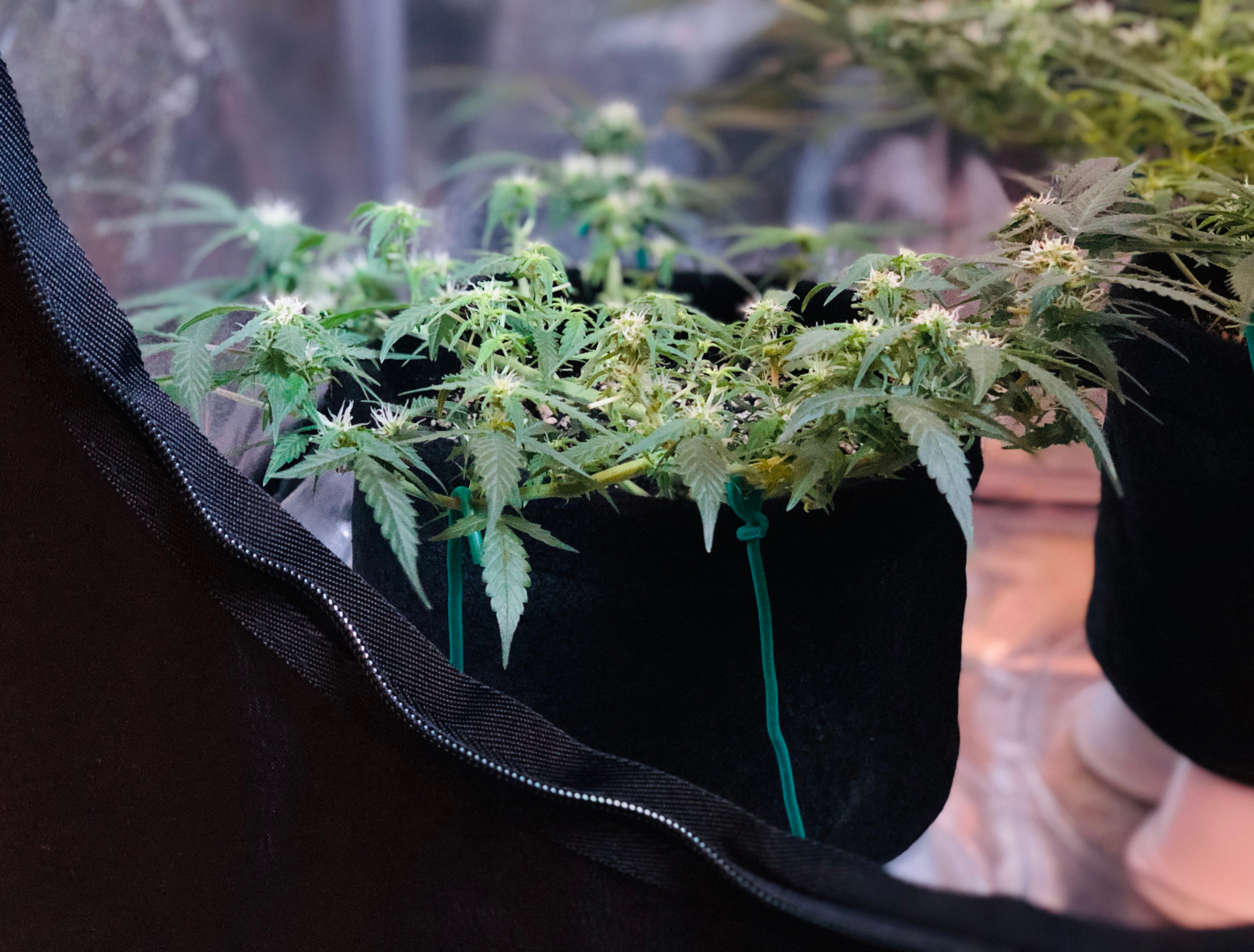
Burmese Kush naturally fits SOG. A small plant with one dominant stem can be flowered early and allowed to form a vertical bud column. Close spacing is possible because lateral competition remains limited.
For fewer larger plants, top only after strong growth is established. One top can create two or four leaders, but repeated topping may extend veg without producing enough lateral vigor to justify the delay.
Gentle LST can open the main stem and expose lower sites. The plant should be bent before the stem becomes rigid.
Anticipate the Stretch
The early compact appearance can be misleading. Some plants triple from a small flip height. Individual grow reports show even greater percentage increases when very small plants are flowered.
Plan final height from the light and support system downward. Do not place a tiny plant directly beneath the fixture and assume it will remain there.
Supercropping can control a fast leader during early transition. Perform it before significant flower clusters develop. The plant generally recovers well when healthy, but late damage can reduce a short finishing window.
Important: Low branching does not mean low stretch. Burmese Kush may remain narrow while becoming much taller.
Flower Set and Bud Development
Flower initiation becomes obvious around the second to third week. Clusters develop along the main stem and short branches, creating a top-to-bottom column rather than isolated round buds.
The high calyx-to-leaf ratio makes trimming easier and allows light to reach the flower surface. It does not eliminate internal humidity. Dense nuggets can still trap moisture around the stem.
Feeding Strategy
Reports conflict between light and heavier feeding. This likely reflects phenotype, medium and plant density. A compact SOG plant in a small container may require frequent irrigation but not a highly concentrated solution. A larger plant under strong light may use more total nutrition.
Start moderate. Increase only when active growth and leaf color justify it. Dark clawed leaves, burned tips and delayed fade indicate excess. Nitrogen should be reduced once the stretch slows.
Avoid using one aggressive formula to force a slow plant. Early pace is partly genetic.
Temperature and Humidity
Burmese Kush can tolerate warm conditions, but high humidity is more dangerous than moderate heat. Keep air moving through the lower canopy and avoid nighttime condensation.
Powdery mildew risk rises when leaves remain crowded and temperature swings create surface moisture. Preventive cleanliness, adequate spacing and stable conditions are more reliable than trying to treat established infection late in flower.
The buds themselves need inspection. Separate touching clusters gently and look for dull brown tissue or unusual softness near the stem.
Defoliation
Limited branching means the plant does not require aggressive lollipopping. Remove weak lower shoots that remain shaded, along with selected leaves that block airflow around the main column.
Heavy defoliation can slow a plant that already had a modest vegetative start. Preserve healthy leaves that are not directly creating congestion.
Support
A SOG support net can hold multiple columns upright. Individual plants may need a stake beside the main stem and a second support for larger side branches.
Install support before the flowers become sticky. Late tying increases contact and trichome loss.
Harvest Maturity
The fast flowering time can encourage an automatic day-count harvest. Use the plant instead. Mature buds become dense from base to tip, pistil production slows and trichomes on the calyxes become predominantly cloudy.
A fruit-forward phenotype may smell mature before the buds finish swelling. A pine-spice phenotype may remain visually dark and active even when resin is ready. Sample multiple locations.
Weedth Bud Flavor Tips
Preserve the Bright Notes Without Sacrificing Density
The classic pine and wood are relatively stable. Sweet fruit, peach and floral herbs are more volatile. Keep late-flower canopy temperature controlled and harvest during the cooler part of the cycle.
Do not leave cut branches in a warm room while the harvest is processed. Hang or cool them promptly.
Dry According to the Main Cola
SOG plants can produce dense continuous columns. The outer leaves may dry while the stem-side flowers remain moist. Hang plants or substantial branches with clear space between them.
If the drying environment is humid, divide very large columns into branch sections. Do not break every bud apart unless needed, because extra handling removes resin and speeds aroma loss.
Avoid Direct Air
Direct fan air hardens the outside and strips pine-fruit top notes. Air should circulate around the room and exchange moisture gradually.
Cure for Smoothness
The spicy smoke can feel expansive when the cure is short. Several weeks of controlled curing soften pepper and reveal sweetness. A fruit-forward phenotype may continue improving beyond the point when the classic pine phenotype has already stabilized.
Outdoor Material
Inspect for powdery residue, insect damage and hidden moisture before drying. Do not cure questionable flower together with clean material. One affected branch can compromise the container.
Weedth Grower Note: Burmese Kush does not need added sweetness. The goal is to preserve the plant's own pine, spice and fruit while preventing dense flower from entering the jar too wet.
Weedth Bud Boost Tips
Indoor SOG Efficiency
The cultivar's limited branching makes plant count more important than a long veg. Flower small, healthy plants with enough spacing for air to move between the final columns.
A uniform canopy allows light to reach the full vertical flower zone. Remove only the lowest sites that remain permanently shaded.
Do Not Waste Veg Time Chasing Width
A compact phenotype may never become a broad bush. If plant count is legally and practically limited, one topping and early LST can create several leaders. Beyond that point, additional veg may offer diminishing returns.
Use Container Size Strategically
Small containers support SOG turnover but require careful irrigation. Larger containers allow more root stability and can increase individual yield, yet they also increase overwatering risk during the slow start.
Feed for Flower, Not Leaf
Once stretch ends, avoid maintaining excessive nitrogen. Dense dark-green leaves can hide the flower surface and increase humidity. Balanced late nutrition supports calyx swelling without producing unnecessary foliage.
Outdoor Establishment
Start early enough that the plant enters the ground with a healthy root system. A slow-starting plant placed outside late may not build enough frame before natural flowering.
Provide morning sun, drainage and a rain plan. A protected smaller plant can produce more usable flower than a large plant exposed to repeated autumn moisture.
Medical Uses & Benefits
Burmese Kush is commonly reported as useful for stress, anxiety-related tension and mild to moderate pain. The slow onset and centered mood may appeal to users who find fast sativas uncomfortable. Some people also describe improved appetite and easier sleep during the late phase.
These effects are self-reported. They do not prove that the cultivar treats anxiety, pain or insomnia. Product chemistry and individual response can differ widely under the same strain name.
The creeper effect is a practical concern for medical users. Redosing too quickly can produce more impairment than intended. A small initial amount and a waiting period are more appropriate than immediate escalation.
High-THC examples may still cause anxiety, headache or dizziness. Low CBD means there is little cannabinoid balance for a sensitive consumer.
Ideal User Profile
Burmese Kush suits a consumer who wants calm to build gradually. It is appropriate for an evening meal, quiet conversation, a film or a low-pressure weekend session.
It may fit users who prefer:
- Pine, earth and sweet spice rather than dessert candy
- A delayed, long-lasting high
- Relaxation without an immediate mental shutdown
- Moderate social warmth before the body phase deepens
- A smooth herbal profile
It is less suitable before demanding work, driving or any activity where delayed impairment creates risk. It may also frustrate a user seeking an immediate dramatic effect.
For growers, it is best suited to a controlled indoor SOG, a warm dry outdoor site or a gardener willing to plan for mildew prevention. It is less suitable for a damp room with large temperature swings.
Grower Notes and Feedback
The most common surprise is the stretch. Plants can be flipped while extremely small and still finish at a normal indoor height. Percentage-based stretch appears dramatic because the starting plant is compact.
Growers also note that bud formation begins quickly and develops along the main stem. This creates efficient vertical flower but increases the need for air movement around the column.
Reports about mildew and mold are inconsistent. Some indoor growers describe healthy resilient plants. Others report vulnerability outdoors or in humid conditions. The reasonable interpretation is that environmental stability matters more than the cultivar's general hardiness.
Yield is usually described as respectable rather than exceptional. SOG improves area efficiency. Large individual plants can yield more, but the limited early branching makes them slower to prepare than naturally bushy hybrids.
The effect is repeatedly described as creeping. Users may underestimate it during the first minutes and then experience a strong, long-lasting calm.
Weedth Editor's Note
What matters after the headline numbers
Burmese Kush is a plant I would measure twice before flipping. Its small vegetative shape invites overconfidence. The narrow frame is real, but the flowering rise can still consume the available height.
I would use it in SOG or build only a few clear leaders. I would not spend a long veg trying to turn it into a wide plant that the genetics do not naturally want to become.
My late-flower priority would be humidity. Dense dark buds and fine resin look durable, yet the plant's reported mildew weakness deserves respect. I would keep the lower canopy clean and avoid large night temperature swings.
The finished flower appeals to me most when pine and spice remain clean and a little sweetness appears behind them. I would choose that balance over the highest raw yield.
Weedth Score
Growing Experience: 8.0/10 Compact spacing and fast flowering are strong advantages. Slow early growth, deceptive stretch and humidity sensitivity create a learning curve.
Bud Structure & Visual Appeal: 8.7/10 Dense dark-green nuggets, high calyx content and fine resin produce excellent classic appearance.
Aroma Complexity: 8.4/10 Pine, wood, earth, sweet spice and occasional fruit are satisfying. Some examples remain simpler than more aromatic modern hybrids.
Flavor & Smoothness: 8.6/10 A proper cure creates smooth pine and sweet spice. Poor humidity control or a rushed dry quickly reduces quality.
Effects & High Experience: 8.5/10 The centered creeper high is useful and long-lasting. Delayed intensity can lead to accidental overconsumption.
Overall Satisfaction & Recommendation: 8.4/10 A distinctive compact cultivar for SOG growers and users who appreciate delayed Kush calm with a brighter Burmese edge.
*I would respect the small plant at flip, because the flower room is where Burmese Kush reveals its real size.*
FAQ
Which Burmese Kush does this profile describe?
It describes the compact, fast-flowering line commonly associated with Burmese and old California Kush or OG-type ancestry. Other unrelated crosses have used the same name, so source lineage should be confirmed.
Does Burmese Kush stay short?
It often stays narrow, but it does not always stay short. Some plants triple or more from a very small flip height. Final height remains manageable when flowering begins early.
Is Burmese Kush good for SOG?
Yes. Limited branching, a dominant central column and a fast finish make it well suited to SOG. Adequate spacing and airflow are still necessary.
Should Burmese Kush be topped?
One topping can help when fewer plants are grown. Repeated topping may extend veg without creating enough strong laterals to justify the delay.
Is Burmese Kush heat tolerant?
Recurring reports describe good performance in warm conditions. Excessive heat can still reduce aroma and increase water stress, so tolerance should not be treated as an ideal target.
Is Burmese Kush prone to powdery mildew?
Some documented grows and historical descriptions report vulnerability in humid or wet conditions. Keep humidity controlled, prevent condensation and maintain airflow through the lower canopy.
How long does Burmese Kush flower?
The compact historical line commonly finishes in about seven to nine weeks. Other material sold under the same name may require longer.
Why does my Burmese Kush smell like fruit instead of pine?
Some samples show significant fruit, peach, flowers or terpinolene. Chemotype variation and name reuse can both explain the difference.
Similar Strains
LA Confidential: Similar compact indoor behavior, dark flowers and calm effects. It is usually broader, more indica-like and less stretch-prone.
Sensi Star: Shares dense resinous flower and a powerful relaxing finish. Its aroma is often sharper, more metallic or lemon-spiced.
Kosher Kush: Offers deeper Kush fuel and heavier nighttime effects. It generally branches more and can require stronger support.
Hash Plant: A more traditional compact resin cultivar with earth and hash. It lacks the brighter Burmese mental edge.
Wappa: Similar fast indoor efficiency and manageable height, but Wappa branches more and carries sweeter fruit and tea notes.
Northern Lights: A more predictable compact alternative with strong beginner suitability and less naming uncertainty.
Share this article
A quick overview of the topics covered in this article.
Follow us
Latest articles
September 29, 2026
September 29, 2026
September 29, 2026
September 29, 2026
