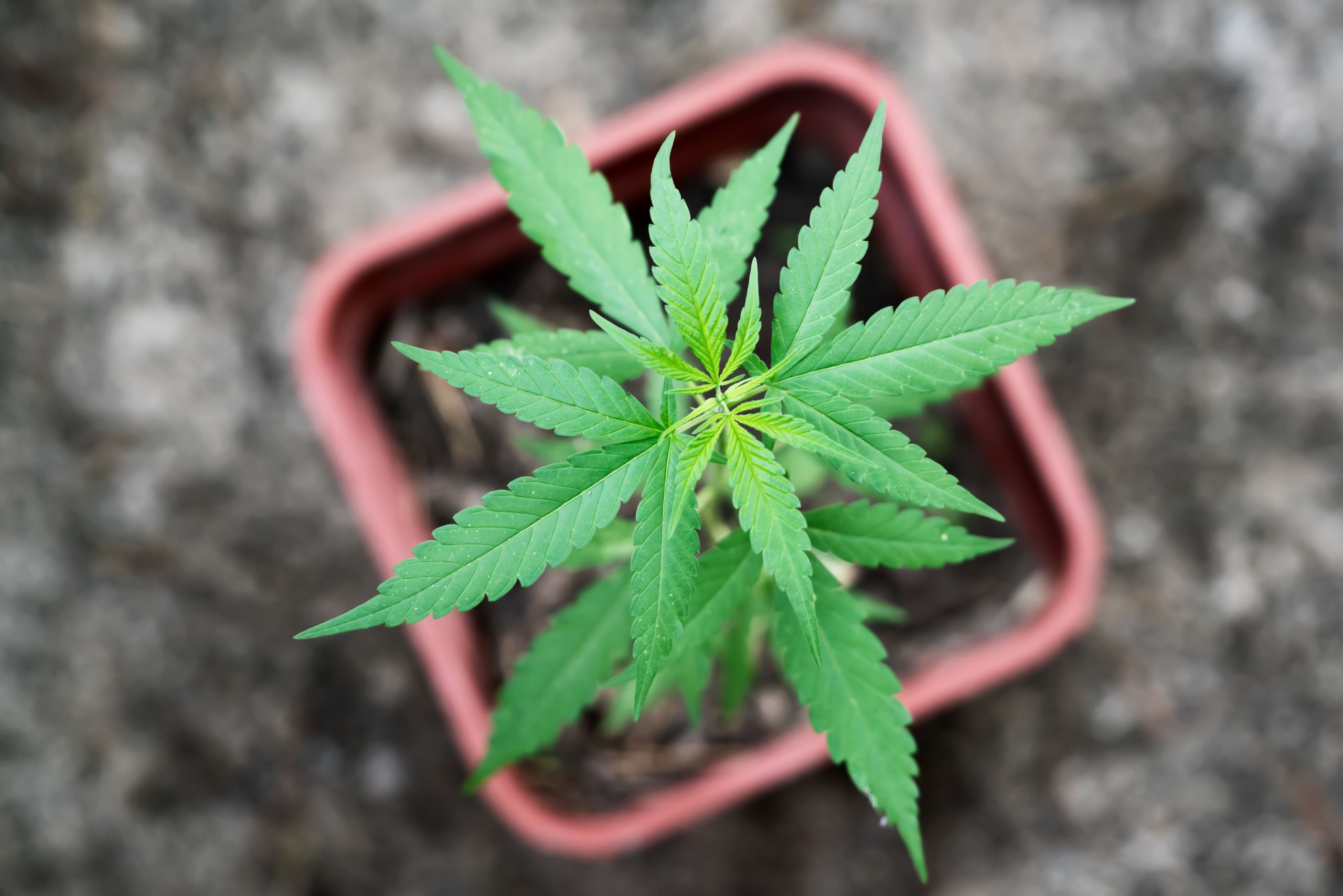
Cannabis Watering by Growth Stage: Seedlings, Transplants, Vegetative Growth, and Flowering
As a cannabis plant journeys from an embryonic radicle emerging from a cracked seed coat into a towering, resin-encrusted floral canopy, its root-to-shoot ratio, leaf surface area, and vascular hydraulic architecture undergo continuous anatomical transformations. A fragile two-week-old seedling transpiring 30 milliliters of water daily in a high-humidity nursery cannot be irrigated with the same frequency, volume, or delivery technique as a vigorous vegetative bush drinking two liters, or a peak-flower canopy consuming four liters daily under commercial LED lighting. One of the primary drivers of crop failure in both hobbyist and commercial facilities is the failure to adjust irrigation strategies dynamically across distinct phenological stages: germination and seedling emergence, rooted clone establishment, post-transplant acclimatization, vegetative expansion, floral stretch, peak calyx bulking, and late-flower senescence. Each developmental phase presents distinct biophysical vulnerabilities: seedlings face hypocotyl damping-off and root-zone hypoxia; transplants risk hydraulic decoupling and wilt shock; vegetative canopies demand rapid wet-dry cycles to stimulate lateral root branching; and mature flowering colas require massive transpiration support while guarding against late-stage bud rot. Mastering cannabis watering by growth stage requires understanding how vascular resistance, stomatal conductance, and root morphology evolve throughout the plant lifecycle.
Stage-Specific Plant Physiology: Root Architecture, Leaf Area Index, and Vascular Resistance
To tailor irrigation to each developmental stage, cultivators must examine the internal biophysical mechanisms that dictate water transport through the cannabis plant. Fluid movement through the plant is governed by the continuous soil-plant-atmosphere continuum (SPAC), where total water uptake is dictated by root absorptive surface area and leaf transpiration pull:
- The Dynamic Root-to-Shoot Ratio (R:S): During the seedling and early vegetative stages, cannabis allocates a high proportion of its photosynthetically fixed carbon into primary taproot elongation and lateral root branching, maintaining a high root-to-shoot ratio. As the vegetative canopy expands and enters flowering, carbon allocation shifts decisively upward into leaf biomass, branching nodes, and floral inflorescences. In mature flowering plants, the root-to-shoot ratio declines dramatically, meaning a relatively compact root volume must support an enormous, highly transpirational leaf canopy.
- Leaf Area Index (LAI) and Transpiration Scaling: Leaf Area Index represents the total one-sided green leaf area per unit of ground surface area. A young seedling possesses an LAI of less than 0.1, transpiring minimal water and relying primarily on atmospheric relative humidity to maintain turgor. By mid-flowering, a well-trained cannabis canopy reaches an LAI of 3.5 to 5.0. This massive surface area acts as a powerful evaporative engine, pulling hundreds of liters of water through xylem conduits every week via negative capillary tension.
- Xylem Vessel Anatomy and Poiseuille’s Law: Water moves upward through the plant stem via microscopic xylem vessels. Fluid flow through these capillary tubes follows the Hagen-Poiseuille law, which establishes that volumetric flow rate is proportional to the fourth power of the vessel radius (r4). In young seedlings, primary protoxylem vessels have narrow diameters (10 to 20 μm), presenting high hydraulic resistance. As the plant matures through vegetative growth, secondary cambial activity produces wide metaxylem vessels (40 to 80 μm). Doubling the radius of a xylem vessel increases its hydraulic conductivity by a factor of sixteen (24 = 16), allowing mature canopies to move massive volumes of water rapidly during peak midday lighting.
Recognizing these anatomical milestones prevents cultivators from applying uniform watering volumes to plants at different developmental stages. Aligning shot volume and frequency with physiological capacity ensures vigorous root respiration and uninterrupted vascular transport from seed to harvest.
Hormonal Crosstalk and Hydraulic Signaling: ABA, Cytokinins, and Auxins
Substrate moisture levels directly regulate the endogenous hormonal balance of the cannabis plant. When root-zone moisture is optimal and air-filled porosity is abundant, active root tips synthesize high concentrations of cytokinins (primarily zeatin and isopentenyladenine). Cytokinins are translocated upward through the xylem stream to vegetative shoot meristems, stimulating rapid lateral cell division, promoting lush green leaf expansion, and suppressing premature foliar senescence.
Conversely, as the substrate enters its targeted dry-back phase, root cells experience subtle cellular dehydration. This mechanical tension triggers the enzymatic activation of 9-cis-epoxycarotenoid dioxygenase (NCED), initiating the rapid de novo synthesis of abscisic acid (ABA) in root vascular parenchyma. ABA ascends rapidly via xylem mass flow to leaf guard cells, signaling calcium influx and anion efflux that prompt stomata to modulate their aperture, conserving cellular water without triggering wilt. Concurrently, polar auxin transport from apical shoots down to root tips stimulates lateral root branching, expanding the root network into uncolonized substrate. Understanding this hormonal communication demonstrates that controlled dry-backs are not merely passive drying events; they are active biological triggers that build structural resilience.
The Seedling Vulnerability: Hypocotyl Hypoxia and Damping-Off
Cannabis seedlings do not possess woody secondary xylem; their tender stems consist of delicate parenchymal tissue supported by cellular turgor. When a young seedling is watered with excessive volume, the surrounding substrate macropores remain 100% waterlogged for days. Deprived of oxygen, root respiration collapses and cellular defense mechanisms fail. Opportunistic necrotrophic fungi, primarily Pythium ultimum and Rhizoctonia solani, attack the hypoxic hypocotyl collar at the soil line. Within 24 hours, the stem rots into a water-soaked, thread-like constriction, causing the seedling to topple and die (“damping-off”). Seedling root zones must breathe: keep the taproot core lightly moist while ensuring high air-filled porosity.
Stage 1 and 2: Seedlings, Rooted Clones, and Nursery Hydration Management
The nursery stage represents the most fragile phase of the cannabis lifecycle. Embryonic seedlings and freshly rooted vegetative cuttings possess virtually zero water buffer capacity, yet their delicate root hairs are exceptionally vulnerable to waterlogging and thermal chilling:
1. The Seedling Concentric Ring Technique
When germinating seeds in small starter pots (0.25 to 0.5 liters / Solo cups), a common error is soaking the entire container to drainage. Because a seedling transpires less than 20 to 50 mL of water daily, a fully soaked pot remains wet for over a week, creating chronic hypoxia. Instead, execute the Concentric Ring Technique: apply 30 to 80 mL of water in a narrow circular ring 3 to 5 cm away from the central stem, never directly soaking the stem base.
This ring technique achieves two vital agronomic goals: it prevents hypocotyl rot at the collar, and it creates a gentle moisture gradient where the outer substrate is slightly drier than the core. Hydrotropism (root growth directed toward water) stimulates the taproot and lateral root hairs to actively stretch outward into the aerated medium in search of moisture, rapidly colonizing the entire starter cup.
2. Rooted Clones and Humidity Dome Weaning
Vegetative cuttings rooted in aeroponic collars, rockwool cubes, or peat plugs possess un-suberized adventitious roots that lack protective bark layers. While inside propagation domes (85% to 95% relative humidity), clones absorb moisture cutaneously through leaf surfaces because root hydraulic conductance is low. As roots emerge from the plugs, the humidity dome must be vented progressively over 3 to 4 days, dropping ambient RH to 65% to 70%.
During this hardening-off transition, substrate plugs should be maintained in an evenly damp, springy state (55% to 65% VWC). Never allow rockwool or peat plugs to become bone-dry, as desiccation destroys the delicate root cap within hours. Conversely, never allow plugs to sit submerged in standing runoff water inside propagation trays, which instantly suffocates newly emerged root tips.
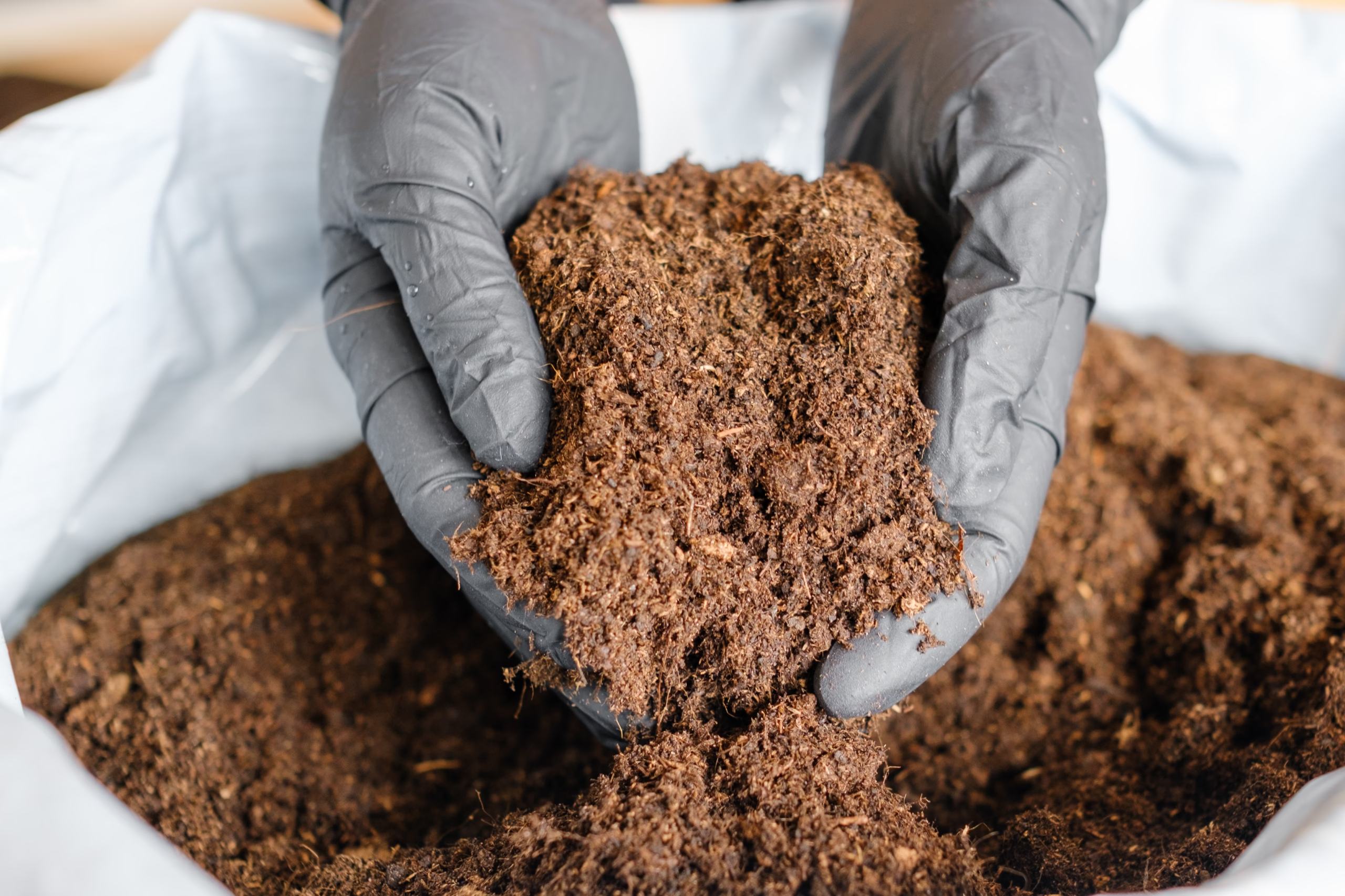
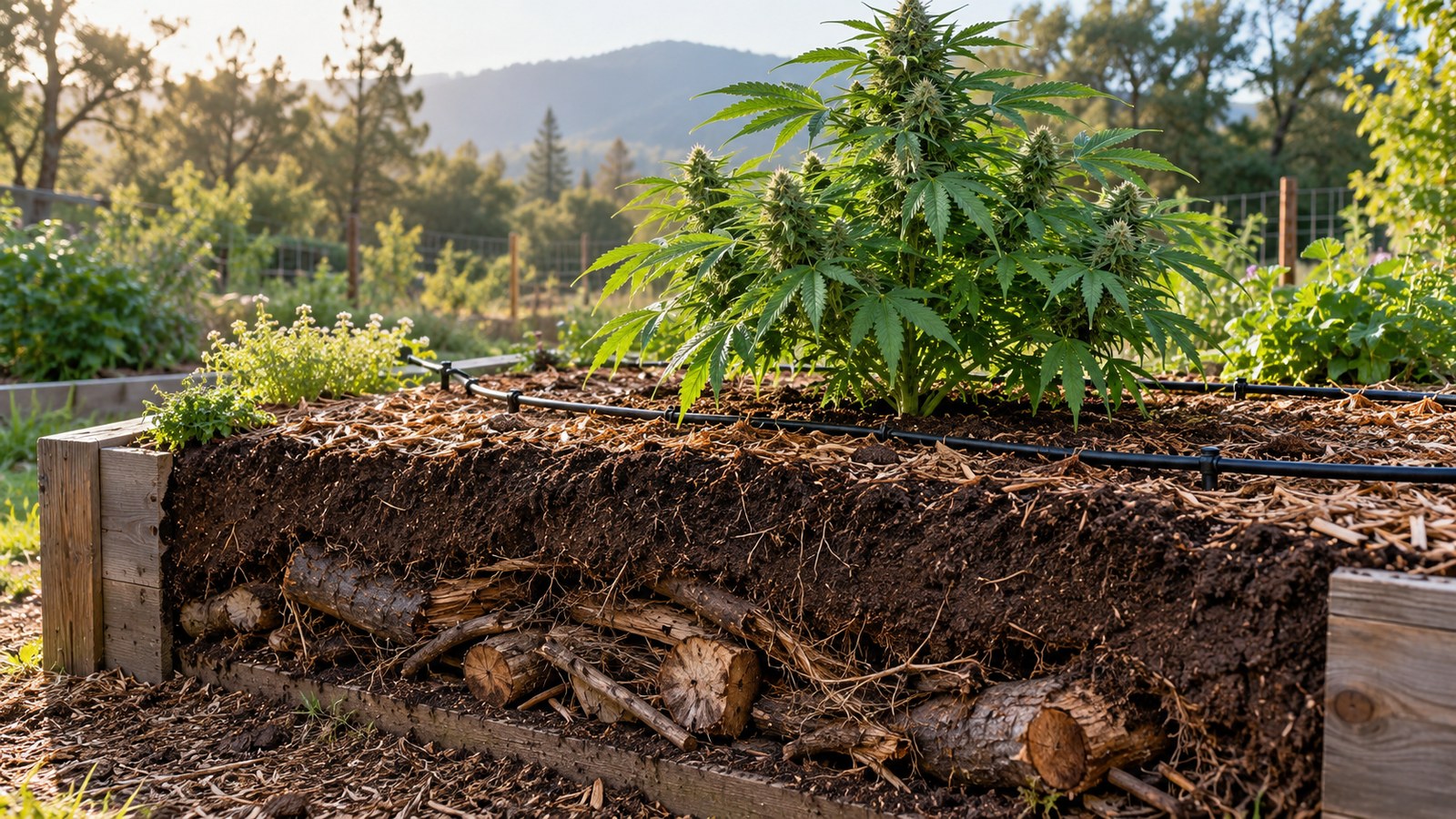
Root-zone substrate preparation and settling watering applied immediately following transplanting.
Stage 3: The Transplant Event: Hydraulic Coupling and Settling Rhythms
Transplanting from a nursery starter cup into a 1-gallon, 3-gallon, or 5-gallon final container is a physically traumatic event. When a root ball is transferred, fine root hairs along the perimeter are exposed to dry air and mechanical shearing, causing immediate hydraulic disruption:
1. The Initial Settling-In Soak
Immediately upon setting the root ball into the new container and backfilling with fresh medium, an initial settling watering must be administered. The primary objective of this event is physical: settling the loose substrate to eliminate macroscopic air pockets between the root ball and the surrounding medium. If air pockets remain, expanding roots will hit open air voids, suffer root-tip desiccation, and fail to penetrate the outer container.
Deliver a moderate, fully aerated water volume containing a biological root stimulant (such as soluble kelp extract, humic acids, and endomycorrhizal inoculants). The water must be conditioned to 20 °C to 22 °C to prevent root thermal shock. Apply water slowly around the root ball perimeter until light, uniform settling occurs.
2. The Multi-Day Post-Transplant Dry-Back Window
Following the initial settling soak, inexperienced cultivators often panic when the soil surface looks dry on day 2 and pour more water. This is a critical mistake. Because the root system currently occupies only the central 10% of the new pot, the surrounding 90% of fresh substrate holds a massive water reserve. Pouring additional water saturates the outer medium, turning it cold and anaerobic.
Cultivators must enforce a strict 3-to-5-day post-transplant dry-back period. As the upper surface dries, the plant draws moisture from the deeper core, stimulating roots to rapidly branch outward into the aerated surrounding medium. Water again only when the pot feels noticeably light by gravimetric assessment.
Should I soak the entire 5-gallon pot when transplanting a small 4-inch clone into it?
Question sent by: Liam O’Connor, via email.
“I just transplanted my 4-inch rooted clones directly into 5-gallon fabric pots filled with peat-perlite mix. My friend told me I need to saturate the entire 5-gallon pot until 20% runoff drains out to settle the soil. Is it safe to pour 1.5 gallons of water into a 5-gallon pot with such a tiny plant?”
Soaking an entire 5-gallon pot to 20% runoff for a tiny 4-inch clone is one of the most common and damaging mistakes in container growing. A 4-inch rooted clone possesses a root system roughly the size of a lemon, transpiring approximately 50 to 100 mL of water daily under vegetative lighting.
A 5-gallon container holds approximately 19 liters of substrate, which absorbs 3.5 to 4.5 liters (nearly one gallon) of water at container capacity. If you saturate the entire pot, that tiny clone will take 10 to 14 days to transpire that volume of water. During those two weeks, the lower two-thirds of the pot will remain completely saturated, driving root-zone dissolved oxygen to zero. The stagnant, cold medium will cause root tips to rot, leaves to claw and pale, and vegetative growth to stall completely.
The correct agronomic protocol is to spot-water a localized cylinder: apply only 500 to 800 mL directly around the transplanted root ball to settle the contact zone, lightly moistening the immediately adjacent soil. Leave the outer perimeter of the pot relatively dry. Over the next 10 to 14 days, as the canopy expands and roots branch outward, gradually widen your watering ring and increase volume until the plant is large enough to handle full-pot saturation.
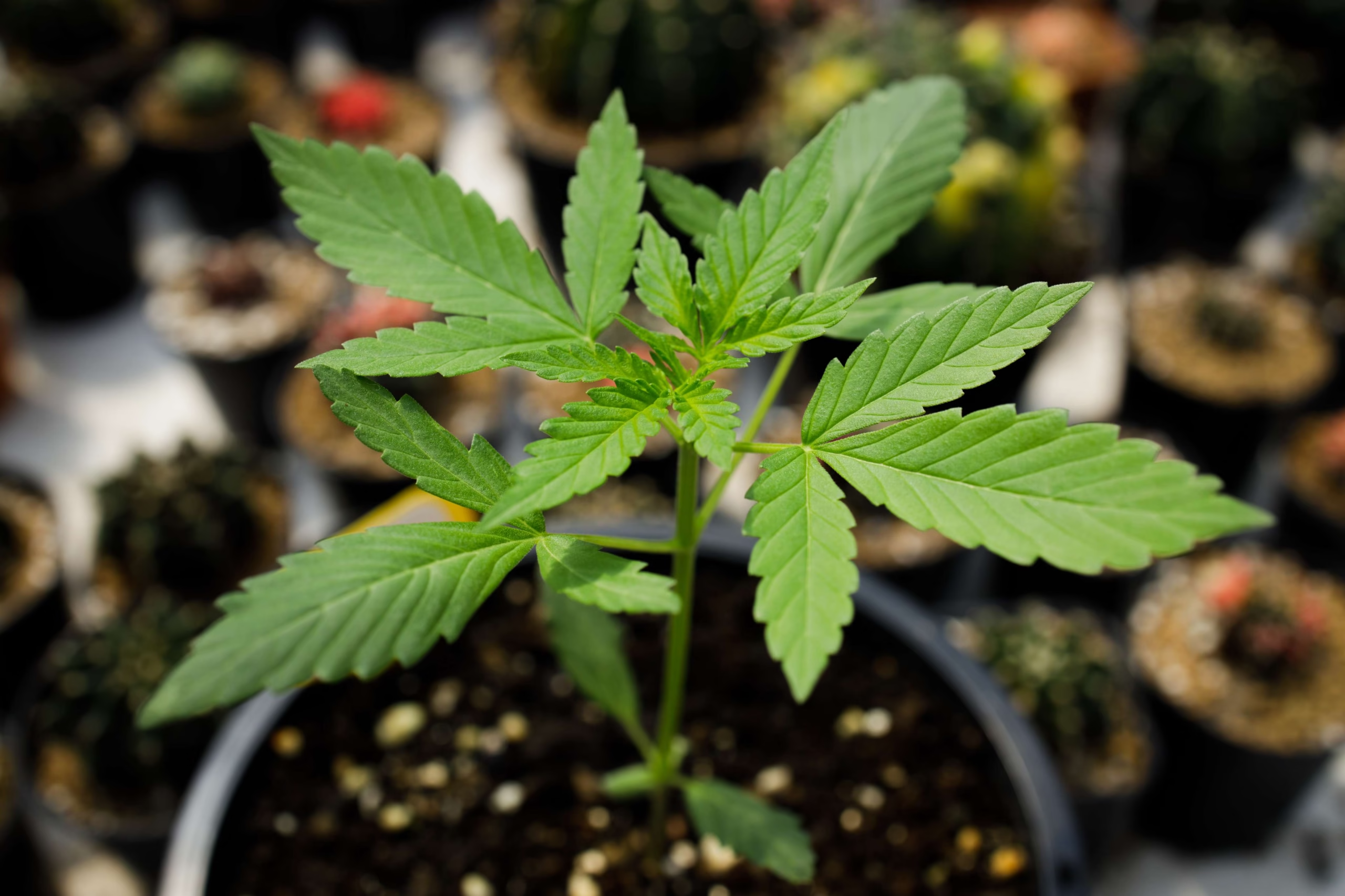
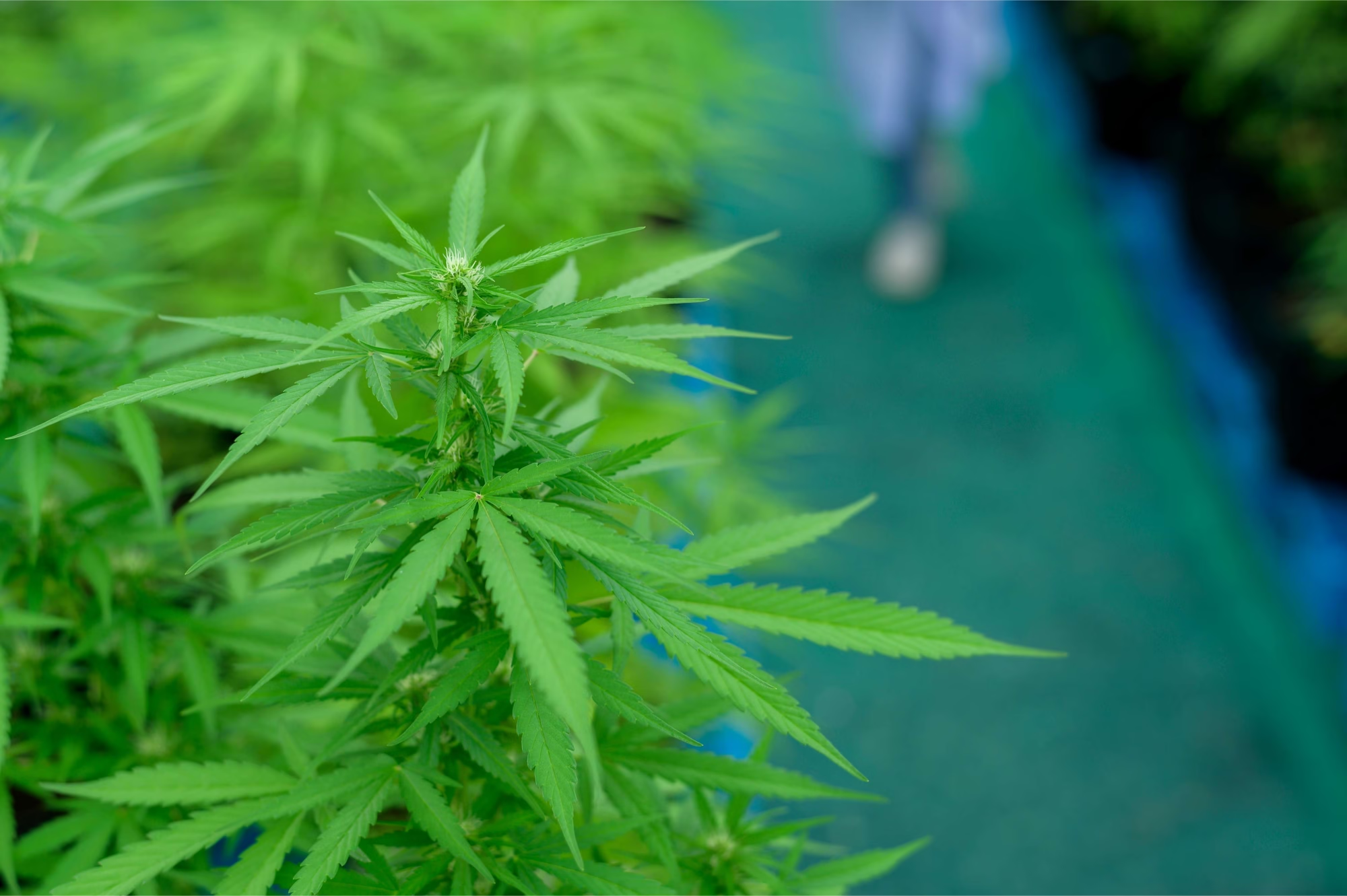
Vigorous vegetative cannabis exhibiting rapid biomass accumulation and expanding root-zone water absorption.
Stage 4: Vegetative Growth: Accelerating Wet-Dry Cycles and Vascular Expansion
Once the root system successfully colonizes the container and vegetative shoots begin producing five-blade and seven-blade fan leaves, the plant enters its most resilient, high-metabolism growth phase:
- Accelerating Dry-Back Frequencies: As canopy leaf area index expands, daily transpirational water consumption surges from 200 mL to well over 1.5 liters per plant. In 3-gallon to 5-gallon containers, irrigation frequency naturally compresses from once every 4 days down to once every 1 to 2 days. This rapid cycle of thorough saturation followed by aggressive transpirational dry-back pumps fresh atmospheric oxygen deep into the root zone, fueling explosive vegetative biomass expansion.
- Volumetric Delivery Benchmarks: In vegetative potting soil and peat mixes, each irrigation event should deliver 10% to 20% of the total container volume (e.g., 1.5 to 2.2 liters in a 3-gallon pot; 2.5 to 3.8 liters in a 5-gallon pot). In synthetic mineral programs, this volume ensures a modest 10% to 15% leaching fraction, preventing unabsorbed fertilizer salts from accumulating into toxic root-zone barriers.
- Vascular Hydraulic Conditioning: Allowing containers to dry back to approximately 40% to 50% of container capacity before re-watering subjects xylem conduits to gentle negative tension. This sub-stress encourages secondary cell wall lignification in xylem vessels, thickening main stems and lateral branches so they can physically support massive floral colas later in flower.
Substrate Aeration and the Rhizosphere Oxygenation Wave
Every time a containerized vegetative plant transpires water and the substrate dries back, it creates a powerful convective gas exchange dynamic known as the rhizosphere oxygenation wave. As capillary water leaves substrate micropores, atmospheric air containing 21% molecular oxygen is physically pulled downward into the container from the surface and through porous fabric container walls. This convective oxygen displacement is hundreds of times faster than passive molecular diffusion through stagnant water.
Root branching density increases by over 40% when containers experience consistent 24-to-36-hour wet-dry rhythms compared to plants held at continuous, saturated moisture. The influx of fresh oxygen re-energizes root cortical mitochondria, dramatically accelerating ATP-dependent nutrient uptake (such as nitrate and potassium absorption) and maintaining the root zone in a disease-suppressive, aerobic state.
| Growth Stage | Typical Container Size | Root Colonization (%) | Recommended Water Volume | Typical Watering Rhythm | Primary Agronomic Target |
|---|---|---|---|---|---|
| Seedling (Week 1-2) | 0.25 – 0.5 L cup | 10% – 25% | 30 – 80 mL (ring around stem) | Every 1 to 2 days | Prevent damping-off; stimulate taproot stretch. |
| Rooted Clone (Week 1-2) | 1.5-inch plug / 1.0 L pot | 20% – 40% | 80 – 150 mL (damp, not sodden) | Every 1 to 2 days | Maintain plug turgor during dome weaning. |
| Early Veg / Transplant | 1.0 – 3.0 Gal (3.8 – 11 L) | 30% – 50% | 500 – 800 mL (settling cylinder) | Every 3 to 4 days | Allow multi-day dry-back; bridge root interface. |
| Late Veg (Week 4-6) | 3.0 – 5.0 Gal (11 – 19 L) | 70% – 90% | 1.5 – 2.5 L (15% pot volume) | Every 1 to 2 days | Drive rapid wet-dry cycles; expand lateral roots. |
| Early Flower Stretch (Wk 1-3) | 5.0 – 7.0 Gal (19 – 26 L) | 90% – 100% | 2.5 – 3.8 L (15% – 20% volume) | Daily to every-other-day | Support cell division; maximize calcium mass flow. |
| Peak Flower Bulking (Wk 4-7) | 5.0 – 7.0 Gal (19 – 26 L) | 100% (root-bound mesh) | 3.0 – 4.5 L (peak transpiration) | Daily (or multi-pulse drip) | Sustain calyx swelling; prevent osmotic EC spikes. |
| Late Flower Fade (Wk 8+) | 5.0 – 7.0 Gal (19 – 26 L) | Declining (root suberization) | 1.5 – 2.2 L (reduced volume) | Every 2 to 3 days | Prevent bud rot; trigger secondary metabolites. |
Stage 5, 6, and 7: Flowering Stretch, Peak Bulking, and Late-Flower Fade
Upon switching to a 12/12 photoperiod, cannabis shifts hormonal priorities from vegetative meristem production to reproductive floral organogenesis. This profound shift dramatically alters the plant water consumption curve:
1. The Stretch Phase (Weeks 1 to 3 of Flower)
During the first three weeks of 12/12, cannabis exhibits explosive internodal stretching, often doubling or tripling in vertical height. Cell elongation requires high cellular turgor pressure (Ψp), driving massive water uptake. Furthermore, calcium (Ca2+): an immobile element essential for building pectins in new cell walls: is transported exclusively via xylem mass flow driven by transpiration. Inadequate watering volume or erratic dry-backs during the stretch causes localized calcium deficiency in newly forming floral bracts, leading to necrotic calyx tips that serve as entry points for mold.
2. Peak Flower Bulking (Weeks 4 to 7 of Flower)
During mid-flowering, vertical elongation ceases and the plant channels all metabolic energy into calyx swelling, trichome production, and terpene synthesis. Transpirational water consumption reaches its absolute lifetime peak. In 5-gallon containers under high PPFD LEDs, plants consume 3.0 to 4.5 liters of water daily. In commercial soilless facilities, automated drip fertigation delivers 4 to 8 micro-shots daily to maintain high root-zone moisture without allowing EC to concentrate excessively.
3. Late-Flower Senescence and Nutrient Withdrawal (Weeks 8+)
During the final 10 to 14 days before harvest, cannabis undergoes natural monocarpic senescence. Root hairs naturally suberize (harden with waxy suberin), stomatal conductance drops, and canopy transpiration declines by 30% to 50%. Novice growers who continue pouring peak-flower water volumes into late-flower containers invariably waterlog the root zone, creating chilled, sodden soil that causes catastrophic night-time humidity spikes and Botrytis bud rot inside dense colas. Cultivators must taper watering volume by 30% to 40% and extend dry-back intervals during late flower.
The Late-Flower Hazard: Transpiration Collapse and Botrytis Risks
In weeks 8 and 9 of flowering, mature cannabis plants drink significantly less water than they did in week 5. Root vascular resistance increases as fine feeder roots naturally senesce, and trichome-covered calyxes do not transpire water. If you continue watering on a heavy mid-flower schedule, the substrate will remain saturated for days. As grow room lights shut off, water evaporating from the sodden medium drives relative humidity toward 85% to 90%, causing micro-condensation inside dense floral clusters. This standing moisture triggers Botrytis cinerea (bud rot), destroying pristine tops days before harvest. Reduce water volume by one-third in late flower and allow the pot to dry back thoroughly.
This physiological transition highlights the critical principle of late-season metabolic decoupling. As glandular trichomes reach peak cannabinoid and terpene maturity, the photosynthetic engine naturally winds down. Cultivators who fail to anticipate this transpiration drop frequently misinterpret the heavy pot weight as root disease rather than recognizing normal monocarpic development.
Why do my plants need less water in week 8 of flowering compared to week 5?
Question sent by: Hannah Schmidt, via email.
“In week 5 of flower, my 5-gallon pots were bone-dry every single day and I had to water daily. Now I’m in week 8 of an 9-week strain, and the pots are staying heavy for two or three days. I haven’t changed the room temperature or lights. Did my roots die, or why did my plants suddenly stop drinking?”
Your plants are experiencing a completely natural biological process known as monocarpic senescence. Cannabis is an annual, dioecious plant programmed by evolution to complete its reproductive cycle, drop seeds, and die before winter.
In week 5, the plant was actively synthesizing new floral calyxes, stretching pistils, and expanding resin glands, requiring maximum photosynthetic turnover and transpiration. By week 8, floral cell division has ceased. The plant has shifted from active growth into late-stage maturation. At the cellular level, root epidermal cells produce waxy suberin layers (suberization), reducing water permeability. Simultaneously, synthesis of the root hormone cytokinin declines while ethylene and abscisic acid (ABA) rise, causing stomata to operate at reduced aperture.
This 30% to 50% drop in transpiration is entirely normal and expected. Do not force water into the pots on your old week 5 schedule. Honor the plant reduced intake: reduce your water volume, allow the pots to dry back to light weight between waterings, and lower your room humidity to 45% to protect those dense, maturing colas from fungal pathogens.
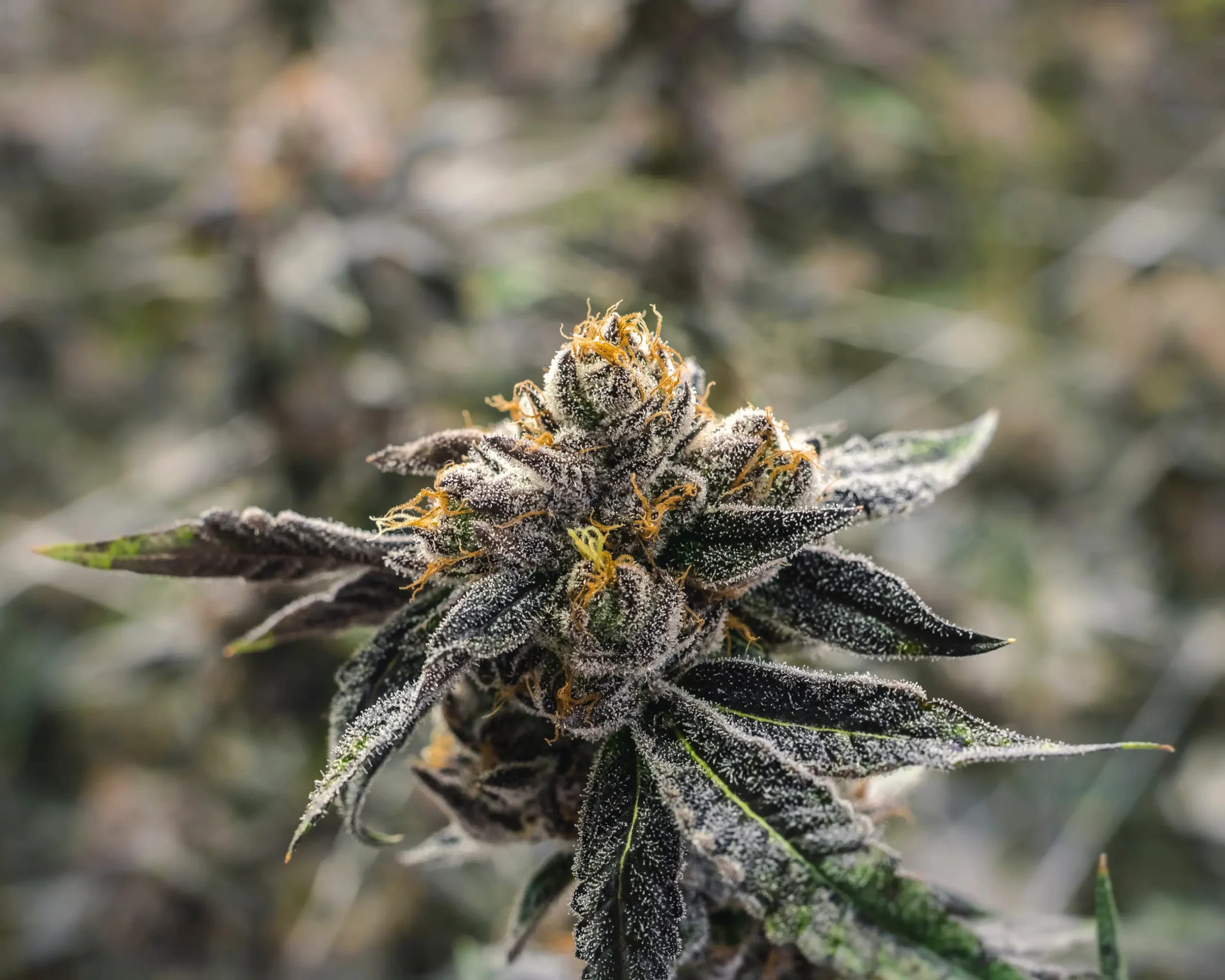
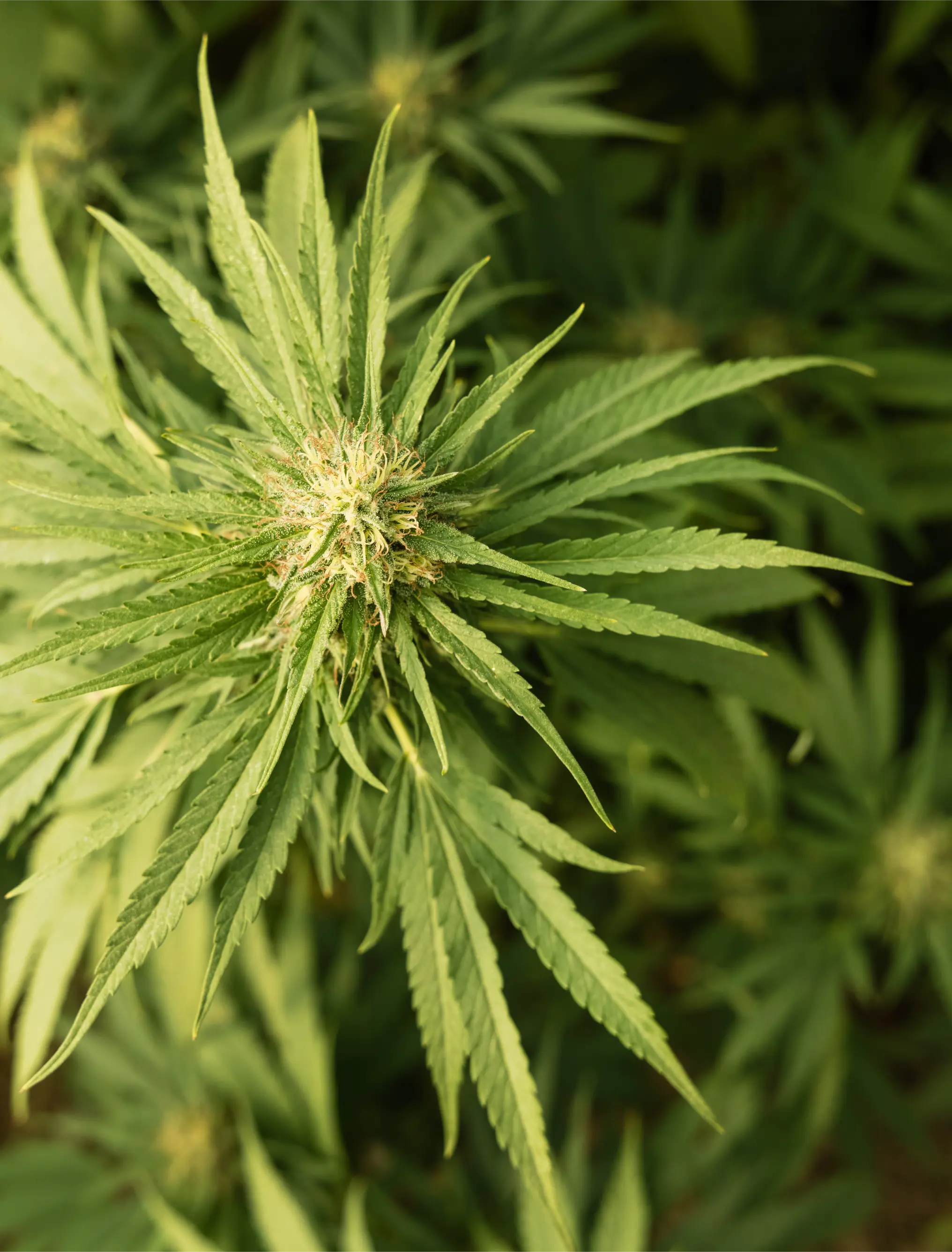
Dense flowering cannabis canopy requiring peak volumetric watering tapering into late-flower nutrient withdrawal.
Core Coverage Synthesis: Absorbed Raw Questions and Stage-Specific Directives
To provide an exhaustive, unified technical resource without opening competing URLs across the search index, this section synthesizes the eight absorbed raw cultivation intents:
How to Water Cannabis Seedlings Without Overwatering
Never saturate an entire large container for an emerging seedling. Plant seeds in small 0.25-to-0.5-liter starter cups. Deliver small, precise water volumes (30 to 80 mL) in a concentric ring 3 to 5 cm away from the stalk using a syringe or squeeze bottle. Keep the central hypocotyl dry, allow the top surface to dry between waterings, and never let starter pots sit in standing saucer runoff.
How to Water Cannabis After Transplanting
Water immediately upon transplanting to settle the medium and eliminate air voids around the root ball. Deliver a localized volume (approximately 500 to 800 mL in a 3-gallon pot) directly through the original root core. Following this settling event, enforce a strict multi-day dry-back: do not water again until the container feels noticeably light, forcing root hairs to expand outward into the new medium.
How to Water Cannabis Seedlings and Clones
Both seedlings and clones require high root-zone air-filled porosity (AFP > 20%). Seedlings possess a vertical taproot and require a moisture gradient to encourage downward penetration; clones possess lateral adventitious roots and require even moisture throughout their rooting plug. For clones in rockwool or peat plugs, maintain 60% VWC: damp and springy to the touch, never dripping wet or powdery dry.
Watering Immediately After Transplanting
The immediate post-transplant watering should be conditioned to 20 °C to 22 °C (68 °F to 72 °F) to avoid thermal shock. Incorporate soluble kelp extract (rich in natural cytokinins and auxins) or endomycorrhizal spores into this first water pass to accelerate root vascular reconnection and minimize transplant shock.
Vegetative-Stage Cannabis Watering
During vegetative growth, water thoroughly to full container capacity (10% to 20% of pot volume), achieving 10% to 15% leaching runoff in mineral fertilizer programs. Allow the container to dry back to approximately 40% to 50% of container capacity before re-watering. This rapid wet-dry cadence maximizes root oxygenation and vegetative shoot expansion.
Flowering-Stage Cannabis Watering
Flowering cannabis requires maximum volumetric consistency. Water early in the photoperiod (1 to 2 hours after lights-on) to support peak midday transpiration. Monitor daily pot weight or TDR sensor VWC; in peak flower (weeks 4 to 7), mature canopies consume water daily. Ensure that containers never dry to the permanent wilting point, which causes calyx desiccation and potassium accumulation.
How Watering Changes During Cannabis Flowering
Water consumption follows a bell-shaped curve across the flowering cycle: it surges aggressively during the stretch phase (weeks 1 to 3), plateaus at maximum volume during calyx swelling (weeks 4 to 7), and declines sharply by 30% to 50% during late flower maturation (weeks 8+). Cultivators must adjust watering volumes downward as plants enter senescence.
Late-Flower Watering and Nutrient Withdrawal
During late flower and the nutrient withdrawal window, reduce watering volume by one-third and extend dry-back intervals. Cease all watering at least 2.5 to 3 hours before lights-off. Allowing the root zone to dry back thoroughly during the final 10 days lowers canopy humidity, stimulates secondary terpene synthesis through mild drought signaling, and eliminates bud rot risks.
Cannabis Watering by Growth Stage Standard Operating Checklist
Verify these critical agronomic checkpoints at each growth stage to maintain peak vascular health throughout the cultivation cycle:
- Seedlings are watered via concentric rings (30 to 80 mL) around the stalk; central hypocotyl collar remains dry.
- Rooted clone plugs are maintained evenly damp (55% to 65% VWC); standing water in propagation trays is evacuated.
- Transplants receive an immediate settling soak to eliminate air voids, followed by a strict 3-to-5-day dry-back window.
- Small plants are never potted directly into oversized containers without localized spot-watering techniques.
- Vegetative plants receive 10% to 20% of pot volume per event, achieving rapid 24-to-48-hour wet-dry oxygenation cycles.
- Early flower stretch watering supports high calcium mass flow; erratic drought stress during stretch is strictly prevented.
- Peak flowering plants receive daily morning fertigation matching peak transpirational water extraction rates.
- Late-flower watering volume is tapered by 30% to 40% to match declining monocarpic transpiration kinetics.
- Irrigation water is conditioned to 19 °C to 22 °C across all stages to prevent root aquaporin thermal shock.
- All irrigation events cease minimum 2.5 hours prior to lights-off to protect flowering colas from nocturnal bud rot.
Scientific References
- Bernstein, N., Gorelick, J., Zerahia, R., & Koch, S. (2019). Impact of environmental conditions and nutrient management on secondary metabolite synthesis in medical cannabis. Industrial Crops and Products, 139, 111467.
- Bugbee, B. (2004). Nutrient management in recirculating hydroponic culture. Acta Horticulturae, 648, 99-112.
- Kramer, P. J., & Boyer, J. S. (1995). Water Relations of Plants and Soils. Academic Press, San Diego, CA.
- Marschner, H. (2012). Marschner’s Mineral Nutrition of Higher Plants (3rd ed.). Academic Press, London.
- Taiz, L., Zeiger, E., Møller, I. M., & Murphy, A. (2015). Plant Physiology and Development (6th ed.). Sinauer Associates, Sunderland, MA.
- Zheng, Y. (2021). Handbook of Cannabis Production in Controlled Environments. CRC Press, Boca Raton, FL.
Share this article
A quick overview of the topics covered in this article.