
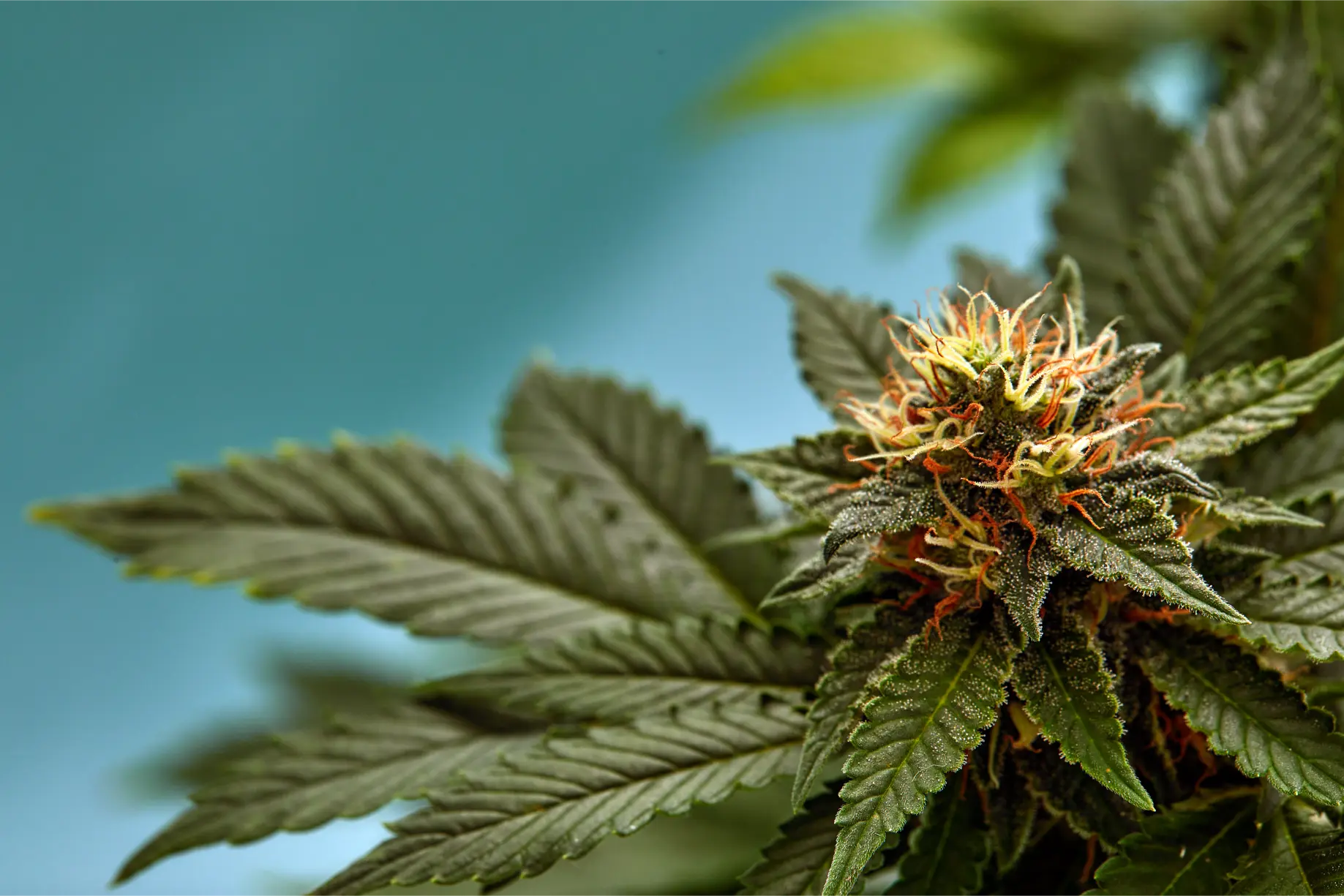
Cannalope Haze
Cannalope Haze is unusual because it compresses much of the appeal of a tropical Haze into a comparatively short flowering window. It can grow tall, stretch hard and form long spear-like flowers, yet many expressions finish in roughly eight to ten weeks rather than demanding an extended equatorial schedule. That combination makes it accessible, but not automatically easy.
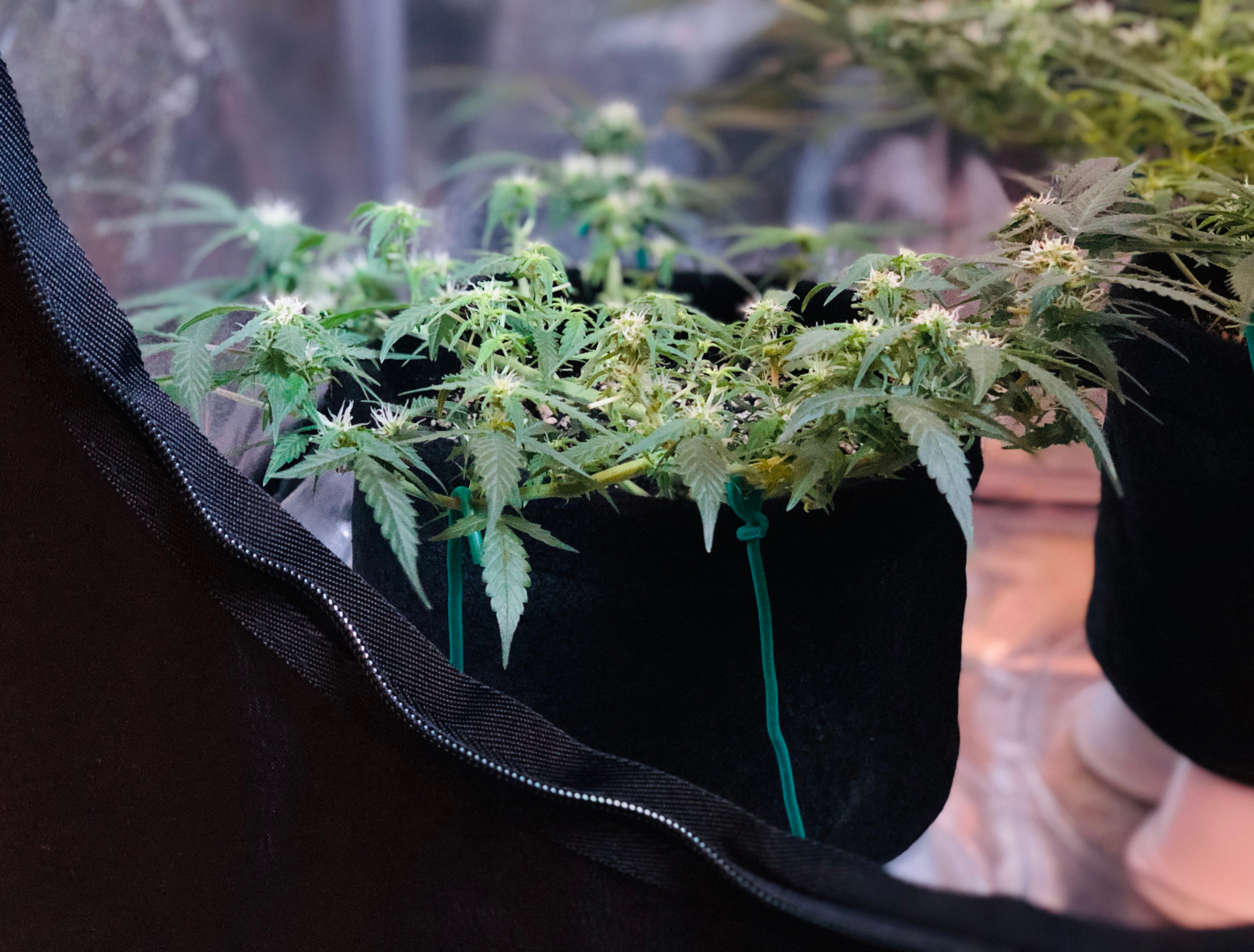
The cultivar's main cultivation problem is timing. If the grower waits for the vegetative canopy to look full, Cannalope Haze can double or more during transition and turn the room into a vertical tangle. If it is flipped too small without enough lateral structure, the plant may produce a few impressive tops over a large amount of empty space. The best result comes from building a light framework early and allowing the flowering stretch to complete it.
Flavor is the second reason the strain deserves a dedicated guide. Strong examples can smell of ripe melon, cantaloupe rind, tropical fruit, grapefruit, apricot and floral Haze. Those notes are volatile and easily buried by heat, excess nitrogen or a fast dry. The flower can remain potent and resinous after losing its fruit, but it no longer expresses what makes Cannalope Haze worth growing.
This is not a generic long-season sativa. It is a fast, resin-capable tropical cultivar whose efficiency depends on using the stretch instead of reacting to it after it becomes a problem.
Strain Features
| Feature | Details |
|---|---|
| Strain Type | Strongly sativa-leaning hybrid |
| Commonly Reported Lineage | Original Haze x Mexican landrace, often associated with Michoacan ancestry |
| THC | Frequently reported from the mid-teens into the low-20% range; modern samples vary |
| CBD | Usually very low |
| Dominant Terpenes | Myrcene, beta-caryophyllene and humulene are reported in some samples; limonene, pinene and terpinolene may shape fruitier expressions |
| Flavor and Aroma | Ripe melon, cantaloupe rind, tropical fruit, apricot, grapefruit, flowers, herbs and mild spice |
| Effect Character | Clear cerebral lift, creativity and energy with light physical ease |
| Flowering Time | Commonly around 8 to 10 weeks, unusually fast for its Haze-like morphology |
| Outdoor Harvest | Usually mid-autumn; exact timing depends on latitude and phenotype |
| Height | Tall |
| Flowering Stretch | Strong; many plants double and some may approach triple under warm, high-vigor conditions |
| Plant Architecture | Long internodes, narrow leaves, flexible laterals and strong vertical leaders |
| Yield | Moderate to high when trained into a full horizontal canopy |
| Bud Structure | Elongated spear colas with high calyx-to-leaf ratio and moderate density |
| Resin Production | High, with useful trim and extraction potential |
| Training Compatibility | Excellent for topping, LST, early supercropping and SCROG; poor fit for an unmanaged low ceiling |
| Feeding Behavior | Moderate appetite; excess nitrogen exaggerates stretch and delays clean ripening |
| Main Cultivation Risk | Vertical overgrowth, light bleaching at the tops and loss of melon aroma through heat or rapid drying |
| Grow Difficulty | Moderate; easier than many long-flowering Haze cultivars but still requires planning |
| Best Time of Use | Morning to afternoon |
The strain's name appears in several spelling forms, including Cantaloupe Haze. The important horticultural identity is not the spelling. It is the combination of fast sativa flower, melon-forward aroma and long resinous colas.
Genetic Lineage
Cannalope Haze combines a Haze family with a Mexican landrace selection. This pairing explains both the plant's tropical character and its relatively efficient finish.
Haze Influence
The Haze side contributes narrow leaves, vertical growth, open internodes and a cerebral effect. It also contributes floral, incense and citrus complexity beneath the melon.
Classic Haze ancestry can create plants that flower for many weeks and continue stretching deep into bloom. Cannalope Haze was selected toward a shorter cycle, but the grower should not mistake a fast finish for compact structure.
Mexican Influence
Mexican landrace ancestry is associated with energetic effects, quick response to flowering signals and sweet tropical or fruit notes. In this cultivar, it may help tighten the flowering schedule and improve production compared with an extremely long tropical Haze.
The Mexican side may also contribute a warmer spice and herbal base that appears after the initial melon aroma fades.
What the Cross Means in Practice
Cannalope Haze tends to create length rather than mass close to the stem. It builds flower sites along extended branches. Light can penetrate an open plant well, but only when the branches are distributed rather than stacked vertically.
The high calyx-to-leaf ratio is another important inheritance. Mature flowers can be easier to trim than the total plant size suggests. The grower still needs to remove weak lower branches because a tall open plant can create many small flowers below the productive zone.
Phenotype Variation
A melon-dominant phenotype may smell of ripe cantaloupe, sweet rind and tropical fruit. It often has a smooth, relatively clean finish and is the expression most closely associated with the name.
A citrus-Haze phenotype may carry grapefruit, lime, flowers and incense. It can stretch more and feel mentally sharper.
An earthy-spice phenotype may show less obvious melon but stronger resin and body. It may finish with denser flowers and a slightly calmer effect.
The plant should be selected for more than aroma. Record stretch, branch strength, finishing time and flower density. A spectacular melon plant that constantly falls into the lights may be less useful than a slightly less loud phenotype with better structure.
Effect Breakdown
Cannalope Haze is best analyzed by function rather than a simple timeline.
Creative and Associative Thinking
The strain commonly produces an increase in idea flow. Users may connect concepts more easily, notice patterns and become interested in music, visual work or conversation.
This can support creative tasks that allow exploration. It is less reliable for work that requires strict sequence and error-free detail. The mind may move quickly enough to skip steps.
Physical Energy
Many users report feeling lighter and more willing to move. Walking, stretching, cleaning or outdoor activity can feel easier to begin.
Cannalope Haze is not a stimulant in the pharmaceutical sense. A large dose can reduce coordination and create mental fatigue even while the user feels awake.
Social Character
The effect can be talkative and positive. It may reduce boredom and encourage engagement. In a comfortable group, the strain often feels friendly rather than introspective.
In an unfamiliar or crowded environment, sensory intensity may increase anxiety. Setting and dose matter.
Body Component
A mild body relaxation usually exists under the mental lift. It can reduce tension without producing heavy limbs at moderate amounts. This makes the strain more balanced than an extremely racy sativa.
A later calm may appear as the peak fades, but strong sedation is not the defining feature.
Dose Threshold
At a small dose, Cannalope Haze can feel clear and motivating. At a medium dose, creativity and sensory enhancement become stronger. At a high dose, thought speed may become disorganized and anxiety, dry mouth or dizziness can appear.
Users with low THC tolerance should approach it cautiously despite moderate published THC figures. Effect intensity is not predicted by percentage alone.
Interpreting Leaf Color During Ripening
Cannalope Haze may fade gradually as nitrogen demand falls, but the plant should not collapse early. Uniform lower yellowing near maturity can be normal. Rapid top-down paling, burnt margins or interveinal loss during bulking deserves investigation. Check root-zone stability, irrigation and light stress before adding nutrients. A forced dark-green finish is not the goal. Healthy senescence should accompany completed swelling and mature aroma, not replace them.
Harvest Window and Effect
Earlier mature flower may emphasize brightness and speed. Fuller maturity can produce a rounder, more comfortable finish. Harvesting too early can create a thin, restless effect and underdeveloped flavor.
Flavor & Aroma Profile
Cannalope Haze is most successful when the aroma develops in layers rather than one sweet note.
Late-Flower Aroma
The plant may begin with fresh green fruit and floral herbs. As it matures, the fruit becomes riper and more recognizable. Cantaloupe rind, melon flesh, apricot and grapefruit are common comparisons.
A plant that remains purely grassy late in flower may still improve after cure, but the strongest fruit phenotypes usually reveal themselves before harvest.
Jar Aroma
A good jar opens with ripe melon or tropical fruit. Floral Haze, citrus peel and mild herbs sit beneath. Some phenotypes carry a soft musk that resembles the skin of an overripe melon.
The aroma should be sweet but not syrupy. Earth and spice keep the fruit believable.
Grinding
Breaking the bud can release grapefruit, apricot and incense that were hidden in the intact flower. The resin may make the material sticky despite the relatively open bud shape.
Inhale
The inhale often begins smooth and fruity. Melon, tropical sweetness and floral notes are easiest to detect at lower vapor temperatures.
Exhale
The exhale may bring Haze herbs, pepper and faint earth. A citrus-bitter edge can resemble grapefruit rind.
Aftertaste
A mature flower can leave a sweet, slightly musky fruit coating. Poorly dried flower often leaves only dry herbs and pepper.
Smoothness
Cannalope Haze has a reputation for smooth smoke when correctly grown and cured. This does not mean every sample is smooth. Excess late nitrogen, immature harvest and rapid drying can create a sharp expansive inhale.
Flavor Stability
The melon top note is fragile. It can fade faster than the herbal base during storage. Whole-bud storage, darkness and cool temperature are especially important.
Dominant Terpenes
Available terpene data does not always match the cultivar's melon description. Myrcene, caryophyllene and humulene may lead some tested samples, while limonene, pinene or terpinolene contribute brightness in others.
Myrcene
Myrcene can smell earthy, musky and fruit-like. In Cannalope Haze, a ripe musky expression may contribute to the impression of melon skin.
Beta-Caryophyllene
Caryophyllene adds pepper and dry spice. It prevents the fruit from tasting flat and supports the warm exhale.
Humulene
Humulene contributes dry wood, herbs and mild bitterness. It may strengthen the grapefruit-rind or Haze finish.
Limonene
Limonene supports citrus and tropical brightness. It may be more important in grapefruit-dominant phenotypes.
Terpinolene and Pinene
Terpinolene can add sweet herbs, flowers and fruit. Pinene sharpens the aroma with fresh resin and wood. Neither is guaranteed to dominate.
| Sensory Layer | Likely Contributors | Cultivation Vulnerability |
|---|---|---|
| Ripe melon and tropical fruit | Myrcene, esters and other minor volatiles | High heat and fast drying |
| Grapefruit and citrus peel | Limonene and bitter herbal compounds | Very late harvest and warm storage |
| Floral Haze | Terpinolene and minor aromatic compounds | Direct airflow and excessive handling |
| Pepper and dry herbs | Caryophyllene and humulene | Can dominate if sweet notes are lost |
The melon aroma cannot be assigned confidently to one terpene. Minor volatiles likely play an important role. The practical goal is preservation of the whole bouquet.
Indoor vs. Outdoor Growing
| Factor | Indoor | Outdoor |
|---|---|---|
| Main Advantage | Stretch can be redirected under a screen and fruit can be preserved through climate control | Height and lateral spread can be used fully under sun |
| Main Limitation | Low ceilings, uneven tops and light bleaching | Long branches face wind and autumn weather |
| Best Architecture | Early-topped plant with open SCROG | Wide multi-leader plant with layered support |
| Veg Duration | Shorter than appearance may suggest | Long veg can create a very large plant |
| Flowering Time | Fast enough for efficient sativa production | Usually finishes earlier than many Haze cultivars |
| Root Demand | Moderate to high once stretch begins | Large root volume supports seasonal growth |
| Bud Density | Open spears often dry faster and resist mold better | Large outdoor colas still need rain protection |
| Flavor | Clean melon and floral top notes are easier to retain | Outdoor flowers may gain spice, incense and citrus complexity |
| Support | Trellis required in many rooms | Stakes, cage or multiple nets recommended |
| Best Grower | Comfortable with early flip and canopy steering | Has space, sun and a dry enough autumn |
Indoor Decision
Cannalope Haze is attractive indoors because it provides a sativa effect without an extremely long bloom. The room still needs adequate height or a serious training plan.
The plant should be flipped before the screen is full. The first three weeks are used to complete canopy coverage. Growers who wait until the plant reaches final width before flower will lose vertical control.
Outdoor Decision
Outdoors, the cultivar can become a large open plant with long productive branches. It is easier to manage height, but support becomes essential.
A warm sunny season helps the fruit mature. Prolonged cold rain near harvest can dilute aroma, damage flowers and slow the final stage.
Mold Considerations
The open flower structure may be safer than extremely dense indica buds. This advantage disappears if branches are crowded, tied together or left wet after storms.
Which Environment Delivers Better Flavor?
Indoor cultivation usually produces a cleaner melon profile. Outdoor cultivation can create a more complex Haze background. The best result comes from the environment that allows complete maturity and a controlled post-harvest process.
Strain-Specific Grow Guidance
Flip Before the Canopy Looks Ready
A common mistake is treating vegetative coverage as final coverage. Cannalope Haze uses transition to build much of its flowering framework.
In a screen, flip when approximately half to two-thirds of the intended area is occupied, adjusted to the specific phenotype and room height. Continue tucking during the first two weeks.
Top Early
Top once after strong root establishment. The plant responds by producing several long laterals. A second topping may be useful in a large room, but repeated cuts can create too many branches to manage.
LST and Branch Spacing
Tie branches outward while they remain soft. Maintain separation between future flower spears. Vertical stacks of branches create shade even when the plant looks open from the side.
Supercropping
Early supercropping is effective for leaders that outrun the canopy. Bend before the stems become woody. Support the damaged area and avoid repeating the bend.
Late emergency supercropping can save the light distance but may create a weak point under flower weight.
Screen Strategy
Install the net before the flip. Use it as a map rather than a cage. Each strong branch should occupy a distinct area.
A second net can support flowers later. Keep colas separated and accessible for inspection.
Lower Growth Removal
Cannalope Haze can produce long branches with small flowers at every node. The lowest sites receive weak light and rarely match the top quality.
Remove the least productive lower third after stretch, adjusted to canopy depth. This improves airflow and concentrates energy on the spear colas.
Feeding Behavior
The cultivar usually performs with moderate nutrition. Excess nitrogen increases internodal length, delays flower focus and produces a greener taste.
Feed enough during stretch to prevent premature yellowing. Once flowers are established, taper nitrogen and maintain balanced bloom nutrition.
Avoid aggressive PK spikes. The plant's flower shape is genetic. More salt does not turn a spear into a dense indica cola.
Root Zone
Use a well-aerated medium. A fast-stretching plant can change water demand quickly. Roots need enough oxygen to support that acceleration.
Do not transplant into an excessively large wet container immediately before the flip. Allow the plant to colonize the medium and establish a stable irrigation rhythm.
Irrigation
During stretch, the plant may drink heavily. In late flower, demand can remain high because of total leaf area. Water thoroughly and allow appropriate dryback.
Irregular severe drought can weaken long branches and reduce aroma. Constant saturation can create nutrient problems and slow maturity.
Light Management
Cannalope Haze can use strong light across an even canopy. The tallest tops are vulnerable to bleaching and heat.
Check distance daily during the first three weeks. Raise the fixture, bend the top or lower the container before visible damage occurs.
Heat
Tropical ancestry does not make the flower immune to heat. Warm vegetative growth may be tolerated, but high late-flower canopy temperature accelerates aroma loss.
Keep the upper flowers within a stable environment and avoid hot dry air moving directly across them.
Humidity
Open flowers provide airflow, but the plant can create a large humid canopy. Remove interior foliage and maintain circulation beneath the screen.
Dark-period humidity can rise sharply in a large sativa crop. Continue dehumidification and extraction as needed.
Branch Support
Long branches may remain flexible and bend under mature flowers. Install support before week five or six.
Outdoors, a cage with multiple horizontal levels works better than one tall stake. It allows each branch to move without breaking.
Flower Development
The plant often produces early pistils along extended nodes, then begins connecting those sites into spears. Resin can become obvious during mid-flower.
Final swelling occurs later than the first visible resin. The calyxes should become plump and the aroma should shift from green fruit to ripe melon.
Foxtailing
Some foxtail-like structure may be genetic. Fresh uncontrolled towers at the highest light-exposed tips may indicate heat or excessive intensity.
Distinguish natural spear architecture from stress by comparing lower and upper flowers.
Interpreting Leaf Color During Ripening
Cannalope Haze may fade gradually as nitrogen demand falls, but the plant should not collapse early. Uniform lower yellowing near maturity can be normal. Rapid top-down paling, burnt margins or interveinal loss during bulking deserves investigation. Check root-zone stability, irrigation and light stress before adding nutrients. A forced dark-green finish is not the goal. Healthy senescence should accompany completed swelling and mature aroma, not replace them.
Harvest Window
Most plants finish in roughly eight to ten weeks. Use trichomes on the calyxes, pistil behavior and aroma maturity.
For the clearest energetic effect and brightest melon, harvest with mostly cloudy trichomes and little amber. For a softer finish, allow slightly more maturity.
Trim and Processing
The high calyx-to-leaf ratio can make trimming pleasant. Sugar leaves may be resinous and useful for extraction.
Handle long flowers by the branch. Do not compress them in bins. Their open shape can be damaged easily.
Managing Mixed Maturity Across Long Spears
Cannalope Haze does not always mature uniformly from the tip to the base of each branch. The top of a spear may show cloudy trichomes and recessed pistils while lower calyxes are still producing fresh white hairs. This is especially common when the canopy is tall or light intensity declines sharply below the upper layer.
The root zone can hide the first mistake
Before deciding on a whole-plant harvest, inspect several levels. A staged harvest can protect the ripe melon aroma in the top flowers while giving the lower plant additional time. Remove mature branches cleanly, maintain the remaining light schedule and reduce irrigation according to the smaller canopy. Do not leave a half-harvested root zone on the same watering volume it used before.
Mixed maturity is also a signal for the next run. A flatter screen, earlier lower-site removal and more even branch spacing usually reduce the gap. Increasing light intensity without changing structure may only overheat the tops.
Clone Selection and Repeated Runs
Where lawful, preserving a selected clone can turn Cannalope Haze from a variable seed project into a predictable production plant. The keeper should be chosen after the cure, not at harvest. Record which plant carried melon through the exhale, which one finished on schedule and which one maintained branch strength.
A loud flowering-room aroma may not survive drying. A slightly quieter plant may become sweeter and smoother after four weeks in storage. Compare equal samples under the same drying conditions before making the final choice.
On repeated runs, adjust the flip height precisely. If the selected clone doubled, build the next canopy to half the final target. If it stretched closer to triple, reduce veg and begin tucking earlier. This cultivar rewards measured repetition because most of its difficulty comes from predictable geometry rather than fragility.
Small-Space Strategy
A low tent can still hold Cannalope Haze when the plant is trained from the beginning. Use a wide container, top early and keep the main branches nearly horizontal during veg. Flip while the plant remains low and continue tucking aggressively through the first two weeks.
Avoid tall narrow containers that raise the canopy unnecessarily. Mount the fixture and extraction system as high as safely possible before the grow begins. Every centimeter of usable height matters with this cultivar.
A small-space grow should use fewer leaders, not more. Four to six well-positioned branches are easier to keep level than a crowded screen of thin shoots. The goal is a controlled fan shape that becomes a shallow layer of spears.
Weedth Bud Flavor Tips
Let the Melon Become Ripe
Green fruit aroma is not the final profile. Wait until the plant smells sweeter and less grassy. The cantaloupe-rind note should be clear without rubbing every bud.
Keep the Top Flowers Cool
The highest colas experience the most heat and often contain the best aroma. Maintain light distance and airflow without direct blasting.
Harvest in Sections if Necessary
A trained canopy can still mature unevenly. The top flowers may finish before lower branches. Partial harvest allows the lower plant to continue without taking the ripe tops too late.
Dry by Branch Size
Thin Haze-like branches can dry quickly. Large outdoor spears can remain moist near the stem. Group branches by size rather than hanging everything together.
Slow the Process Without Trapping Moisture
Use cool darkness and gentle exchange. Whole-plant drying may be too slow for a huge outdoor plant and too fast in a very dry room. Adjust the amount of attached stem and leaf.
Cure for Fruit Clarity
Early cure may emphasize herbs and grapefruit. After several weeks, the melon and apricot layers can become sweeter and smoother.
If the fruit continues fading, check storage temperature and oxygen exposure.
Avoid Flavor Additives
Do not add melon peel, fruit pieces or juice to the cure. They introduce moisture and microbial risk and cannot replace genetically produced aroma.
Indoor Flavor Plan
Reduce late nitrogen, control canopy heat and dry with enough plant material attached to prevent a rapid moisture crash.
Outdoor Flavor Plan
Harvest after dew evaporates, move branches into shade immediately and inspect for insects. Outdoor flower often needs more cleaning and spacing before drying.
Storage
Keep whole buds in cool, dark airtight containers. Divide the harvest to limit repeated opening. Melon and floral notes can decline faster than the earthy base.
Weedth Bud Boost Tips
Use Stretch as Yield
The cultivar's stretch creates flowering surface. The aim is not to eliminate it. Redirect it horizontally and maintain equal branch height.
Indoor Plan
Top once, spread the leaders and flip early. Use the screen to complete coverage during transition. Remove lower sites after stretch and support the upper spears.
A large number of small plants can work, but vertical variation between seed phenotypes makes SOG less uniform than a clone-based run.
Outdoor Plan
Start early enough to build a strong trunk. Top and spread major branches before midsummer. Install a wide cage before flowering.
Provide deep, well-drained root space and consistent water. Protect late flowers from storms.
Productive Canopy Depth
Long internodes allow some light penetration, but the lower plant still receives less intensity. Keep a relatively shallow band of premium flowers.
Removing weak lowers improves dry yield quality even when total wet biomass decreases.
Resin and Extraction
Cannalope Haze can produce useful resin on flowers and sugar leaves. Clean trim can be preserved for lawful processing.
Do not overhandle the crop in the pursuit of resin. Intact trichomes on finished buds are part of quality.
Yield Mistakes
- Long veg in a low room
- Too many toppings before recovery
- Heavy nitrogen through mid-flower
- No second support layer
- Waiting for every lower site to become dense
- Harvesting when the smell is green but the trichomes look present
Quality Mistakes
- Hot tops near the fixture
- Direct airflow during drying
- Pre-grinding for storage
- Sealing open flowers before internal moisture stabilizes
- Assuming a fast flowering time means an early harvest
Medical Uses & Benefits
Cannalope Haze is frequently selected by users reporting fatigue, low mood, stress and appetite loss. These are anecdotal use patterns, not strain-specific clinical evidence.
Fatigue and Motivation
The cerebral and physical lift may help some users feel more engaged. It is commonly chosen during the day.
A high dose can create mental overload and reduce effective productivity.
Mood
Users often report happiness, enthusiasm and creativity. Cannabis should not be presented as a cure for depression. Persistent low mood requires professional support.
Stress and Anxiety
Some people experience relief because the effect redirects attention and improves mood. Others experience increased anxiety due to thought speed and THC intensity.
Appetite
Appetite stimulation is a recurring report. The fruity flavor may make the experience more pleasant for some users dealing with low appetite.
Pain and Headaches
Light body relaxation may reduce mild tension, headaches or discomfort while preserving daytime function. It is not usually the first choice for severe pain or sleep.
Safety
The cultivar is typically low in CBD. Begin with a small dose, avoid driving and seek clinical guidance when using cannabis alongside medication or for a diagnosed condition.
Ideal User Profile
Best Consumer Match
- Enjoys energetic, creative sativa effects
- Likes melon, tropical fruit and floral Haze flavors
- Has enough THC experience to manage a fast mental onset
- Wants daytime function rather than heavy sedation
- Uses cannabis for music, art, movement or social activity
Best Grower Match
- Can flip early and manage a screen
- Has adequate vertical space
- Can support long branches
- Values fast sativa production
- Can provide a cool controlled dry
Less Suitable
- Low ceiling without training
- User prone to panic or racing thoughts
- Grower seeking a compact SOG from variable seed plants
- Wet short-season outdoor climate
- Consumer seeking immediate nighttime sedation
Grower Notes and Feedback
Faster Than It Looks
The plant resembles a long-flowering sativa but often finishes much sooner. Growers sometimes delay checking maturity because the structure looks Haze-like.
Taller Than the Calendar Suggests
Fast flowering does not reduce stretch. The plant can become tall before flowers begin filling.
The Melon Is Phenotype-Dependent
Some plants are unmistakably cantaloupe. Others lean toward apricot, grapefruit or general tropical fruit. Select the plant that carries flavor through smoke, not only the loudest wet aroma.
Easy Trim, Large Plant
The favorable leaf ratio reduces trimming time, but the branch volume can still be substantial.
Moderate Feeding Is Safer
Growers who push nitrogen often report excessive stretch and delayed finish. The cultivar produces better fruit when allowed to ripen cleanly.
Support Matters More Outdoors
Long branches can handle normal growth but fail under wind and wet flower weight. A cage installed early prevents emergency repairs.
Second-Run Improvement
On a second run, flip according to measured stretch, not the plant's veg appearance. Reduce the number of weak laterals and group branches by drying speed.
If the first harvest lost melon aroma, adjust canopy temperature and drying rate before changing nutrients. Post-harvest handling is often the larger cause.
Weedth Editor's Note
How I would judge the finished flower
Cannalope Haze is the kind of plant that makes a grower feel clever or careless by week three of flower. The difference is usually the flip date.
I would enter bloom early, use one wide screen and allow the plant to build the rest of the canopy itself. I would not try to keep every branch. The cultivar produces enough length without help.
The reason I would grow it is flavor efficiency. A real melon-Haze profile in an eight-to-ten-week window is valuable. That value disappears when the tops run hot or the dry finishes in four days.
Its weakness is the same trait that creates yield: stretch. Its second weakness is phenotype variation. Not every plant delivers the name perfectly.
I would recommend Cannalope Haze to a grower who wants a genuine sativa project without committing to an extremely long flowering season. It still requires sativa thinking: early planning, open structure and patience through the final swell.
Weedth Score
Growing Experience 8.3/10 Fast for a Haze and highly trainable, but stretch and support demand attention
Bud Structure and Visual Appeal 8.4/10 Long resinous spears with a favorable leaf ratio; less dense than modern indica hybrids
Aroma Complexity 9.1/10 Melon, tropical fruit, grapefruit, flowers and herbs create a rare profile
Flavor and Smoothness 9.0/10 Smooth and distinctive when preserved; fruit disappears quickly under heat or fast drying
Effects and High Experience 8.8/10 Creative, uplifting and functional, with anxiety risk at high doses
Overall Satisfaction and Recommendation 8.8/10 An efficient tropical sativa for growers who can use its stretch correctly
I would keep Cannalope Haze for the rare jar that smells ripe without smelling sugary.
FAQ
How much does Cannalope Haze stretch?
Many plants double during transition, and vigorous phenotypes may stretch more. Flip early and leave vertical clearance.
Is Cannalope Haze easy to grow?
It is easier than many long-flowering Haze cultivars because it finishes faster and responds well to training. Height management still makes it a moderate-level plant.
Is Cannalope Haze good for SCROG?
Yes. Its long laterals and early stretch are ideal for filling a screen. Leave open space before flowering.
Is Cannalope Haze good for SOG?
It can work with uniform clones and a very short veg, but variable seed plants may stretch unevenly. SCROG is often easier for mixed phenotypes.
Why does my Cannalope Haze not smell like melon?
Phenotype variation is common. Some plants lean toward grapefruit, apricot, flowers or herbs. Heat, early harvest and rapid drying can also reduce melon aroma.
Does Cannalope Haze need heavy feeding?
No. Moderate feeding is usually enough. Excess nitrogen exaggerates stretch and can reduce flavor clarity.
When should Cannalope Haze be harvested?
Most plants finish in about eight to ten weeks. Harvest after calyx swelling with mostly cloudy trichomes and mature ripe-fruit aroma.
Are the buds naturally airy?
The flowers are often more open and spear-like than dense indica buds. Excess heat, weak light or early harvest can make them looser than the genetic norm.
Does Cannalope Haze need support?
Yes. Long branches and elongated colas can lean indoors and break outdoors. Use a trellis, cage or stakes before the buds become heavy.
How long should Cannalope Haze cure?
Several weeks are beneficial. Two to four weeks often clarifies melon and tropical fruit, while longer storage should remain cool and dark to preserve the top notes.
Similar Strains
Amnesia Haze
Amnesia Haze shares energetic Haze effects and citrus complexity. It usually flowers longer and can be more demanding.
Chocolope
Chocolope provides a similarly clear daytime effect and long branches. Its flavor leans toward cocoa, coffee and earth rather than melon.
Chernobyl
Chernobyl offers fast citrus-forward sativa growth with lime and pine. It is often sweeter and less melon-specific.
Pineapple Express
Pineapple Express is a more balanced tropical alternative with easier height control and a stronger body finish.
Super Silver Haze
Super Silver Haze delivers deeper incense and longer cerebral energy. It generally requires more flowering time and vertical space.
Tangie
Tangie replaces melon with orange peel and tangerine. It can be equally aromatic and energetic, with comparable stretch management needs.
Share this article
A quick overview of the topics covered in this article.
Follow us
Latest articles
September 29, 2026
September 29, 2026
September 29, 2026
September 29, 2026
