
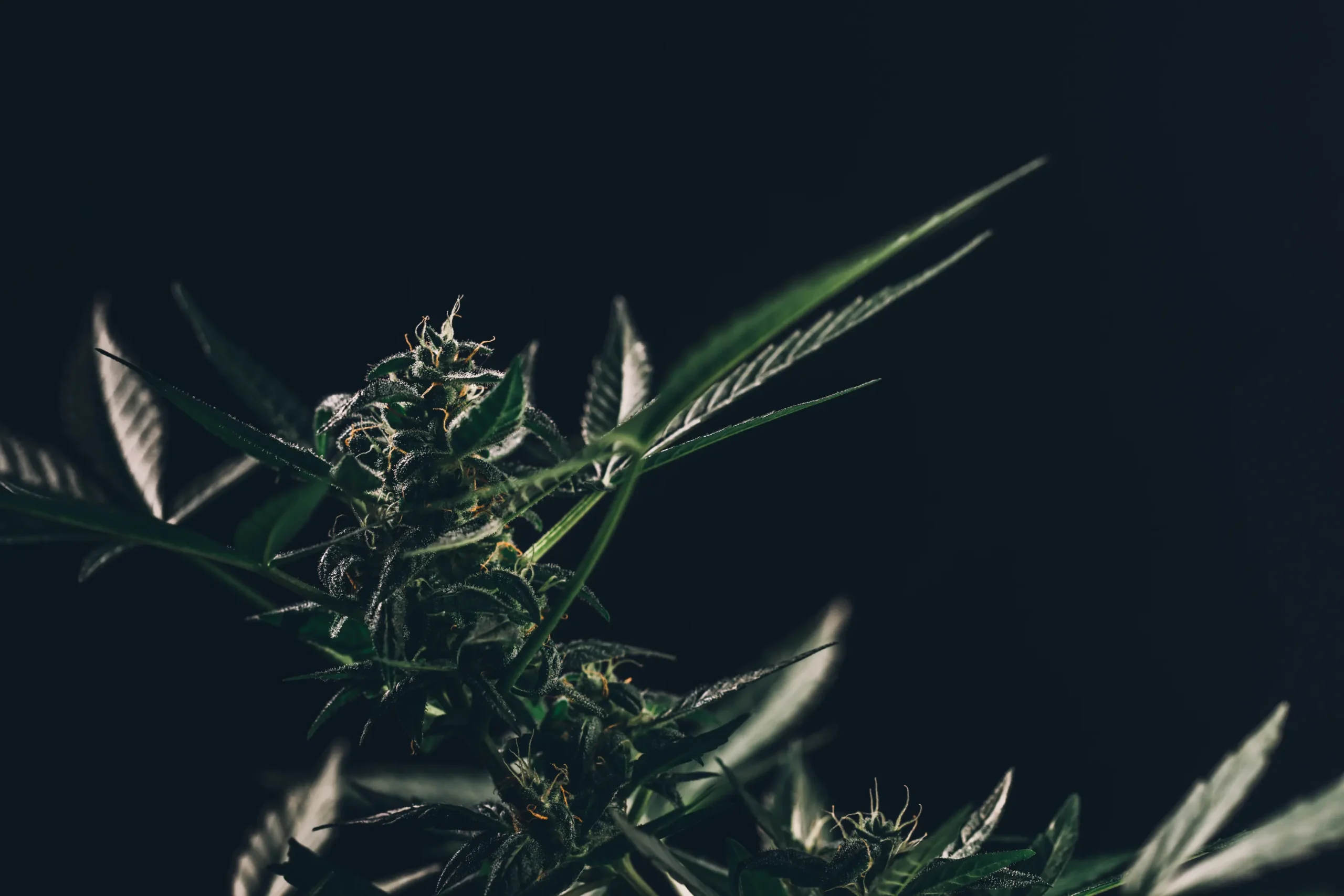
Cap Junky
Cap Junky – Strain Profile & Grow Guide
Cap Junky is a modern, high-resin hybrid built around intensity. The plant usually grows with strong hybrid vigor, meaningful transition stretch, and a willingness to produce compact, glassy flowers under strong light. Finished buds can be exceptionally dense and heavily coated in trichomes, with a sharp aroma that moves through fermented fruit, mint, gas, pepper, cream, and a faint chemical funk. The effect is equally forceful, often beginning with a rapid cerebral impact before settling into a strong physical calm.
Its main cultivation problem is not getting the plant to grow. Cap Junky usually grows willingly. The challenge is pushing vigor and flower density without creating an overheated, overfed, moisture-trapping canopy. The same traits that make the strain visually impressive also raise the cost of mistakes. Excess nitrogen increases leaf mass, poor support lets heavy tops collapse together, and late-flower humidity can damage flowers that appear perfect from the outside.
Strain Features
| Feature | Details |
|---|---|
| Strain Type | Potent balanced hybrid, often described as slightly sativa-leaning in growth and more balanced in effect |
| Genetic Profile | Alien Cookies x Kush Mints #11 |
| THC | Frequently reported in the upper 20% range, with some laboratory results higher; potency varies by cut and cultivation |
| CBD | Usually very low |
| Effect Character | Rapid mental intensity, euphoria, sensory sharpening, then heavy physical relaxation |
| Flavor and Aroma | Fermented fruit, mint, gasoline, pepper, cream, citrus, and pungent funk |
| Common Terpenes | Limonene, beta-caryophyllene, myrcene, with linalool and other secondary terpenes appearing in some samples |
| Flowering Time | Commonly about 9 to 11 weeks; some cuts may require closer to 12 weeks for full maturity |
| Outdoor Harvest | Often mid-October or later in suitable Northern Hemisphere climates |
| Plant Structure | Medium to tall, vigorous, strong lateral growth, compact flower clusters, heavy resin production |
| Stretch | Moderate to strong, commonly around 1.5x to 2x after the flip |
| Feeding Behavior | Often tolerates above-average nutrition when roots, light, and climate are balanced; overfeeding still reduces quality |
| Bud Density | Very high in selected cuts; internal moisture risk increases late in flower |
| Training Compatibility | Topping, LST, open SCROG, early supercropping, selective lollipopping, and branch support |
| Grow Difficulty | Moderate to advanced because of environmental demand, potency, and dense late-flower structure |
| Main Quality Risk | High humidity, overpacked canopy, excessive late nitrogen, and rapid drying of resin-rich flowers |
Genetic Lineage
Cap Junky combines Alien Cookies with Kush Mints #11. Alien Cookies contributes compact resinous flower structure, sweet dough, fruit, and an unusual fermented or chemical funk. Kush Mints #11 contributes vigor, mint-gas sharpness, stronger stretch, and a dense modern bud form.
The cross explains why Cap Junky can feel both aggressive and refined. It is not usually a weak, slow exotic that needs a long vegetative period to become productive. Many plants establish quickly and accelerate during transition. At the same time, the finished flower can be extremely compact, with thick trichome coverage that gives the buds a glassy or sand-coated appearance.
Phenotype variation exists in stretch, finish time, aroma, and color. Some plants remain medium height with controlled internodes. Others double rapidly and require substantial canopy work. Aroma can lean toward mint-gas and pepper, fermented fruit and cream, or a sharper chemical citrus profile. Growers should not assume that the frostiest plant will also have the best aroma or yield.
Effect Breakdown
Immediate Impact
Cap Junky often announces itself quickly. The first phase may feel mentally intense, euphoric, and highly sensory. Music can sound more detailed, conversation may become animated, and attention can lock onto one subject. For experienced users, the onset can feel exciting and clear. For low-tolerance users, the same speed may feel overwhelming.
The Peak
At the peak, the strain can combine mental stimulation with a strong pressure behind the eyes and forehead. Mood tends to rise, but the experience is not always soft. High-THC examples can produce rapid thoughts, dry mouth, elevated heart rate, or anxiety when consumed too quickly.
Body Transition
The body effect becomes more obvious after the cerebral peak. Muscles relax, movement slows, and the strain becomes more suitable for sitting, listening, eating, or ending the day. The mental character usually remains present rather than disappearing into pure sedation.
Heavy Dose
A heavy dose can become deeply immobilizing and disorienting. Cap Junky is not a sensible first strain for a new consumer. The best approach is a small amount followed by enough time to assess the full progression.
Flavor & Aroma Profile
Fermented Fruit and Gas
Cap Junky rarely smells like simple fresh fruit. The fruit note is often darker and slightly fermented, similar to overripe fruit skin, sweet solvent, or candy exposed to gasoline fumes. Mint and pepper add sharpness. A creamy cookie base may appear underneath.
Broken Flower
Grinding releases the most aggressive notes. Gas, mint, citrus peel, pepper, and a damp fermented sweetness can rise at once. Some cuts produce a faint ammonia-like or chemical edge. This does not automatically indicate poor curing if the flower is otherwise clean and properly dried. It can be part of the cultivar’s pungent identity.
Inhale and Exhale
The inhale often shows cream, fruit, and mint. The exhale carries more gas, pepper, earth, and chemical funk. A high-quality sample leaves a persistent cool-spice sensation and sweet fermented aftertaste.
The profile is vulnerable to two opposite mistakes. Fast drying removes the fruit and mint, leaving harsh gas. Sealing the buds too wet can create sourness that is not genetic and may signal microbial activity. The goal is pungent complexity, not uncontrolled sourness.
Dominant Terpenes
| Terpene | Likely Role in Cap Junky |
|---|---|
| Limonene | Frequently appears near the top of tested profiles and supports citrus peel, bright fruit, and part of the sharp opening. |
| Beta-Caryophyllene | Contributes pepper, gas-associated spice, and a dry warm base. It is central to the strain’s aggressive exhale. |
| Myrcene | Adds musk, ripe fruit, and herbal depth. It may contribute to heavier body effects in some samples, but effect prediction from one terpene remains unreliable. |
| Linalool | Can soften the profile with floral cream and may help explain why some cuts feel smoother despite the strong gas. |
| Secondary Terpenes | Pinene, humulene, or terpinolene may appear depending on the cut and can shift the profile toward fresh herbs, wood, or sharper fruit. |
Different batches show meaningful chemical variation. The common pattern is less about one fixed terpene order and more about the sensory combination of bright citrus, pepper, ripe fruit, mint, and pungent gas.
Indoor vs. Outdoor Growing
| Decision Factor | Indoor Growing | Outdoor Growing |
|---|---|---|
| Stretch Control | Early training and a screen can contain the 1.5x to 2x transition | Long season and root space can create a large plant that needs wide support |
| Environmental Demand | High control over humidity and heat helps protect dense flowers | Best in dry climates with warm days and limited autumn rain |
| Resin Quality | Stable strong light can produce extreme trichome coverage | Full sun can build excellent resin, but weather damage becomes the main risk |
| Feeding | Easier to match nutrition to light and plant demand | Large plants may consume heavily, but soil imbalance is slower to correct |
| Branch Support | Trellis systems are easy to install before flower bulking | Cages and radial ties are essential before storms and late weight gain |
| Harvest Timing | Individual phenotypes can be harvested separately | Late finish may conflict with frost, rain, or declining sun angle |
| Primary Limitation | Dense canopy, high leaf mass, heat, and humidity | Season length, rain, and the difficulty of drying very large flowers safely |
| Best Fit | Experienced indoor growers with strong climate control | Dry, long-season outdoor regions with secure support and rain planning |
Indoor cultivation gives the grower better control over Cap Junky’s greatest weakness: late-flower density. Outdoor production can be excellent, but the cultivar is not ideal for short or wet seasons because it may need ten weeks or more of flowering and can hold moisture inside hard flowers.
Strain-Specific Grow Guidance
Use the Vigor, Do Not Fight It Late
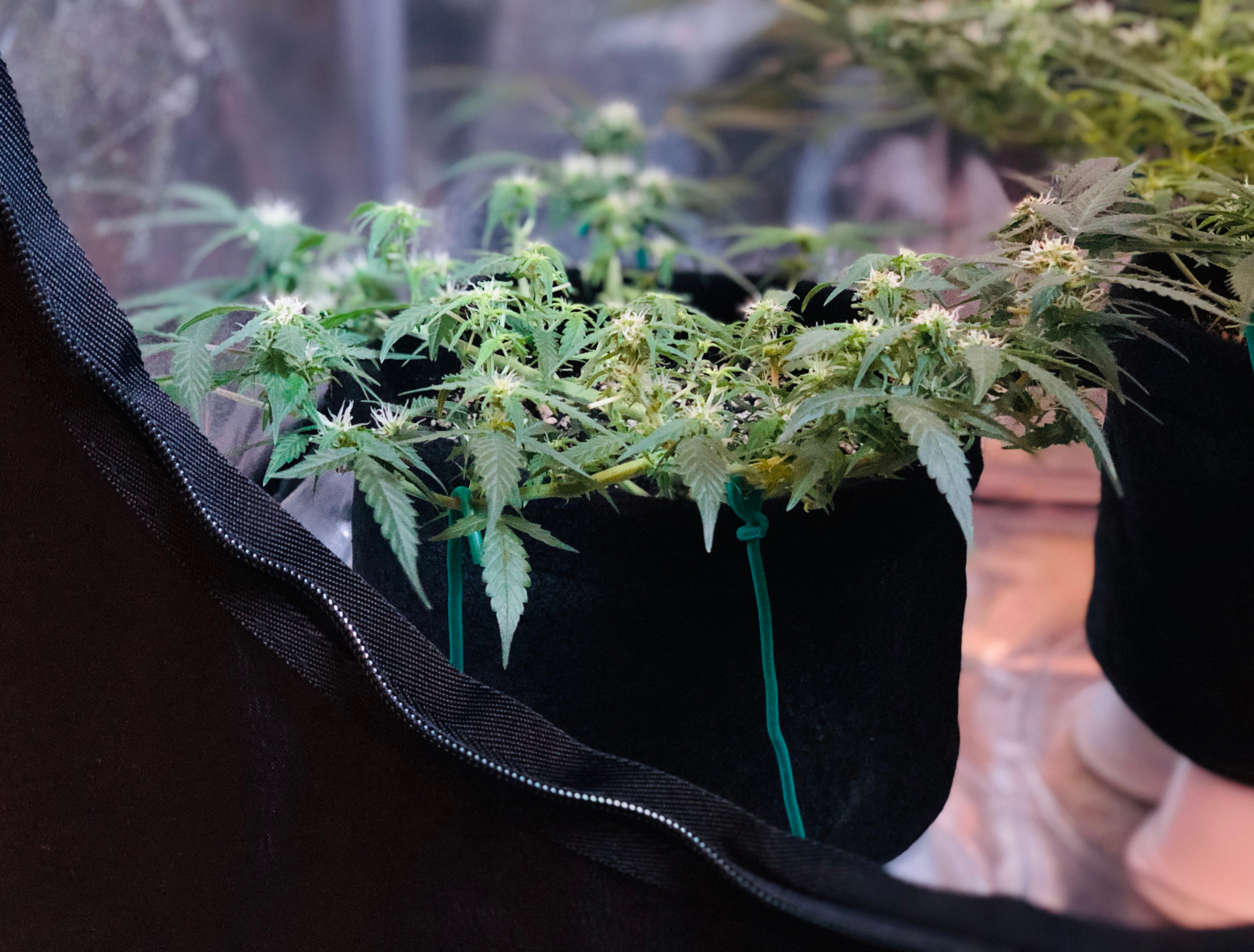
Cap Junky should be shaped before the stretch becomes aggressive. Top early enough that the new leaders develop strong branch unions. Spread the plant during vegetative growth and the first part of transition. Once flower clusters begin stacking, stop major structural changes.
An open SCROG is highly effective. The screen should organize branches and distribute tops, not create a solid carpet. Dense flower genetics need space between colas. Leave channels for air and inspection.
Stretch Management
Expect meaningful vertical growth after the flip. Some cuts remain controlled, while others double. Flip based on available finished height rather than current plant size. If headroom is limited, use early supercropping and branch placement before flowers form.
Late supercropping is risky because hardening flowers can fold into neighboring branches and trap humidity. If a top becomes too tall in mid-flower, gentle tying is safer than crushing a mature stem.
Feeding Appetite and Limits
Cap Junky is often described as a strong feeder, but that should not be interpreted as permission to ignore plant signals. A vigorous root system under strong light may use more nutrition than an average hybrid. The same plant in a cool, dim, saturated root zone will not.
More feed is not automatically more quality
During vegetative growth and stretch, maintain enough nitrogen for rapid development without producing dark clawed leaves. Excess nitrogen in early flower creates unnecessary leaf mass and delays clean bud formation. In mid-flower, consistent mineral availability supports calyx expansion. Do not push late feed simply because the buds are dense.
Leaf-tip burn, downward clawing, unusually dark foliage, and falling water demand are signs to reassess concentration. High-quality Cap Junky is produced by balanced uptake, not the highest possible EC.
Root Zone and Water Demand
The cultivar’s vigor can create high water demand, especially in warm rooms. Allow an appropriate dryback without repeatedly pushing the plant into severe wilt. A saturated root zone reduces oxygen and can make an otherwise hungry plant appear deficient.
In containers, provide enough volume for the planned veg time. A root-bound Cap Junky may still stretch but lose lower foliage and produce uneven flowers.
Light and Canopy Temperature
Cap Junky can respond well to strong light when the environment supports it. Excess canopy temperature can bleach upper flowers, volatilize aroma, and increase water stress. Strong light should be introduced gradually and distributed evenly.
Do not use extreme light intensity as a substitute for canopy design. Multiple well-lit tops produce better quality than a few overheated centers and shaded lower flowers.
Humidity Control
Late flower is non-negotiable. Rock-hard buds can remain humid around the stem even when the room appears dry. Keep relative humidity conservative, maintain circulation at multiple heights, and inspect areas where colas touch.
A falling sugar leaf inside an otherwise healthy bud deserves immediate attention. Pulling it gently can reveal whether the base is clean or brown. Early removal of affected material can protect the rest of the plant.
Flower Development and Finish
Cap Junky may continue swelling late. Do not harvest solely because the trichomes look abundant at week eight. Evaluate calyx expansion, pistil recession, aroma maturity, and trichomes on the calyx surface. Some cuts are ready around nine or ten weeks, while others benefit from longer.
Weedth Bud Flavor Tips
Protect Mint and Fruit During Drying
The sharp mint and bright fruit components disappear faster than the gas and pepper base. A warm, rapid dry can leave potent flower that tastes much simpler than it smelled on the plant.
Dry in darkness with cool stable conditions and indirect air exchange. Large dense colas should be separated when necessary for safety. The objective is an even release of moisture, not preserving oversized branches for appearance.
Resin Handling
Cap Junky trichomes can be abundant and brittle when overdried. Handle branches gently, avoid unnecessary moving and squeezing, and trim when the flower has enough internal moisture that resin heads are not shattering from every touch.
Cure Management
The early cure may be dominated by gas and pepper. Over several weeks, fruit, cream, and mint often become clearer. Use smaller containers for long-term storage so the entire harvest is not repeatedly exposed to oxygen.
Research on cannabis post-harvest handling shows that drying method and storage conditions can change volatile retention. Cap Junky deserves a cultivar-specific approach because its premium value depends heavily on the volatile top notes sitting above a naturally strong gas base.
Weedth Bud Boost Tips
Indoor
Use early topping, broad branch spacing, and a two-layer support system when the canopy is large. The first screen shapes the plant. The second holds mature colas apart.
Remove lower growth that remains below the productive zone after stretch. Cap Junky can produce resinous lower buds, but deep shade still creates small flowers and uneven maturity. Keep only branches with a realistic path to useful light.
Feed according to demand and maintain root oxygen. A high-yield run depends on uninterrupted water uptake through mid-flower. Sudden late nutrient increases are less useful than keeping the existing system stable.
Outdoor
Use a large support cage early. As the plant expands, tie major branches outward to increase sun exposure and reduce interior humidity. Do not wait until the buds are heavy.
Choose a location with early morning sun and strong air movement. If autumn rain is common, the strain may not be a practical outdoor choice. A protected structure must remain ventilated.
Medical Uses & Benefits
Users commonly report selecting Cap Junky for strong mood change, temporary relief from physical tension, appetite, and evening relaxation. Its potency may make small amounts feel effective for experienced users, while the later body phase can be calming.
There is no strong clinical evidence that this named cultivar treats anxiety, pain, depression, insomnia, or other conditions. High THC can worsen anxiety, panic, dizziness, and cardiovascular discomfort in sensitive users. It also impairs driving and complex decision-making. Medical use should be discussed with a qualified healthcare professional.
Ideal User Profile
Cap Junky is best for experienced users who enjoy intense modern hybrids and can manage dose carefully. It suits late afternoon or evening use, creative listening, films, food, and low-pressure social settings.
It is poorly suited to beginners, people sensitive to rapid cerebral effects, or anyone needing dependable daytime productivity. The onset can feel more stimulating than the later body phase suggests.
For growers, Cap Junky fits someone with reliable environmental control and enough vertical space to manage stretch. It is a strong candidate for quality-focused indoor production, but not a forgiving choice for a humid room with weak air movement.
Grower Notes and Feedback
A recurring pattern is that Cap Junky rewards strong environments more than aggressive techniques. Growers report extreme frost and density when light, roots, and climate remain balanced. The same genetics can produce leafy or stressed flowers when nutrition is pushed ahead of environmental capacity.
Reports disagree on stretch because cuts differ. Some show moderate controlled growth, while others double quickly. The safe assumption is that significant stretch is possible.
Growers also note that the plant can look ready before it has finished swelling. Resin appears early and attracts attention, but the last weeks often improve calyx size, aroma integration, and final weight.
Weedth Editor's Note
The point where this plant reveals itself
I would treat Cap Junky as an environmental test. The plant has enough vigor and resin potential that it exposes weaknesses in the room quickly. If the canopy is too dense, the buds become a humidity problem. If the root zone is unstable, the feeding reputation encourages growers to push harder when they should correct oxygen and irrigation.
I would give it a wide, organized canopy and keep space around every major cola. I would also install support before I thought it was necessary. The finished flowers can become much heavier than the branches suggest in mid-flower.
The appeal is obvious: exceptional frost, pungent modern flavor, and a strong effect. My criticism is that visual success can hide flavor loss. A hot dry still produces beautiful white buds, but the mint and fermented fruit disappear. For this strain, post-harvest discipline is part of cultivation, not an afterthought.
Weedth Score
Growing Experience – 7.9/10: Vigorous and highly responsive, but stretch, appetite, and dense-flower humidity demand skill.
Bud Structure & Visual Appeal – 9.5/10: Exceptional trichome coverage and hard modern flower structure. Density also creates its main cultivation risk.
Aroma Complexity – 9.1/10: Fermented fruit, mint, gas, pepper, cream, and chemical funk create a layered profile.
Flavor & Smoothness – 8.8/10: Excellent when dried slowly. Warm drying leaves a harsher gas-dominant result.
Effects & High Experience – 9.0/10: Fast, powerful, and long-lasting. The intensity reduces suitability for beginners and daytime use.
Overall Satisfaction & Recommendation – 8.9/10: Highly recommended for experienced growers seeking resin and potency, provided environmental control is strong.
Cap Junky is easy to admire and harder to finish perfectly.
FAQ
How much does Cap Junky stretch?
Many cuts stretch around 1.5 to 2 times after the flip. Some remain more compact, while others grow aggressively during the first three weeks of flower.
How long does Cap Junky flower?
A common range is 9 to 11 weeks. Some cuts may need closer to 12 weeks. Harvest should be based on calyx maturity, aroma, and trichomes rather than a fixed calendar.
Is Cap Junky a heavy feeder?
It can use above-average nutrition in a strong environment, but it is not immune to overfeeding. Root oxygen, light, temperature, and water demand must support the feed level.
Does Cap Junky need a trellis?
A trellis is strongly recommended. It helps control stretch, distributes tops, and keeps dense colas separated late in flower.
Is Cap Junky prone to mold?
The dense buds can be vulnerable when humidity remains high or flowers touch. Good room RH is not enough without canopy spacing and airflow through the plant.
When should Cap Junky be harvested for the best flavor?
Harvest when calyxes are fully swollen, most calyx trichomes are cloudy, and the mint-fruit-gas aroma is at its clearest. Very late harvest may deepen body effects while muting brighter notes.
Why does my Cap Junky smell mostly like gas?
The phenotype may be gas-dominant, or fruit and mint may have been lost through heat, overmaturity, rapid drying, or prolonged oxygen exposure.
Similar Strains
Kush Mints: Shares mint, gas, potency, and strong hybrid vigor. Kush Mints is often creamier and more direct, while Cap Junky adds fermented fruit and sharper funk.
MAC 1: Similar heavy trichome coverage and modern potency with a creamy citrus-floral profile. MAC 1 may grow more slowly and can be less forgiving in vegetative growth.
Permanent Marker: Comparable pungency and high-potency modern flower, but with more floral chemical, candy, and marker-like aroma.
Jealousy: Similar dense visual quality, gas, and balanced hybrid effect. Jealousy often carries more creamy dessert and earth with slightly less fermented fruit.
GMO: Offers equal or greater pungency and resin with garlic, onion, and fuel. GMO stretches longer and usually requires a longer flowering period.
Animal Mints: Similar mint-cookie gas and dense resinous buds. Animal Mints may be more compact and dessert-forward, while Cap Junky tends to feel sharper and more aggressive.
Share this article
A quick overview of the topics covered in this article.
Follow us
Latest articles
September 29, 2026
September 29, 2026
September 29, 2026
September 29, 2026