
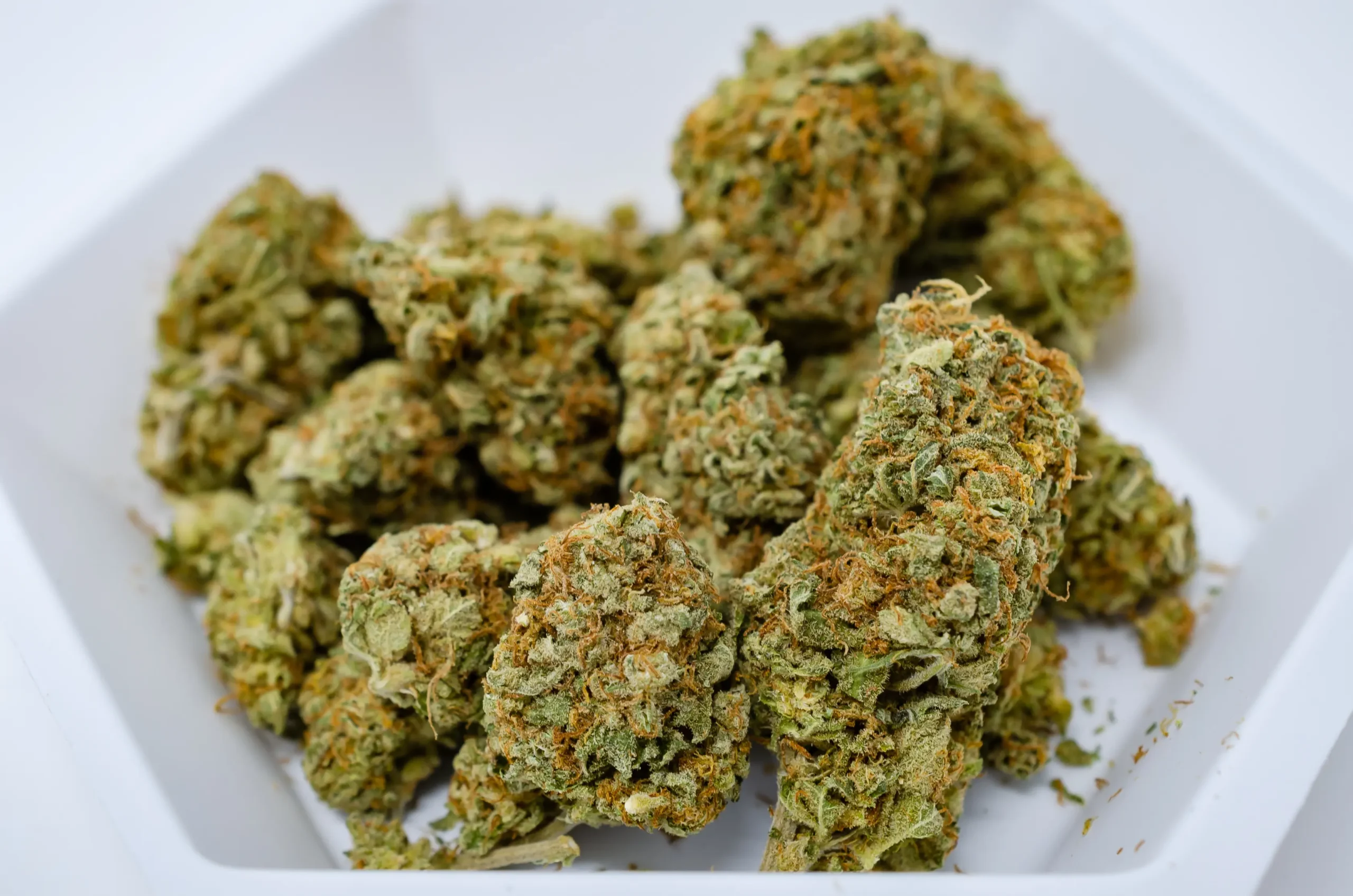
Cereal Milk
The Cereal Milk strain is balanced hybrid, with some seed-line expressions showing a slight sativa-leaning edge, commonly associated with sweet cream, vanilla, butter, sugary cereal, soft berry, light gas and gentle spice and uplifted, playful, social and lightly focused at first, followed by relaxed body ease. Its cultivation value comes from early topping, lst, sog or a partially filled scrog, followed by planned late-flower support, while the main quality decisions involve unexpected stretch, crowded dense flowers, late branch flop and rapid loss of creamy aroma during a hot or rushed dry.
Its name points toward the sweet milk left after vanilla cereal, but the more complete expression is not one-note sugar. The memorable flower layers cream and butter over berry, pepper, cookie spice and a dry gas line, then moves from a cheerful opening into a smoother physical landing.
A familiar cultivar name is a starting point rather than a guarantee. Seed source, selected cut, root health, light, harvest timing and post-harvest handling can change height, aroma, potency and finish. The practical descriptions below therefore separate repeatable tendencies from claims that should be verified on the actual plant or batch.
Cereal Milk Strain Features
| Variety | Balanced hybrid, with some seed-line expressions showing a slight sativa-leaning edge |
|---|---|
| Commonly reported genetics | Y Life x Snowman |
| Typical THC | Roughly 18-32% total THC in tested flower, with many realistic examples near 22-29% |
| CBD | Usually trace-level or near non-detectable |
| Typical effects | Uplifted, playful, social and lightly focused at first, followed by relaxed body ease |
| Flavor direction | Sweet cream, vanilla, butter, sugary cereal, soft berry, light gas and gentle spice |
| Indoor flowering | About 55-65 days indoors, with phenotype and maturity target deciding the final date |
| Outdoor harvest | Usually during October in a sunny climate with a dry finish |
| Plant size | Medium indoors and taller outdoors, with noticeable early-flower stretch and potentially floppy late branches |
| Difficulty | Moderate |
| Training response | Early topping, LST, SOG or a partially filled SCROG, followed by planned late-flower support |
| Yield potential | Moderate to good; indoor references often sit around 450-500 g/m2, with larger outdoor results possible under favorable conditions |
| Main cultivation risk | Unexpected stretch, crowded dense flowers, late branch flop and rapid loss of creamy aroma during a hot or rushed dry |
Genetic Lineage and Cultivar Identity
Y Life x Snowman is the most commonly reported lineage. Y Life is associated with cookie dough, cherry sweetness and a rounded hybrid base, while Snowman can contribute brighter lift, resin and visual polish. Seed-grown siblings may divide those traits differently: one can stay cream-forward and manageable, while another stretches harder and emphasizes fuel, pepper or floral raspberry.
Parent names help explain broad tendencies, but they do not make every seed or circulated cut identical. Recombination can shift internode length, flowering time, color, volatile compounds and the balance between mental and physical effects. A useful keeper is selected after its full grow and cure, not only because its label matches a famous family.
Why provenance matters
Record the breeder or clone source, germination date, visible phenotype, flowering duration and post-harvest result. Those notes make later comparisons meaningful and help distinguish genetic variation from an environmental problem. When two plants with the same name behave differently, the correct response is observation and documentation rather than forcing both onto one schedule.
Effect Profile
Opening phase
A measured serving usually begins quickly with a smooth emotional lift. Conversation, humor and music can feel easier, and the headspace is commonly playful rather than sharply racy. A limonene-forward sample may feel especially clean and sociable.
Middle phase
The body begins to soften while attention often remains usable. At a moderate dose, the strain can suit creative hobbies, gaming, an evening walk or relaxed company because it reduces pressure without immediately ending the session.
Later phase
The finish depends on dose and phenotype. Myrcene- or linalool-heavier flower can become warm and sleepy, while a brighter caryophyllene-limonene expression may land with more functional calm. Large servings can turn the same balanced arc foggy or restless.
Because the body phase can deepen after the first pleasant lift, low-tolerance users should allow the full onset to develop before deciding whether to use more. Potency figures describe a tested batch, not the exact experience of every consumer. Tolerance, setting, serving size, recent food intake and the chemistry of the individual sample all influence the result.
The most useful comparison is not simply “strong” or “weak.” Notice how quickly the effect begins, whether attention becomes steadier or more scattered, when body weight appears and how long the landing lasts. That sequence makes it easier to decide whether a specific batch fits daytime, social, creative or evening use.
Flavor and Aroma
A well-cured flower can open with sweet milk, vanilla cream, butter, ice cream and fine cereal sugar. Breaking it apart often reveals the contrast that gives the cultivar depth: fruity gas, dry pepper, herbal spice and, in some phenotypes, raspberry skin or a faint floral note.
The inhale usually favors cream, vanilla and rounded sweetness; the exhale reveals whether the plant leans toward gas and cookie spice or softer berry and flowers. “Milk” is a sensory comparison rather than a dairy ingredient, and a rushed dry can reduce the whole profile to generic sweetness and dry spice.
What changes the finished flavor?
Genetics sets the available direction, while canopy temperature, root health, maturity and drying decide how much of it remains recognizable. Excess heat can flatten volatile top notes; excessive late nitrogen can keep the finish green and harsh; direct fan pressure can dry the outside of a flower before its center is ready.
Descriptions such as candy, pastry, fruit or fuel are sensory comparisons. They do not mean those ingredients were added to the plant. A clean expression should still smell like healthy cannabis, without ammonia, mildew, fermentation or chemical contamination.
Terpene Profile
Terpene order changes between cuts, laboratories and harvests. This table describes a common direction rather than a fixed formula.
| Terpene | Flavor / Aroma | Potential Role |
|---|---|---|
| Beta-Caryophyllene | Black pepper, dry spice and light gas | Often forms the dry backbone beneath the creamy sweetness |
| Limonene | Bright citrus lift and clean sweetness | Can keep the opening lighter and more social without tasting overtly lemony |
| Beta-Myrcene | Musk, herbs and ripe fruit | May round the creamy exhale and deepen the later body phase |
| Linalool | Soft flowers and delicate sweetness | Can soften sharper edges in more floral phenotypes |
| Alpha-Humulene | Dry herbs, wood and hops | Adds a grounded, less sugary finish alongside caryophyllene |
Terpenes contribute aroma and may influence how a batch is perceived, but they do not let us predict an exact medical outcome. Cannabinoids, minor compounds, dose and personal sensitivity remain part of the experience.
If a laboratory report is available, compare that report with the actual aroma instead of treating a generic online chart as proof. A quiet-smelling flower may still be potent, while a loud flower is not automatically mature, clean or correctly cured.
Bud Appearance and Quality Markers
Its more expansive branch pattern makes early space planning important; vertical room, lateral lanes and support must be decided before stems harden. Finished flowers may range from compact tops to more open spear-shaped clusters depending on phenotype, canopy position and light exposure.
Quality should be judged through several signals together: swollen calyxes, intact resin heads, cultivar-appropriate aroma, an even dry, clean interior tissue and freedom from pests or contaminants. Color and visible frost are useful observations, but neither one proves potency or harvest readiness by itself.
Break open the largest flowers during inspection. A clean exterior can hide damp, browned or webbed material near the stem. This matters especially when the documented risk includes unexpected stretch, crowded dense flowers, late branch flop and rapid loss of creamy aroma during a hot or rushed dry.
Indoor vs Outdoor Growth
Cereal Milk can work in both controlled rooms and suitable outdoor climates, but the two environments reward different decisions.
| Decision | Indoor Grow | Outdoor / Greenhouse Grow |
|---|---|---|
| Plant expression | Medium indoors and taller outdoors, with noticeable early-flower stretch and potentially floppy late branches; the grower controls final width, branch count and canopy depth | Greater root volume and sunlight can enlarge the same phenotype considerably |
| Flowering calendar | About 55-65 days indoors, with phenotype and maturity target deciding the final date | Usually during October in a sunny climate with a dry finish |
| Training approach | Early topping, LST, SOG or a partially filled SCROG, followed by planned late-flower support | Build the permanent framework early, then support rather than reshape mature flowering branches |
| Environmental control | Precise control of light, air exchange, irrigation and late-flower humidity | Sun and root space can improve vigor, while rain, dew, wind and heat become the main variables |
| Yield strategy | Keep the useful light footprint even and remove only growth that cannot reach it | Protect a broad, ventilated structure so the harvest survives the whole season |
| Main risk | Unexpected stretch, crowded dense flowers, late branch flop and rapid loss of creamy aroma during a hot or rushed dry | The same cultivar risk is joined by weather exposure and a less predictable harvest window |
| Best fit | A grower prepared for moderate decisions and routine canopy observation | A sunny, well-ventilated site or greenhouse with enough season to finish safely |
Indoor planning
Indoors, plant count matters less than how completely the healthy tops occupy the useful light footprint. Leave enough space to inspect stems and flower interiors, and size odor control before late flower. A full canopy that cannot be reached or ventilated is not an efficient canopy.
Outdoor and greenhouse planning
Outdoors, early structure and final-weather planning belong to the same strategy. Morning sun helps dry dew, protected airflow reduces still pockets and permanent support prevents late repairs. A greenhouse improves rain control only when moist air can actually leave it.
Strain-Specific Grow Notes
Plant structure and training
Cereal Milk usually combines medium height, useful lateral branching and a stronger stretch than its dessert name suggests. Top and spread flexible branches in vegetative growth, leave unfilled room in the screen for the first two to three flowering weeks and remove only lower shoots that cannot reach useful light. Install a second net, stakes or soft ties before resin-heavy tops begin leaning.
Early topping, LST, SOG or a partially filled SCROG, followed by planned late-flower support. Finish the strongest structural work before flowers harden, then use soft support and small corrections. Repeated late bending or a severe leaf strip can reduce healthy leaf area without solving the original spacing problem.
Root zone and feeding response
Feed steadily rather than assuming every phenotype is an extreme feeder. Under strong light, watch for calcium and magnesium demand during rapid growth and for potassium balance as flowers swell, but confirm root-zone pH, irrigation rhythm and leaf-tip response before raising strength. Repeated hard drybacks followed by heavy watering can unsettle the aromatic build-up phase.
Read growth rate, leaf tips, root-zone pH, irrigation frequency and runoff trends together. A single pale leaf is not a diagnosis, and a famous “heavy feeder” description does not justify a sudden increase when roots or climate are limiting uptake.
Temperature, humidity and airflow
Stable leaf temperature and crossflow become more important as the dense flowers close. Keep nights dry enough to prevent condensation, leave lanes through the canopy and avoid direct fan pressure on the tops. Outdoors or in a greenhouse, morning sun and a genuinely dry October finish protect both flower interiors and volatile cream notes.
Air should exchange through the canopy rather than blast one top continuously. As flower mass rises, gradually reduce the conditions that allow moisture to remain trapped. Leaf temperature and nighttime condensation can reveal problems that a room-level sensor misses.
Flowering rhythm
About 55-65 days indoors, with phenotype and maturity target deciding the final date. During the first two weeks, guide stretch and keep future flower lanes separate. In the middle weeks, stop major reshaping, confirm support and watch nutrient balance. Late flower is mainly an inspection and timing period: protect healthy leaves, lower moisture risk and compare calyx development across the plant.
What a successful run looks like
A successful Cereal Milk run is not simply the plant with the largest wet branches. The stronger result has an even canopy, accessible flower sites, healthy roots through the final swell and enough separation that unexpected stretch, crowded dense flowers, late branch flop and rapid loss of creamy aroma during a hot or rushed dry never becomes hidden. The dry harvest should retain a recognizable direction toward sweet cream, vanilla, butter, sugary cereal, soft berry, light gas and gentle spice without harsh green growth, trapped moisture or damaged interior tissue.
What to record for the next cycle
Note the stretch ratio, final branch count, irrigation frequency, first appearance of mature aroma, support date and the day each phenotype actually finishes. After curing, add dry weight, aroma changes, smoke or vapor smoothness and the sequence of effects. Those records reveal whether the next improvement should come from genetics, canopy design, climate, harvest timing or the drying room instead of encouraging an unfocused change to everything at once.
Grower Question
Why did my Cereal Milk stretch past the screen and start leaning in week seven?
Question sent by: Avery M., via email
Some Cereal Milk phenotypes inherit more vertical energy from this pairing, and a screen filled completely before the flip leaves nowhere for that stretch to go. Guide tops during the first two flowering weeks, then stop forcing hardened stems. Add a second net or soft ties before the flowers become heavy, open crowded lanes and support the leaning branches individually. For the next cycle, flip earlier and begin with roughly one-third of the screen unfilled rather than trying to correct the whole structure late.
Warning
Do not let a resistance or yield claim replace inspection
Frost and density do not make a Cereal Milk plant finished or safe. Heavy tops can fold into one another, hide still humid pockets and remain wet near the stem. Check flower interiors, branch junctions and nighttime humidity throughout the final weeks; do not treat a beautiful resin coat as evidence of mold resistance.
Weedth Bud Flavor Tips
Indoor flavor protection
Keep the upper canopy away from chronic light heat and avoid strong late nitrogen that leaves the finish green. Dry the labeled phenotypes separately in darkness with gentle exchange; a cream-forward plant and a gas-forward sibling can need the same safe moisture loss but reward different cure lengths.
Keep mature flowers away from excessive canopy heat and avoid unnecessary late sprays. Harvesting by aroma and calyx maturity, then drying in darkness with gentle exchange, preserves more character than trying to create flavor with a root additive.
Outdoor and greenhouse flavor protection
Select a site with morning sun, moving air and rain protection that does not trap humidity. Cut only dry branches during a cool period and move them out of sun immediately. Outdoor fruit and gas can be deep, but warm wind across fresh branches strips the softer vanilla layer quickly.
Cut only dry branches and move them out of sun quickly. Separate very large branches when their mass would prevent an even dry, and keep phenotypes labeled through cure so aroma differences are not lost in one mixed container.
Weedth Bud Boost Tips
Indoor yield and quality
Fill a screen partially, keep a limited number of equally lit tops and clear weak growth below the useful light zone after stretch. Stable irrigation, a healthy root volume and support installed before week seven protect more usable flower than a crowded canopy or an abrupt late bloom booster.
Useful yield is the dry, clean flower that receives adequate light and survives post-harvest. Stable irrigation, enough root volume and an open canopy usually add more than an abrupt late PK increase. Supplemental CO2 only makes sense in a sealed, measured environment with enough light and climate capacity.
Outdoor and greenhouse yield
Top early into a broad framework, add a cage while branches are flexible and keep the interior open enough for post-rain inspection. Full sun and root space can increase total weight, but harvest plans should prioritize dry, intact cream-and-gas flowers over one final wet week of swelling.
Support is a yield tool because it keeps flowers separated, lit and intact. Build cages or anchors before weight arrives. Maximum wet-weight claims should never outrank the weather forecast, branch health or the ability to dry the harvest evenly.
Medical Use Summary
Adult consumers often describe choosing this cultivar for a particular balance of mood and body effects. Those experiences are worth recording, but they are not clinical proof.
| Topic | Practical Context |
|---|---|
| Common adult reports | Adults commonly report choosing Cereal Milk for temporary mood lift, stress reduction, mild discomfort or early-evening relaxation. These experiences do not establish treatment, and a high-THC sample may instead cause anxiety, headache, dry mouth, dizziness or impairment. |
| What those reports cannot prove | A cultivar name does not diagnose, treat or cure a medical condition, and one batch may differ substantially from another with the same label. |
| Practical caution | Because the body phase can deepen after the first pleasant lift, low-tolerance users should allow the full onset to develop before deciding whether to use more. Driving, work at height, machinery and other safety-sensitive tasks should wait until impairment has fully passed. |
| When professional advice matters | Pregnancy, breastfeeding, interacting medication, cardiovascular concerns, a history of psychosis or severe anxiety, and persistent symptoms all warrant advice from a qualified healthcare professional. |
Ideal User Profile
It best fits flavor-first growers who enjoy canopy shaping and careful post-harvest work, plus experienced adult consumers seeking a cheerful-to-relaxed hybrid arc for afternoon or early evening. Low-tolerance users should not confuse its soft dessert aroma with low potency.
Grower fit
The best grower is prepared for moderate management, keeps dated notes and can adjust branch count, irrigation and harvest timing by phenotype. A beginner can learn from the plant when the setup remains simple and there is room to inspect every selected top.
Consumer fit
The best consumer values the full uplifted, playful, social and lightly focused at first, followed by relaxed body ease arc rather than choosing from flavor alone. A measured first serving makes the transition between the opening and later phases easier to understand.
Who Should Avoid Cereal Milk?
Low-tolerance or anxiety-sensitive consumers
Because the body phase can deepen after the first pleasant lift, low-tolerance users should allow the full onset to develop before deciding whether to use more. Anyone who has reacted badly to high-THC cannabis should avoid assuming a sweet or familiar flavor means a gentle effect.
Growers without the right finish window
A garden that cannot accommodate medium indoors and taller outdoors, with noticeable early-flower stretch and potentially floppy late branches, about 55-65 days indoors, with phenotype and maturity target deciding the final date or unexpected stretch, crowded dense flowers, late branch flop and rapid loss of creamy aroma during a hot or rushed dry may be better served by a different cultivar. Choosing a realistic plant is more effective than forcing the name into the wrong room or season.
Safety and legal limits
Do not use cannabis before driving, operating machinery or performing safety-sensitive work. Cultivation and possession must follow local law, and all flower should be stored securely away from children and animals.
Best Harvest Window by Phenotype
The calendar provides a planning range, not a final command. About 55-65 days indoors, with phenotype and maturity target deciding the final date; outdoor plants commonly approach usually during october in a sunny climate with a dry finish. Compare different levels of the canopy because top, middle and shaded flowers may not mature together.
Earlier, brighter window
An earlier harvest may feel slightly clearer and less physically heavy, but immature flowers should not be confused with a deliberate daytime expression.
Balanced window
Mostly cloudy calyx trichomes, swollen flower tissue, slowing fresh pistil production and a stable cultivar-appropriate aroma usually indicate the center of the window. Inspect trichomes on calyxes rather than the earlier-maturing sugar leaves.
Later, heavier window
A later finish commonly strengthens physical calm, appetite and sleepiness while darker earth or spice becomes more apparent.
Phenotype and staged harvest
Seed-grown plants may finish on different days, and one plant can mature unevenly. Harvesting ready tops first can protect them from over-ripening while lower branches continue, provided the remaining plant stays healthy and weather risk is acceptable. Moderate to good; indoor references often sit around 450-500 g/m2, with larger outdoor results possible under favorable conditions.
Drying and Curing Cereal Milk
Harvest-day handling
Cut dry branches during the cooler part of the working period and move them into darkness without leaving them piled together. Keep questionable tissue separate from clean flowers, and label each phenotype or harvest stage before the branches look identical on the rack. The goal is to preserve the available sweet cream, vanilla, butter, sugary cereal, soft berry, light gas and gentle spice rather than exposing fresh material to heat, sun or repeated handling.
The first phase of drying
Use gentle air exchange around the room, not a fan aimed directly at the flowers. The outside should not become crisp while the stem-side tissue remains wet. Large, dense branches may need more spacing than smaller ones, and room conditions should be checked at canopy height as well as near the floor and exhaust.
Aroma can temporarily become quieter or greener during this phase. That normal transition is different from ammonia, sour fermentation or a damp basement smell. If the room or flower interior smells unsafe, stop treating the material as a routine cure and inspect it immediately.
Moving into cure
Containers are for evening out safely dried flower, not completing the wettest part of the dry. Begin only when the surface and interior are approaching the same moisture level. Do not rely on a snapping-stem rule by itself: branch thickness, room speed and flower density can make that test misleading.
Reading the cured result
Compare aroma, texture, smoothness and effect after the moisture has equalized. Keep different phenotypes separate long enough to discover whether one favors a clearer effect, a heavier finish or a stronger expression of sweet cream, vanilla, butter, sugary cereal, soft berry, light gas and gentle spice. Keeper decisions made after several weeks of cure are usually more informative than decisions made from live-plant aroma alone.
Warning
Drying cannot rescue damaged or immature flower
Do not seal wet flowers, trim away mold and keep the remainder, or use a calendar to justify harvesting undeveloped material. Separate questionable tissue, inspect the interior and discard contaminated flower.
Grower Notes and Feedback
Y Life x Snowman is the commonly reported lineage, but seed-grown phenotypes can divide cream, fruit, gas and stretch differently.
The first two to three flowering weeks are the main canopy-control window.
Dense resinous tops often need support before they visibly lean.
Calcium, magnesium or potassium symptoms should be confirmed against root-zone conditions before increasing feed.
A cool, even dry followed by several weeks of cure can reveal cream and berry that are quiet immediately after harvest.
Moderate-to-good yield is realistic; aroma retention is the stronger reason to select this cultivar.
Grow notes become more useful when they include the source, phenotype, environment and timing behind each observation. A result from one cut in one room should be treated as a comparison point, not a universal rule. Record what changed and what remained consistent through cure.
Weedth Editor’s Note
I grew two Cereal Milk seed plants in the same indoor coco run, and the split between them was obvious before the flip. One stayed lower and smelled like vanilla dough when I rubbed a stem; the other had longer internodes and a sharper pepper-and-fuel edge. I treated them as separate phenotypes instead of forcing both into one calendar.
My mistake was filling the screen too completely. The taller plant climbed beyond the first net during the second flowering week, then one outside branch began leaning as the flowers gained weight in week seven. I added a loose second support net, tied that branch from two points and opened the center for crossflow. I also held the feed steady when the leaf tips darkened instead of reacting with another bloom additive.
The compact plant finished three days first. I kept both harvests labeled and dried them for eleven to twelve days in the same cool, dark room. The compact jar opened into sweet cream, butter and raspberry skin; the taller one stayed drier, with cereal sugar over pepper and gas. After four weeks, the creamy note was much clearer than it had been on drying day.
That run made Cereal Milk memorable for me because neither phenotype was simply “the better one.” The compact plant delivered the name more literally, while the taller plant had the brighter social effect and stronger backbone. The useful lesson was to leave stretch room, support early and make the keeper decision only after the cure.
Weedth Score
Growing Experience: 8.2/10
Bud Structure & Visual Appeal: 9.0/10
Aroma Complexity: 8.9/10
Flavor & Smoothness: 8.8/10
Effects & High Experience: 8.6/10
Overall Satisfaction & Recommendation: 8.7/10
That run made Cereal Milk memorable for me because neither phenotype was simply “the better one.” The compact plant delivered the name more literally, while the taller plant had the brighter social effect and stronger backbone.
Frequently Asked Questions
What are Cereal Milk genetics?
The commonly reported pairing is Y Life x Snowman. Individual cuts and seed-grown plants can still vary in stretch, aroma and the balance of effects.
How long does Cereal Milk flower indoors?
Most references place it near 55-65 days, but calyx development, calyx trichomes and mature aroma should decide the actual harvest date.
Is Cereal Milk difficult to grow?
It is moderate rather than automatic. Early stretch, canopy spacing, feeding balance, dense-flower humidity and branch support require attention.
Why is my Cereal Milk gassy instead of creamy?
Phenotype and terpene balance matter. Caryophyllene- and humulene-heavier plants can emphasize pepper, herbs and gas, while a hot or fast dry can also remove softer cream notes.
Can Cereal Milk grow outdoors?
Yes, when the site has strong sun, moving air, branch support and a dry October finish. Dense flowers make prolonged autumn rain a serious quality risk.
What does Cereal Milk taste like?
Strong examples combine vanilla cream, butter and cereal sugar with berry, light gas, pepper or cookie spice on the exhale.
How strong is Cereal Milk?
Tested flower spans a wide range, roughly 18-32% total THC, with many examples closer to 22-29%. Batch data and a small first serving are more useful than the cultivar name alone.
Does Cereal Milk need training?
Training is strongly recommended. Top and spread the plant early, leave room for stretch and provide late-flower support before dense tops begin to lean.
Similar Strains to Cereal Milk
These cultivars overlap with Cereal Milk through lineage, cultivation behavior, flavor direction or the sequence of effects. They are comparisons, not substitutes; source and phenotype still matter.
Gelato
Why it feels familiar: Modern dessert sweetness, cream, gas and a smooth hybrid transition. Main difference: Usually more sherbet-fruit driven.
Wedding Cake
Why it feels familiar: Vanilla, dough, dense flowers and strong evening relaxation. Main difference: Often doughier and more physically heavy.
Runtz
Why it feels familiar: Flavor-first hybrid appeal, sweet aroma and an enjoyable balanced high. Main difference: More candy-forward and fruitier.
Biscotti
Why it feels familiar: Cookie-family spice, gas and a caryophyllene-style dry backbone. Main difference: Less milky and more fuel-dominant.
Lemon Cherry Gelato
Why it feels familiar: Dessert-family polish with fruit, cream and social uplift. Main difference: Brighter citrus-cherry character.
Girl Scout Cookies
Why it feels familiar: Cookie dough, resin and the older family direction behind many dessert hybrids. Main difference: More earthy, minty and less cream-forward.
Share this article
A quick overview of the topics covered in this article.
Follow us
Latest articles
September 26, 2026

September 26, 2026

September 26, 2026

September 26, 2026
