Do Mycorrhizae Work for Cannabis? Arbuscular Colonization, Phosphorus Signaling, and Field Evidence
The commercial cannabis marketplace is saturated with mycorrhizal inoculants, marketed with sensational claims of doubled root mass, explosive bud development, and immunity to drought and pathogens. Yet, when commercial cultivators apply these products, real-world outcomes diverge wildly: while living organic soil growers often report enhanced vigor and increased terpene density, high-fertility hydroponic and rockwool operators frequently observe zero measurable difference in yield or potency. To answer the fundamental question – Do mycorrhizae actually work for cannabis? – cultivators must step past commercial marketing and examine the rigorous physiological mechanisms governing arbuscular mycorrhizal symbiosis. The scientific answer is an unequivocal yes, but with a critical caveat: mycorrhizal fungi function effectively only within specific biological, environmental, and chemical boundaries. Understanding the signaling cascades, the suppression kinetics triggered by soluble phosphorus, and the strict physical requirements of fungal colonization is essential to determine whether mycorrhizae represent a vital agronomic investment or an expensive, ineffective additive in your facility.
Plant Physiology and Root-Zone Chemistry: The Arbuscular Symbiosis
To evaluate mycorrhizal efficacy, one must first identify the precise biological classification of the fungus. The plant kingdom forms associations with several distinct mycorrhizal classes, including ectomycorrhizae (which envelope tree roots in temperate forests), ericoid mycorrhizae (which colonize heathland shrubs), and arbuscular mycorrhizal fungi (AMF). Cannabis sativa is an obligate non-host for ectomycorrhizae; it forms symbiotic associations exclusively with endomycorrhizal fungi belonging to the ancient phylum Glomeromycota, predominantly Rhizophagus irregularis (formerly classified as Glomus intraradices) and Funneliformis mosseae (formerly Glomus mosseae).
The establishment of this relationship is not accidental; it is initiated by an intricate, multi-step biochemical dialogue between the plant root and dormant fungal spores in the substrate. Under conditions of moderate nutrient limitation, cannabis root epidermal cells synthesize and exude specialized sesquiterpenoid phytohormones known as strigolactones (such as 5-deoxystrigol). These chemical signals diffuse through the rhizosphere, where they are detected by dormant AMF spores, triggering rapid spore germination, directional hyphal branching, and the activation of fungal mitochondrial energy metabolism.
Taxonomic Rule: Endomycorrhizae vs Ectomycorrhizae
Never purchase mycorrhizal inoculants formulated with ectomycorrhizal species such as Pisolithus tinctorius, Rhizopogon, or Scleroderma. These ecto-species associate exclusively with woody gymnosperms and deciduous trees (pines, oaks, birches) and cannot penetrate or colonize cannabis root tissues. High-performing cannabis inoculants must state guaranteed analysis for endomycorrhizal (AMF) species, specifically Rhizophagus irregularis or Funneliformis mosseae, measured in viable propagules or spores per gram.
The Molecular Colonization Cascade and Arbuscule Formation
In response to plant strigolactones, the germinating fungal hypha secretes signaling lipochitooligosaccharides, termed “Myc factors”. Receptors on the cannabis root hair surface detect these Myc factors, activating an intracellular calcium spiking oscillation across root epidermal cells. This signal instructs the plant to actively remodel its cell walls rather than treating the approaching fungal hypha as an invading pathogen.
Upon contacting the outer root surface, the fungus forms an anchoring pad known as an appressorium. From this structure, an infection peg gently breaches the epidermal wall, navigating through the intercellular spaces of the root cortex. Within 7 to 14 days following initial contact, the hypha penetrates inside cortical cells, invaginating the plant plasma membrane without rupturing it. Here, the fungus differentiates into an “arbuscule” – an exquisitely branched, tree-like microscopic structure that maximizes the contact surface area between plant cytoplasm and fungal tissue within the peri-arbuscular space.
The arbuscule functions as the bidirectional trading depot of the symbiosis. The cannabis plant transfers photosynthetic carbon (principally hexose sugars like glucose and lipid monomers synthesized via fatty acid synthase pathways) into the fungus, allocating between 4% and 20% of its total daily carbon budget to fuel fungal expansion. In exchange, the extensive network of microscopic extraradical hyphae (which extend several centimeters beyond the root depletion zone) actively absorbs, translocates, and delivers inorganic orthophosphate (H2PO4–), zinc, ammonium, and water directly into the plant vascular stream via specialized plant phosphate transporter proteins (such as Pht1 transporters).
Periarbuscular Membrane Transport and Polyphosphate Translocation
At the ultrastructural interface, the host plant envelops the fungal arbuscule branches in a specialized de novo membrane known as the periarbuscular membrane (PAM). This biological boundary is energized by plant plasma membrane H+-ATPase proton pumps that generate a strong electrochemical proton gradient across the periarbuscular space. Within the extraradical hyphae exploring the substrate, inorganic phosphate is absorbed and condensed into elongated polyphosphate (poly-P) granules. These dense granules are rapidly translocated through fungal tubular vacuoles toward the root interior via cytoplasmic streaming at velocities exceeding 10 to 12 centimeters per day.
Once inside the intraradical arbuscules, fungal alkaline phosphatases hydrolyze the polyphosphate chains back into free monobasic orthophosphate ions. Plant-encoded high-affinity phosphate transporter channels (specifically mycorrhiza-inducible PT transporters) then actively pull the released phosphate across the PAM into the plant cortical cytoplasm, bypassing standard root-hair uptake limitations and delivering steady phosphorus even when substrate pore-water diffusion rates are near zero.
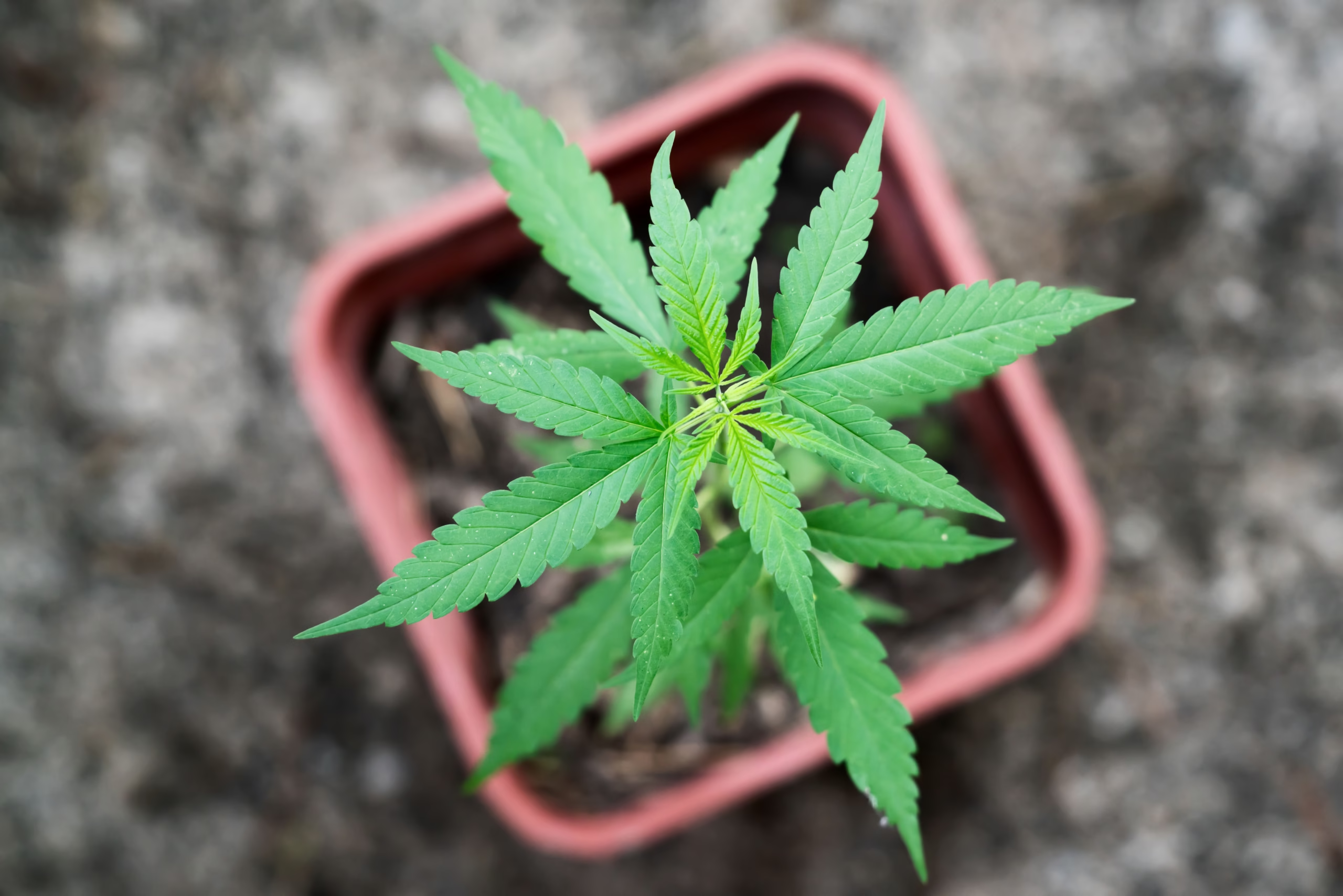
Young cannabis seedling establishing primary taproot architecture, the optimal developmental window for mycorrhizal symbiosis.
Substrate Compatibility, the Phosphorus Paradox, and Environmental Dynamics
The biological success and economic viability of mycorrhizal inoculation depend heavily on the physical medium, irrigation regime, and most importantly, the background concentration of soluble plant-available phosphorus:
The Soluble Phosphorus Paradox: Why High P Shuts Down Colonization
The single greatest operational cause of mycorrhizal failure in commercial cannabis cultivation is the overuse of high-phosphorus synthetic fertilizers. From an evolutionary perspective, cannabis plants establish AMF symbioses precisely to forage for scarce, poorly mobile mineral phosphorus. When a grower floods the substrate with soluble monopotassium phosphate (MKP) or synthetic bloom boosters that elevate free orthophosphate levels above 30 to 35 ppm (mg/L P), the plant internal sensors detect a phosphorus surplus.
Under high internal phosphate status, the plant nuclear genome immediately down-regulates the biosynthesis of strigolactones. Without strigolactone signals in root exudates, fungal spores remain dormant. Furthermore, if arbuscules are already established inside cortical cells, excess soluble phosphorus causes the plant to abort the symbiosis: the plant degrades existing arbuscules and restricts carbohydrate delivery to fungal hyphae, effectively starving the fungal partner. In conventional synthetic setups where phosphorus is routinely maintained between 60 and 120 ppm, mycorrhizal inoculants are rendered completely dormant and biologically irrelevant.
Substrate Suitability: Living Soil vs Coco vs Rockwool
The physical substrate architecture dictates whether fungal hyphae can forge an enduring structural network:
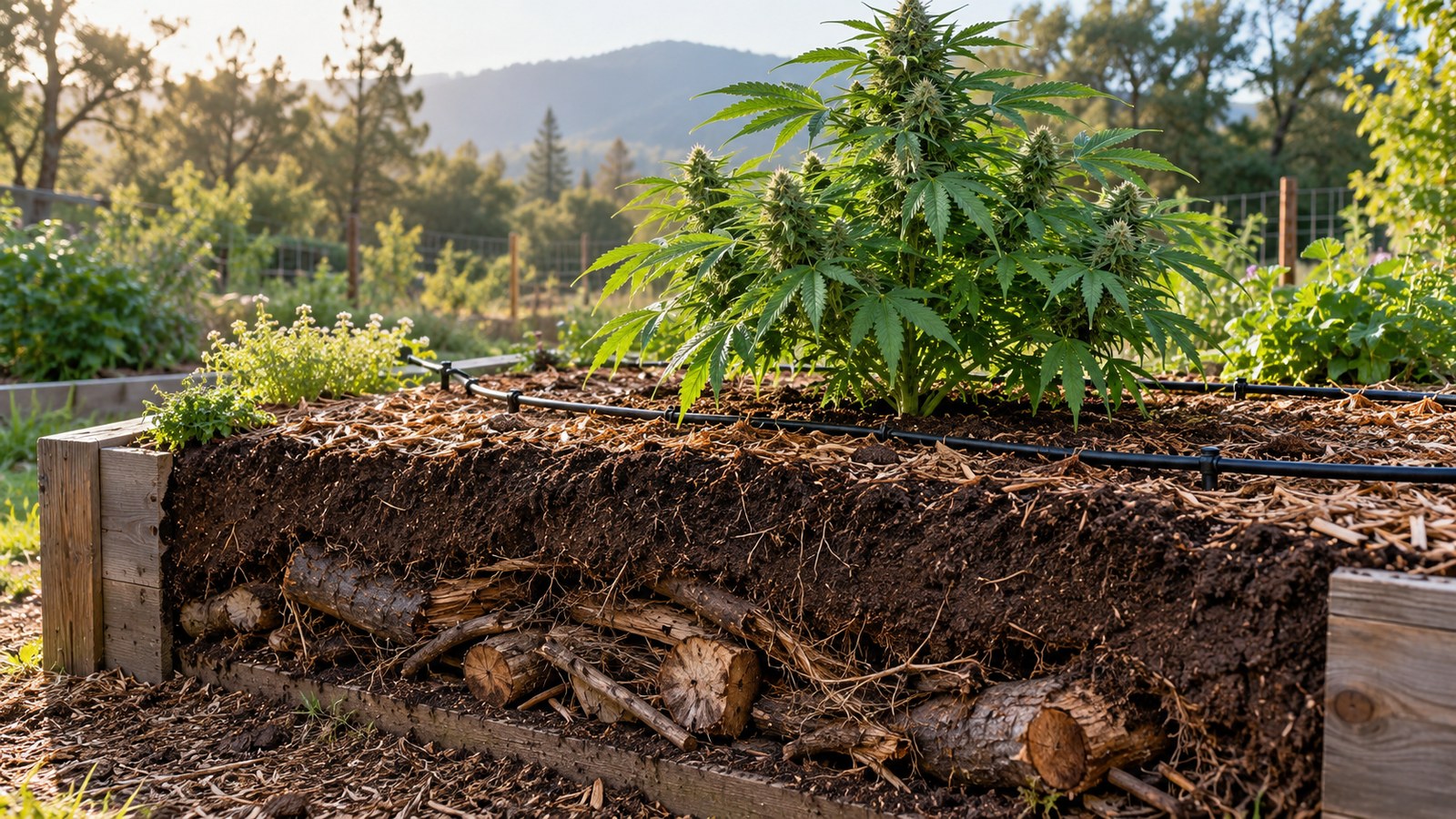
- Living Organic Soil and Peat Mixes: Provide the ultimate ecological habitat. The presence of insoluble rock phosphates, organic matter, and low soluble background phosphorus incentivizes active plant-fungal signaling. In living soil beds, extraradical hyphae bind soil particles together with glomalin, a stable glycoprotein that enhances substrate aggregation, water infiltration, and moisture retention.
- Coco Coir: Coco coir can support robust AMF colonization, provided fertility is managed with lower soluble phosphorus (<25 ppm P) and high electrical conductivity spikes are avoided. However, because coco requires frequent irrigation to prevent salt accumulation, loose unattached fungal propagules can be washed out of the container before successful cortical penetration occurs.
- Rockwool and Recirculating Hydroponics: Inert mineral wool blocks and aqueous deep water culture (DWC) systems represent hostile environments for mycorrhizae. Rockwool lacks organic binding sites, while high-frequency drip cycles wash fungal hyphae out of the sterile fibrous matrix. Furthermore, commercial hydroponic recipes maintain constant soluble ionic nutrient concentrations, eliminating any physiological incentive for the cannabis plant to host a fungal symbiont.
Will adding mycorrhizal powder with a high-phosphorus bloom booster make my buds swell faster?
Question sent by: Derek Chapman, via email.
“I run a coco coir drain-to-waste setup. During Weeks 4 through 6 of flower, I feed a heavy synthetic bloom booster (10-30-20) at 2.4 dS/m EC. I also top-dress mycorrhizal powder every week because the label says it increases nutrient uptake. Will this combination accelerate floral bulking and resin production?”
No, this combination will not enhance floral bulking; in fact, the high-phosphorus bloom booster completely disables the mycorrhizal fungus. When you feed a 10-30-20 fertilizer at 2.4 dS/m EC, the soluble phosphorus concentration in your root zone exceeds 100 to 150 ppm P. At these high ionic concentrations, your cannabis plants completely halt the production of strigolactones – the essential chemical signals that mycorrhizal fungi need to germinate and colonize roots.
Furthermore, because the plant already has an effortless, toxic surplus of free orthophosphate surrounding its root hairs, hosting a fungal symbiont would be a net metabolic liability. The plant actively blocks fungal entry into root cortical cells to avoid giving away 10% to 15% of its photosynthetic sugars to an unneeded partner. Consequently, every scoop of mycorrhizal powder you top-dress into that high-P coco substrate remains completely inert, washing out the drainage holes as wasted financial overhead. If you run high-fertility synthetic bloom programs, skip mycorrhizal inoculants entirely; if you want mycorrhizae to work, you must formulate your nutrient recipe with low, steady soluble phosphorus (<25 ppm P).
Nutrient Antagonisms, Salinity Limits, and Diagnostic Look-Alikes
Successfully managing mycorrhizal cannabis requires distinguishing between functional biological symbioses, osmotic stress, and false deficiency symptoms:
Electrical Conductivity (EC) and Osmotic Dehydration
Extraradical mycorrhizal hyphae consist of microscopic, single-cell-walled tubes that are extraordinarily sensitive to osmotic tension. When substrate electrical conductivity rises above 2.5 to 2.8 dS/m due to fertilizer salt accumulation or insufficient irrigation dry-back management, the water potential of the soil solution drops below the internal water potential of the fungal cytoplasm. Water is drawn out of the fungal hyphae through exosmosis, causing hyphal shriveling, cytoplasmic collapse, and death. While dehydrated fungal spores can withstand high salinity in a dormant state, active vegetative hyphae and newly forming arbuscules are severely damaged by salinity spikes.
Phosphorus Antagonism and Micronutrient Lockout Look-Alikes
Growers often misinterpret the visible symptoms of high-phosphorus mycorrhizal suppression as trace mineral deficiencies. When massive doses of phosphorus fertilizers are applied, free orthophosphate ions chemically bind with zinc (Zn2+) and iron (Fe2+) cations in the soil solution, forming insoluble zinc phosphate and iron phosphate precipitates. Simultaneously, the lack of functioning mycorrhizal hyphae strips the plant of its primary zinc-scavenging mechanism (AMF hyphae are exceptionally efficient at mining poorly soluble zinc). The plant develops sharp interveinal chlorosis, rosetting of apical shoot tips, and stunted leaf blades – classical zinc deficiency symptoms triggered not by a lack of zinc in the fertilizer, but by phosphorus-induced precipitation and mycorrhizal suppression.
The Tri-Partite Symbiosis: Mycorrhizal Helper Bacteria (MHB)
Mycorrhizal fungi do not operate in a sterile biological vacuum; they participate in complex tri-partite associations with specialized rhizosphere bacteria known as Mycorrhizal Helper Bacteria (MHB). Strains of Pseudomonas putida, Bacillus subtilis, and Paenibacillus attach directly to AMF spore surfaces and extraradical hyphae. These helper bacteria synthesize cellulases and pectinases that soften root cortical cell walls, accelerating fungal appressorium penetration. Furthermore, MHB produce volatile organic compounds and siderophores that stimulate spore germination rates by up to 300% while mineralizing organic phosphorus pools that mycorrhizal hyphae subsequently absorb and deliver to the cannabis plant.
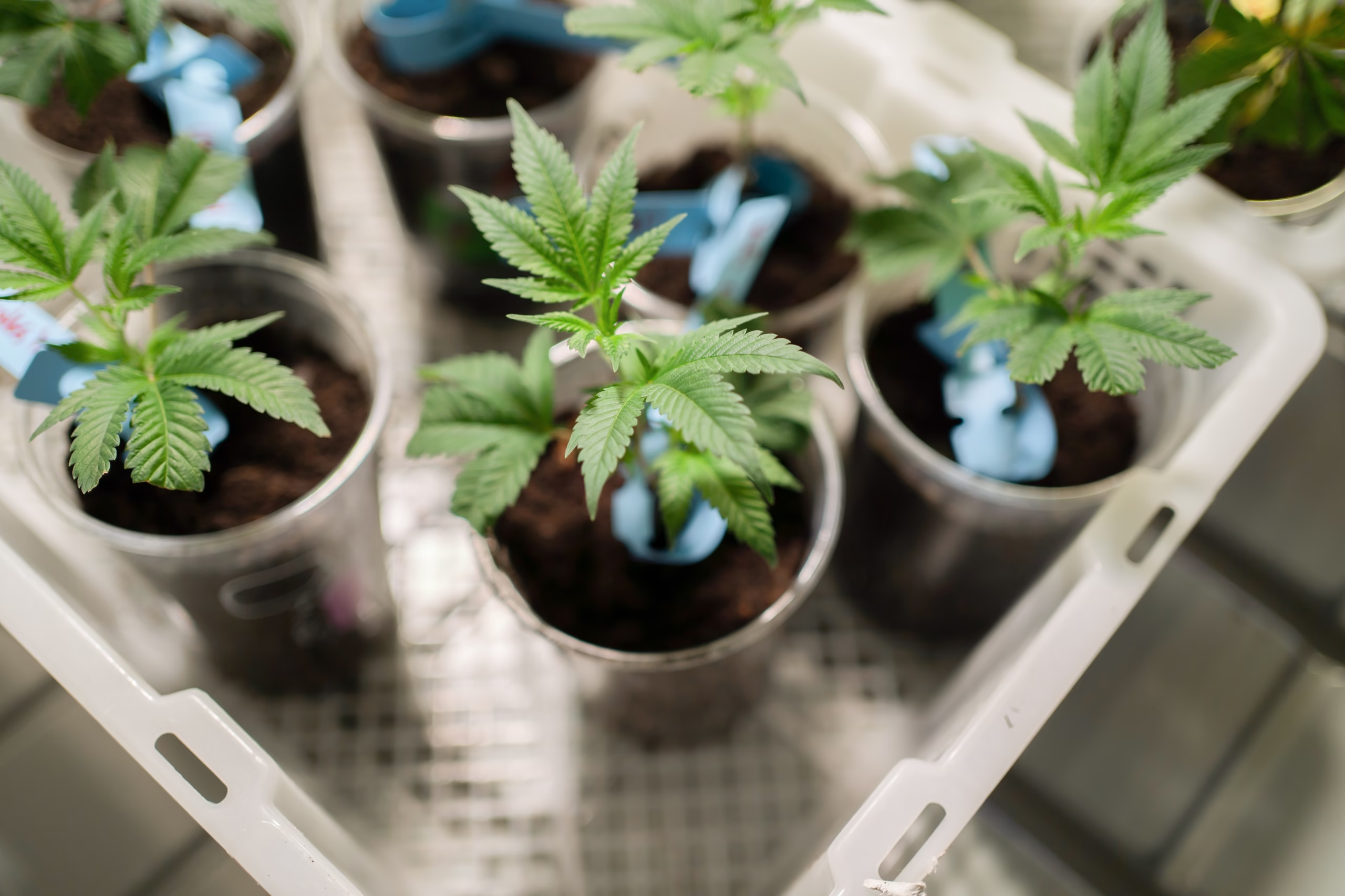
Controlled laboratory investigation and microscopic root staining to evaluate intraradical fungal arbuscule formation in cannabis.
How to Test and Verify AMF Root Colonization Accurately
Because mycorrhizal fungi dwell entirely within root cortical tissue and microscopic substrate pores, their presence cannot be confirmed with the naked eye. Thick, white root strands indicate healthy root tissue, but they tell the cultivator nothing about mycorrhizal status. Verifying whether a commercial inoculant has successfully colonized your crop requires precise laboratory staining or molecular diagnostics:
1. The Acid Fuchsin / Trypan Blue Clearing and Staining Assay
The gold standard for AMF verification is the root clearing and staining protocol developed by Phillips & Hayman (1970) and modified by Brundrett et al. (1996):
- Clearing: Fresh fine feeder roots (0.5 to 1.0 mm in diameter) are washed clean and boiled in a 10% potassium hydroxide (KOH) solution at 90 °C for 15 to 20 minutes to dissolve host root cytoplasm and clear out dark tannins and phenolic pigments.
- Acidification: The cleared roots are rinsed in deionized water and acidified in 1% hydrochloric acid (HCl) for 5 minutes to prepare cell walls for stain uptake.
- Staining: Roots are submerged in a 0.05% Trypan Blue or Acid Fuchsin solution (or non-toxic blue ink in a 5% acetic acid vinegar solution) and heated at 90 °C for 10 minutes. Fungal chitin absorbs the dark dye intensely, while cleared plant cell walls remain translucent.
- Microscopic Evaluation: Roots are mounted on glass slides and examined under 100x to 400x magnification. Successful colonization is confirmed by observing dark blue intraradical hyphae, lipid-storing oval vesicles, and intricate, tree-shaped arbuscules within plant cortical cells.
2. The McGonigle Gridline Intersect Method
To quantify colonization percentage, agronomists utilize the McGonigle gridline intersect method. Stained root segments are arranged across a grid reticle under a compound microscope, and 100 to 200 random intersection points are scored for the presence or absence of arbuscules, vesicles, and hyphae:
Colonization % = (Total Intersections with AMF Structures / Total Intersections Examined) x 100
3. NLFA Biomarker Lipids and Real-Time qPCR Gene Copy Tracking
For industrial cultivation facilities that require high-throughput verification without destructive optical clearing, analytical laboratories perform Neutral Lipid Fatty Acid (NLFA) extraction. The specific fatty acid biomarker 16:1ω5c serves as a direct quantitative proxy for viable AMF storage lipid biomass inside root tissue and surrounding substrate pores. In parallel, quantitative real-time PCR (qPCR) utilizing validated 18S rDNA primers (such as NS31/AM1) quantifies the exact gene copy concentration of Rhizophagus irregularis per nanogram of extracted plant DNA, providing unequivocal proof of biological establishment.
Agronomic Benchmark: Functional Colonization Thresholds
In living organic soil or low-P soilless cannabis production, an effective, yield-enhancing AMF symbiosis registers a root colonization rate between 20% and 45%. If an agronomic root assay reveals colonization below 10%, the fungal population is functionally insignificant and provides no measurable nutritional or stress-mitigation benefits. Conversely, colonization rates exceeding 60% are rare in short-cycle annual crops and can temporarily cause a slight vegetative growth dip as the plant transfers excessive carbon to the expanding fungal network.
Product Classes, Formulations, and Application Methods: Direct Root Contact
The physical properties of mycorrhizal fungal propagules dictate how these products must be handled and applied in the nursery:
The Immobility Law: Why Drenching Established Pots Fails
Unlike bacteria, which measure 0.5 to 2.0 micrometers and move freely through substrate pore networks with irrigation water, arbuscular mycorrhizal spores are massive biological entities, measuring between 40 and 250 micrometers in diameter. These large, heavy spores cannot percolate through dense peat or compacted coco matrices. If a grower pours a mycorrhizal drench onto the surface of an established 5-gallon container, 95% of the spores become physically trapped in the top half-inch of substrate or settle on mulch layers, completely isolated from active root tips deeper in the pot.
Consequently, mycorrhizal inoculants must be placed in direct, physical contact with active root tissue during propagation or transplanting. Dusting the bare root ball of a rooted clone, sprinkling granular inoculant directly into the planting hole before setting the root plug, or coating germinated seeds before planting ensures that emerging root hairs grow directly through the fungal spore zone, triggering instantaneous signaling and colonization.
Propagule Viability, Storage Thermodynamics, and Shelf-Life Realities
Mycorrhizal inoculants consist of living biological structures that degrade under adverse environmental storage. Dry micronized powders containing dormant endospores formulated on dry talc or diatomaceous earth exhibit the longest commercial shelf life, retaining 80% viability for up to 18 to 24 months when stored in a cool, dark location between 4 °C and 15 °C (40 °F to 60 °F). Conversely, storing inoculant bags in hot grow rooms or unconditioned greenhouses where temperatures exceed 32 °C triggers premature metabolic respiration, rapidly exhausting lipid energy reserves and rendering spores non-viable within 60 to 90 days.
Liquid mycorrhizal suspensions require even stricter handling: because hydrated spores are metabolically active, liquid formulations typically lose significant viability after 6 to 9 months and are easily destroyed by accidental freezing during winter shipping. When receiving commercial shipments, cultivators should verify manufacturer lot numbers and production dates, avoiding expired inventory that delivers dead mineral carriers rather than viable fungal propagules.
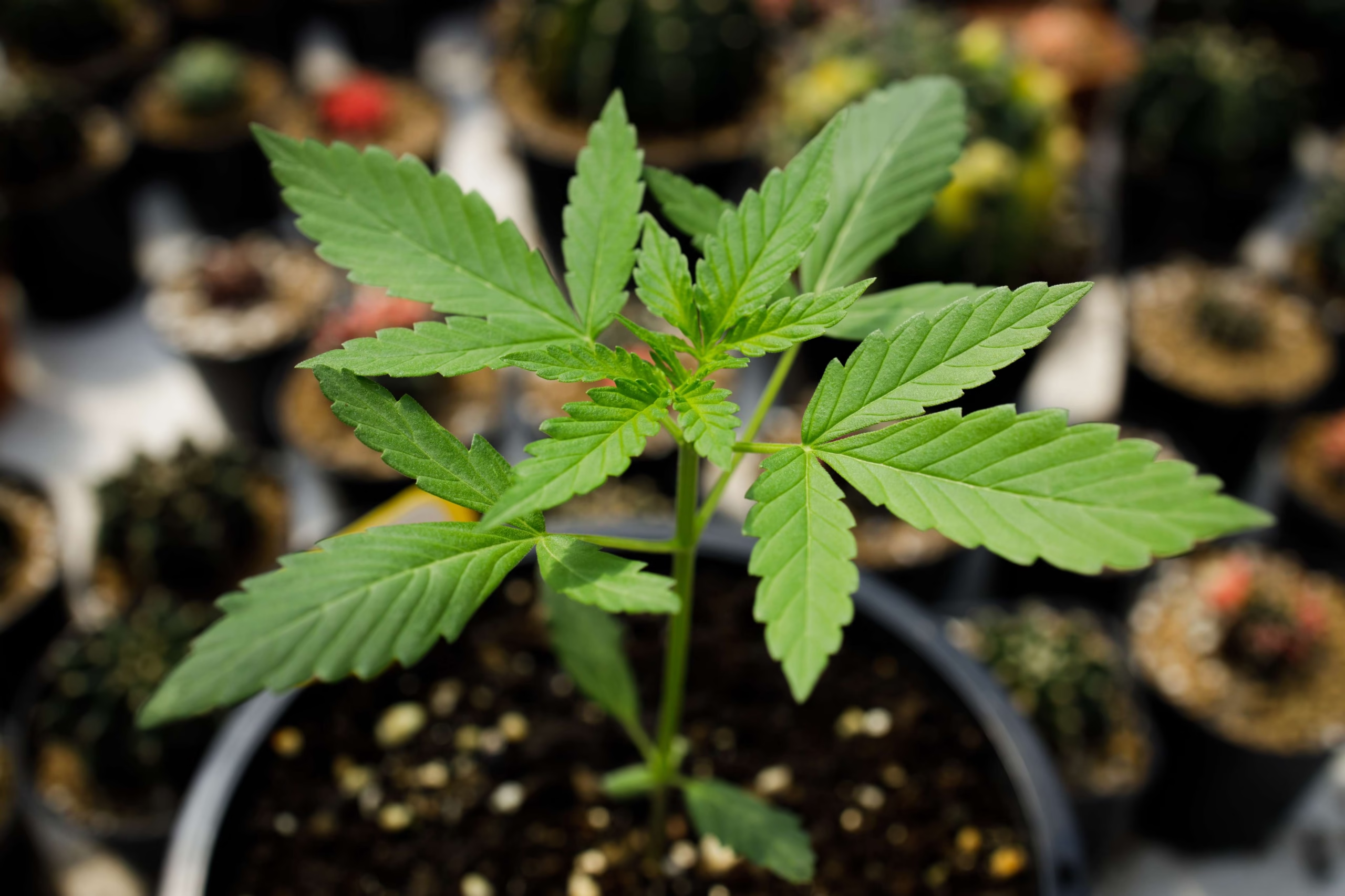
Vigorous vegetative cannabis plant thriving in mycorrhizae-inoculated living soil with enhanced phosphorus assimilation.
Standard Operating Protocol for Commercial Nursery Inoculation
To integrate mycorrhizae efficiently into commercial propagation workflows, nursery technicians follow a standardized three-step application sequence:
- Clone Stick Stage: When inserting unrooted cuttings into propagation plugs (peat, rockwool, or oasis cubes), direct mycorrhizal inoculation is ineffective because the cutting lacks living root cortical cells. However, lightly dusting the base of the dibble hole with a mycorrhizal powder ensures that as adventitious root primordia emerge from the stem callus (around Day 7 to 10), they immediately encounter fungal spores.
- Plug-to-Pot Transplant: The most reliable and cost-effective inoculation window occurs when transplanting well-rooted nursery plugs into vegetative containers (1-gallon to 3-gallon pots). Technicians apply 1 to 2 grams of micronized powder directly into the transplant excavation hole, ensuring the exposed root tips of the plug sit in direct physical contact with the powder before backfilling.
- Bare-Root Slurry Dip: When transplanting bare-root clones or field-grown stock, prepare a thick hydration slurry by blending micronized mycorrhizal powder with cold, non-chlorinated water and 0.5% kelp extract. Dip the root mass into the slurry for 3 to 5 seconds before planting, ensuring 100% surface coverage across the root architecture.
Can I inoculate mycorrhizal fungi into my pots during Week 4 of flowering to boost resin?
Question sent by: Maya Lin, via email.
“My plants are in Week 4 of flower, and the canopy looks fantastic. I just bought an expensive mycorrhizal powder and want to top-dress it to increase trichome production and cannabinoid potency before harvest. Is Week 4 too late to apply mycorrhizae?”
Applying mycorrhizal fungi in Week 4 of flowering is completely ineffective; you will receive zero return on your investment. Mycorrhizal symbiosis is an evolutionary long-term partnership that requires a mandatory biological lag phase of 2 to 4 weeks following initial root contact.
During this initiation window, the spore must detect strigolactones, germinate, form an appressorium, penetrate cortical cells, and establish branching arbuscules before any reciprocal nutrient transfer can occur. Furthermore, by Week 4 of flowering, cannabis roots have largely terminated apical root elongation; the plant is shifting its hormonal balance and carbohydrate resources entirely toward floral maturation and seed/resin development, drastically reducing root exudation.
If you inoculate in Week 4, the fungal hyphal network will barely begin forming arbuscules by Week 7 or 8, right as you are preparing for harvest. The optimal, and realistically only, window to inoculate mycorrhizae is at seedling germination, clone rooting, or during the final transplant into vegetative containers. Once plants enter mid-flowering, the window for mycorrhizal symbiosis has permanently closed.
Comparative Analysis: Mycorrhizal Inoculant Formulations
The following reference table outlines the four primary physical formulations of mycorrhizal inoculants available to cannabis cultivators, detailing their strengths, limitations, and operational application protocols:
| Product Formulation | Physical Carrier | Typical Spore Density | Primary Application Method | Substrate Compatibility | Operational Caveat |
|---|---|---|---|---|---|
| Micronized Spore Powder | Ultrafine talc or soluble humate carrier (<100 μm) | 500 to 2,500 propagules/g | Direct root dipping of bare clone plugs; dusting transplant holes | Living soil, peat mixes, coco coir | Avoid inhaling fine dust; keep dry until immediate application. |
| Granular Carrier Inoculant | Calcined clay, pumice, or biochar granules (1-3 mm) | 100 to 400 propagules/g | Incorporation into bulk potting soil; layering beneath transplant root ball | Living soil raised beds, large outdoor pots | Cannot pass through drip filters; must be mechanically mixed into media. |
| Liquid Spore Suspension | Sterilized aqueous buffer with preservative suspension agent | 50 to 200 propagules/mL | Nursery tray drenching at clone stick; automated drip injection | Peat plugs, rockwool propagation cubes, coco liners | Limited shelf life (6-9 months); highly sensitive to freezing or heat spikes. |
| Multi-Species “Cocktail” Mix | Talc blend mixed with Trichoderma and bacteria | Variable (often low AMF density) | General potting mix amendment; nursery bare-root dust | Living soil and greenhouse organic beds | Often diluted with cheap ecto-species; verify R. irregularis count. |
What Peer-Reviewed Science Actually Shows: Evidence vs Hype
Over the past decade, academic researchers have subjected cannabis-AMF interactions to rigorous controlled scientific trials. Cultivators should evaluate their operational decisions against published peer-reviewed literature rather than promotional literature:
1. Cannabinoid and Terpene Secondary Metabolite Modulation
In a landmark study published by Shiponi & Bernstein (2021) in Industrial Crops and Products, researchers evaluated the effects of Rhizophagus irregularis and Funneliformis mosseae inoculation on medical cannabis under varying nutrient regimes. The findings demonstrated that under low-to-moderate phosphorus availability, successful AMF colonization triggered systemic induced resistance and upregulated the MEP (methylerythritol phosphate) pathway in glandular trichomes. Colonized plants exhibited a 15% to 28% increase in total terpene concentrations (notably myrcene, limonene, and pinene) and modest increases in secondary cannabinoid production (CBD and CBG), driven by enhanced phosphorus and zinc translocation to trichome head secretory cells.
2. Biomass and Yield Responses in Commercial Environments
Scientific evidence demonstrates that vegetative biomass and dried flower yield increases are strictly dependent on baseline fertility. In low-input organic substrates, AMF colonization consistently increases floral dry weight by 12% to 22% by scavenging bound mineral nutrients. However, in trials conducted under high-input commercial fertigation regimes (Zheng, 2021; Kokkoris et al., 2019), AMF inoculation yielded zero statistically significant increase in floral yield compared to non-inoculated controls receiving standard commercial mineral feed. When plants already receive 100% of their theoretical nutrient demand in dissolved ionic form, the mycorrhizal hyphal network provides zero additive nutritional benefit, and the carbon tax paid by the plant to sustain the fungus results in neutral net yield changes.
3. Cultivar-Specific Genotypic Responsiveness
Not all cannabis cultivars respond identically to mycorrhizal symbiosis. Research indicates that cannabis displays genotype-dependent mycorrhizal responsiveness: certain broad-leaf Afghan cultivars possess short, thick root systems with sparse root hairs, making them highly responsive to AMF hyphal expansion. Conversely, vigorous narrow-leaf hemp varieties with extensive, fibrous root systems demonstrate lower colonization rates and minimal growth responses under identical environmental conditions.
4. Water Deficit Mitigation and Plant Aquaporin Regulation
Under high-intensity indoor lighting or intermittent substrate dry-down events, mycorrhizal hyphae act as physical conduits that bridge air gaps in drying media. Hyphae measure only 2 to 5 micrometers in diameter, allowing them to penetrate microscopic soil micropores that are completely inaccessible to larger root hairs (which measure 10 to 20 micrometers). Furthermore, molecular studies reveal that AMF colonization up-regulates the expression of plasma membrane intrinsic proteins (PIP) and tonoplast intrinsic proteins (TIP) – the specialized aquaporin water channels in cannabis root cells. This genetic upregulation maintains cellular hydraulic conductivity and delays stomatal closure under moderate vapor pressure deficit (VPD) stress.
5. Soil Aggregate Stability and Glomalin Deposition
In long-term living soil beds and recycled organic media, the benefits of AMF extend far beyond immediate nutrient delivery. AMF hyphae synthesize and secrete glomalin, an exceptionally stable, insoluble, hydrophobic glycoprotein. Glomalin acts as a biological mortar, cementing mineral particles, organic matter, and microbial cells into water-stable macro-aggregates. This structural aggregation increases substrate macroporosity, improves drainage percolation, and protects organic carbon from rapid microbial oxidation, creating a resilient, self-aerating root zone that persists across multiple harvest cycles.
Standard Operating Checklist: Mycorrhizal Inoculation Protocol
Follow this standardized agronomic sequence to ensure maximum colonization and economic return from mycorrhizal investments:
- Guaranteed analysis is verified for viable endomycorrhizal propagules of Rhizophagus irregularis or Funneliformis mosseae.
- Inoculants containing ineffective ectomycorrhizal species (Pisolithus, Rhizopogon) are rejected.
- Inoculation is performed exclusively at seedling germination, clone rooting, or the final vegetative transplant.
- Inoculant powder or granules are placed in direct physical contact with bare root tissue; surface drenching of mature pots is avoided.
- Soluble root-zone phosphorus is maintained below 25 to 30 ppm during early vegetative growth to stimulate strigolactone exudation.
- Synthetic high-phosphorus bloom boosters (>50 ppm P) are avoided if maintaining active mycorrhizal networks is a crop objective.
- Root-zone electrical conductivity is kept below 2.5 dS/m to prevent osmotic dehydration of delicate extraradical hyphae.
- Systemic chemical fungicides (such as myclobutanil or propiconazole) are strictly barred from the facility.
- Substrate moisture is managed with gentle dry-backs (15% to 20% VWC), avoiding prolonged anoxic waterlogging.
- Mycorrhizal applications are terminated prior to mid-flowering (after Week 2 of 12/12) due to the biological colonization lag phase.
Scientific References
- Berruti, A., Lumini, E., Balestrini, R., & Bianciotto, V. (2016). Arbuscular mycorrhizal fungi as natural biofertilizers: Let’s benefit from past successes. Frontiers in Microbiology, 6, 1559.
- Brundrett, M., Bougher, N., Dell, B., Grove, T., & Malajczuk, N. (1996). Working with Mycorrhizas in Forestry and Agriculture. ACIAR Monograph 32, Canberra, Australia.
- Kokkoris, V., Li, G., Hamel, C., & Hart, M. (2019). Site-specific responses of medical cannabis to arbuscular mycorrhizal fungi inoculation. Industrial Crops and Products, 137, 248-256.
- McGonigle, T. P., Miller, M. H., Evans, D. G., Fairchild, G. L., & Swan, J. A. (1990). A new method which gives an objective measure of colonization of roots by vesicular-arbuscular mycorrhizal fungi. New Phytologist, 115(3), 495-501.
- Phillips, J. M., & Hayman, D. S. (1970). Improved procedures for clearing roots and staining parasitic and vesicular-arbuscular mycorrhizal fungi for rapid assessment of infection. Transactions of the British Mycological Society, 55(1), 158-161.
- Shiponi, S., & Bernstein, N. (2021). The response of medical cannabis (Cannabis sativa L.) to arbuscular mycorrhizal fungal inoculation under varying phosphorus availability. Industrial Crops and Products, 169, 113645.
- Taiz, L., Zeiger, E., Møller, I. M., & Murphy, A. (2015). Plant Physiology and Development (6th ed.). Sinauer Associates, Sunderland, MA.
- Zheng, Y. (2021). Handbook of Cannabis Production in Controlled Environments. CRC Press, Boca Raton, FL.
Share this article
A quick overview of the topics covered in this article.