
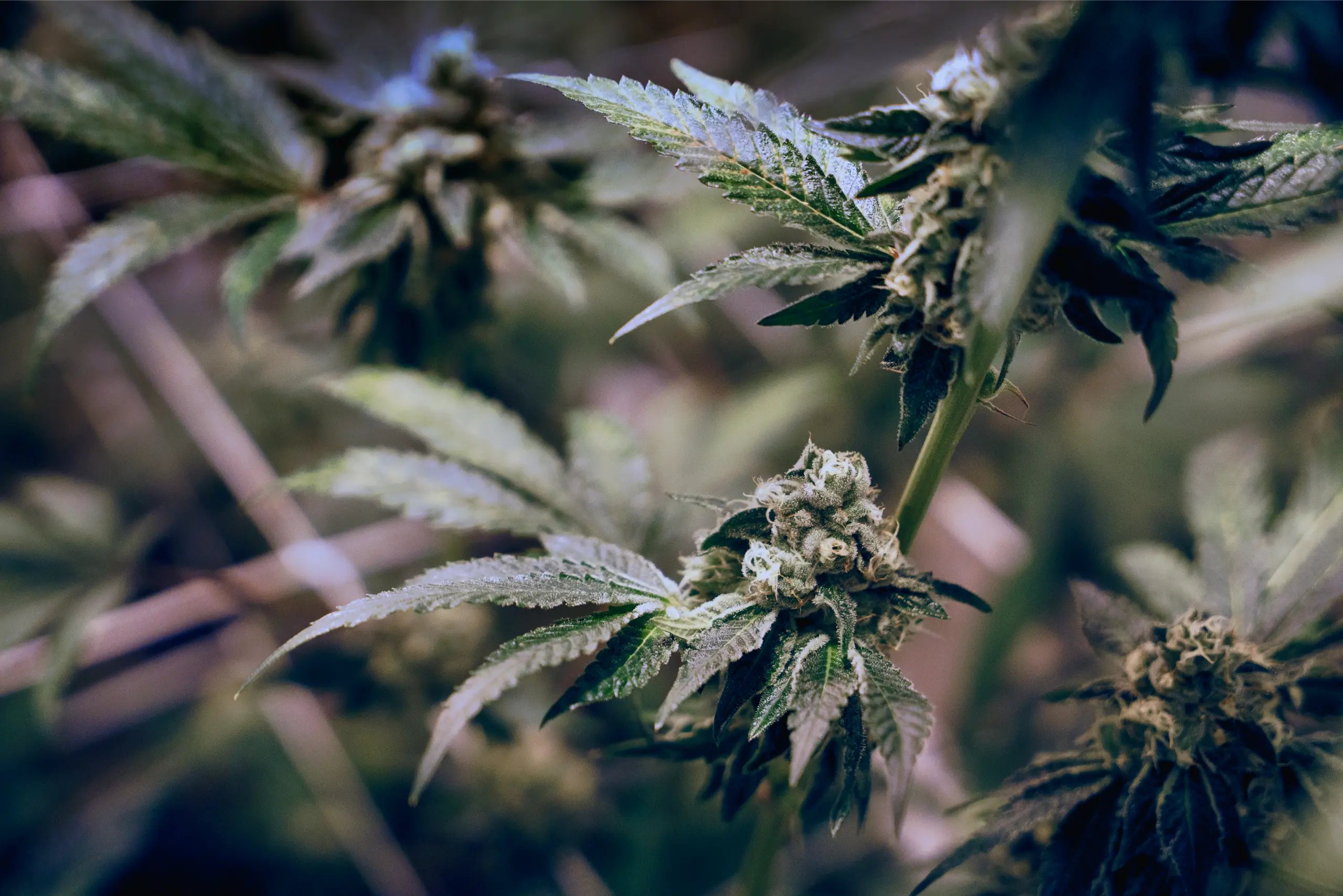
Dual OG
In the competitive arena of elite heavy-hitting indica cultivars, few modern hybrids command the respect and physical reverence of Dual OG. Bred through the intentional union of two legendary California terpene powerhouses, True OG and Banana OG, Dual OG represents an uncompromised masterwork of gas-forward potency, heavy resin production, and profound neuromuscular relaxation. By synthesizing the crushing earth-and-kerosene pungency of the clone-only True OG with the tropical overripe fruit, subtle herbal sweetness, and frosty trichome density of Banana OG, Dual OG delivers a sensory and agronomic profile that redefines the modern standard for elite OG Kush cultivars.
From an olfactory and gustatory perspective, Dual OG presents an intoxicating, multi-layered terpene bouquet that coats the palate in luxurious, lingering petroleum richness. Breaking apart a cured calyx releases an overwhelming blast of pungent chemical kerosene, crushed evergreen pine needles, sharp lemon zest, and damp forest loam, swiftly followed by a creamy undertone of caramelized banana peel and spicy black pepper. When combusted or vaporized at low temperatures, the smoke is exceptionally dense, velvety, and expansive, flooding the senses with pungent diesel fuel and rich earthy pine on the inhale, and leaving a lingering finish of sweet herbal spice and subtle fruit cream on the exhalation.
From an agronomic and horticultural standpoint, Dual OG presents a rewarding challenge for commercial cultivators and dedicated craft growers alike. Carrying the hallmark vegetative morphology of classic OG Kush genetics, the cultivar displays rapid, leggy internodal expansion, slender yet fibrous vascular stems, and an aggressive 150% to 180% vertical stretch during the first three weeks of generative flowering. When dialed in under precision environmental parameters with rigorous crop steering, targeted mineral nutrition, and proactive physical canopy support, Dual OG rewards the grower with golf-ball calyx clusters of staggering density, frosted in bulbous glandular trichomes that possess exceptional chemical potency and outstanding extractability. This comprehensive agronomic guide provides the exhaustive cultivation blueprint for Dual OG, detailing breeding history, phenotypic selection, irrigation strategies, photobiology, pest management, and post-harvest curing science.
Cultivar Quick Overview: Dual OG
Pedigree: True OG x Banana OG
Classification: Heavy Indica-Dominant Hybrid (80% Indica / 20% Sativa) | Average THC: 27% to 32%
Total Terpenes: 2.8% to 4.0% | Bloom Duration: 63 to 70 Days (9 to 10 Weeks)
Sensory Bouquet: Industrial kerosene, crushed pine needles, pungent diesel fuel, damp forest loam, subtle caramelized banana peel, cracked black pepper.
Cultivation Strategy: Implement double-tier trellis netting prior to flower induction, maintain high calcium-magnesium ratios under high PPFD LEDs, and execute disciplined dryback crop steering to limit excessive internodal elongation.
Strain Features
Dual OG stands as a pinnacle achievement in the lineage of modern indica gas hybrids. By combining the legendary genetic foundations of True OG and Banana OG, this cultivar delivers unprecedented cannabinoid density paired with heavy resin synthesis. The comprehensive data table below presents verified agronomic, chemical, and morphological benchmarks for authentic Dual OG cuts cultivated in controlled commercial environments.
| Agronomic Metric | Botanical Specification | Commercial Target Range |
|---|---|---|
| Genotypic Pedigree | True OG (clone-only cut) x Banana OG (Ghost OG x Sagmatha 60/40 Banana) | Stabilized high-potency indica-dominant polyhybrid |
| Taxonomic Classification | Indica-Dominant Hybrid (approx. 80% Indica / 20% Sativa) | Tall, lanky OG architecture with heavy lateral branching |
| Cannabinoid Potency Window | 27.0% to 32.5% Total Active Cannabinoids | Delta-9-THC: 26.0% to 31.0%, CBG: 1.0% to 1.8%, CBN: 0.2% to 0.5% |
| Flowering Cycle Duration | 63 to 70 Days (9 to 10 Weeks) | Commercial harvest window: Day 65 to Day 68 |
| Vertical Stretch Index | 150% to 180% height increase during early bloom | Demands multi-layer trellising and strict vegetative training |
| Terpene Density & Composition | 2.8% to 4.0% Total Terpenes (dry weight) | Dominant: Beta-Myrcene, Beta-Caryophyllene, D-Limonene, Alpha-Pinene |
| Commercial Indoor Yield | 450 to 550 grams per square meter (g/m2) | Medium yield composed of dense, resin-encrusted golf-ball calyx clusters |
| Solventless Hash Yield | 4.0% to 5.2% Fresh Frozen Wash (WPFF) | Abundant 90u to 120u glandular trichome head distribution |
| Target Lighting PPFD | 950 to 1,200 umol/m2/s in generative bloom | Supplemental CO2 recommended at 1,200 to 1,400 ppm |
| Optimal Vapor Pressure Deficit | Veg: 0.85 to 1.10 kPa | Mid Bloom: 1.25 to 1.45 kPa | Late Bloom: 1.50 to 1.65 kPa | Maintains continuous hydraulic pull and nutrient transport |
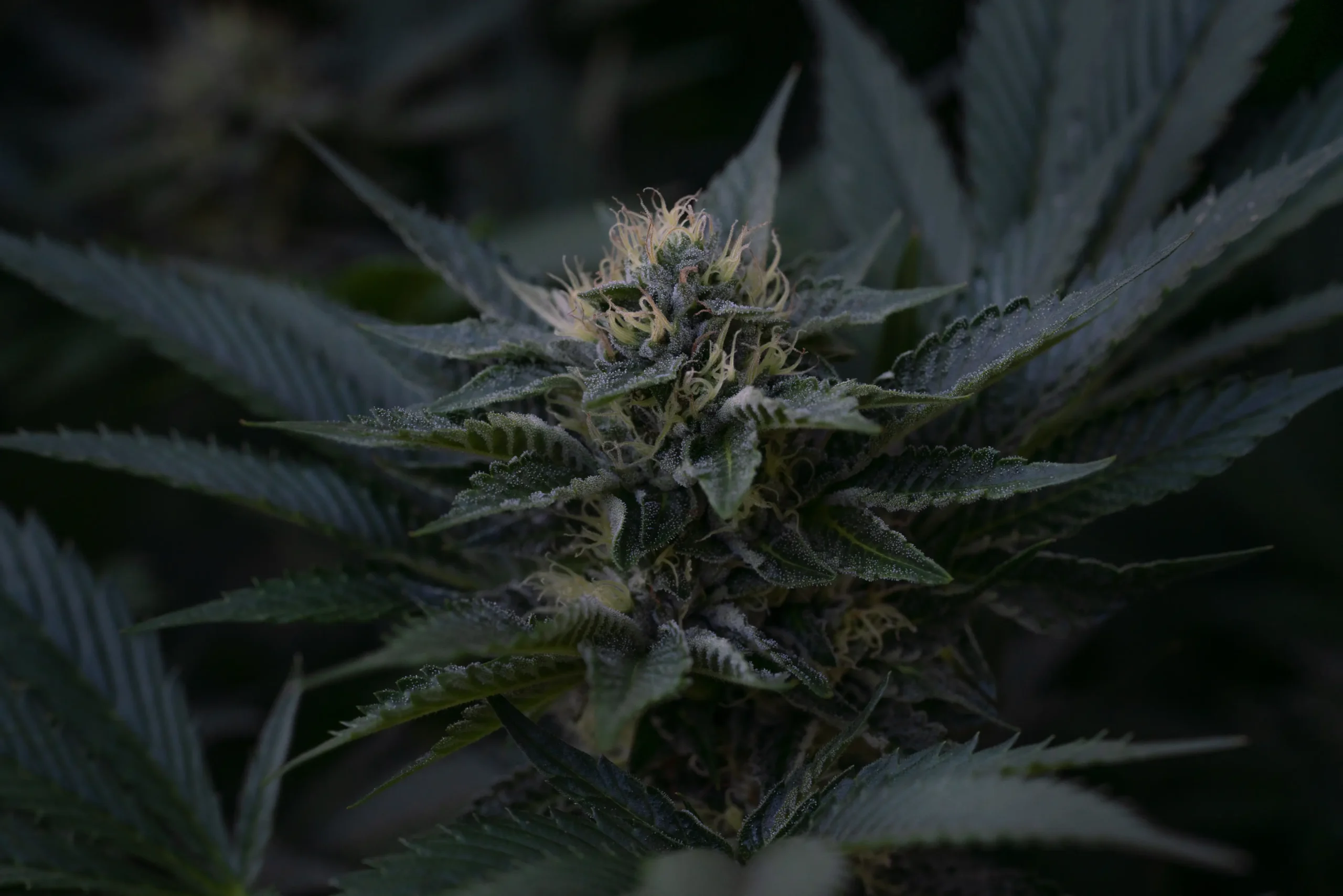
The structural morphology of Dual OG is distinctly characteristic of ancestral Kush breeding lines. In vegetative growth, internodes range from three to five inches apart, forming an open, lanky canopy that facilitates light penetration through the upper foliage layers. Fan leaves feature long, slender petioles with deeply serrated margins and dark jade coloration. Once flowering begins, floral primordia erupt at every node, stacking into tight, resin-soaked clusters that develop high calyx-to-leaf ratios, substantially simplifying the post-harvest hand manicuring process.
Genetic Lineage & Breeding History
The genetic narrative of Dual OG represents a deliberate masterclass in the stabilization and intensification of authentic Southern California OG Kush traits. In the early 2000s, True OG emerged from the San Fernando Valley as one of the purest, most uncut expressions of the original OG Kush phenotype. Characterized by its sharp, solvent-like kerosene fragrance, intense skunk undertones, and crushing physical sedation, True OG rapidly became an undisputed benchmark for medicinal efficacy and raw potency. However, classic True OG shared the traditional horticultural frustrations of old-school Kush cuts: thin, spindly lateral branches that bent under the weight of even modest flowers, sensitive rootzones prone to pythium in damp media, and a vegetative pace that tested the patience of commercial operators.
To address these agronomic constraints while deepening the complex aromatic profile, elite breeders introduced Banana OG into the equation. Bred originally by crossing Ghost OG with a selective cut of Sagmatha 60/40 Banana, Banana OG contributed exceptional trichome head formation, a substantial increase in resin gland stalk thickness, and an exotic, fermented tropical sweetness that perfectly counterbalances raw fuel. Banana OG also introduced enhanced vigor in early vegetative rooting, establishing heavier root mass and thicker vascular tissue than traditional clone-only Kush lines.
The cross of True OG with Banana OG produced Dual OG, an extraordinary hybrid that amplifies the sedative gas profile of the OG family while significantly enhancing resin output and structural fortitude. When commercial cultivators in California and Oregon first ran Dual OG selections in early 2017, the strain made immediate headlines in the solventless extraction and connoisseur flower markets. It maintained the legendary fuel and pine signature that OG enthusiasts demand, while the subtle tropical fruit esters softened the harsh edges of the smoke, creating a luxurious, mouth-coating finish that stands among the most sought-after gas profiles in modern cannabis history.
Furthermore, Dual OG has established itself as an invaluable foundational breeding parent in modern agronomy. Its remarkable genetic stability, high cannabinoid expression, and dominant terpene transmission have led elite breeders to incorporate Dual OG into new polyhybrid crosses aimed at elevating raw potency and extractability across commercial cultivation portfolios globally. Commercial tissue culture labs frequently maintain authentic Dual OG mother blocks to supply craft facilities with vigorous, virus-tested clone stock that retains genetic fidelity cycle after cycle.
Core Phenotypes & Selection Criteria
When selecting Dual OG from seed stock or establishing mother blocks from tissue-culture clones, cultivators will encounter two prominent phenotypic expressions: the Fuel Dominant Cut (True OG leaning) and the Sweet Kerosene Cut (Banana OG leaning). Both phenotypes possess immense commercial value, though each demands tailored handling and targets distinct market sectors.
The Fuel Dominant Cut represents approximately 65% of selected populations and serves as the quintessential expression of pure Kush excellence. In the vegetative canopy, this cut exhibits slender stems, pronounced internodal spacing, and deep forest-green fan leaves with sharp, serrated margins. During the generative transition, this phenotype stretches vigorously, often increasing its height by 170% within the first twenty-one days of 12/12. As floral bracts develop, they form tight, rock-solid calyx clusters that resemble heavy, frosted golf balls along the upper nodes. The terpene profile of this cut is aggressively acrid, reeking of raw petroleum, damp forest earth, crushed pine needles, and sharp skunk. Laboratory cannabinoid analyses consistently place this phenotype between 28% and 32% active THC. Extractors and purist dispensaries specifically target this cut for top-shelf hydrocarbon and live rosin product lines.
The Sweet Kerosene Cut accounts for roughly 35% of selections and displays clear morphological influences from its Banana OG parentage. In veg, this cut exhibits slightly more compact nodal spacing, thicker vascular stalks, and broader leaf blades that readily absorb high photon density. During flowering, the buds swell with slightly larger calyx structures, displaying vibrant lime-green bracts interwoven with bright tangerine pistils and a dazzling blanket of crystalline capitate-stalked trichomes. The olfactory profile is distinct, marrying sharp chemical gas and lemon pledge with a luscious undertone of overripe banana mash, vanilla cream, and warm allspice. While testing slightly lower in raw THC (26% to 29%), this cut offers superior total terpene percentages (routinely exceeding 3.5%) and delivers an exceptionally smooth, flavorful smoking experience that appeals to consumers who find pure OG fuel too abrasive.
When evaluating unrooted cuttings in propagation, the Sweet Kerosene Cut exhibits slightly faster root initiation, typically showing visible root primordia within eight to nine days in aeroponic clone collars. In contrast, the Fuel Dominant Cut requires ten to twelve days to establish robust root strikes and benefits substantially from mild bottom heat maintained between 24 and 25 degrees Celsius and gentle hormone rooting gels containing 0.3% IBA.
Effect Breakdown & Pharmacodynamics
Dual OG delivers a profound, fast-acting psychoactive experience characterized by crushing somatic sedation, immense physical pain relief, and a comforting mental tranquility that dismantles severe psychological stress. Testing consistently above 27% THC with elevated levels of beta-myrcene and beta-caryophyllene, the pharmacodynamics of Dual OG represent the pinnacle of heavy indica hybrid medicine.
Upon initial inhalation, consumers experience an immediate sensory shift. A warm, glowing sensation originates behind the eyes and across the temples, swiftly clearing away mental clutter, racing thoughts, and chronic anxiety. The initial cerebral onset is lucid yet deeply calming, inducing an elevated mood without the rapid heart rate or paranoid jitteriness frequently associated with limonene-heavy sativa strains. Within ten minutes, visual perception softens, ambient sounds feel warmer, and a wave of serene mental contentment envelops the consumer.
As the session progresses past the twenty-minute mark, the overwhelming somatic influence of the True OG and Ghost OG ancestry takes command. A deep, weighted physical relaxation travels down the cervical spine, radiating outward into the shoulders, lumbar muscles, and lower extremities. Muscle spasms, chronic inflammation, and deep joint aches melt away under the potent peripheral cannabinoid receptor engagement. The physical sedation is profound, making Dual OG an unmatched selection for late-evening decompression, intractable insomnia, and severe chronic pain management. Consumers should prepare for extensive couchlock and ravenous appetite stimulation as the high matures into a long, restorative sleep cycle that lasts between three and four hours.
From a clinical and therapeutic perspective, medical cannabis patients frequently utilize Dual OG for neuropathic pain syndromes, fibromyalgia, post-traumatic stress disorder (PTSD), and treatment-resistant insomnia. Its unique combination of high CB1 receptor agonism via delta-9-THC and peripheral CB2 modulation via beta-caryophyllene creates an entourage effect that dulls both central pain perception and peripheral inflammatory signaling pathways, allowing patients to achieve restorative deep sleep without waking from breakthrough discomfort.
Flavor & Aroma Bouquet
The sensory profile of Dual OG is an extraordinary tour de force of pungent volatile hydrocarbons, earthy monoterpenes, and subtle tropical esters. It bridges the gap between classic vintage California fuel and modern gourmet fruit complexity.
During the flowering cycle, living Dual OG plants fill the cultivation facility with an aggressive, pungent fragrance. By week five of bloom, the synthesis of volatile organic sulfur compounds (VOSCs) and high monoterpene concentrations produces a heavy, sharp odor of industrial diesel fuel, skunk spray, damp cedar wood, and chemical cleaner. Facilities cultivating Dual OG must maintain high-efficiency carbon scrubber systems, as the raw aromatic intensity can easily overwhelm standard exhaust filtration during the final four weeks of bloom.
Upon cracking open a properly cured jar of Dual OG, the aromatic blast is immediate and penetrating. Top notes of raw kerosene, crushed pine cones, and Meyer lemon rind dominate the initial olfactory impression. Agitating or grinding the dense flowers unlocks complex secondary layers: rich forest humus, spicy clove, pungent damp earth, and a distinct sweet note reminiscent of caramelized banana bread dough and funky fuel. When consumed in a clean borosilicate glass piece or rolled in unbleached organic hemp paper, the flavor mirrors the aroma with astonishing fidelity. The inhale delivers heavy, expansive fuel and spicy wood smoke that coats the throat and palate. On the exhale, the smoke releases a subtle sweet fruit cream and herbal citrus finish that leaves a persistent, oily resin sheen on the tongue for minutes after the session concludes.
Dominant Terpenes & Entourage Chemistry
Analytical testing of authentic Dual OG flowers demonstrates a comprehensive, synergistic terpene architecture ranging from 2.8% to 4.0% total terpene content by dry weight. This intricate biochemical array explains the cultivar’s profound sedative efficacy and distinctive fuel-forward bouquet.
Beta-Myrcene (0.90% to 1.35%) serves as the dominant terpene in Dual OG. Myrcene imparts the deep earthy, herbal, and damp forest aroma while functioning as a critical pharmacological potentiator. By increasing the permeability of the blood-brain barrier, myrcene enhances the trans-cellular absorption of delta-9-THC and minor cannabinoids, accelerating the onset and intensifying the overall sedative somatic experience commonly described as couchlock.
Beta-Caryophyllene (0.70% to 1.05%) provides the pungent cracked black pepper, warm woody spice, and diesel exhaust undertones. Caryophyllene holds the unique distinction of acting as a dietary cannabinoid, selectively binding to peripheral CB2 receptors throughout the human endocannabinoid system. This specific binding pathway produces potent, non-psychoactive anti-inflammatory and peripheral analgesic actions that complement THC’s central nervous system modulation.
D-Limonene (0.45% to 0.70%) introduces bright citrus zest, cleaning solvent, and sour lemon undertones. Limonene acts synergistically on serotonin and dopamine neurotransmitter pathways, alleviating mental depression, reducing social anxiety, and uplifting cerebral mood. Alpha-Pinene and Beta-Pinene (0.25% to 0.40%) contribute fresh pine needle sharpness, improve pulmonary bronchodilation, and help preserve memory retention by counteracting minor short-term memory deficits associated with high THC exposure. Minor concentrations of Alpha-Humulene (0.18% to 0.28%) and Linalool (0.12% to 0.22%) supply woody earthiness, floral lavender softness, and natural appetite modulation.
In addition to monoterpenes and sesquiterpenes, gas-chromatography mass-spectrometry (GC-MS) testing indicates the presence of trace prenylated volatile sulfur compounds, including 3-methyl-2-butene-1-thiol. These sulfur compounds, active even at parts-per-billion concentrations, are responsible for the raw, skunky chemical punch that distinguishes elite OG Kush lines from other cannabis varieties.
Indoor vs Outdoor Cultivation Dynamics
Dual OG displays remarkable genetic resilience, yet its morphological traits and heavy resin density create distinct requirements depending on whether it is grown in controlled indoor grow rooms, high-tech greenhouses, or open-field outdoor farming operations.
Indoor cultivation provides the supreme operational environment for Dual OG. Under sealed indoor conditions with automated climate control, high-output LED arrays, and supplemental carbon dioxide, cultivators can dictate exact temperature and vapor pressure deficit curves. This precise regulation prevents the development of stagnant boundary layers around its dense, golf-ball calyx clusters, virtually eliminating the hazard of internal botrytis. Furthermore, indoor environments allow growers to lower late-bloom night temperatures to 17 degrees Celsius, locking in volatile monoterpenes like myrcene and pinene that readily evaporate under high heat.
Outdoor cultivation of Dual OG can yield monumental, sprawling plants reaching over eight feet in height and yielding between 800 and 1,200 grams of dried flower per plant when cultivated in full sun and rich living soil. However, outdoor growers must operate in warm, arid or Mediterranean climates with dry late autumns, such as Southern California, Arizona, or Southern Oregon. Because Dual OG forms dense, resin-packed floral clusters, early autumn rains in late September or early October can easily lead to bud rot if the canopy remains wet. In humid or temperate regions, cultivating Dual OG inside ventilated hoop houses or light-deprivation greenhouses with active dehumidification is essential to secure high-quality harvest results.
Greenhouse growers utilizing supplemental LED lighting and blackout curtains for light deprivation can achieve multiple harvests per season with Dual OG. By initiating flower induction in late June or early July, greenhouse operators harvest by early September, completely avoiding late-season autumn humidity and damp cold snaps while benefiting from the full, natural spectrum of midday summer sun.
Strain-Specific Grow Guidance
Achieving commercial success with Dual OG requires growers to actively manage its vigorous stretch, flexible branch structure, and heavy demand for specific mineral nutrients.
Vegetative management is crucial. Dual OG naturally produces long internodes and slender lateral stems. Cultivators must top plants once or twice during the vegetative cycle, preferably above the fourth and sixth nodes. Applying low-stress training (LST) to bend main branches horizontally establishes a flat, multi-top table canopy. Installing the first layer of horizontal trellis netting approximately eight to ten inches above the pot rim allows growers to weave branches outward during late veg, creating an even distribution of primary shoots.
When switching to the 12/12 flowering cycle, install a second tier of trellis netting twelve to fourteen inches above the first layer. During the aggressive stretch between Day 1 and Day 21 of bloom, tuck and guide stretching shoots under the netting to ensure an even canopy height. Perform a thorough lower-canopy pruning (lollipopping) on Day 21, removing all weak underside growth, shade leaves, and non-productive shoots from the bottom 35% of the plant. A secondary, gentle defoliation on Day 42 removes blocking water leaves from the center of the canopy, ensuring maximum light penetration and vigorous air movement across developing flower sites.
Air circulation within the lower canopy is vital. Position oscillating fans and under-bench air delivery tubes to direct a gentle, continuous air stream upward through the pruned canopy skirt. This air movement breaks the boundary layer around swelling calyxes, accelerates transpiration, and prevents local humidity spikes that foster fungal spore germination.
Crop Steering & Irrigation Matrix
Crop steering with Dual OG is essential to rein in excessive internodal stretch during early bloom and drive maximum calyx swelling and resin gland production during peak bulking.
| Crop Steering Phase | Target Volumetric Water Content (VWC) | Substrate Pore Water EC Target | Daily Overnight Dryback % | Irrigation Shot Strategy |
|---|---|---|---|---|
| Vegetative Ramp-Up (Weeks 1-3) | P1: 58% to 65% Saturation | P2: Maintain 60% | 2.0 to 2.4 mS/cm | 35% to 40% Dryback | Morning delay of 1.5 to 2 hrs, 4-6 shots at 3% to 4% volume |
| Stretch & Floral Induction (Weeks 1-3 Bloom) | P1: 50% to 56% Saturation | P2: Maintain 52% | 2.8 to 3.5 mS/cm | 45% to 52% Dryback | Strict generative steering, small frequent pulses, 10% to 15% runoff |
| Floral Bulking (Weeks 4-7 Bloom) | P1: 68% to 76% Saturation | P2: Maintain 72% | 2.4 to 2.8 mS/cm | 25% to 30% Dryback | Vegetative steering, early morning start (1 hr post-dawn), 8-12 shots, 20% runoff |
| Late Ripening & Finish (Weeks 8-10 Bloom) | P1: 45% to 52% Saturation | P2: Maintain 48% | 1.6 to 2.0 mS/cm | 40% to 48% Dryback | Generative dryback taper, reduced nutrient input, clean white ash flush |
During the critical transition phase from Day 1 to Day 21 of bloom, generative steering protocols direct plant energy toward structural fortitude and floral initiation rather than runaway stem elongation. Delay the initial irrigation shot of the day until two hours after lights illuminate. Deliver small irrigation pulses of three percent substrate volume, allowing the substrate pore water electrical conductivity to climb between 2.8 and 3.5 mS/cm. Permitting a daily overnight dryback of 45% to 52% creates a mild osmotic gradient that signals the rootzone to restrict internodal spacing, resulting in tight, stacked floral sites.
From Day 22 through Day 49 (the bulking window), switch immediately to vegetative irrigation steering. Begin the first irrigation shot one hour after lights-on, delivering larger and more frequent pulses to saturate the substrate to 72% to 76% VWC. Limit daily overnight drybacks to 25% to 30% with an irrigation runoff target of 20% per day. This consistent moisture availability and moderate EC (2.4 to 2.8 mS/cm) reduces rootzone osmotic tension, enabling rapid cell division and expansion within developing calyxes, swelling individual flowers into rock-hard nuggets.
Technical Grower Question: Correcting Mid-Bloom Petiole Reddening and Leaf Margin Curling in Dual OG
Grower Question: My Dual OG plants in week five of flowering under 1,100 PPFD LEDs are showing pronounced deep purple-red petiole striping and upward curling on upper fan leaf margins. Feed EC is currently 2.5 mS/cm with a 5.9 pH in coco. How should I diagnose and correct this physiological response?
Agronomic Solution: In high-transpiration OG hybrids cultivated under intensive LED photon flux, upward leaf curling paired with anthocyanin accumulation along petioles indicates acute magnesium and calcium deficiency compounded by excessive transpiration stress. The lack of infrared heat in modern LEDs lowers leaf surface temperatures relative to room air, impeding passive calcium translocation while high photosynthetic demand rapidly consumes bioavailable magnesium for chlorophyll function. Immediately increase bioavailable magnesium by 40 ppm (using pharmaceutical-grade magnesium sulfate) and calcium by 30 ppm (using calcium chloride or chelated calcium). Elevate ambient room temperature by 1.5 degrees Celsius to bring leaf surface temperature up to 26 degrees Celsius, and calibrate relative humidity to maintain VPD at exactly 1.35 kPa. Within 72 hours, leaf margin relaxation will occur and petiole discoloration will halt.
Living Soil, Organics & Secondary Metabolites
While Dual OG performs with impressive precision in automated inert substrates, cultivating this cut in biologically active living soil beds unlocks a subterranean depth of earthy gas, sweet fruit funk, and terpene complexity that synthetic salt regimens cannot duplicate.
Building an elite living soil bed for Dual OG requires a well-aerated base consisting of equal parts aged Canadian sphagnum peat moss, premium thermal compost, high-potency worm castings, and coarse volcanic pumice or aeration basalt. Inoculating the substrate at planting with an array of endomycorrhizal fungi (Glomus intraradices) and beneficial rhizobacteria (Bacillus amyloliquefaciens and Pseudomonas putida) establishes an expansive subterranean mycorrhizal network that solubilizes organic phosphorus, unlocks bound iron, and delivers bioavailable trace minerals directly to root hair interfaces.
During the generative cycle, organic growers should apply comprehensive dry amendments at Day 14 and Day 35 of flowering. A balanced top-dress blend of steamed fish bone meal, micronized Indonesian bat guano, cold-water kelp meal, mined langbeinite, and crushed crab meal delivers slow-release potassium, sulfur, magnesium, and chitin without generating osmotic salt stress. Supplementing bi-weekly with aerated organic compost teas brewed with forest leaf mold, humic acids, and pure blackstrap molasses provides billions of living microbes that metabolize soil minerals into bio-compounds, maximizing secondary metabolite accumulation and trichome head lipid synthesis.
The addition of bioavailable insect frass and malted barley powder into the top-dress layer provides chitin and active enzymes such as amylase, phosphatase, and protease. These enzymes break down complex starches and organic compounds into simple sugars and bioavailable minerals that stimulate the systemic acquired resistance (SAR) pathway within Dual OG, prompting the plant to synthesize higher concentrations of defensive aromatic terpenes and dense resin glands.
Lighting Spectrum, DLI & Photobiology
Dual OG exhibits exceptional photobiological efficiency, possessing the enzymatic capacity to process high photon flux densities when ambient environmental carbon dioxide and canopy transpiration are harmonized.
| Developmental Stage | Photoperiod Schedule | Target PPFD Range | Supplemental CO2 Level | Target Daily Light Integral (DLI) |
|---|---|---|---|---|
| Early Vegetative (Rooted Clones) | 18 Hours Light / 6 Hours Dark | 350 to 450 umol/m2/s | Ambient (400 to 450 ppm) | 22.7 to 29.2 mol/m2/day |
| Late Vegetative Canopy Fill | 18 Hours Light / 6 Hours Dark | 550 to 700 umol/m2/s | 700 to 900 ppm | 35.6 to 45.4 mol/m2/day |
| Early Bloom Stretch (Weeks 1-3) | 12 Hours Light / 12 Hours Dark | 850 to 950 umol/m2/s | 1,000 to 1,200 ppm | 36.7 to 41.0 mol/m2/day |
| Peak Bulking (Weeks 4-7) | 12 Hours Light / 12 Hours Dark | 1,000 to 1,200 umol/m2/s | 1,200 to 1,400 ppm | 43.2 to 51.8 mol/m2/day |
| Late Ripening (Weeks 8-10) | 12 Hours Light / 12 Hours Dark | 650 to 750 umol/m2/s | Ambient (400 to 500 ppm) | 28.1 to 32.4 mol/m2/day |
Lighting spectral composition significantly alters Dual OG morphology and secondary metabolite expression. Utilizing broad-spectrum white LED fixtures rich in 660 nm deep red and 730 nm far red photons during early flowering promotes rapid flower site initiation and healthy calyx development. During the final fourteen days of bloom, introducing controlled daily pulses of UV-A (385 nm) and UV-B (310 nm) radiation triggers a protective enzymatic defense response in the plant. In response to UV exposure, epidermal cells synthesize dense coats of glandular trichomes loaded with cannabinoids and terpenes to shield developing ovules, measurably boosting both THC percentage and aromatic volatile depth.
Daily Light Integral (DLI) management is critical to avoid photo-inhibition. In vegetative growth, targeting a DLI of 35 to 45 mol/m2/day supports rapid vegetative branching and thick stem formation. In generative bloom, elevating DLI to 45 to 52 mol/m2/day under 1,200 to 1,400 ppm CO2 drives maximum photosynthesis without leaf bleaching. In the final ten days before harvest, lowering PPFD to 700 umol/m2/s and tapering CO2 to ambient levels prevents photo-oxidation and preserves heat-sensitive volatile terpenes.
Mineral Nutrition & Deficiency Management
Dual OG is a heavy-feeding, high-metabolism cultivar that demands a robust mineral nutritional profile, particularly in bioavailable calcium, magnesium, and potassium.
| Growth Phase | Nitrogen (N) | Phosphorus (P) | Potassium (K) | Calcium (Ca) | Magnesium (Mg) | Target Solution EC |
|---|---|---|---|---|---|---|
| Early Vegetative (Weeks 1-2) | 135 to 155 ppm | 40 to 50 ppm | 125 to 145 ppm | 120 to 140 ppm | 55 to 65 ppm | 1.5 to 1.7 mS/cm |
| Late Vegetative & Stretch (Weeks 3-5) | 160 to 185 ppm | 50 to 65 ppm | 165 to 195 ppm | 150 to 175 ppm | 65 to 80 ppm | 2.0 to 2.4 mS/cm |
| Floral Bulking (Weeks 6-8) | 85 to 105 ppm | 70 to 85 ppm | 210 to 245 ppm | 160 to 185 ppm | 70 to 85 ppm | 2.3 to 2.7 mS/cm |
| Ripening & Flush (Weeks 9-10) | 20 to 30 ppm | 30 to 40 ppm | 75 to 95 ppm | 60 to 80 ppm | 25 to 35 ppm | 1.0 to 1.3 mS/cm |
Careful monitoring of the cation balance (potassium, calcium, and magnesium) is paramount when growing Dual OG. Because the cultivar possesses high vegetative stretch and rapid floral development, it draws heavily upon substrate calcium to reinforce cell wall pectins. If potassium inputs are elevated too aggressively during early flowering, excess potassium ions will competitively inhibit calcium and magnesium uptake, leading to classic leaf margin necrosis and interveinal chlorosis. Maintaining solution pH between 5.8 and 6.2 in hydro and coco systems guarantees complete elemental bioavailability across all developmental windows.
Micronutrient management also requires attention. Dual OG displays high demand for bioavailable iron (Fe), manganese (Mn), and zinc (Zn). Supplying chelated iron (Fe-EDDHA or Fe-DTPA) at 2.5 to 3.5 ppm maintains rich emerald coloration in upper leaves and prevents interveinal chlorosis in high-pH coco media. Boron supplementation at 0.5 ppm during early flowering reinforces cell division and pollen tube viability, promoting uniform calyx development across all floral clusters.
Integrated Pest & Pathogen Management
Due to the dense calyx cluster formation and heavy resin output of Dual OG, implementing a disciplined Integrated Pest Management (IPM) program that emphasizes biological sanitation and proactive bio-controls is essential for crop protection.
| Target Pest or Pathogen | Primary Agronomic Vulnerability | Biological Control Agent | Cultural or Environmental Protocol |
|---|---|---|---|
| Botrytis cinerea (Bud Rot) | High internal moisture within dense calyx clusters | Bacillus subtilis (Cease or Serenade in veg) | Maintain late-bloom RH below 45%, ensure 1.55 kPa VPD, continuous horizontal air movement |
| Powdery Mildew (Golovinomyces) | Rapid temperature and humidity swings in mid bloom | Reynoutria sachalinensis (Regalia in veg) | Avoid cold dark-cycle humidity spikes, maintain steady day-night temperature differential |
| Two-Spotted Spider Mites | Warm, low-humidity canopy pockets | Phytoseiulus persimilis & Neoseiulus californicus | Hang continuous-release predatory mite sachets throughout vegetative canopy branching |
| Western Flower Thrips | Foliar feeding and viral transmission | Amblyseius swirskii & Orius insidiosus | Apply foliar predatory mites weekly in veg, combine with soil Steinernema feltiae drenches |
Cultural sanitation serves as the first line of defense. Keep cultivation rooms spotless, ensuring floors and irrigation trays are scrubbed weekly with food-grade peracetic acid solutions. Beneficial biological agents should be introduced early in the vegetative cycle before pest populations establish a foothold. Beneficial predatory mites such as Neoseiulus californicus provide exceptional ongoing suppression of spider mites and broad mites. Cease all foliar bio-fungicide sprays prior to Day 14 of generative flowering to ensure complete purity of the developing resin heads.
Rootzone hygiene is equally critical. To protect against Pythium ultimum and Fusarium oxysporum in recirculating or high-frequency drain-to-waste systems, inoculate the substrate with Trichoderma harzianum and Streptomyces lydicus. These beneficial fungi and bacteria colonize the rhizosphere, forming a protective biological barrier around root tips that outcompetes pathogenic fungi and secretes natural antifungal enzymes.
Solventless Hash & Live Rosin Extraction
Dual OG has earned immense acclaim among connoisseur extractors for delivering live rosin with unmatched pungent gas aromatics and extraordinary solventless wash yields.
| Extraction Parameter | Target Operating Specification | Connoisseur Live Rosin Quality Standard |
|---|---|---|
| Harvest Preparation | Whole Plant Fresh Frozen (WPFF) | Harvest in dark, hand buck directly into cold food-grade bags, freeze within 40 minutes at -20 C |
| Wash Water Temperature | 0.5 to 1.5 degrees Celsius | Reverse osmosis ice water bath with gentle vortex agitation |
| Sieve Collection Fraction | Primary melt: 73u to 119u | Secondary/food grade: 45u and 160u |
| Freeze Drying Duration | 20 to 24 hours at 110 mTorr vacuum | Sublimation shelf temp maintained at 7.0 degrees Celsius (45 F) |
| Pressing Parameters | 72 to 78 degrees Celsius (162 to 172 F) | 25-micron double sleeve, 650 to 750 psi platen pressure, 100-second slow extraction |
| Cold Cure Maturation | 14 to 21 days at 12 to 14 degrees Celsius | Develops glistening terpene pool over dense, chalky badder core |
Microscopic inspection of Dual OG bracts reveals an extraordinarily dense forest of capitate-stalked glandular trichomes, with mature head diameters predominantly measuring between 90 and 120 microns. The trichome heads feature narrow, brittle neck abscission zones that shear cleanly from the stalks during cold water washing, resulting in minimal vegetative debris contamination. Whole-plant fresh frozen wash yields routinely reach between 4.0% and 5.2%, with the resulting cold-cured live rosin exhibiting a pale cream hue and emitting an intense, room-filling stench of raw petroleum fuel, crushed pine, and sweet overripe fruit.
During the pressing process, maintaining platen temperature between 72 and 78 degrees Celsius preserves the volatile monoterpenes and avoids darkening the rosin. The slow application of pressure over 100 seconds allows the liquefied terpene and cannabinoid fraction to flow smoothly into the collection parchment without scorching. Once pressed, placing the rosin into sealed borosilicate glass jars in a dark cold-cure vault at 12 degrees Celsius for two to three weeks initiates badder nucleating, producing a wet, shelf-stable consistency that retains its aromatic punch indefinitely.
Harvest Timing, Drying & Curing Science
Preserving the fragile monoterpenes and achieving smooth, white-burning combustion with Dual OG requires meticulous post-harvest management and environmental stability.
Begin evaluating trichome head coloration under a 60x jeweler microscope or digital scope starting on Day 58 of flowering. The premier harvest window for Dual OG occurs when 85% to 90% of glandular heads are milky white, with 8% to 12% transitioning to rich amber, typically achieved between Day 64 and Day 68 of bloom. Harvesting within this target window captures maximum delta-9-THC concentration while preserving the peak volatile terpene balance.
Harvest whole plants in the dark just before lights-on to capture terpenes at their highest biological concentration. Hang entire plants upside down in a dedicated dark drying room maintained under strict 60/60 conditions: 15.5 degrees Celsius (60 degrees Fahrenheit) and 60% relative humidity with continuous, gentle indirect air movement. Allow flowers to dry slowly over 14 to 17 days until small lateral stems snap crisply instead of bending. After meticulous hand-trimming, seal buds in airtight glass curing jars or food-grade storage containers, burping daily for two weeks until water activity stabilizes at 0.58 to 0.62 aw.
During the curing phase, enzymatic chlorophyll degradation converts residual harsh plant pigments into neutral compounds while complex terpene-cannabinoid interactions mature. Storing cured jars in a temperature-controlled dark room at 15 to 18 degrees Celsius ensures that the cured flowers burn to pure white fluffy ash with a smooth, expansive smoke that never scratches the throat.
Weedth Bud Flavor Tips
Unlocking the full terpene potential and eliminating harsh mineral bites from Dual OG requires dedicated agronomic care during the final two weeks of flowering.
Initiate a gradual nutrient reduction starting on Day 52 of bloom. Taper feed EC down to 1.0 to 1.2 mS/cm using pure, reverse-osmosis water supplemented with low concentrations of organic fulvic and humic acids. This biological wash encourages the plant to translocate and metabolize accumulated mineral salts, nitrates, and stored starches, ensuring a velvety smooth, pure white ash smoke.
Maintain cool night temperatures during late bloom. Dropping night temperatures to 17 degrees Celsius during the final ten days prevents volatile monoterpenes like myrcene, pinene, and limonene from volatilizing into the ambient room air. Harvesting the canopy in complete darkness preserves these fragile aromatic compounds at their absolute peak.
Ensure gentle curing handling. Avoid mechanical tumbling or aggressive machine trimming, which ruptures delicate external trichome heads and oxidizes precious terpenes. Hand-trimming preserves the protective cuticle layer of glandular trichomes, locking in authentic gas aromatics for long-term storage.
Utilize slow burping schedules. In the first seven days of jar curing, burp containers for ten minutes twice daily to release residual moisture and gases. From day eight to day twenty-one, reduce burping to once every three days. This controlled oxygen exchange stabilizes moisture equilibrium throughout the dense inner core of the calyx clusters without drying out the exterior resin.
Weedth Bud Boost Tips
Commercial growers seeking to maximize calyx swelling, overall flower density, and resin gland accumulation with Dual OG can implement several advanced environmental and nutritional strategies.
Supplement with bioavailable monosilicic acid throughout vegetative and early generative bloom. Bioavailable silica integrates directly into cellular wall matrices, creating rigid, sturdy stems capable of carrying heavy colas without snapping while enhancing heat and drought stress tolerance.
Deliver targeted amino acid chelation during peak bulking between Day 28 and Day 45 of bloom. Providing pharmaceutical-grade L-glycine and L-glutamic acid at 50 to 75 ppm via fertigation enhances chlorophyll production and accelerates the cellular transport of calcium and magnesium into developing floral bracts.
Maintain precise vapor pressure deficit (VPD) control during mid-bloom. Keeping VPD steadily between 1.30 and 1.45 kPa guarantees uninterrupted transpiration pull without triggering stomatal closure, ensuring continuous delivery of calcium, potassium, and magnesium to swelling flower clusters.
Incorporate targeted carbohydrate supplementation in late bloom. Feeding pure, cold-pressed blackstrap molasses or horticultural-grade complex carbohydrates at 2 to 3 ml per gallon from Day 35 to Day 55 feeds beneficial rootzone microorganisms, enhancing mycorrhizal activity and promoting increased resin gland density on upper bracts.
Grower Notes and Feedback
In my cultivation runs with Dual OG across multiple indoor seasons, several critical horticultural truths have become evident. First and foremost, you cannot treat Dual OG like a short, bushy indica. Despite its 80% indica dominance, its True OG ancestry expresses aggressive vegetative stretch and thin, flexible branches that will bend to the floor under the weight of mature flowers. Installing a stout, double-layer trellis net system is not optional, it is mandatory. I top my plants at node five, weave the lateral branches aggressively outward through the first net layer, and flip to 12/12 with a wide, completely flat canopy.
Nutritional management requires disciplined restraint with nitrogen and generous delivery of secondary minerals. In my facility, Dual OG reacts with severe leaf clawing if nitrogen is maintained above 110 ppm past week three of bloom. However, it demands extraordinarily high levels of bioavailable calcium and magnesium under intensive LED fixtures. By pushing calcium to 170 ppm and magnesium to 75 ppm with an EC of 2.5 mS/cm during peak bulking, I consistently produce rock-solid golf-ball calyx clusters with zero edge necrosis. Lowering my night temperatures to 17 degrees Celsius during the final twelve days locks in an unforgettable stench of raw kerosene, crushed pine needles, and sweet overripe fruit.
Dispensary feedback and smoke panel reviews for Dual OG are universally exceptional. Connoisseurs describe it as an absolute hammer, praising its instant somatic heaviness, long-lasting pain relief, and authentic vintage Kush gas. Its bag appeal is remarkable: dense, lime-green nuggets frosted in crystalline resin that snap with a loud crack and leave your fingers covered in sticky, pungent petroleum resin.
From a commercial yield perspective, while Dual OG does not produce massive donkey-dick colas like commercial commercial cash-crop strains, its high calyx density and extraordinary dry flower weight surprise growers at harvest. Calyxes dry down with minimal shrinkage, retaining rock-like solidity and yielding top-shelf wholesale valuations that consistently outperform softer, fruit-only varieties in competitive markets.
Weedth Editor’s Note
Cultivating Dual OG in my research facility has consistently reinforced my deep admiration for authentic California gas genetics. In my dedicated five-gallon fabric container setup using my preferred seventy-thirty coco coir and coarse perlite blend, I run Dual OG on an automated precision drip fertigation system. In vegetative growth, I observe rapid taproot and lateral root expansion as my plants build long, fibrous stalks with deeply serrated emerald fan leaves. I top my plants firmly at the fifth node and personally apply low-stress training ties to pull my primary lateral shoots into a wide horizontal tabletop canopy before I initiate generative bloom.
When I flip my room to the 12/12 photoperiod, Dual OG demonstrates an aggressive and energetic 160% vertical stretch over the first twenty-one days under my care. I steer the plants generatively during this critical window, delaying my initial morning irrigation event until two hours after lights-on and targeting daily drybacks between 48% and 52% to keep my internodes tight and compact. During peak floral bulking from week four through week seven, I feed at an electrical conductivity of 2.5 mS/cm, delivering balanced calcium, magnesium, and bioavailable monosilicic acid under 1,100 umol/m2/s of high-output LED photon flux while I maintain carbon dioxide at 1,300 ppm. The floral bracts stack with immense density under my lights, forming heavy, resin-coated golf-ball clusters that glisten across my tables.
As my plants mature through late flowering from Day 48 to Day 66, the sensory experience in my facility becomes truly overwhelming to my senses. I drop my night temperatures to 17 degrees Celsius while holding my day temperatures at 23 degrees Celsius and driving relative humidity down to 43 percent to eliminate mold risk in my dense clusters. This environmental taper preserves volatile monoterpenes and locks in an intense bouquet of raw chemical kerosene, damp cedar forest, and sweet caramelized banana mash. By Day 66, my microscopic examination shows 88% milky glandular trichome heads with 12% rich amber, indicating to me the absolute peak of cannabinoid and terpene synthesis.
After I complete a meticulous sixteen-day slow dry at 60 degrees Fahrenheit and 60 percent relative humidity, the cured flowers deliver an extraordinary smoke report to my palate. The combustion is remarkably smooth and velvety, coating my mouth in rich industrial petroleum, spicy pine, and sweet fruit cream that lingers for hours after I exhale. The primary agronomic challenge I face when growing Dual OG is its heavy vertical stretch and delicate lateral branches, which demand that I employ double-tier trellising and careful pruning to avoid canopy overcrowding. For commercial operators and dedicated home growers seeking uncompromising 29% THC potency, devastating physical sedation, and elite solventless hash returns, I recommend Dual OG as an indispensable champion that belongs in every high-performance grow room.
Similar Strains
Cultivators and consumers who revere the crushing potency, petroleum gas aromatics, and profound physical sedation of Dual OG will find exceptional satisfaction in several closely related elite cultivars.
| Cultivar Name | Genetic Lineage | Shared Terpenes & Sensory Traits | Key Agronomic Distinction |
|---|---|---|---|
| True OG | Original OG Kush selection | Myrcene, Caryophyllene, raw fuel, earthy pine, skunk, heavy couchlock | The foundational maternal parent; thinner branches and slightly slower vegetative root expansion |
| Banana OG | Ghost OG x Sagmatha 60/40 Banana | Myrcene, Limonene, overripe banana, sweet herbal spice, heavy resin | Sweeter fruit profile with heavier resin gland stalks and less aggressive stretch |
| Fatso | GMO Cookies x Legend OG | Caryophyllene, Myrcene, sulfur gas, garlic, burnt rubber, knockout stone | More pungent savory garlic-fuel funk with longer 70-day bloom cycle |
| High Octane OG | Sunset Sherbet x Octane | Caryophyllene, Myrcene, pure jet fuel, chemical solvent, heavy sedation | Sharper industrial fuel aroma with slightly higher lateral branch density |
Among these related genetic powerhouses, True OG provides the raw, uncompromising kerosene foundation and heavy sedative kick, while Banana OG softens the experience with tropical fruit esters and superior trichome density. Fatso introduces a funky savory garlic dimension, while High Octane OG pushes the boundaries of pure chemical solvent fuel. Nonetheless, Dual OG occupies a unique and revered position for its harmonious fusion of classic California Kush power, luscious fruit-and-fuel bouquet, and elite solventless extraction performance.
Cultivator FAQ & Troubleshooting
Q1: What are the foundational genetics of Dual OG?
Dual OG was created by crossing the renowned clone-only True OG with Banana OG (Ghost OG x Sagmatha 60/40 Banana). This union combines the crushing potency and raw kerosene aroma of True OG with the heavy resin production and subtle tropical fruit sweetness of Banana OG.
Q2: How much does Dual OG stretch after flipping to the 12/12 photoperiod?
Dual OG exhibits an aggressive vertical stretch of 150% to 180% during the first twenty-one days of flowering. Cultivators must employ double-tier trellis netting, top early in veg, and utilize generative dryback crop steering to maintain an even canopy height.
Q3: What is the optimal flowering duration for Dual OG?
The commercial flowering duration for Dual OG is 63 to 70 Days (9 to 10 Weeks). The peak harvest window typically occurs between Day 65 and Day 68, when 85% to 90% of trichome heads are milky white and 8% to 12% display rich amber coloration.
Q4: Why does Dual OG require high calcium and magnesium supplementation?
Dual OG exhibits rapid vascular elongation and heavy calyx development under high-output LED fixtures. Because modern LEDs lack infrared heat, passive transpiration can lag, limiting calcium uptake, while intense photon flux rapidly depletes magnesium within chlorophyll molecules. Supplementing calcium and magnesium prevents interveinal chlorosis and leaf margin curling.
Q5: What are the primary dominant terpenes in Dual OG?
The dominant terpenes in Dual OG are Beta-Myrcene (0.90% to 1.35%), Beta-Caryophyllene (0.70% to 1.05%), D-Limonene (0.45% to 0.70%), and Alpha-Pinene (0.25% to 0.40%). This chemical combination produces its signature industrial kerosene, crushed pine, and sweet caramelized banana aroma while delivering deep neuromuscular relaxation.
Share this article
A quick overview of the topics covered in this article.
Follow us
Latest articles
November 9, 2026
November 9, 2026
November 9, 2026
November 9, 2026
